
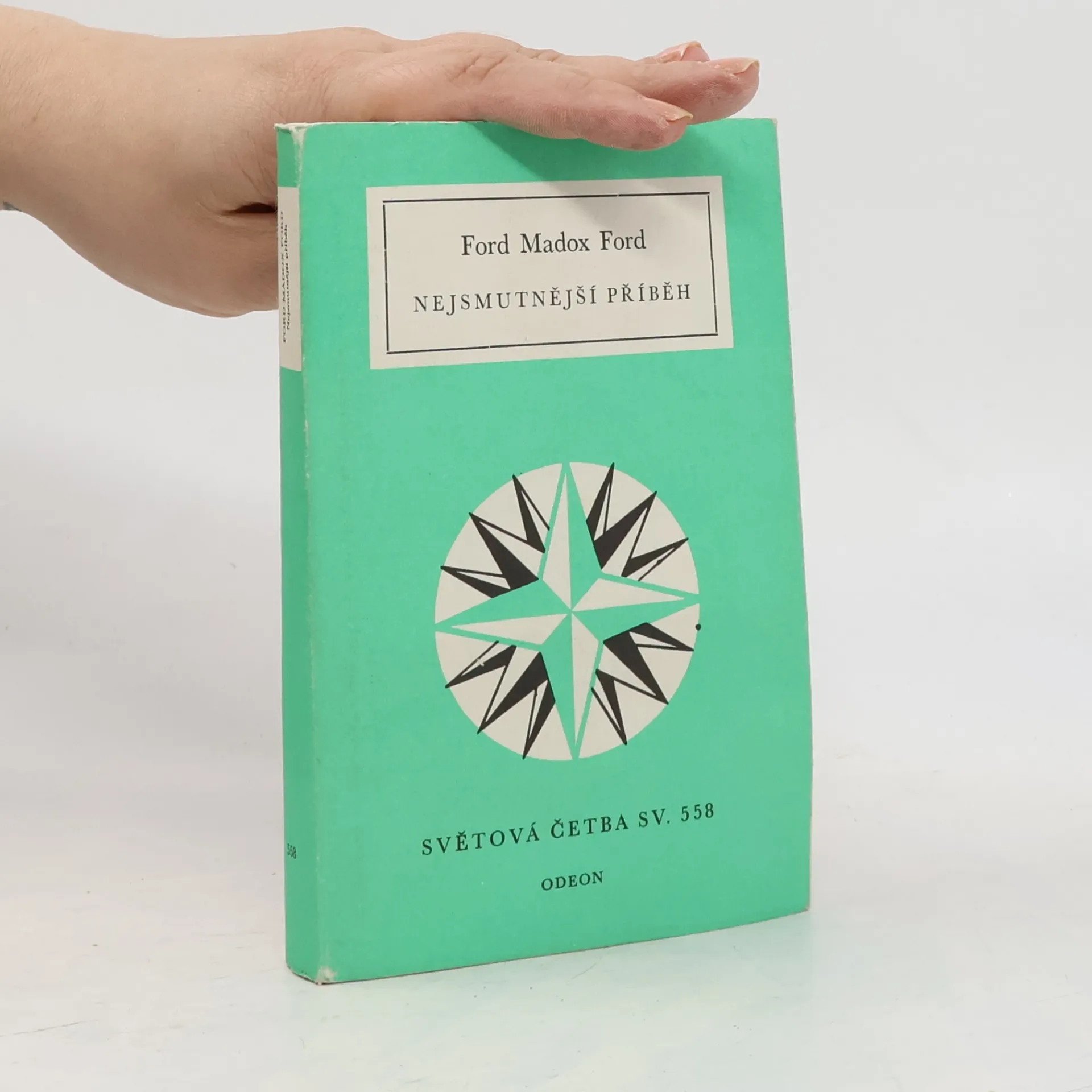
Nejsmutnější příběh
- 277 stránek
- 10 hodin čtení
Ford Madox Ford byl klíčovou postavou rané anglické literární scény 20. století, zejména díky svým redakčním počinům, které podporovaly nové talenty. Jeho rozsáhlé dílo, zahrnující romány, poezii i kritiku, se vyznačuje hlubokým vhledem do lidské psychiky a složitostí vztahů. Ford mistrně proplétal vyprávění, často s využitím nechronologických prvků a vnitřních monologů, aby odhalil nuance lidské zkušenosti. Jeho psaní zkoumá témata paměti, ztráty a hledání smyslu v bouřlivých dobách, což z něj činí významného hlasatele své generace.


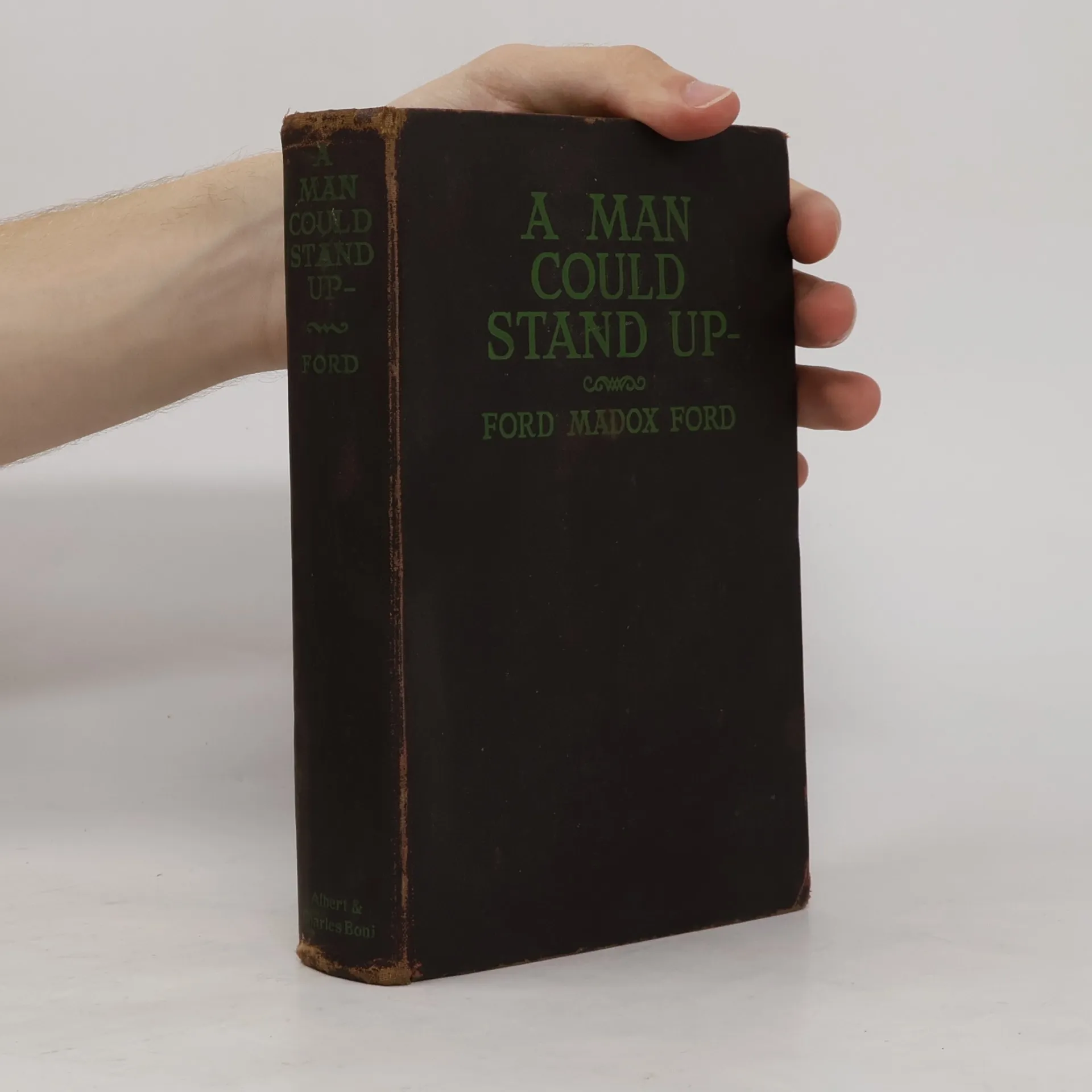
Some Do Not, No More Parades , A Man Could Stand Up, and Last Post)
Exploring the profound impact of war, this book delves into an entire era marked by destruction and upheaval. It examines the social, cultural, and emotional ramifications of conflict, highlighting how lives and communities are irrevocably changed. Through vivid storytelling, the narrative captures the essence of resilience amidst chaos, portraying the broader historical context and the human experience during tumultuous times.
Set during the tumultuous reign of King Henry VIII, the story follows Katharine Howard as she rises from obscurity to become his fifth wife. The novel intricately explores themes of power, politics, and personal relationships within the Tudor court. Katharine is depicted with depth, showcasing her innocence and resilience amid the court's intrigue and danger. Ford Madox Ford vividly portrays the social and cultural landscape of the sixteenth century, creating a compelling narrative filled with courtly drama, shifting alliances, and personal challenges.
This never-before published volume offers the late author's personal views on the period 1870-1895, presenting a history of that time fleshed out with reminiscence and anecdote
Set against the backdrop of post-World War I England, this installment of Ford Madox Ford's Parade's End tetralogy delves into the complexities of love, war, and societal change. The narrative explores the psychological struggles of its characters, reflecting the disillusionment of the era. Ford, a notable figure in early modernist literature, draws on his rich literary heritage and experiences, having influenced many writers through his editorial work. This edition features a new introduction, enhancing the reader's understanding of Ford's significant contributions to literature.
Set against the backdrop of World War I, the novel follows Christopher Tietjens, a brilliant statistician and aristocrat grappling with a troubled marriage and societal changes. As he navigates an affair with a young Suffragette, Tietjens' internal conflict drives him to enlist in the army, motivated by a mix of despair and a desire for purpose. His character embodies the struggles of a fading aristocracy in a transforming Britain, making the narrative both symbolic and deeply human. This classic work is recognized as a significant contribution to twentieth-century literature.
The second in a new, definitive, four volume edition of Ford's masterpiece. A panorama of the First World War, an exploration of time, history and sexuality to rival the visions of Joyce and Proust.
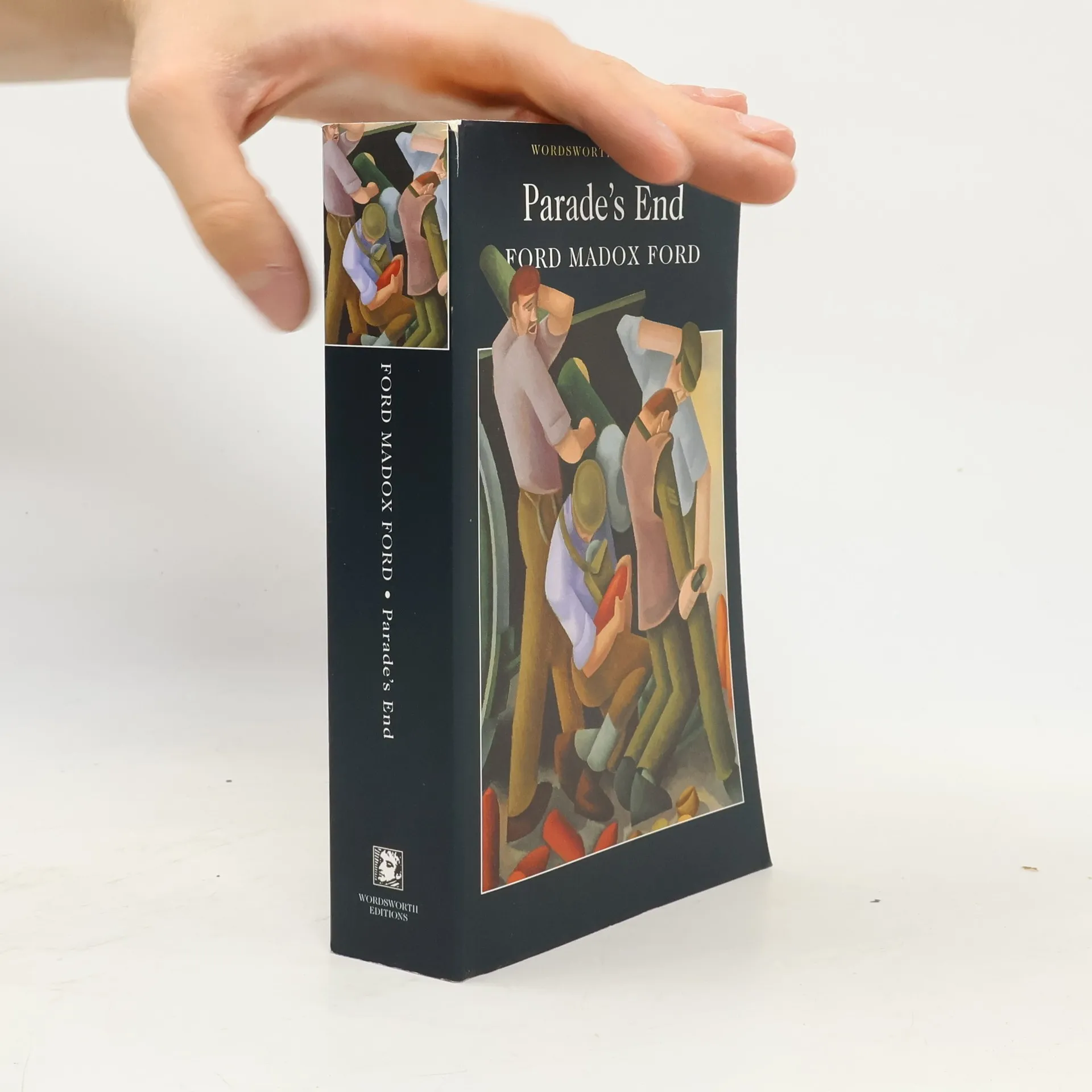
Ford Madox Ford’s tetralogy set in England during World War I is widely considered one of the best novels of the twentieth century. First published as four separate novels (Some Do Not…, No More Parades, A Man Could Stand Up, and The Last Post) between 1924 and 1928, Parade’s End explores the world of the English ruling class as it descends into the chaos of war. Christopher Tietjens is an officer from a wealthy family who finds himself torn between his unfaithful socialite wife, Sylvia, and his suffragette mistress, Valentine. A profound portrait of one man’s internal struggles during a time of brutal world conflict, Parade’s End bears out Graham Greene’s prediction that “there is no novelist of this century more likely to live than Ford Madox Ford.”
Tietjens is the last of a breed, the Tory gentleman, which the Great War, marriage and qualities inherent in his nature define and unravel. Opposite him is Macmaster, a Scot, different in class and culture, at once friend and foil.
Ford Madox Ford spent his last years in the south of France, near Toulon. This book explores both the place and the idea of it. It displays Ford's wise, beguiling curiosity.