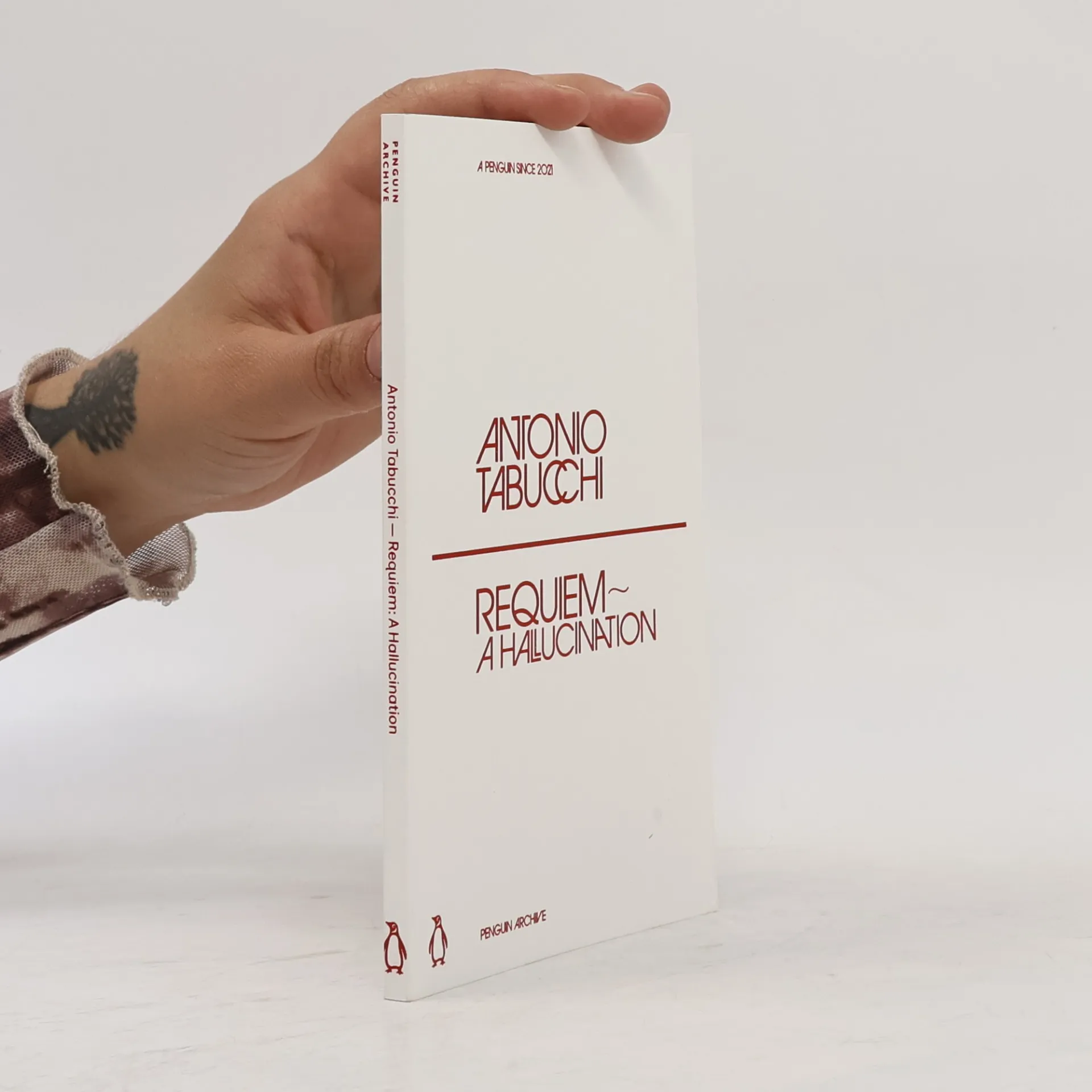
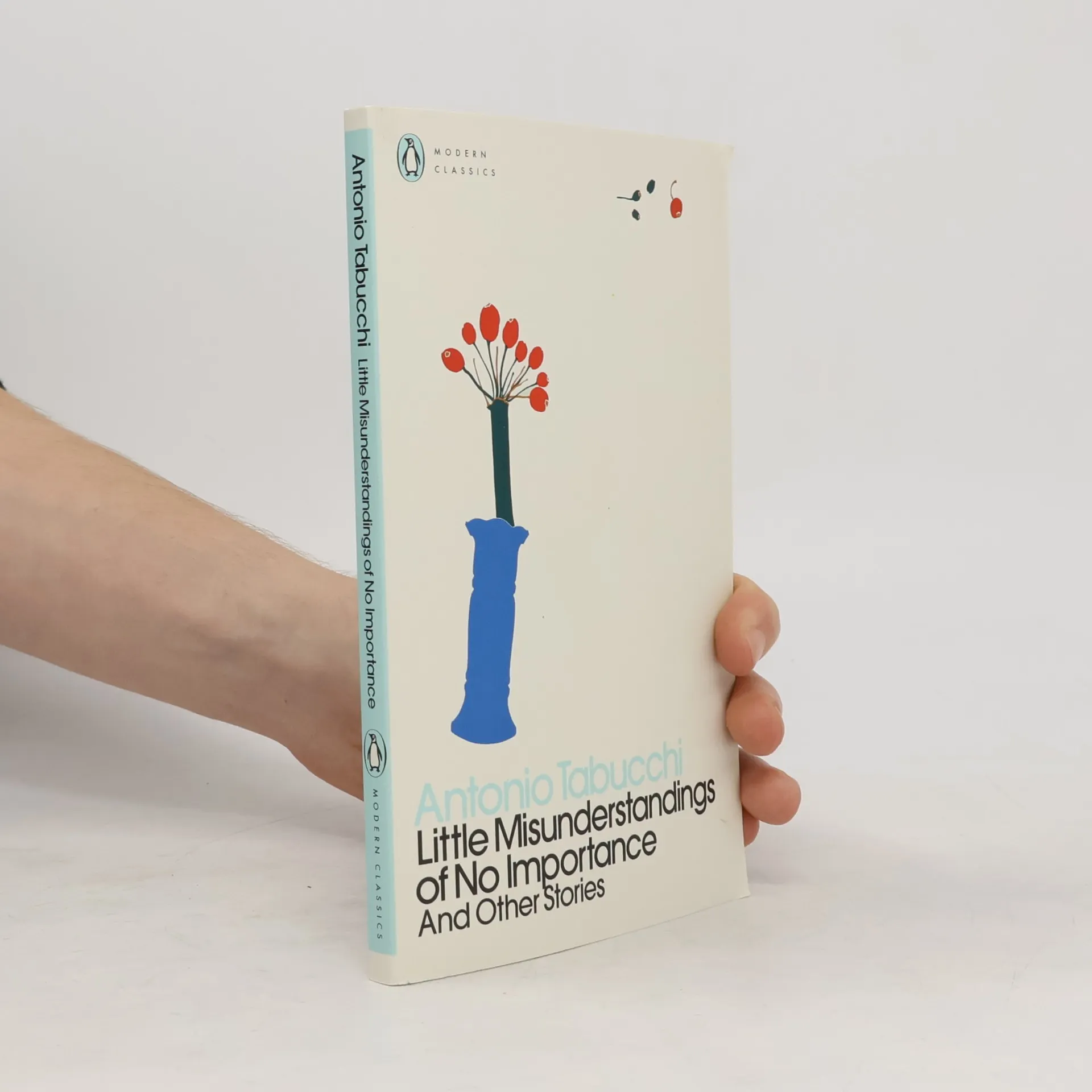
'My dear friend, he said, life is strange and strange things happen in life' It is a hot July Sunday in Lisbon and our narrator has an appointment to meet someone by the quayside. But when his guest does not arrive, he spends the day wandering the deserted city, encountering some memorable characters along the way: a disoriented taxi driver, an accordionist, a Seller of Stories and, finally, the long-awaited ghost of the late, great Fernando Pessoa.
Antonio Tabucchi Pořadí knih (chronologicky)
24. září 1943 – 25. březen 2012
Antonio Tabucchi byl italský spisovatel a akademk, který se hluboce zamiloval do Portugalska. Jeho dílo je silně ovlivněno portugalskou literaturou, zejména tvorbou Fernanda Pessoy, jehož pojetí 'saudade', fikce a heteronymů proniklo do Tabucchiho vlastního psaní. Jako expert, kritik a překladatel Pessoy přenesl tuto fascinaci do svých děl a nabídl čtenářům jedinečný pohled na portugalskou kulturu a literární tradici.


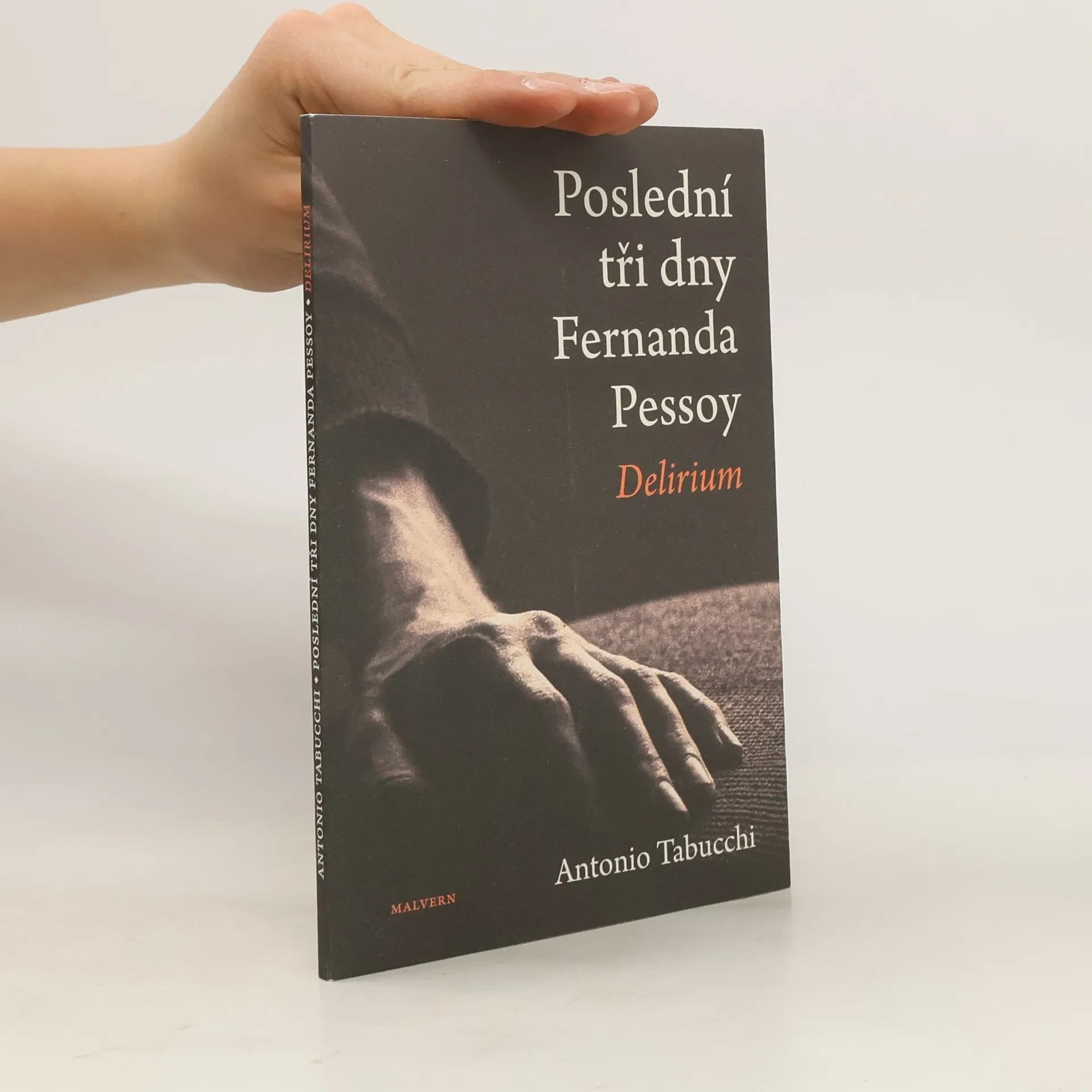
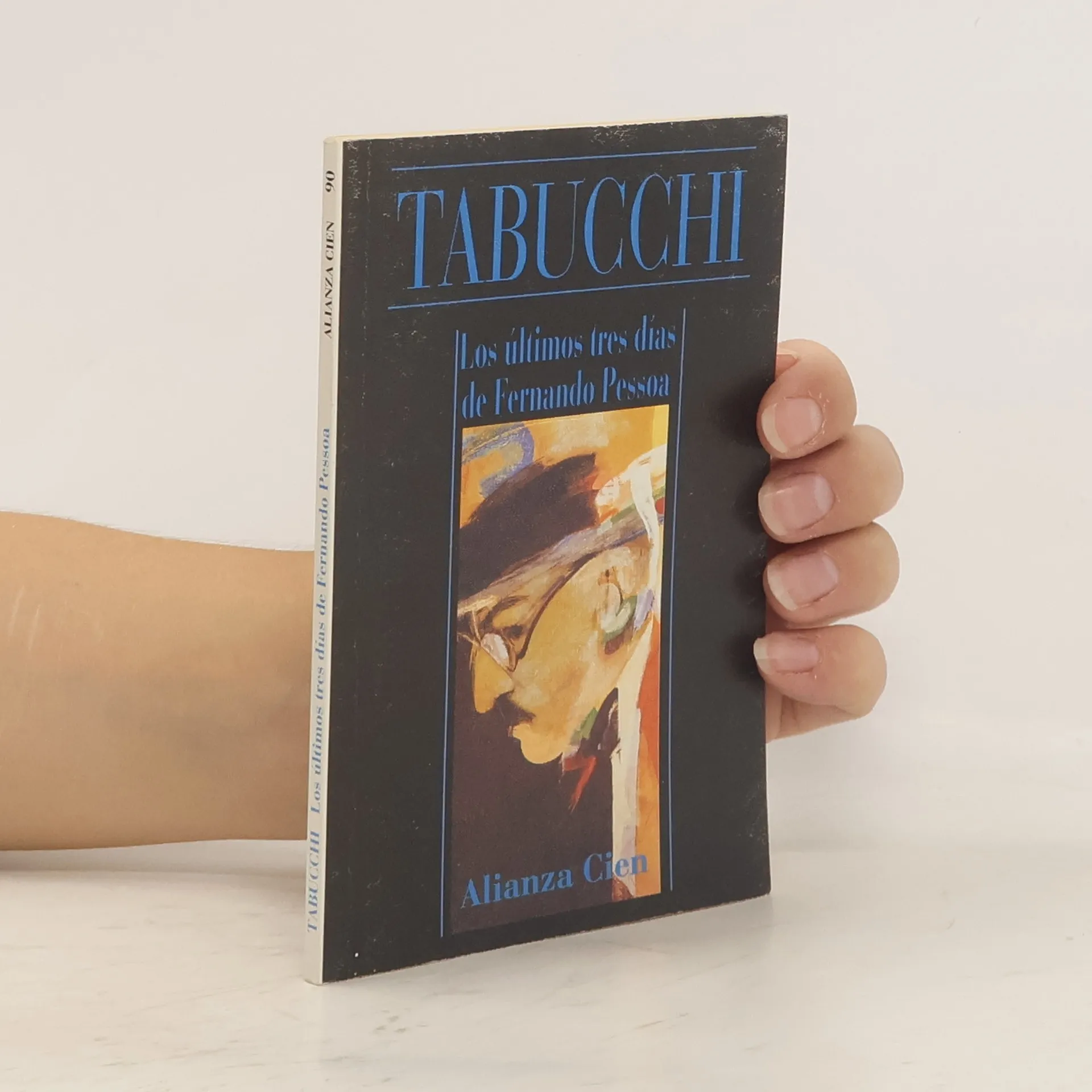
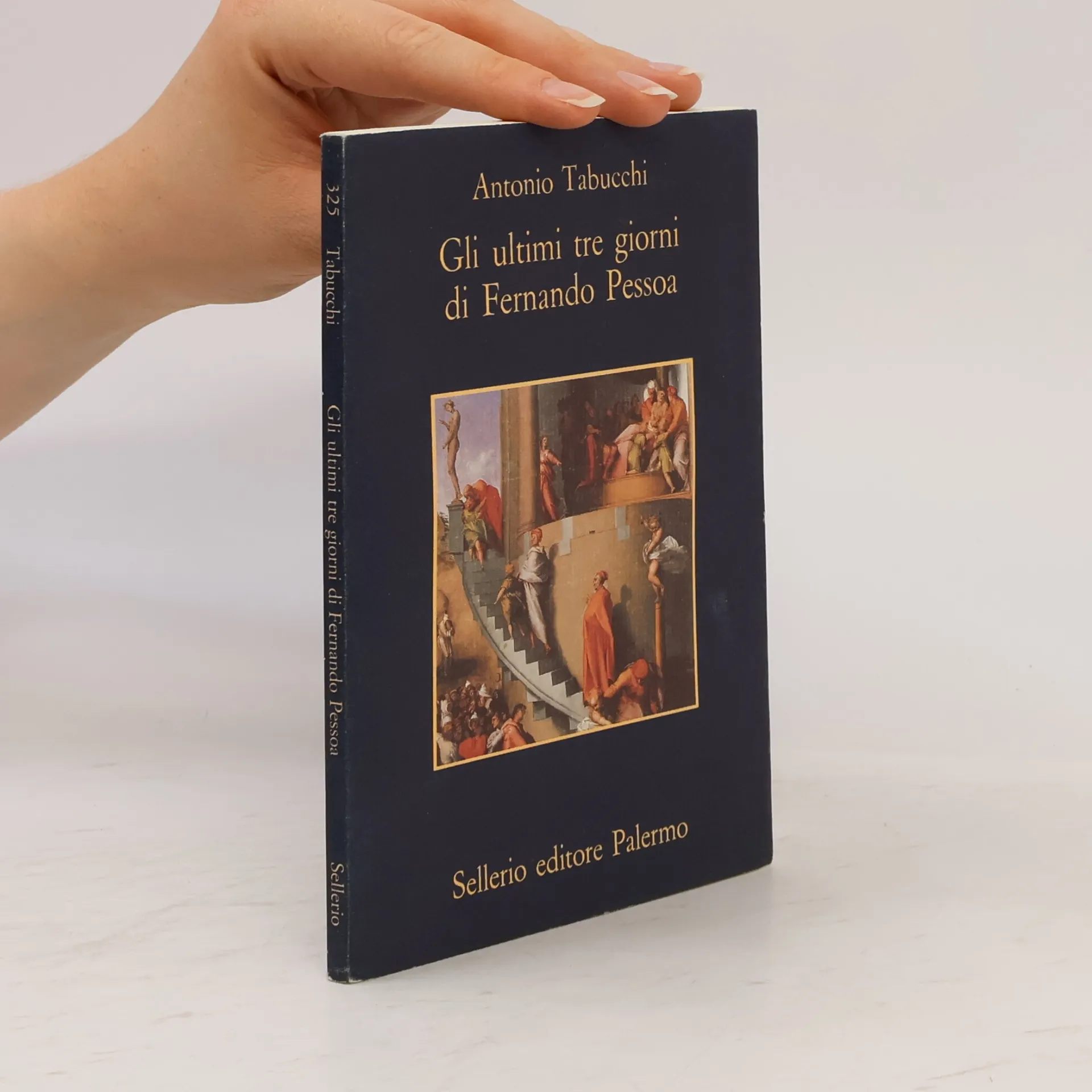
Poslední tři dny Fernanda Pessoy
- 54 stránek
- 2 hodiny čtení
Listopad 1935. Fernando Pessoa leží na smrtelné posteli v nemocnici São Luís dos Franceses. Tři dny agonie, během kterých, jako v deliriu, velký portugalský básník přijímá své heteronymy, mluví s nimi, stanovuje svá poslední přání a vede dialog s fantasmaty, která ho celý život provázela. Antonio Tabucchi nám vypráví biografický příběh (byť jde o imaginární biografii), ve kterém s jemností a vášní popisuje smrt jednoho z největších spisovatelů 20. století.
Stories With Pictures
- 300 stránek
- 11 hodin čtení
A masterful collection about intimacy, loneliness, and time, each inspired by different works of art, spanning the entirety of the great Italian writer's career. In Stories with Pictures, Antonio Tabucchi responds to photographs, drawings, and paintings from his dual homelands of Italy and Portugal, among other European countries. The stories in this collection spring forth from the shadows of Tabucchi's imagination, as he steps into worlds just hidden from view. From inscrutable masks of pre-Columbian gods, stamps of bright parrots and postcars of yellow cities, portraits of devilish Portuguese nuns, the way to these remote landscapes appear like a "train emerging from a thick curtain of heat." As we peer through the curtain, what we find on the other side rings distinctly human, a world charged with melancholic longing for time gone by. "Sight, hearing, voice, word" Tabucchi writes, "this flow isn't in one direction, the current is back and forth." Reading these stories, one feels the pendulum current, and the desire in this remarkable author to hold the real in the surreal.
Taming the Divine Heron
- 200 stránek
- 7 hodin čtení
From the famous Mexican author, Sergio Pitol, comes his 1988 classic translated by George Henson. Taming the Divine Heron, tells the semi-autobiographical story of a novelist working on his newest masterpiece. The protagonist struggles to tell the perfect story-his own, imagined protagonists mere imitations of the likes of Lord Jim and Alyosha Karamavoz. To help eradicate writer's block, Pitol uses his vessel to praise his own favorite authors. Pitol applauds Bakhtin's world building, Gogol's "carnivalesque [literary] breath", and Dante's dizzying intensity. The character finds a muse in Marietta Karapetiz who he aptly dubs Dante C. de la Estrella, and the two debate the literary greats. As the pair attempt to pull from the techniques of the world's best writers, Pitol creates a love letter to literature from around the globe while simultaneously telling his own magical story. To quote Pitol's protagonist, "the quality of the story, its effects, its brilliance, its intensity, ma[k]e the most absurd circumstances plausible". Taming of The Divine Heron, second in a trilogy including already-published The Love Parade (Deep Vellum, 2022), houses history, hyperrealism, myth, folklore, and memoir; to read Pitol is to appreciate the power of language.
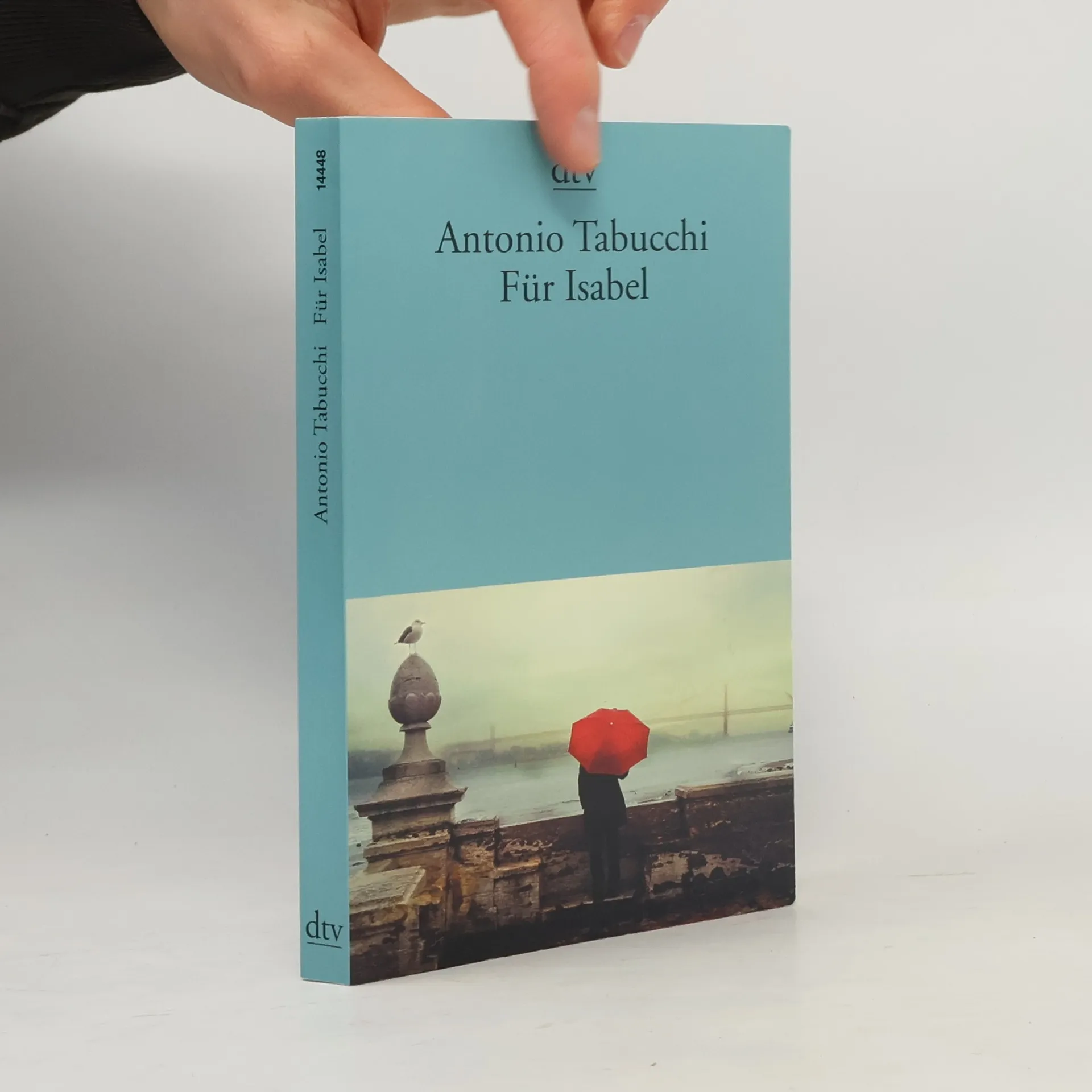
Für Isabel
- 176 stránek
- 7 hodin čtení
Ein Fundstück aus dem Nachlass des Autors Ein Schriftsteller ist auf der Suche nach der Frau, die er einst liebte: Isabel, eine kommunistische Widerstandskämpferin, ist im Portugal der Salazar-Diktatur spurlos verschwunden. Zwischen Lissabon, Macao und Neapel sucht er jene, die sie kannten. Doch je näher er Isabel zu kommen scheint, desto mehr entzieht sich ihm ihre Geschichte. Ein Verwirrspiel aus Wahrheit und Erzählung über die Sehnsucht, der Wirklichkeit durch Geschichten ein Gesicht zu geben.
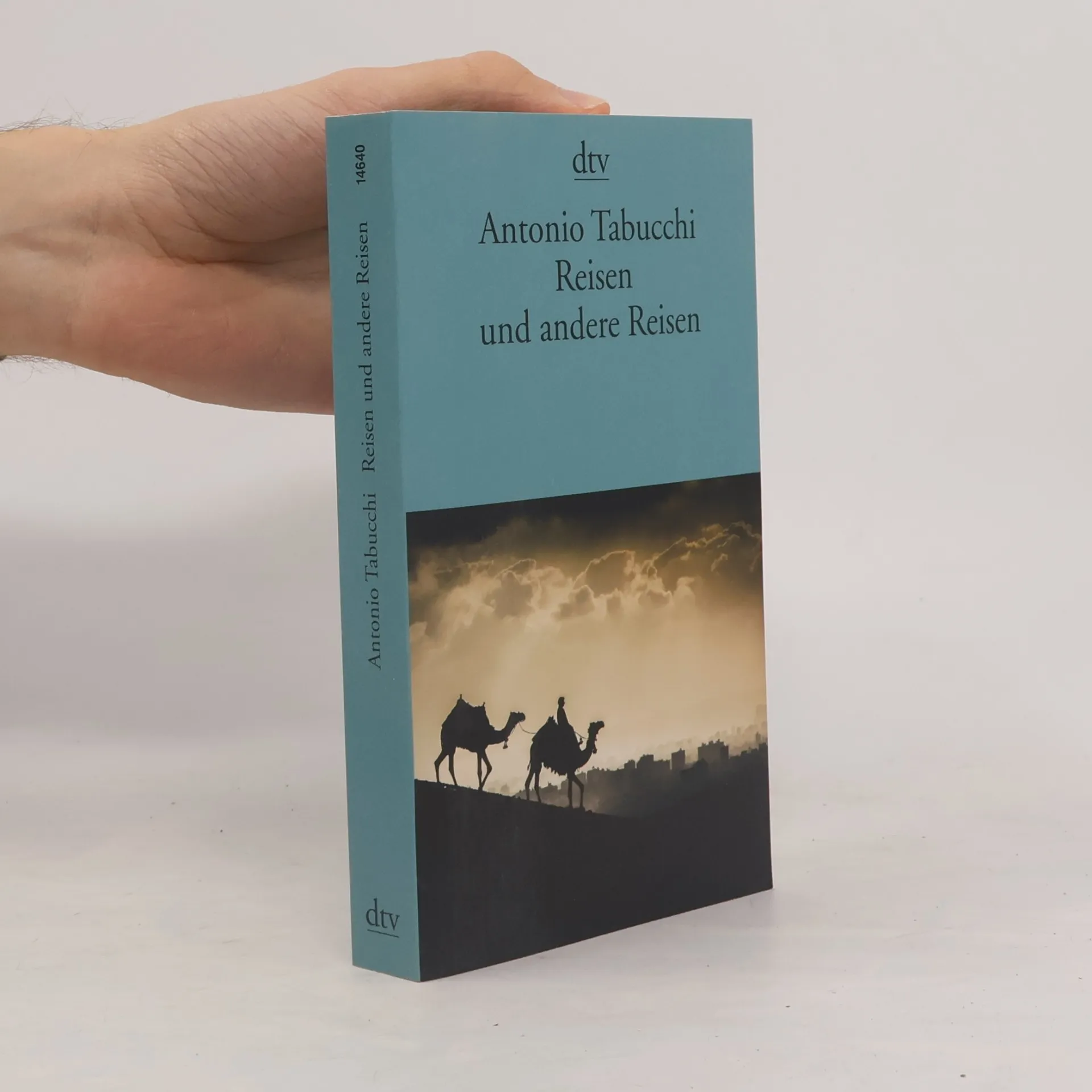
Reisen und andere Reisen
- 256 stránek
- 9 hodin čtení
»Tabucchi macht neugierig auf entlegene Orte.« WDR3 Mosaik »Ein Ort ist niemals nur ›dieser‹ Ort. Auch wir sind ein bisschen dieser Ort. In gewisser Weise haben wir ihn in uns getragen, und eines Tages haben wir ihn zufällig erreicht.« Antonio Tabucchi nimmt uns mit in jene fernen, faszinierenden Länder, die wir aus seinen Romanen kennen. In Lissabon sitzt er mit Pessoas Geist im berühmten Literatencafé Brasileira, er reist in Brasiliens Minenregion und in die südfranzösische Küstenstadt Sète zu Valérys »Friedhof am Meer«. Und auch Romane anderer Autoren bieten Anlässe, in unbekannte Welten zu reisen, über das Eigene und das Fremde nachzudenken.
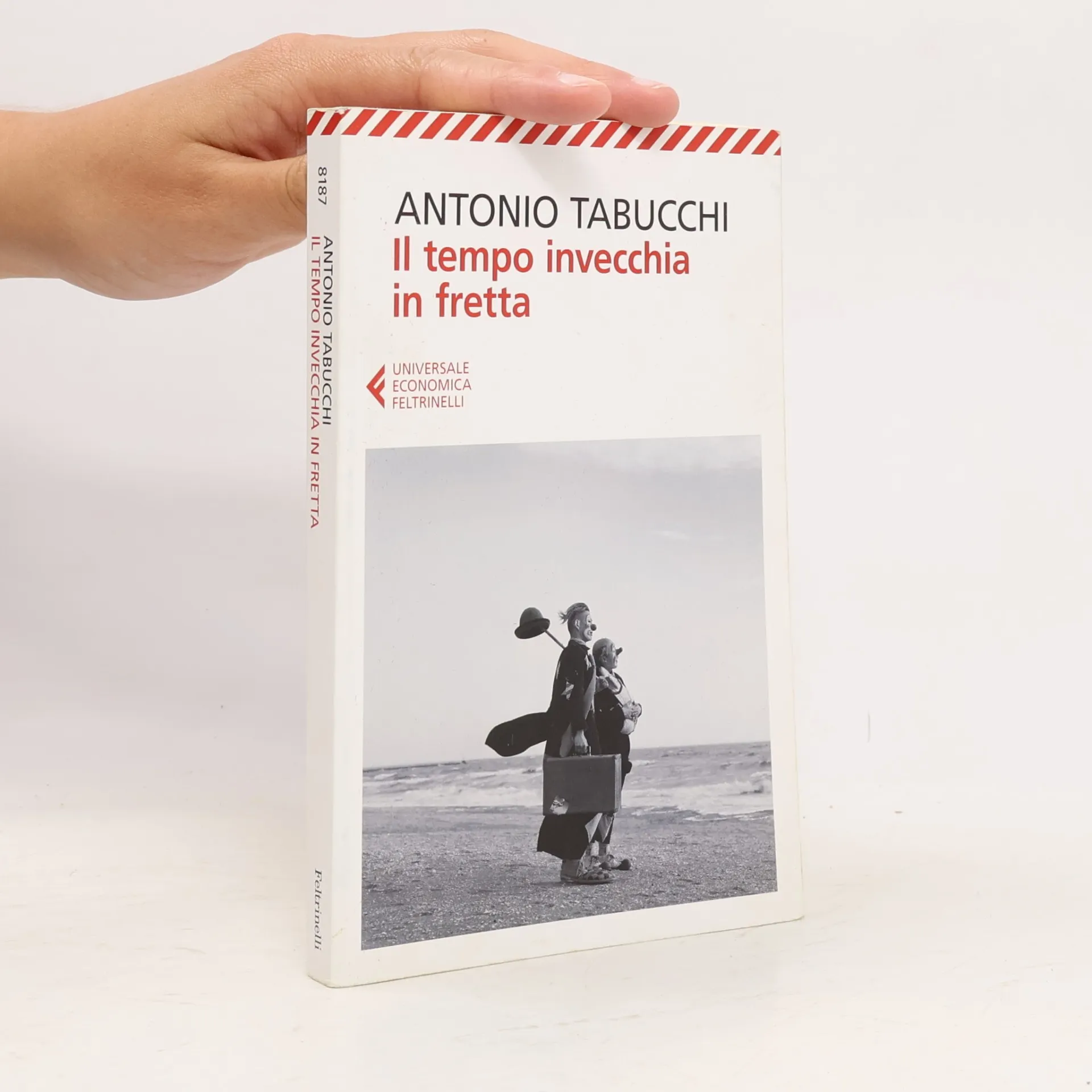
Universale Economica: Il tempo invecchia in fretta
Die Zeit altert schnell, italienische Ausgabe
- 176 stránek
- 7 hodin čtení
Tutti i personaggi di questo libro sembrano impegnati a confrontarsi col tempo: il tempo delle vicende che hanno vissuto o stanno vivendo e quello della memoria o della coscienza. Ma è come se nelle loro clessidre si fosse alzata una tempesta di sabbia: il tempo fugge e si ferma, gira su se stesso, si nasconde, riappare a chiedere i conti. Dal passato emergono fantasmi beffardi, le cose prima nettamente distinte ora si assomigliano, le certezze implodono, le versioni ufficiali e i destini individuali non coincidono. Un ex agente della defunta Repubblica Democratica Tedesca, che per anni ha spiato Bertolt Brecht, deambula senza meta a Berlino fino a raggiungere la tomba dello scrittore per confidargli un segreto. In una località di vacanze un ufficiale italiano che in Kosovo ha subito le radiazioni dell'uranio impoverito insegna a una ragazzina l'arte di leggere il futuro nelle nuvole. Un uomo che inganna la propria solitudine raccontando storie a se stesso diventa protagonista di una vicenda che si era inventato in una notte d'insonnia. I personaggi di questo libro disegnano l'ineffabile volto di una stagione. È la nostra epoca impietosa e futile, fatta di un tempo anfibio che non scandisce più la vita e del quale ci sentiamo ospiti estranei. Storie straordinarie che entrano in modo indelebile nel nostro immaginario, anche se non appartengono al piano dell'immaginario ma a una realtà di cui forse abbiamo perso il codice.
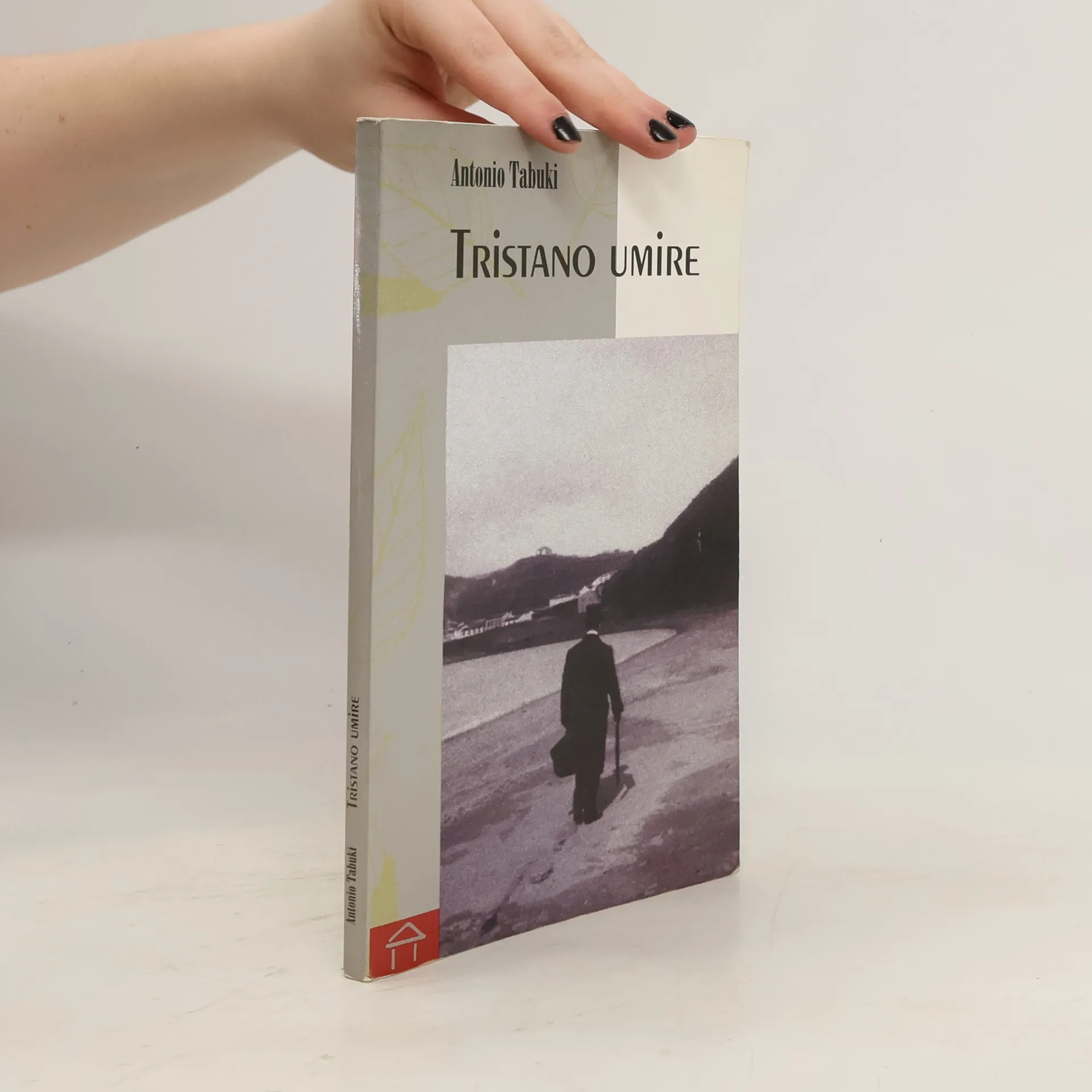
Tristano umire
- 164 stránek
- 6 hodin čtení
Tropsko ljeto u staroj kući u Toskani. Tu Tristano proživljava svoju dugu agoniju: gangrena mu jede nogu, bolovi su nepodnošljivi, a bolest se širi po cijelom tijelu. Pomaže mu stara Frau, koja mu je kao djetetu pričala bajke i poeziju na njemačkom jeziku, kako bi naučio jezik. U halucinantnom stanju, Tristano, star i ogorčen, priča o sebi jednom piscu kako bi svjedočio njegovoj agoniji i sjećanjima na život. Fantomi voljenih žena prepliću se u deliriju, a zatim dolazi rat, vođen u Grčkoj, izbor slobode i otpora. Na kraju života sve se čini jednakim, noćna mora koja sve nadmašuje i sve okružuje.
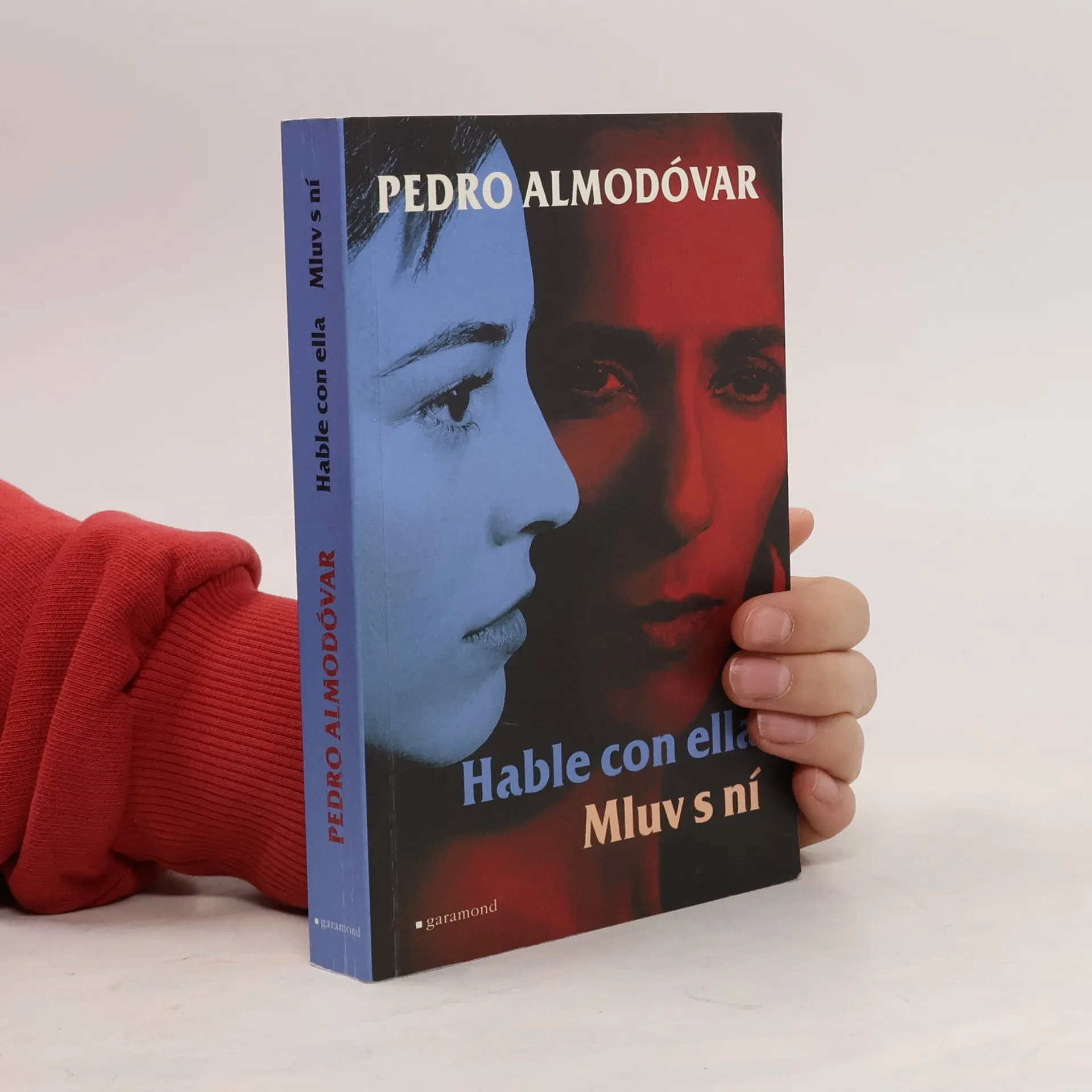
Hable con ella. Mluv s ní
- 264 stránek
- 10 hodin čtení
Dvojjazyčný, česko-španělský scénář k slavnému filmu Pedra Almodóvara z roku 2002, oceněnému Oscarem za scénář zahraničního filmu. Mluv s ní vypráví příběh dvou žen a dvou mužů, jejichž osudy se protnou v nemocnici, v níž muži pečují o milované ženy, jež se ocitly v klinickém spánku na pokraji života, bývalou baletku Alicii a toreadorku Lydii. Almodóvar znovu dokazuje, že je mistrem rafinovaného děje s nečekaným vyústěním. Čtenář se může znovu přesvědčit, že málokterý scénarista dokáže vystihnout ženské postavy jako tento španělský režisér, který o natáčení řekl: "Mluv s ní je filmem o radostí a potěšení z vyprávění příběhů, které jsou tou nejlepší zbraní v bojí proti samotě a šílenství."
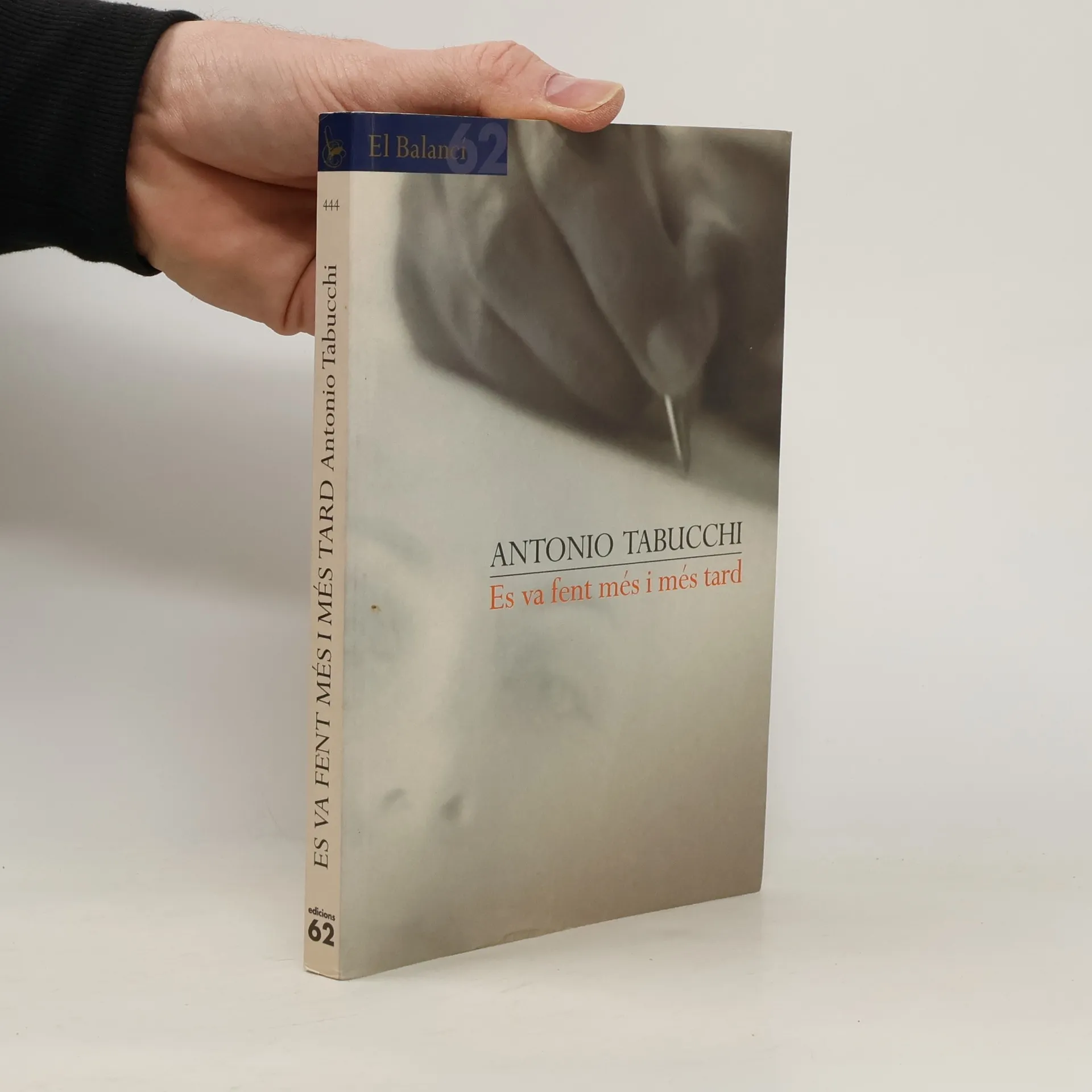
El Balanci - 62: Es va fent més i més tard
- 208 stránek
- 8 hodin čtení
Amb aquesta novel·la epistolar, l'autor renova una il·lustre tradició narrativa, trencant els seus codis i pervertint el gènere. A mesura que avancem en les missives, notem que alguna cosa «no funciona»: el paisatge es desplaça, els temps s'inverteixen, com si les cartes arribessin abans o després del seu missatge, reflectint destins que no es troben i persones que es perden en el laberint de les seves breus existències. La vida es presenta com una pel·lícula perfecta, però amb un muntatge erroni. Aquesta obra és un extraordinari recorregut per les passions humanes, on l'amor sembla el punt central, encara que en realitat és un punt de fuga cap a les zones més fosques de l'ànima. Es despleguen la tendresa, la sensualitat i la nostàlgia a través de disset cartes de personatges masculins a figures femenines, teixint una insòlita trama narrativa de cercles concèntrics que s'expandeixen en el no-res, veus monologants que anhelen una resposta que mai arriba. Finalment, una veu femenina distant i implacable, repleta de pena, respon a totes elles. Es presenta una trama polifònica que manté la unitat dels textos, com una partitura única amb diversos temes i moviments, deixant empremta en la memòria del lector.
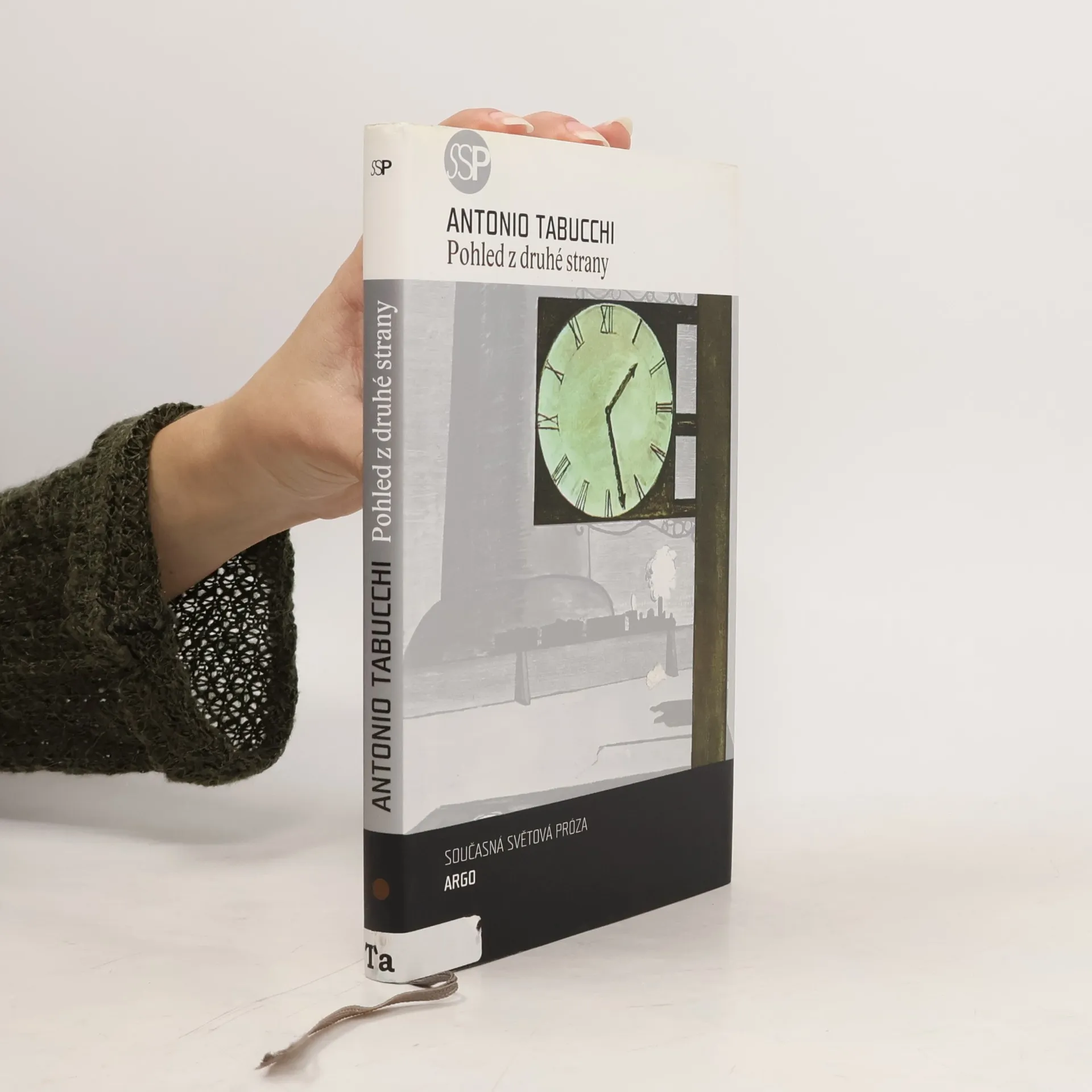
Pohled z druhé strany
- 158 stránek
- 6 hodin čtení
Kniha Pohled z druhé strany známého italského prozaika Antonia Tabucchiho (1943) přináší osm povídek, v nichž jsou vyprávěny zvláštní lidské osudy, jejichž smysl se proměňuje podle toho, z jaké strany je pozorujeme. Tak se například hrdina titulní povídky setkává v Lisabonu se zajímavou ženou, která nezištně pomáhá obětem salazarovského režimu, ale posléze si musí položit otázku, zda její nebezpečný altruismus nebyl jen zástěrkou erotických her. Ve všech příbězích je pro Tabucchiho atraktivnější „pohled z druhé strany“, obrácená perspektiva, která jde proti proudu času a snaží se objevit v lidských životech onen okamžik, který složí rozporná fakta ve smysluplný příběh. Tabucchi se v těchto povídkách představuje jako jemný psycholog a skvělý vypravěč, blízký Pirandellovi, Jamesovi, Proustovi či Borgesovi.
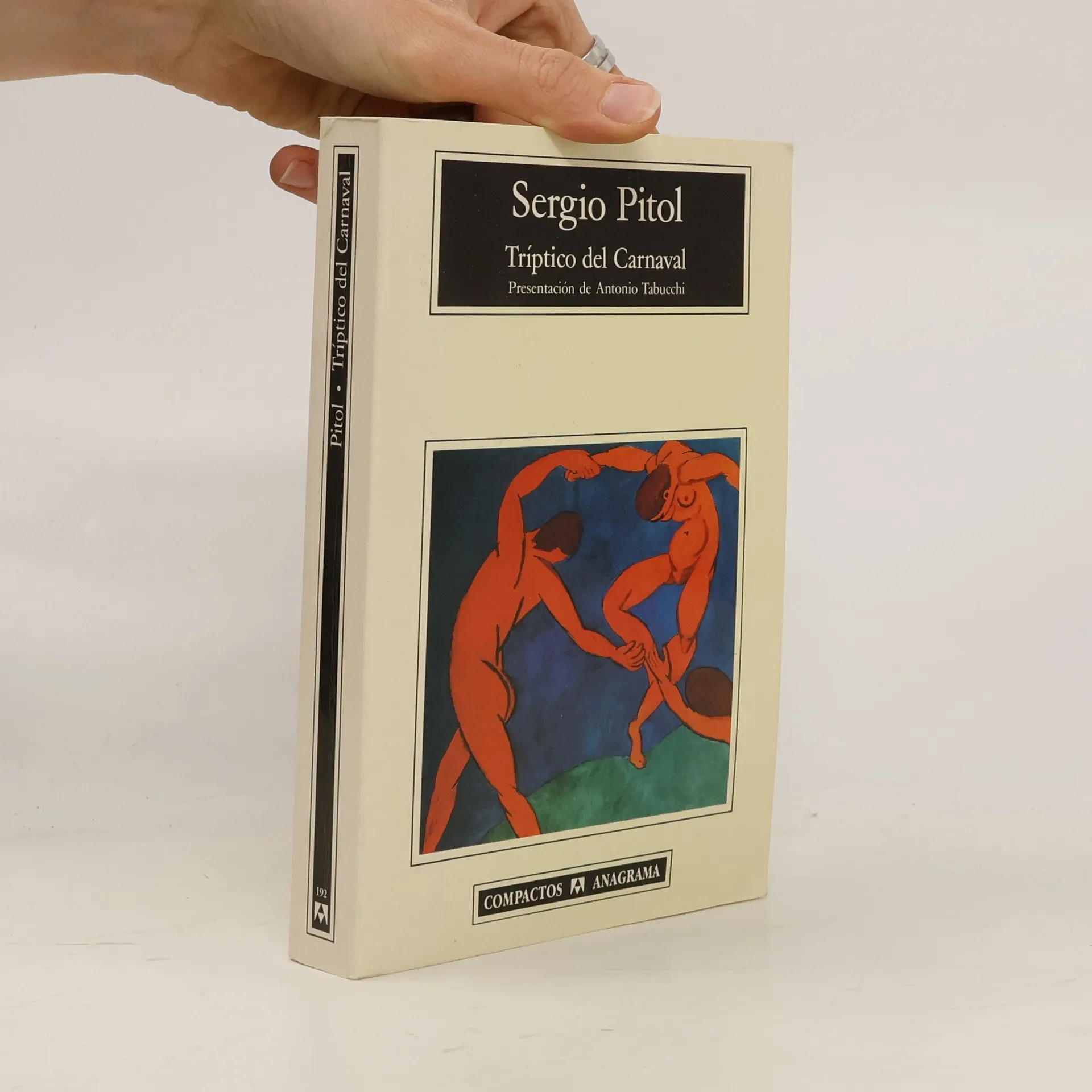
Tríptico del Carnaval
- 480 stránek
- 17 hodin čtení
Tres novelas, un prólogo del autor y una presentación de Antonio Tabucchi suman 470 páginas de buena literatura.El desfile del amorDomar a la divina garzaLa vida conyugal
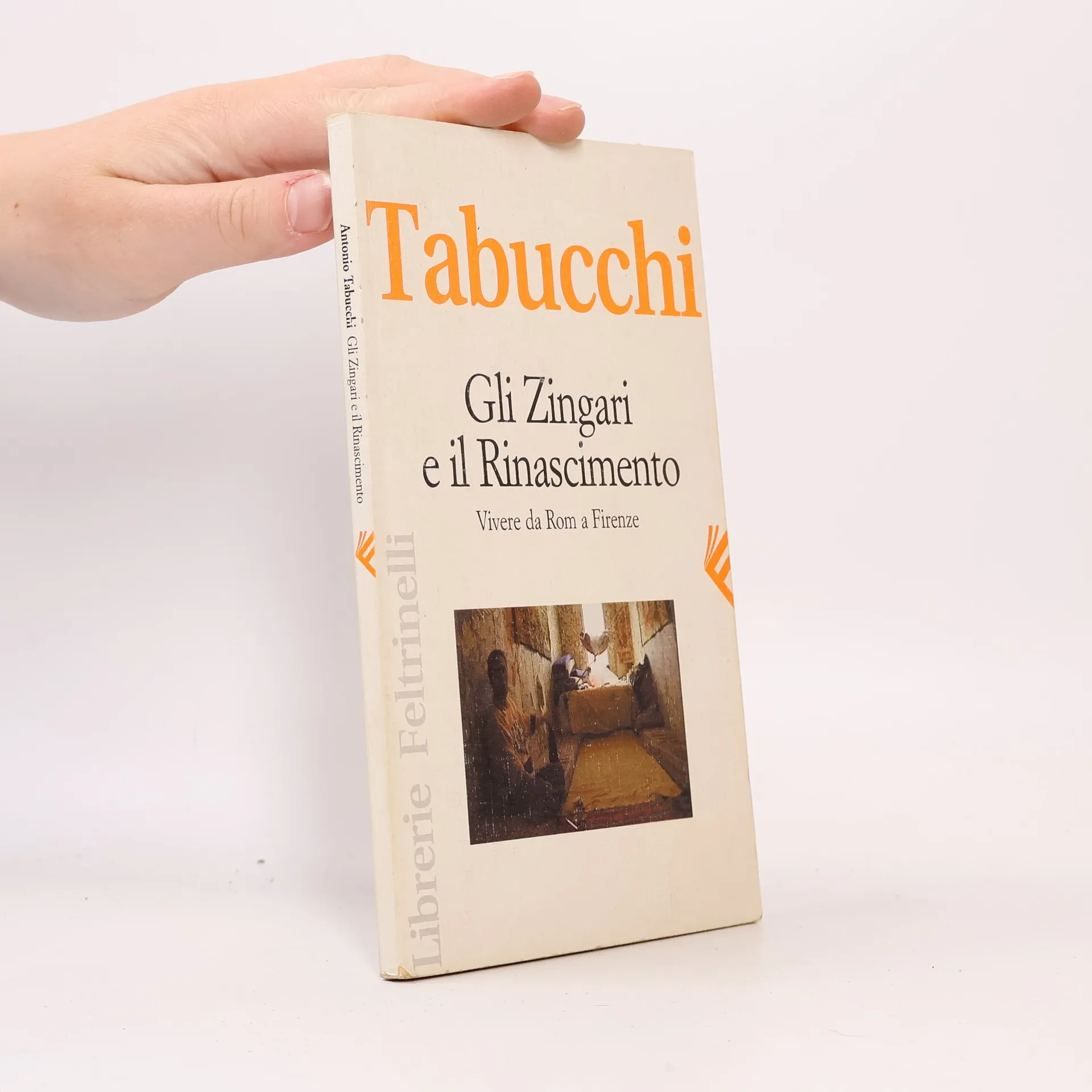
Il viaggio di uno scrittore fra gli Zingari “ospitati” da una città che è diventata una cartolina. Una risentita manifestazione d’affetto per Firenze, e insieme la rivendicazione dei valori di un’antica civiltà che il denaro, l’incultura e il cattivo gusto stanno uccidendo.
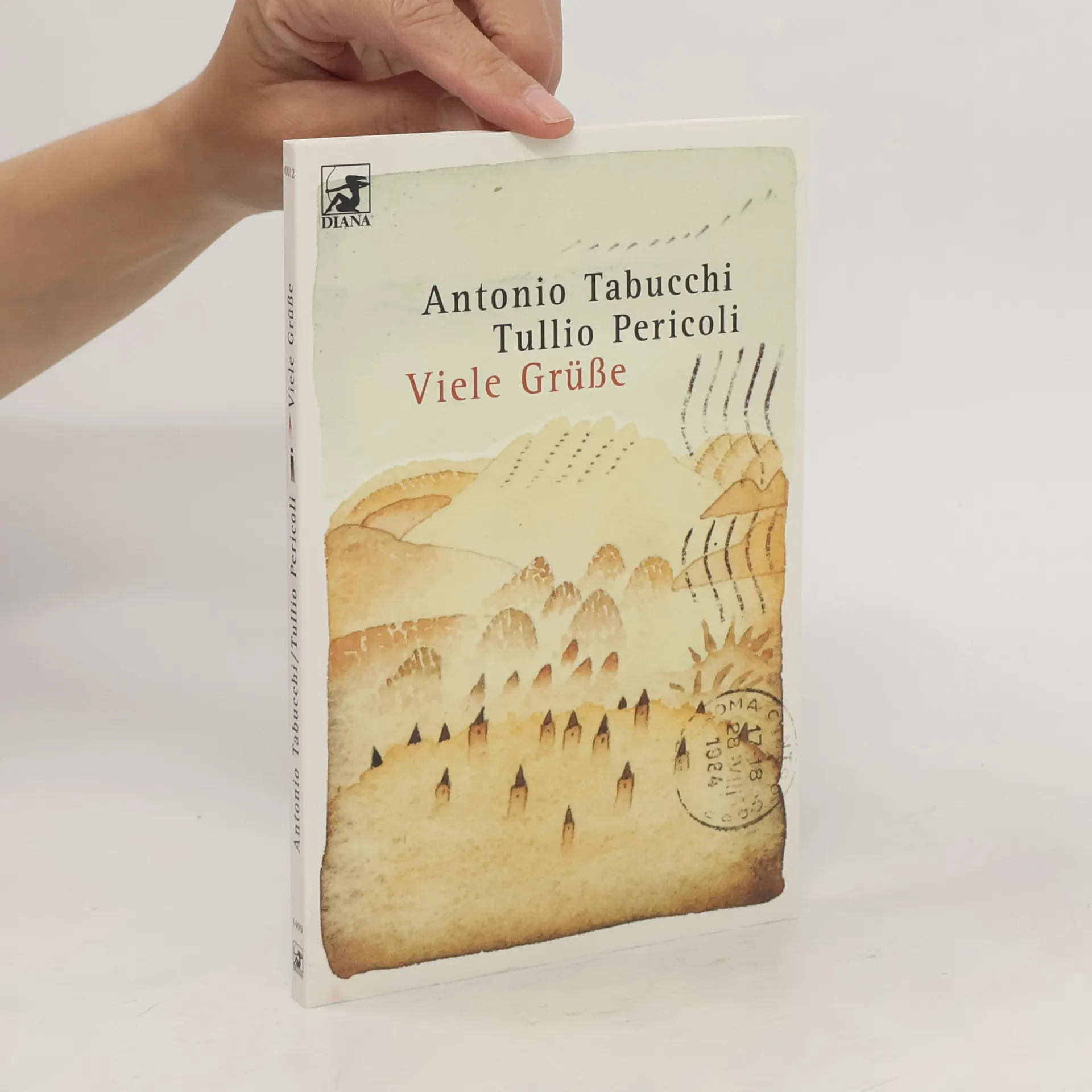
Viele Grüße
- 71 stránek
- 3 hodiny čtení
Eine heiter-wehmütige Geschichte über die Faszination des Reisens von Bestsellerautor Antonio Tabucchi, liebevoll illustriert von dem bekannten Künstler Tullio Pericoli. Ein Bündel aquarellierter Ansichtskarten aus einer Kunstgalerie möchte der Witwer Taddeo mit auf seine Weltreise nehmen, um sie dann von den exotischen Schauplätzen aus zu verschicken. Schon geht die Phantasie mit ihm auf Reisen.
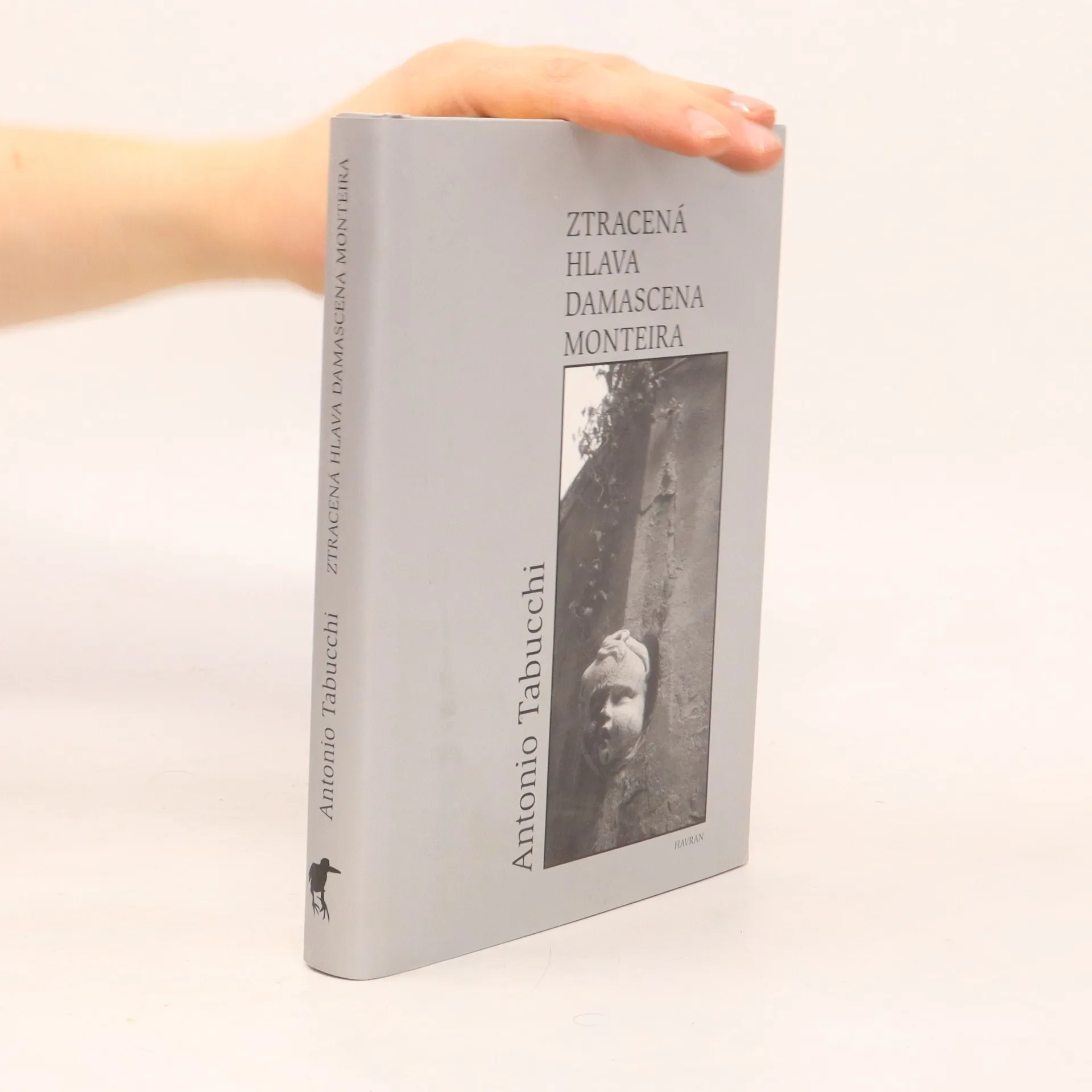
Ztracená hlava Damascena Monteira
- 189 stránek
- 7 hodin čtení
Román Ztracená hlava Damascena Monteira z roku 1997 lze označit za „intelektuální detektivku“. Obsahuje prvky společné pro celé Tabucchiho dílo, především tíhnutí k tajemnosti, pojednává o problémech spravedlnosti a dotýká se také problematiky etnických menšin, konkrétně Cikánů. Má dva hlavní hrdiny, mladého žurnalistu, který se zajímá o portugalský poválečný román, a advokáta, jenž hovoří o filosofii práva. A tyto dvě postavy mají společný cíl odhalit pachatele brutální vraždy.
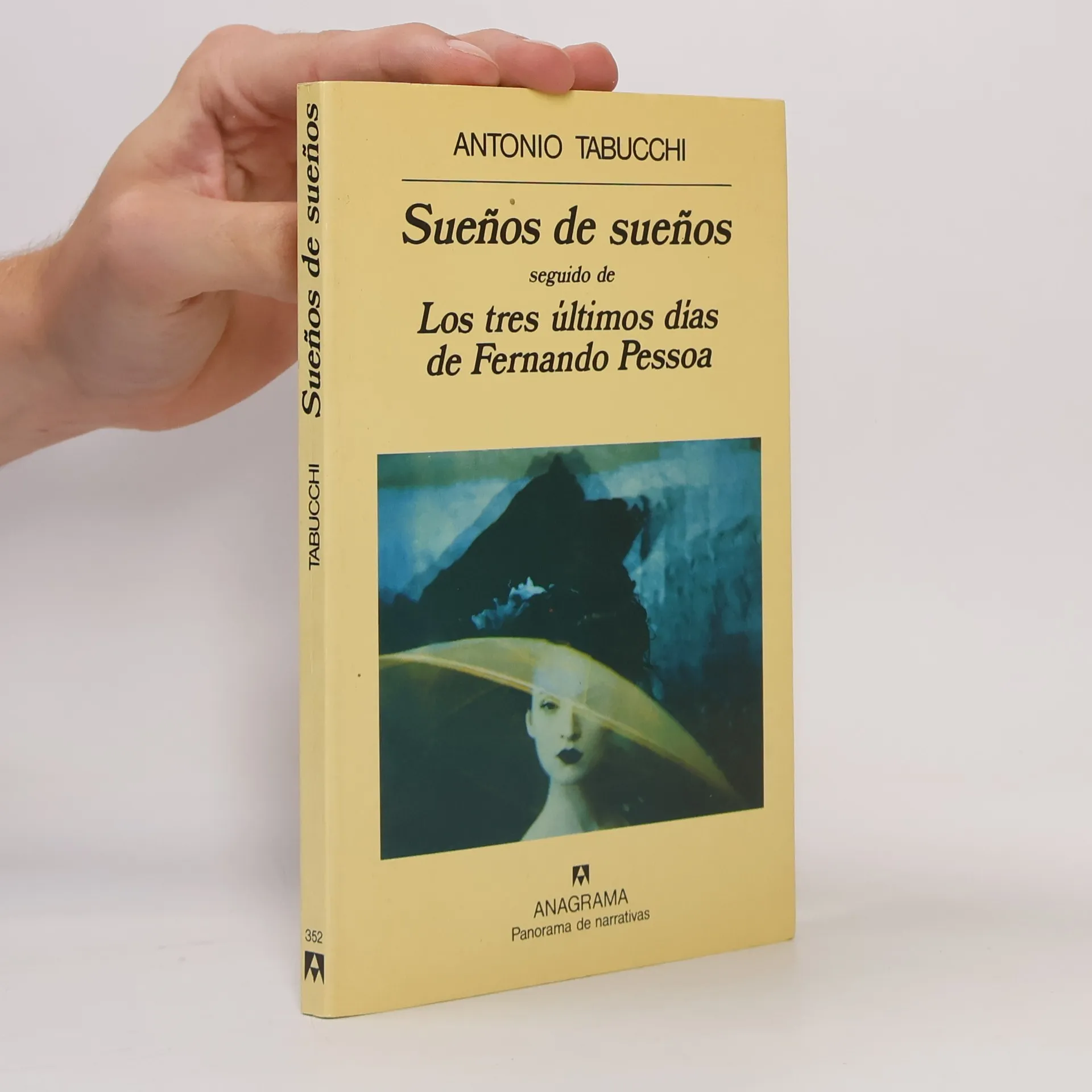
Sueños de sueños / Los tres últimos días de Fernando Pessoa
- 144 stránek
- 6 hodin čtení
Unidas en un mismo libro, aquí están dos obras de Tabucchi que, a pesar de sus diferencias, comparten el carácter de aproximación heterodoxa a la realidad intima de varias figuras de la cultura occidental. En el primero, Sueños de sueños , el autor imagina las travesias oníricas de distintos artistas: Dedalo, Freud, Rabelais, Goya, Rimbaud o Garcia Lorca, entre otros. En el segundo texto, Los tres últimos días de Fernando Pessoa , el autor recrea, partiendo de ciertos datos biográficos tamizados por la imaginación, las postreras jornadas del gran poeta portugés, desde su ingreso en un hospital de Lisboa hasta su muerte.
Antonio Tabucchi es uno de los principales narradores italianos de la actualidad. Catedrático de lengua portuguesa en Italia, es, además, uno de los máximos especialistas, si no el máximo, en el poeta Fernando Pessoa, figura con respecto a la cual experimenta una fascinación y una afinidad que palpitan a lo largo de su obra. Los últimos tres días de Fernando Pessoa es una fabulación que gira en torno a los momentos finales del poeta portugués e imagina la despedida de sus heterónimos y otras personas importantes en su vida.
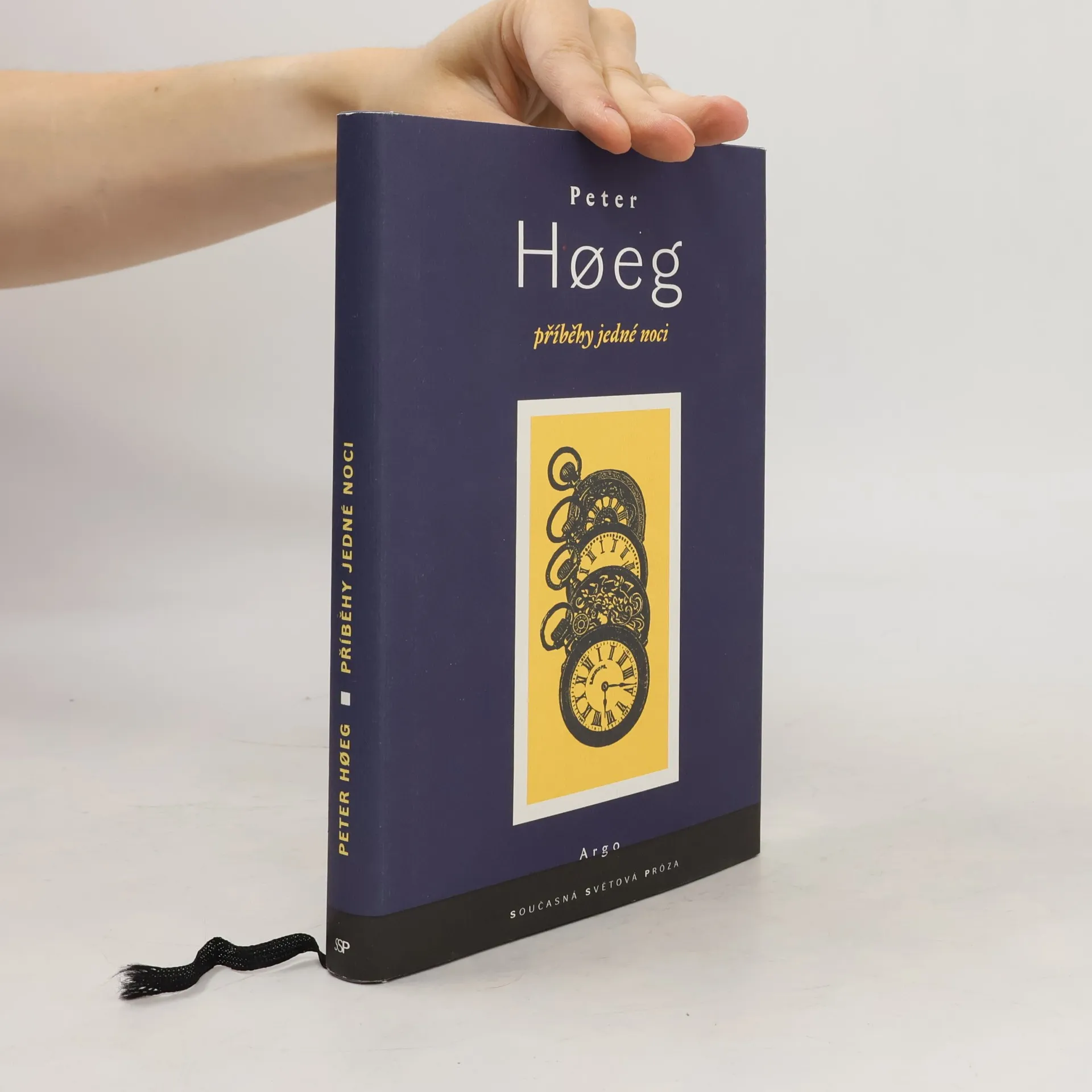
Všechny příběhy knihy se odehrávají v noci 19. března 1929 na nejrůznějších místech světa - v Dánsku, ve východní Africe a v Paříži. Povídky lze označit jako fantastické dobrodružné milostné příběhy s existenciálním podtextem. Hoegův styl okouzluje čtenáře svým magickým realismem a dráždí svou dvojakostí a napětím mezi až extatickým způsobem vyprávění a vznosným a vzletným poetickým jazykem na straně jedné a neustále přítomnou sžíravou ironií a krutým černým humorem na straně druhé. P. Hoeg získal uznání a proslavil se na celém světě svou třetí knihou, vynikajícím románem a bestselerem Cit slečny Smilly pro sníh (1992, č. Argo, 1997), podle mnohých jsou ale jeho doposud nejlepším dílem právě Příběhy jedné noci.
Door een hallucinatie tijdens het lezen van de Portugese schrijver Pessoa bevindt een man zich plotseling in Lissabon.
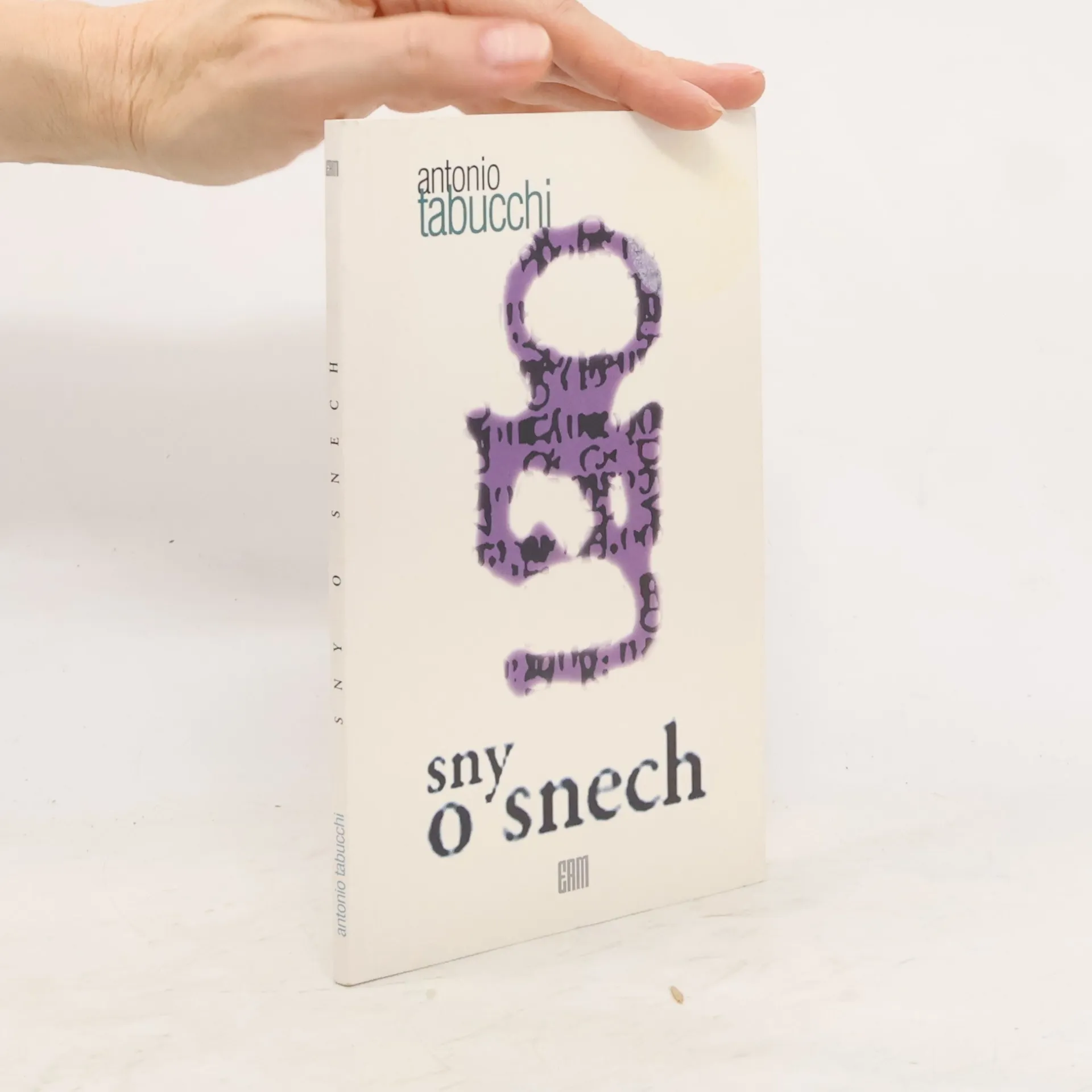
Sny o snech
- 73 stránek
- 3 hodiny čtení
V brilantní zkratce s jemným humorem se autor vrací k slavným postavám evropského umění a kultury. Setkáváme se s Freudem, Čechovem, ale i Caravaggiem, Rabelaisem, Goyou či Stevensonem.
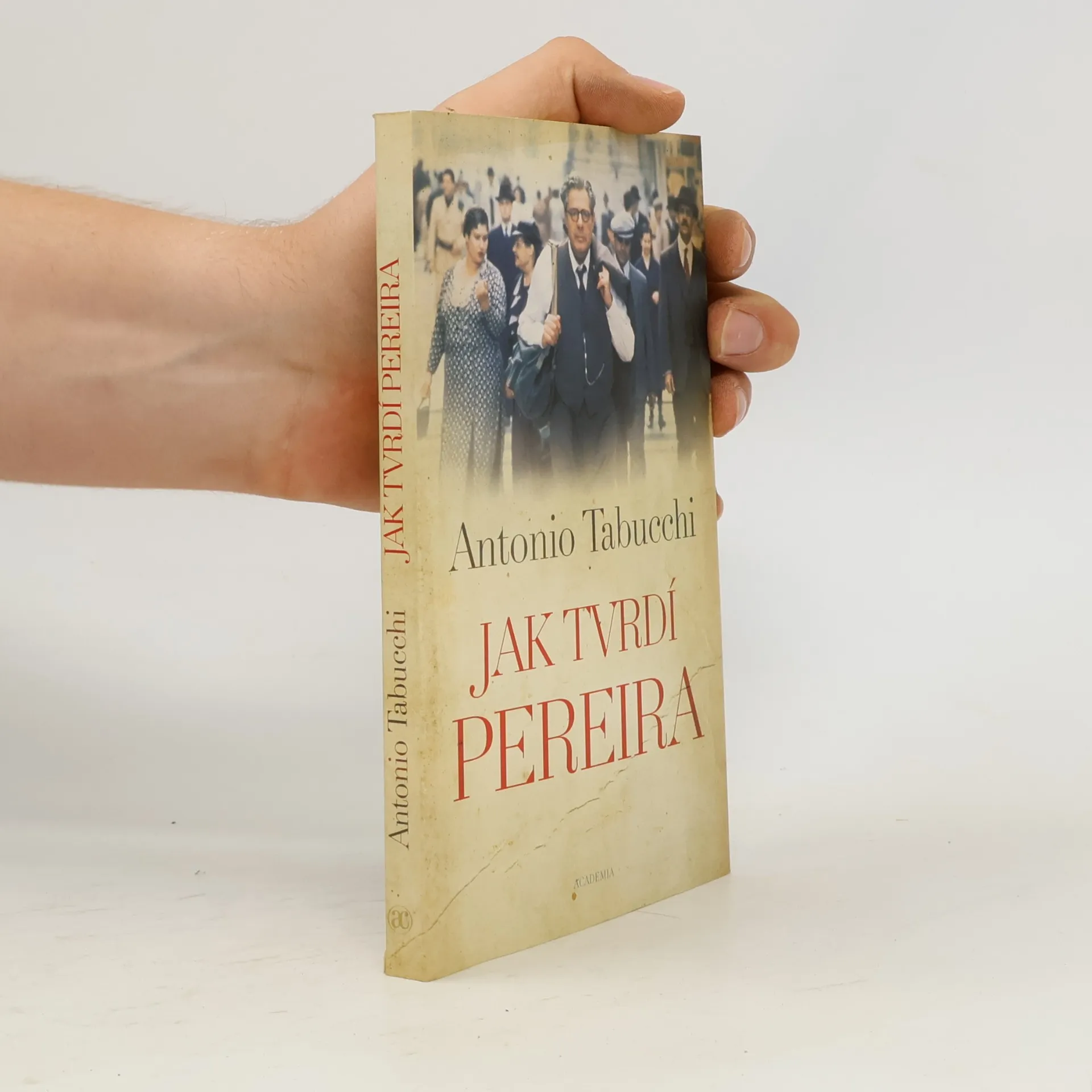
Antonio Tabucchi (1943), jeden z nejvýznamnějších představitelů současné italské literatury, je českým čtenářům znám z řady překladů (Pohled z druhé strany, Sny o snech, Rekviem, Indické nokturno, Ztracená hlava Damascena Monteira). Román Jak tvrdí Pereira nás zavádí do horkého letního Lisabonu roku 1938, kdy na Portugalsko doléhá tíha Salazarova fašistického režimu. Stárnoucí novinář doktor Pereira žije svými vzpomínkami a neměnnými návyky, překládá francouzské katolické spisovatele 19. století do kulturní přílohy deníku takzvaně nezávislého Lisboa a o politiku se příliš nestará. Jistá setkání ho však přimějí zamyslet se nad svým postojem a tak úplně se s osudem nesmířit. V roce 1996 natočil italský režisér Roberto Faenza podle této literární předlohy stejnojmenný film, v titulní roli s legendou světové kinematografie, nezapomenutelným Marcellem Mastroiannim, pro něhož to byla jedna z posledních filmových úloh.
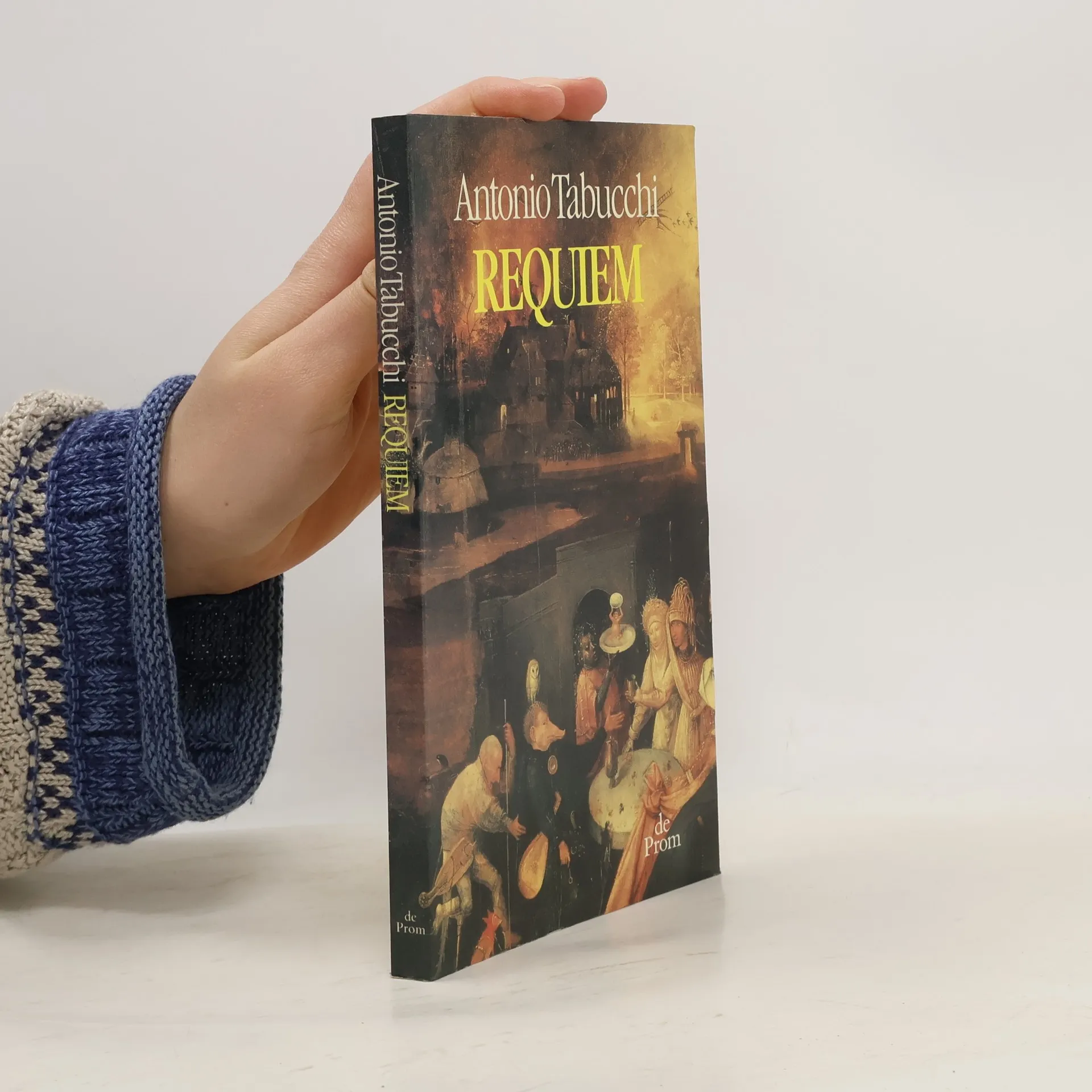
Novela jednoho z nejvýznamnějších představitelů současné italské prózy, překladatele z portugalštiny – odtud také pramení jeho intelektuální vztah k této kultuře. Rekviem je vyjádřením úcty k Portugalsku, jeho jazyku, lidem i každodennímu životu. Titulní postava se pohybuje v enigmatickém snu, v němž splývá přítomnost s minulostí, a celý se odehrává ve znamení setkání s básníkem Pessoou, o němž se po celou dobu hovoří pouze nepřímo jako o pisatelově hostu.
L'angelo nero
- 164 stránek
- 6 hodin čtení
E' un libro costituito in apparenza da racconti. Questi testi sono però tenuti insieme da un unico tema, il male. In ogni testo c'è una presenza malefica che suggerisce il male al protagonista e che lo conduce per le sue strade.
La Femme de Porto Pim, et autres histoires
- 107 stránek
- 4 hodiny čtení
" Les songes qui vous hantent peuvent devenir des rébus sans solution, les pièces d'un puzzle que la raison timorée ne parvient pas à assembler, peut-être parce qu'on ne regarde pas d'assez loin, d'assez haut, pour voir comment se comblent les vides entre les choses. Tabucchi se livre à tous les jeux de l'esprit, utilisant les ressources de sa raison et de sa vaste culture pour entraîner son lecteur dans les vertiges de l'inéluctable et l'abandonner pantelant et étourdi sans lui donner la clé des choses. " Nicole Zand, Le monde, 22 mai, 1987.
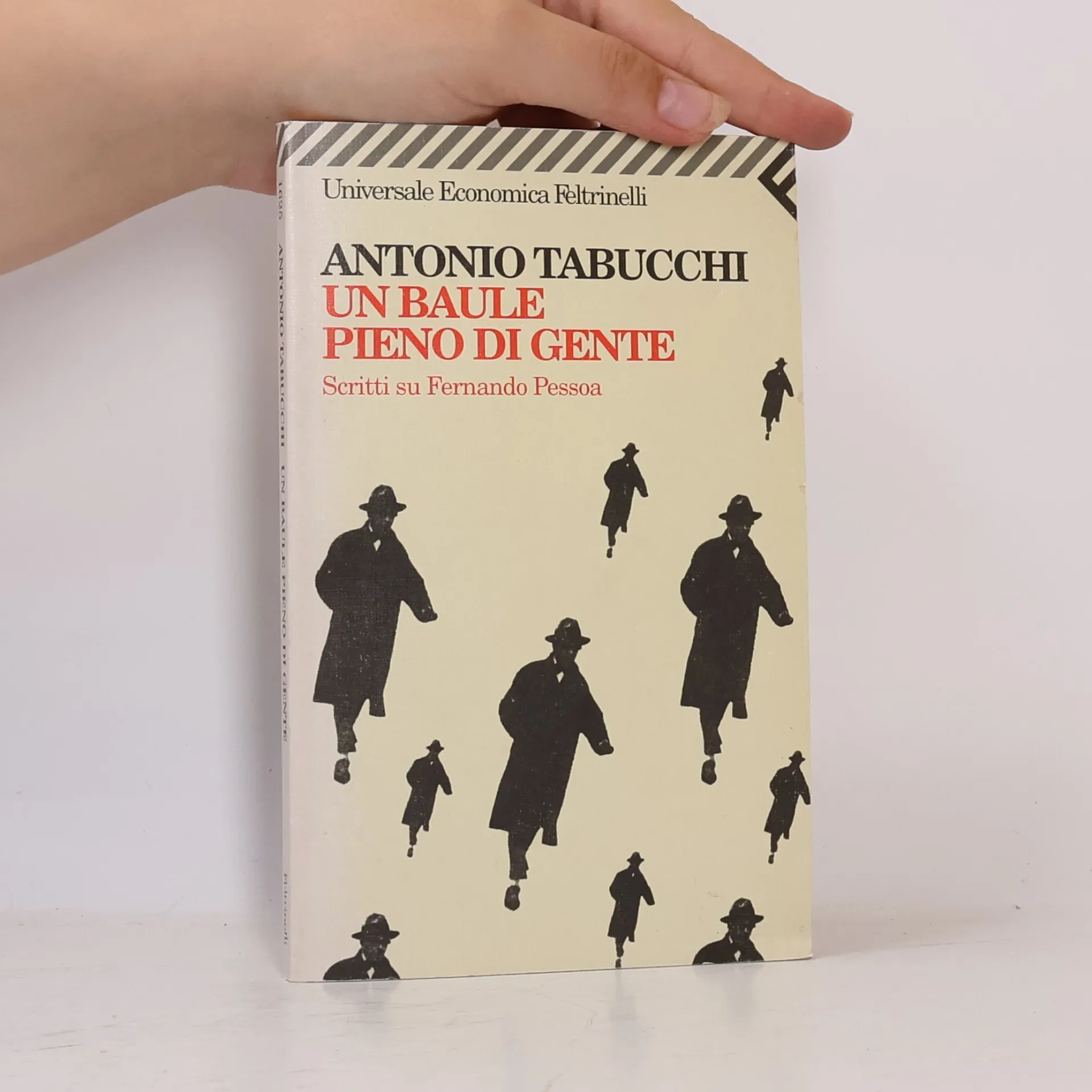
Universale Economica - 1625: Un baule pieno di gente
Scritti su Fernando Pessoa
- 160 stránek
- 6 hodin čtení
Le molte vite di Pessoa, le sigarette di Campos, il ritratto di Bernardo Soares, l'oscuro codice delle lettere d'amore: l'universo di Fernando Pessoa in una serie di testi critici. "Sembra quasi pleonastico dire che nell'immenso e misterioso libro che Pessoa ci ha lasciato il centro più riposto, e certo il più imperioso, è l'eteronimia. Eteronimia intesa non tanto come metaforico camerino di teatro in cui l'attore Pessoa si nasconde per assumere i suoi travestimenti letterario-stilistici; ma proprio come zona franca, come terrain vague, come linea magica varcando la quale Pessoa diventa un altro da sé senza cessare di essere se stesso. L'eteronimia di Pessoa rimanda semmai alla capacità di vivere l'essenza di un gioco; non a una finzione, pertanto, ma a una metafisica della finzione, o a un occultismo della finzione; forse a una teosofia della finzione" (Antonio Tabucchi)
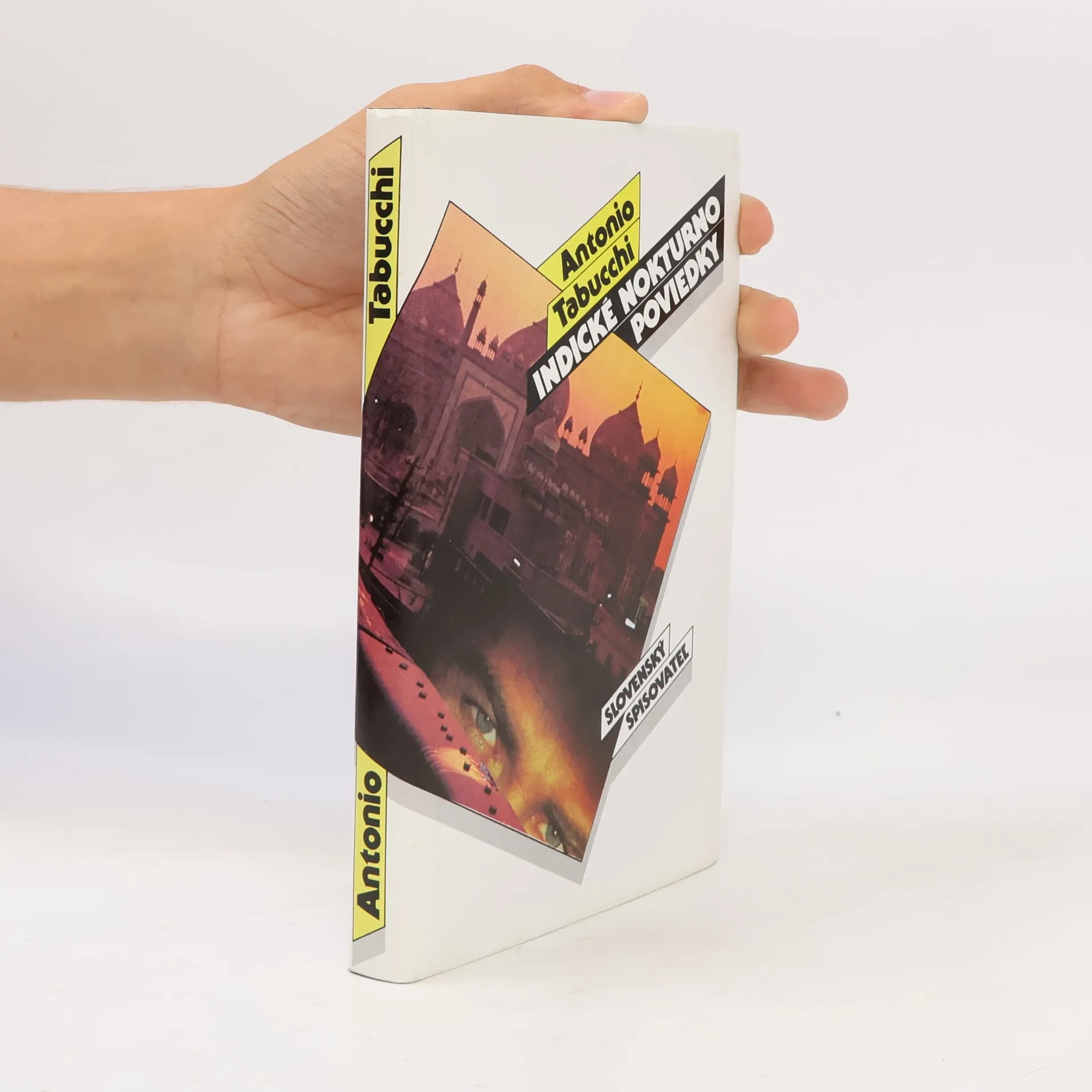
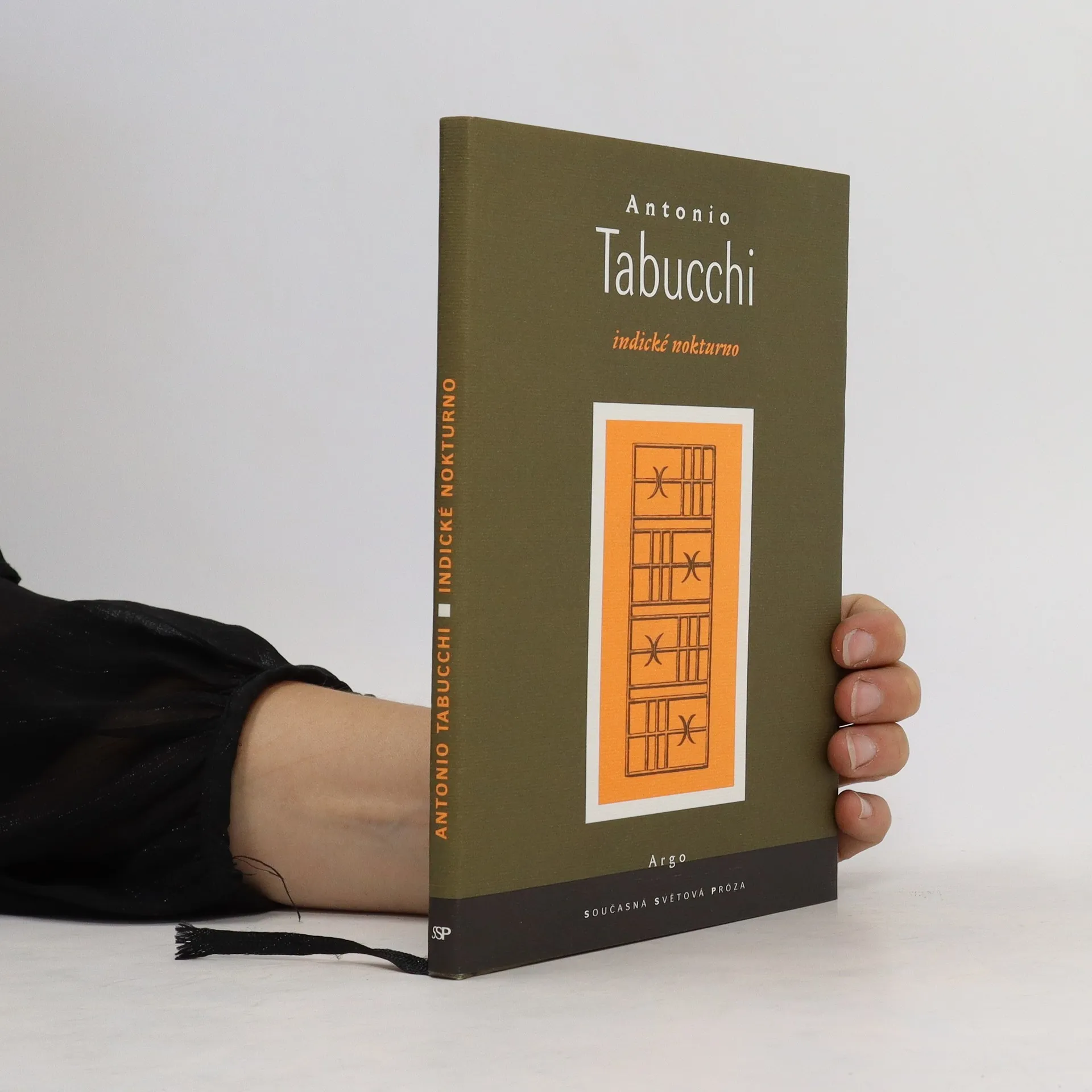
Indické nokturno / Poviedky
- 247 stránek
- 9 hodin čtení
Kniha obsahuje novelu a poviedky talianskeho autora (Malé bezvýznamné nedorozumenia, Hra na opak, Fra Angelico a jeho vtáctvo). V novele Indické nokturno protagonista pátra po zmiznutom priateľovi, zároveň je to aj púť po stopách vlastnej minulosti s prekvapujúcim vyústením
Novelou Indické nokturno vstoupil italský spisovatel Antonio Tabucchi v osmdesátých letech na evropskou literární scénu, roku 1987 za ni obdržel prestižní francouzskou cenu Médicis Étranger (mezi jeho rivaly byl tehdy i Bohumil Hrabal), tato kniha byla také úspěšně zfilmována. Je pojata jako cesta po Indii – mohla by sloužit i jako průvodce pro milovníky neobvyklého putování, jak říká v úvodní poznámce autor. Protagonista hledá svého přítele, jeho pouť je však i poutí po stopách vlastní minulosti a mění se v hledání sama sebe.
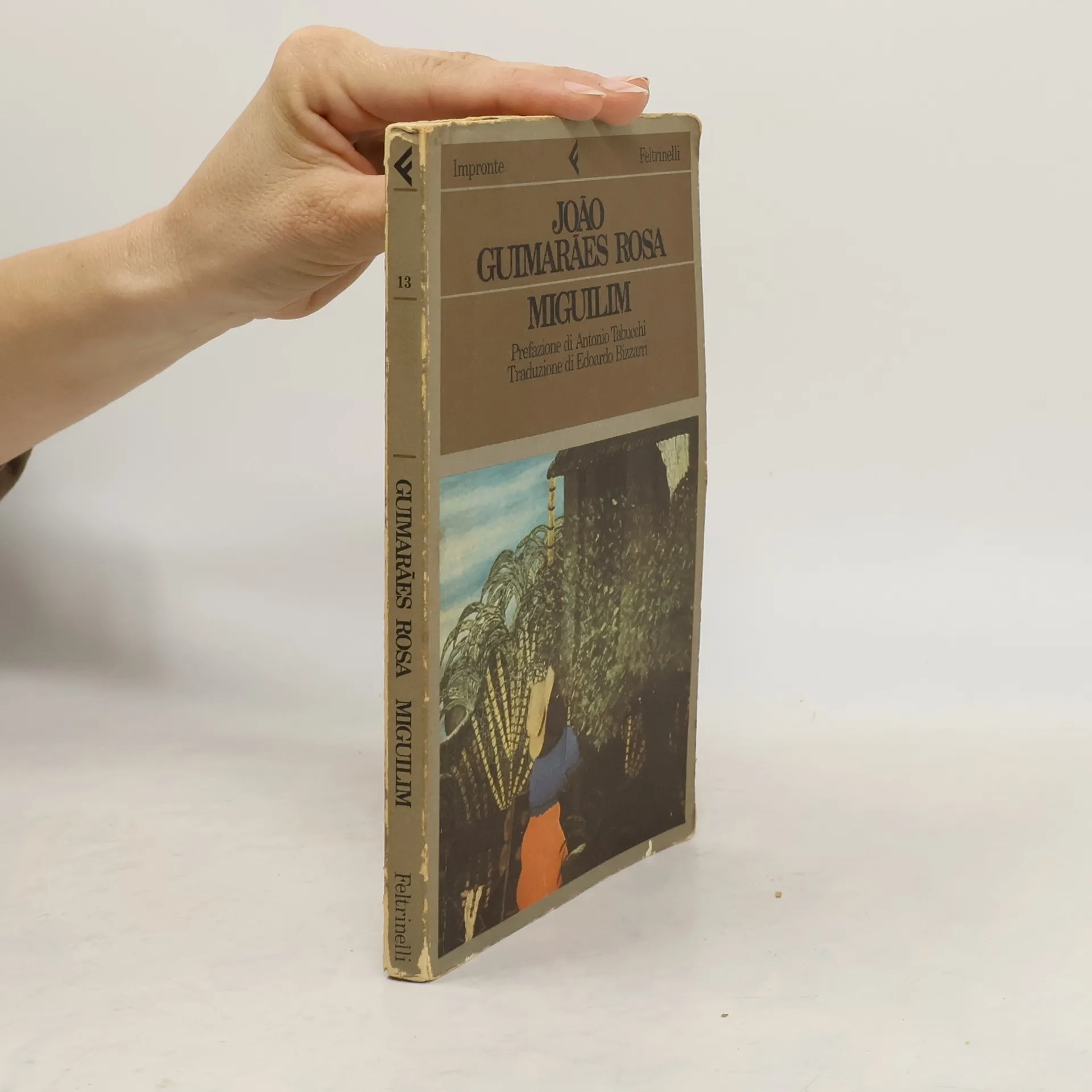
Impronte - 13: Miguilim
- 135 stránek
- 5 hodin čtení
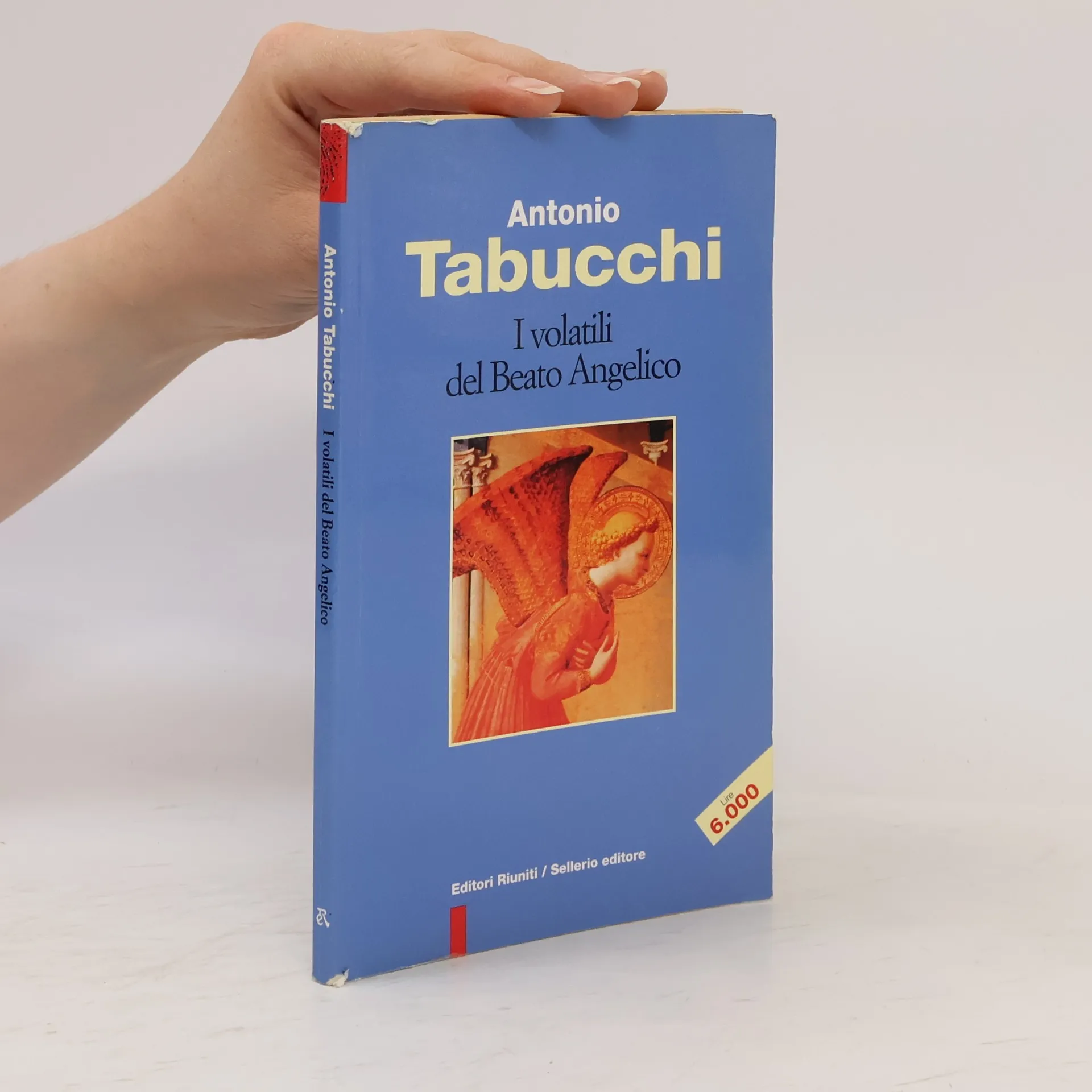
I volatili del Beato Angelico
- 92 stránek
- 4 hodiny čtení
A metà degli anni Venti, Ortega y Gasset decretava «non è probabile che oggi si possa inventare un'avventura capace di interessare la nostra sensibilità superiore». Nel tempo da allora ad oggi, il posto dell'avventura nella letteratura, il suo lottare col vento piano e insinuante della sensibilità, è stato variamente controverso. E il fatto che a proposito di questi racconti Antonio Tabucchi parli di «ronzii che mi hanno accompagnato», «rumore di fondo», riguarda in qualche modo quel vento. Sono racconti interrotti, situazioni senza possibilità, avventure che ritornano su se stesse, quasi che, al loro prendere corpo, le vinca la persuasione a distrarsi, a perdersi dietro voci di sirene provenienti da altri particolari, da altre coincidenze ed equivoci. È esemplare tra tutti la Storia di una storia che non c'è, in cui una storia, un romanzo entra in una notte inquieta e in una strana casa sull'oceano: «in quella notte ricevetti molte storie. Portai con me il romanzo e lo affidai al vento. Non so se fu un tributo, un omaggio, un sacrificio o una penitenza».
A short story collection pivoting on life's ambiguities and the central question they pose in Tabucchi's fiction- is it choice, fate, accident, or even, occasionally, a kind of magic that plays a decisive role in the protagonists' lives? Set in Paris, Lisbon, Madras and New York and blended with the author's wonderfully intelligent imagination, Tabucchi reflects on the elemental aspects of the human experience, exploring grief, uncertainty, adventure, memory and love.
Una città di mare che somiglia a Genova, un oscuro fatto di sangue, un cadavere anonimo, un uomo che istruisce una sua privata inchiesta per svelarne l'identità. Ma il procedimento di Spino, il detective della vicenda, non segue una logica di causa/effetto. Invece delle apparenze visibili egli cerca i significati che queste apparenze contengono e la sua ricerca corre sul filo ambiguo che separa lo spettacolo dallo spettatore. Così la sua inchiesta "impazzisce" e da indagine su una morte slitta sul piano delle segrete ragioni che guidano un'esistenza, trasformandosi in una sorta di caduta libera, vertiginosa e obbligata al tempo stesso: una ricerca senza respiro tesa verso un obiettivo che, come l'orizzonte, sembra spostarsi con chi lo segue.
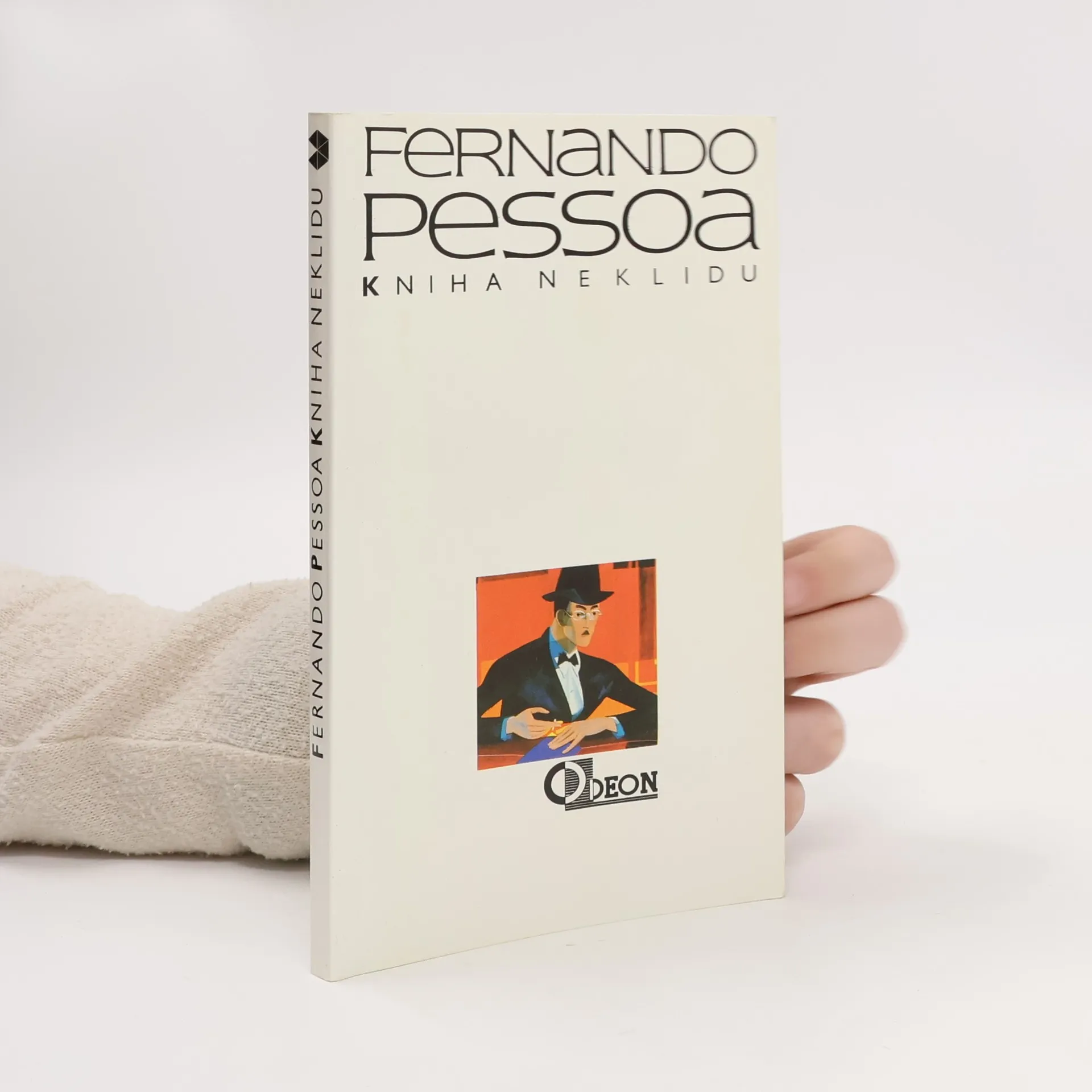
Kniha neklidu
- 144 stránek
- 6 hodin čtení
Zveřejnění Pessoových prozaických fragmentů pod titulem Kniha neklidu v roce 1982 způsobilo doslova literární senzaci. Tato „neklidná", nikdy neuzavřená kniha absurdního bytí a „zběsilého snění", dnes putuje celým světem jako literární puzzle pro editory, překladatele i čtenáře, a polemika o jejich možné interpretaci, organizaci a imaginárním autorství neustává. Pod titulem Kniha neklidu vyšly v českém překladu tři navzájem odlišné výbory, toto je první z nich.
Piazza d'Italia
- 188 stránek
- 7 hodin čtení
Piazza d'Italia, paru en 1975, est le premier roman d'Antonio Tabucchi. Un récit enlevé et brillant que le romancier aime à qualifier de " conte populaire " et qui retrace, à travers l'épopée tragi-comique d'une humble famille toscane suivie durant trois générations, une histoire de l'Italie, des Chemises rouges de Garibaldi à la défaite des chemises noires de Mussolini. On ose qualifier Piazza d'Italia d'ouvrage de jeunesse, tant sont déjà présentes, dans cette succession de petits tableaux drôles ou tendres, la virtuosité de construction, la finesse d'esprit, l'élégance stylistique de l'auteur de Nocturne indien.