Scharia und säkularer Staat im Nahen Osten und Europa / Schari'a and the Secular State in the Middle East and Europe
Carl Heinrich Becker Lecture der Fritz Thyssen Stiftung 2009
- 177 stránek
- 7 hodin čtení


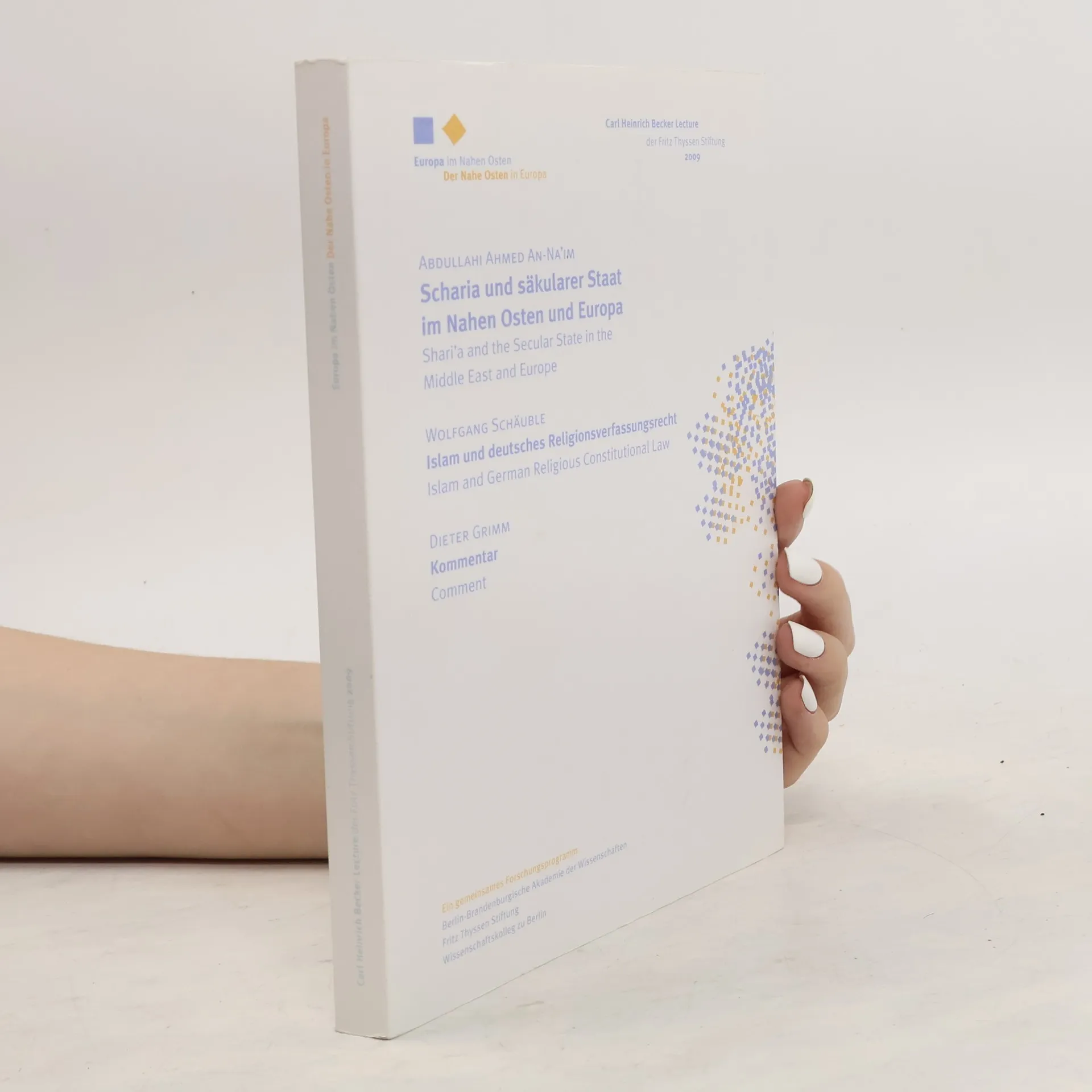

Carl Heinrich Becker Lecture der Fritz Thyssen Stiftung 2009
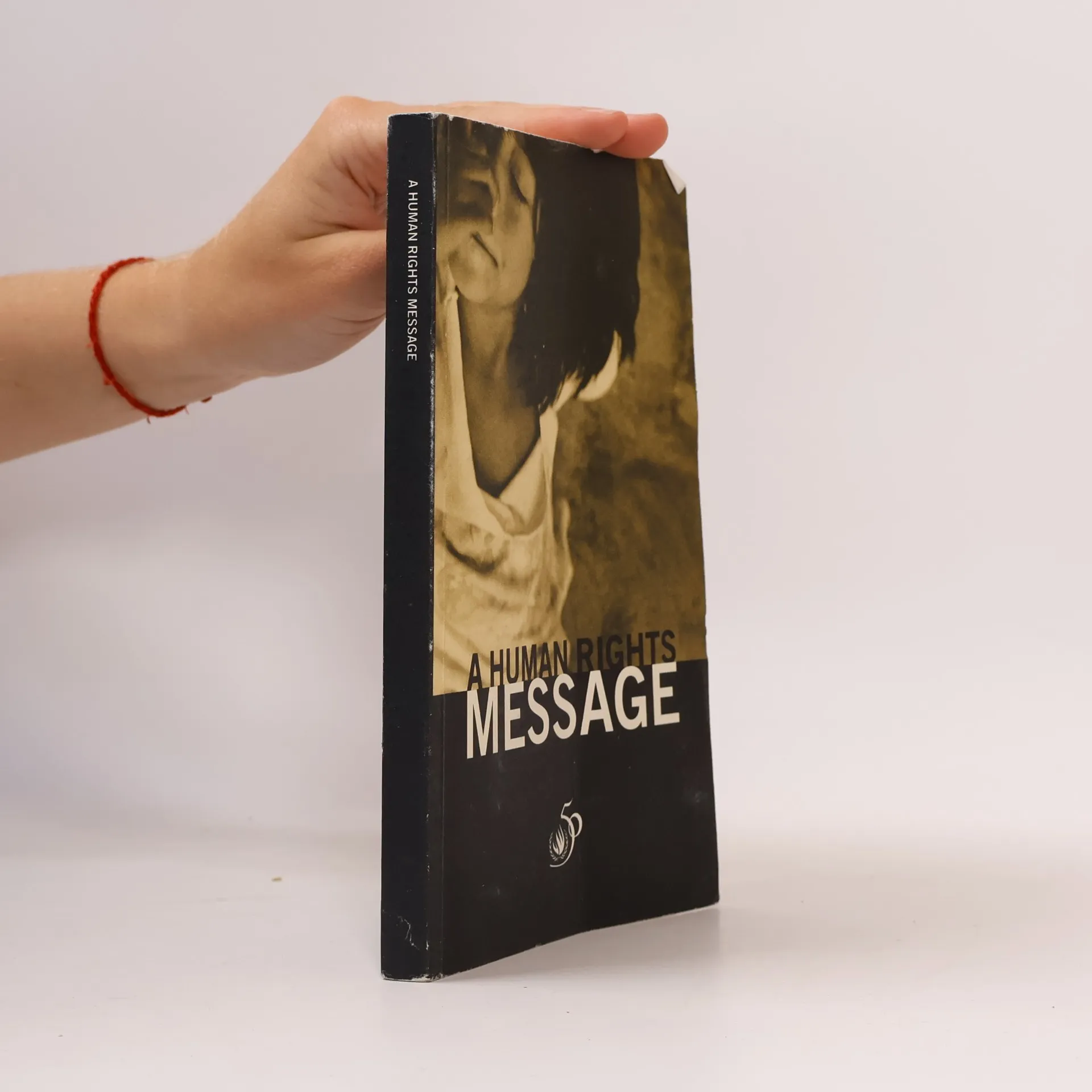
In this book, 25 people from various parts of the world tell us about their work to promote human rights. They all have different experiences. Some fight a constant battle, not infrequently putting their own liberty or life at stake. Others have an acknowledged standing internationally or in the countries in which they work. But one thing unites them: a deep and personal commitment to human rights. Mary Robinson, the Dalai Lama, Thomas Hammarberg, Václav Havel, Binyan Liu, Rigoberta Menchú Tum, Bacre N'diaye, Albie Sachs and many others have contributed to this book. They write about their own personal experiences and cover a wide variety of subjects-rights in Africa, the Americas, Asia and Europe; civil and political, economic, social and cultural rights; the rights of women, children and minorities; the death penalty and many other vital issues. This book is being published to commemorate the 50th anniversary of the Universal Declaration of Human Rights.
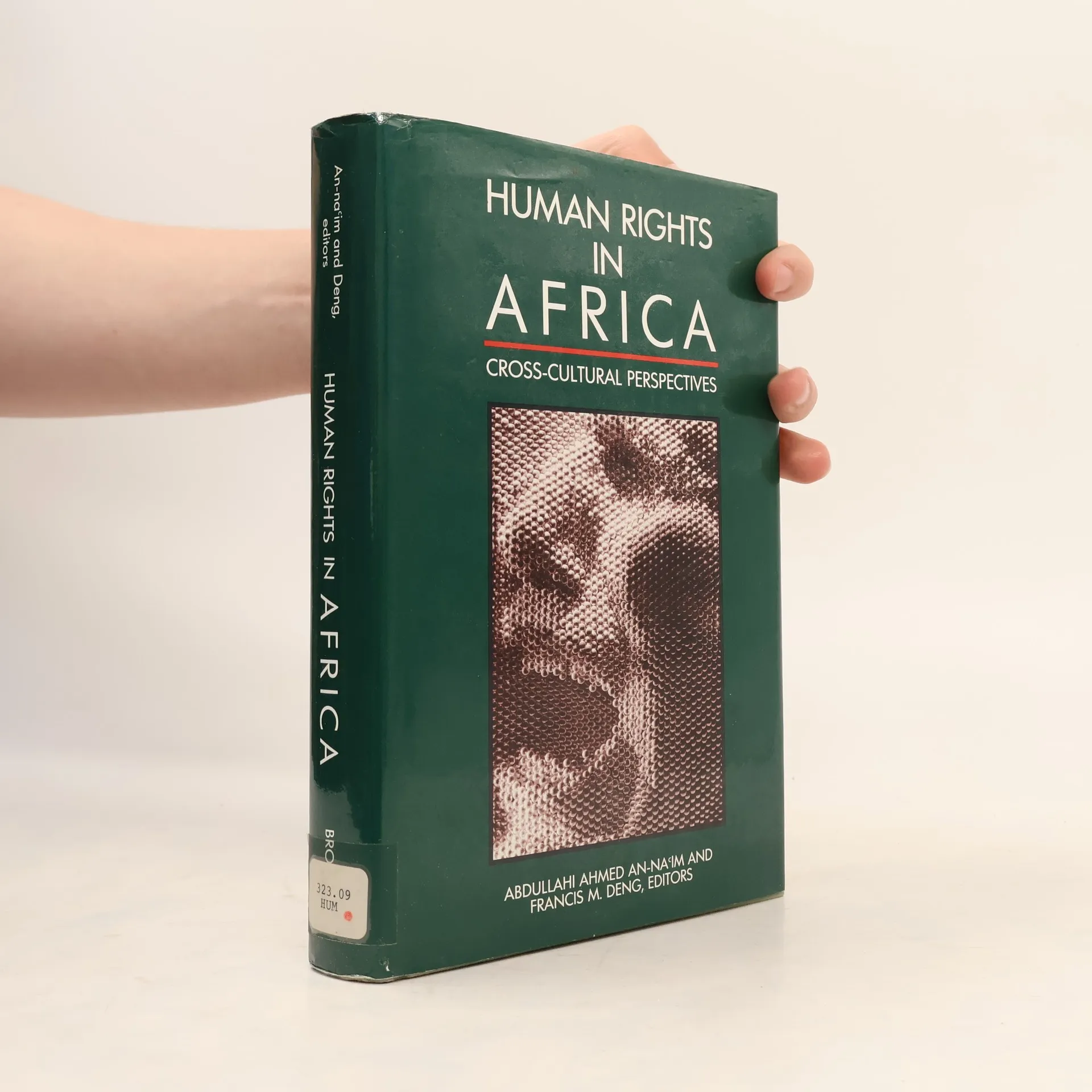
Human rights violations are perpetrated in all parts of the world, and the universal reaction to such atrocities is overwhelmingly one of horror and sadness. Yet, as Abdullahi Ahmed An-Na'im and his contributors attest, our viewpoint is clouded and biased by the expectations native to our own culture. How do other cultures view human rights issues? Can an analysis of these issues through multiple viewpoints, both cross-cultural and indigenous, help us reinterpret and reconstruct prevailing theories of human rights?
This powerful volume challenges the conventional view that the concept of human rights is peculiar to the West and, therefore, inherently alien to the non-Western traditions of third world countries. This book demonstrates that there is a contextual legitimacy for the concept of human rights. Virginia A. Leary and Jack Donnelly discuss the Western cultural origins of international human rights; David Little, Bassam Tibi, and Ann Elizabeth Mayer explore Christian and Islamic perspectives on human rights; Rhoda E. Howard, Claude E. Welch, Jr., and James C. N. Paul examine human rights in the context of the African nation-state; Kwasi Wiredu, James Silk, and Francis M. Deng offer African cultural perspectives; and Abdullahi Ahmed An-Na'im and Richard D. Schwartz discuss prospects for a cross-cultural approach to human rights.