Knihobot

World Health Organization

    Tato organizace se soustředí na mezinárodní veřejné zdraví a hraje klíčovou roli v boji proti nemocem, jako jsou HIV/AIDS, ebola, malárie a tuberkulóza. Zaměřuje se také na snižování dopadů nepřenosných nemocí a podporu zdravého životního stylu. Jejím cílem je podporovat globální rozvoj a zajišťovat, aby všichni lidé dosáhli co nejvyššího standardu zdraví. Organizace vydává významné publikace a spravuje celosvětové průzkumy zdraví.

    Water Safety in Buildings
    Health at a Glance: Asia/Pacific 2020 Measuring Progress Towards Universal Health Coverage
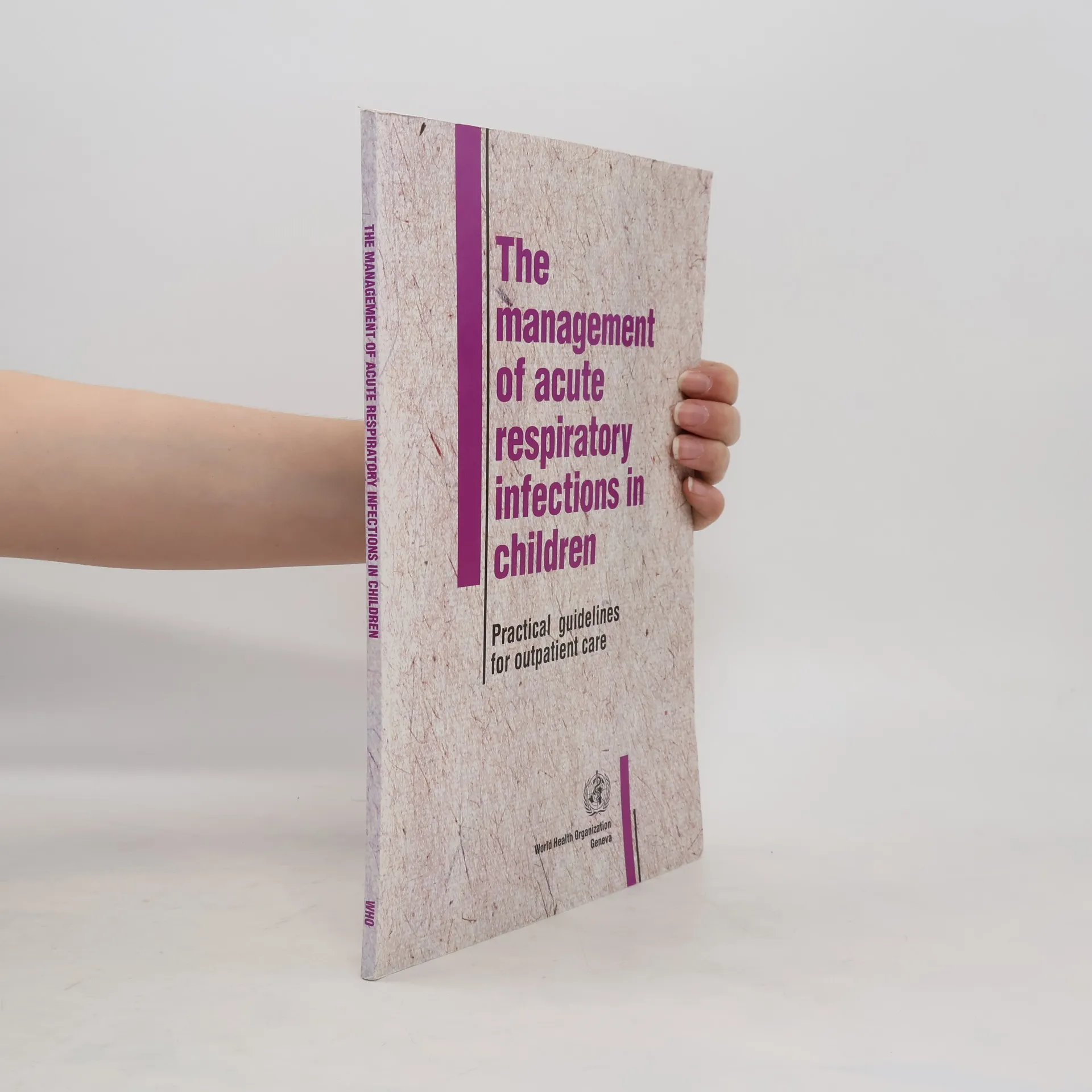
    The Management of Acute Respiratory Infections in Children
    • The 2020 edition of Health at a Glance: Europe focuses on the impact of the COVID-19 crisis. Chapter 1 provides an initial assessment of the resilience of European health systems to the COVID-19 pandemic and their ability to contain and respond to the worst pandemic in the past century. Chapter 2 reviews the huge health and welfare burden of air pollution as another major public health issue in European countries, and highlights the need for sustained efforts to reduce air pollution to mitigate its impact on health and mortality. The five other chapters provide an overview of key indicators of health and health systems across the 27 EU member states, 5 EU candidate countries, 3 European Free Trade Association countries and the United Kingdom. Health at a Glance: Europe is the first step in the State of Health in the EU cycle.

      Health at a Glance: Asia/Pacific 2020 Measuring Progress Towards Universal Health Coverage
    • Water Safety in Buildings

      • 146 stránek
      • 6 hodin čtení

      Extensive experience shows that poor design and management of water systems in buildings can cause outbreaks of disease. The types of building, water uses, disease outcomes and individuals affected are diverse. The health risks are preventable and can be readily controlled. However, evidence from outbreak detection suggests that the overall trend is increasing. With increasing global urbanization, the overall exposure of the human population to poorly designed or managed water systems in buildings is increasing rapidly. Consequently, the risk of disease outbreaks is also increasing. Actions to reduce the risk of disease should be considered a public health priority. This document provides guidance for managing water supplies in buildings where people may drink water; use water for food preparation; wash, shower, swim or use water for other recreational activities; or be exposed to aerosols produced by water-using devices, such as cooling towers. These uses occur in a variety of buildings, such as hospitals, schools, child and aged care, medical and dental facilities, hotels, apartment blocks, sport centres, commercial buildings and transport terminals. The target audience for this document includes the full range of "actors" who influence the overall safe management of building water supplies. In particular, it is directed at those who design, construct, manage, operate, maintain and regulate building water systems.
      Water Safety in Buildings