Knihobot

Abu Hamid Muhammad Al- Ghazali

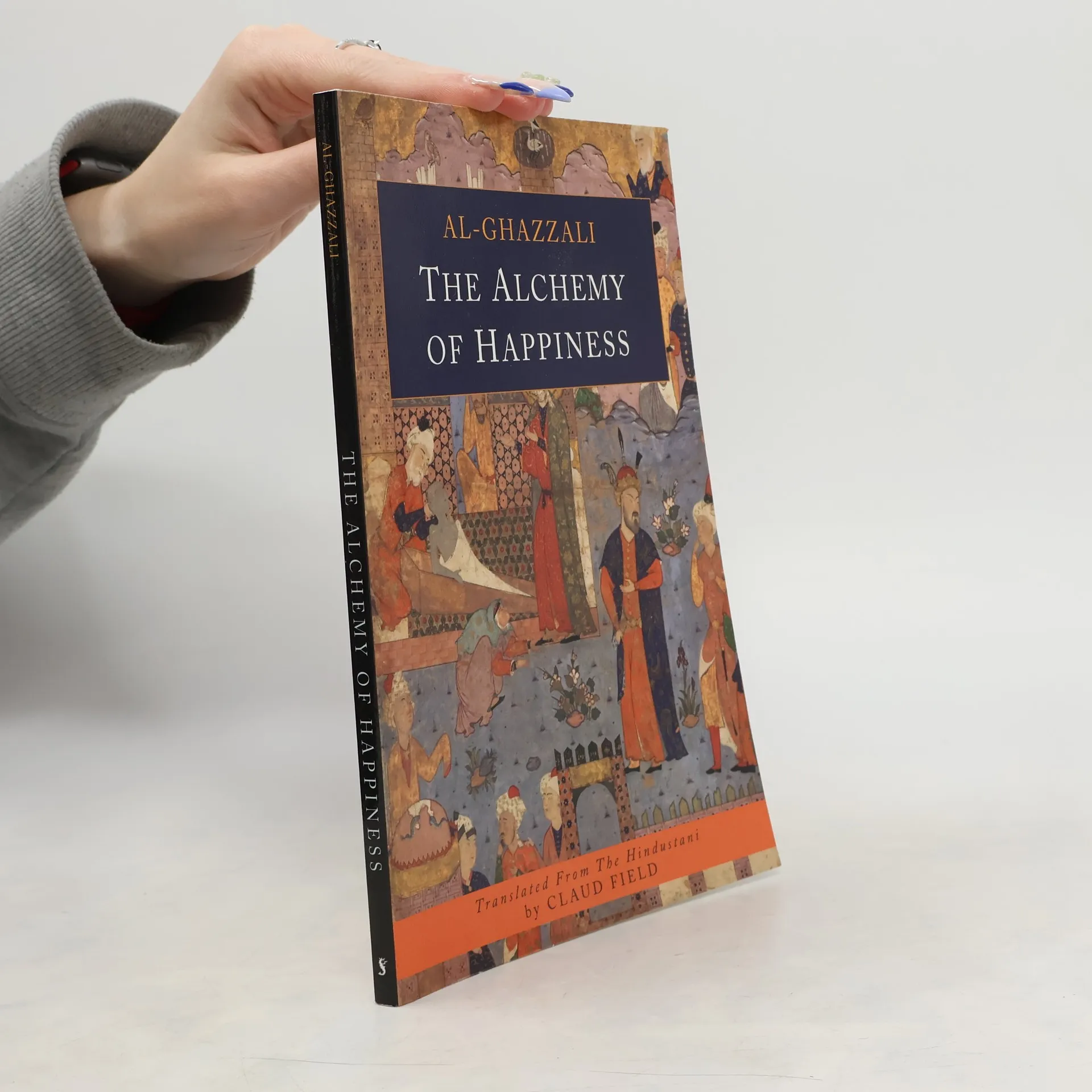
    The Alchemy of Happiness
    Erinnerung an den Tod und das Leben danach
    The Censure of This World: Book 26 of Ihya' 'Ulum Al-Din, the Revival of the Religious Sciences Volume 26
    Al-Ghazali: The Mysteries of the Pilgrimage
    • Abu hamid al-Ghazali discusses the fundamentals and inner meanings of the pilgrimage, including its pillars, preconditions, and obligations. The book begins with an introduction on the merits of the pilgrimage and its rewards. Al-Ghazali explains the Qur'anic statement announcing the pilgrimage: And proclaim to the people the pilgrimage; they will come to you on foot and on every lean camel; they will come from every distant pass--that they may witness benefits for themselves and mention the name of God on known days over what He has provided for them of [sacrificial] animals.

      Al-Ghazali: The Mysteries of the Pilgrimage
      5,0
    • Being the twenty-sixth book of The Revival of the Religious Sciences (Ihya' 'ulum al-din), The Book of the Censure of This World (Kitab Dhamm al-dunya) seeks to persuade its reader of the folly of worldly pleasures and possessions. To do so, al-Ghazali begins with a collection of Islamic primary-source texts that speak to the dangers of this world from a variety of angles. He then adds to this collection fourteen metaphors for this world that illustrate its perfidious nature. In a third subsection, al-Ghazali provides an original rationale for renouncing worldly enjoyments, and he furnishes his reader with a blueprint for determining what constitutes " this world" in its most dangerous sense. In a fourth and final subsection, al-Ghazali applies a sociological theory to enumerate the essential human vocations and identify the mechanisms through which these lead people away from God.

      The Censure of This World: Book 26 of Ihya' 'Ulum Al-Din, the Revival of the Religious Sciences Volume 26
    • 2017 Reprint of 1910 Edition. Al-Ghazzali, or, Al-Ghazali, the author of The Alchemy of Happiness, was a Persian theologian, philosopher, and prolific Sunni Muslim author, and is regarded as one of the great thinkers of Islam. The work emphasized the importance of observing the ritual requirements of Islam, the actions that would lead to salvation, and avoidance of sin. The factor that set the Alchemy apart from other theological works at the time was its mystical emphasis on self-discipline and asceticism. Sa'āda (happiness) is a central concept in Islamic philosophy used to describe the highest aim of human striving. Sa'āda is equated with "ultimate happiness", namely that of the hereafter. It is achieved only after a human being has liberated his/her soul completely from its corporal existence, achieving "active intellect". The teachings were to help man to live a life in accordance with the sacred law, and by doing so gain a deeper understanding of its meaning on the day of Judgement.

      The Alchemy of Happiness
      4,3