

Much of East Asia continues to grow rapidly, driven to a considerable extent by China. Urbanization is proceeding at pace. Demand for infrastructure services is increasing massively, particularly in cities. Much of the demand comes from the newly urbanized poor. Infrastructure has to meet their needs, but has also to continue to provide the underpinnings for the region¡¦s growth. The complexity of responding to these demands is greater than ever, and the cost of getting things wrong very high. Poorly conceived infrastructure investments today would have a huge environmental, economic, and social impact ¡V and be very costly to fix later. Neglecting the infrastructure needs of people remaining in poor parts of East Asia ¡V particularly in rural areas, and in isolated countries of the region; and failing to include them in growth, would also be costly, in human and political terms. This study is about East Asia, and it¡¦s about infrastructure. It¡¦s about poverty and growth, and it¡¦s about transport, water, sanitation, power, and telecommunications ¡V both the infrastructure, and the infrastructure services. Infrastructure is only one part of the development challenge, but its impacts are among the most important. Connecting East Asia looks at the role that infrastructure has played in supporting East Asia¡¦s growth and looks ahead at what the challenges are for the future, and how to approach them.
World Bank Group Knihy
Tato organizace se zaměřuje na podporu rozvojových a transformujících se zemí prostřednictvím finanční pomoci a půjček. Jejím hlavním cílem je snižování extrémní chudoby a budování sdílené prosperity. Banka poskytuje půjčky a granty na projekty v klíčových oblastech, jako je lidský rozvoj, zemědělství, ochrana životního prostředí a infrastruktura. Tyto finanční nástroje jsou často spojeny s širšími reformami politik v daném sektoru či ekonomice země, s cílem dosáhnout udržitelného rozvoje a posílit institucionální kapacity.
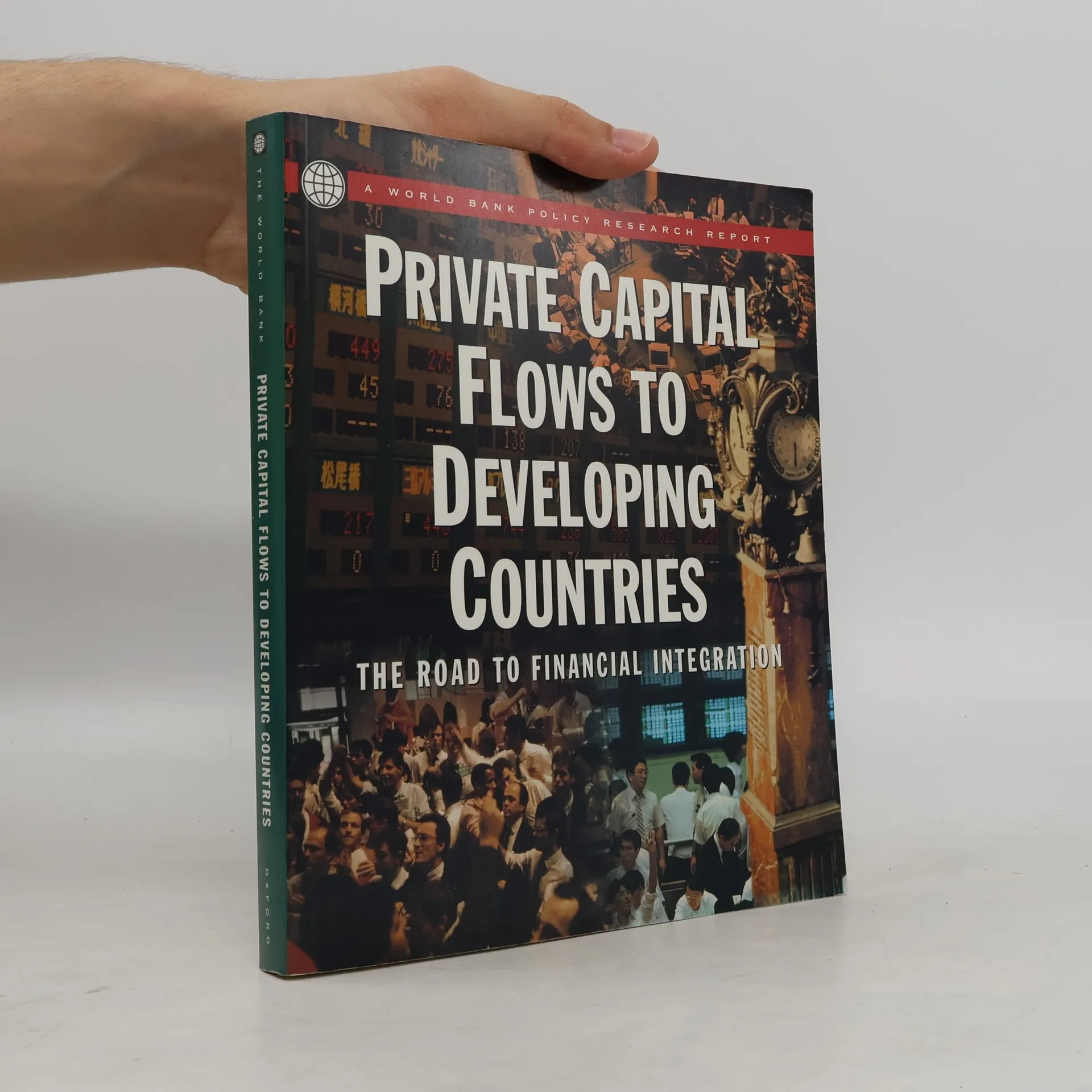

World Bank Policy Research Report: Private Capital Flows to Developing Countries
The Road to Financial Integration
- 424 stránek
- 15 hodin čtení
The world's financial markets are increasingly merging into a single global marketplace, with developing countries entering this process at different stages. Those with strong institutions and sound policies can navigate financial integration effectively and reap its benefits. However, many developing economies lack the necessary foundations, and some are so ill-prepared that integration could be detrimental. While these countries may not have the option to avoid this path due to advances in communication and finance, they can choose how to approach it, selecting policies that bolster their economies and mitigate potential shocks. This World Bank report addresses the significant challenges faced by both developing and developed nations in the evolving global capital landscape. It presents compelling evidence that low interest rates in industrial countries initially fueled a surge in private capital flows from 1989 to 1993, which have since evolved, driven by greater financial integration. The analysis focuses on the causes and effects of this integration, particularly how developing countries in early stages can learn from those that are progressing more rapidly. The report is divided into two parts: the first examines the financial integration process, the factors attracting private capital to developing nations, and the potential advantages of integration. The second part addresses the domestic policy challenges these coun