

Knihobot

Buddhadasa Bhikkhu

    Buddhadasa Bhikkhu byl thajský buddhistický mnich a vlivný asketa-filozof 20. století. Známý jako inovativní reinterpret budhistických doktrín a thajských lidových přesvědčení, Buddhadasa podpořil reformu konvenčních náboženských vnímání v Thajsku i v zahraničí. Buddhadasa vyvinul osobní pohled, že ti, kdo pronikli do podstatné povahy náboženství, považují „všechna náboženství za vnitřně stejná“, zatímco ti, kdo mají nejvyšší pochopení dharmy, cítí „žádné náboženství neexistuje“.

    Mindfulness with Breathing
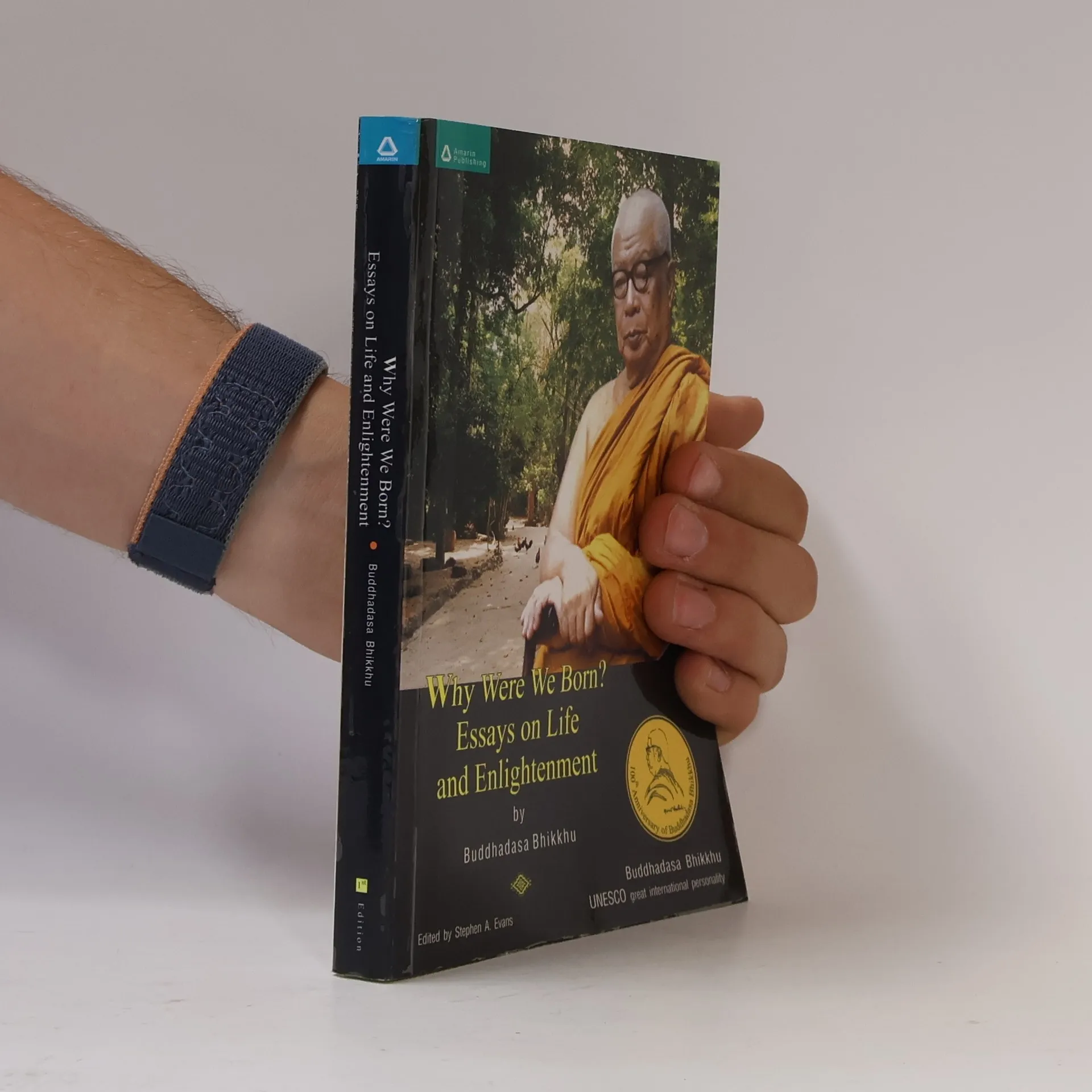
    Why Were We Born? Essays on Life and Enlightenment - 1st Edition
    Rethinking Karma: The Dharma of Social Justice
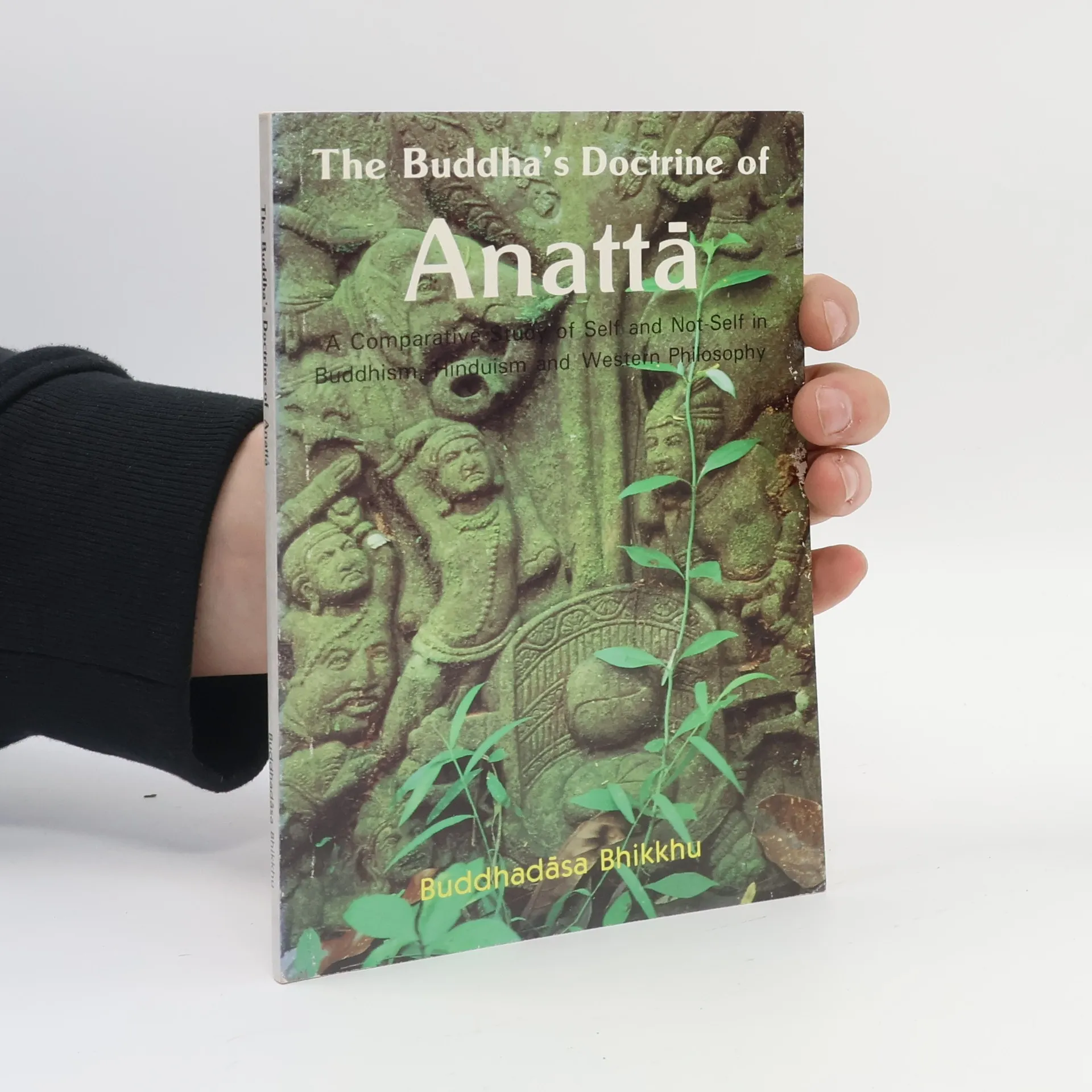
    The Buddha's Doctrine of Anatta
    • What is a Buddhist response to political oppression and economic exploitation? Does Buddhism encourage passivity and victimization? Can violent perpetrators be brought to justice without anger and retributive punishment? What does Buddhism say -- or imply -- about collective karma and social justice? Rethinking Karma addresses these questions, and many more, through the lens of the Buddhist teachings on karma. Acknowledging that a skewed understanding of karma serves to perpetuate structural and cultural violence, specifically in the Buddhist societies of South and Southeast Asia, the book critically reexamines the teachings on karma as well as important related teachings on equanimity (upekkha), generosity (dana), and "merit" (punna). The eleven authors featured in this volume are thinker-activists who have been deeply involved in issues of social justice at a grassroots level and speak from their own experience in trying to solve them. For them, these issues are seminal ones requiring deeper contemplation and greater sharing, not only within the Buddhist community at large but among all those who seek to bridge the gaps between our idealization of human harmony, our tendencies toward violent confrontation, and the need for greater social justice.

      Rethinking Karma: The Dharma of Social Justice2020
      4,0
    • Why Were We Born? includes a representative selection of talks given over the span of his teaching career and to a wide variety of audiences. Brought together here for the first time, these talks range from "The Way to Buddadhamma" given in 1940 to traditional Thai Buddhists to "The Prison of Life" given in 1988 to an international group of Meditators. Most of these selactions have been newly translated for this volume and all have been significantly revised in consultation with the Thai originals, in hope of presrnting Buddhadasa's teachings as honestly and directly as possible Content - Editor's Introduction - Why Were We Born? - Happiness and Hunger - A Different Kind of Birth - No Religion - The Prison of Life - The Way to Buddhadhamma - Spiritual Exchange in the Midst of Combat - About Suan Mokkh

      Why Were We Born? Essays on Life and Enlightenment - 1st Edition2008
    • Mindfulness with Breathing

      • 160 stránek
      • 6 hodin čtení

      Any practitioner, after meditating for some time, inevitably wonders what meditation method the historical Buddha Shakyamuni himself used while beneath the Bodhi Tree. Many people understand that prior to his realization, Shakyamuni Buddha studied with many of the great yogis of his time, but most do not know what method he ultimately found leads most directly to nirvana. In Ajahn Buddhadasa Bhikkhu's book, Mindfulness With Breathing , the Thai meditation master provides practitioners with penetrating insights into the Anapanasati Sutta , the canonical text which many believe is the most direct transmission of Shakyamuni Buddha's breath meditation methods. Combined with a concise translation of the sutta itself, Mindfulness with Breathing is one of the best guides to Buddhist meditation practice available in the English language.

      Mindfulness with Breathing1991
      4,3
    • The Buddha's Doctrine of Anatta

      • 100 stránek
      • 4 hodiny čtení

      small paperback book. a comparative study of self and not-self in buddhism, hinduism and western philosophy

      The Buddha's Doctrine of Anatta1990
      4,4