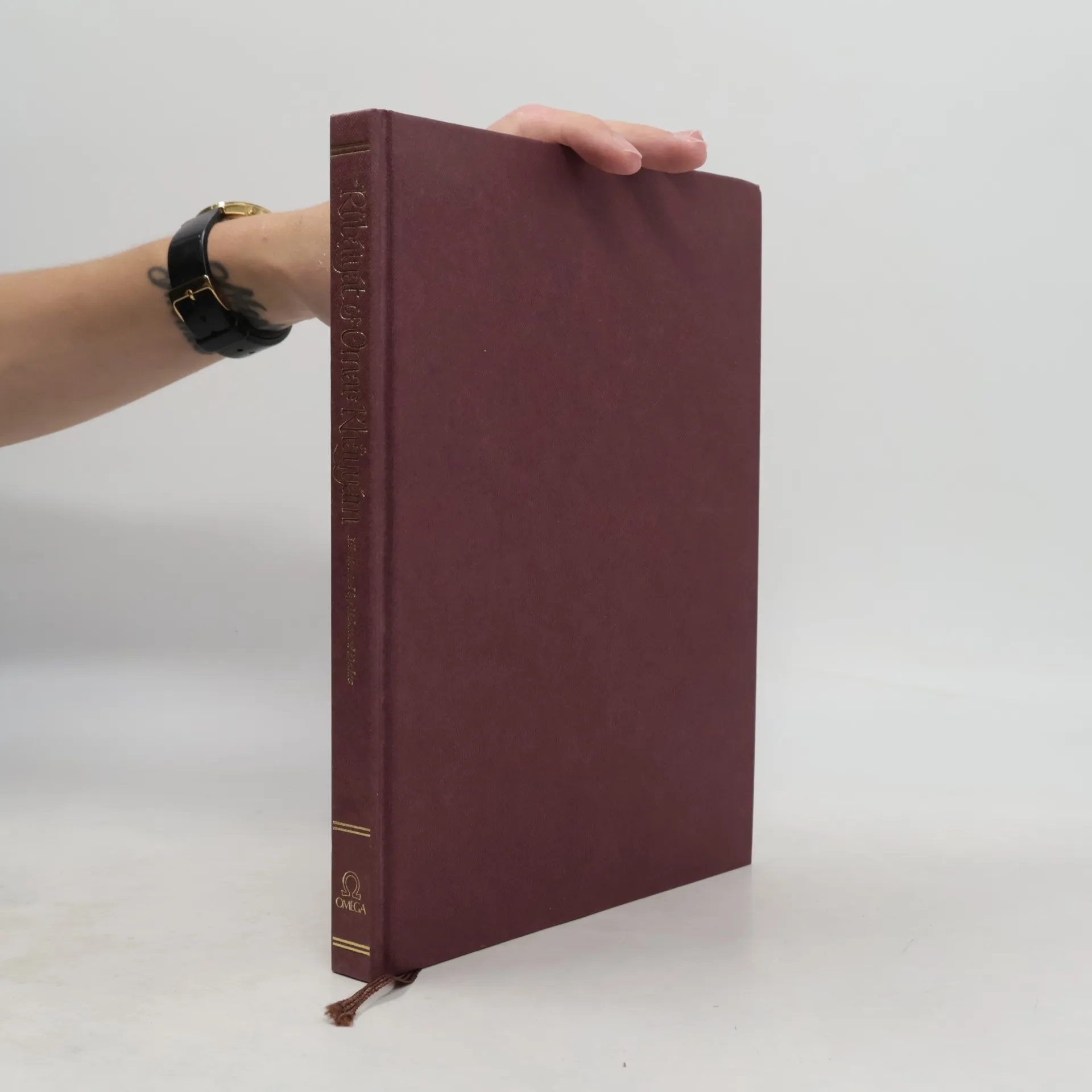
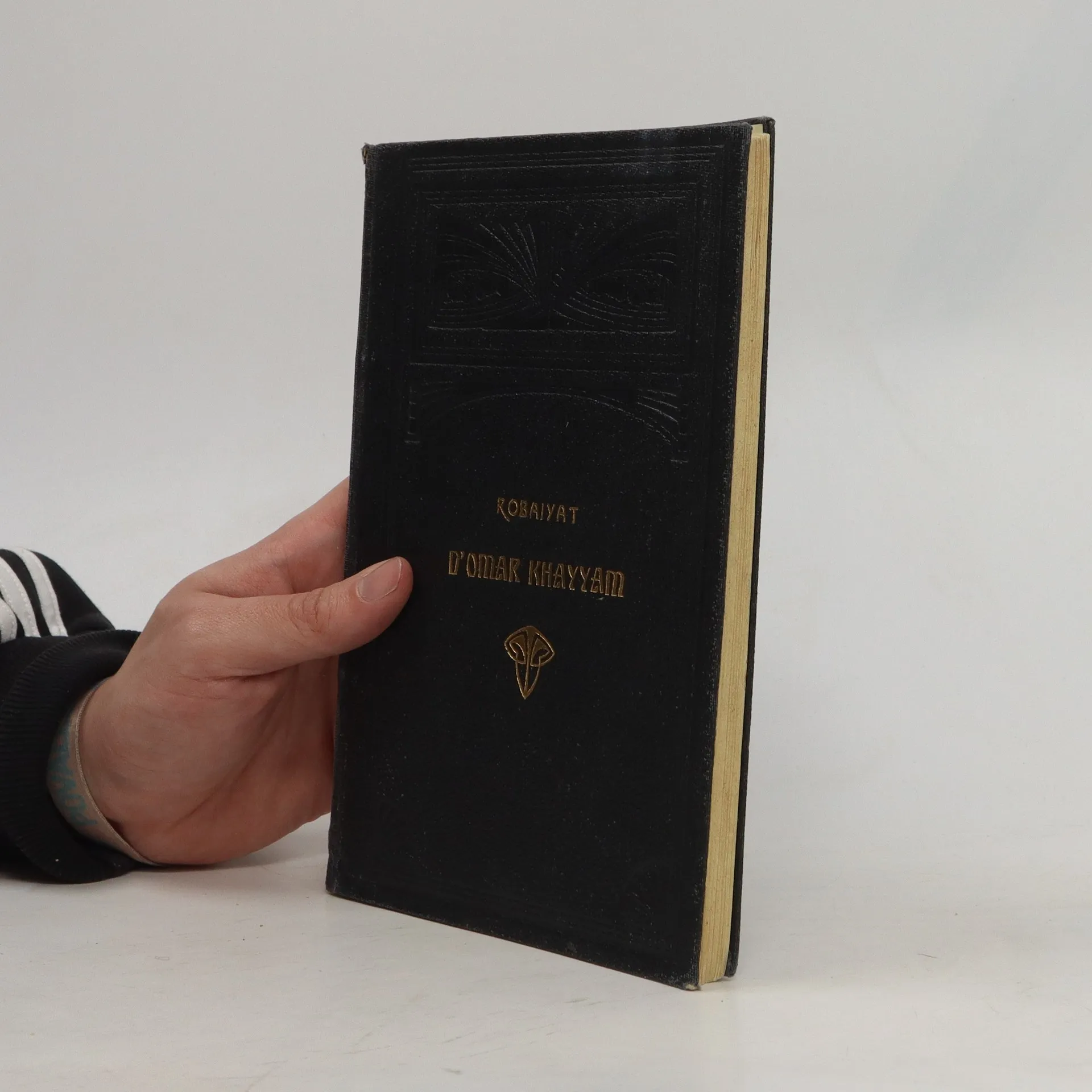
Featuring the stunning illustrations of Frank Brangwyn, this exquisite edition showcases the timeless poetry of Omar Khayyam. It beautifully captures the essence of Persian culture and philosophy through rich imagery and lyrical language. This masterpiece intertwines art and literature, making it a treasured addition for lovers of traditional poetry.
Collins to Fitzgerald: The Five Foot Shelf of Classics, Vol. XLI (in 51 Volumes)
518 stránek
19 hodin čtení
This extensive 51-volume collection features seminal writings in literature, philosophy, history, and mythology, curated by Charles William Eliot, Harvard's longest-serving president. Known as "Dr. Eliot's Five Foot Shelf," it embodies his vision that a fundamental liberal education can be achieved through a carefully selected anthology. Originally published between 1909 and 1917 as the "Harvard Classics," the set aims to provide readers with a comprehensive foundation of essential texts that fit within a five-foot bookshelf.
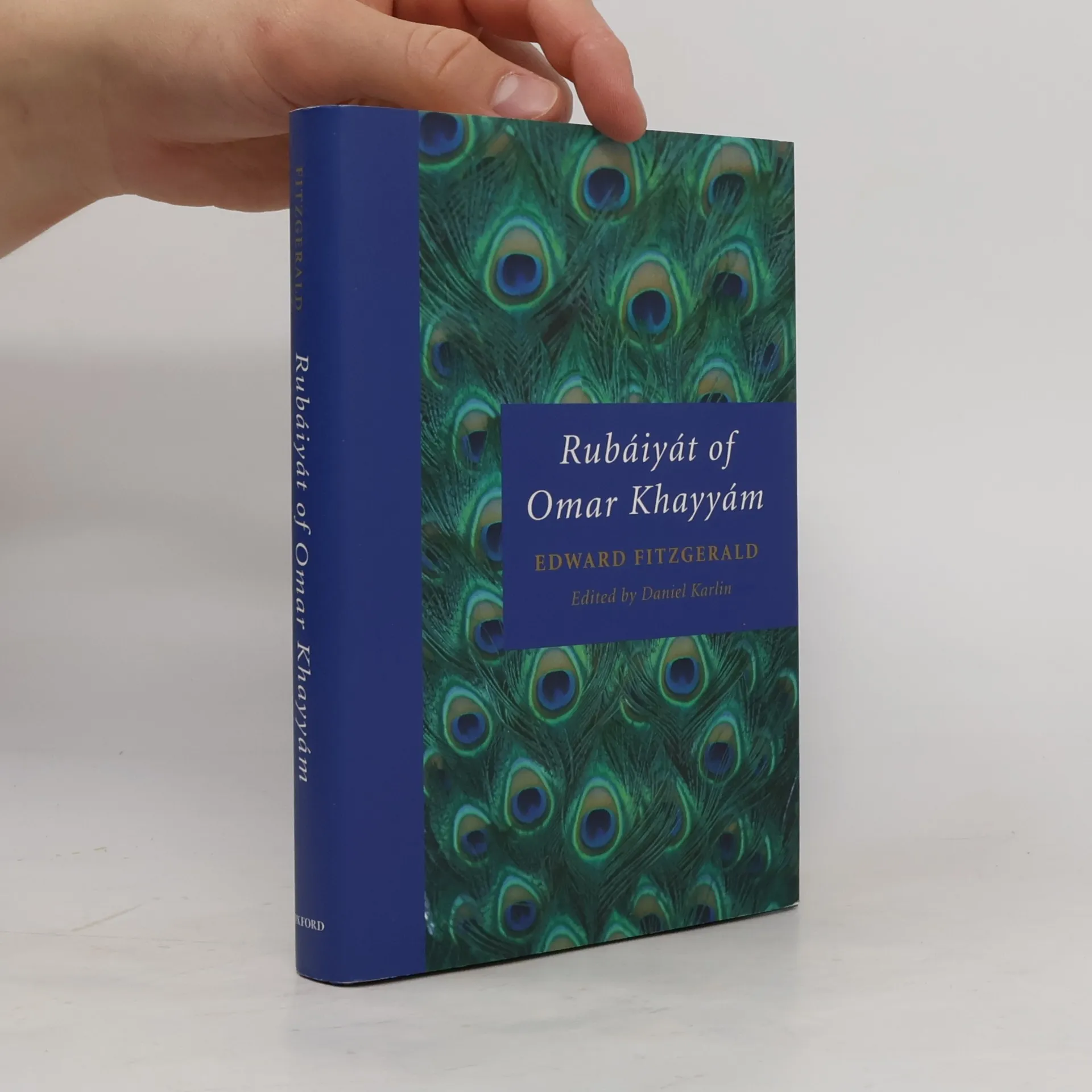
'The Moving Finger writes; and, having writ, Moves on: nor all thy Piety nor Wit Shall lure it back to cancel half a Line, Nor all thy Tears wash out a Word of it.' In the 'rub--aacute--;iy--aacute--;t' (short epigrammatic poems) of the medieval Persian poet, mathematician, and philosopher Omar Khayy--aacute--;m, Edward FitzGerald saw an unflinching challenge to the illusions and consolations of mankind in every age. His version of Omar is neither a translation nor an independent poem; sceptical of divine providence and insistent on the pleasure of the passing moment, its 'Orientalism' offers FitzGerald a powerful and distinctive voice, in whose accents a whole Victorian generation comes to life. Although the poem's vision is bleak, it is conveyed in some of the most beautiful and haunting images in English poetry - and some of the sharpest-edged. The poem sold no copies at all on its appearance in 1859, yet when it was 'discovered' two years later its first readers and admirers included Dante Gabriel Rossetti, Swinburne, and Ruskin. By the end of the century it was one of the best-known poems in the English language. Daniel Karlin's richly annotated edition does justice to the scope and complexity of FitzGerald's lyrical meditation on 'human death and fate'.
Originally published in 1913. Author: Henri Lichtenberger Language: English Keywords: History Many of the earliest books, particularly those dating back to the 1900s and before, are now extremely scarce and increasingly expensive. Obscure Press are republishing these classic works in affordable, high quality, modern editions, using the original text and artwork.Keywords: English Keywords 1900s Language English Artwork
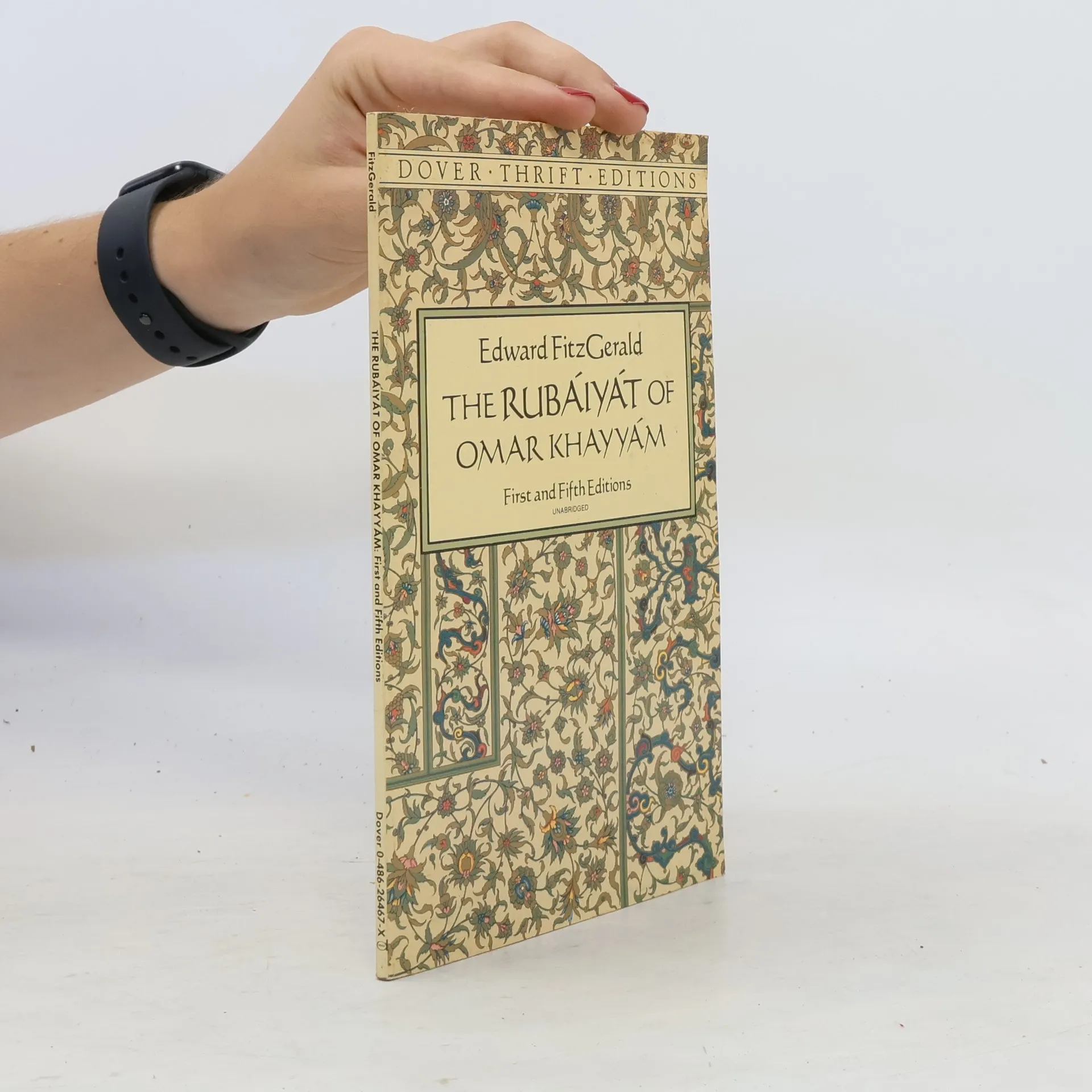
One of the best-known, most often quoted English classics. Edward FitzGeraldrsquo;s free translation of skeptical, hedonistic verse attributed to Omar Khayyaacute;m (1048ndash;1122), Persian mathematician, astronomer and philosopher. Fifth edition incorporates FitzGeraldrsquo;s handwritten changes in the fourth edition, and is traditionally printed with the first edition. Notes explaining Persian names and unfamiliar terms.