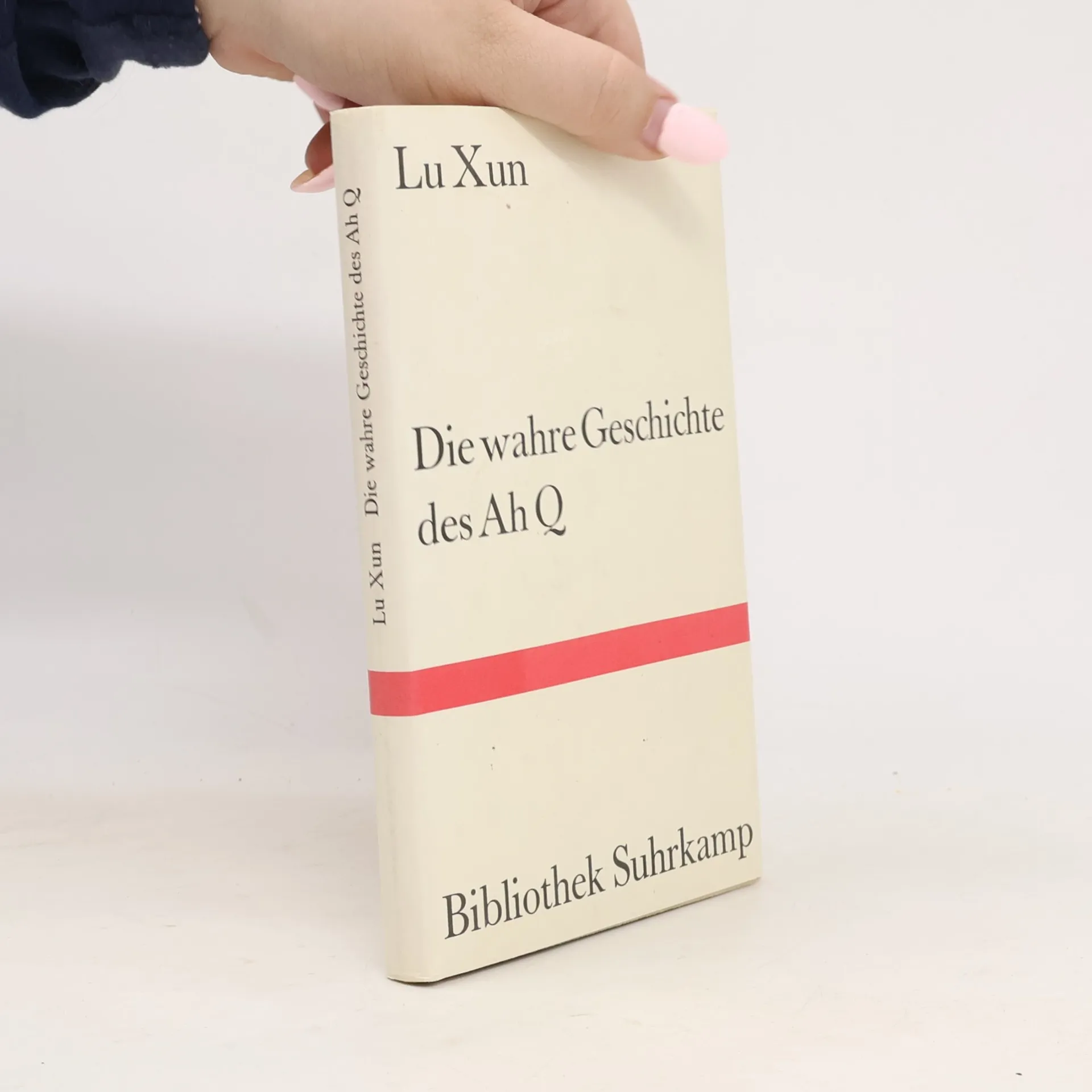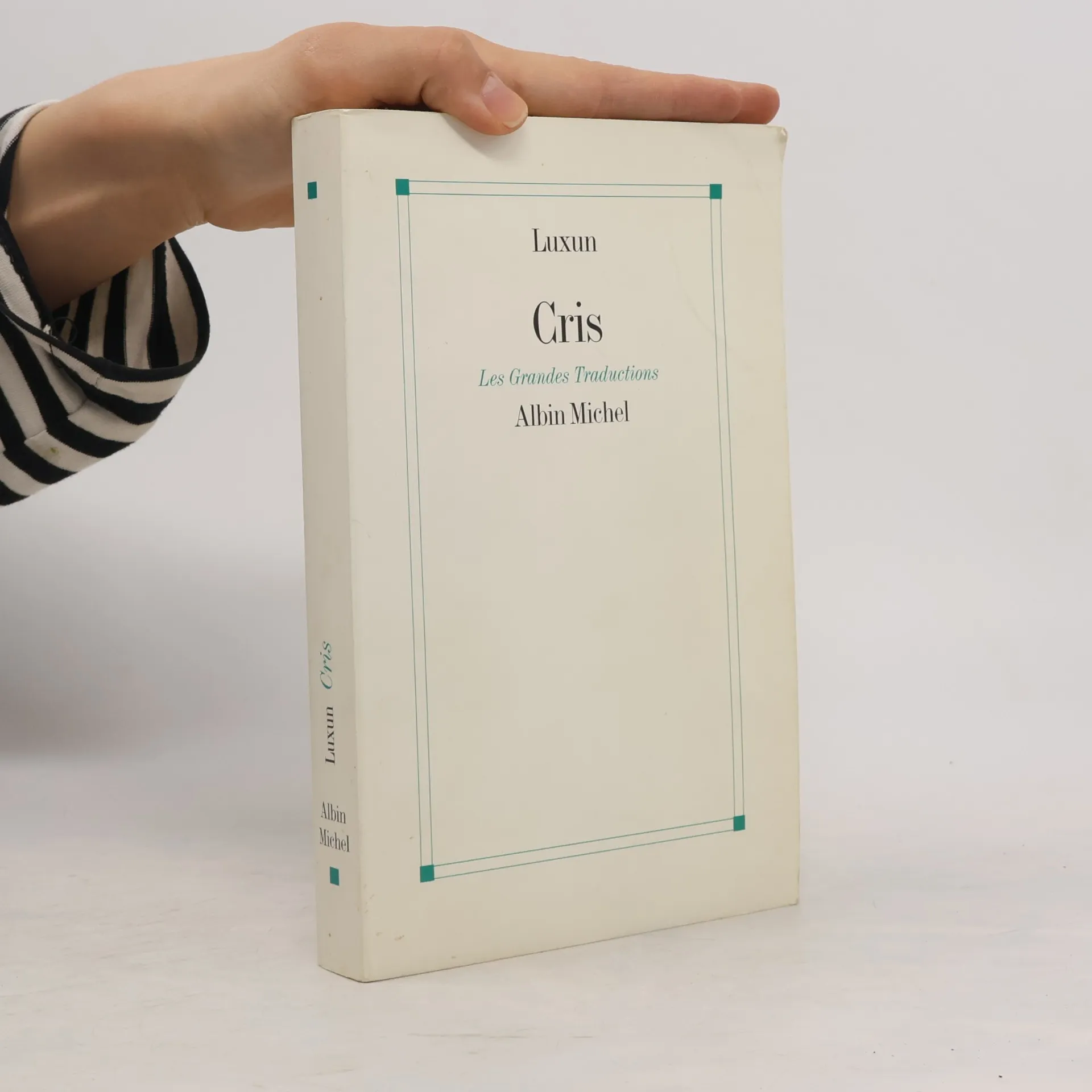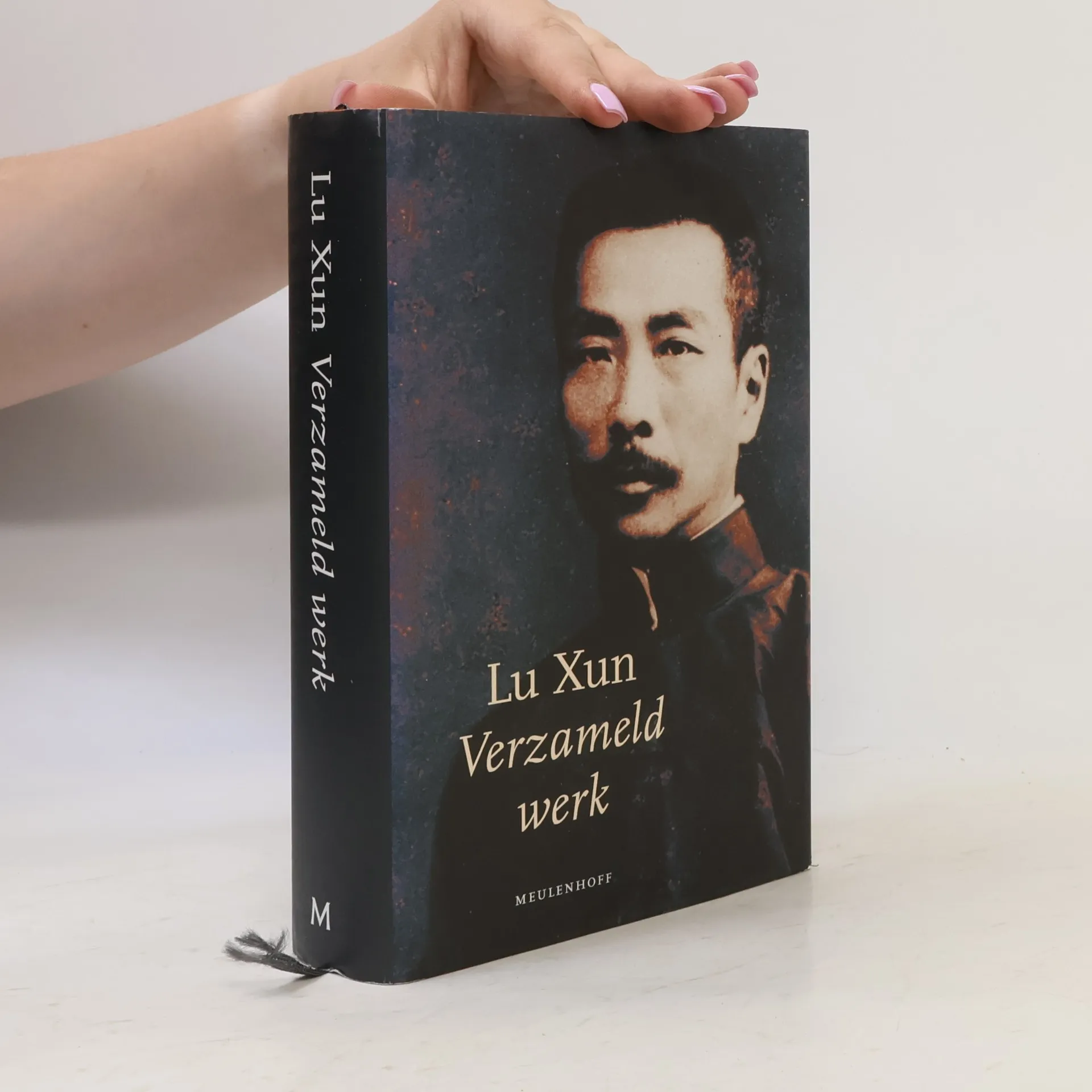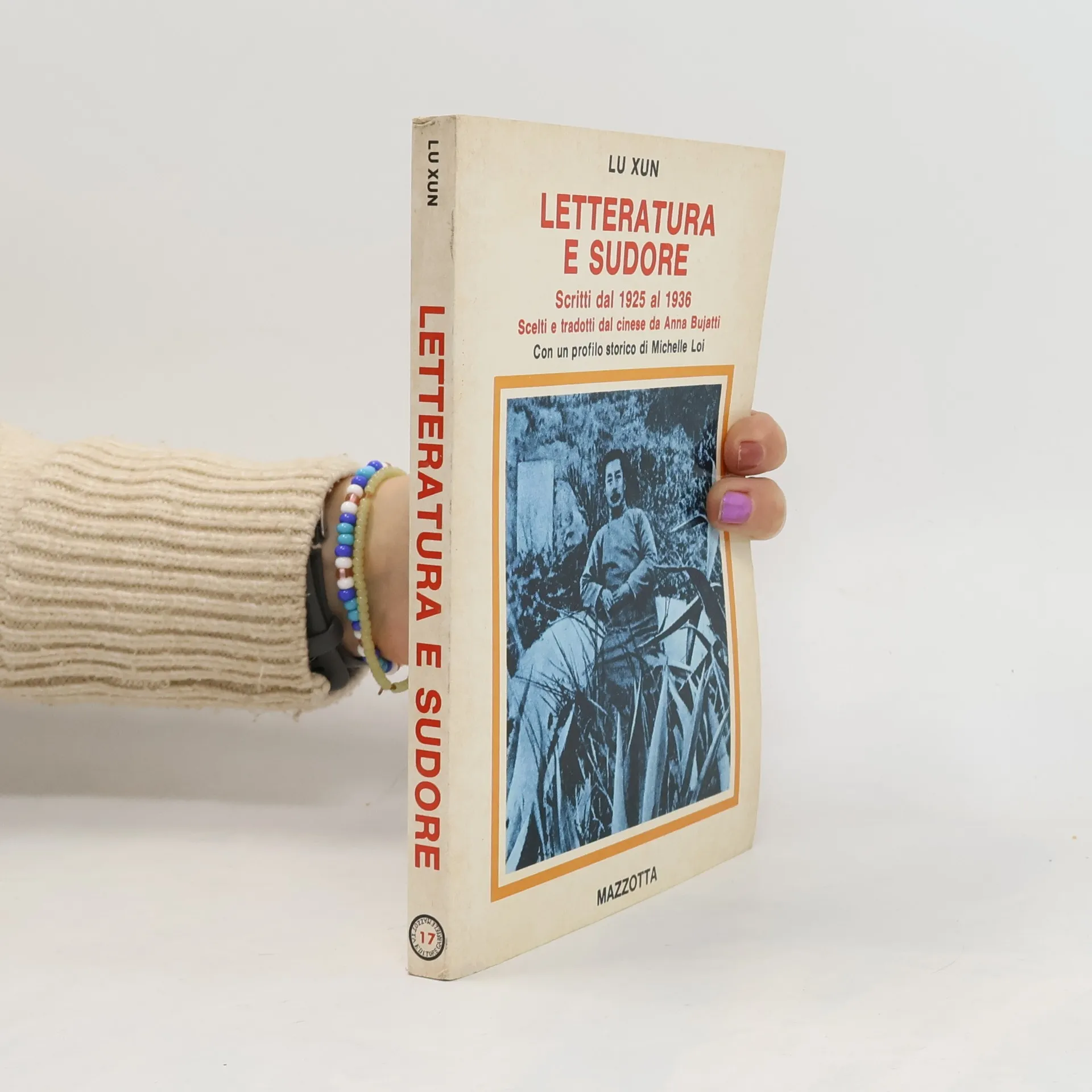
Knihobot

Lu Sün

    25. září 1881 – 19. říjen 1936

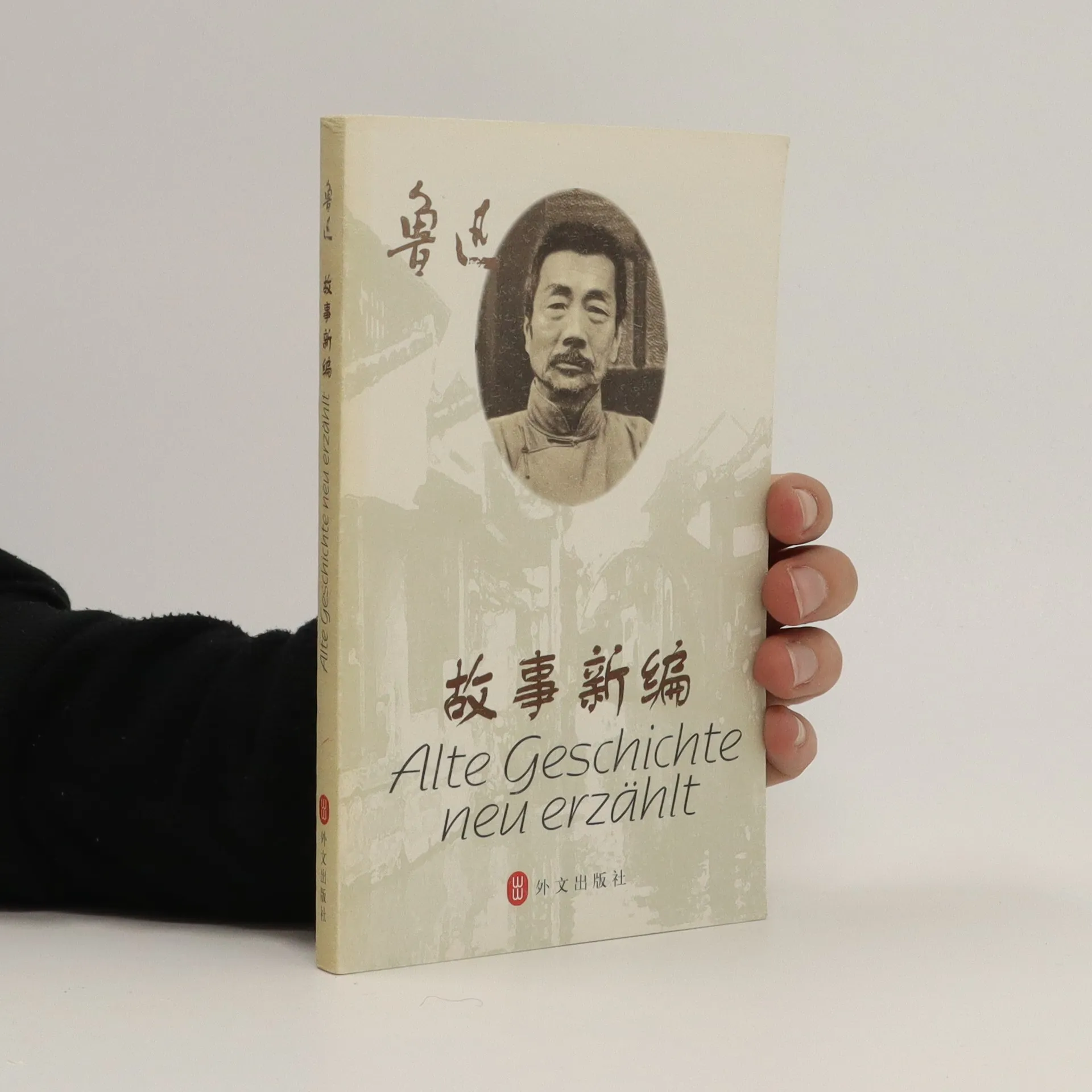
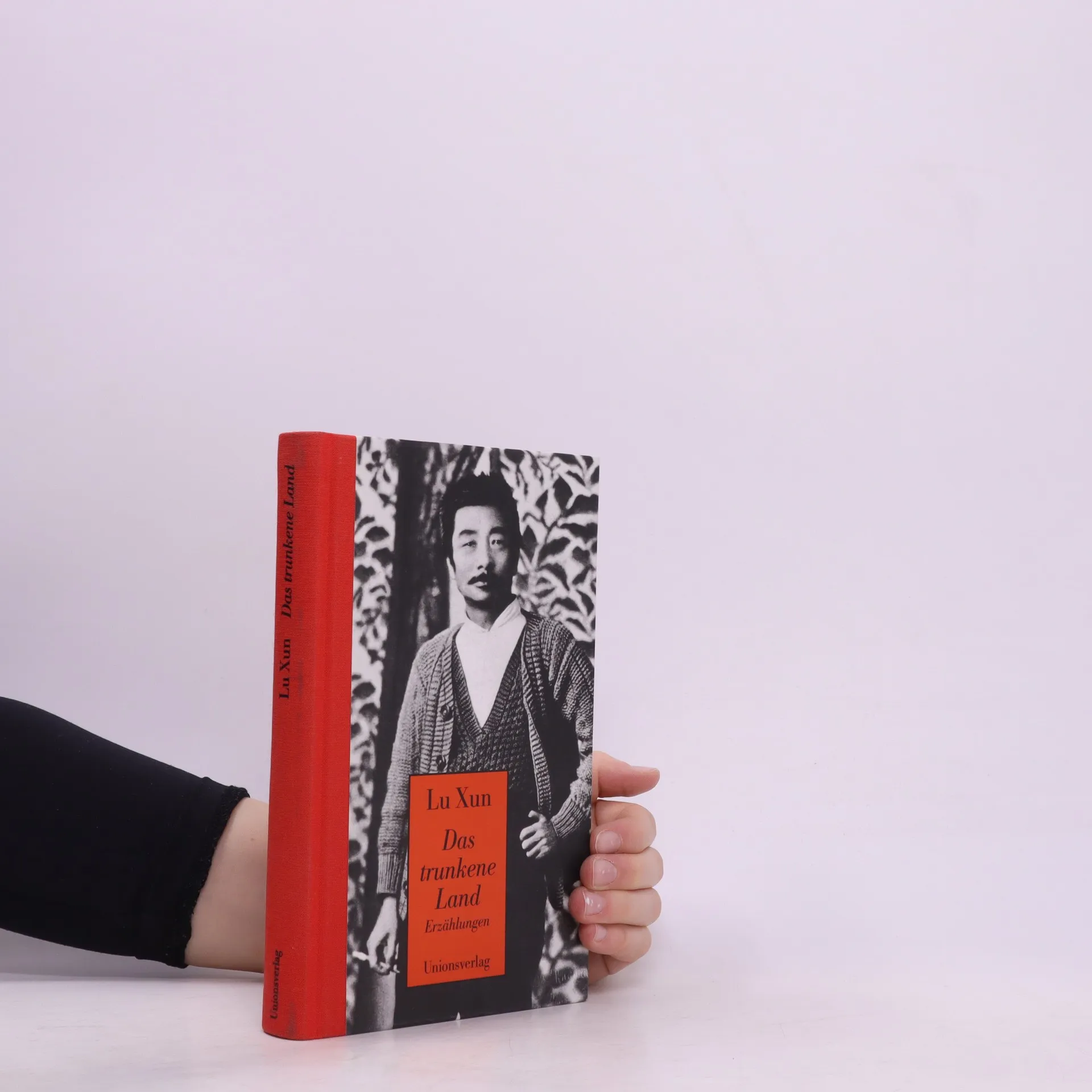
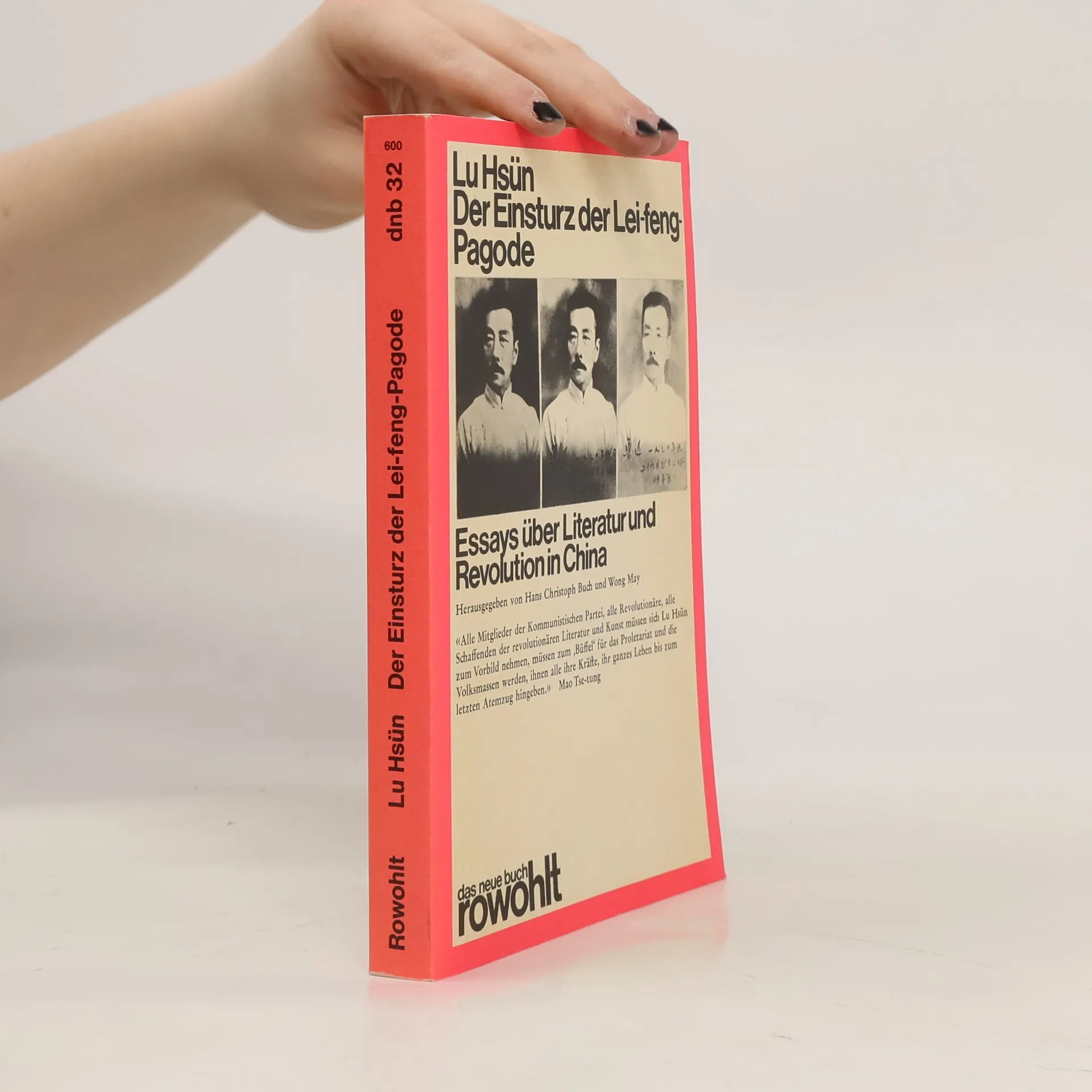
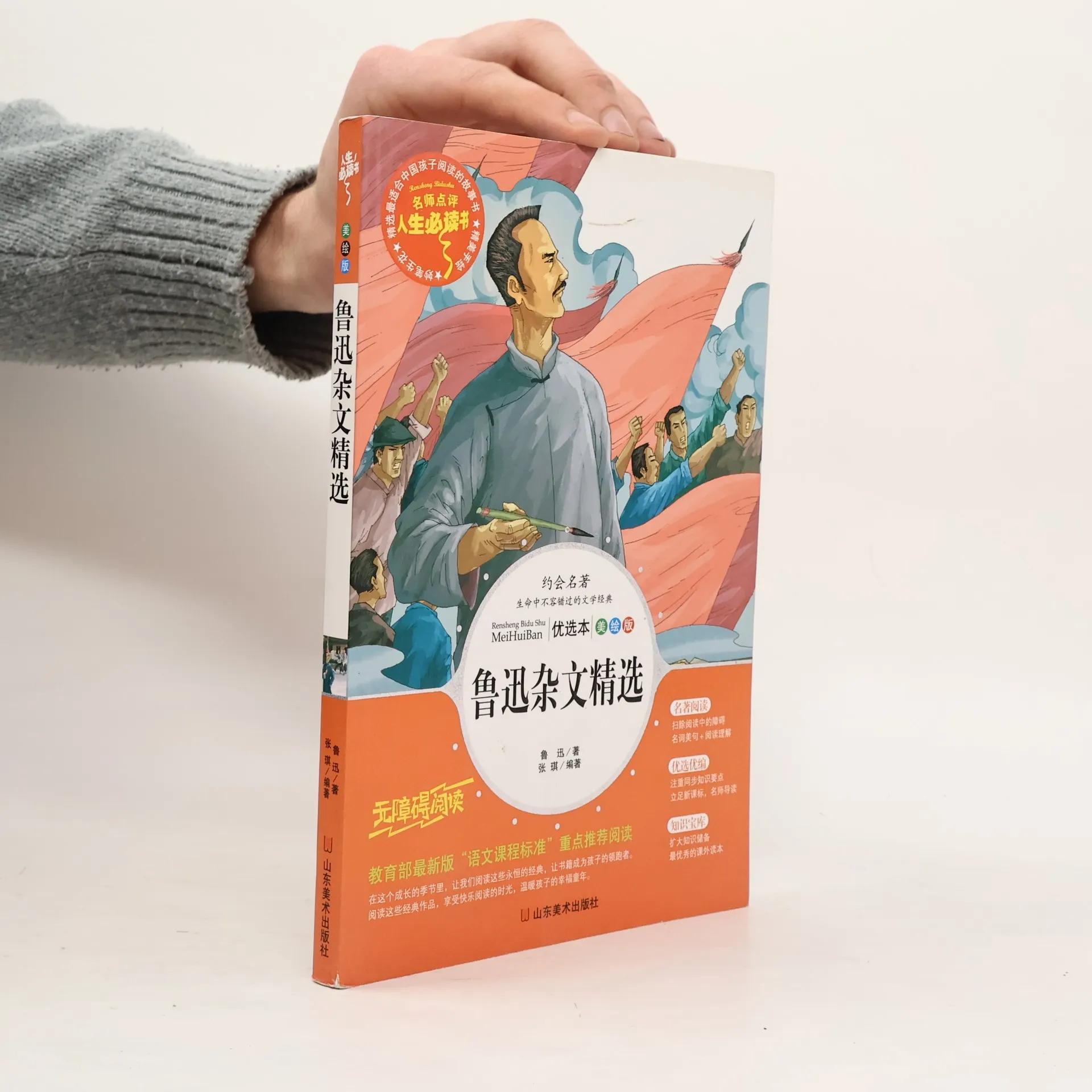
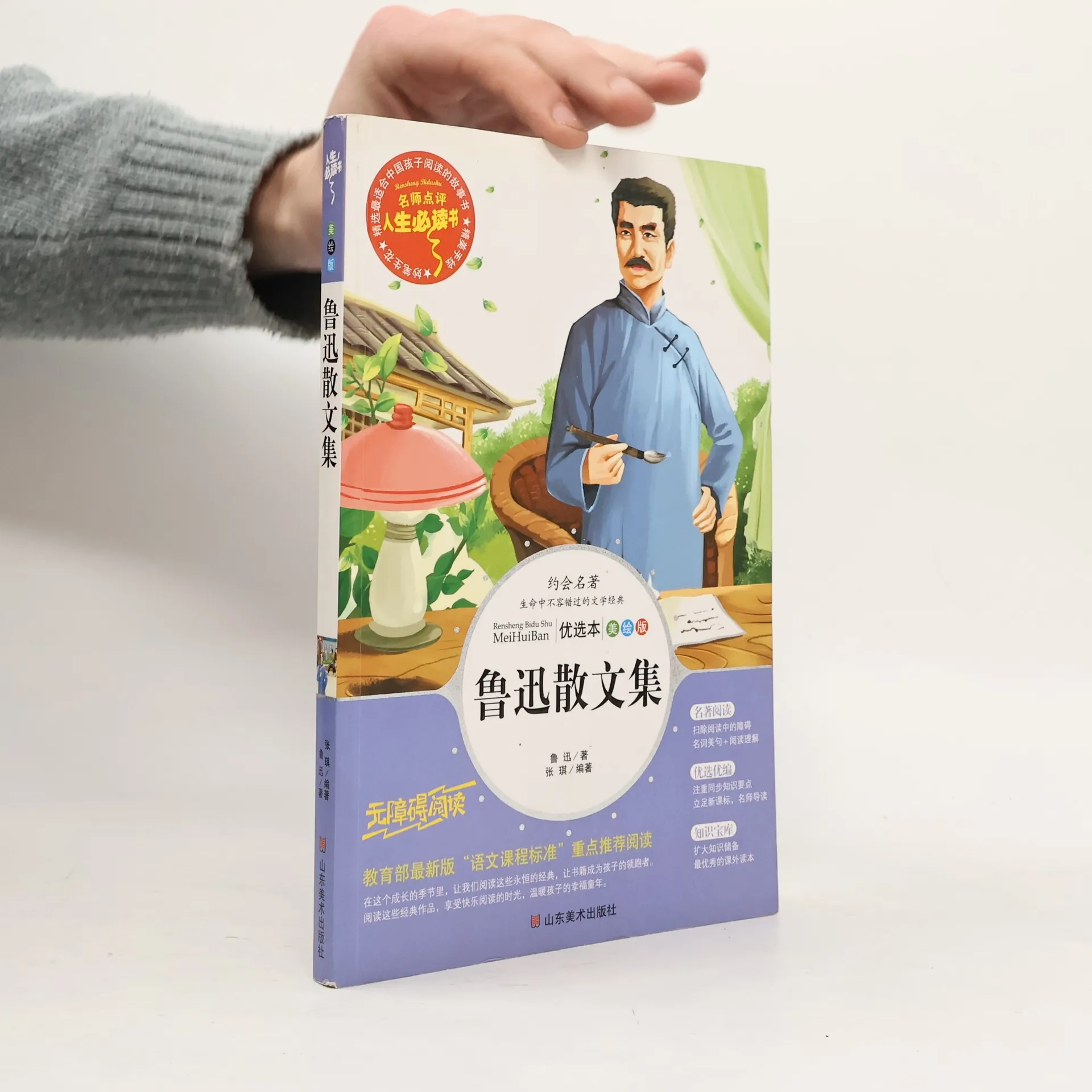
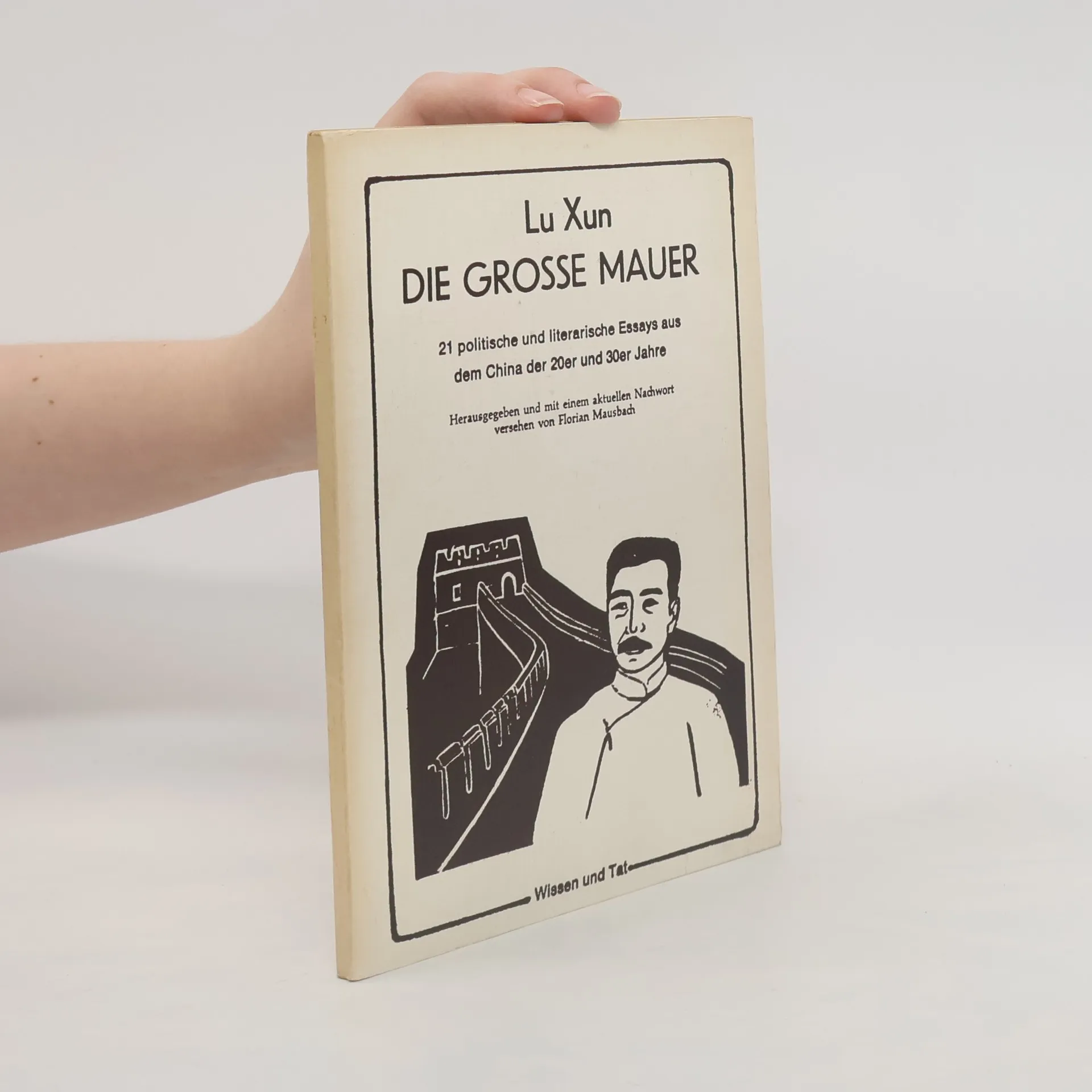
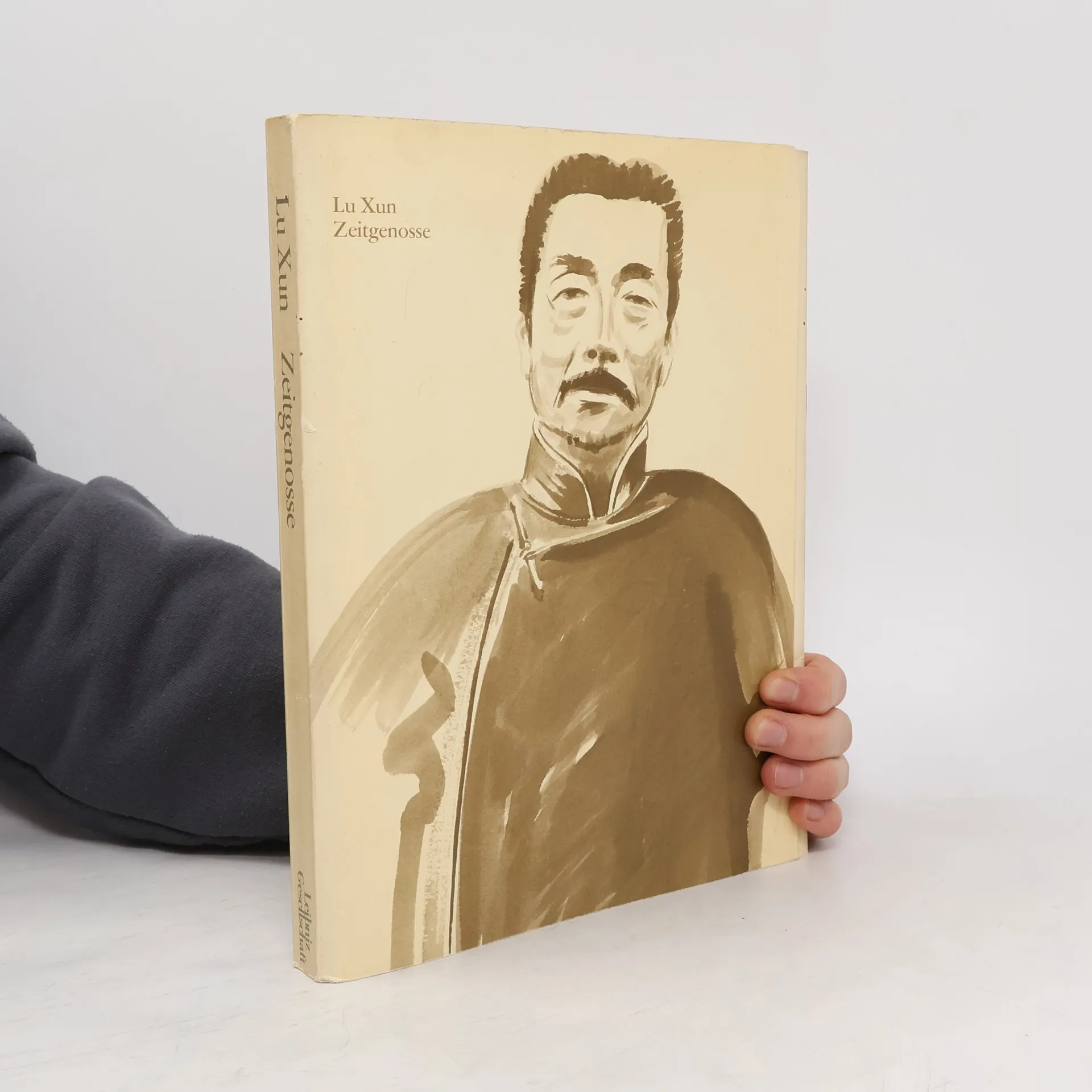
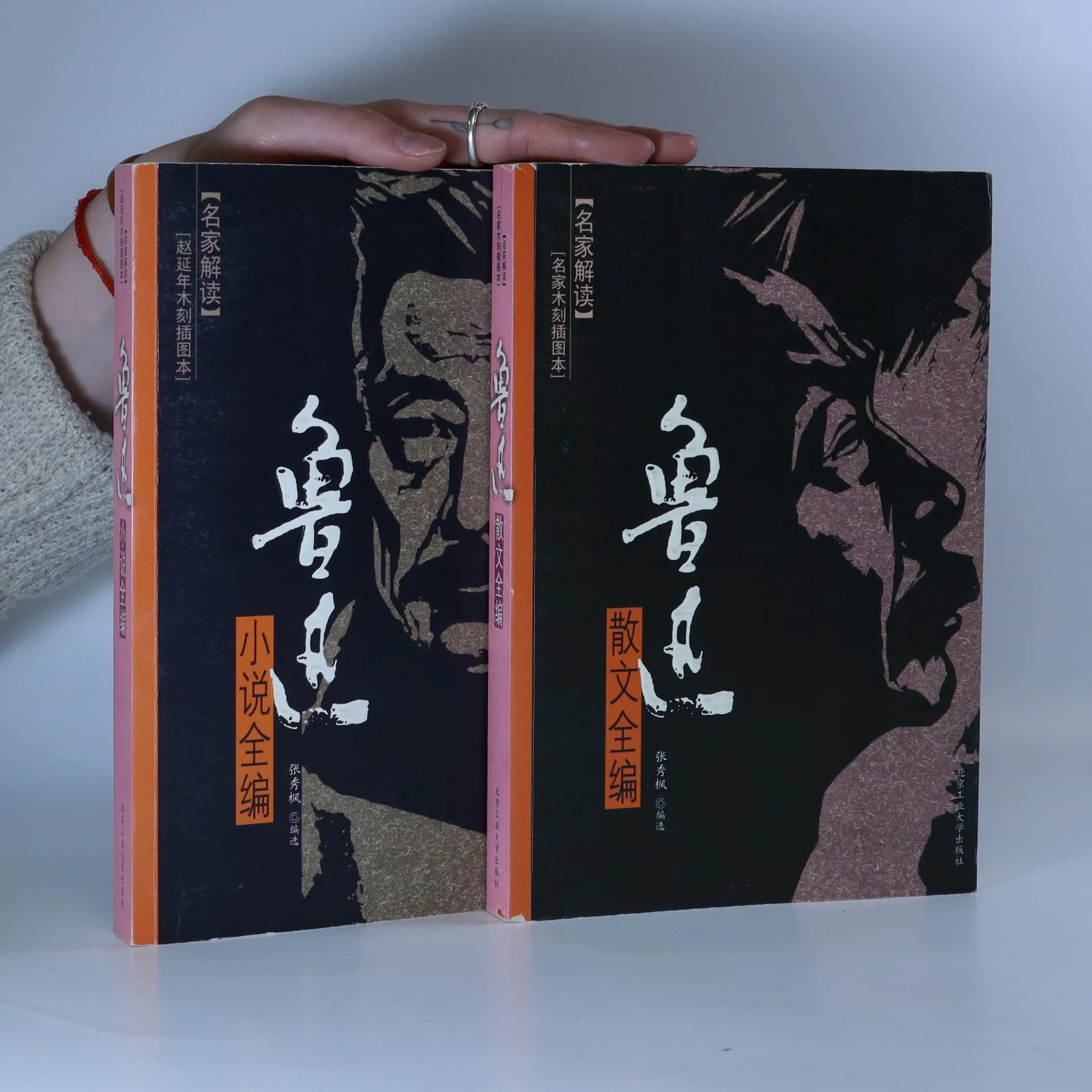
    Lu Xun je klíčovou postavou moderní čínské literatury, jehož dílo zahrnuje romány, eseje, kritiku a poezii. Psaním ve spisovné čínštině i klasické čínštině si vydobyl jedinečnou pozici v literárním světě. Jeho vliv zasahoval i do editorské práce a překladatelství, čímž obohatil čínskou literární scénu. Lu Xun se stal ikonou levicového literárního hnutí své doby.

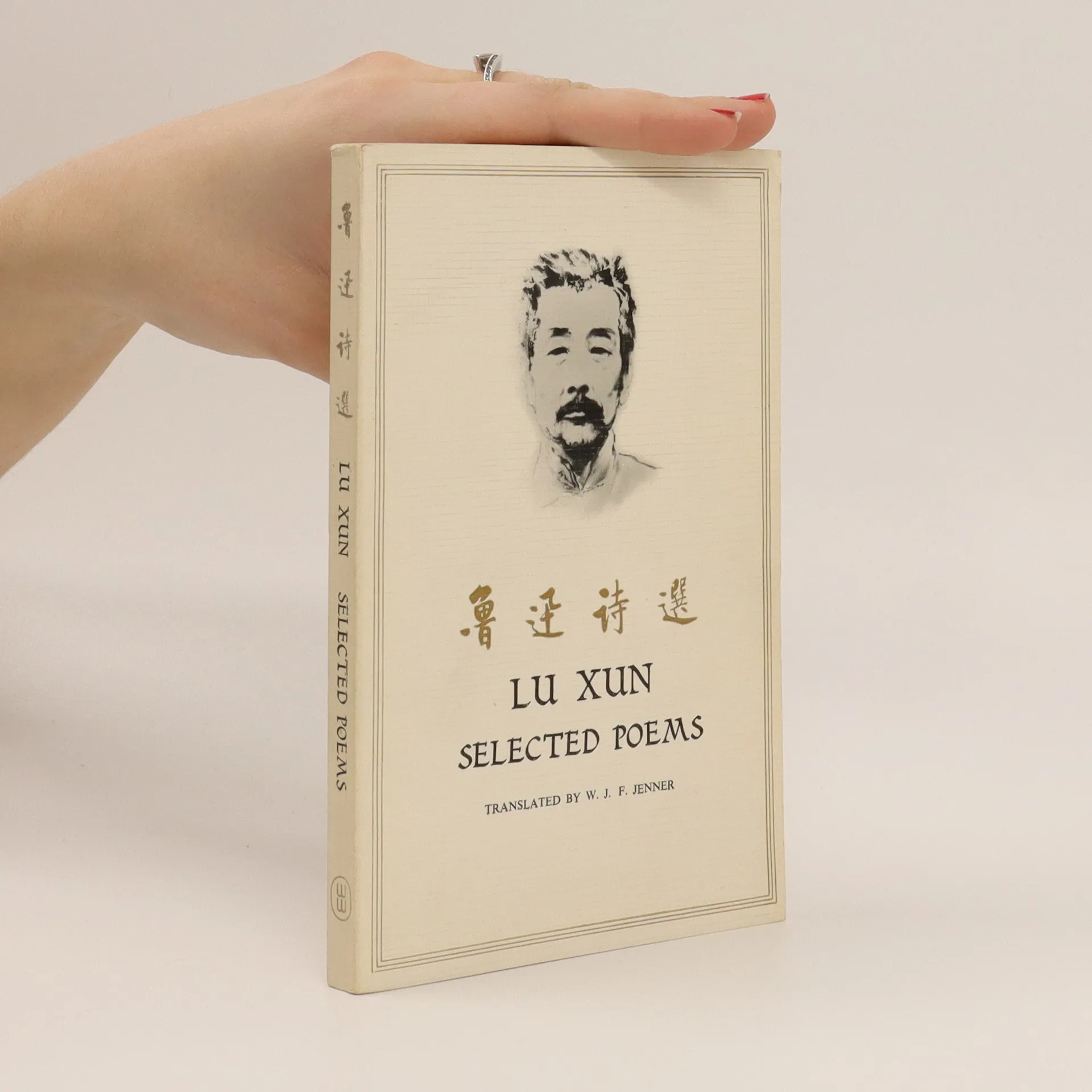
    Selected poems
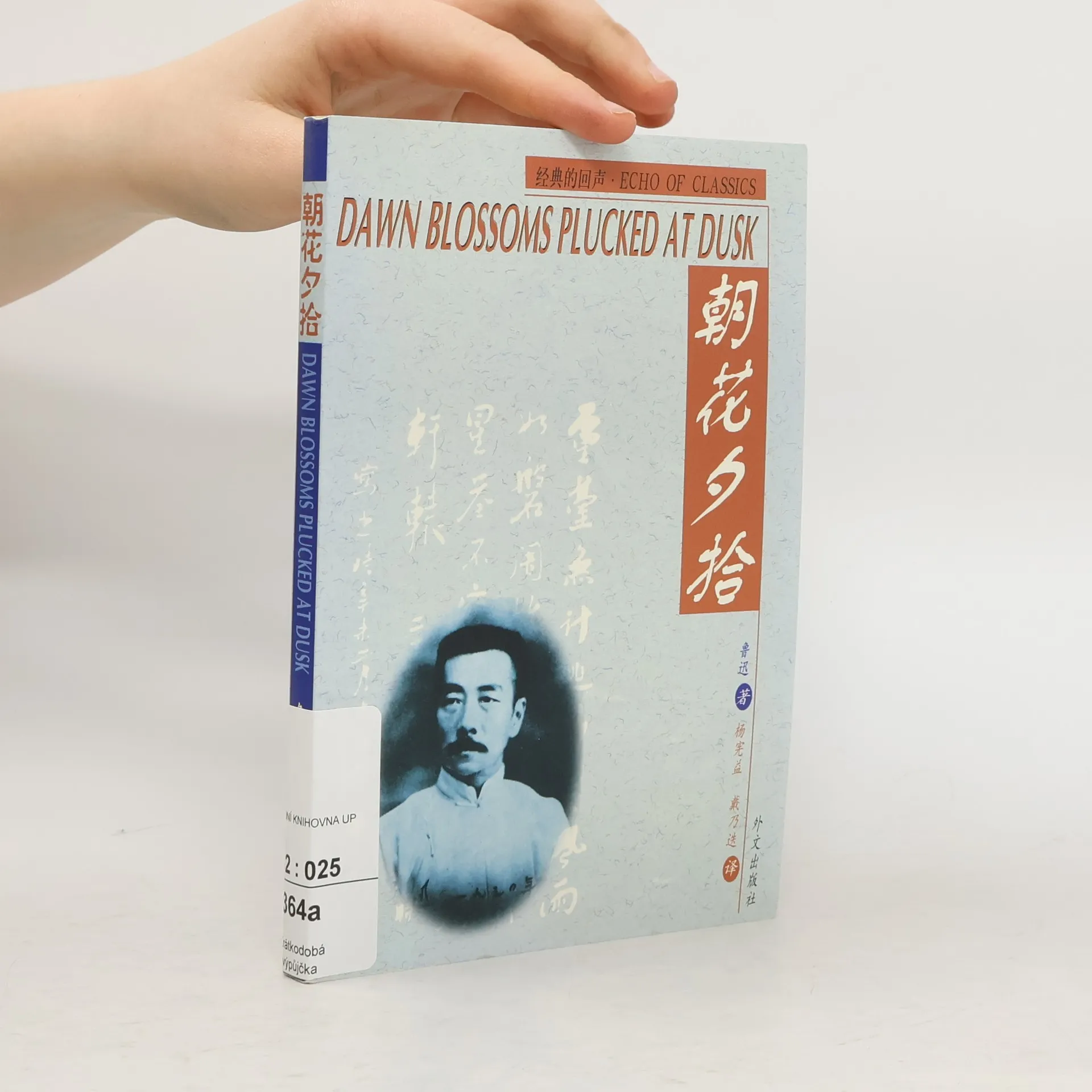
    Dawn Blossoms Plucked at Dusk
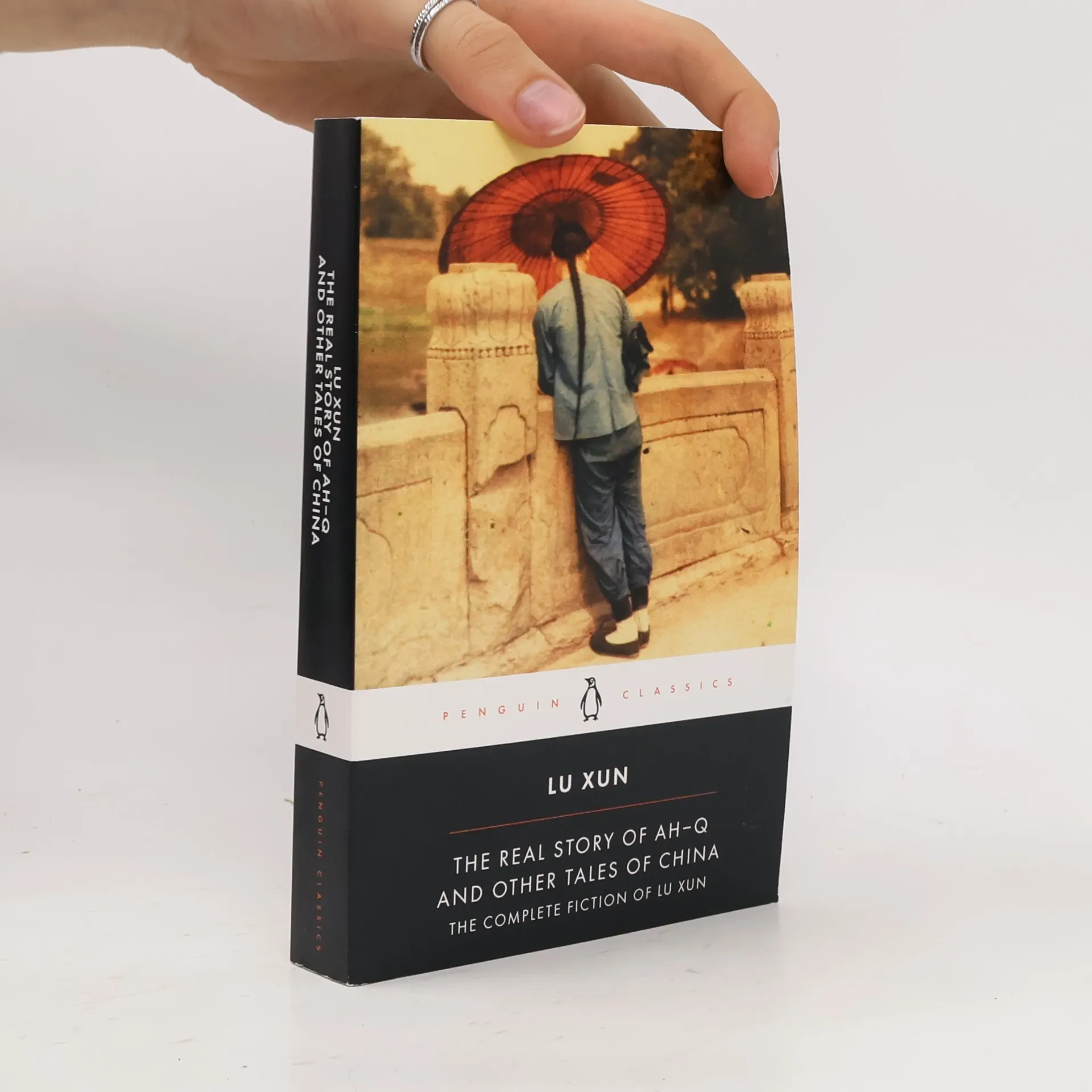
    The Real Story of Ah-Q and Other Tales of China
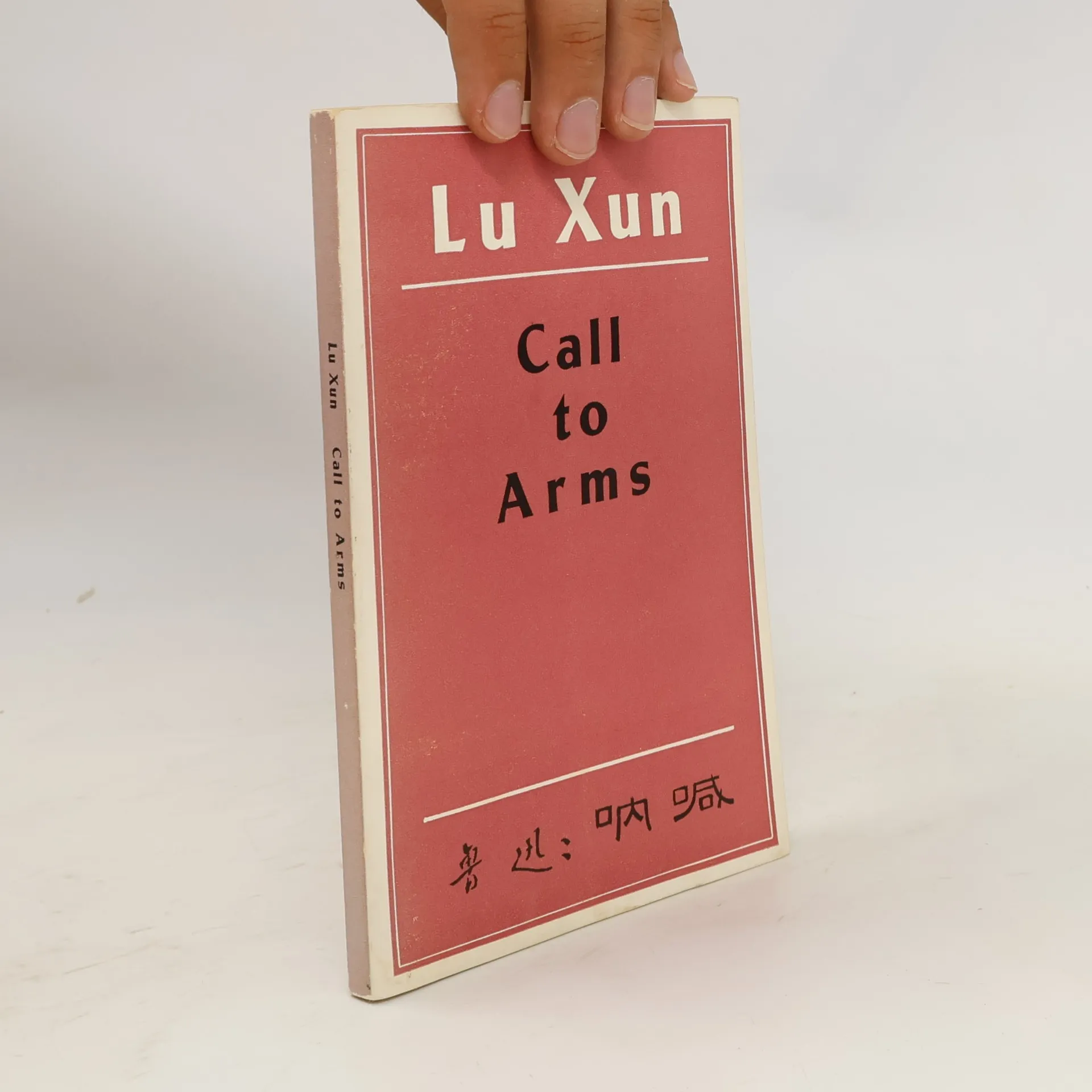
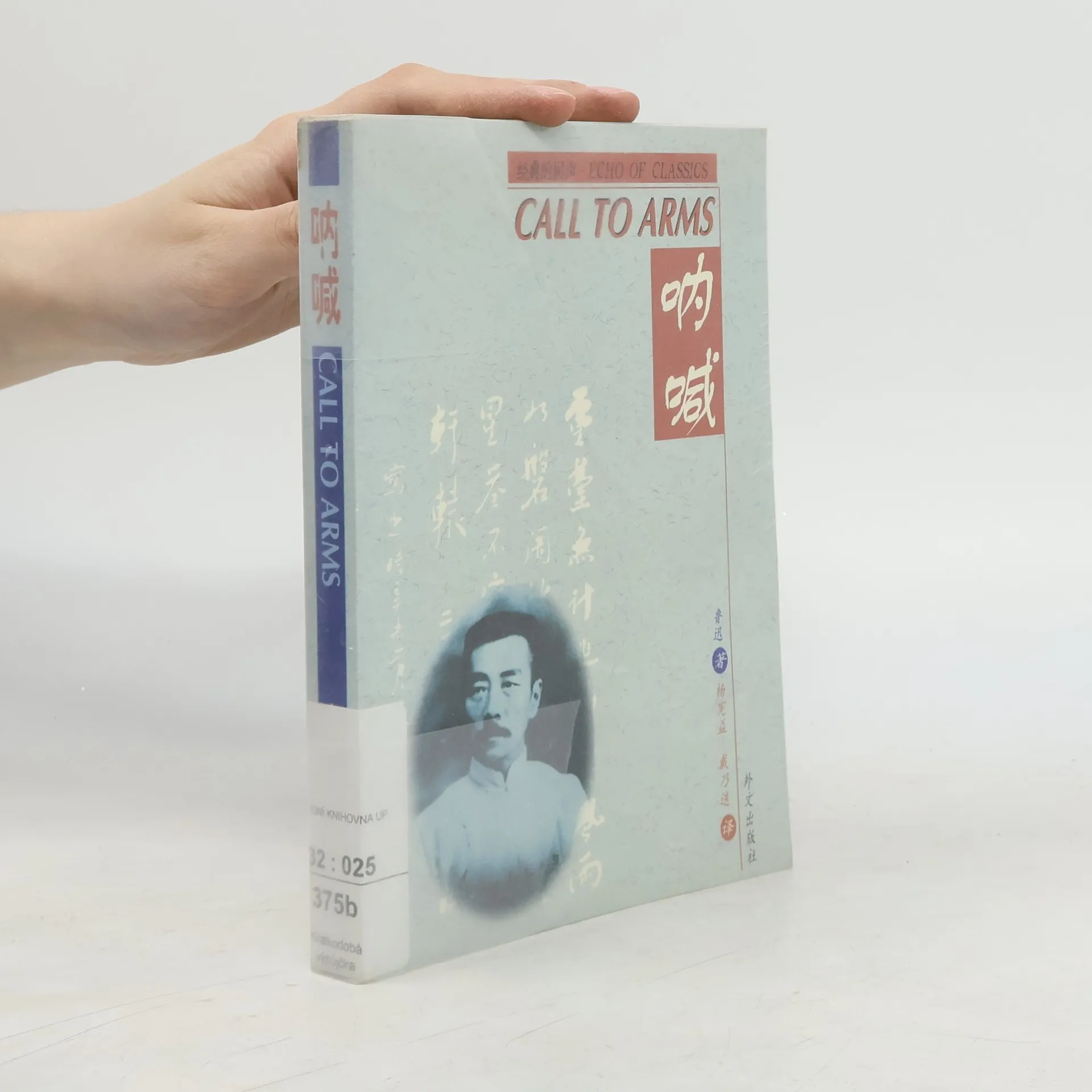
    Echo of Classics: Call to Arms 呐喊
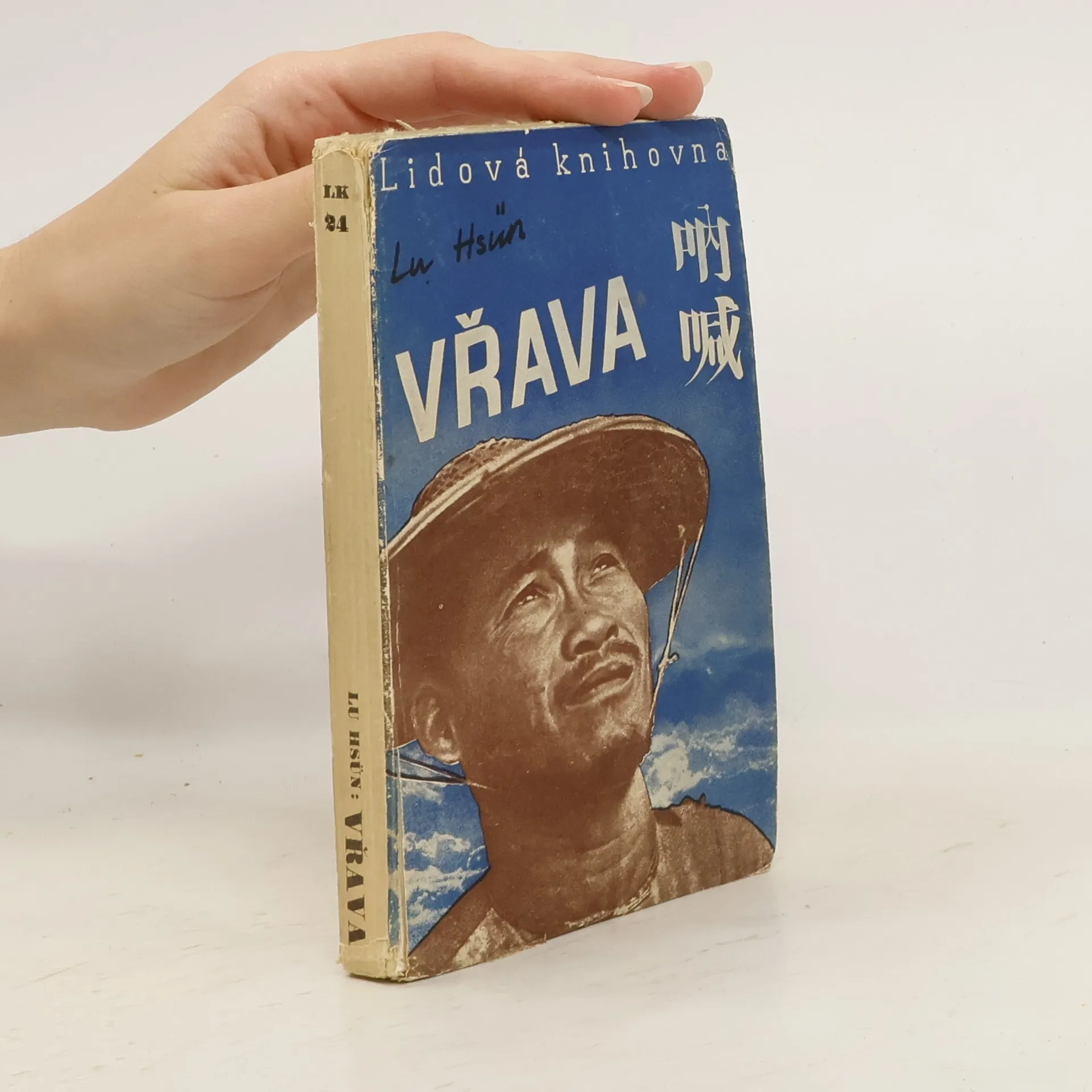
    Vřava
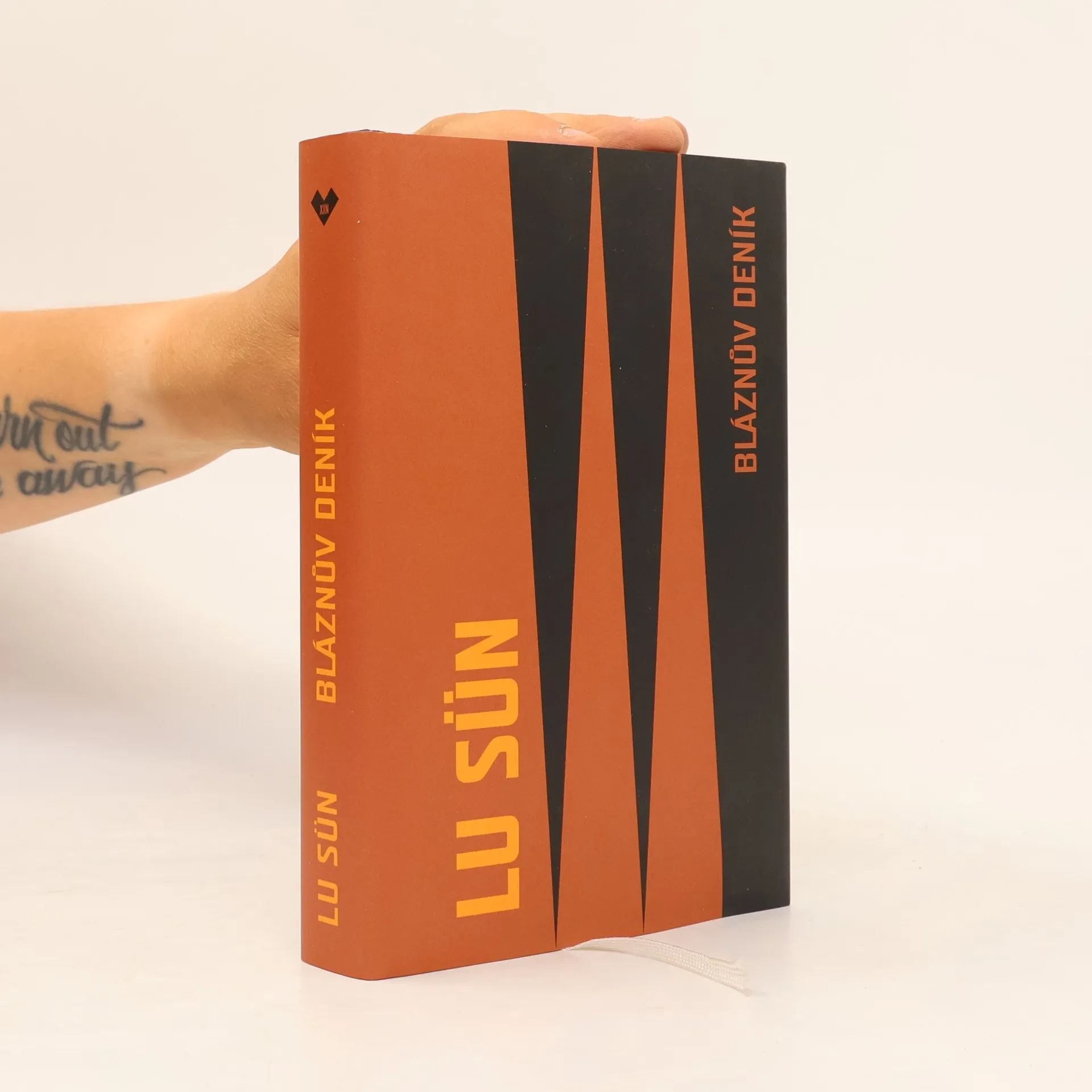
    Bláznův deník
    • Bláznův deník

      • 412 stránek
      • 15 hodin čtení

      Nové vydání tří nejvýznamnějších beletristických děl zakladatele moderní čínské literatury, povídkových sbírek Vřava a Tápání a sbírky básní v próze Polní tráva, uvádí čtenáře do turbulentní doby čínských dějin a kultury, kdy se rozpadal tradiční starý císařský svět a tu zdráhavě, tu vášnivě nastupoval svět moderní. Lu Sün jako angažovaný, přitom ale pronikavý pozorovatel vykresluje toto „tápání“ i „vřavu“, odrážející se jak na mnohdy ještě starosvětském venkově, tak v rozvíjejícím se městském prostředí. Lu Sünův svět, zabydlený svéráznými figurkami všech možných sociálních vrstev, vytváří bohatou mozaiku příběhů, psychologických črt, malých dramat i emočně vypjatých momentů, které otevírají pomyslné literární dveře do celého čínského dvacátého století.
      Bláznův deník
      4,4
    • Echo of Classics: Call to Arms 呐喊

      • 443 stránek
      • 16 hodin čtení

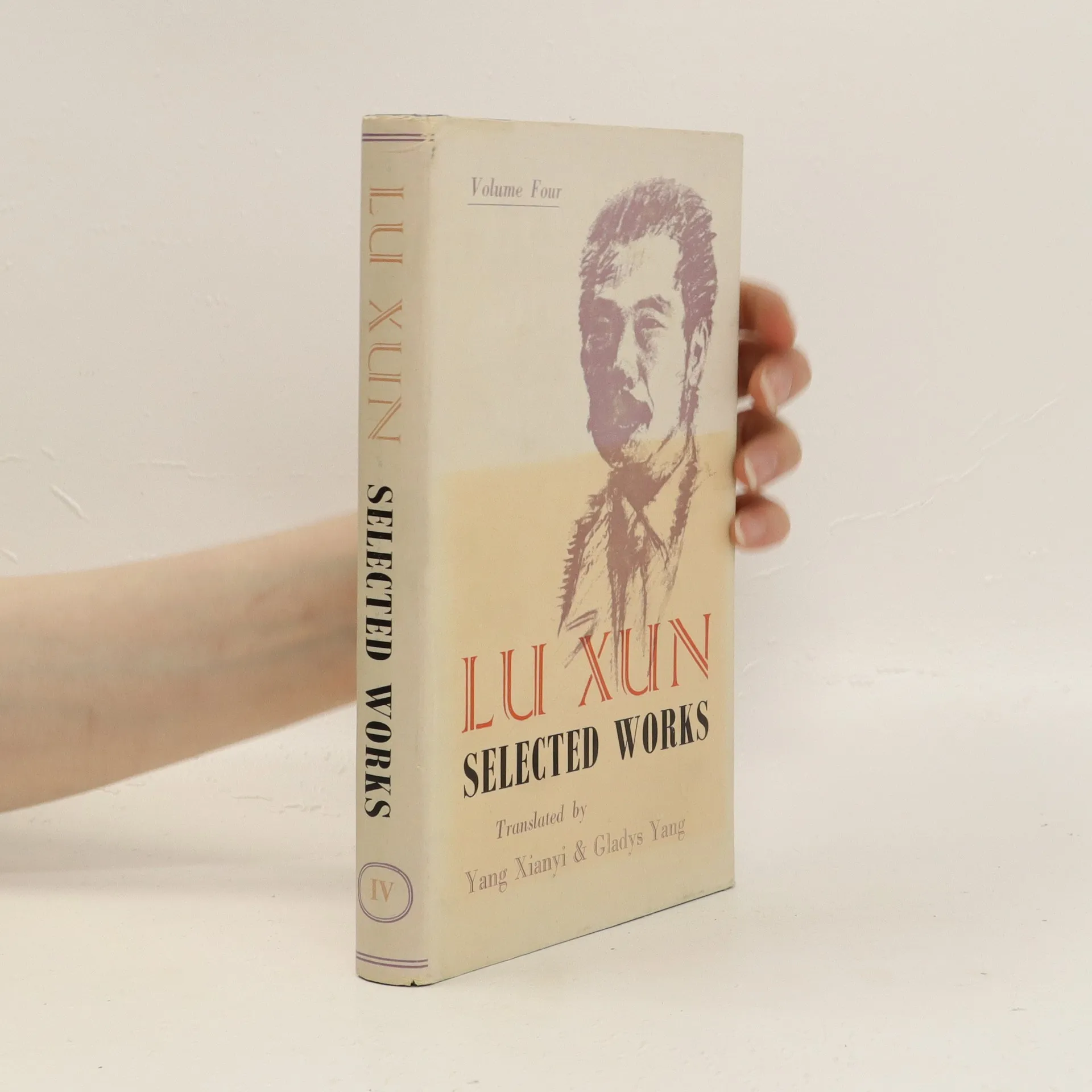
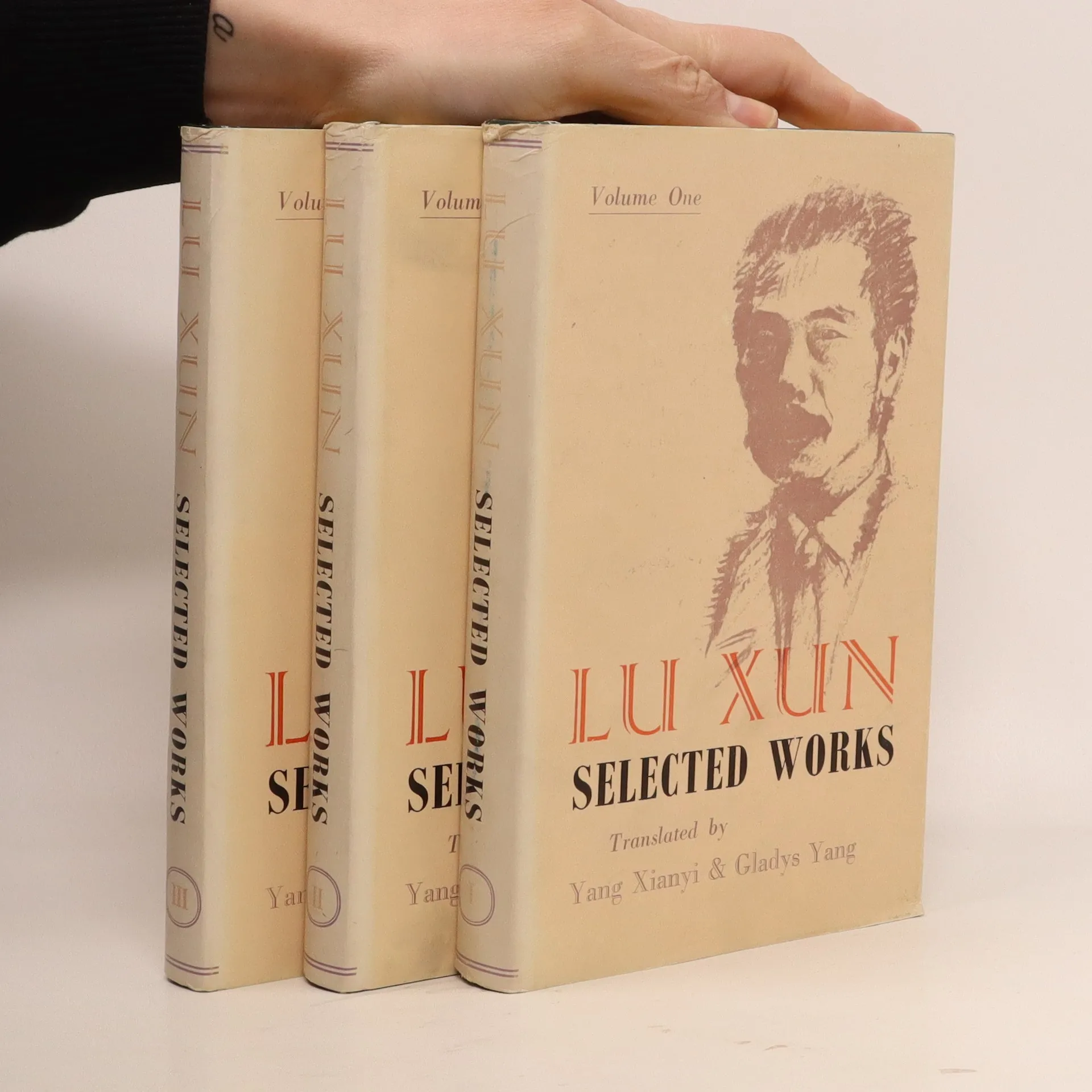
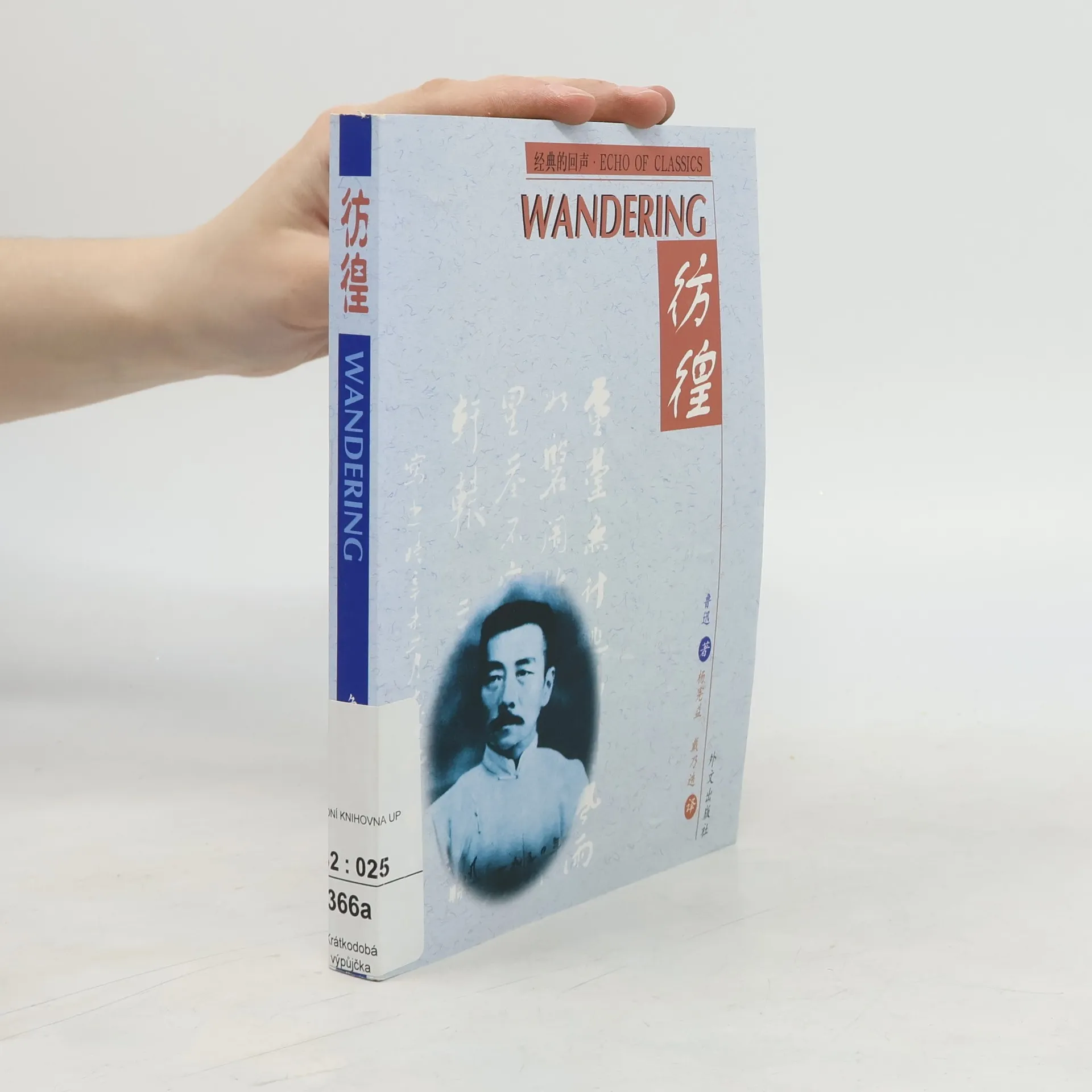
      Lu Xun (simplified Chinese: 鲁迅; traditional Chinese: 魯迅; pinyin: Lǔ Xùn) or Lu Hsün (Wade-Giles), was the pen name of Zhou Shuren(September 25, 1881 - October 19, 1936) is one of the major Chinese writers of the 20th century. Considered by many to be the founder of modern Chinese literature, he wrote in baihua (the vernacular) as well as classical Chinese. Lu Xun was a short story writer, editor, translator, critic, essayist and poet. In the 1930s he became the titular head of the Chinese League of Left-Wing Writers in Shanghai.Lu Xun's works exerted a very substantial influence after the May Fourth Movement to such a point that he was lionized by the Communist regime after 1949. Mao Zedong himself was a lifelong admirer of Lu Xun's works. Though sympathetic to the ideals of the Left, Lu Xun never actually joined the Chinese Communist Party. Lu Xun's works are known to English readers through numerous translations, especially Selected Stories of Lu Hsun translated by Yang Hsien-yi and Gladys Yang.Contents:A Madman's Diary, True Story of Ah Q,Kong Yiji,eleven other important works
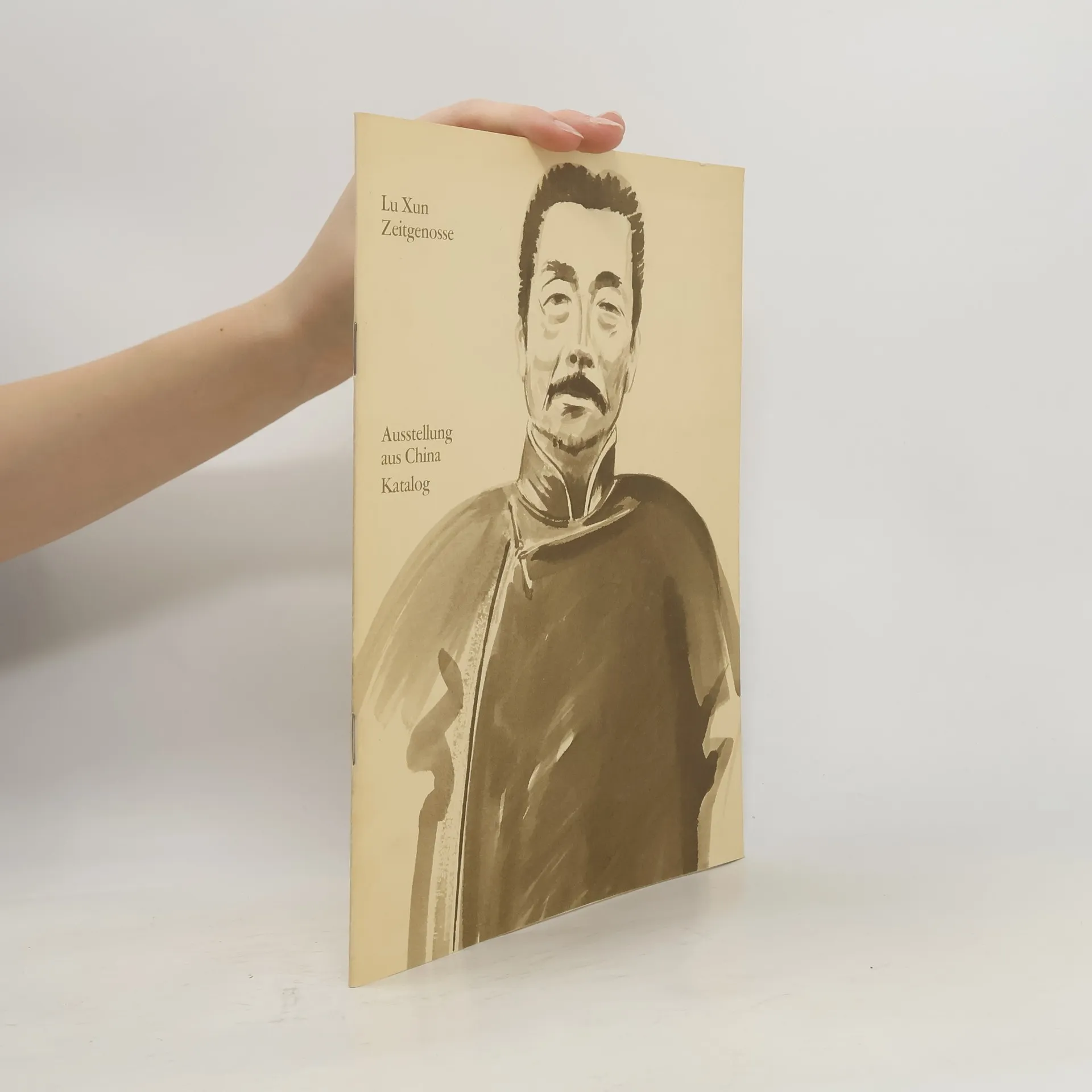
      Echo of Classics: Call to Arms 呐喊
      4,4
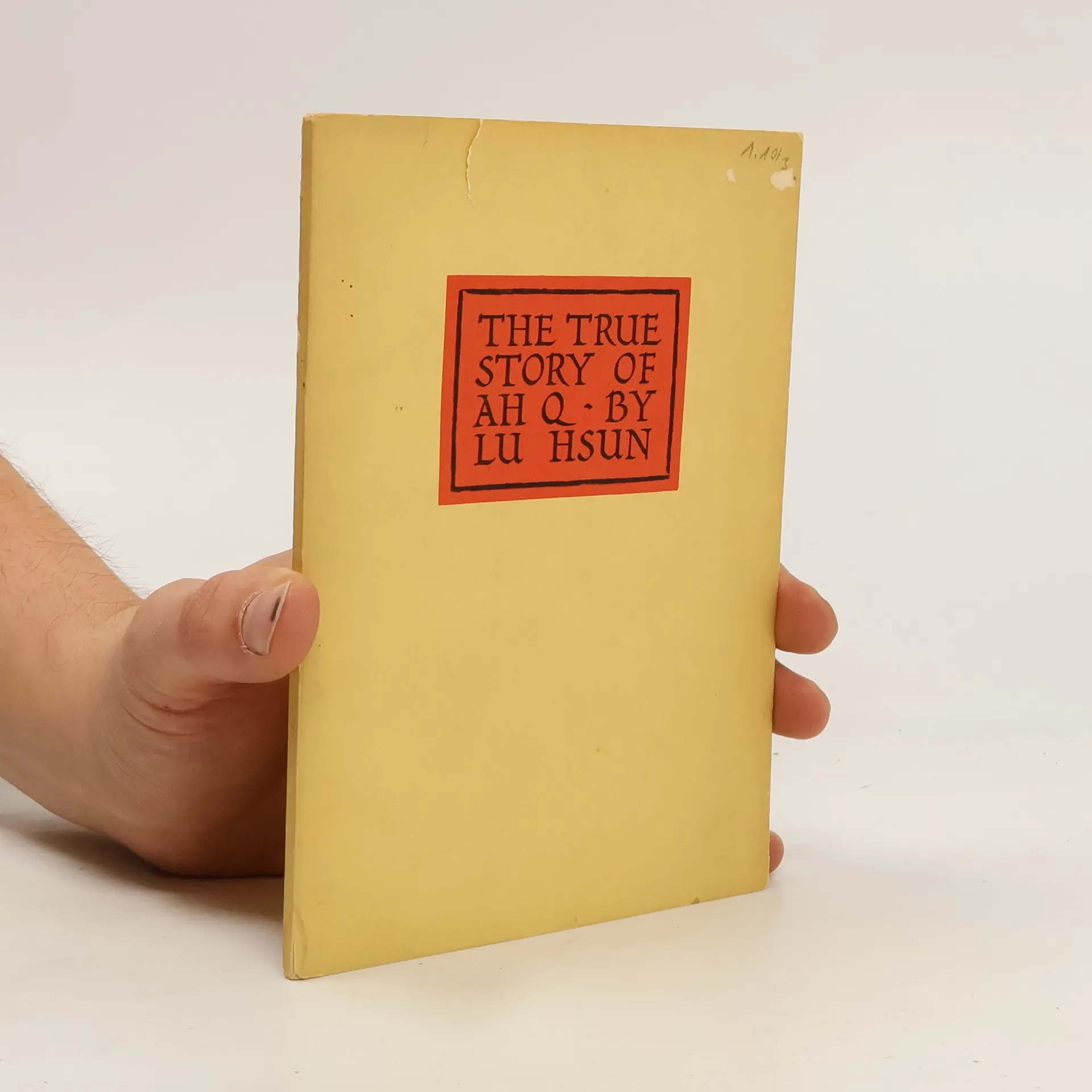
    • Lu Xun (Lu Hsun) is arguably the greatest writer of modern China, and is considered by many to be the founder of modern Chinese literature. This book presents translations of Lu Xun's stories, including The Real Story of Ah-Q', Diary of a Madman, A Comedy of Ducks, The Divorce and A Public Example, among others.

      The Real Story of Ah-Q and Other Tales of China
      4,0
    • Dawn Blossoms Plucked at Dusk

      • 261 stránek
      • 10 hodin čtení

      A Simon & Schuster eBook. Simon & Schuster has a great book for every reader.

      Dawn Blossoms Plucked at Dusk
      4,2
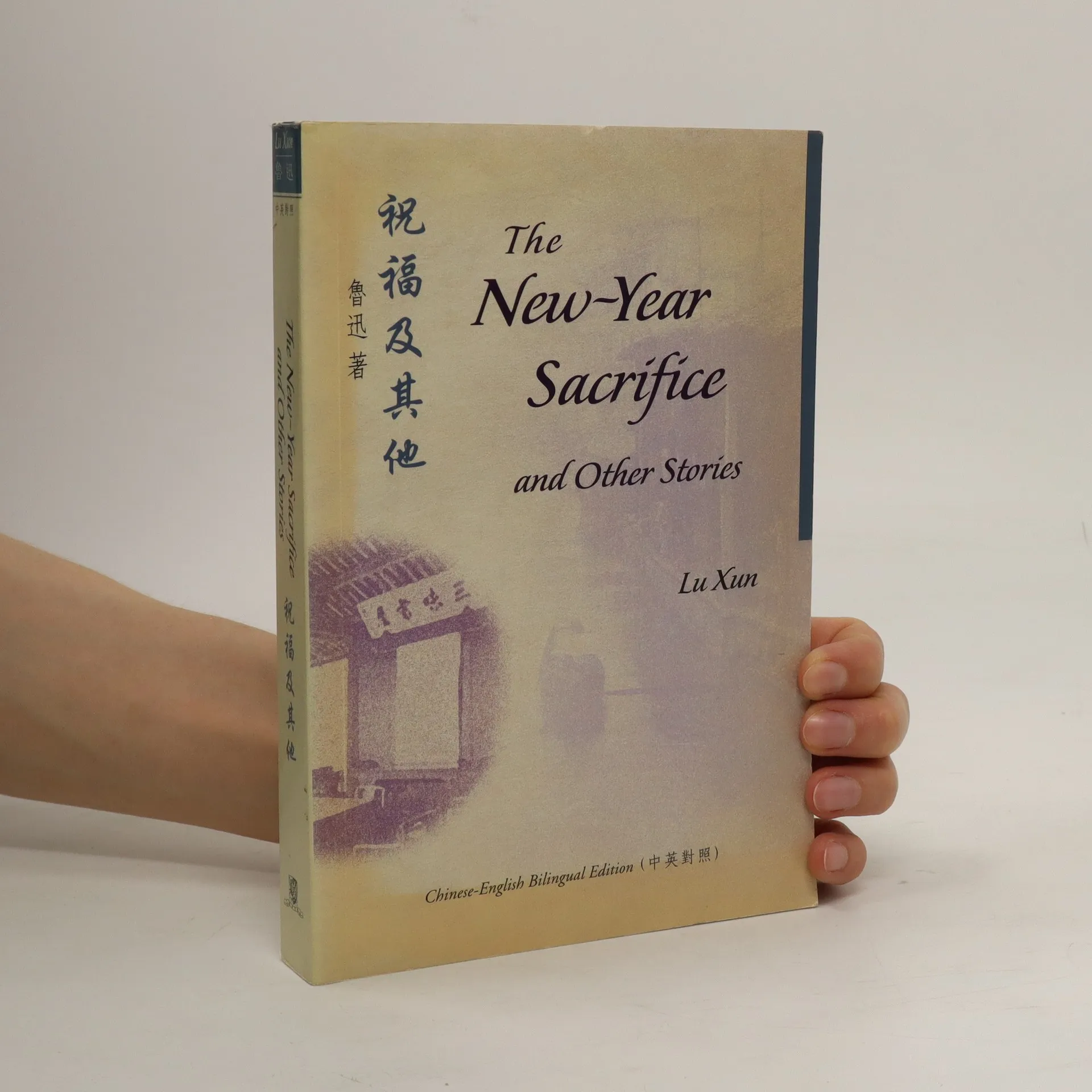
    • The New-Year Sacrifice and Other Stories

      • 448 stránek
      • 16 hodin čtení

      Lu Xun is famous for his short stories, among other writings. This collection contains 13 of his stories, including: A Madman's Diary; Medicine; Storm in a Teacup; My Old Home; Village Opera; A Happy Family; The Misanthrope; Regret for the Past; and Forging the Swords.

      The New-Year Sacrifice and Other Stories
      4,2
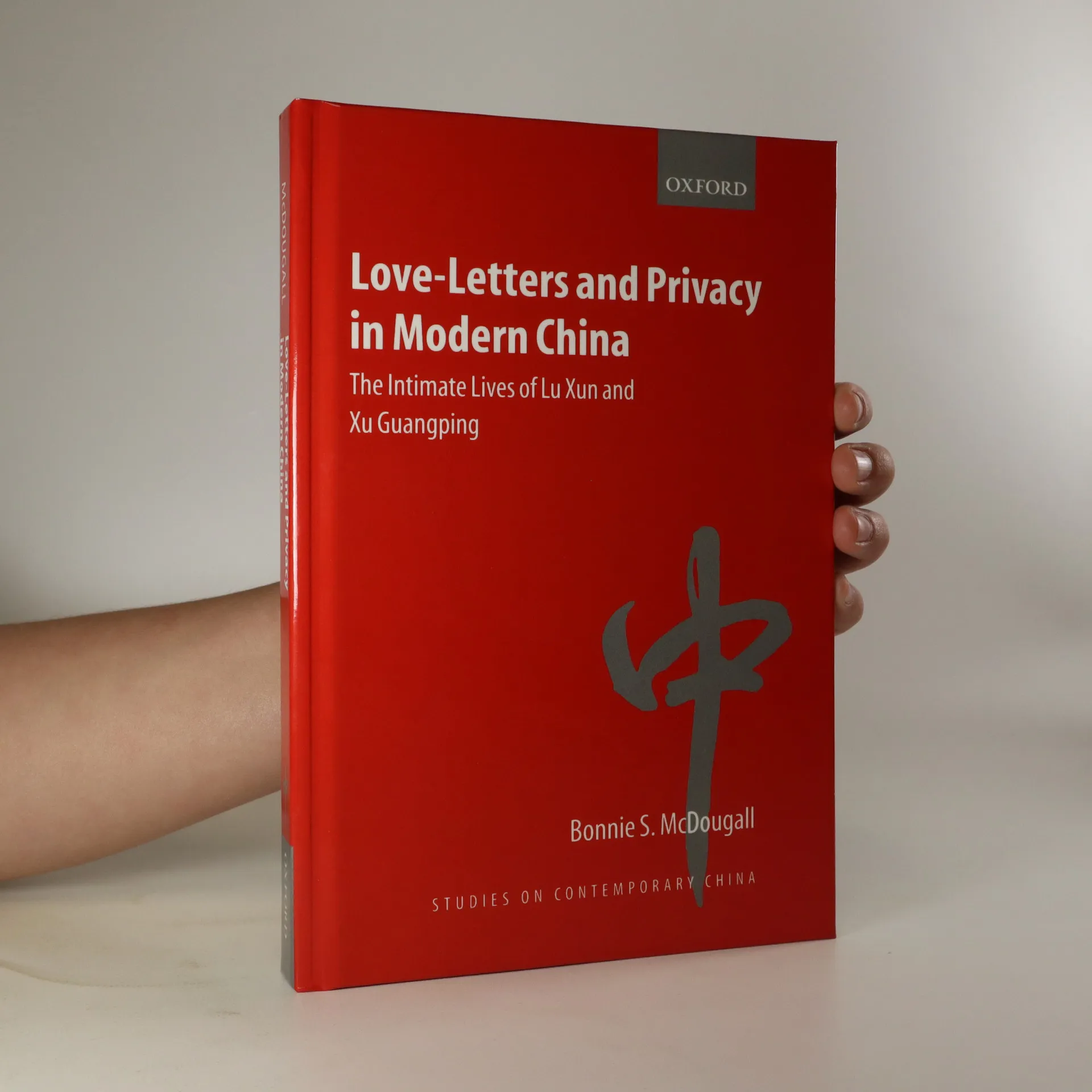
    • Love-letters and Privacy in Modern China

      • 320 stránek
      • 12 hodin čtení

      This book explores three new topics in modern Chinese literary history: the intimate relationship between Lu Xun and Xu Guangping, the role of real and imagined love letters in modern Chinese literature, and the concept of privacy in China. Their scandalous affair is unveiled through letters exchanged from 1925 to 1929. The 1933 publication of these letters, heavily edited, aimed to capitalize on the trend of literary couples sharing their correspondence while also seeking to control their narrative amidst public gossip. Part I, based on unedited letters, uncovers previously overlooked details, such as Xu Guangping's early lesbian tendencies, gender role reversals, her suicide attempts, and Lu Xun's efforts to downplay her political activism. Part II examines Lu Xun's decision to publish the edited letters within the context of contemporary Chinese epistolary fiction. Part III offers unique insights into privacy in modern China by comparing the unedited and edited letters. The textual evidence reveals their intimate secrets, fears of gossip, desire for privacy, and complex views on the tension between public duty and personal interests. This study challenges the notion that Chinese culture lacks a sense of privacy, highlighting its significance in the early twentieth century.

      Love-letters and Privacy in Modern China
      3,0
    • Lu Xun was China's greatest literary modernist and a key thinker of the early twentieth century. This new translation assembles some of Lu Xun's essays and experimental writings little known to English readers-works of profound imagination that seek to find beauty and meaning in an unjust world.

      Wild Grass and Morning Blossoms Gathered at Dusk
      3,7