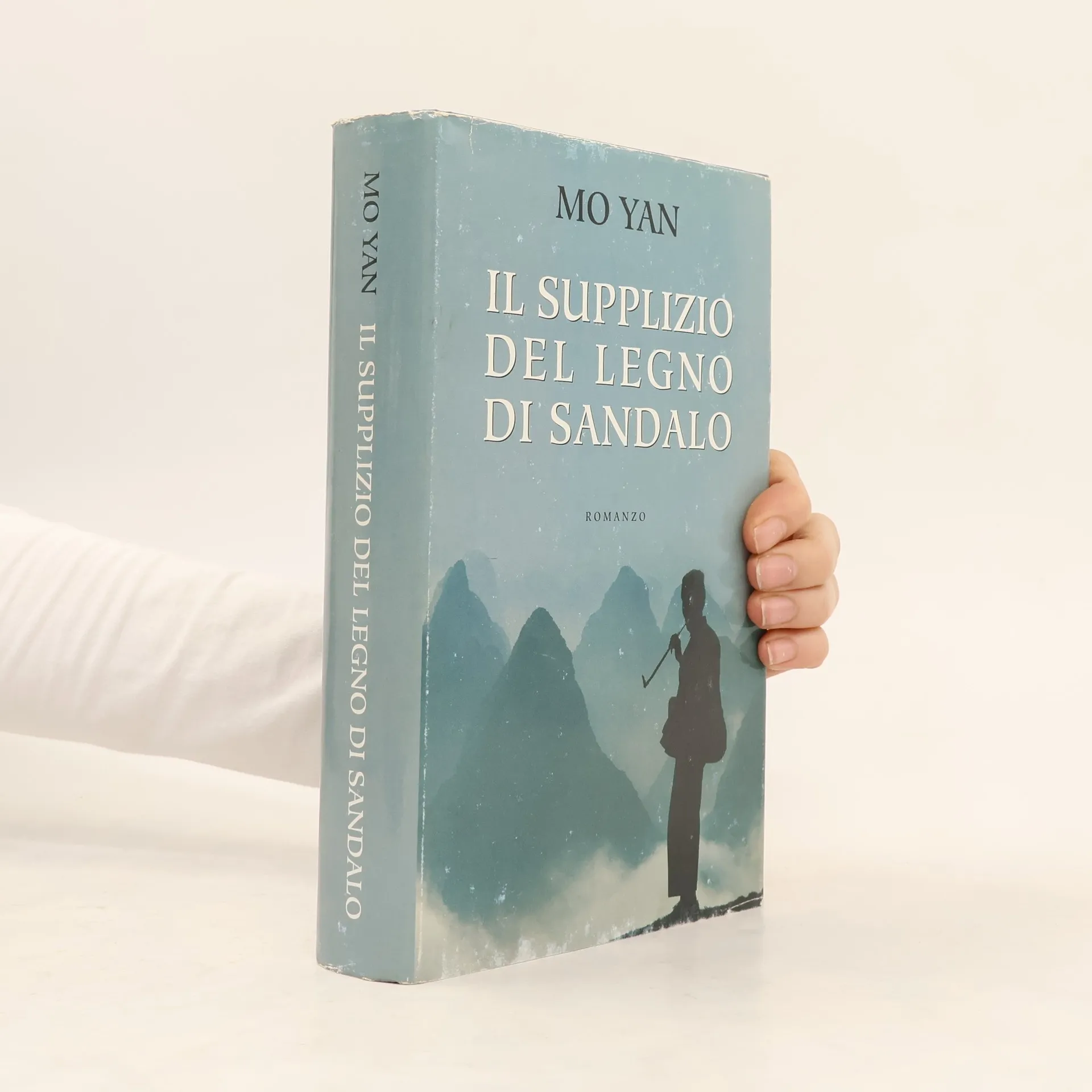
Viel Neues geschieht im China des Jahres 1899: Von überall her drängen fremde Menschen in das zuvor verschlossene Reich. Sie bringen etwa die Eisenbahn, die bei der Provinzstadt Gaomi über die Gräber der Ahnen verlaufen soll. Vieles geht aber auch zu Ende in diesen letzten Tagen des Jahrhunderts: Das Kaiserreich liegt in Agonie, ebenso wie Sun Bing, der Opernsänger und Anführer des Aufstands gegen die Trasse und deren Erbauer. Um seinen Ungehorsam zu ahnden, bündelt die Staatsmacht all ihre Kräfte und verordnet ein letztes Mal die Sandelholzstrafe, die grausamste und zugleich kunstvollste der überkommenen Foltermethoden. Leib und Leben nicht allein des Opfers, sondern auch seiner Tochter, ihres Ehemanns, ja selbst des Henkers und des Richters stehen mit diesem Urteilsspruch auf dem Richtplatz der Geschichte. In einem der bedeutendsten chinesischen Romane der jüngsten Zeit spielt Mo Yan virtuos das Spiel der Masken, Perspektiven und Kontraste. Gewalt und Poesie, Empathie und schwarzer Humor, Derbheit und Feinsinn, die Fülle des westlichen Romans und die Eleganz der chinesischen Oper gehen in seiner bilderreichen und suggestiven Sprache Hand in Hand.
Yan Mo Pořadí knih (chronologicky)
Tento držitel Nobelovy ceny za literaturu je známý svým halucinačním realismem, který mistrně spojuje lidové povídky, historii a současnost. Jeho dílo často evokuje srovnání s Kafkou nebo Hellerem, přičemž se vyznačuje jedinečným spojováním epických témat s intimními lidskými osudy. Autorův styl je bohatý a vrstevnatý, což čtenářům nabízí hluboký ponor do čínské kultury a historie prostřednictvím poutavých příběhů.



Elsewhere
- 304 stránek
- 11 hodin čtení
"This English-language debut from the award-winning Chinese author contains nine short stories in her trademark wit and style based around everyday people facing the challenges of loneliness, emotional and physical displacement and longing."--
Mo Yan, a Nobel Laureate, is celebrated for his unique storytelling that blends folk tales, historical elements, and contemporary issues through a lens of hallucinatory realism. His notable works, translated into English by Professor Howard Goldblatt, include titles like The Garlic Ballads and Red Sorghum. His writing often reflects deep cultural insights and explores complex themes, making him a significant figure in modern literature.
In the fictional Chinese city of Yong'an, an amateur cryptozoologist is commissioned to uncover the stories of its fabled beasts. These creatures live alongside humans in near-inconspicuousness--save their greenish skin, serrated earlobes, and strange birthmarks. Aided by her elusive former professor and his enigmatic assistant, our narrator sets off to document each beast, and is slowly drawn deeper into a mystery that threatens her very sense of self.
Velký třesk
- 152 stránek
- 6 hodin čtení
Mo Yan je gauner! To aspoň tvrdí dobrá polovina Náhorních Pustin včetně soudruha učitele Velkohubého, který ho nakonec vyloučí i ze školy. Na vesnici ho nechtějí? Budiž. Mo Yan se se štěstím dostane do armády, putuje z posádky na posádku a v posledních letech maoismu zažívá neuvěřitelná dobrodružství, z kterých se později stanou příběhy k vyprávění. Protože z obecního pastýře se zázračnou proměnou stane jednou spisovatel, to je jasné jak facka. Možná si, milý čtenáři, myslíš, že jsem žvanil, ale neměj mi to, prosím, za zlé, mám ty vzpomínky všechny propojené, nechci je tak psát, ale ony si ze mě samy takhle prýští.
Enfant de Fer
- 360 stránek
- 13 hodin čtení
Né dans une famille de paysans, Mo Yan a dit un jour qu’une enfance malheureuse est une source d’inspiration infinie. C’est à travers les yeux d’un enfant qu’il décrit le monde dans les seize nouvelles de ce recueil. Tour à tour cruels, tendres, fantastiques ou érotiques, ces récits relatent la vie rude et douloureuse, parfois gouailleuse, mais toujours intense du petit peuple de Gaomi dans la Chine maoïste des années 1950 et 1960.
Mêlant souvenirs et imagination débordante, ces deux nouvelles que relient l’attachement de Mo Yan à l’enfance, à sa province natale et au monde animal, décrivent une Chine rurale où la débrouillardise permet d’affronter la dure réalité. Mo Yan lui-même s’y dévoile comme jamais, en adolescent turbulent et bavard aux prises avec la souffrance du veau, la misère, et la ruse infinie des hommes, ou en observateur de dix ans, candide et curieux, de la course de fond organisée par l’école. À chaque tour de piste, c’est la surprise, le suspense grandit tandis que l’enfant dresse un tableau truculent de la vie de son canton dans les années soixante. Mo Yan laisse exploser avec délices la malice et l’énergie de l’enfance, la bonhommie, le courage et l’humour vache du monde paysan soumis aux lois absurdes de l’époque maoïste.
Mo Yan chronicles the sweeping history of modern China through the lens of the nation’s controversial one-child policy. Frog opens with a playwright nicknamed Tadpole who plans to write about his aunt. In her youth, Gugu—the beautiful daughter of a famous doctor and staunch Communist—is revered for her skill as a midwife. But when her lover defects, Gugu’s own loyalty to the Party is questioned. She decides to prove her allegiance by strictly enforcing the one-child policy, keeping tabs on the number of children in the village, and performing abortions on women as many as eight months pregnant.
Pow!
- 386 stránek
- 14 hodin čtení
[In this novel by the 2012 Nobel Laureate in Literature], "a benign old monk listens to a prospective novice's tale of depravity, violence, and carnivorous excess while a nice little family drama--in which nearly everyone dies--unfurls ... As his dual narratives merge and feather into one another, each informing and illuminating the other, Mo Yan probes the character and lifestyle of modern China"--Dust jacket flap.
Souvislosti. 1. číslo. Revue pro literaturu a kulturu
Lotyšská realita
Cina 1900: Provincia di Shandong. Sun Bing è un casuale ribelle, che si trova alla testa di un'insurrezione contadina accanto ai Boxer, la società segreta cinese che combatte contro le potenze imperialiste straniere. Ma Sun Bing non è solo un contadino in guerra contro una potenza maggiore, per la quale viene brutalmente punito. È anche un artista, un uomo che vive per il canto e per il quale il canto è vita. Di fronte a lui c'è Zhao Jia, il vecchio boia, un grande esperto di tortura, che si trova alla fine della sua carriera. Come Sun Bing, anche Zhao Jia possiede una tecnica antica legata al canto. I due maestri si sfidano con la loro rispettiva arte e cercano, in condizioni estreme, di completare il capolavoro della loro vita e della loro morte.
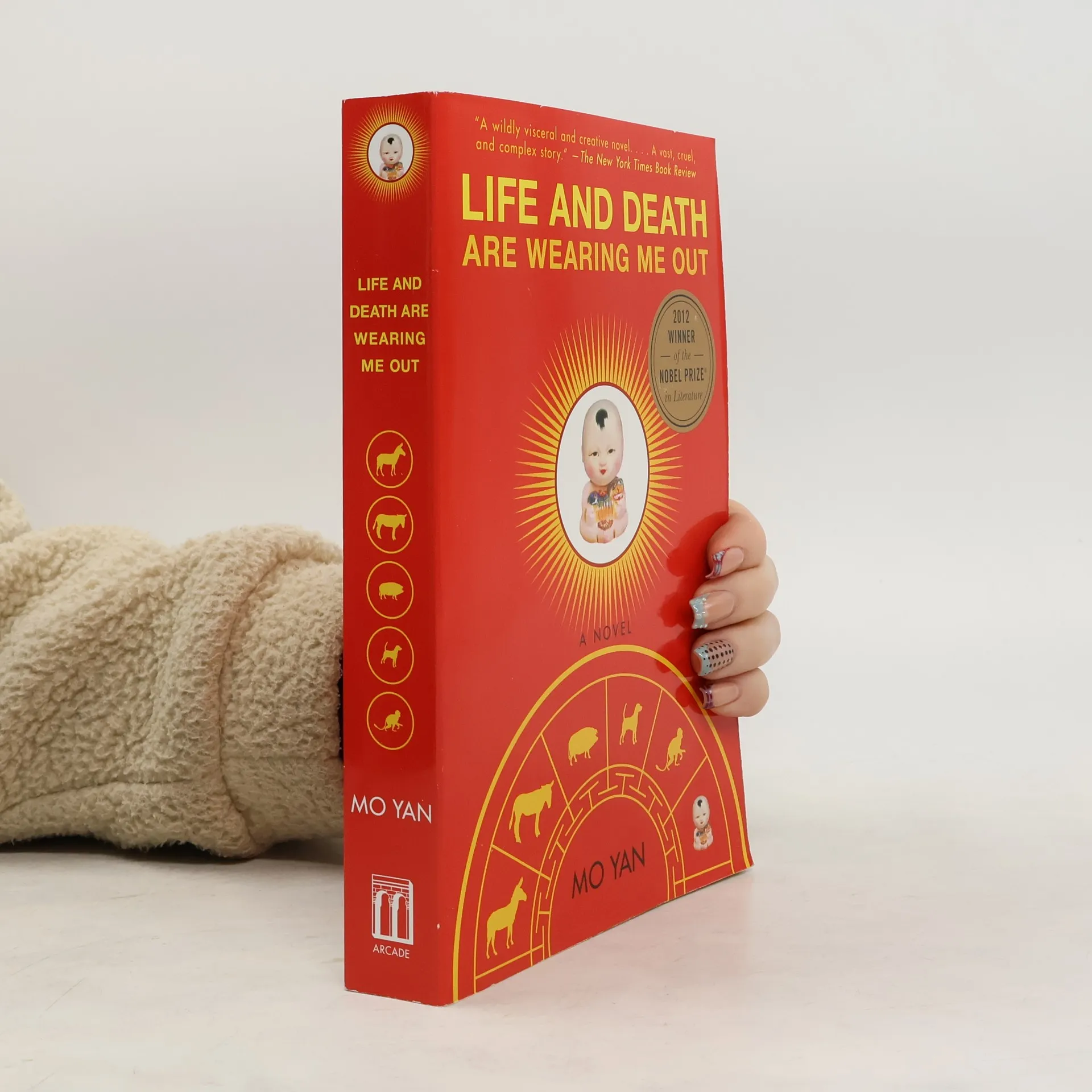
Life and Death Are Wearing Me Out
- 540 stránek
- 19 hodin čtení
Stripped of his possessions and executed as a result of Mao's Land Reform Movement in 1948, benevolent landowner Ximen Nao finds himself endlessly tortured in Hell before he is systematically reborn on Earth as each of the animals in the Chinese zodiac.
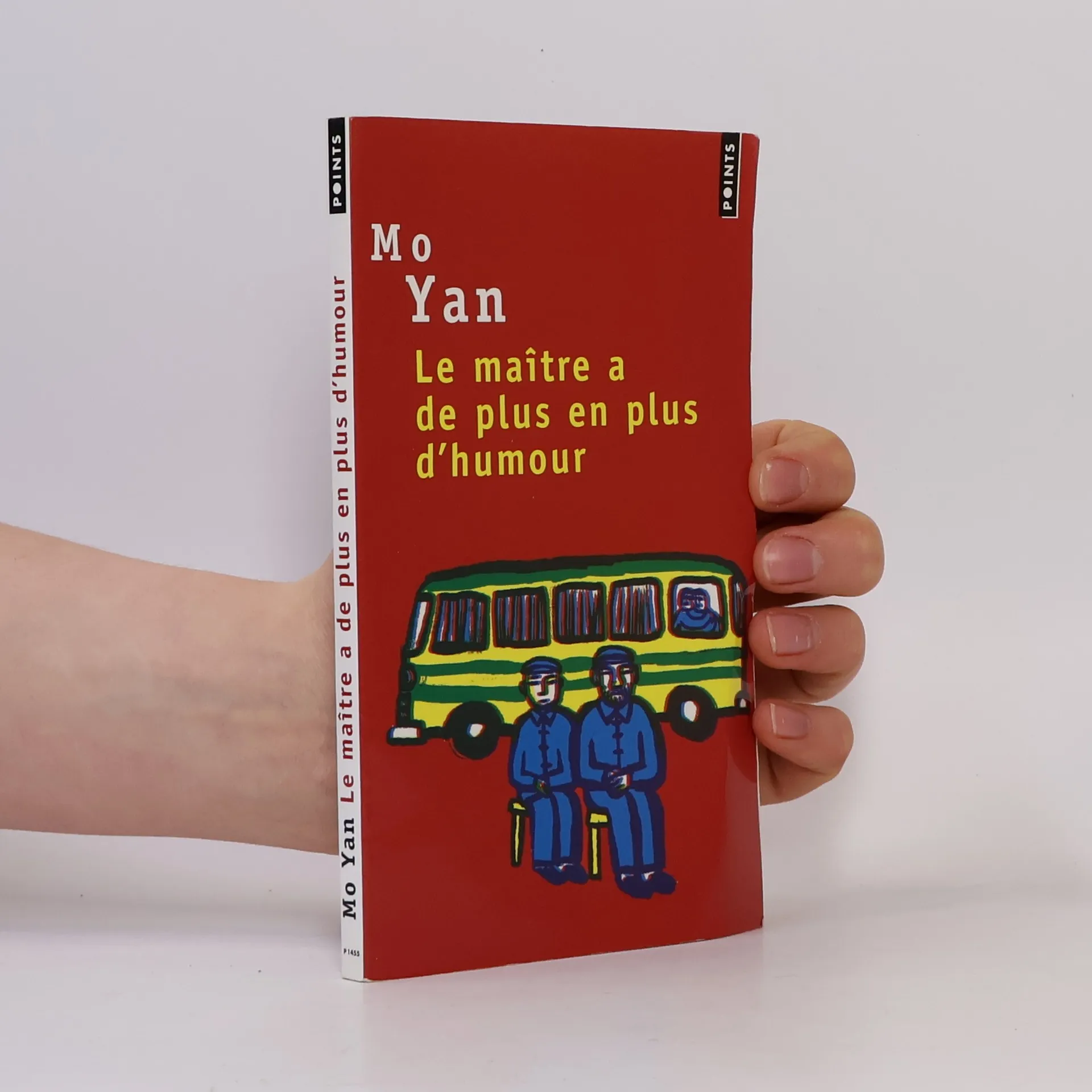
Le maître a de plus en plus d'humour
- 107 stránek
- 4 hodiny čtení
L'usine a fait faillite, maître Ding est licencié. À seulement un mois de la retraite, c'est tout un monde qui s'effondre. Mais il retrouve soudain sa joie de vivre grâce à une idée géniale. Oui, mais cette idée... ne serait-elle pas un peu criminelle ? Dans ce court roman empreint de tendresse et d'humour, Mo Yan exerce une fois de plus son regard décapant sur la société chinoise contemporaine.
Krev a mlíko
- 616 stránek
- 22 hodin čtení
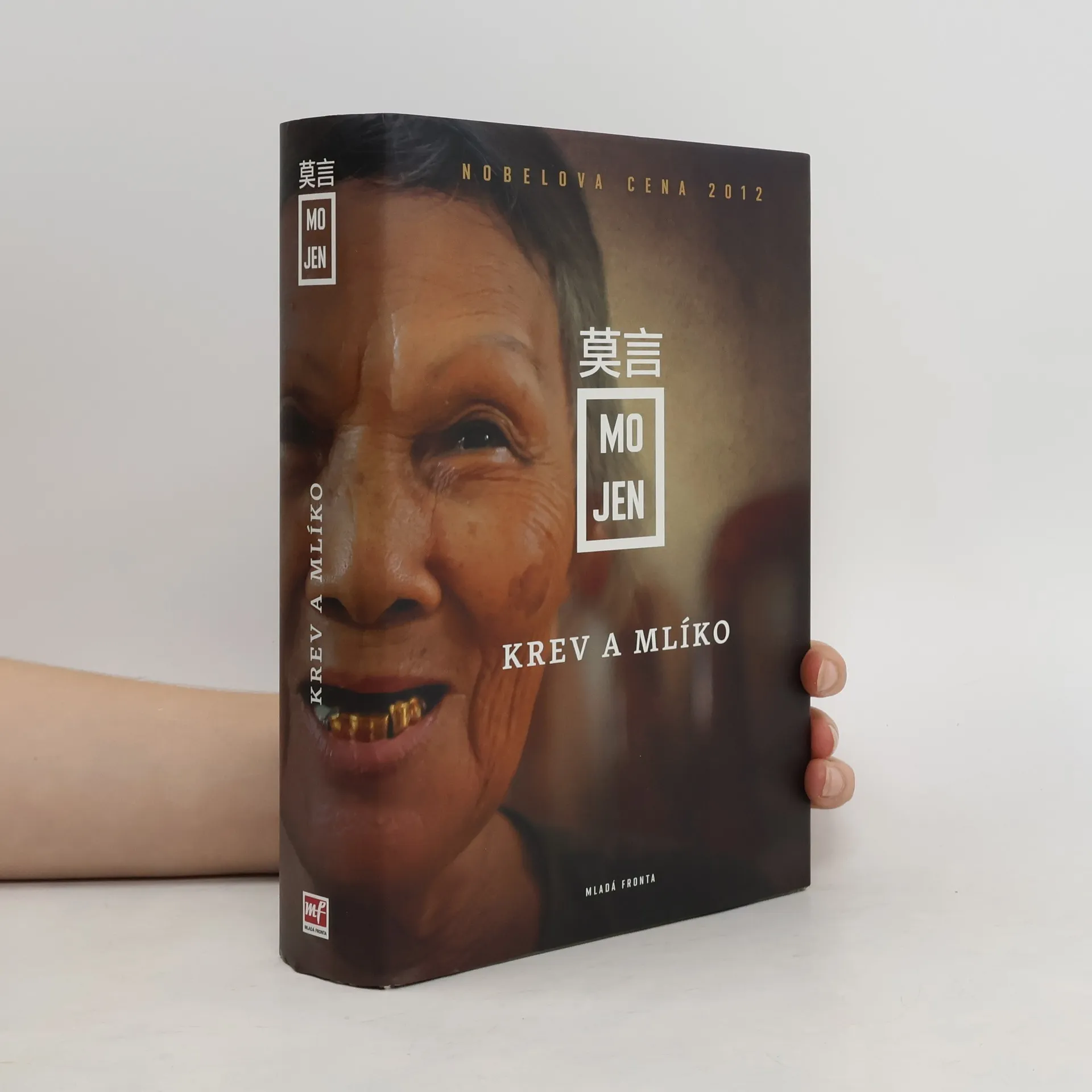
Severovýchod Číny, třicátá léta minulého století. Zapadlý kout Náhorních Pustin, v němž se odehrává nejepičtější ze všech zápasů: boj o přežití. Padesát let moderní čínské historie od japonské okupace, přes občanské války, nástup komunismu, politické procesy, kulturní revoluci, po pád maoismu a zavedení ekonomických reforem, jež daly vzniknout Číně, jak ji známe dnes. Uprostřed toho drtícího víru, či snad na jeho okraji?, městys Velká Ohrada, v něm několik rodin a mezi nimi rod Šang-kuanů: nekončící řada dcer završená narozením vysněného syna. Kdo bude vzat, kdo ponechán? Kdo koho zapře, kdo postaví se zvůli? Velkolepé dílo mistra vypravěče, jenž namísto opěvování rájů sleduje dění nízko u země, kde pod kyvadlem historie jde skutečně o krk. Neuvěřitelná obrazotvornost, šťavnatý, osobitý jazyk, barvitost popisu a vytříbený smysl pro humor činí z románu Krev a mlíko jedno z velkých děl současné světové literatury.
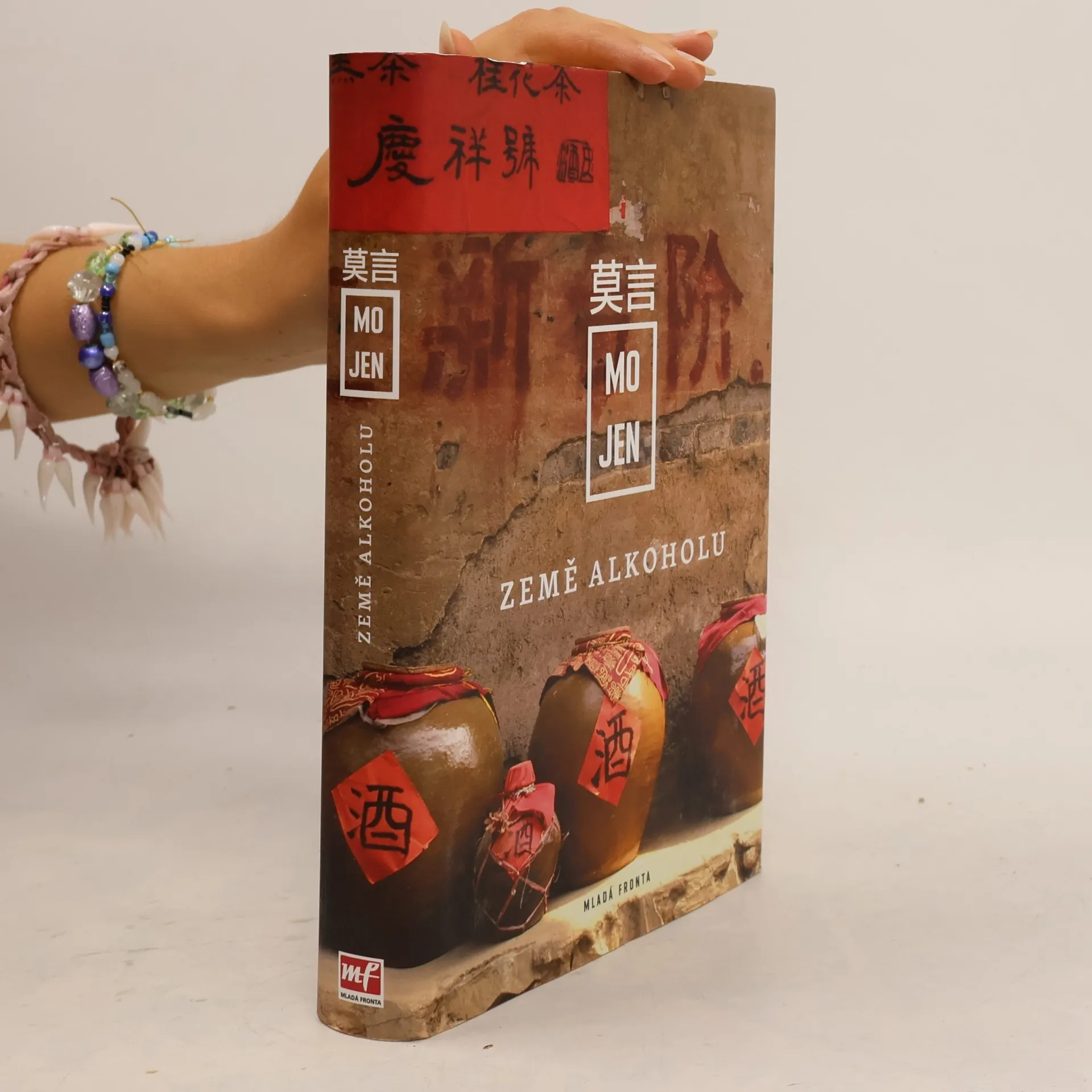
Země alkoholu
- 336 stránek
- 12 hodin čtení
Devadesátá léta 20. století, Čína po dlouhých desetiletích bídy začíná opět vzkvétat, s ekonomickým rozvojem ovšem roste i nenažranost jejích nejvyšších činitelů. Něco se děje i v nenápadném provinčním městě Kořalnicích, kolébce lihovarnického výzkumu a zářném příkladu čínského zázraku. Na nejvyšší místa přichází anonymní udání s neuvěřitelným nařčením. Je třeba vyslat nejlepšího detektiva, inspektora Skobiceho, aby se inkognito vydal po stopách hrůzného spiknutí s nedozírnými následky, a naplno se ponořil do omamných par a vůní oné Mekky všech gurmánů, rozkryl karty dokonale sehraných potentátů, zastavil nelidskou mašinérii… Země alkoholu je nejen úžasným, vícevrstvým příběhem, v němž bujará fantazie a smích vyvěrají z kýče socialistického hyperrealismu, ale také brilantním pojednáním o umění románu a v neposlední řadě i pootevřeným oknem do spisovatelovy dílny.
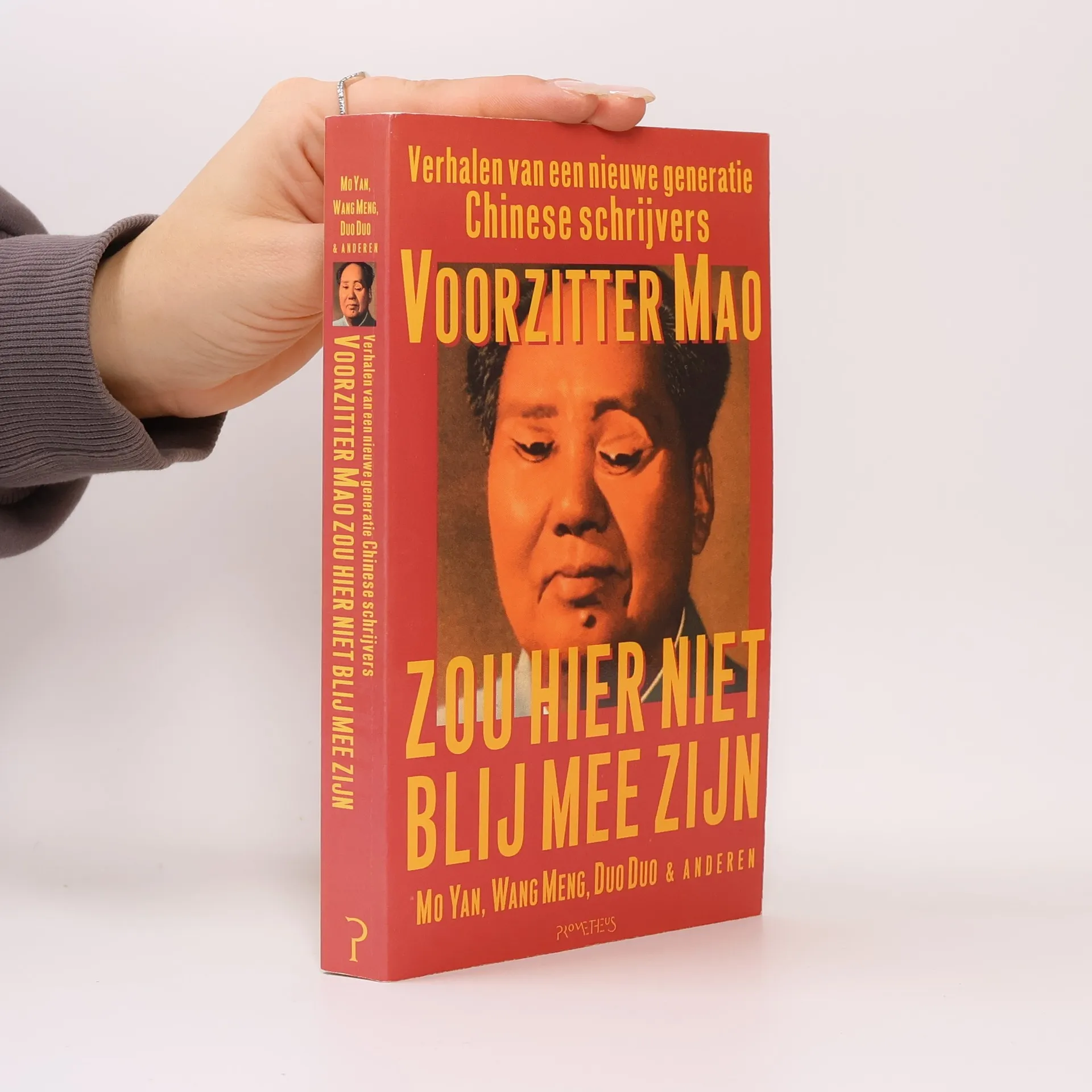
Voorzitter Mao zou hier niet blij mee zijn
Verhalen van een nieuwe generatie Chinese schrijvers
- 222 stránek
- 8 hodin čtení
Verhalen uit de Chinese Volksrepubliek in de periode 1985-1993.
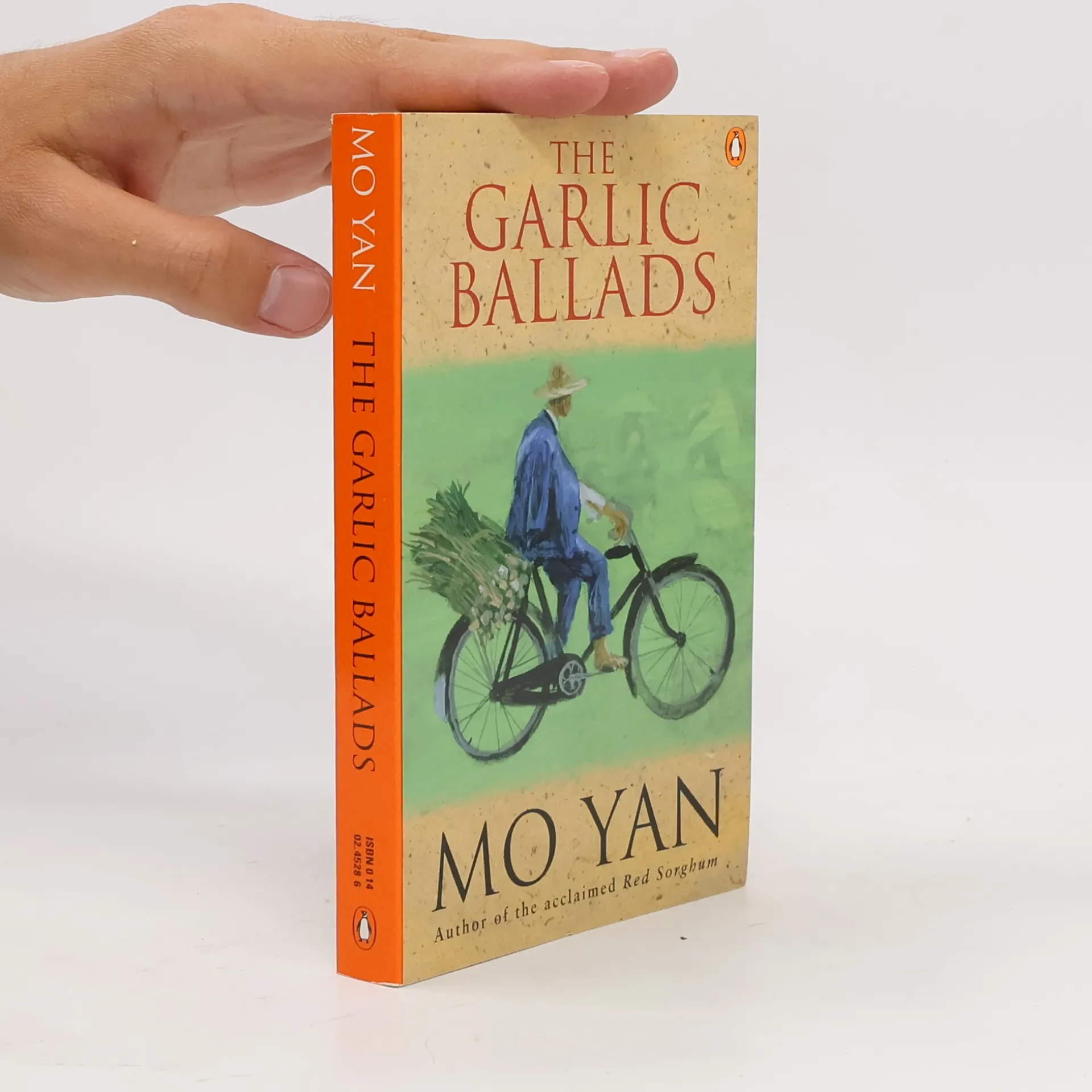
The Garlic Ballads
- 304 stránek
- 11 hodin čtení
The farmers of Paradise County have been leading a hardscrabble life unchanged for generations. The Communist government has encouraged them to plant garlic, but selling the crop is not as simple as they believed. Warehouses fill up, taxes skyrocket, and government officials maltreat even those who have traveled for days to sell their harvest. A surplus on the garlic market ensues, and the farmers must watch in horror as their crops wither and rot in the fields. Families are destroyed by the random imprisonment of young and old for supposed crimes against the state. The prisoners languish in horrifying conditions in their cells, with only their strength of character and thoughts of their loved ones to save them from madness. Meanwhile, a blind minstrel incites the masses to take the law into their own hands, and a riot of apocalyptic proportions follows with savage and unforgettable consequences. The Garlic Ballads is a powerful vision of life under the heel of an inflexible and uncaring government. It is also a delicate story of love between man and woman, father and child, friend and friend—and the struggle to maintain that love despite overwhelming obstacles.
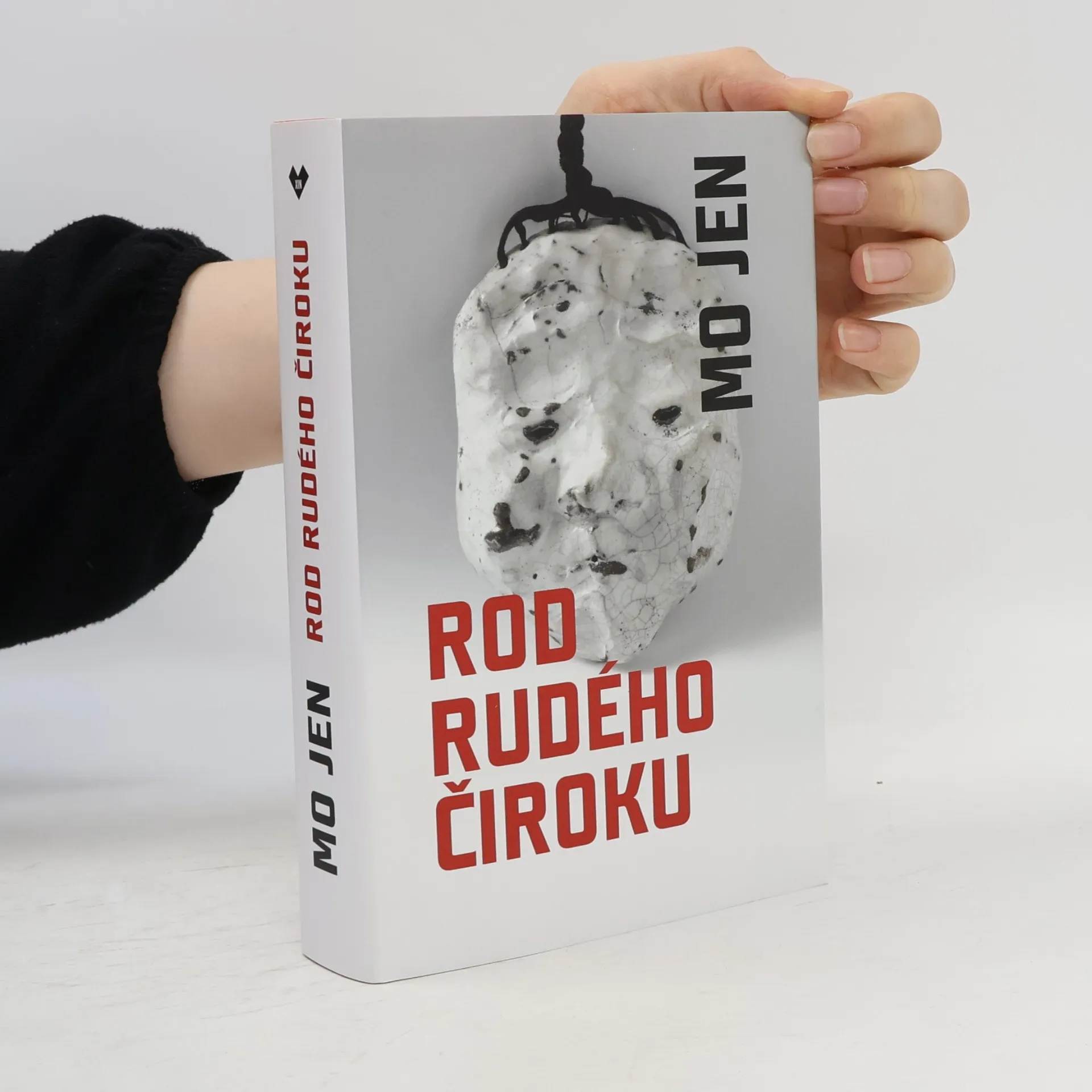
Široký románový obraz čínské země a společnosti v bouřlivých letech mezi světovými válkami. Epochální román z postimperiální Číny 20. až 30. let. Ozbrojené tlupy komunistů a nacionalistů si jdou po krku, a pokud se jim to hodí, bojují s japonským uchvatitelem. Také na Náhorních Pustinách, v Mo Jenově domovině, se vypravěčův dědeček, místní lapka, a babička, majitelka vyhlášené palírny na čirokovku, přidávají k odboji a spolu s nimi celá řada jedinečných postav a postaviček. Vesničané se bijí jen za svou rodinu a půdu, občas za svého hrdinu. Ideologie, vojáctví i láska hrají svoji věčnou tragikomedii, zatímco se prolitá krev vpíjí do pole rudého čiroku a odtéká temnými vodami řeky Inkoustovky. České vydání přináší celou, do roku 2008 nepublikovanou verzi. Nakladatelská anotace. Kráceno.