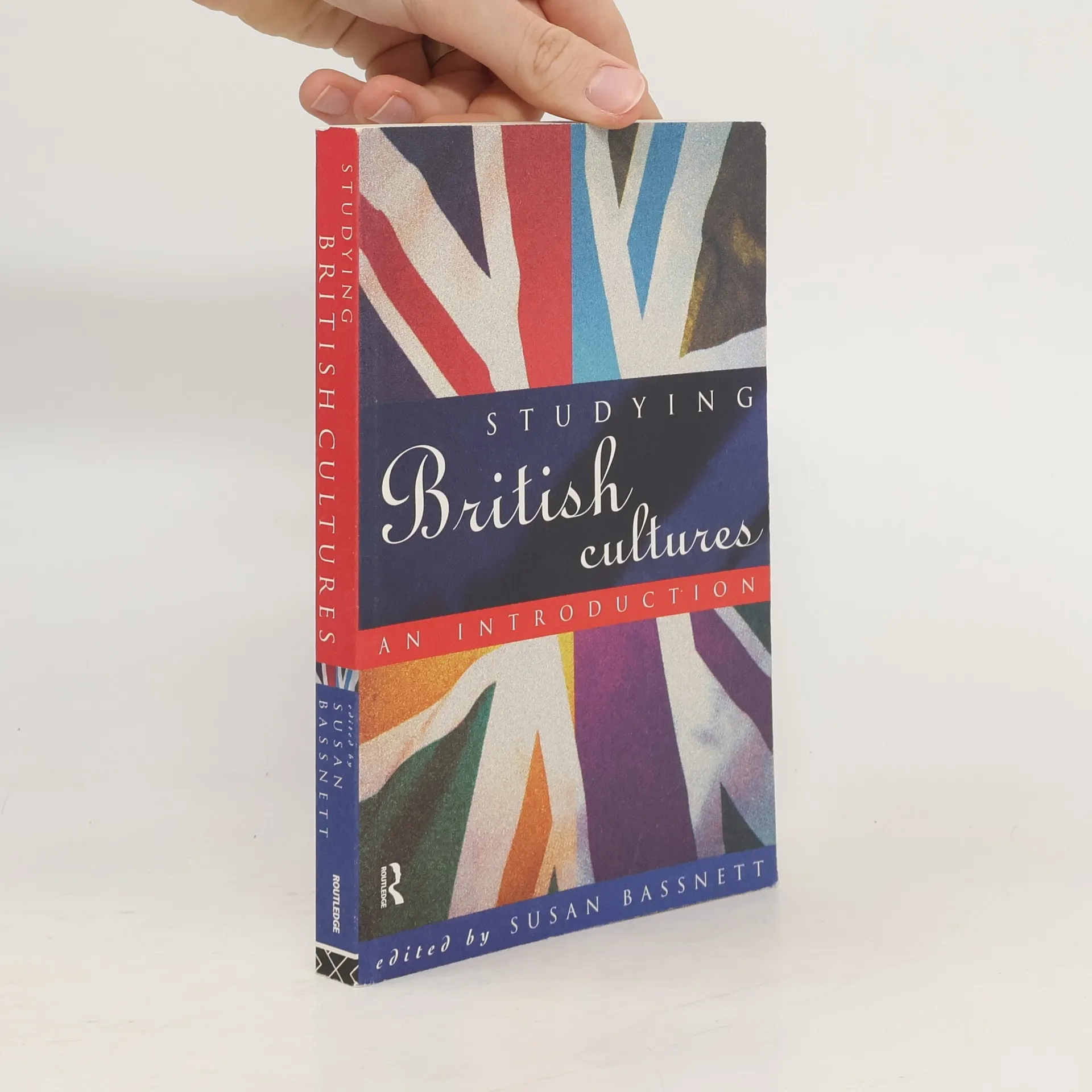
This is a lively and provocative volume of essays that offer the ideal introduction to a contentious area. In vivid and entertaining essays, the authors demonstrate that 'culture' is a plurality of discourses, not a fixed, unitary concept.
Now available in paperback, the editors of this book are internationally known in the field of literary translation and translation studies - particularly as promoters of the view that translation as a creative practice rather than a mechanical process.
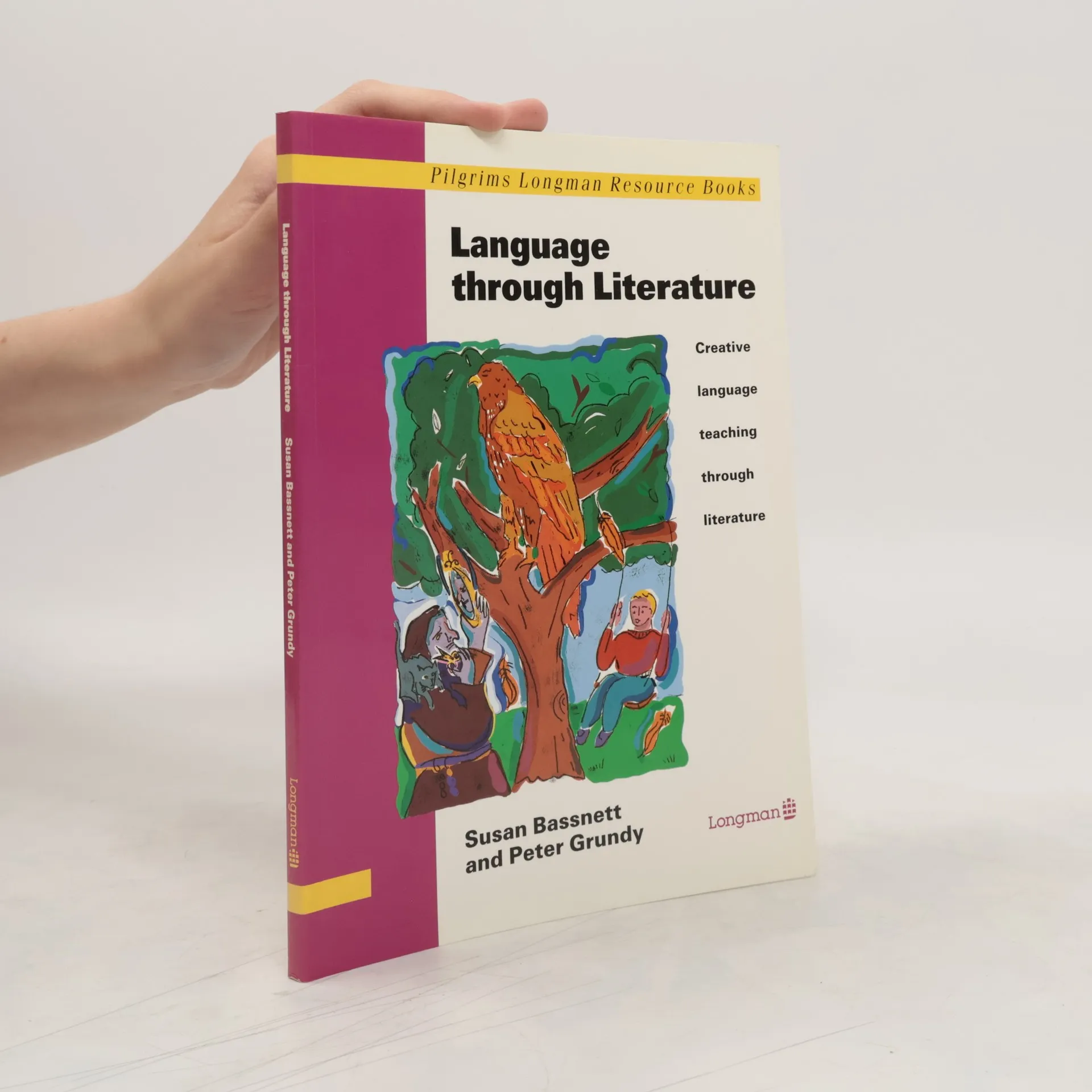
This series of teachers' resource books provides a range of practical, innovative ideas for the language classroom. Each book offers a selection of ready-made activities that can be used as the basis for lessons or as a departure point for classroom discussion.-- A full introduction explains the rationale behind the activities-- Clearly presented in easy-to-use "recipe" format-- Includes suggestions for variations and follow-up work-- All activities tried and tested in the classroom
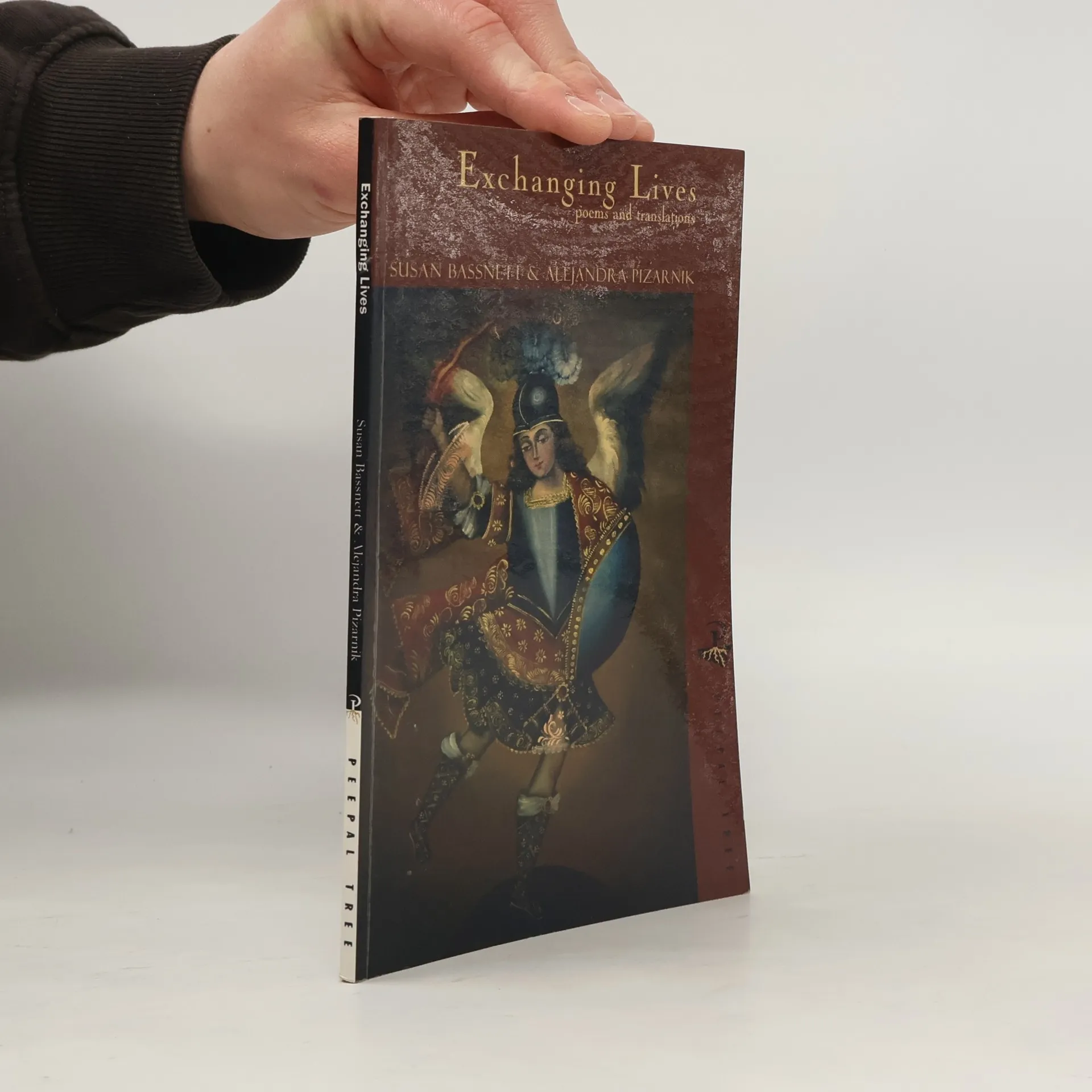
Exchanging Lives presents the work of the remarkable Argentinian poet Alejandra Pizarnik in English for the first time. Celebrated in feminist criticism for her subversive use of violent myth, Pizarnik's poetry resonates with themes of social isolation and belonging. This translation, however, transcends conventional approaches; translator Susan Bassnett, a poet herself, engages in a personal dialogue with Pizarnik's work. This dialogue explores shared womanist concerns and highlights their differences—Pizarnik's introspective struggles contrast with Bassnett's quest for personal writing space. Through this interaction, both Pizarnik and her poems are illuminated more vividly.
Alejandra Pizarnik, born in Buenos Aires in 1936, produced confessional and dense work marked by dark fantasies of blood and knives. She often expressed feelings of being "a few steps away from the eternity of silence" and tragically took her own life in 1972. Susan Bassnett, a professor of comparative literary studies at the University of Warwick, has published extensively, with her poetry appearing in various literary journals. She has authored over 25 books, including significant works on women writers in Latin America and feminist experiences across cultures. This unique translation not only brings Pizarnik's voice to a new audience but also enriches the understanding of her profound impact.
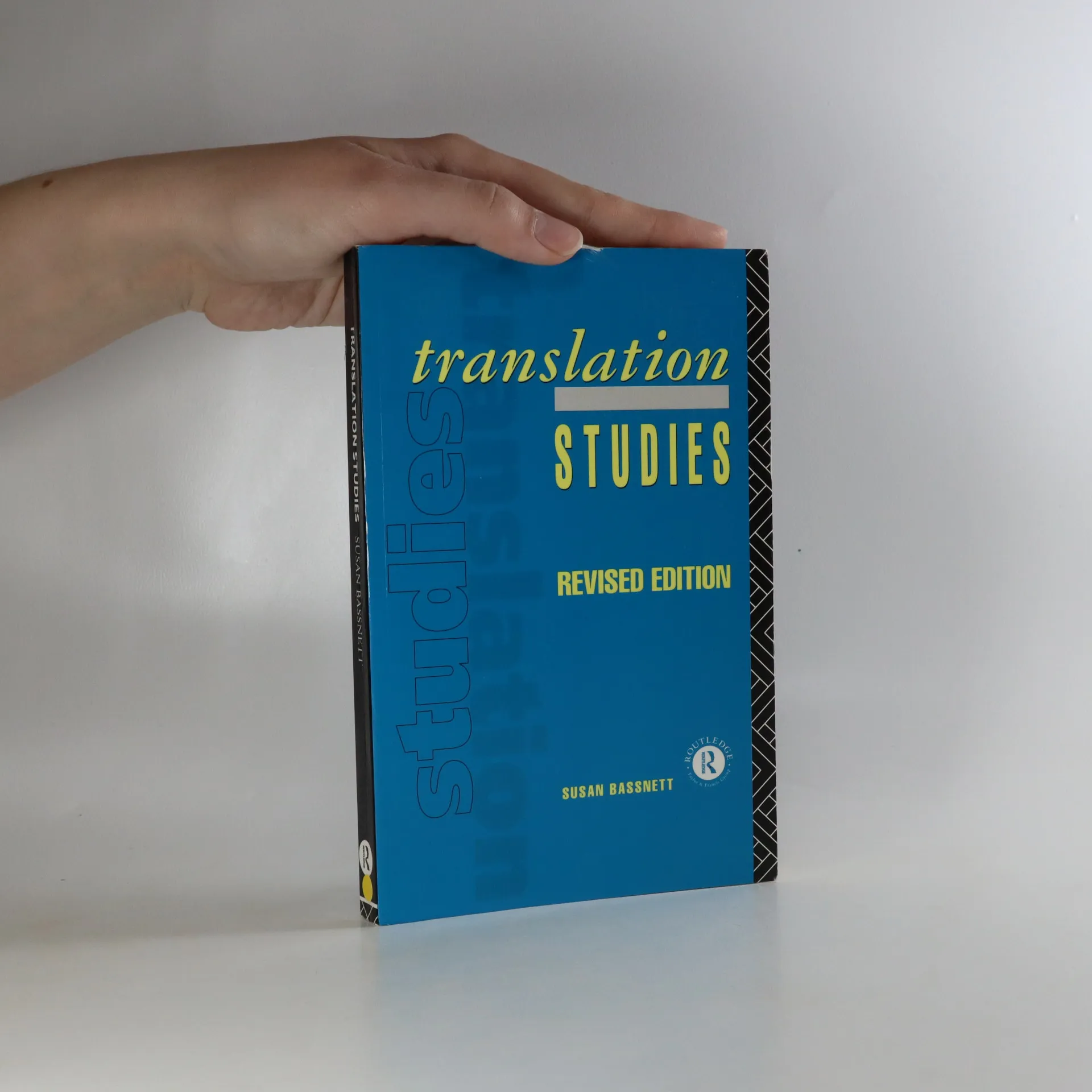
In the late 1970s, Translation Studies emerged as a new academic discipline, prompting a critical examination of whether linguistic and cultural phenomena are truly 'translatable' and the concept of 'equivalence.' Susan Bassnett's work quickly became an essential introduction for students and readers interested in this field. She addresses key translation problems and provides a historical overview of translation theory, starting with ancient Romans and including significant twentieth-century structuralist contributions. The 4th edition is vital for newcomers, featuring a new preface that discusses recent developments, including translation's relationship with globalization and its application beyond literature to news, film, and mass media. Chapter 1 has been significantly updated to cover important topics such as the Cultural Turn in Translation Studies, translation and power, postcolonial translation, Skopos theory, and the impact of new technology. Chapter 2 has been expanded to reflect developments in the latter part of the twentieth century and translation studies in Chinese and Indian contexts. Chapter 3 has been revised to include a more comprehensive section on theatre translation. The bibliography has also been updated and expanded, ensuring that readers have access to the latest resources in the field.
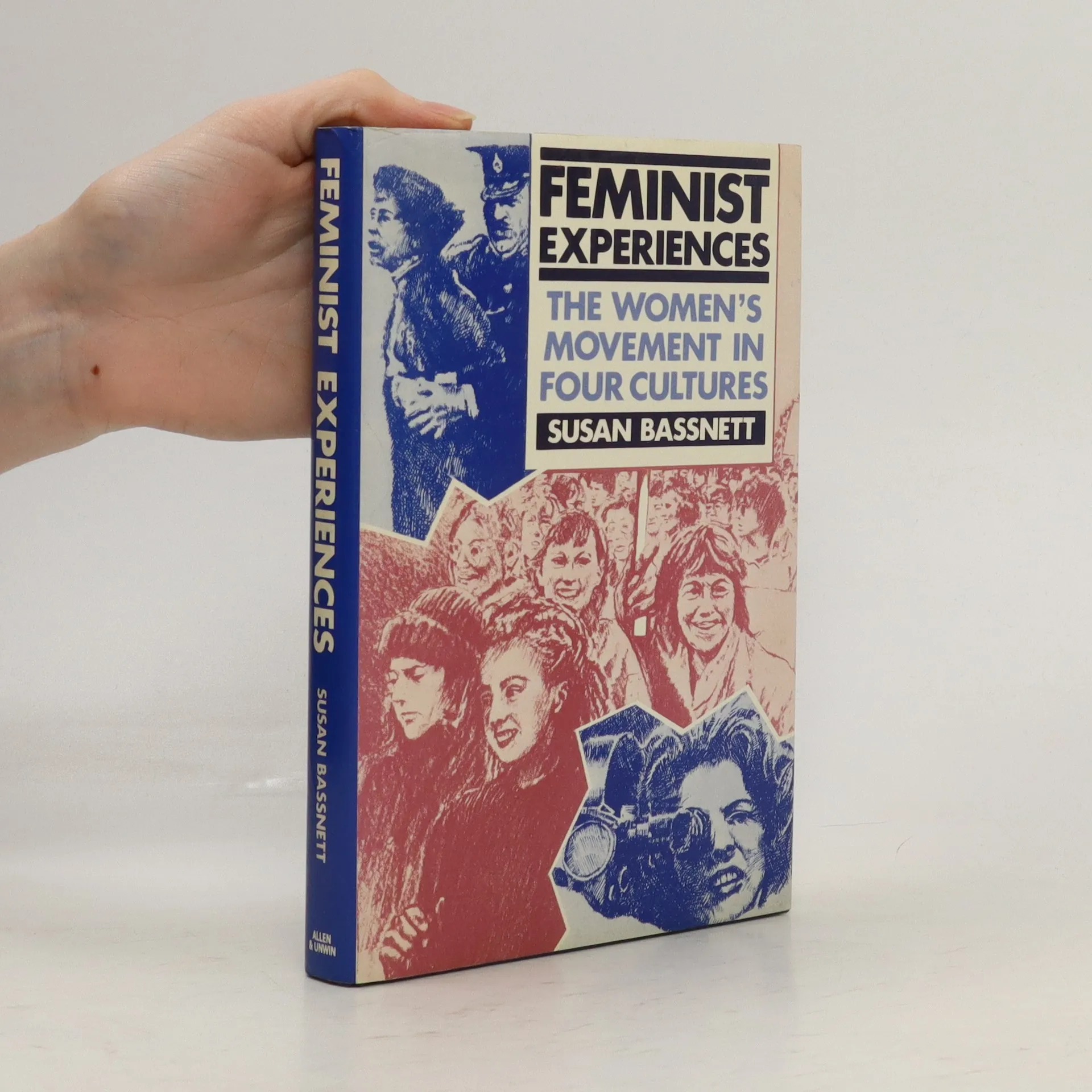
The Women’s Movement is often perceived as a uniform global phenomenon, yet it manifests differently across regions. Susan Bassnett, drawing from her experiences in the U.S., Italy, the U.K., and her interactions with feminists in the German Democratic Republic, reveals the diverse aims, tactics, and priorities of feminist movements in these distinct cultures. In Italy, she highlights the movement's intellectual vigor and the violence it sometimes embodies. The American women’s movement is explored through its historical roots and pragmatic approaches. In the GDR, Bassnett examines the complex interplay between state socialism and feminism, presenting unique challenges. In the U.K., she emphasizes the critical role of class in shaping feminist discourse. Throughout her work, Bassnett is committed to enhancing our understanding of the varied objectives within women’s movements while also identifying their shared struggles, which she describes as the “no-man’s land” of female existence. Her narrative is enriched by personal anecdotes from her life experiences, making her insights accessible to a broad audience of feminists.