Proměna
- 112 stránek
- 4 hodiny čtení
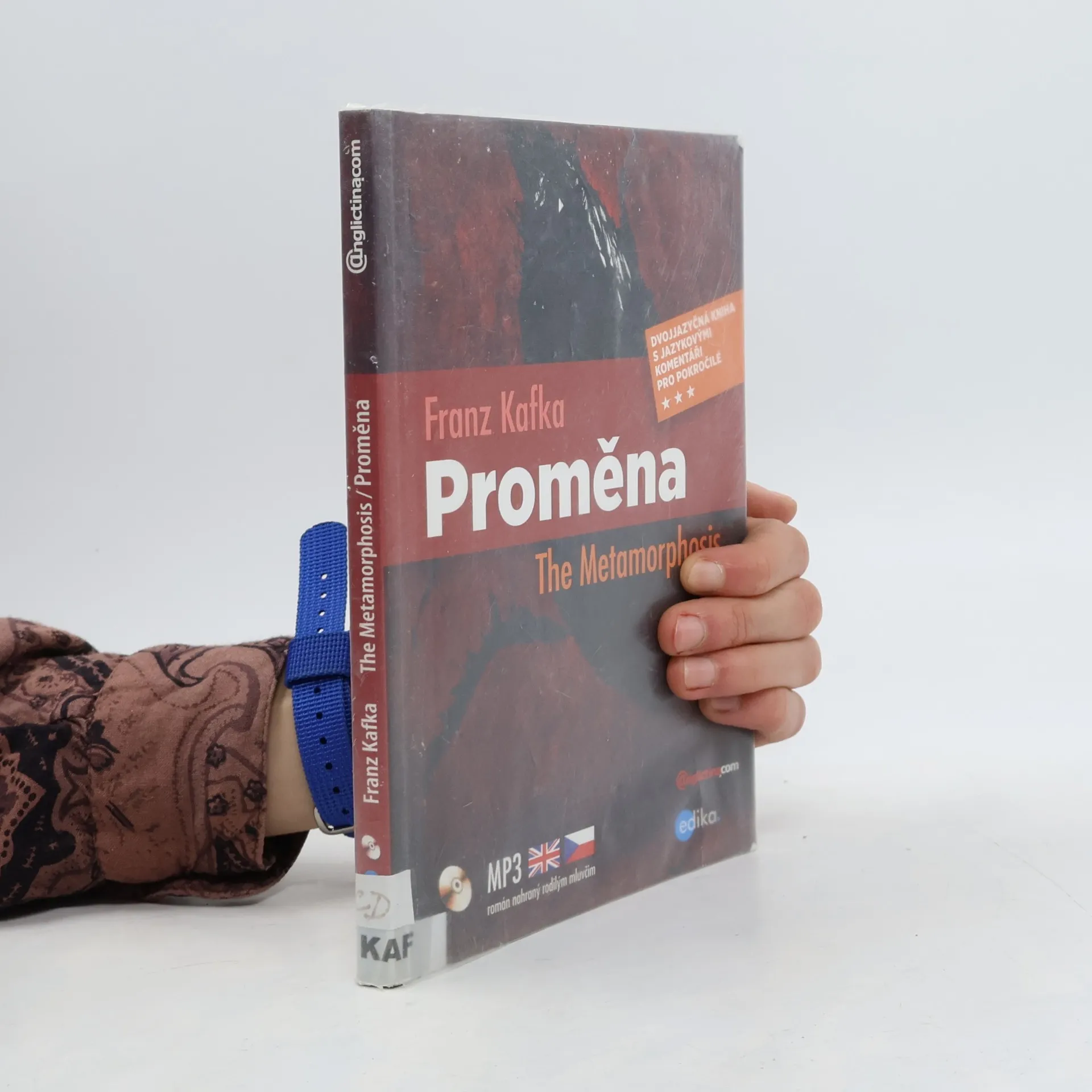
Sugestivní fantaskní povídka, kdy se hlavní hrdina, jenž se odcizil sám sobě a smyslu svého života, proměnil v odporného brouka.
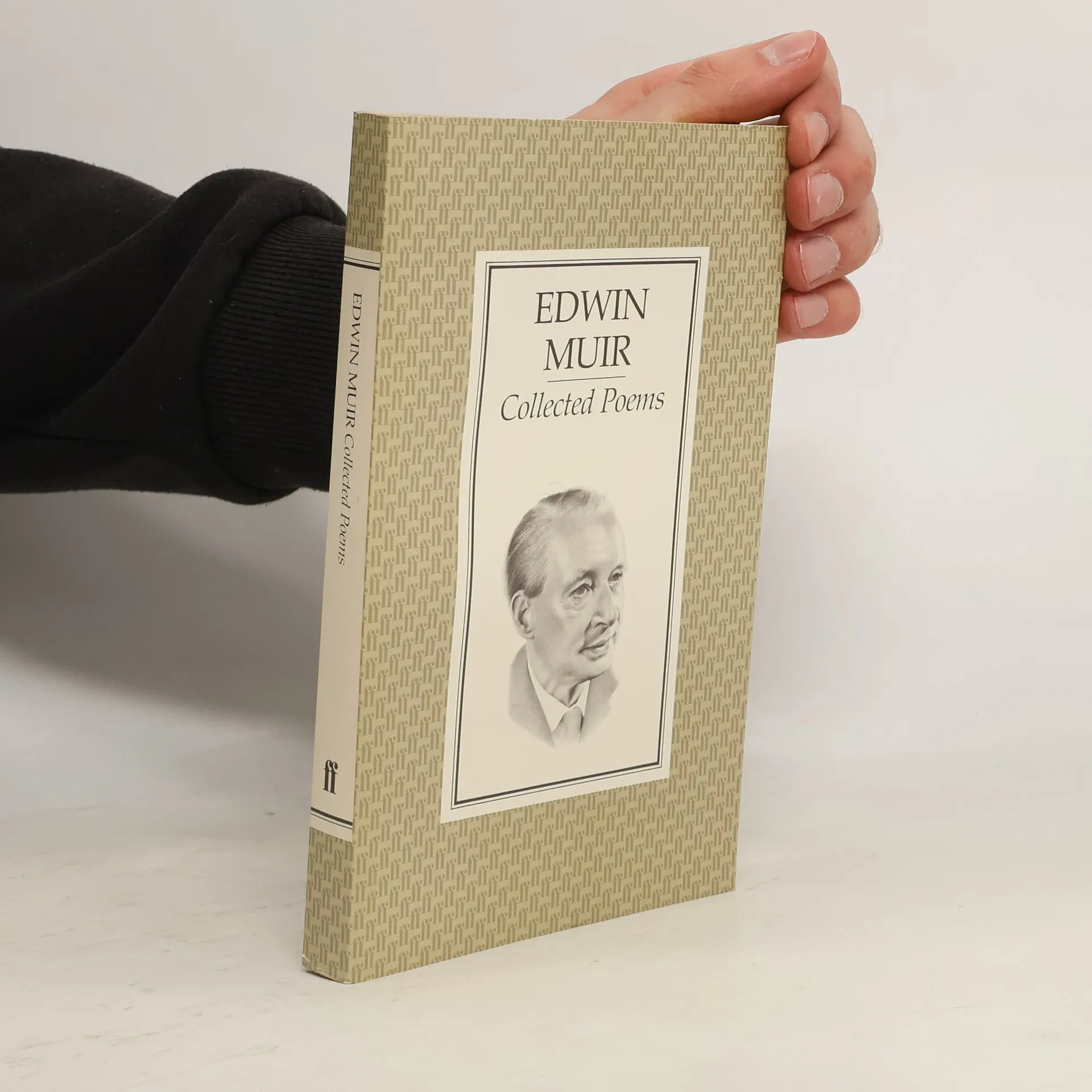
Edwin Muir byl orknejský básník, prozaik a překladatel, který se spolu se svou ženou Willou Andersonovou zasloužil o zpřístupnění díla Franze Kafky v anglickém jazyce. Muir se ve své tvorbě zabýval komplexními vnitřními světy a často zkoumal témata identity a paměti. Jeho básnické a prozaické dílo, které zahrnuje několik sbírek poezie a románů, představuje hluboký ponor do lidské zkušenosti. Muirův styl je známý svou introspektivní povahou a meditativním tónem, což čtenářům nabízí jedinečný pohled na existenciální otázky.


Sugestivní fantaskní povídka, kdy se hlavní hrdina, jenž se odcizil sám sobě a smyslu svého života, proměnil v odporného brouka.
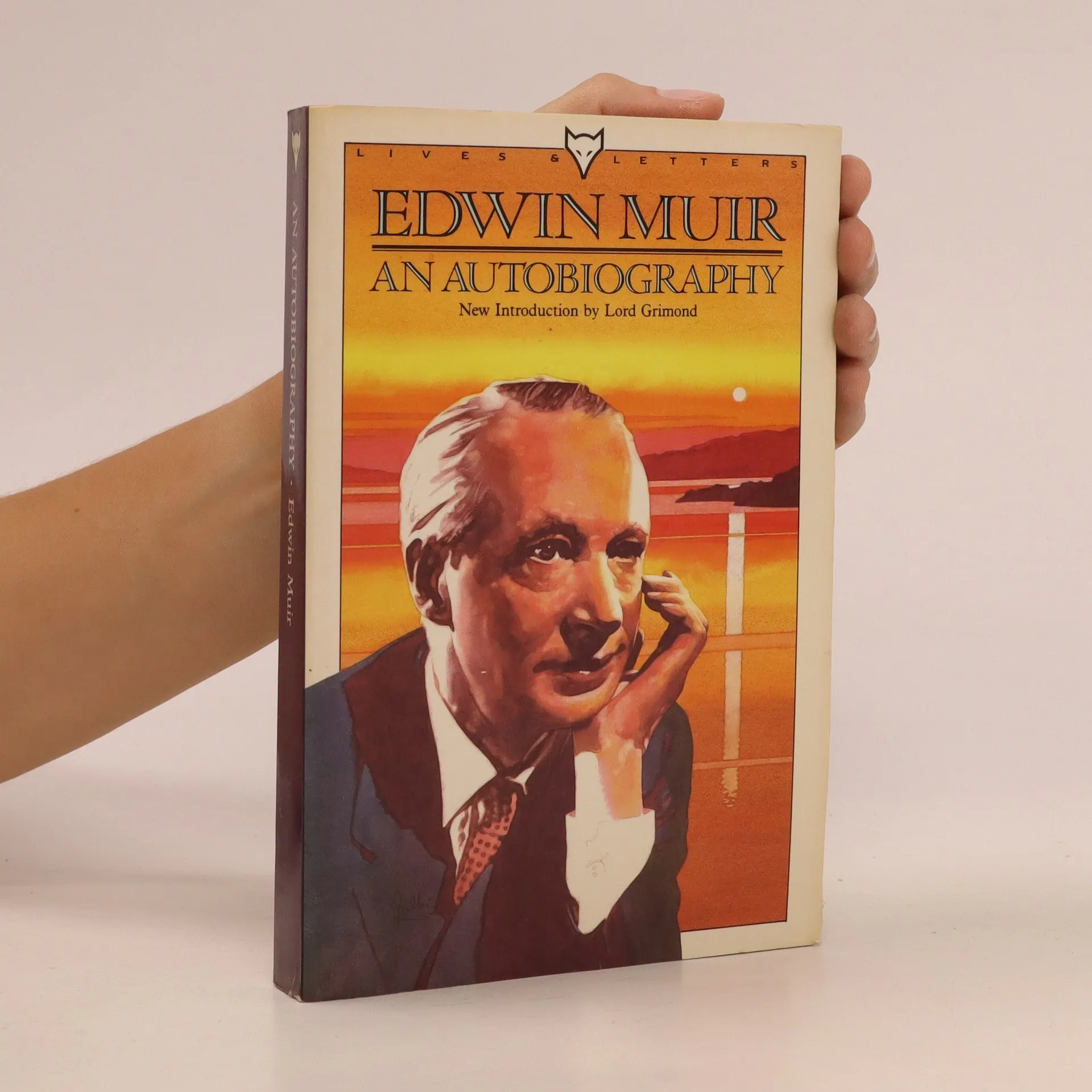
From his sheltered childhood in Orkney to the turmoil of industrial Glasgow, Edwin Muir was witness to some of the most traumatic years and events of our modern age. And yet, in his life and in his art, he was constantly haunted by the symbolic 'fable' which he longed to find beneath the surface reality of the everyday. From his dream notebooks to his travels in Eastern Europe, Muir paints an unforgettable picture of the slow and sometimes painful growth of a poet's sensibility as he comes to terms with his own nature amidst the terror and confusion of the twentieth century.
Franz Kafka's enigmatic, deadpan, and deeply pessimistic stories are central to literary modernism. In 'The Metamorphosis', the estrangement of everyday life becomes corporealized when Gregor Samsa wakes up as a giant bug and wonders how he is going to get to work on time. Kafka inverts the implied degradation of a man's transformation into an animal in 'A Report of the Academy', an ape's address to a group of scientists.
From his sheltered childhood in Orkney to the turmoil of industrial Glasgow, Edwin Muir was witness to some of the most traumatic years and events of our modern age. And yet, in his life and in his art, he was constantly haunted by the symbolic 'fable' which he longed to find beneath the surface reality of the everyday. From his dream notebooks to his travels in Eastern Europe, Muir paints an unforgettable picture of the slow and sometimes painful growth of a poet's sensibility as he comes to terms with his own nature amidst the terror and confusion of the twentieth century.
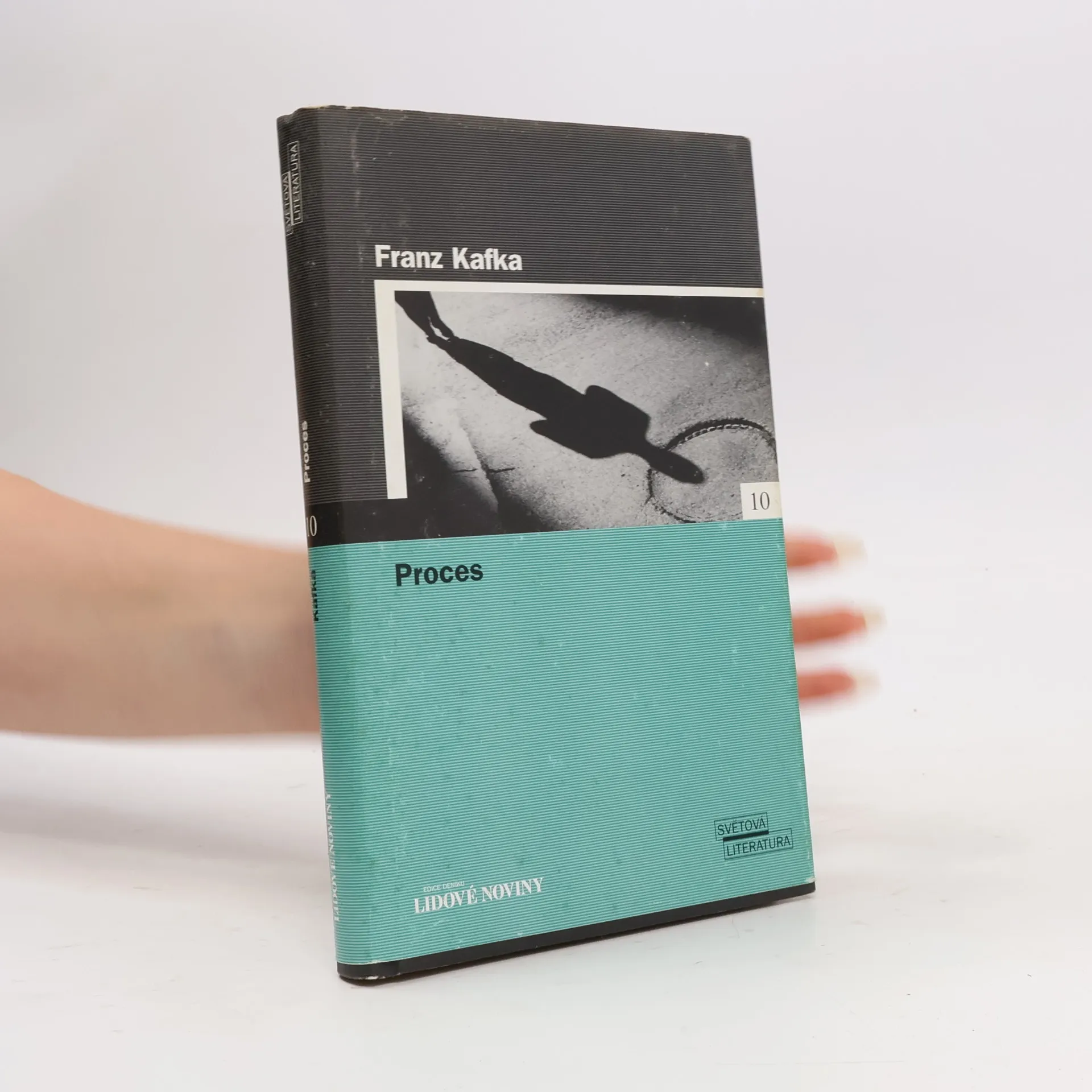
V den svých třicátých narozenin se bankovní prokurista Josef K. probudí ve svém bytě za přítomnosti dvou cizích mužů, kteří mu oznámí, že je zatčen. Nedozví se však, z čeho je obviněn. Během vyšetřování na svobodě se Josef K. snaží záhadu svého nesmyslného zatčení vysvětlit, ale když je opravdu pozván k procesu, ukáže se všechno jako mnohem závažnější a absurdnější, než si myslel. Nedokončený román považovaný za jedno z klíčových děl dvacátého století se stal předlohou řady divadelních zpracování po celém světě.
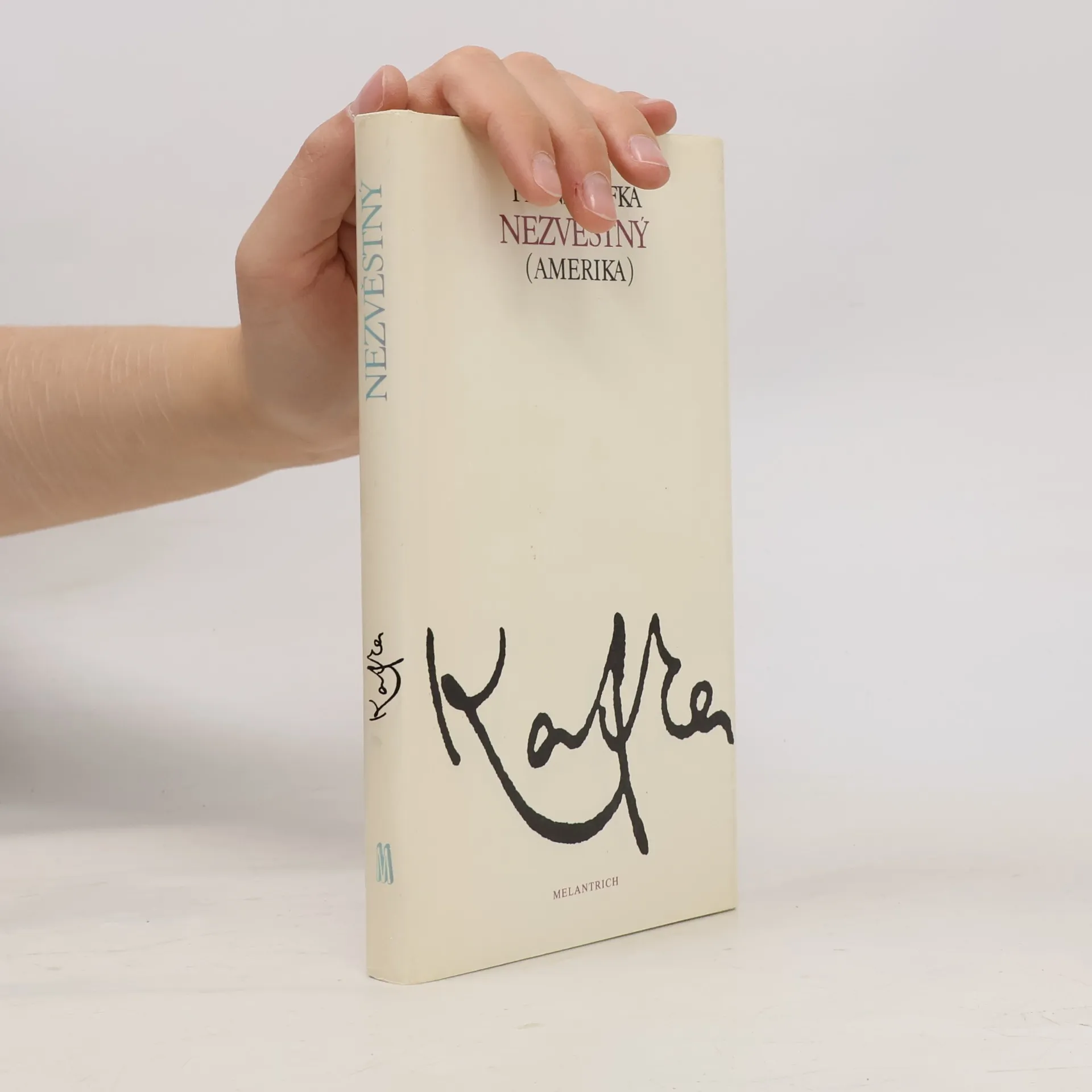
„Příběh, který teď píši," sděluje v dopisu z 11. listopadu 1912 Franz Kafka své snoubence Felici Bauerové, „...se jmenuje, abyste si udělala představu, ,Nezvěstný' a odehrává se výhradně ve Spojených státech severoamerických.'' Zápas, který s nikdy nedokončeným románem — čtenáři doposud spíše známým pod jménem vydání z roku 1927 „Amerika" — Franz Kafka svedl, byl pro něj více než důležitý. Po čtyřech letech nezáživné úřednické práce a svazku osmnácti krátkých próz totiž znamenal pokus nově vyjádřit a uchopit skutečnost, jíž se doposud spíše dotýkal. Nezvěstný je obraz moderní doby viděný očima dospívajícího chlapce a autor v něm hluboce umělecky vyjádřil pocit ohrožení běžného člověka odlidštěnými společenskými vztahy. Kniha, v níž Franz Kafka plně rozvinul i svůj přístup k hledání smyslu a jistoty lidského bytí a sociálně kritické postoje, dnes již patří k zlatému fondu evropské a světové literatury.
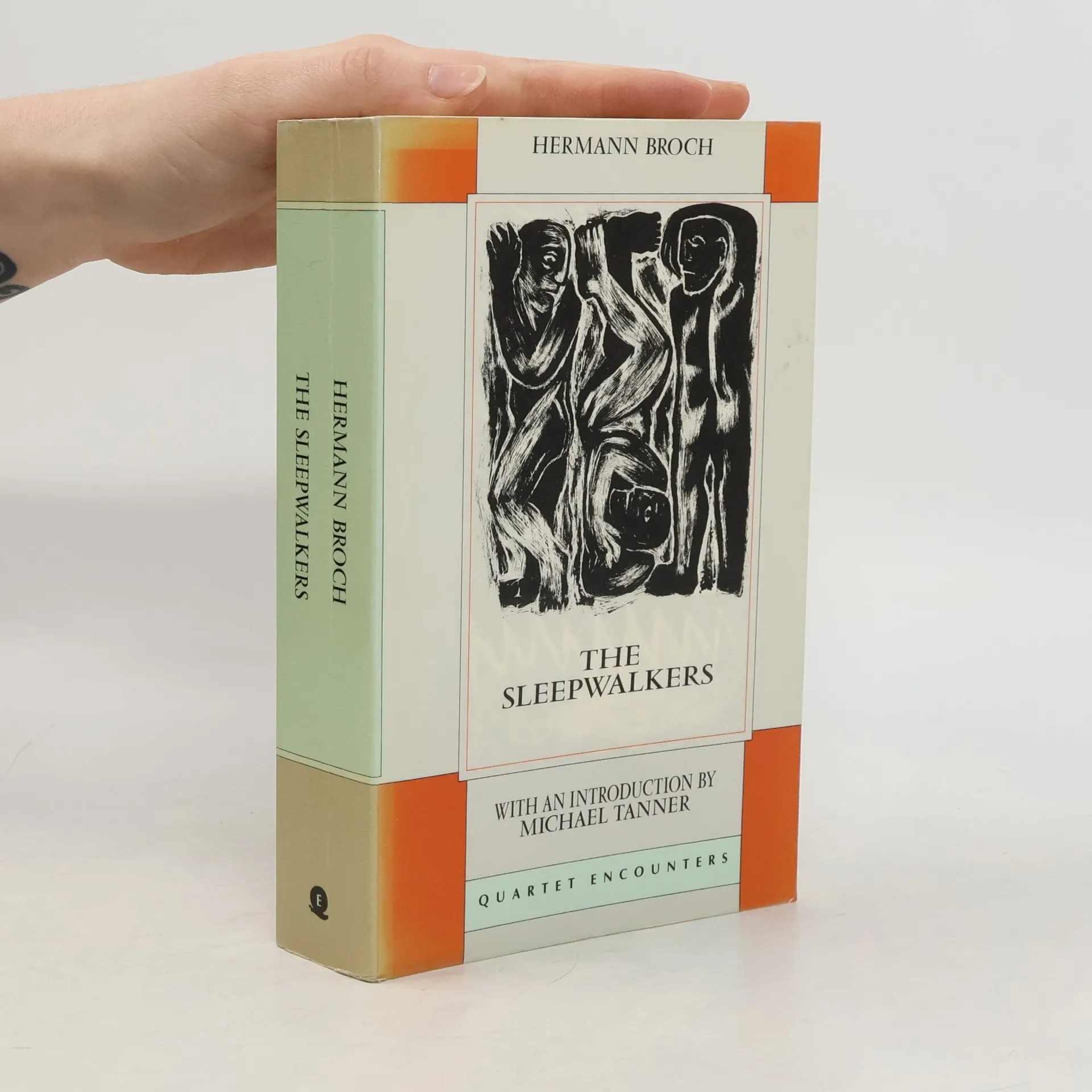
With his epic trilogy, The Sleepwalkers , Hermann Broch established himself as one of the great innovators of modern literature, a visionary writer-philosopher the equal of James Joyce, Thomas Mann, or Robert Musil. Even as he grounded his narratives in the intimate daily life of Germany, Broch was identifying the oceanic changes that would shortly sweep that life into the abyss. Whether he is writing about a neurotic army officer (The Romantic) , a disgruntled bookkeeper and would-be assassin (The Anarchist) , or an opportunistic war-deserter (The Realist) , Broch immerses himself in the twists of his characters' psyches, and at the same time soars above them, to produce a prophetic portrait of a world tormented by its loss of faith, morals, and reason.