Guy Deutscher je autorem knih zaměřených na fascinující vztah mezi jazykem a myšlením. Jeho práce zkoumá, jak jazyková struktura ovlivňuje naše vnímání světa a jak se jazyky v průběhu času vyvíjejí. Deutscher je známý svým pronikavým analytickým přístupem, který poutavě spojuje lingvistiku, filozofii a historii. Jeho psaní nabízí čtenářům nový pohled na to, jak jazyk formuje naši realitu.
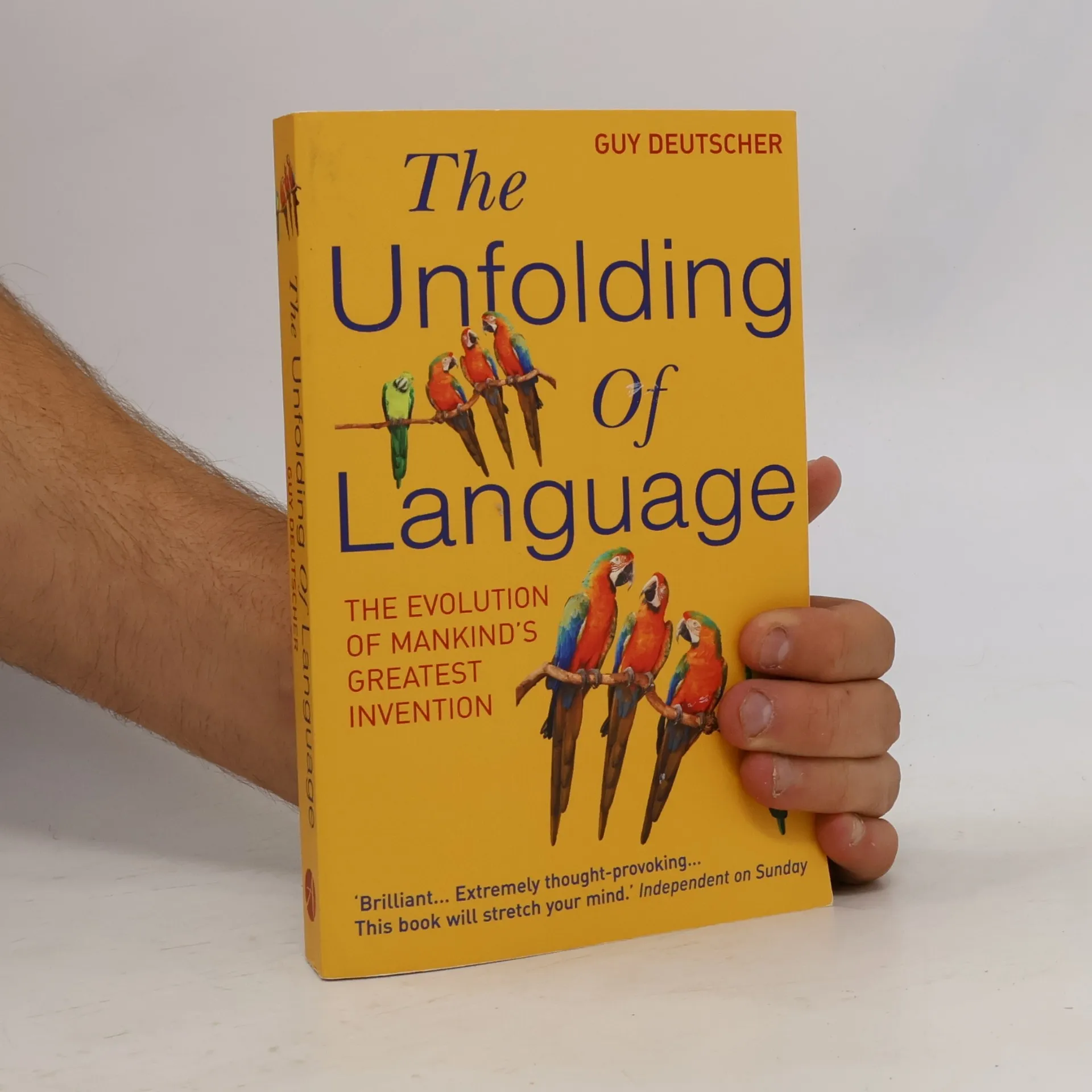
Drawing on recent groundbreaking discoveries in modern linguistics, the author exposes the elusive forces of creation at work in human communication, giving fresh insight into how language emerges, evolves, and decays.
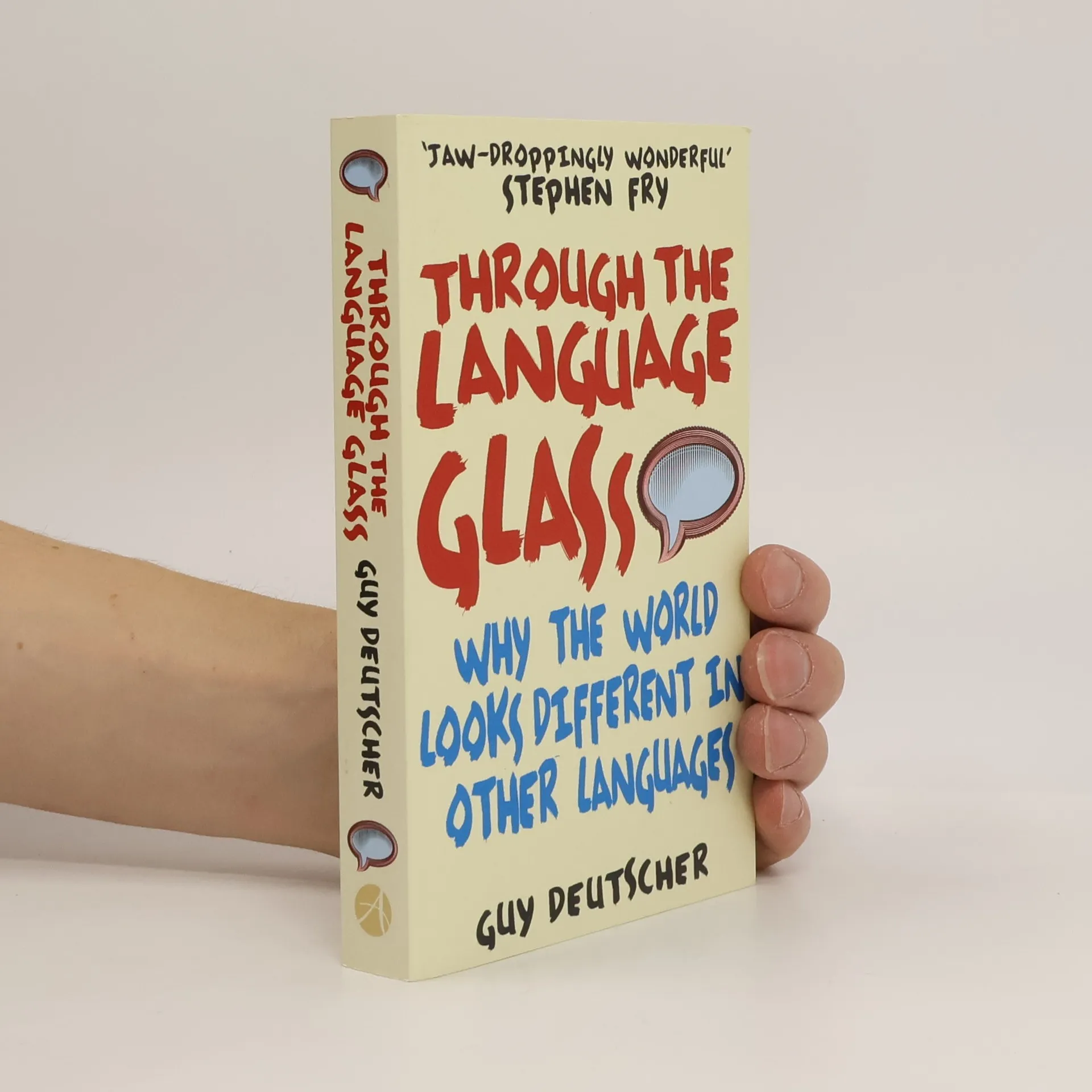
"Guy Deutscher is that rare beast, an academic who talks good sense about linguistics... he argues in a playful and provocative way, that our mother tongue does indeed affect how we think and, just as important, how we perceive the world." Observer *Does language reflect the culture of a society? *Is our mother-tongue a lens through which we perceive the world? *Can different languages lead their speakers to different thoughts? In Through the Language Glass, acclaimed author Guy Deutscher will convince you that, contrary to the fashionable academic consensus of today, the answer to all these questions is - yes. A delightful amalgam of cultural history and popular science, this book explores some of the most fascinating and controversial questions about language, culture and the human mind.
The book explores the consequences of climate warming and environmental disorder stemming from a free trade economic growth model that neglects its ecological impact. It highlights the disconnect between economists and scientists, emphasizing the need for collaboration to address these pressing issues. The narrative critiques the current economic framework and advocates for a more integrated approach to understanding the relationship between economic practices and environmental sustainability.
Klug, ungeheuer kenntnisreich und voller Witz vermittelt Guy Deutscher die neuesten Erkenntnisse der Linguistik. Er beschreibt, wie alltägliche Gewohnheiten die eindrucksvollsten Sprachstrukturen hervor- und auch wieder zu Fall bringen. Und nebenbei beantwortet er in diesem Buch auch noch Fragen wie: Warum haben die meisten Sprachen kein Verb für «haben»? Warum sagte Luther schlecht», wenn er doch das Gegenteil meinte? Und warum scheinen Türken rückwärts zu sprechen? Fast so alt wie die Sprache, diese «größte Erfindung der Menschheit – obwohl sie natürlich nie erfunden wurde», scheint die Rede vom Niedergang der Sprache zu sein. Tatsächlich wandelt sie sich fortwährend. Doch die gleichen Kräfte, die ihren Verfall und Wandel befeuern, haben die beispiellose Entwicklung der Sprache erst möglich gemacht. Anhand einer Fülle von Beispielen zeigt Guy Deutscher, wie die ausgeklügelten Grammatiken, enormen Vokabularien und komplexen Bedeutungszusammenhänge unserer heutigen Sprachen entstehen konnten und welche Triebfedern sie permanent in Bewegung halten.