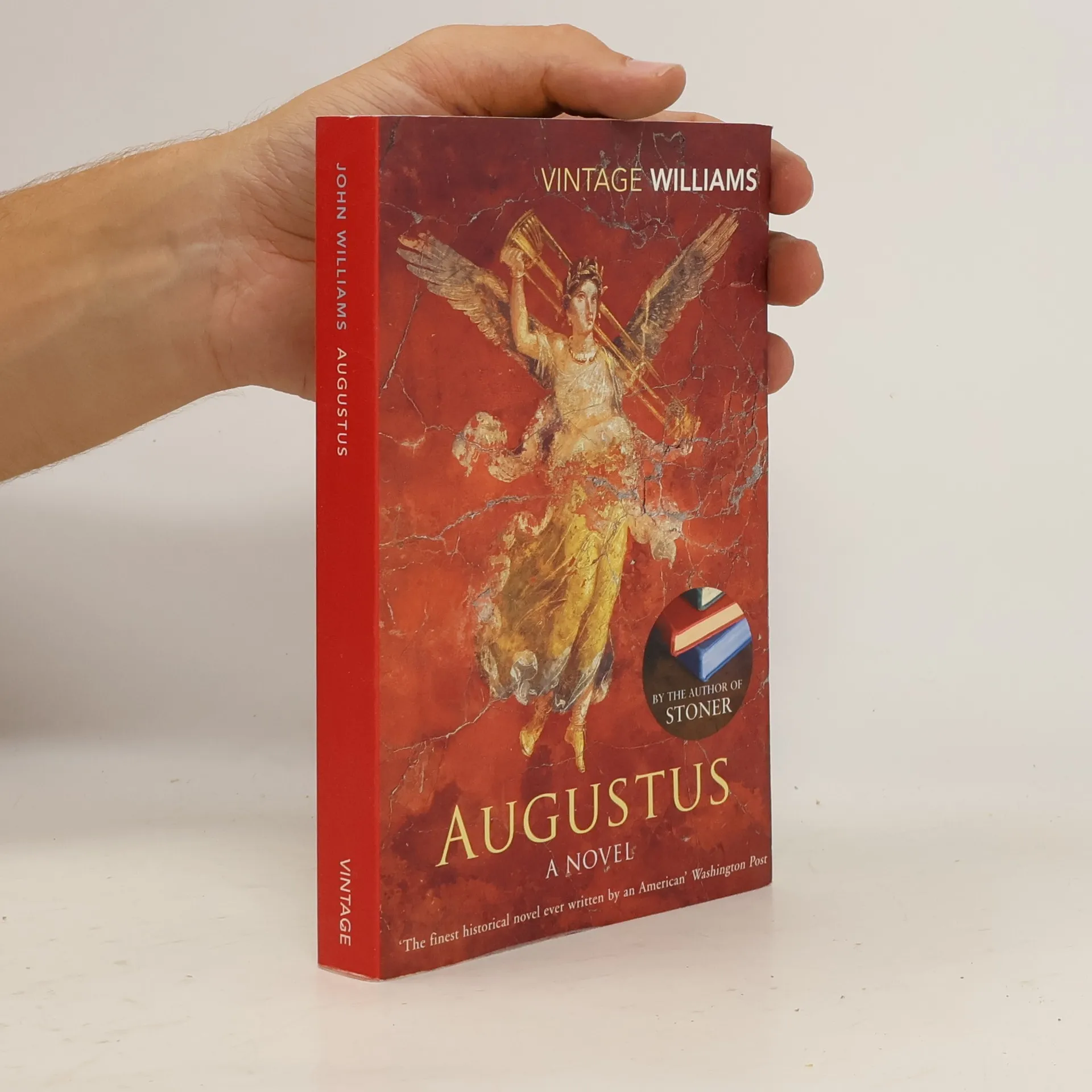
After the brutal murder of his great-uncle, Julius Caesar, Octavian, a shy and scholarly youth of nineteen, suddenly finds himself heir to the vast power of Rome. He is destined, despite vicious power struggles, bloody wars and family strife, to transform his realm and become the greatest ruler the western world had ever seen.
John McGahern Pořadí knih (chronologicky)
12. listopad 1934 – 30. březen 2006
Tento autor se proslavil svými pronikavými romány, které se často zabývají složitými mezilidskými vztahy a morálními dilematy irské společnosti. Jeho styl je charakteristický precizním jazykem a hlubokým vhledem do psychologie postav, čímž čtenářům nabízí nekompromisní pohled na lidskou povahu. Díla tohoto autora provokují k zamyšlení a zkoumají téma viny, vykoupení a hledání identity v těžkých společenských podmínkách. Jeho psaní se vyznačuje syrovou upřímností a schopností zachytit podstatu každodenního života.

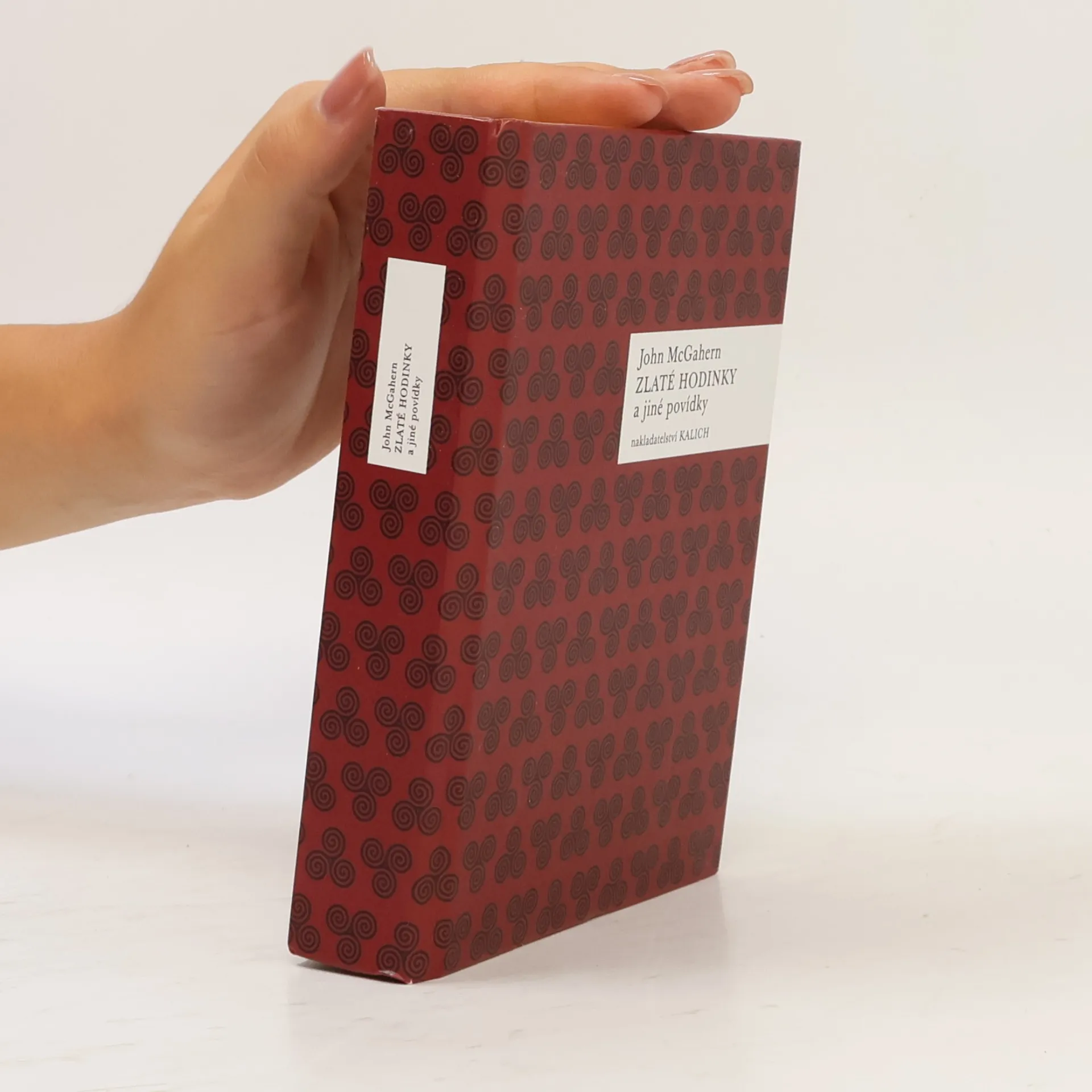
Zlaté hodinky a jiné povídky
- 296 stránek
- 11 hodin čtení
Výbor Zlaté hodinky a jiné povídky představuje to nejlepší z povídkářské tvorby Johna McGaherna (1934–2006), který je již dnes považován za jednoho z klasiků jak irské, tak světové literatury. V mistrných prózách – z nichž česky vyšel hlavně román Mezi ženami (2003) – autor mapuje život v Irsku ve druhé polovině dvacátého století s neúprosnou, až prorockou bystrozrakostí a působivostí, nezřídka říznutou ironií a černým humorem. Jeho povídky se vyznačují obrazivým stylem, který umožňuje vidět svět nově a celistvě. Toto vidění vyrůstá z blízkosti přírodě, vnímavosti k přírodním dějům i duševním hnutím blízkých, z náboženského cítění odpadlíka od katolické církve a z osobní, často intimní zkušenosti člověka toužícího po lásce a pospolitosti, který se však zdráhá zavírat oči před lidskou špatností a mlčky se podvolovat umrtvující společenské konvenci.
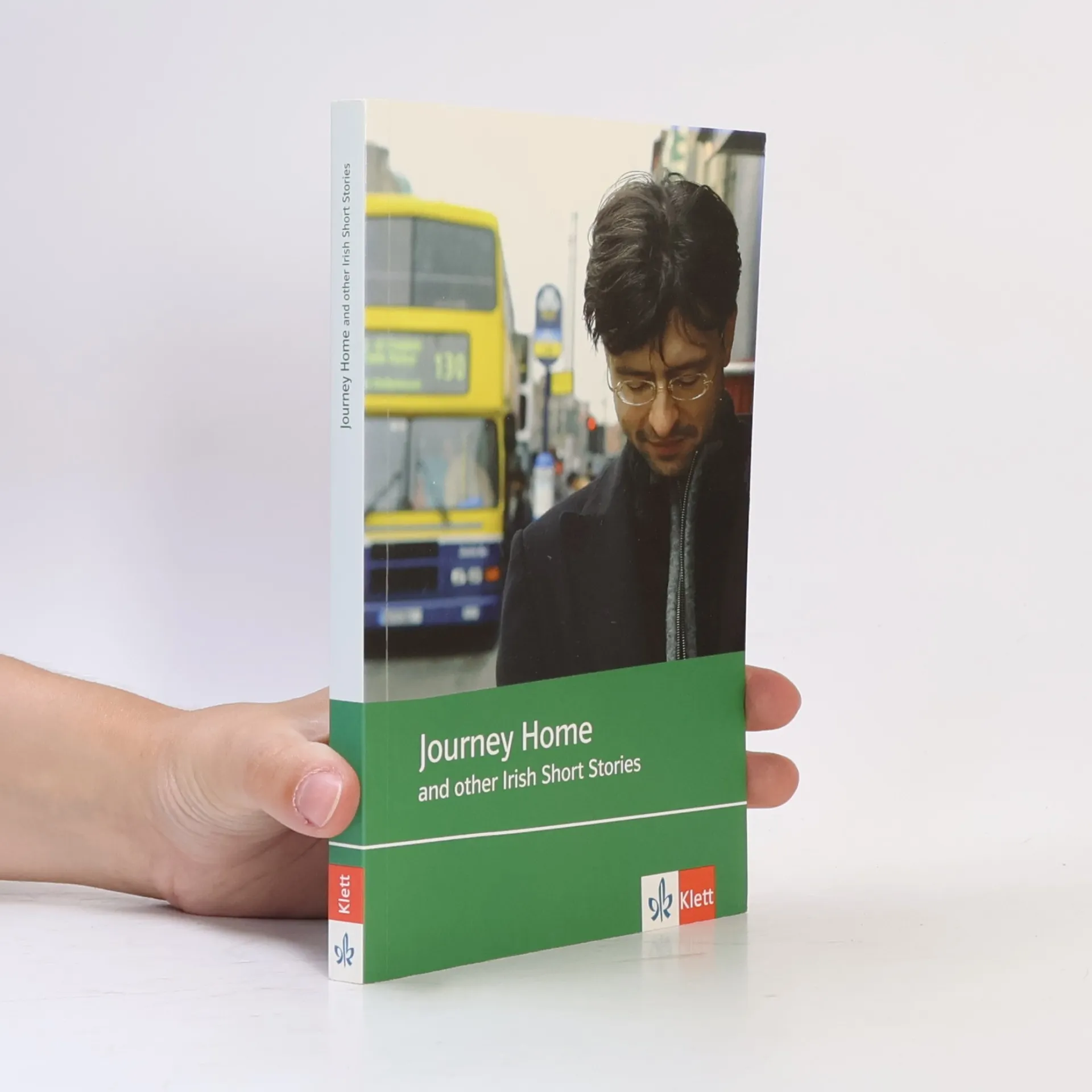
Journey Home and Other Irish Short Stories
Englische Lektüre für die Oberstufe. Originaltext mit Annotationen und Zusatztexten
- 175 stránek
- 7 hodin čtení
Diese Sammlung enthält folgende Geschichten: An Occasion of Sin von John Montague Journey Home von Maeve Kelly The Lady with the Red Shoes von Ita Daly High Ground von John McGahern Five Notes after a Visit von Anne Devlin Prisoner of the Republic von Séan MacMathúna A Song von Colm Tóibín New Boy von Roddy Doyle Abiturempfehlung zum Themenbereich Ireland
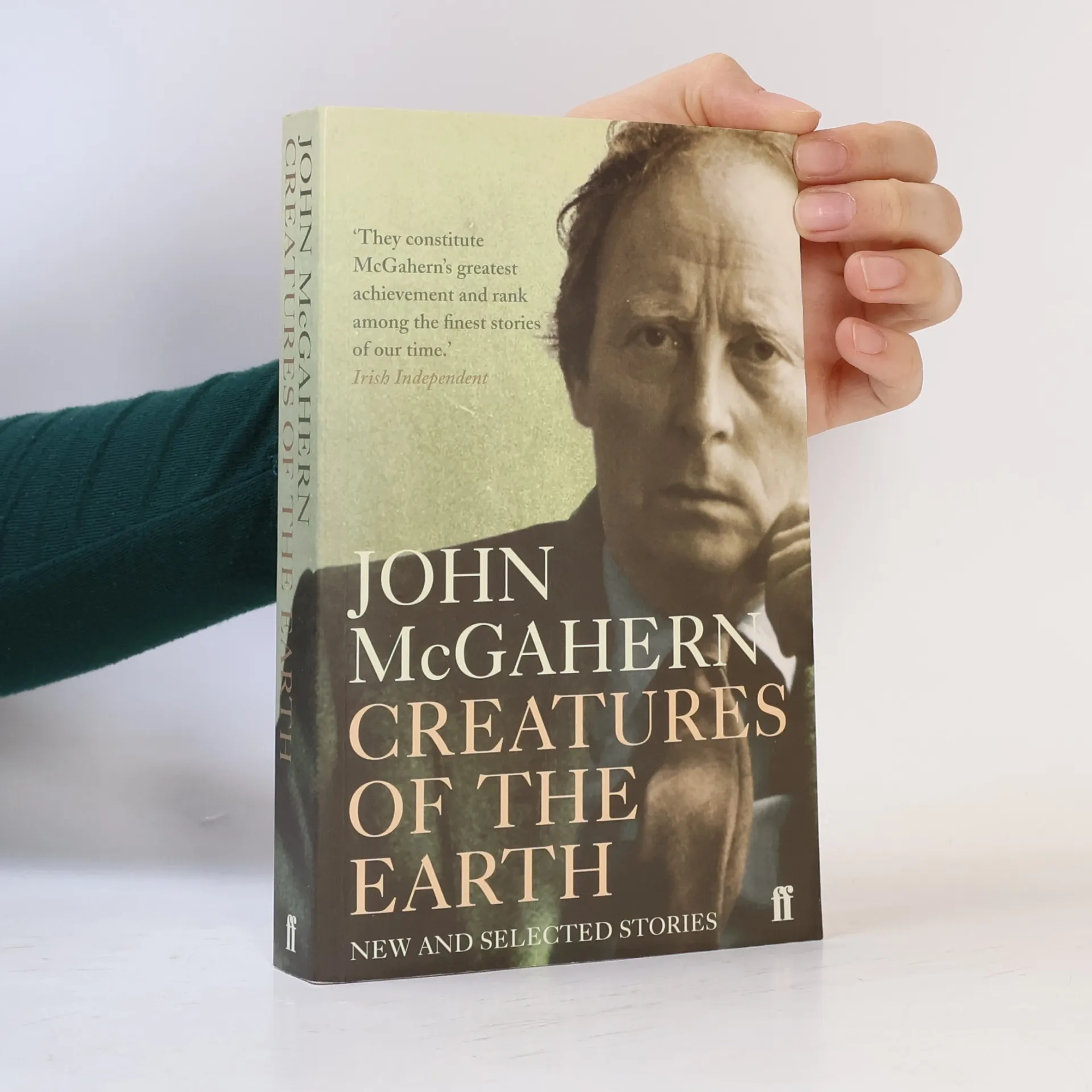
Creatures of the Earth
New and Selected Stories
Stoner
- 286 stránek
- 11 hodin čtení
William Stoner se narodí na konci devatenáctého století v Missouri do nesmírně chudé farmářské rodiny. Rodiče ho pošlou studovat zemědělství na místní univerzitu, ale mladý William se místo toho zamiluje do anglické literatury a oblíbí si univerzitní život, který je pravým opakem žebrácké dřiny, jakou poznal do té doby. Přesto ho ale během následujících let potká celá řada neúspěchů: svatba s dívkou ze „slušné“ rodiny způsobí odcizení mezi ním a rodiči; jeho kariéra je v troskách; žena a dcera se od něj chladně odvrátí; osvěžující zkušenost s novou láskou skončí hrozbou skandálu. Stoner se ještě víc uzavře do sebe, znovu objeví stoické mlčení předků a čelí nezbytné samotě. Průzračný a hluboce dojemný román Johna Williamse je dílem nenápadné dokonalosti. William Stoner z něj vyčnívá nejen jako typický Američan, ale i nepravděpodobný existenciální hrdina, a jako postava z obrazu Edwarda Hoppera z něj vystupuje jako temný reliéf na pozadí nemilosrdného světa.
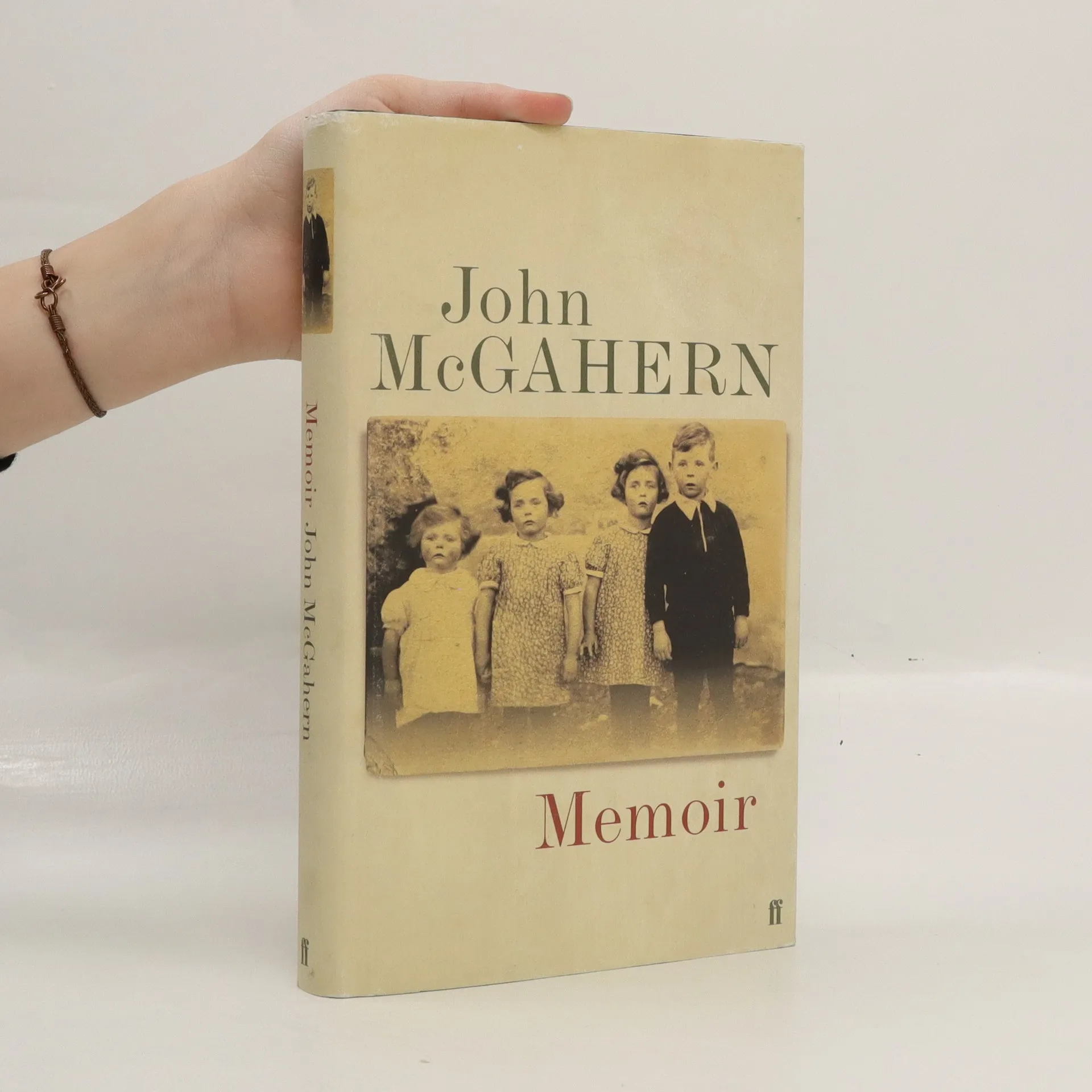
Memoir
- 272 stránek
- 10 hodin čtení
This is the story of John McGahern's childhood; of his mother's death, his father's anger and bafflement, and his own discovery of literature and his ambition to become a writer. Memoir includes McGahern's memories of Dublin in the 1960s, his time as a schoolteacher, and his sacking for writing a banned book (his second novel, The Dark). It ends with his return to live in Leitrim with his wife and the death of his father, difficult to the last.
That They May Face the Rising Sun
- 314 stránek
- 11 hodin čtení
Considered by many to be the finest Irish writer now working in prose, John McGahern's That They May Face the Rising Sun vividly brings to life a whole world and its people with insight and humour and deep sympathy. Joe and Kate Ruttledge have come to Ireland from London in search of a different life. In passages of beauty and truth, the drama of a year in their lives and those of the memorable characters that move about them unfolds through the action, the rituals of work, religious observances and play. By the novel's close we feel that we have been introduced, with deceptive simplicity, to a complete representation of existence - an enclosed world has been transformed into an Everywhere. 'It is a simple and ordinary story, calmly, wryly crafted with subtle detail - and therein lies McGahern's genius. As sharply, brilliantly observed as any he has written . . . McGahern, a supreme chronicler of the ordinary . . . has created a novel that lives and breathes as convincingly as the characters who inhabit it.' Irish Times
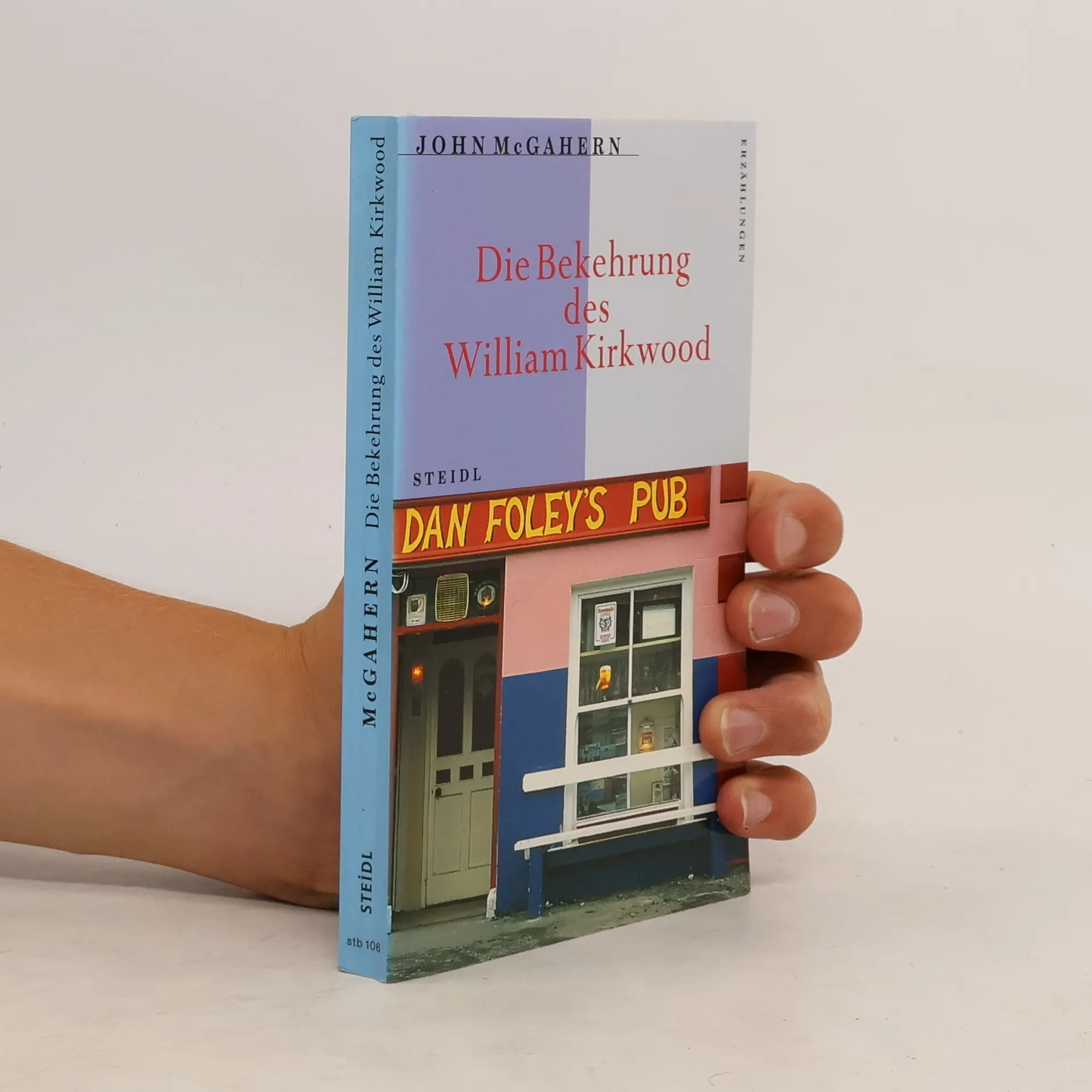
Die Bekehrung des William Kirkwood
- 192 stránek
- 7 hodin čtení
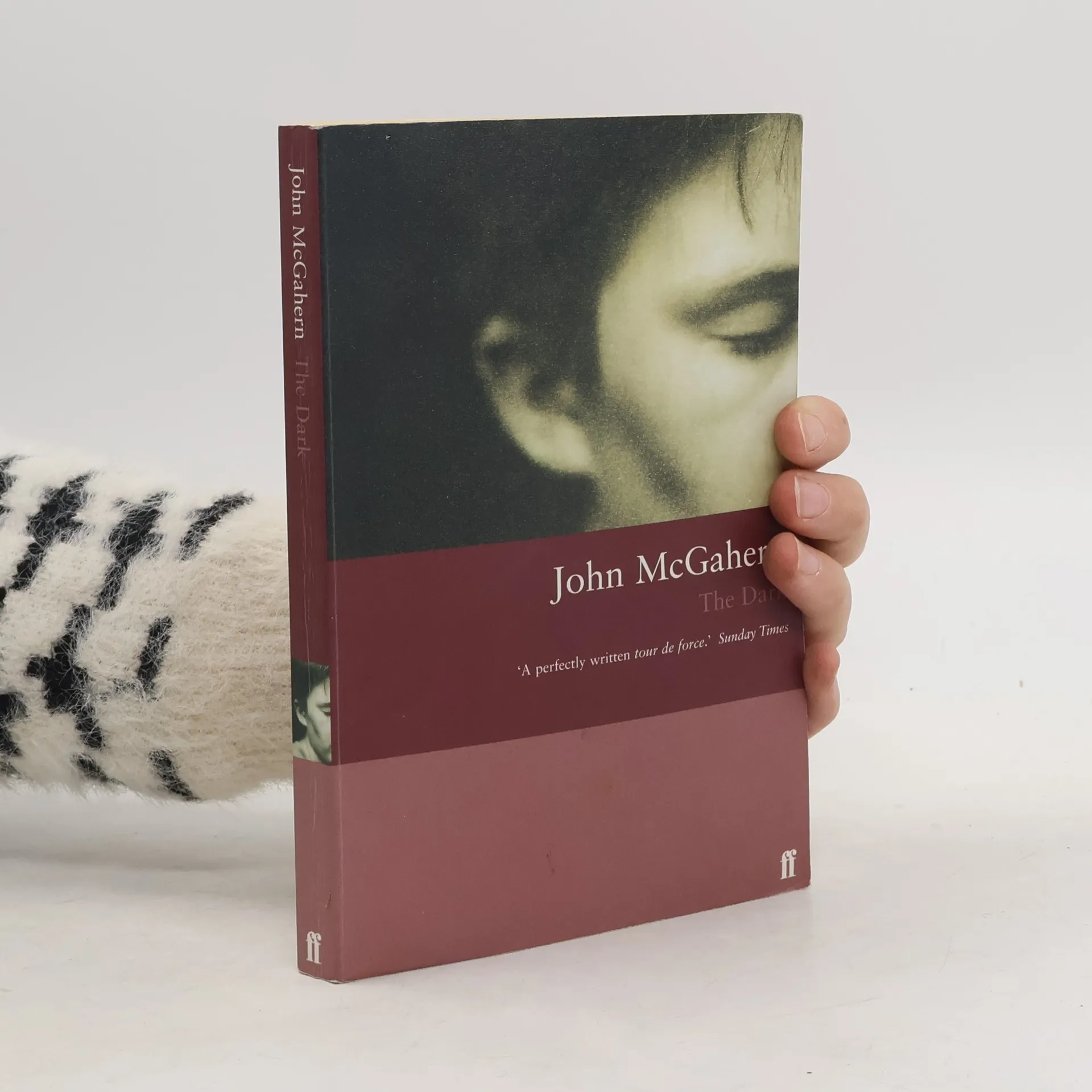
The Dark
- 192 stránek
- 7 hodin čtení
The Dark , widely acclaimed, yet infamously banned, is John McGahern’s sensitive, perceptive, and beautifully written portrayal of a young man’s coming-of-age in rural Ireland. Imaginative and introverted, the boy is successful in school, but bitterly confused by the guilt-inducing questions he endures from the priests who should be his venerated guides. His relationship with his bullying, bigoted, widowed father is similarly conflicted — touched with both deep love and carefully suppressed hatred. When he must leave home to further his education, their relationship is drawn to an emotional climax that teaches both father and son some of the most intricate truths about manhood.
Der Pornograph
- 406 stránek
- 15 hodin čtení
John McGahern erzählt in "Der Pornograph" von Michael, der als Schriftsteller pornografischer Fiktion eine ideale Welt des Sex erschafft, während er in jeder Phase seiner Beziehung zu einer älteren Frau, die sich unglücklicherweise in ihn verliebt, scheitert. Seine Gefühllosigkeit gegenüber dieser Liebe steht in direktem Gegensatz zu der Zärtlichkeit, mit der er versucht, das langsame Sterben seiner Tante im Krankenhaus erträglich zu machen. In diesem reichen Roman ist das Drama der Gegensätze überall präsent, aber vor allem sind Sex und Tod nie weit voneinander entfernt.
Psychologický román irského autora vypovídá o vzájemných vztazích v rodině irského zemědělce, který ovládá pevnou rukou život svých dětí až do jejich dospělosti. Svérázný irský farmář žije s třemi dcerami a nejmladším synem v ústraní svého domu a jejich každodenní život je podřízen nesmlouvavé otcově vůli. Rodina po rozchodu s jediným otcovým přítelem žije osaměle, ve stereotypu každodenních rituálů a to se nemění ani tehdy, když se otec podruhé ožení. Jeho žena přijímá bezvýhradně jeho výsadní postavení, podrobuje se stejně jako děti jeho tvrdé, ve své podstatě však neobratně láskyplné tyranii. Dcery postupně odcházejí z domova, ale stejně jako nejmladší syn se tam při každé příležitosti vracejí a při návštěvách se ochotně a s lehkou nostalgií podrobují známé atmosféře. Teprve až po otcově smrti se ale z jeho dcer stávají silné, cílevědomé osobnosti....
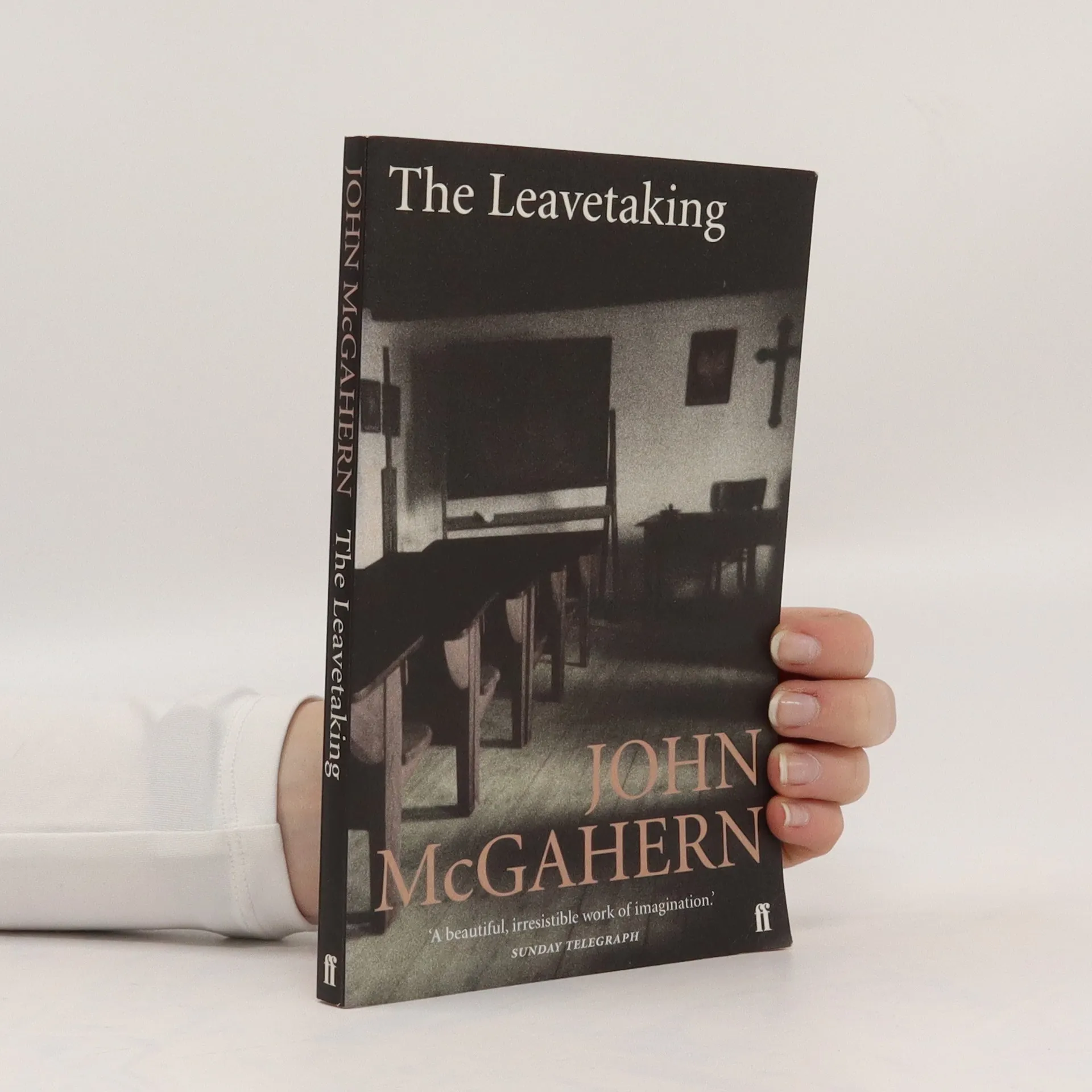
The Leavetaking
- 176 stránek
- 7 hodin čtení
The Leavetaking recounts a young couple's struggle to overcome the suffocating influence of the church in order to find happiness in a fulfilling adult love.
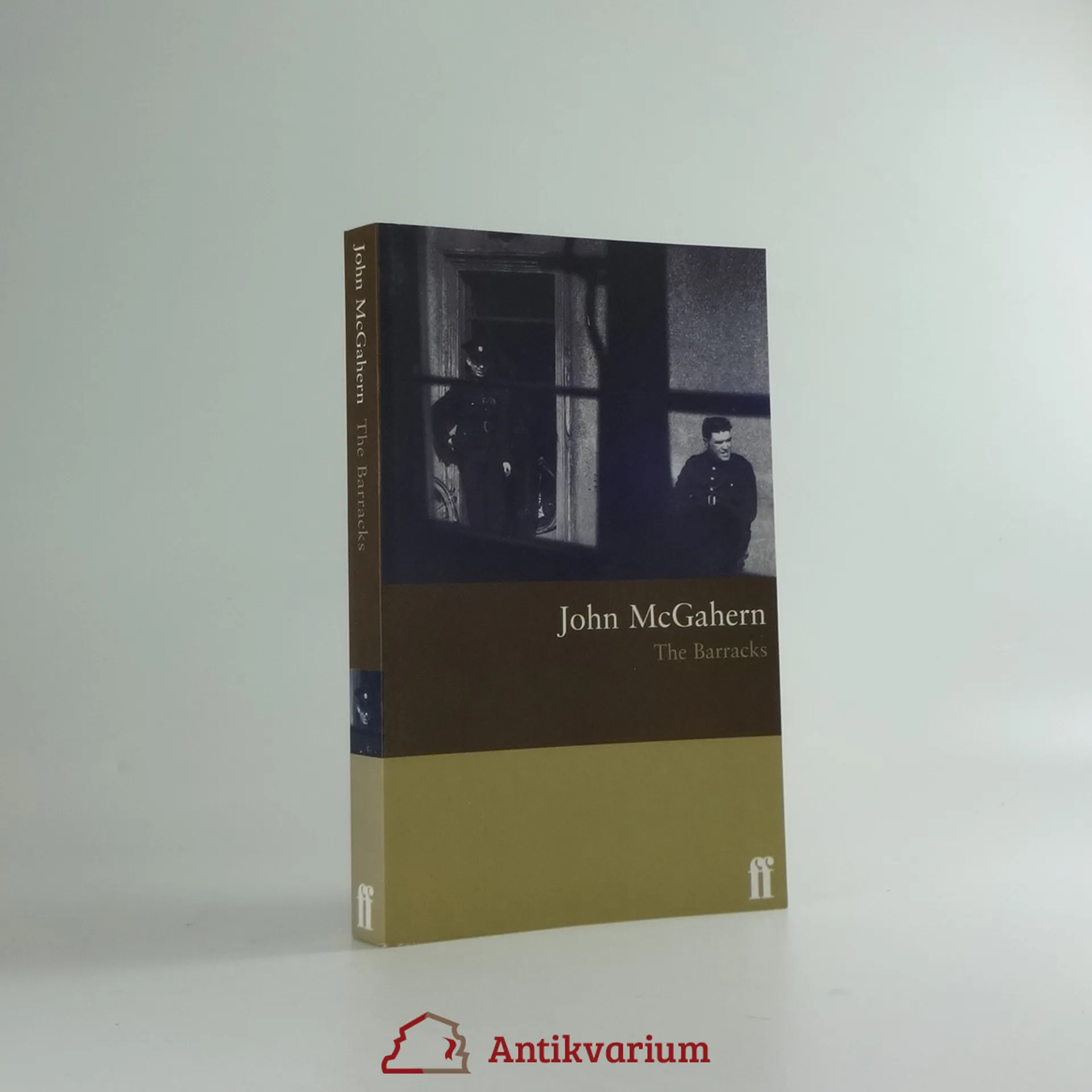
The Barracks
- 232 stránek
- 9 hodin čtení
This novel, McGahern's first, is a tragicomedy centred on a lonely woman who marries into the enclosed Irish village of her upbringing. The children are not hers, her husband is straining to escape the servile security of the police force, and her life seems to be losing all sense of purpose.
Die Polizeiküche oder Der Mensch verlöscht wie ein Licht
- 286 stránek
- 11 hodin čtení
Die Polizeiküche oder Der Mensch verlöscht wie ein Licht - bk55; Büchergilde Gutenberg; John McGahern; Paperback; 1978
Nightlines
- 167 stránek
- 6 hodin čtení
extremely rare,very good condition