
Knihobot

Hilary Putnam

    31. červenec 1926 – 13. březen 2016

    Hilary Putnam byl americký filozof, matematik a počítačový vědec, který byl ústřední postavou analytické filozofie od 60. let až do své smrti. Proslul ochotou podrobit své vlastní filozofické pozice stejné míře zkoumání jako pozice ostatních, čímž je podroboval přísné analýze, dokud neodhalil jejich nedostatky. V důsledku toho si získal pověst člověka, který často měnil své vlastní názory. Jeho práce se vyznačovala hloubkou a nekompromisním hledáním pravdy.

    Hilary Putnam
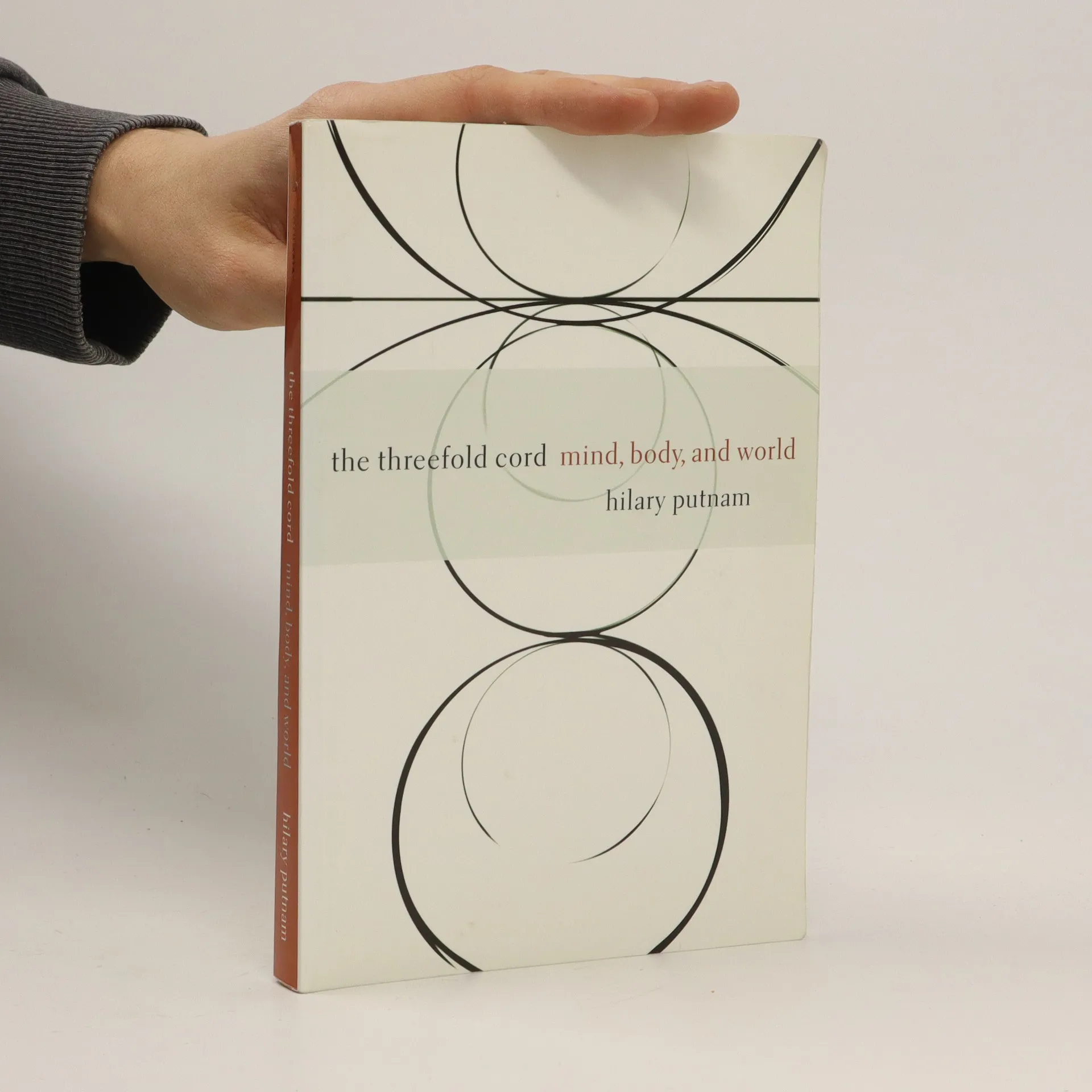
    The threefold cord mind, body and world
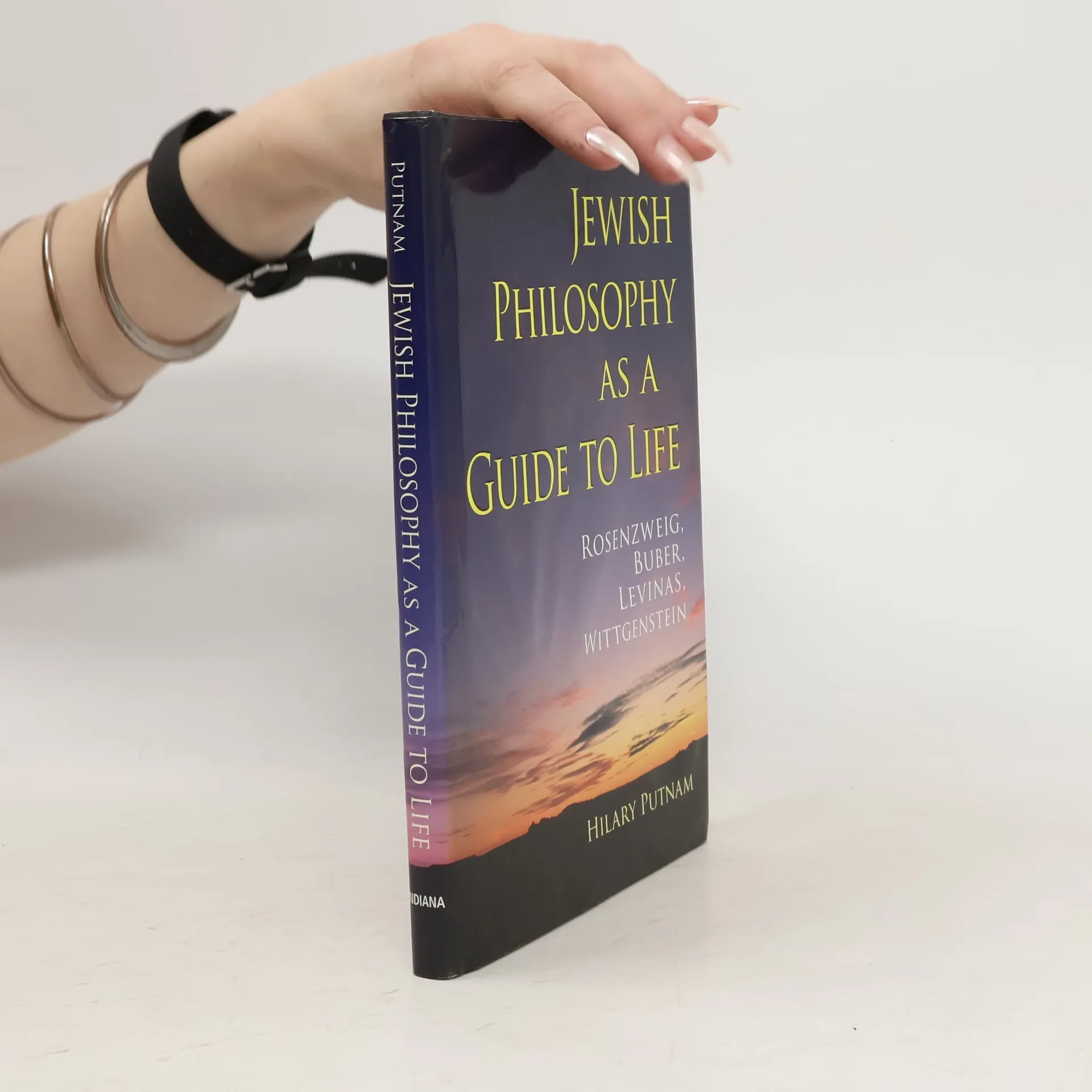
    Jewish philosophy as a guide to life
    Reason, Truth and History
    Ethics without Ontology
    Philosophy as Dialogue
    Co po metafyzice? Hilary Putnam a Richard Rorty o realismu a relativismu
    • Metafyzický realismus nechápe svět z lidského hlediska, nýbrž usiluje o jeho zcela objektivní poznání. Svět je tudíž pojímán nezávisle na člověku... Putnam i Rorty se shodují, že metafyzický realismus nedoceněním lidského faktoru způsobuje chybný výklad řady filozofických problémů. Odmítnutí konkrétní podoby realismu však neznamená, že popírají realismus jako takový. Zajímavá polemika seznamuje českého čtenáře s díly výrazných osobností současné post-analytické filozofie. Základní spisy obou autorů o metafyzickém realismu v českém překladu nadále absentují, neboť pouhý úryvek a časopisecký příspěvek nejsou schopny systematicky postihnout hloubku zkoumané problematiky.
      Co po metafyzice? Hilary Putnam a Richard Rorty o realismu a relativismu
    • Philosophy as Dialogue

      • 368 stránek
      • 13 hodin čtení
      3,5(2)Ohodnotit

      The book offers an insightful exploration of Hilary Putnam's philosophical evolution, highlighting his intellectual humility and diverse interests. Through engaging dialogues with notable contemporaries like Sellars, Habermas, and Chomsky, it showcases how his ideas transformed over time, reflecting a rich tapestry of philosophical thought. This volume serves as a testament to Putnam's dynamic engagement with key figures in philosophy, illustrating the depth and complexity of his contributions to the field.

      Philosophy as Dialogue
    • Ethics without Ontology

      • 176 stránek
      • 7 hodin čtení
      3,9(123)Ohodnotit

      In this brief book one of the most distinguished living American philosophers takes up the question of whether ethical judgments can properly be considered objective―a question that has vexed philosophers over the past century. Looking at the efforts of philosophers from the Enlightenment through the twentieth century, Hilary Putnam traces the ways in which ethical problems arise in a historical context.Putnam’s central concern is ontology―indeed, the very idea of ontology as the division of philosophy concerned with what (ultimately) exists. Reviewing what he deems the disastrous consequences of ontology’s influence on analytic philosophy―in particular, the contortions it imposes upon debates about the objective of ethical judgments―Putnam proposes abandoning the very idea of ontology. He argues persuasively that the attempt to provide an ontological explanation of the objectivity of either mathematics or ethics is, in fact, an attempt to provide justifications that are extraneous to mathematics and ethics―and is thus deeply misguided.

      Ethics without Ontology
    • Hilary Putnam deals in this book with some of the most fundamental persistent problems in philosophy: the nature of truth, knowledge and rationality. His aim is to break down the fixed categories of thought which have always appeared to define and constrain the permissible solutions to these problems.

      Reason, Truth and History
    • Jewish philosophy as a guide to life

      • 120 stránek
      • 5 hodin čtení
      3,8(107)Ohodnotit

      Distinguished philosopher Hilary Putnam, who is also a practicing Jew, questions the thought of three major Jewish philosophers of the 20th century―Franz Rosenzweig, Martin Buber, and Emmanuel Levinas―to help him reconcile the philosophical and religious sides of his life. An additional presence in the book is Ludwig Wittgenstein, who, although not a practicing Jew, thought about religion in ways that Putnam juxtaposes to the views of Rosenzweig, Buber, and Levinas. Putnam explains the leading ideas of each of these great thinkers, bringing out what, in his opinion, constitutes the decisive intellectual and spiritual contributions of each of them. Although the religion discussed is Judaism, the depth and originality of these philosophers, as incisively interpreted by Putnam, make their thought nothing less than a guide to life.

      Jewish philosophy as a guide to life
    • The threefold cord mind, body and world

      • 256 stránek
      • 9 hodin čtení
      3,7(57)Ohodnotit

      Hilary Putnam has approached the divisions between perception and reality and between mind and body with great creativity throughout his career. Now, in The Threefold Cord: Mind, Body, and World, he expounds upon these issues, elucidating both the strengths and weaknesses of current schools of thought. With his characteristic wit and acuity, Putnam offers refreshing solutions to some of philosophy's most vexing problems.

      The threefold cord mind, body and world
    • Für eine Erneuerung der Philosophie

      • 284 stránek
      • 10 hodin čtení
      4,0(1)Ohodnotit

      Der Harvard-Professor Hilary Putnam zählt mit Quine, Davidson und Rorty zu den bedeutendsten amerikanischen Philosophen der Gegenwart. Putnam liefert in diesen Essays „eine Diagnose der gegenwärtigen philosophischen Situation“ und weist „die Richtungen, die eine Erneuerung der Philosophie einschlagen müsste“. Die Themen: Das Projekt der künstlichen Intelligenz - Erklärt Evolution Repräsentation? - Eine Referenztheorie - Materialismus und Relativismus - Bernard Williams und die absolute Vorstellung von der Welt - Irrealismus und Dekonstruktion - Wittgenstein über den religiösen Glauben - Wittgenstein über Referenz und Relativismus - Deweys Demokratie neu betrachtet.

      Für eine Erneuerung der Philosophie
    • Hilary Putnam, geb.1926, wurde vor allem von Reichenbach und Quine beeinflußt, ist seit 1965 Professor für Philosophie an der Harvard University und zählt zu den bedeutendsten zeitgenössischen Philosophen der Vereinigten Staaten. Dem herrschenden Empirismus stellt er seinen Realismus entgegen, der ihn auch in der Sprachphilosophie zu einer Position führte, die schon im Kern Neuheit und Originalität beanspruchen darf, was selten vorkommt und um so aufregender ist. In dem hier übersetzten Aufsatz „The Meaning of `Meaning´“ hat er seine Position sowie seine Kritik an anderen Auffassungen am ausführlichsten und in leicht faßlicher, nichttechnischer Form dargelegt.

      Die Bedeutung von "Bedeutung"
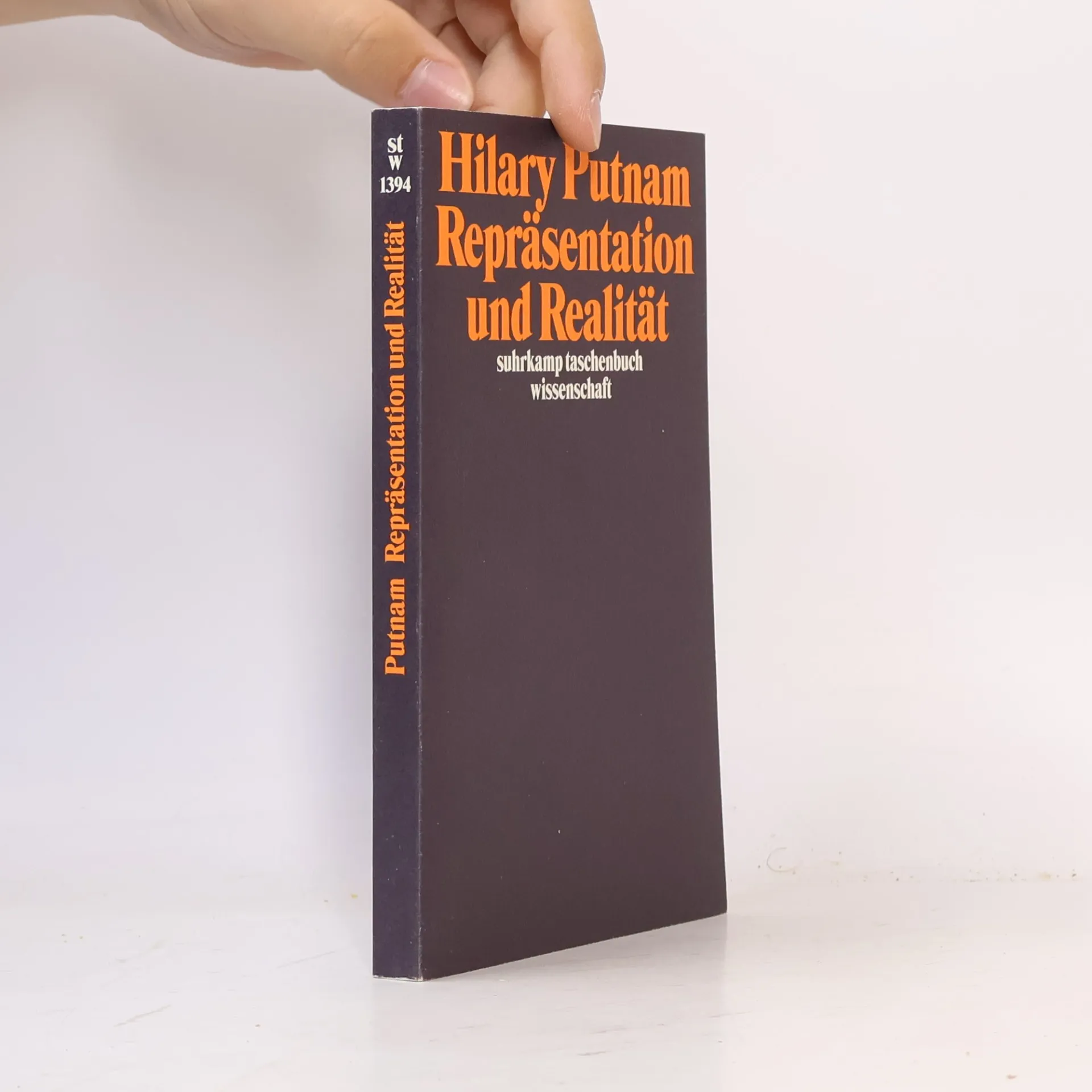
    • Philosophen, die ihre eigenen Auffassungen hinterfragen, sind oft unbequem. Sie verwirren ihre Anhänger, die sich mühsam an die Lehre gewöhnt haben, und irritieren Gegner, die sich bereits auf ihre Argumente eingestellt haben. Am schwierigsten ist die Selbstkritik für den Autor, der sein ganzes Denken neu überdenken muss, alte Gewohnheiten ablegen und liebgewordene Vorurteile hinterfragen muss. Hilary Putnam ist ein solcher Denker, der als Häretiker der analytischen Philosophie gilt. In seinem Werk kritisiert er nicht nur die aktuellen Ansichten des Mentalismus, wie sie von Jerry Fodor und anderen vertreten werden, sondern geht auch an die Wurzeln der funktionalistischen Denkweise, die mentale Zustände reduktionistisch betrachtet. Obwohl Putnam einer der Väter des Funktionalismus ist, der Bewusstseinszustände mithilfe der Computeranalogie beschreibt, lehnt er diesen Ansatz nicht vollständig ab. Er zeigt jedoch, insbesondere in seiner Auseinandersetzung mit David Lewis, dass Intentionalität und Bewusstseinszustände nicht einfach kalkülmäßig definiert werden können. Putnam beleuchtet zahlreiche Schwierigkeiten bei der theoretischen Bewältigung dieser Konzepte und fordert damit die bestehenden Annahmen heraus.

      Repräsentation und Realität