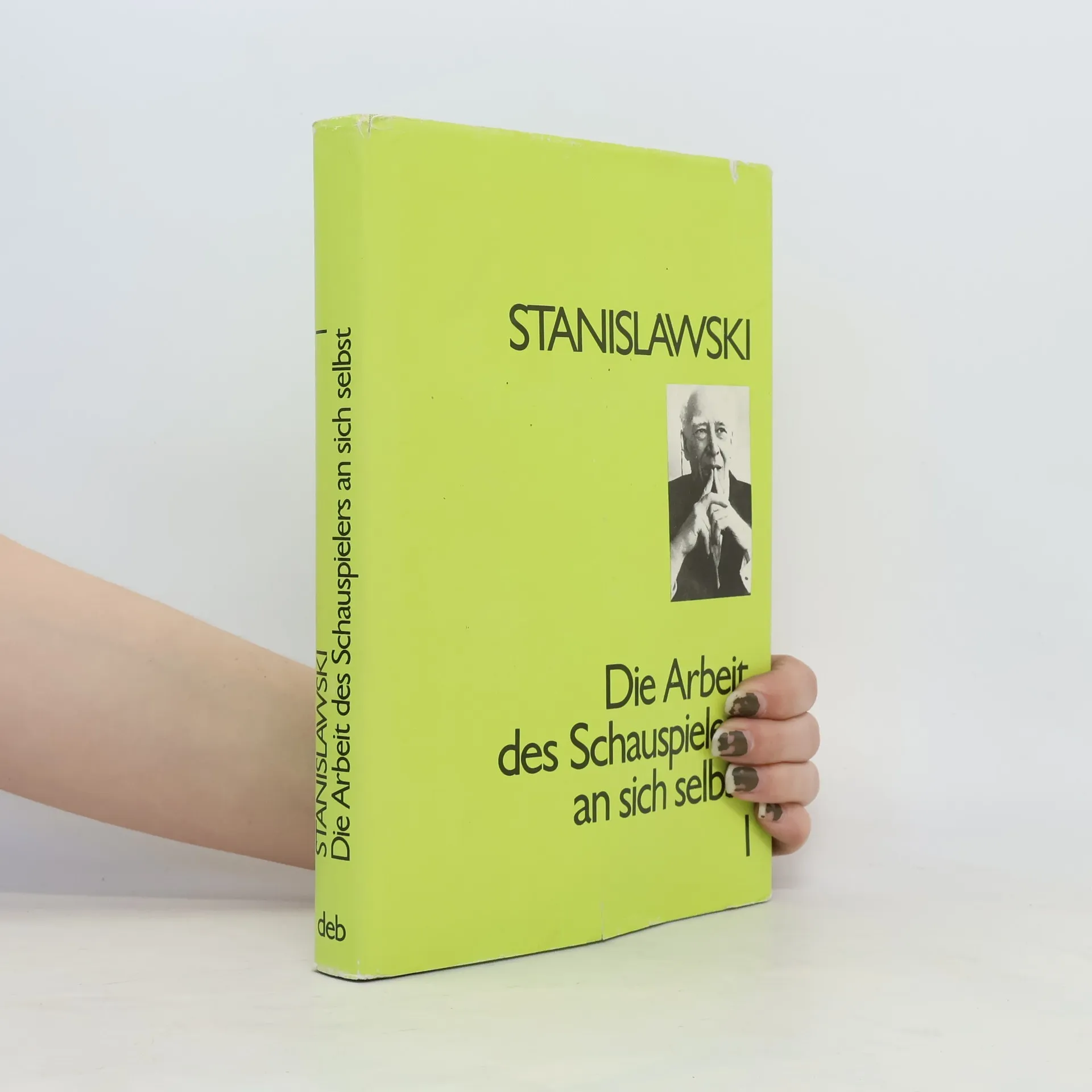
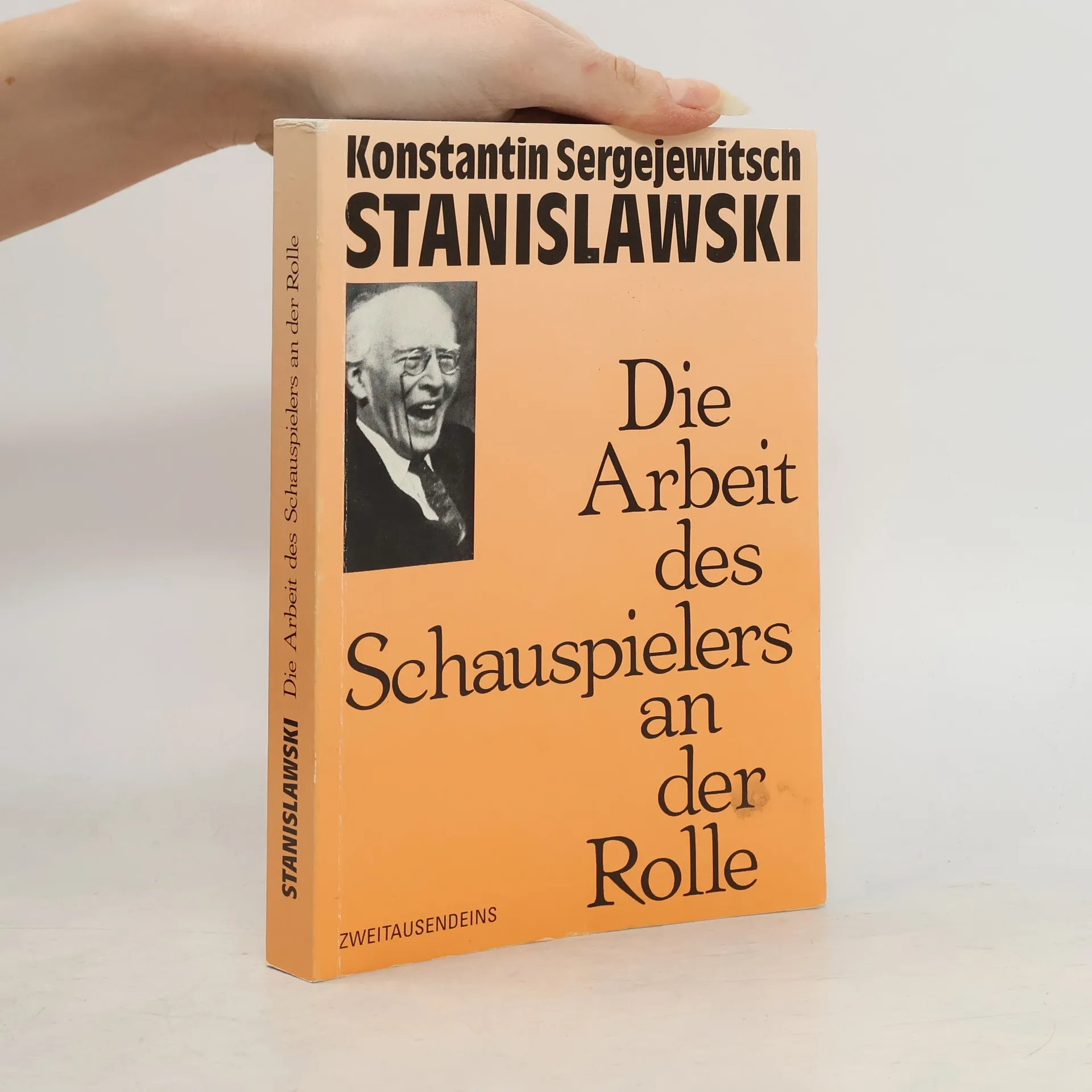
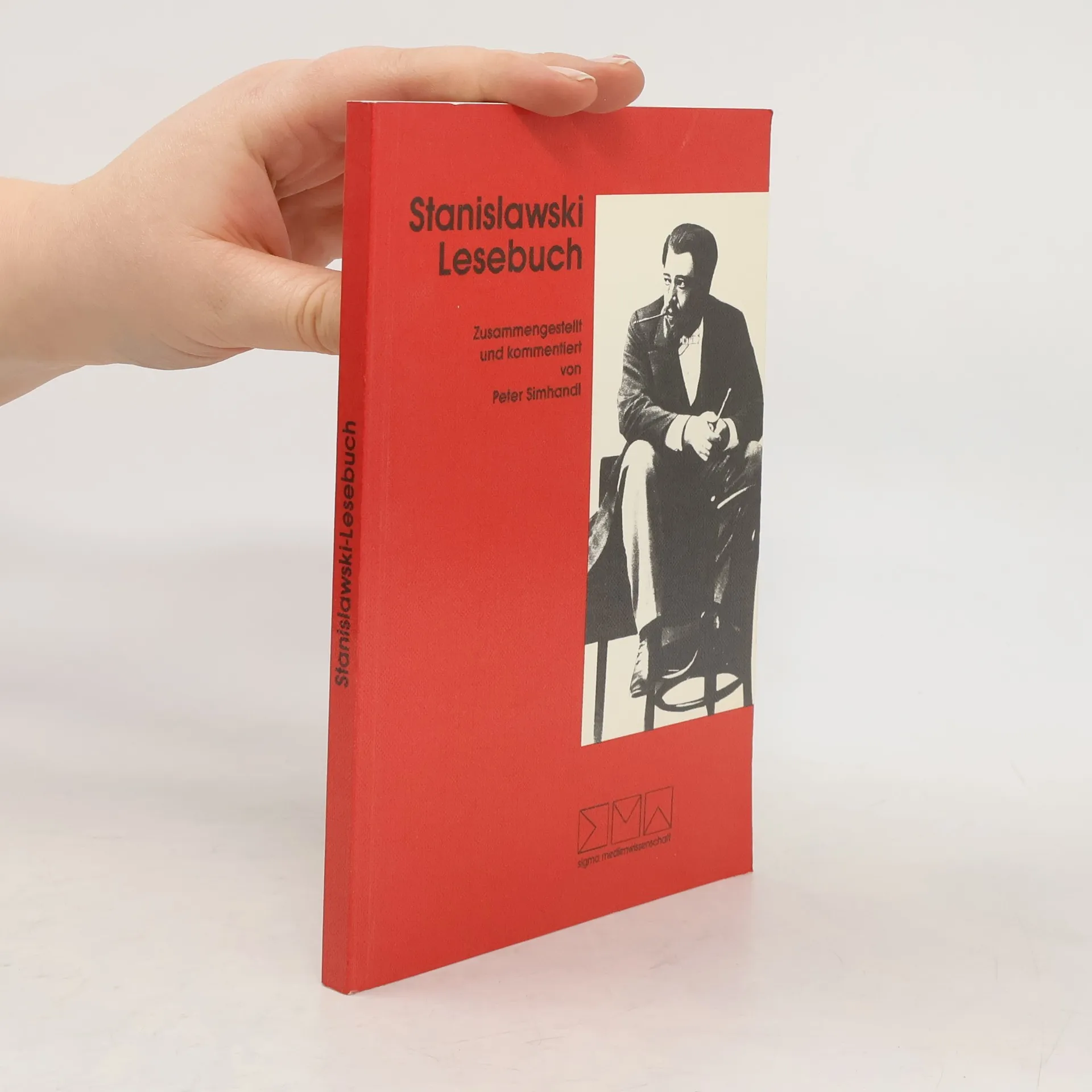
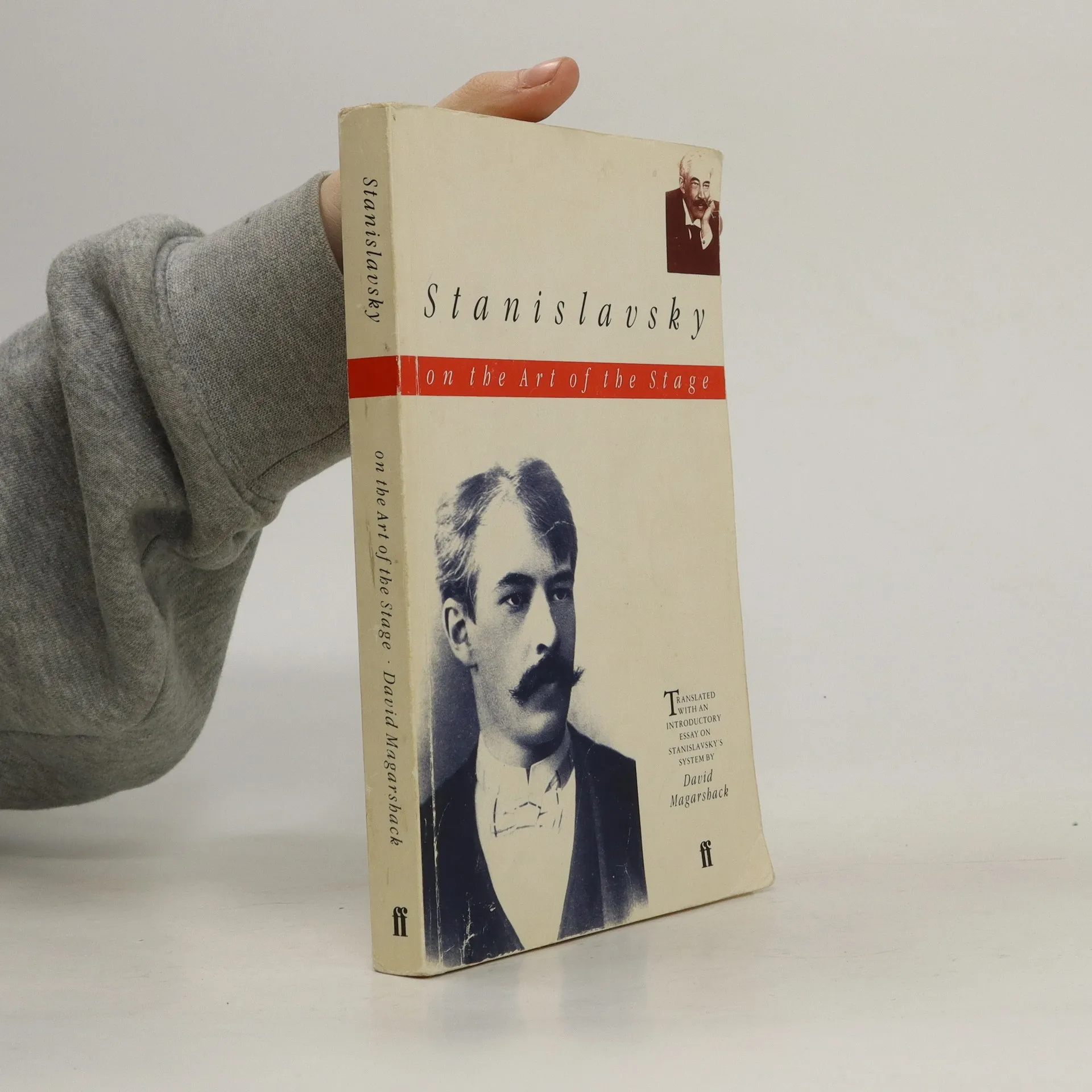
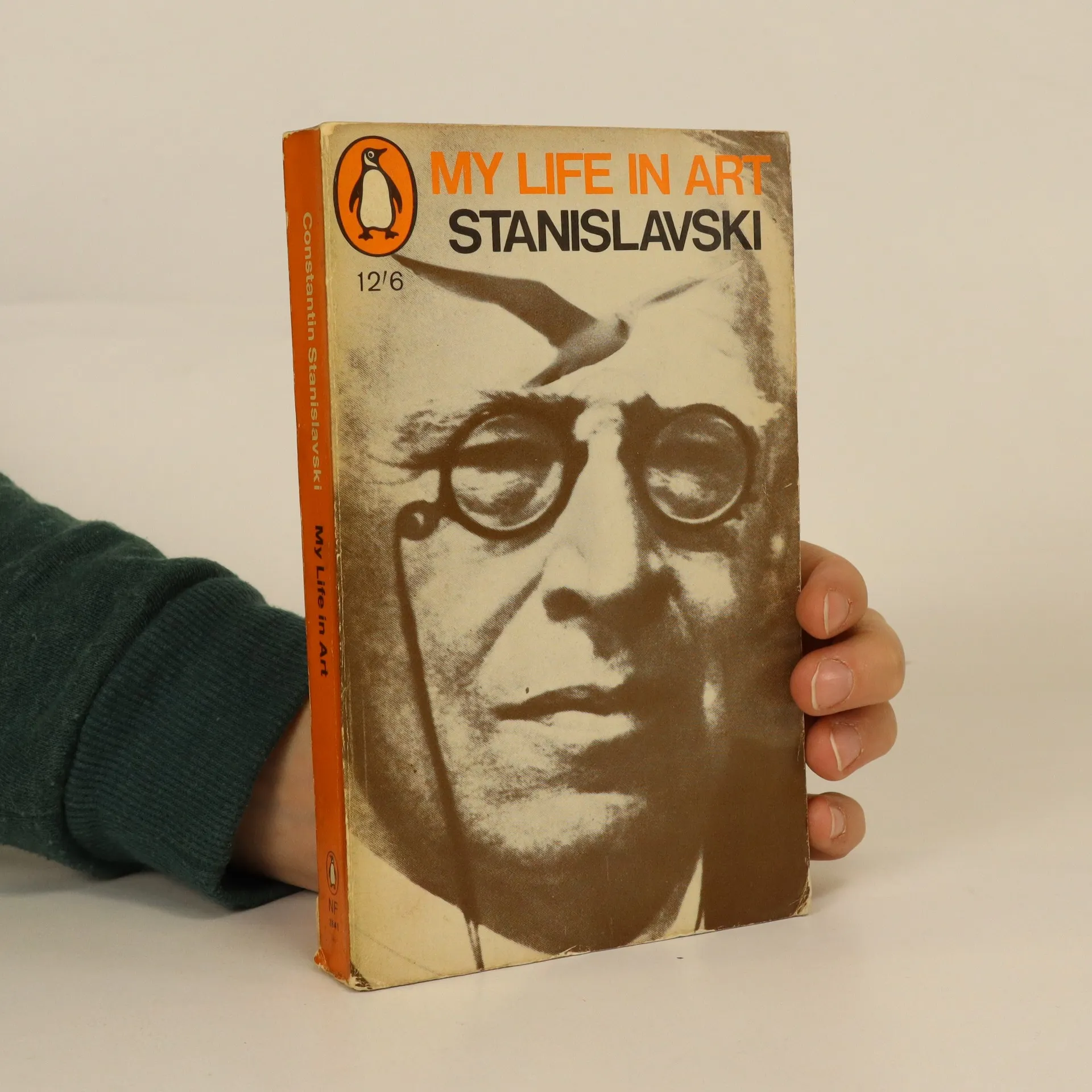
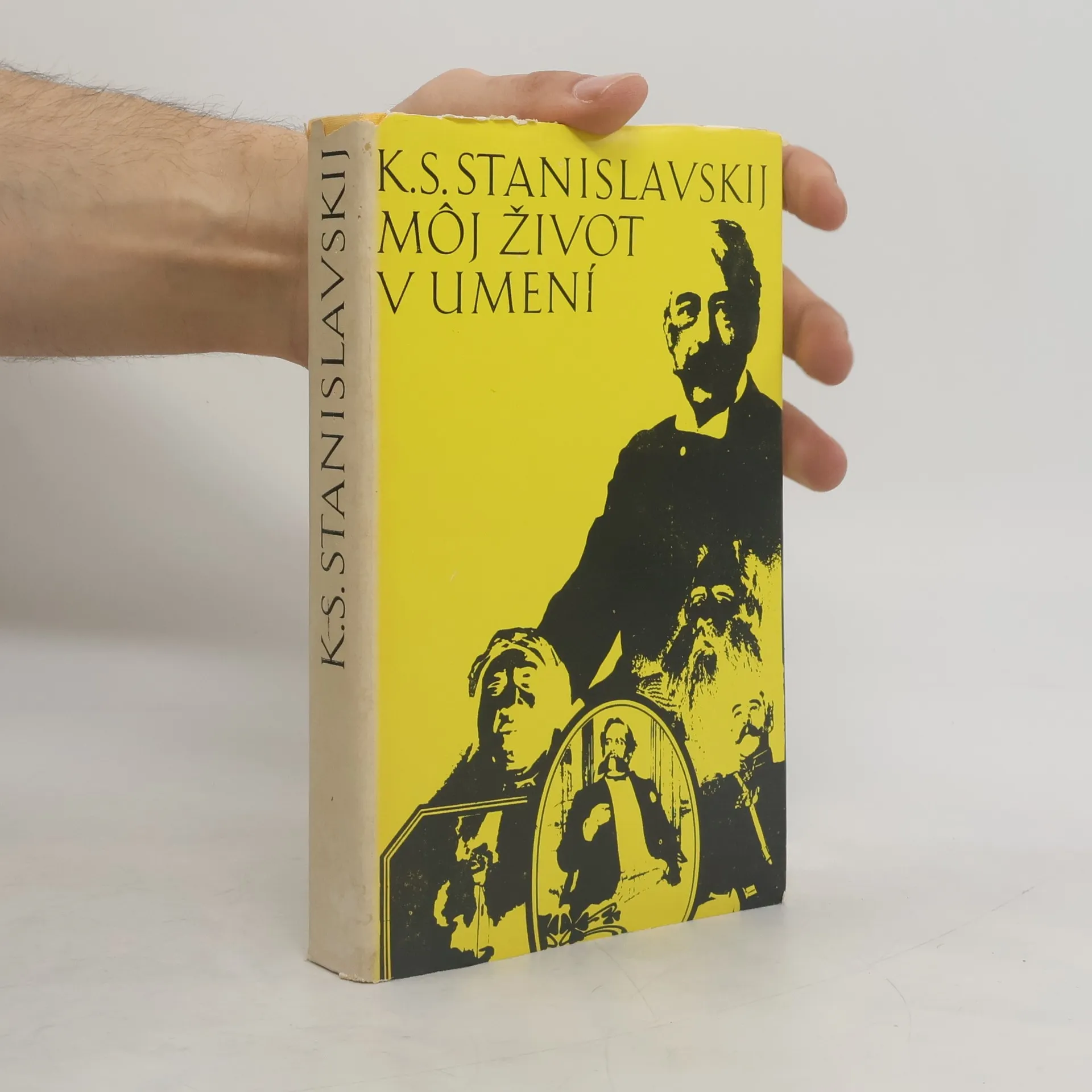
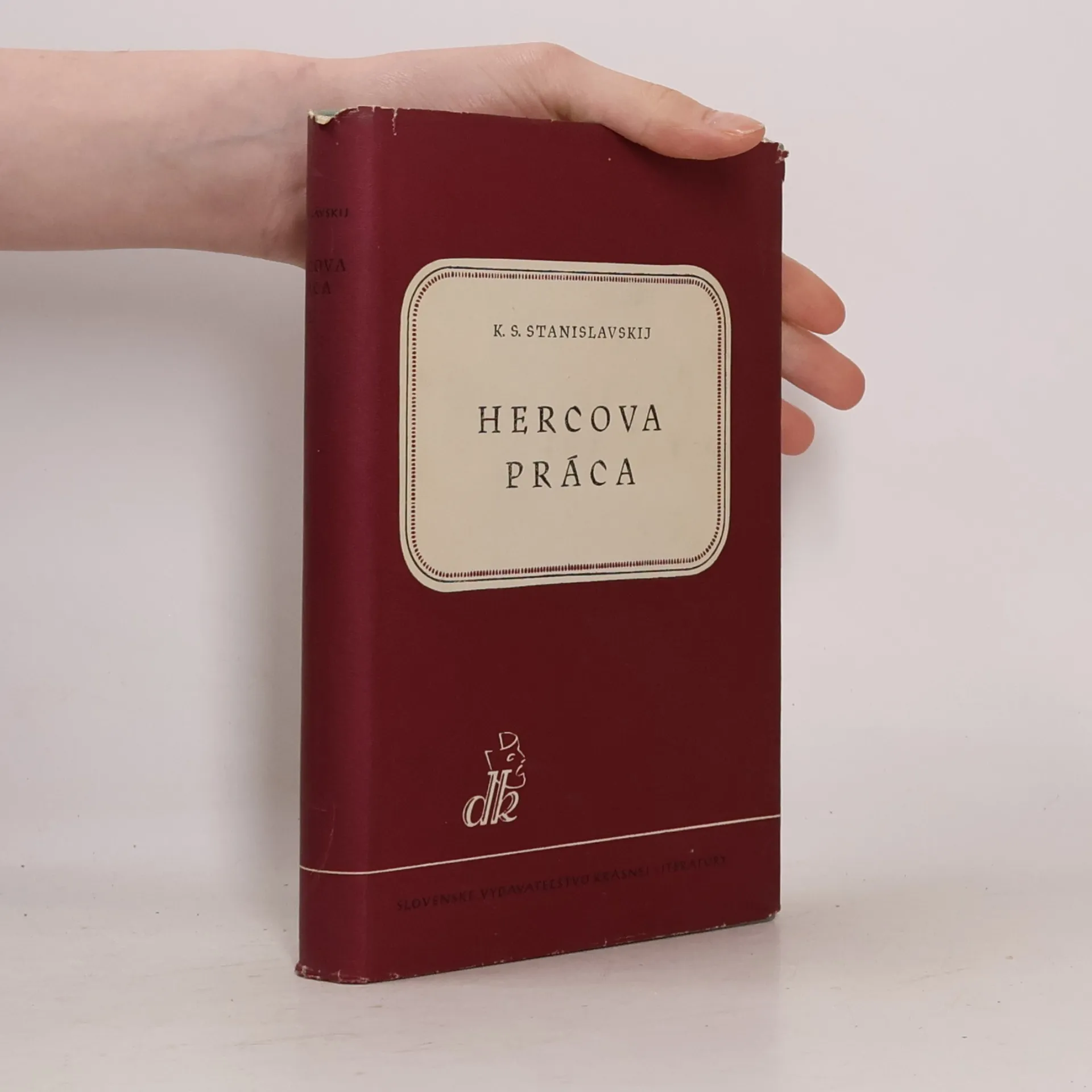
Русская классика: Работа актера над собой в творческом процессе воплощения
- 448 stránek
- 16 hodin čtení


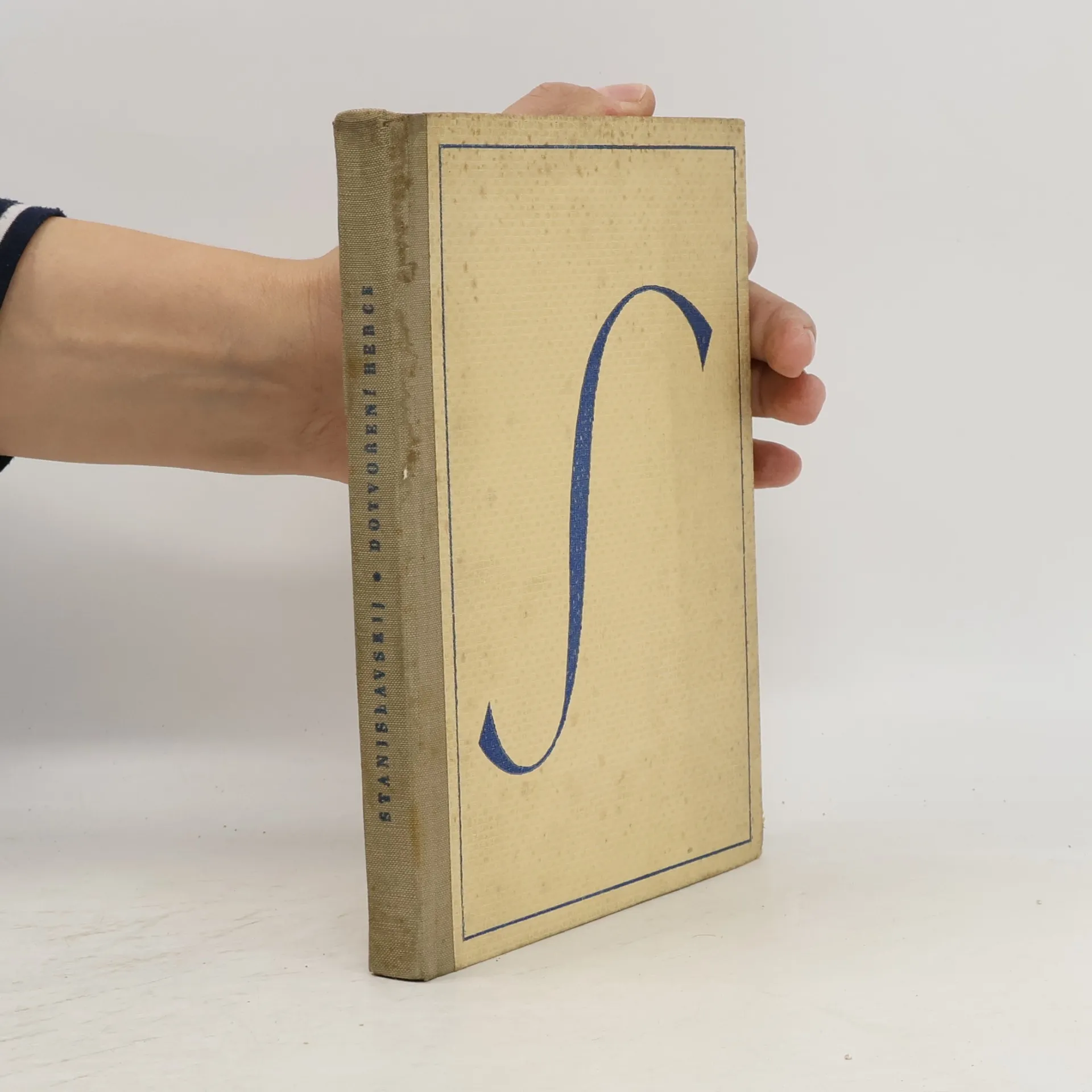
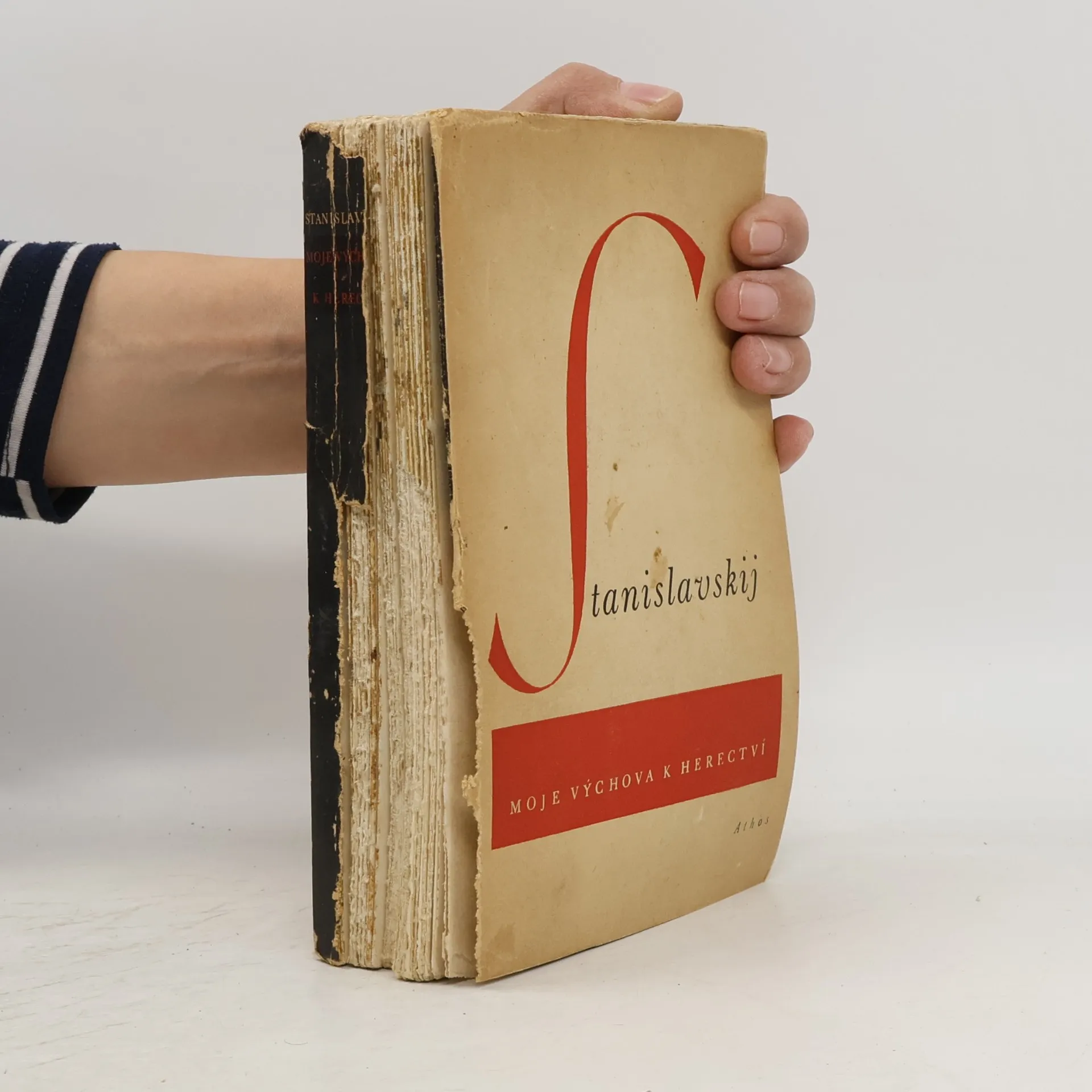
Konstantin Sergejevič Stanislavskij byl ruský herec a divadelní režisér, jehož inovativní přínos modernímu evropskému a americkému realistickému herectví se stal základem mainstreamového západního hereckého tréninku na většinu minulého století. Stanislavskij zorganizoval své realistické techniky do uceleného a použitelného „systému“. Díky jeho propagaci a rozvoji bývalými studenty a mnoha překladům jeho teoretických spisů získal Stanislavského systém bezprecedentní mezinárodní dosah a dominoval debatám o herectví na Západě. Jeho práce byla stejně důležitá pro rozvoj socialistického realismu v SSSR jako pro psychologický realismus ve Spojených státech. Zatímco mnozí spojují jeho „systém“ s americkou „Metodou“, Stanislavského přístup byl multivariantní, holistický a psychofyzický, prozkoumával postavu a akci zevnitř i zvenčí, což nazval „duchovním realismem“.

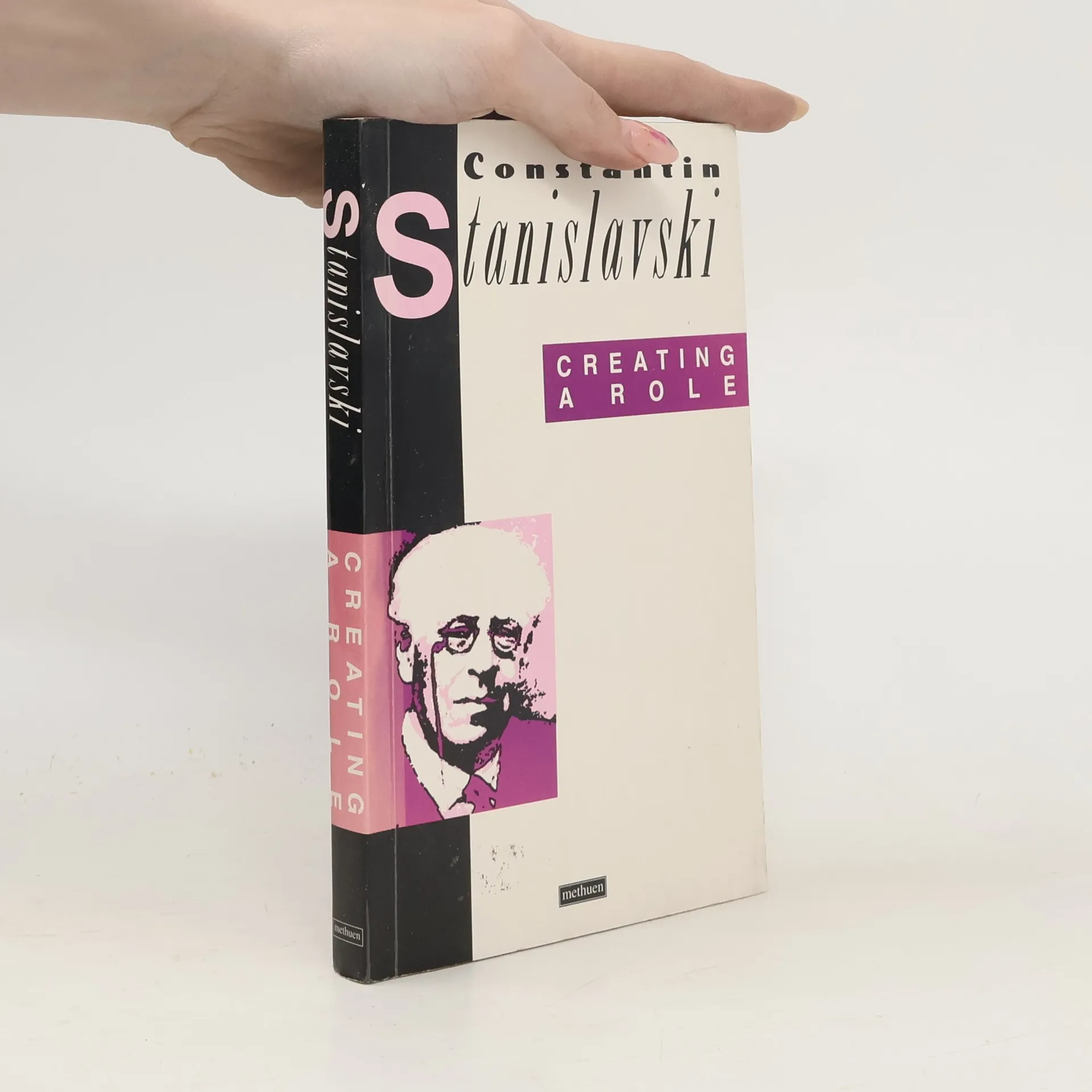
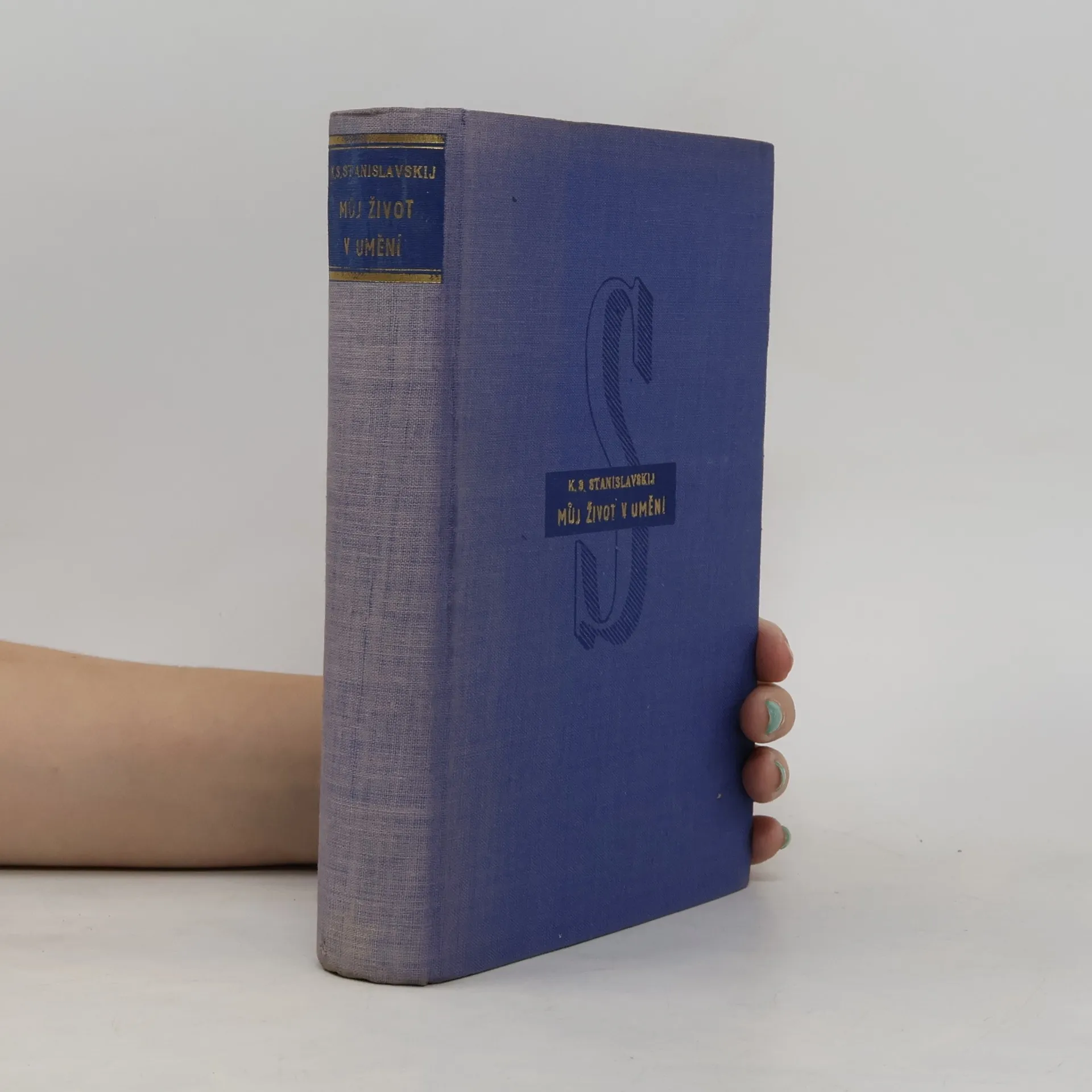

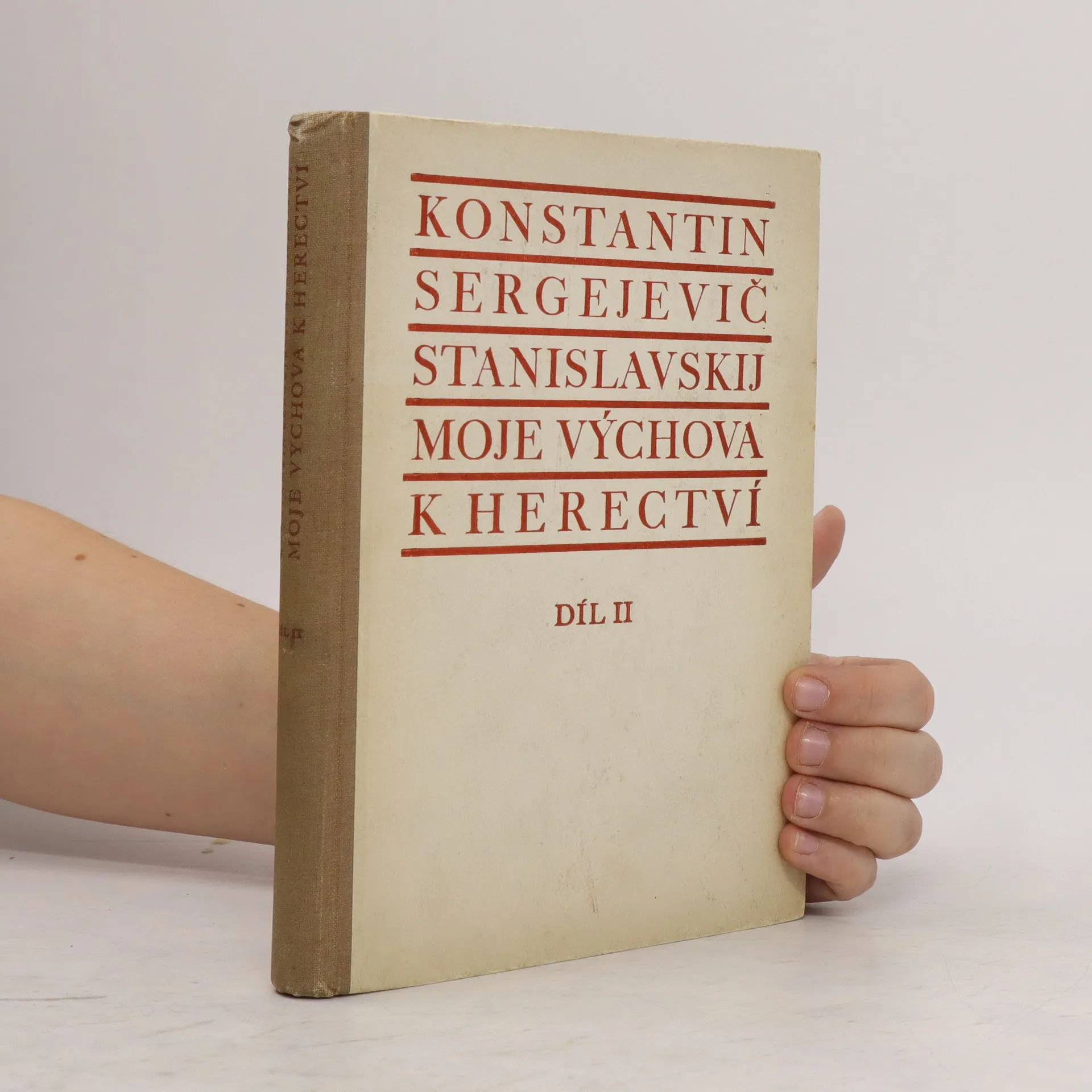
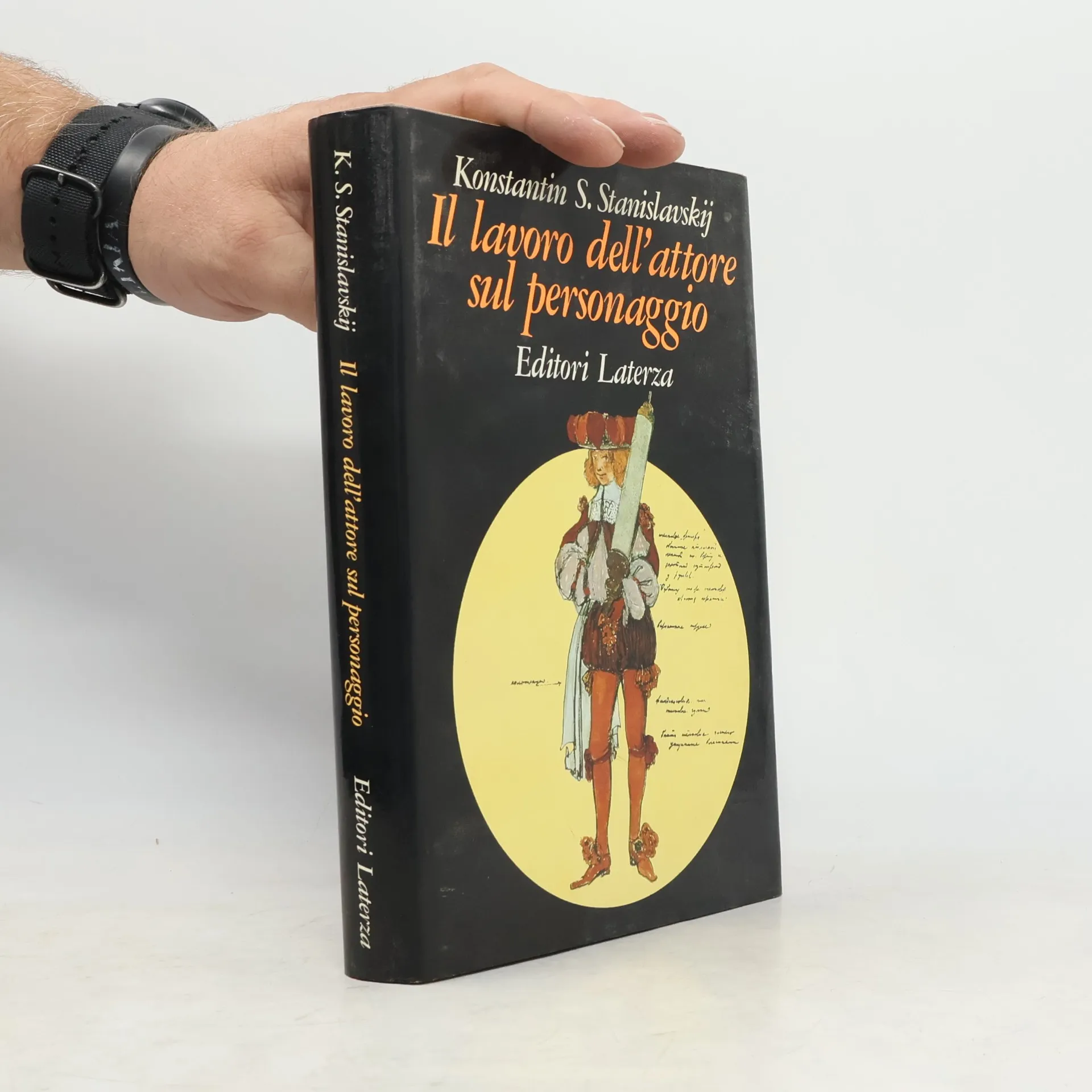
L'attore, l'uomo che, senza perdere se stesso, deve creare il personaggio, è il protagonista di questo celebre diario. Le vie inferiori di questa creazione, i modi della sua realizzazione psicologica, gestuale, sonora, scenica: queste le fasi del "metodo Stanislavskij", la grammatica elementare di tutto il teatro del Novecento.
27 The External Creative State in Performance -- 28 General Creative State in Performance -- 29 The 'System' -- Appendices -- Endnotes -- Glossary of Key Terms -- Afterword by Anatoly Smeliansky
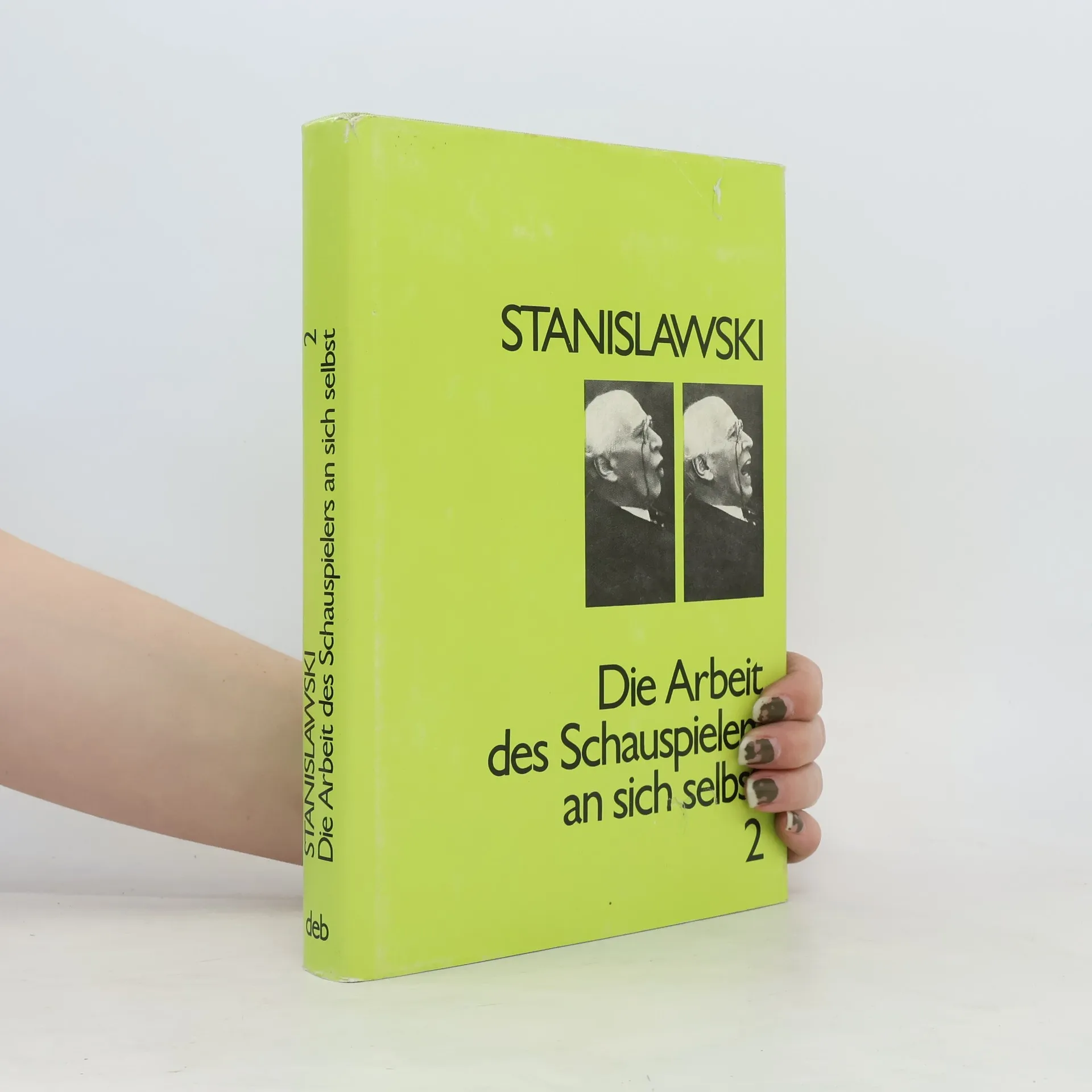
Das „Stanislawski-System“ ist das Ergebnis von Stanislawskis jahrzehntelanger Arbeit als Schauspiellehrer und Regisseur. Zahlreiche Methoden und Schulen, wie Stella Adlers „Schule der Schauspielkunst“ oder Lee Strasbergs „Method Acting“, haben sich aus seiner Lehre entwickelt und werden bis heute in Schauspielschulen gelehrt. Stanislawskis Widerstand gegen Theatralik, falsches Pathos und das Starsystem ist nach wie vor relevant. Der Schauspieler soll nicht im Mittelpunkt stehen, sondern hinter der Rolle zurücktreten und die Genauigkeit und das Handwerk über den schnellen Effekt stellen. Diese Neuedition bietet eine komprimierte Darstellung von Stanislawskis System zur Entwicklung der schauspielerischen Identität und des Rollenstudiums. Sie behandelt grundlegende Aspekte wie Stimme, Subtext und kontrolliertes Spiel für Studierende und Lehrende in Schauspiel, Theaterwissenschaft und Film. Die „Arbeit des Schauspielers an sich selbst“ umfasst Überlegungen zu Bühnenhandwerk, Phantasie und Muskelentspannung. Eine Rolle kann nur verkörpert werden, wenn Bewusstsein und Kontrolle für Stimme, Tempo und Charakter vorhanden sind. Stanislawski betont die Verbindung innerer und äußerer Vorgänge, um die Kunst des Erlebens und der physischen Handlung zu meistern. Seine Schriften, sorgfältig editiert von Bernd Stegemann, bieten Mut und Anregung für die Auseinandersetzung mit dramatischen Stoffen und Kolleg*innen und sind ein wertvoller Kompas
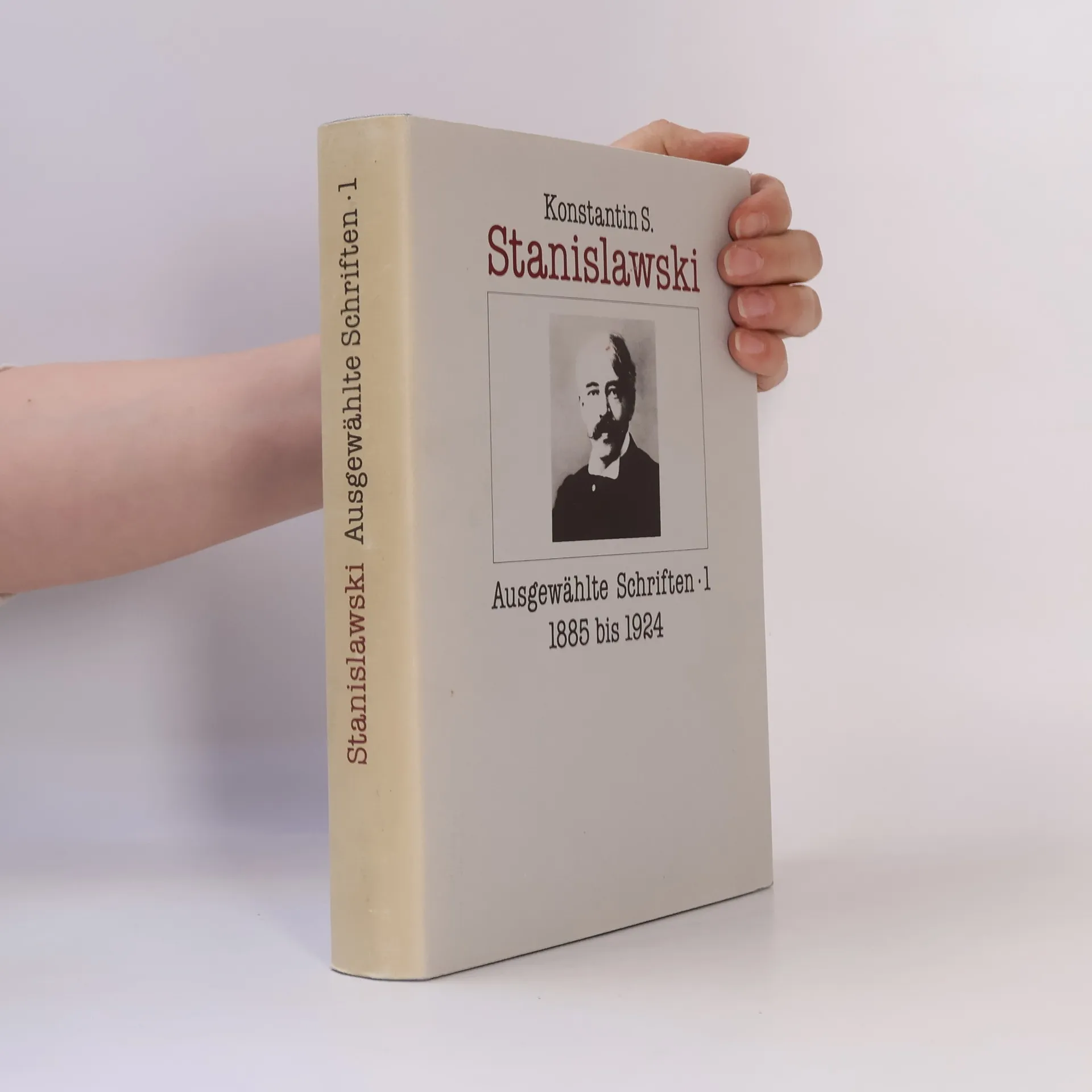
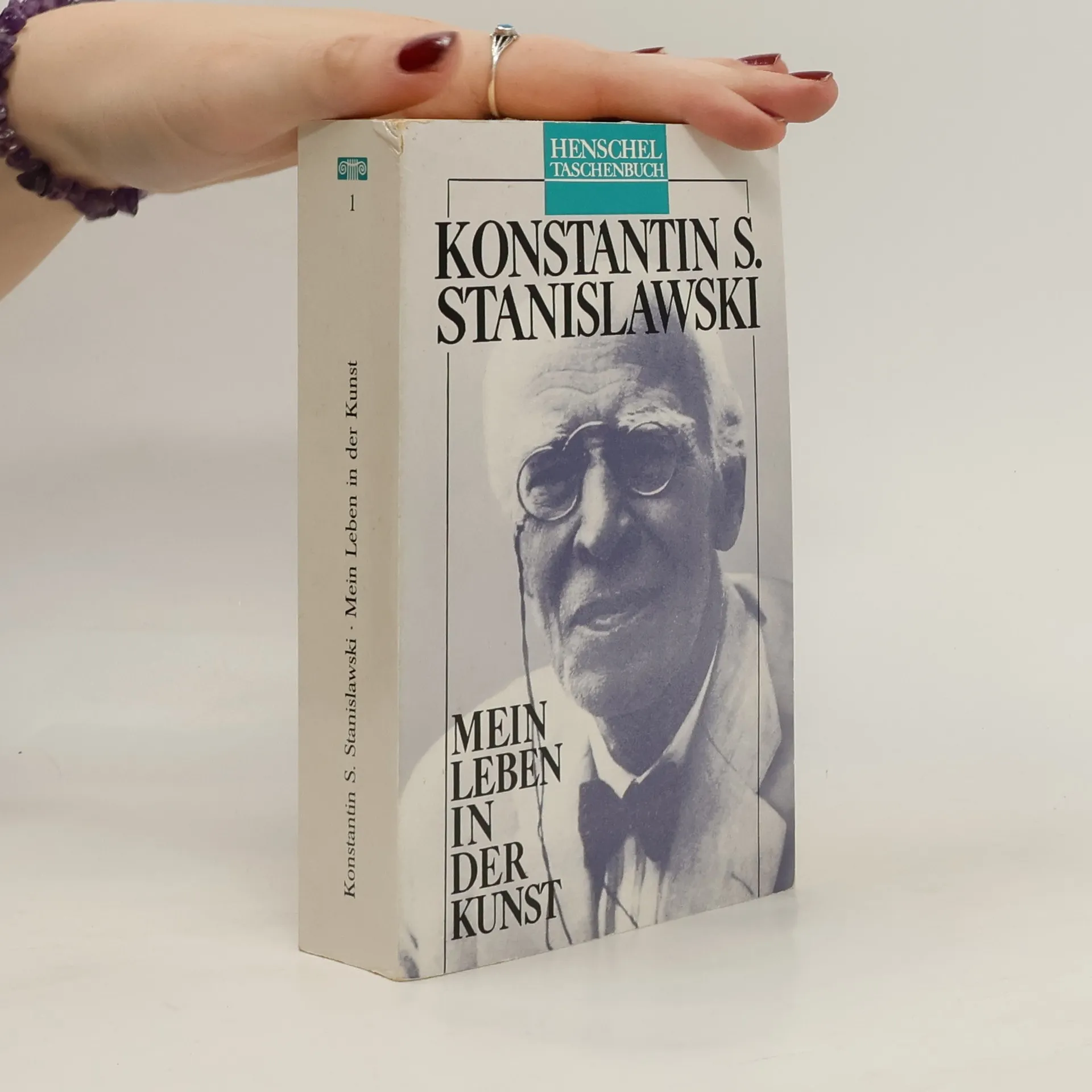
zsgest. u. kommentiert von Peter Simhandl 2., durchges. A 1992 178 S. Taschenbuch, Maße: 15.3 cm x 1.7 cm x 21.6 cm Edition Sigma,
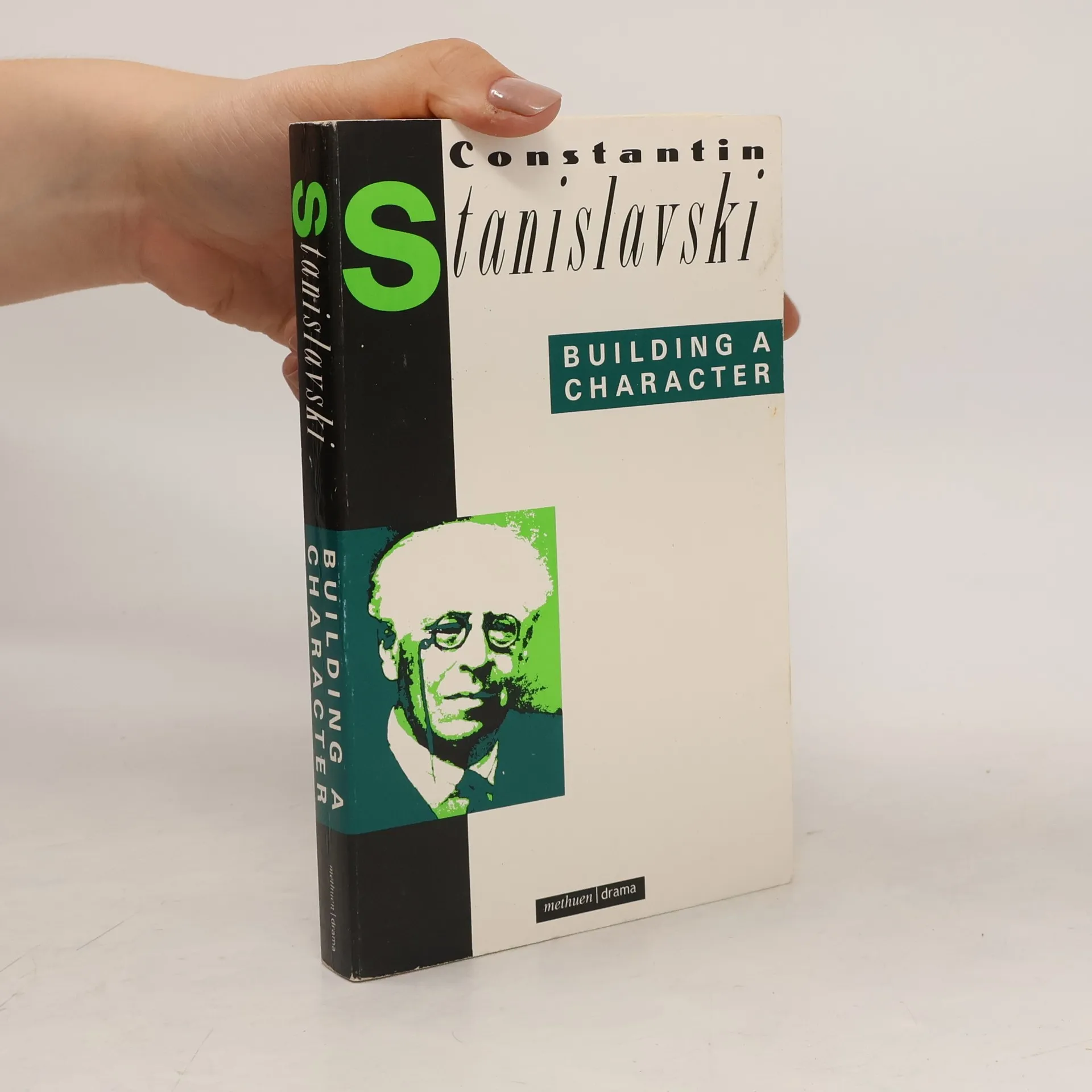
No-one has had greater influence on acting as we know it than Stanislavski. His 'system' or interpretations of it - has become the central force determining almost every performance we see on stage or screen. His teaching is principally set out in three famous books: An Actor Prepares, Building a Character and Creating a Role. It is still the only comprehensive theory of acting we possess. In the first book, An Actor Prepares, Stanislavski dealt with the inner imaginative processes. In the second Building a Character, he concentrated on the body, the voice and other physical means of expression. In Creating a Role, the third book, he describes the elaborate preparation that precedes actual performance. Creating a Role "describes the elaborate marination that precedes the acutal performance. The analyses of Othello and The Inspector General, which make up Parts Two and Three, show a mind cutting through text like an inspired psneumatic-drill…Altogether Creating a Role is a brilliant little treatise and a careful reading is worth several lessons in almost any English acting academy" (Charles Marowitz, The Observer)
"An Actor must work all his life, cultivate his mind, train his talents systematically, develop his character; he may never despair and never relinquish this main pupose - to love his art with all his strength and love it unselfishly." (Constantin Stanislavski)
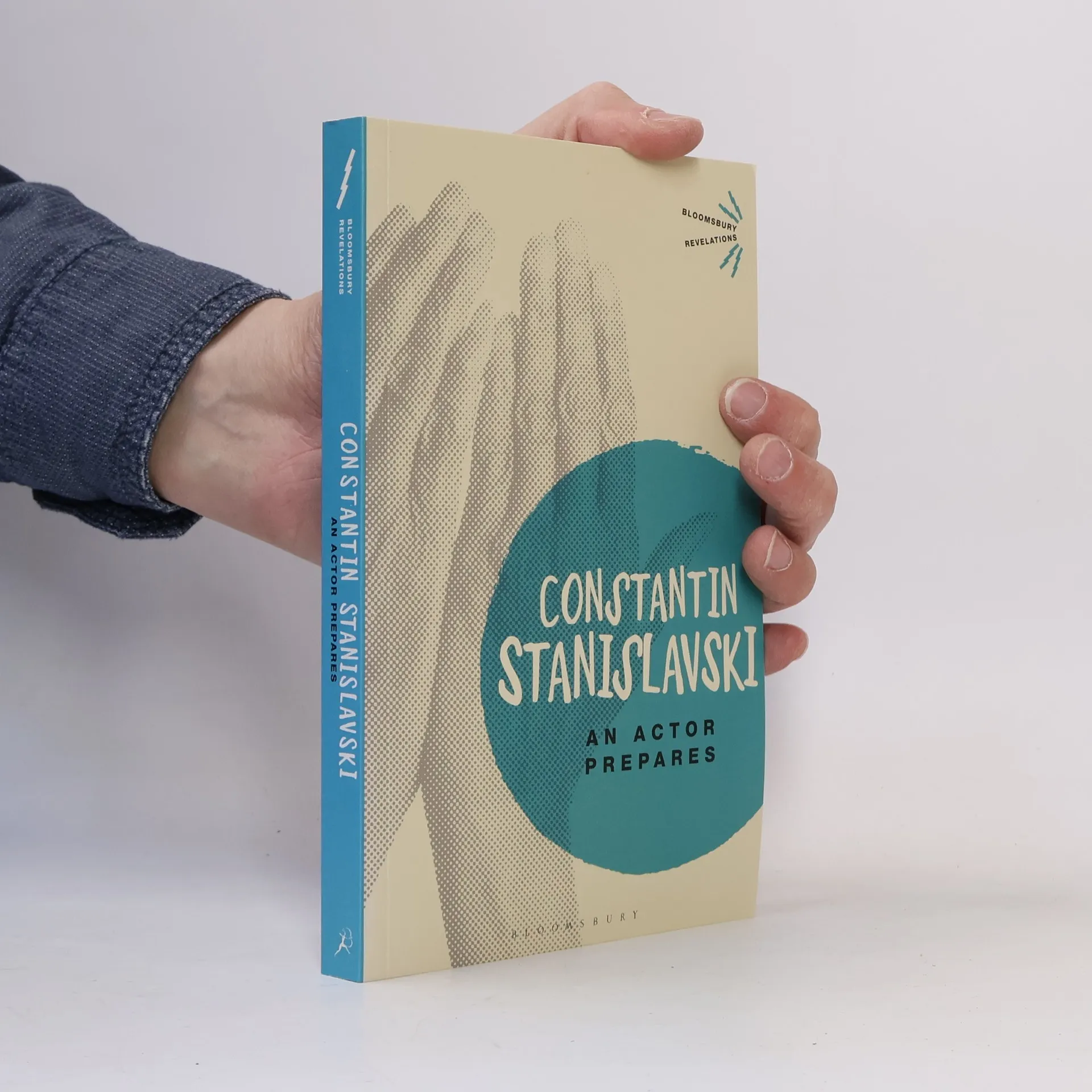
One of the most important books on acting ever written, this is the book that introduced Stanislavski's influential 'system' to the English-speaking world.
Transcripts of the Bolshoi lectures delivered in Moscow between 1918 and 1922 provide an important guide to Stanislvasky's theories
Fünf Aufsätze über Stanislawskis "Methode der physischen Handlungen"
Rüstzeug, které Stanislavski v „Práci herce na sobě samém“ předává, se v „Práci herce na roli“ aplikuje a ověřuje. Stanislavski říká: „Moje metoda spočívá v propojení vnitřních a vnějších procesů a v vyvolání pocitu pro roli prostřednictvím fyzického života lidského těla.“ Vlastní životní zkušenost, „afektivní paměť“, je využita k dosažení přirozenosti a věrohodnosti v hereckém ztvárnění. Pouze takto koncipovaná role zaručuje „pravdu“ ve Stanislavského smyslu.
Klasické dílo světové divadelní literatury, jehož autorem je ruský režisér K. S. Stanislavskij, tvůrce vlastní herecké metody.