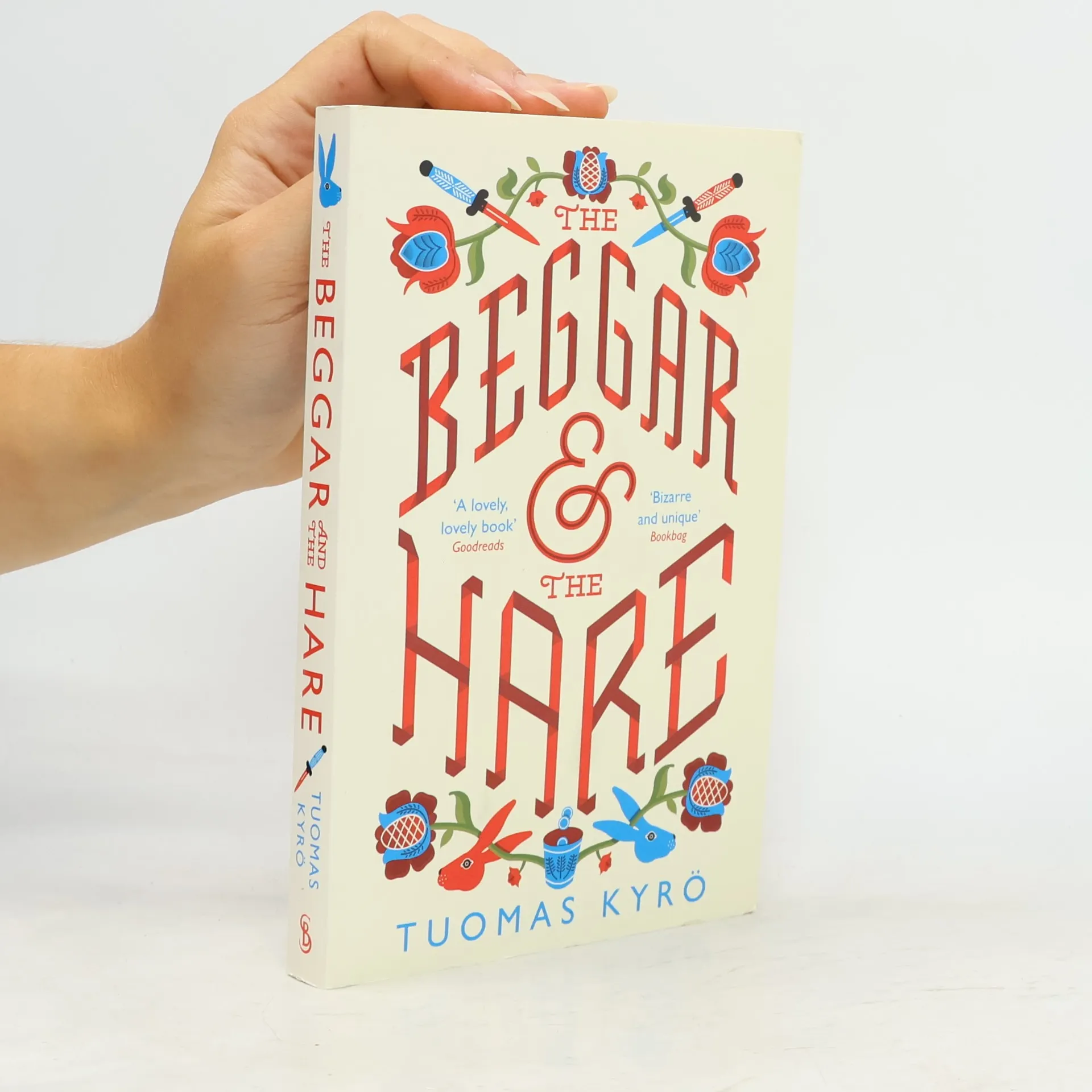
A strange, compelling fable about Europe, capitalism and the human heart. Vatanescu, an impoverished construction worker, wants a future for himself and a pair of football boots for his son. So he decides to head north to a cold, dark country where there is money to be made...
Following the widely acclaimed and bestselling The Summer Book, here is a Winter Book collection of some of Tove Jansson’s best loved and most famous stories. Drawn from youth and older age, and spanning most of the twentieth century, this newly translated selection provides a thrilling showcase of the great Finnish writer’s prose, scattered with insights and home truths. It has been selected and is introduced by Ali Smith, and there are afterwords by Philip Pullman, Esther Freud and Frank Cottrell Boyce.The Winter Book features thirteen stories from Tove Jansson’s first book for adults, The Sculptor’s Daughter (1968) along with seven of her most cherished later stories (from 1971 to 1996), translated into English and published here for the first time.
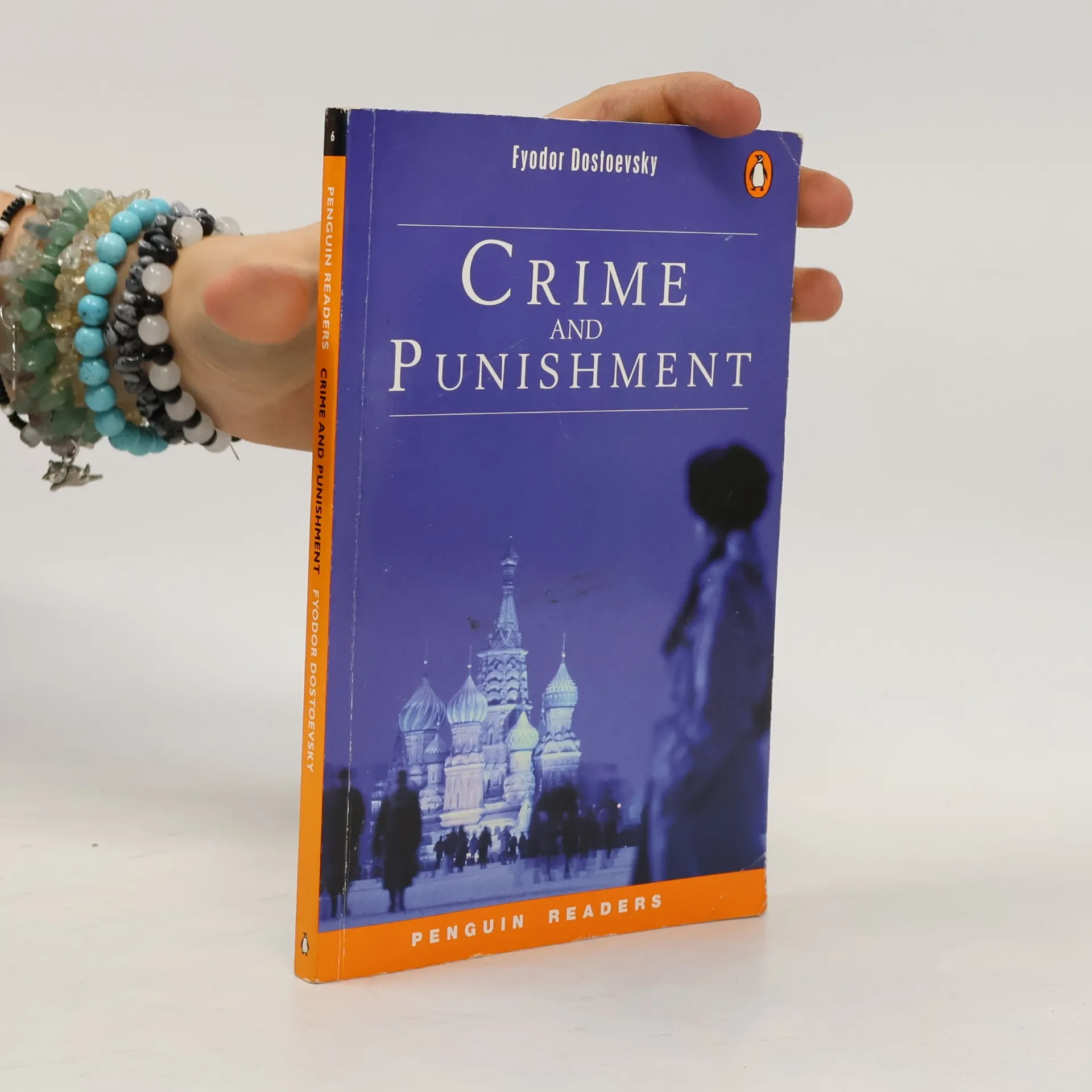
Zdařilá, na první pohled logická obhajoba vraždy se rozpadá, když se vrah musí postavit tváří v tvář pravé povaze svého činu. Rodion Raskolnikov, uvězněn v zoufalé chudobě, dospěje k závěru, že někteří výjimeční lidé si zaslouží právo vystoupit mimo běžné zákony, aby vykonali obtížné činy pro dobro ostatních a lidstva jako celku. Oprávňuje svůj plán okrást a zabít bohatou, neoblíbenou zastavárnu, s tím, že si vezme peníze, přežije a bude moci konat dobré skutky. Hrozivý čin vraždy a nevyhnutelný sled událostí, které následují, vrhají Raskolnikova do noční můry duševní nerovnováhy a morálního trápení. Každá situace, která nastane, posiluje jeho vinu a ukazuje, jak jeho brutální čin přinesl pouze zkázu a bolest. Nečekaná návštěva rodiny a policisty, který se zdá být sarkasticky si vědom jeho viny, staví Raskolnikova do pozice, kdy si není jistý, zda i vyznání přinese smysluplné vykoupení.
Román o čtyřech dílech s epilogem.
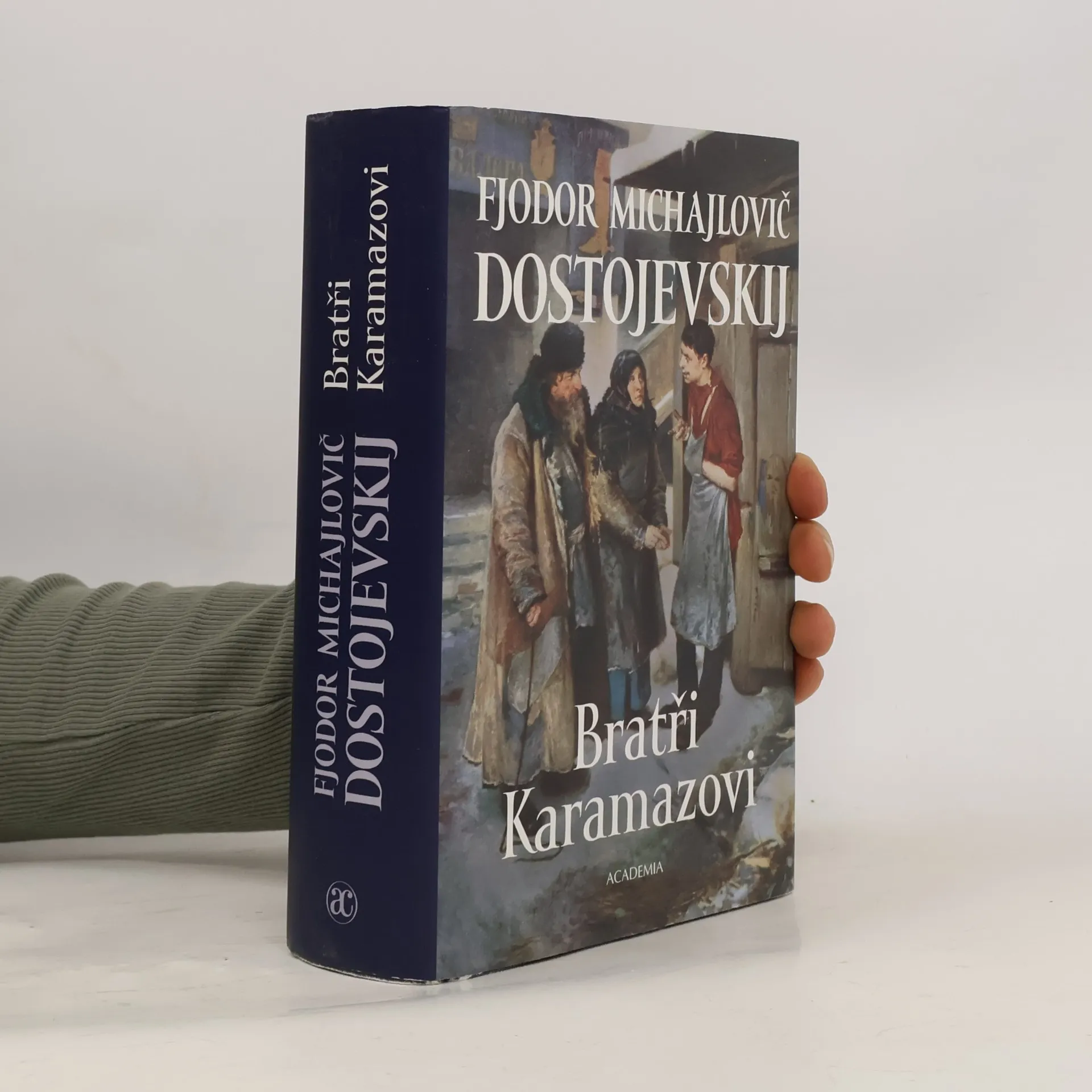
Vedle Zločinu a trestu, Idiota a Běsů jsou Bratři Karamazovi jedním z vrcholných románových děl F. M. Dostojevského. Kdybychom chtěli formulovat společného jmenovatele „karamazovštiny“, byla by jím vedle smyslnosti vášnivá zamilovanost do života a touha žít za každou cenu. Jí jsou zachváceni všichni Karamazovové: otec Fjodor i bratři Ivan, Dmitrij a Aljoša. Podobně jako u Dostojevského, i u jeho postav se stupňuje žízeň po víře tím víc, čím více v nich narůstá důvodů proti ní. Zdá se, jako by byli vystaveni pochybnostem svého autora, který o sobě napsal, že je dítětem století, dítětem nevíry a pochybností. Tato monumentální syntéza autorových náboženských, filosofických a etických názorů Dostojevského je zároveň i vyvrcholením jeho spisovatelské a duchovní cesty.
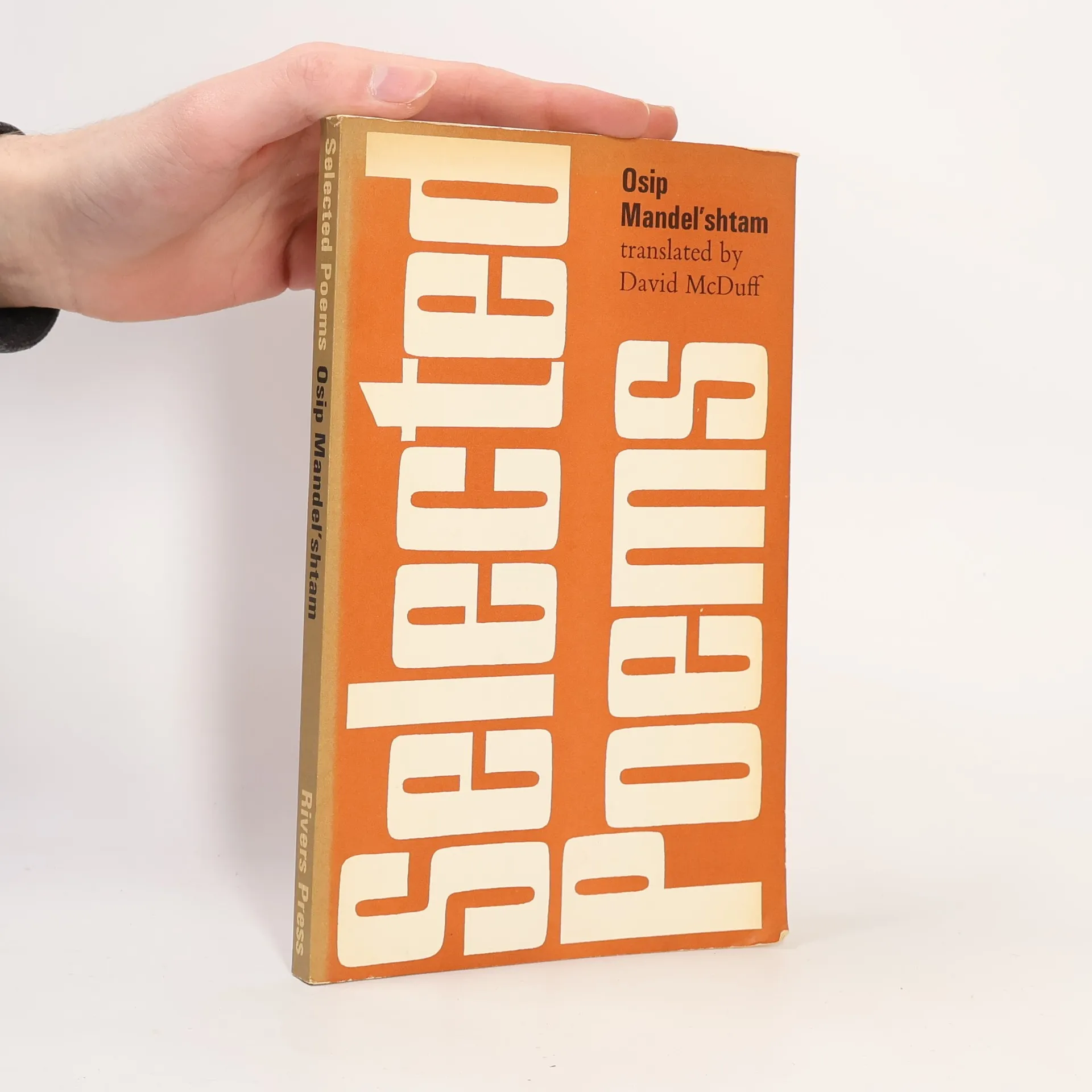
Osip Mandelstam is a central figure not only in modern Russian but in world poetry, the author of some of the most haunting and memorable poems of the twentieth century. A contemporary of Anna Akhmatova, Marina Tsvetayeva, and Boris Pasternak, a touchstone for later masters such as Paul Celan and Robert Lowell, Mandelstam was a crucial instigator of the "revolution of the word" that took place in St. Petersburg, only to be crushed by the Bolshevik Revolution. Mandelstam's last poems, written in the interval between his exile to the provinces by Stalin and his death in the Gulag, are an extraordinary testament to the endurance of art in the presence of terror. This book represents a collaboration between the scholar Clarence Brown and W. S. Merwin, one of contemporary America's finest poets and translators. It also includes Mandelstam's "Conversation on Dante," an uncategorizable work of genius containing the poet's deepest reflections on the nature of the poetic process.