

Jeho svatost Dalajlama Pořadí knih (chronologicky)
- Jeho Svatost Dalajlama XIV.


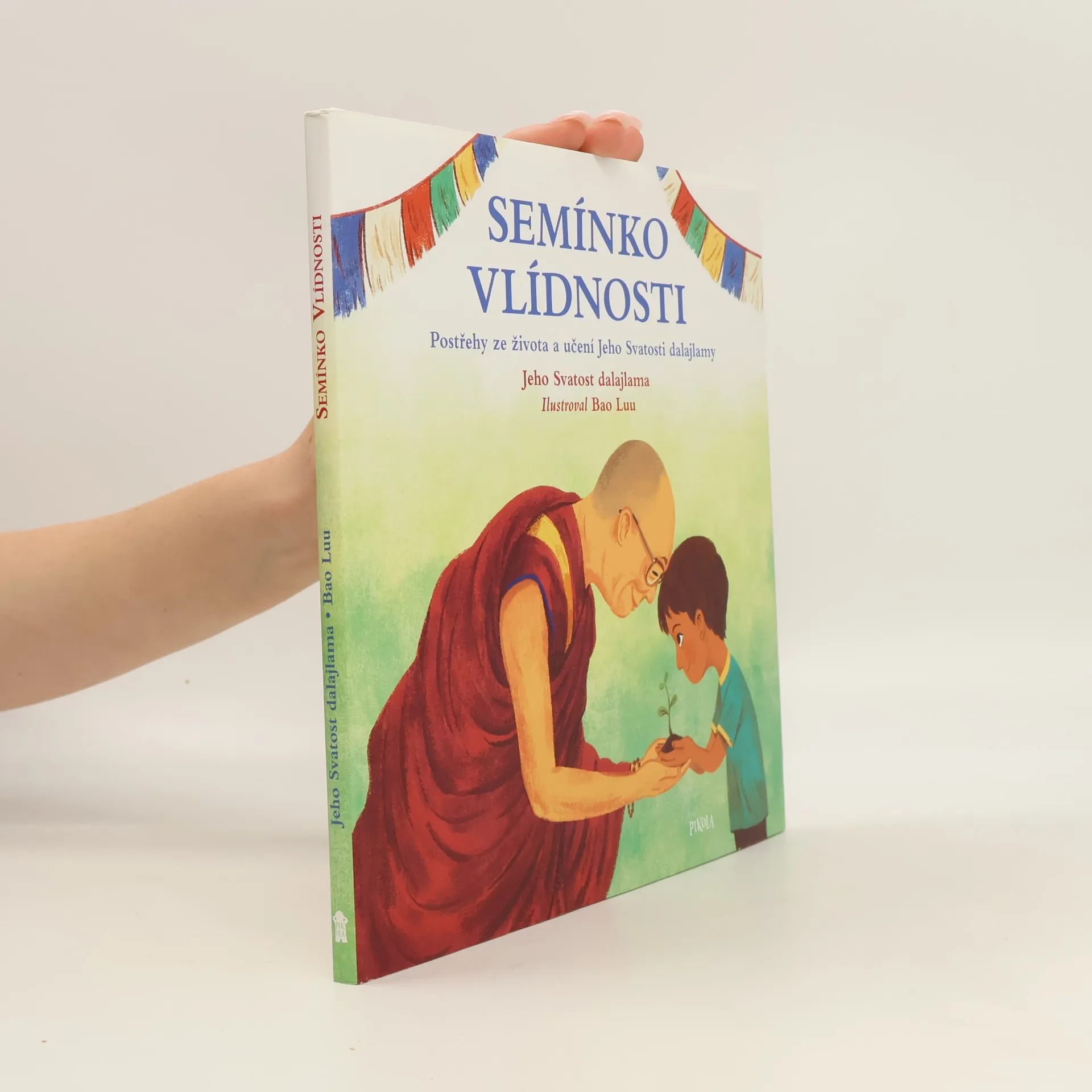
V této nádherně ilustrované knize se dalajlama obrací k těm nejmenším čtenářům. Děti jsou podle něj naše budoucnost a měli bychom je odmalička duchovně vzdělávat. Jednoduchým jazykem zde dalajlama popisuje svoje dětství, výchovu rodičů, první kontakty s tibetským buddhismem až po své dosazení na nejvyšší duchovní místo. Kniha je nejenom edukativní, ale zároveň slouží jako krásná pohádka pro děti různého věku.
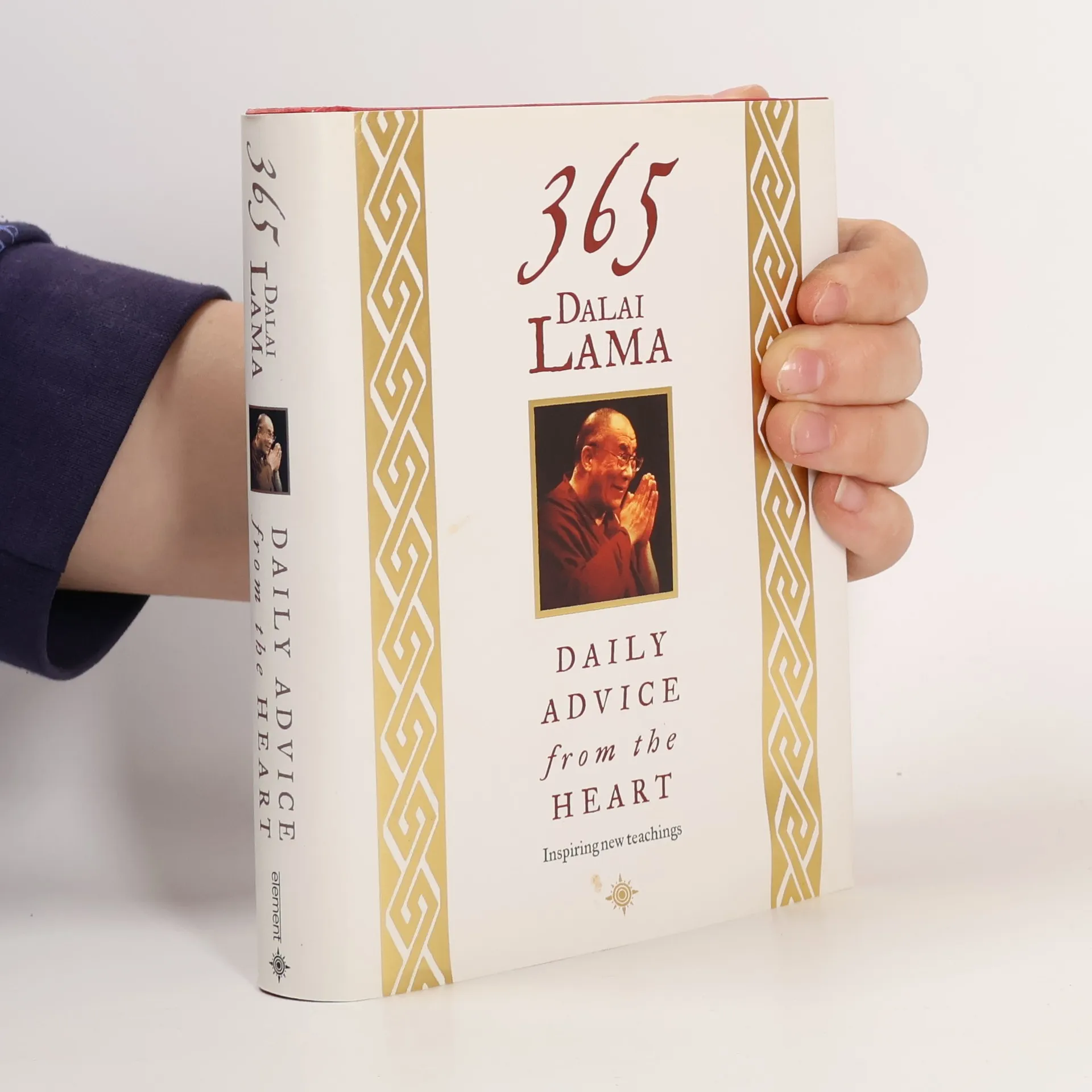
Imagine having two minutes with the Dalai Lama offering you personal advice on how you could live your life better, overcome your problems, be more joyful and create a better world. This book brings you exactly that: short passages advising people from all walks of life - including you. Advice is delivered according to the following: various stages of life, from the young to the elderly; situations of life, from the married to the single, those in prison to workers; a person's role in society, from politicians to carers; a person's state of mind, from the happy to the sad, the jealous to the proud; and a person's spiritual life, from those with no faith, to believers, to Buddhists.
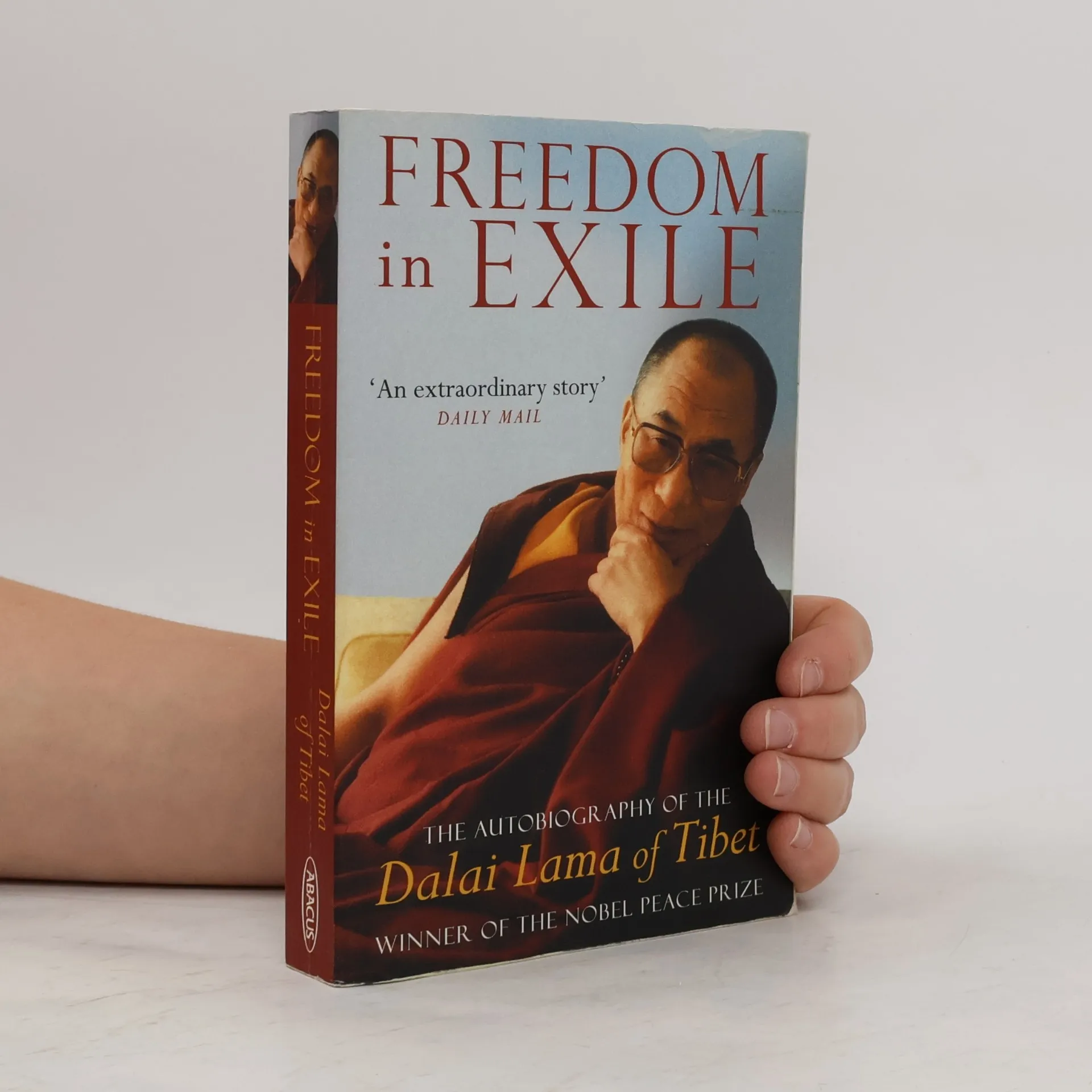
In 1938 a two year old boy was recognised through a traditional process of discovery as being the reincarnation of all previous Dalai Lamas, the spiritual rulers of Tibet. Taken away from his parents, he was brought up in Lhasa according to a monastic regimen of rigorous austerity and in almost total isolation. Aged seven he was enthroned in the 1000-room Potala palace as the supreme spiritual leader of a nation the size of Western Europe, with population of six million. And at fifteen, he became head of state. With Tibet under threat from the newly Communist Chinese, there followed a traumatic decade during which he became the confidant of both Chairman Mao and Jawaharal Nehru as he tried to maintain autonomy for his people. Then in 1959, he was finally forced into exile - followed by over 100,000 destitute refugees. Here, in his own words, he describes what it was like to grow up revered as a deity among his people, reveals his innermost feelings about his role, and discusses the mysteries of Tibetan Buddhism.