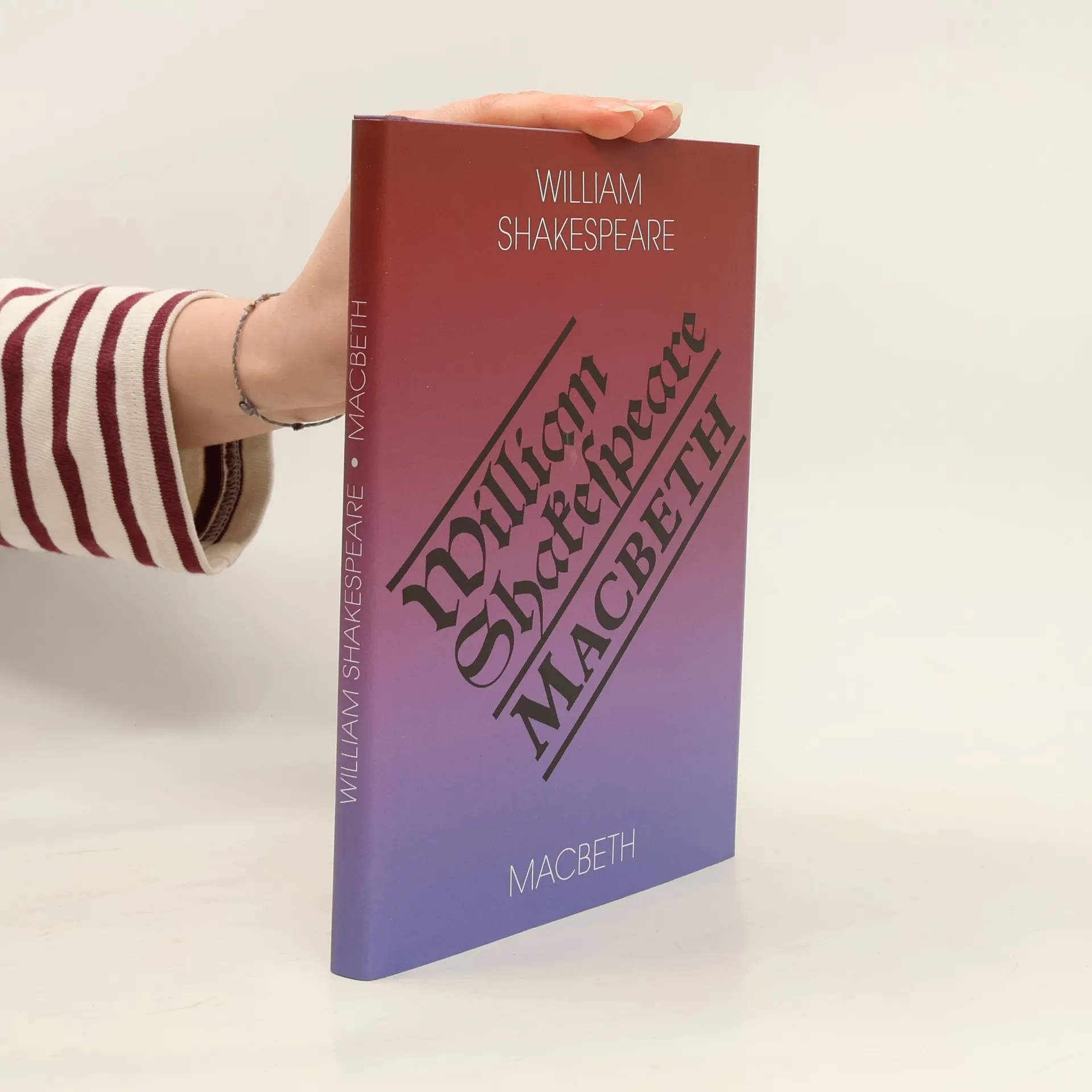
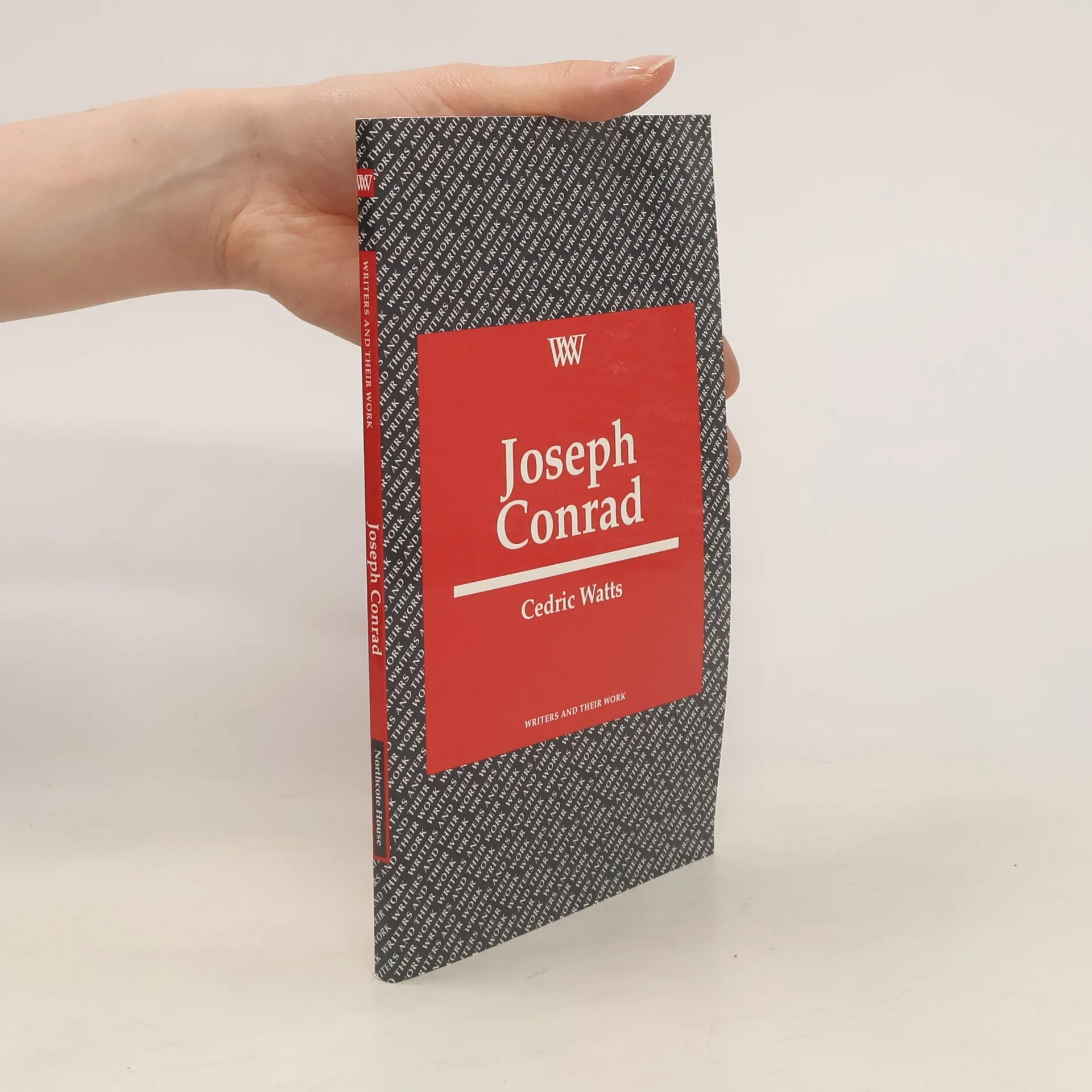
Cedric Watts is kritik, jehož díla se zabývají literární analýzou a scholarly kritikou. Jeho rozsáhlá publikační činnost zahrnuje řadu kritických a odborných knih, které pronikají do hloubky literárních témat a stylů. Wattsův přístup k literatuře je hluboce analytický, zaměřený na odhalování skrytých významů a nuancí v dílech. Jeho práce, která často čerpá z rozsáhlých znalostí klasické literatury a shakespearovského dramatu, nabízí čtenářům obohacující pohled na umění slova.
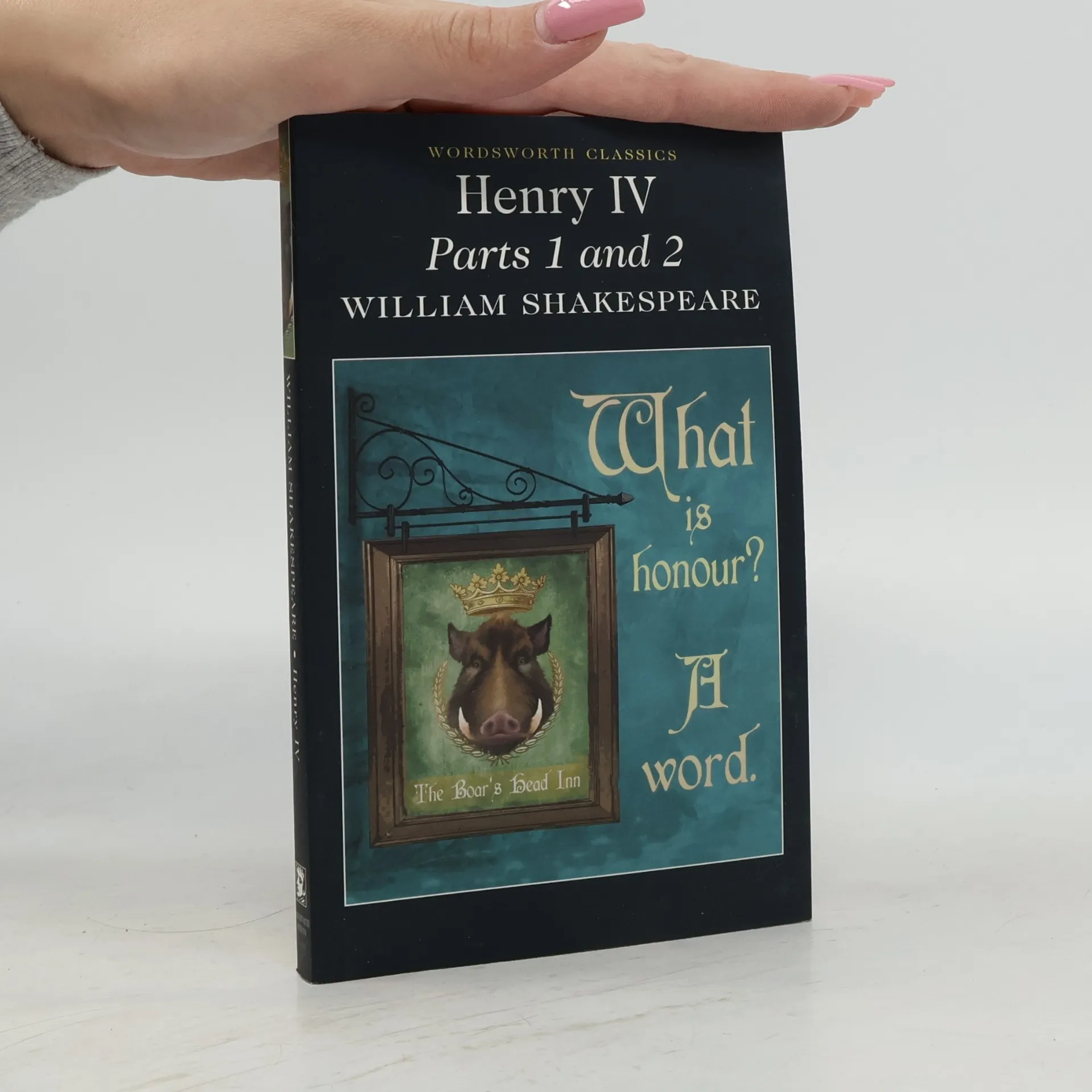
This history play is lively in its interplay of political intrigue and boisterous comedy, subtle in the connections between high statecraft and low craftiness, exuberant in its range of vivid characters, and memorable in its thematic concern with honour, loyalty and the quest for power.
Dobrodružství, příhody a nehody tří přátel a jednoho psa na dvou prázdninových cestách, šťastně spojující humor se sentimentem. Vychází v novém překladu mladého překladatele Milana Žáčka, který cítí a myslí jako autor, a čtenáři jistě ocení lehkost a plynulost jeho stylu.
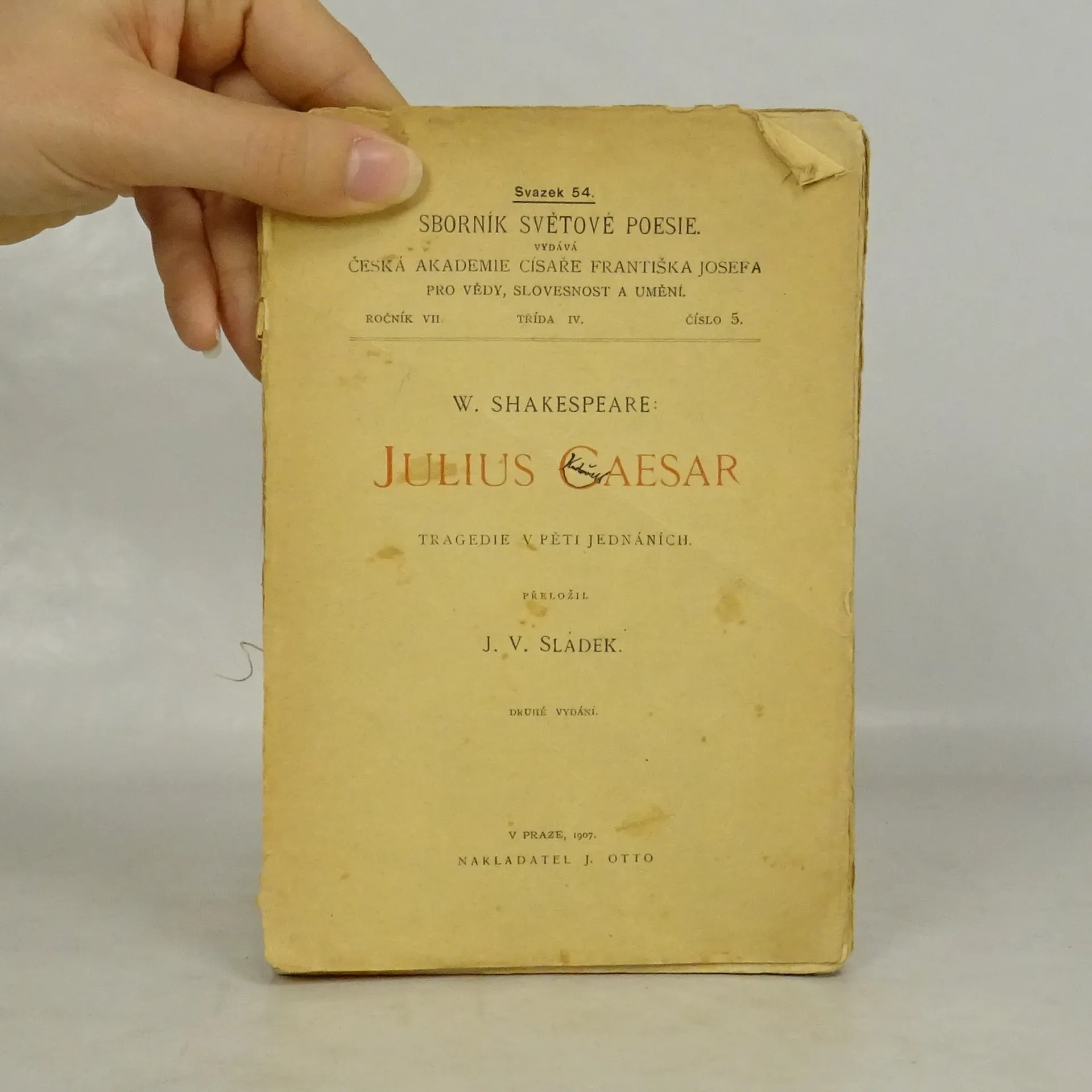
Jednu ze svých vrcholných tragédií věnuje Shakespeare spiknutí proti Juliu Caesarovi a tragické následky této akce namířené proti antickému vůdci. Stále živé a aktuální téma boje o moc, demokracii, spravedlnost odkrývá mechanismy spojené s „technologií moci“. Vychází v překladu Zdeňka Urbánka jako 163. svazek edice D.
Martin Hilský, profesor anglické literatury na FF UK, patří k našim předním překladatelům a znalcům díla Williama Shakespeara. Jako šestý svazek jeho dvojjazyčné shakespearovské edice vychází Othello, benátský mouřenín. V úvodní studii se Hilský věnuje vzniku a výkladu této slavné tragédie. Následují anglický originál hry a jeho český překlad, které jsou uspořádány na stránkách proti sobě a vybaveny poznámkami pod čarou. Anglické poznámky fungují jako malý shakespearovský slovníček, české poznámky upozorňují čtenáře na klíčové souvislosti. Svazek uzavírá studie Bohuslava Mánka o českých inscenacích a překladech Othella.
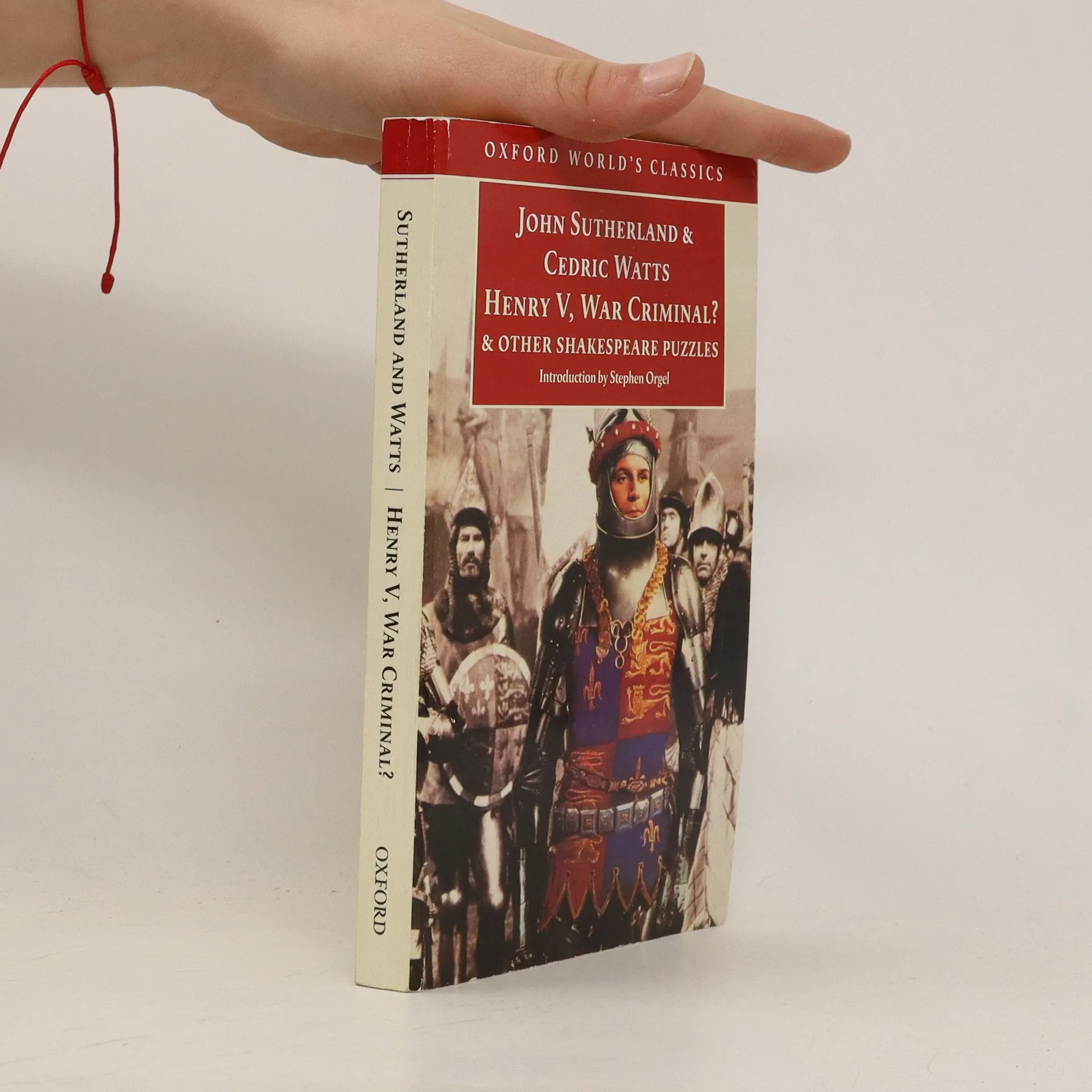
Loose ends and red herrings are the stuff of detective fiction, and under the scrutiny of master sleuths John Sutherland and Cedric Watts Shakespeare's plays reveal themselves to be as full of mysteries as any Agatha Christie novel. Is it summer or winter in Elsinore? Do Bottom and Titania make love? Does Lady Macbeth faint, or is she just pretending? How does a man putrefy within minutes of his death? Is Cleopatra a deadbeat Mum? And why doesn't Juliet ask 'O Romeo Montague, wherefore art thou Montague?' As Watts and Sutherland explore these and other puzzles Shakespeare's genuius becomes ever more apparent. Speculative, critical, good-humoured and provocative, their discussions shed light on apparent anachronisms, performance and stagecraft, linguistics, Star Trek and much else. Shrewd and entertaining, these essays add a new dimension to the pleasure of reading or watching Shakespeare.
Set aboard the Narcissus, a merchant ship journeying from Bombay to London, the novella explores the tensions among the crew as they grapple with the illness of a West Indian sailor suffering from tuberculosis. While some crew members exhibit compassion and take on additional duties to care for him, others question the severity of his condition, leading to a conflict that reveals deeper themes of humanity, duty, and the fragility of life at sea. Joseph Conrad delves into the complexities of human relationships in this poignant narrative.
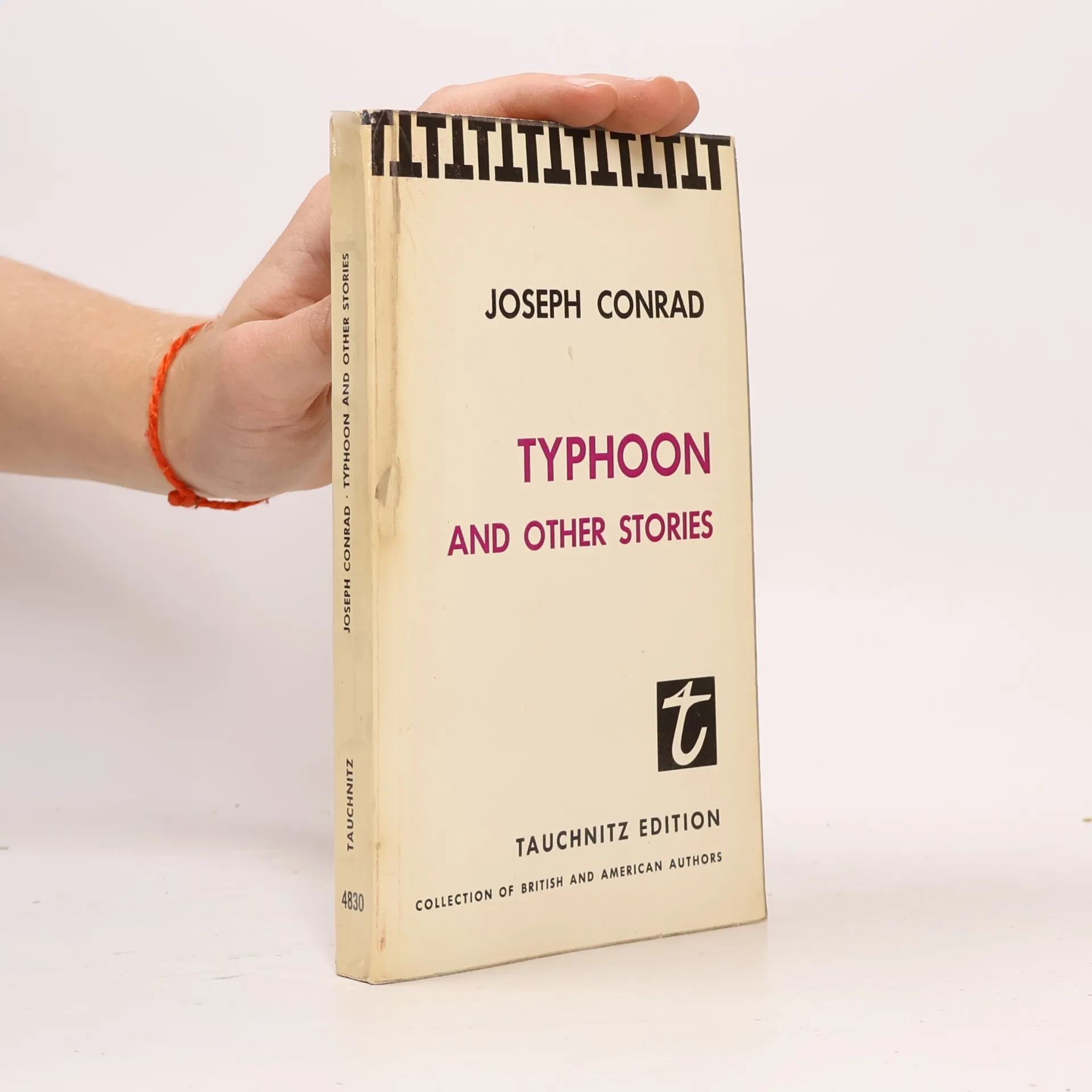
Contains four stories, written between 1900 and 1902. One of them reveals the
differences between instinct and intelligence in a partnership vital to human
survival; and the other contains 'land-stories' that explore the utter
isolation of an East European emigrant in England and in the other, the plight
of a woman.