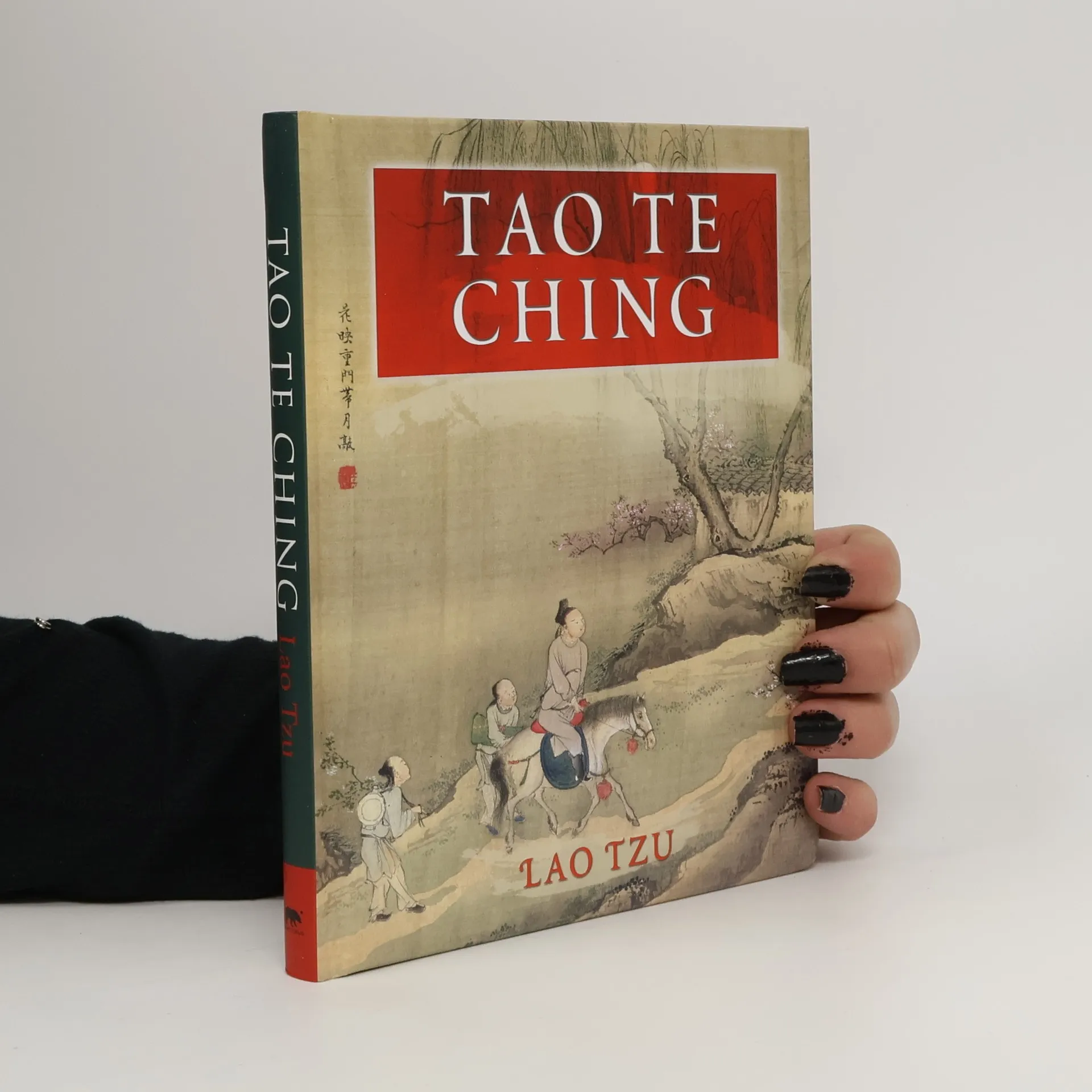
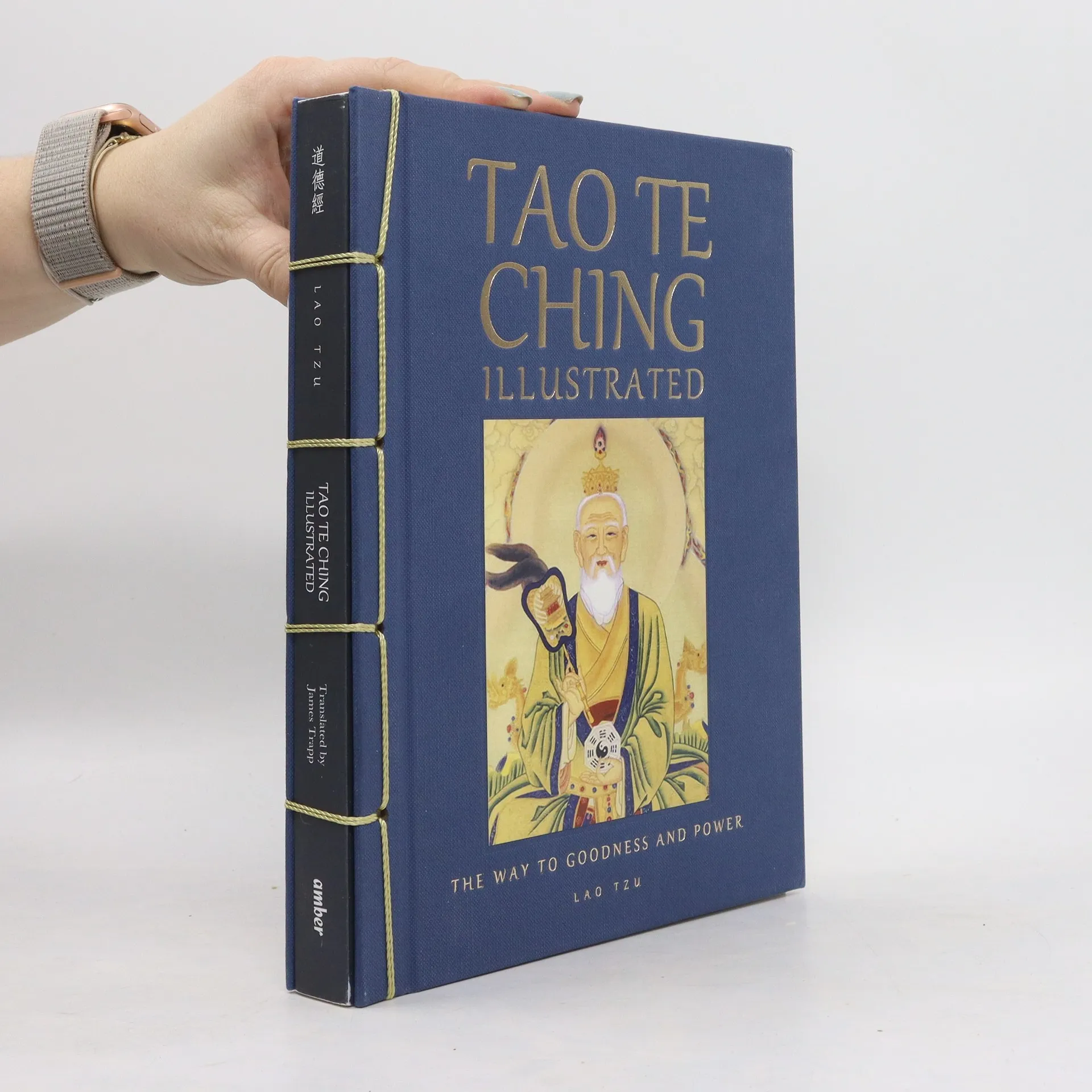
Ancient Wisdom Library: Tao Te Ching
- 128 stránek
- 5 hodin čtení


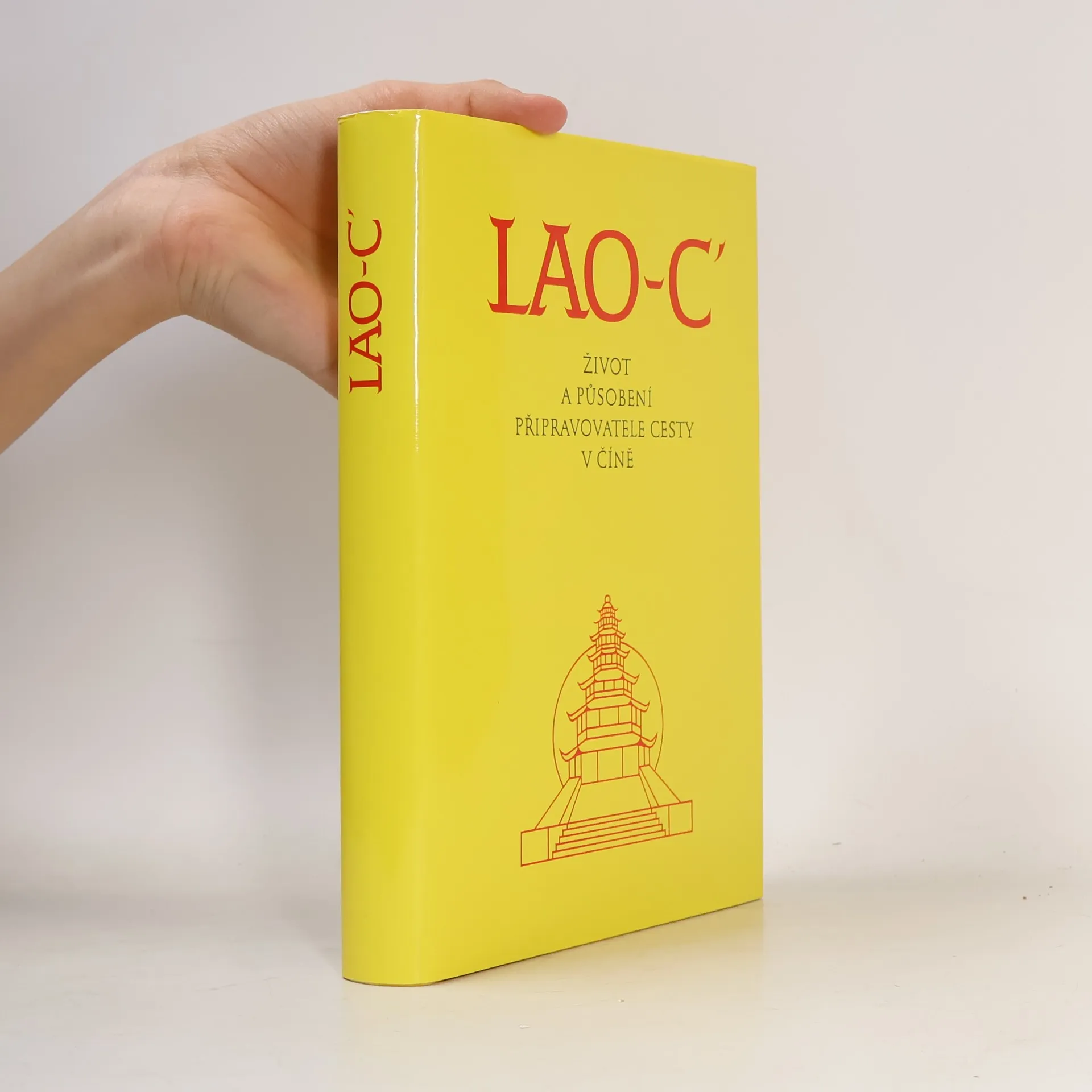
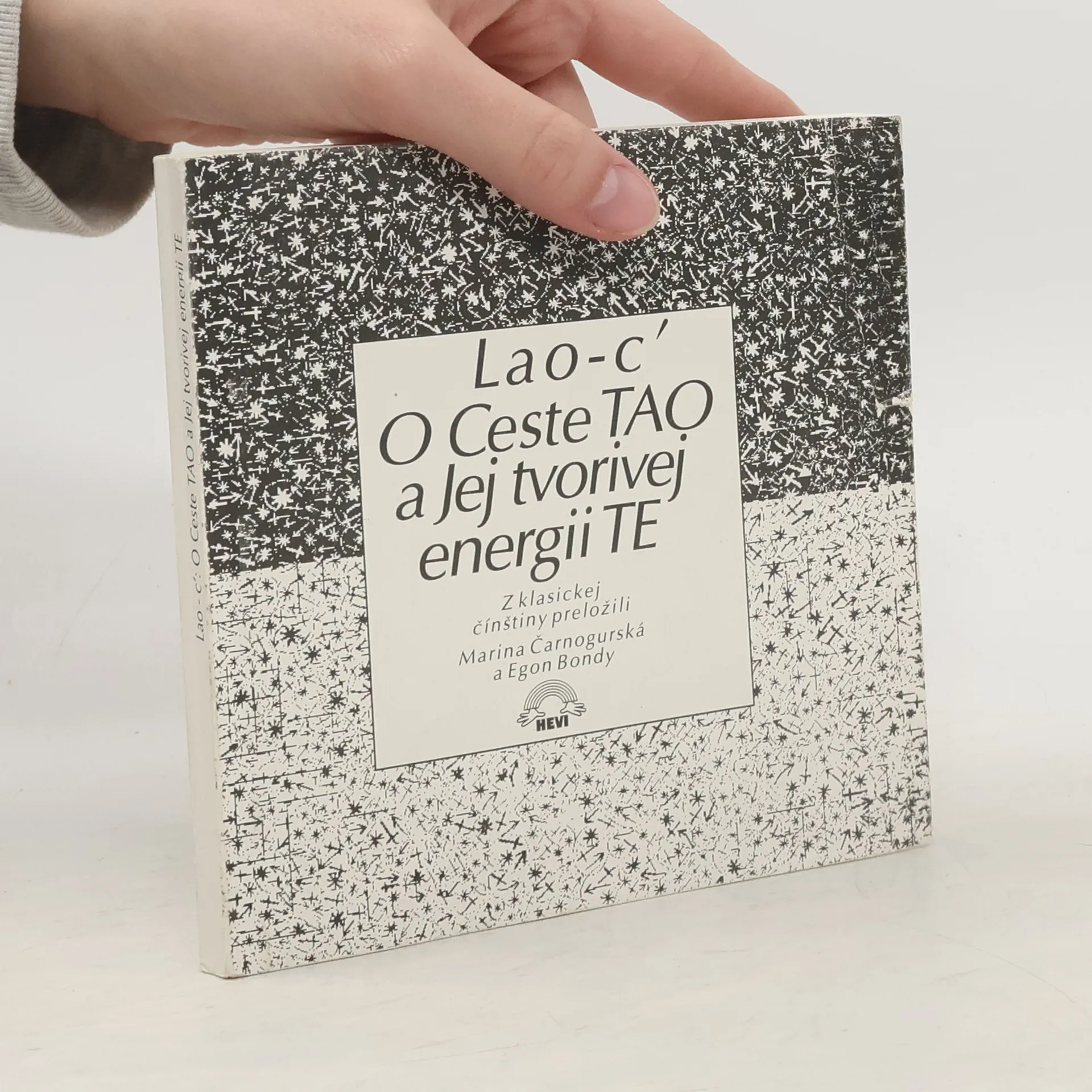
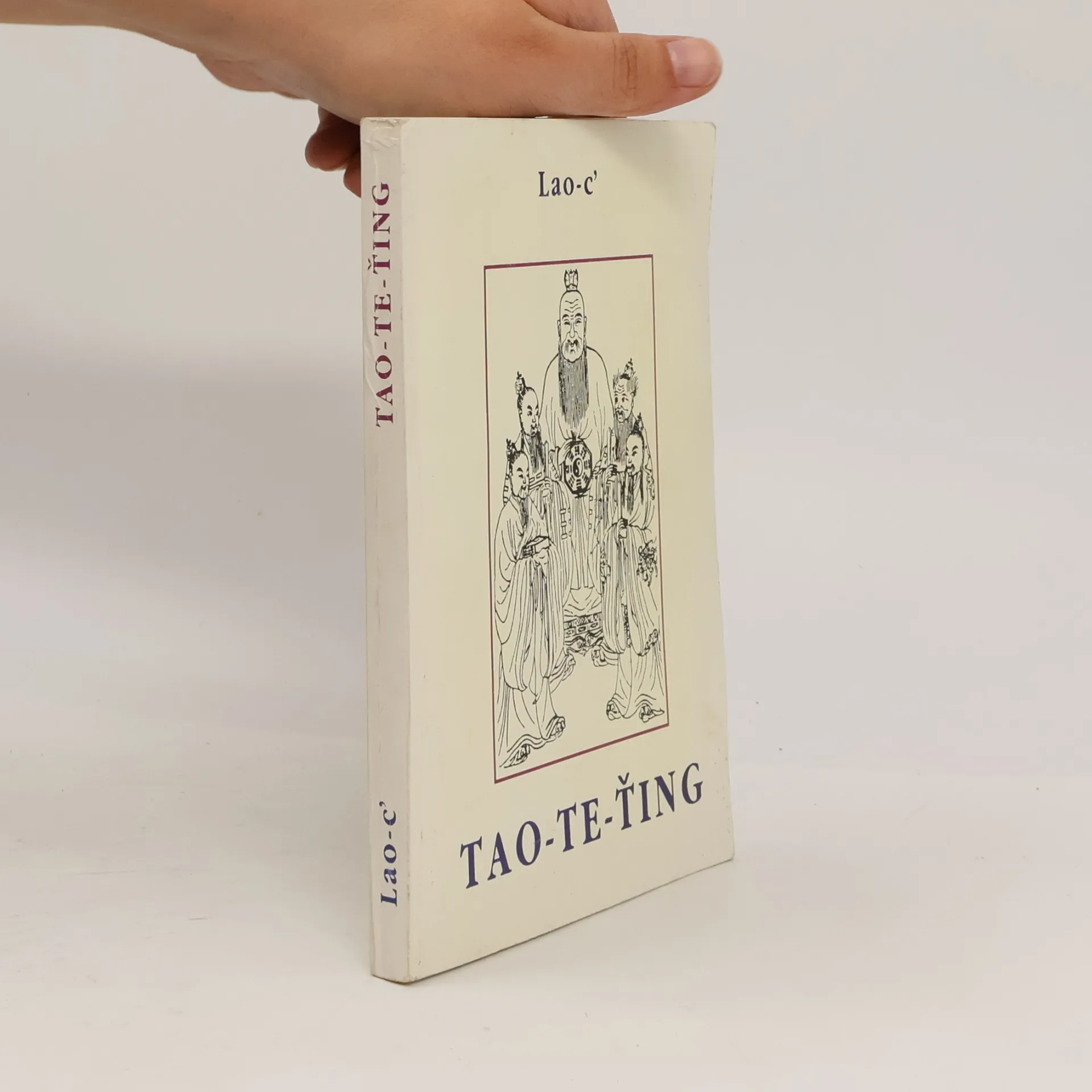
Lao-c' (čínsky 老子, pinyin Lǎozi, Wade-Giles Lao Tzu; romanizovaný také jako Lao Tse, Lao Tu, Lao-Tsu, Laotze, Laosi, Laocius a v dalších variantách) je jedna z nejvýraznějších postav čínské filosofie, jejíž historická existence je nejistá. Čínská tradice umísťuje jeho život do 6. století př. n. l., řada moderních sinologů posouvá jeho život do 4. století př. n. l., případně jej považuje za kompilát postav několika filosofů z těchto období. Je legendárním zakladatelem taoismu a autorem jeho základního spisu Tao Te ťing.


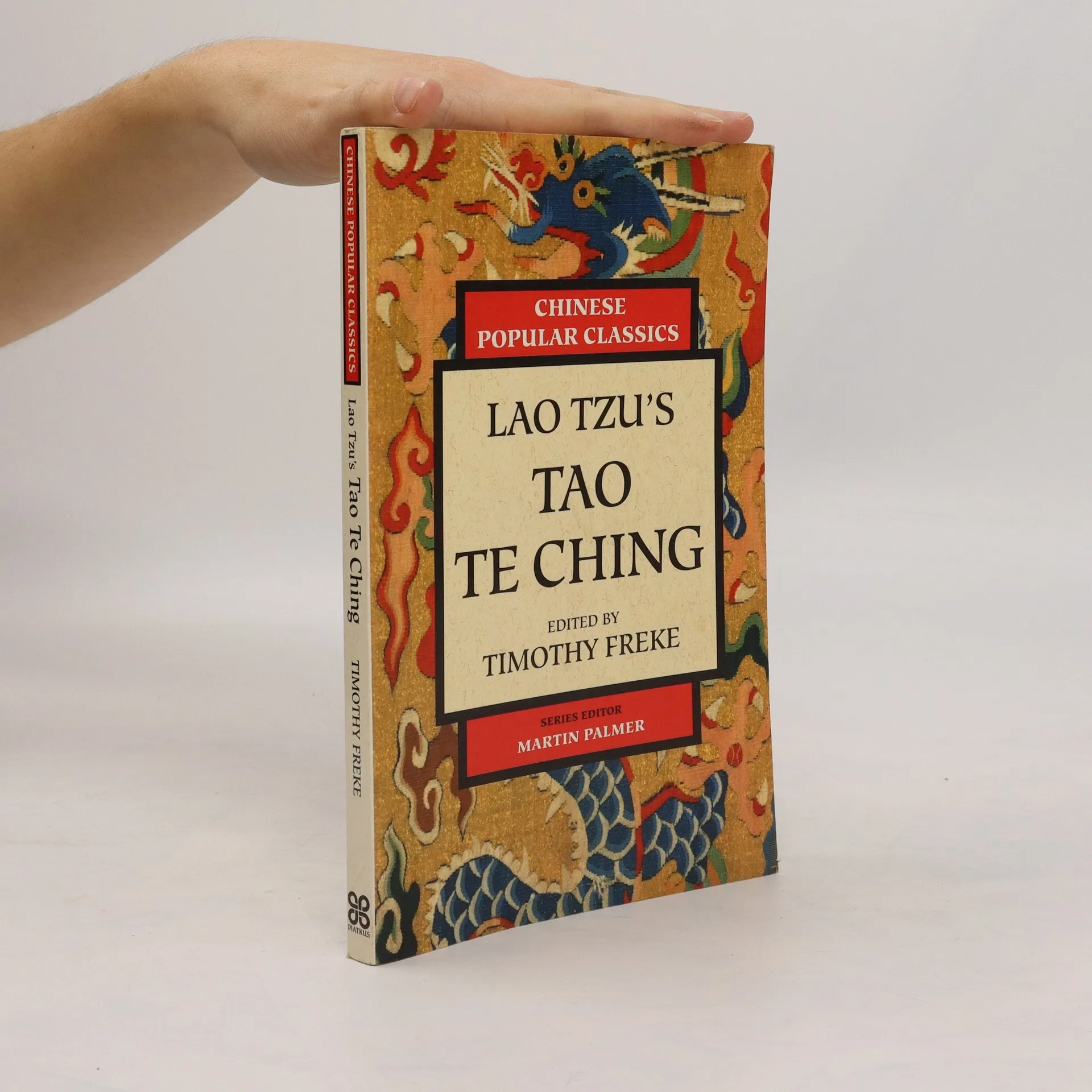
The Tao Te Ching, written around 300BC, describes the fundamental beliefs of Taoism, addressing how to live a simple, peaceful and harmonious life, how to rid oneself of desires and institutions that promote greed. This traditional Chinese-bound dual-language edition presents the original Chinese text with a new translation on the facing page.
Esoteric Classics: Eastern Studies
The book presents a translation of a foundational sixth-century B.C. text of Chinese Taoism by renowned translator Charles Johnston. It delves into Eastern spiritual and religious themes, providing readers with insights into the philosophical underpinnings of Taoism through Johnston's adept interpretation. This work serves as a bridge to understanding ancient wisdom and its relevance in contemporary spiritual practices.
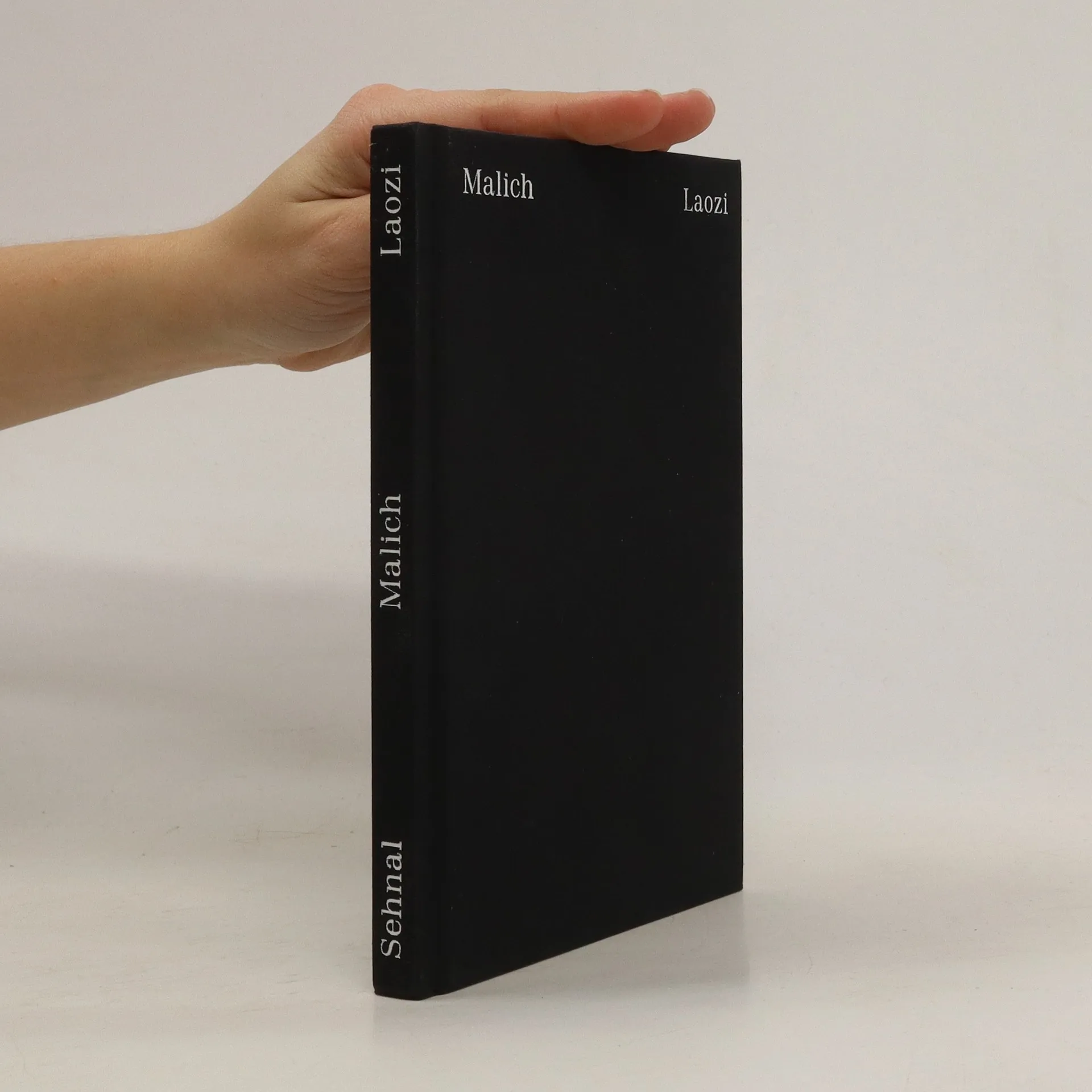
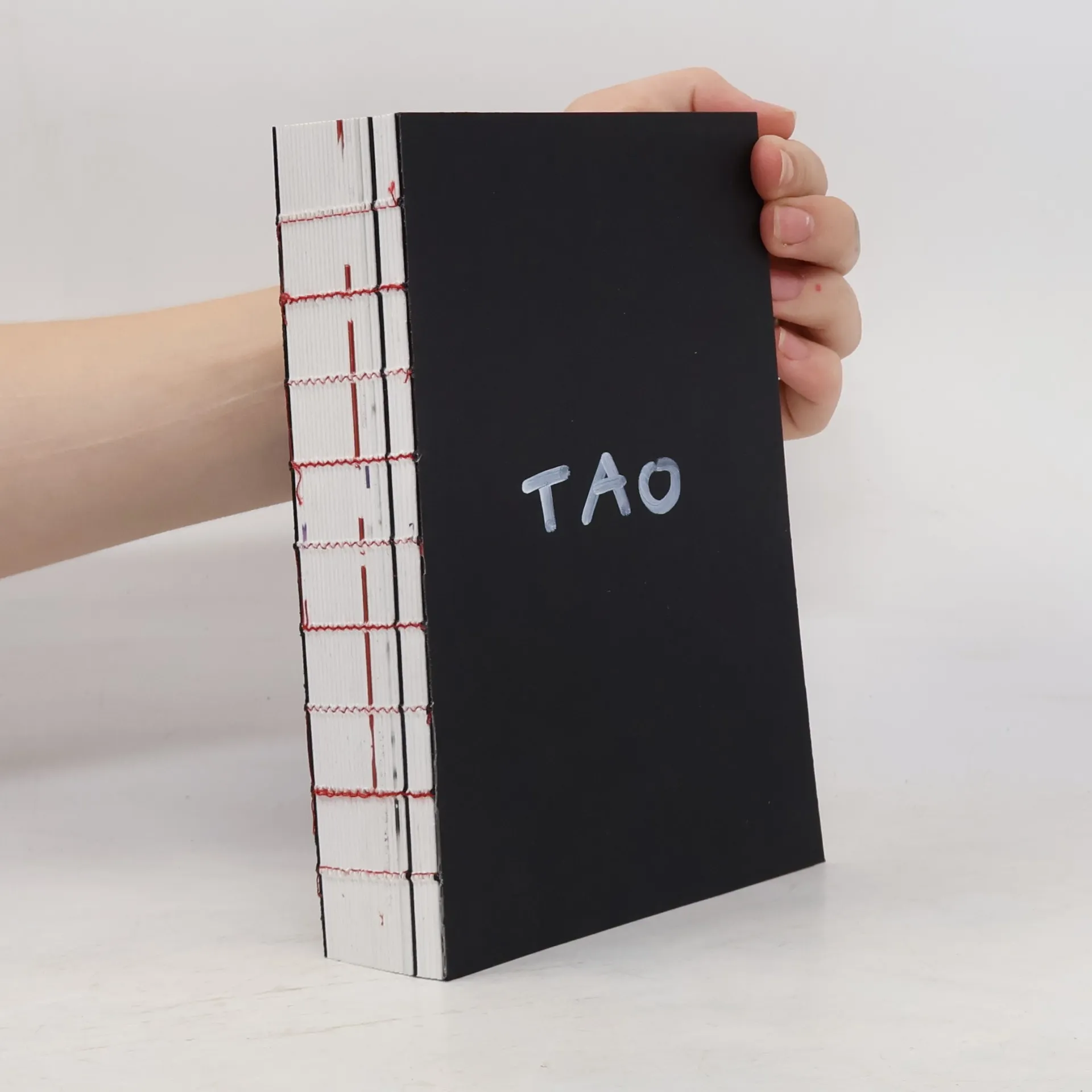
Čtvrtou a prozatím poslední knihou edice ilustrovaný Český Laozi/Lao-c´, která představila velké české překlady Tao te ťingu, je původní překlad Rudolfa Dvořáka z roku 1920, s výtvarným doprovodem Krištofa Kintery. Tao–tek–king/Lao-tsiova kanonická kniha o Tau a ctnosti byla vydána u příležitosti Kinterovy výstavy Neuropolis uspořádané v Galerii Zdeněk Sklenář – Schönkirchovský palác v Praze ve dnech 25. 8. – 7. 11. 2020. Všech tisíc exemplářů obsahuje na obálce originální vstup Krištofa Kintery. Kniha je věnována profesoru Oldřichu Královi (1930–2018), který edici řídil a 13. září 2020 by oslavil devadesáté narozeniny. Výtvarné zpracování vychází z bibliofilie TAO, kterou v roce 2015 vydala Galerie Zdeněk Sklenář v počtu šedesáti čtyř exemplářů, z nichž každý obsahuje originální výtvarné vstupy Krištofa Kintery.
„Trump, jakkoli působí jako extrém, nepředstavuje ani tak odchylku jako spíš logické vyústění - koktejl smíchaný z těch prakticky nejhorších trendů minulého půlstoletí,“ říká autorka Naomi Kleinová, která strávila posledních dvacet let studiem obchodních značek, klimatických změn a využívání šoku pro politické účely. Z této jedinečné perspektivy ukazuje, že Trumpova agenda, která reprezentuje přímý vstup korporátního světa do americké vlády, popírání vědeckých závěrů týkajících se změn klimatu a přiživování rasových a náboženských předsudků, je pouze nejmarkantnějším symptomem dlouhodobě postupující krize. Nyní už nestačí pouze vyjadřovat nesouhlas. Věci zašly tak daleko, že v tomto historickém okamžiku je zapotřebí věrohodného „ano“ - plánu na uzdravení rozdělené společnosti a nastavení kurzu směrem k spravedlivějšímu a udržitelnějšímu světu pro všechny.
Český překlad knihy Dáo dé jing (Tao-te-ťing) neboli Knihy o cestě (Dao/Tao) a její Síle (De/Te) čínského filozofa a básníka Laozi (Lao-c') s výtvarným doprovodem Karla Malicha.
Poklady moudrosti vyslovené velkým čínským filozofem.
Throughout history, some books have changed the world. They have transformed the way we see ourselves - and each other. They have enriched lives - and destroyed them. Fundamental to Chinese philosophy and religion, this title includes topics ranging from political advice to common wisdom.
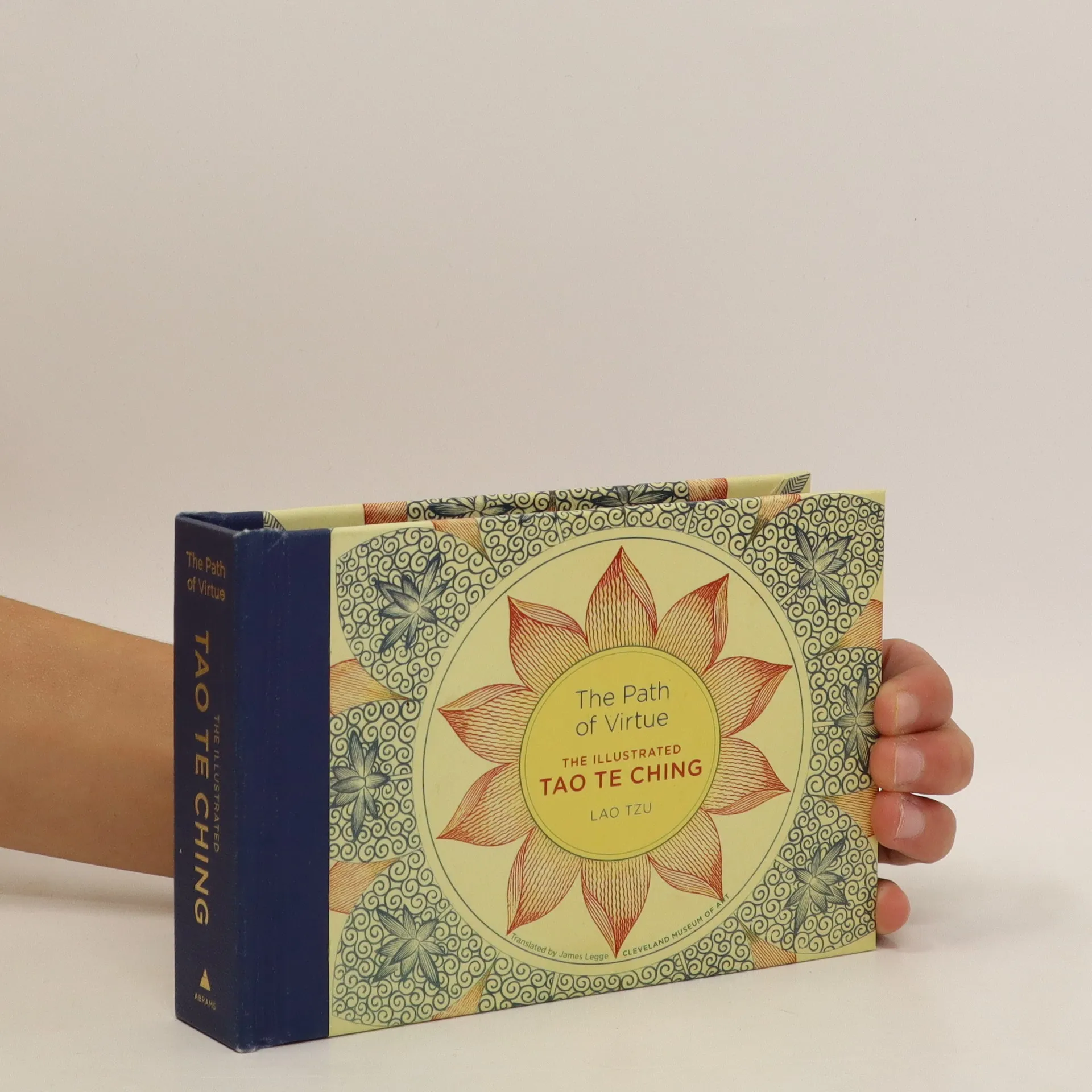
The Path of Virtue: The Illustrated Tao Te Ching presents the classic Chinese text, as translated by James Legge, alongside elegant drawings, paintings, and sculptures from the extensive collections of the Cleveland Museum of Art. Composed in the 6th century bc by Lao Tzu, a sage and recordkeeper in the Zhou court, the Tao Te Ching was originally the basis of Taoist philosophy, later adopted by Chinese Buddhists as a complement to their basic religious tenets. It is now referred to as a handbook for political and business strategy, as well as a practical guide for daily life. Legge's rendering, one of the most poetic translations in English, is accompanied by artwork with Taoist themes and bound in a three-piece case with gilding and a ribbon--truly a volume to be contemplated and admired.
Award-winning translator Red Pine, whose previous books from Mercury House include Road to Heaven: Encounters with Chinese Hermits and his translation of Sung Po-jen's Guide to Capturing a Plum Blossom, renders the classic Chinese text into exquisite English in a breakthrough translation that includes for the first time essential commentaries, considered by Chinese scholars to be vital to understanding the wisdom of Taoism.
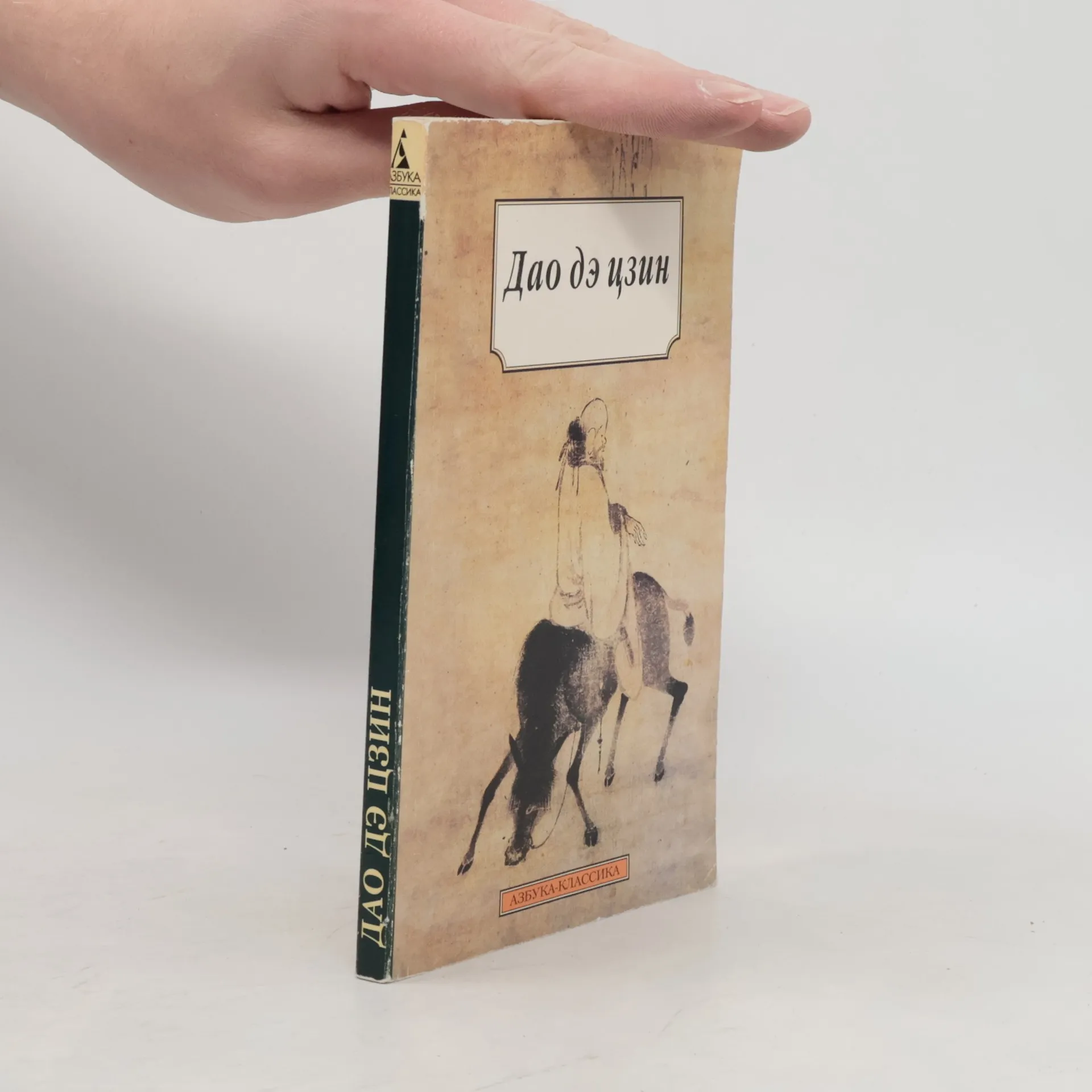
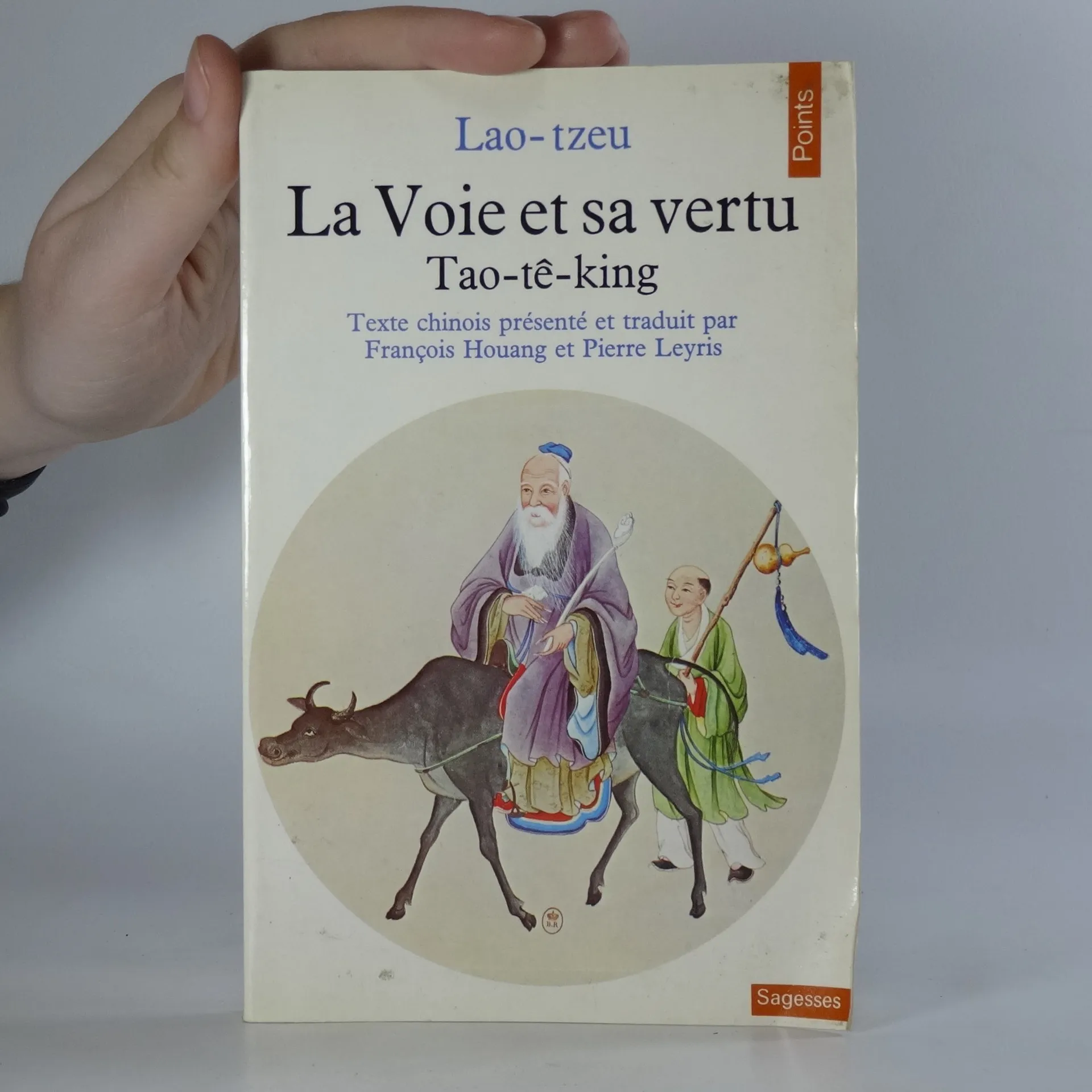
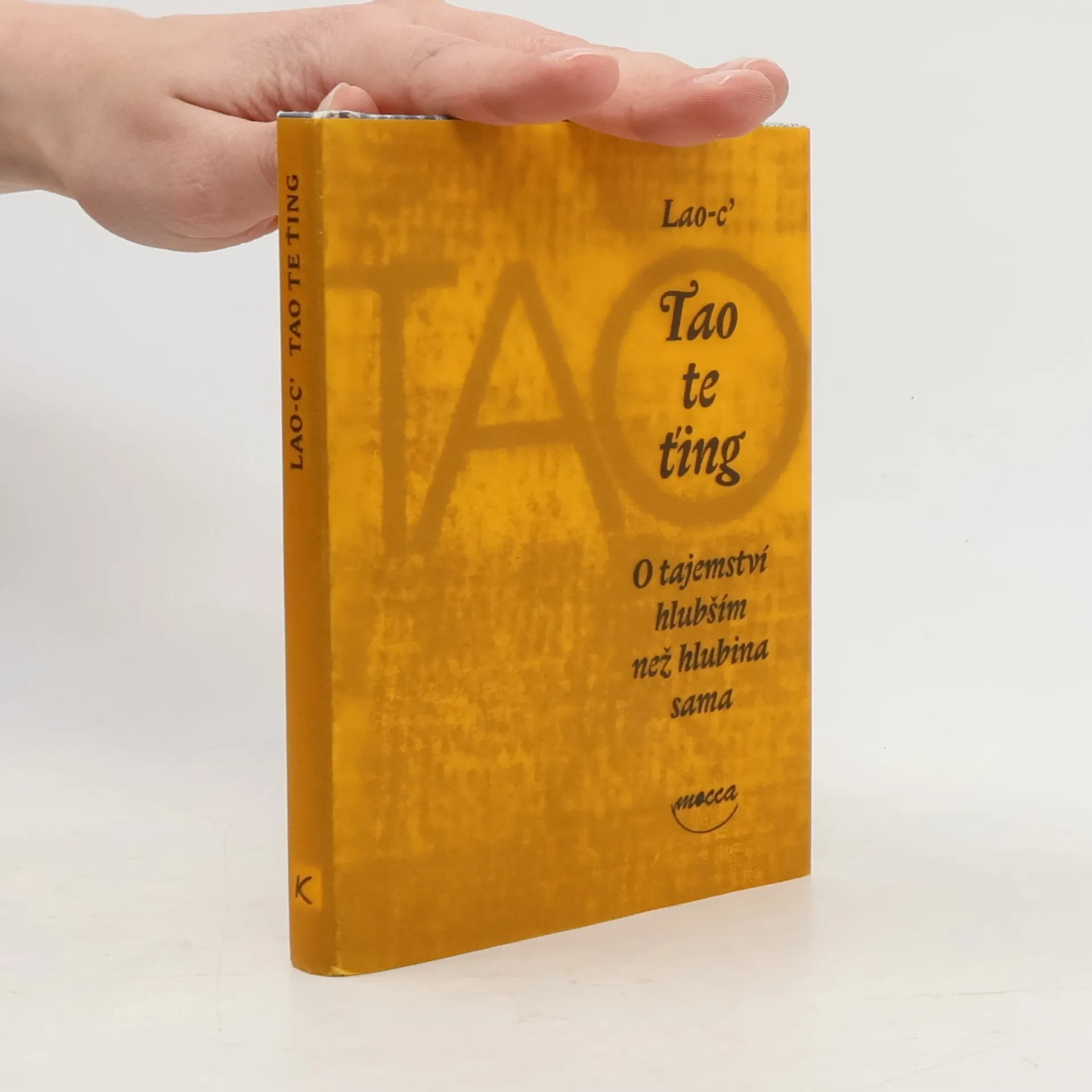
O tajemství hlubším než hlubina sama. Podle staré čínské legendy sepsal Lao-c´ tento spis ve čtyřech dnech. Tao te-ťing shrnuje učení Starého mistra, učí filozofii života, tak jak ji vnímali staří Číňané. Lao-c´ chtěl odjet z císařského dvora a uchýlit se do ústraní. Na hranicích ho však zastavil strážný, který Mistra poznal a nedovolil mu odejít dřív, než mu sepíše všechno své učení. Jakmile Lao-c´ sepsal své myšlenky, odjel na volu z města a už ho nikdy nikdo neviděl. Kniha Tao te-ťing představuje jednu ze základních knih světa a hlavní zdroj čínského malířství a poezie. V roce 1973 byly v hrobce Ma-wang-tuej odkryty na hedvábných svitcích nejstarší známé texty knihy, ale ke skutečné senzaci došlo až před několika lety, kdy v jiné hrobce Kuotien byl vykopán text Taa z roku 350 před Kristem. Nález má stejný význam, jako měly kumránské svitky pro biblická studia. Tento překlad se vrací ke starému, syrovému Tau. Je silné, archaické a podivné. Každá kapitola knihy je doprovázena stručným komentářem literáta Wang-Piho ze 3. století po Kristu. Sbírka vychází v překladu Václava Cílka.
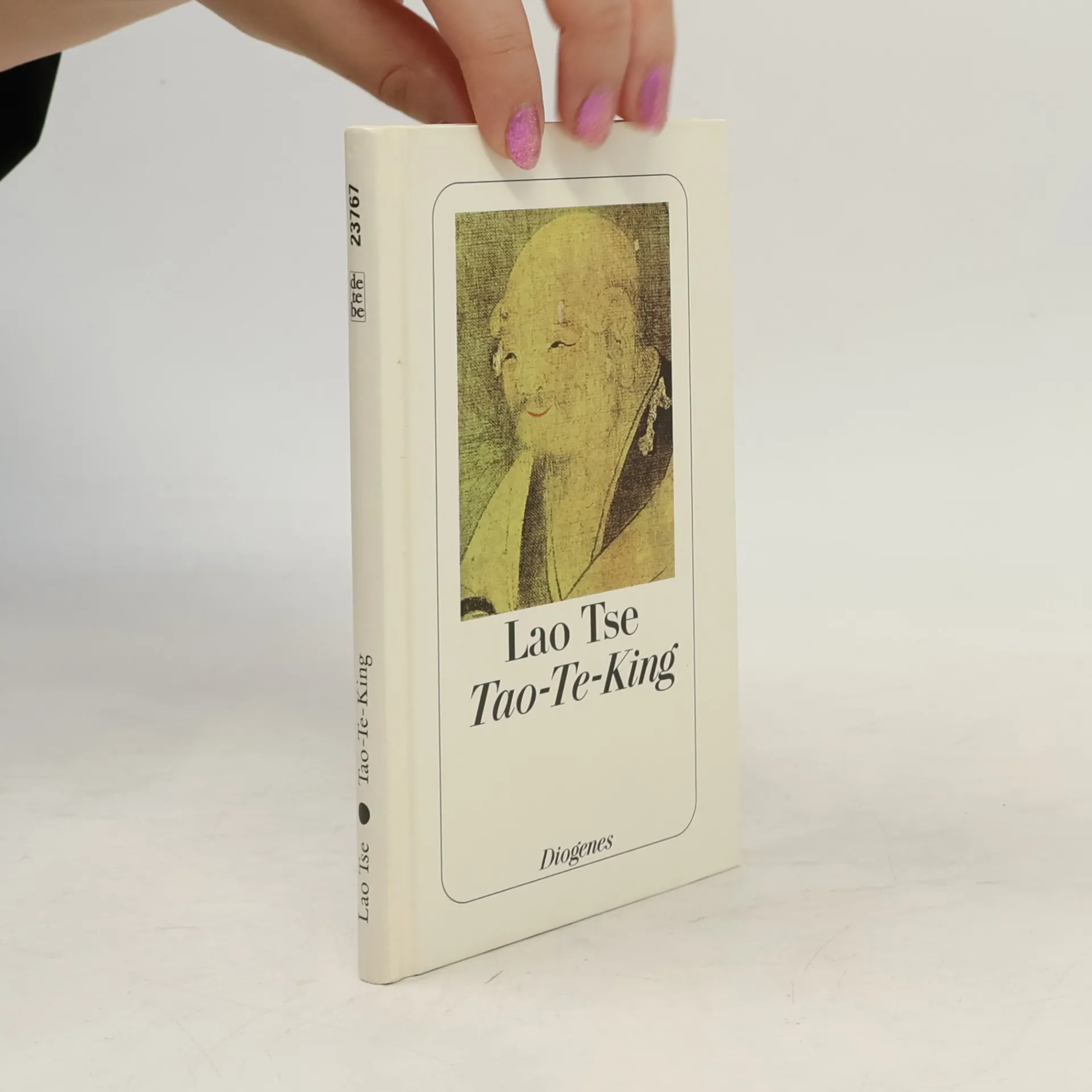
Das 'Tao-Te-King' von Lao Tse, das Buch vom rechten Sinn und Weg, dürfte nach der Bibel das am weitesten verbreitete und meistübersetzte Buch sein. Die Alternativbewegung könnte bei Lao Tse manche Anregung oder Bestätigung finden. Er ist geradezu der Verkünder der Maxime 'small is beautiful' und eines einfachen Lebens. Die Hauptlehre: Lebe nicht nach außen, sondern nach innen.
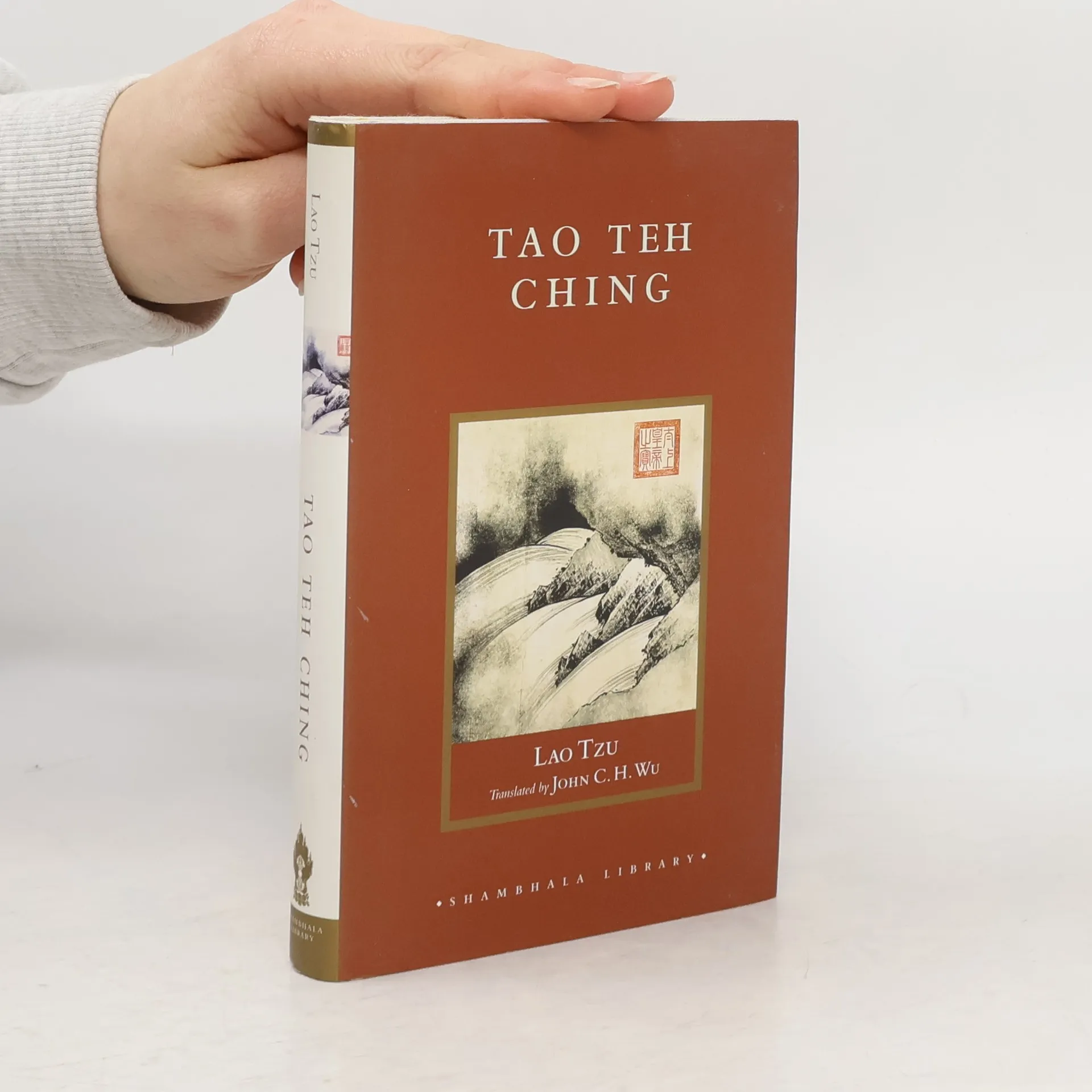
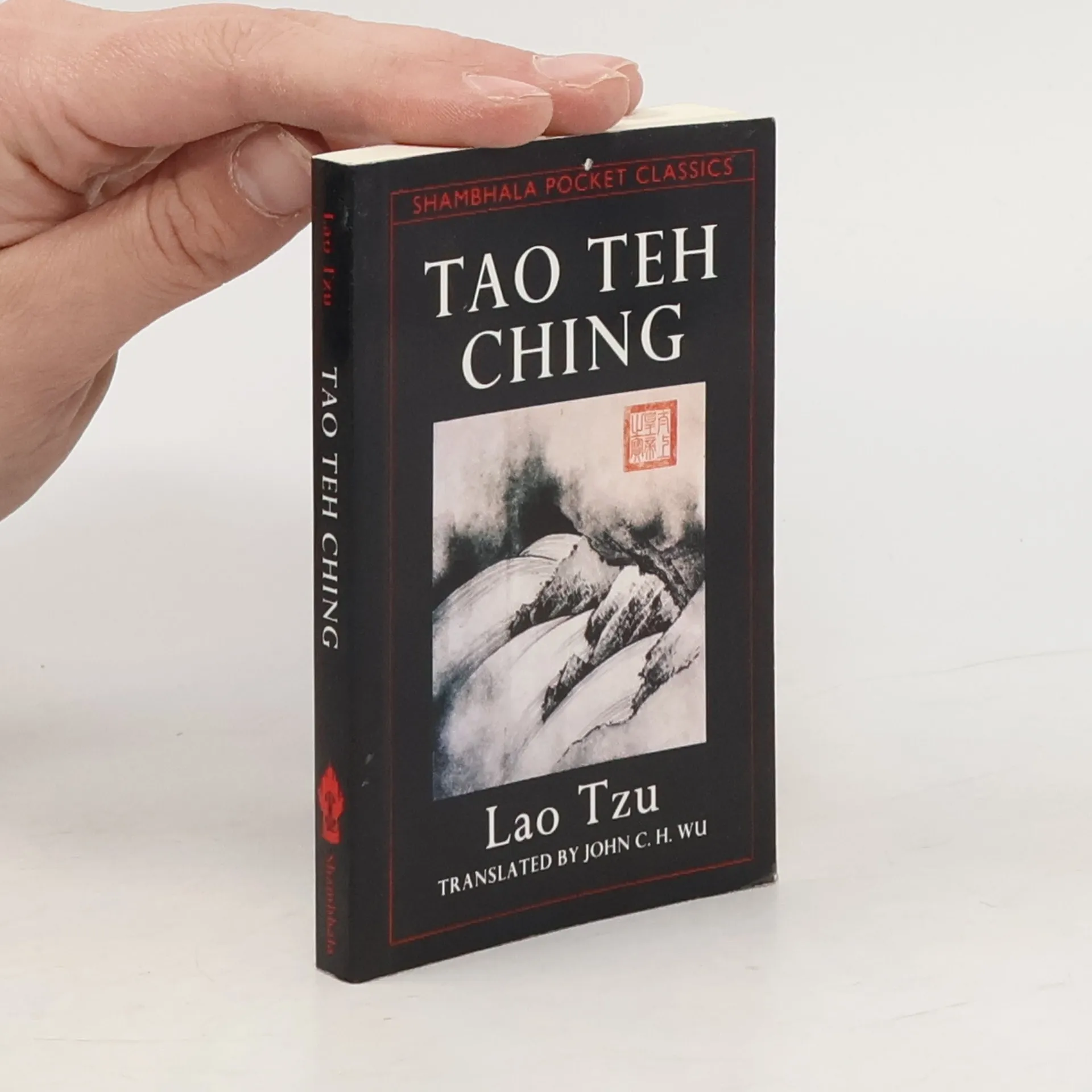
The most widely known and read Chinese classic in the West, the Tao Teh Ching is a series of insightful comments on life and nature. Part poetry, part paradox, always forceful and profound, the Tao Teh Ching has been leading its readers to expand their view of life since it was written over two thousand years ago. The Tao Teh Ching teaches that the qualities of the enlightened sage or ideal ruler are identical with those of the perfected individual. This lucid translation demonstrates that these teachings are as useful in the arts of leadership as they are in developing a sense of balance and harmony in everyday life. John C. H. Wu has done a remarkable job rendering this difficult and subtle text into English while retaining the freshness and depth of the original. This edition features the Chinese text alongside the English translation. The Shambhala Library is a series of exquisitely designed and produced cloth editions of the world's spiritual and literary classics, both ancient and modern. Perfect for collecting or as gifts, each volume features a sewn binding, decorative endsheets, and a ribbon marker—a delightful-to-hold 4 ¼ x 6 ¾ trim size.
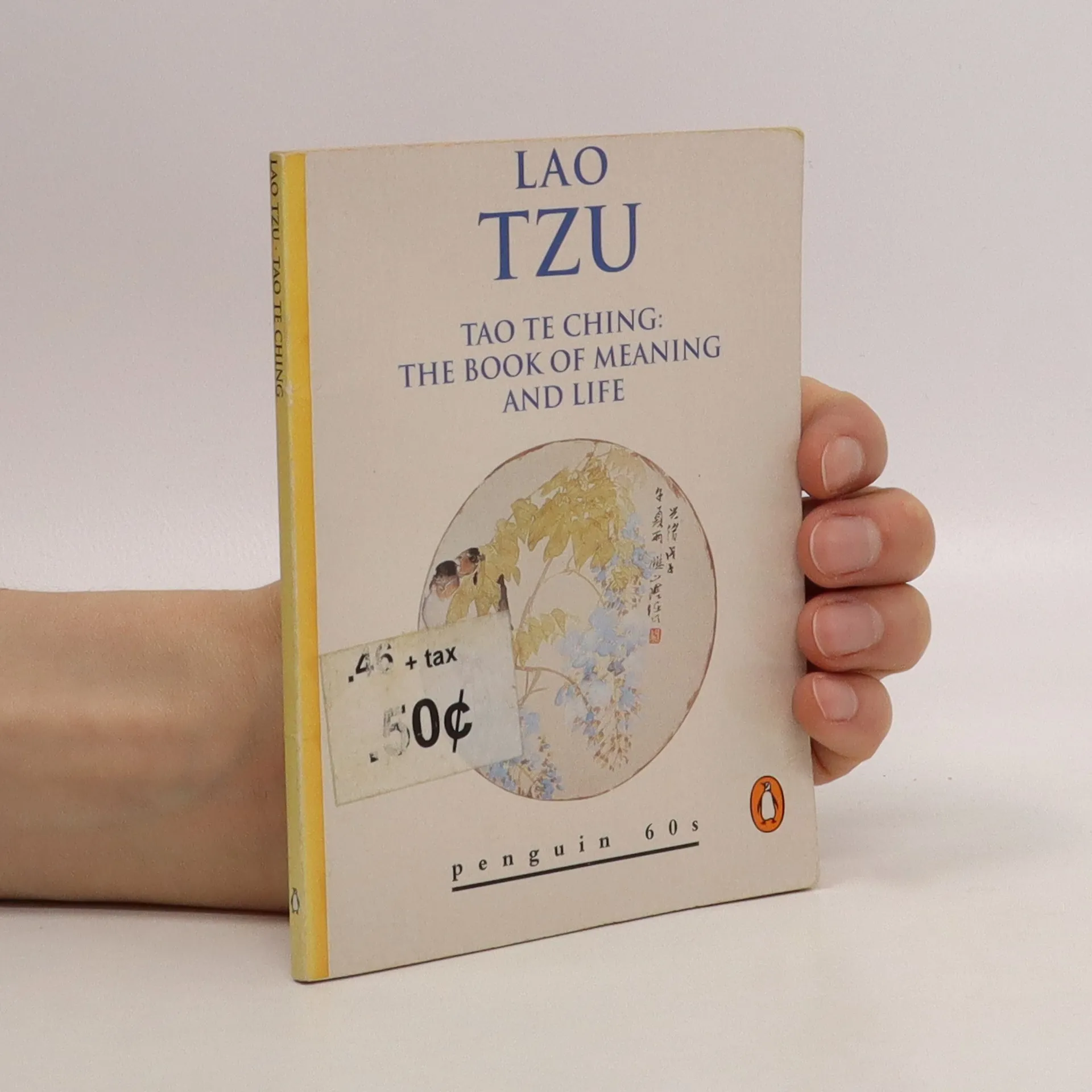
The Tao Te Ching is one of the world's spiritual and philosophical classics. The 81 verses have distilled the wisdom of the sages, oracles and folk traditions of ancient China. They offer reflection and insight, and guides the reader towards personal growth and greater understanding. This version attempts to encapsulate the freshness and simplicity of the original Chinese text and make it relevant to our lives today.
"Tao Te Ching," also commonly known as "Lao Tzu," is perhaps the most important of Chinese classical texts, with an unparalleled influence on Chinese thought. This bilingual edition consists of two parts. The English text in Part One is a reprint of the earlier translation of the so-called "Wang Pi" text, first published by Penguin Books in 1963. Part Two is the fresh translation of a text which is a conflation of two manuscripts of the "Lao Tzu," dating at the latest from the early Western Han and discovered at Ma Wang Tui in December 1973. The result is a text with a fuller use of particles, free from the scribal errors and editorial tampering of subsequent ages.
Jedno zo základných diel čínskej filozofie z pera zakladateľa taoizmu. V preklade najlepšej európskej ak nie svetovej prekladateľky z čínštiny Mariny Čarnogurskej. Prvé slovenské vydanie.
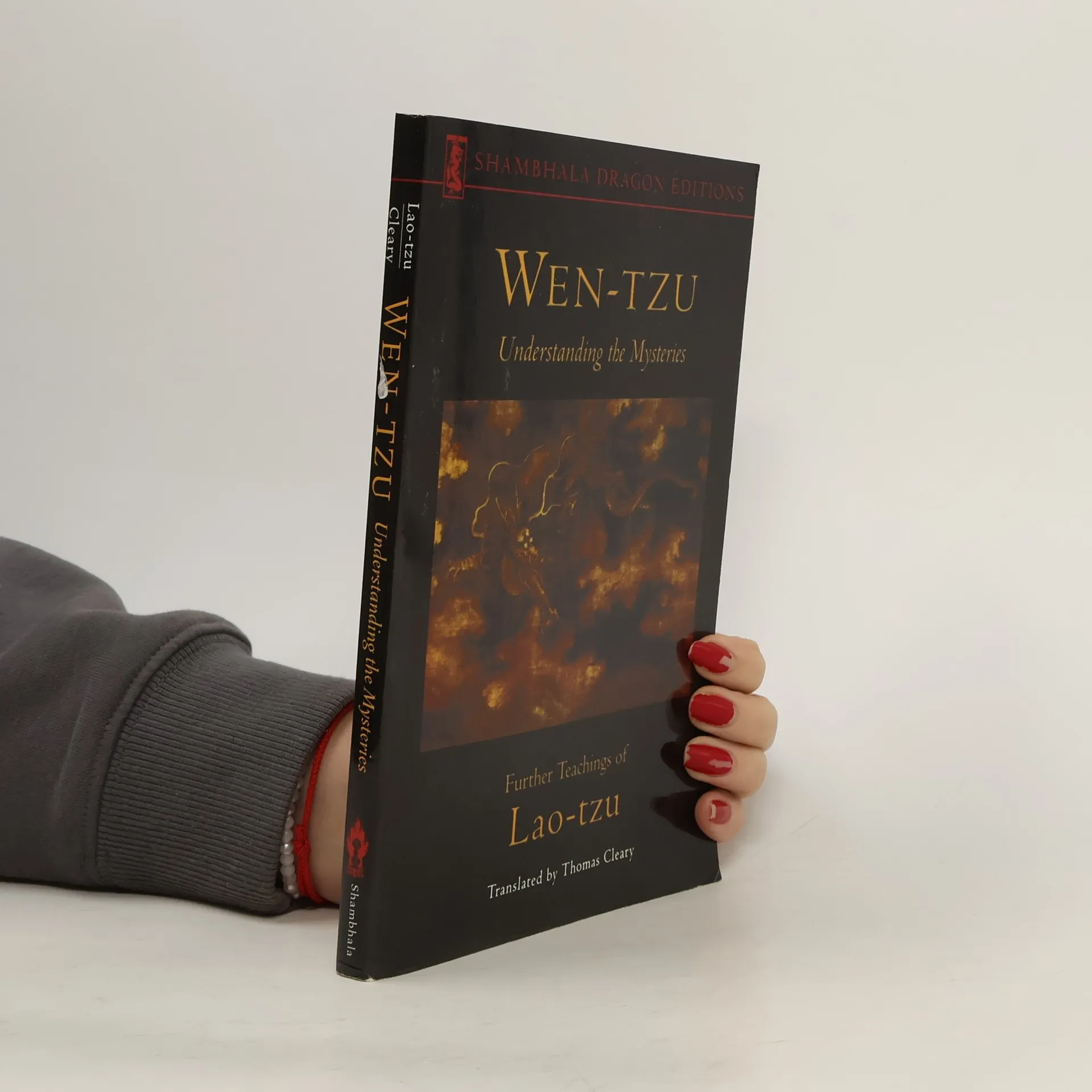
Lao-tzu, the legendary sage of ancient China, is traditionally considered to be the author of the Tao Te Ching, one of the most popular classics of world literature. Now Lao-tzu's further teachings on the Tao, or Way, are presented here in the first English translation of the Chinese text known as the Wen-tzu. Although previously ignored by Western scholars, the Wen-tzu has long been revered by the Chinese as one of the great classics of ancient Taoism. In it, Lao-tzu shows that the cultivation of simplicity and spontaneity is essential to both the enlightened individual and the wise leader. This timeless work will appeal to a broad audience of contemporary readers who have come to consider Lao-tzu's Tao Te Ching a classic on the art of living.
Een nieuwe vertaling, gebaseerd op de recent ontdeke Ma-wang-tui teksten
Verzameling teksten van de Chinese wijsgeer (geb. 273 vóór Chr.).
Contains the same material as the 1961 printing published by St. John's University Press with the exception that the Chinese version of the text has been removed.
Kniha má 81 textů a je rozdělena na dvě části. První část se zabývá otázkami ontologie, metafyziky a světatvorby, druhá část pojednává zejména o politické tematice, zabývá se správnou vládou, některé části (například kapitola 80) jsou zcela utopické.
Jedno ze základních děl čínské filosofie z pera zakladatele taoismu, jenž žil v 5.století před Kr. (nový překlad, 180 stran). Mistrovské dílo Lao-c není zobrazením abstraktního myšlení, je to druh myšlení, jenž představuje protipól logiky. Tao je pojmem neporovnatelným s evropskou představou božstva; je to pojmově nepostižitelný absolutní princip, jímž se řídí bytí, a tím i svět. Hlavní myšlenkou jeho spisu je, jak může malý stát a malý člověk přežít ve světě vražedných, soupeřících mocností. Je to snaha nalézt skutečný princip věcí, jenž dává šanci uniknout nebezpečí, a autor nalézá dva hlavní koncepty; Cesta, kterou kráčí mudrc, a Síla v něm, která mu pomáhá po této Cestě kráčet.
The Tao Teh King (Tao Te Ching) forms the fundamental core of modern Taoist philosophy and has informed the beliefs and mode of life of the people of China for 2500 years. For all those who seek peace, contentment, harmony and balance in life, the Tao Teh King is an indispensable resource. Lao Tse's words speak directly to the heart with simple, direct and profound wisdom addressing the core principles of the art of living well.The translation and commentary presented here was completed between 1921 and 1923 and serialized in the periodical magazine The Theosophical Quarterly. The society responsible for the periodical was dissolved some fifteen years later, leaving this translation to lay dormant these many years. It is reproduced verbatim, but with an adjustment in formatting-providing the translation itself, in whole, prior to the commentary-the addition of a foreword, and of additional notes.Charles Johnston's article on the Religion of China, reproduced in this volume, demonstrates the depth of his understanding not only of Ancient China and its religious life, but of its place in the larger context of human religious thought. This wider contextual grasp lends itself to a much more expansive commentary upon the Tao Teh King than we commonly find, as Johnston is able to draw many parallels to other world-teachings, some of which the student may be more intimately familiar.