



Knihobot

Bruno Latour

    22. červen 1947 – 9. říjen 2022

    Bruno Latour byl vlivný filozof a antropolog, jehož práce se zabývala zkoumáním vztahu mezi lidmi a světem kolem nás. Jeho interdisciplinární přístup propojoval sociologii, antropologii a vědecká studia a zpochybňoval tradiční dichotomy, jako je příroda versus kultura. Latour neúnavně zkoumal, jak jsou naše moderní přesvědčení a společenské struktury formovány materiálními a nemateriálními entitami, které často považujeme za samozřejmé. Jeho dílo vybízí k novému pohledu na to, jak vnímáme a interagujeme s okolním světem.

    Bruno Latour
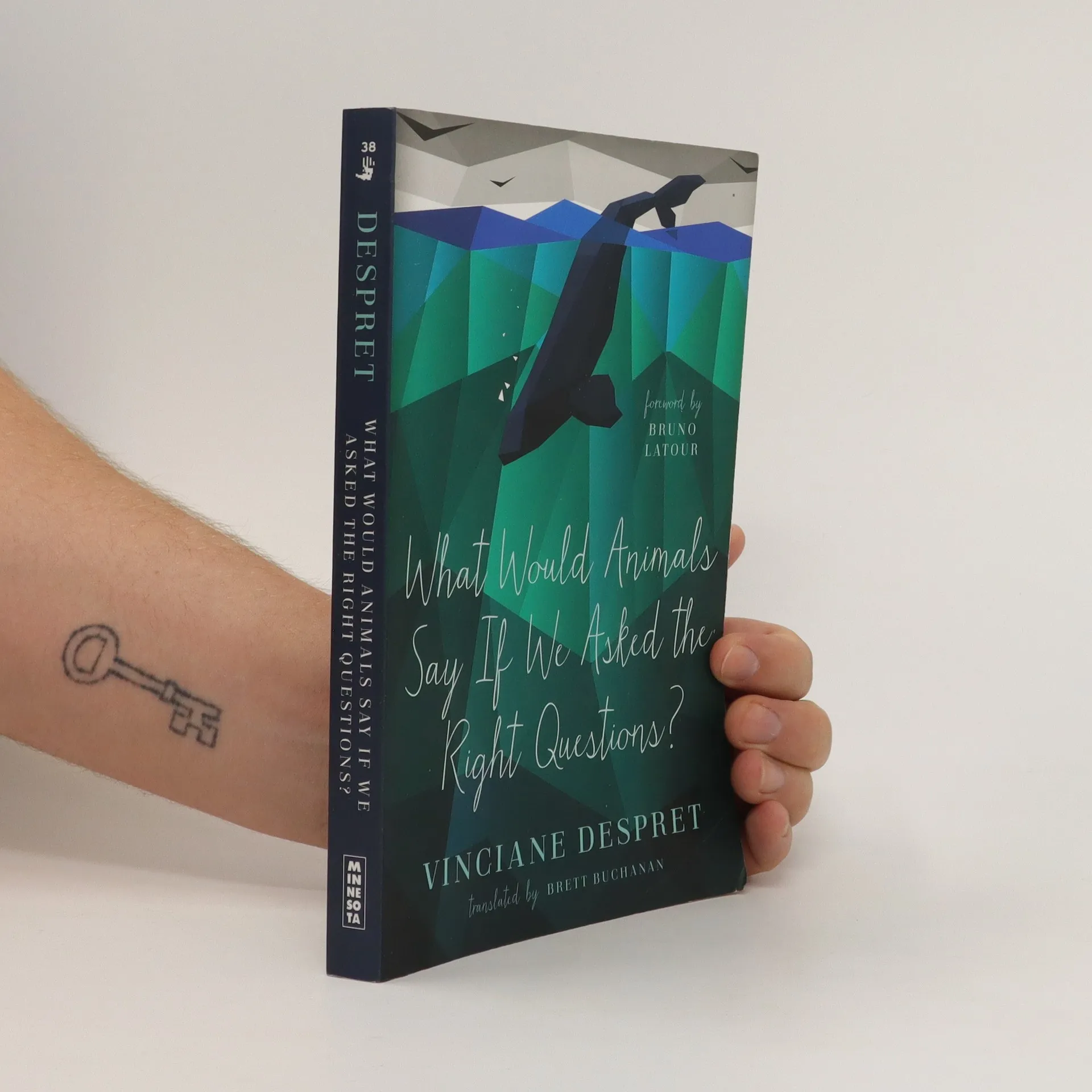
    What would animals say if we asked the right questions?
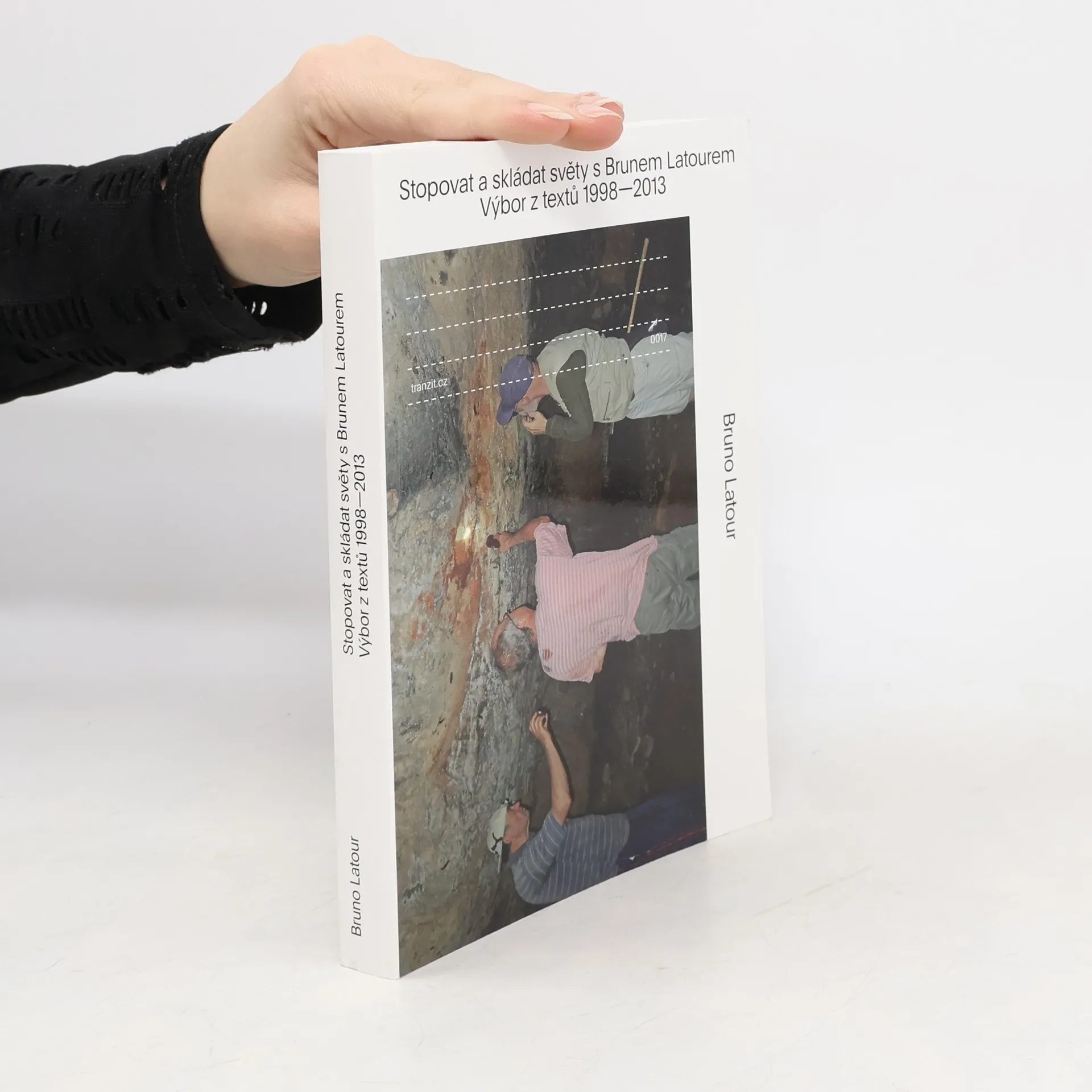
    Stopovat a skládat světy s Brunem Latourem: Výbor z textů 1998-2013
    Kde to jsem? Poučení z lockdownu pro pozemšťany
    Zpátky na zem: Jak se vyznat v politice Nového klimatického režimu
    Memorandum o nové ekologické třídě
    Vyjasňování : pět rozhovorů s Brunem Latourem
    • Rozhovory shrnuté pod názvem Vyjasňování spolu vedli Michel Serres (1930–2019) a Bruno Latour (1947–2022) na začátku 90. let. O generaci mladší Latour se v nich staršího filosofa s respektem dotazuje na pozadí jeho díla i života a zároveň se neústupně dožaduje vyjasnění jeho rozsáhlého a složitého myšlenkového světa. Vznikl tak napínavý dialog, který od počátečního kroužení kolem východisek Serresova myšlení a jeho vztahu k epistemologii a dobovým filosofickým proudům dochází k pronikavému pohledu na současný svět, dotýká se otázky zla a morálky a dodnes neztrácí svou živost a aktuálnost. Michel Serres představuje zvláštní postavu francouzského myšlení, která stála stranou ústředních tendencí a diskuzí. Rozhovor poprvé vyšel v roce 1992, poté co Michel Serres vydal dvě ze svých ústředních knih – Přirozenou smlouvu (1990) a Poučeného třetího (1991). V první z nich se objevným způsobem věnuje ekologické problematice a v mnohém předznamenává pozdější ekologické myšlení, ve druhé zdůrazňuje důležitost všestranného vzdělání, které neopomíjí exaktní ani humanitní obory a staví na jejich propojení. Dílo Bruna Latoura v mnohém navazuje na tyto Serresovy podněty.

      Vyjasňování : pět rozhovorů s Brunem Latourem
      4,0
    • Memorandum o nové ekologické třídě

      • 88 stránek
      • 4 hodiny čtení

      Za jakých podmínek by mohla ekologie organizovat celkovou politiku a stát se více než jen okrajovým protestním hnutím? Může se postavit vedle liberalismu, socialismu, neoliberalismu a vzrůstajících neliberálních či neofašistických stran? Bruno Latour a Nikolaj Schultz ve svém textu, složeném ze sedmdesáti šesti bodů, argumentují, že environmentální hnutí musí získat ideologickou konzistenci a autonomii tím, že nabídne politický narativ, který uznává a efektivně představuje jeho projekt v kontextu sociálního konfliktu. Politická ekologie se musí smířit s nevyhnutelným rozdělením a poskytnout přesvědčivou kartografii konfliktů, které vytváří, aby definovala společný horizont kolektivního jednání. Latour a Schultz navrhují znovu použít termíny „třída“ a „třídní boj“, přičemž jim dávají nový význam v souladu s ekologickými zájmy současného klimatického režimu. Prosazují myšlenku nové ekologické třídy, která se sjednocuje na základě kolektivních zájmů v boji proti produktivismu a za ochranu obyvatelných podmínek planety. Kladou otázku, jak může vzniknout hrdá a sebevědomá ekologická třída, která podnikne účinné kroky k utváření naší společné budoucnosti?

      Memorandum o nové ekologické třídě
      4,0
    • Ekologická proměna, jíž jsme dnes svědky, už celých posledních třicet let ovlivňuje naši politickou krajinu. To vysvětluje i vražedný koktejl prudce narůstajících nerovností, masivní deregulace a přeměny snu o globalizujícím se světě do noční můry pro většinu lidí na světě. Tyto tři fenomény spojuje přesvědčení mnoha mocných lidí. Nepopírají, že ekologická hrozba je reálná. Patrně ale došli k závěru, že nejlépe bude přestat předstírat, že sdílejí společnou budoucnost se zbytkem světa. A tak se stěhují do daňových rájů a masivně investují do popírání klimatické změny. Levice k této nové situaci obrací svoji pozornost s velkým zpožděním. V převážné míře se stále organizuje podle osy, která začíná od investice do lokálních hodnot a jde vstříc naději v globalizaci. V momentě, kdy lidé po celém světě začínají být nespokojení s ideálem modernity, se vrací zpátky k obraně národních a etnických hranic. Toto je důvod, proč je naléhavě potřeba udělat krok stranou a definovat politiku, která bude směřovat k Zemi a nikoli ke globální nebo národní perspektivě. Je potřeba znovu promýšlet a pečlivě popsat, co obnáší přináležet k určitému teritoriu. Naší největší výzvou ovšem je naučit se nově obývat Zemi. Úkolem současné politiky je dostat nás zpátky na zem.

      Zpátky na zem: Jak se vyznat v politice Nového klimatického režimu
      3,8
    • Po otřesných zkušenostech s pandemií covid-19 a s lockdownem hledají státy i jednotlivci způsoby, jak se z krize dostat, a mnozí doufají, že se co nejdříve vrátí ke „světu, jaký byl před pandemií“. Existuje však i jiný způsob, jak si z této těžké zkoušky vzít ponaučení: jako obyvatelé Země možná nakonec nebudeme schopni opustit lockdown tak snadno, protože globální zdravotní krize je zakotvena v jiné větší a závažnější krizi - krizi způsobené Novým klimatickým režimem. Naučit se žít v lockdownu může být příležitostí, kterou je třeba využít: generální zkouškou na klimatickou mutaci, příležitostí konečně pochopit, kde my - obyvatelé Země, pozemšťané - žijeme, co je to za místo „Země“ a jak se budeme moci v tomto světě v příštích letech orientovat a existovat. Možná budeme konečně schopni prozkoumat zemi, v níž žijeme, společně se všemi ostatními živými bytostmi, začít chápat skutečnou povahu klimatické mutace, kterou prožíváme, a objevit, jaký druh svobody je možný - svobody jinak situované a jinak chápané.Bruno Latour v tomto pokračování svého bestselleru Zpátky na zem poskytuje kompas pro tuto nezbytnou změnu orientace našich životů a nastiňuje metafyziku omezení a rozvolnění, s níž se všichni budeme muset vyrovnat v důsledku podivné doby, v níž žijeme.

      Kde to jsem? Poučení z lockdownu pro pozemšťany
      3,5
    • Kniha zachycuje myšlení autora v jeho výzkumném záběru od studií vědy a technologií přes analýzu povahy reprezentace v umění a náboženství po nejsoučasnější texty zabývající se globálním oteplováním či vědou a politikou v období antropocénu, kdy se lidstvo stává klíčovým geologickým činitelem na Zemi. Je to právě i tento široký záběr, který činí Bruno Latoura jednou z klíčových postav současných společenských věd a inspirátora uměleckých projektů.

      Stopovat a skládat světy s Brunem Latourem: Výbor z textů 1998-2013
    • You are about to enter a new genre of scientific fables, which aim to reveal the complexities of understanding animal behavior. Is it acceptable to urinate in front of animals? What does it signify when a monkey throws feces? This book presents twenty-six questions that challenge our assumptions about animal behavior and cognition. Through an engaging abecedarium of chapters, Vinciane Despret explores remarkable and often humorous interactions between animals and humans—researchers, farmers, zookeepers, and handlers. Do animals possess a sense of humor? The stories illustrate that animals often delight in perplexing even the most knowledgeable experts, prompting them to develop new hypotheses that reveal animals' intelligence. These accounts encourage readers to engage with both ethology and philosophy, blending serious scholarship with humor that appeals to all. With a foreword by renowned philosopher Bruno Latour, this work is essential not only for specialists but also for general readers, including dog owners, who will gain a fresh perspective on their canine companions.

      What would animals say if we asked the right questions?
      4,3
    • Iconoclash

      • 703 stránek
      • 25 hodin čtení

      The Taliban destroyed the monumental Buddha statues of Bamiyan, raising questions about why images provoke such intense passions and why generations of iconoclasts have been driven by hatred and fanaticism. On the other side of the prohibition of images lies the veneration of images, the fascination with them, and their mass proliferation, leading to a situation where images overwhelm one another in their abundance.

      Iconoclash
      4,2
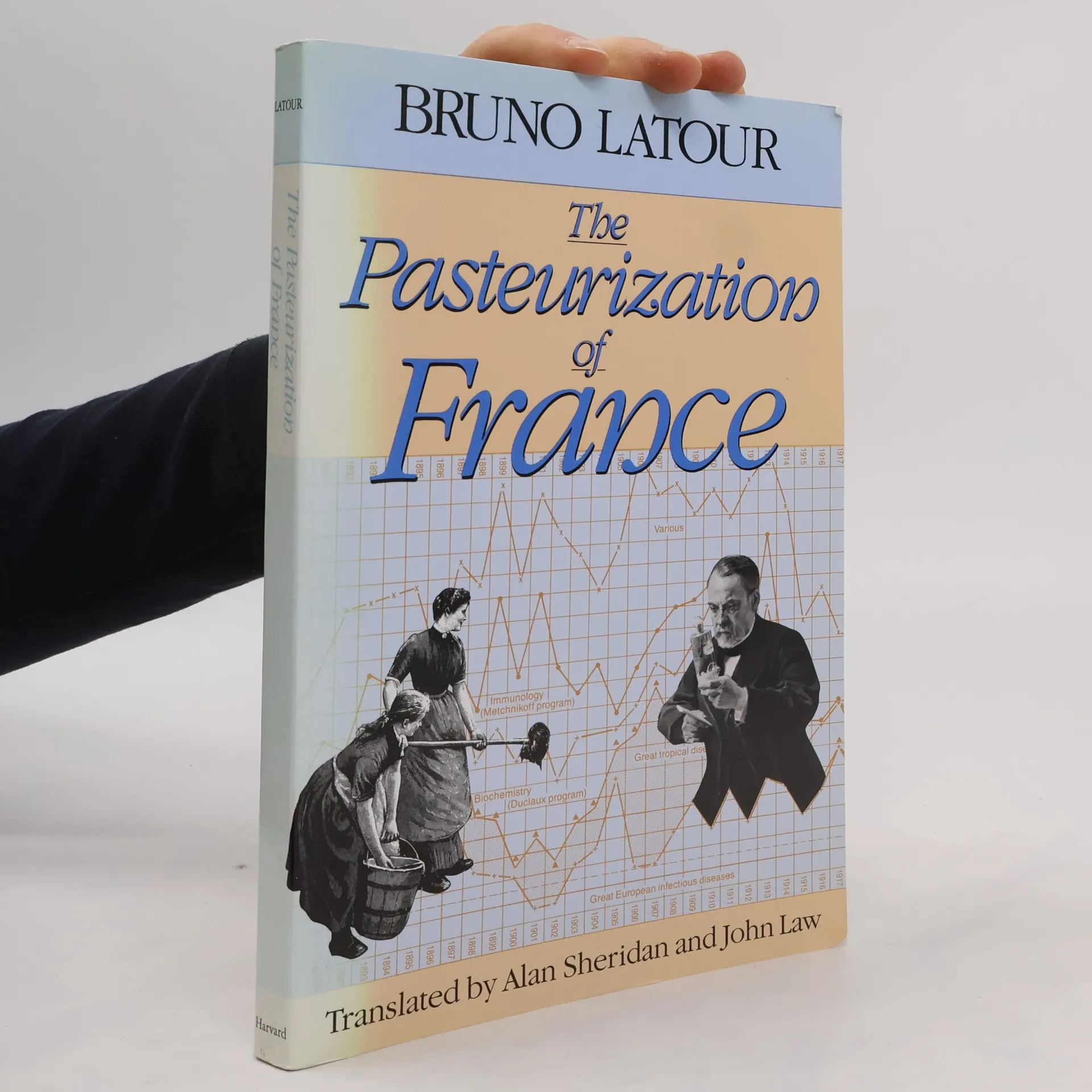
    • The Pasteurization of France

      • 292 stránek
      • 11 hodin čtení

      Describes Pasteur's roles in improving health practices in France and identifies the other forces that helped implement his ideas about health care.

      The Pasteurization of France
      4,1
    • Science in Action

      • 288 stránek
      • 11 hodin čtení

      From weaker to stronger rhetoric : literature - Laboratories - From weak points to strongholds : machines - Insiders out - From short to longer networks : tribunals of reason - Centres of calculation.

      Science in Action
      4,1
    • Pandora's Hope

      • 336 stránek
      • 12 hodin čtení

      A scientist friend asked Bruno Latour point-blank: “Do you believe in reality?” Taken aback by this strange query, Latour offers his meticulous response in Pandora’s Hope. It is a remarkable argument for understanding the reality of science in practical terms.In this book, Latour, identified by Richard Rorty as the new “bête noire of the science worshipers,” gives us his most philosophically informed book since Science in Action. Through case studies of scientists in the Amazon analyzing soil and in Pasteur’s lab studying the fermentation of lactic acid, he shows us the myriad steps by which events in the material world are transformed into items of scientific knowledge. Through many examples in the world of technology, we see how the material and human worlds come together and are reciprocally transformed in this process.Why, Latour asks, did the idea of an independent reality, free of human interaction, emerge in the first place? His answer to this question, harking back to the debates between Might and Right narrated by Plato, points to the real stakes in the so-called science wars: the perplexed submission of ordinary people before the warring forces of claimants to the ultimate truth.

      Pandora's Hope
      4,0
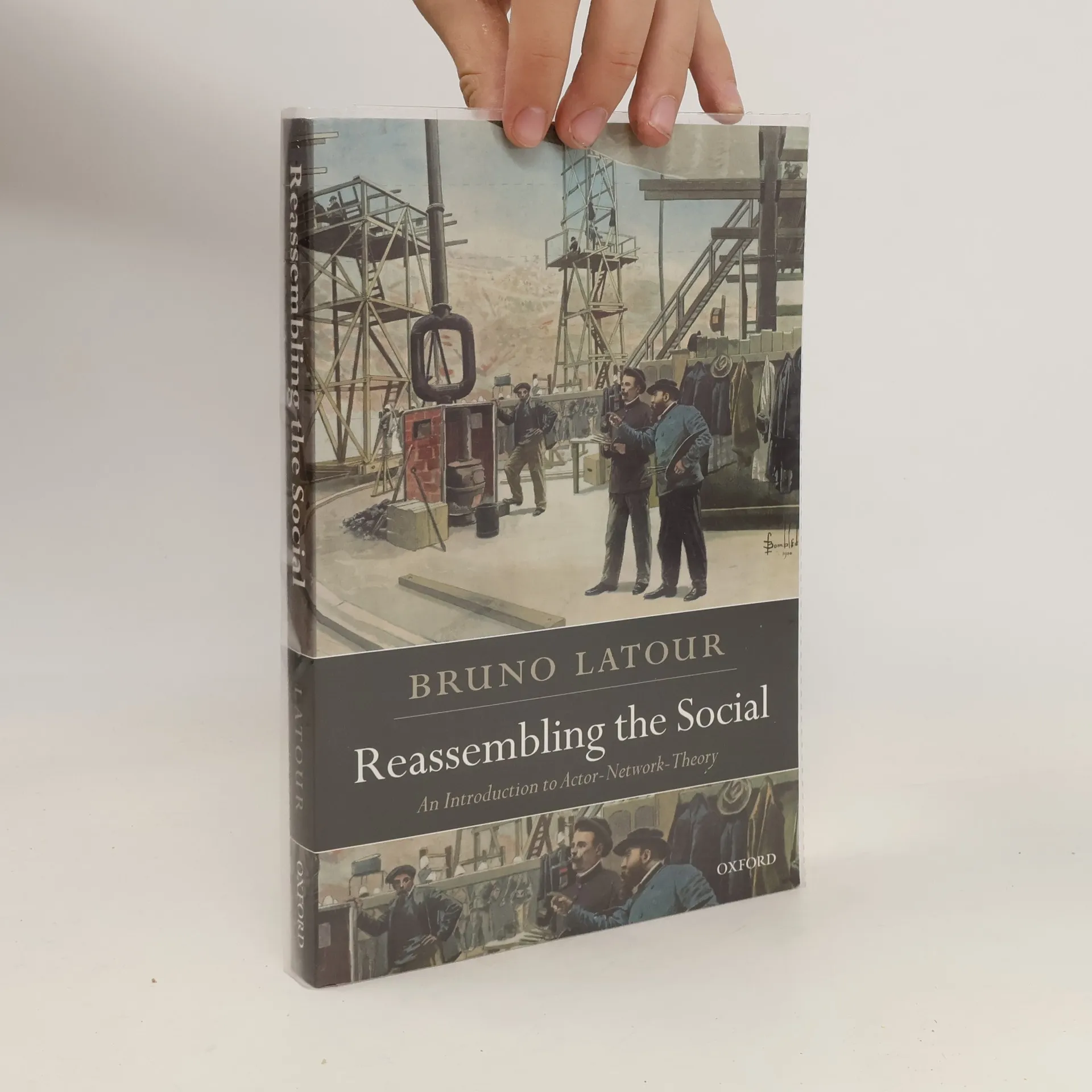
    • Reassembling the Social

      • 328 stránek
      • 12 hodin čtení

      Latour is a world famous and widely published French sociologist known for his acclaimed writings on the relationship between people, science, and technology. His views have crystallized as 'Actor-Network-Theory' (ANT). This book is the first concise account Latour has written about ANT, with which he has come to be so closely associated with.

      Reassembling the Social
      4,0
    • Building on his earlier book We Have Never Been Modern, Bruno Latour develops his argument about the Modern fetishization of facts, or the creation of factishes.

      On the Modern Cult of the Factish Gods
      3,9
    • How to Inhabit the Earth

      • 112 stránek
      • 4 hodiny čtení

      In a series of televised interviews in spring 2022, Bruno Latour explained, in clear and straightforward terms, how humans have changed the planet and why environmental disasters are an intrinsic part of modern life. We have now come to realize that all life depends on a thin skin of our planet that is only few kilometres thick - what scientists call the 'critical zone'. Our capacity to continue to live on a planet we are transforming is now at risk and if we wish to survive as a species, we must put an end to the mechanisms of destruction, rethink our connection to living beings and face head-on the confrontation between the extractivists who are exploiting the Earth's resources and the ecologists. This poignant reflection on the greatest challenge of our time is also an opportunity for Latour to explain the underlying thread that guided his work throughout his career, from his pathbreaking research on the social construction of scientific knowledge to his last writings on the Anthropocene.

      How to Inhabit the Earth
      3,8
    • If we lose the Earth, we lose our souls

      • 110 stránek
      • 4 hodiny čtení

      In this book Bruno Latour calls upon Christians to join the struggle to avert a climate catastrophe. First and foremost, Christians need to overcome their lack of interest in ‘earthly things’ and pay attention to the Earth at a time when it is being neglected. He also urges Christians to renew their understanding of their faith in the context of the new image of the world that has emerged from Earth system science – that of a world in which the myriad of beings that inhabit the world are interdependent and living in close proximity on a slender, fragile membrane on the surface of the planet. This new image of the world cannot fail to have an impact on the sciences, on politics and on religion, just as, in earlier centuries, the cosmology of Copernicus and Galileo upset the old order. Latour sees the ecological crisis, and the cosmological mutation that it entails, as an opportunity to convey anew, to the largest possible audience, the tradition of Christianity as it has never been appreciated before, by bringing to bear the lessons of eschatology on the great crisis that looms before us all.

      If we lose the Earth, we lose our souls
      3,7
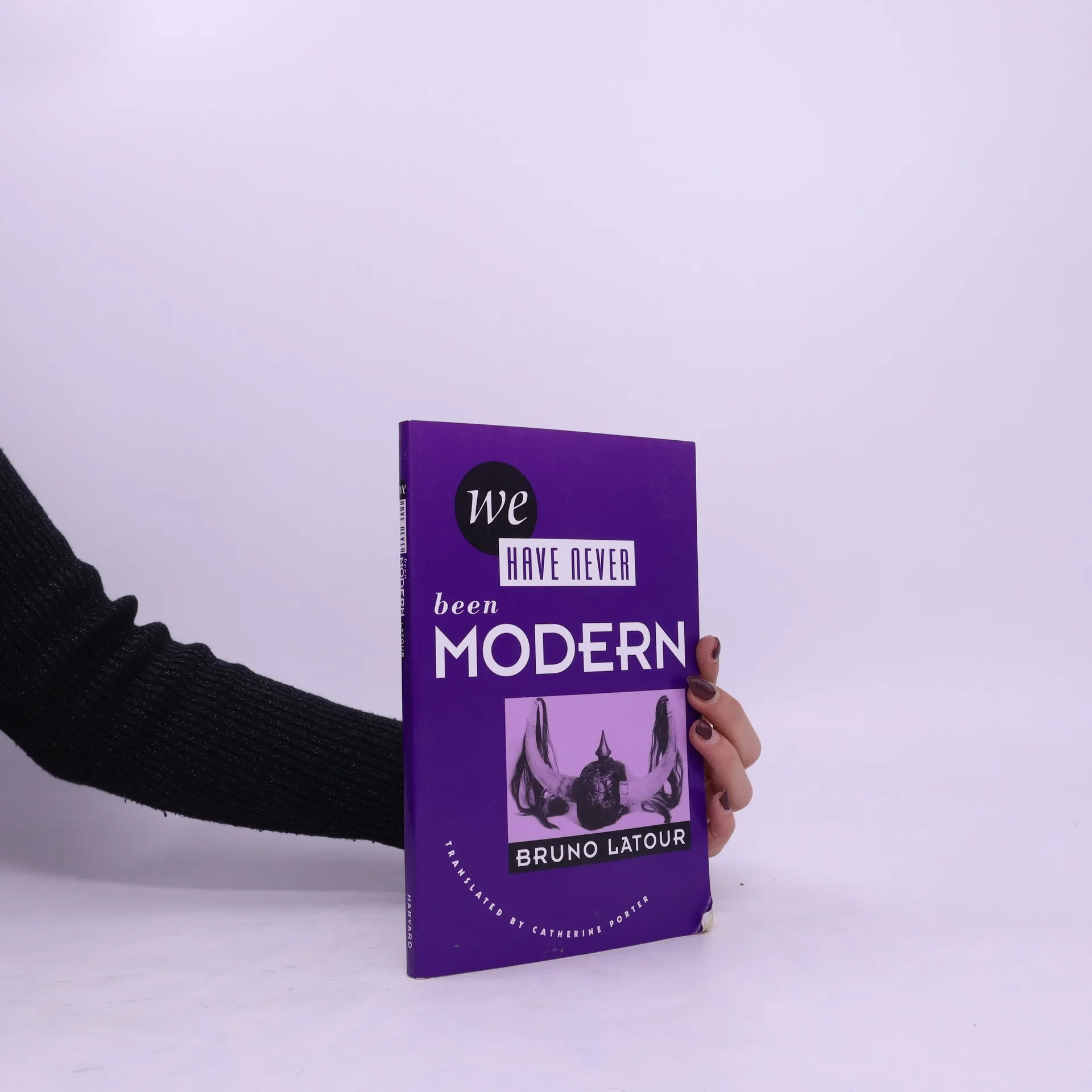
    • We have never been modern

      • 168 stránek
      • 6 hodin čtení

      With the rise of science, modern society believes it has irrevocably separated from its primitive ancestors. Bruno Latour challenges this notion, exploring what the world would look like if we reconsidered this belief. His anthropology of science reveals that much of modernity is rooted in faith. He questions what it truly means to be modern and the significance of the scientific method, highlighting our distinctions between nature and society, human and object—distinctions that our ancestors did not make in their worlds of alchemy and astrology. However, alongside this purifying practice of modernity exists a contrary one: the blending of politics, science, technology, and nature. Latour analyzes hybrid issues like the ozone debate, global warming, and deforestation, suggesting that as these hybrids multiply, maintaining separate categories for nature and culture becomes increasingly untenable. Instead of striving to keep them apart, he advocates for rethinking our distinctions and redefining modernity. His work offers a new perspective on science that acknowledges the connections between nature and culture, as well as between our culture and others, both past and present. Ultimately, it aims to preserve the valuable aspects of modernity while fostering a broader, more inclusive understanding of possibility.

      We have never been modern
      4,0
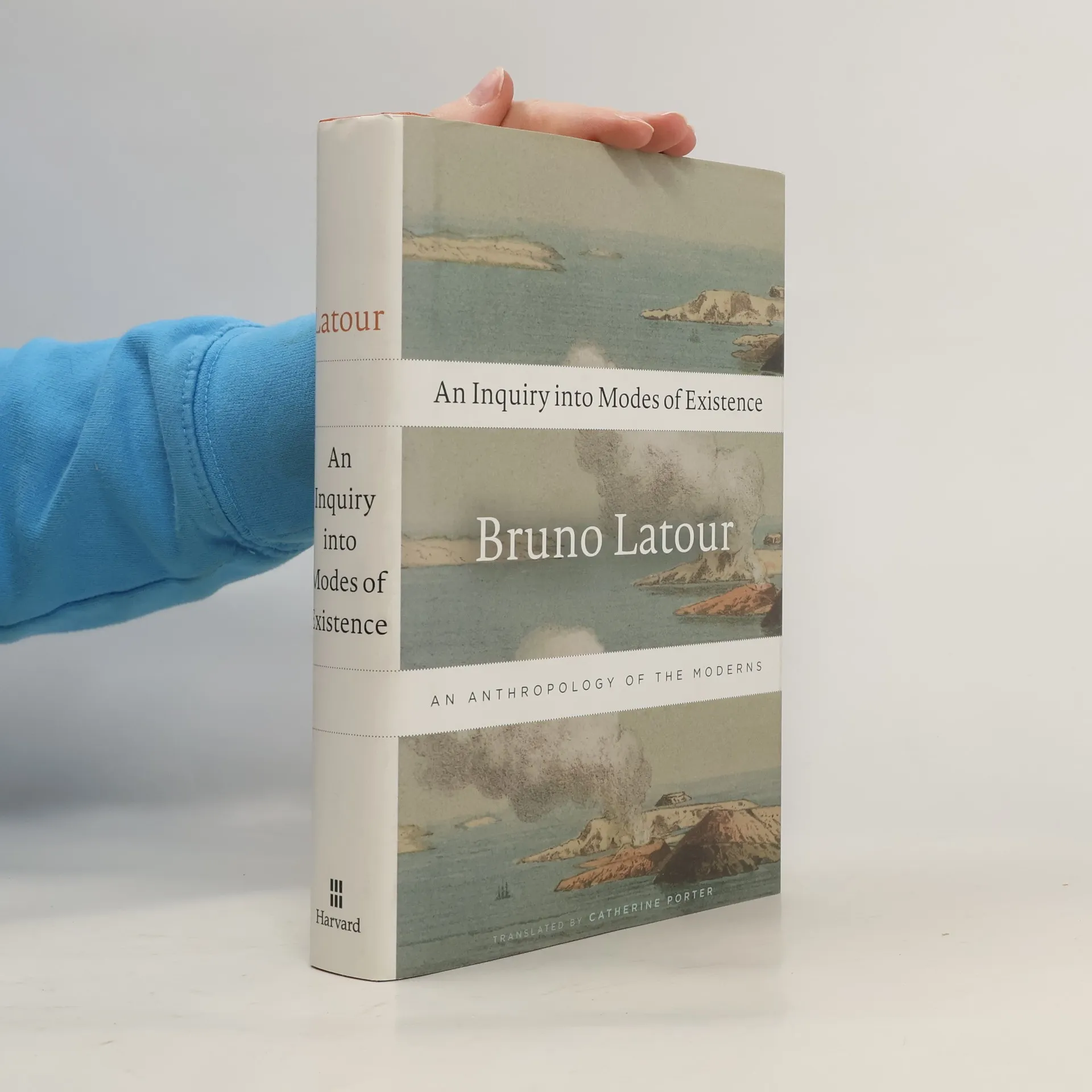
    • An Inquiry into Modes of Existence

      • 518 stránek
      • 19 hodin čtení

      In a new approach to philosophical anthropology, Bruno Latour offers answers to questions raised in We Have Never Been Modern: If not modern, what have we been, and what values should we inherit? An Inquiry into Modes of Existence offers a new basis for diplomatic encounters with other societies at a time of ecological crisis.

      An Inquiry into Modes of Existence
      4,0
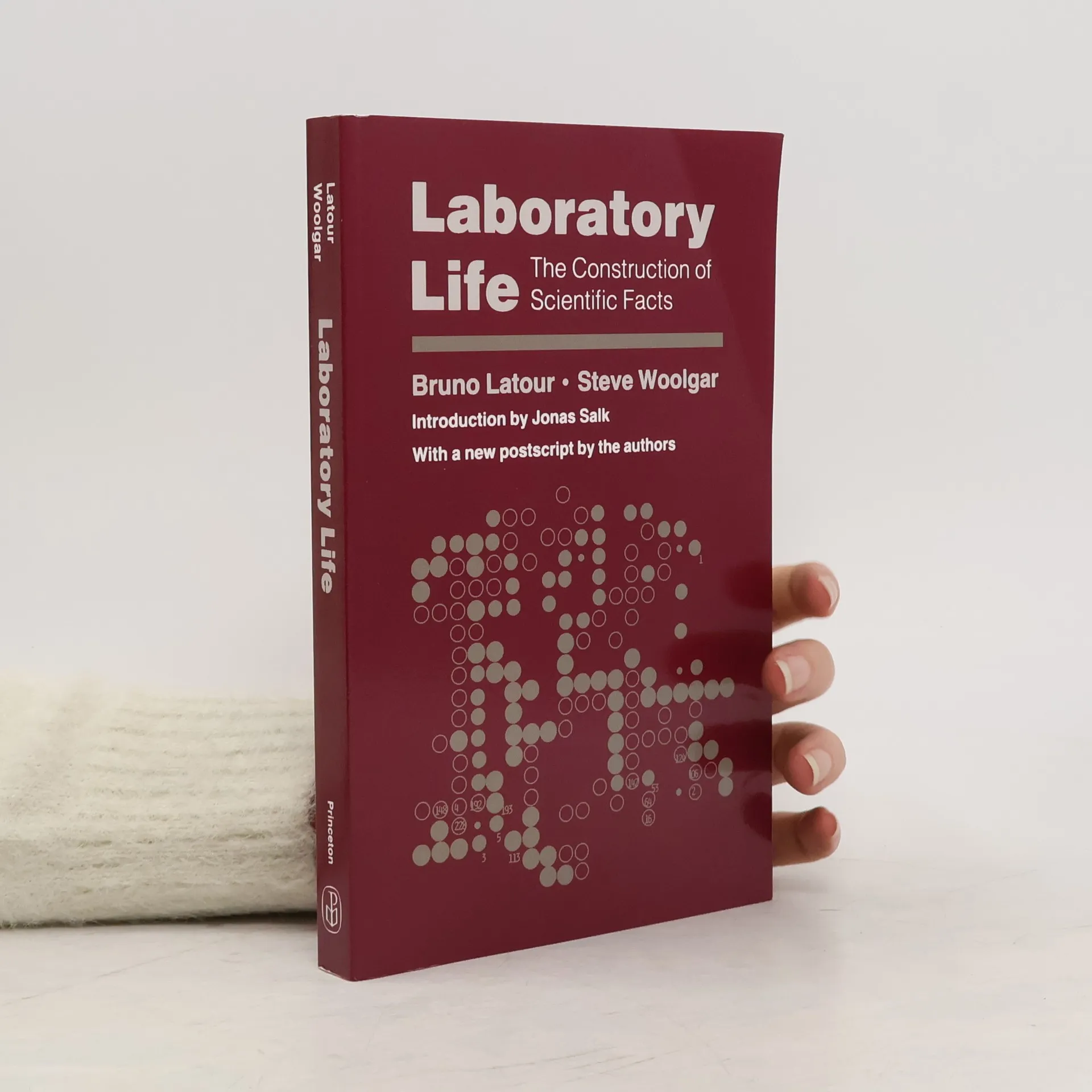
    • Presents laboratory science in a deliberately skeptical way: as an anthropological approach to the culture of the scientist. This book provides an important link between the sociology of modern sciences and laboratory studies in the history of science.

      Laboratory Life
      3,9
    • Facing Gaia

      • 300 stránek
      • 11 hodin čtení

      The emergence of modern sciences in the seventeenth century profoundly renewed our understanding of nature. For the last three centuries new ideas of nature have been continually developed by theology, politics, economics, and science, especially the sciences of the material world.

      Facing Gaia
      3,8
    • Signal. Image. Architecture.

      • 144 stránek
      • 6 hodin čtení

      Focusing on the intersection of technology and architecture, this volume explores the implications of computational images in modern architectural thought and practice. By rigorously examining the technical foundations and concepts of architecture, it offers a philosophical perspective on the discipline in the context of imaging. Rather than presenting a theory of architectural images, it provides a concise reflection on how these elements influence contemporary architectural discourse and design.

      Signal. Image. Architecture.
      3,8
    • A significant work by a leading thinker, this text establishes the conceptual framework for political ecology by reimagining ecological terms within a new philosophical context. The author provocatively states that political ecology has no relation to nature, which he views as a construct used to organize political order without proper process. He argues for the dissolution of the traditional divide between nature and society, advocating for a collective that includes both humans and nonhumans, grounded in real scientific practices. Challenging the fact-value distinction, the author critiques the political philosophy that emerges from this division, arguing it undermines democracy and scientific progress. He moves beyond modernist concepts of "mononaturalism" and "multiculturalism" to propose "multinaturalism," a dynamic collective shaped not by absolute expert reasoning but by adaptable "diplomats" open to experimentation. The text explores the complexities of assembling this collective, addressing the challenges of representation and the interplay between humans and nonhumans. It also discusses the need for new powers of representation and the skills required for collective governance. Ultimately, it questions how political ecology can revitalize public life, emphasizing that politics and nature are inseparable, and calls for a reimagined political landscape unbound by traditional constraints.

      Politics of nature : how to bring the sciences into democracy
      3,8
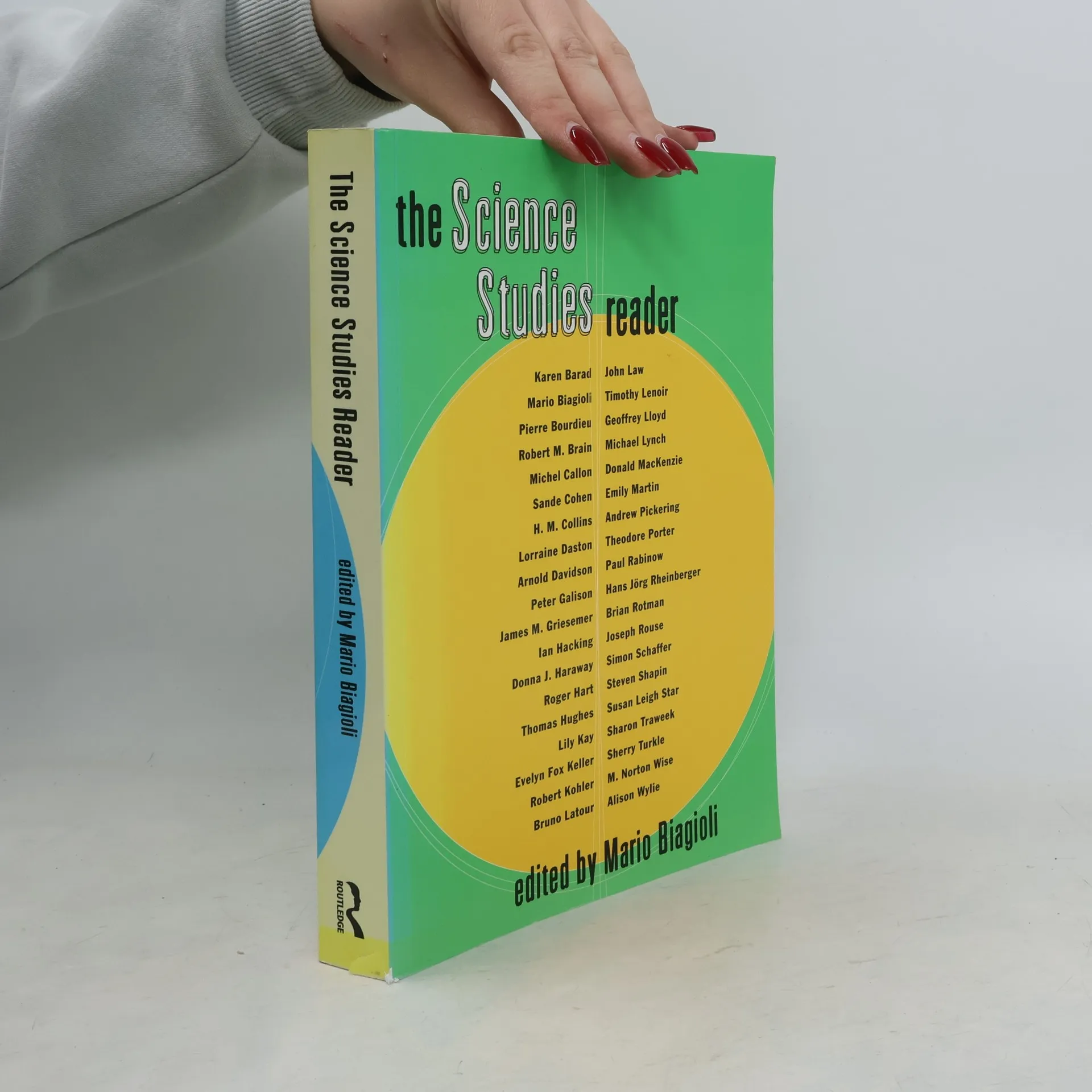
    • The Science Studies Reader

      • 590 stránek
      • 21 hodin čtení

      The Reader focuses on the practices of modern and contemporary science and technology located in different national and institutional settings, with some attention to non- Western contexts. By mapping some of the open questions and points of tension likely to occupy the field for years to come, the essays in the Reader cast fresh light on what "science" means at the end of the twentieth century.

      The Science Studies Reader
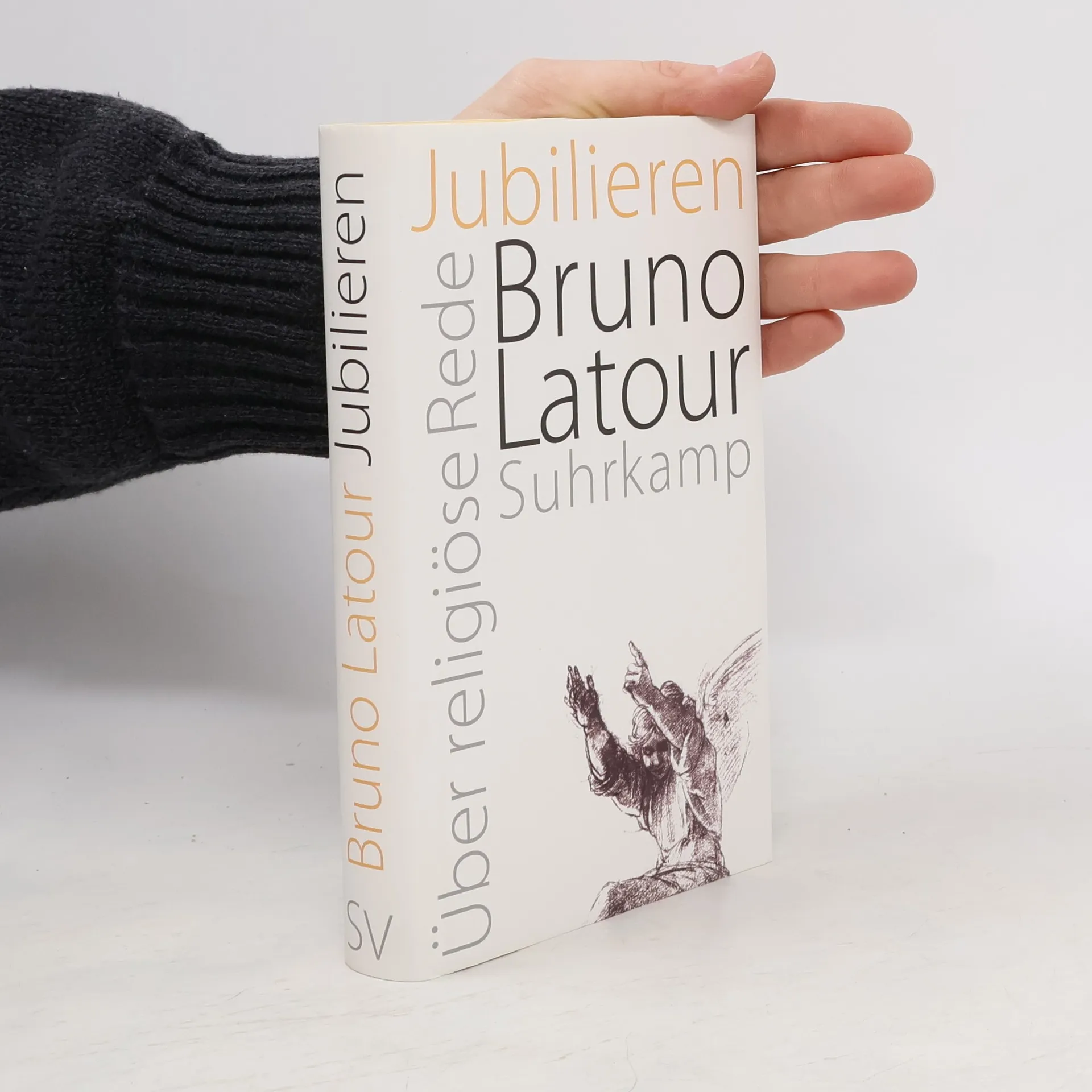
    • Jubilieren. Über religiöse Rede

      • 247 stránek
      • 9 hodin čtení

      Bruno Latours langfristiges Projekt besteht darin, die Bedingungen für Glück und Unglück der verschiedenen Werte zu vergleichen, die denjenigen, die „nie modern“ waren, am Herzen liegen. Seiner Meinung nach ist dies der einzige Weg, eine Anthropologie der Modernen zu entwickeln. Nach seinen Arbeiten zu Wissenschaft, Technologie und jüngst zum Recht untersucht dieses Buch die Wahrheitsbedingungen religiöser Sprechakte. Obwohl unbestritten ist, dass Religion eines der Werte ist, die im Laufe der Geschichte intensiv geschätzt wurden, ist es auch klar, dass es immens schwierig geworden ist, sich auf ihren hochspezifischen Modus der Äußerung einzustellen. Jeder Versuch, im richtigen Ton zu sprechen, klingt unbeholfen, reaktionär, fromm oder einfach leer. Daher ist es notwendig, eine Schreibweise zu entwickeln, die diese schwer fassbare Form der Rede in den Vordergrund rückt, um sie wieder hörbar zu machen. In diesem hochgradig originellen Buch bietet der Autor einen völlig anderen Ansatz zum endlosen Konflikt zwischen Wissenschaft und Religion, indem er beide vor der Verwirrung mit dem Begriff der Information schützt. Wie in „The Making of Law“ ist dieses Buch ein weiterer Versuch, diese „Untersuchung der Existenzmodi“ zu entwickeln, die eine alternative Definition von Gesellschaft bietet.

      Jubilieren. Über religiöse Rede
      4,0
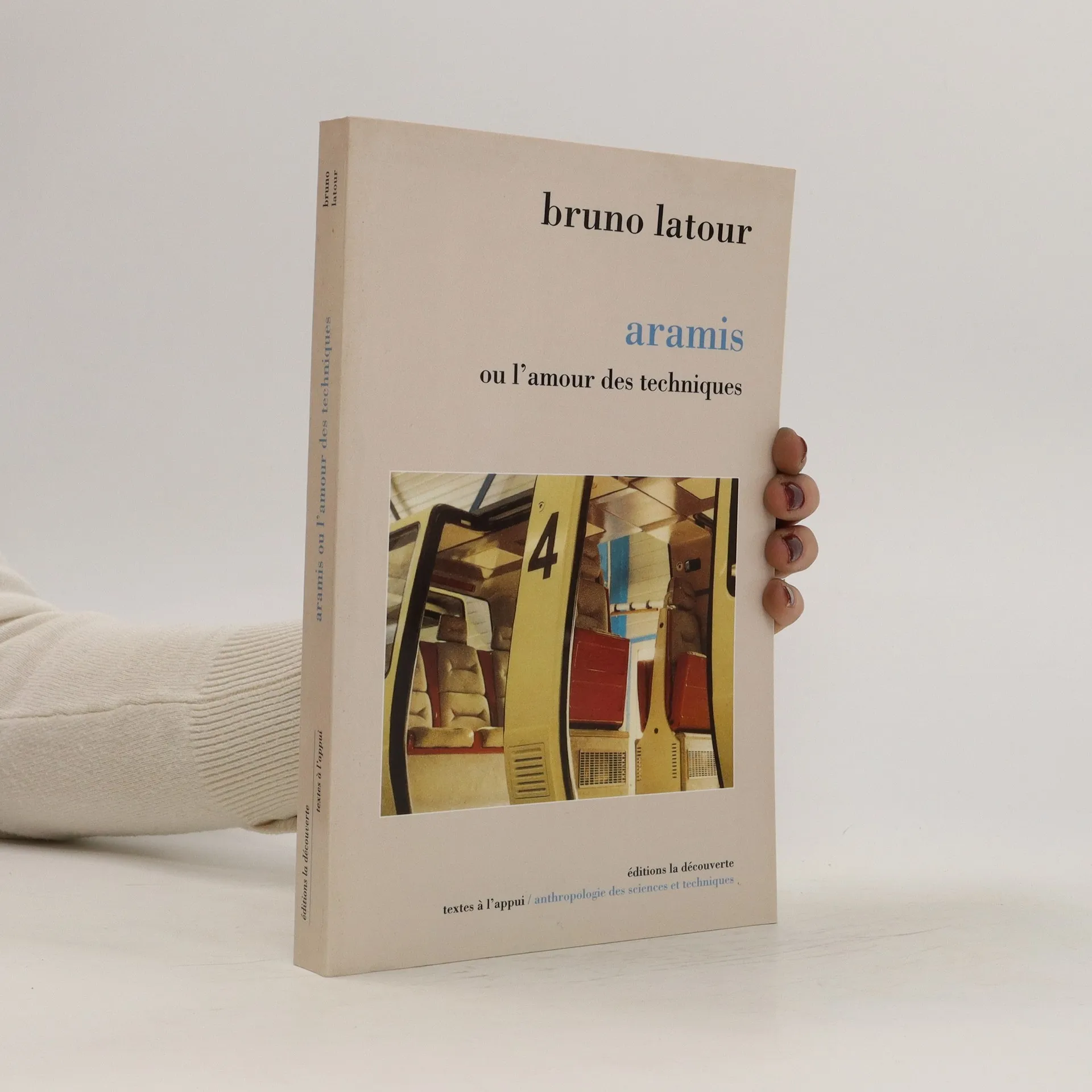
    • Un système de transport guidé destiné à Paris, Aramis représentait une avancée majeure dans le transport rapide personnel : il combinait l'efficacité d'un métro avec la flexibilité d'une automobile. Mais finalement, ses couplages électroniques se sont révélés trop complexes et coûteux, la volonté politique a échoué, et le projet est mort en 1987. L'histoire d'Aramis est racontée par plusieurs parties différentes, aucune ne prenant le pas sur une autre : un jeune ingénieur et son professeur, qui agissent comme des détectives pour découvrir les raisons de l'échec du projet ; des cadres d'entreprise et des élus ; un sociologue ; et enfin Aramis lui-même, qui délivre un plaidoyer passionné : l'innovation technologique a des besoins et des désirs, en particulier un désir de naître, mais ne peut vivre sans l'engagement soutenu de ceux qui l'ont créée.

      Aramis ou l'amour des techniques
      4,0
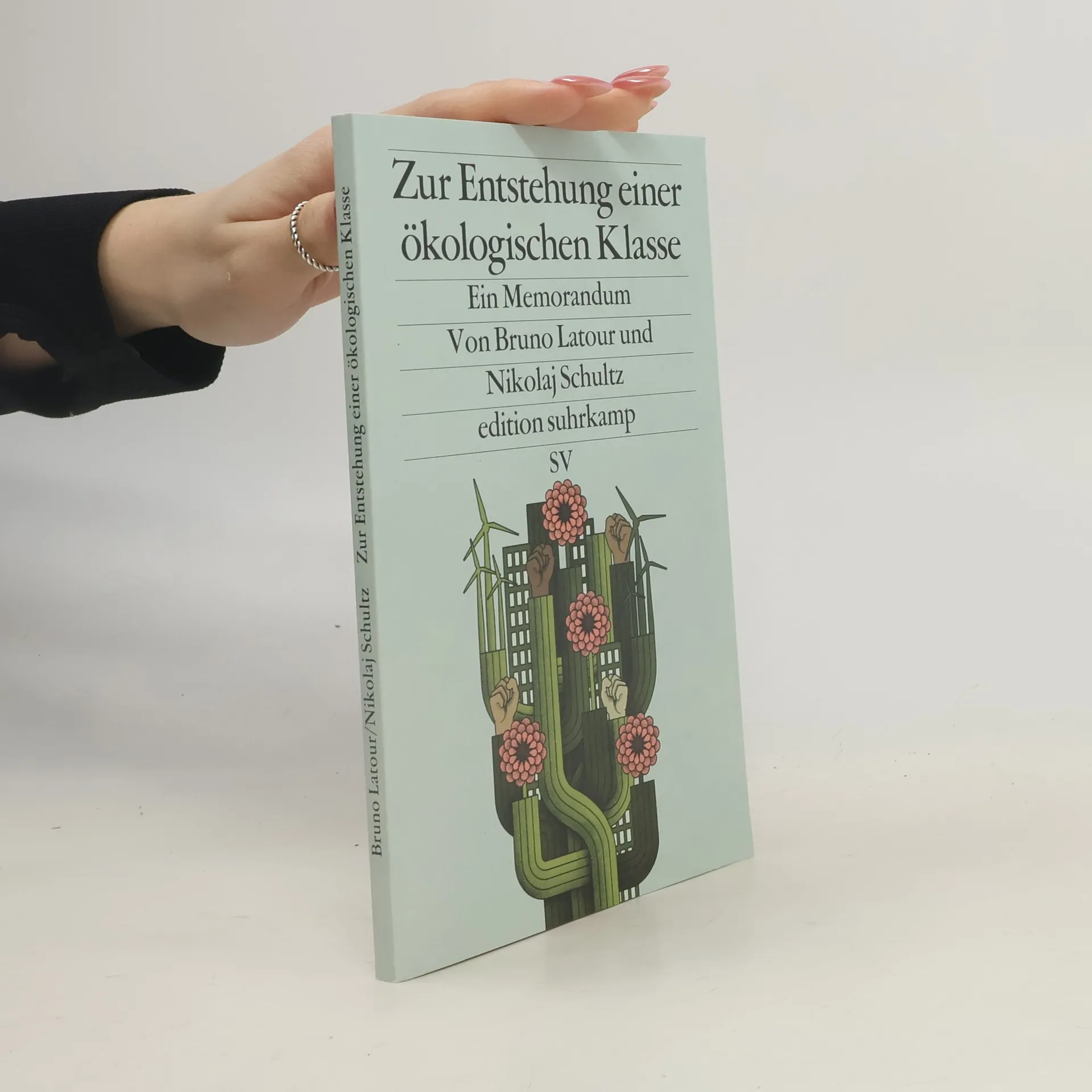
    • Zur Entstehung einer ökologischen Klasse

      Ein Memorandum | Wie gelingt politisches Handeln in Zeiten des Klimawandels?

      Die katastrophalen Folgen unseres Handelns für die Natur sind inzwischen bekannt. Doch die Emissionen steigen weiter. Gegen das Mantra vom wirtschaftlichen Wachstum wirken die Kassandrarufe junger Aktivist:innen oft ohnmächtig. Und während sich im Namen von Freiheit und Gleichheit einst Massen mobilisieren ließen, führt der Klimaschutz zu neuen Spaltungen. Man denke nur an die Gelbwestenproteste in Frankreich. Für Bruno Latour und Nikolaj Schultz ist klar: So wie einst die Arbeiterklasse den sozialen Fortschritt erkämpfte, bedarf es heute einer ökologischen Klasse, um den Klimawandel aufzuhalten. Wo Bewegungen wie Fridays For Future und lokale Organisationen oft getrennt agieren, plädieren die Soziologen für eine Politik, die den Schutz unserer Lebensgrundlagen ins Zentrum gemeinsamer Anstrengungen stellt. Die Geschichte der Menschen, hieß es bei Marx und Engels, sei die Geschichte von Klassenkämpfen. Kommt es nicht zur Entstehung einer ökologischen Klasse, so Latour und Schultz, wird die Menschheit keine Zukunft haben.

      Zur Entstehung einer ökologischen Klasse
      3,8
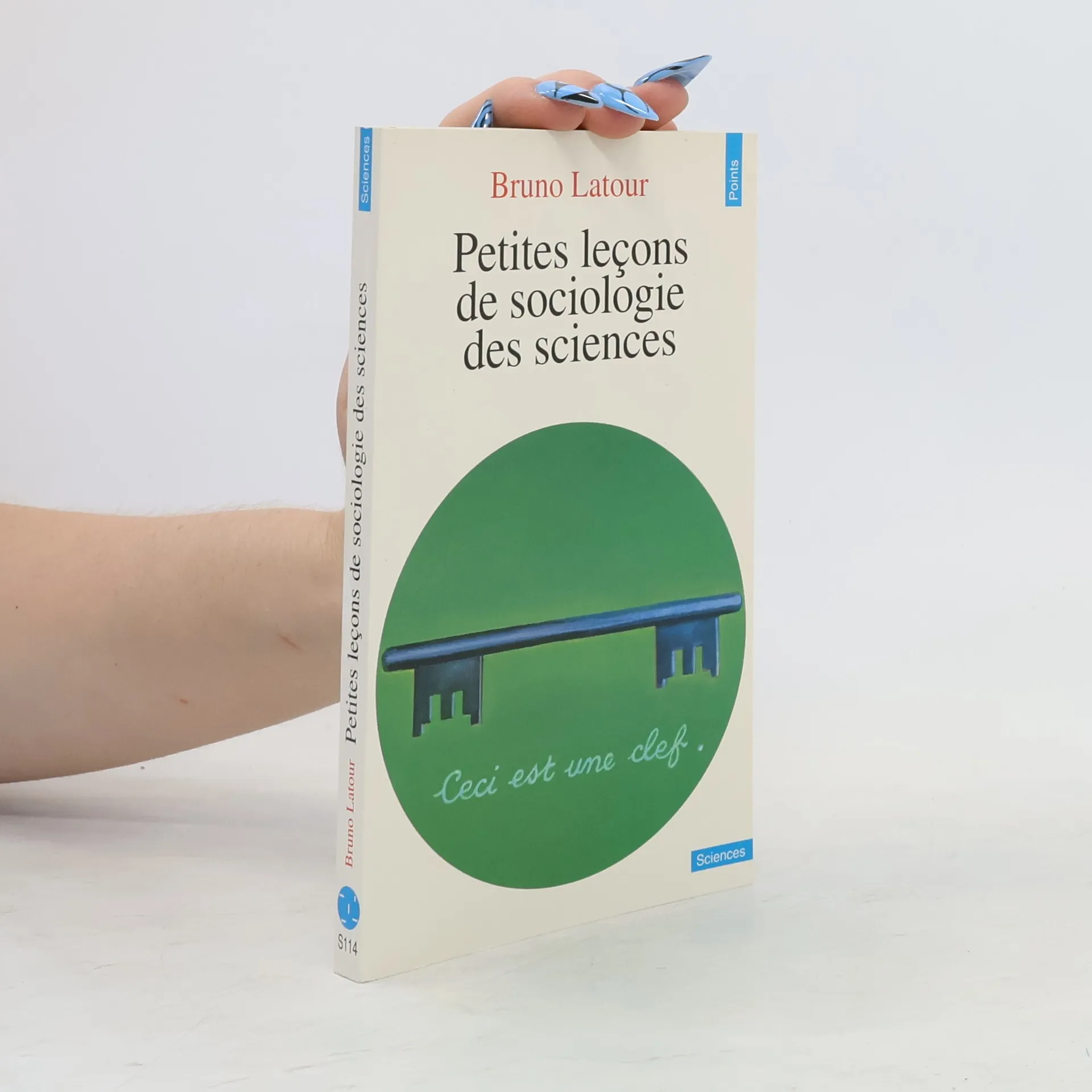
    • Clés d'hôtel, ralentisseurs, ceintures de sécurité, trappes pour chats, ferme-portes - chaque jour, nous sommes confrontés à des objets que nous ne pouvons pas considérer comme de simples objets techniques, car leur existence impacte la nôtre et la modifie radicalement. De même, nous faisons face à des éléments que nous ne pouvons pas réduire à de simples questions scientifiques - molécules, microbes, formules chimiques, cartes, diagrammes, galaxies. Nous vivons dans une culture technico-scientifique, et le véritable amateur de culture aujourd'hui n'est pas seulement un passionné d'art, mais aussi de science et de technique. L'œuvre du philosophe, anthropologue et chercheur en sciences Bruno Latour offre un regard surprenant et relativisant sur cette culture contemporaine. Guust Flater, une clé de Berlin, la recherche en laboratoire sur les reins de hamster, une expédition en Amazonie, l'art de la Renaissance, tous ces éléments constituent des points de départ pour les analyses captivantes, ingénieuses et souvent joyeuses de Latour sur le fonctionnement de la science et des choses qui composent l'existence moderne. Il montre de manière accessible que les choses sont profondément politiques, chargées d'une moralité qui influence l'action humaine de multiples façons. Ce recueil d'essais est un échantillon du talent de Latour en tant que philosophe empirique.

      Petites leçons de sociologie des sciences
      2,7
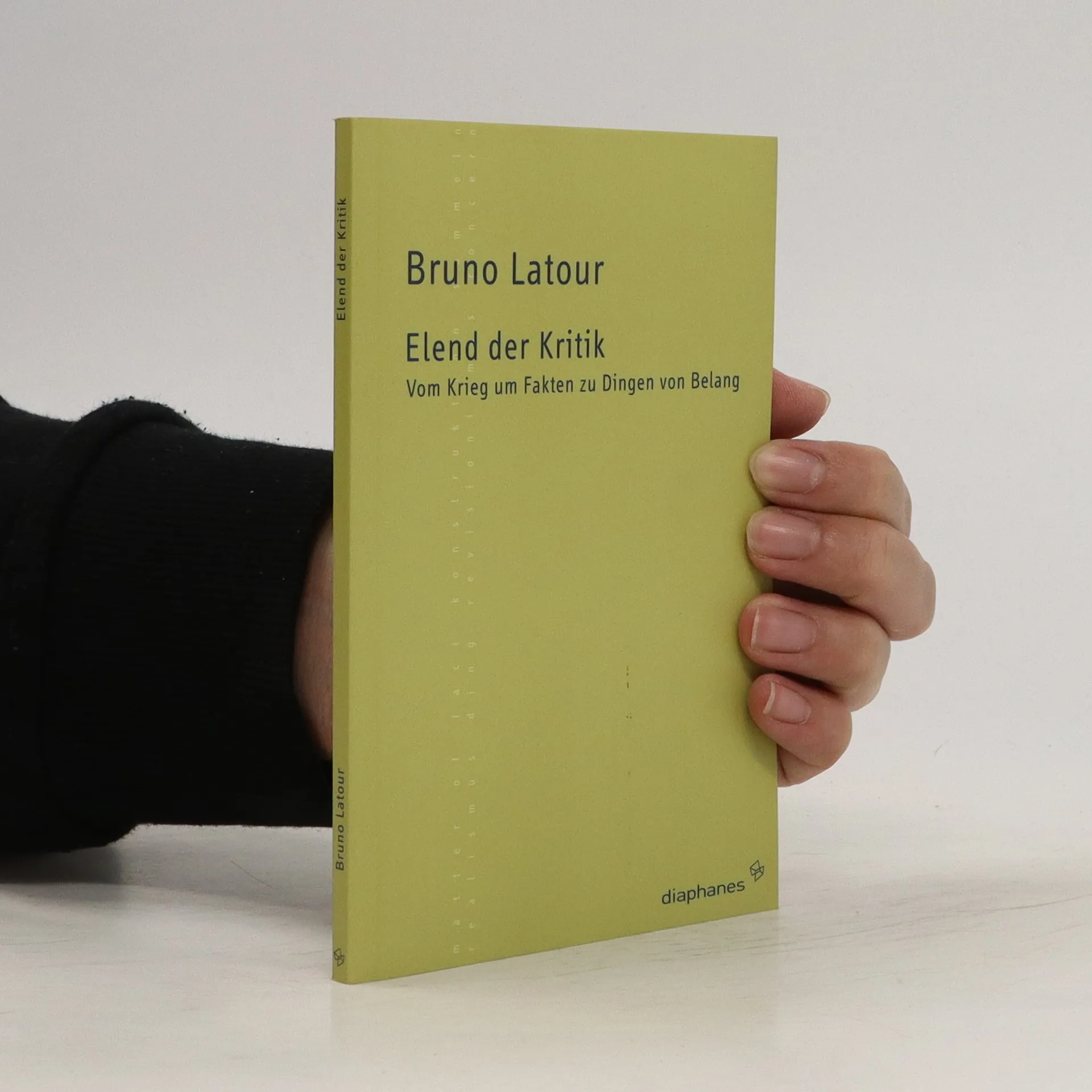
    • Der Wissenschaftsforscher Bruno Latour wendet sich gegen eine um sich greifende antiaufklärerische Haltung der Kritik, der Geisteswissenschaften, die unappetitliche Verwandtschaften hervorbringt. Wie erklärt es sich, dass unter Intellektuellen weithin unhinterfragt Verschwörungstheorien – etwa bezüglich des 11. September – als Wahrheiten ins Feld geführt werden? Bruno Latour macht in einem lange gepflegten, exzessiven Misstrauen in unverrückbare Tatsachen, die allzu leichtfertig als ideologische Vorurteile ausgegeben werden, eine Hauptgefahr für diese beunruhigende (da selbstentmachtende) Bewegung aus. Generiert womöglich die Kritik selbst diese Effekte, hat sie ihre eigenen »kritischen« Werkzeuge nicht mehr im Griff? Ist Kritik ganz und gar zahnlos geworden? Latour fordert, das eigene Rüstzeug einer kritischen Betrachtung zu unterziehen – und, wenn nötig, komplett auszuwechseln: »Ist es etwa zuviel verlangt, von unser aller intellektuellen Existenz zu fordern, wenigstens einmal im Jahrhundert ein paar neue kritische Werkzeuge bereitzustellen? Ist es nicht äußerst demütigend, mitanzusehen, daß Militärs wendiger, wachsamer, innovativer sind als wir?«

      Elend der Kritik
      3,4
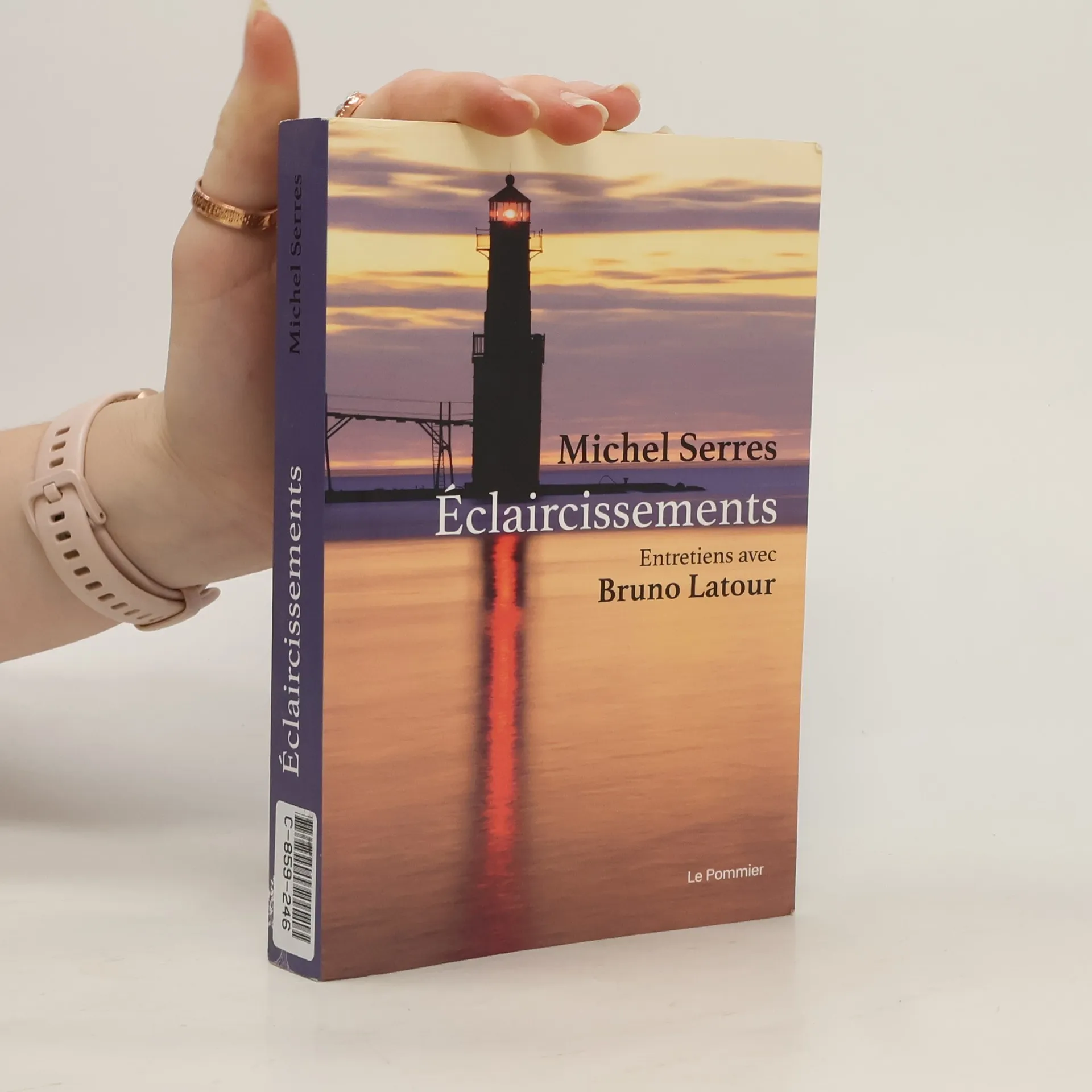
    • Éclaircissements

      Michel Serres de l'Académie française

      • 289 stránek
      • 11 hodin čtení

      Communément célébré pour sa parole lumineuse, Michel Serres a été souvent critiqué pour la complexité de ses écrits. Eclaircissements s'était donné pour mission de rendre le travail du philosophe transparent et limpide. La discussion menée par Bruno Latour a permis à Michel Serres d'expliciter sa formation intellectuelle, les raisons de son passage des sciences à la philosophie ainsi que le rôle du philosophe au sein de la société. Pour construire l'avenir, notamment celui de la cohabitation des hommes et de la nature, il insiste sur l'importance du droit, du récit et de la pluridisciplinarité. Avec le recul, on est étonné de voir à quel point il était lucide sur l'état du monde et sur ce qui nous attendait.

      Éclaircissements
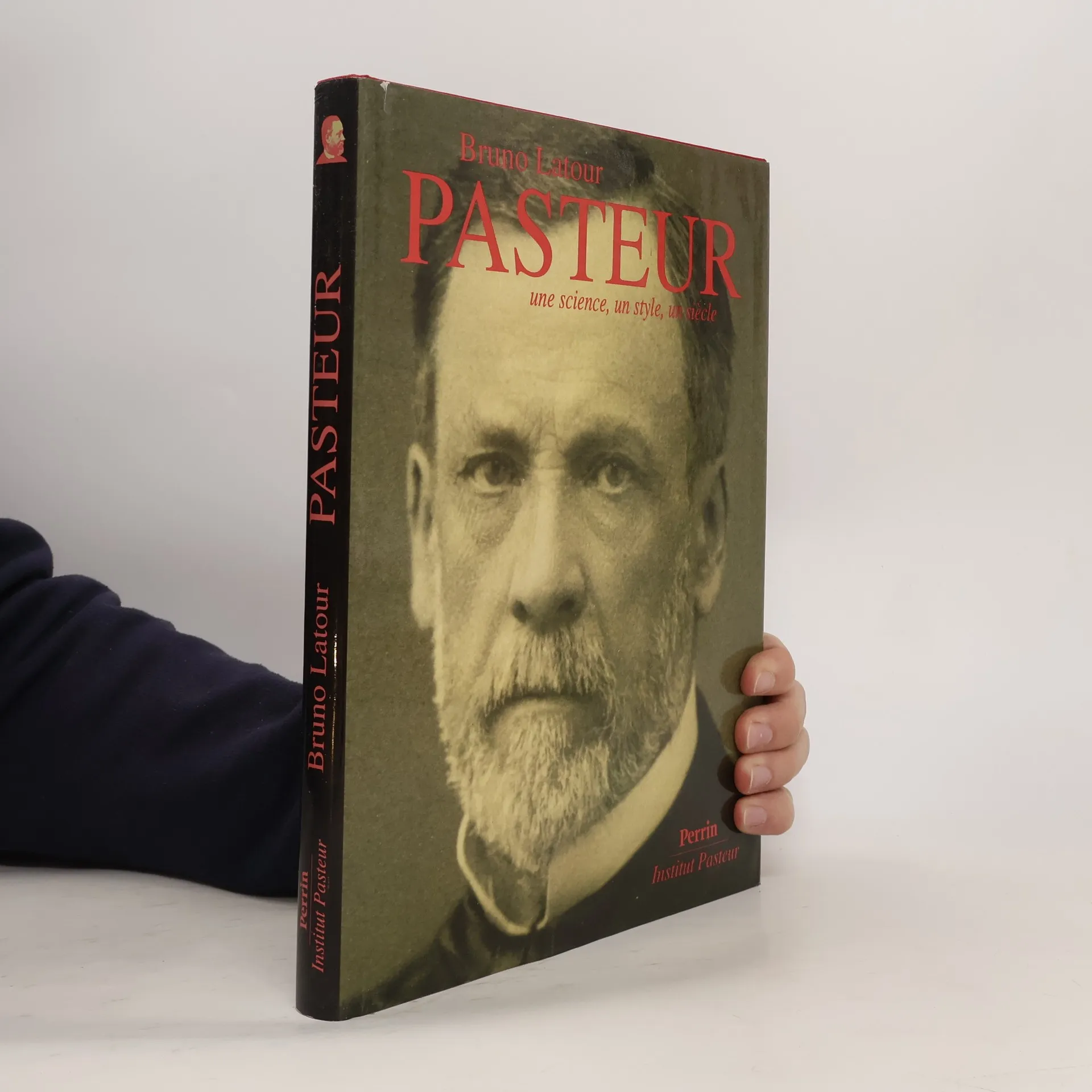
    • Pasteur

      une science, un style, un siècle

      • 191 stránek
      • 7 hodin čtení
      Pasteur