

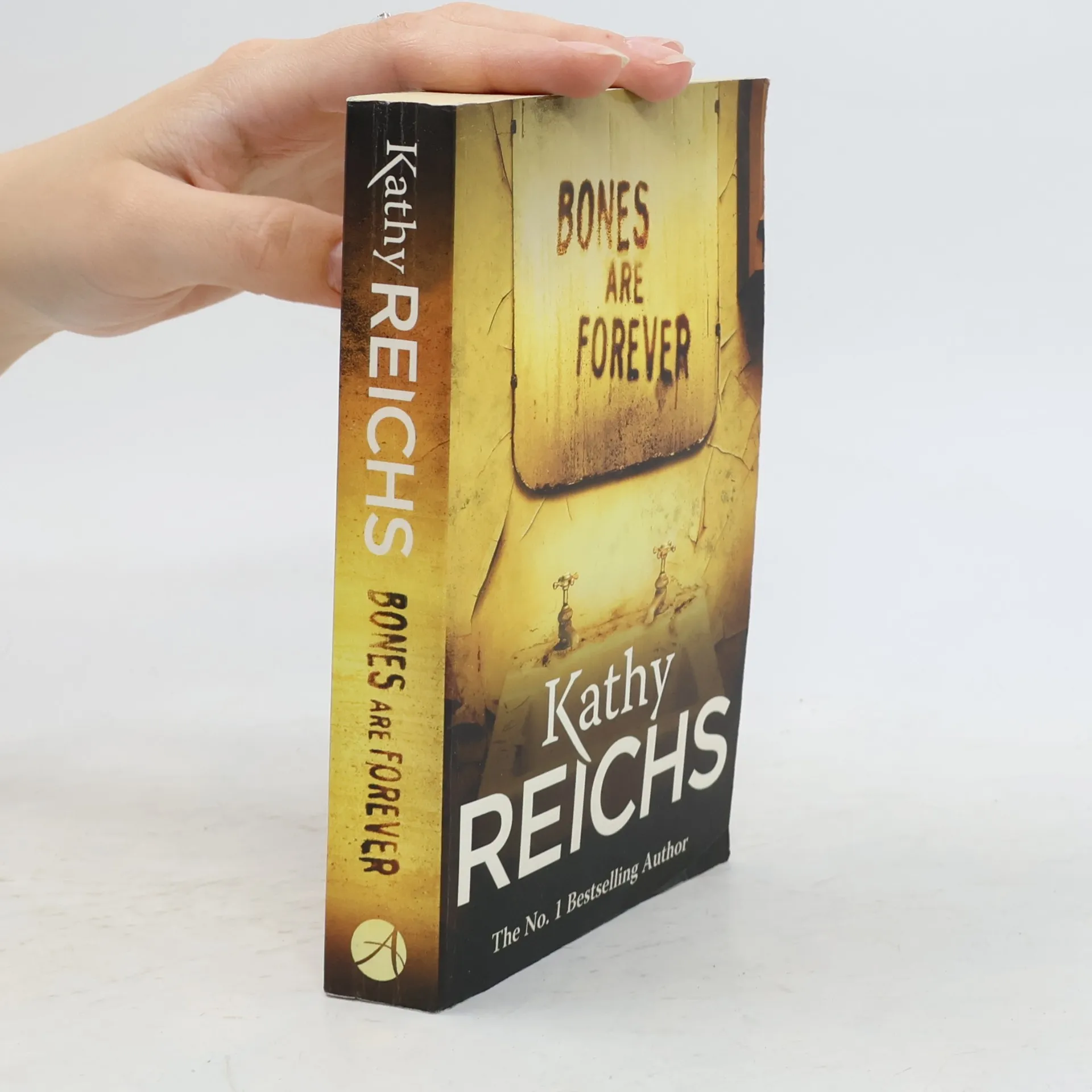
The gripping new Temperance Brennan novel from the world class forensic anthropologist and Number 1 bestselling author. A newborn baby is found wedged in a vanity cabinet in a rundown apartment near Montreal. Dr Temperance Brennan, forensic anthropologist to the province of Quebec, is brought in to investigate. While there, she discovers the mummified remains of two more babies within the same room. Shocked and distressed, Tempe must use all her skills and inner strength to focus on the facts. But when the autopsies reveal that the children died of unnatural causes, the hunt for the mother - a young woman with a seedy past and at least three aliases - is on. The trail leads Tempe to Yellowknife, a cold, desolate diamond-mining town on the edge of the Arctic Circle, where her quest for the truth only throws up more questions, more secrets, and more dead bodies. Taking risks and working alone, Tempe refuses to give up until she has discovered why the babies died. But in such a hostile environment, can she avoid being the next victim?
Viviane Mikhalkov Pořadí knih (chronologicky)
Kosti v písku
- 354 stránek
- 13 hodin čtení
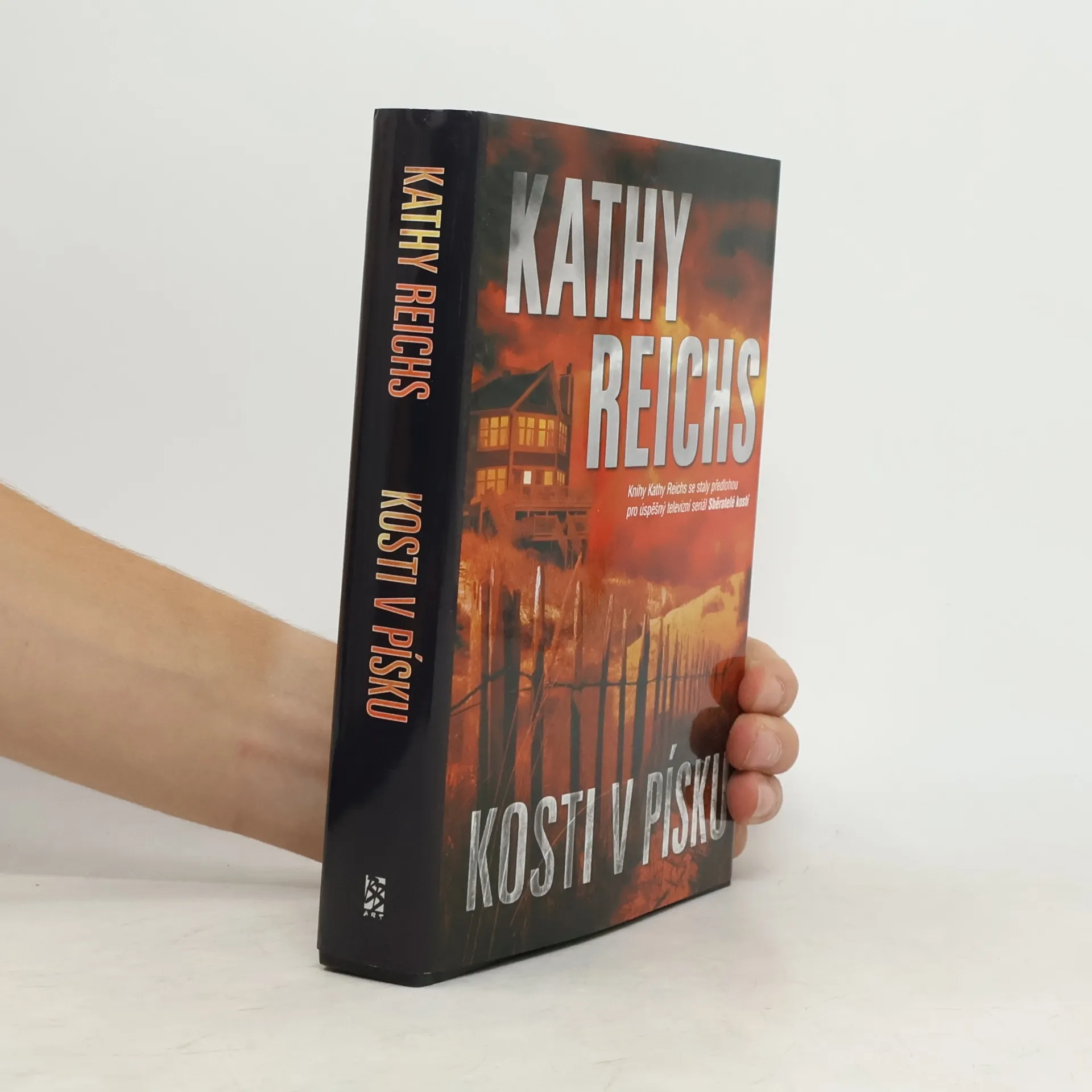
Mrtvých začíná přibývat. Soudní antropoložka Temperance Brennanová je povolána do Jižní Karolíny, aby zaskočila za nesvědomitého kolegu a ujala se studentů letního archeologického kurzu, kteří pracují na vykopávkách starého indiánského pohřebiště na pobřeží. Když ovšem Tempe objeví mezi starověkými kostmi i kostru nedávno zemřelého člověka, její dávná přítelkyně a místní koronerka Emma Rousseauová ji přemluví, aby se v Charlestonu zdržela a pomohla s vyšetřováním. Příběhy autorky Kathy Reichs se staly inspirací pro úspěšný seriál Sběratelé kostí.
Smutné pondělí
- 367 stránek
- 13 hodin čtení
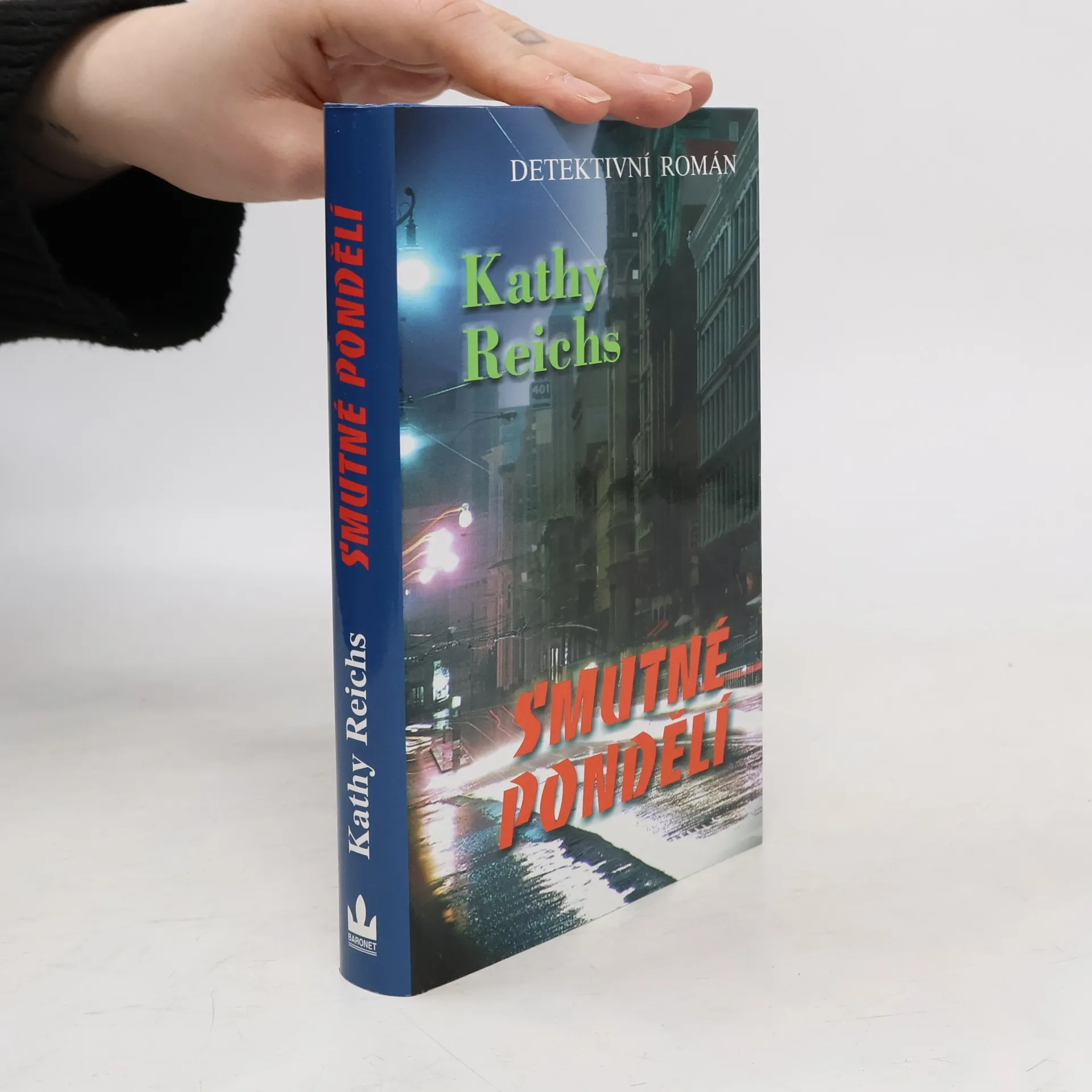
Kathy Reichs je soudní antropoložka, a proto její romány vynikají autentičností a smyslem pro detail. Hrdinka detektivního románu Temperance Brennanová má stejnou profesi a nyní nový případ - kostry tří mladých dívek nelezené ve sklepě. Detektiv Claudel je přesvědčen, že se jedná o historické pozůstatky, a nehodlá se dál o to zajímat. Jenomže Tempe má pochybnosti. Prozkoumá kosti a zubní sklovinu a pokud má pravdu, má Claudel na stole tři čerstvé vraždy. A Tempe se stále hlouběji zaplétá do pavučiny zla, z níž není úniku
Le cercle de Dante
- 405 stránek
- 15 hodin čtení
Hard to Find book
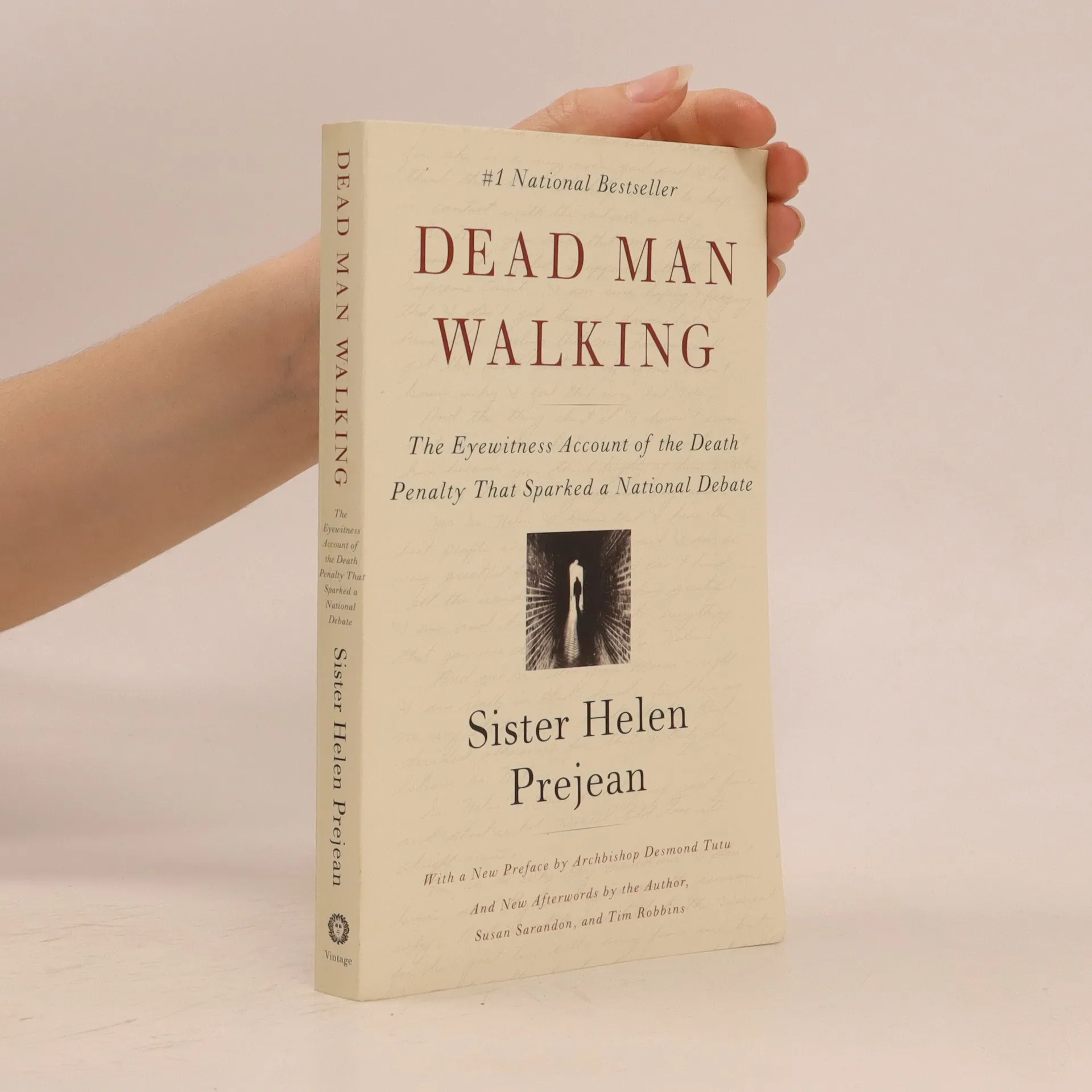
In 1982, Sister Helen Prejean became the spiritual advisor to Patrick Sonnier, the convicted killer of two teenagers who was sentenced to die in the electric chair of Louisiana’s Angola State Prison. In the months before Sonnier’s death, the Roman Catholic nun came to know a man who was as terrified as he had once been terrifying. She also came to know the families of the victims and the men whose job it was to execute—men who often harbored doubts about the rightness of what they were doing. Out of that dreadful intimacy comes a profoundly moving spiritual journey through our system of capital punishment. Here Sister Helen confronts both the plight of the condemned and the rage of the bereaved, the fears of a society shattered by violence and the Christian imperative of love. On its original publication in 1993, Dead Man Walking emerged as an unprecedented look at the human consequences of the death penalty. Now, some two decades later, this story—which has inspired a film, a stage play, an opera and a musical album—is more gut-wrenching than ever, stirring deep and life-changing reflection in all who encounter it.