
Knihobot

Margaret Mauldon

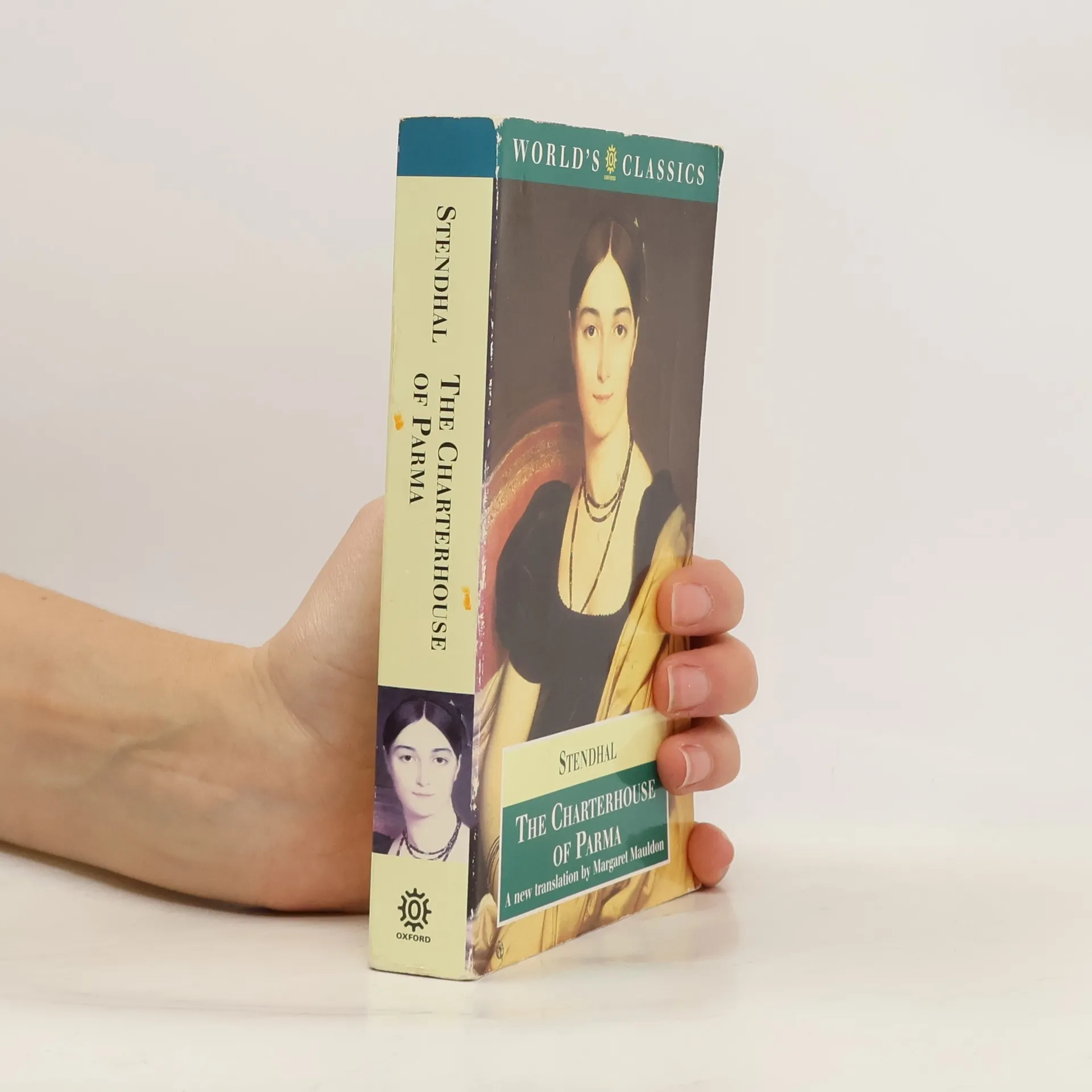
    World's Classics: The Charterhouse of Parma
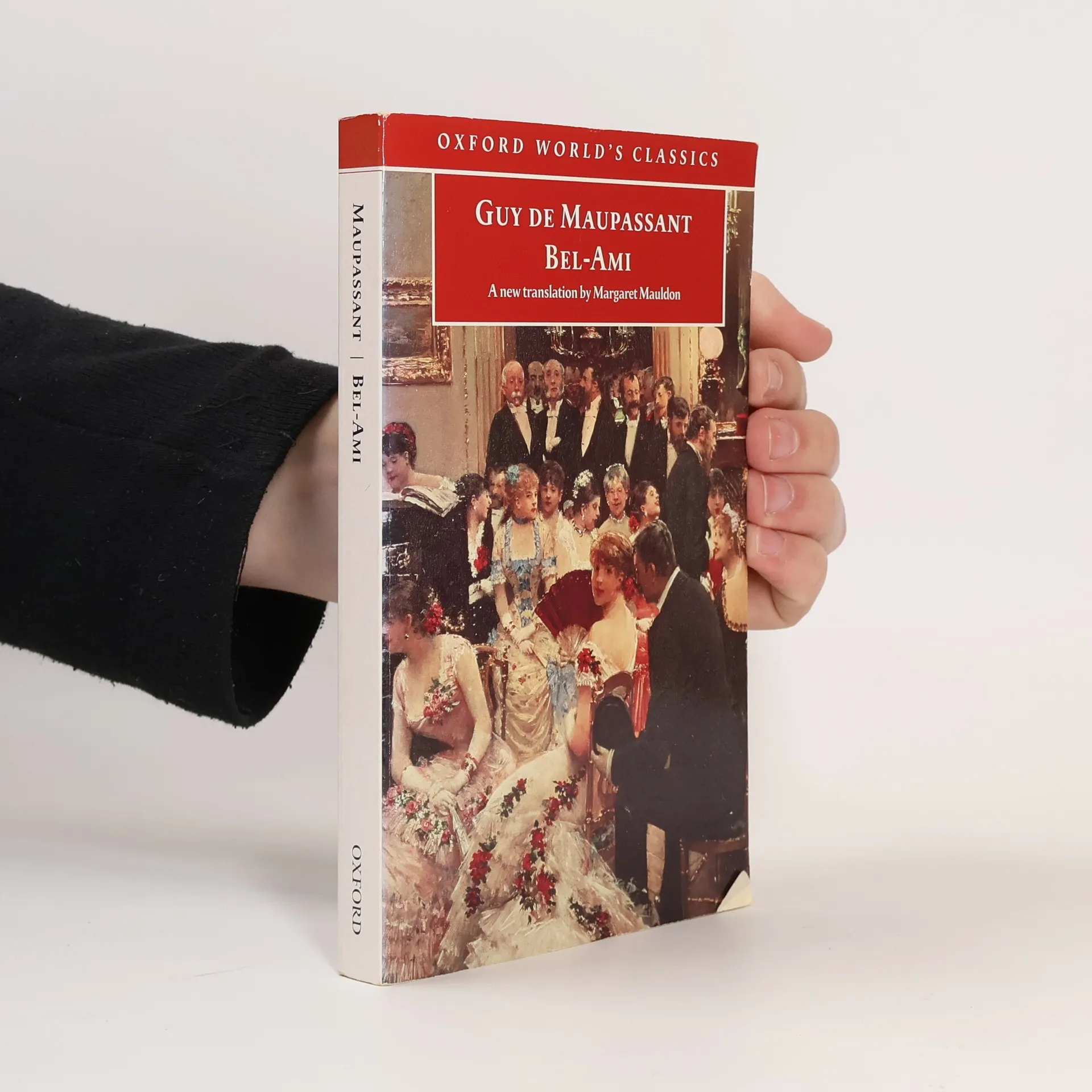
    Oxford World's Classics: Bel-Ami
    • Oxford World's Classics: Bel-Ami

      • 303 stránek
      • 11 hodin čtení

      Maupassant's second novel, Bel-Ami (1885) is the story of a ruthlessly ambitious young man (Georges Duroy, christened "Bel-Ami" by his female admirers) making it to the top in fin-de-sihcle Paris. It is a novel about money, sex, and power, set against the background of the politics of the French colonization of North Africa. It explores the dynamics of an urban society uncomfortably close to our own and is a devastating satire of the sleaziness of contemporary journalism. Bel-Ami enjoys the status of an authentic record of the apotheosis of bourgeois capitalism under the Third Republic. But the creative tension between its analysis of modern behavior and its identifiably late nineteenth-century fabric is one of the reasons why Bel-Ami remains one of the finest French novels of its time, as well as being recognized as Maupassant's greatest achievement as a novelist. This new translation is complemented by fullest introduction and notes of any edition currently available.

      Oxford World's Classics: Bel-Ami2001
    • World's Classics: The Charterhouse of Parma

      A New Translation by Margaret Mauldon

      • 520 stránek
      • 19 hodin čtení

      The Charterhouse of Parma (1839) is a compelling novel of passion and daring, of prisons and heroic escape, of political chicanery and sublime personal courage. Set at the beginning of the nineteenth century, amidst the golden landscapes of northern Italy, it traces the joyous but ill-starred amorous exploits of a handsome young aristocrat called Fabrice del Dongo, and of his incomparable aunt Gina, her suitor Prime Minister Mosca, and Clelia, a heroine of ethereal beauty and earthly passion. The great achievement of The Charterhouse of Parma is to conjure up the excitement and romance of youth while never losing sight of the harsh realities which beset the pursuit of happiness, nor the humour and patient irony with which these must be viewed. This new translation captures Stendhal's narrative verve, while the Introduction explores the novel's reception and the reasons for its enduring popularity and power.

      World's Classics: The Charterhouse of Parma1997