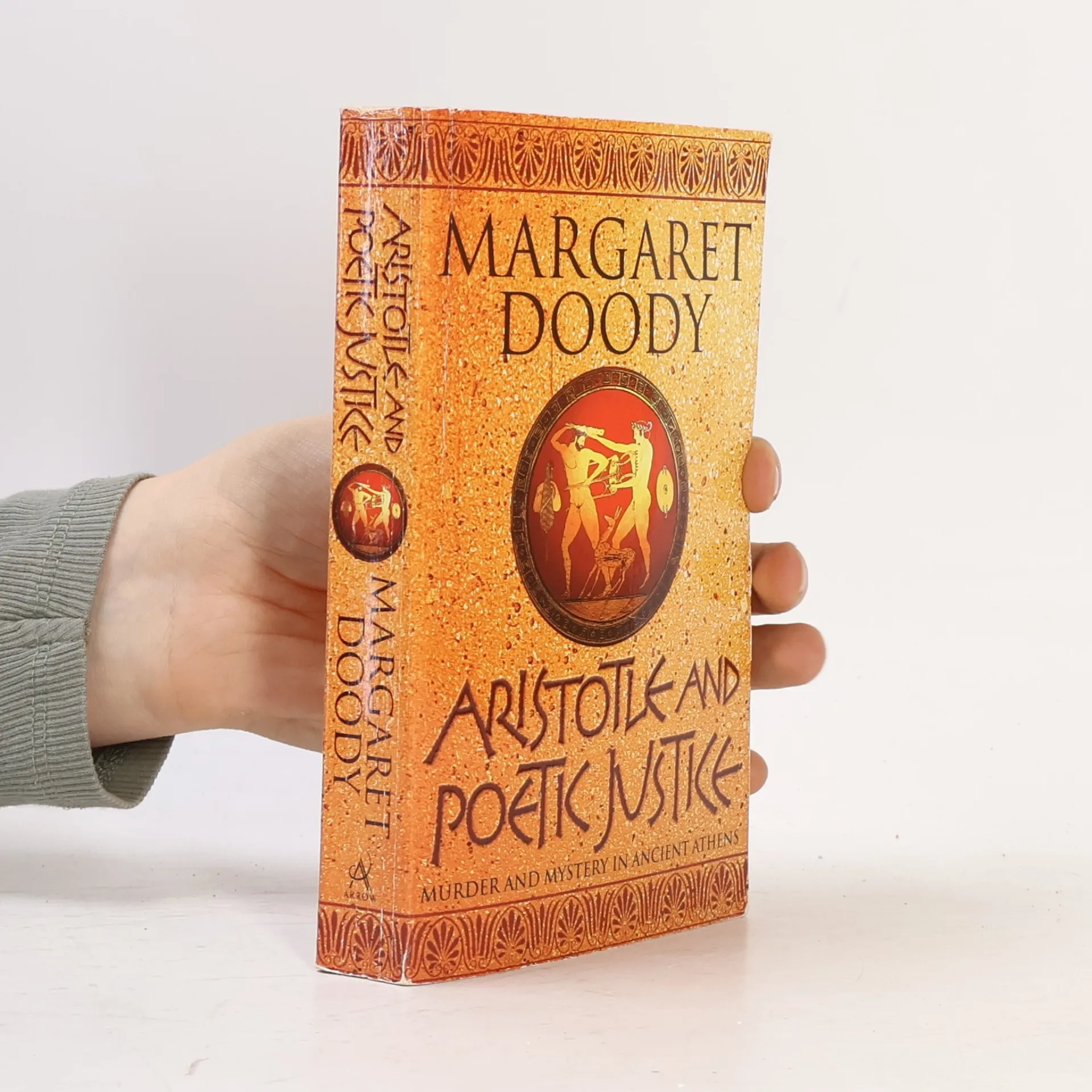
Stephanos and his teacher, the philosopher Aristotle, are drawn into solving the perplexing abduction case of Anthia, the heiress of a prominent silver merchant. Someone has snatched her from her home, but no one knows the motive All that is known is that the abductor and the heiress are on the road to Delphi, and a murderer is following them close behind. The identity of the abductor and the murderer are mysteries that only Aristotle, with the aid of the Delphian oracle, will be able to solve.
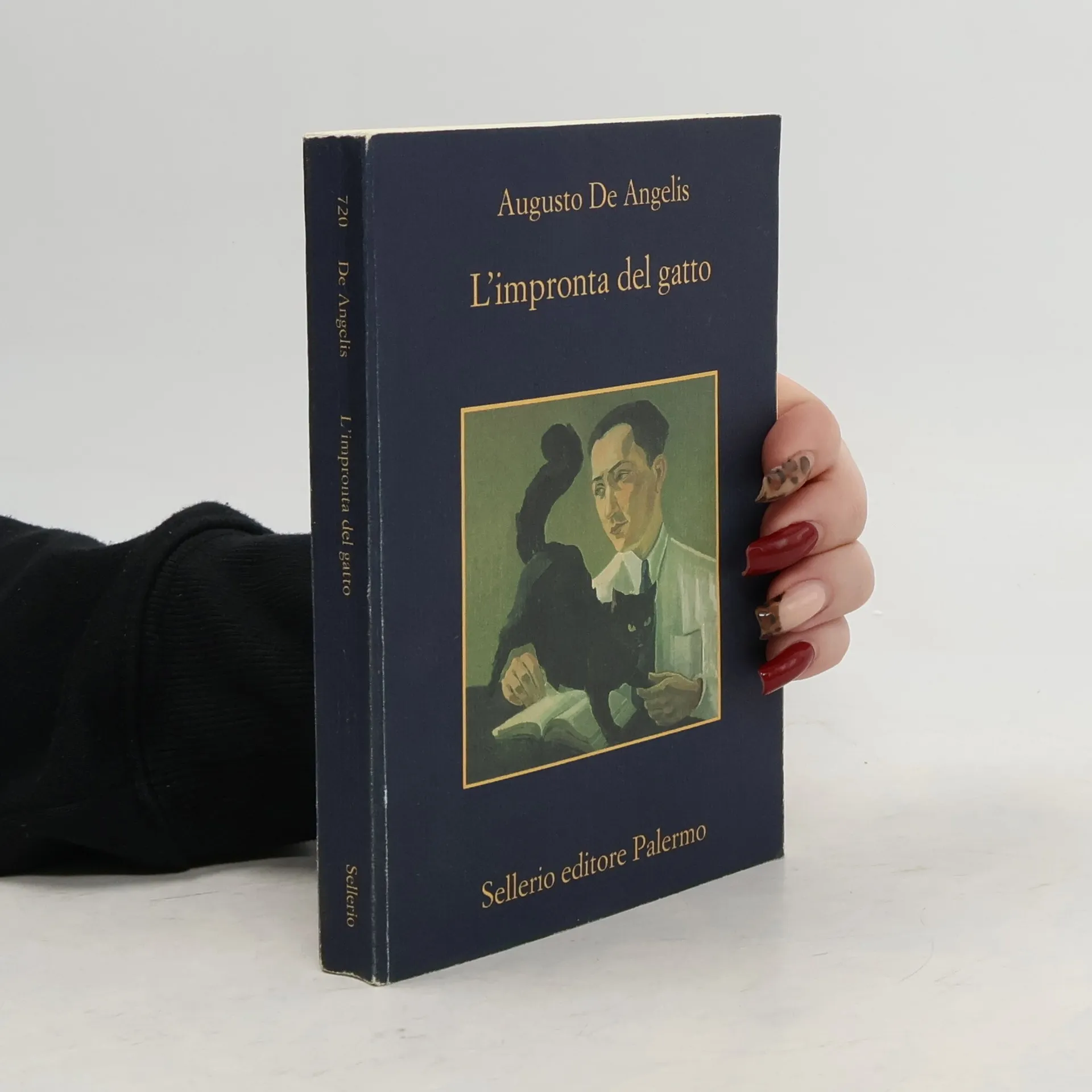
Milano anni trenta. Il Commissario De Vincenzi indaga sull’assassinio di un milionario venezuelano, il cui cadavere è rinvenuto sul portone della sua abitazione. Tuttavia, le tracce di sangue lasciate da un felino portano a una nuova direzione. Augusto De Angelis, con la sua saga del Commissario De Vincenzi, offre un giallo ben costruito, ricco di personaggi vividi e scenografie tardo Déco, arricchito da un contesto storico che stimola l’immedesimazione. Scrittore del Ventennio fascista, De Angelis ha inaugurato in Italia il genere giallo, malvisto dal regime, che lo considerava una minaccia. Le sue opere testimoniano i complessi rapporti tra fascismo e cultura, tra controllo e libertà. Il giallo italiano, con De Angelis, si distacca dalle ripetizioni di investigatori stranieri, rispondendo alle esigenze della cultura di massa dell’epoca. Tuttavia, il Minculpop imponeva regole: i delitti dovevano avvenire in ambienti esotici e i colpevoli dovevano essere stranieri. De Angelis rispettava queste norme, ma il suo Commissario, con il suo carattere scettico e tollerante, esprime una distanza critica dal regime. Nell’inchiesta dell’Impronta del gatto, De Vincenzi, con astuzia e lentezza felina, sfrutta le opportunità del caso per risolvere il mistero.
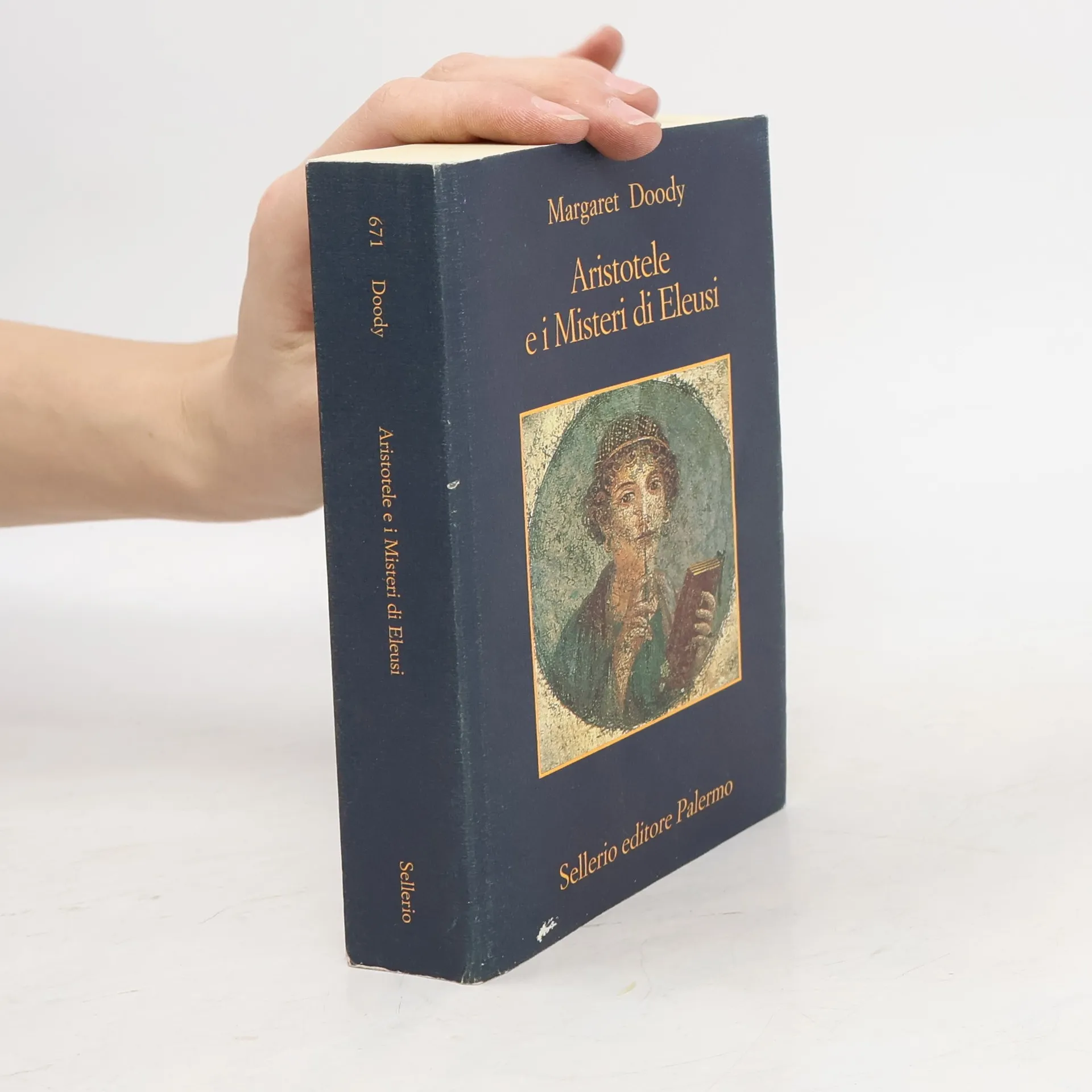
"I misteri di Eleusi" è il quinto romanzo di Aristotele nei panni di uno Sherlock Holmes del IV secolo a.C. E se ogni storia poliziesca si ispira aun'opera dello Stagirita, quest'ultima sembra rimandare forse alla Politica. Ma il ricalco non è solo con la filosofia del grande filosofo, è la vita stessa di Atene e del mondo greco classico in età alessandrina a rivivere nella pagina: il funzionamento pratico della vita pubblica, le procedure ufficiali e i costumi privati, i modi di divertirsi e il mondo degli affari. E soprattutto quel senso sottile di smarrimento generale che dovette aver preso l'uomo greco nell'epoca di svolta in cui Aristotele si trovava a vivere.
It is summer, 330 B.C. The Macedonian Alexander the Great has conquered Asia Minor but now his armies are far from Athens, and those who support Athenian independence are beginning to chafe and plot against him. Foreigners, like Aristotle, and those suspected of befriending foreigners, such as Stephanos, are threatened. A series of threats persuades these two that they will be best served by quitting the mainland for a while. They both find suitable excuses: Aristotle has to transport a sick student home to Rhodos, while Stephanos must find a relative of his bride-to-be Philomela to clear up an inheritance dispute. With a varied cast of travellers they set across the Aegean to the sacred Isle of Delos, to Mykonos and beyond to the coast of Asia Minor. There they will soon be embroiled in investigating conspiracy and murder. But first they must survive life on the high seas where storms and piracy honour no man, least of all the greatest philosopher who has ever lived.
Un'opinione di Sciascia sarebbe commento perfetto a questo racconto: il giallo è la gabbia dello scrittore. Poiché costringe alla geometrica precisione, a una competenza quasi da laboratorio scientifico, a una consequenzialità logica, che finiscono coll'essere, quasi più della fantasia, la vera qualità del giallista. Margaret Doody è perfettamente imprigionata nei suoi intrecci, che sembrano appartenere al genere cosiddetto da «camera chiusa» (cioè un mistero così intricato da apparire un caso insolubile che solo l'acutezza raziocinativa dell'investigatore riesce a sciogliere). E, quasi a renderne più angusta la gabbia, li ambienta in una Attica classica, di totale fedeltà storico-filologica, e ne fa protagonista un Aristotele in tutto aderente alla sua personalità e alla sua filosofia. Questo secondo «Aristotele detective» si svolge dentro una palestra della antica Atene dove un ragazzo è stato ucciso da un giavellotto. Sembra un impossibile incidente, e appare scontato chi sia il giovane, e frastornato, colpevole. Infatti non è un incidente, e il colpevole vero non è quello. Aristotele lo capisce grazie alla sua logica deduttiva e lo spiega applicando al mistero la sua fisica dei luoghi naturali