
Knihobot

Beppe Benvenuto

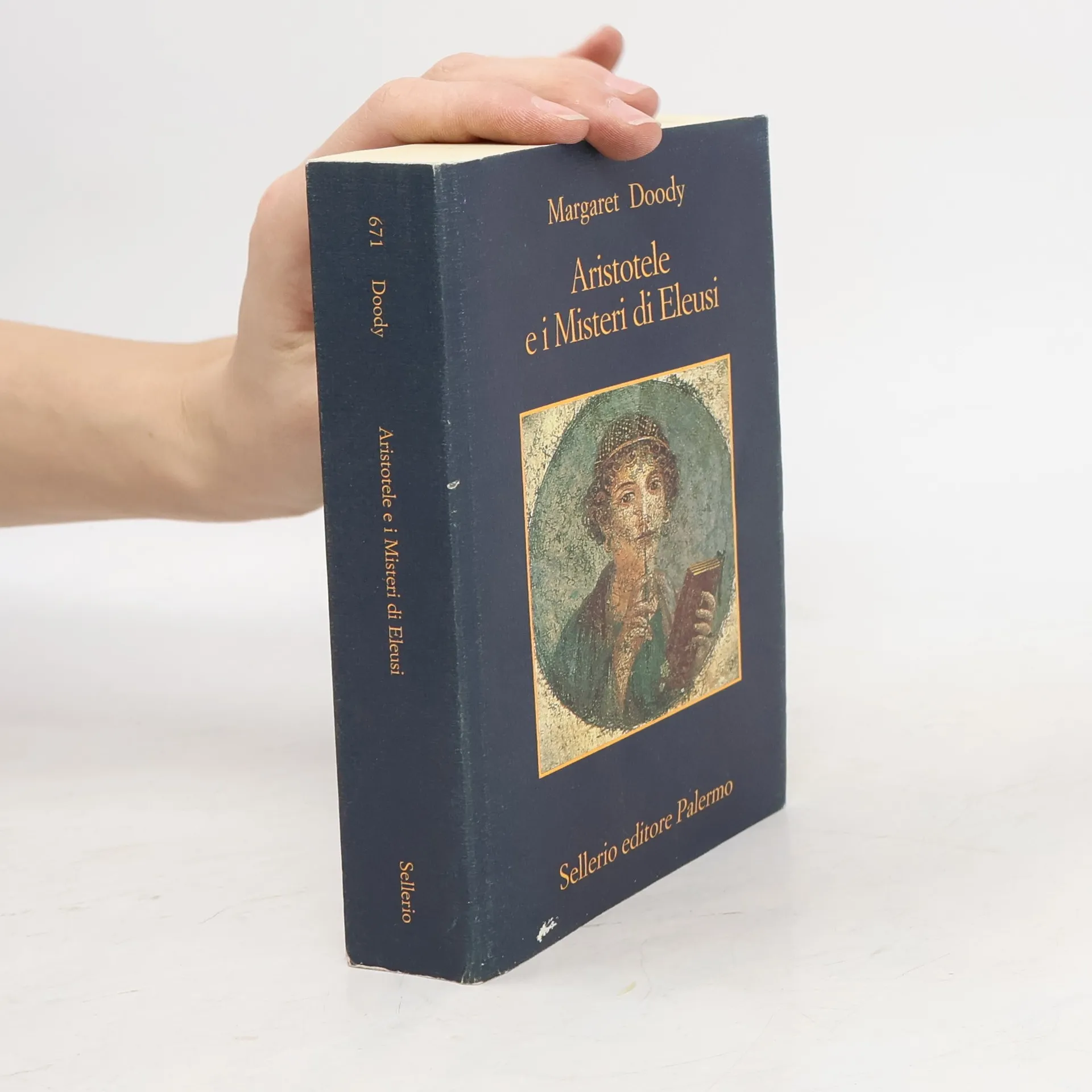
    Aristotele e i misteri di Eleusi
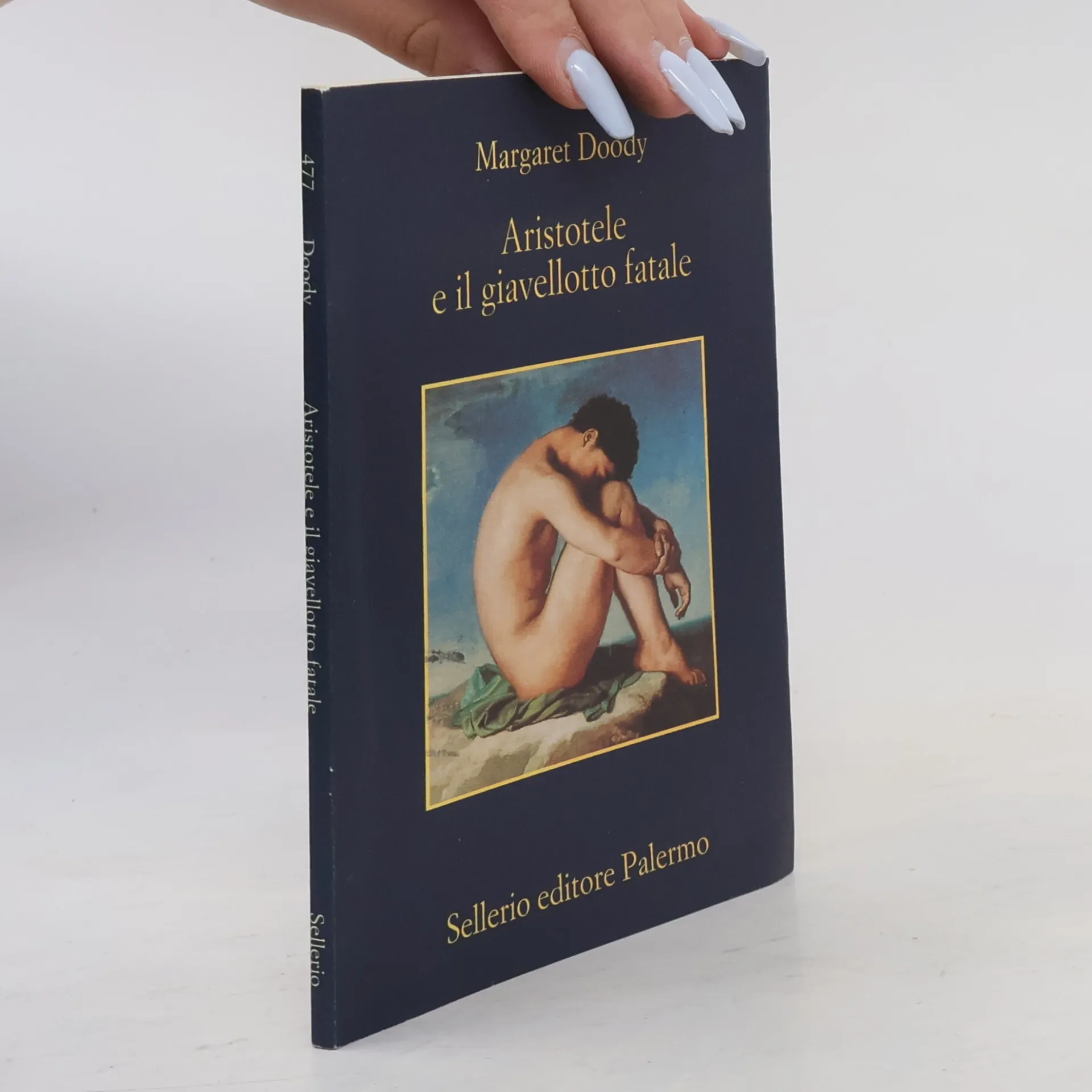
    Aristotele e il mistero della vita
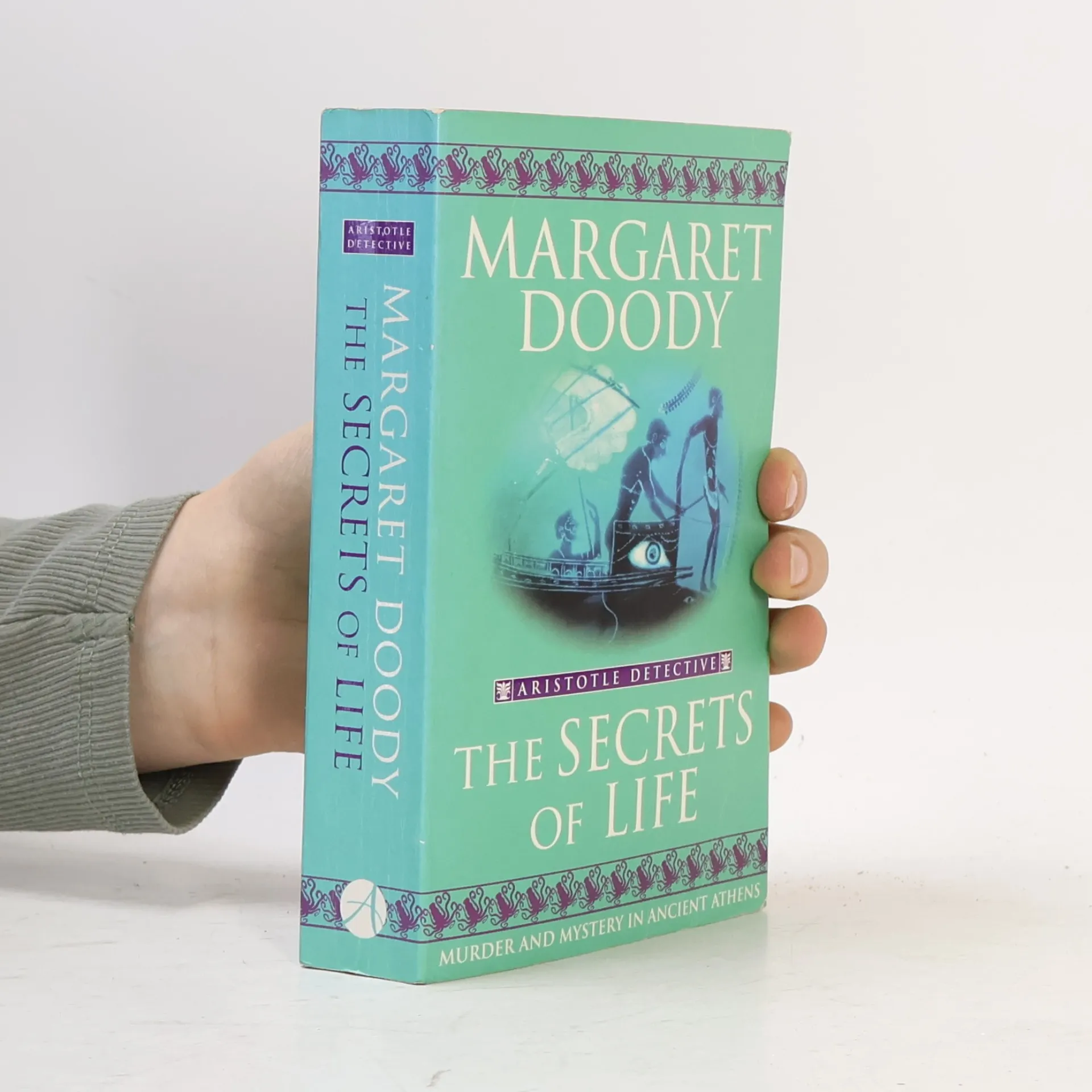
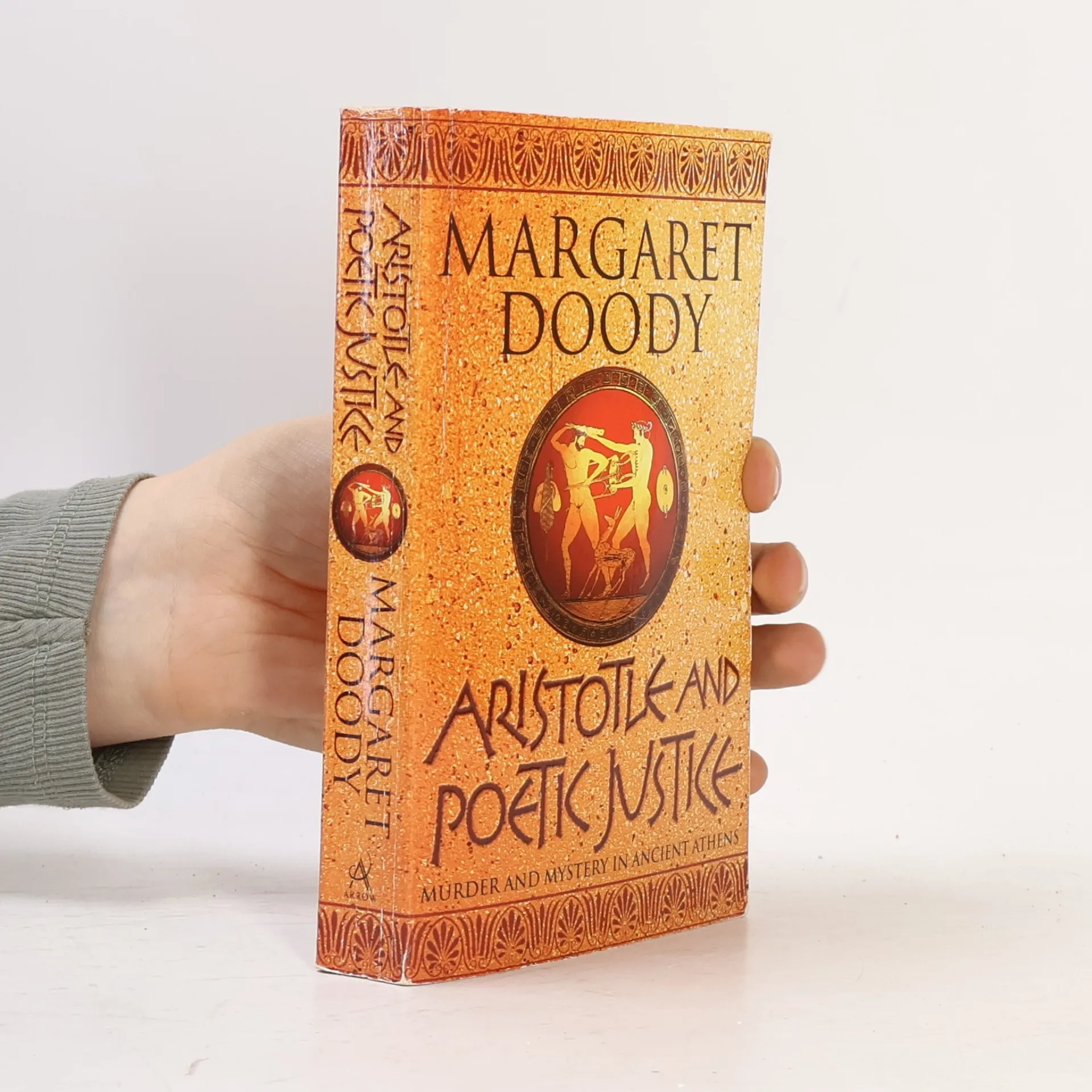
    Aristotle and Poetic Justice
    • Aristotele e i misteri di Eleusi

      • 659 stránek
      • 24 hodin čtení

      "I misteri di Eleusi" è il quinto romanzo di Aristotele nei panni di uno Sherlock Holmes del IV secolo a.C. E se ogni storia poliziesca si ispira aun'opera dello Stagirita, quest'ultima sembra rimandare forse alla Politica. Ma il ricalco non è solo con la filosofia del grande filosofo, è la vita stessa di Atene e del mondo greco classico in età alessandrina a rivivere nella pagina: il funzionamento pratico della vita pubblica, le procedure ufficiali e i costumi privati, i modi di divertirsi e il mondo degli affari. E soprattutto quel senso sottile di smarrimento generale che dovette aver preso l'uomo greco nell'epoca di svolta in cui Aristotele si trovava a vivere.

      Aristotele e i misteri di Eleusi2006
    • Aristotele e il mistero della vita

      • 599 stránek
      • 21 hodin čtení

      Blepiro, reduce di guerra e menomato in battaglia, è accusato dal cugino Kremes di simulare l'infermità per ottenere una pensione di invalidità. Blepiro è un bronzista, e nella sua bottega accoglie "una banda di gente indecente", "una manica di ex schiavi e puttane", e questa compagnia sregolata si attira l'ostilità dei benpensanti e soprattutto le critiche accese di un politico in carriera. Ma c'è un che di esagerato nell'accanimento e il primo tentativo di uccidere Blepiro - una colata di metallo fuso che per fortuna lo ferisce soltanto orrendamente - sembra, ad Aristotele e al suo assistente Stefanos, più il culmine di un complotto mal riuscito che la conseguenza di una campagna d'odio.

      Aristotele e il mistero della vita2002
    • Aristotle and Poetic Justice

      • 288 stránek
      • 11 hodin čtení

      330BC: it is the year that Alexander the Great sacked Persepolis and won the greatest fortune the world had ever known. The night of the Silent Dinner when Athens placates the spirits of the dead passes with a creeping mist accompanied by eerie portents and a strange disappearance. Stephanos, son of Nikiarkhos and his teacher, the philosopher Aristotle, are drawn into solving the perplexing abduction case of Anthia, the heiress of a prominent silver merchant. Someone has snatched her from her home, but what is the motive: rape, a forced marriage or murder? All that is known is that the abductor and the heiress are on the road to Delphi and its ancient oracle. Stephanos and Aristotle pursue them but along the way there are plenty of distractions: it's spring time and the country is full of reborn life, the thought of romance and marriage is never far from young Stephanos' mind, and rumours of mysterious strangers passing in the night abound, of disguises and swapping of identity. Then the actuality of murder shatters the idyll. It seems that there is a psychopath on the road pursuing abductor and heiress. But who the abductor is and who the murderer is are mysteries that only Aristotle with the aid of the Delphian oracle will be able to solve.

      Aristotle and Poetic Justice2000
      3,6