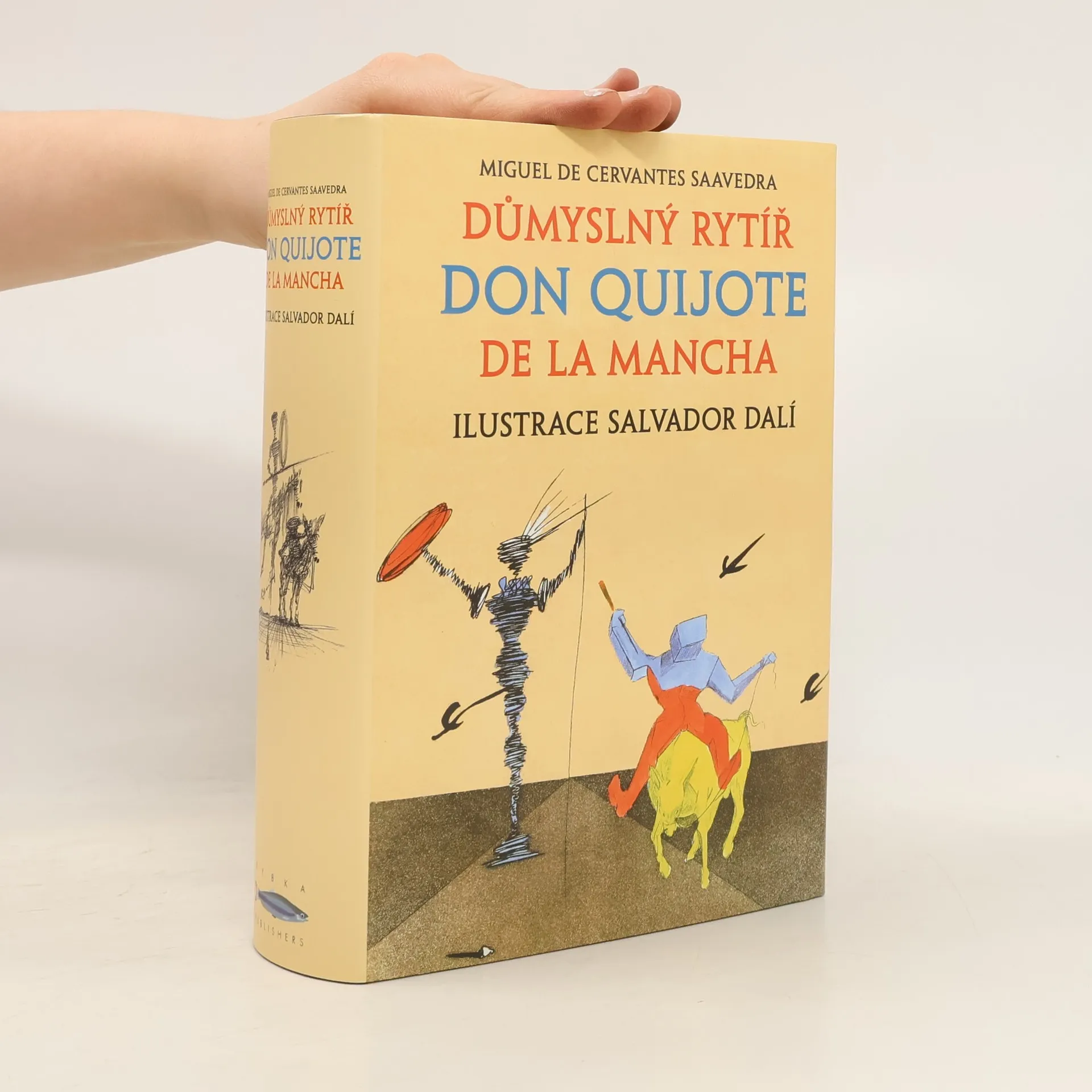
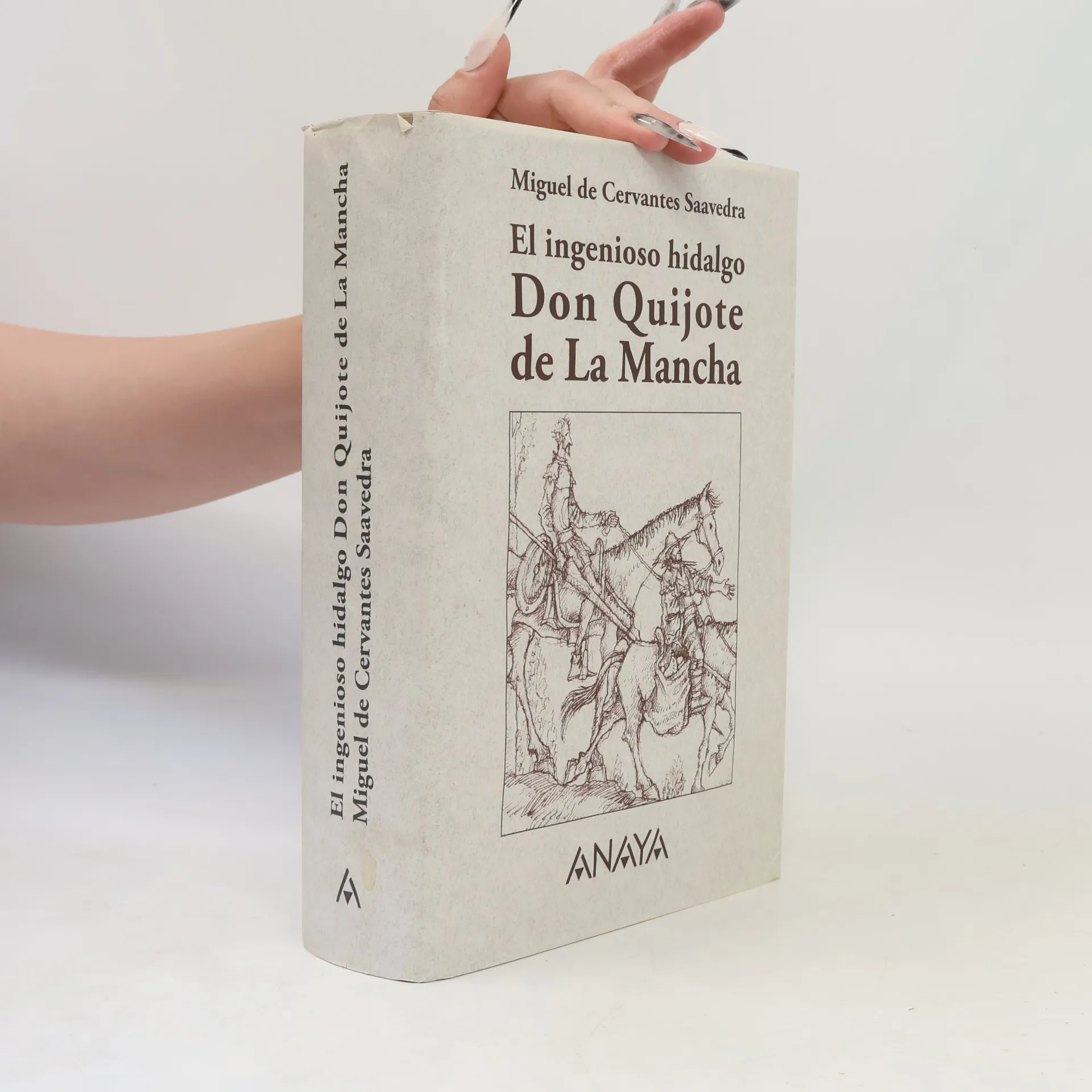
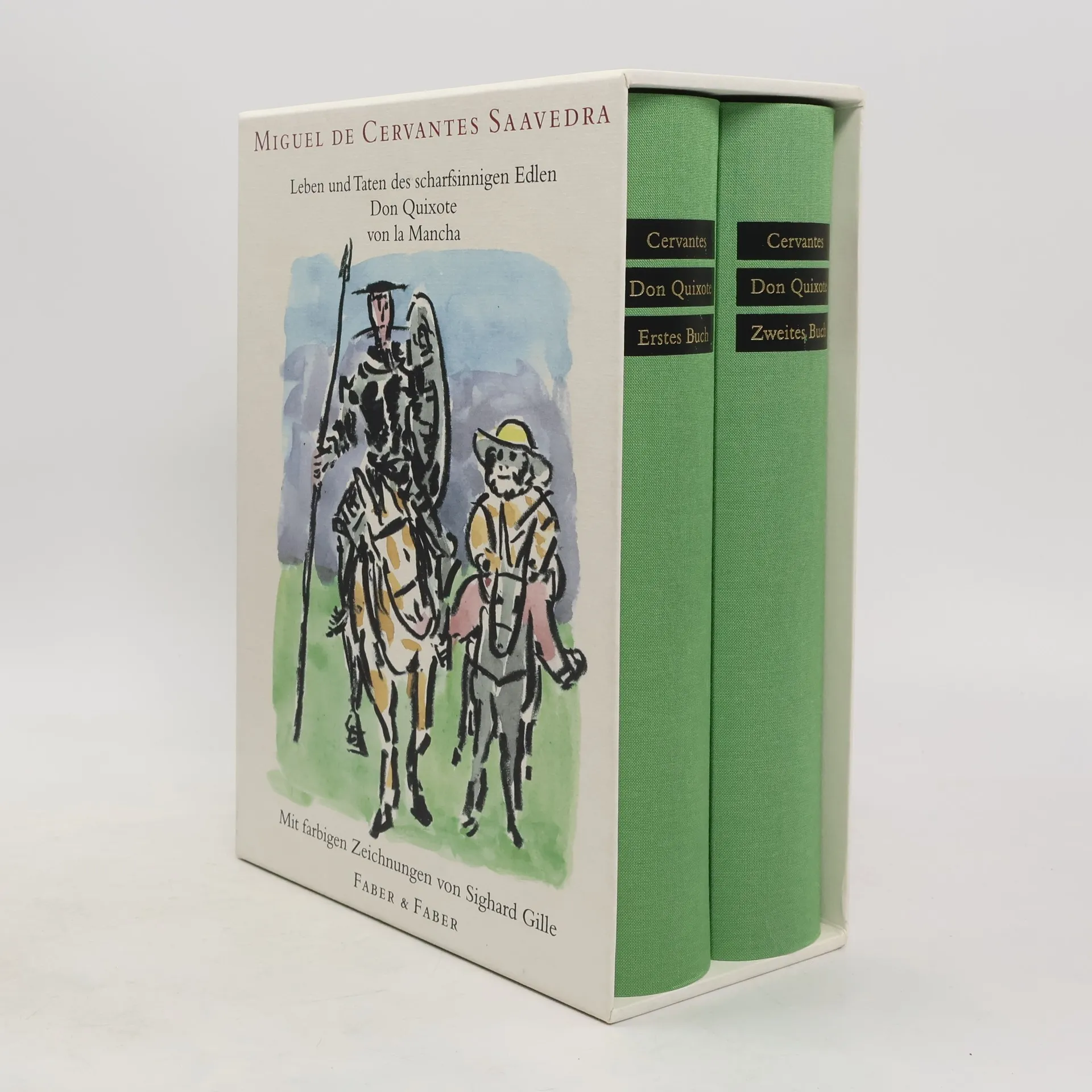
Důmyslný rytíř Don Quijote de la Mancha
- 1256 stránek
- 44 hodin čtení


Miguel de Cervantes Saavedra, uznávaný španělský prozaik, je oslavován jako tvůrce prvního moderního románu. Jeho díla zkoumají věčné otázky lidské povahy s pronikavým vhledem a hravou ironií. Cervantes mistrně proplétá realitu se snem, komedii s tragédií, a vytváří tak bohaté a nezapomenutelné literární zážitky. Jeho styl, který se vyznačuje břitkým humorem a hlubokým porozuměním lidským slabostem, nadále rezonuje s čtenáři po celém světě.


donde es la pena tan larga¡Triste ¡Triste y miserable estado!esclavitud amarga, amo de Aurelio. infierno puesto en el mundo,cuan corto el bien y abreviado!¡Oh purgatorio en la vida, estrecho do no hay salida!mal que no tiene segundo, daño que entre los mayoresse reparte en los ¡Cifra de cuanto dolordolores, se ha de tener por mayor!¡Necesidad increíble, mal visible e invisible!trato mísero intratable,muerte creíble y palpable, retrato de penitencia!pobre vida descubre si es valerosa;¡Toque que nuestra pacienciatrabajosa, que, según me es enemigo,a un punto de lo que siento.no llegará cuanto digoCállese aquí este tormento,Pondérase mi dolor yque mi cuerpo está entre moroscon decir, bañado en lloros,el alma en poder de Amor.
Journey to Parnassus is a remarkable collection of annotated original documents in Spanish from the early 17th century that provide a window into the musical activities of the Hispanic communities in the Philippines, Venezuela, and Mexico. This bilingual volume includes extensive contextual and comparative commentaries and is an invaluable resource for scholars of musicology and history alike.
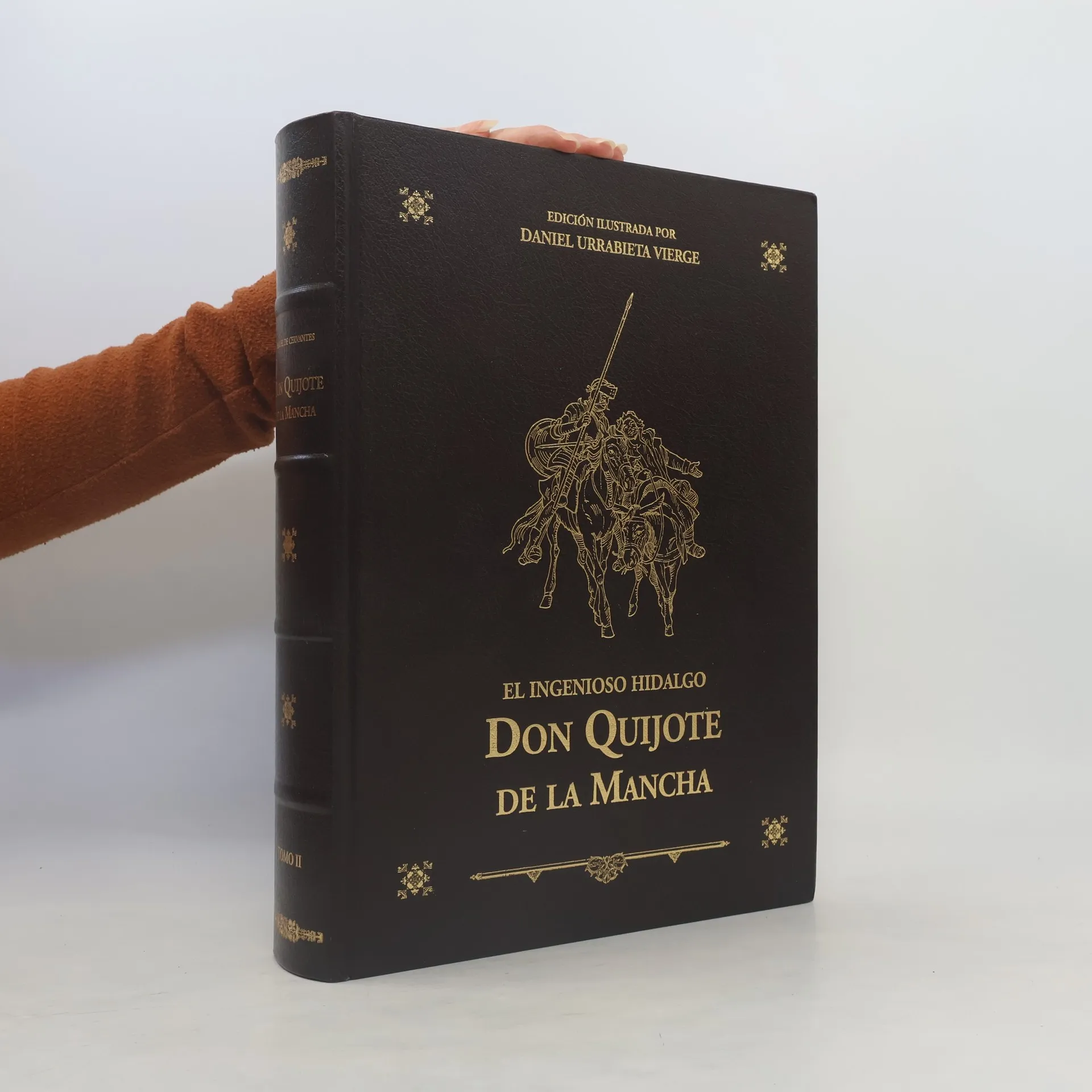
This book is a reproduction of an original historical work, published by Megali, which focuses on making literature accessible to individuals with impaired vision through large print. The initiative highlights the importance of inclusivity in reading, ensuring that historical texts can be enjoyed by a wider audience.
This book is a reproduction of a historical work, produced by the publishing house Megali, which focuses on making literature accessible for individuals with impaired vision through large print editions. The initiative aims to enhance readability and ensure that important historical texts remain available to a broader audience.
Focusing on accessibility, this book is a reproduction of a historical work published by Megali, a house dedicated to creating large print editions for individuals with impaired vision. The emphasis on readability ensures that important historical texts are available to a wider audience, enhancing their engagement with the material.
This work has been selected by scholars as being culturally important, and is part of the knowledge base of civilization as we know it. This work is in the "public domain in the United States of America, and possibly other nations. Within the United States, you may freely copy and distribute this work, as no entity (individual or corporate) has a copyright on the body of the work. Scholars believe, and we concur, that this work is important enough to be preserved, reproduced, and made generally available to the public. We appreciate your support of the preservation process, and thank you for being an important part of keeping this knowledge alive and relevant.
This work has been selected by scholars as being culturally important, and is part of the knowledge base of civilization as we know it. This work is in the "public domain in the United States of America, and possibly other nations. Within the United States, you may freely copy and distribute this work, as no entity (individual or corporate) has a copyright on the body of the work. Scholars believe, and we concur, that this work is important enough to be preserved, reproduced, and made generally available to the public. We appreciate your support of the preservation process, and thank you for being an important part of keeping this knowledge alive and relevant.
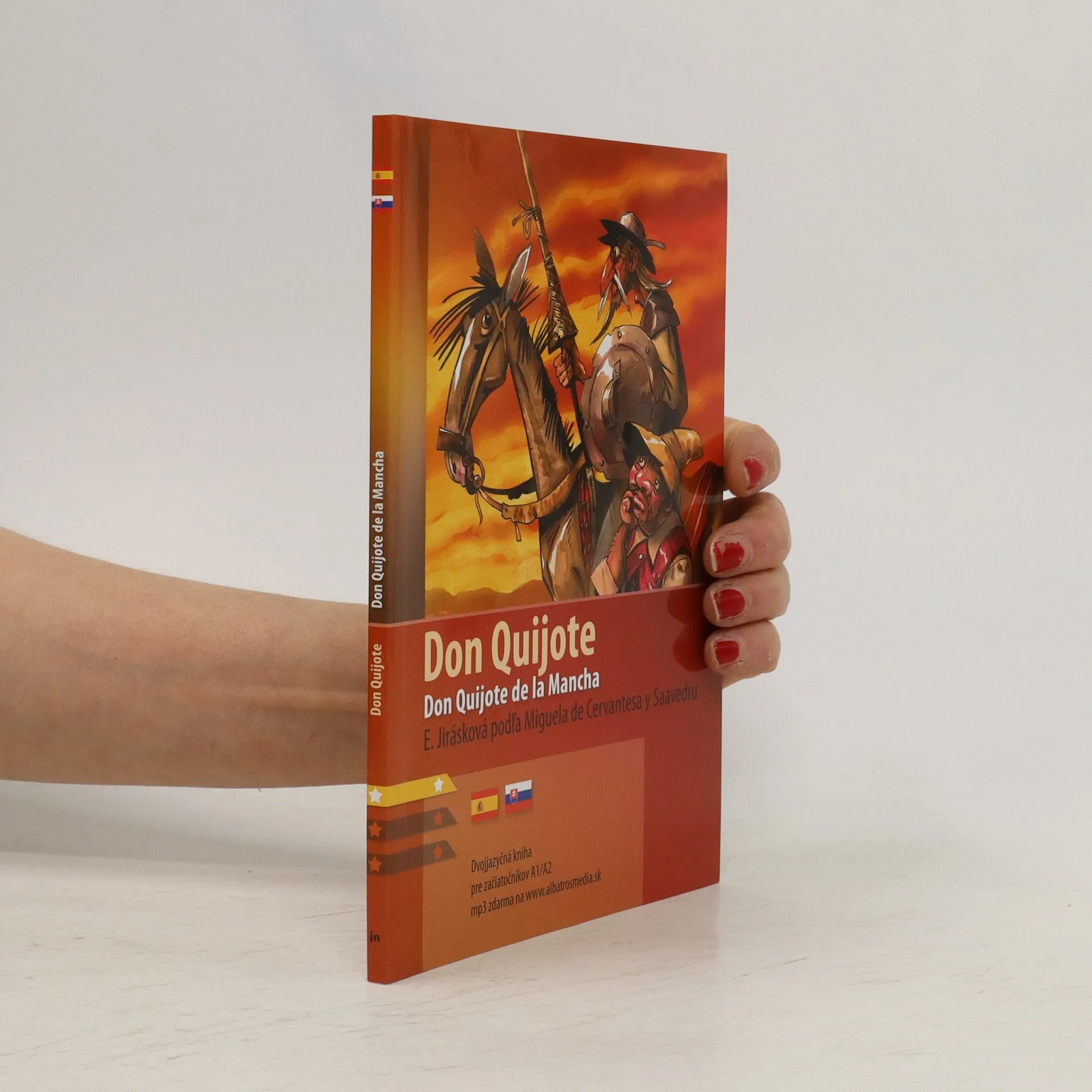
Učte sa španielsky s najslávnejším rytierom všetkých čias a jeho verným zbrojnošom! Don Quijote a Sancho Panza vám ukážu všetky krásy, ale aj všetky nebezpečenstvá pravej dobrodružnej výpravy. Nebudú chýbať súboje s biednymi obrami (veternými mlynmi), nebezpečnými černokňažníkmi (mníchmi) či pohanskými vojskami (so stádami oviec a baranov). V knihe nájdete sedem hlavných kapitol, rozprávajúcich o putovaní známeho rytiera. Sú spracované pre začínajúcich čitateľov, ktorí si chcú vyskúšať, ako si poradia so súvislým textom v španielčine. Úroveň jazyka v publikácii je vhodná pre začiatočníkov a mierne pokročilých študentov. Slovenský zrkadlový preklad umožní čitateľovi obratom skontrolovať, či cudzojazyčnému textu správne porozumel. Cvičenia na konci knihy pomôžu overiť získané znalosti.
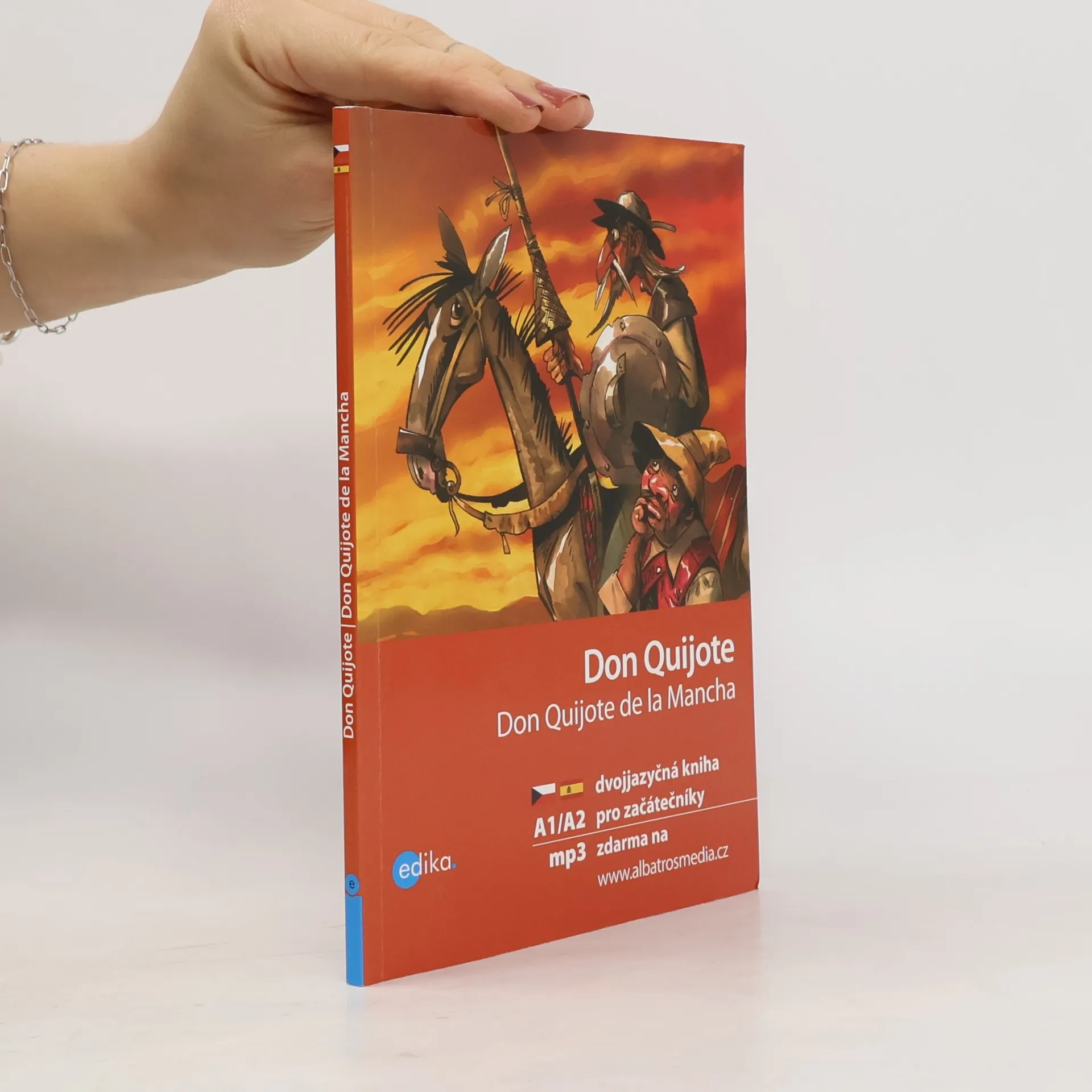
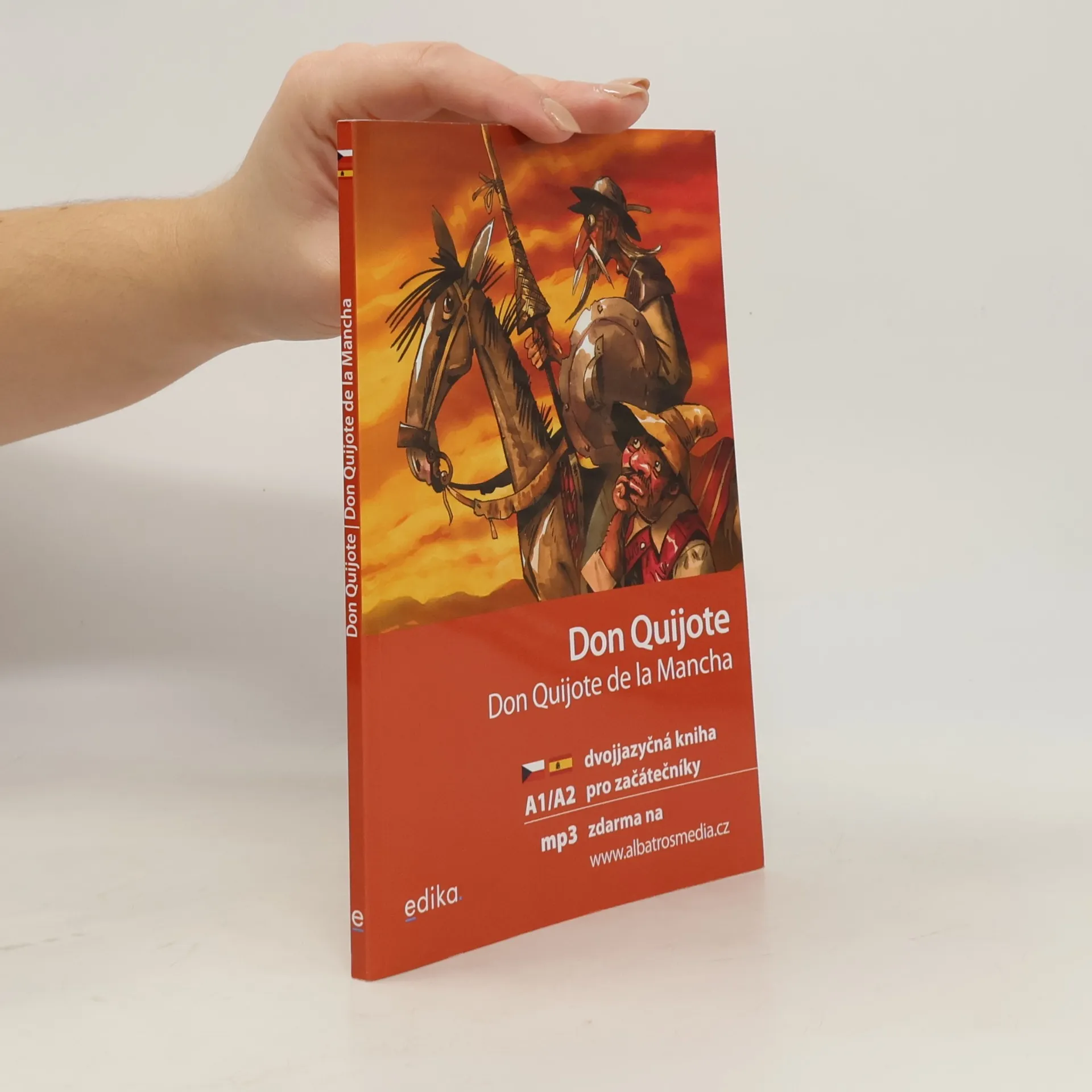
Dvojjazyčná kniha pro začátečníky. V knize naleznete sedm stěžejních kapitol, vyprávějících o putování známého rytíře. Jsou zpracovány pro začínající čtenáře, kteří si chtějí vyzkoušet, jak si poradí se souvislým textem ve španělštině. Úroveň jazyka v publikaci je vhodná pro začátečníky a mírně pokročilé studenty. K dispozici je také český zrcadlový překlad a cvičení na konci knihy. Audionahrávka ve formátu MP3, na které příběhy vypráví rodilý mluvčí, je zdarma ke stažení na webu.
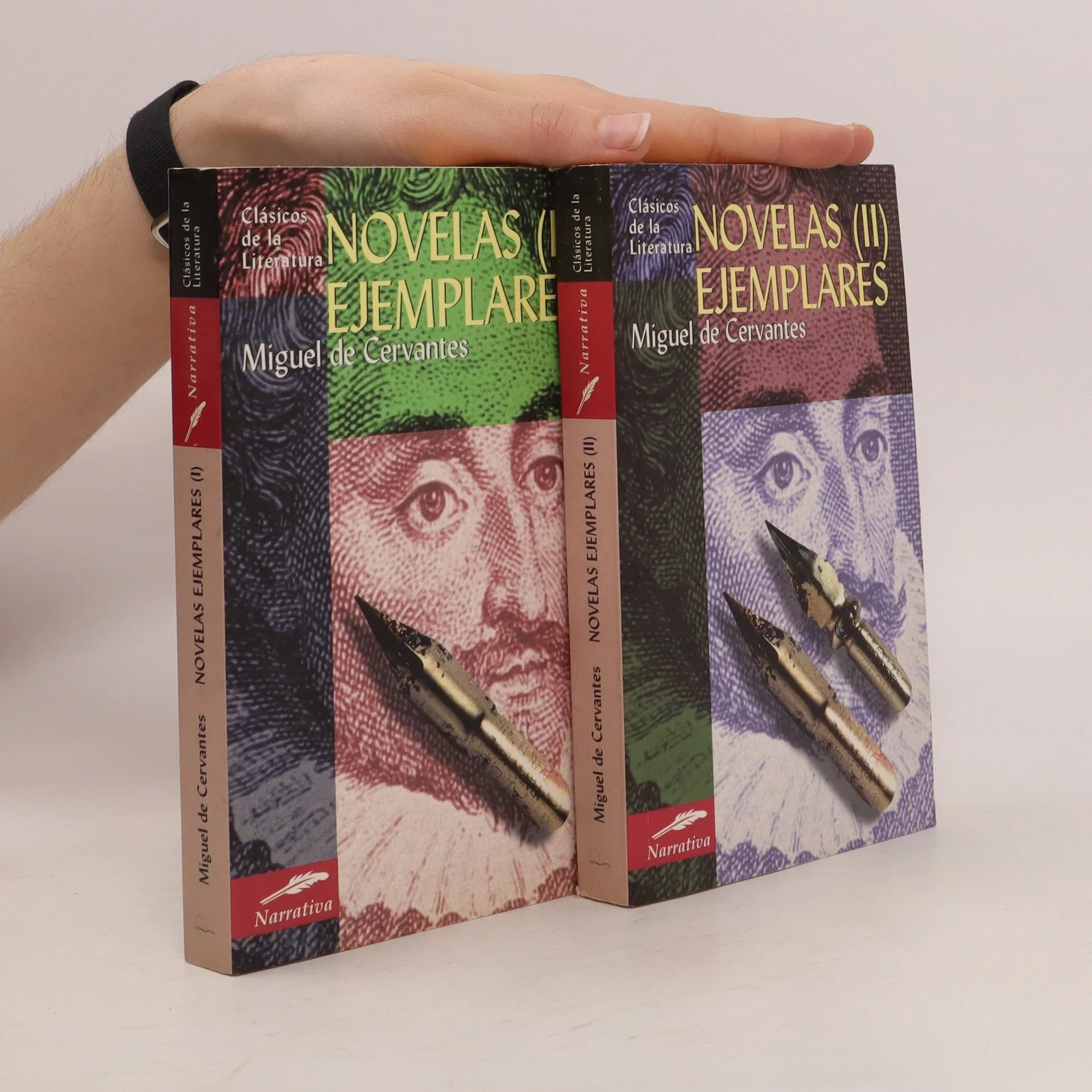
El licenciado Vidriera Miguel de Cervantes Saavedra Novelas ejemplares
Quatre nouvelles. Quatre histoires captivantes qui plongent le lecteur dans des univers riches et dépaysants. À Tolède, un drame va bouleverser la vie d'une jeune femme. À Paris, un traducteur arpente les rues de la Ville Lumière muni de son appareil photo dans l'espoir de réaliser un cliché extraordinaire. À Chicago, une octogénaire acariâtre embauche avec réticence une femme de ménage mexicaine. Sur une plage des îles Baléares, un homme épie un couple magnétique et tente de percer le mystère qui l'entoure. Ce recueil est une invitation à découvrir la plume de quatre auteurs emblématiques de la littérature espagnole et sud-américaine, dévoilant ainsi toute la richesse de leur langue. L'ouvrage se compose de "La force du sang" de Miguel de Cervantes, "Les fils de la vierge" de Julio Cortázar, "Les amies" de Carlos Fuentes et "Tandis qu'elles dorment" de Javier Marías.
Der Protagonist lädt den Leser ein, ihm ohne Vorurteile zu folgen und seine Gedanken zu erkunden. In einem spielerischen und ansprechenden Stil wird eine tiefere Reflexion über das Leben, die menschliche Natur und die Suche nach Wahrheit angestoßen. Der Text regt dazu an, die eigene Perspektive zu hinterfragen und sich auf eine gediegene Auseinandersetzung mit philosophischen Themen einzulassen. Die Mischung aus Humor und Ernsthaftigkeit schafft eine fesselnde Leseerfahrung.
Mit einer eindringlichen Aufforderung an den Leser eröffnet Cervantes seinen Roman, der als eines der bedeutendsten Werke der Literatur gilt. Die Geschichte folgt den legendären Abenteuern von Don Quijote und seinem treuen Gefährten Sancho Pansa, die in ihrem Kampf gegen vermeintliche Ungerechtigkeiten und Windmühlen unvergessliche Momente schaffen. Dieses Meisterwerk ist nicht nur unterhaltsam, sondern auch tiefgründig und hat sich als zeitloses Symbol für idealistischen Kampf und menschliche Unvollkommenheit etabliert.
In "Don Quixote" kämpft der Protagonist gegen Windmühlen, die er für Riesen hält, und erlebt zahlreiche Missverständnisse zwischen Fantasie und Realität. Sein treuer Knabe Sancho Pansa versucht, ihn auf die Wahrheit hinzuweisen. Das Werk thematisiert den Konflikt zwischen Wirklichkeit und Traum sowie Vernunft und Wahn.
Veröffentlicht in Madrid im Jahr 1613, gehören die 'Novelas ejemplares' zu dem Zeitraum, in dem die schöpferische Reife von Miguel de Cervantes (1547-1616) ihren vollen Ausdruck findet und zusammen mit dem 'Quijote' den Weg zur modernen Literatur ebnen. In EL CASAMIENTO ENGAÑOSO entwickelt Cervantes die bösartige und amüsante Geschichte der Heiratsabsicht des angeberischen und selbstgefälligen Alférez Campuzano, der schließlich betrogen und von einer Geschlechtskrankheit befallen wird. Im Krankenhaus von Valladolid, wo er im Bett liegt, ist es Campuzano vergönnt, das ungewöhnliche COLOQUIO DE LOS PERROS von Copión und Berganza zu transkribieren, was dem Autor in der besten Tradition des picaresken Romans ermöglicht, zum Zuschauer und Ankläger der trüben Gesellschaft seiner Zeit zu werden und einmal mehr sein tiefes Wissen über das menschliche Leben und die menschliche Natur zu zeigen.
Don Quixote kämpft gegen Windmühlen, die ihm als Riesen erscheinen, attackiert Hammelherden, die für ihn mächtige Heere zu sein scheinen, jagt einem Barbier sein Rasierbecken ab, das für ihn den Helm des Mambrin darstellt. Häufig wird Don Quixote am Ende solcher Abenteuer von seinen Widersachern fürchterlich verprügelt oder kommt anders zu Schaden. Sancho Pansa weist seinen Herrn stets auf die Diskrepanz zwischen dessen Einbildung und der Wirklichkeit hin. Für Don Quixote beruht sie jedoch auf der Täuschung durch mächtige, ihm feindlich gesinnte Zauberer. Diese haben, so glaubt er zum Beispiel, die Riesen in Windmühlen verzaubert. Don Quixote gibt sich auf Anregung seines Knappen den Beinamen »Der Ritter von der traurigen Gestalt«. Der »Don Quixote« ist eines der einflussreichsten und bekanntesten Bücher der Weltliteratur. Das zentrale Thema ist für Cervantes - wie bei seinem Zeitgenossen William Shakespeare - die Frage, was Wirklichkeit oder Traum ist, also der Konflikt zwischen Realität und Ideal, oder wo die Grenzen sind zwischen Vernunft und Wahn.
Don Quixote kämpft gegen Windmühlen, die ihm als Riesen erscheinen, attackiert Hammelherden, die für ihn mächtige Heere zu sein scheinen, jagt einem Barbier sein Rasierbecken ab, das für ihn den Helm des Mambrin darstellt. Häufig wird Don Quixote am Ende solcher Abenteuer von seinen Widersachern fürchterlich verprügelt oder kommt anders zu Schaden. Sancho Pansa weist seinen Herrn stets auf die Diskrepanz zwischen dessen Einbildung und der Wirklichkeit hin. Für Don Quixote beruht sie jedoch auf der Täuschung durch mächtige, ihm feindlich gesinnte Zauberer. Diese haben, so glaubt er zum Beispiel, die Riesen in Windmühlen verzaubert. Don Quixote gibt sich auf Anregung seines Knappen den Beinamen »Der Ritter von der traurigen Gestalt«. Der »Don Quixote« ist eines der einflussreichsten und bekanntesten Bücher der Weltliteratur. Das zentrale Thema ist für Cervantes - wie bei seinem Zeitgenossen William Shakespeare - die Frage, was Wirklichkeit oder Traum ist, also der Konflikt zwischen Realität und Ideal, oder wo die Grenzen sind zwischen Vernunft und Wahn.
Zkrácená, převyprávěná verze vrcholného díla španělské renesance, které mělo být původně parodií na rytířské romány.
Roman Migelja de Servantesa «Khitroumnyj idalgo Don Kikhot Lamanchskij» Nobelevskim komitetom byl priznan luchshim proizvedeniemmirovoj literatury vsekh vremjon i narodov. Istorija ob Alonso Kikhano, zhitele nekoego sela v zakholustnoj ispanskoj provintsii La Mancha, kotoryj izobrazhaet sebja stranstvujuschim rytsarem i otpravljaetsja na poiski prikljuchenij, poistine bessmertna. V razlichnykh ugolkakh zemnogo shara ljudi s upoeniem prodolzhajut chitat o tom, kak geroj prinimaet postojalyj dvor za zamok, napadaet na vetrjanye melnitsy i stada baranov, v kotorykh vidit zlykh velikanov i volshebnikov.V knige est vstupitelnaja statja o tvorchestve pisatelja.
Influenciado pelas gloriosas histórias de cavalaria, um homem já de idade avançada resolve se aventurar pelo mundo montado em um pangaré e em companhia de um simples camponês. Nesta adaptação, as aventuras de Dom Quixote e Sancho Pança exaltam a essência do Cavaleiro da Triste Figura.
Envie de lire en espagnol les plus grands classiques de la littérature ? Avec Harrap's, c'est facile grâce à : un texte adapté et revu par des enseignants, de belles illustrations, pour suivre l'histoire, un lexique espagnol-français pour aider à bien comprendre le texte. Pour aller plus loin : en suivant sur le livre, écoute la version audio et savoure toute la musicalité de l'espagnol ; écoute et répète chaque mot du lexique pour perfectionner ton accent et mémoriser le vocabulaire. Et pour les enseignants : une fiche pédagogique photocopiable destinée aux élèves, avec de nombreuses activités ludiques liées à l'histoire.
The History of Don Quixote of the Mancha - Translated from the Spanish of Miguel de Cervantes by Thomas Shelton is an unchanged, high-quality reprint of the original edition of 1896. Hansebooks is editor of the literature on different topic areas such as research and science, travel and expeditions, cooking and nutrition, medicine, and other genres. As a publisher we focus on the preservation of historical literature. Many works of historical writers and scientists are available today as antiques only. Hansebooks newly publishes these books and contributes to the preservation of literature which has become rare and historical knowledge for the future.
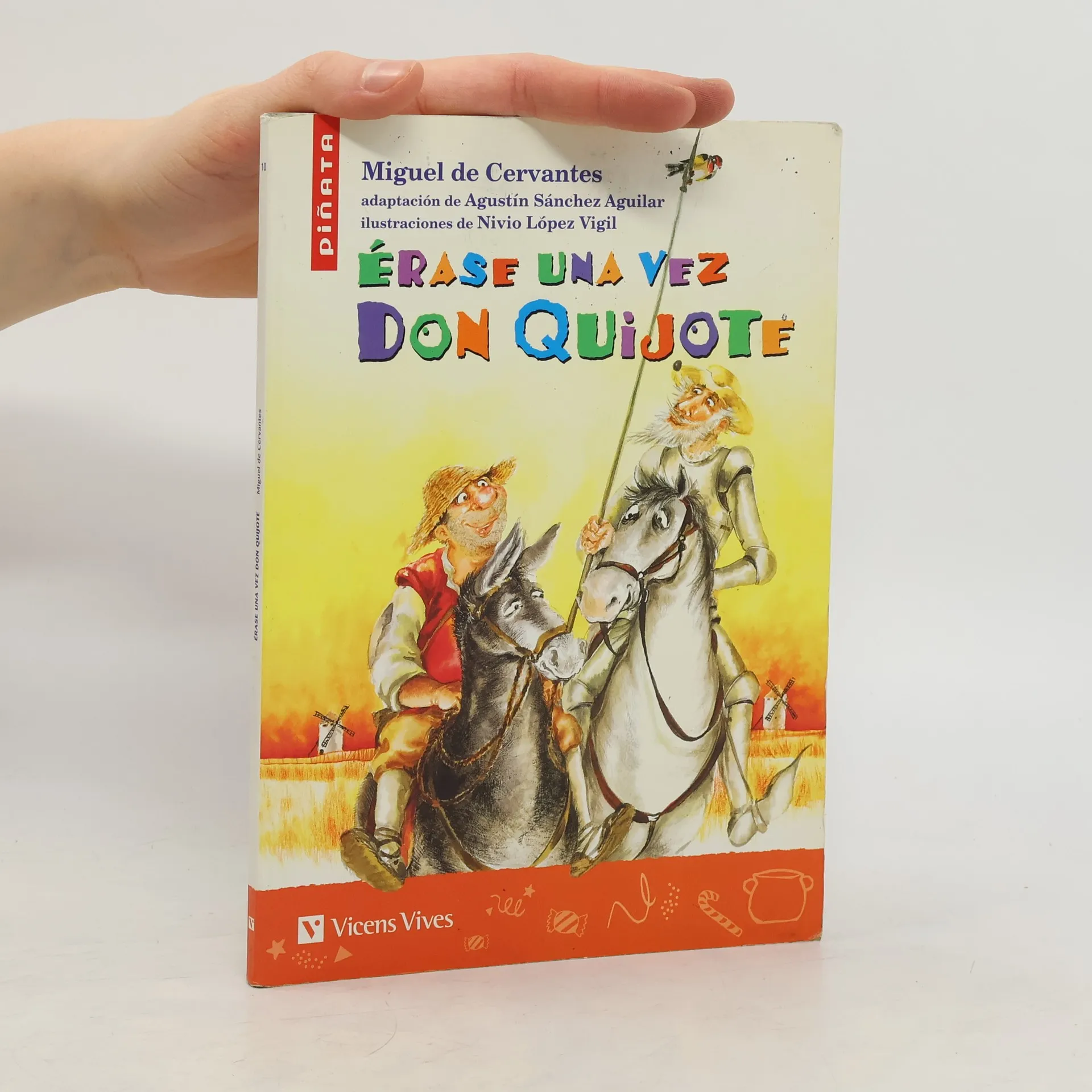
Don Quixote wants a different life, so he leaves his village with Sancho Panza. The two men want to be a knight and his squire from an earlier age. Will they find adventures? Will they be famous? Will they change the world? This is their story.
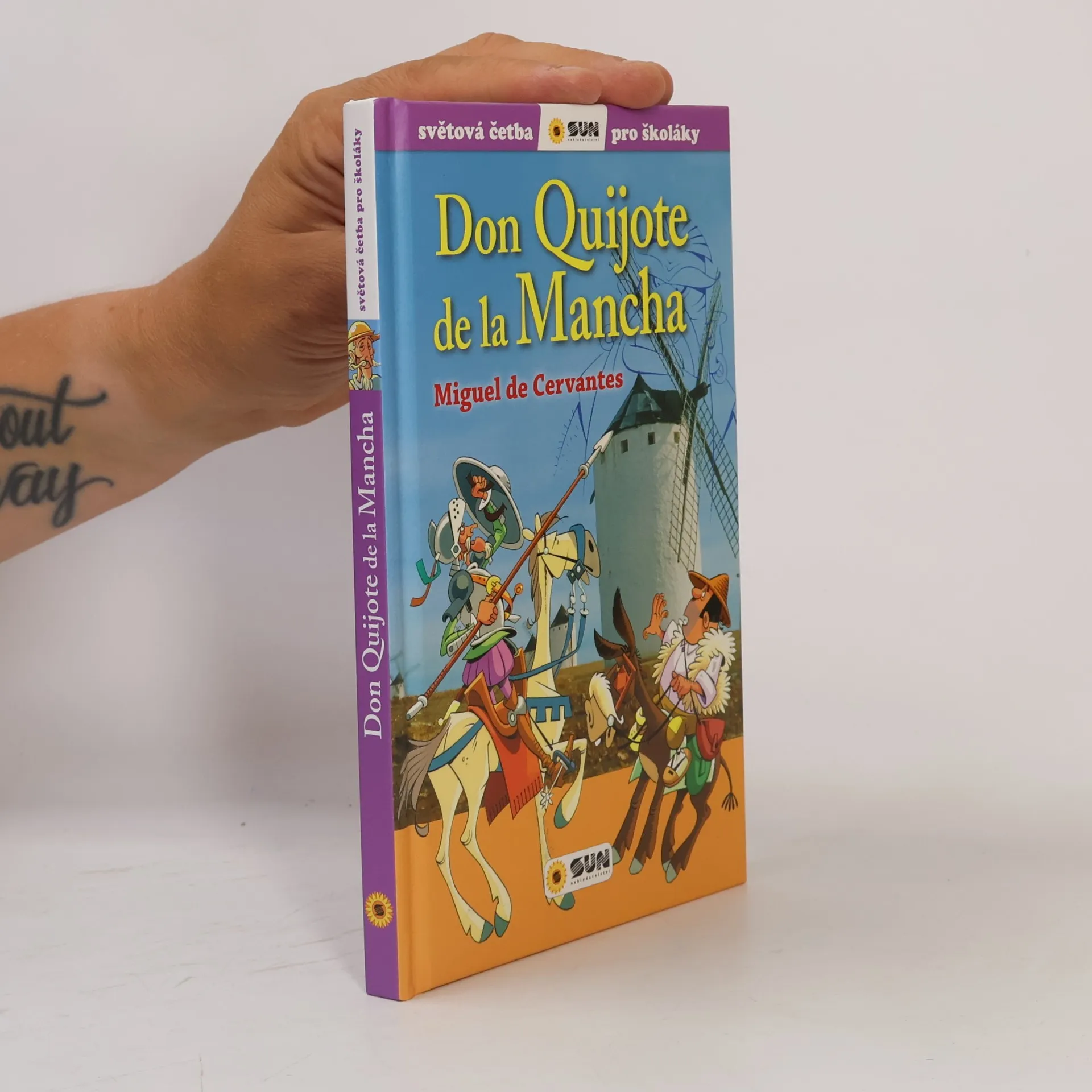
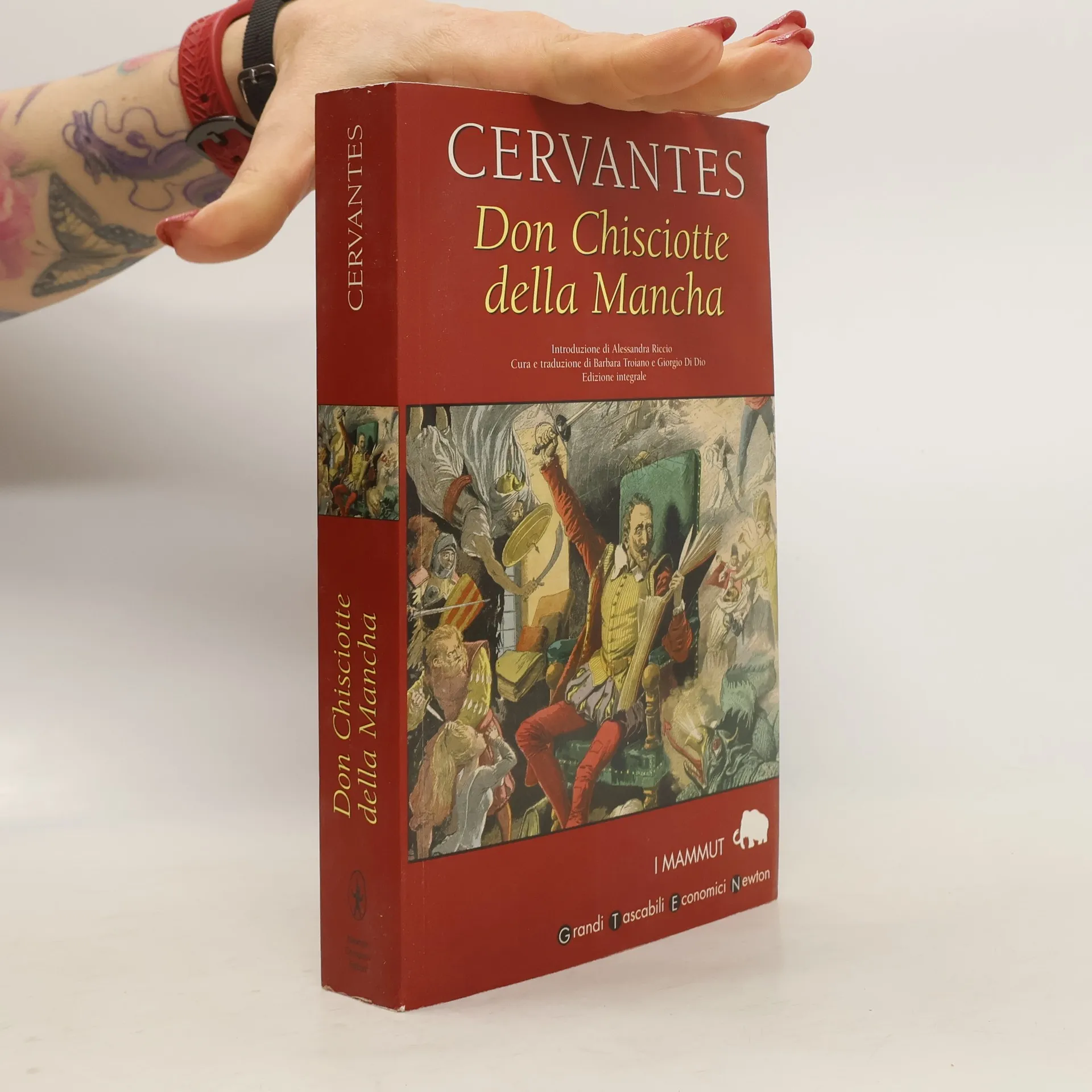
Učte se španělsky s nejslavnějším rytířem všech dob a jeho věrným zbrojnošem! Don Quijote a Sancho Panza vám ukážou všechny krásy, ale také všechna nebezpečí pravé dobrodružné výpravy. Nebudou chybět souboje s bídnými obry (větrnými mlýny), nebezpečnými černokněžníky (mnichy) či pohanskými vojsky (se stády ovcí a skopců). V knize naleznete sedm stěžejních kapitol, vyprávějících o putování známého rytíře. Jsou zpracovány pro začínající čtenáře, kteří si chtějí vyzkoušet, jak si poradí se souvislým textem ve španělštině. Úroveň jazyka v publikaci je vhodná pro začátečníky a mírně pokročilé studenty. Český zrcadlový překlad umožní čtenáři obratem zkontrolovat, zda cizojazyčnému textu správně porozuměl. Cvičení na konci knihy pomohou ověřit získané znalosti.
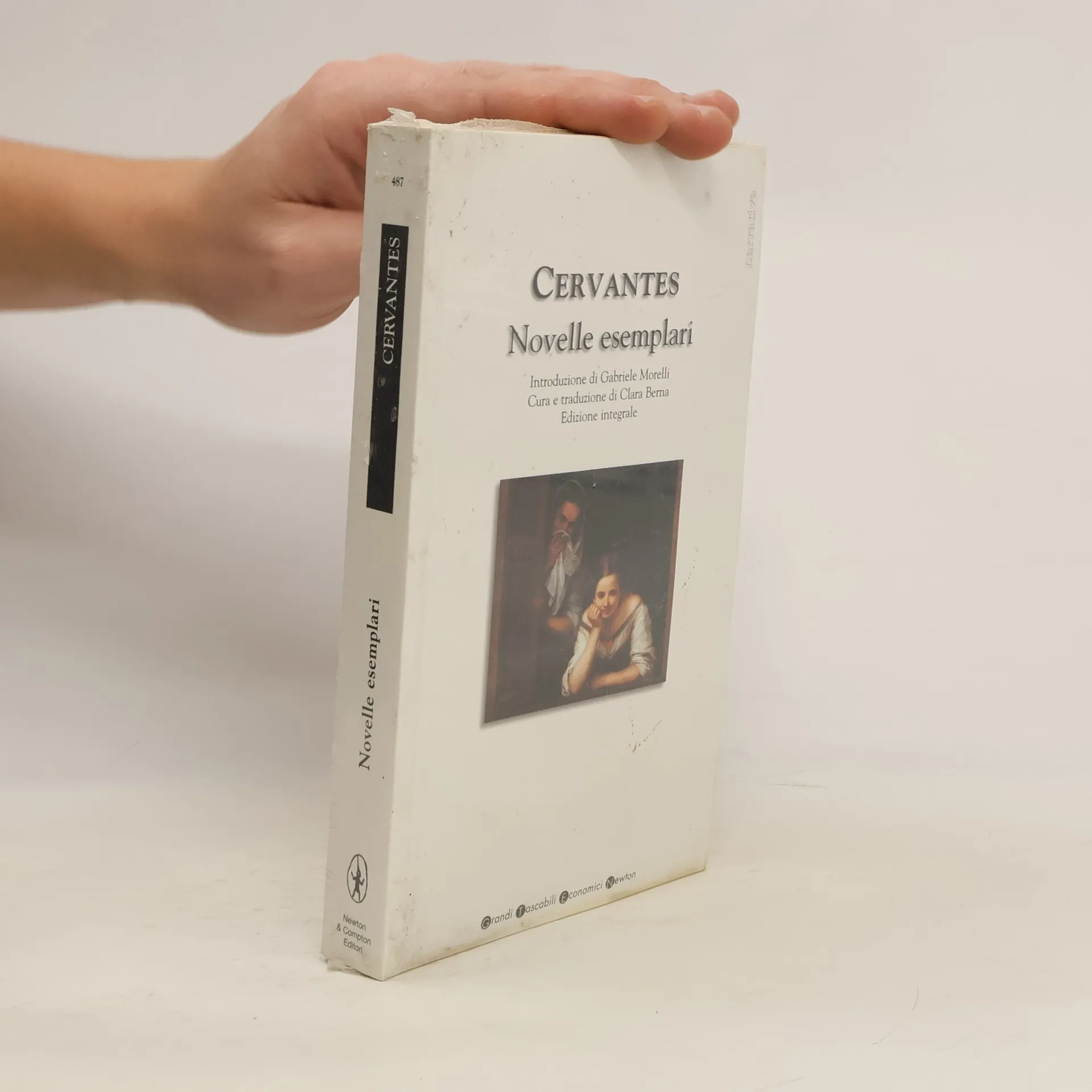
Cervantes hat weit mehr Figuren erfunden als das ungleiche Paar Don Quijote und Sancho Pansa. Sein Reigen von zwölf Erzählungen (im Original die 'Exemplarischen Novellen' genannt), kreist um Liebe und Glück, ist mal märchenhaft, mal abenteuerlich oder satirisch. Ihre Helden sind ein Zigeunermädchen, ein edelmütiger Liebhaber, die erlauchte Scheuermagd oder die beiden sprechenden Hunde Cipion und Berganza. Der große spanische Schriftsteller zieht hier alle Register seiner Erzählkunst, die ihm die Bewunderung seiner Zeitgenossen eintrug und auch vierhundert Jahre nach dem Entstehen dieser Geschichten fasziniert.
"Un clásico sobre la libertad, la justicia y la lucha por los ideales. Un loco bastante cuerdo. Una aventura desternillante. Un amigo con los pies casi siempre en la tierra. Cervantes escribió El Quijote en 1605... ¿Sigues pensando que los clásicos son cosa del pasado?"--Casadellibro
Klasika hispánské literatury Miguela de Cervantese (1547–1616) zná český čtenář již dlouho z řady překladů Dona Quijota nebo Příkladných novel a dramat. Poslední dílo, román Persiles a Sigismunda, kterého si sám autor cenil nejvíc, však dosud přeloženo nebylo. Místo přívlastku „severský“ by podtitulu možná více slušel výraz „evropský“. Román totiž líčí dobrodružné putování dvojice milenců ze severských zemí přes celou Evropu do Říma, přičemž hrdinové prožívají neuvěřitelná, občas až surreálná dobrodružství a na své cestě se setkávají s nejrůznějšími lidmi mnoha národností. Do románu s velice důmyslnou kompozicí a dobře připravenou pointou vložil Cervantes s jemnou ironií i očividnou láskou k postavám svou víru v lidskou důstojnost, zodpovědnost, krásu a ctnost.
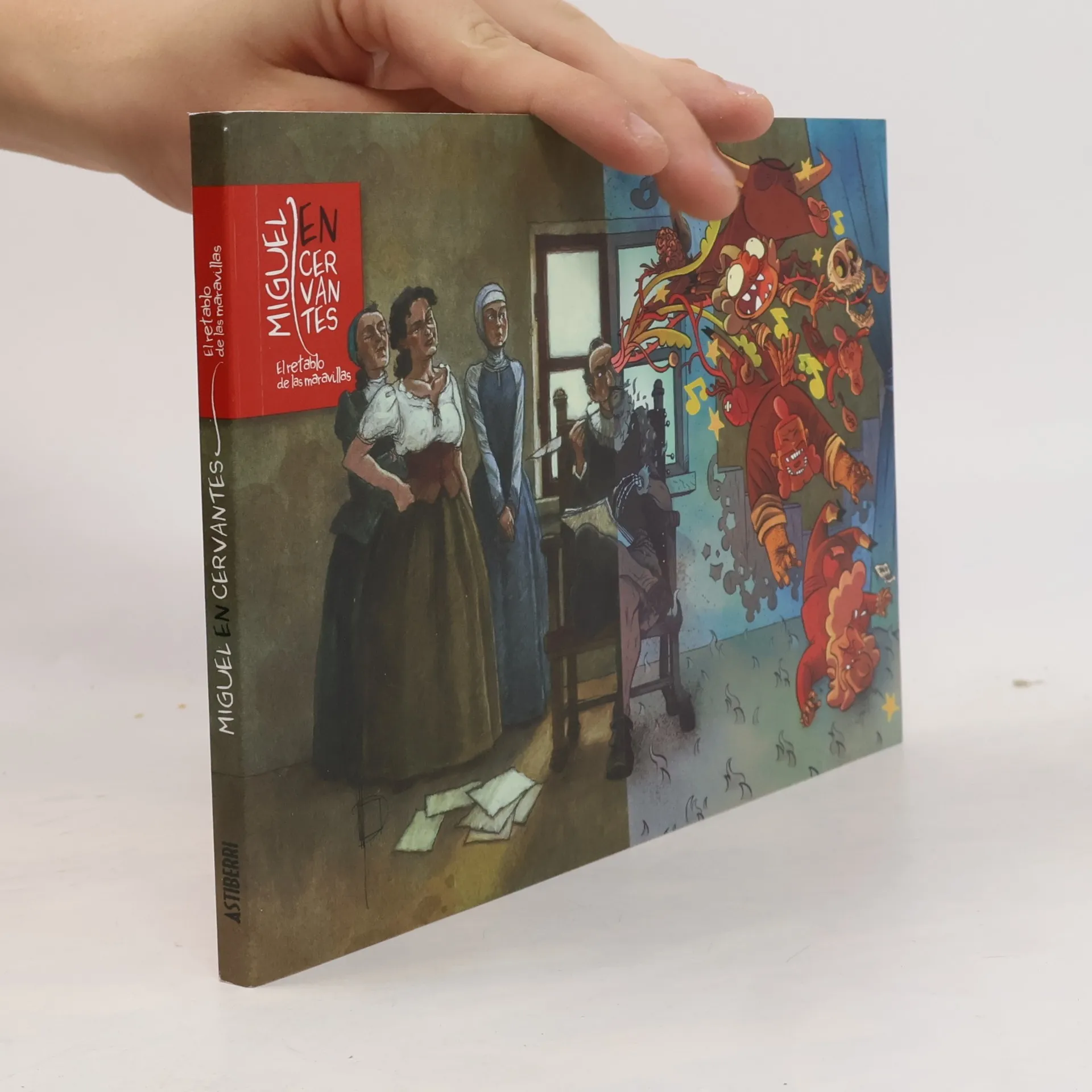
Cervantes, uno de los grandes escritores españoles, permanece envuelto en el misterio, ya que el Quijote ha eclipsado su figura y gran parte de su obra. Este catálogo, coeditado por Astiberri y Acción Cultural Española (AC/E), acompaña a la exposición “Miguel EN Cervantes. El retablo de las maravillas”, organizada por AC/E, la Comunidad de Madrid y el Instituto Cervantes en conmemoración del 400 aniversario de su fallecimiento en 2016. La muestra, que se inaugurará el 16 de octubre en el Museo Casa Natal de Cervantes en Alcalá de Henares y que recorrerá sedes internacionales del Instituto Cervantes, busca presentar tanto al Cervantes conocido –el combatiente en Lepanto y el cautivo en Argel– como al menos conocido –el espía, espadachín y recaudador de impuestos, quien fue excomulgado en dos ocasiones. Para ello, dos destacados artistas del cómic español, Miguelanxo Prado y David Rubín, exploran su vida y obra: Prado ilustra la biografía de Cervantes en capítulos temáticos, mientras Rubín adapta al cómic El retablo de las maravillas, una obra que Cervantes no vio representada en vida. Este entremés satírico, con fuerte carga autobiográfica, juega con la ficción y la realidad, revelando conexiones entre la obra y la biografía del autor.
Cuando Don Quijote y Sancho Panza salen en busca de aventuras, solo cabe esperar una auténtica catarata de disparates. ¿Aquello de allí al fondo es un molino de viento o un gigante que agita los brazos? ¿Puede una princesa tener mal aliento? ¿Será verdad que pandafilando tiene vino en las venas?
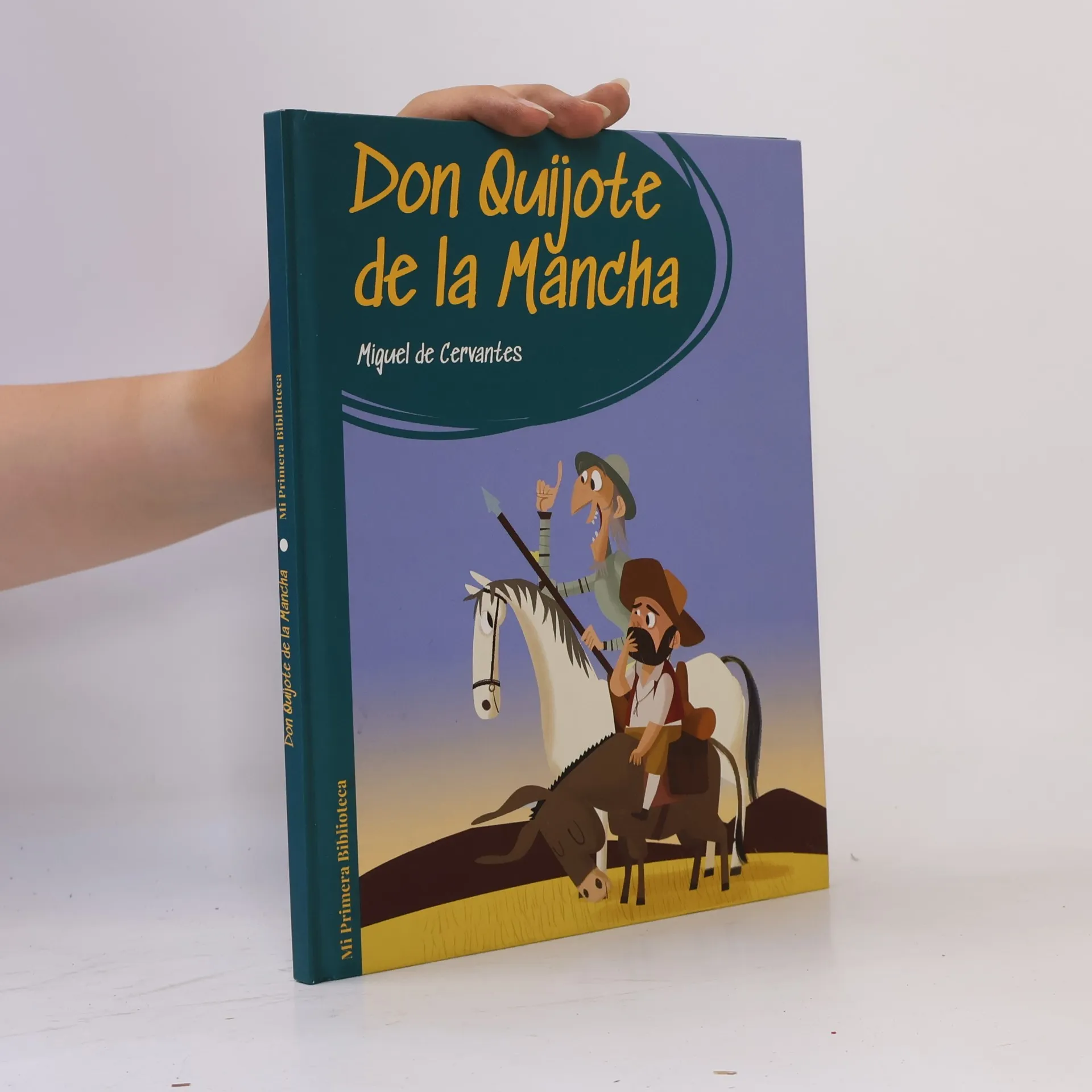
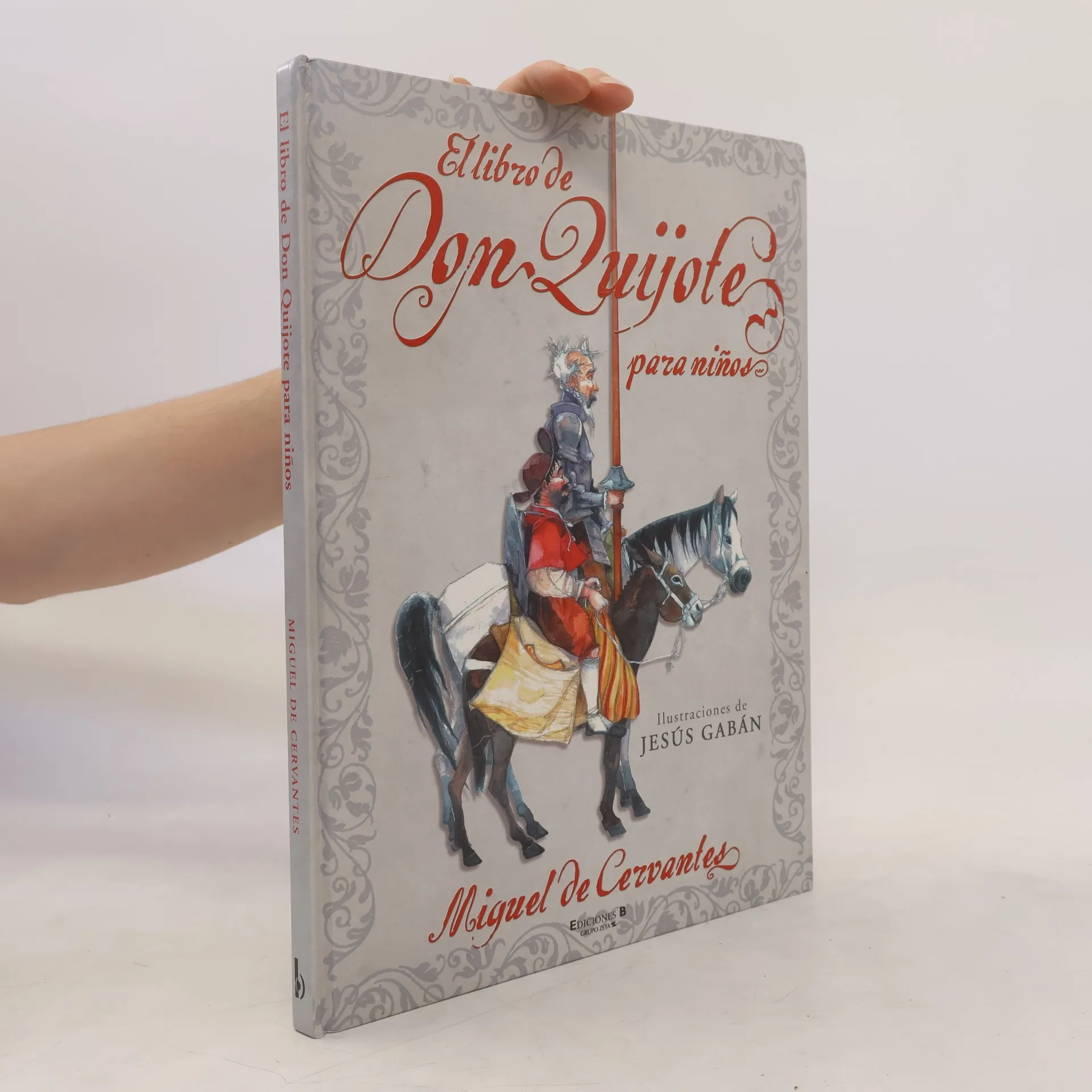
Don Quichotte de la Manche est sans doute l'un des personnages les plus célèbres de la littérature. Idéaliste aussi désespéré qu'illuminé, le chevalier errant nous entraîne avec son écuyer, Sancho Pança, au coeur de l'Espagne du XVIIe siècle, dans les aventures les plus comiques et rocambolesques. Magnifiquement illustrée, cette adaptation propose le meilleur du célèbre chef-d'oeuvre de Cervantès. Une lecture idéale pour les lecteurs dès 9 ans.
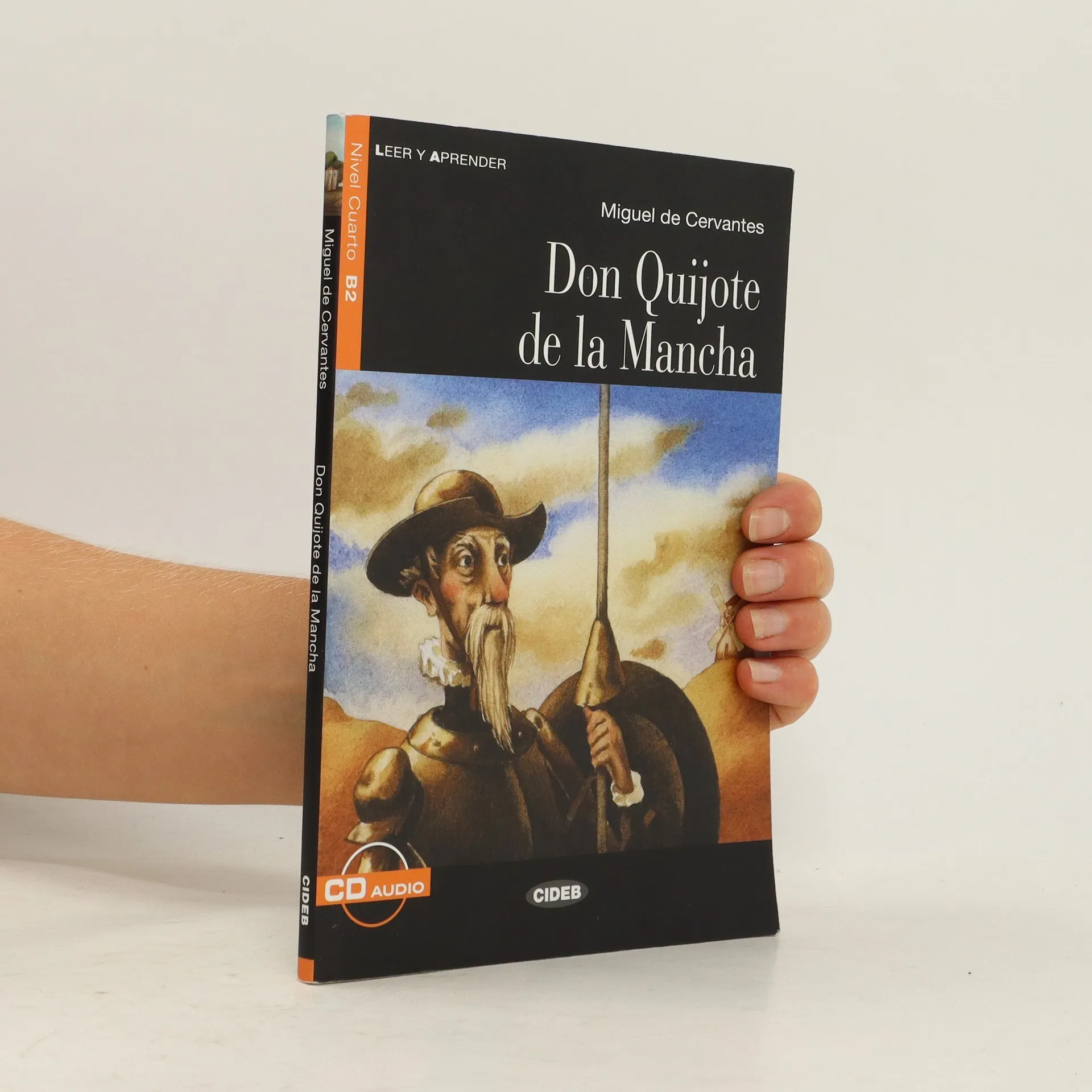
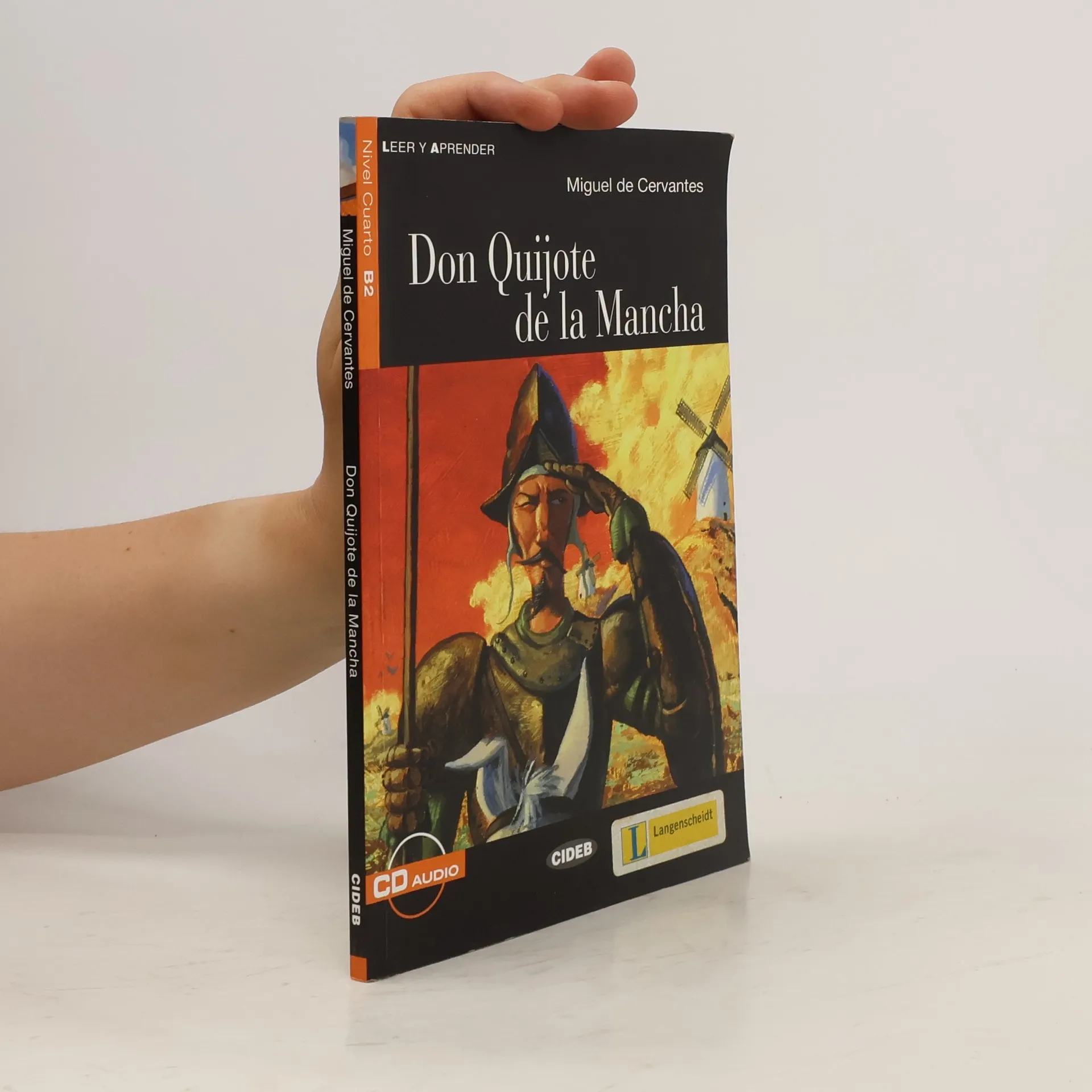
El Quijote trasciende el tiempo y el espacio, por eso nos identificamos con los dos personajes fundamentales: don Quijote, el que favorece a los débiles y defiende la justicia arriesgando su vida, y Sancho Panza, interesado y material, que le hace ver la realidad como es, diciéndole que los molinos de viento no son gigantes ... Esta novela se lee y se seguirá leyendo, porque en ella están expresadas las grandezas y debilidades del ser humano.--Cideb
Zjednodušené převyprávění určené především mladším čtenářům. Vrcholné dílo španělské renesance, které mělo být původně parodií na rytířské romány. V malé španělské vesnici na náhorní plošině La Mancha žil chudý šlechtic, který se nazýval Quijana. Měl dvě velké vášně – lov a četbu rytířských eposů. To druhé mu dokonce zabíralo tolik času, že nejednou zapomněl vyrazit na hon a o své panství se už skoro vůbec nestaral. Nakonec ho svět velkých hrdinů, překrásných žen a sladkých milostných románků ovládl tak, že vyčistil svou zrezivělou zbroj, vyhřebelcoval stařičkého dýchavičného koně a se sluhou bez špetky fantazie se rozhodl vyrazit do světa šířit rytířskou slávu jako Don Quijote de la Mancha. Kniha, která popisuje jeho neuvěřitelné příběhy, výrazně ovlivnila evropskou literaturu. A slovní spojení jako „boj s větrnými mlýny“ či „donkichotství“ se dostala do obecného povědomí a v běžné řeči se používají dodnes. Text upravila Eliška Nosálová.
Dit boek maakt deel uit van de TREDITION CLASSICS serie, die zich richt op het opnieuw beschikbaar maken van publieke domein boeken. De serie is ontstaan uit een passie voor literatuur en streeft ernaar om waardevolle werken uit de wereldliteratuur te behouden en te herdrukken.
Zum 400. Todestag von Cervantes Der berühmteste Roman der Weltliteratur: Die Abenteuer des Möchtegern-Ritters Don Quijote von der Mancha erschienen 1605 und 1615 in zwei Teilen. Cervantes begründete damit nicht nur die neue Gattung ›Roman‹, sondern setzte seinem Helden und dessen Knappen Sancho Panza wie sich selbst ein Denkmal für die Ewigkeit. Susanne Langes Neuübersetzung des Mammutwerks wurde von Kennern wegen ihrer unvergleichlichen Nähe zum Original als kongenial gefeiert. Mit umfangreichem Anhang zu Zeitgeschichte, Leben und Werk des Autors.
This book is a reproduction of the original work, preserving its content and essence for readers. It offers an opportunity to explore classic literature in its authentic form.
Un maleficio scagliato da un’amante respinta fa impazzire un dotto avvocato, che crede di essere diventato un fragile uomo di vetro. La trasparenza, però, non si limita al fisico: Vetrata diviene estremamente sincero, tagliente e sarcastico.La novella è considerata, assieme al Don Chiosciotte, il manifesto dell’ironia amara del massimo narratore spagnolo.
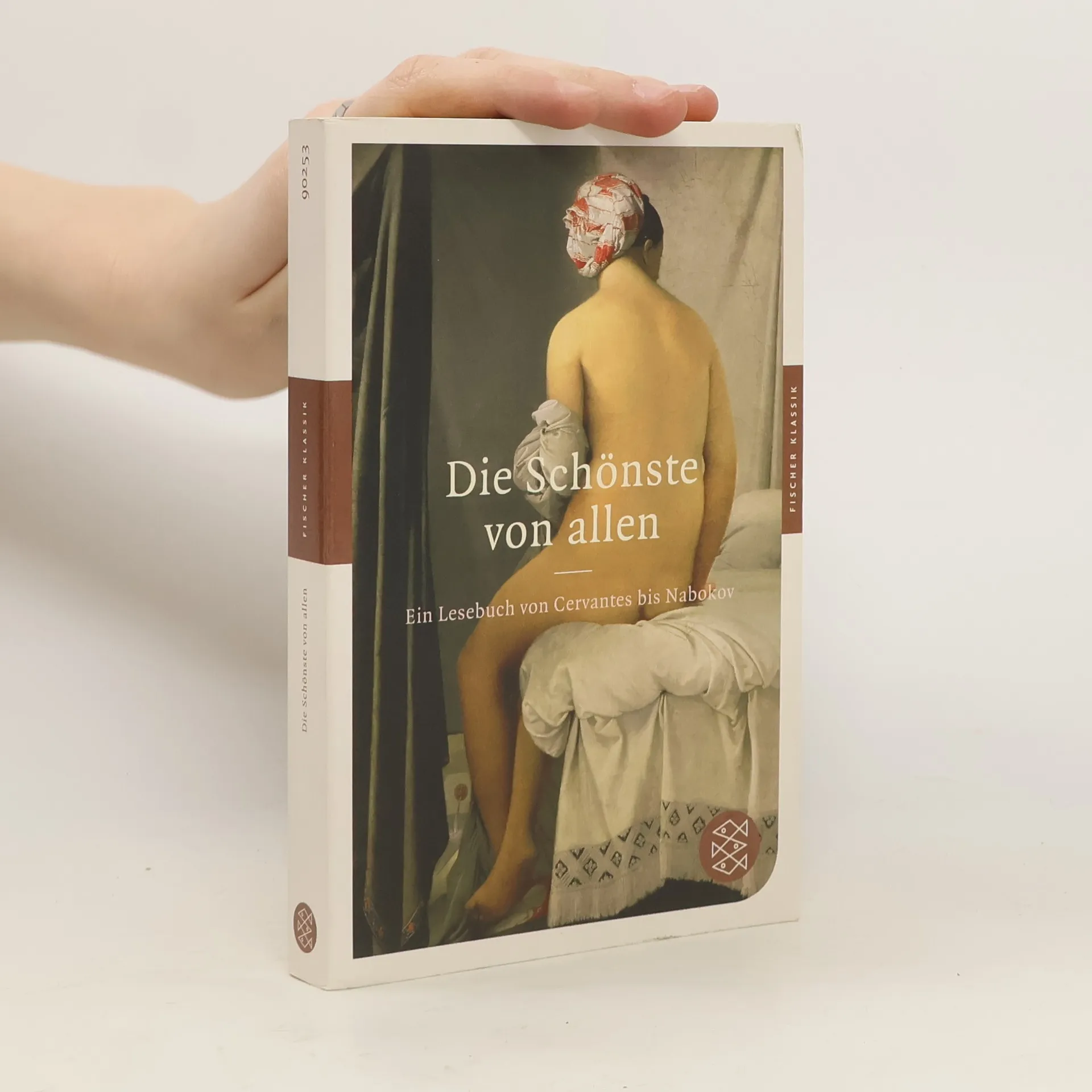
Die Schönheit des weiblichen Geschlechts wird seit Jahrtausenden besungen. Von der geheimnisumwobenen Femme fatale bis zur selbstverliebten Diva, Schriftsteller aller Jahrhunderte haben versucht, den Reiz der Frauen einzufangen. Dieser Band horcht den Huldigungen – wer die 'Schönste von allen' ist, muss jeder selbst entscheiden. Mit Texten von Guy de Maupassant, Leo Tolstoi, Marina Zwetajewa und anderen.
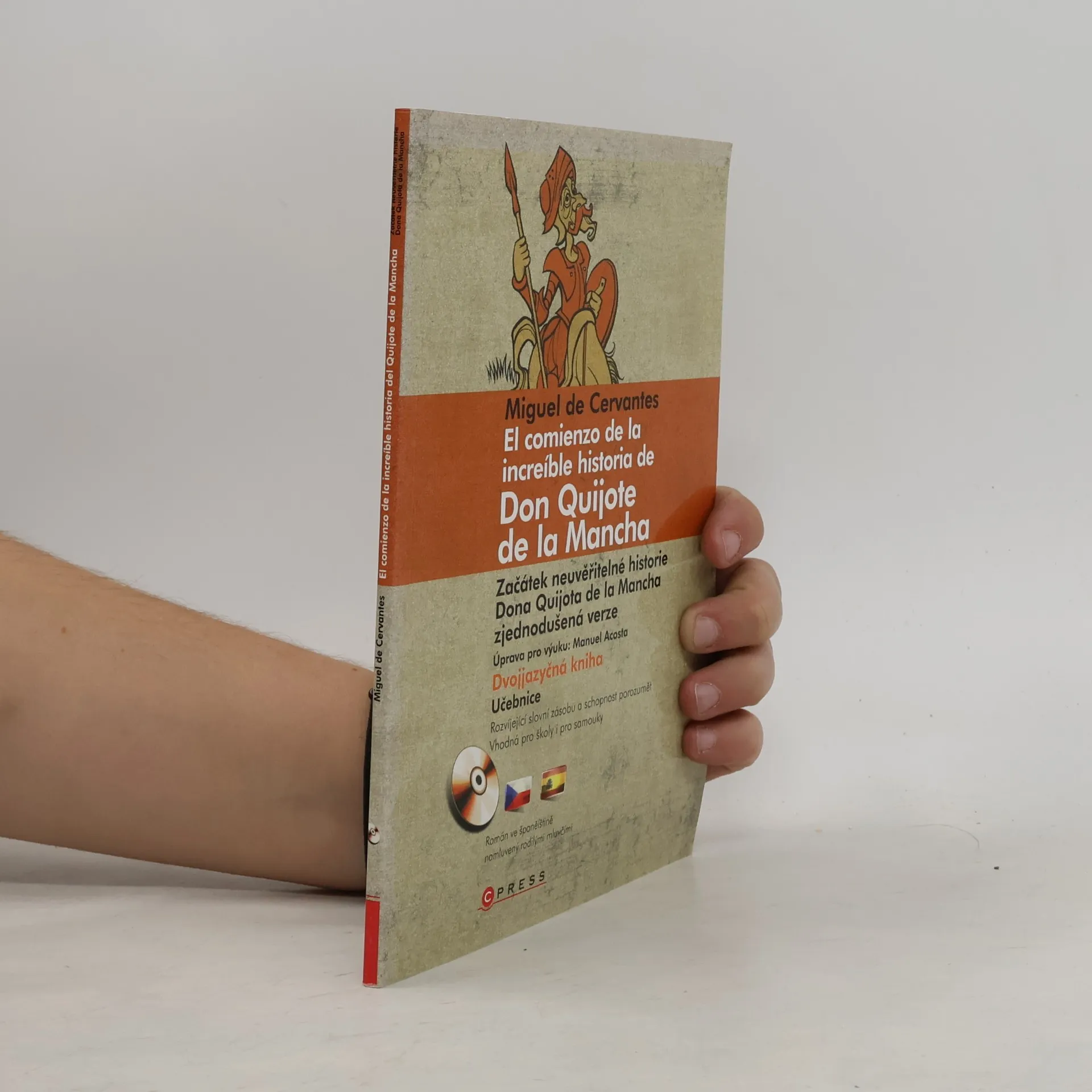
Publikace je zjednodušeným přepracováním prvních čtyř kapitol známého románu Miguela de Cervantese, které vyprávějí o prvním dobrodružství slavného „rytíře smutné postavy“ Dona Quijota de la Mancha. Text knihy je zpracován pro studijní účely a je určen středně pokročilým studentům španělštiny, kteří si chtějí vyzkoušet, nakolik dovedou porozumět cizojazyčnému literárnímu textu. Může být užitečnou pomůckou jak při samostudiu, tak i v hodinách s lektorem pro zpestření výuky.
Publicada en 1615, diez años después de la primera parte, la segunda parte de la obra responde a una falsa continuación del Quijote. Es considerada la obra más influyente de la literatura en español y un pilar de la Literatura Occidental, reconocida como la novela moderna y la más leída tras la Biblia. Su tratamiento burlesco desmitifica la tradición caballeresca, marcando su lugar como la primera novela polifónica, con un impacto significativo en la narrativa europea. La obra consta de 74 capítulos y en el prólogo, Cervantes se defiende irónicamente de las críticas de Avellaneda, lamentando las dificultades del arte de novelar. La narrativa juega con diferentes planos de la realidad, incluyendo la edición de la primera parte y la apócrifa segunda parte que los personajes han leído. Cervantes aborda las inverosimilitudes de la primera parte, como la reaparición del rucio de Sancho y el destino de unos dineros. En esta entrega, don Quijote y Sancho son conscientes de su fama y algunos personajes los reconocen. Cervantes y don Quijote presagian que la novela se convertirá en un clásico. La historia comienza con el renovado propósito de don Quijote de aventurarse de nuevo, a pesar de la oposición de su sobrina y el ama. El cura y el barbero, junto a Sansón Carrasco, planean recluirlo, mientras don Quijote promete a Sancho una ínsula a cambio de su compañía. Sancho, obsesionado con ser gobernador, provoca las burlas de su esposa T
En el Quijote se encuentra la historia de Alfonso Quijano, que se volvió loco de tanto leer novelas de caballeros andantes.
Es gibt im Gedächtnis der Menschen und Kulturen Geschichten, die eine besonders mythische Kraft besitzen. Sie überdauern die Zeiten und bilden den Urstoff des Erzählens. Das Gilgamesch- Epos, die Odyssee, der Sagenkreis um König Artus und das Nibelungenlied gehören ebenso dazu wie Tausendundeine Nacht oder die Geschichte von Don Quijote, dem Ritter von der traurigen Gestalt. C. H. Beck versammelt in einer Auswahl diese Großen Geschichten der Menschheit. Es werden textgetreu berühmte Episoden ausgewählt, um auch einer breiteren Leserschaft diese „klassischen“ Werke nahezubringen. Renommierte Fachleute führen in das Werk, seine Entstehung und seinen literarischen Kontext ein. Die Großen Geschichten der Menschheit sind eine klassische Bibliothek für jedermann - und ein Lesevergnügen von erlesenem Rang. Ausgezeichnet im Wettbewerb „Die schönsten deutschen Bücher 2007“ der Stiftung Buchkunst.
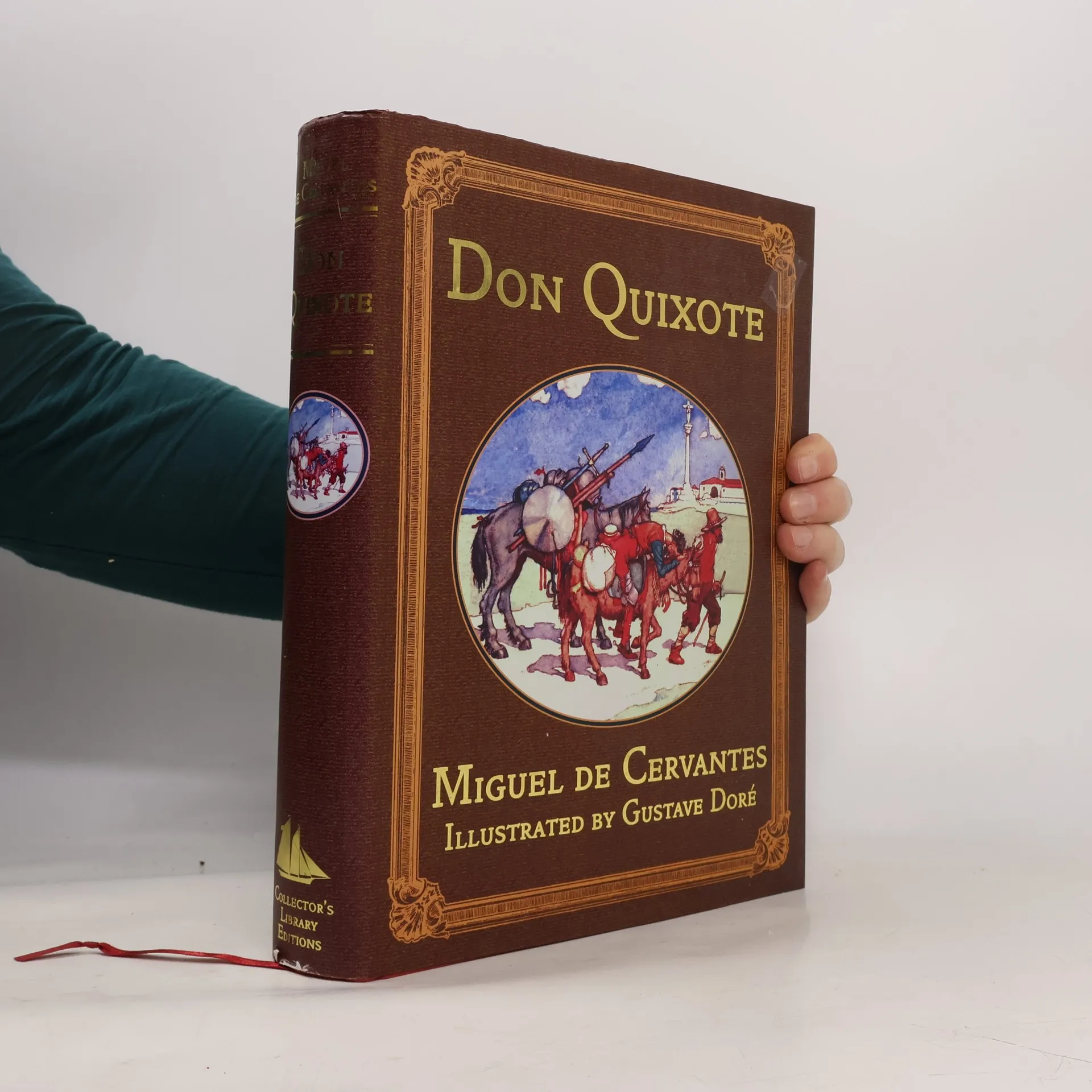
Don Quixote is a masterpiece of world fiction, a brilliant satire on traditional romances and an uproarious comedy and a prose-epic in a new genre for its time. Widely regarded as the world's first modern novel, and one of the funniest and most tragic books ever written, Don Quixote chronicles the famous adventures of the noble knight-errant Don Quixote de La Mancha and his faithful squire, Sancho Panzal. Don Quixote travels through sixteenth-century Spain in search of adventure, dedicating his actions of valour to a country girl whom he calls Dulcinea, seeing her as his lady. He takes on spirits, evil enchanters and most famously, of course, giants in the form of windmills.
Este Quijote de José Ramón Sánchez es una manifestación de talento y amor hacia la obra original. Con maestría, ha ido dibujando, día a día, todo lo que se puede imaginar: el hidalgo y su casa, la familia, el escudero, amigos, pueblos, paisajes, y los objetos cotidianos que pueblan la historia. José Ramón ha reimaginado cada aspecto del universo creado por Cervantes, desde los personajes más destacados hasta los más efímeros. Aunque no ha dibujado el corazón del caballero, su habilidad sugiere que podría hacerlo en cualquier momento, al igual que el de Sancho o Cervantes. Su propio corazón como artista se refleja en cada trazo. Muchos artistas han intentado ilustrar el Quijote, pero José Ramón, tras cinco años de dedicación, ha logrado plasmarlo todo con un entusiasmo y humildad admirables. Con mil dibujos elaborados con amor y sin excesos de color o tamaño, ha culminado una tarea monumental. Su dedicación ha sido tan intensa que será difícil que otro ilustrador encuentre el mismo ímpetu para seguir este esfuerzo. A través de su lápiz sencillo, ha demostrado que se puede erigir un verdadero monumento a la obra de Cervantes.
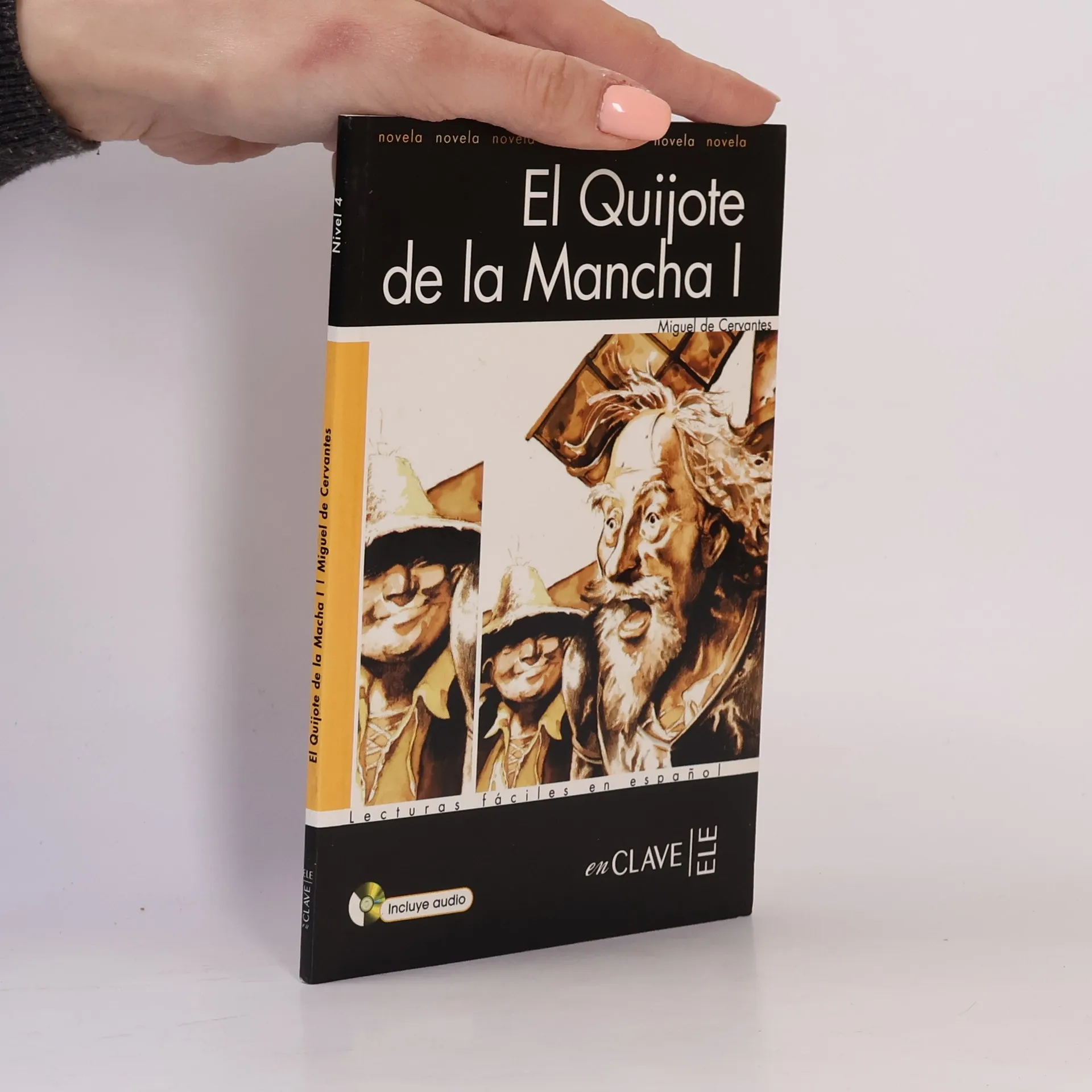
Novela - Lecturas fáciles en español - Nivel 4
El Quijote de la Mancha I es una versión adaptada de la primera parte de la famosa obra de Miguel de Cervantes. La adaptación respeta el estilo y los principales episodios de la novela original, pero ofrece una narración más fluida y diálogos más sencillos. Para facilitar la comprensión del texto, hay ilustraciones de apoyo, notas a pie de página y un glosario final. Incluye CD audio con la grabación del texto íntegro. Incluye actividades de explotación.
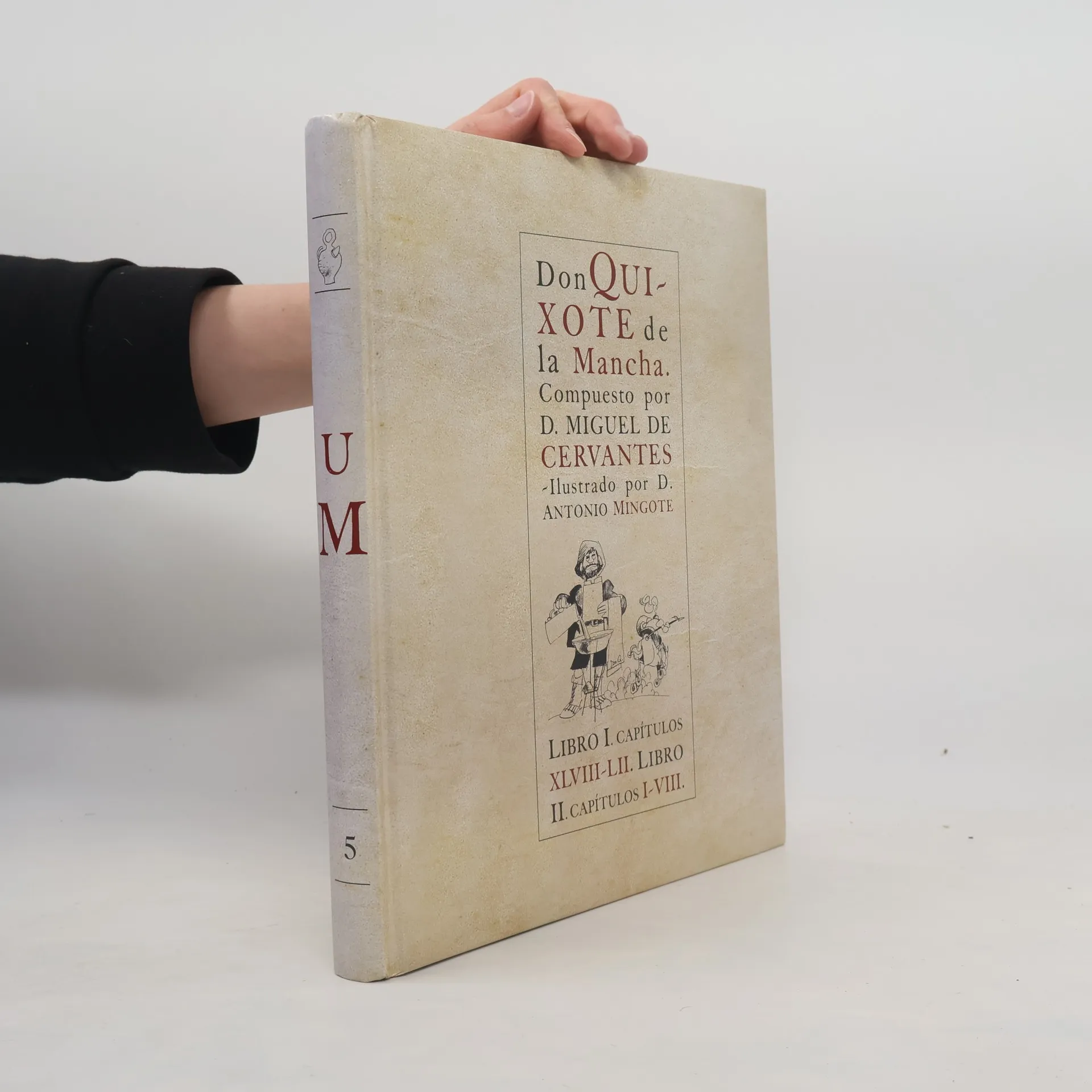
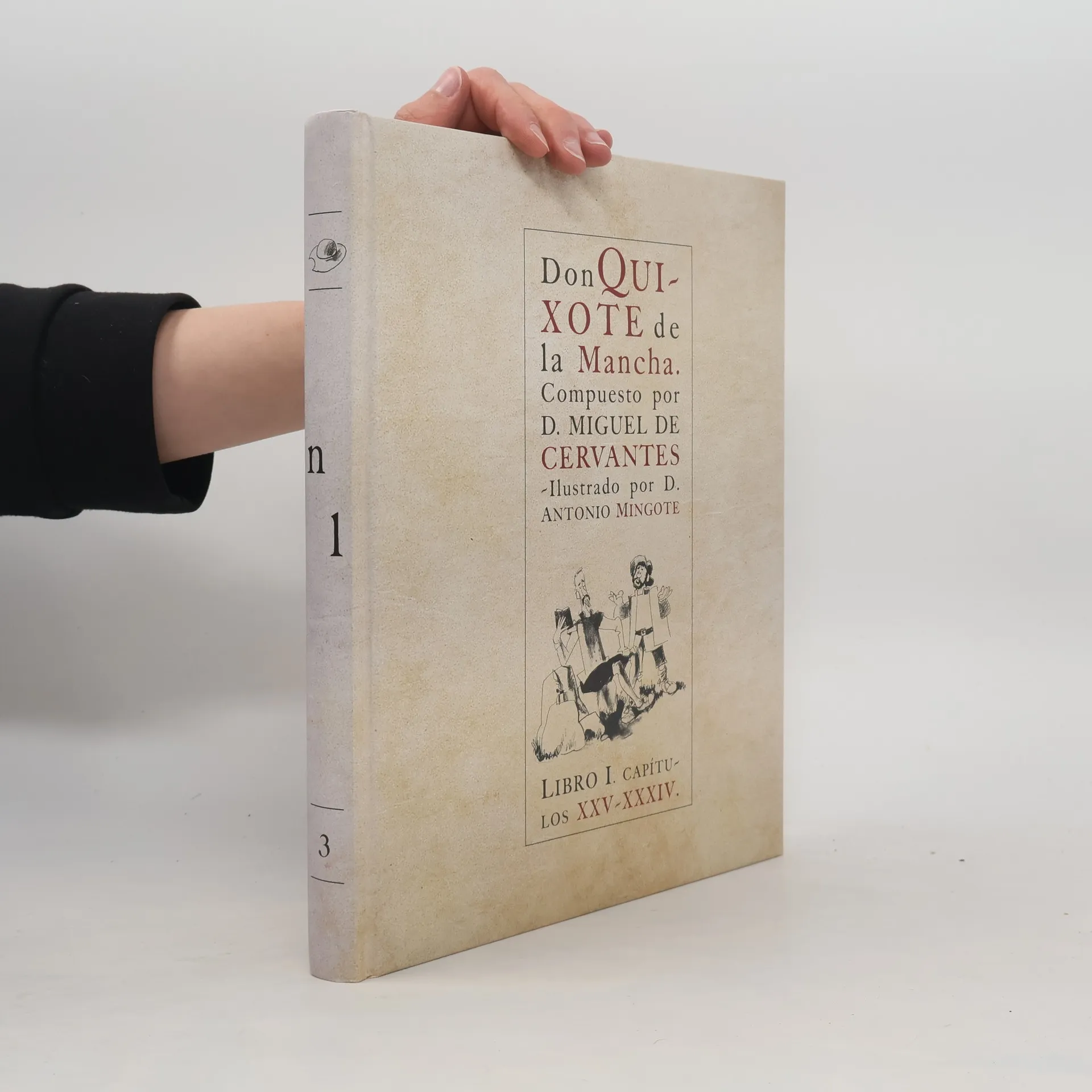
Libro I. Capítulos XLVIII-LII. Libro II. Capítulos I-VIII.
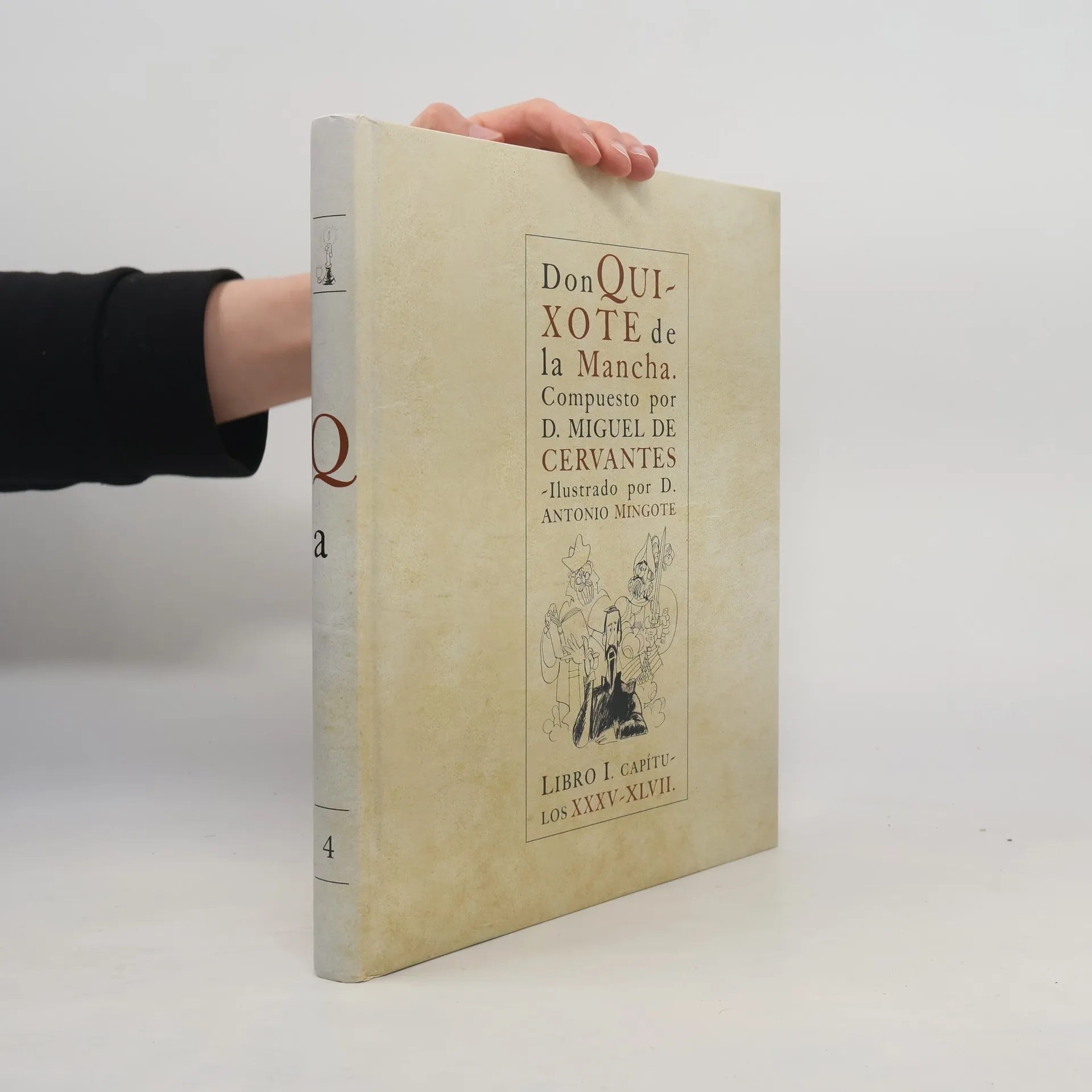
Libro I. Capítulos XXXV-XLVII.
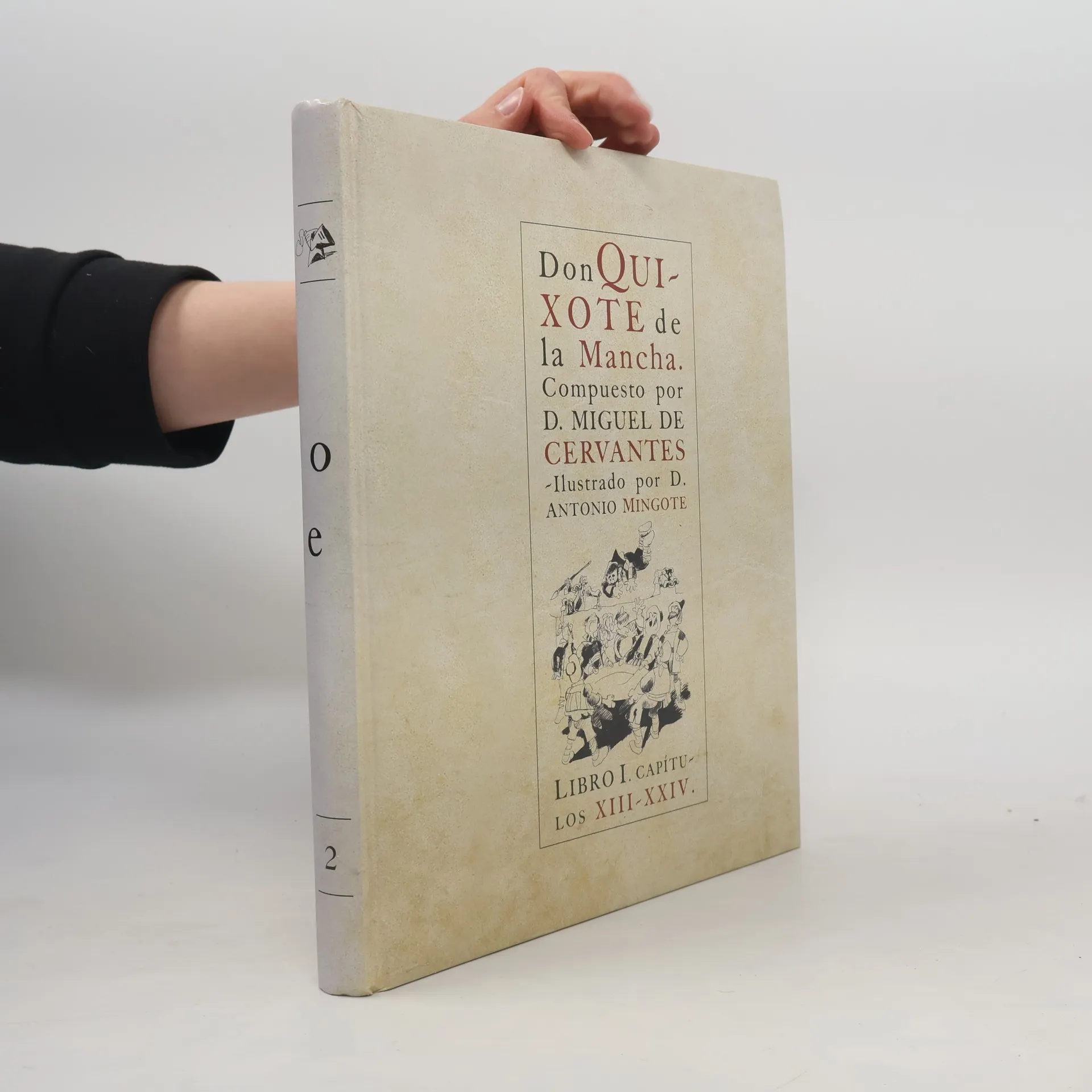
Libro I. Capítulos XIII-XXIV.
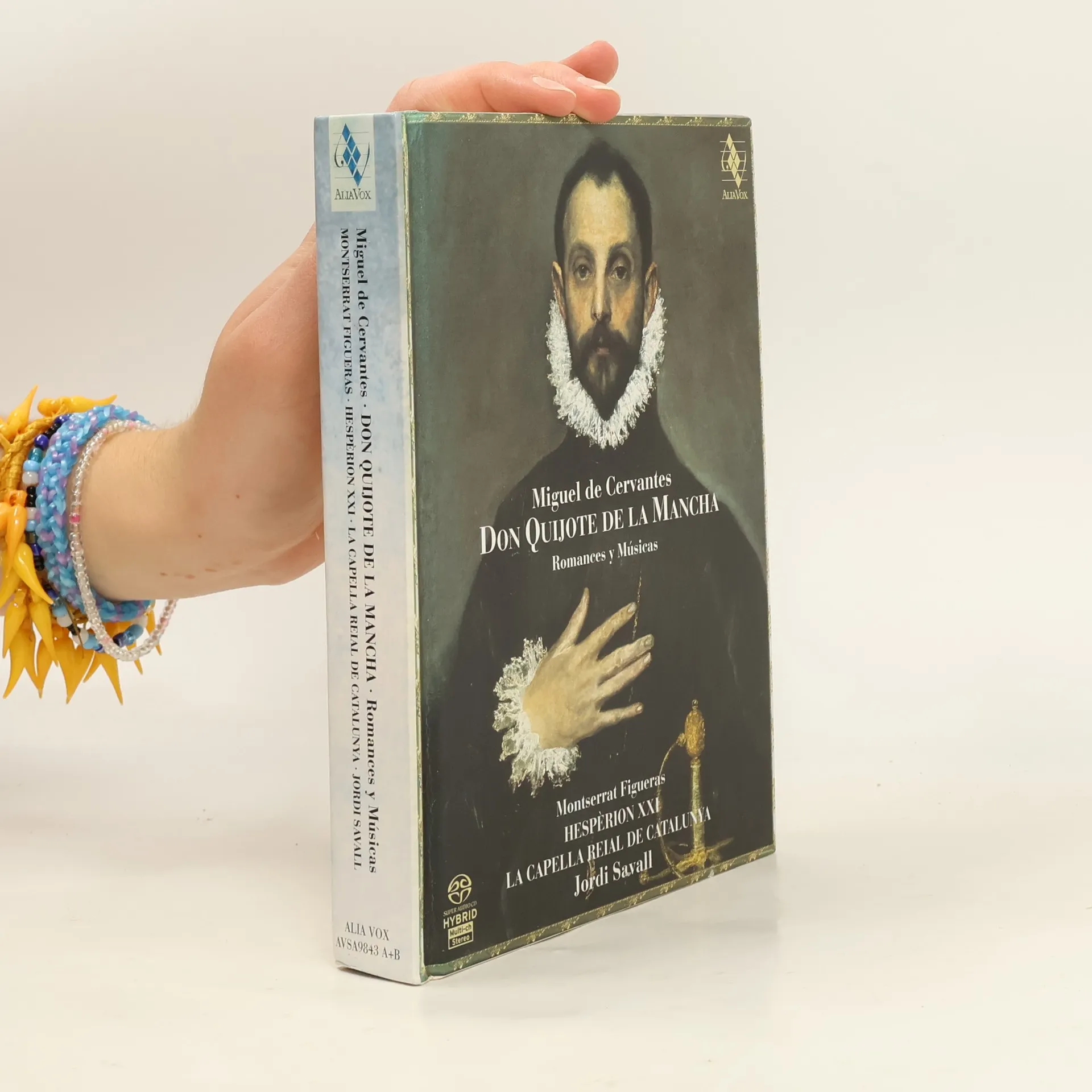
Romances y músicas
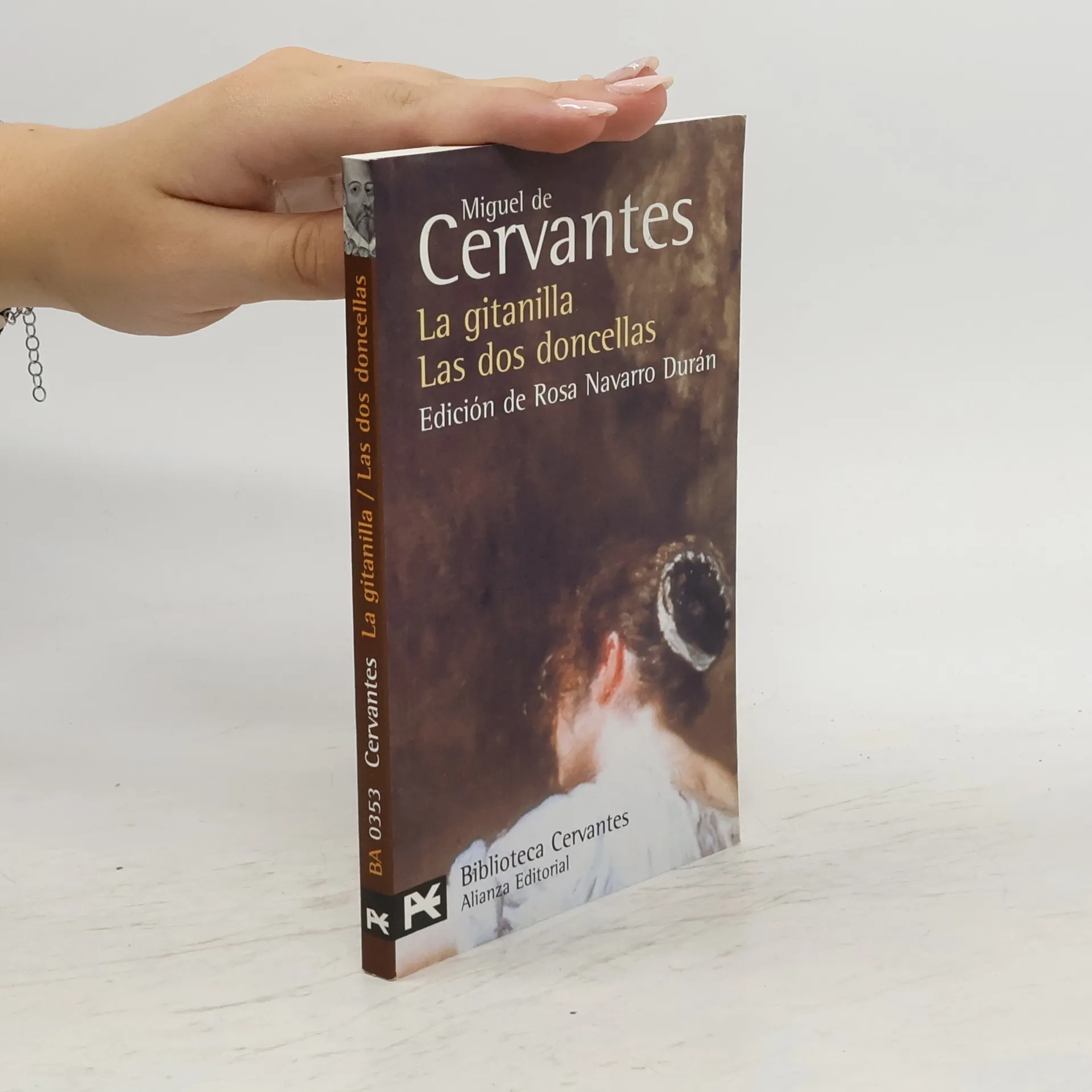
Publicadas en Madrid en 1613, las 'Novelas ejemplares' pertenecen al periodo en que la madurez creadora de Miguel de Cervantes (1547-1616) alcanza su expansión plena y abren, junto con el 'Quijote', el camino a la literatura moderna. LA GITANILLA es una auténtica joya literaria: con el fondo de la vida de los gitanos, Cervantes compone un relato itinerante, con rasgos de la picaresca y lleno de acción, en el que sobresale Preciosa, su protagonista, criatura espléndida, llena de vitalidad, gracia e inteligente desparpajo. Prodigio de dominio de la perspectiva, LAS DOS DONCELLAS es una historia plagada de peripecias, por la que desfilan caballeros andantes, peregrinos y damas vestidas de hombres y que presenta más de un punto de contacto con el 'Quijote'.
AVENTURAS Isabela, una niña de unos siete años, es raptada por los ingleses y, contra la voluntad de sus padres, llevada a Londres. Pocos años más tarde se convierte en una joven de belleza y virtudes excepcionales, capaz de pasar incontables peripecias. Victima de envidias palaciegas, tendrá que recupararse de la ingestión de un veneno mortal, suministrado por la camerera de la reina, para que desaparezca ... Dossier: De Gadir a Trafalgar De Potosí a Sevilla La Reforma y la Contrarreforma El vestido en el siglo XVI
In der Weltliteratur ist kaum eine andere Figur so lebendig geblieben wie die von Don Quixote de la Mancha, dem Ritter von der traurigen Gestalt. Erfunden hat sie der selbst durch viele Lebensumstände gebeutelte, aus niederem Adel stammende und offenbar hochgebildete Miguel de Cervantes Saavedra. 1597, nach vielen Querelen, Niederlagen und Rückschlägen im Gefängnis zu Sevilla sitzend, hatte er mit der Niederschrift begonnen und für sich beschlossen, die Wirklichkeit nicht mehr ernst zu nehmen. Was er auch unternommen hatte, es war kläglich geendet, aus aller Abenteuerlust und Gier nach Ruhm war er als Verlierer zurückgekehrt. Cervantes meinte, daß weder gute Ideale noch beste Vorsätze in keiner Gesellschaft etwas taugen. So blieben ihm nur Ironie und Parodie, um die Zustände zu schildern, und so ließ er seinen "tapferen und edlen" Ritter in die Welt hinausreiten, sich Beulen holen, gegen Windmühlen kämpfen, den Huren das Eheglück und den Banditen den Ehrenkodex lehren. Doch seine Lanze der Phantasie und Redlichkeit zerbrach am harten Panzer der Wirklichkeit. Was uns lachen und schmunzeln macht, ist die Erkenntnis vom eigenen Dilemma, das jeder auf eigene Weise zu meistern hat.
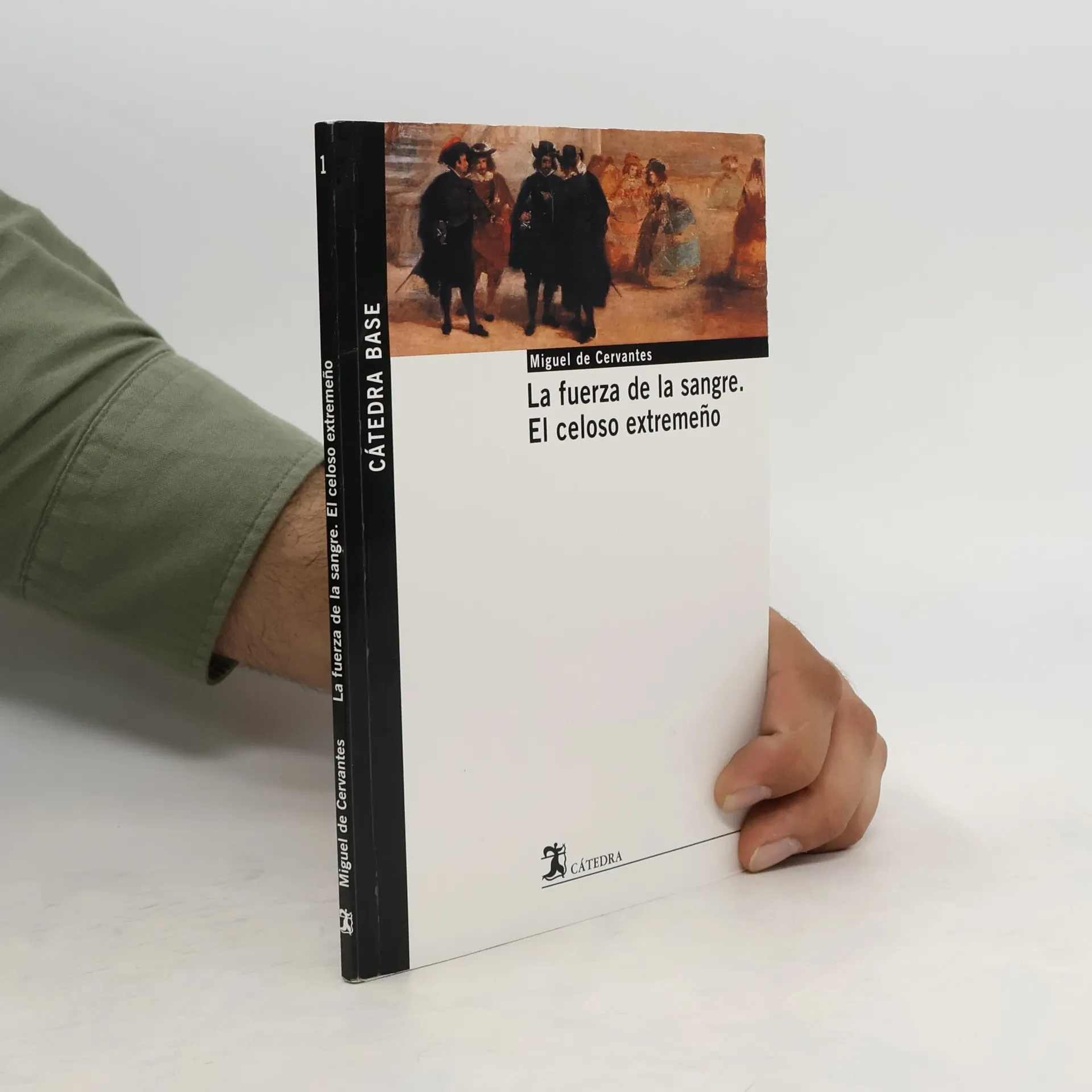
Miguel de Cervantes es mundialmente conocido por ser el autor de «El Quijote», y «El Quijote» está mundialmente reconocida cómo la mejor novela jamás escrita. A Cervantes se le ha considerado, además, como el inventor del género y de la palabra «novela», que nuestro universal autor tomó del italiano. Sus novelas ejemplares pueden ser quizá una buena forma para comenzar a familiarizarnos con el genial escritor. Esta edición ofrece dos de las doce novelas que escribió Cervantes: «La fuerza de la sangre» y «El celoso extremeño». Ambas están protagonizadas por mujeres; ambas suceden en casas cerradas; en ambas acierta a reflejar Cervantes con su palabra precisa la vida de su tiempo.