

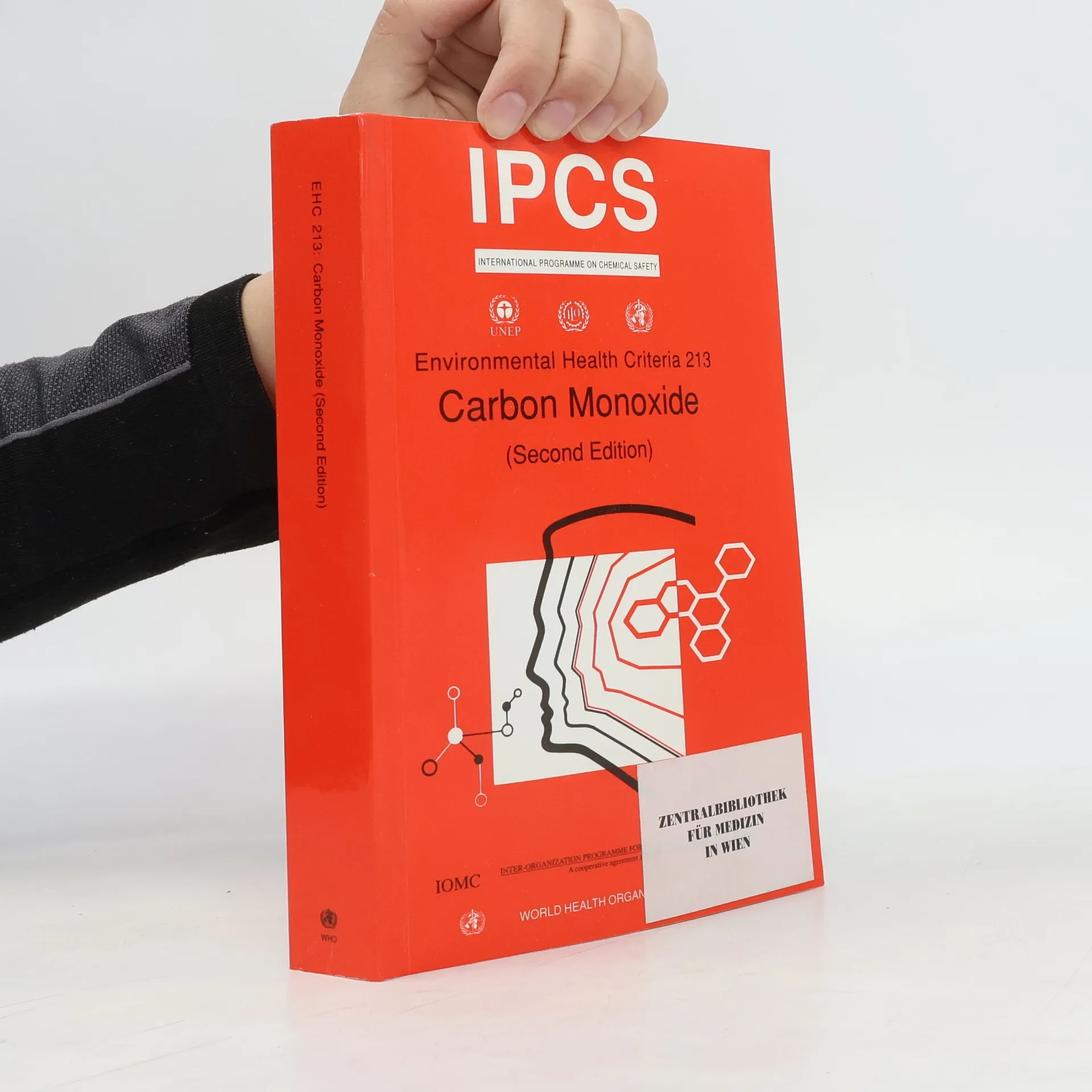
This comprehensive assessment evaluates the risks of carbon monoxide exposure to human health and the environment, highlighting its colorless, odorless nature and sources from both natural and human activities. Extensive studies on health effects, particularly at low exposure levels, are discussed, with close to 1000 references included. The report identifies highway vehicle emissions as the primary source of environmental carbon monoxide, followed by non-highway transportation, fuel combustion, industrial processes, and solid waste disposal. Monitoring data indicates a decline in environmental concentrations due to effective emission controls. Indoor sources, notably cigarette smoke, are also examined. The report details carbon monoxide's environmental fate, its role in ozone production, and potential contributions to global warming. It identifies personal exposure sources, emphasizing that the general population's highest exposures occur in vehicles and indoor environments, while certain occupations face increased risks. Toxicokinetics and mechanisms of action are reviewed, focusing on factors influencing carboxyhaemoglobin levels and their toxic effects. Health impacts are explored through animal studies and human investigations, revealing risks such as cardiovascular and respiratory damage, neurobehavioral effects, and developmental toxicity. High-risk groups, particularly those with exercise-induced ischemia and pregnan
International Programme on Chemical Safety Pořadí knih (chronologicky)
International Programme on Chemical Safety: Basic Analytical Toxicology
- 300 stránek
- 11 hodin čtení
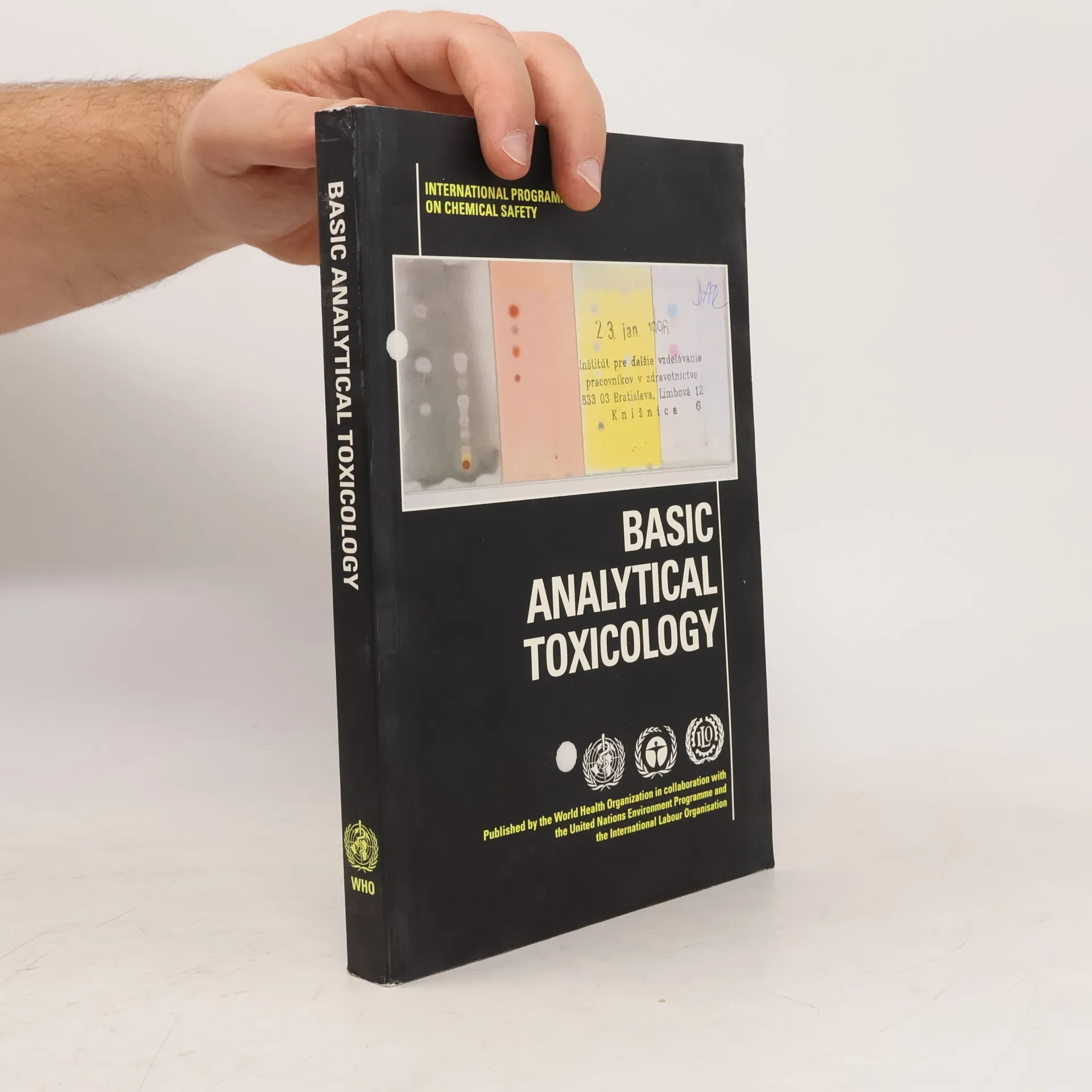
This practical guide focuses on laboratory analysis for over 100 substances commonly involved in acute poisoning cases. Recognizing that many hospitals, particularly in developing countries, lack analytical toxicology services, it aims to assist laboratory staff in conducting simple tests that yield rapid and reliable results for managing poisoning emergencies. The tests require no sophisticated equipment, expensive reagents, or constant electricity. The manual begins with general information about the organization and functions of an analytical toxicology laboratory, emphasizing safe laboratory practices and the essentials of emergency medicine and intensive care that impact laboratory operations. The core of the manual consists of two chapters detailing simple analytical tests for detecting and identifying poisons in biological fluids or materials found near patients. The first chapter outlines a three-part series of qualitative tests designed for routine, rapid screening, particularly useful when the poison's identity is unknown. The second, more extensive chapter offers step-by-step instructions for qualitative tests and some quantitative methods for 113 specific poisons or groups of poisons. The substances covered range from pesticides and industrial chemicals to household products, pharmaceuticals, plant toxins, and commonly abused drugs.