

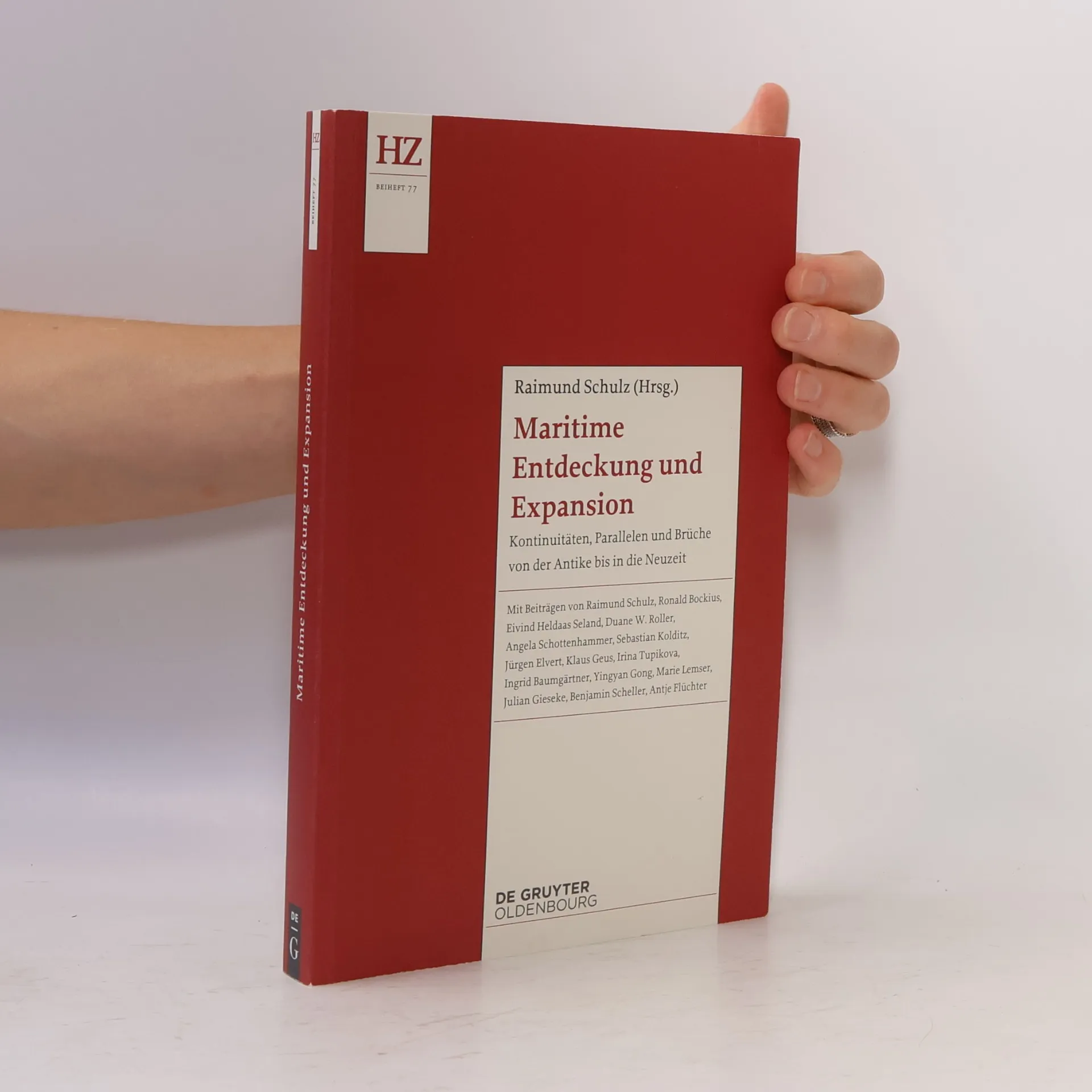
Historische Zeitschrift / Beihefte - 77: Maritime Entdeckung und Expansion
Kontinuitäten, Parallelen und Brüche von der Antike bis in die Neuzeit
- 404 stránek
- 15 hodin čtení
Maritime Exploration und Expansion haben die eurasische Geschichte seit der Antike nachhaltig geprägt. Kapitäne, Händler und Eroberer verbanden lange vor Kolumbus den Atlantik, das Mittelmeer und den Indischen Ozean zu einem pulsierenden Netzwerk, das die Grundlagen bildete für die neuzeitliche Erschließung aller Meere des Globus. Der Band führt Experten verschiedener Epochen und Disziplinen zusammen. Sie erklären vergleichend und epochenübergreifend die Voraussetzungen, Verläufe und Folgen, die der Aufbruch über die Meere auf die Politik, Wirtschaft und kulturelle Entwicklung hatte. Dabei wird nicht nur die europäische, sondern auch die indische und chinesische Perspektive berücksichtigt. Während der erste Teil sich der Erschließung des Indischen Ozeans und des Atlantik widmet, zeigen die Beiträge des zweiten Teils, wie maritime Entdeckungen das geographische Weltbild veränderten und Nachrichten von fernen Kulturen Ethnographie und Reiseliteratur befruchteten. Die maritime Expansionsgeschichte ist dabei nicht nicht nur durch Brüche, sondern auch durch erstaunliche Kontinuitäten und Parallelen gekennzeichnet. Es eröffnen sich Perspektiven, die moderne Entwicklungen wie das Projekt der „Neuen Chinesischen Seidenstraße“ gar nicht mehr so neu erscheinen lassen.