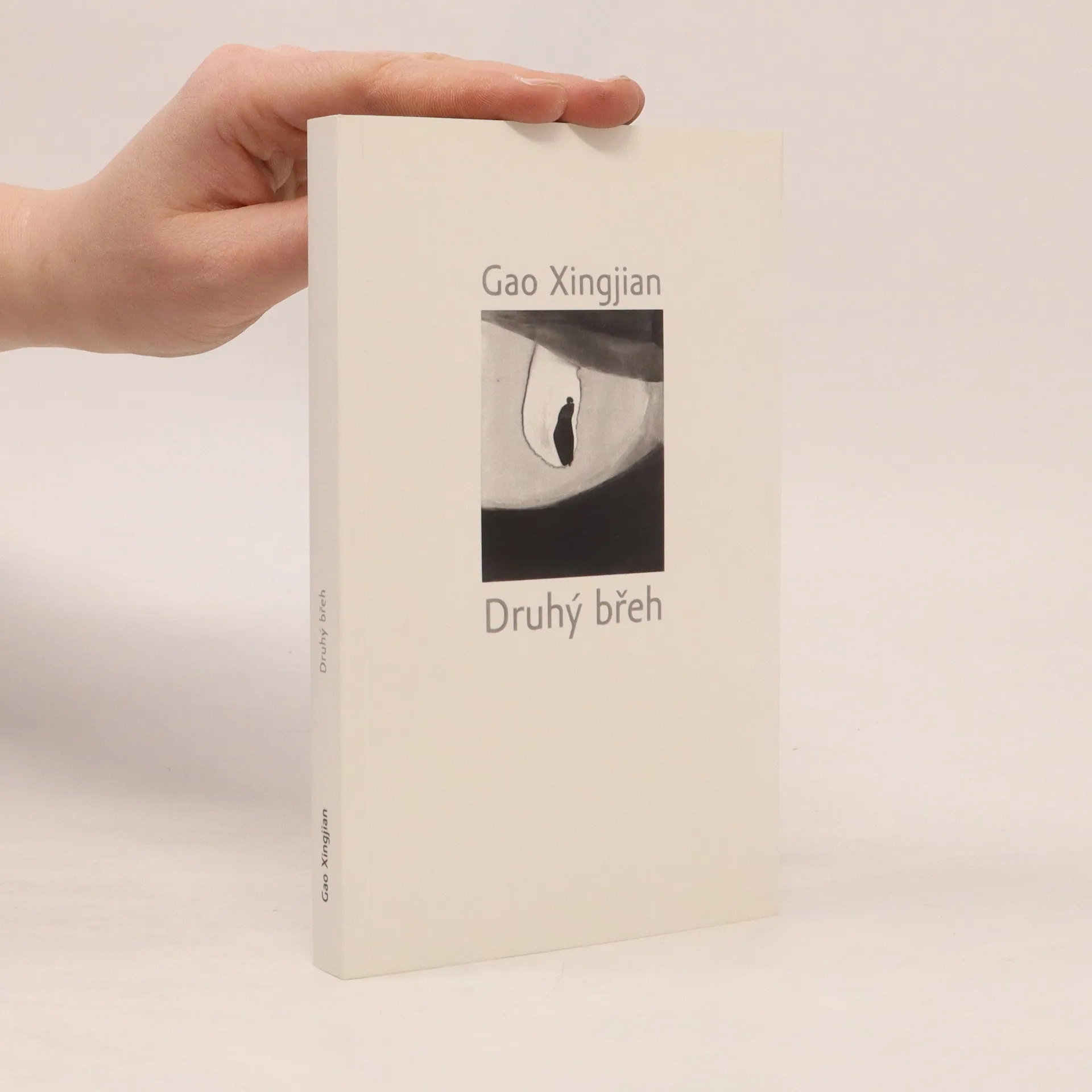
Soubor dramatických textů Druhý břeh francouzského spisovatele a malíře čínského původu Gao Xingjiana, který je u nás známý především díky svým románům Hora duše a Bible osamělého člověka, jej představuje z pohledu jeho originální divadelní tvorby, která jeho prozaické dílo obepíná. Z autorova rozsáhlého dramatického díla bylo pro tento svazek vybráno a z čínštiny a francouzštiny přeloženo sedm textů z let 1986–2000 (Druhý břeh, 1986; Monolog, 1986; Únik, 1990; Námluvy a pomluvy, 1992; Na břehu života, 1993; Náměsíčný, 1995; Hledač smrti, 2000). Svazek doplňují dvě novější autorovy teoretické eseje Všemoc divadla (2007) a Umění hereckého projevu (2009) o autorově pojetí divadla, herectví a dramatu a předmluva překladatele Denise Molčanova a doslov Petra Christova. V knize jsou otištěny reprodukce Gaových obrazů.
Kao Sing-ťien Pořadí knih (chronologicky)
Gao Xingjian je čínsko-francouzský spisovatel, dramatik a malíř. Jeho dílo se vyznačuje hlubokým zkoumáním lidské existence, identity a svobody v kontextu moderní společnosti. Gao se ve své tvorbě často zaměřuje na univerzální témata a používá minimalistický, avšak sugestivní jazyk, který odráží jeho vlivy z východní i západní tradice. Jeho umělecký přínos oceňuje literární svět i širší umělecká obec.

Features some of the most venerable names in publishing and makes available new explorations in writing and translation.
Contra los ismos
- 176 stránek
- 7 hodin čtení
La literatura es para Gao la voz de un individuo, la expresión de su sentimiento de existir, el resultado de una visión personal del mundo. El autor no pretende explicar el mundo: sencillamente, halla la libertad en la escritura. Entre los textos del presente libro se encuentran La huida –obra de teatro que provocó el rechazo del Partido Comunista chino– y tres ensayos sobre sus concepciones dramáticas, que combinan elementos del teatro tradicional chino e influencias de la dramaturgia occidental moderna (Artaud, Brecht y Beckett).La presente edición consta de textos que fueron escritos en chino y que hasta hoy sólo han sido traducidos al español. Presentamos, pues, una primicia en Occidente.
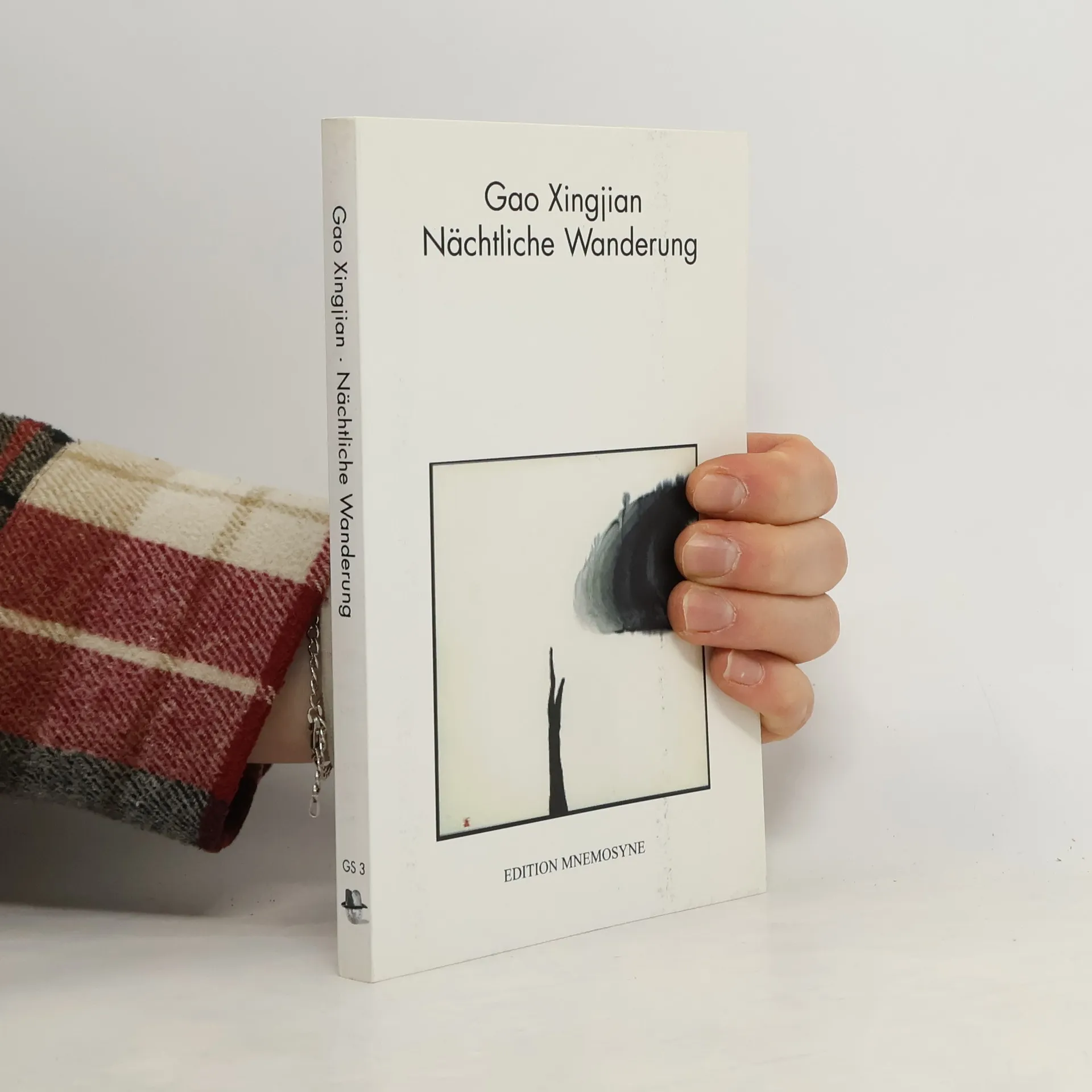
Nächtliche Wanderung.
- 139 stránek
- 5 hodin čtení
Für mich muß ich sagen, daß ich weder in politischer noch in literarischer Hinsicht einer Franktion oder Schule angehöre. Ich ordne mich keiner Theorie zu, d.h. auch nicht dem Nationalismus oder Patriotismus. Natürlich habe ich trotzdem meine politischen Ansichten und literarischen Auffassungen, doch sehe ich keine Notwendigkeit, diese in irgendein politisches oder literarisches Raster einzuordnen. In Zeiten, da die Ideologien vor unseren Augen zusammenbrechen, kann der Mensch seine geistige Unabhängigkeit nur bewahren, wenn er sich zum Zweifel bekennt. Auch gegenüber dem jeweils Modischen halte ich mich daran. Denn die Erfahrungen, die ich in der Vergangenheit gemacht habe, sagen mir, daß man alles, was aus Massenbewegungen hervorgeht oder dem Massengeschmack entspricht, einschließlich dessen, was man das 'Ich' nennt, weder einstnehmen noch glauben kann.
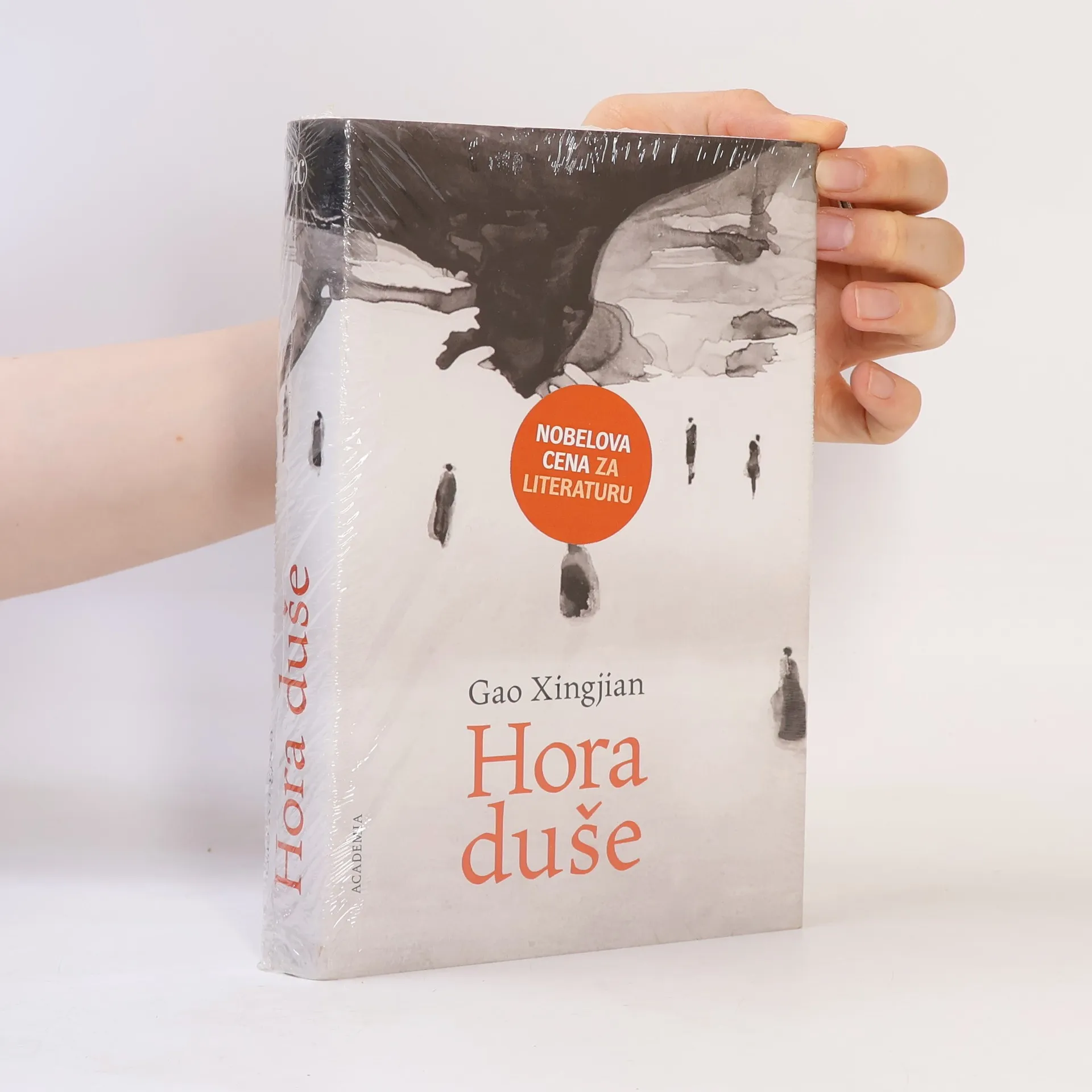
Druhý román slavného čínského spisovatele, dramatika a malíře, nositele Nobelovy ceny za literaturu, Gao Xingjiana, začíná na jaře roku 1997, kdy se stárnoucí dramatik vydává do Hongkongu na premiéru své divadelní hry. Blízkost pevninské Číny a termínu návratu této britské kolonie do jejího čínského lůna v něm po letech exilu vyvolává vlnu vzpomínek. Jejich dravost mu připomíná hrůzu nesmyslného násilí, kulturu strachu, před kterou uprchl, aby mohl klidně tvořit a žít. Autor vede svého čtenáře pevnou rukou mezi pohyblivými písky vzpomínek a povinného zapomínání zpět k sladkému, tak krátkému dětství, probouzení se světu, osudovým setkáním s ženami, které mu zas a znovu berou dech, i uvržení do víru nenasytné revoluce zvané kulturní, kterou neukojí ani krev obětí. Tentokrát ale před zásadními otázkami není úniku. Autor Hory duše znovu rozvíjí poutavou síť příběhu, jehož jádrem je dialog sám se sebou. Kdo je však ty a kdo on? Gao Xingjian dobře ví, kolik postav se dělí o jedinou totožnost, živoří v ní, jásá, šílí, odmítá, utíká, uvažuje, promlouvá, váhá i rozhoduje... Jednoznačnou odpověď tedy nemá.
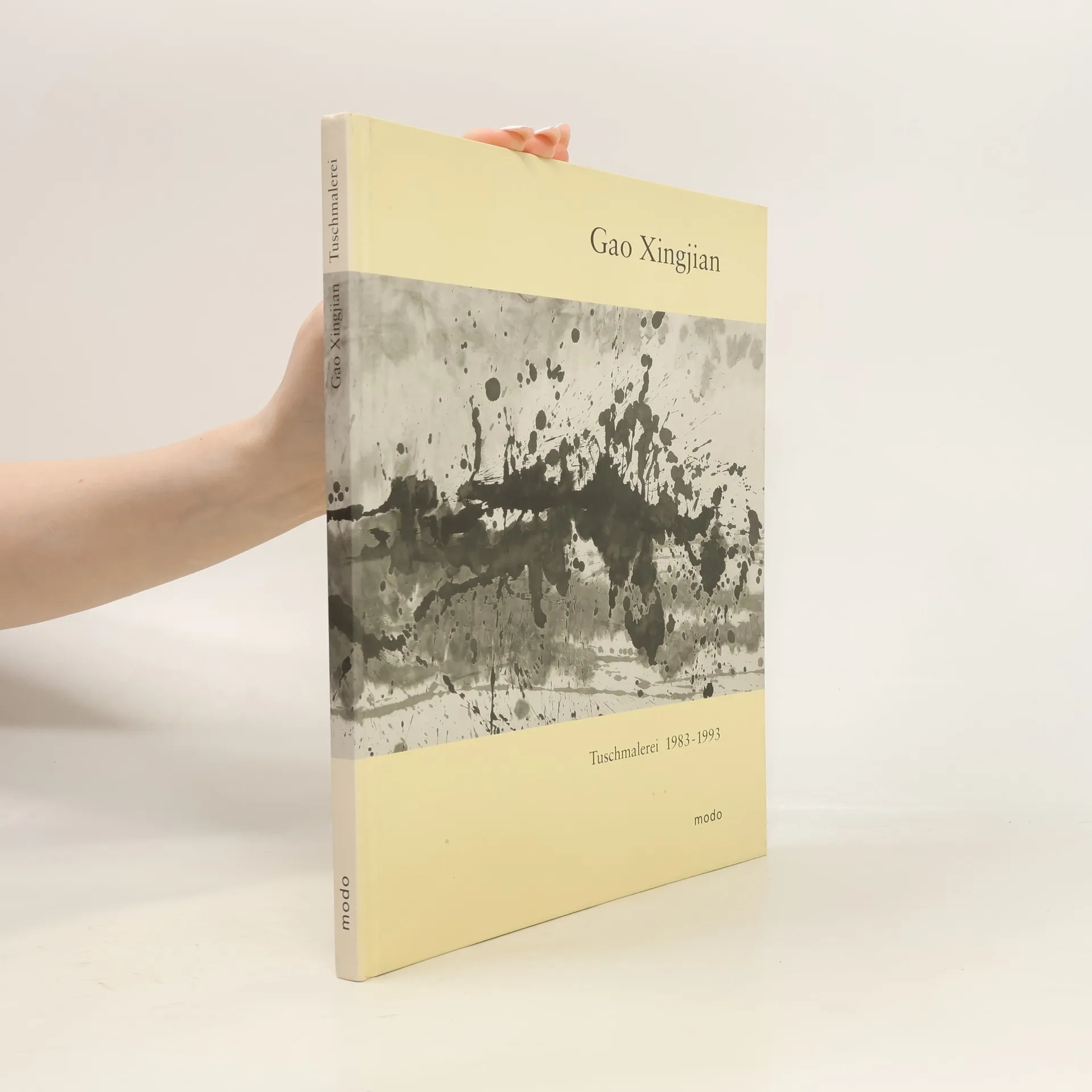
Gao Xingjian - Tuschmalerei 1983-1993
- 103 stránek
- 4 hodiny čtení
Der Nobelpreisträger für Literatur im Jahr 2000 ist neben seiner literarischen Arbeit auch und mit gleichem Gewicht als Maler tätig. Der 1940 in der Provinz Jiangxi geborene Künstler ging nach den Vorgängen auf dem Platz des Himmlischen Friedens 1989 ins Exil nach Frankreich. In China hatte er seine Arbeit nach vielen Repressionen nicht fortsetzen können. Dieser sorgfältig gestaltete Band stellt den Künstler als Schöpfer von Tuschbildern vor, die in einer der größten Sammlungen von Gaos Malerei, der Sammlung F. A. Morat, versammelt sind. Die 60 abgebildeten der mehr als 100 Bilder der Sammlung erlauben einen Einblick in das bildnerische Schaffen dieses Künstlers, der sich zwar traditioneller Mittel – Pinsel, Tusche, Reispapier – bedient, dessen Bildsprache aber von dem abweicht, was wir als chinesische Malerei kennen. In seinem Beitrag „Thoughts on Painting”, der hier zum ersten Mal auch in deutscher Sprache vorliegt, nimmt er Stellung zu seinem malerischen Werk.
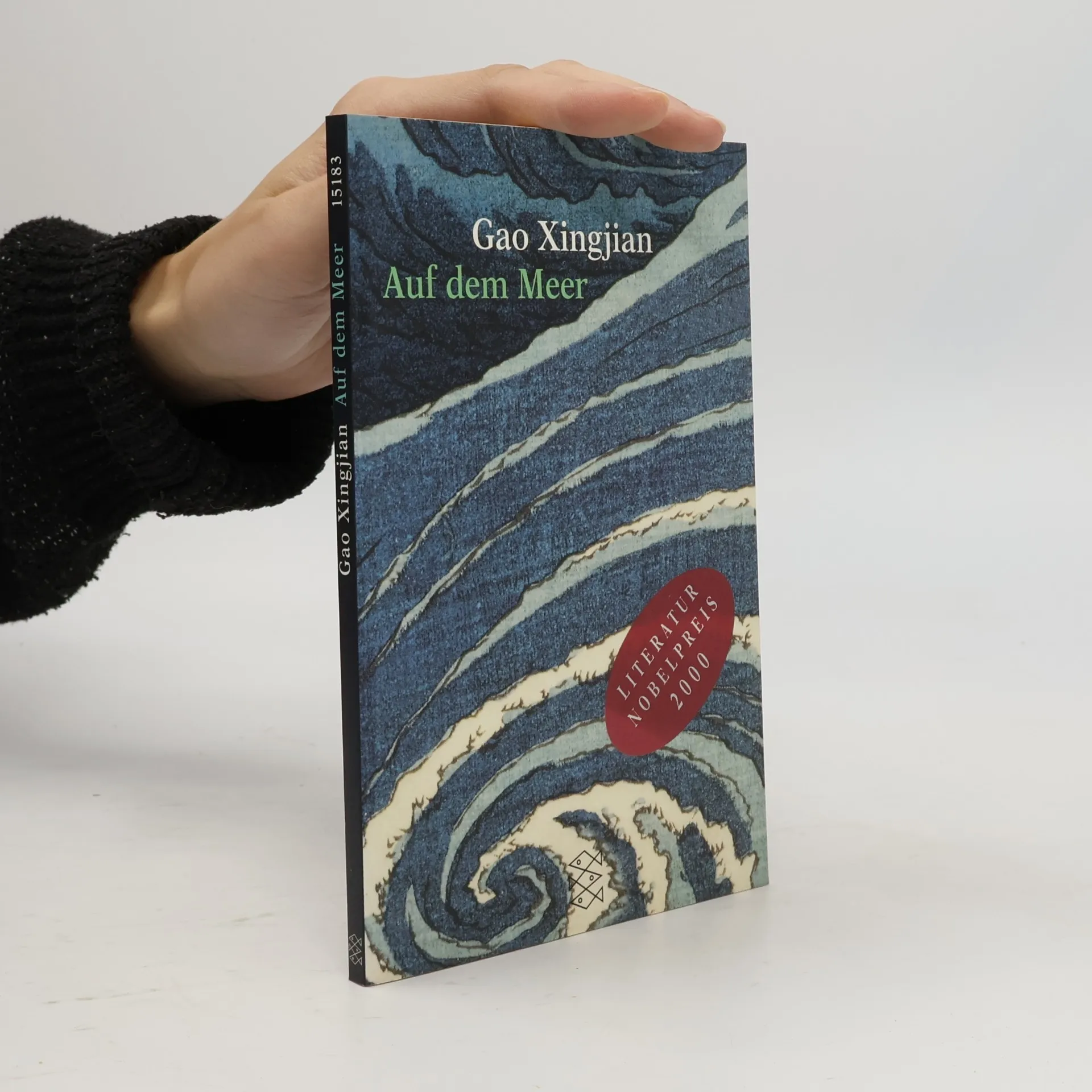
Auf dem Meer. Erzählungen
- 93 stránek
- 4 hodiny čtení
"Auf dem Meer" präsentiert vier Erzählungen von Gao Xingjian, die bedeutende Wegmarken der chinesischen Literatur darstellen. In einem repressiven politischen Umfeld sucht der Autor nach Worten, um grundlegende Werte zu rehabilitieren. Mit Ernst, Ironie und skurrilen Wendungen entfalten die Erzählungen den einzigartigen Resonanzraum seines Schaffens.
The Other Shore
- 312 stránek
- 11 hodin čtení
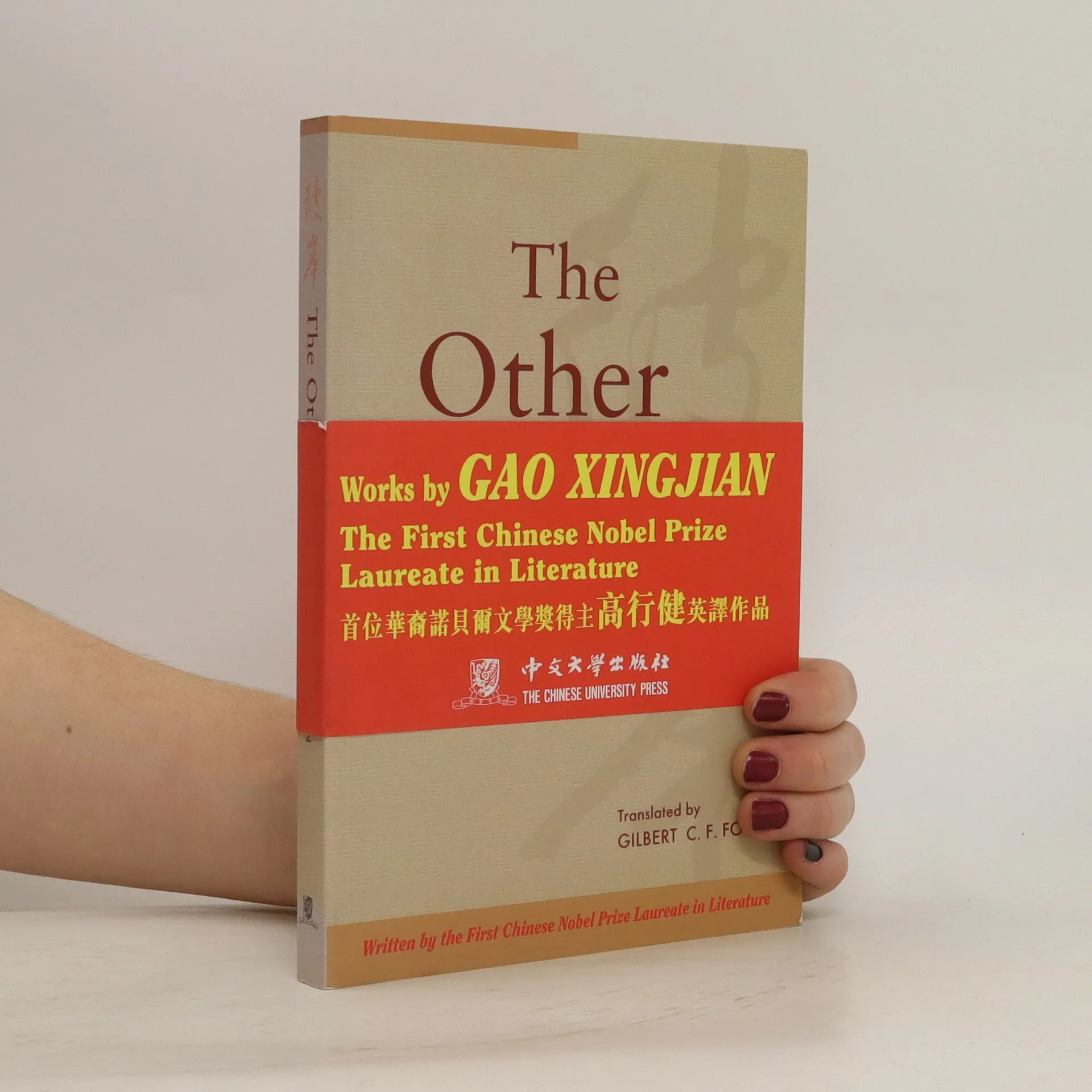
When Gao Xingjian won the Nobel Prize for Literature in 2000, he became the only Chinese writer to achieve such international acclaim. The Chinese University Press is the first publisher of his work in the English language. Indeed, The Other Shore is one of the few works by the author available in English today. The Other Shore: Plays by Gao Xingjian contains five of Gao's most recent works: The Other Shore (1986), Between Life and Death (1991), Dialogue and Rebuttal (1992), Nocturnal Wanderer (1993), and Weekend Quartet (1995). With original imagery and in beautiful language, these plays illuminate the realities of life, death, sex, loneliness, and exile. The plays also show the dramatist's idea of the tripartite actor, a process by which the actor neutralizes himself and achieves a disinterested observation of his self in performance. An introduction by the translator describes the dramatist and his view on drama.
Kniha čínského autora (v české přepisu čínštiny Kao Sing-ťien, nar. 1940) z 80. let 20. století, nyní žijícího ve Francii, byla v roce 2000 vyznamenána Nobelovou cenou za literaturu a stala se světovým bestsellerem. Román, vycházející nejen z nejlepších tradic čínské literatury a vzdělanecké kultury, ale též ze specifické recepce moderní evropské literatury, rozvíjí složitě komponovaný příběh hledání cesty vlastním životem. Ve dvou základních, stále se ovšem prolínajících vyprávěcích rovinách sledujeme jednak iniciační cestu mladého intelektuála po odlehlém čínském venkově, lesích a horách především jihozápadní Číny, kde se v době postupných dílčích reforem po smrti Mao Ce-tunga setkává s pozůstatky původní, nezkažené, „ne-konfuciánské“ čínské tradice. Druhou rovinou je až jakési archetypální pásmo dialogu mezi ty a ona, mezi mužem a ženou, odhalující bolest vycházející z jejich věčného potýkání.
Buying a Fishing Rod for My Grandfather
- 180 stránek
- 7 hodin čtení
Paperback. Pub Date :2010-05-21 192 English Harper Perennial From Chinas first-ever winner of the Nobel Prize for Literature comes an exquisite new book of fictions. none of which has ever been published before in English . A young couple on honeymoon visit a beautiful temple up in the mountains. and spend the day intoxicated by the tranquillity of the setting; a swimmer is paralysed by a sudden cramp and finds himself stranded far out to sea on a cold autumn day; a man reminisces about his beloved grandfather. who used to make his own fishing rods from lengths of crooked bamboo straightened over a fire ... Blending the crisp immediacy of the present moment with the soft afterglow of memory and nostalgia. these stories hum with simplicity and wisdom - and will delight anyone who loved Gaos bestselling novels. Soul Mountain and One Mans Bible.