

Ulrichovi je bezmála sto let, a než přišel o zrak, četl v časopise reportáž o tom, jak cestovatelé v daleké zemi nalezli hejno papoušků mluvících jazykem kultury, kterou krátce předtím vyhladila jakási katastrofa. Byl to tak šokující objev, že papoušky pochytali, zavřeli do klecí a poslali domů, aby mohli lingvisté zaznamenat, co ještě zbývalo ze ztraceného jazyka. Jenže papoušci byli už tak traumatizovaní neštěstím, které je potkalo, že všichni cestou uhynuli. Ulrich přemítá, zda se těmto nešťastným ptákům nepodobá, a táže se sám sebe, zda v životě shromáždil nějakou moudrost, kterou by mohl odkázat světu. Výsledkem je divoká jízda peripetiemi dějin Bulharska.
Rana Dasgupta Knihy
5. listopad 1971
Rana Dasgupta se ve své tvorbě zabývá silami a zážitky globalizace. Jeho díla jsou často zasazena do různých měst světa a prozkoumávají současné formy života od miliardářů po migranty, přičemž je provází nádech mýtu a surreality. V epickém vyprávění zkoumá historické ideologické experimenty a předjímá budoucnost s překvapivými postavami, které žijí za hranicemi utopie. Jeho styl se vyznačuje rozsáhlým pohledem na lidské zkušenosti a filozofickou reflexí.




Linka Tokio
- 348 stránek
- 13 hodin čtení
V Tokiu řádí bouře a všechny lety jsou zrušeny nebo odkloněny. Třináct cestujících uvízne na malém letišti a musejí přečkat noc. Aby si ukrátili dlouhou chvíli, sesednou se kolem karuselového pásu a vyprávějí si příběhy… A tak se dozvídáme o synovi Roberta de Nira, který byl počat v prádelně, či o bezkřídlém ptáku, jenž dovede ukrajinského kupce ke ztracené lásce. Jeden muž vydává paměti jiných lidí a najednou musí přehodnotit svou vlastní minulost, podnikatel se zase zblázní do obyčejné panenky tak, že ohrožuje existenci své společnosti, a potkáme i mladou němou Turkyni a čínského chlapce s neuvěřitelným štěstím. Lidé, kteří jsou sami na cestě, vyprávějí příběhy o životě v pohybu, o velkoměstech, jako jsou New York, Istanbul, Dillí, Lagos, Paříž, Buenos Aires. Jednotlivé epizody se slévají do velkého románu o nadějích, snech, ale i zklamáních, jež prožívají lidé po celém světě a jež všechny spojují.
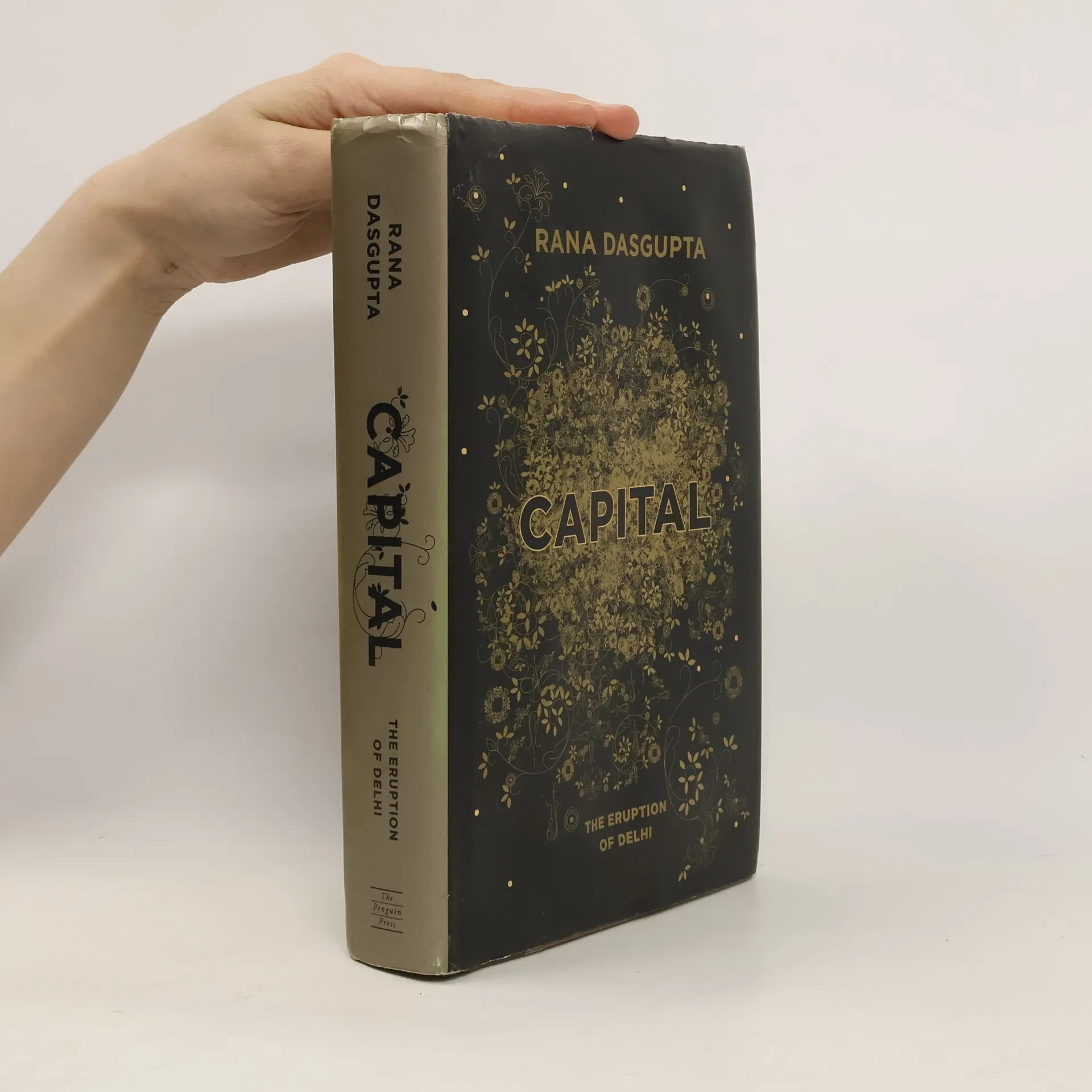
In this compelling exploration, the author delves into the rise of the global elite through the lens of Delhi, capturing the city's dramatic transformation. The narrative reflects the tumultuous changes following India's economic liberalization, where slums were replaced by shopping malls and luxury apartments, creating an environment of stark inequality. Amid this upheaval, fortunes were amassed, and the city pulsated with ambition and unrest, marked by violent crimes and a palpable tension. Drawing inspiration from V.S. Naipaul's personal journeys, the author presents a vivid portrayal of Delhi through diverse encounters with its inhabitants—billionaires, bureaucrats, drug dealers, and slum dwellers. Each interaction reveals the complexities of life in a city undergoing rapid capitalist transformation, echoing the experiences of a generation reminiscent of Gilded Age New York. Intertwining over a century of history with personal reflections, the narrative offers a literary portrait of one of the fastest-growing cities of the twenty-first century. This dark yet insightful depiction not only illuminates Delhi's unique story but also provides a lens through which to understand our shared global future.
After Nations
- 784 stránek
- 28 hodin čtení
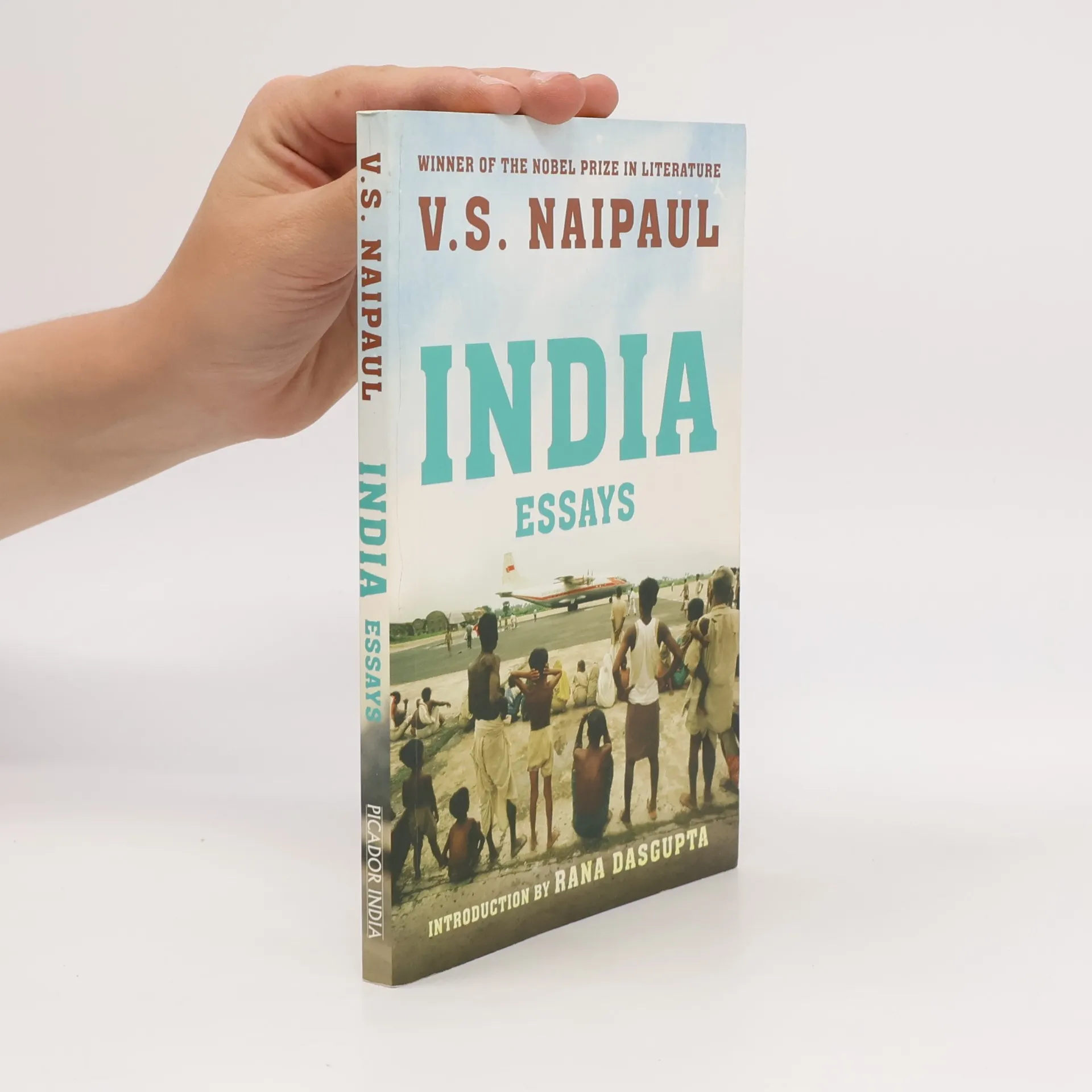
India Essays
- 141 stránek
- 5 hodin čtení
Between 1962 and 2006, V. S. Naipaul wrote six essays about his travels in India, some of his finest pieces of reflection and reportage. Approaching India through the residue of Indian culture and the scattered memories of nineteenth-century immigrants, eventually leading to a special understanding of Mahatma Gandhi, Naipaul offers an exceptional and sustained meditation on the country that was never his. These are essays, full of gentleness, humour and feeling, that take us into the mind of one of our greatest writers.
In der Menschheitsgeschichte ist der Nationalstaat eine neue Erfindung. Erst im 20. Jahrhundert wurde er zur weltweiten Norm. Heute ist er womöglich schon wieder ein Auslaufmodell. Ökologische Katastrophen, globale Migrationsbewegungen, die wachsende Macht der Tech-Konzerne und transnationale Finanzströme stellen die Annahme infrage, dass Politik innerhalb fester Landesgrenzen stattfinden muss – und kann. Rana Dasgupta zeichnet die Entstehung und den Aufstieg des Staatensystems nach, um die Ursachen für sein vielfältiges Scheitern zu ergründen. Ausgehend von vier Machtzentren – Frankreich, Großbritannien, USA und China – erzählt er die globale Geschichte einer politischen Form, die heute an den Bedingungen zerbricht, die sie einst ermöglicht haben. Elegant und mit Blick für vergessene Details führt uns der preisgekrönte Autor vom Untergang alter Imperien und von der Ausbreitung europäischer Geld- und Rechtskonzepte bis hin zur epochalen Wiederherstellung chinesischer Macht. Dasgupta fragt: Wie könnte eine flexible Ordnung im planetaren Zeitalter aussehen? Und welche Rolle spielt die Religion in einer Welt nach den Nationen? Eine beeindruckende Reise zu den Ursprüngen der Nation, um Antworten für die Zukunft zu finden.