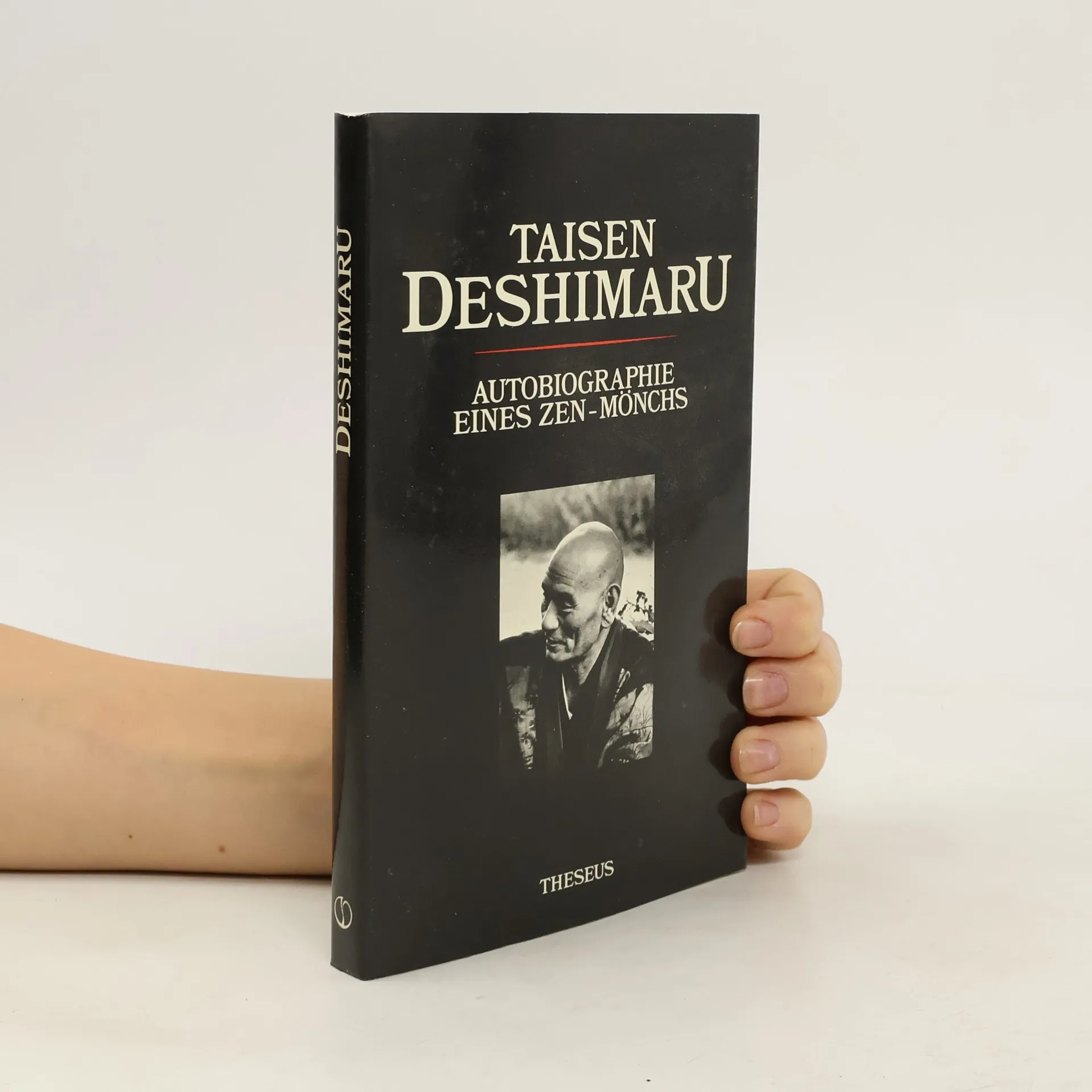
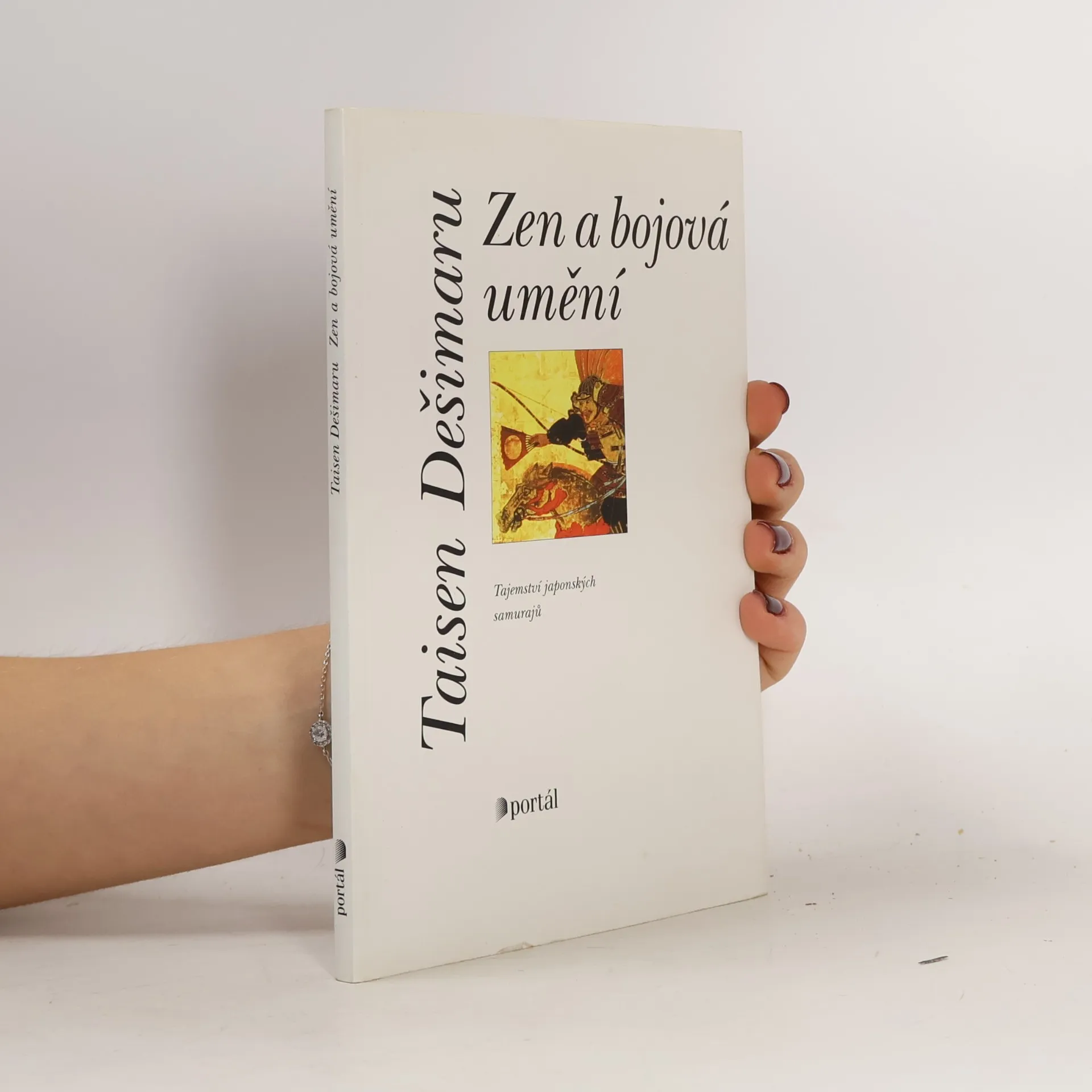
Zenový mistr zjevuje tajemství samurajů a popisuje v širších souvislostech duševní stav válečníka nebo toho, kdo je cvičen v bojových uměních. Vysvětluje podstatu bojových umění a zabývá se jejich rolí v životě člověka. Knihou prolíná pohled na psychický stav při střetnutí, což může být aplikováno i na lidské jednání obecně. Na příkladu bojových umění tak autor nabízí návod, jak účinně postupovat v nerůznějších lidských činnostech. Knihu uvítají zájemci o zen, bojová umění i o japonskou kulturu.
Taisen Dešimaru Knihy
29. listopad 1914 – 30. duben 1982

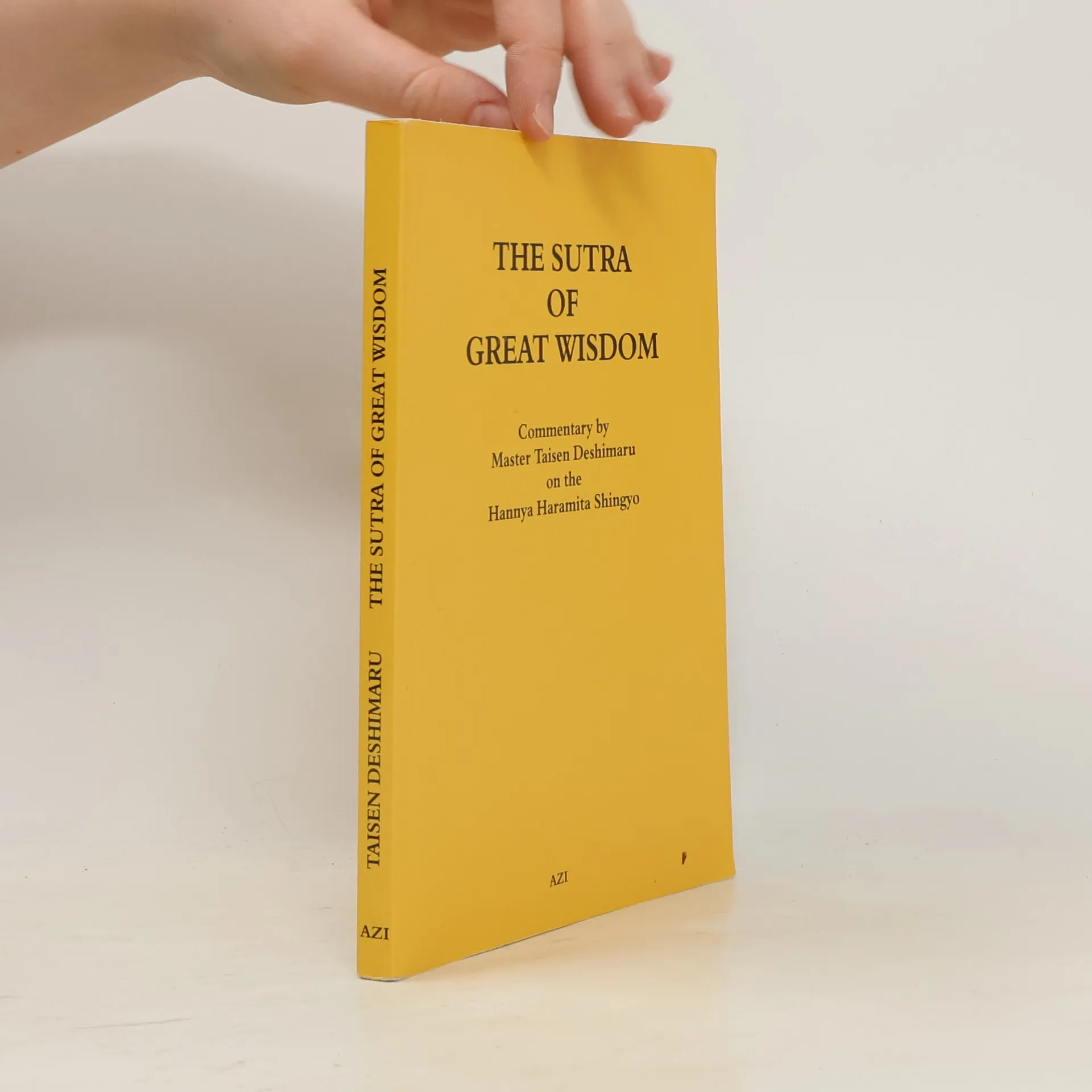
The Sutra of Great Wisdom
- 177 stránek
- 7 hodin čtení
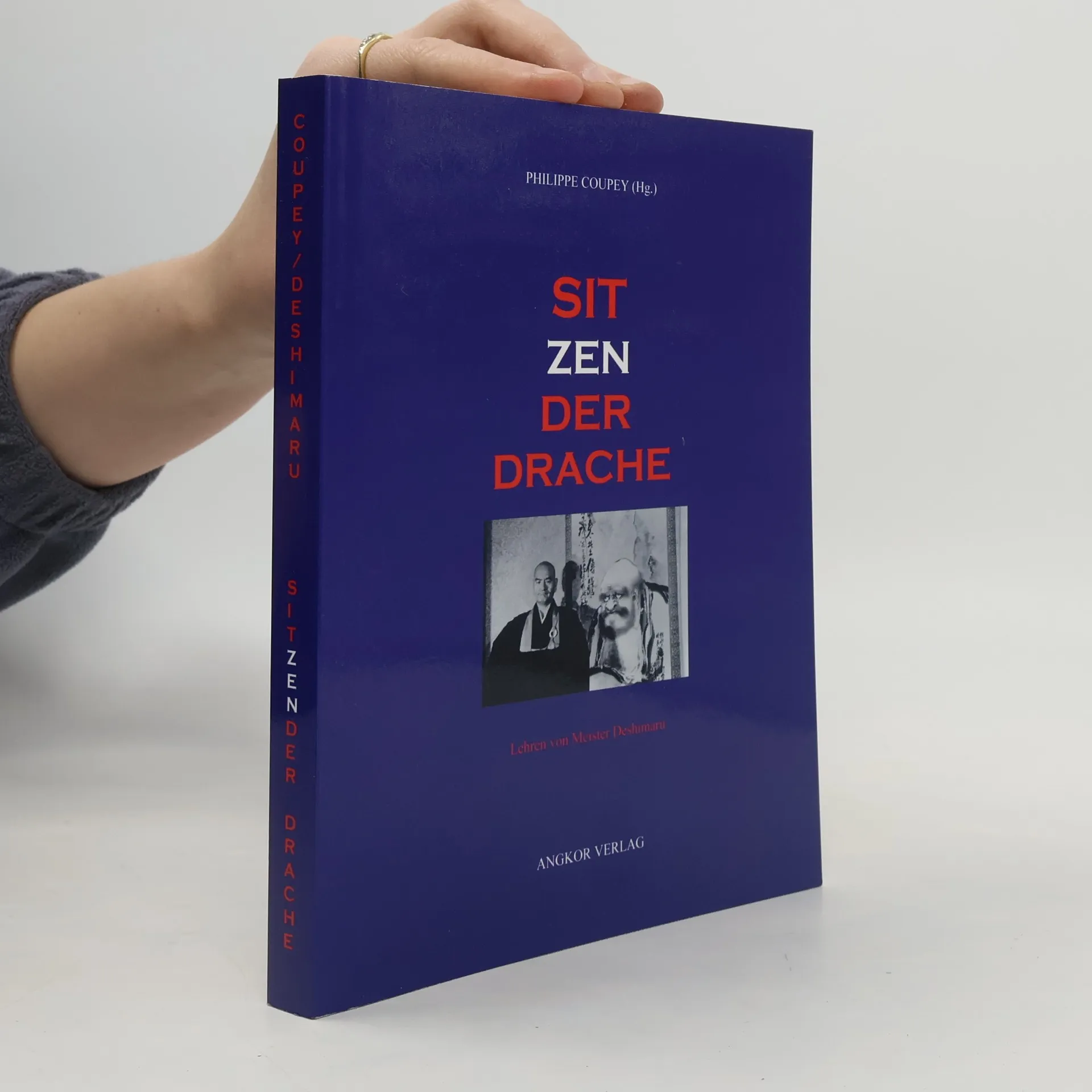
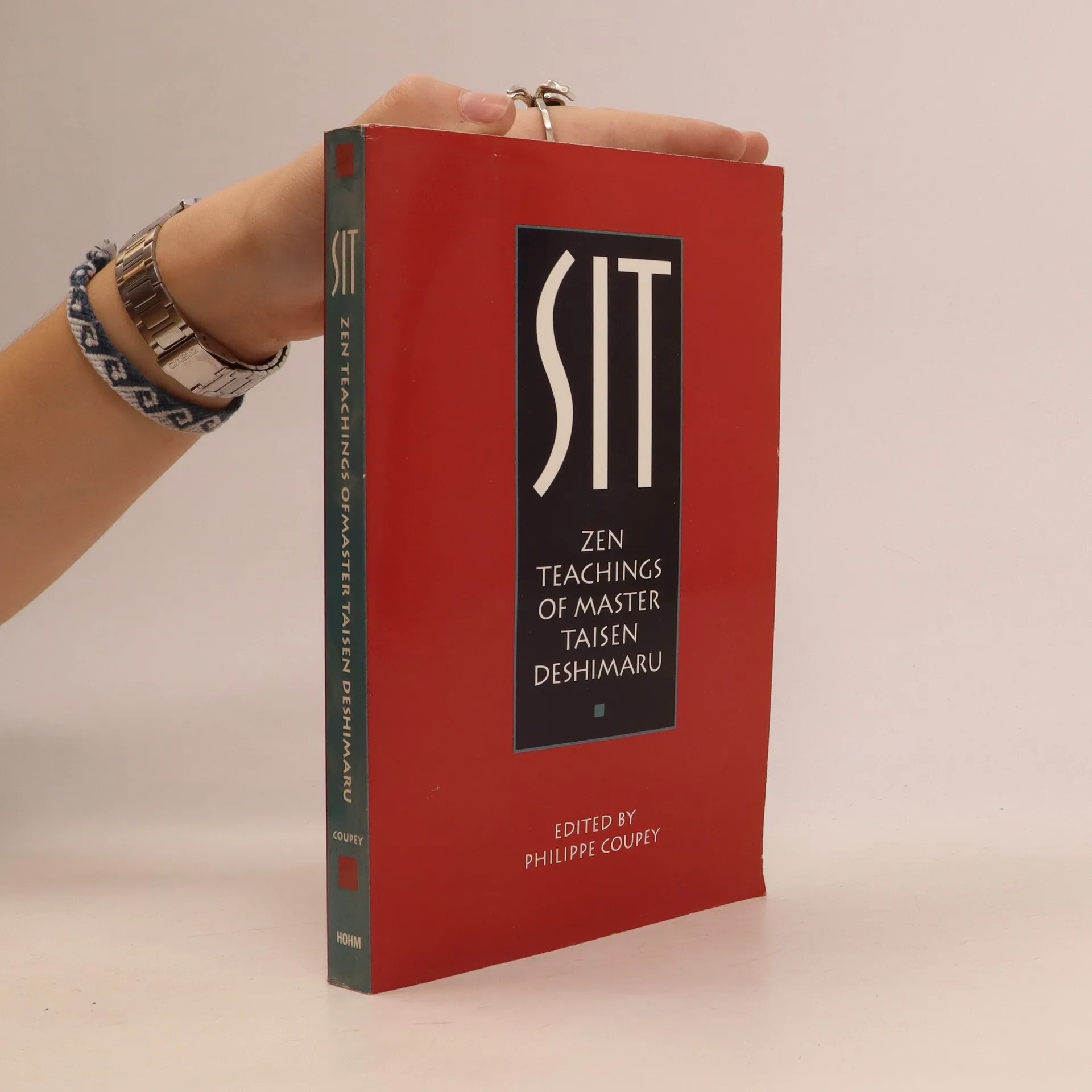
Sit. Zen Teachings of Master Taisen Deshimaru
- 375 stránek
- 14 hodin čtení
An enlightening account of a session held in France under the guidance of the renowned Japanese Zen Master, Taisen Deshimaru (1914-1982). This book answers pressing questions and provides vital instruction and inspiration for both beginner or long-time Zen practitioners and those using meditation as part of their spiritual path.
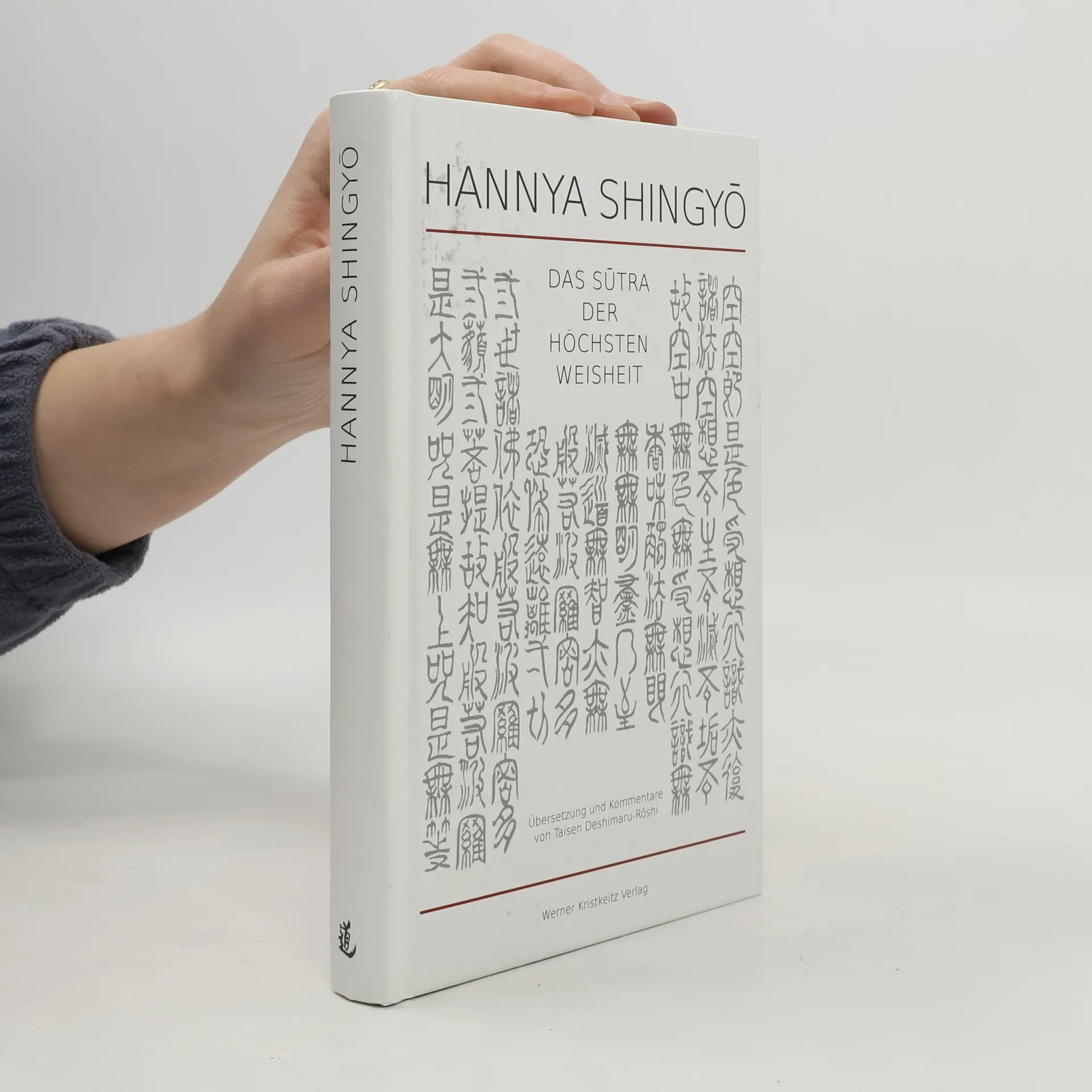
Inhalt: Das Hannya Shingyô oder Mahâ Prajñâ Pâramitâ Sûtra ist das zentrale Sûtra des Zen und auch aller anderen Schulen des Buddhismus. Dieser Text vermittelt das tiefere Wissen um Kû und Shiki, der Lehre von der ambivalenten Realität zwischen Leerheit und sichtbarer Form, einer der ganz wesentlichen Grundlagen östlicher Weisheit. Zen-Meister Taisen Deshimaru macht mit den ausführlichen Kommentaren seines Hauptwerks über das Sûtra der Höchsten Weisheit dieses Wissen dem westlichen Leser erstmals vollständig zugänglich - in einem Band, der den Originaltext, seine Übersetzung, Kommentare und zahlreiche vollendete Kalligrafien des chinesischen Urtextes von höchstem künstlerischen Wert harmonisch miteinander vereint. Das Hannya Shingyô - Bestandteil jeder Zazen-Übung - ist der Kern jeglicher Beschäftigung mit Zen.
livre en version française
La tazza e il bastone. 111 storie zen narrate dal maestro Taisen Deshimaru
- 171 stránek
- 6 hodin čtení
In queste storie Zen, raccolte e narrate dal maestro Taìsen Destrimani (alcune di esse risalgono a duemilaseicento anni fa), la straordinaria carica di umorismo e la potenza dello spirito fecondo dello Zen trovano una perfetta esemplificazione. Perché, senza dubbio, ciascuna di esse ci apre una porta e racconta un modo di vedere la realtà. La storia e la leggenda qui sfociano in una verità profonda e racchiudono un significato eterno. Dice un proverbio Zen che, quando ci viene indicata la luna, dobbiamo guardare quest'ultima e non il dito che ce la mostra: ecco un buon metodo da seguire anche nella lettura di questo libro.
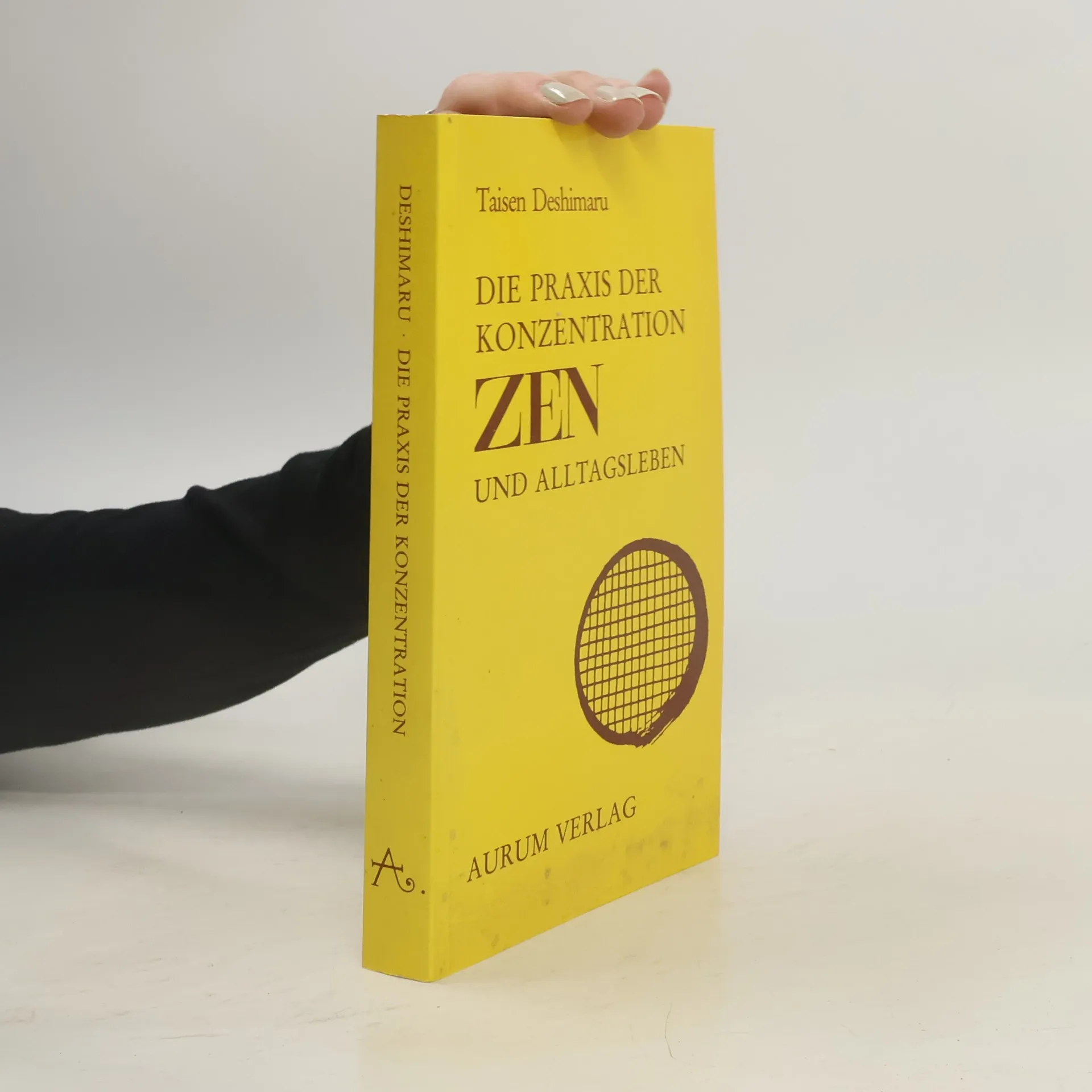
Die Praxis der Konzentration
- 303 stránek
- 11 hodin čtení
Das Geheimnis des Zen liegt im Zusammenspiel von Konzentration und Beobachtung, zwei Arten von Wachsamkeit. In ihnen löst sich das Bewusstsein vom Grund des Denkens und gewinnt jene Distanz und Überlegenheit, die nötig ist, will man den Kern der Dinge ergründen. So wird im Zen gerade der Alltag zum Exerzierplatz unseres Bewusstseins, eines gereinigten Bewusstseins, das seinen höchsten Ausdruck in unendlicher Weisheit und großem Mitgefühl findet.
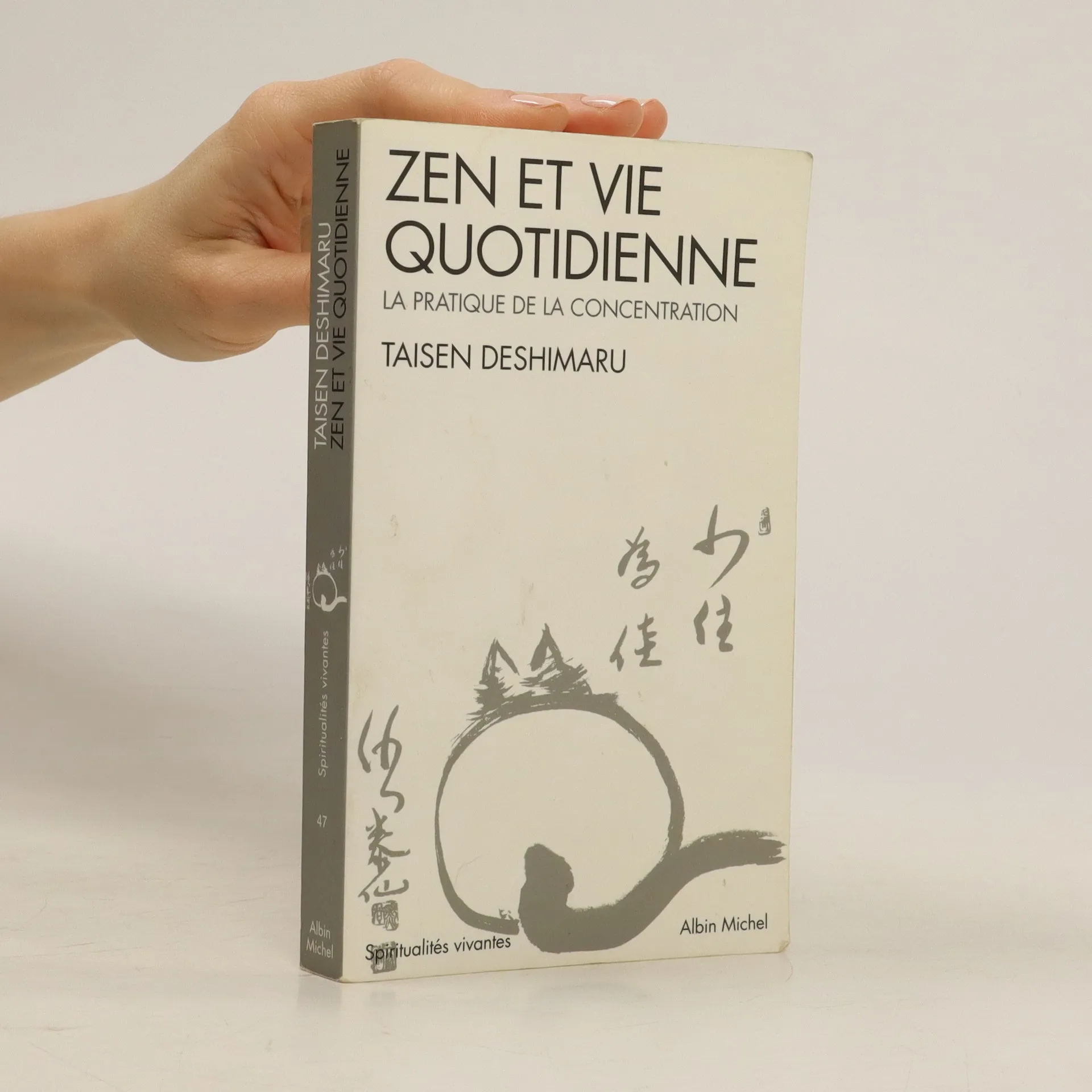
Cet ouvrage est le fruit de la pratique de zazen enseignée par Maître Taisen Deshimaru, expérience fondamentale de connaissance de soi, des autres, du monde et du cosmos. Comment vivre ici et maintenant ? Comment observer son karma sur le chemin de la vie à la mort ? Comment se concentrer instant après instant tout au long de la vie quotidienne afin de vivre pleinement le moment présent et ne pas laisser vainement passer le temps ? Observation-concentration, aller de l'un à l'autre, telle est la méthode que nous propose Maître Deshimaru aussi bien à travers la posture de zazen que durant la vie quotidienne. C'est à partir de cette pratique millénaire et au-delà du temps, par l'entraînement du corps, de la respiration et de l'esprit qu'on devient un miroir où tout peut se réfléchir. Cet ouvrage, basé sur les principes de la médecine orientale, nous livre de plus un enseignement fondé sur l'ésotérisme du bouddhisme Mahayana et jamais révélé en Occident.
Spiritualités vivantes - 172: L'Esprit du Ch'an
- 193 stránek
- 7 hodin čtení
Le Shin Jin Mei , "Poème sur la foi en l'esprit", est un recueil de soixante-treize versets, écrits à la fin du VIe siècle par maître Sosan, troisième patriarche chinois après Bodhidharma et Hui Ko, ou Eka en japonais, le maître de Dogen. C'est le plus ancien texte du Ch'an chinois, courant du bouddhisme qui donnera naissance au Japon, six siècles plus tard, à la tradition zen.Ces poèmes, brefs et incisifs comme des diamants, ont inspiré ultérieurement plus de mille koans, ces phrases énigmatiques employées par les maîtres ch'an et zen pour éveiller leurs disciples : c'est dire la richesse essentielle de ce texte majeur du patrimoine littéraire de l'humanité, traduit et commenté ici par le maître zen Taisen Deshimaru.
Dieser Band versammelt Za-Zen, die Praxis des Zen, das authentische Lehrwerk des Zen-Meisters Taisen Deshimaru, sowie zwei heilige Texte des Zen: den Hokyo Zan Mai und den San Do Kai mit Kommentaren. Zen ist eine Disziplin der Konzentration und Meditation, deren Wesen, so sagt man, auf die Erleuchtung des Buddha zurückgeht. Das Za-Zen, oder sitzendes Zen, ist die Praxis der Wachsamkeitspostur. Sein Unterricht, tief im Konkreten verwurzelt, zielt auf eine psycho-physiologische Transformation des Individuums und erweist sich heute als besonders effektiv. Die beiden heiligen Texte des Zen, die aus der hohen chinesischen Antike stammen, gelten als die Grundlage des heutigen japanischen Zen. Taisen Deshimaru bietet hier die erste vollständige französische Übersetzung und erhellende Kommentare.
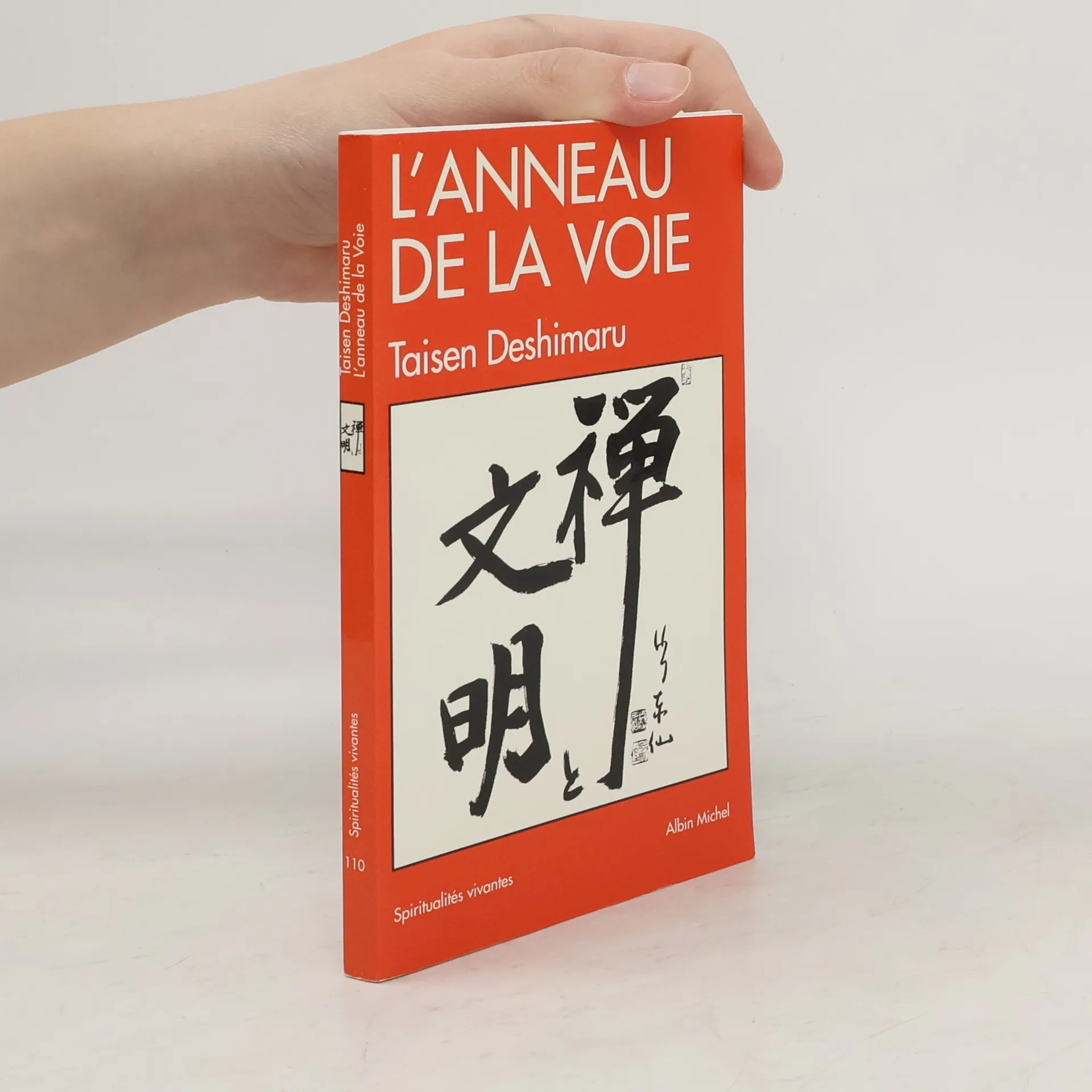
L'Anneau de la Voie
- 168 stránek
- 6 hodin čtení
Voici les dernières paroles du maître zen Deshimaru qui, sentant sa mort venir, lègue en 1982 l'essence de son enseignement issu de l'expérience spirituelle de toute une vie. L'Anneau de la Voie est sans commencement ni fin. C'est la répétition de l'expérience vécue " ici et maintenant " qui porte en elle l'éternité. Paroles transmises de patriarche en patriarche au-delà du temps, au-delà des illusions de la vie et de la pensée, cet ouvrage est la trace d'un enseignement oral qui trouve sa source dans le Bouddha Shakyamuni.
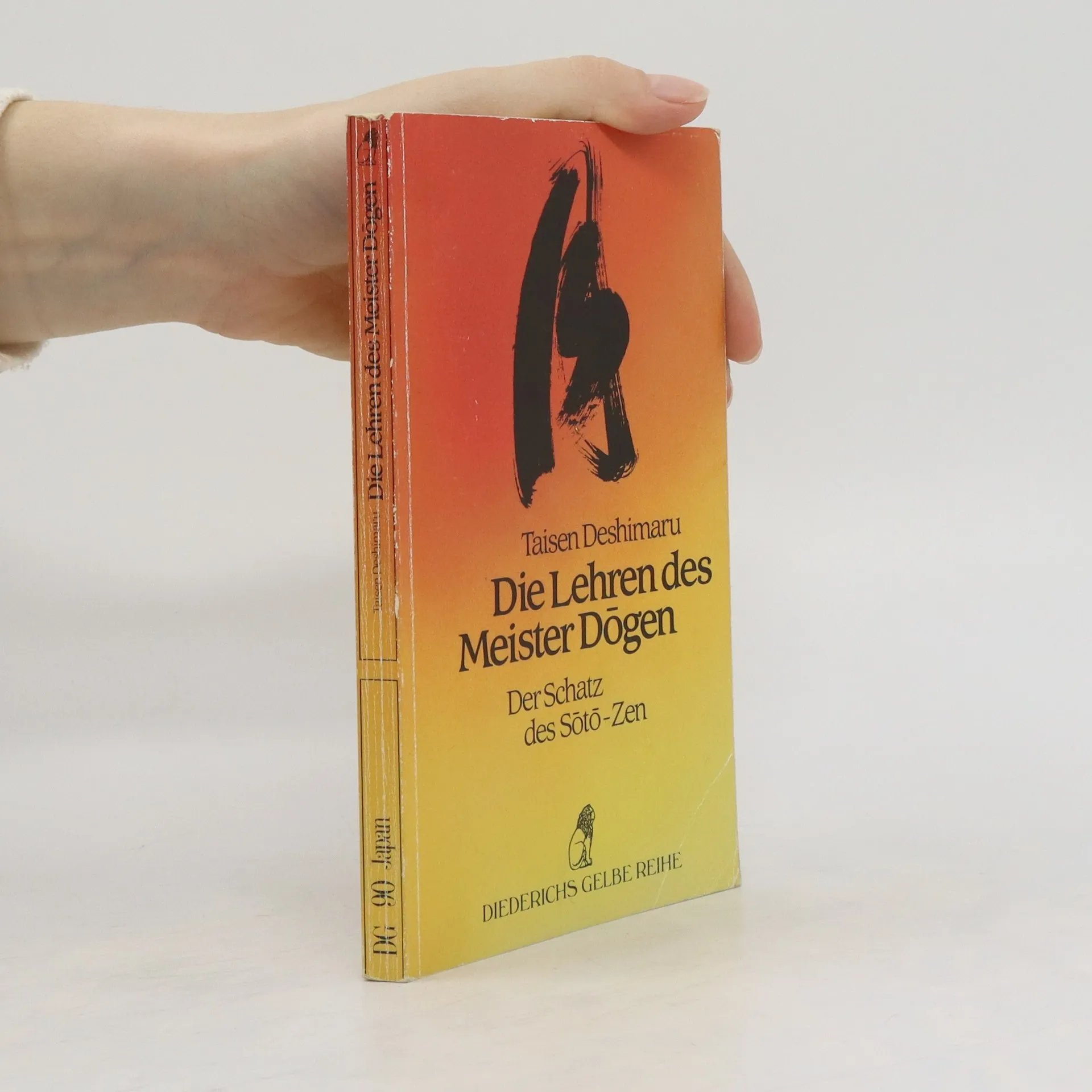
Die Lehren des Meister Dōgen
- 157 stránek
- 6 hodin čtení
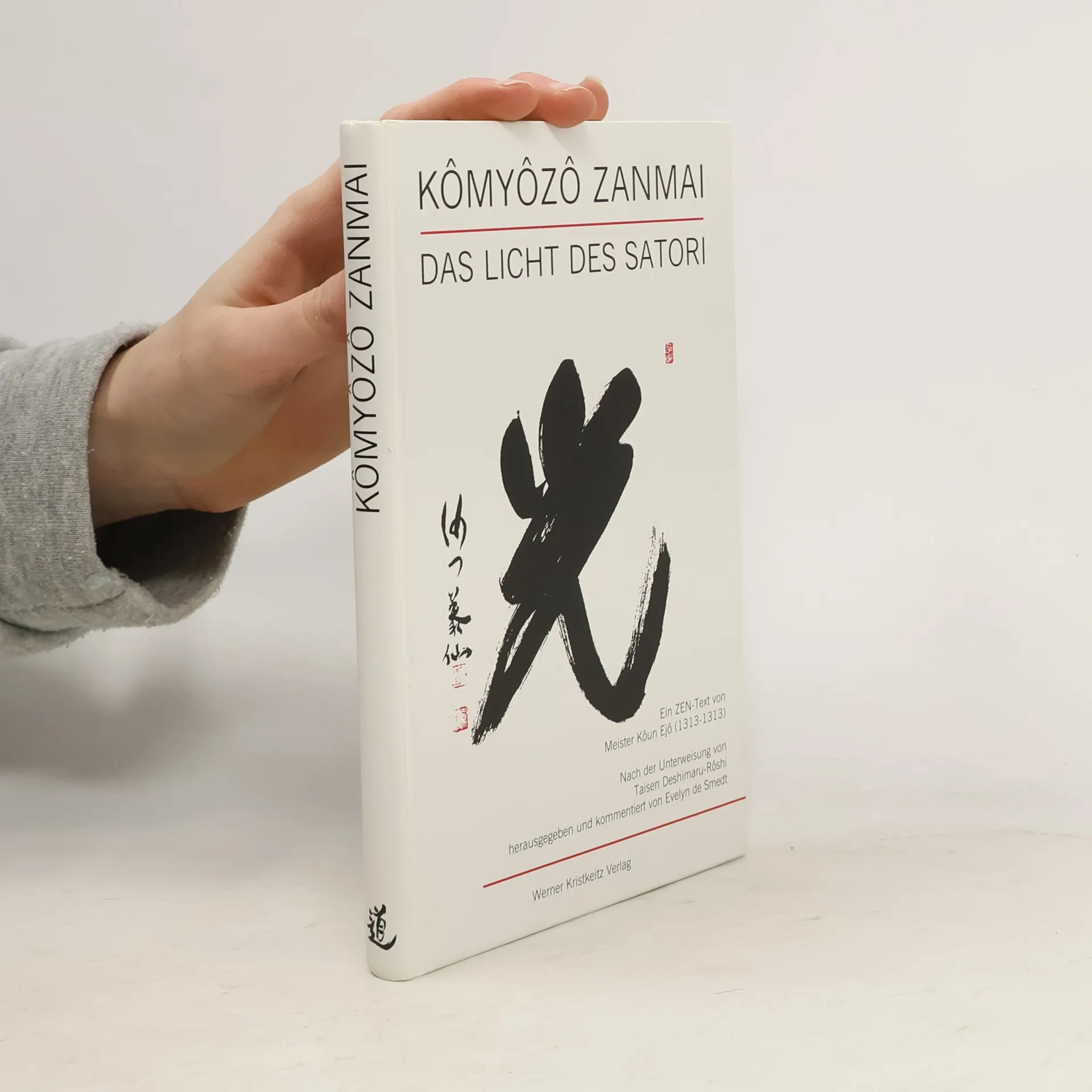
Hokyo Zanmai
Der Samadhi des Schatzspiegels. Ein Zentext von Meister Tozan
Die mündliche Unterweisung der ZEN-Meister ist die authentische Weitergabe der Lehre Buddhas seit ihrem Ursprung bis in die heutige Zeit. Dieser Band enthält die Mitschrift der Unterweisungen von ZEN-Meister Taisen Deshimaru-Roshi zum HOKYO ZANMAI, einem bislang geheimen und nur persönlich weitergegebenen Text. Er führt den Leser über die Erläuterung der Lehre von den 'Fünf Prinzipien' (Go-i) unmittelbar zur tieferen Bedeutung des ZEN und öffnet ihm die Möglichkeit, die Weisheit aus Jahrtausenden auch in seinem Alltag zu verwirklichen. Der Spiegel des HOKYO ZANMAI lässt uns bis in die Tiefen unseres ursprünglichen Wesens schauen.
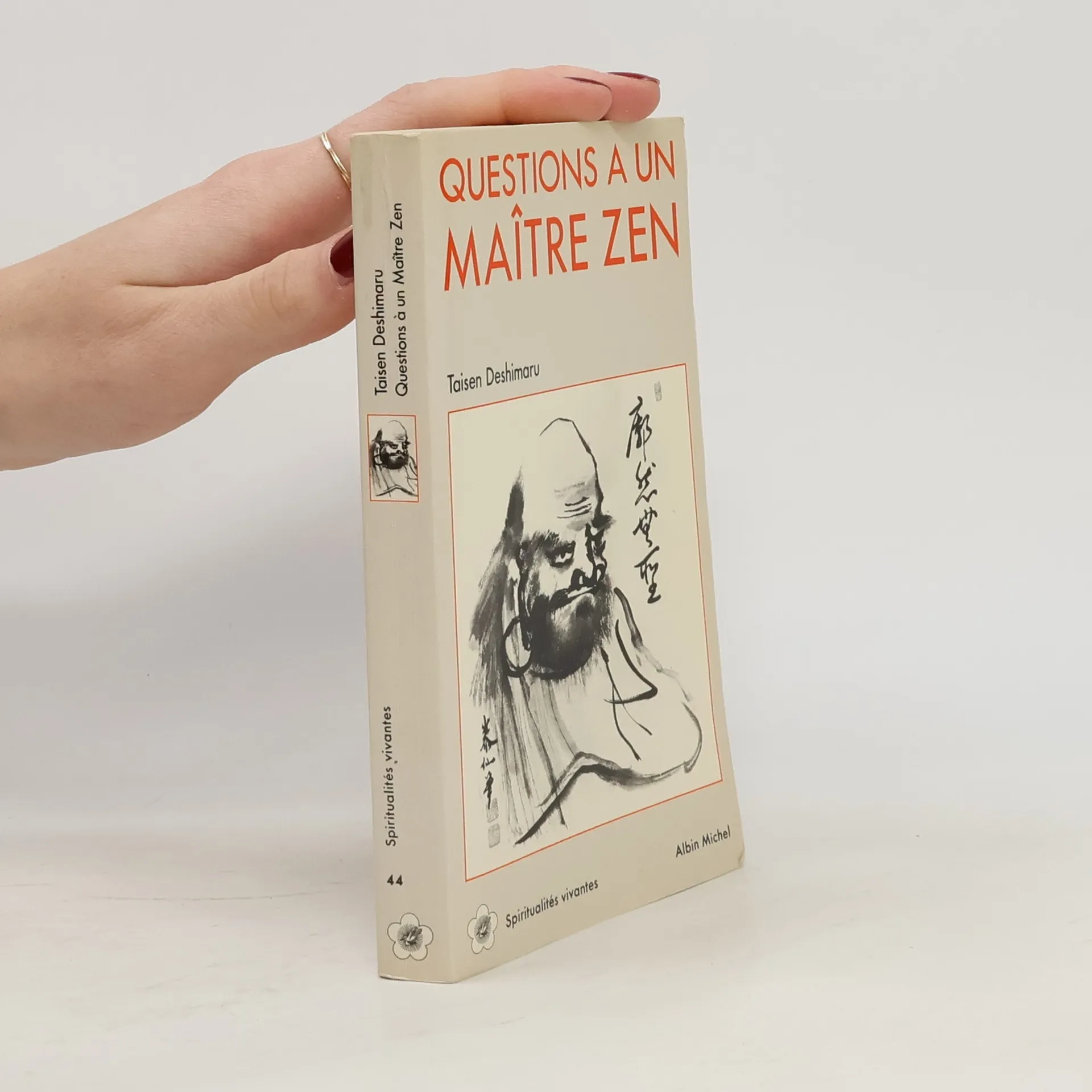
Questions à un Maître Zen
- 212 stránek
- 8 hodin čtení
Qu’est-ce que le Zen ? Qu’est-ce que la posture de zazen ? Qu’est-ce que le karma ? Et le satori ? Quels sont l’importance et le rôle de la tradition dans la transmission du Zen, mais aussi dans notre vie de tous les jours ? Et qu’en est-il au juste de la relation de maître à disciple ? Le grand maître japonais Taisen Deshimaru répond ici à ces questions, parmi beaucoup d’autres. Ce livre réunit l’essentiel des réponses que Maître Deshimaru apporta, durant les quinze années de sa présence en Europe, aux interrogations de ceux qui pratiquaient le Zen sous sa direction et qui poursuivent aujourd’hui sa mission. Ces réponses, fortes et imagées, d’un humour parfois abrupt, constituent à la fois une excellente introduction à la pratique et à la philosophie du Zen, et un. appel à vivre réellement la totalité de notre être.
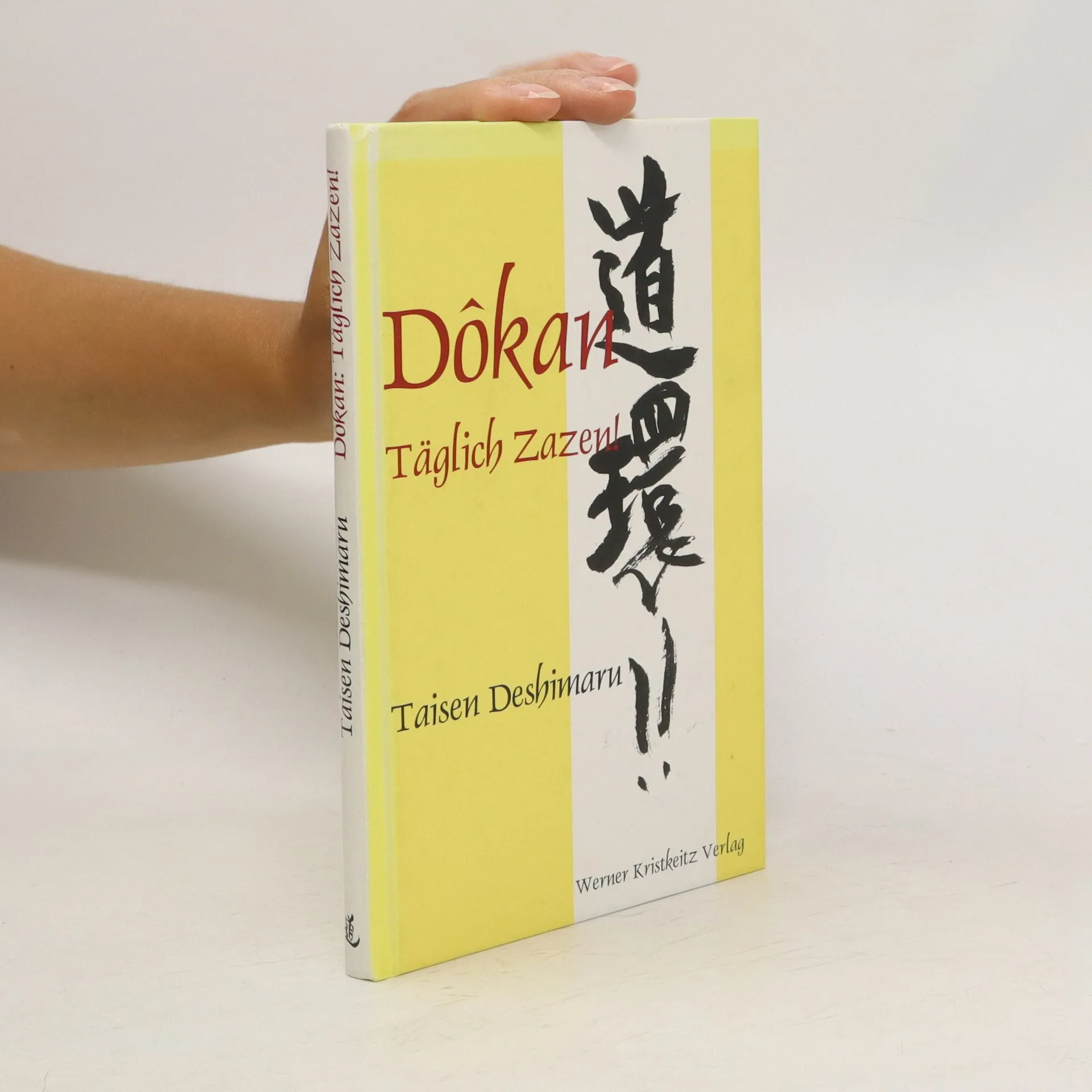
Dokan: Täglich Zazen!
Zen-Unterweisungen
Zen und Budo
- 114 stránek
- 4 hodiny čtení
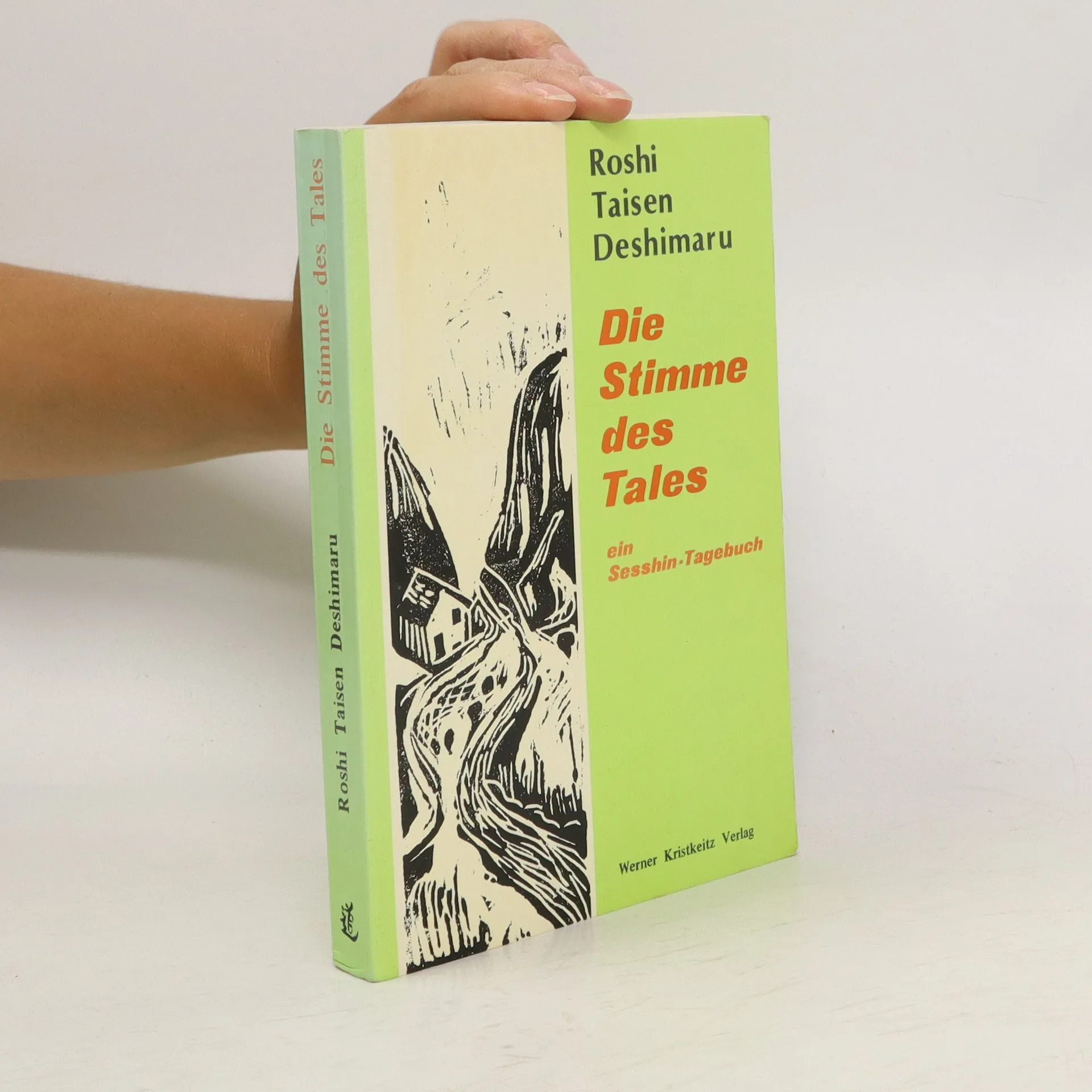
Die Stimme des Tales
Zen-Unterweisungen
'Die Stimme des Tales ist Buddhas weite und lange Zunge,die Form der Berge nichts anderes als sein reiner Körper.'Diese Zeilen aus einem bekannten Zen-Gedicht gaben einem 38-tägigen Sesshin (Zen-Retreat) in Val d’Isère in den französischen Alpen das Motto. Zen – das ist Zazen, Versenkung, Sitzen in der Haltung des Buddha, und es ist die mündliche Unterweisung (Kusen) eines authentischen Meisters der Überlieferung. Dieses Buch gibt einen tiefgründigen Einblick in diese Es enthält in chronologischer Form die gesammelten Kusen dieses Sesshin, wobei deutlich wird, dass Zen-Unterweisungen keine vorbereiteten Vorträge sind, sondern sich spontan im Kontext des Alltagslebens in einer Zen-Gemeinschaft und in Einheit mit dem Geist der Schüler entwickeln; dass Zen-Erziehung keine Wissensvermittlung ist, sondern verständnisvolle und strenge wie auch liebevolle Führung auf dem Weg Buddhas.Gleichzeitig ist es das erste Mal, dass ein Zen-Meister sich zum Thema Karma und Wiedergeburt äußert.
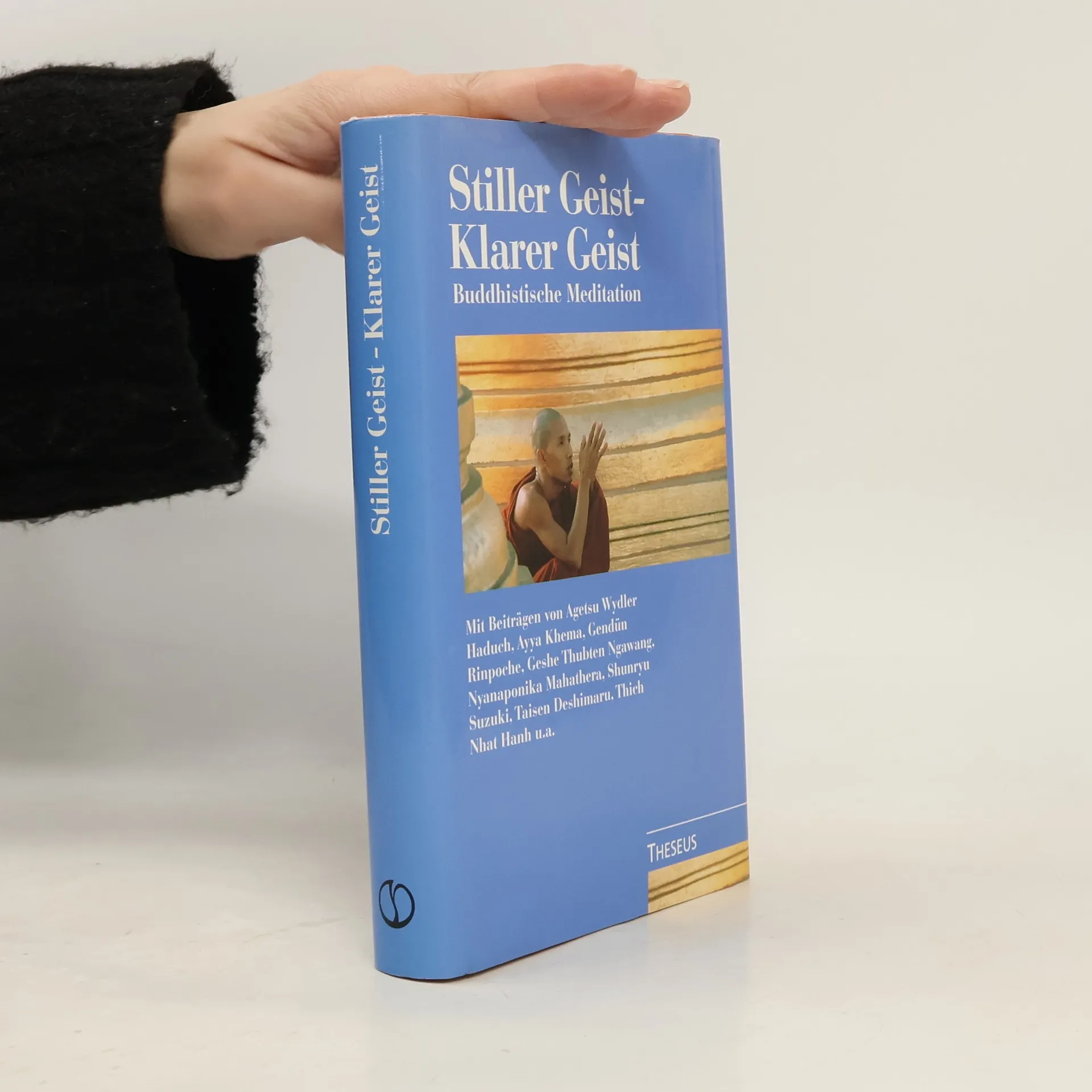
Stiller Geist - klarer Geist
- 301 stránek
- 11 hodin čtení