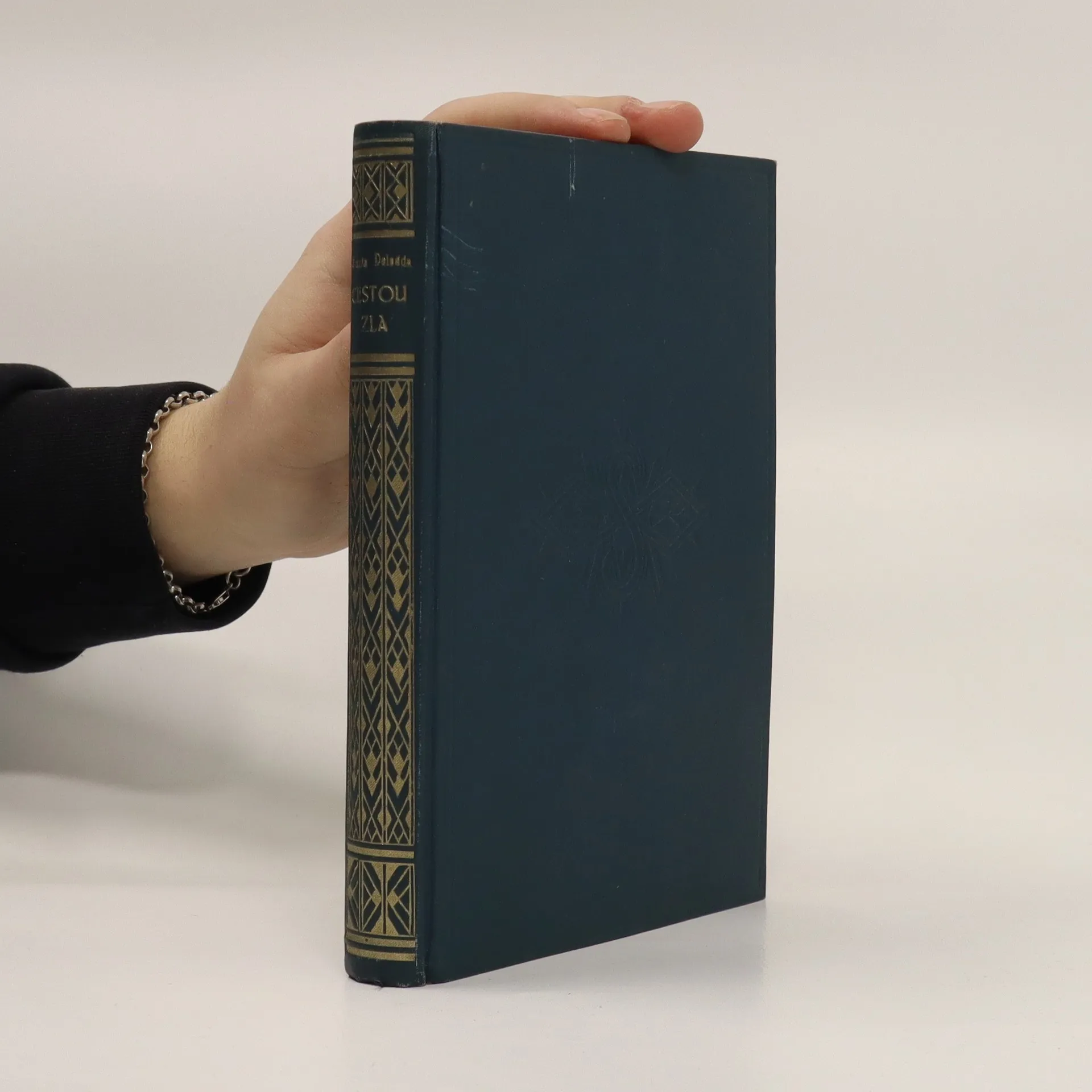
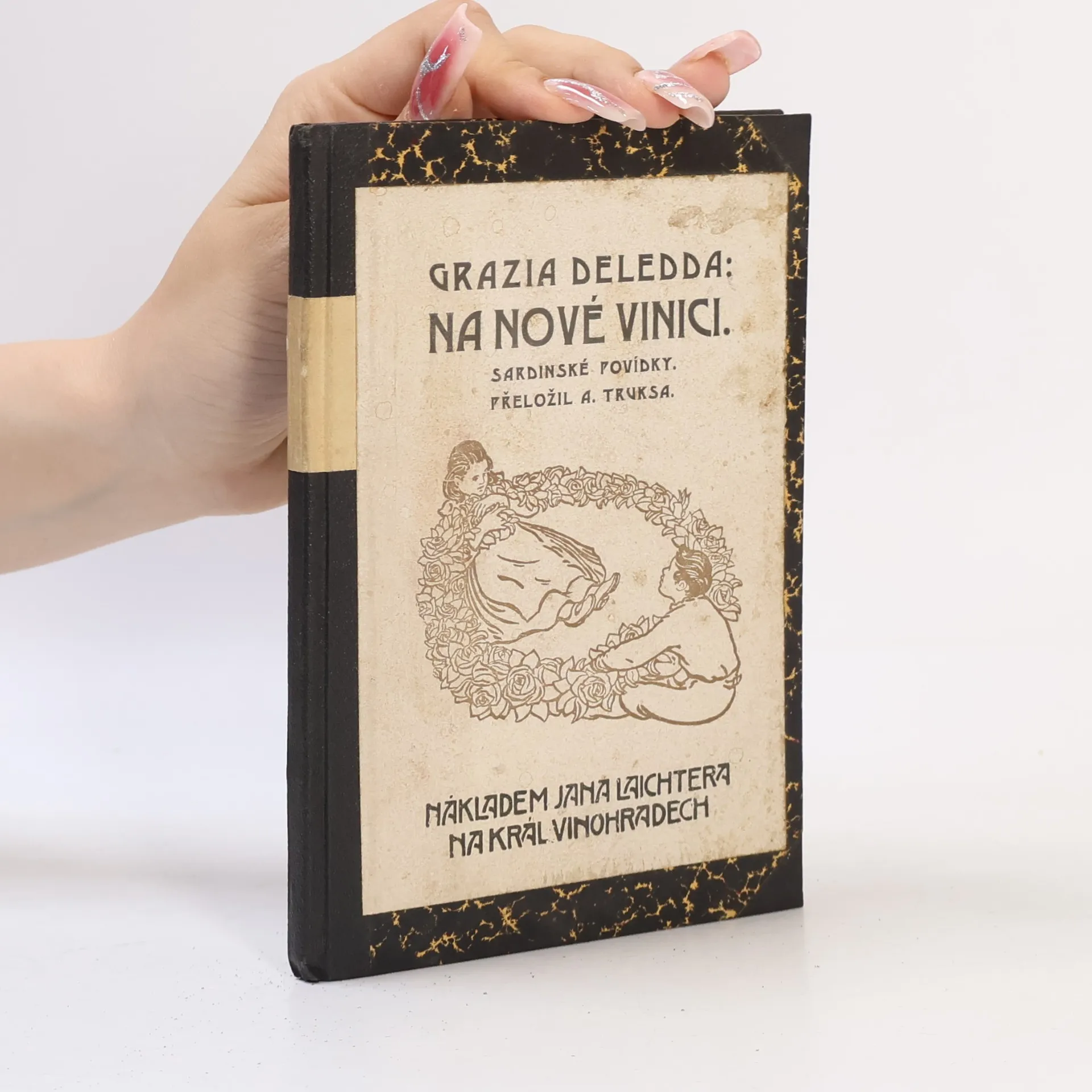
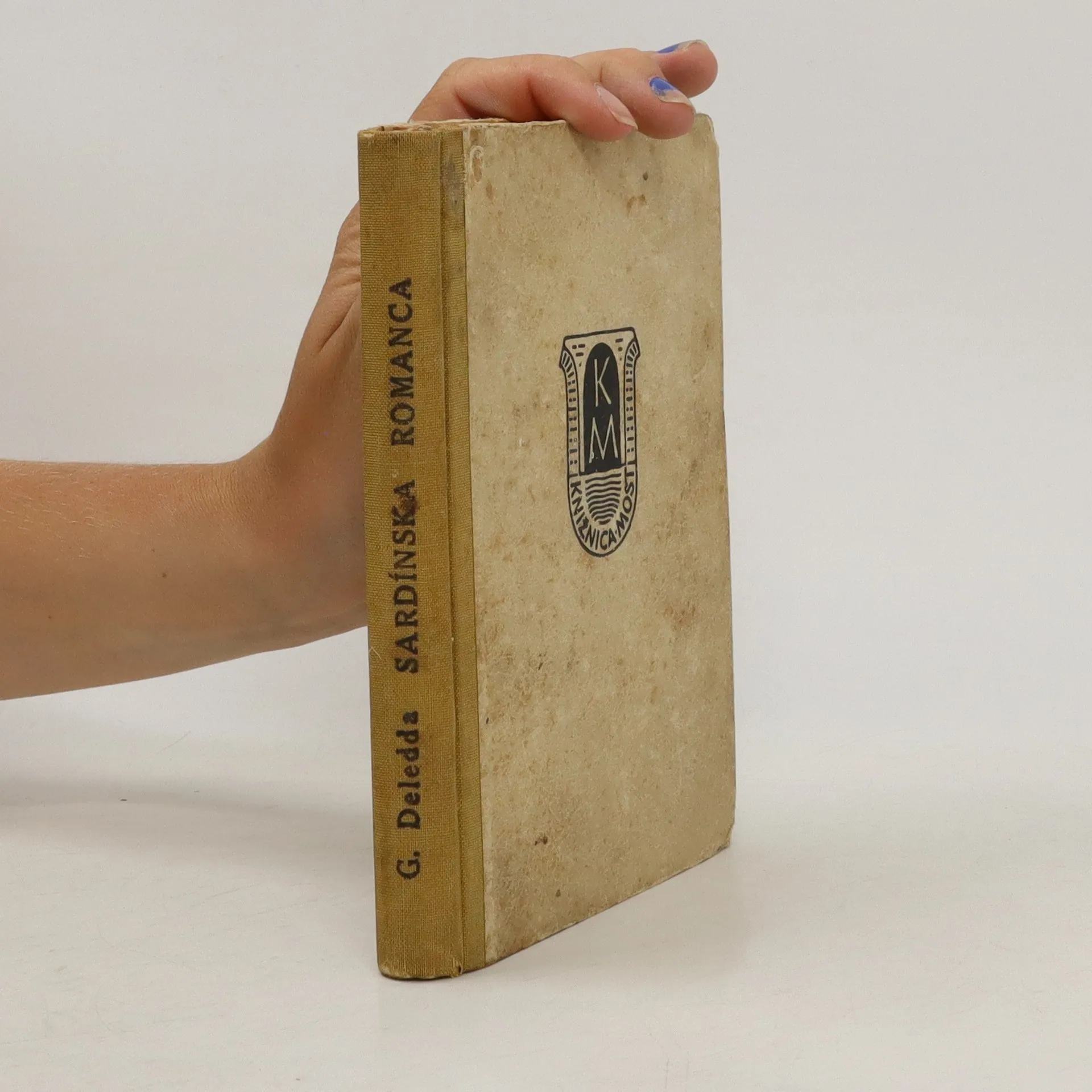
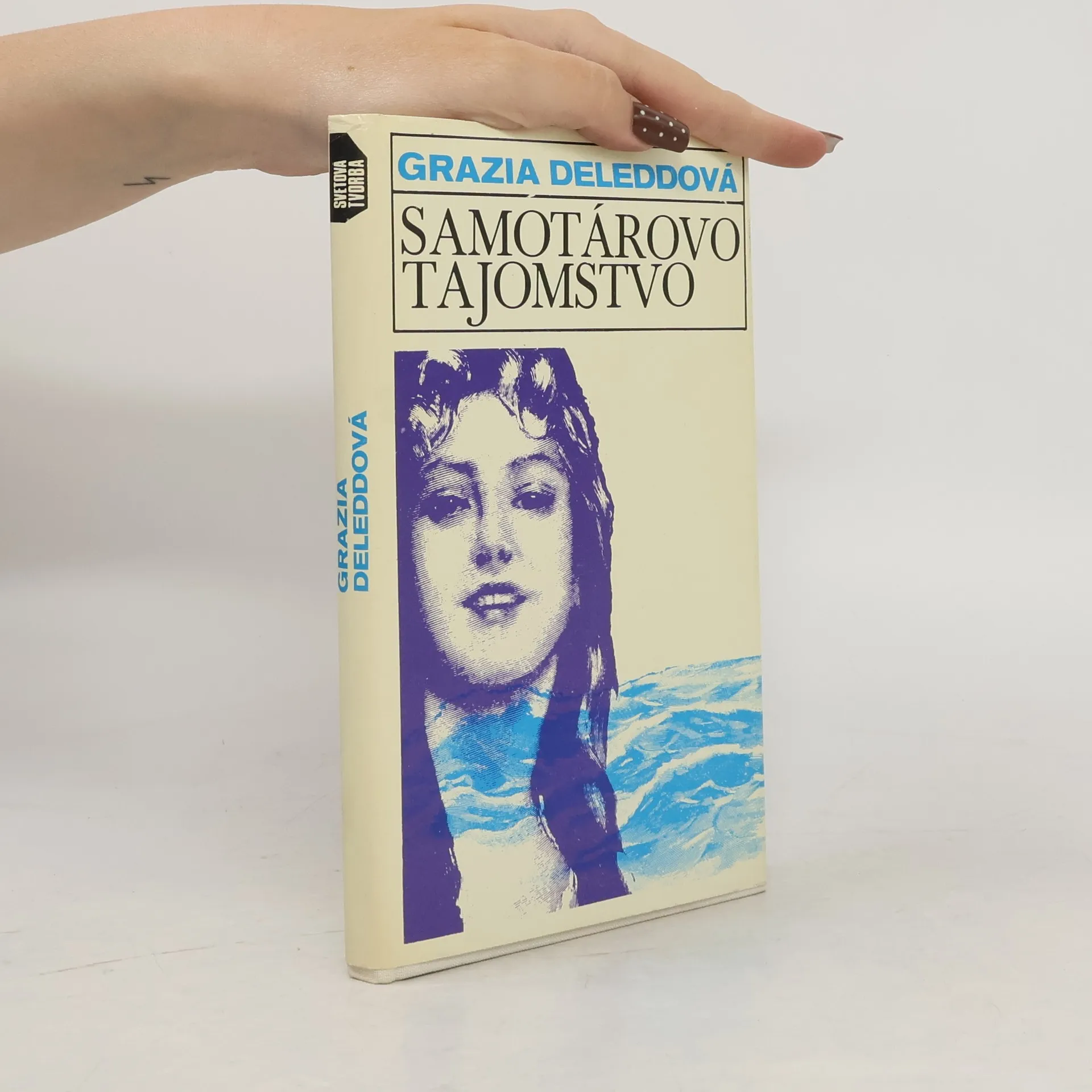
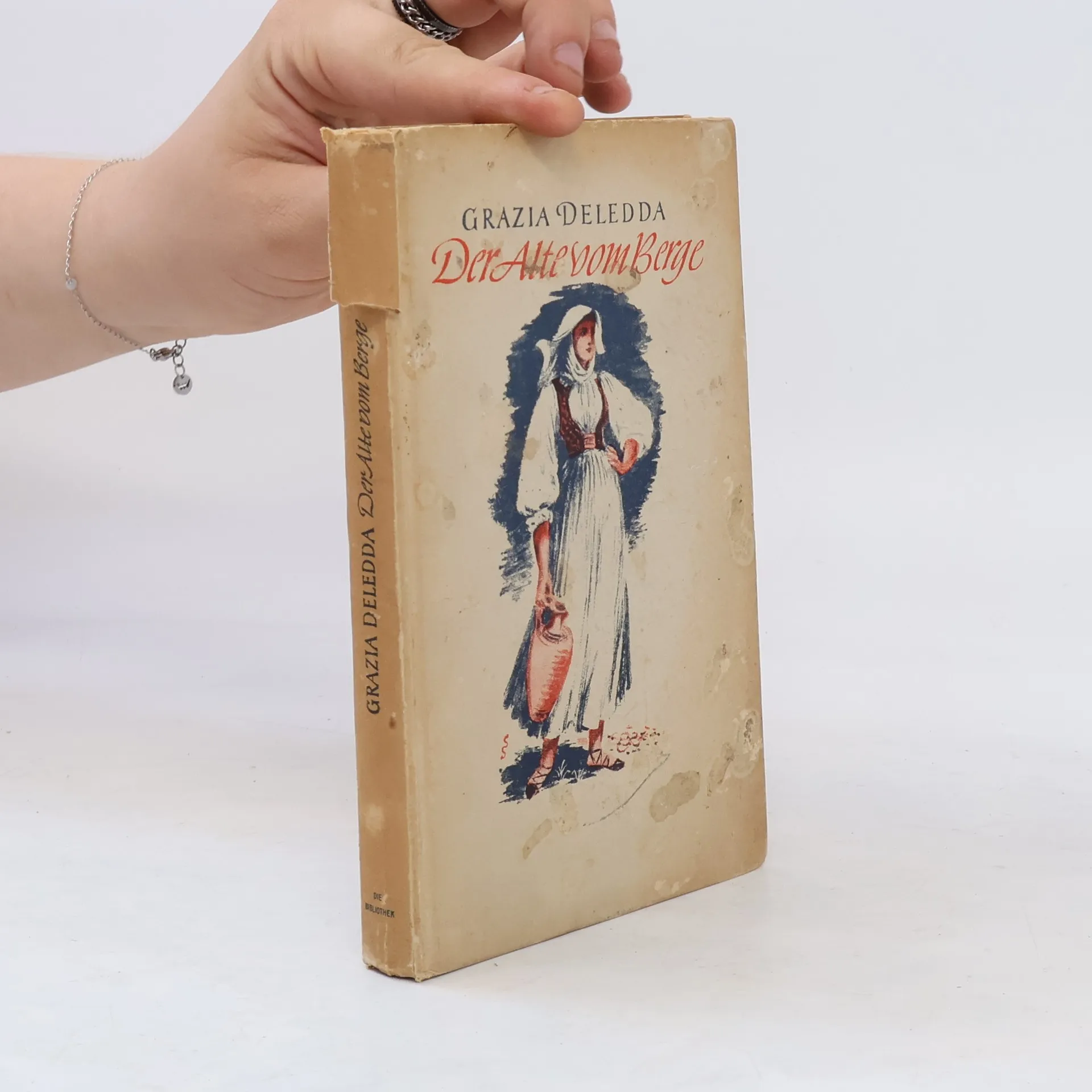
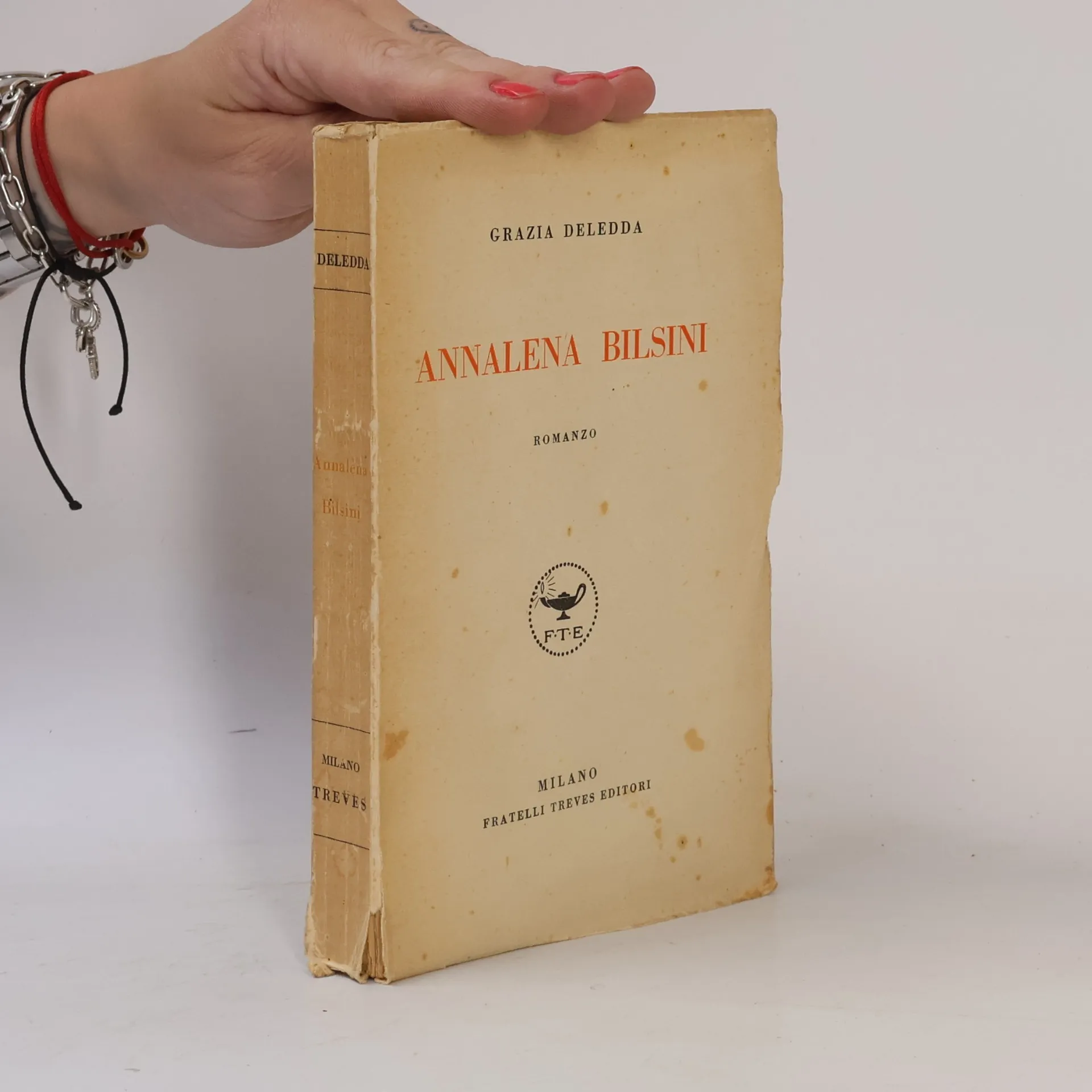
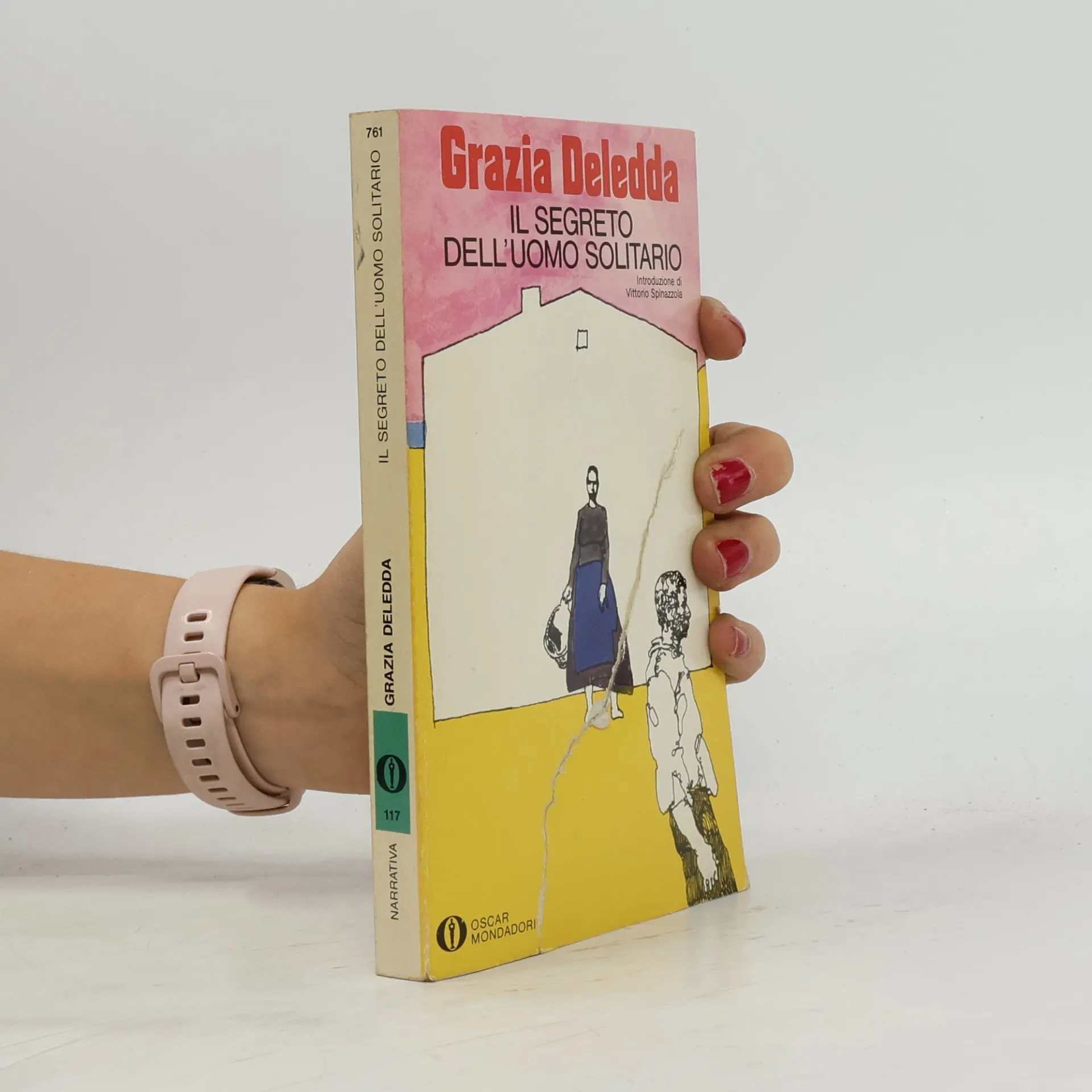
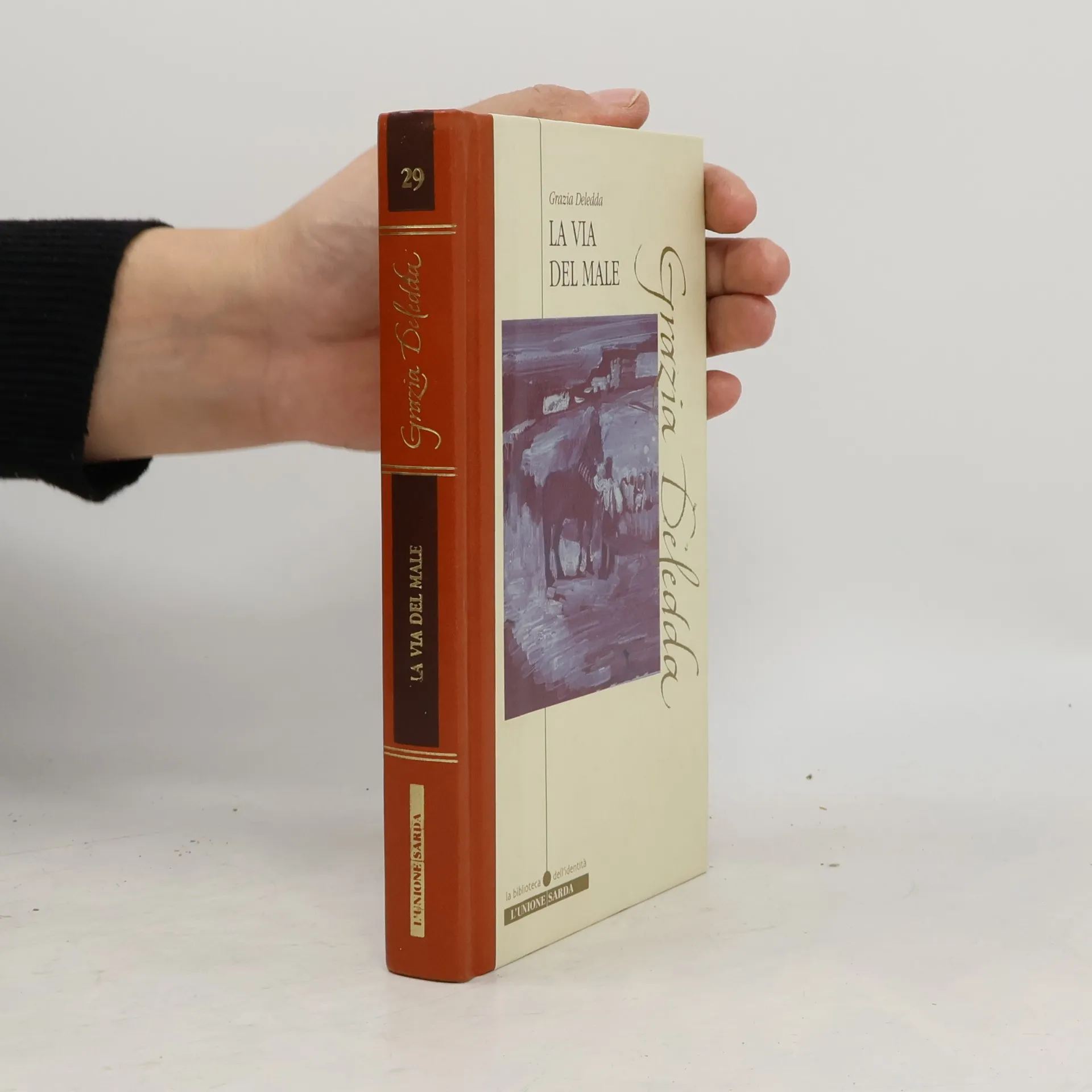
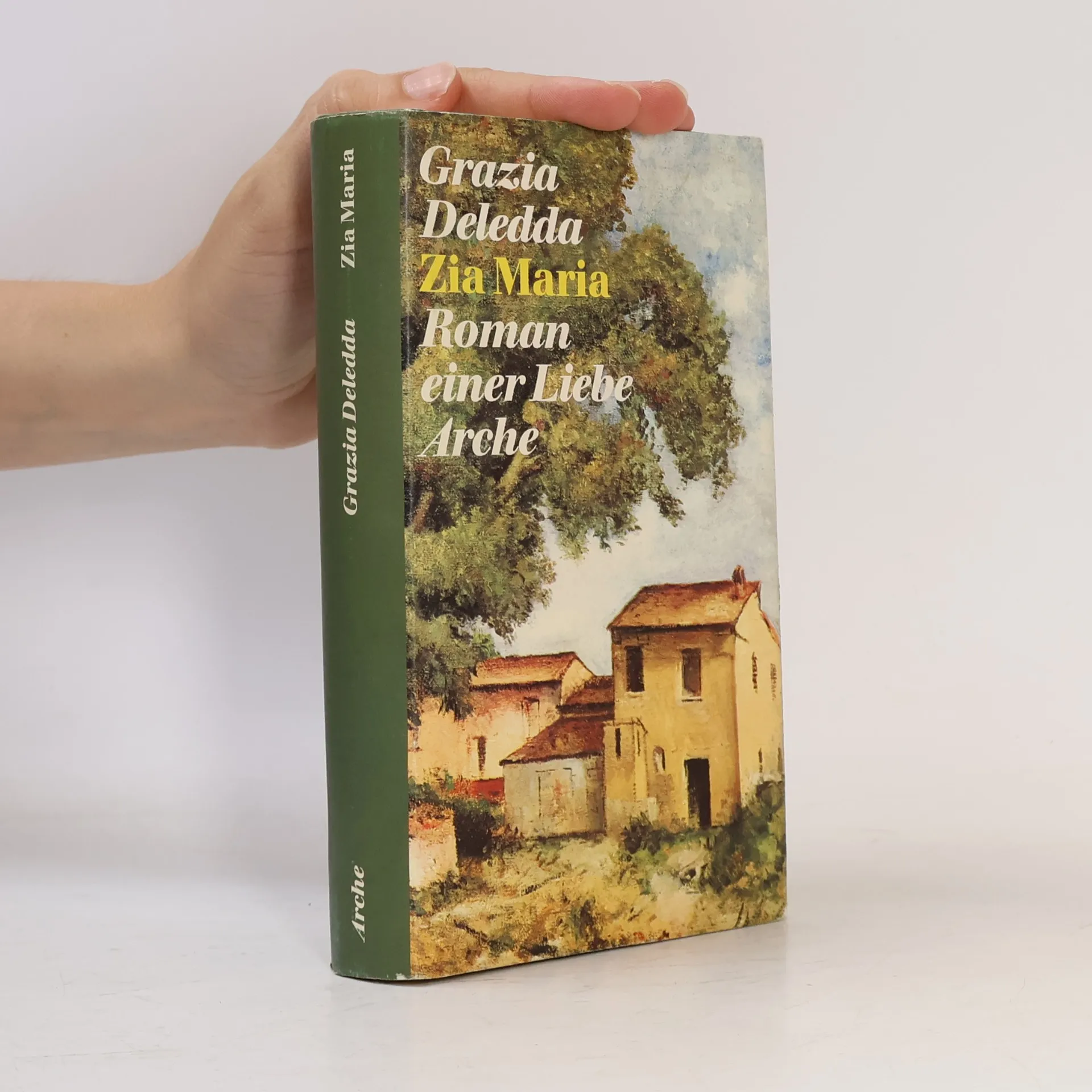
Děj se odehrává na vesnici, na Sardínii . Život je zde prostý a drsný, lidé vášniví a nesmiřitelní. Žijí podle zákonitostí zachovávaných po generace, v respektu k rodovým tradicím a největším bohatstvím je pro ně vlastní čest.
Grazia Deledda Knihy
27. září 1871 – 15. srpen 1936
Grazia Deledda je známá svými idealisticky inspirovanými spisy, které s plastickou jasností vykreslují život na jejím rodném ostrově a hluboce a soucitně se zabývají lidskými problémy obecně. Její romány vytvářejí silné pouto mezi místy a lidmi, pocity a prostředím. Drsné prostředí rodné Sardinie ztvárňuje nejen podle regionálních realistických schémat, ale prožívá ho skrze mýtus. Vyniká jedinečným pohledem, který do hloubky zkoumá složitost lidské existence.

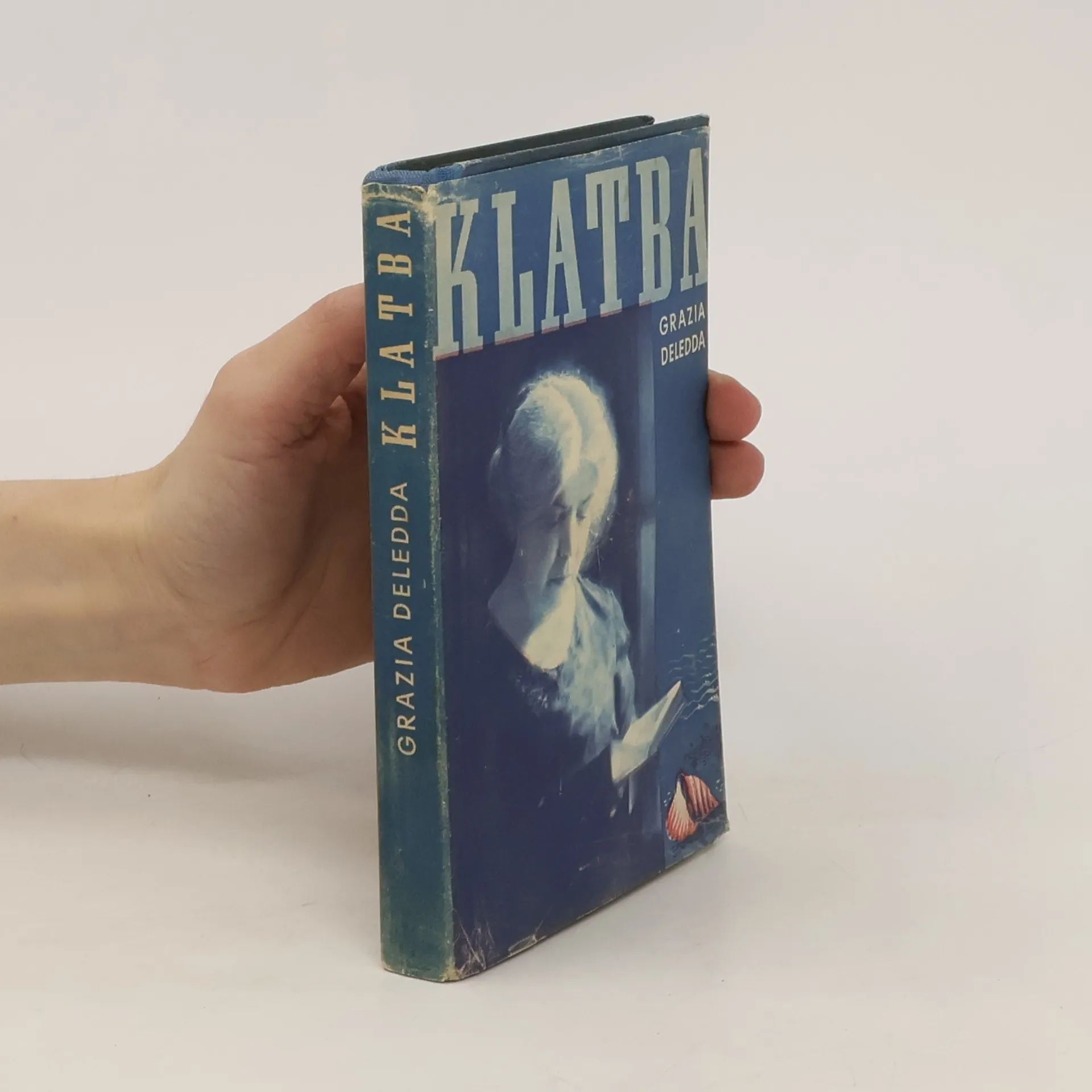
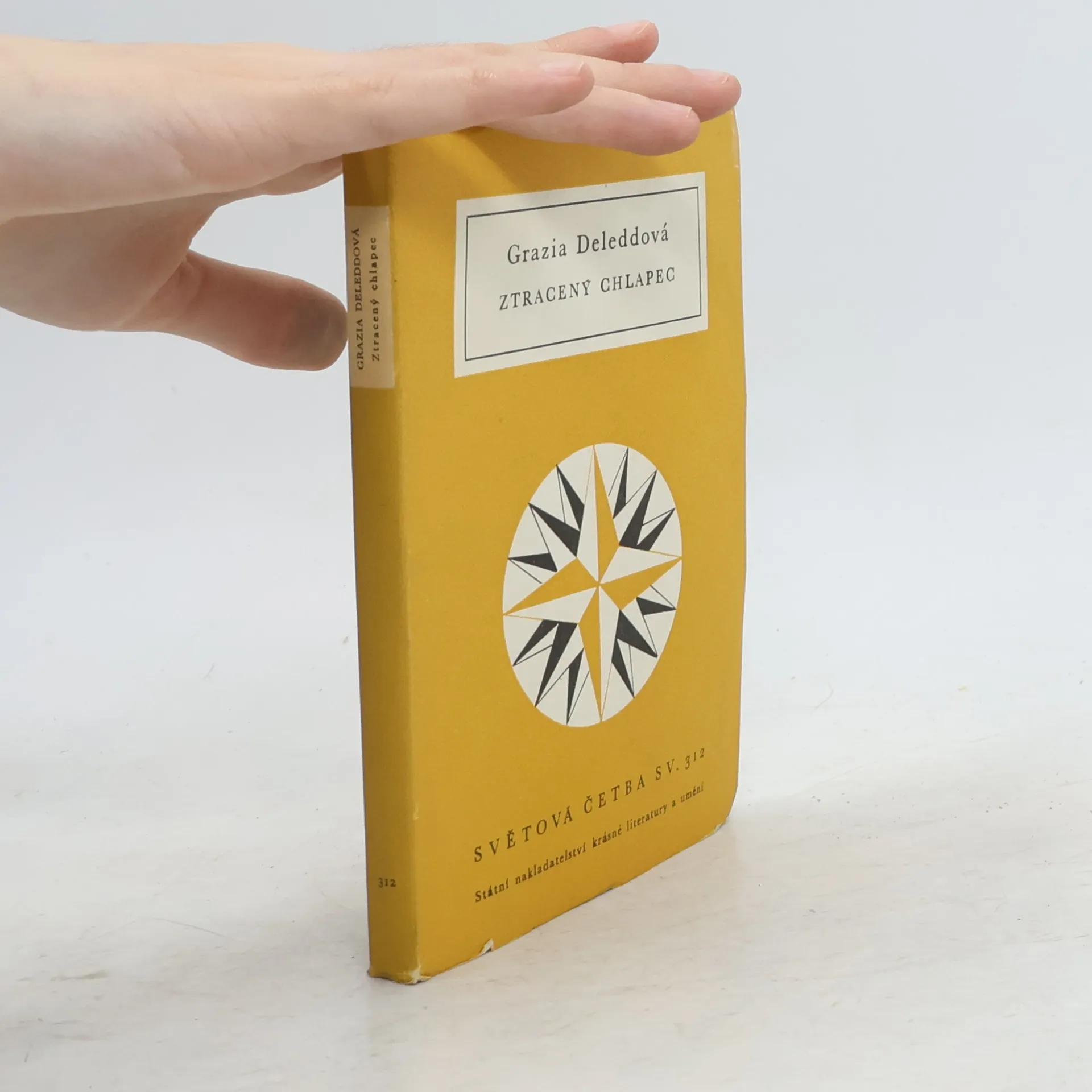

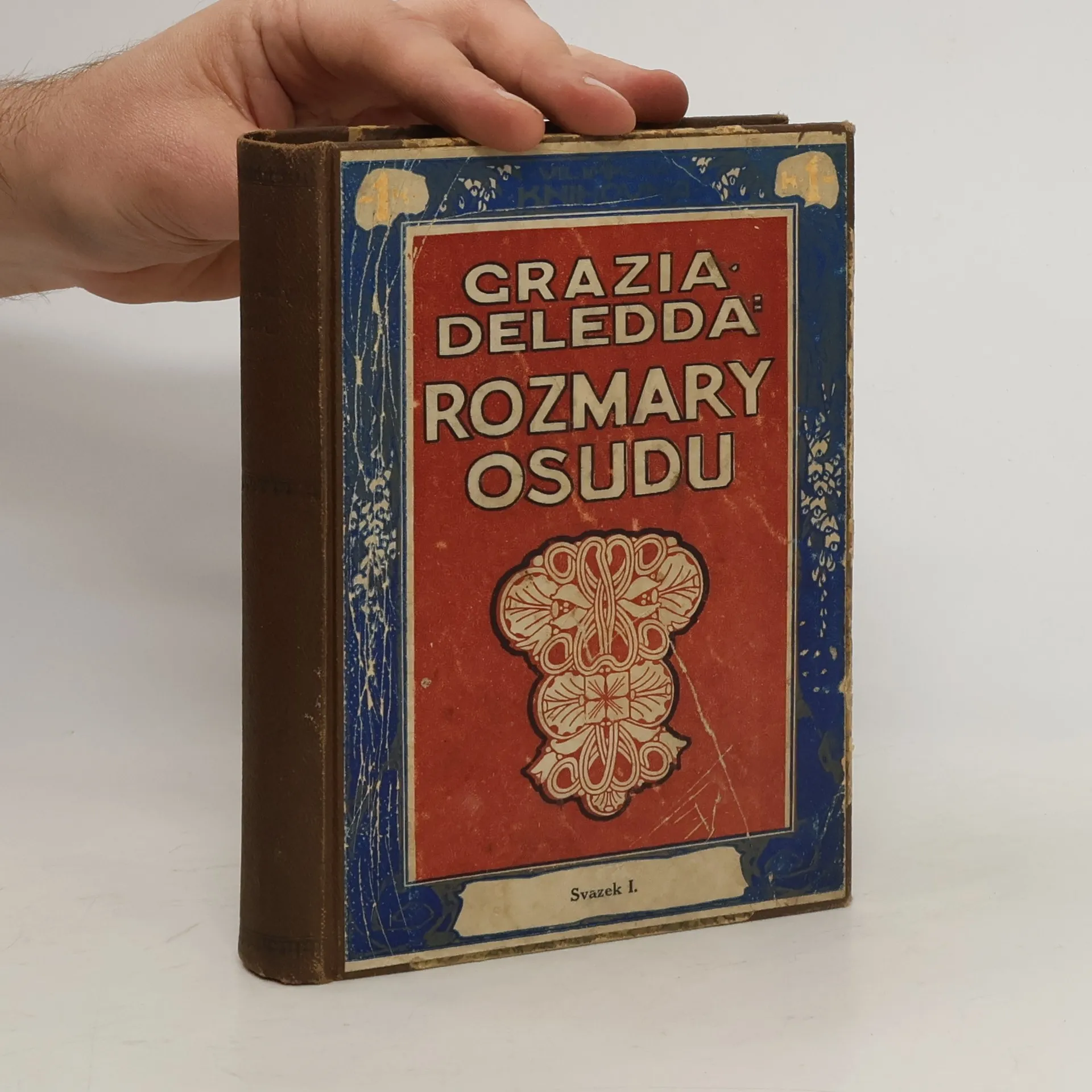
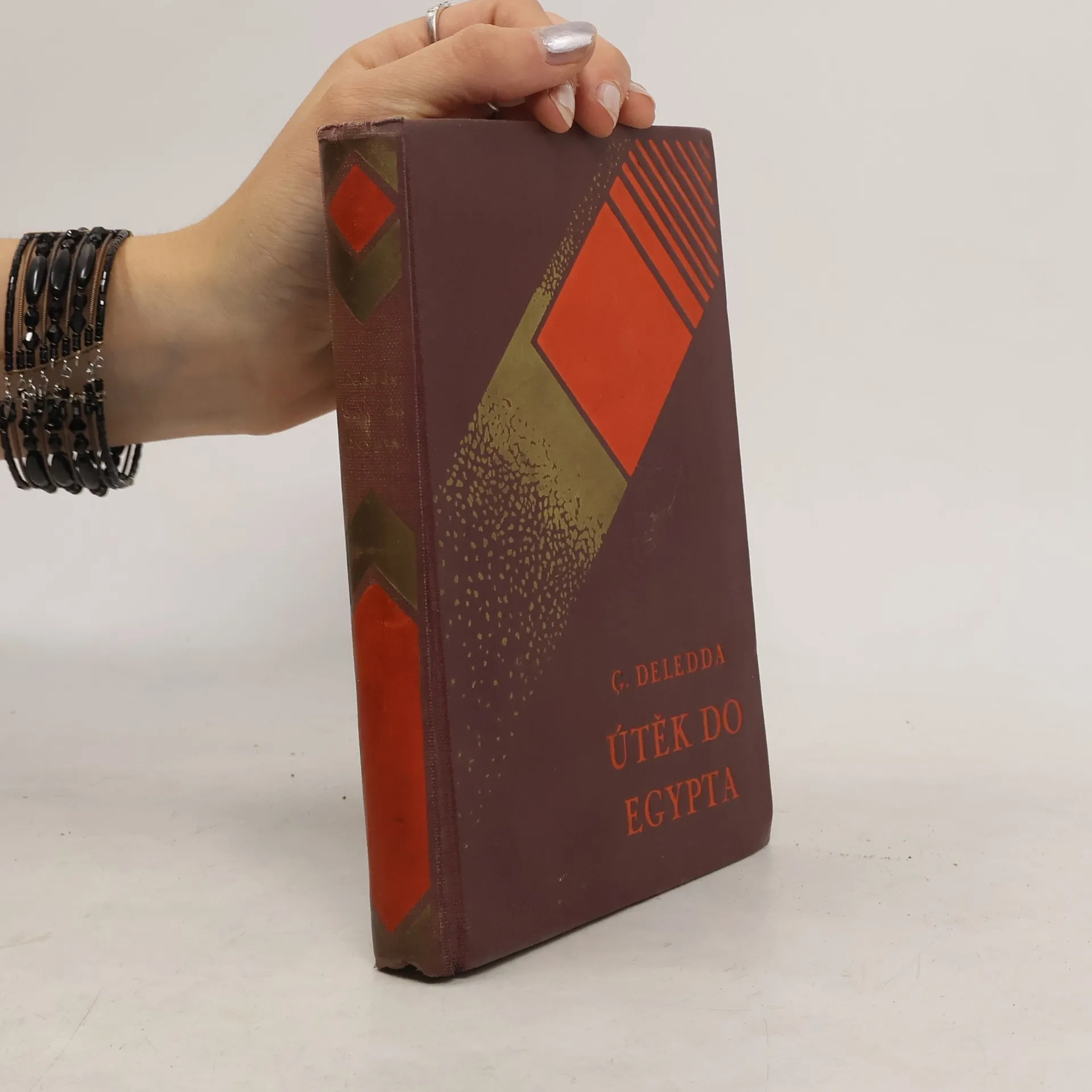
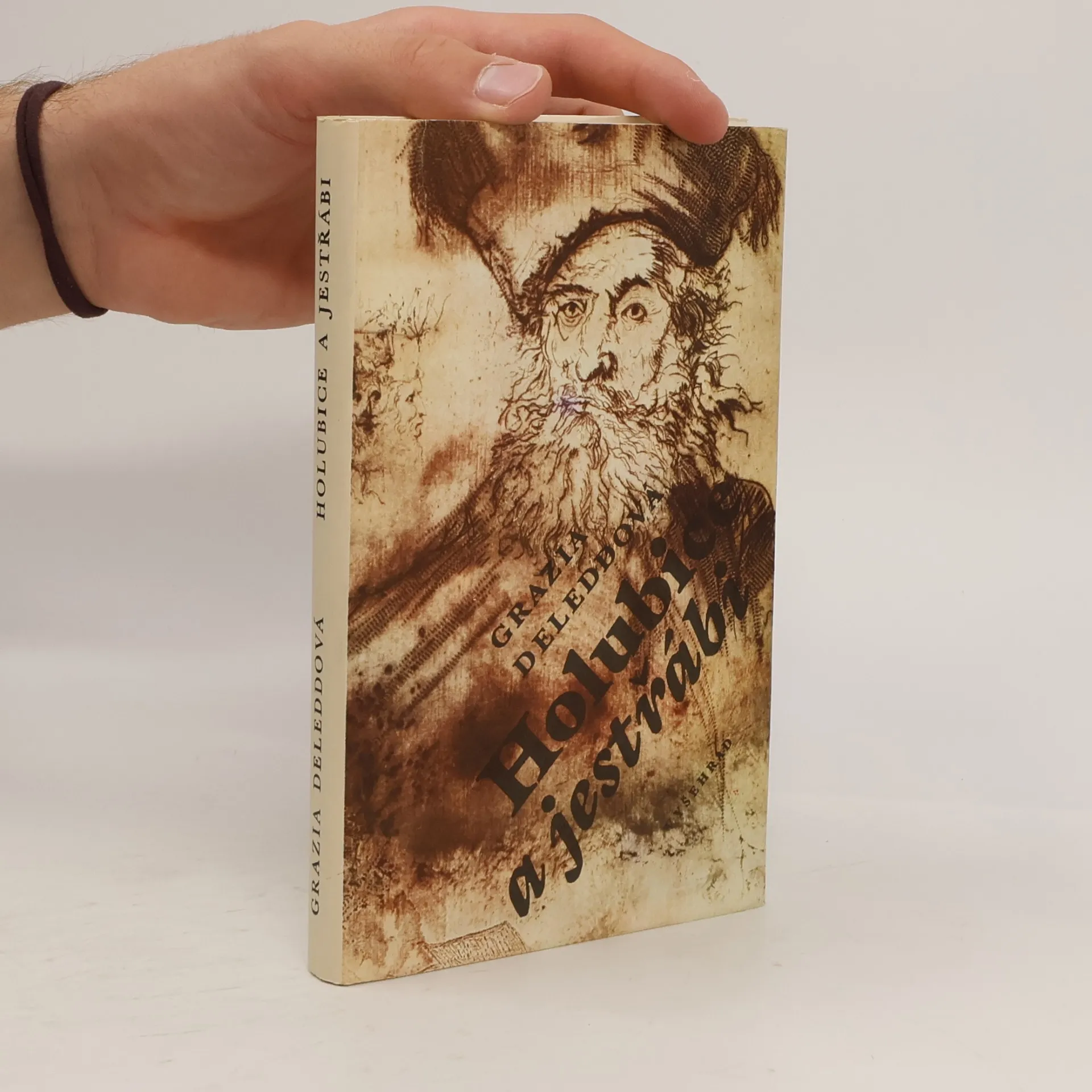
Výbor z povídek italské nositelky Nobelovy ceny (1875-1936), která v nich s velkým uměním charakterizačním, místy až naturalisticky věrně i zase s vrcholnou poezií zobrazila život sardinských venkovanů, jak je formují životní podmínky, prostředí i jejich osobní vlastnosti.
The Woman & the Priest
- 140 stránek
- 5 hodin čtení
This edition emphasizes the meticulous effort to preserve and enhance a classic literary work through professional type-setting and formatting. The text has been carefully re-created to eliminate typographical errors and improve overall quality while maintaining the authenticity of the original. Some imperfections from the original have been retained to honor its historical significance. The aim is to provide readers with a fresh reading experience while contributing to the preservation of important literary heritage.
Marianna Sirca
- 240 stránek
- 9 hodin čtení
Brought up as a servant in the austere household of an uncle, Marianna is now a woman of property. But at thirty, she knows little of life. For others in the town of Nuoro and its surrounding hill farms, Sardinia is a harsh and unforgiving place. When she meets a former companion in service, now forced into banditry to support his family, her calm existence is turned upside down. The defining moment of her life has come. Does Marianna love for Simone Sole triumph over her common sense, social convention and what is expected of her by her family? Grazia Deledda explores the layers of temptation and doubt in a novel of Sardinian life coloured with her own intimate knowledge of its beauties and dangers.
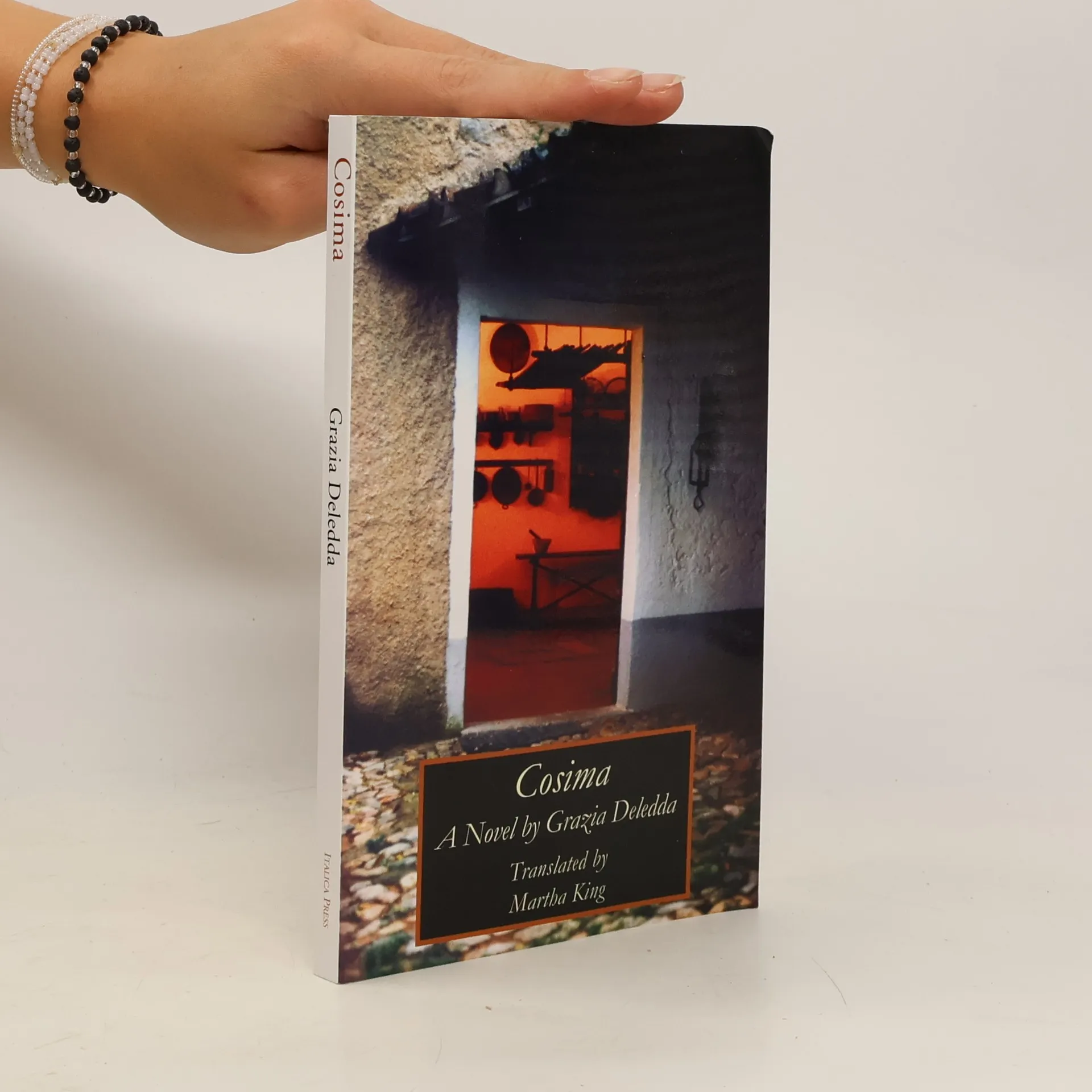
Short "Cosima" tells the story of an aspiring writer growing up in Nuoro, Sardinia during the last decades of the nineteenth century when formal education for women was rare and literary careers unheard-of. Based on Deledda’s own life, the work describes a young woman’s struggle against the dismay and disapproval of her family and friends at her creative ambitions. Yet it also reads like a charming fable with details of family life, rural traditions and wild bandits, and it is as much a novel of memory as of character or action. Deledda’s characters are poor country folk driven by some predetermined force. Their loves are tragic, their lives as hard and as rigidly controlled as nature itself in the hills of Sardinia. Deledda creates memorable figures who play out their lives against this backdrop of mountains and bare plains, sheepfolds and vineyards. Shimmering in the distance is the sea and escape — for a few — to the Continent or America. In 1926 Grazia Deledda became the second woman and the second Italian to receive the Nobel Prize for Literature. She wrote thirty-three novels, including "Reeds in the Wind," and many books of short stories, almost all set on Sardinia. Her work has become well known to English-speaking readers through Martha King’s translations for Italica Press.
The Dance of the Necklace
- 126 stránek
- 5 hodin čtení
Set against an urban backdrop, Grazia Deledda's narrative explores the complexities of human emotions, delving into themes of love, ambition, and the desire for self-importance. With a modern and experimental writing style, she reveals the deep-seated struggles and aspirations that drive individuals, moving beyond her traditional Sardinian roots to capture the essence of urban life and its inherent challenges.
Set in Sardinia, this novel follows Marianna Sirca, a young woman striving to rebuild her life and support her daughter after escaping an abusive marriage. As she establishes a successful embroidery business, she grapples with her tumultuous feelings for Gabriele, who faces his own struggles. The narrative delves into themes of love, loss, and redemption, portraying the characters' quest for happiness amidst life's challenges. With rich depictions of the Sardinian landscape, this timeless tale resonates with readers, reflecting enduring human emotions.
Taliansku spisovatelku Graziu Deleddovú nemusíme slovenskému čitateľovi predstavovať. Dielko, ktoré sa mu dostáva do rúk, je jedným z mála diel vrcholného obdobia jej tvorby. Komorne ladený príbeh je dôkazom, že slovu v rukách majstra stačí len málo na vyjadrenie tých najkomplikovanejších duševných stavov. Príbeh muža, ktorý chce zostať sám so svojím tajomstvom, jeho márny boj proti láske, vzťah muža a ženy, ktorí sa boja opätovného sklamania, hlboká sonda do myšlienkového sveta duševne chorého človeka — to všetko nájdeme v novele najvýznamnejšej sardínskej autorky. Kde je hranica medzi normálnym „naším“ svetom a tým druhým, svetom iracionálna — kladie sebe i nám otázku. Jej hlavný hrdina Cristiano stráca lásku, ktorej sa najprv bránil a neskôr o ňu bojoval, získava však chuť do života. Vracia sa do „nášho“ sveta. Grazia Deleddová je autorka zemitá, ostrovná, sopečná. Zemité a sopečné — s príkrasami i bez príkras — sú aj postavy jej rodnej Sardinie, ostrova, ktorý zostal tisíc rokov v úzadí európskej civilizácie. Celé jej dielo je epickým dokumentom o živote a práci ľudí na Sardinii od konca minulého storočia do konca tridsiatych rokov nášho storočia.
Storie classiche di Natale
- 220 stránek
- 8 hodin čtení
Il cielo profuma di neve, si accendono le luci sugli alberi della città. Arriva il periodo più bello dell'anno! Ma com'era il Natale quando al posto delle auto, c'erano le carrozze trainate dai cavalli? Com'era quando non c'erano i centri commerciali, ma le botteghe dei falegnami e i laboratori dei giocattolai? Com'era quando il pane si faceva in casa e invece del riscaldamento c'era la stufa a legna? Com'era quando tutta la famiglia si riuniva per il pranzo natalizio intorno alla tavola illuminata dalle candele e decorata con il vischio e le bacche di agrifoglio? Ce lo raccontano i grandi autori della letteratura, in questa raccolta di racconti e brani di romanzi storie straordinarie che sono ormai entrate a far parte della nostra tradizione natalizia. Età di da 8 anni.
Il vecchio e i fanciulli
- 144 stránek
- 6 hodin čtení
Il titolo rimanda al rapporto tra il vecchio Ulpiano Melis, ricco pastore, e i fanciulli che in realtà sono degli adolescenti: la nipote Francesca di 15 anni e il servo pastore Luca di 16. La vicenda si svolge nella Sardegna del ’15-’18.La storia è dipanata in un anno e mezzo in cui Ulpiano Melis e la sua famiglia affrontano l’alternarsi di sentimenti quali il rancore, l’odio, l’amore e la passione. Un vero e proprio repertorio di tematiche deleddiane: la colpa e l’espiazione; il fatalismo; la magia e le superstizioni. È dunque un romanzo della maturità, ma ancora sardissimo negli intenti e nell’intreccio.
Na Eliasovi, hlavnej postave románu, autorka ukázala, do akých strašných duševných kríz môže človek upadnúť. Po návrate z väzenia zaľúbi sa do snúbenice svojho brata a tu sa začína jeho zúfalý duševný boj, z ktorého hľadá východisko. Uvedomuje si svoju slabosť a nerozhodnosť, vidí, ako jeho vôľa chabne, ale nevládze udusiť požiar, čo v ňom vzbĺkol. Bezmocnosť človeka v boji proti náruživostiam, ale aj túžba po vytýčenom dobre a často márny zápas o jeho dosiahnutie - to je výsledok ľudskej krehkosti, ktorú Deledda majstrovsky predstavila v Eliasovi.
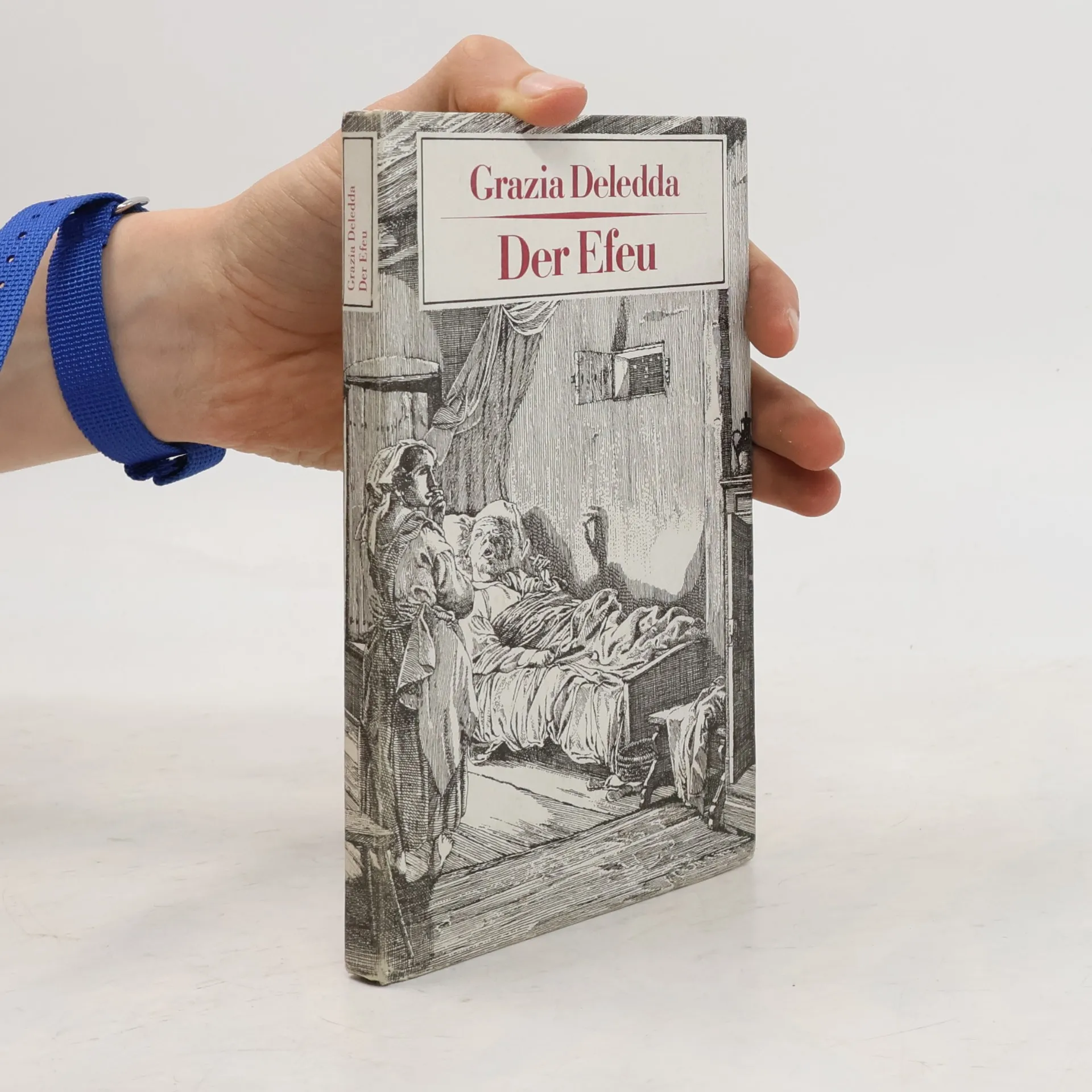
La vicenda del romanzo si svolge in un paese della Sardegna all’inizio del XX secolo. Lo sfondo della narrazione è il decadimento tanto della nobiltà sarda quanto quello economico del posto. In primo piano viene descritta la drammatica situazione economica di una famiglia aristocratica di campagna, i Decherchi. La famiglia, in origine ricca, possiede ancora alcuni poderi ma ha diversi debiti. Per sbarcare il lunario, i Decherchi sono costretti a tenere in casa ziu Zua, un lontano parente ricco, vecchio e malato. Quest'ultimo paga alla famiglia un contributo in cambio delle cure di cui ha bisogno. Ziu Zua si lamenta in continuazione di tutti membri della famiglia: le sue proteste prendono di mira soprattutto Annesa, la giovane protagonista del romanzo. È principalmente lei a prendersi cura del malato, che poco a poco diventa insopportabile. Ormai, in famiglia tutti sperano nella morte del vecchio. Nel corso del romanzo si delineano anche i contorni dell'amore tra Annesa e Paulu, uno dei componenti della famiglia Decherchi. Le loro vicende si intrecciano sullo sfondo di una situazione familiare assai complessa. Maria Grazia Cosima Deledda è nata a Nuoro, penultima di sei figli, in una famiglia benestante, il 27 settembre 1871. E’ stata la seconda donna a vincere il Premio Nobel per la letteratura, nel 1926. Morirà a Roma, all'età di 64 anni, il 15 agosto 1936.
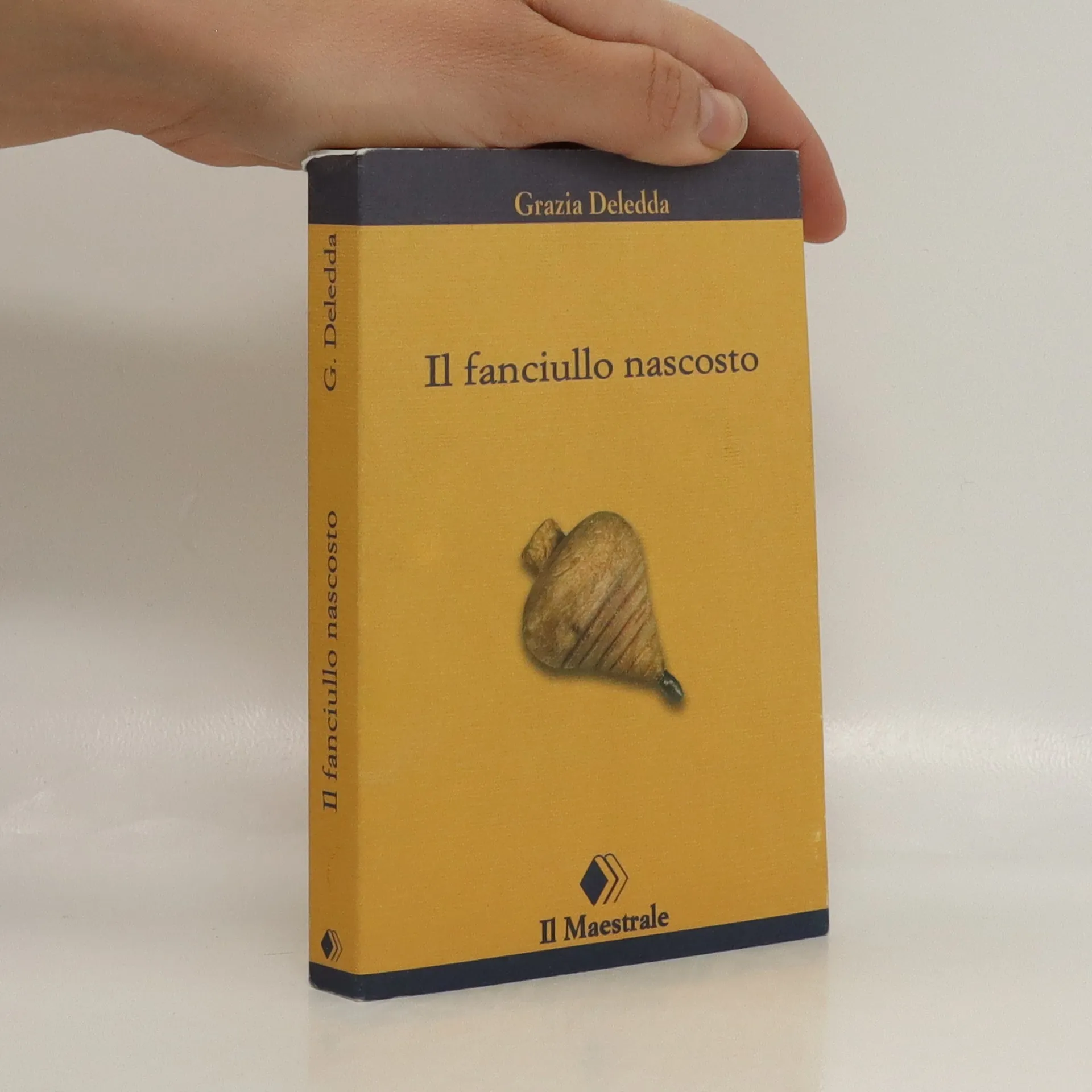
Il fanciullo nascosto
- 216 stránek
- 8 hodin čtení
Grazia Deledda nacque a Nuoro, nella sua amatissima Sardegna, il 27 settembre 1871. Si sposò giovanissima e si trasferì a Roma. Studiò da autodidatta e all'età di 17 anni scrisse le sue prime storie, basate sui temi sentimentali e sul folklore. Deledda ha spesso usato il paesaggio della Sardegna come sfondo per descrivere le difficoltà incontrate dai suoi personaggi. Gli antichi modi della Sardegna sono spesso in conflitto con i costumi moderni, e i suoi personaggi sono costretti a trovare complicate soluzioni ai problemi morali. Nel 1926 vinse il Premio Nobel per la letteratura. Morì a Roma il 15 agosto del 1936. Cosima, romanzo autobiografico, fu pubblicato postumo nel 1937.
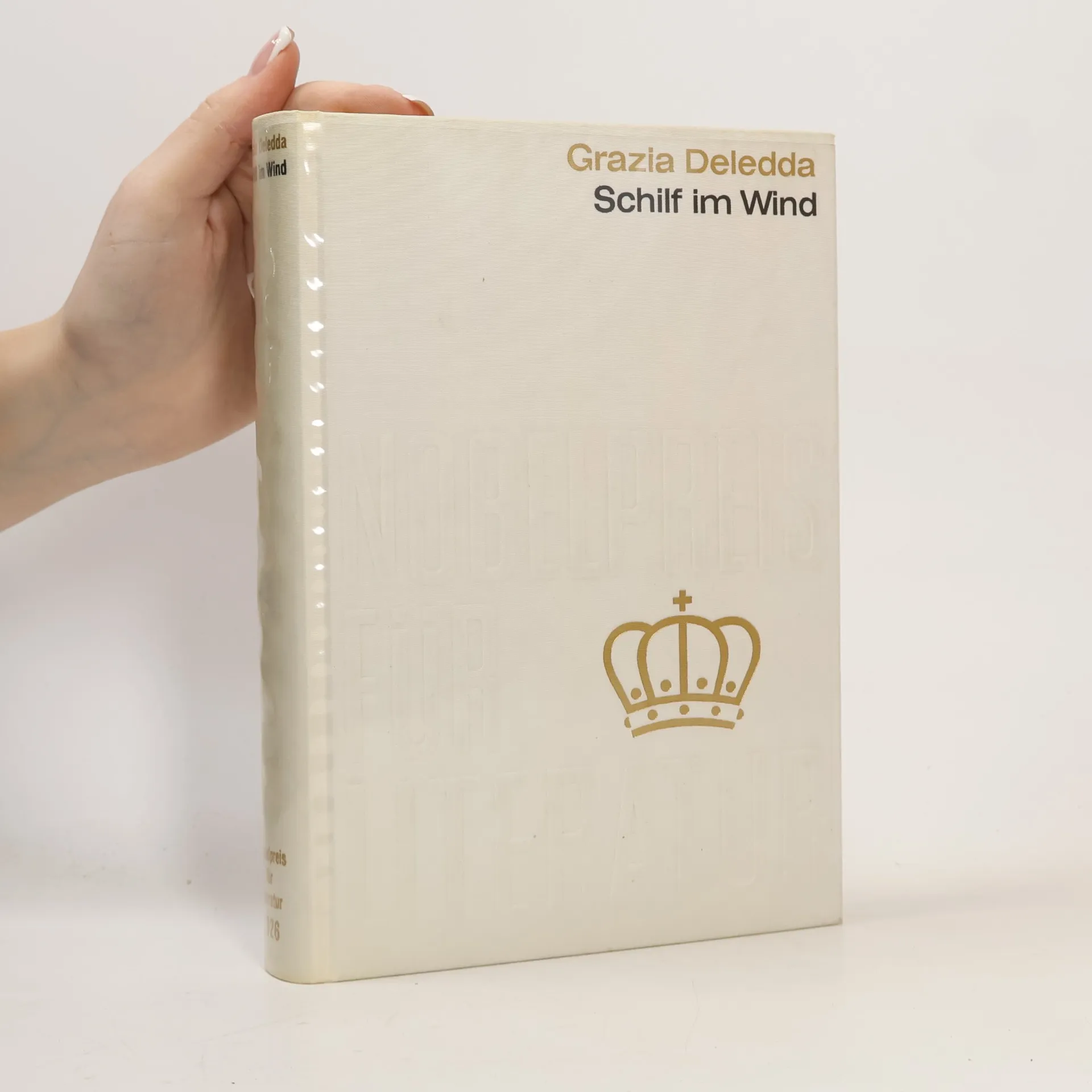
Dem Schilf im Wind vergleichbar sind die Menschen, die uns die Nobelpreisträgerin Grazia Deledda in ihrem Sardinien-Roman vor Augen führt: geduldig, vom Schicksal erfaßt, niedergedrückt und von der Liebe schließlich wieder emporgerichtet.Auf einem halb verfallenen Landgut inmitten der kargen Landschaft Sardiniens, zwischen Granatapfelbäumen und wilden Kaktusfeigen, verbüßt der Knecht Efix eine geheime Schuld im Dienst der Schwestern Pintor. Doch schon bald werden die Frauen in ihrer trostlosen Abgeschiedenheit, gewissermaßen auf einer Insel innerhalb der Insel, von der Vergangenheit eingeholt. Von dieser archaischen, unwirklichen Welt, mit Kobolden, die ihre Schätze verstecken, und Feen, die auf ihren Webstühlen Goldstoffe herstellen, scheint der Mensch nur widerwillig geduldet zu sein. Eine Fülle lyrischer Motive und eine Spannung, die uns schon auf den ersten Seiten in ihren Bann zwingt, verschmelzen hier auf das Wunderbarste miteinander. Fast zeitlos, dahinströmend im Rhythmus der Naturgezeiten, wirkt das Geschehen in diesem märchenhaften Werk Grazia Deleddas (1871–1936). Mit seiner elegischen Stimmung vermag es auf eindringliche Weise zu bezaubern. Während zahlreiche andere Inseln des Mittelmeeres seit der Antike im Licht der politischen und kulturellen Geschichte standen, lag Sardinien lange Zeit im Schatten der Weltereignisse. Mit ihrem Werk ermöglicht es Grazia Deledda, die poetische Schönheit ihrer Heimat zu entdecken.
Die Kirche der Einsamkeit. Einfache Sprache
- 64 stránek
- 3 hodiny čtení
Grazia Deledda, Nobelpreisträgerin für Literatur, wurde 1871 auf Sardinien geboren und starb 1936. Ihre letzte Erzählung „Die Kirche der Einsamkeit“ handelt von Maria, die in Aroldo verliebt ist, jedoch aufgrund ihrer unheilbaren Krankheit glaubt, ein einsames Leben führen zu müssen. Deledda thematisiert das gesellschaftliche Schweigen über solche Krankheiten.
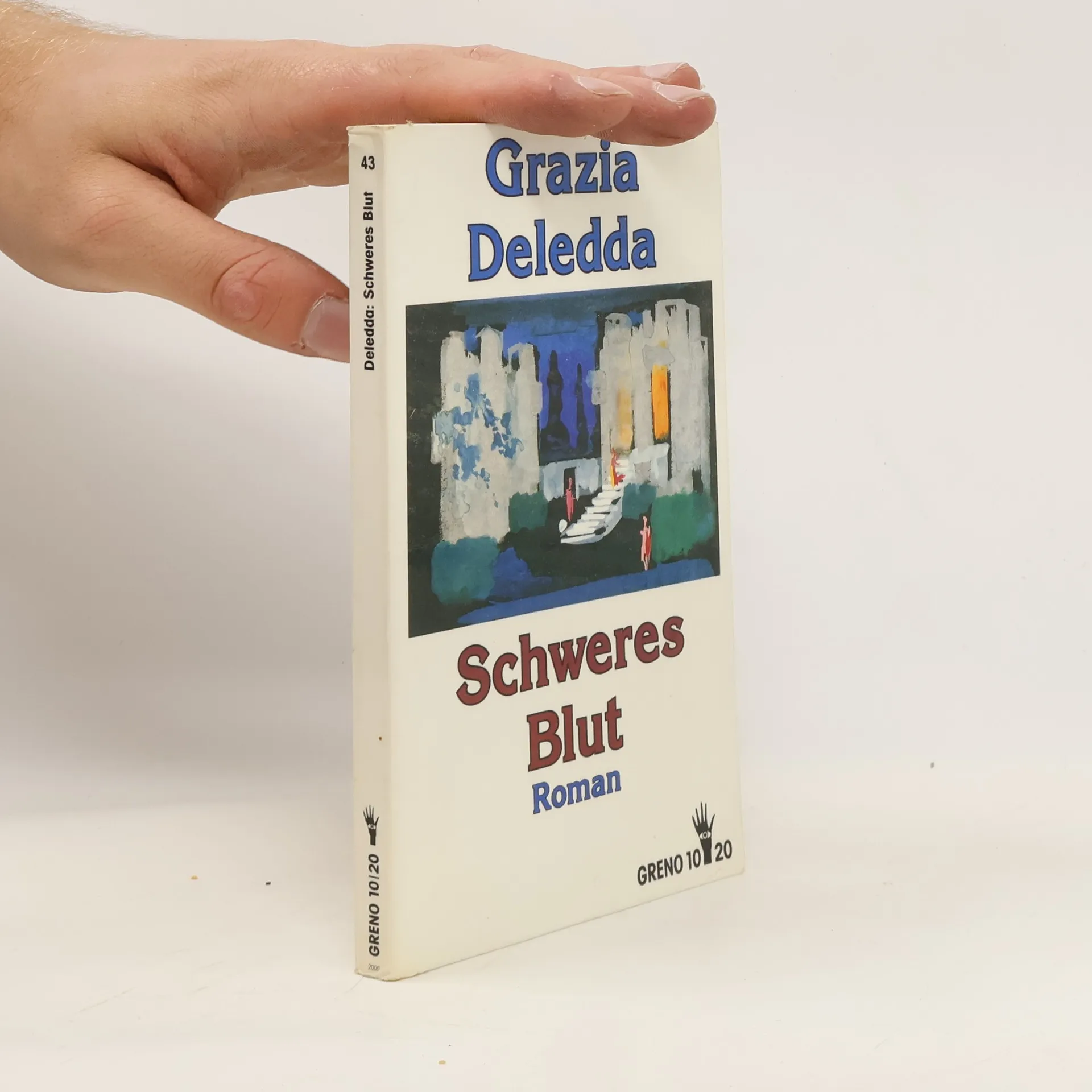
Schweres Blut
- 212 stránek
- 8 hodin čtení
La vigna nuova / Der neue Weinberg (mit kostenlosem Audio-Download-Link)
- 50 stránek
- 2 hodiny čtení
„La vigna nuova“ ist eine Erzählung von Grazia Deledda. Sie war eine italienische Schriftstellerin und Nobelpreisträgerin für Literatur. Ungekürzter Originaltext. Zweisprachiges Buch Italienisch-Deutsch.
Blicke der Liebe und des Neids
Roman | Die vielleicht schönste Erzählung der sardischen Literaturnobelpreisträgerin
- 176 stránek
- 7 hodin čtení
Eine junge sardische Frau begibt sich mit ihrem Mann auf Hochzeitsreise an einen stürmischen Ort am Meer. Noch bevor die Braut das alte Städtchen in der wilden Berggegend überhaupt kennenlernen kann, begegnet sie dem »schwarzen Mann«, einem schluchzenden Geigenspieler, und erkennt in ihm Gabriele wieder, den Virtuosen, in den sie sich vor Jahren verliebt hatte, und der damals spurlos verschwunden war. Die Begegnung stürzt die Erzählerin in größte Seelenqualen. Denn obwohl sie willens ist, mit ihrem Ehemann, den sie vergöttert und der in seiner patriarchalen Rolle fest verankert ist, die gemeinsame ewige Glückseligkeit anzustreben, regt sich Trotz und Widerstand in ihr. Sie will ihre alte Liebe nicht begraben, denn diese romantische Fantasie ist so sehr sie selbst, dass sie – die Liebe zu Grabe tragend – sich selbst begraben würde. In dem zeitvergessenen Ort der archaischen Provinz Sardiniens nimmt das innere Drama der Protagonistin Gestalt an. Als es am Abend eines Dorffestes endlich zur Begegnung zwischen ihr und Gabriele kommt, stellt die junge Frau mit Entsetzen fest, dass er gegen sie einen heftigen, alten Groll hegt … Der vielleicht schönste Roman der hierzulande kaum bekannten sardischen Literaturnobelpreisträgerin.
Zia Maria
- 285 stránek
- 10 hodin čtení
Grazia Deledda (1871-1936) war eine italienische Schriftstellerin und Nobelpreisträgerin der Literatur des Jahres 1926. Sie zählte zu den bedeutendsten Autorinnen des Naturalismus innerhalb der italienischen Literatur. In ihren Werken schildert sie das harte Leben der Sarden. Deleddas Bücher sind Schicksalsromane, die oft Frauen als zentrale Figuren haben, die in Konflikten um Ehre, Glauben und gesellschaftliche Vorurteile zerrieben werden. Das Nobelpreiskomitee verlieh ihr den Preis „für ihre von Idealismus getragenen Werke, die mit Anschaulichkeit und Klarheit das Leben auf ihrer heimatlichen Insel schildern und allgemein menschliche Probleme mit Tiefe und Wärme behandeln.“
Tri romány talianskej autorky: Prvá (Holuby a jastraby, Colombi e sparvieri, 1912) je balada o hľadaní stratenej cti a analýze predsudkov meštiackej spoločnosti. Druhý príbeh (Brečtan, L'edera, 1908)nastoľuje otázku mravnej zodpovednosti pred svedomím a spoločnosťou a v poslednom románe (Popol, Cenere, 1904) je zasa hrdinom syn slobodnej matky.
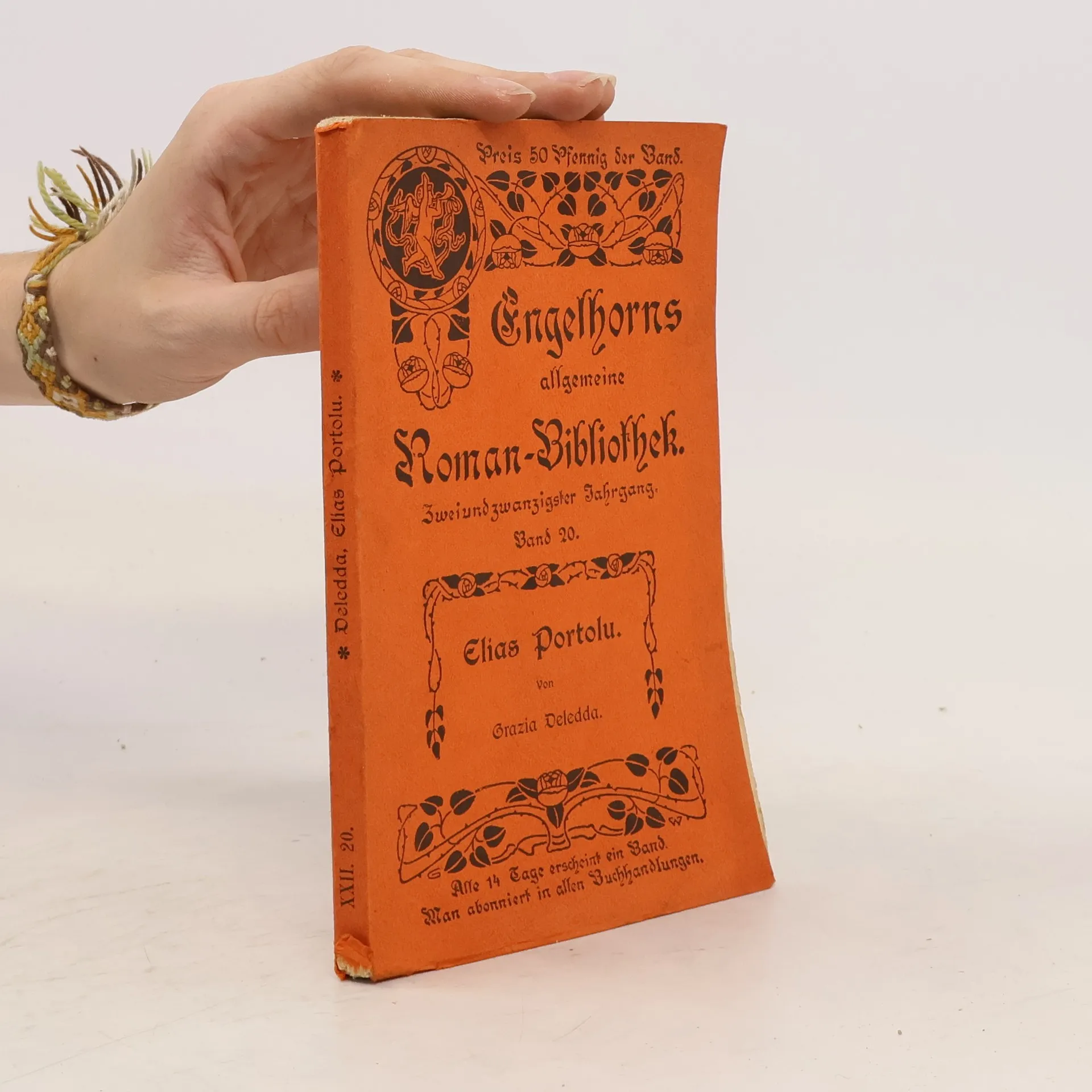
Deutsche Übersetzung des Romans „Elias Portolu“ der Nobelpreis-Trägerin Grazia Deledda. „Elias Portolu“ von Grazia Deledda ist ein Roman über Liebe, Schuld und den Konflikt zwischen persönlichen Wünschen und gesellschaftlichen Regeln. Die Geschichte spielt auf Sardinien und zeigt das Leben einer einfachen Familie in einer von alten Traditionen geprägten Welt. Nach mehreren Jahren im Gefängnis kehrt Elias Portolu zu seiner Familie zurück. Seine Eltern und Brüder empfangen ihn mit großer Freude. Elias möchte sein früheres Leben hinter sich lassen und einen neuen Anfang wagen. Doch bald verliebt er sich in Maddalena, die Verlobte seines Bruders Pietro. Auch Maddalena entwickelt Gefühle für Elias. Beide wissen jedoch, dass ihre Liebe die Familie zerstören könnte. Der Roman erzählt von Menschen, die zwischen Leidenschaft, Familie, Religion und gesellschaftlichen Erwartungen gefangen sind. Zugleich beschreibt Grazia Deledda eindrucksvoll die raue Landschaft Sardiniens und das einfache Leben seiner Bewohner. „Elias Portolu“ verbindet eine tragische Liebesgeschichte mit der Frage, wie frei ein Mensch über sein eigenes Leben entscheiden kann.
La Biblioteca Ideale Tascabile - 26: La volpe e altre novelle
- 62 stránek
- 3 hodiny čtení
Elias Portolu
Dal manoscritto alla stampa
Dragoste și speranța
- 280 stránek
- 10 hodin čtení
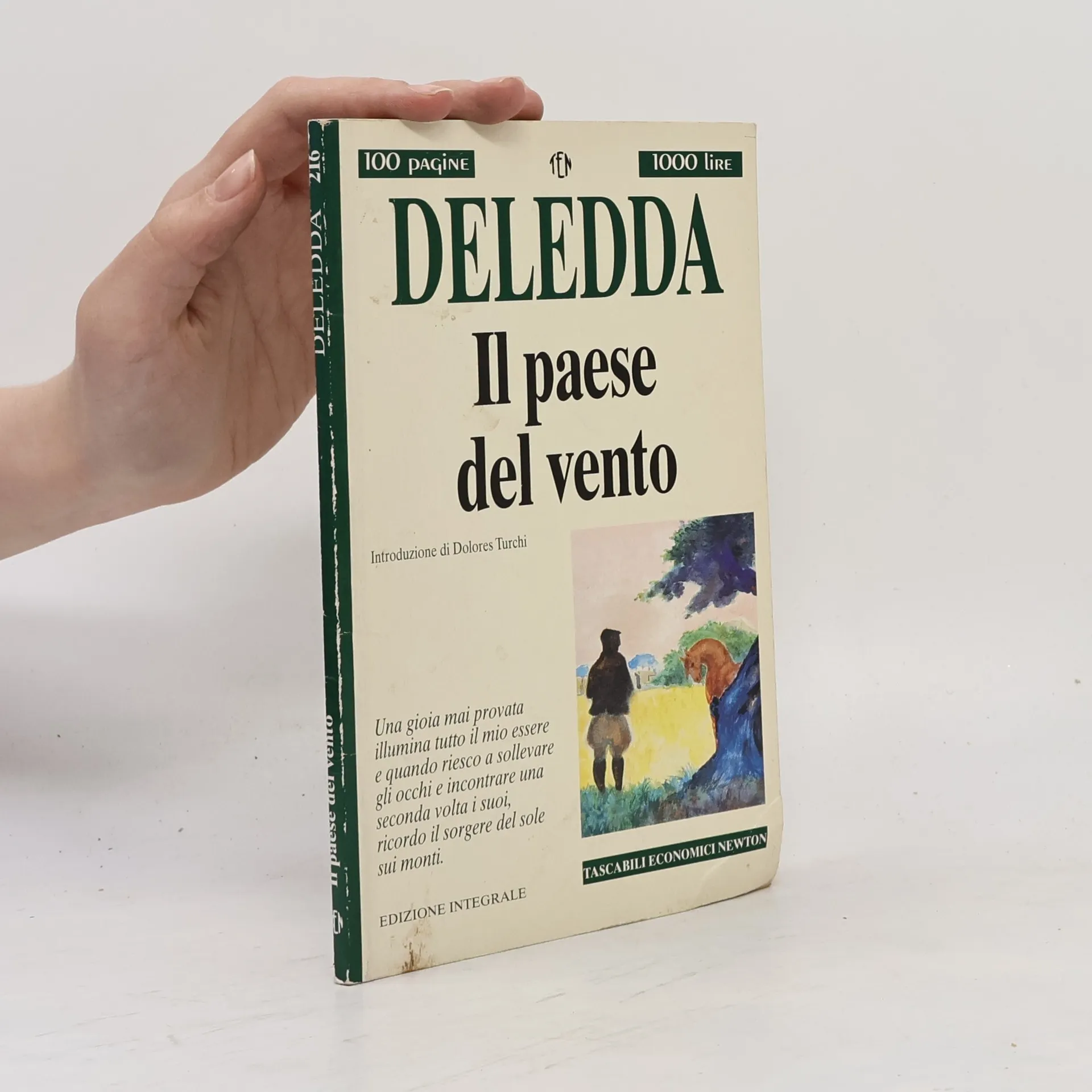
Tascabili Economici Newton - 216: Il paese del vento - Edizione Integrale
- 136 stránek
- 5 hodin čtení
Un capolavoro di indagine psicologica e di narrazione avventurosa.
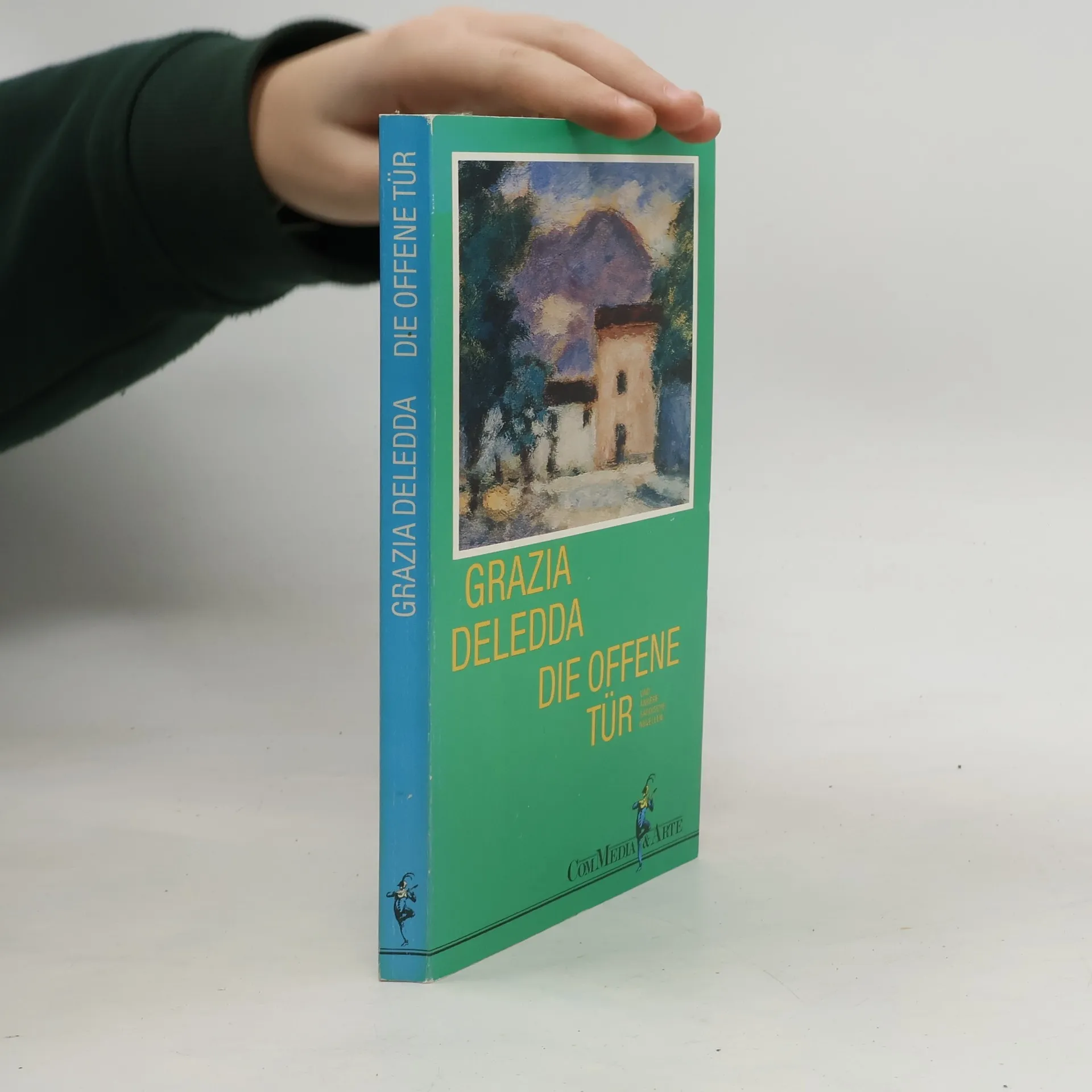
Die offene Tür und andere sardische Novellen
- 139 stránek
- 5 hodin čtení
Die Geschichte einer jungen reichen Sardinierin, die mit allen Sinnen ihren armen Knecht liebt, mit ihrem Verstand und gesellschaftlichen Ehrgeiz jedoch eine vorteilhaftere Verbindung wählt, ohne sich je von ihm lösen zu können. (Orig.-Ausg.: 1896).