Paul Kriwaczek was a British historian and television producer. For twenty-five years he worked for the BBC, where he wrote, produced and directed. As a former head of Central Asian Affairs at the BBC World Service, he was fluent in eight languages, including Farsi, Pashto, Urdu, Hindi and Nepalese. His work combined historical research with a keen understanding of global cultures.
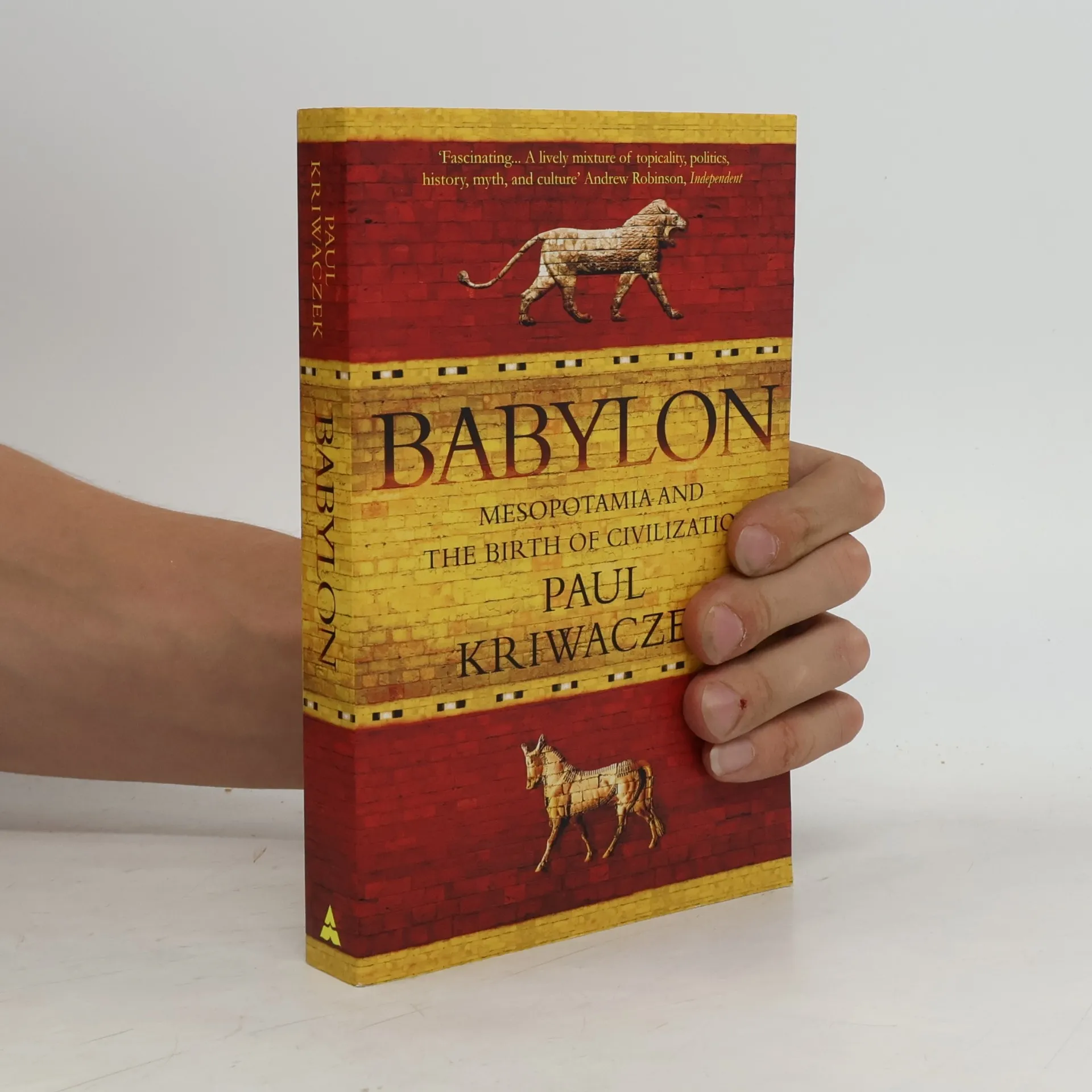
In the sixth millennium BC, settlers on the banks of the Tigris and Euphrates
rivers created the world's first cities. In doing so, they wrote the opening
chapter of the history of human civilization as we know it. Paul Kriwaczek
tells their extraordinary story. číst celé
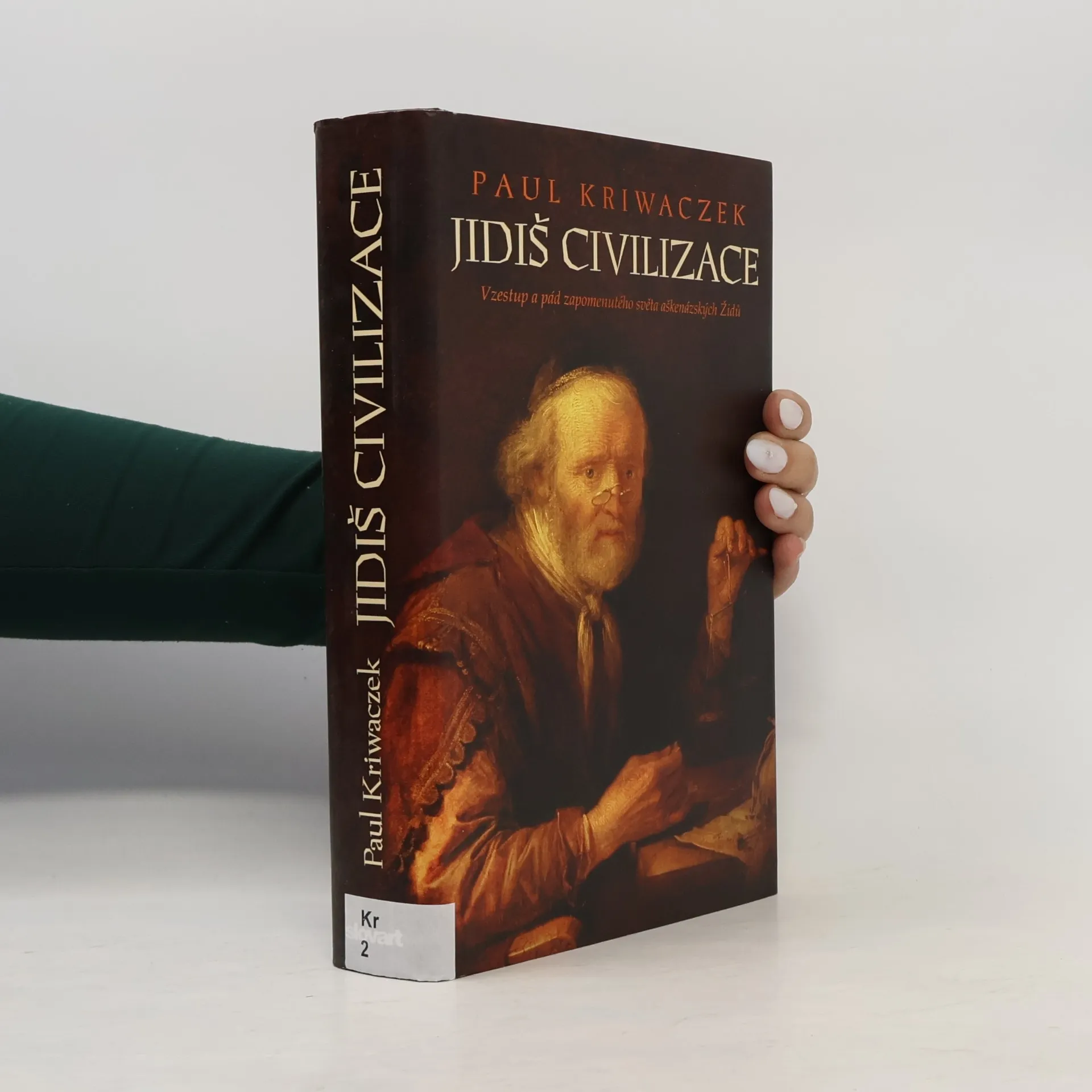
Autorem knihy Jidiš civilizace je Angličan, původem rakouský Žid, Paul Kriwaczek, který se svými rodiči jen o vlásek unikl konečnému řešení, které zachvátilo téměř celý evropský kontinent. Jidiš civilizace se však tomuto tématu obloukem vyhýbá a zabývá se tím, čím Židé, především ti aškenázští, obohatili západní společnost, ať už v oblasti kultury, vědy, etiky, duchovního, ale i praktického života. Podle autora vytvořil tento „jidiš lid", jak jej sám nazývá, svébytnou a soudržnou „jidiš civilizaci" s vlastním jazykem, literaturou, náboženstvím a historií. Více než o fakta, která slouží pouze jako kulisa celkového obrazu, jde o příběh, který se snaží „zachránit jidiš minulost před prázdnotou zapomnění a zachytit, kolik z jidiš příběhu bylo zapomenuto".
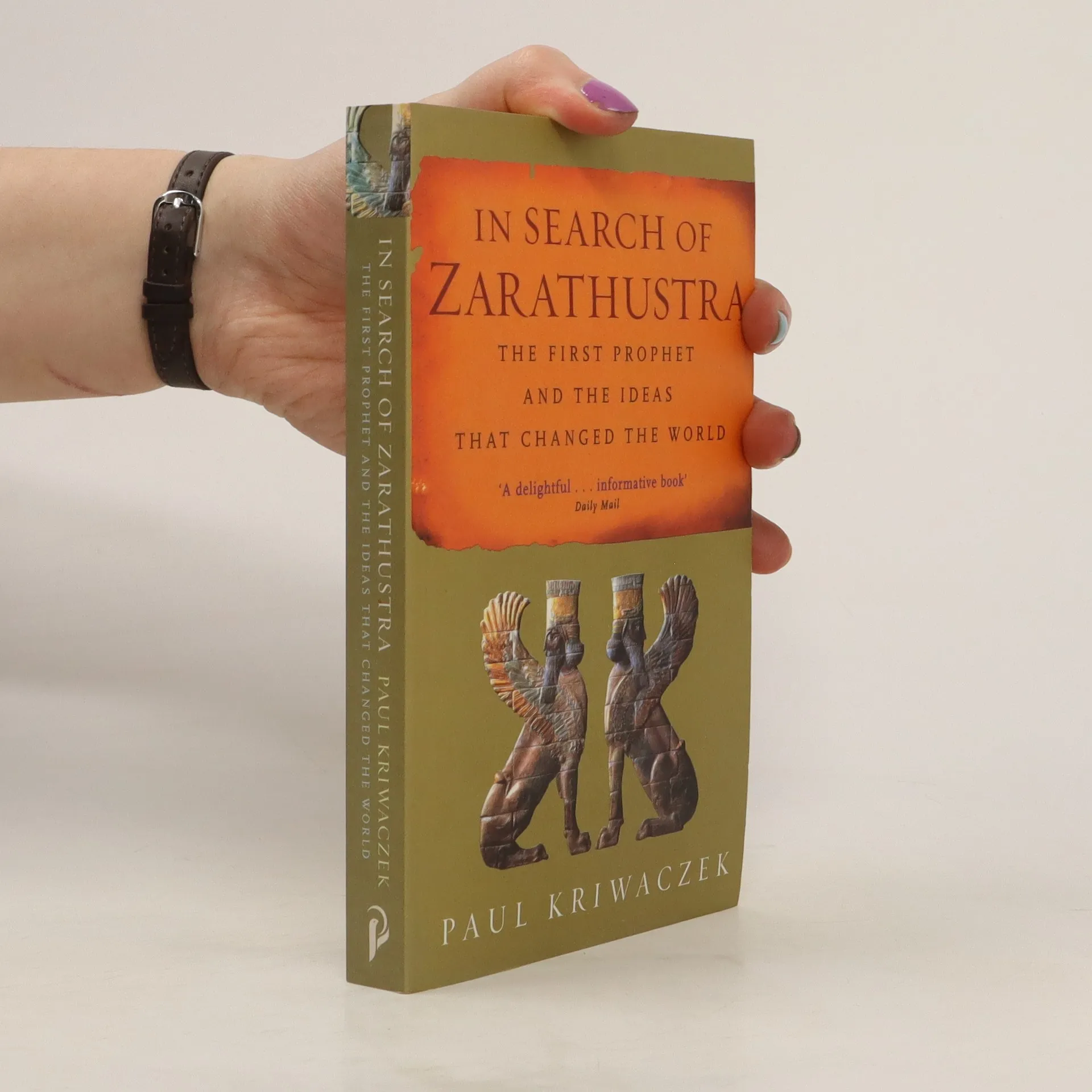
The First Prophet and the Ideas That Changed the World
A fascinating journey through time and across Europe and Central Asia, in search of the prophet Zarathustra (a.k.a. Zoroaster) - perhaps the greatest religious lawgiver of the ancient world - and his vast influence. In Persia more than three thousand years ago, Zarathustra spoke of a single universal god, the battle between good and evil, the devil, heaven and hell, and an eventual end to the world-foreshadowing the core beliefs of Judaism, Christianity, and Islam. Moving from present to past, Paul Kriwaczek examines the effects of the prophet's teachings on the spiri-tual and daily lives of diverse peoples. Beginning in the year 2000 with New Year's festivities in Iran, he walks us back through Nietzsche's nineteenth-century interpretation of Zarathustra to the Cathars of thirteenth-century France and the ninth-century Bulgars; from ancient Rome to the time of Alexander the Great's destruction of the Persian Empire; and, finally, to the time of Zarathustra himself. Not only an enthralling travel book, In Search of Zarathustra is also a revelation of the importance of the prophet, and a brilliantly conceived and lucid explication of the belief systems that helped shape the European Enlightenment, the Middle Ages, the Dark Ages, and the beginning of the Christian era. It is an enthralling study of a little-explored subject.