Knihobot

Robert D. Kaplan

    23. červen 1952

    Robert David Kaplan je americký novinář, který se zabývá analýzou globálních vztahů a geopolitiky. Jeho psaní se často zaměřuje na znovuobjevení kulturních a historických napětí, která byla dočasně potlačena během studené války. Kaplan zkoumá dynamiku moci a její vliv na světové dění, přičemž jeho podnětné eseje vyvolávají debaty na akademické půdě i ve vládě. Jeho práce nabízí hluboký vhled do komplexních vztahů mezi historií, kulturou a mezinárodní politikou.

    Robert D. Kaplan
    Athene Palace
    The Loom of Time
    The Good American
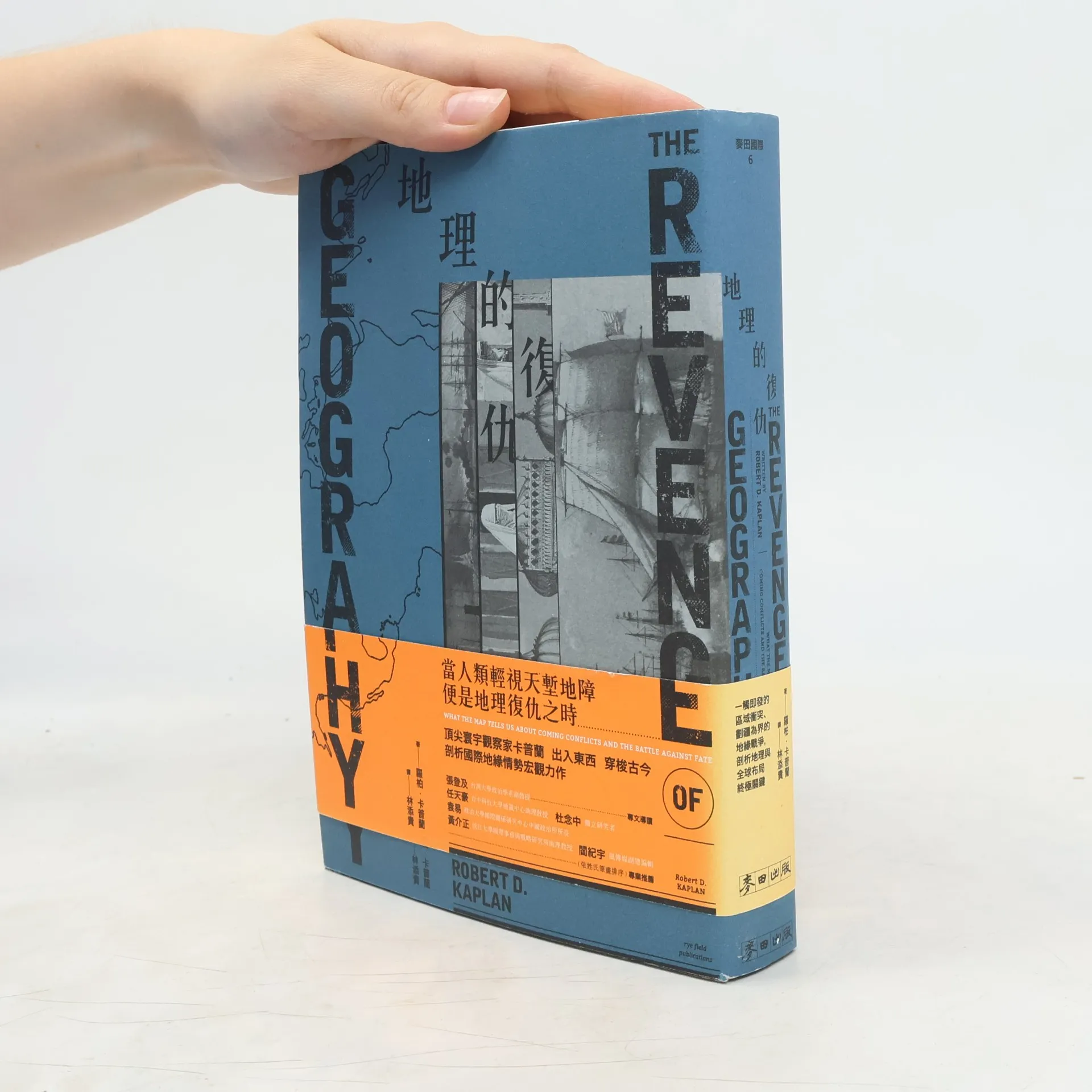
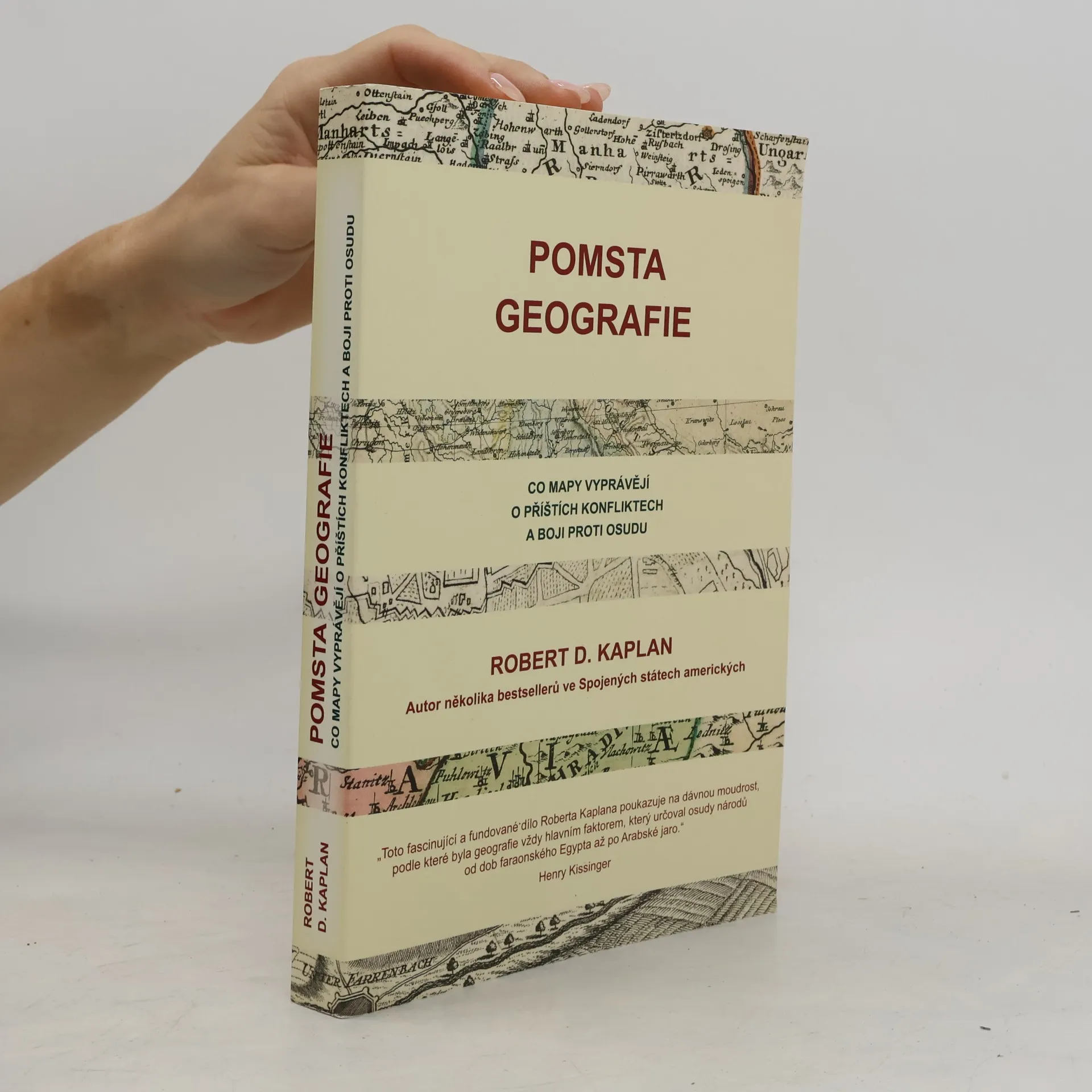
    Pomsta geografie. Co mapy vyprávějí o příštích konfliktech a boji proti osudu
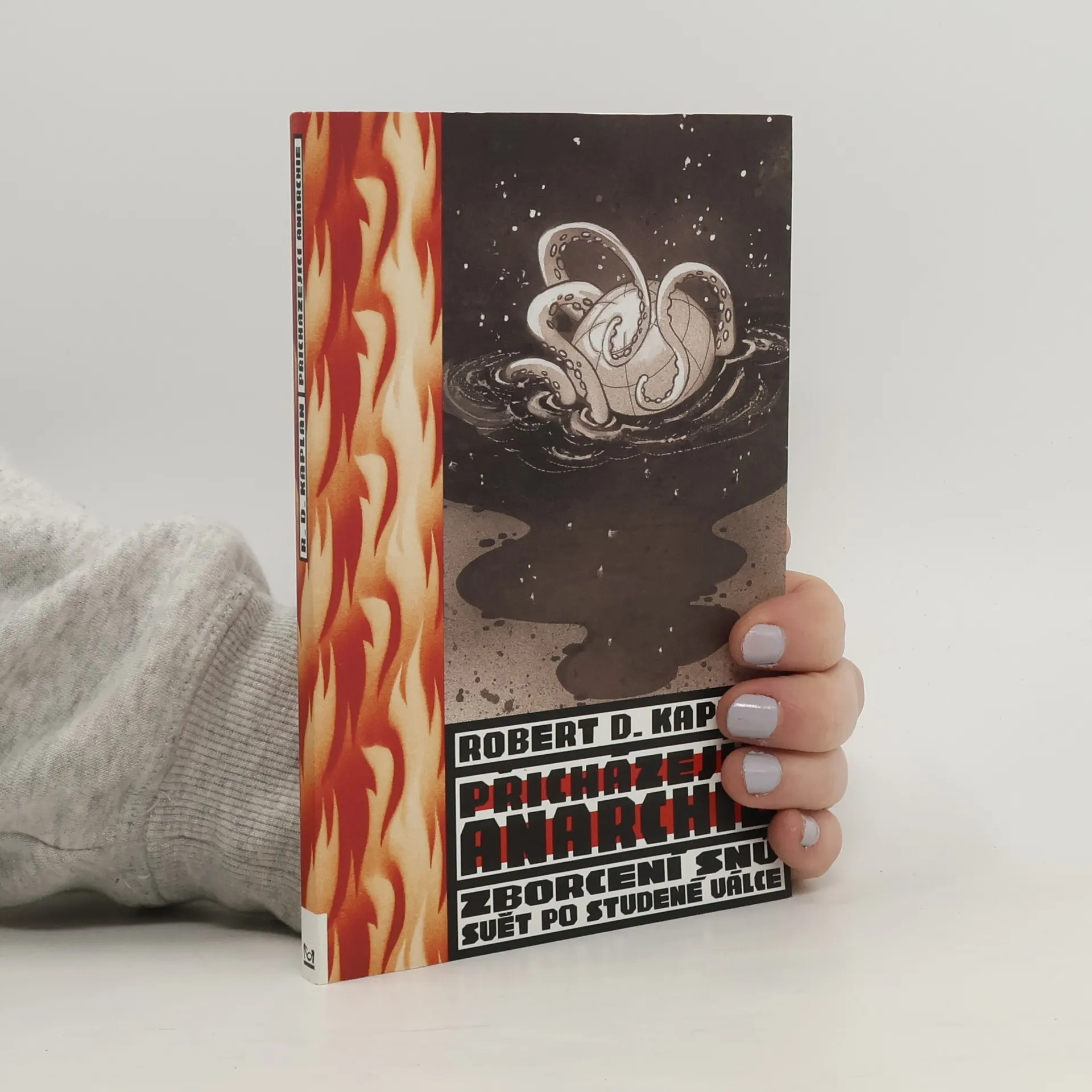
    Přicházející anarchie : zborcení snů - svět po studené válce
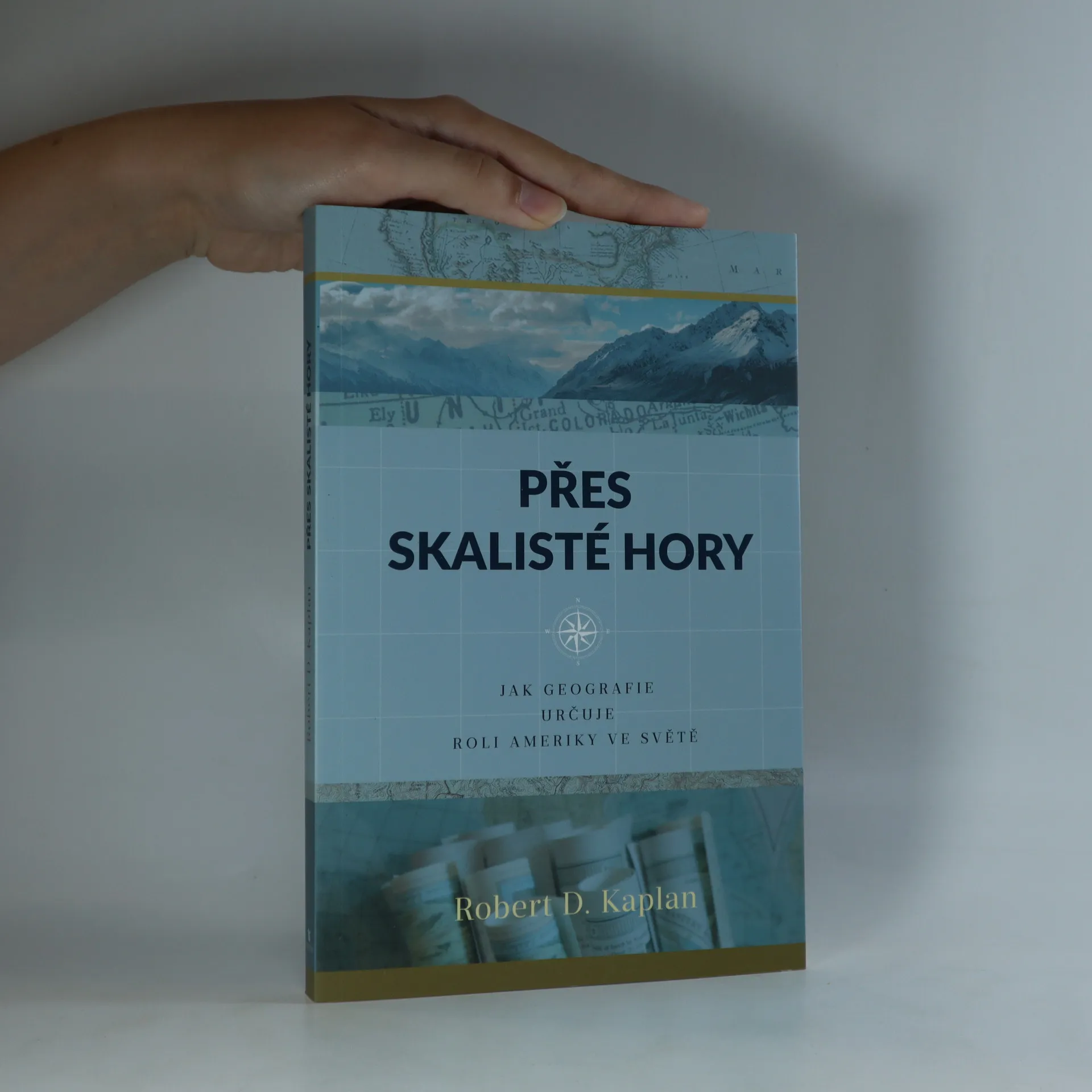
    Přes Skalisté hory
    • 2025

      Waste Land

      A World in Permanent Crisis

      • 256 stránek
      • 9 hodin čtení

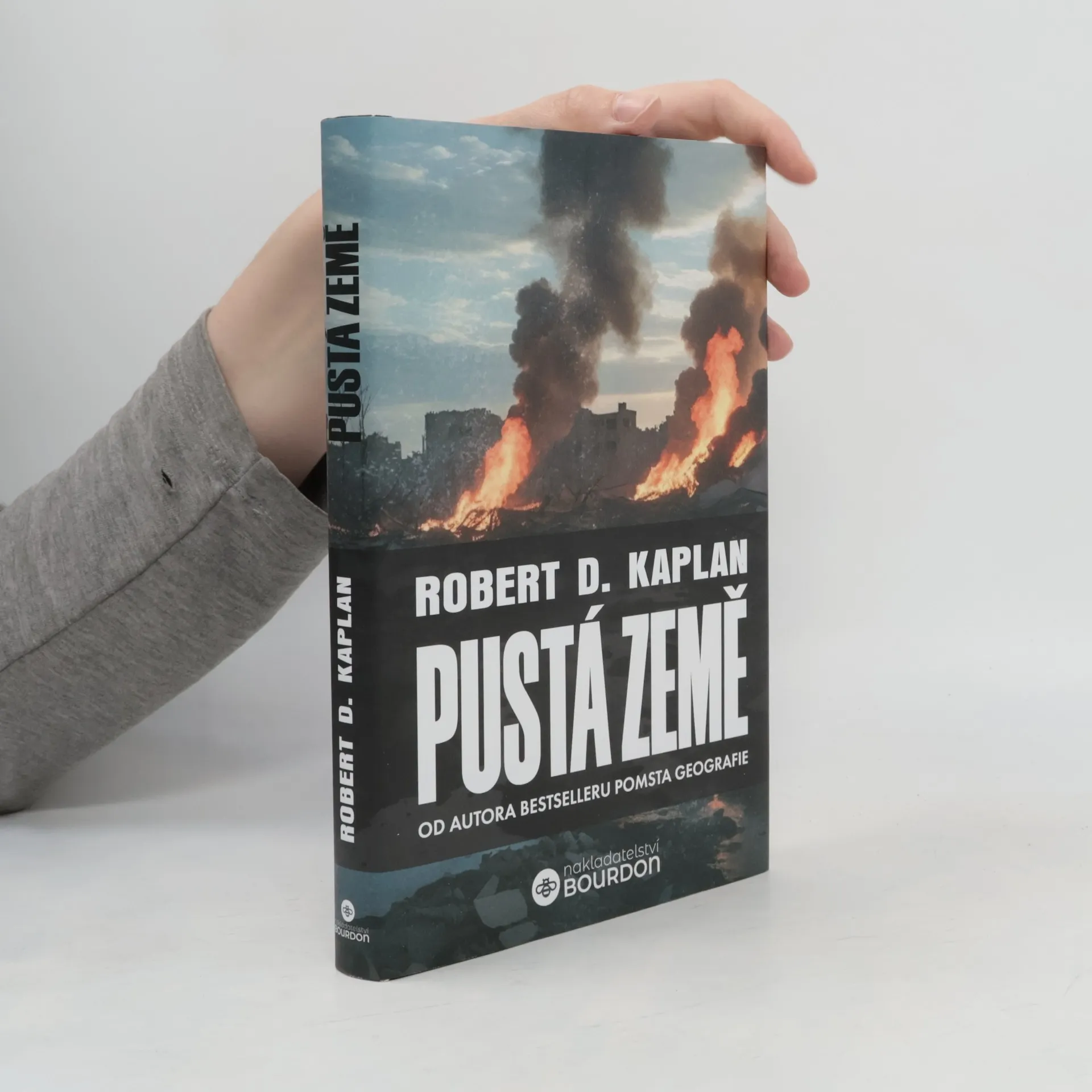
      The book delves into the pressing issues of a world facing perpetual crises, highlighting how localized disasters can escalate into global conflicts. Drawing on historical lessons, it offers insights and strategies to prevent this escalating spiral of turmoil. The author, known for their bestselling work, provides a timely analysis that emphasizes the importance of understanding geopolitical dynamics in addressing contemporary challenges.

      Waste Land
    • 2023

      The Greater Middle East, spanning from the Mediterranean to China, has long been a crossroads of empires, including Macedonian, Mongol, Ottoman, Russian, and British. However, the dissolution of these empires in the twentieth century has left postcolonial states grappling with instability due to power struggles, leadership vacuums, and arbitrary borders set by departing imperial powers, often disregarding local geography and political realities. In this exploration, Robert Kaplan delves into the region's complex history to uncover how past events shape contemporary issues and how the pursuit of stability frequently clashes with democratic ideals. Kaplan advocates for a realistic approach to understanding the Greater Middle East, highlighting the failures of Western democracy promotion and the emergence of a new economic imperialism, particularly as China's ambitions position it as a crucial link between Europe and East Asia. The Greater Middle East remains a battleground for future great power conflicts, with centuries of imperial influence continuing to affect current political dynamics.

      The Loom of Time
    • 2023

      A moving meditation on recent geopolitical crises, viewed through the lens of ancient and modern tragedy "Spare, elegant and poignant. . . . If there is a single contemporary book that should be pressed into the hands of those who decide issues of war and peace, this is it."--John Gray, New Statesman "It is tragic that Robert D. Kaplan's luminous The Tragic Mind is so urgently needed."--George F. Will Some books emerge from a lifetime of hard-won knowledge. Robert D. Kaplan has learned, from a career spent reporting on wars, revolutions, and international politics in Europe, the Middle East, and East Asia, that the essence of geopolitics is tragedy. In The Tragic Mind, he employs the works of ancient Greek dramatists, Shakespeare, German philosophers, and the modern classics to explore the central subjects of international politics: order, disorder, rebellion, ambition, loyalty to family and state, violence, and the mistakes of power. The great dilemmas of international politics, he argues, are not posed by good versus evil--a clear and easy choice--but by contests of good versus good, where the choices are often searing, incompatible, and fraught with consequences. A deeply learned and deeply felt meditation on the importance of lived experience in conducting international relations, this is a book for everyone who wants a profound understanding of the tragic politics of our time.

      The Tragic Mind
    • 2022

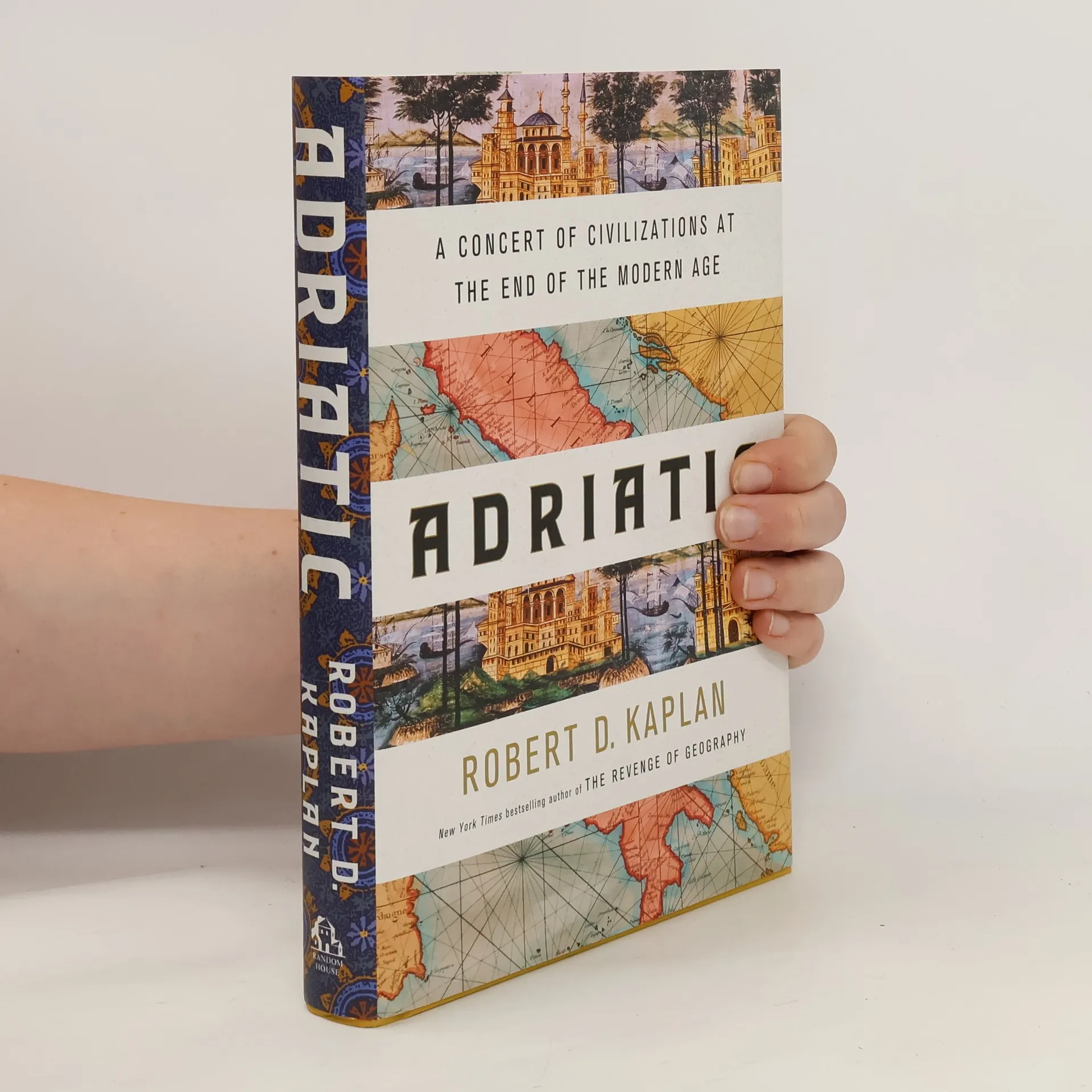
      Adriatic

      • 352 stránek
      • 13 hodin čtení
      3,6(504)Ohodnotit

      In this insightful travelogue, geopolitical expert Robert Kaplan explores the Adriatic Sea, a historical crossroads of trade, culture, and ideas. His journey through Italy and the Balkan nations reveals a deeper narrative than the typical news stories of populism and the refugee crisis suggest. Kaplan argues that the rise of populism is a mere symptom of the waning age of nationalism, indicating that Europe's future is moving in a new direction. As he travels from Italy to Slovenia, Croatia, Montenegro, Albania, and Greece, he offers sharp cultural criticism and a comprehensive study of Europe through these nations. He uncovers historical clues about the continent's future while reflecting on contemporary issues such as the refugee crisis, resurgent nationalism, and competition for fossil fuel resources. Kaplan emphasizes that the Adriatic is poised to reclaim its status as a global trading hub, particularly as it becomes linked to China's Belt and Road initiative. Through a blend of history, literature, art, architecture, and current events, complemented by a map and photographs, he illustrates how the Adriatic's geography encapsulates Europe, providing valuable insights into the continent's destiny.

      Adriatic
    • 2021

      "The Good American is a story about courage, intense loneliness, and the State Department's golden age during the late Cold War and post-Cold War. It is also a celebration of ground level reporting and getting a worm's eye view of crisis zones. Robert Gersony, a high-school dropout later awarded a bronze star in Vietnam, spent over four decades on the ground in virtually every war and natural disaster zone in the world. Interviewing hundreds of refugees and displaced persons in each place to assess humanitarian crises, Gersony's research and thorough reports had an immense, underappreciated impact on US foreign policy across the globe. In every case, his recommendations made it smarter and more humane, often dramatically so. In his career as a journalist, Robert D. Kaplan often crossed paths with Gersony while covering the "hot" moments of the Cold War and its aftermath. Even as a biography, this is Kaplan's most personal book to date, and through Gersony's story, he makes a poignant case for how American diplomacy should be conducted--with a clear eye toward facts on the ground--at a time when diplomacy is too often being left behind."-- Provided by publisher

      The Good American
    • 2017

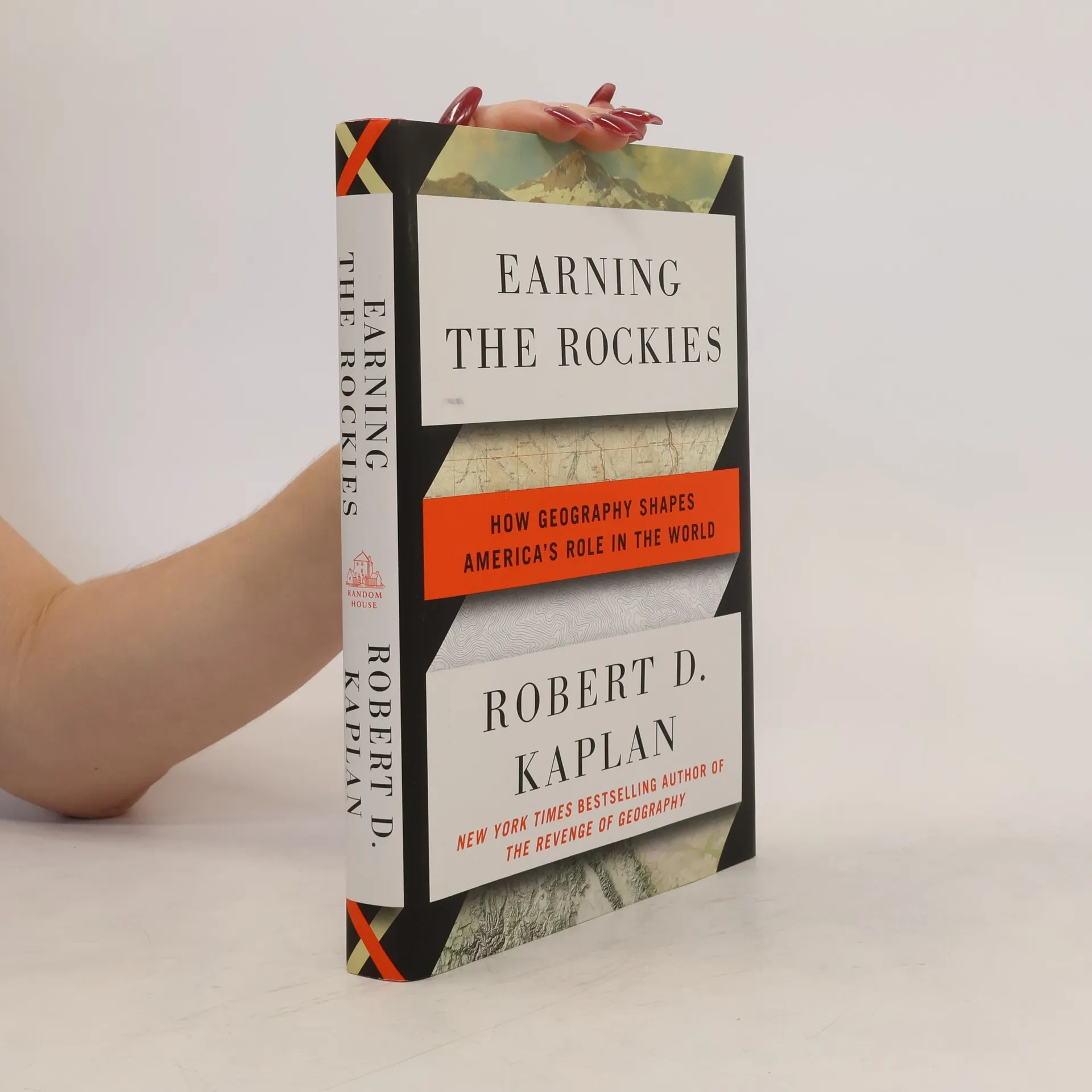
      Earning the Rockies

      • 201 stránek
      • 8 hodin čtení
      3,3(1282)Ohodnotit

      Robert D. Kaplan lays bare the roots of American greatness by examining the geography from which our power springs - showing how westward expansion shaped our national character, and how it should shape our foreign policy

      Earning the Rockies
    • 2017

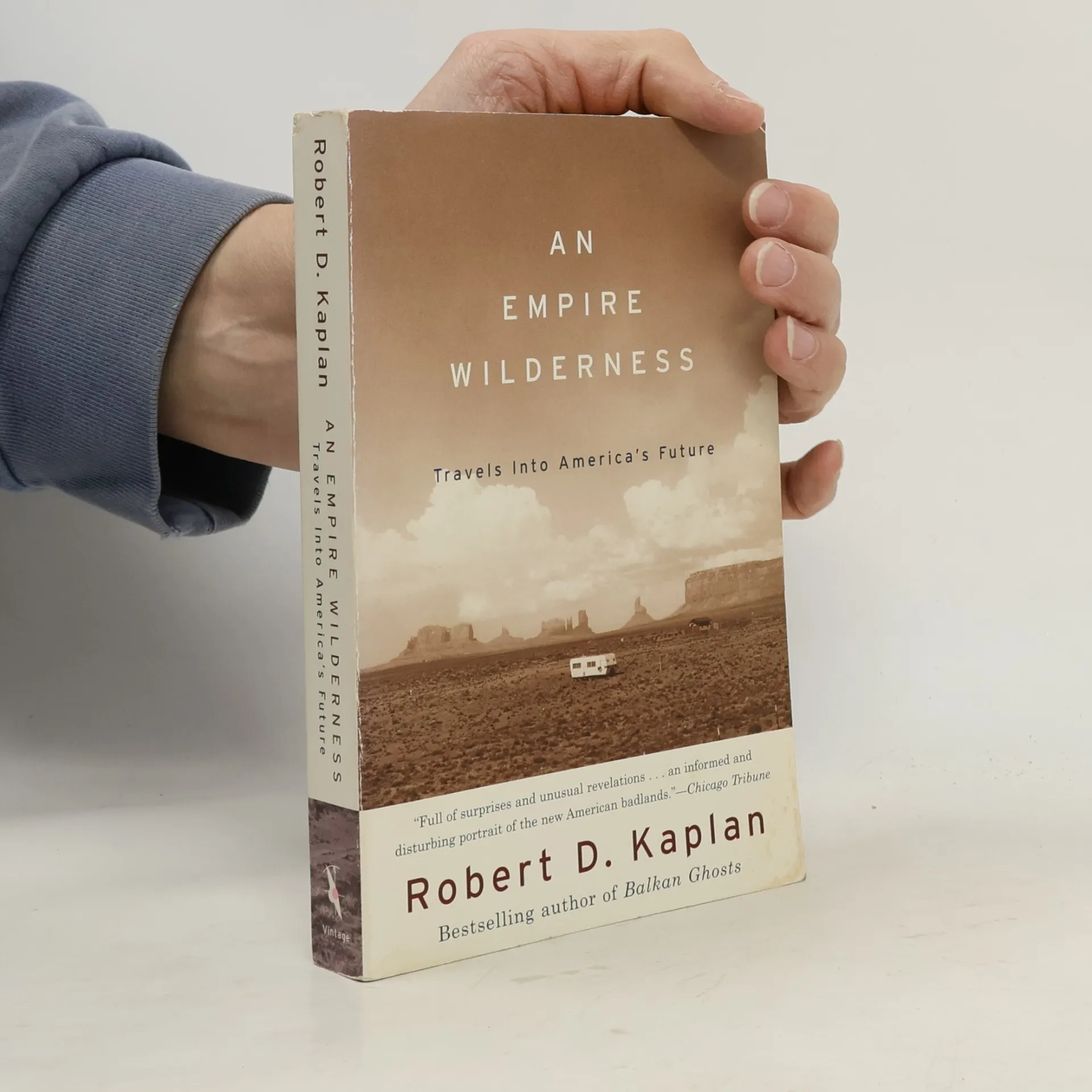
      Kniha představuje svébytnou meditaci na téma Spojené státy a jejich role ve světě. Autor se na základě vzpomínek na otce, který u něj pravidelnými výlety na historická místa probudil lásku k historii Ameriky, vydává na „roadtrip“ napříč Spojenými státy z Východu na Západ. Při této jízdě je veden úvahami různých autorů o Americe, zejména pak postřehy Bernarda DeVota, jenž si byl vědom, jak mocně geografie zasahuje a ovlivňuje roli USA ve světě. Nejprve cestuje zalesněnou „vertikální“ krajinou východu, pokračuje horizontální krajinou prérií, aby nakonec stanul na břehu Pacifiku a mohl se zabývat postavením své vlasti ve světě. V průběhu celé cesty si autor zaznamenával zajímavé myšlenky o minulosti i současnosti Spojených států a jejich obyvatel, které pro českého čtenáře mohou být někdy značně provokativní, nicméně nutí k zamyšlení a představují sondu do americké duše.

      Přes Skalisté hory
    • 2016

      In Europe's Shadow

      Two Cold Wars and a Thirty-Year Journey Through Romania and Beyond

      • 336 stránek
      • 12 hodin čtení

      From the New York Times bestselling author Robert D. Kaplan, named one of the world’s Top 100 Global Thinkers by Foreign Policy magazine, comes a riveting journey through one of Europe’s frontier countries—and a potent examination of the forces that will determine Europe’s fate in the postmodern age. Robert Kaplan first visited Romania in the 1970s, when he was a young journalist and the country was a bleak Communist backwater. It was one of the darkest corners of Europe, but few Westerners were paying attention. What ensued was a lifelong obsession with a critical, often overlooked country—a country that, today, is key to understanding the current threat that Russia poses to Europe. In Europe’s Shadow is a vivid blend of memoir, travelogue, journalism, and history, a masterly work thirty years in the making—the story of a journalist coming of age, and a country struggling to do the same. Through the lens of one country, Kaplan examines larger questions of geography, imperialism, the role of fate in international relations, the Cold War, the Holocaust, and more. Here Kaplan illuminates the fusion of the Latin West and the Greek East that created Romania, the country that gave rise to Ion Antonescu, Hitler’s chief foreign accomplice during World War II, and the country that was home to the most brutal strain of Communism under Nicolae Ceaușescu. Romania past and present are rendered in cinematic prose: the ashen faces of citizens waiting in bread lines in Cold War–era Bucharest; the Bărăgan Steppe, laid bare by centuries of foreign invasion; the grim labor camps of the Black Sea Canal; the majestic Gothic church spires of Transylvania and Maramureş. Kaplan finds himself in dialogue with the great thinkers of the past, and with the Romanians of today, the philosophers, priests, and politicians—those who struggle to keep the flame of humanism alive in the era of a resurgent Russia. Upon his return to Romania in 2013 and 2014, Kaplan found the country transformed yet again—now a traveler’s destination shaped by Western tastes, yet still emerging from the long shadows of Hitler and Stalin. In Europe’s Shadow is the story of an ideological and geographic frontier—and the book you must read in order to truly understand the crisis with Russia, and within Europe itself. Praise for In Europe’s Shadow “[A] haunting yet ultimately optimistic examination of the human condition as found in Romania . . . Kaplan’s account of the centuries leading up to the most turbulent of all—the twentieth—is both sweeping and replete with alluring detail.” — The New York Times Book Review “A serious yet impassioned survey of Romania . . . [Kaplan’s] method is that of a foreign correspondent, firing off dispatches from the South China Sea to North Yemen to the darkest corners of Eastern Europe. . . . Kaplan is a regional geographer par excellence.” — The Christian Science Monitor “Kaplan’s work exemplifies rare intellectual, moral and political engagement with the political order—and disorder—of our world.” — The Huffington Post “A masterly work of important history, analysis, and prophecy about the ancient and modern rise of Romania as a roundabout between Russia and Europe . . . I learned something new on every page.” —Tom Brokaw “A favorite of mine for years, Robert D. Kaplan is a thoughtful and insight-driven historian who writes clear and compelling prose, but what I like most about him is his political sophistication. A true pleasure for the reader.” —Alan Furst

      In Europe's Shadow
    • 2014

      "An examination of the future role of the South China sea in international relations and a tour of the the nations surrounding the South China Sea and their interests in the region. In exploring each of these countries individually, Kaplan clearly shows where the conflicts may arise and why they will be challenging for the international community"--

      Asia's cauldron : the South China Sea and the end of a stable Pacific