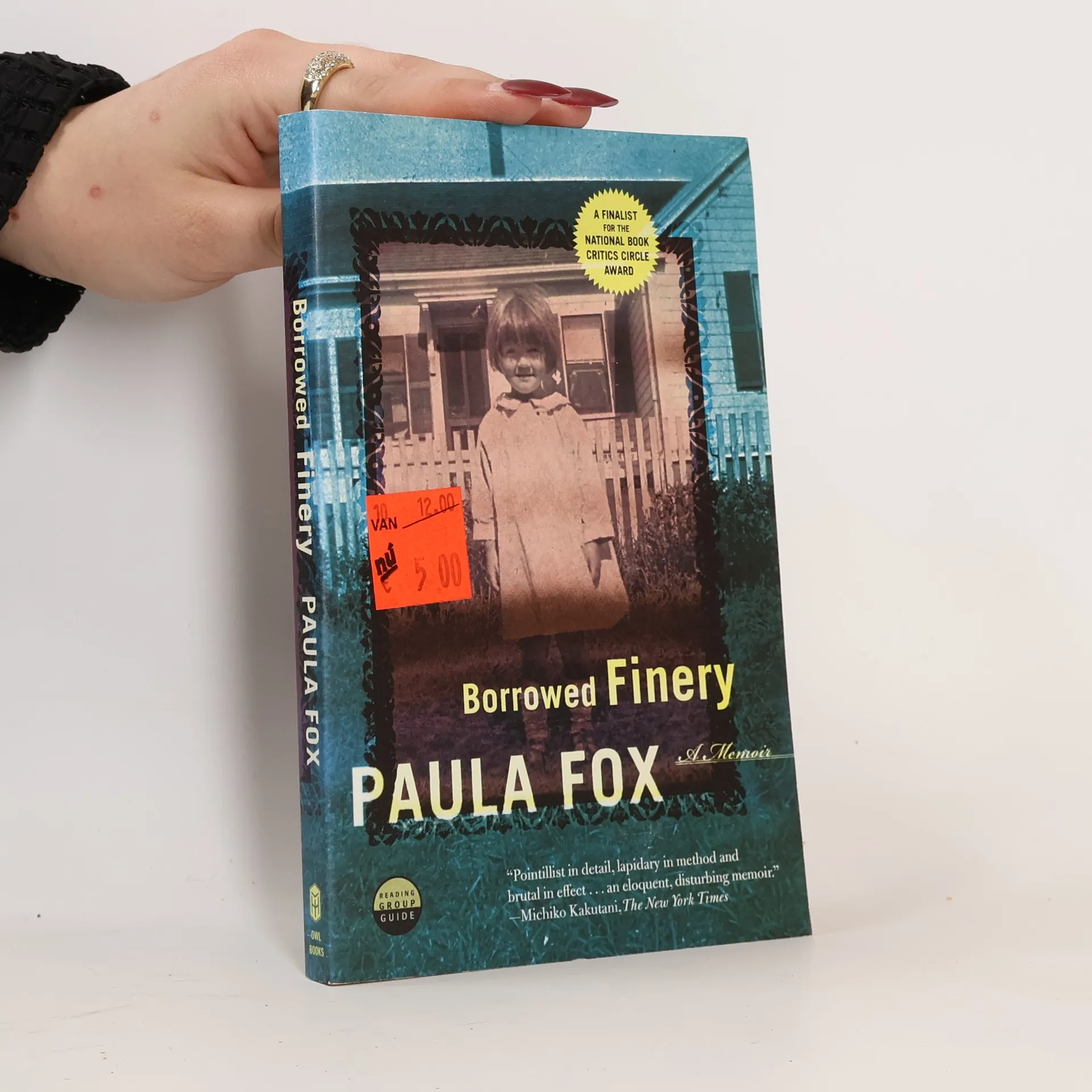
Born in the 1920s to nomadic, bohemian parents, Paula Fox is left at birth in a Manhattan orphanage, then cared for by a poor yet cultivated minister in upstate New York. Her parents, however, soon resurface. Her handsome father is a hard-drinking screenwriter who is, for young Paula, "part ally, part betrayer." Her mother is given to icy bursts of temper that punctuate a deep indifference. How, Fox wonders, is this woman "enough of an organic being to have carried me in her belly"? Never sharing more than a few moments with his daughter, Fox's father allows her to be shuttled from New York City, where she lives with her passive Spanish grandmother, to Cuba, where she roams freely on a relative's sugarcane plantation, to California, where she finds herself cast upon Hollywood's seedy margins. The thread binding these wanderings is the "borrowed finery" of the title-a few pieces of clothing, almost always lent by kindhearted strangers, which offer Fox a rare glimpse of permanency. Instantly embraced by reviewers and readers as a classic, this astonishing memoir of a writer's highly unusual beginnings is unforgettable.
Paula Fox Knihy
Paula Foxová byla americká autorka, jejíž díla se často zabývala složitostí mezilidských vztahů a hledáním identity. Její psaní se vyznačovalo pronikavou psychologií postav a jemným vykreslením lidské zkušenosti. Foxová mistrně proplétala témata ztráty, vykoupení a odolnosti, čímž čtenářům nabízela hluboce dojemné a myšlenkově podnětné příběhy. Její jedinečný hlas v literatuře zanechal nesmazatelnou stopu.



In this elegant and affecting companion to her “extraordinary” memoir, Borrowed Finery, a young writer flings herself into a Europe ravaged by the Second World War (The Boston Globe) In 1946, Paula Fox walked up the gangplank of a partly reconverted Liberty with the classic American hope of finding experience—or perhaps salvation—in Europe. She was twenty-two years old, and would spend the next year moving among the ruins of London, Warsaw, Paris, Prague, Madrid, and other cities as a stringer for a small British news service. In this lucid, affecting memoir, Fox describes her movements across Europe’s scrambled borders: unplanned trips to empty castles and ruined cathedrals, a stint in bombed-out Warsaw in the midst of the Communist election takeovers, and nights spent in apartments here and there with distant relatives, friends of friends, and in shabby pensions with little heat, each place echoing with the horrors of the war. A young woman alone, with neither a plan nor a reliable paycheck, Fox made her way with the rest of Europe as the continent rebuilt and rediscovered itself among the ruins. Long revered as a novelist, Fox won over a new generation of readers with her previous memoir, Borrowed Finery. Now, with The Coldest Winter, she recounts another chapter of a life seemingly filled with stories—a rare, unsentimental glimpse of the world as seen by a writer at the beginning of an illustrious career.
The story unfolds during a bon voyage party for Laura and her husband, Desmond, where family tensions rise to the surface in a confined New York City hotel room. Amidst the celebration, Laura grapples with the secret of her mother’s recent death, intensifying the emotional conflict and resentment among family members. This setting serves as a backdrop for exploring themes of grief, familial obligation, and the complexities of relationships under pressure.
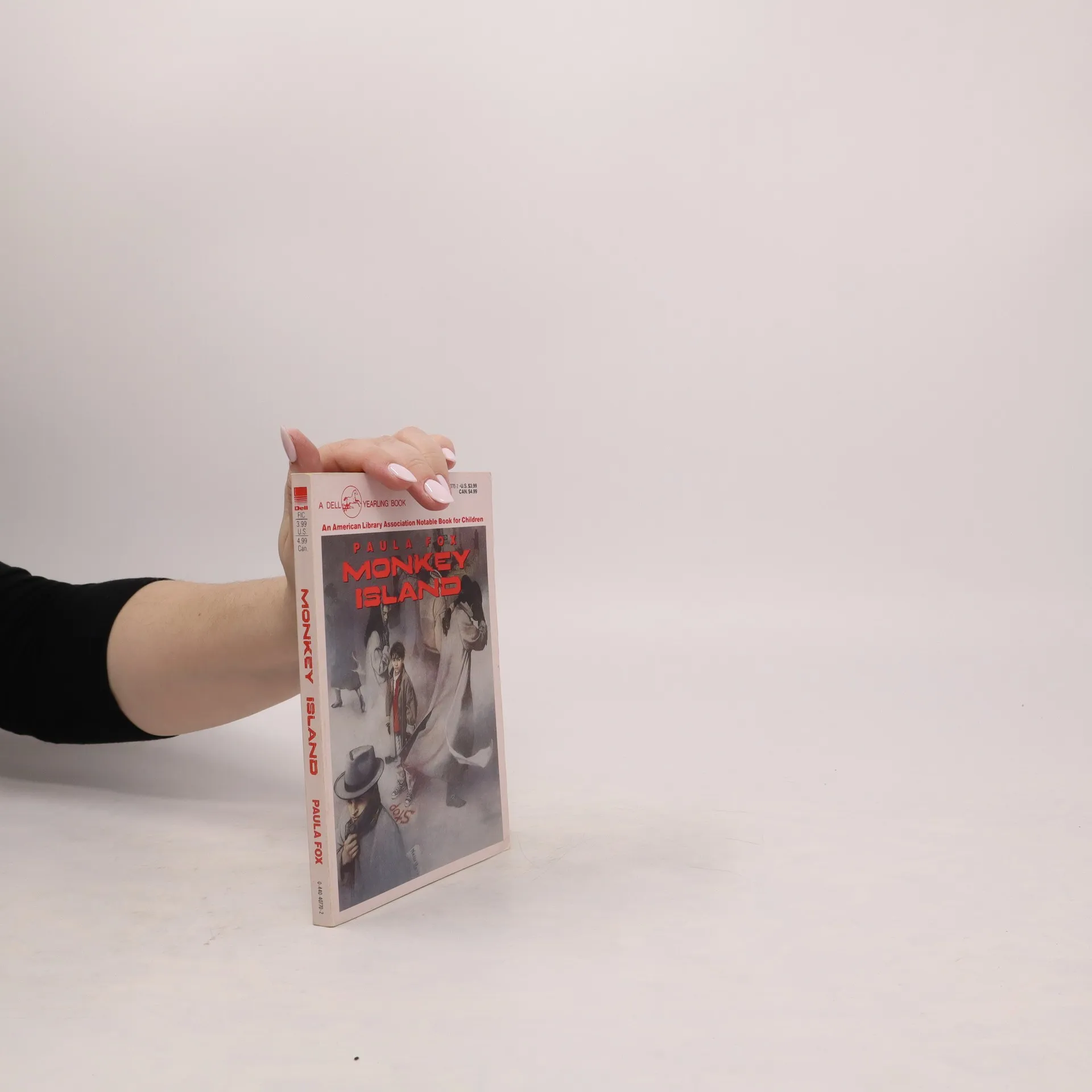
Monkey Island
- 151 stránek
- 6 hodin čtení
Eleven-year-old Clay Garrity is on his own. His father lost his job and left the family. Now Clay's mother is gone from their welfare hotel. Clay is homeless and out on the streets of New York. In the park he meets two homeless men. Buddy and Calvin become Clay's new family during those harsh winter weeks. But the streets are filled with danger and despair. If Clay leaves the streets he may never find his parents again. But if he stays on the streets he may not survive at all.
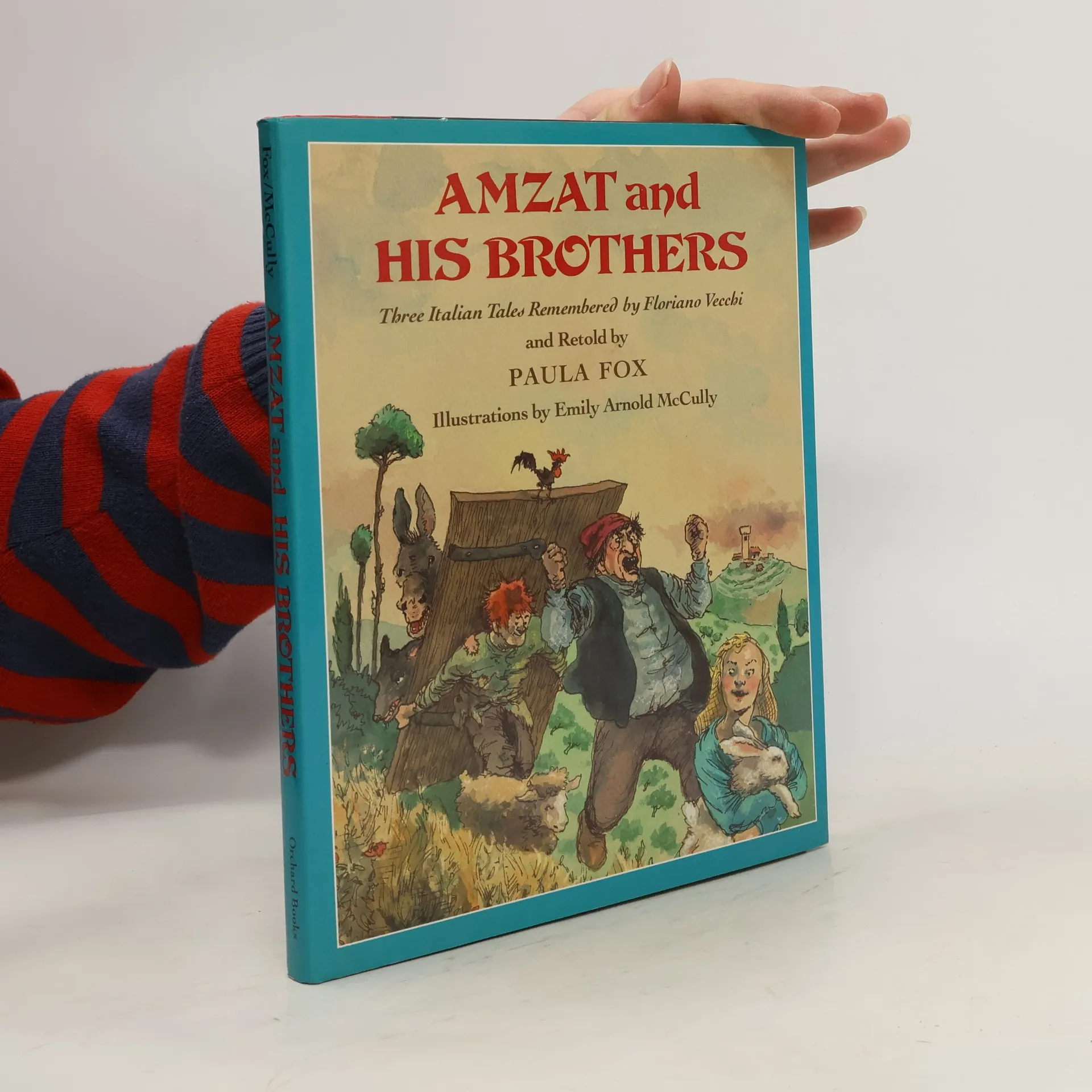
Amzat and His Brothers: Three Italian Tales
- 67 stránek
- 3 hodiny čtení
The retelling of three Italian folktales: Amzat and His brothers, Mezgalten and Olimpia, Cucol and the Door.
The Slave Dancer
- 192 stránek
- 7 hodin čtení
Set against the harrowing backdrop of the transatlantic slave trade, a thirteen-year-old boy named Jessie finds himself kidnapped and aboard a ship bound for Africa. Tasked with playing music during the exercise periods for the enslaved individuals, he grapples with the brutal reality of his situation. As he navigates the moral complexities of his role, Jessie must summon courage and resilience to confront the horrors around him and seek a way to survive.
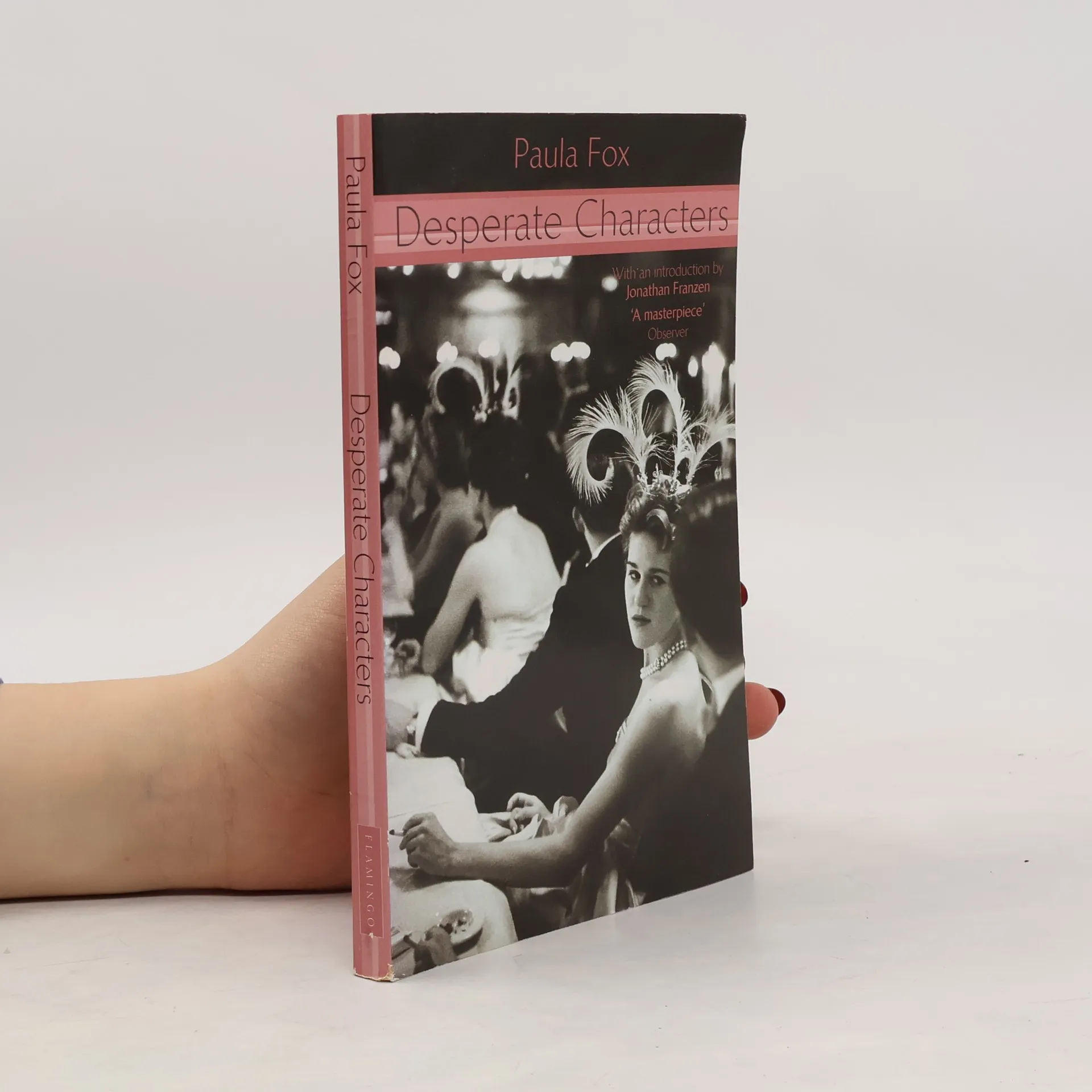
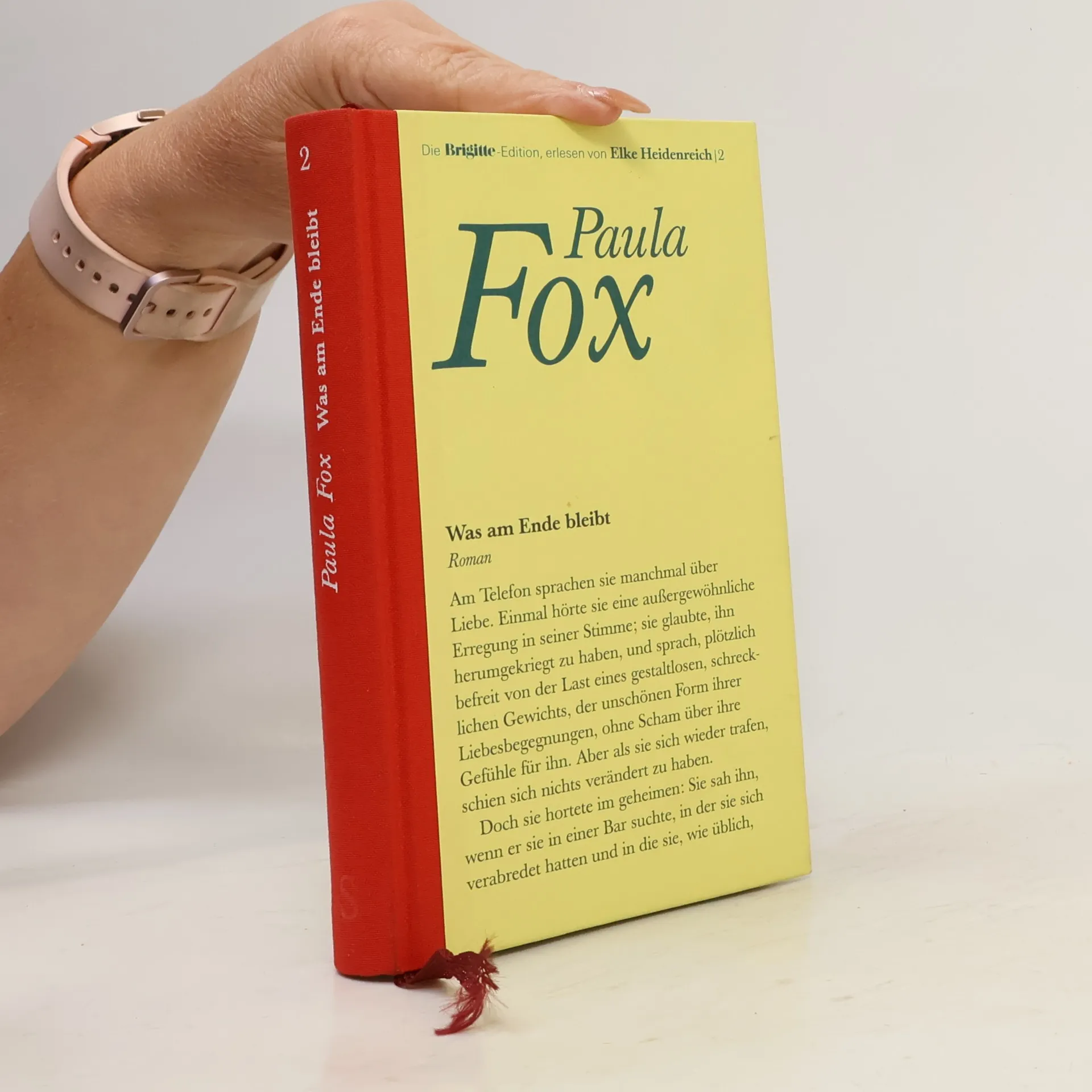
Desperate Characters. Was am Ende bleibt, englische Ausgabe
- 176 stránek
- 7 hodin čtení
A Great American Novel -- from the author of 'Borrowed Finery'. Otto and Sophie Bentwood live childless in a renovated Brooklyn brownstone. The complete works of Goethe line their bookshelf, their stainless steel kitchen is newly installed, and their Mercedes is parked outside. After Sophie is bitten on the hand while trying to feed a half-starved neighbourhood cat, a series of small and ominous disasters begin to plague their lives, revealing the faultlines and fractures in a marriage -- and a society -- wrenching itself apart. Includes an introduction by Jonathan Franzen.
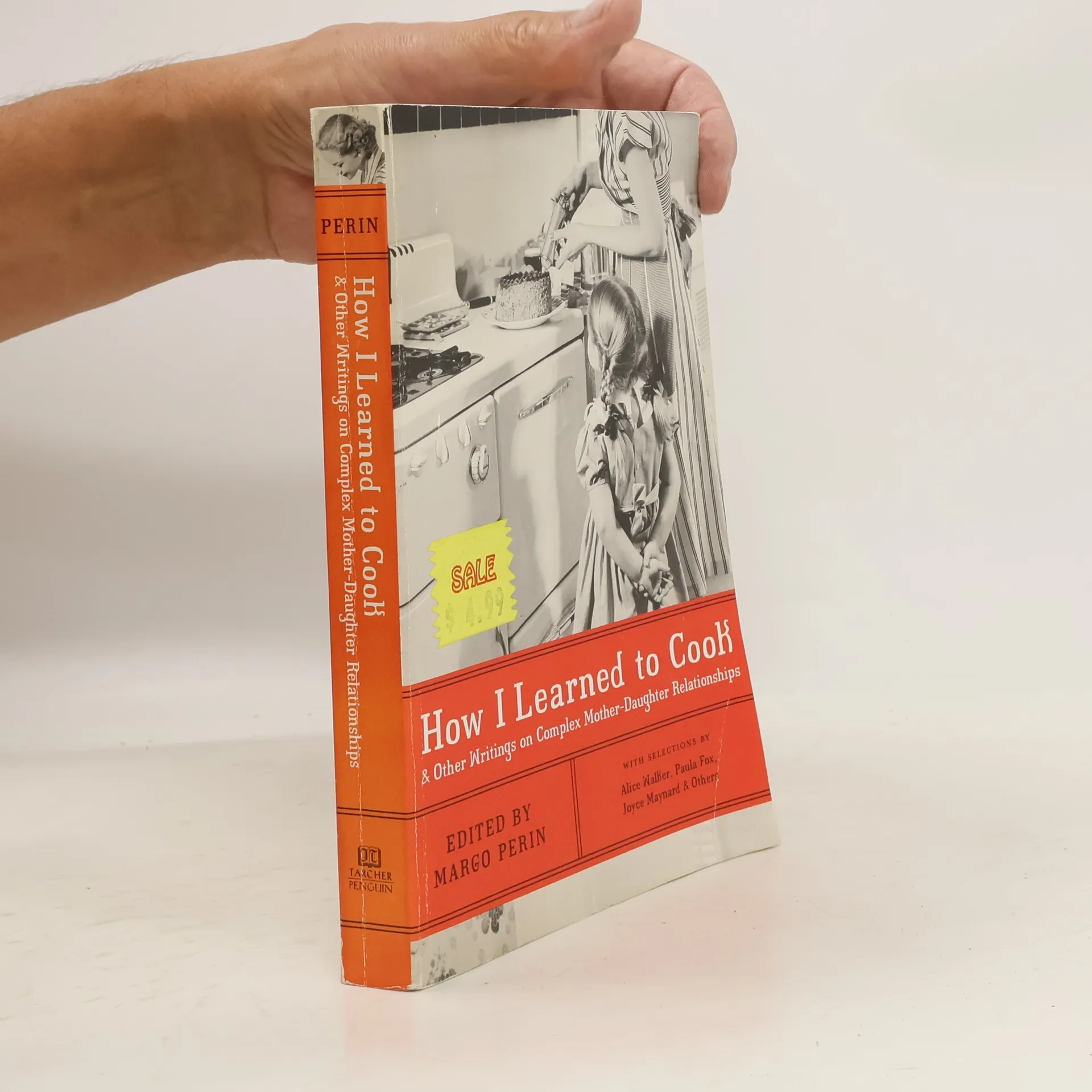
How I Learned to Cook
And Other Writings on Complex Mother-Daughter Relationships
- 322 stránek
- 12 hodin čtení
A collection of writings by women on the tangled bonds they share with their(often) less-than-perfect mothers. Every woman has something to say on the subject of her mother. In fact, many of us spend our lives trying to figure out just how we are like-or unlike-them. And yet, as intricate as the ties that bind mothers and daughters can be, most women never let go of the desire to really know their mothers. In How I Learned to Cook and Other Writings on Complex Mother-Daughter Relationships, women authors explore what is perhaps the most complicated of family relationships. In this elegant collection of writings, daughters describe their relationships with mothers whose own lives sometimes stood in the way of their ability to fill society's ideal of what a good mother should be. With critically acclaimed authors-including Jamaica Kincaid, Paula Fox, and Alice Walker-sharing the page with emerging writers, How I Learned to Cook proves that every daughter has much to discover and understand about her mother.
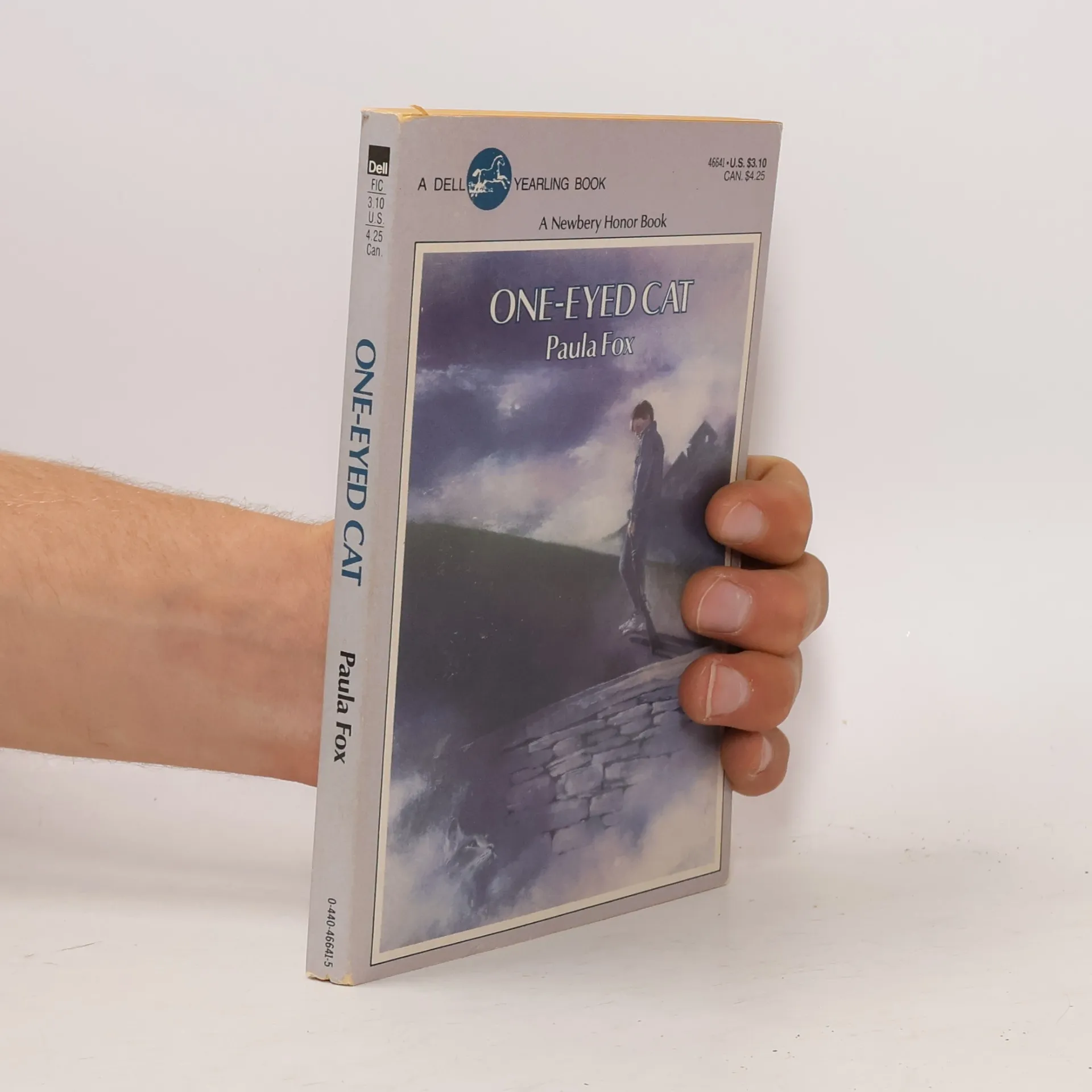
One-Eyed Cat
- 224 stránek
- 8 hodin čtení
An eleven-year-old shoots a stray cat with his new air rifle, subsequently suffers from guilt, and eventually assumes responsibility for it.
A young boy who skips school to go to his secret place, a deserted house, is forced to join three older boys in their dognapping ring.
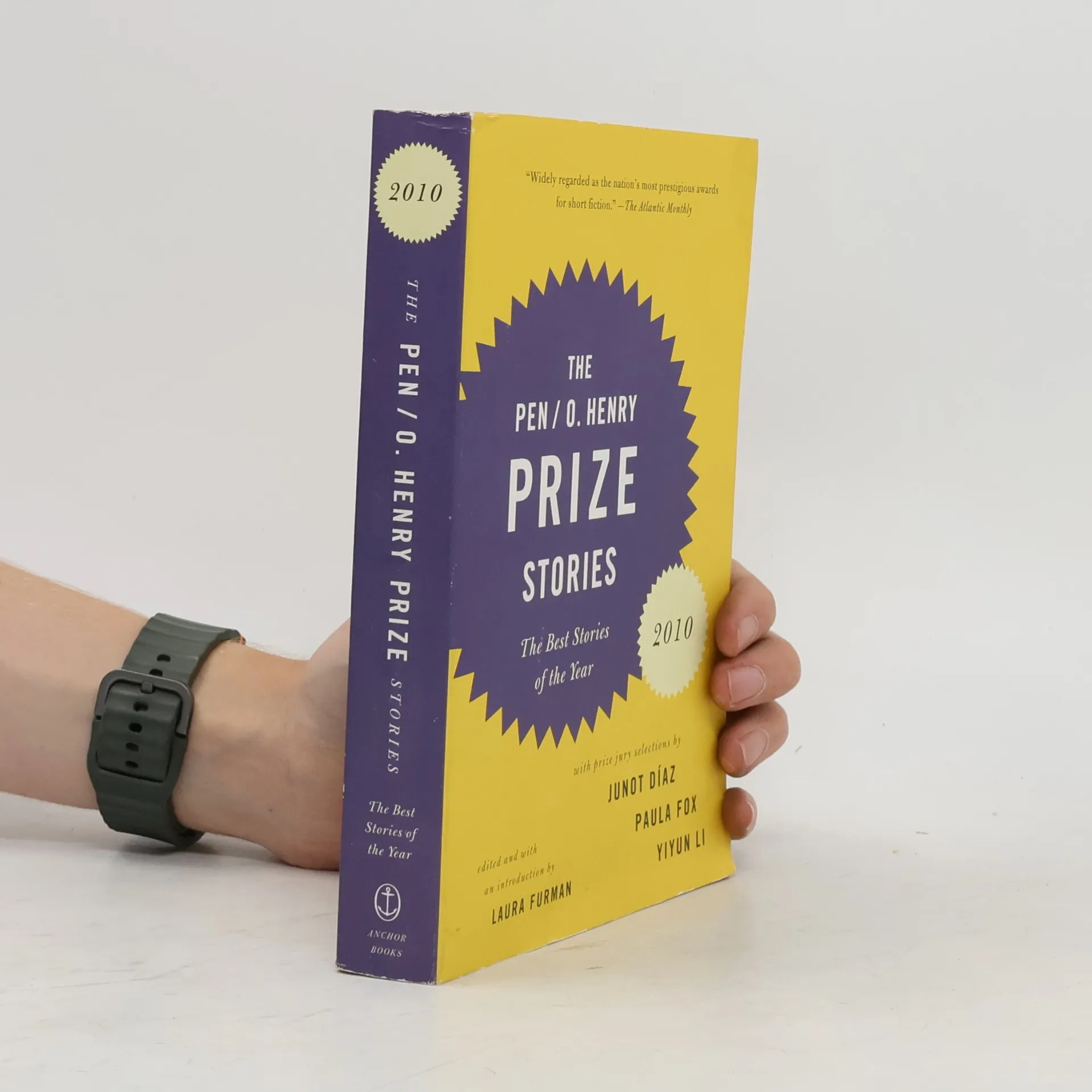
A collection of the twenty best contemporary short stories selected by series editor Laura Furman from hundreds of literary magazines, The PEN/O. Henry Prize Stories 2010 brings to life a dazzling array of subjects: a street orphan in Malaysia, a cowboy and his teenage bride, a Russian nanny in Manhattan, a nineteenth-century Nigerian widow, and political prisoners on a Greek island. Also included are essays from the eminent jurors on their favorite stories, observations from the winners on what inspired them, and an extensive resource list of magazines.
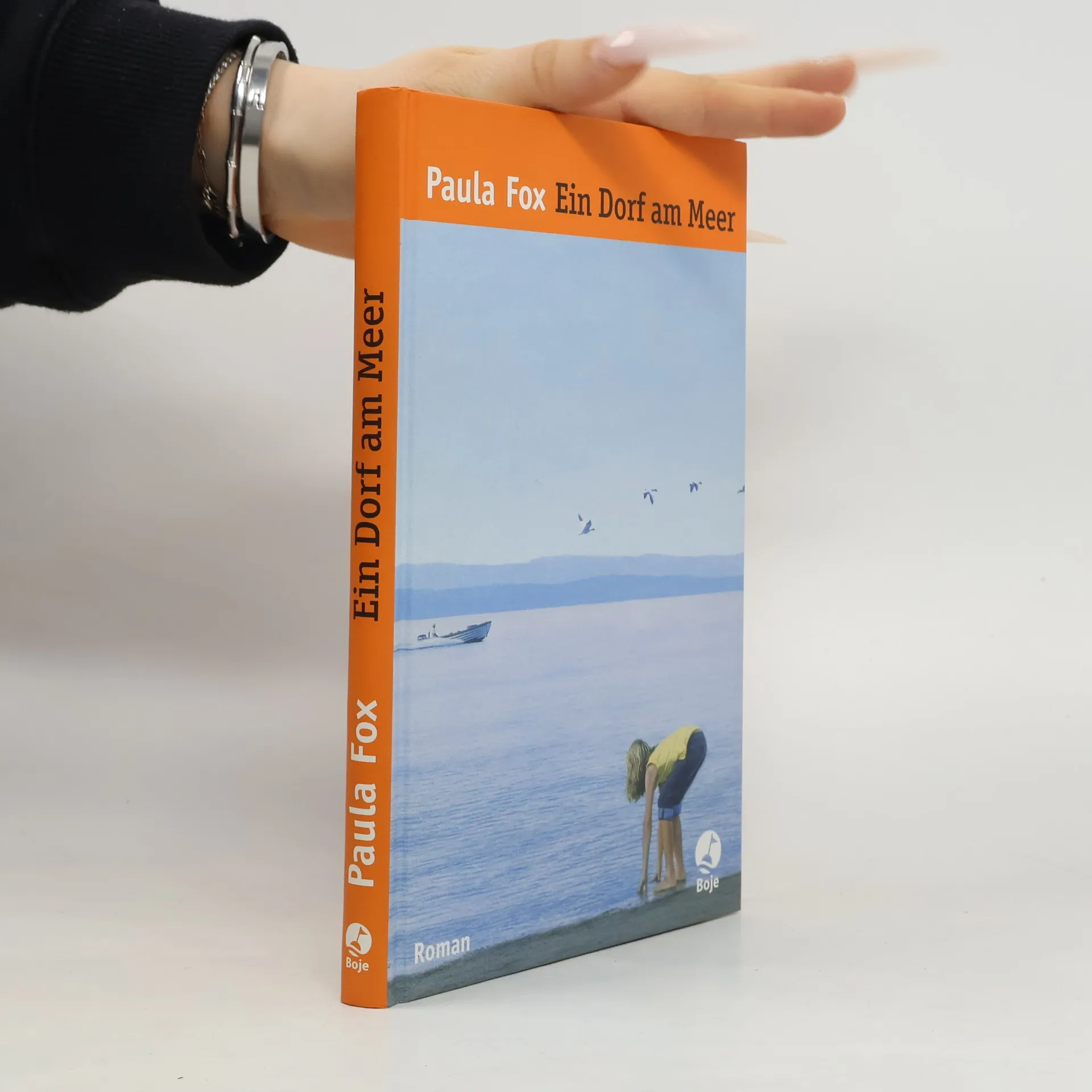
Ein Dorf am Meer
- 126 stránek
- 5 hodin čtení
Voller Kraft und Poesie Zum ersten Mal in deutscher Sprache Ein literarisches Meisterwerk für junge Leser Während ihr Vater sich einer Operation unterziehen muss, wird Emma für ein paar Wochen bei ihrer Tante Bea und Onkel Krispin untergebracht. Die beiden leben in einem Strandhaus in Long Island, direkt am Meer. Emma kennt sie kaum und fühlt sich von Anfang an in dieser Umgebung nicht wohl. Tante Bea verhält sich merkwürdig und behandelt das Mädchen mit eisiger Schroffheit, da kann auch Onkel Krispin mit seiner unbeholfenen Herzlichkeit nichts ausrichten. Emma flüchtet aus der beklemmenden Enge des Hauses an den herrlich weiten Strand, wo sie ein Mädchen kennen lernt. Gemeinsam bauen sie über Tage ein Dorf am Meer - aus Steinen, Muscheln, Zweigen und anderem angespülten Strandgut. Voller Stolz erzählt sie ihrem Onkel und ihrer Tante beim Abendessen davon. Tante Beas Eifersucht ist geweckt ... Paula Fox wurde einmal eine »Meisterin des emotionalen Realismus« genannt. In diesem erstmals auf Deutsch erscheinenden Roman für junge Leser beschreibt sie mit untrüglicher Präzision und Einfühlsamkeit die Gefühle eines Kindes in einer hermetisch verschlossenen Erwachsenenwelt.
Die fünfzehnjährige Catherine und ihr Vater machen ihren ersten gemeinsamen Urlaub in Nova Scotia und lernen sich endlich kennen.
La légende d'une servante
- 500 stránek
- 18 hodin čtení
Luisa de la Cueva, fille d'un grand propriétaire de plantation de canne à sucre et d'une domestique indigène, est née dans le petit village de Malagita sur l'île de San Pedro dans les Caraïbes. Elle y passe une partie de son enfance, mais son père, craignant la révolution, emmène sa famille à New York. Dans le barrio, le nom "de la Cueva", autrefois puissant, n'évoque plus rien, et la famille est obligée de s'installer dans les sous-sols d'un immeuble. Diminuée par tout ce qui lui a été arraché, Luisa orchestre sa survie autour d'un rêve : retrouver Malagita. Dans La légende d'une servante, Paula Fox raconte la lutte de Luisa pour se construire face à l'adversité, et bien au-delà, l'essence même de la peur, le poids des relations familiales, la nostalgie du bonheur perdu... Elle y révèle, dans une prose d'une grande finesse, une vision étonnamment sensible de la vie intérieure.
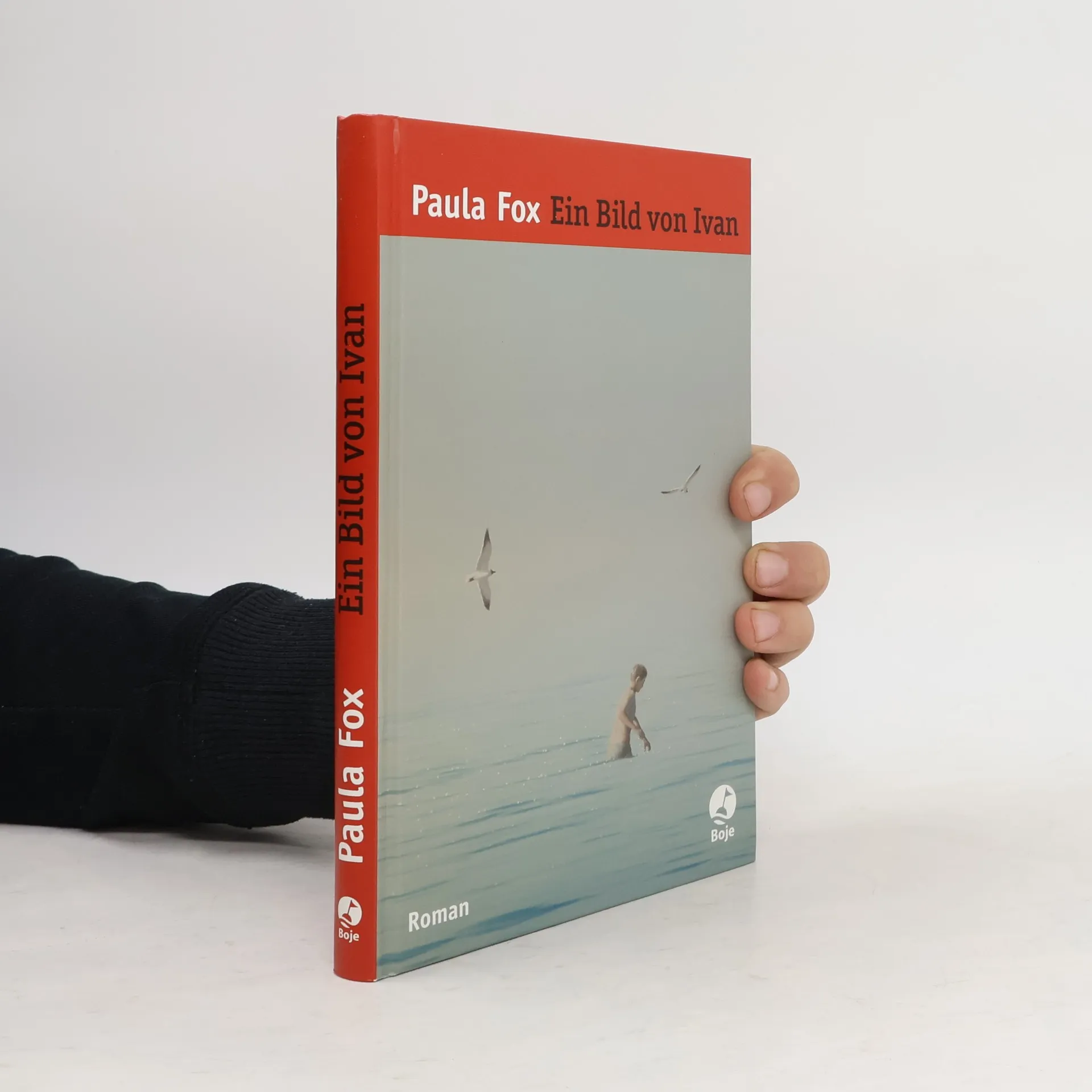
Ein Bild von Ivan
- 122 stránek
- 5 hodin čtení
Ivan ist ein einsames Kind: Sein Vater ist meist verreist, seine Mutter seit vielen Jahren tot. Einzig die haitianische Haushälterin Giselle kümmert sich liebevoll um ihn. Das ändert sich, als sein Vater beschließt, ein Portrait von Ivan anfertigen zu lassen: In dem jungen Maler Matt und der eigens für ihn engagierten Vorleserin Miss Manderby findet Ivan neue Freunde ...
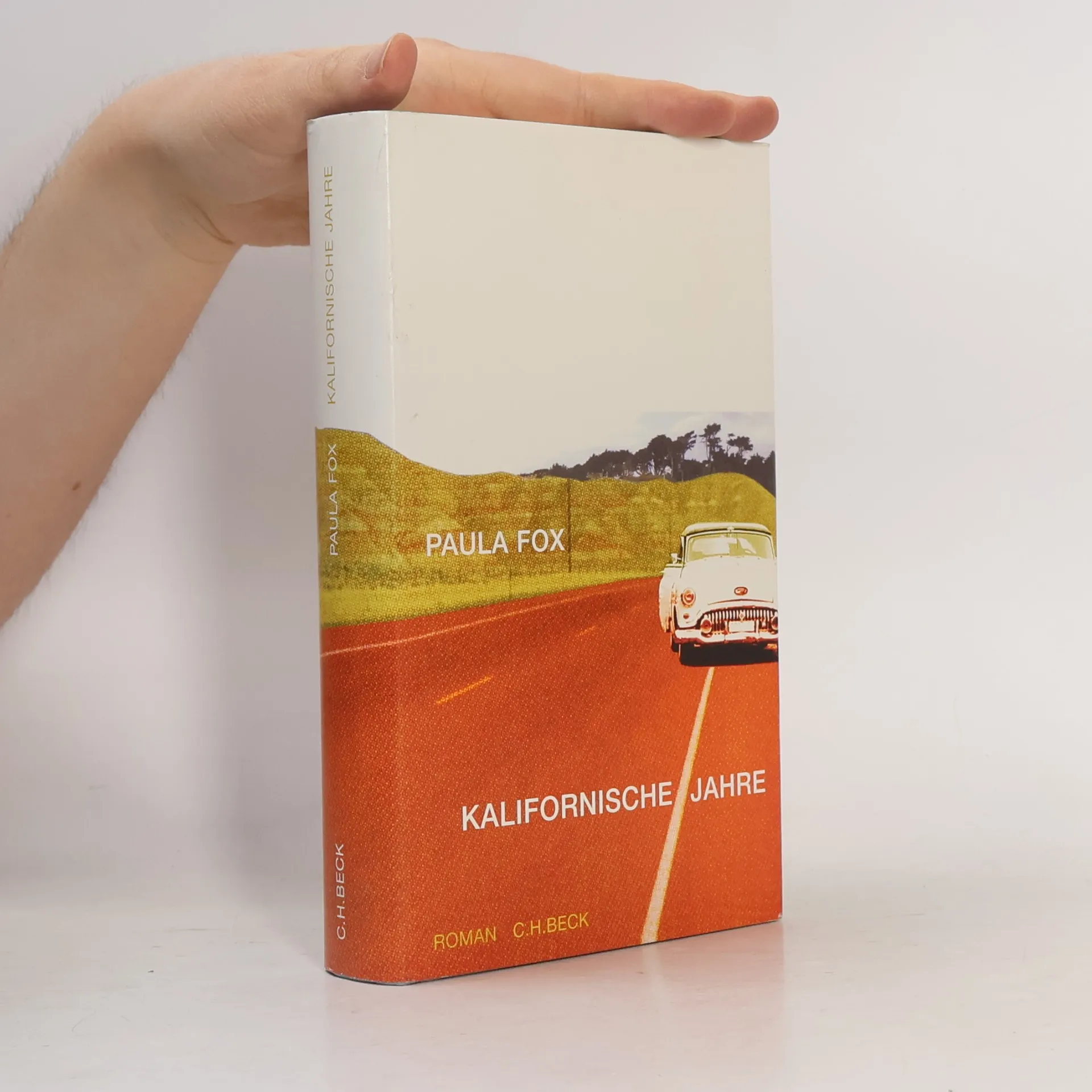
Amerika 1940: Die USA sind im Begriff, in den Krieg einzutreten; die Bevölkerung hat sich gerade von der Depression erholt; zahlreiche europäische Emigranten prägen das tägliche Leben. Und in dieser merkwürdigen - und heute längst nicht mehr existierenden - Welt zieht die siebzehnjährige Protagonistin Annie Gianfala für einige Jahre von New York nach Kalifornien. Annies Schicksal ist verwoben mit dem der Menschen, denen sie begegnet, unter ihnen drei Männer, die für sie besonders wichtig werden: ihr Vater, ein Maler, dessen zahlreiche Frauenbeziehungen von seiner großen Unzuverlässigkeit geprägt sind; ihr späterer Ehemann, von dem sie sich jedoch bald wieder scheiden läßt; und ihr Geliebter, der jedoch seine eigene Familie nicht für sie verlassen möchte. „�Kalifornische Jahre“� ist eine Variation des klassischen Bildungsromans, geschrieben in der Tradition der besten amerikanischen Erzähler der Moderne, mit denen Paula Fox mittlerweile in einem Atemzug genannt wird: zurückhalten und undramatisch, nüchtern und genau, und dennoch versehen mit einem überraschenden Reichtum an Details und Farbe, der die Vierziger Jahre im Umkreis von Hollywood auf schillernde Art wiederaufleben läßt.
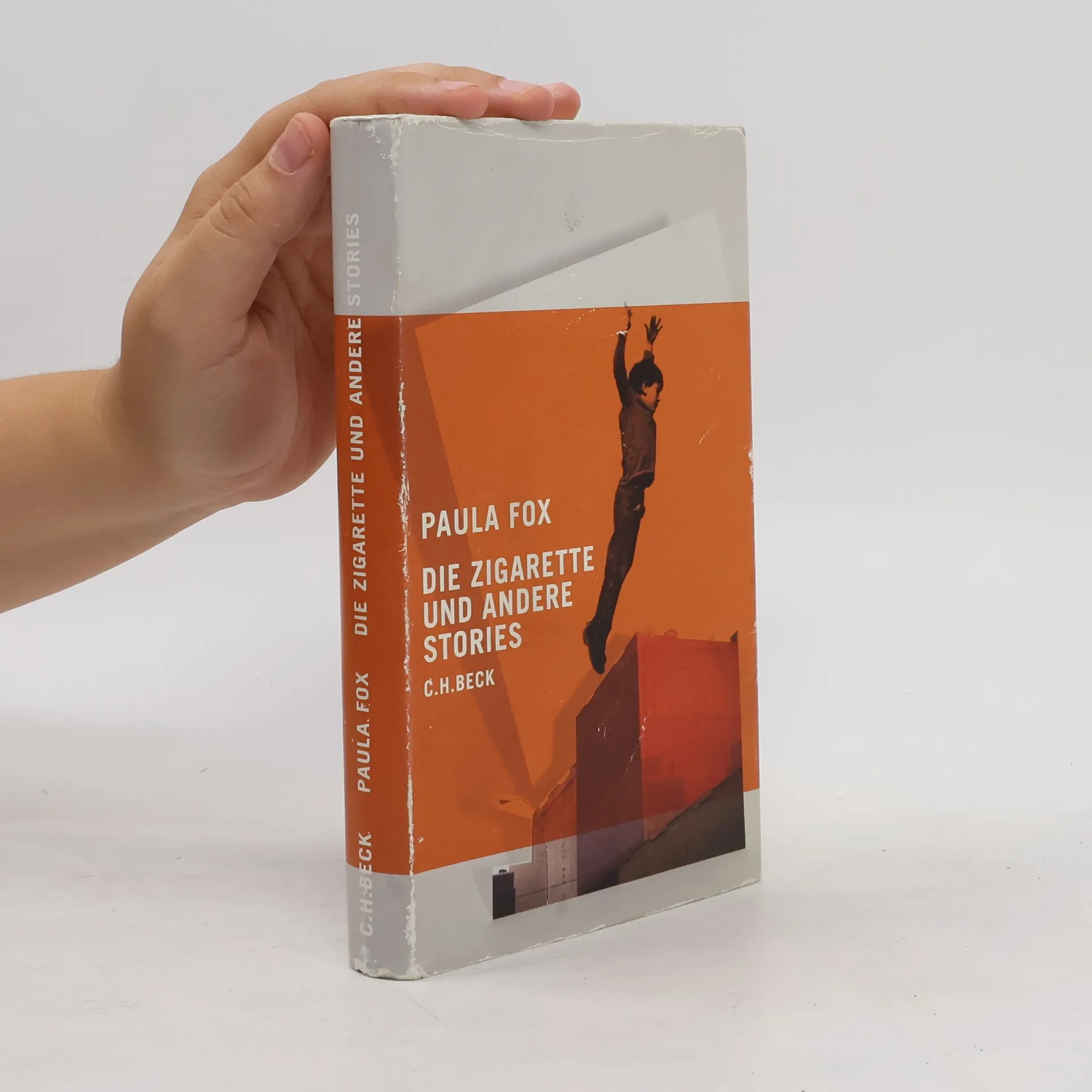
Die Zigarette und andere Stories
- 260 stránek
- 10 hodin čtení
Ein Mann sitzt nach einer Beerdigung an einem hellen Sommertag im Kino, sieht einen Zeichentrickfilm und beginnt plötzlich zu schreien. Eine Frau, die auf einer von einem Ölteppich umgebenen Insel lebt, verliebt sich unsterblich in den alten Künstler, für den sie täglich putzt, ohne mehr als ein paar Sätze mit ihm zu wechseln. Eine Schriftstellerin, die Paula Fox selbst ist, wird beinahe an ihrem eigenen Schreibtisch erschossen, weil Jugendliche im Nachbargarten mit einer geladenen Pistole spielen. Neben ihren Romanen und Jugendbüchern hat Paula Fox seit den 60er-Jahren Erzählungen und kleine Prosastücke verfasst, die hier erstmals versammelt sind. Oft sind es stille Begebenheiten, die sich zu etwas Unerhörtem ausweiten und von den großen Themen Liebe, Tod und Verlust erzählen. Fox ist eine Meisterin der genauen Beobachtungen, die selbst einfachen Situationen Poesie entlockt. Mit ihrer klaren und eindringlichen Sprache erschafft sie eine eigene Welt, in der die Grenzen zwischen Autobiographie und Fiktion verschwimmen. Die Texte, die von den 60er-Jahren bis heute reichen, zeigen die kluge Beobachtungsgabe und Menschenkenntnis einer bedeutenden zeitgenössischen Autorin, deren Leben und Schreiben untrennbar miteinander verbunden sind. Paula Fox wurde 1923 in New York geboren und lebt dort weiterhin. Sie erhielt 1978 den Hans-Christian-Andersen-Preis und veröffentlichte zahlreiche Kinderbücher sowie sechs Romane und ihre Autobiogr
Im Jahr 1941, kurz nach dem Tod ihres Vaters, verlässt Helen Bynum zum ersten Mal ihren kleinen Heimatort in New York und reist nach New Orleans, um ihre Tante Lulu, die Schwester ihrer Mutter, zu finden. Lulu, eine alternde, alkoholabhängige Schauspielerin, wird von dem jungen Len unterstützt und hat nicht vor, die Stadt zu verlassen. Helen, erst dreiundzwanzig, ist fasziniert und manchmal schockiert von dem Leben in New Orleans, insbesondere in den Bohemien-Kreisen, in die sie gerät. Sie wird mit dem Rassenkonflikt konfrontiert und nimmt die Nachrichten aus Nazi-Deutschland und den Kriegseintritt der Amerikaner wahr. Im Mittelpunkt stehen die Menschen, die sie trifft, und die Lektionen über Leidenschaft und Schmerz, die sie lernt. Am Ende verlässt sie New Orleans als frisch verheiratete Frau. Jahrzehnte später, 1967, reflektiert sie ihre damaligen Erlebnisse und Entscheidungen in einem neuen Licht. Helen ist die unschuldigste und offenste Figur in Paula Fox’ Werk, und dieser Roman gilt als ihr zärtlichster und spannendster. Die elegante Sprache und der unerschütterliche Blick der Autorin machen das Buch zu einem literarischen und moralischen Schatz.
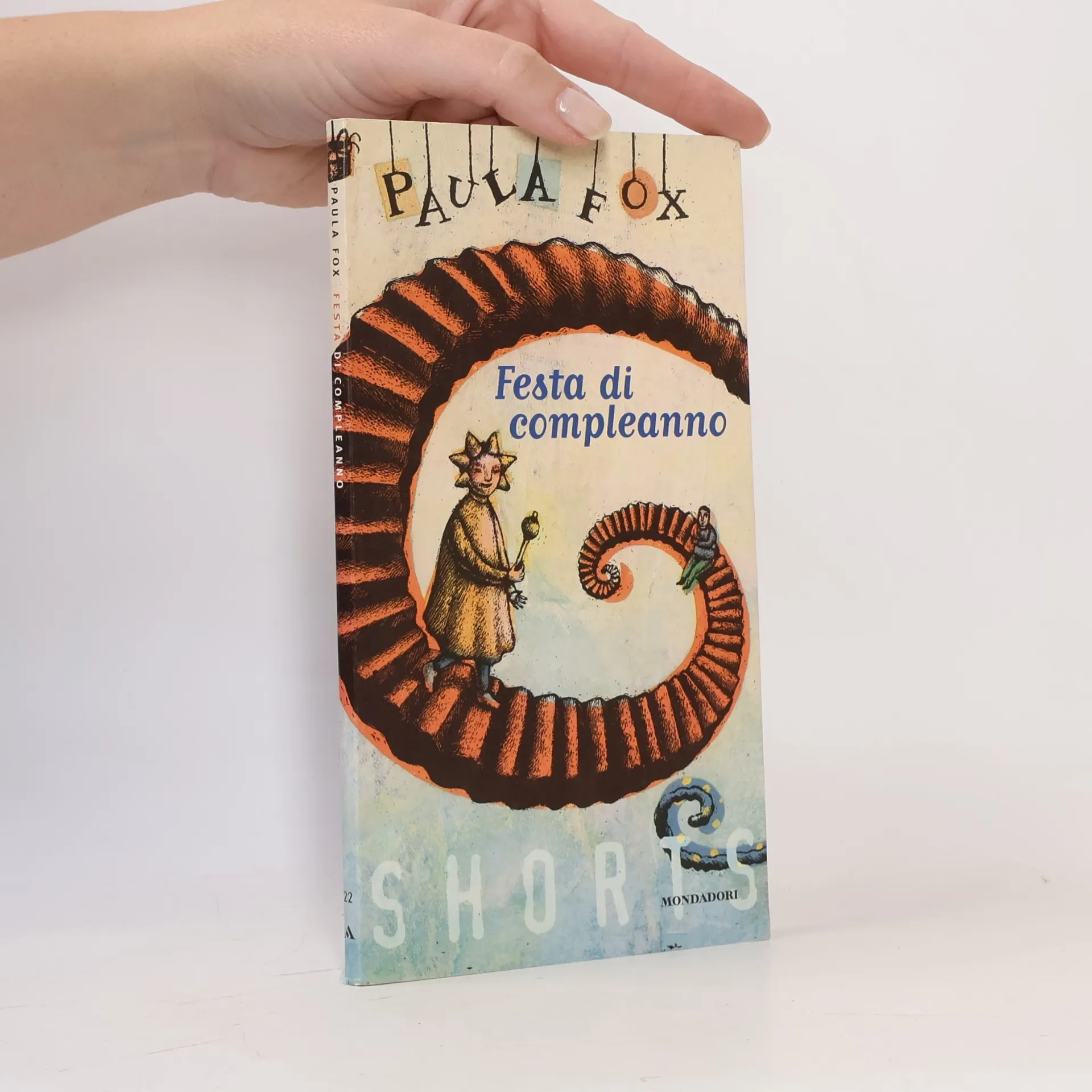
Festa di compleanno
- 82 stránek
- 3 hodiny čtení
A Newbery Award-winning author tells the story of a boy who feels angry and rejected because his younger brother has Down's syndrome and how, through a series of surprising events, he begins to wonder if his brother is indeed worth loving.
George Mecklin, die Hauptfigur, arbeitet als Lehrer an einer Privatschule in Manhattan, lebt aber inzwischen mit seiner Frau Emma außerhalb von New York auf dem Land. Es ist Ende der 60er Jahre, es herrscht Unruhe im Land, eine Unruhe, die sich mit den Lebenskrisen der Ehepaare im mittleren Alter, die Paula Fox beschreibt, geradezu unheilvoll verknüpft. George bemüht sich um seine Schüler, um seine stagnierende Ehe, er ist sensibel und guten Willens, aber seine Unzufriedenheit wächst. Als er einen Jungen, Ernest Jenkins, der in ihr Haus eingedrungen ist, auf frischer Tat ertappt und Ernest sich ihm weniger als Dieb, denn als einsamer, haltloser Jugendlicher darstellt, glaubt er eine neue Aufgabe gefunden zu haben … Scharfsinnig, voll abgründiger Komik, portraitiert Paula Fox in diesem klassischen amerikanischen Roman von 1967 die Verzweiflung in den bürgerlichen Vorstädten und die Versuche, ihr zu entkommen. Konzentriert, dicht, mit einem überschaubaren Arsenal unvergeßlicher Figuren erzählt Paula Fox‘ erster Roman von einem Befreiungsversuch, der beinahe in die völlige Katastrophe führt.
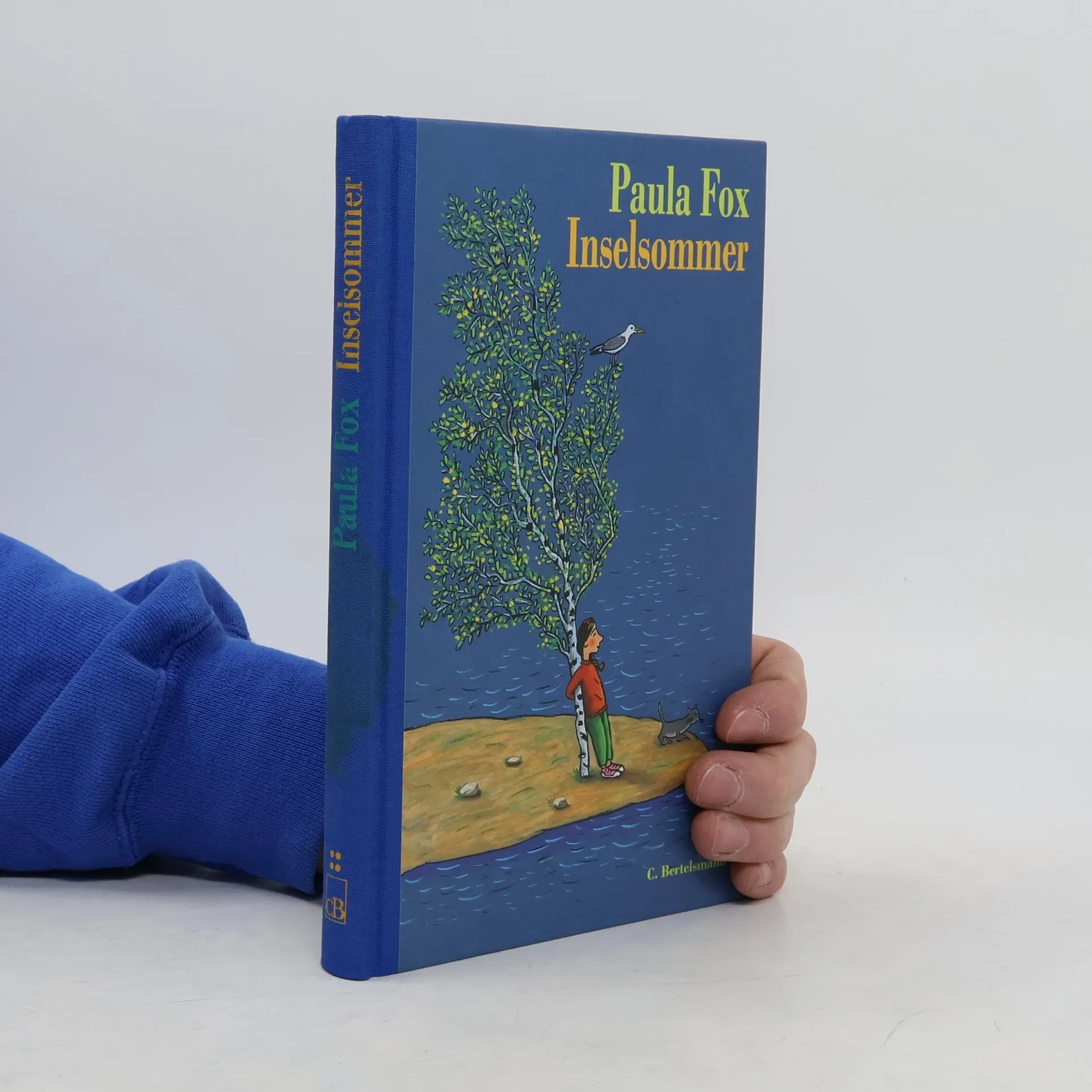
Elizabeth (12) verbringt ihre Ferien mit der Grossmutter auf einer kleinen Insel in einer Hütte ohne Strom und Wasser. Als klar wird, dass die alte Frau wegen ihrer Herzkrankheit nicht alleine bleiben darf, wird Elizabeth bewusst, dass sie ungefragt eine wichtige Aufgabe übertragen bekommen hat.
Ein verwirrender Sommer
- 166 stránek
- 6 hodin čtení
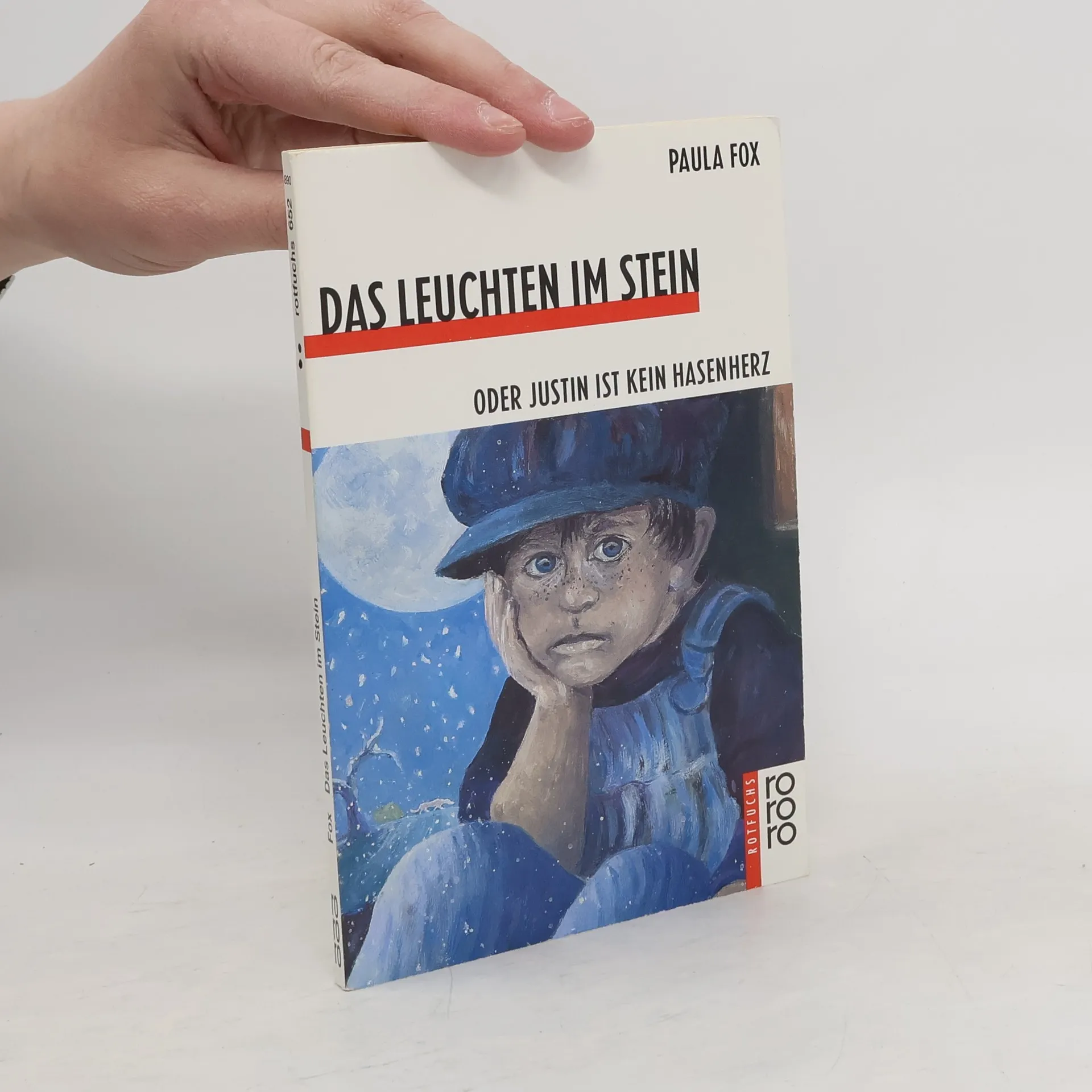
Das Leuchten im Stein
- 116 stránek
- 5 hodin čtení
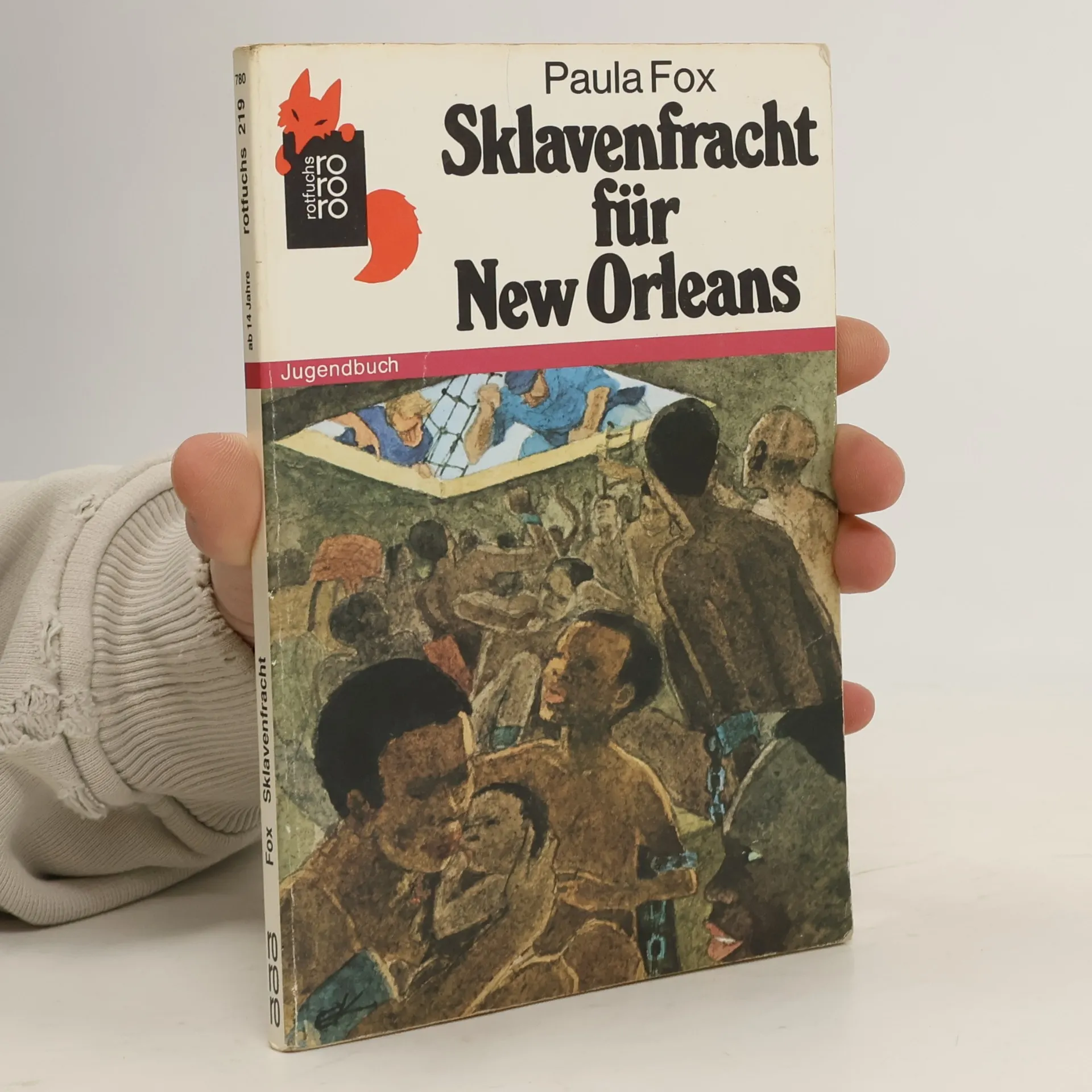
Sklavenfracht für New Orleans
- 124 stránek
- 5 hodin čtení
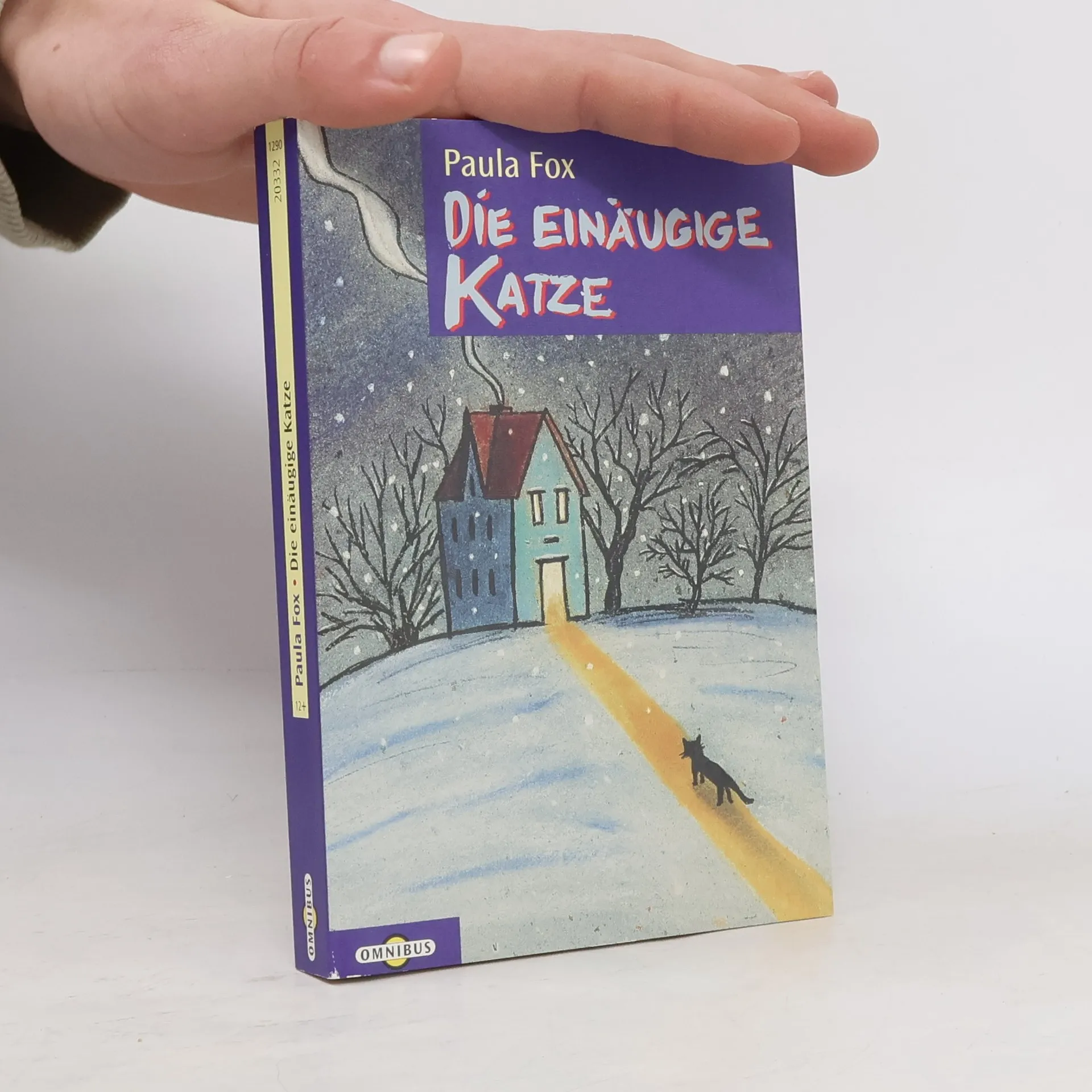
Die einäugige Katze
- 191 stránek
- 7 hodin čtení
Nur seine seltsame Großtante scheint die Gedanken eines Jungen zu verstehen, der sein Leben damit verbracht hat, seine Emotionen zu verbergen, an einem unheimlichen, verschneiten Abend, nachdem er einen Hund gerettet hat, der ihn nicht mag.
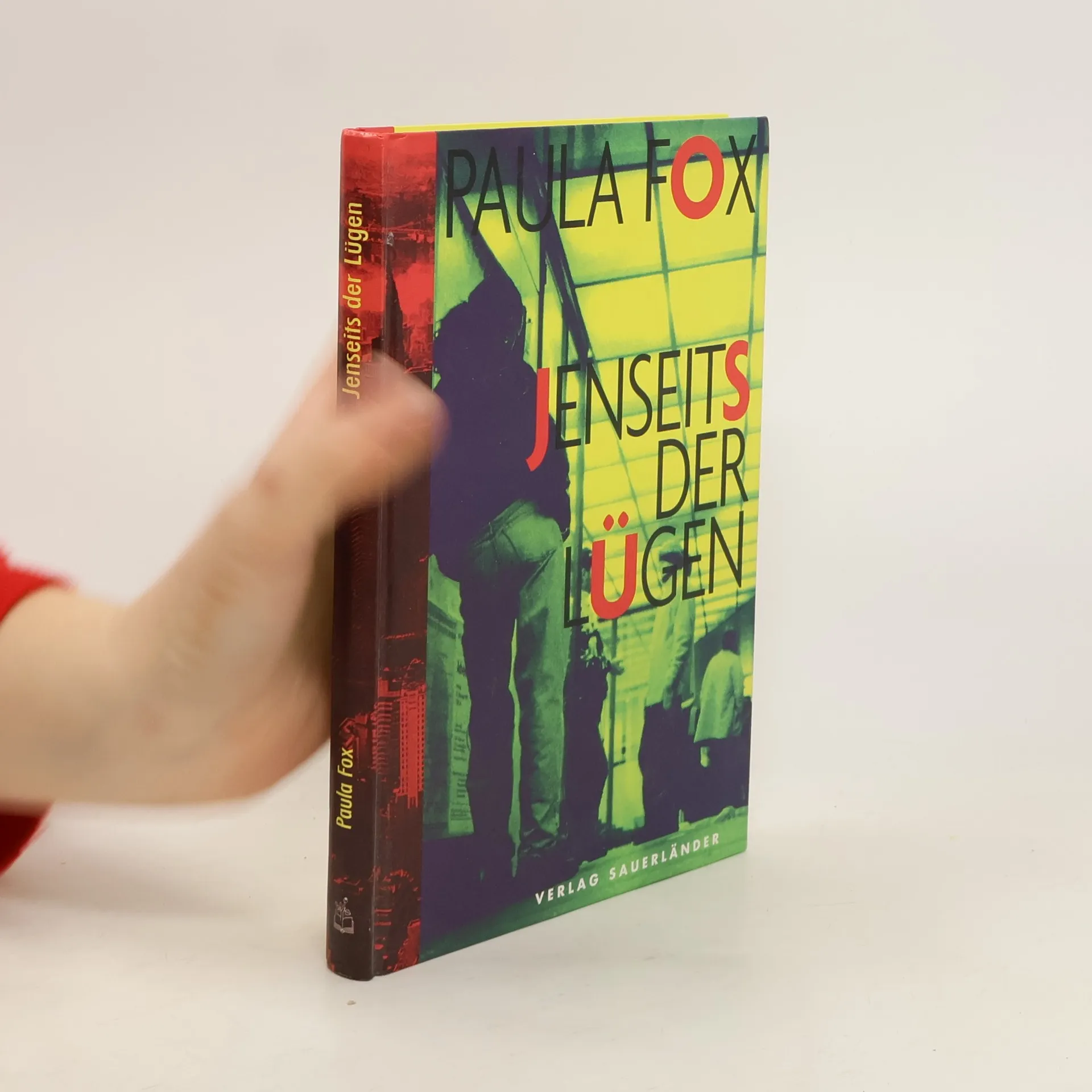
Jenseits der Lügen
- 109 stránek
- 4 hodiny čtení
Liams (13) Vater hat AIDS. Angeblich wurde er von einer verseuchten Blutkonserve infiziert. Erst wenige Wochen vor dem Tod des Vaters gelingt es Liam, das Netz aus Lügen und falschen Behutsamkeiten zu zerreissen und die Wahrheit zu akzeptieren.