
Do Vánoc stíháš objednat ještě 6 dní a 9 hodin. 
Knihobot

John Brockman

    16. únor 1941

    Tento autor překlenul svou rozsáhlou kariérou obory umění, vědy, knih, softwaru a internetu. Již v 60. letech 20. století položil základy „intermediálních kinetických prostředí“ v umění, divadle a obchodu. Je zakladatelem Edge Foundation a editorem webu Edge, kde přední myslitelé analyzují špičkovou vědu a definují tzv. „Třetí kulturu“. Jeho práce zkoumá průnik vědy a umění a zdůrazňuje propojení různých oborů lidského poznání.

    John Brockman
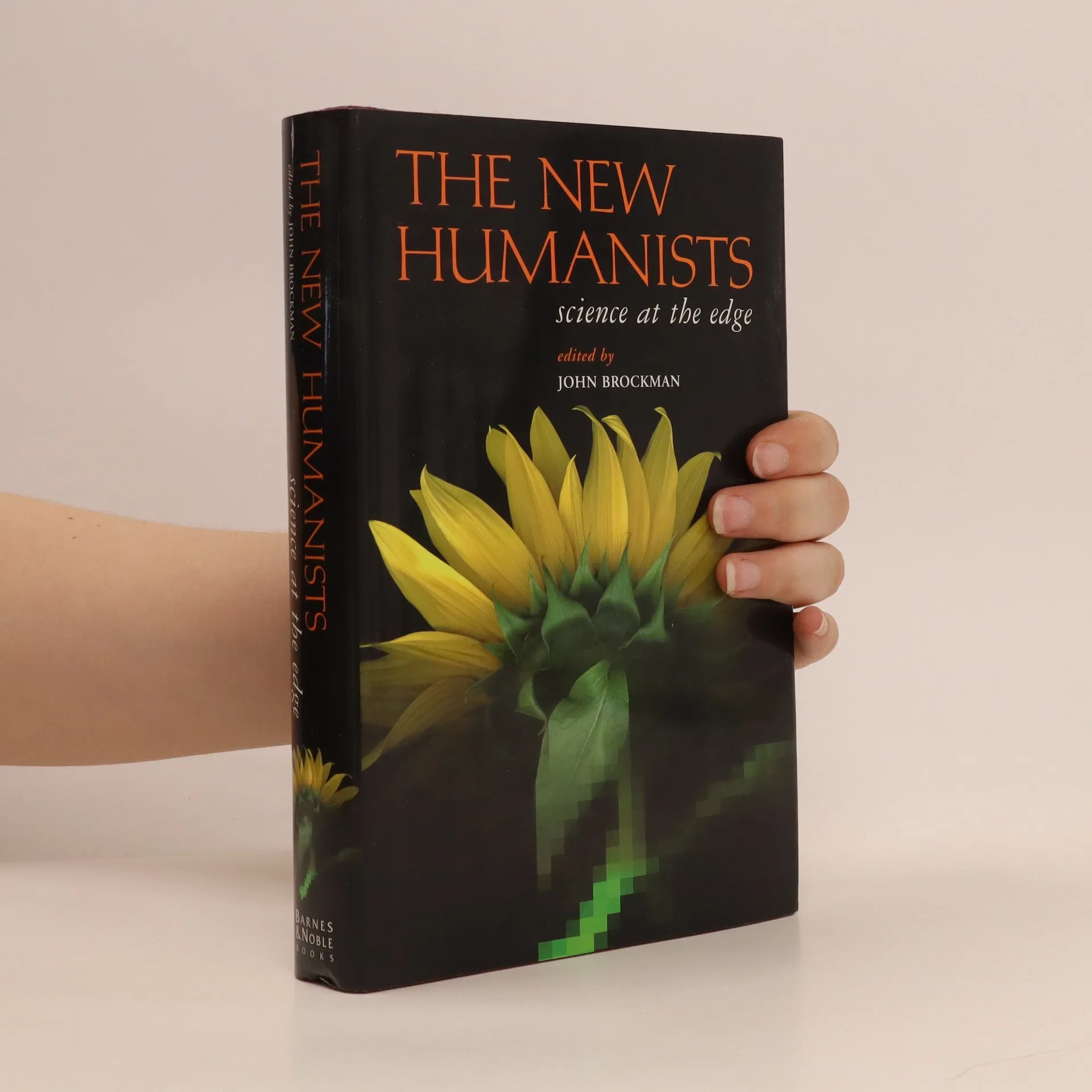
    Science at the Edge
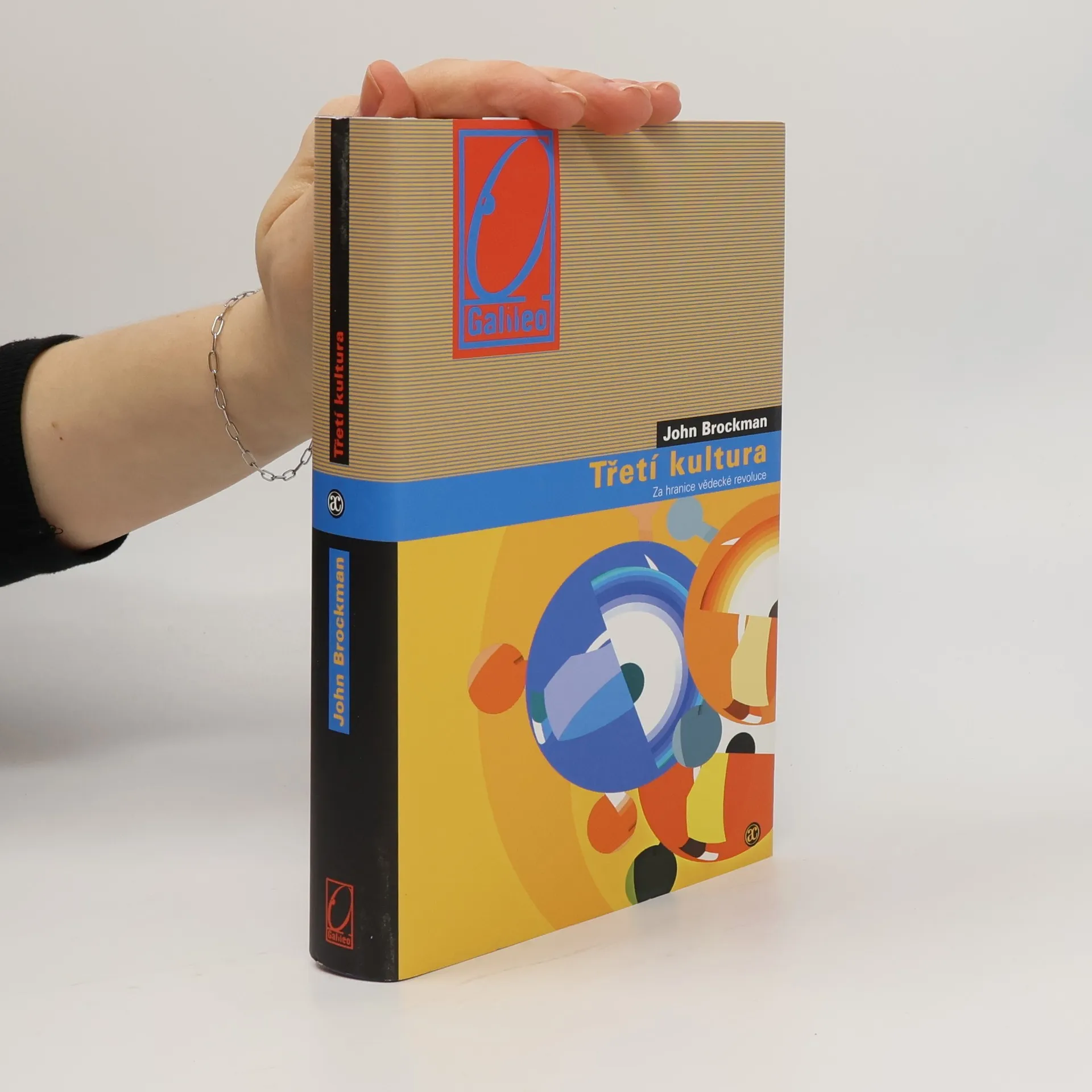
    Třetí kultura: Za hranice vědecké revoluce
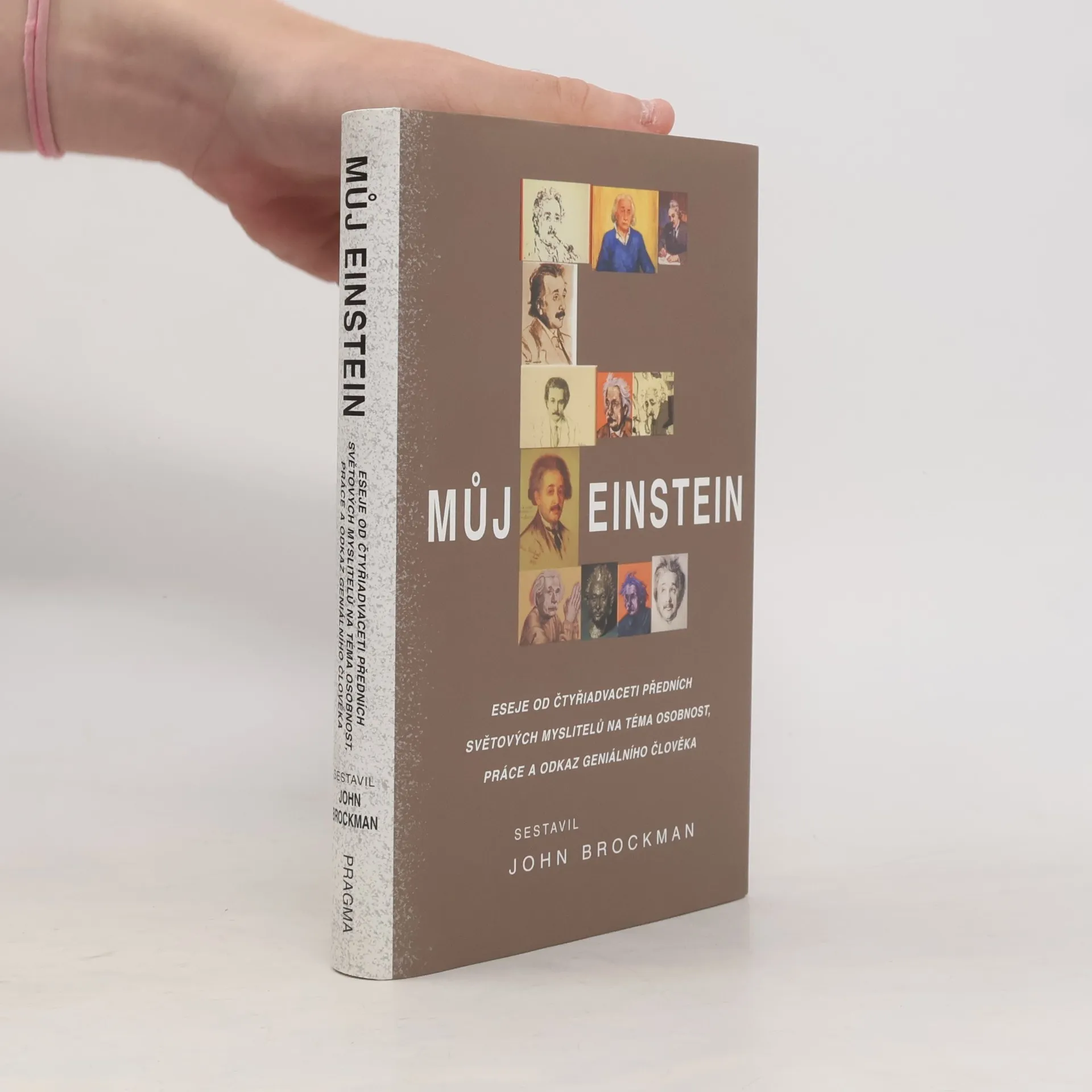
    Můj Einstein
    Čeho bychom se měli obávat?
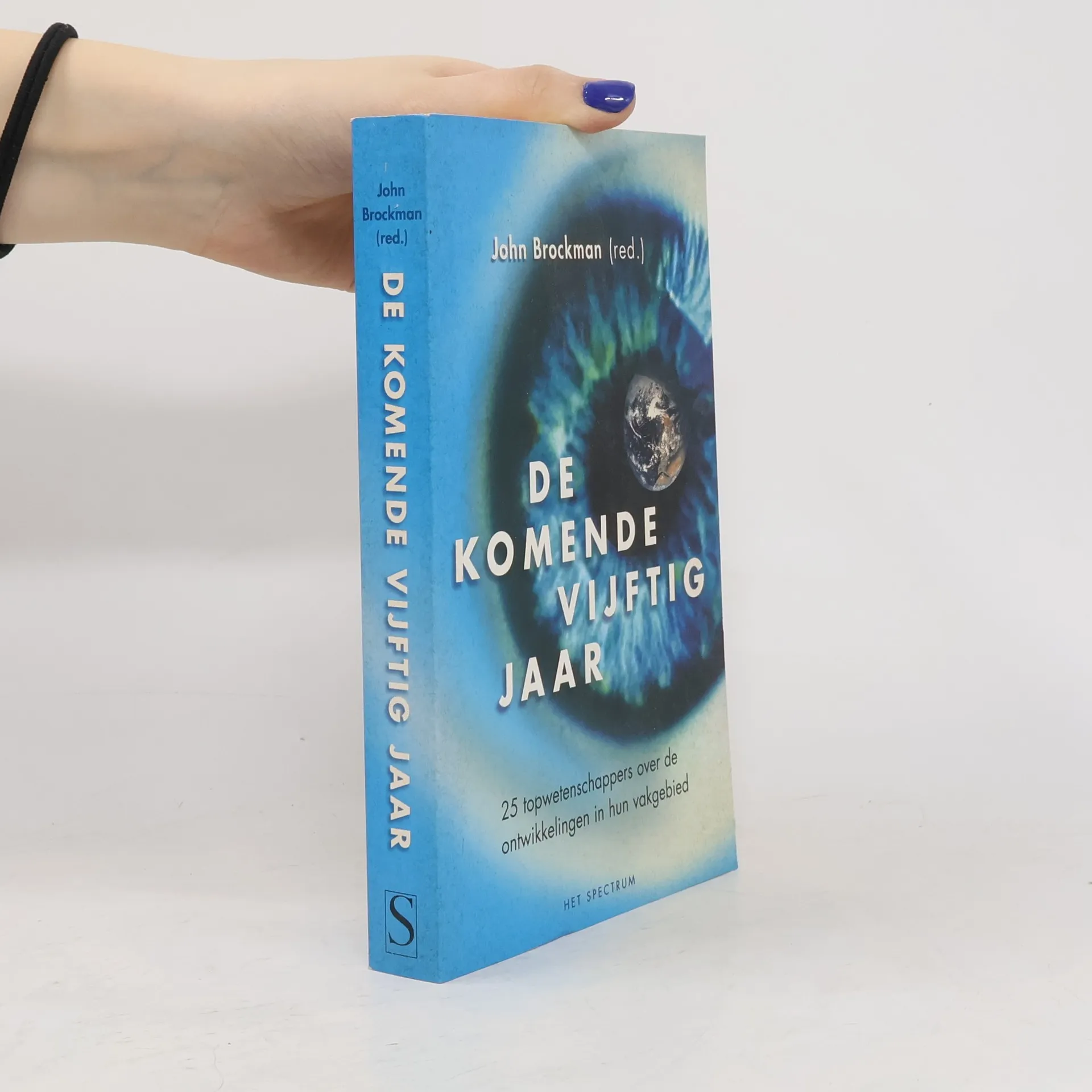
    Příštích padesát let
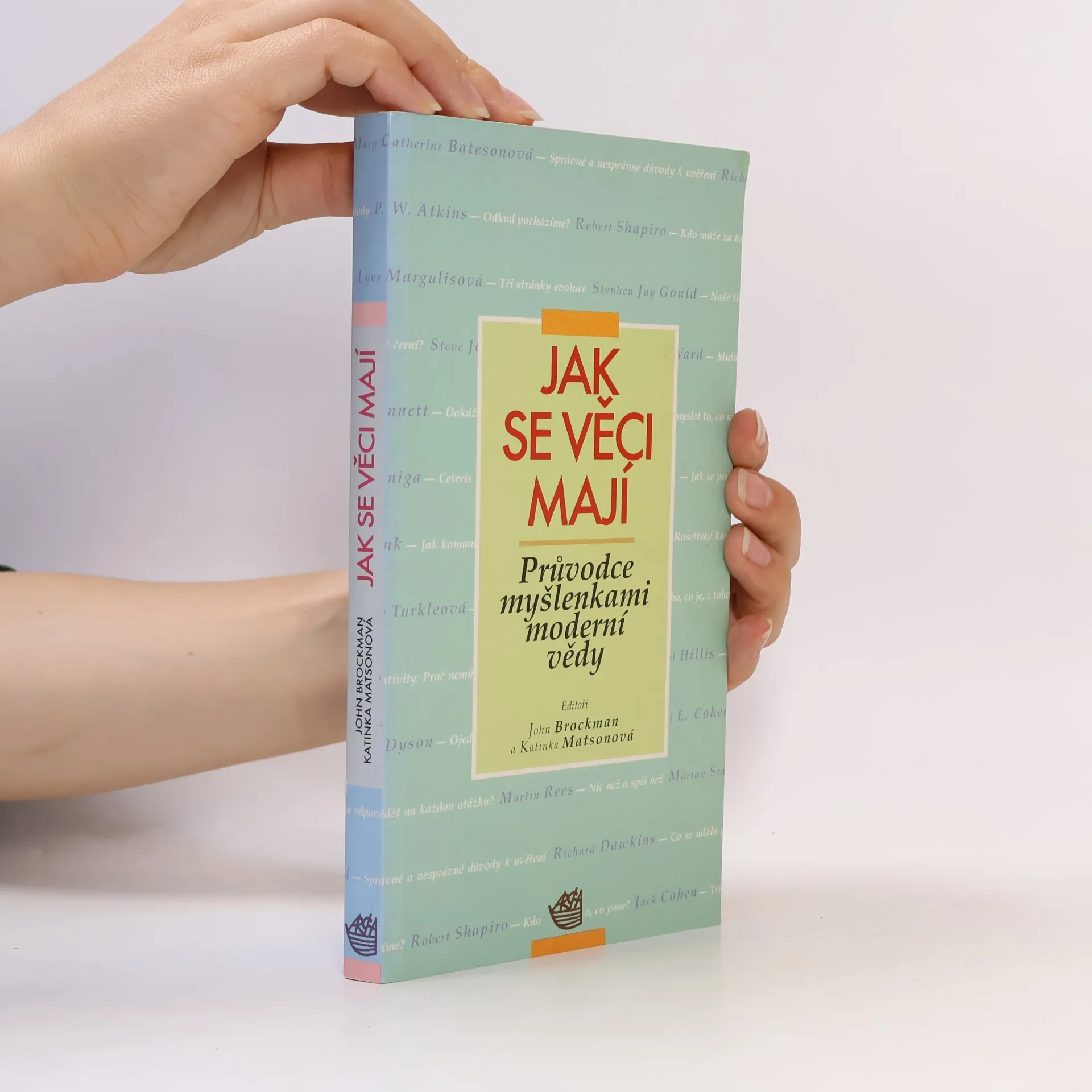
    Jak se věci mají : průvodce myšlenkami moderní vědy
    • 2020

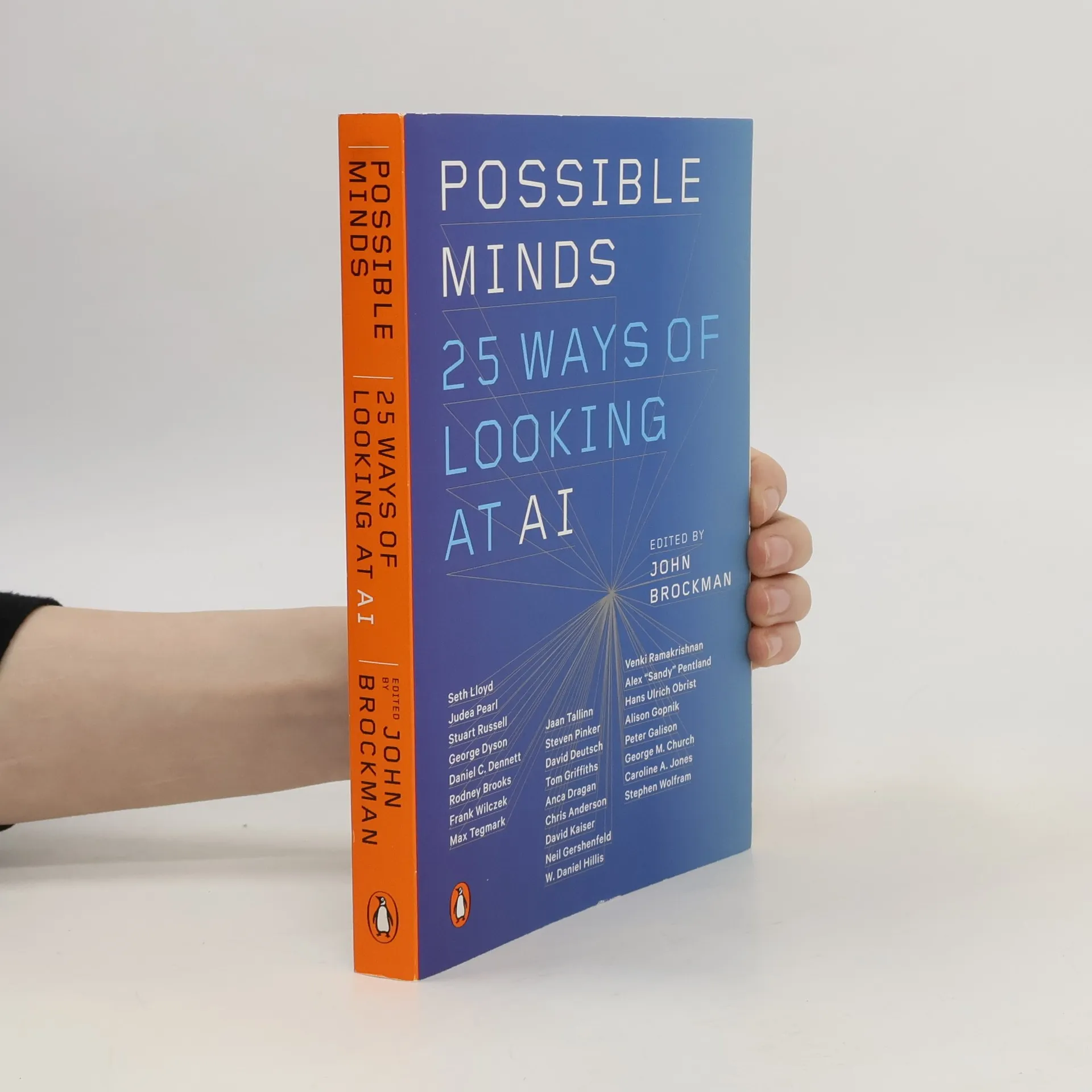
      Rosnące możliwości różnych form sztucznej inteligencji niepokoją ludzi od kilkudziesięciu lat. Stopniowo uzależniamy się od ciągłej asysty nowoczesnych technologii, jednak coraz doskonalsze metody uczenia maszynowego, dostępna i potężna moc obliczeniowa korzystająca z niewyobrażalnie wielkich zasobów danych każą zadawać sobie pytania: do czego doprowadzi ten szalony rozwój techniki? Jak będzie wyglądało społeczeństwo przyszłości? Czy ludzie wyginą? Czy grozi nam zniewolenie ze strony maszyn albo garstki polityków pragnących jeszcze większej władzy? Coraz wyraźniej widać, że AI staje się powoli narracją współczesności. Świat, jaki znamy, przestanie istnieć. Przed jakimi wyborami przyjdzie stanąć ludzkości już wkrótce i czy zdołamy wybrać dobrze? Ponad 60 lat po ukazaniu się słynnej Cybernetyki Norberta Wienera 25 wyjątkowych umysłów naszych czasów postanowiło ponownie przyjrzeć się koncepcjom tego matematyka i filozofa. Efektem kilkuletnich dyskusji na temat umysłu, myślenia, inteligencji i sensu człowieczeństwa jest ten zbiór 25 esejów znakomite, wyjątkowo wszechstronne wprowadzenie w krajobraz kluczowych problemów związanych z AI. O wartości tego dzieła stanowi zawarte w nim zderzenie różnych poglądów i punktów widzenia: autorami esejów są wybitni informatycy, robotycy, fizycy, ale również osoby związane z kulturą, filozofią i psychologią. To rzecz, która zmusza do szerszego spojrzenia na jedno z najważniejszych wyzwań naszych czasów.

      Człowiek na rozdrożu. Sztuczna inteligencja
    • 2020

      Science world luminary John Brockman assembles twenty-five of the most important scientific minds, people who have been thinking about the field artificial intelligence for most of their careers, for an unparalleled round-table examination about mind, thinking, intelligence and what it means to be human

      Possible minds : twenty-five ways of looking at AI
    • 2019

      Possible Minds

      • 320 stránek
      • 12 hodin čtení
      3,7(675)Ohodnotit

      Science world luminary John Brockman assembles twenty-five of the most important scientific minds, people who have been thinking about the field artificial intelligence for most of their careers, for an unparalleled round- table examination about mind, thinking, intelligence and what it means to be human--

      Possible Minds
    • 2018

      Neuigkeiten von morgen

      Die führenden Wissenschaftler unserer Zeit über die wichtigsten Ideen, Entdeckungen und Erfindungen der Zukunft

      4,0(1)Ohodnotit

      20 Jahre »The Edge« – Mit Beiträgen u. a. von Steven Pinker, Alison Gopnik, Jared Diamond, Martin J. Rees, Carlo Rovelli, Jonathan Haid, Lisa Randall und Hans Ulrich Obrist. Seit zwei Jahrzehnten versammelt John Brockman jährlich die angesehensten Wissenschaftler und Intellektuellen unserer Zeit in einem Band. Wissenschaftliche Entwicklungen verändern unseren Blick und unser Verständnis von der Welt immer wieder radikal, egal ob es sich dabei um Fortschritte in der Technologie, um medizinische Forschung oder die neuesten Entdeckungen aus den Bereichen Neurowissenschaften, Psychologie, Physik, Wirtschaft, Genetik oder Umweltschutz und Klimawandel handelt. Da es heute schwer ist, aus der Flut aller täglichen Informationen die wichtigsten herauszufiltern, versammelt der bekannte Visionär und Herausgeber John Brockman Stimmen der führenden Wissenschaftler und Intellektuellen unserer Zeit in einem Band, um zu zeigen, was bereits morgen unser Leben bestimmen kann.

      Neuigkeiten von morgen
    • 2018

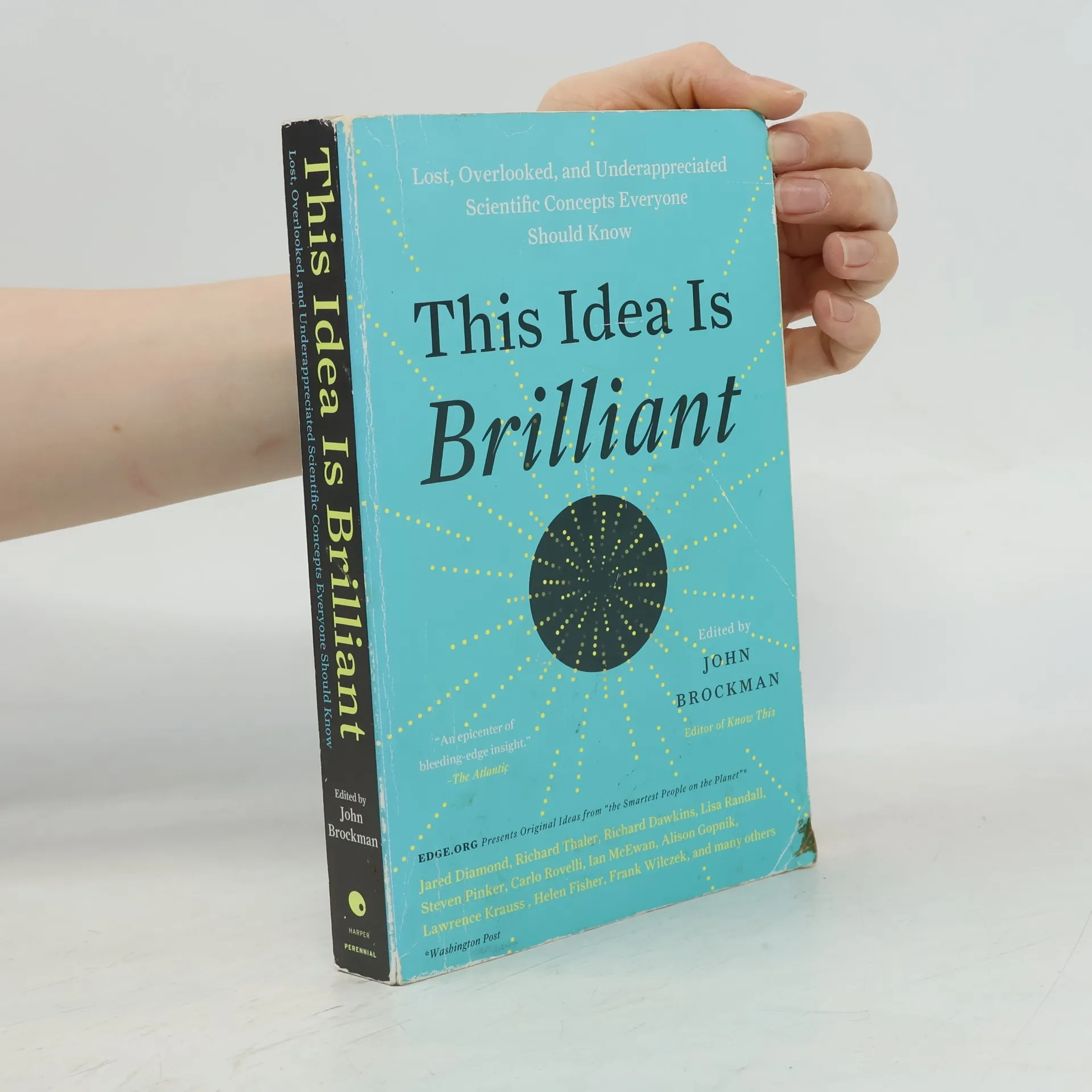
      Brilliant but overlooked ideas are explored by today’s most innovative thinkers, including Steven Pinker, Jared Diamond, and Richard Dawkins. This collection features insights from 205 influential minds across various fields—physicists, economists, psychologists, and more—prompted by John Brockman’s question: What scientific term or concept should be more widely known? Readers will embark on a journey through bold and underappreciated scientific concepts that enrich understanding. Contributions include Jared Diamond discussing the lost brilliance of common sense, Richard Dawkins on reconstructing ecological history, and Rebecca Newberger Goldstein on expanding reality beyond the tangible. Carlo Rovelli explores the interconnected fabric of information, while Ian McEwan delves into the Navier-Stokes equations that influence weather and design. Other notable voices include Lawrence M. Krauss on uncertainty, Richard Thaler on the "premortem" concept, and Brian Eno on confirmation bias in the digital age. Rory Sutherland highlights the impact of sex appeal, and Lisa Randall emphasizes the power of the obvious. Additionally, Kevin Kelly shares insights on optimizing success, and Frank Wilczek discusses the creative potential of complementarity. This anthology also features thoughts from Sam Harris, Alison Gopnik, and many others, offering a rich tapestry of ideas that challenge conventional thinking.

      This idea is brilliant: Lost, overlooked and underappreciated scientific concepts everyone should know
    • 2018

      Čeho bychom se měli obávat? Co nás má nejvíce znepokojovat? Tak zní otázka, kterou John Brockman, provozovatel webu Edge.org („Nejchytřejší webové stránky na světě“ – The Guardian), položil několika desítkám nejvlivnějších odborníků na světě. Požádal je, aby se svěřili s tím, čím se nejvíce trápí, co jim dělá největší starosti, a aby ukázali, proč by těmto tématům měla být věnována pozornost. 150 esejů na toto téma, které kniha obsahuje, zabírá celou šíři přírodovědných i humanitních oblastí. Zastoupení autoři jsou význačnými postavami na poli neurovědy, ekonomie, filozofie, fyziky, psychologie, biologie a dalších věd. Obavy si děláme proto, že předvídáme budoucnost. Před pociťováním obav nás nic neochrání, nicméně věda nás může ponaučit, jak si dělat obavy lépe a kdy si je přestat dělat. Otázky často inspirují nepředvídatelné odpovědi, které nás vyprovokují k myšlenkám, jimiž bychom se nejspíše nezabývali.

      Čeho bychom se měli obávat?
    • 2017

      Today's most visionary thinkers reveal cutting-edge scientific ideas and breakthroughs essential for understanding our world. Scientific advancements transform our comprehension across various fields, including technology, medical research, neuroscience, psychology, physics, economics, anthropology, climatology, and genetics. However, amidst the overwhelming information, identifying truly revolutionary concepts can be challenging. To highlight significant new theories and discoveries, John Brockman, publisher of Edge.org, posed a crucial question to 198 leading minds: What recent scientific news do you find most interesting, and why is it important? Insights include Pulitzer Prize-winning author Jared Diamond discussing complex problems, Carlo Rovelli on black holes, and Steven Pinker on human progress quantification. TED curator Chris J. Anderson reflects on the global brain's growth, while Lisa Randall emphasizes the true measure of breakthroughs. Nobel laureate Frank Wilczek explains how mastery of matter will shape the century, and philosopher Rebecca Goldstein addresses the underestimation of female genius. Music legend Peter Gabriel advocates for bridging imagination and reality, and Freeman Dyson highlights how small upstarts can rival billion-dollar projects. Additional contributions come from Nobel laureate John C. Mather, Bill Joy, Kevin Kelly, Alison Gopnik, Matt Ridley, George Church, Jim Holt, and anthropologist H

      Know this. Today's most interesting and important scientific ideas, discoveries, and developments
    • 2017

      Der bekannte Visionär und Herausgeber der Internetzeitschrift »Edge« John Brockman fragt die führenden Wissenschaftler, Philosophen und Künstler unserer Zeit, was sie von denkenden Maschinen halten. Stephen Hawking warnt davor, dass die Weiterentwicklung der Künstlichen Intelligenz das Ende der Menschheit bedeute. Andere hingegen feiern das neue Zeitalter der Superintelligenz, da menschliche Kapazitäten mittels intelligenter Maschinen enorm ausgeweitet würden. Sicher ist, dass KI aus dem Bereich der Science-Fiction Einzug in die Realität, ja in unseren Alltag gefunden hat. Mit Beiträgen u. a. von Steven Pinker, Martin Rees, Rolf Dobelli, George Dyson, Hans Ulrich Obrist, Gerd Gigerenzer, Andrian Kreye und Haim Harari. »Eine äußerst anregende Lektüre.« Brain Pickings

      Was sollen wir von künstlicher Intelligenz halten?
    • 2016

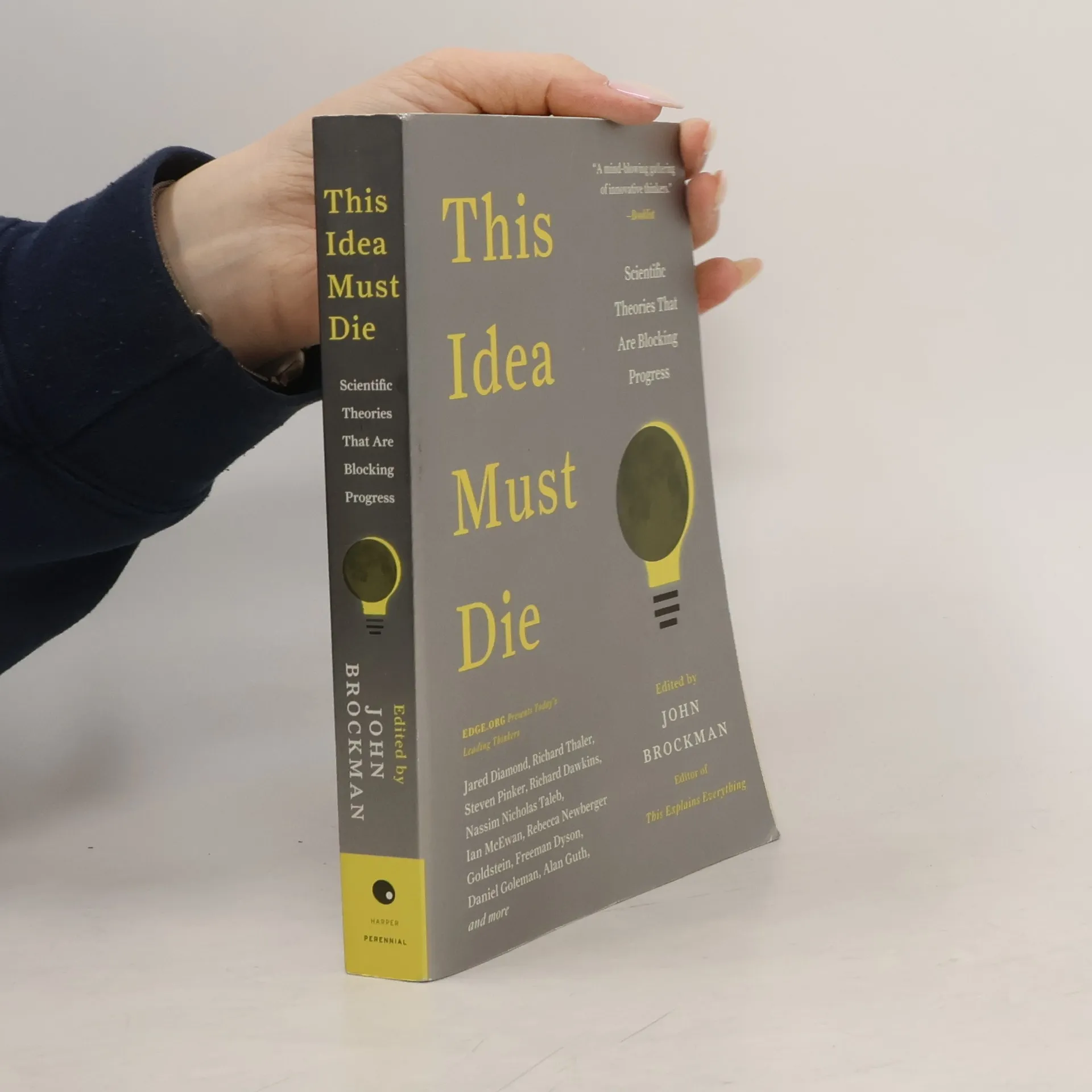
      Großreinemachen in der Wissenschaft: Die klügsten Köpfe der Welt zeigen, welche Ideen und Theorien sie für entbehrlich, überkommen oder schlicht für falsch halten. In der Welt der Wissenschaft werden Ideen und Theorien laufend überprüft, verfeinert und angepasst. Und doch gibt es eine Reihe von Vorstellungen, die heute nicht mehr aktuell sind – und sich trotzdem hartnäckig in den Köpfen der Menschen halten. Der bekannte Visionär John Brockman hat daher die führenden Wissenschaftler unserer Zeit gefragt, welche Idee sie am liebsten aufs Altenteil schicken würden. Mit Beiträgen u. a. von Jared Diamond, Richard Dawkins, Alison Gopnik, Hans Ulrich Obrist, Helen Fisher, Stephen Pinker, Sherry Turkle, Andrian Kreye, Laura Betzig, Nicholas A. Christakis, Steward Brand, Anton Zeilinger und Ian McEwan. Sie legen damit ein breites Mosaik aus veralteten Konzepten vor, die uns klarmachen, wie sehr sich die Welt der Wissenschaft ständig in Veränderung befindet.

      Welche wissenschaftliche Idee ist reif für den Ruhestand?