

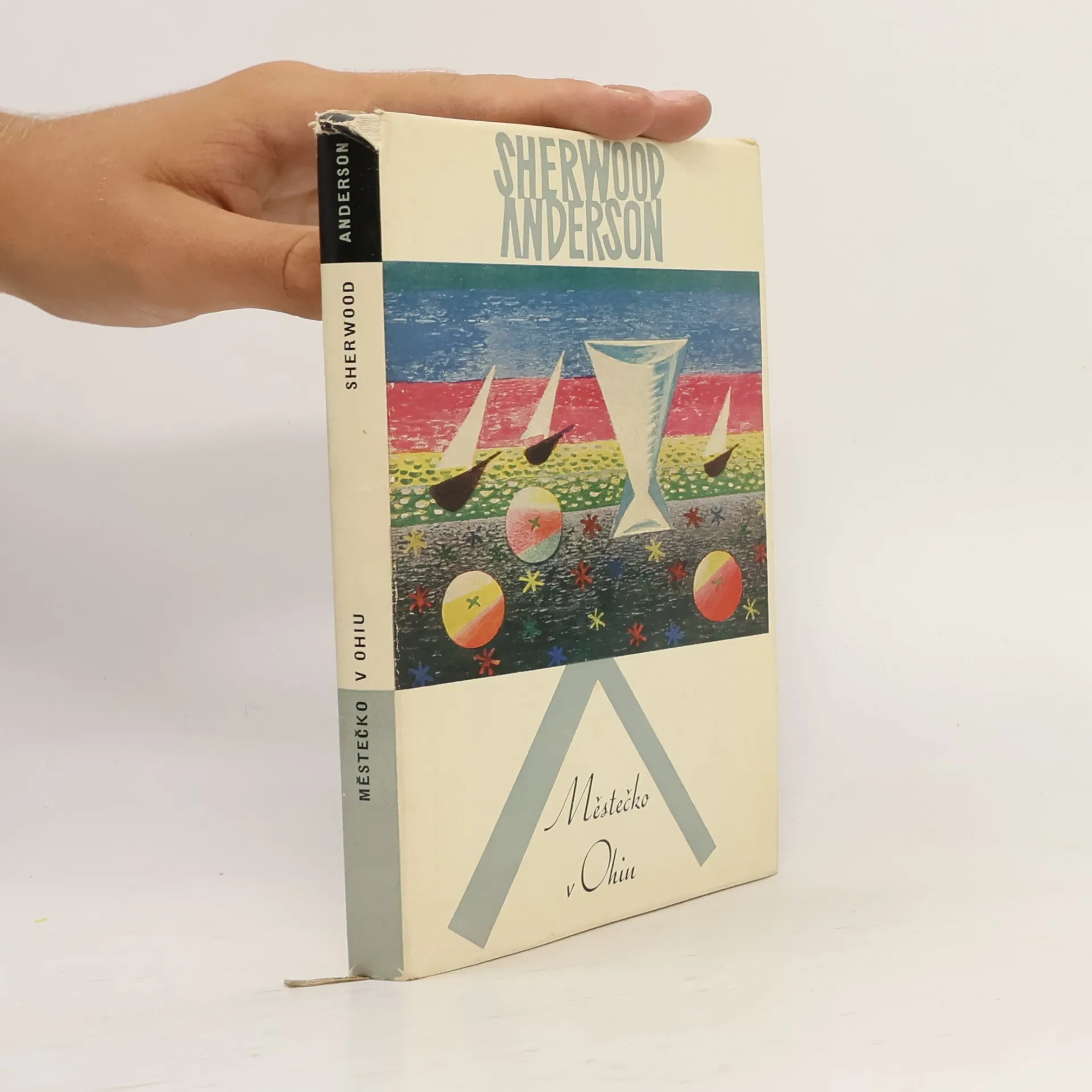

Sherwood Anderson byl americký spisovatel, jehož dílo se vyznačuje pronikavým vhledem do života obyčejných lidí a jejich vnitřních světů. Jeho povídky, zejména ty z knihy *Winesburg, Ohio*, představují odklon od tradičního pojetí amerického krátkého příběhu. Místo důrazu na děj a akci Anderson využíval jednoduchý, přesný a neSentimentální styl k odhalení frustrace, osamělosti a touhy ve vztazích svých postav. Jeho vliv na následující generaci amerických spisovatelů, včetně Hemingwaye a Faulknera, byl hluboký.
The publishing house Megali focuses on reproducing historical works in large print, specifically designed to enhance readability for individuals with impaired vision. This commitment to accessibility ensures that classic texts are available to a wider audience, allowing more people to engage with important historical literature.

This book is a reproduction of an original historical work, designed specifically for easier reading by individuals with impaired vision. Published by Megali, a house known for its focus on large print editions, it aims to enhance accessibility to historical literature.
This publication focuses on making historical works accessible by offering them in large print, catering specifically to individuals with impaired vision. The initiative by Megali Publishing highlights the importance of inclusivity in reading, ensuring that significant texts are available to a broader audience.
The book is a reproduction of a historical work, published by Megali, which focuses on making literature accessible through large print formats. This initiative aims to assist individuals with impaired vision, ensuring that important historical texts are available to a wider audience.
This publication features a reproduction of a historical work, presented in large print to enhance accessibility for readers with impaired vision. Megali, the publishing house behind this edition, is dedicated to making historical texts more readable and inclusive, ensuring that a wider audience can enjoy and engage with important literary works.
The novel follows fourteen-year-old Norman McGregor, a misfit dreamer in Coal Creek, who grapples with his identity and the harsh realities of American life. After a crisis at the family bakery, soldiers come to their aid, igniting in Norman a desire for unity and collective empowerment. As he matures in Chicago, he becomes involved in politics and labor organizing, reflecting on the complexities of the American Dream. Anderson's work combines autobiographical elements with a critique of societal disarray, establishing his voice in Modernist literature.
Exploring the inner turmoil of John Webster, a prosperous manufacturer in early-twentieth century Wisconsin, the narrative delves into themes of guilt, desire, and the quest for personal reinvention. As Webster grapples with the monotony of his life and dreams of an affair, he faces the emotional weight of his responsibilities to his wife and daughter. Anderson's work captures the struggles of many Americans during this era, highlighting the conflict between societal expectations and personal fulfillment. This edition reintroduces a significant piece of American literature.
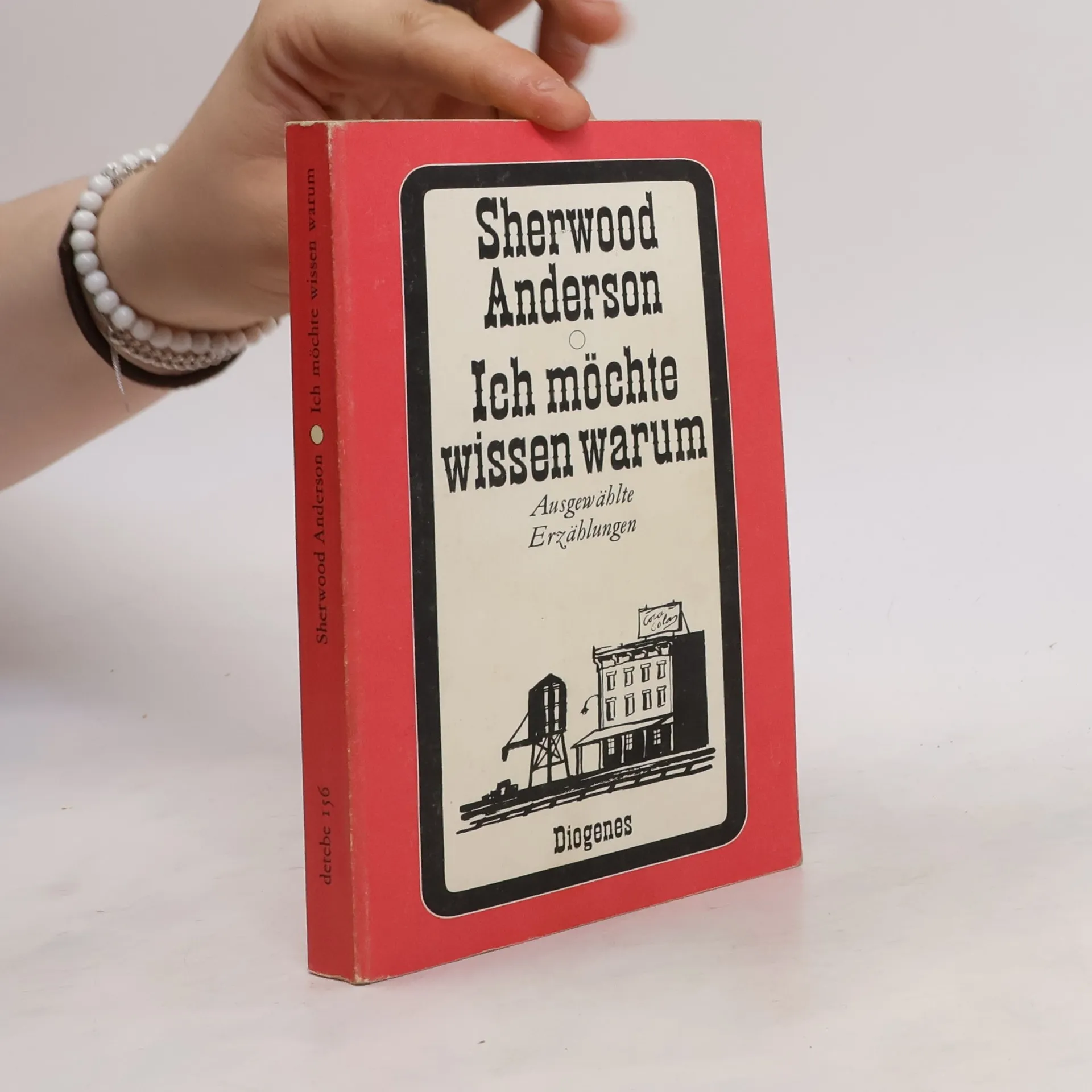
Beginning with his 1919 masterpiece, Winesburg, Ohio, Sherwood Anderson exercised an immense influence on American fiction writers. "Anderson was the father of all my works," declared William Faulkner, "and those of Hemingway, Fitzgerald, etc. … He showed us the way." Written in a seemingly simple narrative style, Anderson's slice-of-life stories often explored the loneliness and frustration of small-town life. This new collection draws from The Triumph of the Egg and Horses and Men to offer a choice selection of Anderson's most characteristic work: "The Egg," a parable of ambition, failure, and sacrifices made in pursuit of the American Dream; "Out of Nowhere into Nothing," in which a young woman is trapped between two less-than-ideal choices; "I Want to Know Why," a tale of innocence and coming of age; and other bleak, funny, and moving stories of restless individuals in search of a meaningful existence.
Exploring themes of guilt, identity, and shame, the novel follows Bruce Dudley, a factory worker in Old Harbor, Indiana, who has abandoned his past life as John Stockton, a Chicago reporter. As he seeks a fresh start, Bruce grapples with his mundane existence and the allure of a new identity. His life takes a complicated turn when he becomes entangled with the factory owner's wife, highlighting the struggles of early-twentieth-century Americans. This work, inspired by stream of consciousness, remains controversial for its bold depictions of race, class, and sexuality.