Ein mitreißender Weckruf, um die liberale Demokratie gegen den Aufstieg von Zynismus und Autoritarismus zu verteidigen! In seinem neuen Buch stellt der niederländische Historiker und Bestseller-Autor Rutger Bregman die große Frage nach dem Sinn des Lebens. Er beobachtet einen tiefgreifenden moralischen Verfall innerhalb der westlichen Eliten, vergleicht den aktuellen Zustand der USA mit dem Zerfall des Römischen Reiches. Dagegen möchte er aufbegehren und für die Demokratie kämpfen. Bregman verbindet eine politische Diagnose mit autobiografischen Reflexionen. In einem dringlichen Appell plädiert er für einen radikalen Humanismus, für eine Revolution der Anständigen – und er skizziert eine Utopie: Er wünscht sich den Staat als mutigen Investor, fordert fundamentale Steuergerechtigkeit und eine Ökonomie, die menschliche Zuwendung als Segen statt als Kostenfaktor begreift.
Rutger Bregman Pořadí knih (chronologicky)
Rutger Bregman je nizozemský historik a novinář, známý svým přístupem k popularizaci sociálních a ekonomických inovací. Zkoumá a sdílí historické souvislosti a potenciál opatření jako univerzální základní příjem či zkrácení pracovního týdne. Jeho práce, která se opírá o historické, filozofické a ekonomické poznatky, vyniká snahou o inovativní myšlení a řešení společenských výzev. Prostřednictvím svých publikací a novinářské činnosti se Bregman etabloval jako jeden z předních evropských myslitelů zabývajících se budoucností společnosti.

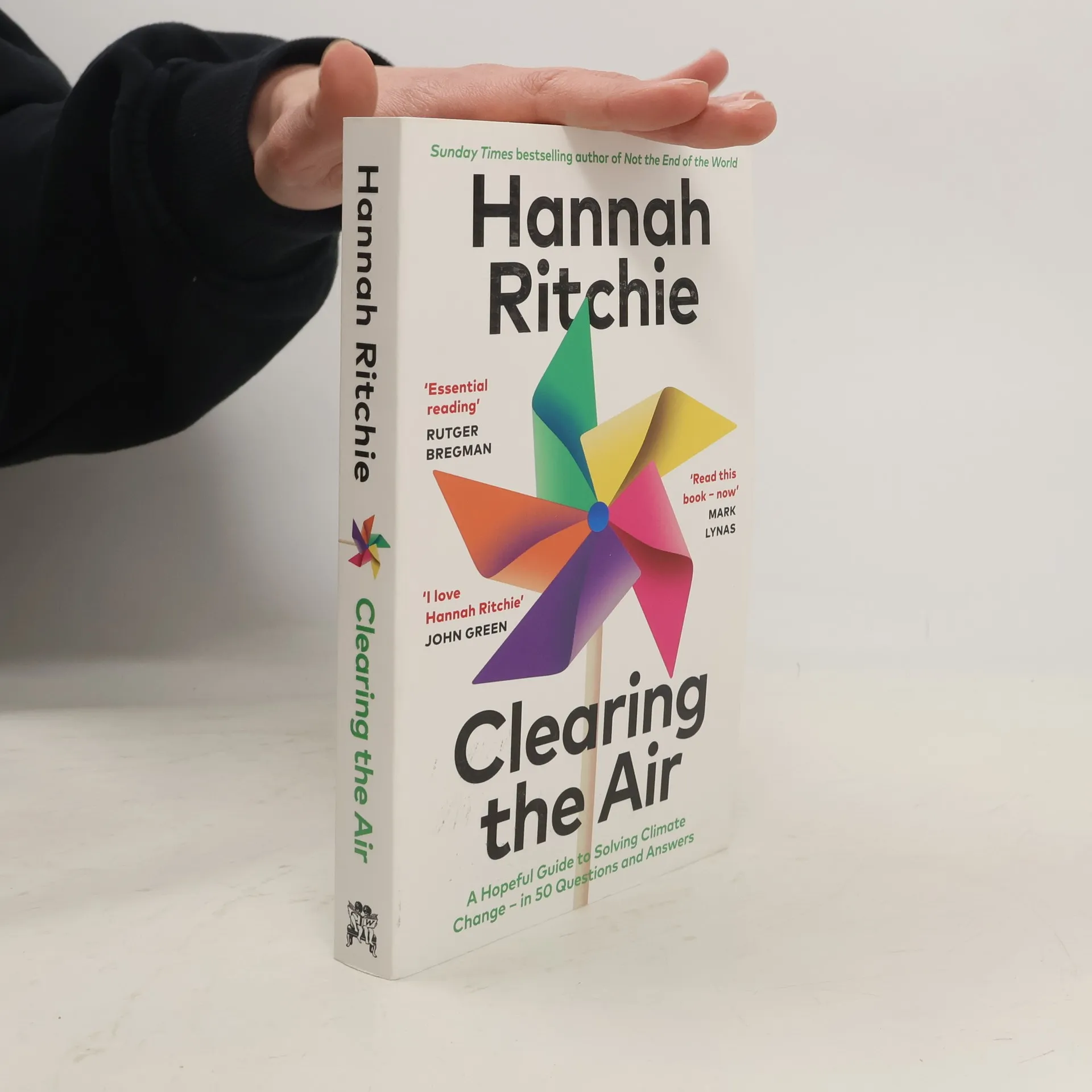
Clearing the Air
A Hopeful Guide to Solving Climate Change -- in 50 Questions and Answers
- 224 stránek
- 8 hodin čtení
We can't afford to delay climate action, but with all the shouting and disagreement it's hard to know where to turn. In her new book, bestselling environmental star Hannah Ritchie answers 50 key climate questions once and for all, clearing the air so we can get on and fix things. With so many conflicting headlines out there, it's tough to sort fact from fiction when it comes to climate change and the solutions we need for a cleaner future. The first piece of good news is that data scientist Hannah Ritchie is here with answers, and the steps we need to take now. Using simple, clear data, she tackles questions such as, 'Is it too late?', 'Won't we run out of minerals?' and 'Are we too polarised?'. The second piece of good news: the truth is way more hopeful than you might think. We're at a critical moment for our planet, and getting the facts straight is step one. But even more crucial is feeling hopeful about what we can do next. The third piece of good news? We already have many of the solutions we need to create a more sustainable planet for future generations. Clearing the Air is your essential guide whenever you're feeling lost or overwhelmed about climate change. Dive in, get informed and be part of building a better world for everyone.
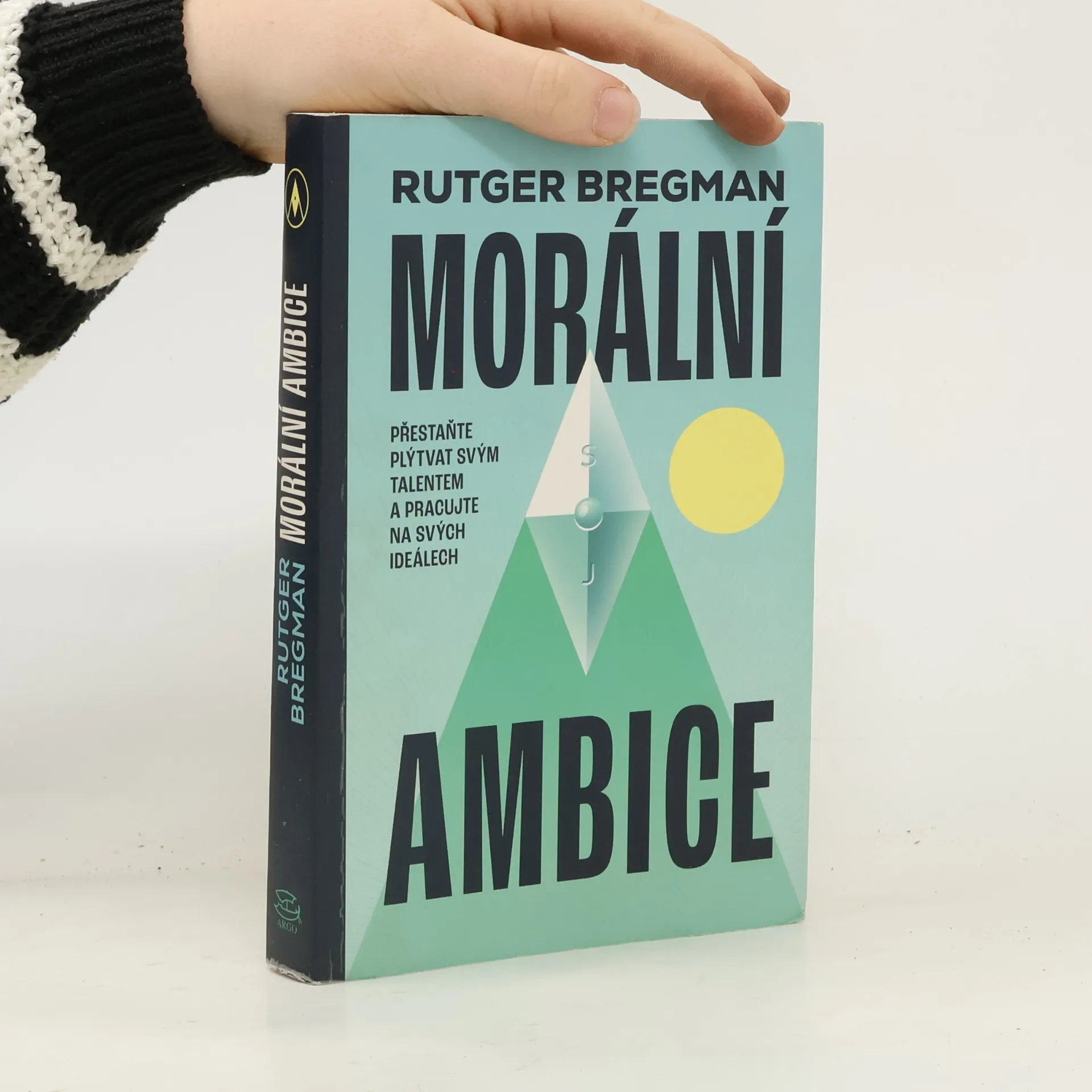
Morální ambice
- 272 stránek
- 10 hodin čtení
Kniha vypráví o pionýrech, jako byli abolicionisté, sufražetky a bojovnice za občanská práva, kteří žili své ideály a měnili svět. Osvětluje, jak se převratné myšlenky realizují, a nabízí návody, jak se v krizích aktivně zapojit. Vyzývá k tomu, abychom změnili svůj život.
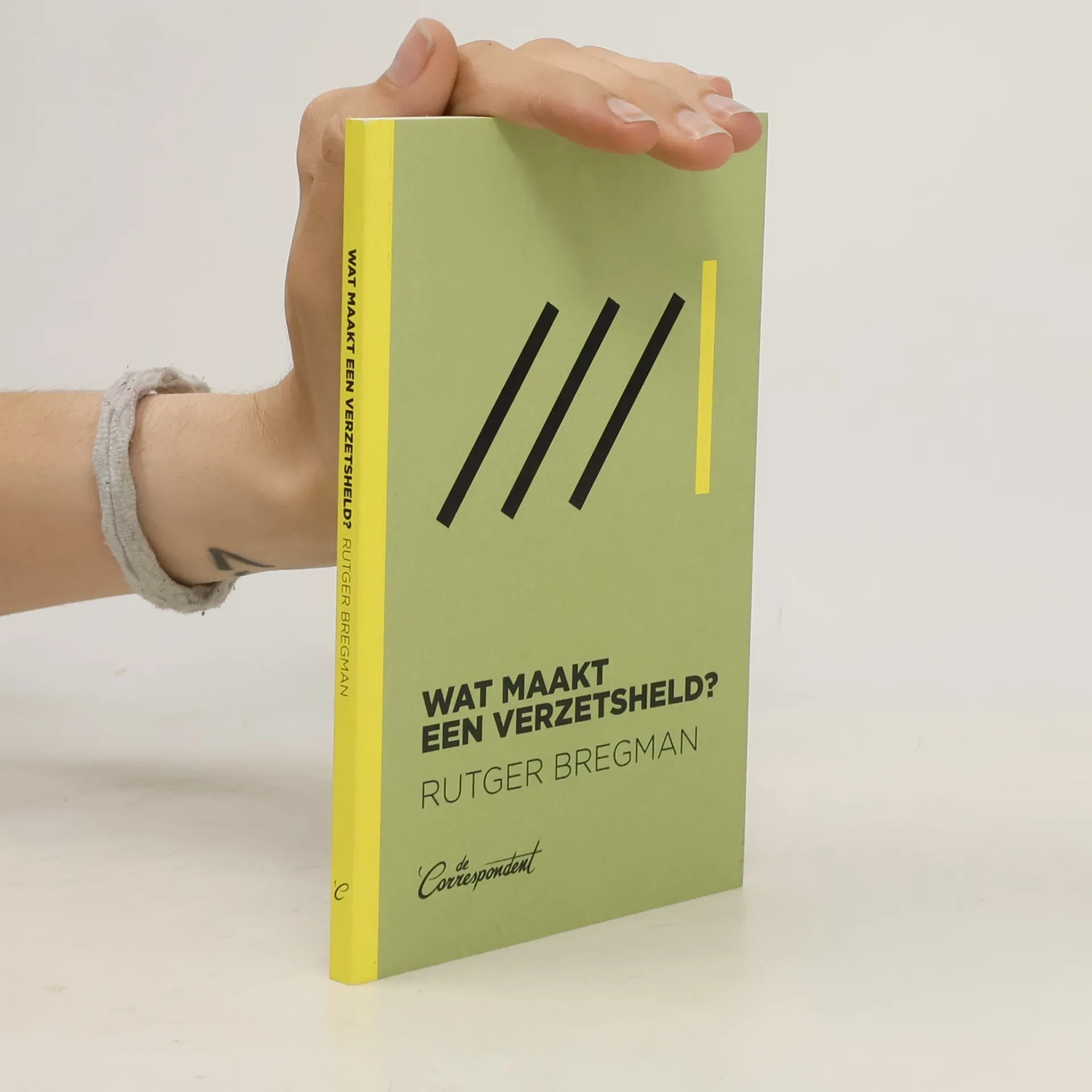
Wat maakt een verzetsheld?
- 72 stránek
- 3 hodiny čtení
In normale tijden heeft een land maar weinig helden nodig. Maar wat als de tijden niet normaal zijn? Dit is het verhaal van Arnold Douwes, een van de grootste verzetsstrijders van Nederland.
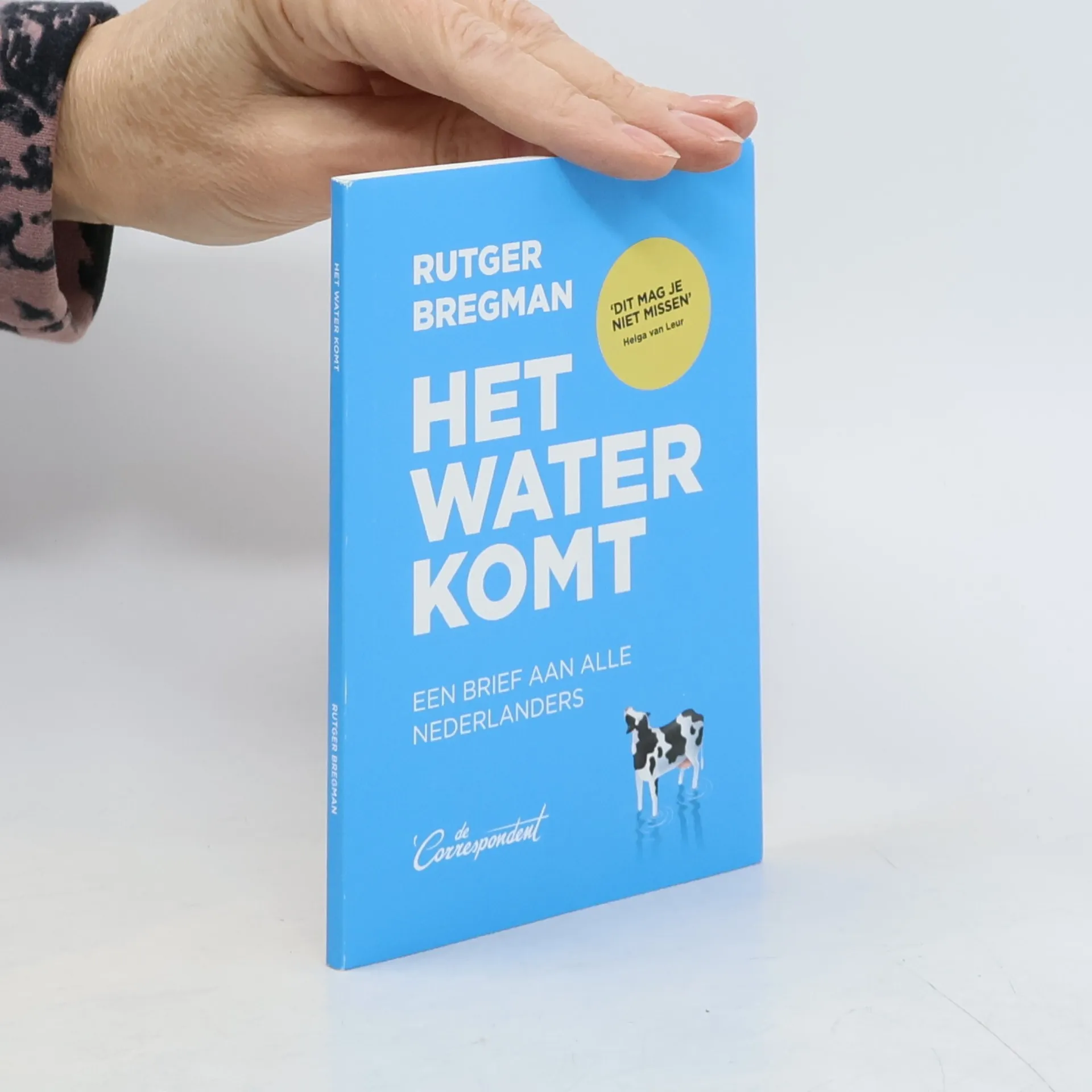
Als er nu één verhaal verteld moet worden, dan is dat het verhaal van Johan van Veen. Ingenieur. Vader van het Deltaplan. Een van de grootste Nederlanders aller tijden. Maar vrijwel niemand die hem kent. Het verhaal van Johan is het verhaal van Nederland. Een verhaal dat sinds de Watersnoodramp van 1953 in de vergetelheid is geraakt, maar door de stijgende zeespiegel relevanter is dan ooit. En dat laat zien: we kunnen de strijd tegen het water opnieuw winnen. Reacties: "Dit mag je niet missen!' -Helga van Leur "Een belangrijk verhaal dat gelezen moet worden door iedere Nederlander.' -Angela Groothuizen "Rutger Bregman is des werelds hoop in bange dagen.' -Hugo Borst
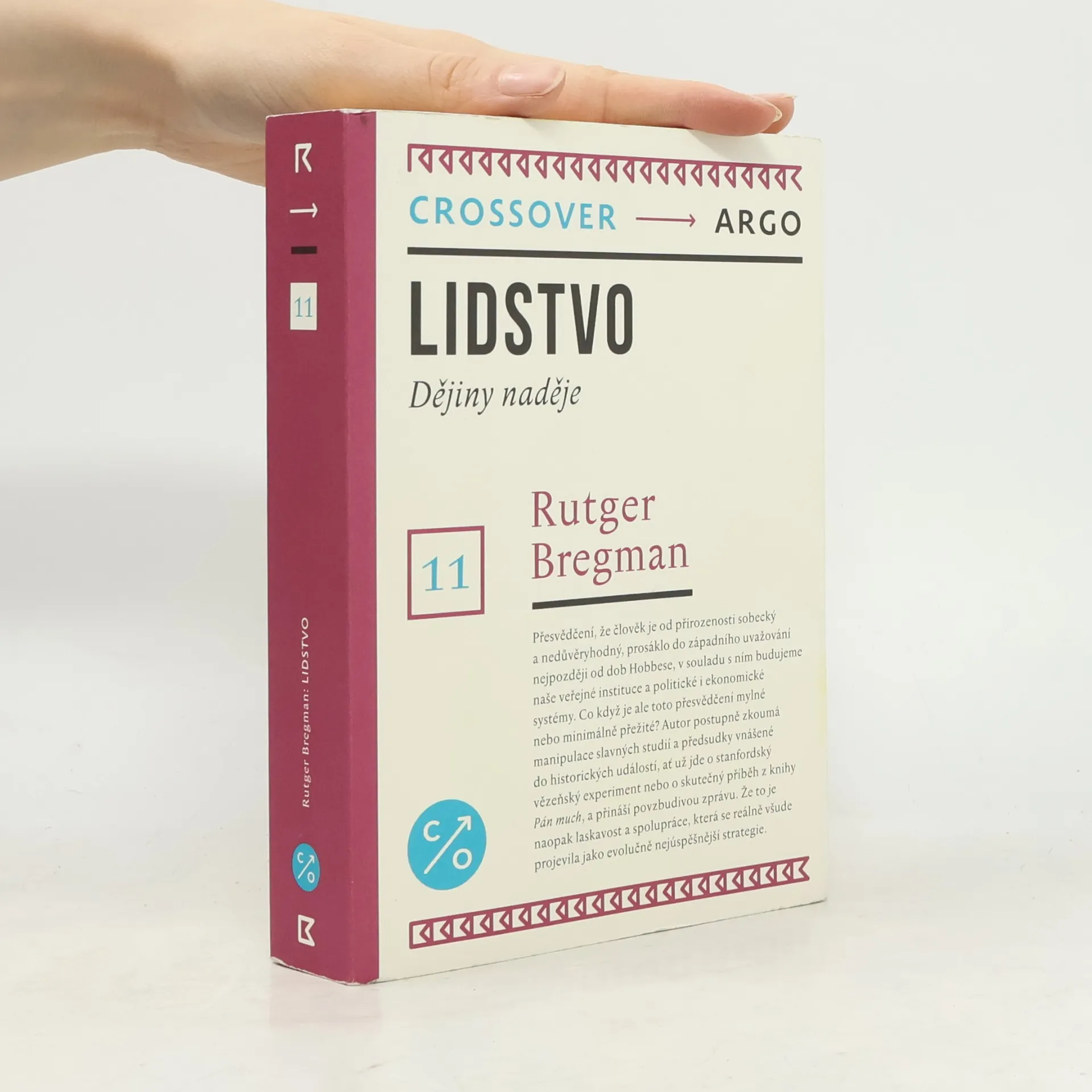
Lidstvo : dějiny naděje
- 428 stránek
- 15 hodin čtení
Na přesvědčení, že člověk je od přirozenosti sobecký a nedůvěryhodný, se vzácně shodnou všichni, zastánci levice i pravice, psychologové i ekonomové, myslitelé dnešní i ti dávno mrtví. Tento pesimistický pohled na lidstvo nejpozději od dob Hobbese prosákl do západního uvažování, v souladu s ním budujeme naše veřejné instituce a politické i ekonomické systémy. Co když je ale toto přesvědčení mylné nebo minimálně přežité? Je rozumné, aby právě očekávání toho nejhoršího mělo rozhodující dopad na naše jednání i na volbu našich politických představitelů? Autor postupně zkoumá manipulace slavných studií a předsudky vnášené do historických událostí, ať už jde o stanfordský vězeňský experiment nebo o skutečný příběh z knihy Pán much, a přináší povzbudivou zprávu. Že to je naopak laskavost a spolupráce, která se reálně všude projevila jako evolučně nejúspěšnější strategie. Možná je načase, aby se lidstvo přiklonilo k optimističtějšímu pohledu na sebe sama. Tohle je Sapiens roku 2020. – The Guardian Kniha mě donutila podívat se na podstatu lidskosti novým pohledem. – Yuval Noah Harari, autor bestselleru Sapiens
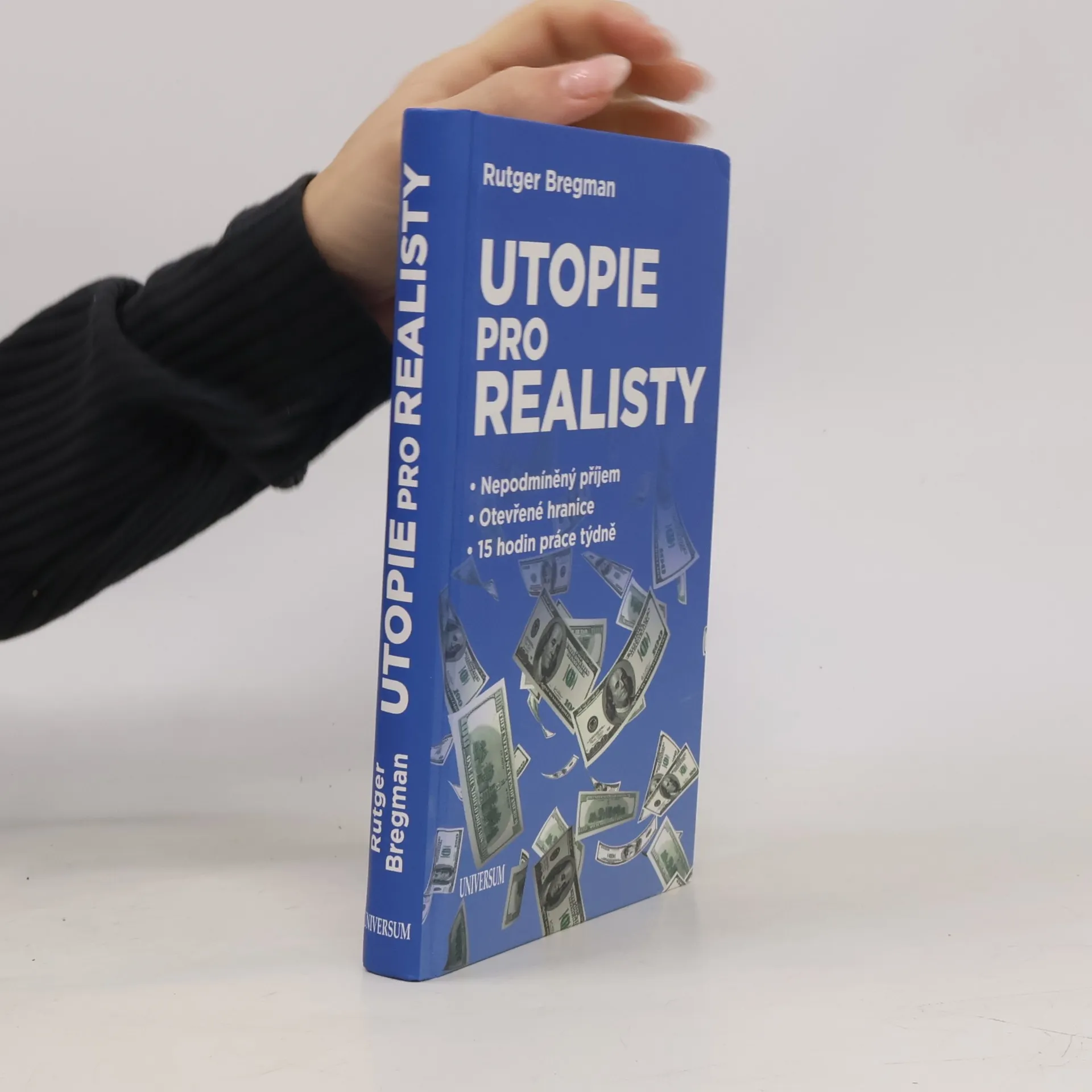
Utopie pro realisty
- 256 stránek
- 9 hodin čtení
Nepodmíněný příjem, otevřené hranice a 15 pracovních hodin týdně. Bregman je zapáleným kritikem technokratické doby bez „velkých vyprávění“, hodnot a ideálů. Podle autora žijeme ve společnosti, která je bohatší než kdy dříve, a přitom máme paradoxně stále méně času pro sebe a své koníčky, pracujeme mnohdy na bezesmyslných pozicích, a sociální nerovnosti se vlivem globalizace prohlubují. Není tedy čas na předefinování toho, co znamená pokrok moderní společnosti? Autor své teze podporuje množstvím odkazů na historické a jiné vědecké prameny, neomezuje se pouze na kritiku, nýbrž předkládá i řešení, která by mohla být vítaným zdrojem informací a podnětem k produktivnímu zamyšlení ohledně řešení nezaměstnanosti a sociální nerovnosti. Kniha se v Nizozemsku stala bestsellerem a vyvolala širokou veřejnou diskuzi.
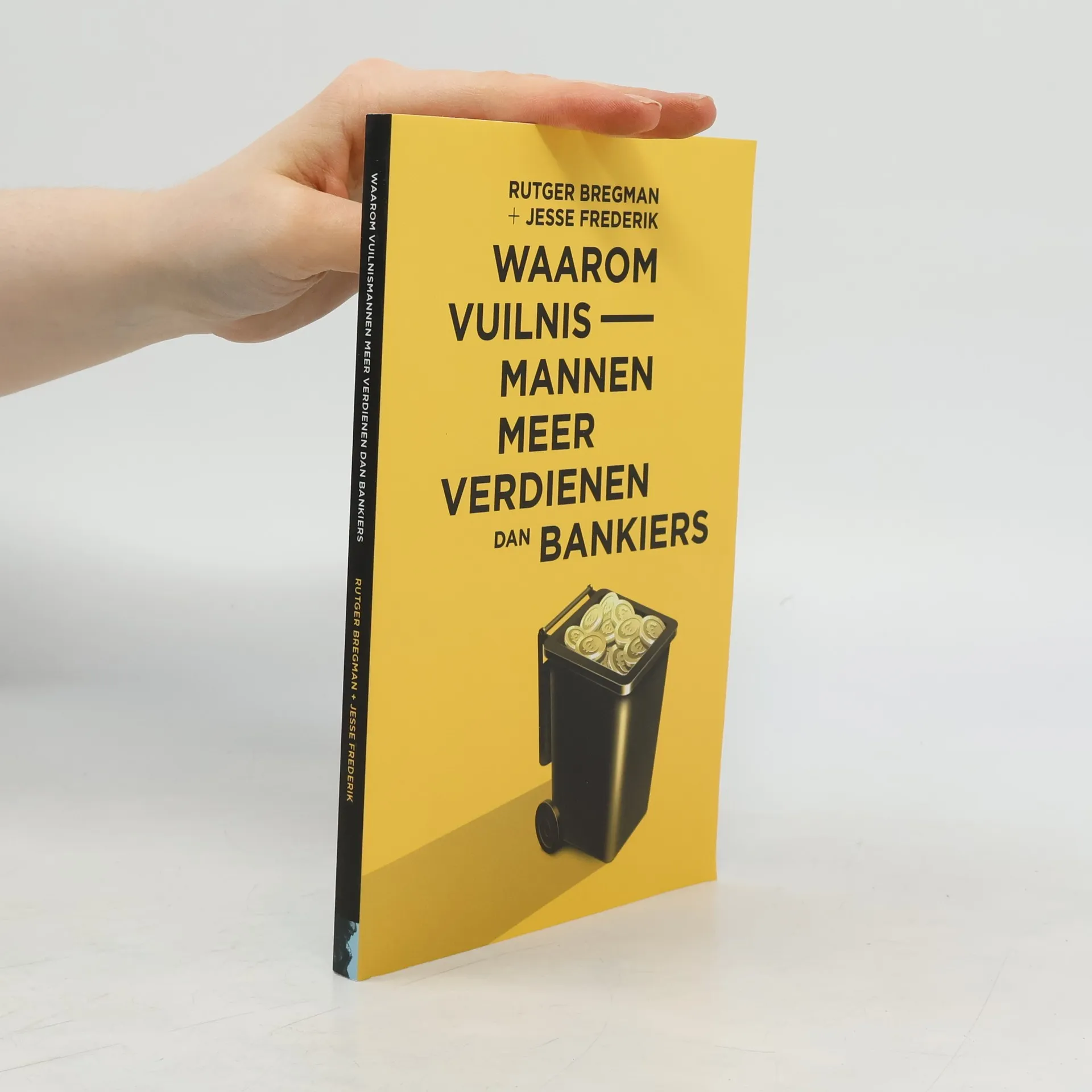
Essay over de vraag waarom werk dat waarde toevoegt aan de welvaart vaak veel slechter wordt beloond dan werk dat slechts welvaart verplaatst of zelfs schadelijk is.