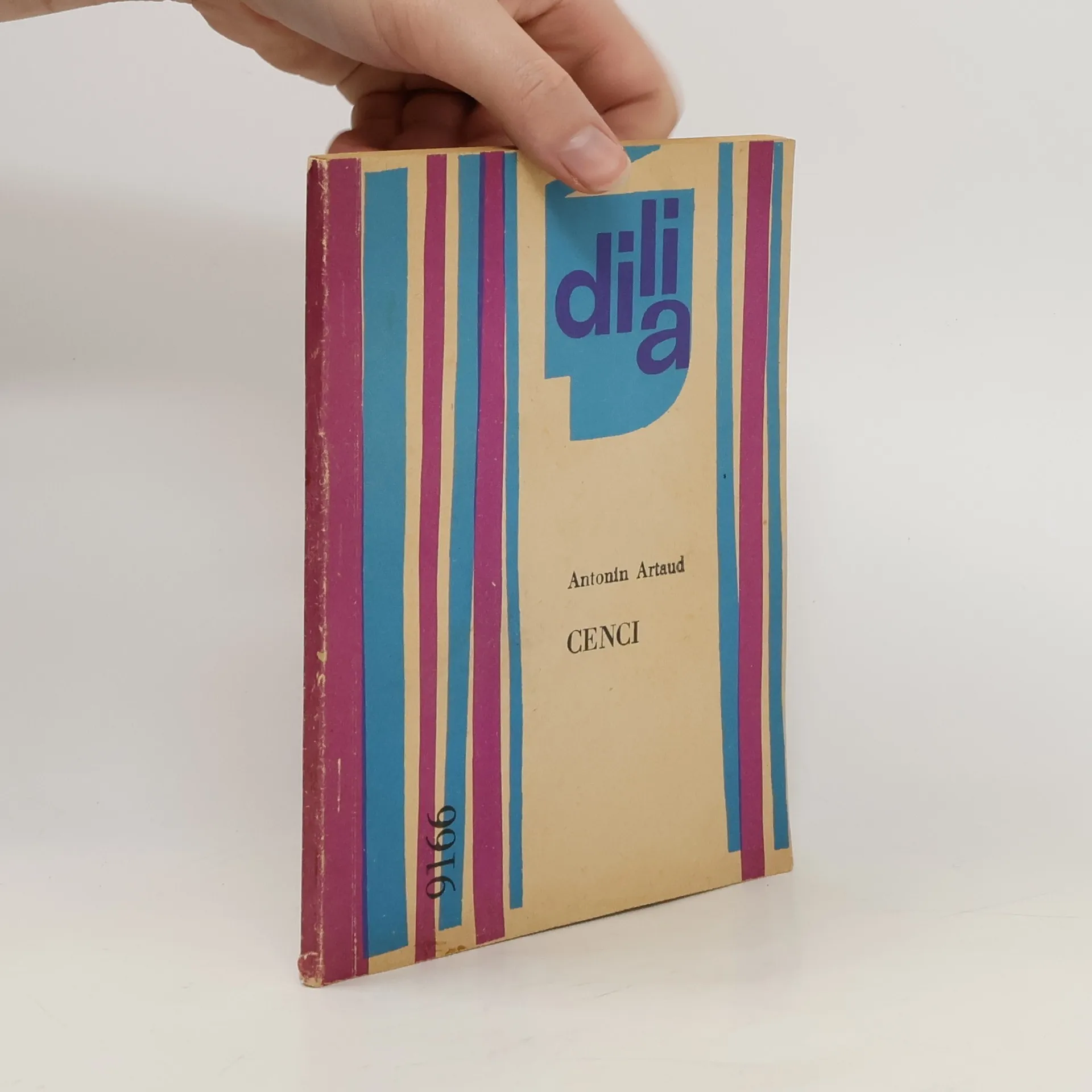
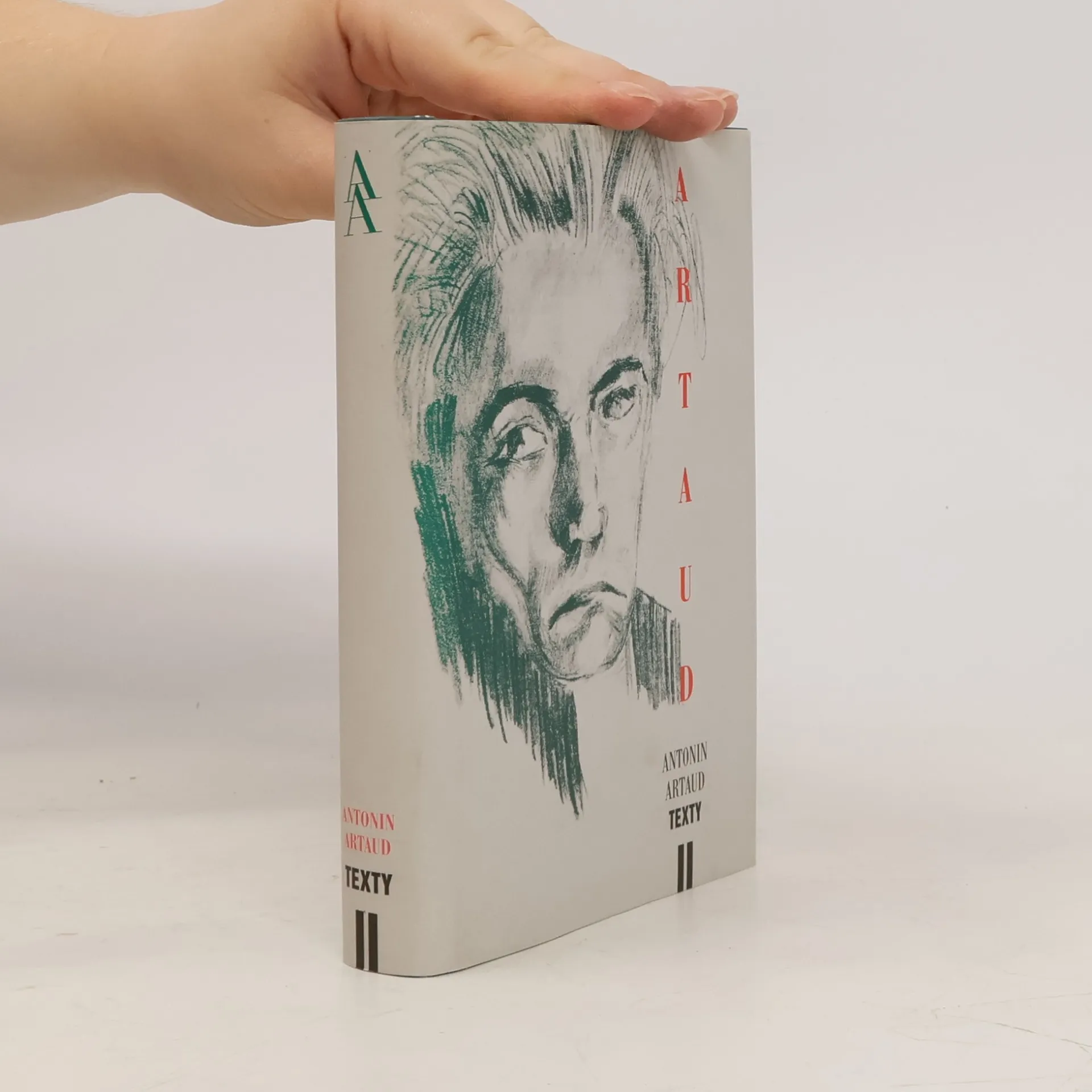
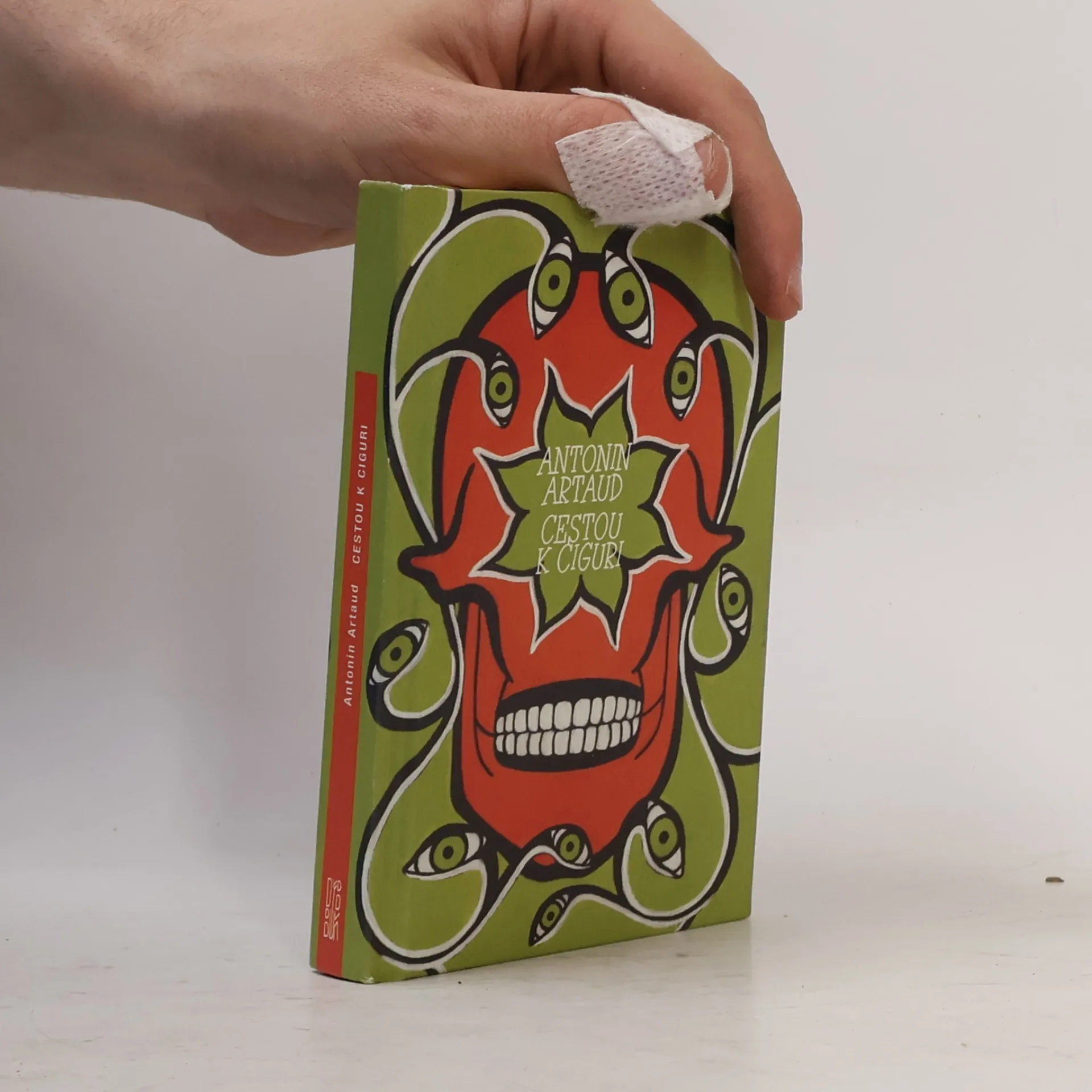
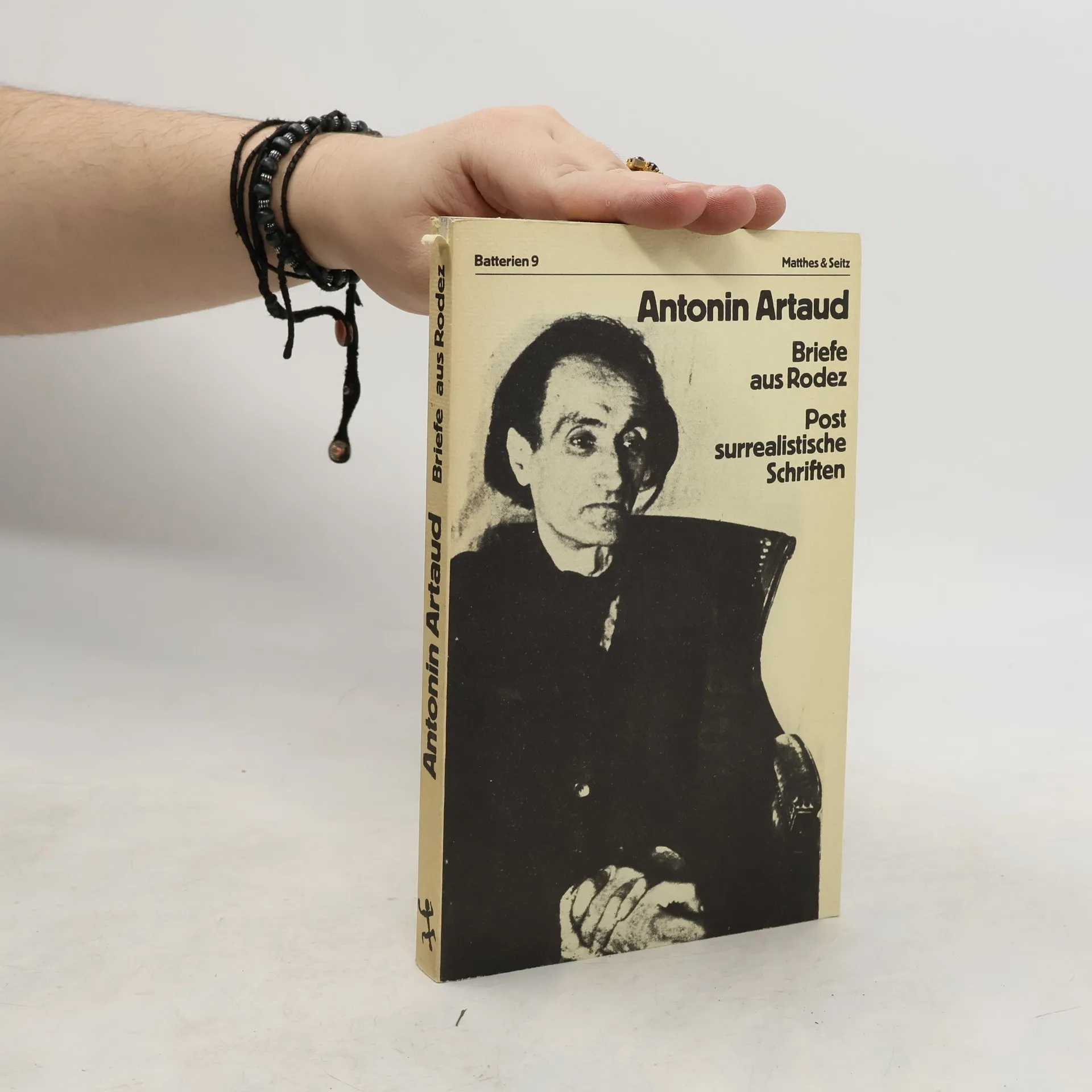
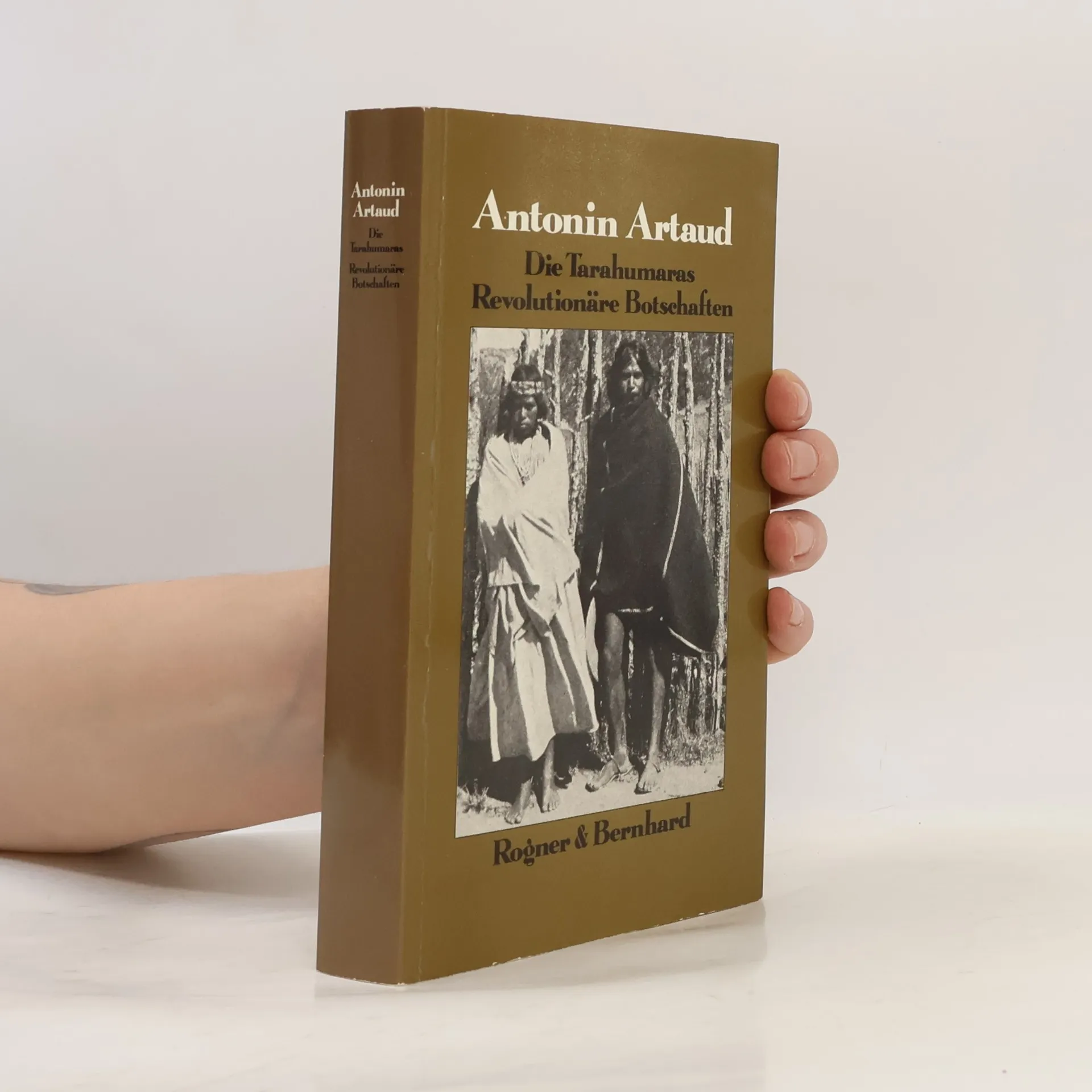
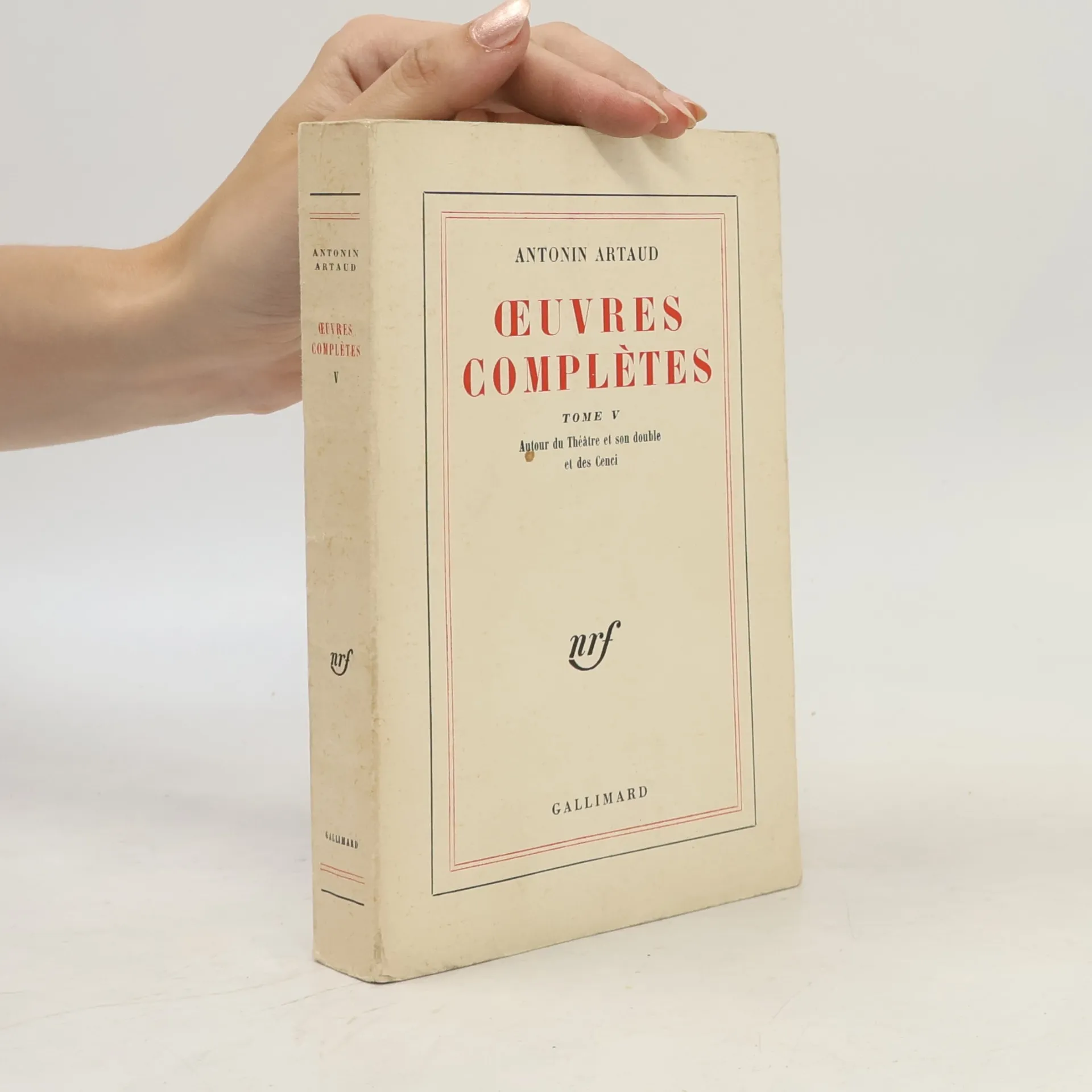
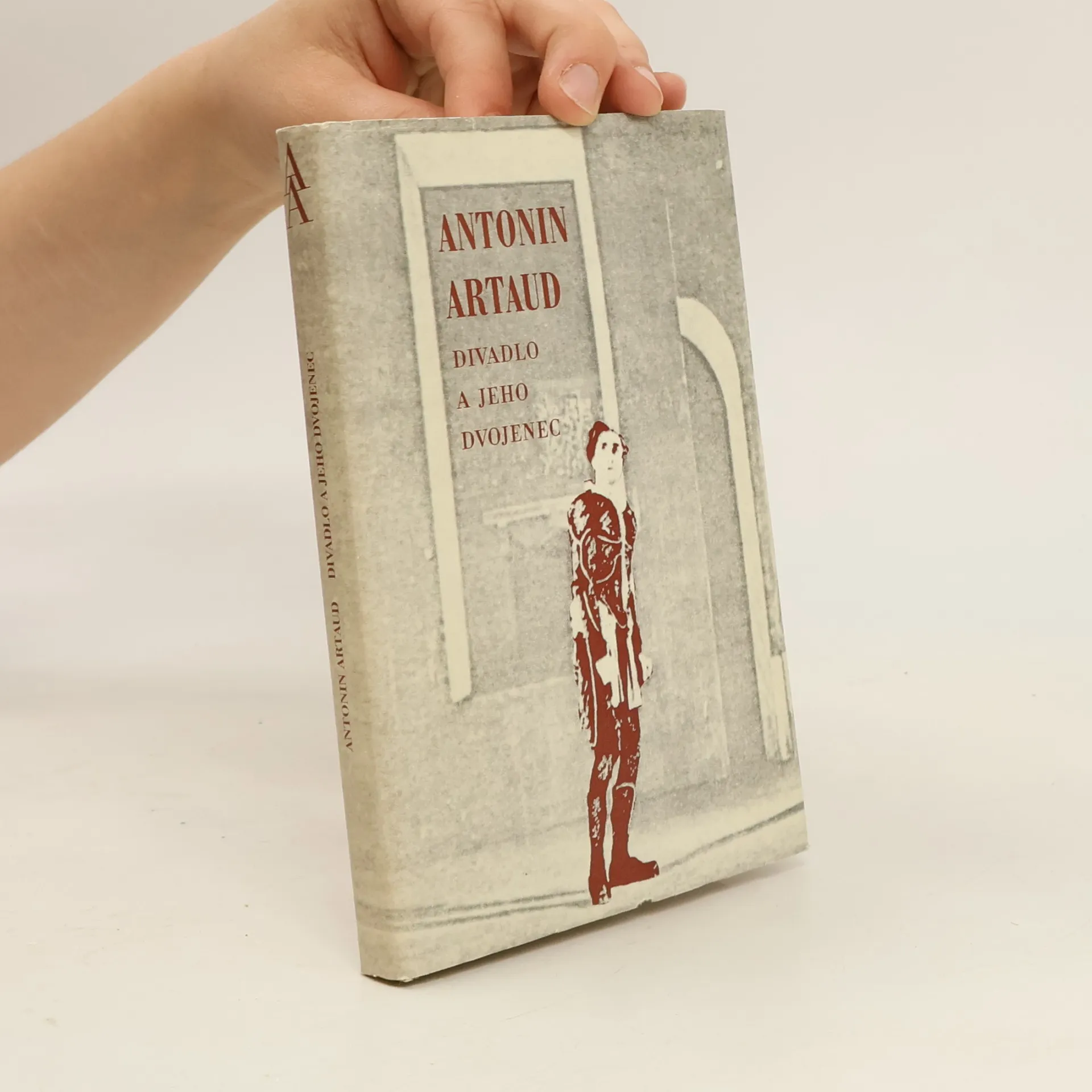
Antonin Artaud byl francouzský dramatik, básník a divadelní režisér, jehož vliv na moderní divadlo je nezměrný. Zpočátku spojený s literárními a uměleckými kruhy surrealistů, později se od nich distancoval, aby mohl svobodněji realizovat své radikální divadelní vize. Artaud kritizoval konvenční západní divadlo, které považoval za příliš uhlazené a závislé na literárním textu. Prosazoval divadlo jako syrový, fyzický zážitek, který by diváka zcela pohltil a ovlivnil, a experimentoval s neotřelými formami osvětlení, zvuku a scénografie, aby dosáhl účinku "víru", v němž by divák ztratil moc a byl zcela vtáhnut do děje.
The narrative follows Antonin Artaud's transformative journey to Mexico in 1936, exploring vibrant urban life in Mexico City and the serene isolation of the Sierra Tarahumara. Over ten months, Artaud immerses himself in the culture and spirituality of the Tarahumara people, experiencing a significant shift in his artistic and personal perspective. This journey serves as a pivotal moment in his life, highlighting the intersection of art, nature, and indigenous wisdom.
Artaud worked on his book "Interjections" from late 1946 to early 1947 while at a psychiatric hospital, expressing intense and obscene thoughts. Initially rejected by his publisher, it was published posthumously in 1978. This volume presents the first complete English translation, including contributions from various translators.
Last Writings, Ivry-sur-Seine, September 1947–March 1948
A Sinister Assassin presents translations of Antonin Artaud’s largely unknown final work from 1947–48, offering fresh insights into his obsessions with human anatomy, sexuality, societal power, creativity, and ill-will. These last writings are a remarkable part of Artaud’s prolific body of work and continue to inspire artists, filmmakers, musicians, writers, and choreographers with their fiercely exploratory and combative nature. Artaud’s conception of performance during this period—following his Theatre of Cruelty provocations of the 1930s—culminates in a dance-driven act of autopsy that generates the ‘body without organs,’ countering malevolent microbial epidemics. This book compiles Artaud’s crucial writings and press interviews from September 1947 to March 1948, conducted in a decrepit pavilion at a convalescence clinic in Ivry-sur-Seine and through the streets of Paris. Drawing from extensive consultations of Artaud’s manuscripts and original interviews with friends, collaborators, and doctors, it brings together translations of his last writings: his final notebook, letters, key texts, glossolalia, a magazine issue collecting his fragments, and two extraordinary interviews where he denounces censorship and confronts his imminent death. Edited and translated by Stephen Barber, this work illuminates Artaud’s last, most intensive and terminal efforts for the first time.
Following his release from the Rodez asylum, Antonin Artaud decided he wanted his new work to connect with a vast public audience, and he chose to record radio broadcasts in order to carry through that aim. That determination led him to his most experimental and incendiary project, To Have Done with the Judgement of God , 1947-48, in which he attempted to create a new language of texts, screams, and a language designed to be heard by millions, aimed, as Artaud said, for “road-menders.” In the broadcast, he interrogated corporeality and introduced the idea of the “body without organs,” crucial to the later work of Deleuze and Guattari. The broadcast, commissioned by the French national radio station, was banned shortly before its planned transmission, much to Artaud’s fury. This volume collects all of the texts for To Have Done with the Judgement of God , together with several of the letters Artaud wrote to friends and enemies in the short period between his work’s censorship and his death. Also included is the text of an earlier broadcast from 1946, Madness and Black Magic , written as a manifesto prefiguring his subsequent broadcast. Clayton Eshleman’s extraordinary translations of the broadcasts activate these works in their extreme provocation.
V jediné větě: „Ocitnout se ve stavu nejvyššího otřesu, osvíceného neskutečnem, s kusy skutečného světa v koutku sebe sama“ je obsažena celá podstata životního osudu Antonina Artauda. Většina básní v knize pochází z pozdějšího autorova období, kdy Artaud absolvoval iniciační rituál u kmene indiánů Tarahumara v Mexiku, mající zásadní vliv na jeho další duchovní směřování, které realizoval i ve své umělecké tvorbě. Díky tomuto výboru se nám tak otvírá ucelená vizionářská linie jeho díla v kompaktním celku a můžeme pozorovat rozvoj jeho vizí a nabytých transcendentních zkušeností i jejich převedení do osobního života.
Mit Beiträgen von Antonin Artaud, André Breton, Jerzy Grotowski, Heiner Müller und Anaïs Nin
Das Theater wird mit der Pest verglichen, da beide eine Krise darstellen, die entweder im Tod oder in einer tiefgreifenden Heilung endet. Die Pest ist ein extremes Leiden, das zu einer völligen Krise führt, während das Theater als Leiden angesehen wird, das ein hohes Gleichgewicht darstellt, das nur durch Zerstörung erreicht werden kann. Es fordert den Geist heraus und steigert dessen Energien. Aus menschlicher Sicht hat das Theater, ähnlich wie die Pest, eine wohltuende Wirkung, da es die Menschen zwingt, sich selbst zu erkennen, ihre Masken abzulegen und Lügen, Schwächen, Heuchelei und Niedrigkeit aufzudecken. Es befreit von der lähmenden Trägheit und zeigt die verborgene Stärke der Gemeinschaft, die sie dazu anregt, eine heroische Haltung gegenüber ihrem Schicksal einzunehmen. Die zentrale Frage bleibt, ob es in dieser selbstzerstörerischen Welt eine Gruppe von Menschen geben wird, die in der Lage ist, diese höhere Vorstellung vom Theater zu verwirklichen, die uns die magische Entsprechung der Dogmen zurückbringt, an die wir nicht mehr glauben. Die Auswahl umfasst vier Texte von Antonin Artaud aus "Das Theater und sein Double" sowie Beiträge von André Breton, Jerzy Grotowski, Heiner Müller und Anaïs Nin über Artaud.
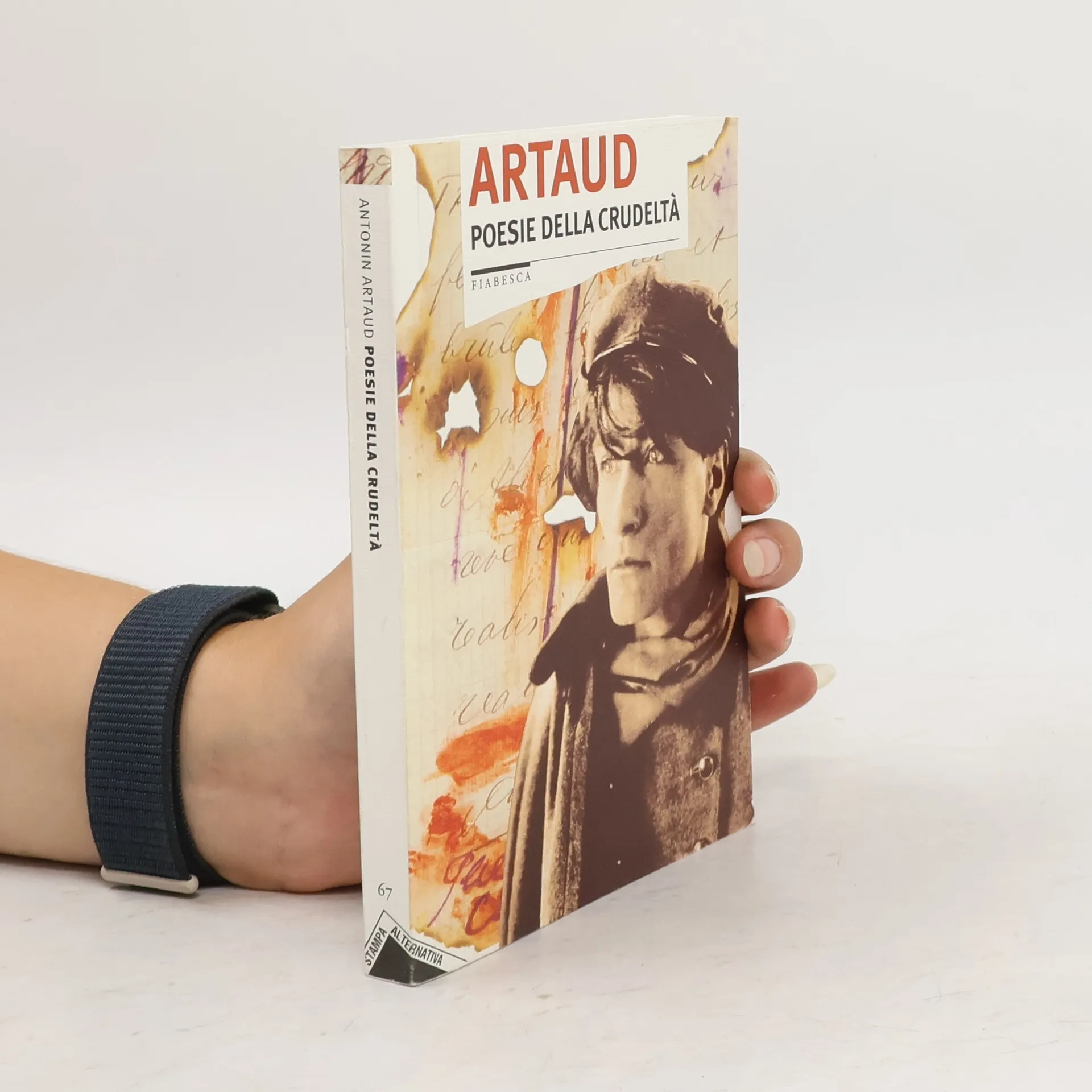
For Artaud, poetry assumes a perpetual rebellious state, a constant erection of form in energy and movement. In this way, reality is grasped as something that is always in the act of appearing, continuously revealing itself (according to a progression akin to pólemos and Heraclitean fire), and the word, in its rhythm and literalness, becomes the space of this encounter-impact. Giorgia Bongiorno writes this in the introduction to the volume, having curated this selection of Artaud's poetry chronologically, aiming to account for the various stages of an activity that is absolutely not lesser than the French artist's theatrical and essayistic work, but rather integrated with it and with his life. The translation of texts of such an untranslatable nature was done by Emilio Tadini, in collaboration with his wife Antonia, shortly before his passing. It is a final testimony of the Milanese artist and writer who also left us a very personal portrait of Artaud, unfortunately left unfinished, which we present in the volume.
After publishing a manifesto prophecy about the catastrophic immediate-future entitled The New Revelations of Being , Antonin Artaud abruptly left Paris and travelled to Ireland, remaining there for six weeks and existing without money. On his return, he spent nine years in lunatic asylums, including the entire span of the Second World War. During that journey to Ireland—on which he accumulated signs of his forthcoming apocalypse, and planned his own role in it as ‘THE REVEALED ONE’—he wrote letters to friends in Paris. Antonin Artaud’s 1937 apocalyptic journey to Ireland and his writings from that journey form an extraordinary moment of accumulating disintegration and tenacious creativity in his work. With an afterword and notes by the book’s translator/editor Stephen Barber.
Rooted in Antonin Artaud's nine years in mental asylums, this collection features writings and sketches from 1946 to 1948 that reveal his battle with schizophrenia and haunting visions. The first eleven notebooks present fragmented thoughts and striking illustrations, showcasing his artistic evolution. The twelfth notebook shifts focus to a profound exploration of the loss of magic to the demonic, culminating in the text that inspired the book's title. Artaud's influence on the avant-garde persists, underscoring his enduring significance in literature and art.
Tracing artists' increasing use of their bodies as subject and actual material of their artworks, this title charts the rise of new forms of expression such as Body Art, Happenings, Performance and Live Art.
Il libro presenta gli scritti di carattere composito dedicati da Antonin Artaud, lo scrittore francese tra i più scomodi ed "eretici" del Novecento, alla figura di Cristo. In particolare i due testi intitolati "Io sputo sul cristo innato" e "Essere cristo non significa essere Gesù cristo", composti nel 1947 / qualche mese prima di morire a 51 anni per cancro / e ritrovati solo recentemente. Si tratta di due brani di una violenza linguistica inaudita, che testimoniano dell'abiura di Cristo e della religione cattolica, abbracciata da Artaud in maniera esaltata e rigorosa durante il pluriennale internamento negli ospedali psichiatrici francesi.
This guide to share registration covers all types of share transaction and
procedures of both English and Scottish companies. It includes a detailed
explanation of the new Taurus system of share registration introduced by the
International Stock Exchange. schovat popis
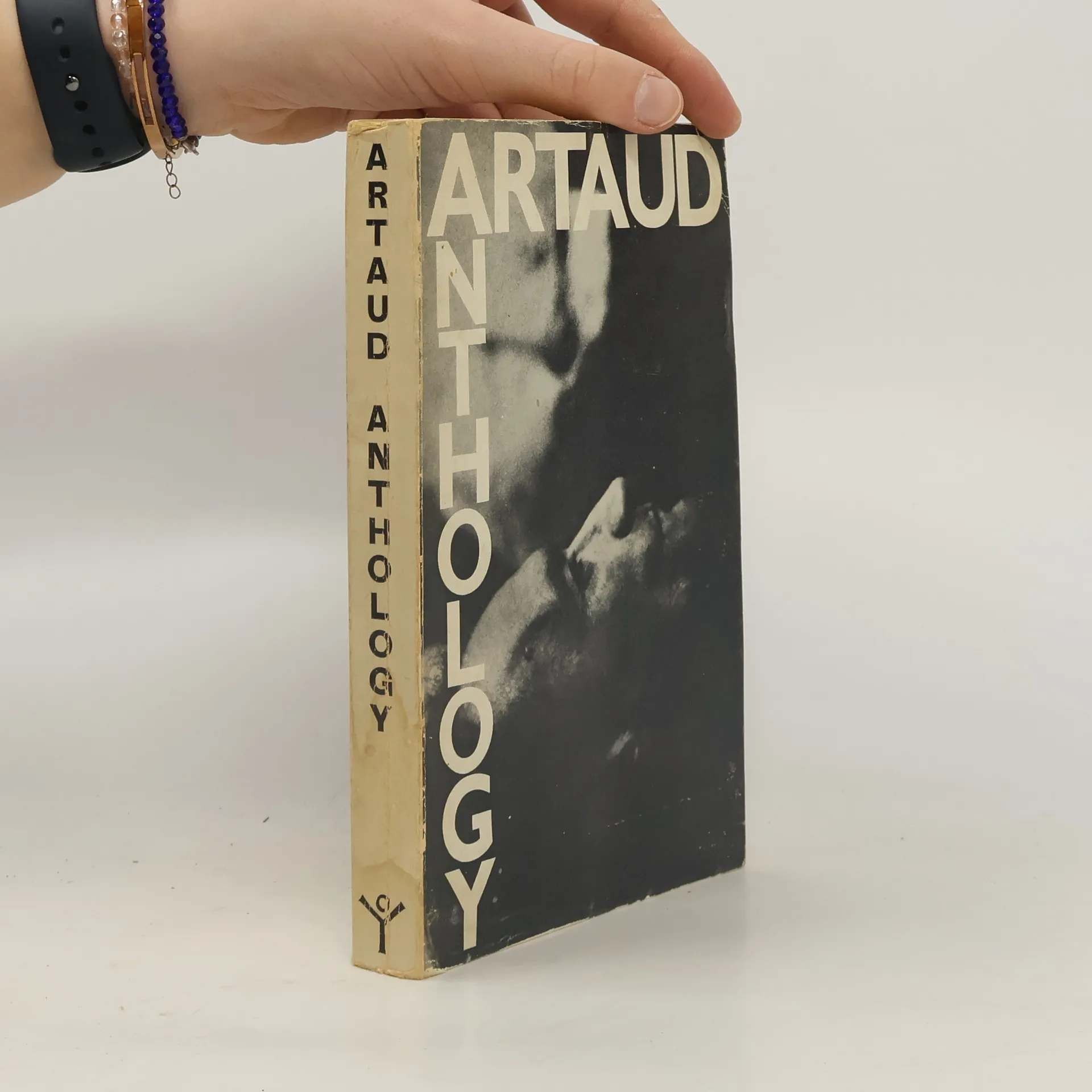
This is the first new English language anthology of Artaud's writing in nearly twenty years, and reflects an increased interest in his late work (a show of Artaud's visual art from this period was on view at MOMA throughout 19961). Clayton Eshleman's translations have won widespread acclaim, including a National Book Award. Now in its second printing.
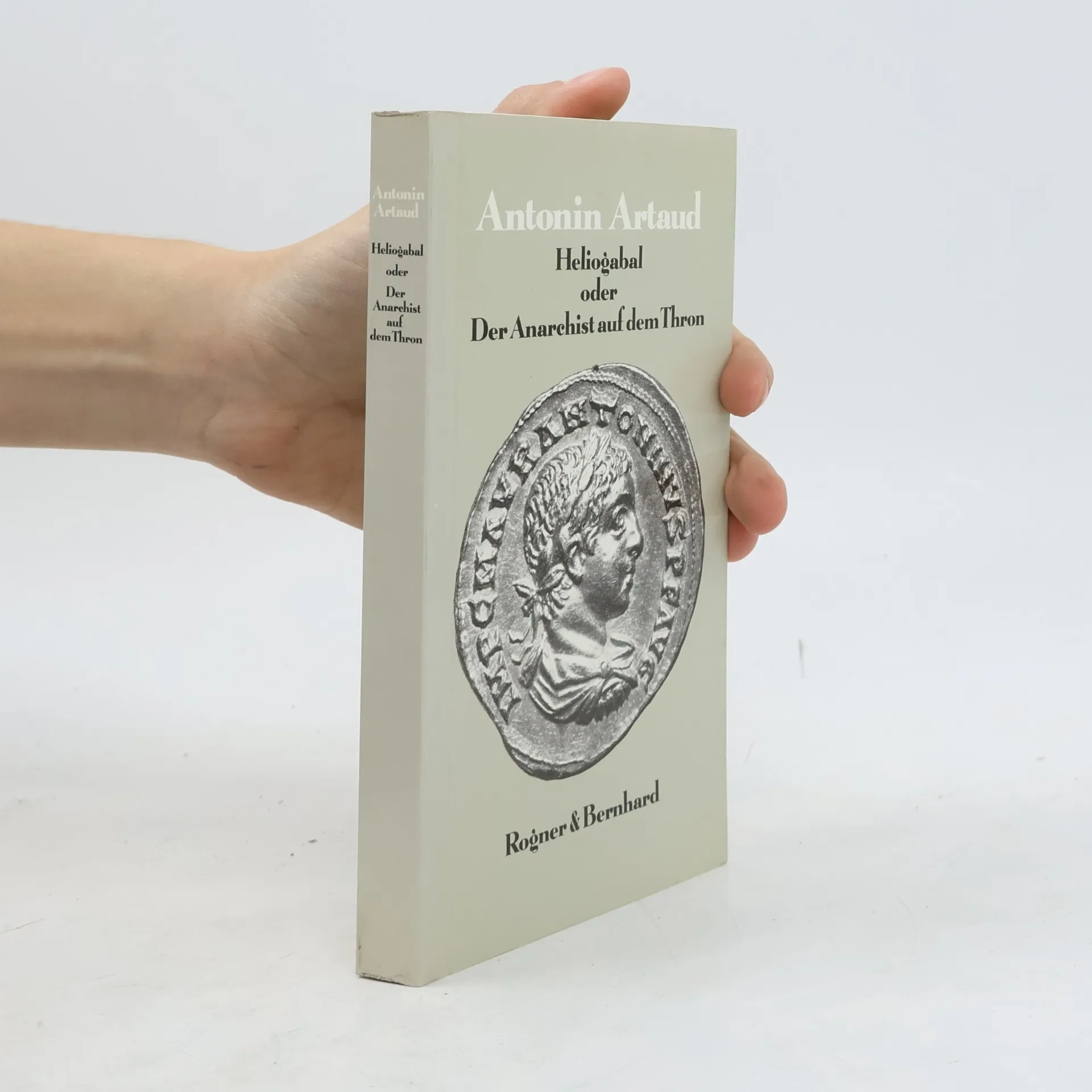
Heliogabalus aneb Korunovaný anarchista; Tarahumarové; Tři přednášky v Mexiku; Van Gogh, zasebevražděný společností; Skoncovat s Božím soudem; Divadlo krutosti
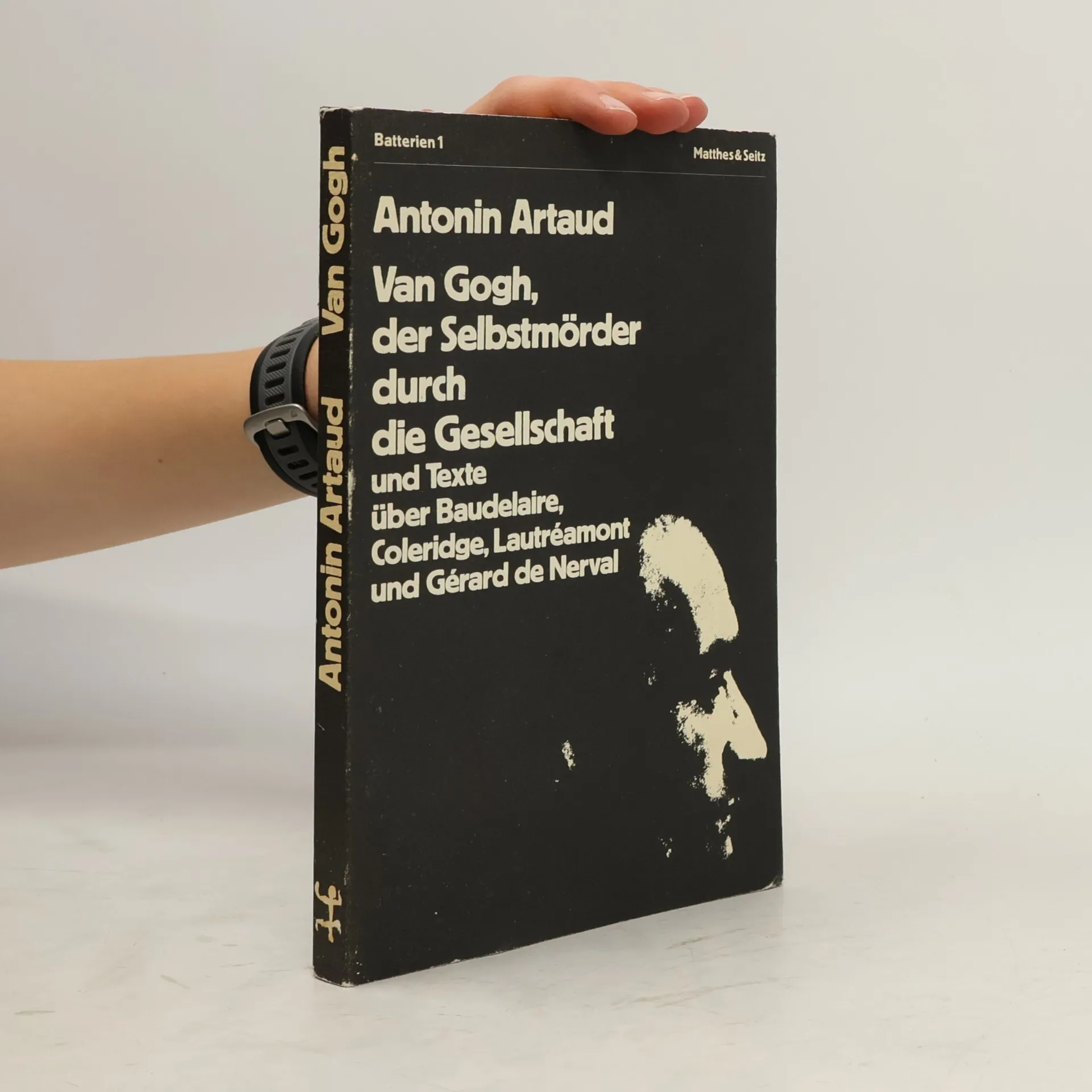
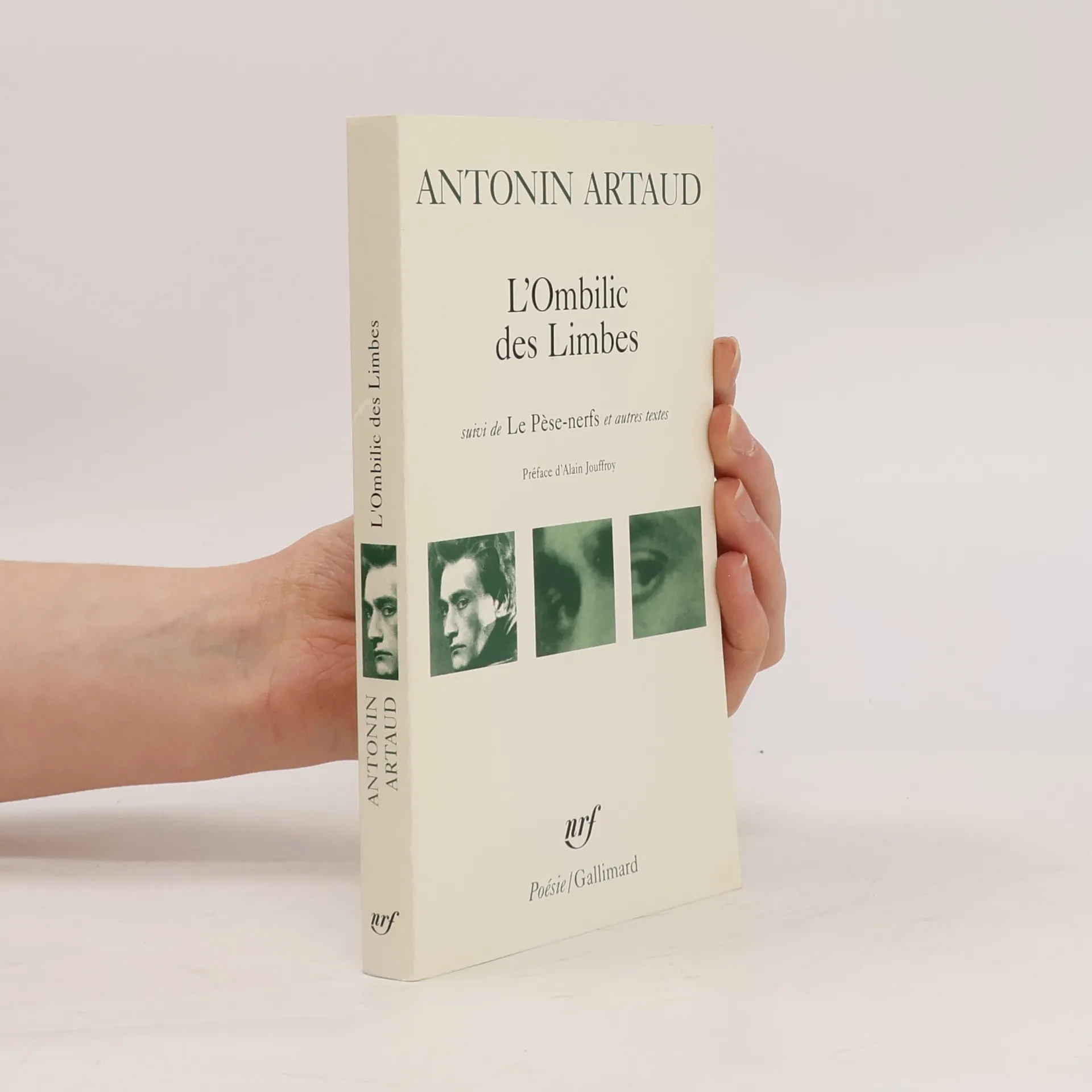
Báseň-esej, nejvýznamnější Artaudovo dílo. Vzniklo po návštěvě výstavy díla holandského malíře Vincenta van Gogha, jehož osud zneuznaného umělce připomněl Artaudovi osud vlastní a v němž našel spřízněnou duši. – Obsahuje též Nervoměr (úryvek).
Die Anmerkung beschreibt Menschen, die zwar kommunikativ sind, aber von der schweren Realität der Welt erdrückt werden. Sie klagen nicht und werden nicht beklagt, während die Welt voller lebender, aber innerlich sterbender Menschen ist.
Antonin Artaud nähert sich Vincent van Gogh, dem Künstler und dem Menschen, in dieser legendären Schrift mit dem Mittel der Einfühlung, entdeckt in ihm sein Alter ego und gibt ihm die Würde zurück, die ihm eine verständnislose Gesellschaft raubte. »Denn ein Geisteskranker ist ein Mensch, den die Gesellschaft nicht hören wollte und den sie daran hindern wollte, unerträgliche Wahrheiten zu äußern.«
Si, en 1936, un poète désespéré par l'Europe n'avait cherché, au prix de difficultés et de souffrances incroyables, à se porter à la rencontre des Tarahumaras, mangeurs de peyotl, leur nom ne nous serait pas aussi familier, il ne serait pas devenu ce vocable évocateur de fabuleux paysages : montagnes peuplées d' " effigies naturelles " et gravées de signes magiques, ciels qui auraient inspiré leurs bleus aux peintres d'avant la Renaissance, cortèges de Rois mages apparaissent à la tombée du jour dans un " pays construit comme des pays de peinture " ; et, pour beaucoup d'entre nous, les Tarahumaras ne seraient pas ce peuple fier et intact, obsédé de philosphie, qui a su maintenir, en des danses accompagnées de miroirs, de croix, de clochettes ou de râpes, les grands rites solaires : rite du peyotl au cours duquel un mystérieux alphabet sort du foie du participant et se répand dans l'espace, rite des rois de l'Atlantide déjà bien étrangement décrit par Platon, rite sombre du Tutuguri avec son tympanon lancinant.
« Quand on a lu Artaud, on ne s'en remet pas. Ses textes sont de ceux, très rares, qui peuvent orienter et innerver toute une vie, influer directement ou indirectement sur la manière de sentir et de penser, régler une conduite subversive à travers toutes sortes de sentiments, de préjugés et de tabous qui, à l'intérieur de notre "culture", contribuent à freiner et même à arrêter un élan fondamental. Exceptionnel à cet égard, puisque son œuvre ne cesse de susciter des questions auxquelles il semble aujourd'hui encore impossible d'apporter des réponses précises, Artaud ne peut être considéré ni comme un écrivain, ni comme un poète, ni comme un acteur, ni comme un metteur en scène, ni comme un théoricien, mais comme un homme qui a tenté d'échapper à toutes ces définitions, et auquel la société dans laquelle nous vivons a opposé la plus grande résistance, la plus grande surdité, la plus grande répression possible. »Alain Jouffroy.
Das Buch mit den Texten zum skandalösen Radiohörspiel von 1947 ist eine wahre Fundgrube poetischer Dramatisierung. Was Artaud hier vom Stapel lässt, gehört trotz allem Irrwitz zum Klarsten, was er nach seiner Entlassung aus der Irrenanstalt in Rodez unter die Leute gebracht hat. Die Luzidität seines Wahnsinns ist dermaßen umwerfend, dass es einleuchtet, warum das Stück zu Artauds Lebzeiten nicht gesendet wurde.
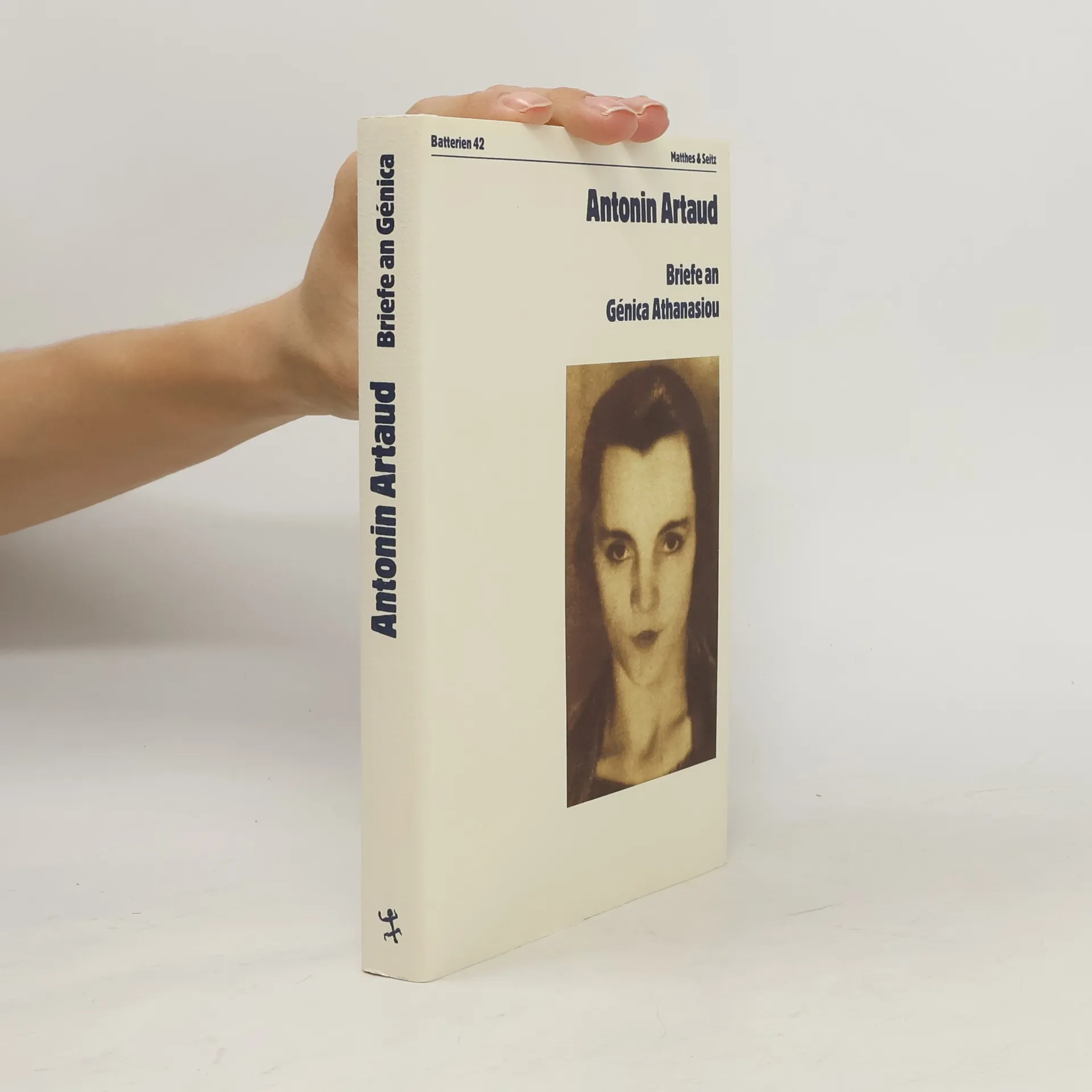
»Ich habe ein kleines Buch geschrieben, das Geschichte einer Internierung betitelt ist und aus 8 an Henri Parisot geschickten Briefen besteht, in dem ich apropos der Geschichte meiner Internierung auch die Geschichte meines ganzen Lebens erzählt habe, so wie ich es gelitten habe und wie ich es gelebt habe... Ich meine, dass ich über die Geschichte meines elenden Lebens und über die unglückliche meiner Internierung die Wahrheit sage. Ich weiß nicht, was diese Briefe literarisch wert sind, und ich glaube, dass sie vom Standpunkt des literarischen Stils der Art ›großer Schriftsteller‹ absolut nichts wert sind, denn ich wollte darin die ganze Sprache auf den Kopf stellen, aber ich glaube, dass man vom menschlichen Standpunkt der Sprache darin etwas mehr empfinden kann als in meinen ganzen Büchern... Ich sage es Ihnen noch einmal: nicht die literarische Überheblichkeit des Schriftstellers, der sein Werk anbringen und erleben will, wie es erscheint, leitet mich. Ich will, dass die Tatsachen, die ich darin erzähle, niemandem unbekannt bleiben und dass die Schmerzensschreie, die ich darin ausstosse, gehört werden. Das ist alles.« Antonin Artaud über die Briefe aus Rodez in einem Brief an André Gide
Sbírka esejů o Artaudově vizi divadla. Původní překlady Jana Kopeckého, chystané k vydání ORBISem v roce 1970 a po listopadu 1989 v rámci pětisvazkové edice věnované osobě a dílu Antonina Artauda Odeonem (ani jedno vydání se neuskutečnilo) opravil a doplnil Ladislav Šerý.