Jacques Derrida Pořadí knih (chronologicky)
Jacques Derrida, zakladatel „dekonstrukce“, nabídl způsob kritiky literárních a filozofických textů i politických institucí. Jeho myšlenky, ačkoliv se sám Derrida někdy vyjadřoval lítost nad osudem slova „dekonstrukce“, si získaly široký ohlas ve filozofii, literární kritice, umění, architektuře i politické teorii. Dekonstrukce spočívá v pokusu znovu promyslet rozdíl, který rozděluje sebereflexi, ale především usiluje o prevenci nejhoršího násilí a snahu o spravedlnost. Tato snaha je neúnavná, protože spravedlnost je podle něj nedosažitelná.

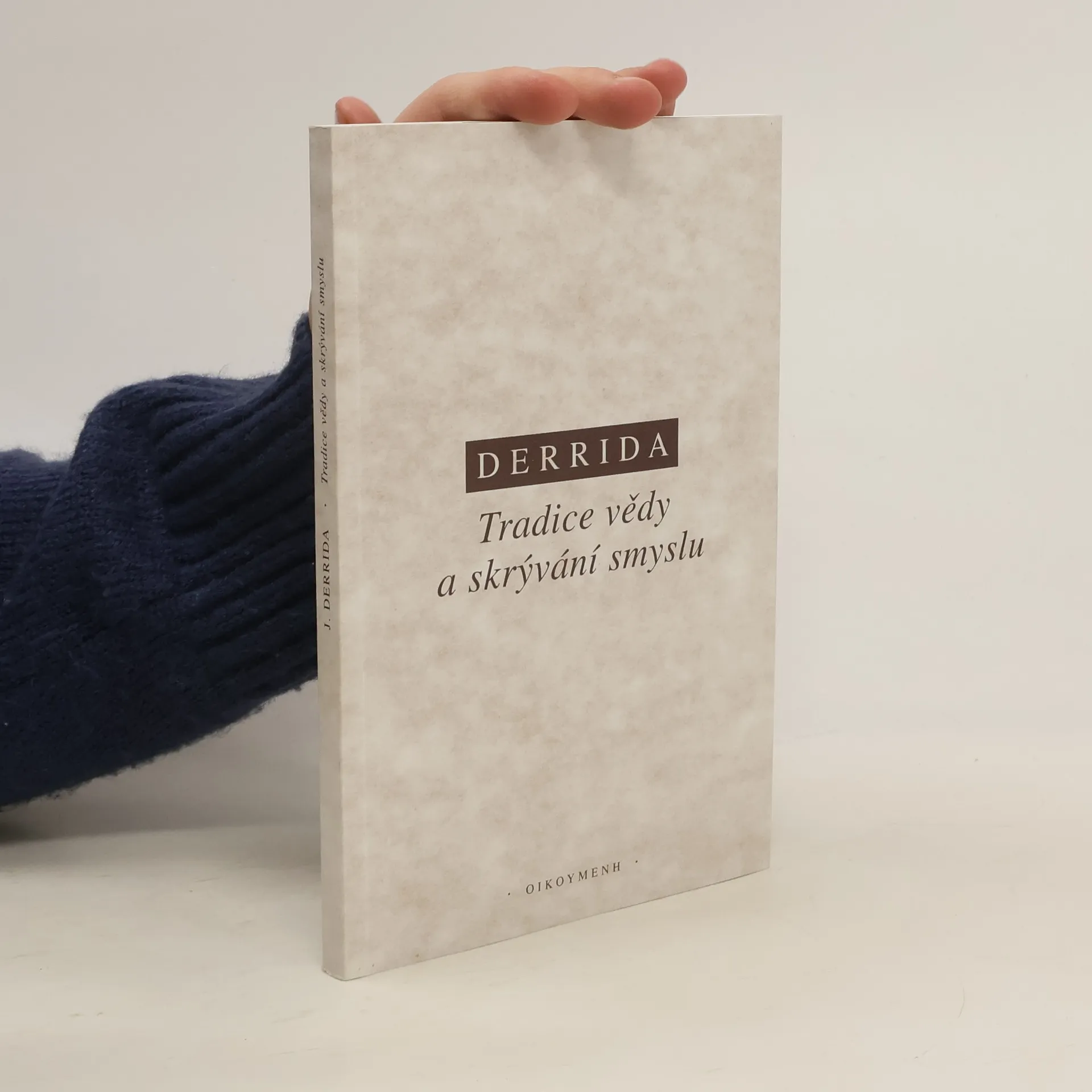

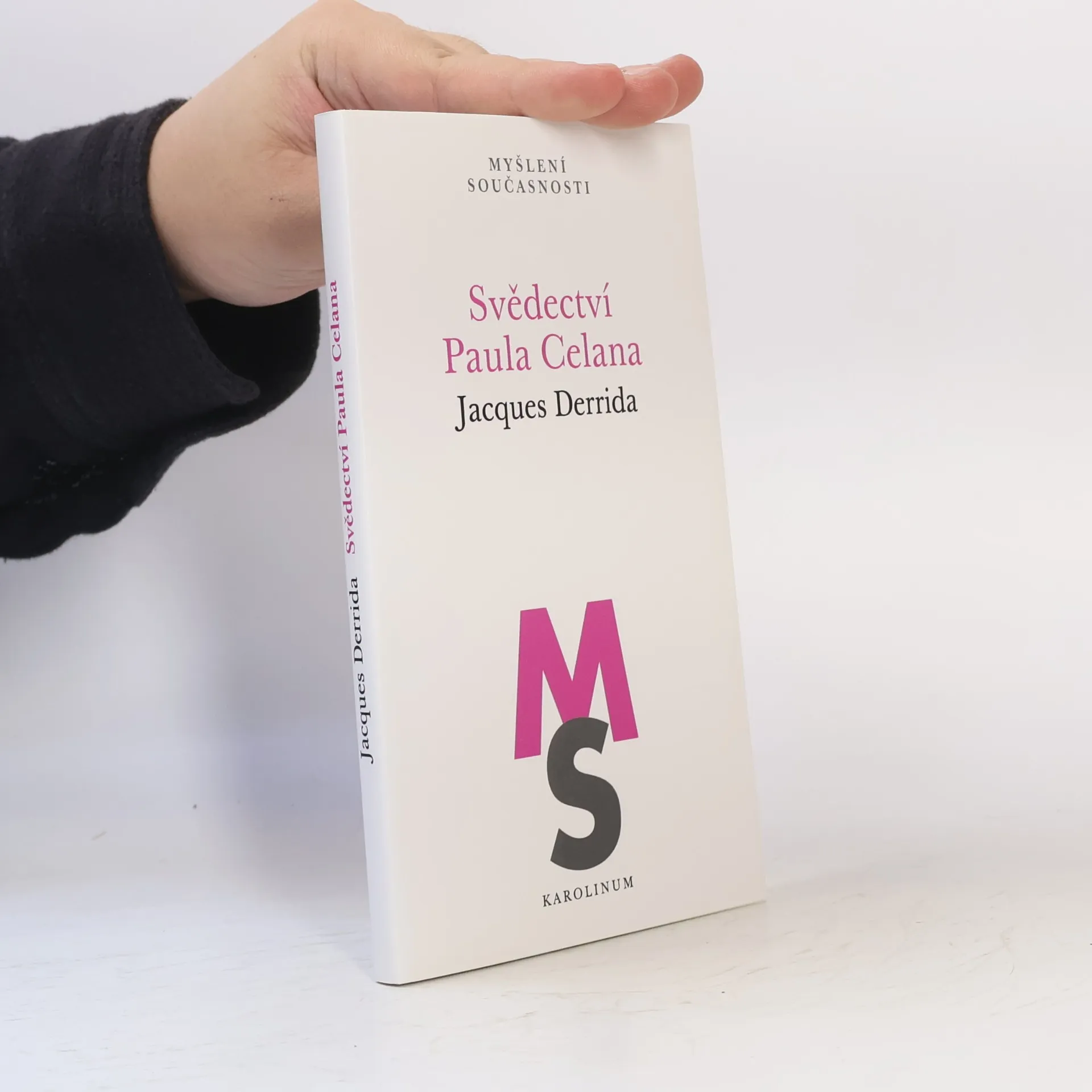
Myšlení Současnosti: Svědectví Paula Celana
- 138 stránek
- 5 hodin čtení
Navracení data odkazuje k tomu, co je jen jedenkrát, co se neopakuje: uchovává je jako tajemství, které je na příchodu. Je-li tomu tak, pak má-li být možné o jedinečném svědčit, je třeba právě tak jedinečná poetika. Jacques Derrida ve svém čtení básní Paula Celana ukazuje, že toto svědectví je současně odpovědí a potřebuje básnickou zkušenost řeči.
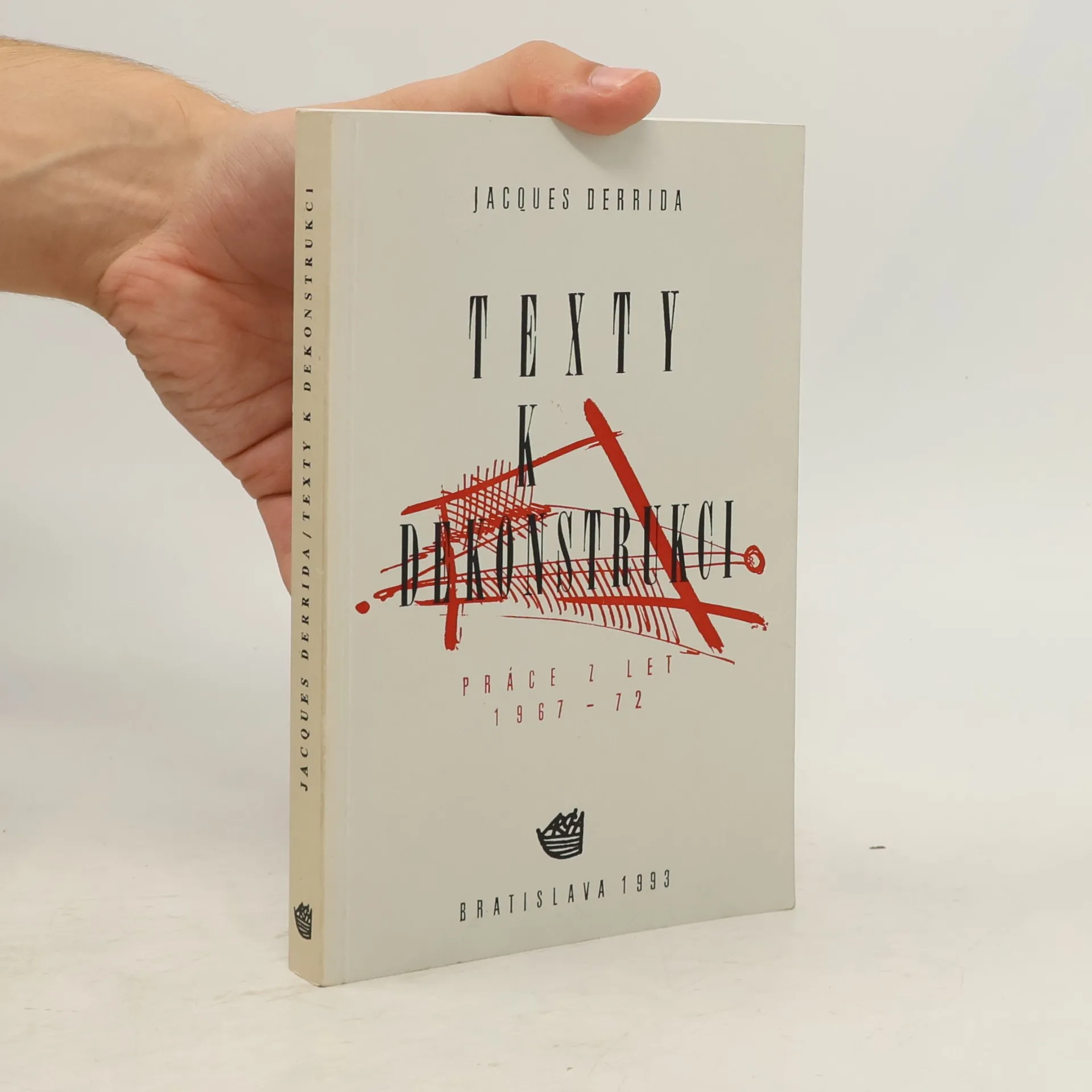
Texty k dekonstrukci : Práce z let 1967–72
- 326 stránek
- 12 hodin čtení
Je-li Derridova diferance zároveň odstupem, spacializací, a odkladem, temporalizací, pak nám sama nabízí způsob, jak po letech číst jeho rané texty, jejichž výbor se českým čtenářům dostal do rukou poprvé v roce 1993. Znovu a znovu nás vtahují do hry, která není o nic méně podivná a podivuhodná než dřív, neboť význam se při ní rodí z diferencí, trhlin v prostoru i čase, které rozrušují zdánlivě pevnou a kompaktní tkáň našeho světa a jazyka. Dekonstrukce je nevyhnutelným krokem k tomu, abychom se dokázali znovu stvořit. Podobni plavcům ve studené vodě se noříme do živlu, jenž je nám cizí, abychom se stali jinými, aniž bychom se rozpadli nebo rozpustili.
Hospitality, Volume II
- 312 stránek
- 11 hodin čtení
Exploring the concept of hospitality, this collection features Jacques Derrida's lectures that delve into the complexities of welcoming the foreigner and the implications for kinship and state relations. Key themes include friendship, citizenship, migration, and xenophobia, alongside a critical distinction between conditional and unconditional hospitality. The second year of the seminar also addresses Islamic perspectives on hospitality, the significance of forgiveness, and the philosophical contributions of Emmanuel Levinas, enriching the discourse on responsibility in a global context.
The book explores the significance of Hélène Cixous in contemporary French literature through Jacques Derrida's analysis. He examines the interconnectedness of four key concepts—genesis, genealogy, genre, and genius—and their relevance to Cixous's writings. This intellectual exploration highlights Cixous's impact on feminist thought and her role as a pivotal figure in the literary landscape.
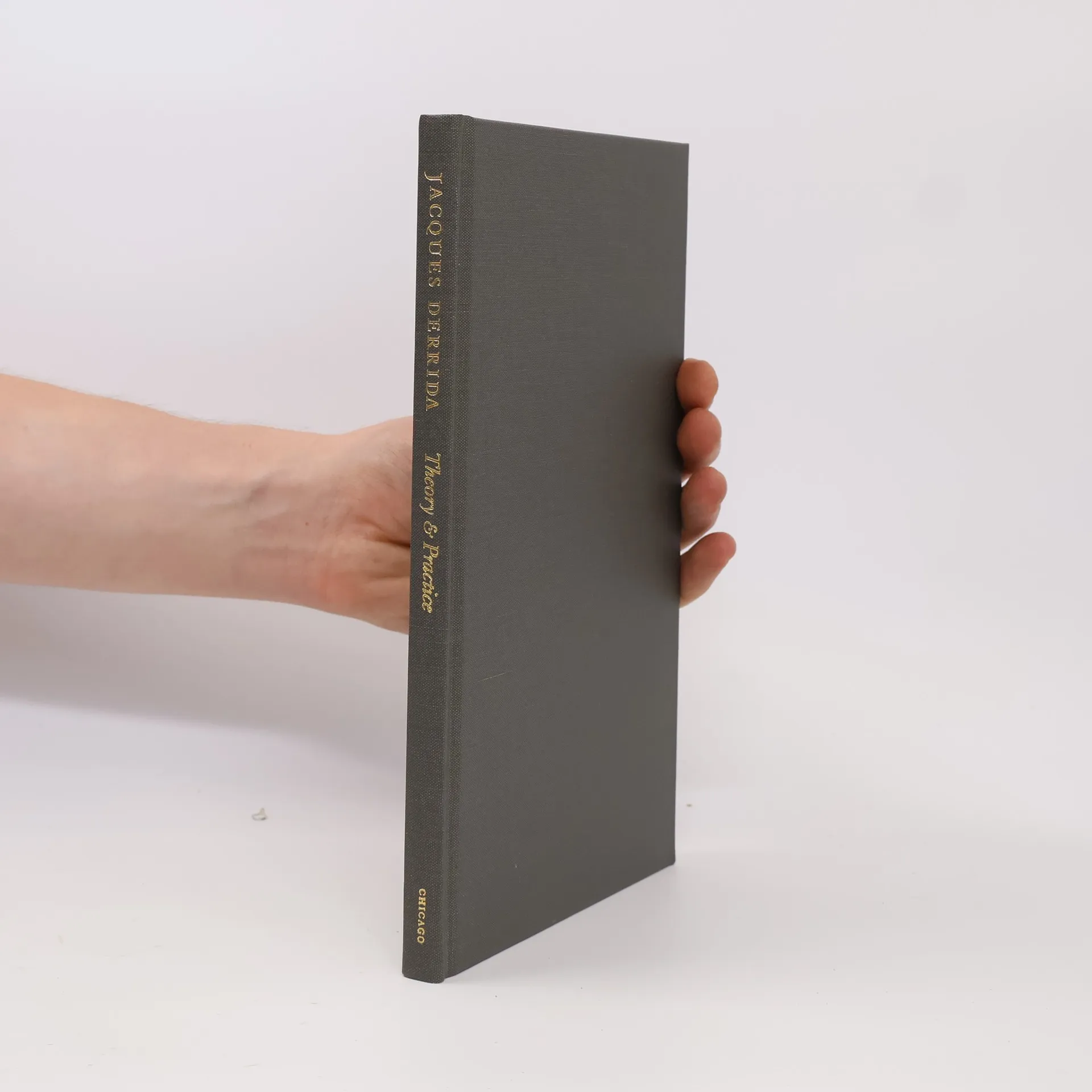
Now in paperback, nine lectures from Jacques Derrida that challenge the influential Marxist distinction between thinking and acting. Theory and Practice is a series of nine lectures that Jacques Derrida delivered at the École Normale Supérieure in 1976 and 1977. The topic of “theory and practice” was associated above all with Marxist discourse and particularly the influential interpretation of Marx by Louis Althusser. Derrida’s many questions to Althusser and other thinkers aim at unsettling the distinction between thinking and acting. Derrida’s investigations set out from Marx’s “Theses on Feuerbach,” in particular the eleventh thesis, which has often been taken as a mantra for the “end of philosophy,” to be brought about by Marxist practice. Derrida argues, however, that Althusser has no such end in view and that his discourse remains resolutely philosophical, even as it promotes the theory/practice pair as primary values. This seminar also draws fascinating connections between Marxist thought and Heidegger and features Derrida’s signature reconsideration of the dichotomy between doing and thinking. This text, available for the first time in English, shows that Derrida was doing important work on Marx long before Specters of Marx. As with the other volumes in this series, it gives readers an unparalleled glimpse into Derrida’s thinking at its best—spontaneous, unpredictable, and groundbreaking.
In einem Gespräch mit Bernard Stiegler untersucht Derrida die Auswirkungen neuer Medientechnologien auf unsere Wahrnehmung von Realität. Er thematisiert die Direktübertragung von Bombenabwürfen und den Wechsel von analogem zu digitalem Bild, was die Glaubwürdigkeit der visuellen Darstellung und unser Verhältnis zur Realität infrage stellt.
Perjury and Pardon, Volume II
- 360 stránek
- 13 hodin čtení
Exploring the intricate relationship between forgiveness and betrayal, this work presents Jacques Derrida's seminars that delve into the philosophical and ethical dimensions of responsibility. He examines various forms of deceit, such as perjury and infidelity, and challenges traditional notions of forgiveness, arguing for its unconditional nature. Through analysis of texts by thinkers like Kant and Kierkegaard, Derrida reveals how forgiveness disrupts established categories of knowledge and subjectivity, emphasizing its complexity and the intertwined nature of lying and moral accountability.
Hospitality, Volume I
- 320 stránek
- 12 hodin čtení
Focusing on the themes of responsibility and the concept of "the foreigner," this volume presents Jacques Derrida's seminar discussions from 1995 to 1996. He explores how society welcomes or represses foreigners, examining implications for kinship, ethnicity, and national identity. Key topics include borders, citizenship, and xenophobia, analyzed through classical and modern texts by thinkers like Heidegger, Arendt, and Camus. Derrida emphasizes the difference between conventional hospitality and an ideal of unconditional welcome for newcomers.
Well-Kept Ruins
- 156 stránek
- 6 hodin čtení
One of Jacques Derrida’s most provocative works, this text challenges and deconstructs the deeply rooted dichotomy of life and death in Western thought. Derrida reexamines the traditional philosophical understanding of their relationship through multidisciplinary analyses encompassing philosophy, linguistics, and life sciences. He engages with Freudian psychoanalysis, the philosophies of Nietzsche and Heidegger, and the works of geneticist François Jacob and epistemologist Georges Canguilhem to explore this complex relationship. Delivered over fourteen sessions between 1975 and 1976 at the École normale supérieure in Paris, the seminar was part of the preparation for students facing the agrégation, a highly competitive exam with the theme “Life and Death.” Derrida notably altered the title by omitting the coordinating conjunction, prompting a philosophical inquiry into the connection between life and death. He posits that death should not be viewed merely as the opposite of life or its ultimate truth, but as a factor that both limits and enables life. Through these engaging sessions, Derrida not only questions conventional understandings of life and death but also cultivates a novel perspective on what he terms “life death.”
Der Titel „Denken heißt Nein sagen“ greift einen Satz des Philosophen Alain (1868–1951) auf. Er bildet Ausgangspunkt und Zentrum der vier Sitzungen einer gleichnamigen Vorlesung, die Jacques Derrida im Studienjahr 1960–1961 als Assistent für Allgemeine Philosophie und Logik an der Sorbonne gehalten hat. Ausgehend von der Frage „Was ist Denken?“ und einer Analyse des Ja Nein als Ur-Frage des Denk-Akts folgt eine grundlegende Untersuchung des Verhältnisses von „Bejahung“ und „Negation“, „Glauben“ und „Nichtglauben“, „Leichtgläubigkeit“ und „authentischem Denken“. Die Lektüre des titelgebenden Satzes wird dabei auch in einen breiten Kontext von Descartes über Husserl, Bergson und Heidegger bis Sartre eingebettet. Die Spannung zwischen den zwei „kleinen Wörtern“ Ja und Nein , die einen Grundmechanismus der später so genannten „Dekonstruktion“ darstellt, bietet Derrida zudem immer wieder Anlass, das aktuell vollzogene Lehren von Philosophie selbst zu hinterfragen.
Das zweite Studienjahr wagt nach einer kurzen Anknüpfung an die zentralen Begriffe des vergangenen Jahres – Souveränität, Ausnahme und Grausamkeit – einen Neuanfang. Dieser ist durch drei Fragen gekennzeichnet, die sich durch die Lektüre diverser Texte (von Kant, Freud, Reik, Heidegger, aber auch Kafka und Benjamin) ziehen: „Was ist ein Akt? Was ist ein Alter? Was ist ein Begehren?“ Neben der Frage, ob es sich bei der Todesstrafe um eine Fremd- oder eine Selbst-Bestrafung handelt, geht es auf einer grundlegenderen Ebene um drei Formen der Verurteilung: die zum Sterben im Allgemeinen, zum Sterben in kurzer Zeit (z. B. an einer Krankheit) und die Verurteilung zum Tode durch ein Strafgerichtsurteil. Hierbei zeigt sich, dass nur Letztere eine Entscheidung impliziert, die Entscheidung des Anderen.
Perjury and Pardon, Volume I
- 368 stránek
- 13 hodin čtení
Exploring the intricate relationship between forgiveness and betrayal, this work presents Jacques Derrida's seminars that delve into the philosophical and ethical implications of responsibility. He examines various forms of deceit, such as perjury and infidelity, while arguing that forgiveness transcends traditional notions of repentance and punishment. By analyzing texts from influential thinkers and literary figures, Derrida reveals how forgiveness disrupts established categories of knowledge and challenges our understanding of presence and identity.
Focusing on the concept of visibility, this collection showcases Derrida's insights into visual arts, particularly drawing, painting, and photography. It includes 19 pieces, with several newly translated into English, addressing what is made visible through artistic processes. The writings are organized into three sections: exploring the "trace" in visual representation, examining the interplay of line and color in art, and investigating modern media like photography and film. This volume highlights Derrida's unique contributions to understanding the relationship between art and perception.
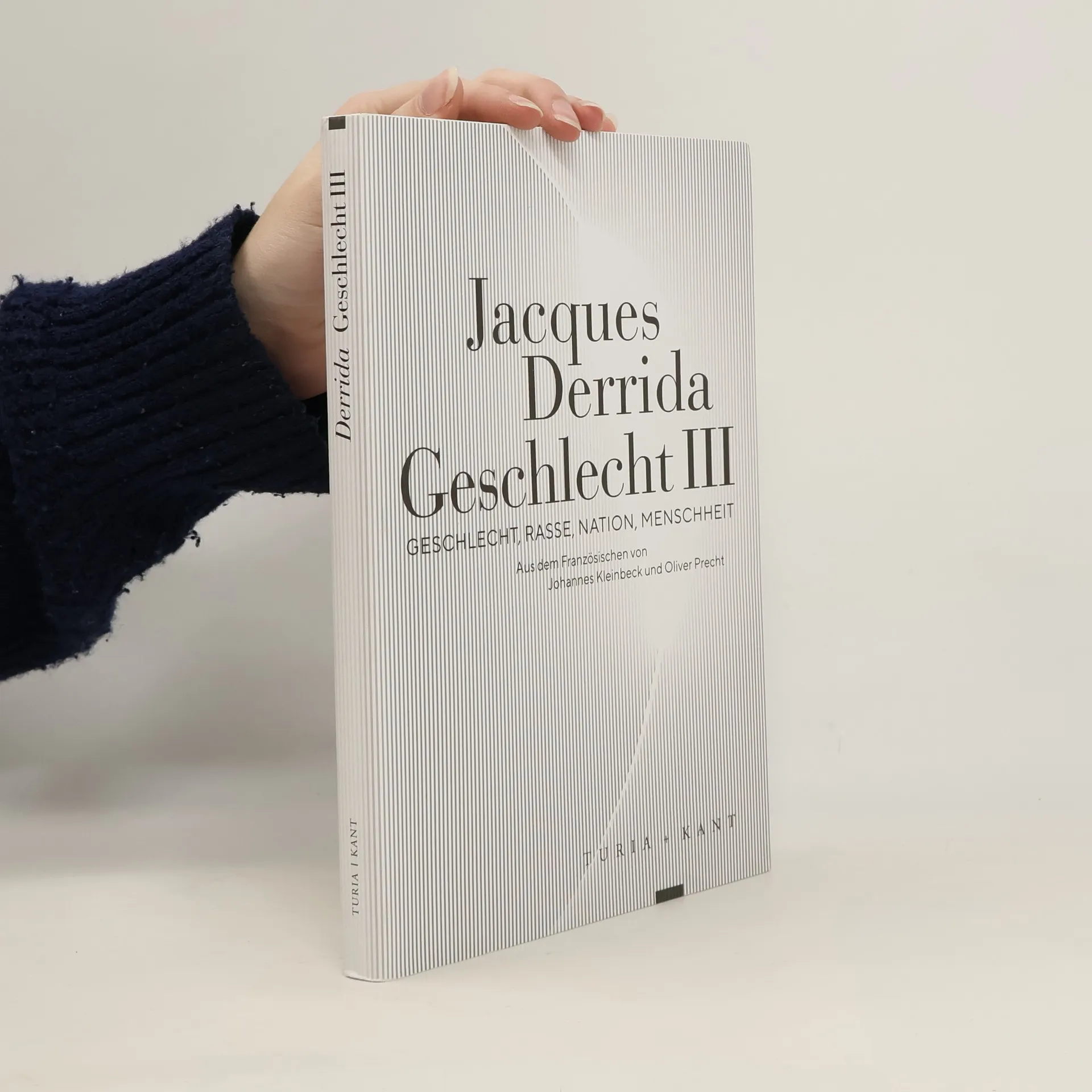
Geschlecht III
Geschlecht, Rasse, Nation, Humanität
Kann man einen Meineid aus Zerstreuung begehen? Nicht mit der Absicht, das Gesetz zu übertreten, sondern einfach, weil man "nicht daran denkt"? Der Meineid, vielleicht, 2002 verfasst, fragt nach dem Verhältnis von Lüge und Fiktion. Was geschieht, wenn die Grenze von Geschichtenerzählen und Lügen undeutlich wird? Ausgehend von der Lektüre des Romans Der Meineid des Übersetzers und Schriftstellers Henri Thomas untersucht Jacques Derrida die komplexe Figur des Meineids. Dabei schließt er an seine früheren Arbeiten über Vergebung, Versprechen, Lüge, Zeugenschaft und deren Verhältnis zur literarischen Fiktion an. Die Stilfigur des Anakoluths – des abrupten Abbruchs der Rede –, die Thomas' Text prägt, erlaubt es Derrida, nach den Figuren des "Vielleicht" und des "als ob" zu fragen, die die literarische Fiktion heimsuchen. Wie steht es um das Geheimnis der Literatur, um ihre Verantwortung und die des Erzählenden, wenn die Grenze zwischen Lüge und Fiktion, zwischen Geschichtenerzählen und Lügen undeutlich wird?
Deconstruction in a Nutshell
- 272 stránek
- 10 hodin čtení
This volume, consisting of a conversation with Derrida that is further elaborated by one of his leading interpreters, represents one of the most lucid, compact and reliable introductions to Derrida and deconstruction available in any language. A substantial new Introduction traces the development of deconstruction alongside other philosophical movements since Derrida's death.
The Death Penalty, Volume II
- 304 stránek
- 11 hodin čtení
The second volume of Jacques Derrida's exploration of the death penalty delves into Kant's justification of capital punishment, deconstructing his arguments and revealing significant contradictions. Derrida critiques the "anesthesial logic" surrounding the death penalty, intertwining themes of cruelty and pain through various philosophical texts. He argues that the rationality behind the death penalty reflects an illusory control over mortality. Set against the backdrop of a pivotal moment in U.S. history regarding capital punishment, this analysis aims to contribute meaningfully to ongoing debates.
The Work of Mourning
- 272 stránek
- 10 hodin čtení
Heidegger
Philosophische und politische Tragweite seines Denkens. Das Kolloquium von Heidelberg
- 160 stránek
- 6 hodin čtení
Welche Konsequenzen hat Heideggers Verhältnis zum Nationalsozialismus für die Deutung seines philosophischen Werks? Jacques Derrida, Hans-Georg Gadamer und Philippe Lacoue-Labarthe gingen bereits lange vor dem Erscheinen der „Schwarzen Hefte“ dieser Frage nach. Am 5. und 6. Februar 1988 fand in der Universität von Heidelberg das Kolloquium „Heidegger: Portée philosophique et politique de sa pensée“ statt. Im selben Hörsaal, in dem Heidegger 1933 seine „Rede über die Universität im neuen Reich“ gehalten hatte, sprachen drei der besten Heidegger-Exegeten – Jacques Derrida, Hans-Georg Gadamer und Philippe Lacoue-Labarthe – über die Frage der Deutung von Heideggers Werk vor dem Hintergrund seiner Verbindung zum Nationalsozialismus. Die aus dem Stegreif gehaltenen Beiträge stießen auf großes Publikumsinteresse und fanden ein breites Echo, nicht zuletzt, weil Derrida und Gadamer nach ihrer Begegnung im Jahr 1981 in Paris erstmals wieder das öffentliche Gespräch aufnahmen. Außerdem war kurz zuvor in Frankreich Víctor Farías" vieldiskutiertes Buch über Heideggers Verstrickungen in das NS-Regime erschienen. Die nach wie vor heftig umstrittene Thematik wird von den drei Philosophen differenziert und facettenreich ausgeleuchtet.
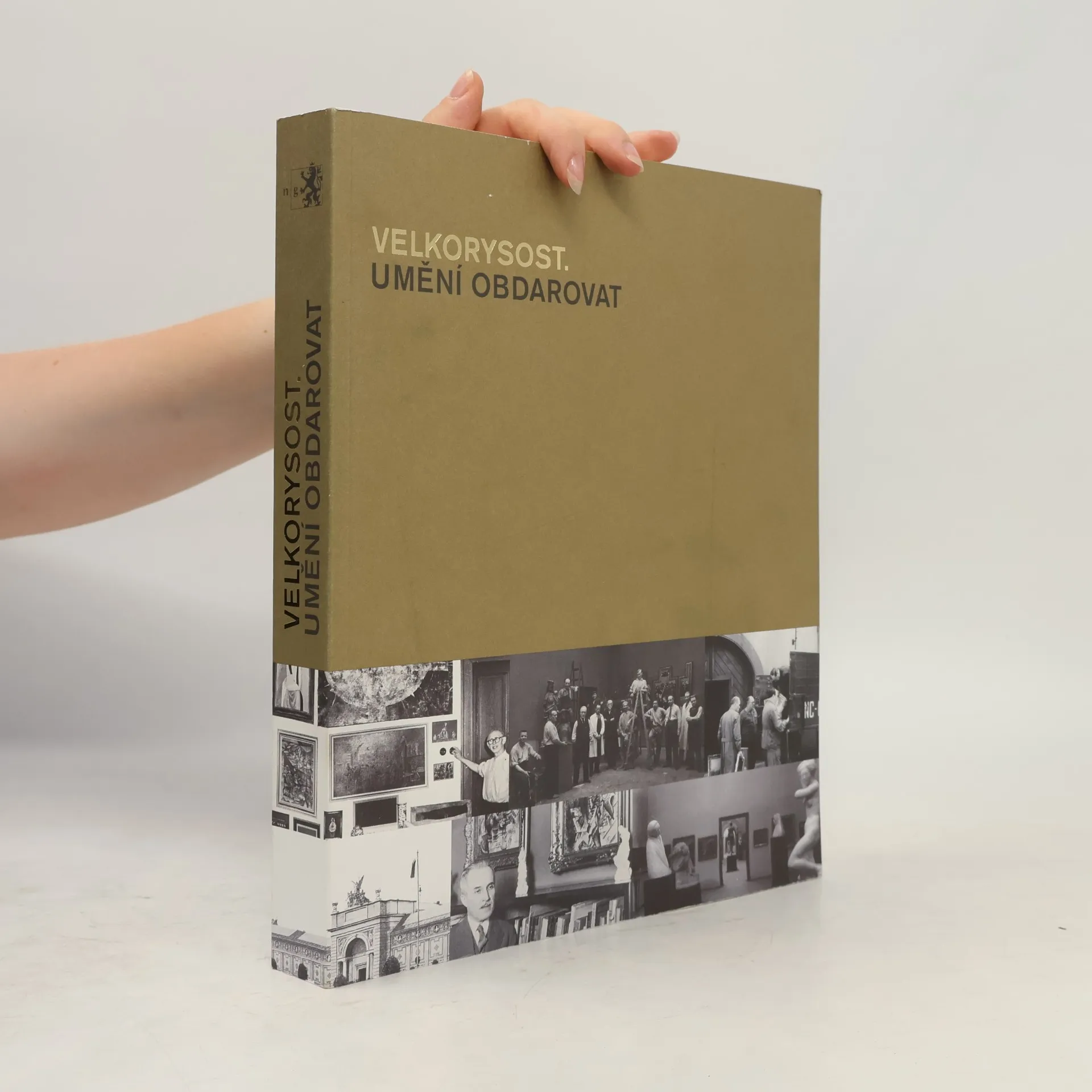
Publikace, jež vyšla k 220. výročí založení Společnosti vlasteneckých přátel umění, předchůdkyně Národní galerie v Praze, je souborem esejů představujících jakousi autobiografii Národní galerie v Praze, jejíž existence je mimo jiné založená na aktu velkorysých gest dávání a sdílení. Eseje vzdávají hold otcům zakladatelům, jednotlivým donátorům a institucím, umělcům a sběratelům, kteří galerijním sbírkám poskytli ničím nepodmíněný dar či dočasnou výpůjčku, provedli směnu nebo galerijním sbírkám – od starých mistrů přes grafiku a kresbu, umění Asie a Afriky až po umění 19. století a moderní a současné umění včetně architektury – a návštěvníkům prospěli jakýmkoli jiným způsobem. Kniha zahrnuje také texty věnované historii sběratelství a formativní roli štědrosti a velkorysosti v procesu vzniku sbírkových institucí. Komplexní obrázek dokreslují výňatky z filozofických, literárních a básnických děl, které problematiku velkorysosti zasazují do širších ideových souvislostí.
Anhand der Möglichkeit der Selbstlüge oder Selbsttäuschung dekonstruiert Jacques Derrida in diesem Buch die Unterscheidung zwischen Lüge und Irrtum, wie sie in den großen Texten der metaphysischen Tradition (Platon, Augustinus und andere) getroffen wurde. Ein einheitlicher und zuverlässiger Begriff der Lüge, der sich durch unsere sogenannte abendländische (jüdisch, griechisch, römisch, christlich, islamisch geprägte) Tradition zieht, müsste nicht nur einer theoretischen Historizität Rechnung tragen, um ihn von anderen Begriffen in anderen Geschichten und Kulturen zu unterscheiden. Auch die Annahme einer praktischen, sozialen, politischen, rechtlichen und technischen Historizität, die ihn umgeformt und sogar Brüche im Inneren unserer Tradition verursacht hat, gilt es zu untersuchen. Derrida geht der Frage nach, ob man überhaupt zwischen einer Historie des Begriffs der Lüge, einer Geschichte der Lüge – also aller Ereignisse, die der Lüge widerfahren oder aufgrund der Lüge passiert sind – und einer wahren Geschichte, welche die Erzählung (Historie, historia rerum gestarum) dieser Lügen oder der Lüge im Allgemeinen strukturiert, unterscheiden kann. Er fragt, wie man eine Geschichte der Lüge erzählen kann, ohne selbst zu lügen.
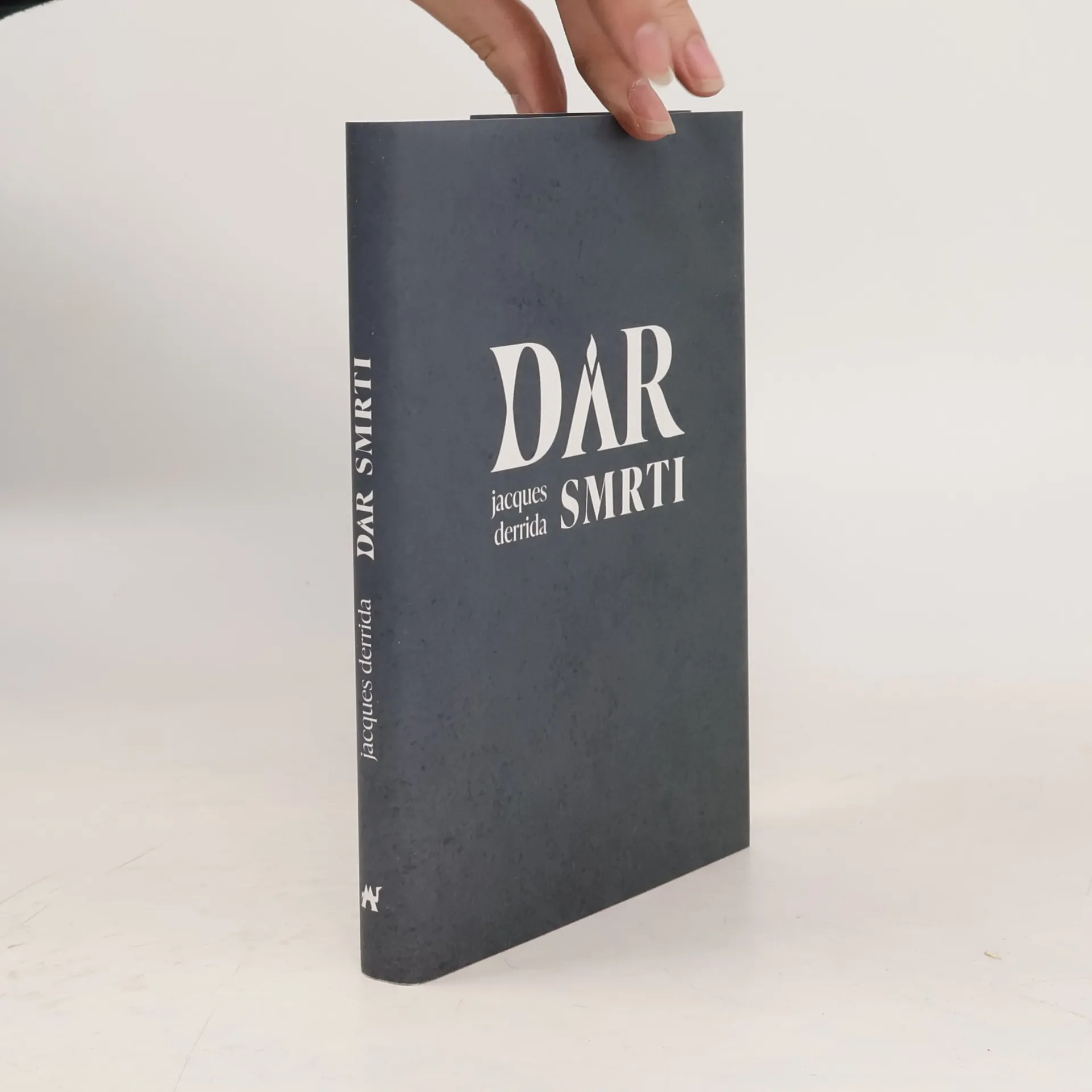
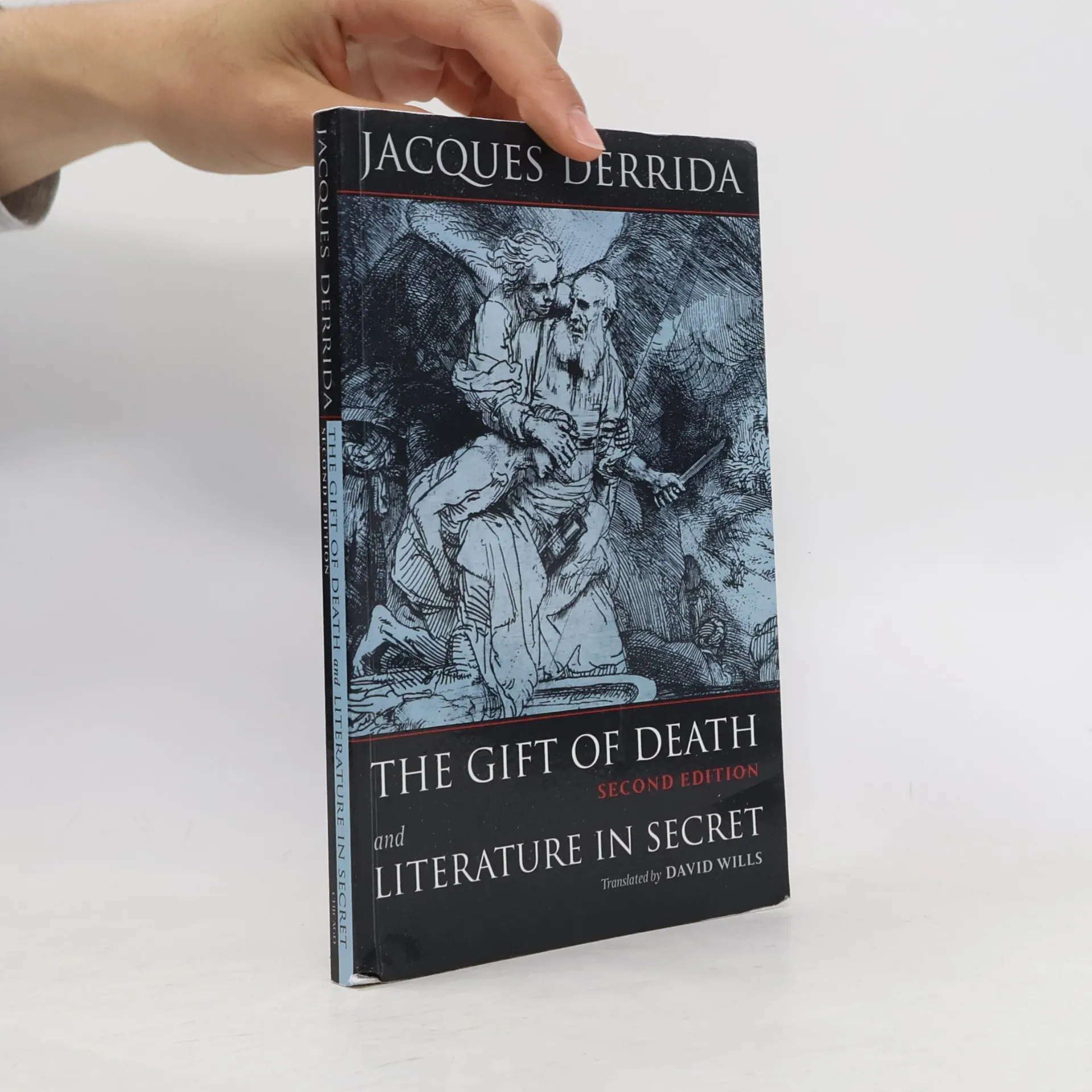
Religion and Postmodernism Series: The Gift of Death and Literature in Secret
Second Edition
- 160 stránek
- 6 hodin čtení
In this, his most sustained consideration of religion to date, Derrida continues to explore questions introduced in Given Time about the limits of rationality and responsibility that one reaches in granting or accepting death, whether by sacrifice, murder, execution, or suicide. "Provocative."--Publishers Weekly.Collection: Religion and Postmodernism Series
While much has been written against the death penalty, the author contends that Western philosophy is massively, if not always obviously, complicit with a logic in which a sovereign state has the right to take a life.
Stati d'animo della psicanalisi. L'impossibile aldilà di ogni crudeltà
- 99 stránek
- 4 hodiny čtení
Das Problem der Genese in Husserls Philosophie
- 351 stránek
- 13 hodin čtení
Mit dieser in den Jahren 1953–54 zur Erlangung des Diplôme d'études supérieures verfassten Abhandlung beschreibt Jacques Derrida die »unübertreffbare Genauigkeit« und zugleich das »irreduzible Ungenügen« der husserlschen Philosophie der Genese. In einem nüchternen, beinahe »algebraischen« Stil legt der erst 23-jährige Derrida in den unterschiedlichen Etappen von Husserls phänomenologischer Archäologie eine, hier noch von ihm als dialektisch bezeichnete, ursprüngliche Synthese der Genese frei. Die in minutiösen Analysen fassbar gemachte Unmöglichkeit, diese Synthese für einen einfachen Anfang der Phänomenologie zu reduzieren, verweist für ihn auf die Endlichkeit des Denkens, das sich ursprünglich mit seiner Existenz vermengt. Und so wird Derrida am Schluss seiner Abhandlung Husserls Worte vom Vorabend seines Todes zitieren, in denen sich seine zu keinem Ende kommende philosophische Suche nach einem reinen Anfang mit dem Ende seines eigenen Lebens verbindet: »Ich habe nicht gewusst, dass das Sterben so schwer ist. […] Fertig sein heißt von vorne anfangen.«
Öteki Hedef
Başka Baş - 2. Basım
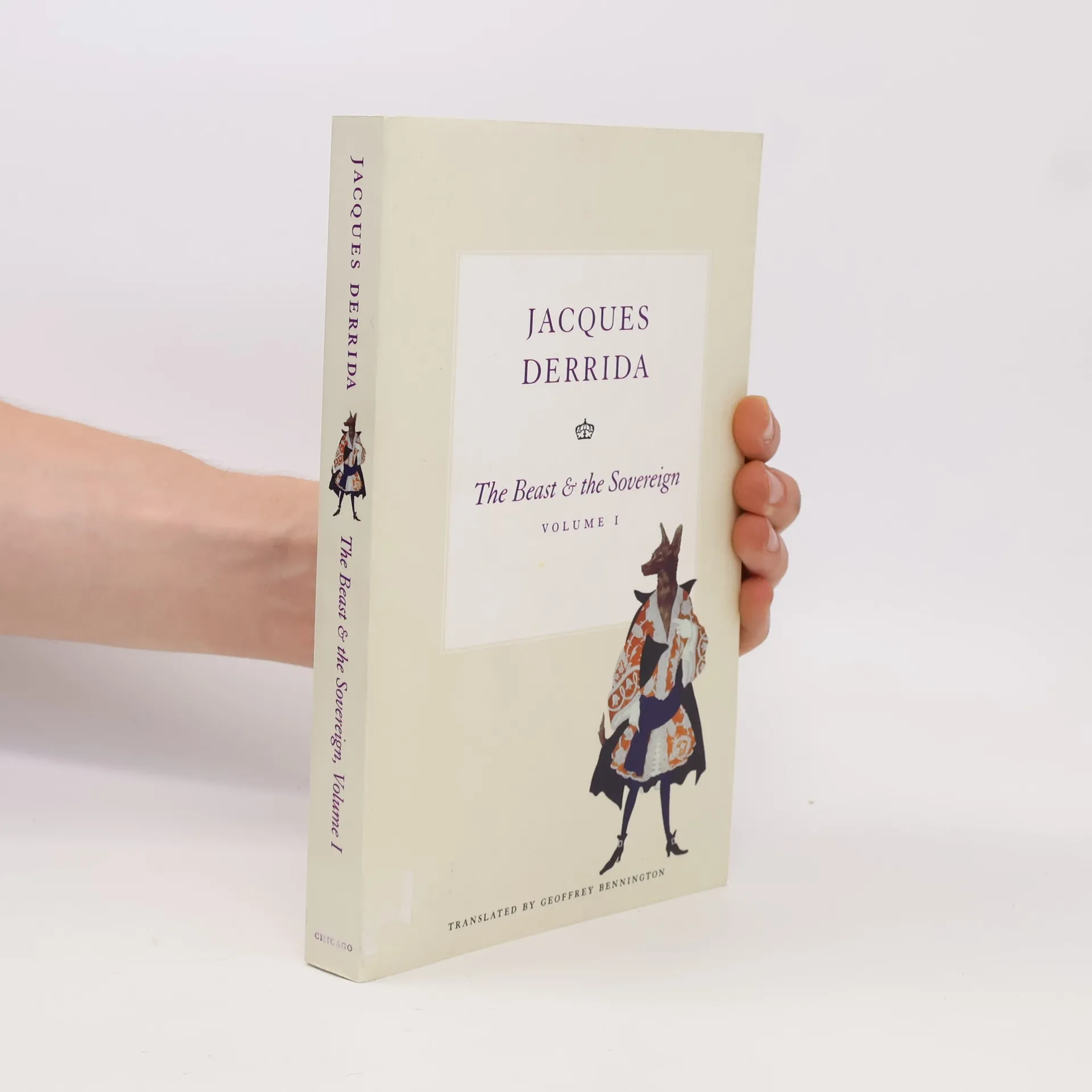
The Beast and the Sovereign
- 368 stránek
- 13 hodin čtení
Focuses in on questions of force, right, justice, and philosophical interpretations of the limits between man and animal.
Ausgehend von der Frage nach dem Urteilen und dem Verweisungsspiel des unübersetzbaren Titels Préjugés unternimmt Derrida eine philosophierende Lektüre von Kafkas Erzählung „Vor dem Gesetz“. Préjugés handelt von dem in Kafkas Erzählung „Vor dem Gesetz“ paradigmatisch aufzuzeigenden Verhältnis von Gesetz und Erzählung, der vorgeblichen Geschichts- und Narrationsfreiheit des „Du sollst“ oder des Kategorischen Imperativs Kants und der Narrativität. Diese ist – wie Derrida und andere an Freuds Quasi-Erzählungen vom Ursprung der Moral zeigen – vielleicht nur im Modus des „Als ob“ vom Gesetz, der Moral, ja der Philosophie ausgeschlossen. Ein Grundtext für die Unternehmung einer Relektüre der Affären von dem, was man vielleicht „Literatur“ und „Philosophie“ zu nennen gewöhnt ist!
Copy, Archive, Signature: A Conversation on Photography
- 106 stránek
- 4 hodiny čtení
The book makes available for the first time in English-and for the first time in its entirety in any language-an important yet little known interview that Jacques Derrida granted on the question of photography and its relation to such key deconstructive concepts as copy, archive, and signature.
Bleibe, Athen
- 80 stránek
- 3 hodiny čtení
Im Sommer 1996 reist Jacques Derrida nach Griechenland. Im Gepäck: Photographien von Jean-François Bonhomme mit Motiven aus Athen – Antikes und Alltagsszenen gemischt –, sowie das Versprechen, ihre Publikation mit einem Text zu begleiten. Der wie eine Momentaufnahme plötzlich auftauchende Leitgedanke ist datiert, „3. Juli, gegen Mittag, nahe Athen“. Ein vieldeutiger, im Fortgang des Textes viel gedeuteter Satz über den Tod, die Schuld und „uns“. Der Wunsch, ihn „in Stein zu meißeln“, führt zum ersten Bild (ein Grabmal aus dem Kerameikos), das auch als Metonymie aller anderen gesehen werden kann. Sogleich steht auch die Form des Textes fest: „aphoristisch und seriell“, um in Anlehnung an die Photographie mit dem Schwarzen (der Schrift) und dem Weißen (der Lücke), mit Hell und Dunkel, Licht und Schatten zu spielen. Reflektiert wird, auf den Spuren von Sokrates und Platon, der Zusammenhang von Philosophie, Photographie („Photographie: Schrift aus Licht, gibt es ein griechischeres Wort?“) und Tod. Vielleicht ist es ein „Buch der Epitaphien“, das im photographischen Bild (die) Trauer trägt.
Çile
- 94 stránek
- 4 hodiny čtení
Çile, İsim Hariç, Khora, bu üç denemenin her biri bağımsız bir kitap oluşturur ve birbirinden ayrı olarak okunabilir. Bunları eşzamanlı olarak yayımlamak uygun görüldüyse, bunun nedeni her birinin tekil kökenine karşın aynı izleğin içlerinden geçiyor olmasıdır. Bir tür İsim Üzerine Deneme oluştururlar – üç bölümlü veya üç zamanlı. Bu aynı zamanda üç kurmacadır da. Bu kurmacaların kahramanlarının sessizce birbirlerine hitap ettikleri işaretleri izleyerek isim sorusunun çınladığı işitilebilir, orada, çağrının, isteğin veya vaadin kıyısında tereddüt ettiği yerde, yanıttan önce veya sonra. Çile, esas olarak yanıt, ödev, sorumluluk etiği gibi kavramlardan söz eder. Derrida'ya göre gündelik mübadelelerimizdeki ritüellerin dayattığı davranma biçimleri veya yanıtlar tam da belirli bir ritüel kurala dayandığı için, yani yalnızca ödev gereği olduğu için dostluk ve nezaket alanından uzaklaşır. Derrida bunun yanı sıra ona göre her daim gizde olan giz kavramını da tartışıyor.
İsim hariç
- 104 stránek
- 4 hodiny čtení
Çile, İsim Hariç, Khora, bu üç denemenin her biri bağımsız bir kitap oluşturur ve birbirinden ayrı olarak okunabilir. Bunları eşzamanlı olarak yayımlamak uygun görüldüyse, bunun nedeni her birinin tekil kökenine karşın aynı izleğin içlerinden geçiyor olmasıdır. Bir tür İsim Üzerine Deneme oluştururlar – üç bölümlü veya üç zamanlı. Bu aynı zamanda üç kurmacadır da. Bu kurmacaların kahramanlarının sessizce birbirlerine hitap ettikleri işaretleri izleyerek isim sorusunun çınladığı işitilebilir, orada, çağrının, isteğin veya vaadin kıyısında tereddüt ettiği yerde, yanıttan önce veya sonra. İsim Hariç, Angelus Silesius geleneğine yerleşerek, bütünüyle dil üzerine inşa edilmiş bir önermeye dayalı olan negatif teoloji kavramını aşmayı vaat ediyor. Apophatik düşünce çizgisi üzerinde Tanrı kavramı, mistik temaşa ve benzeşim sorunlarını ele alıyor.
Psyche
- 352 stránek
- 13 hodin čtení
Advances the author's reflections on many issues, such as sexual difference, architecture, negative theology, politics, war, nationalism, and religion.
The Animal That Therefore I Am
- 192 stránek
- 7 hodin čtení
Presents a translation of the complete text of Jacques Derrida's ten-hour address to the 1997 Cerisy conference entitled The Autobiographical Animal, the third of four such colloquia on his work. This book was assembled posthumously on the basis of two published sections, one written and recorded session, and one informal recorded session.
Psyche: Inventions of the Other
- 460 stránek
- 17 hodin čtení
Psyche: Inventions of the Other is the first publication in English of the twenty-eight essay collection Jacques Derrida published in two volumes in 1998 and 2003. In Volume I, Derrida advances his reflection on many topics: psychoanalysis, theater, translation, literature, representation, racism, and nuclear war, among others. The essays in this volume also carry on Derrida's engagement with a number of key thinkers and writers: Barthes, Benjamin, de Man, Flaubert, Freud, Heidegger, Lacoue-Labarthe, Levinas, and Ponge. Included in this volume are new or revised translations of seminal essays (for example, "Psyche: Invention of the Other," "The Retrait of Metaphor," "At This Very Moment in This Work Here I Am," "Tours de Babel" and "Racism's Last Word"), as well as three essays that appear here in English for the first time.
H.C. für das Leben, das heißt ...
- 185 stránek
- 7 hodin čtení
„H. C. pour la vie, c’est-à-dire …“ ist die Reflexion einer Freundschaft und zugleich eine Hommage an die Schriftstellerin Hélène Cixous. Derrida erweist dem Denken jener Frau, die er für eine der größten französischen Schriftstellerinnen hält, seine Ehrerbietung. Über zahlreiche Erinnerungen, aber auch unter detaillierter, analytischer und vorsichtiger Berufung auf viele Texte, die Hélène Cixous liebt, reflektiert Derrida seine über vierzig Jahre dauernde Freundschaft zu ihr, die endlose Lektüre ihres Werkes, ihre verbissene Liebe zur Sprache, die Poesie ihrer Worterfindungen und ihr stilles, ununterbrochenes Gespräch darüber, was zum Beispiel Glauben, Können, Leben und Sterben bedeuten. Derridas Erinnerungen sind ein philosophisches und philologisches Zeugnis, ebenso gelehrt wie argumentierend. Sie durchsuchen die Krypten der Vergangenheit sowie das immense Werk Hélène Cixous’.
Jedes Mal einzigartig, das Ende der Welt
- 439 stránek
- 16 hodin čtení
Dieses Werk versammelt alle Texte, die Jacques Derrida anlässlich des Todes von Freunden geschrieben hat, die wie er im Licht der Öffentlichkeit standen: Schriftsteller, Philosophen, Professoren. Roland Barthes, Paul de Man, Michel Foucault, Jean-Marie Benoist, Louis Althusser, Edmond Jabès, Sarah Kofman, Gilles Deleuze, Emmanuel Lévinas, Jean-François Lyotard, Maurice Blanchot … Die Traurigkeit von Derridas Reflexionen über den Tod dieser Freunde ist jedes Mal dem Tod des Unersätzlichen gewidmet. Aber obwohl diese Adressen in ihrer Destination selbst vom Gedanken der Treue zum Einzigen und von der unmöglichen Trauer aufgewühlt sind, bleiben sie wie aneinandergekettet. Eine Analogie ohne Wiederholung drängt sich auf. Sie geht jedes Mal über die Trauerarbeit hinaus, lässt das Denken daran arbeiten, was das Scheitern dieser Trauerarbeit bedeutet, sie unterschreibt eine unendliche Verpflichtung gegenüber dem toten Freund.
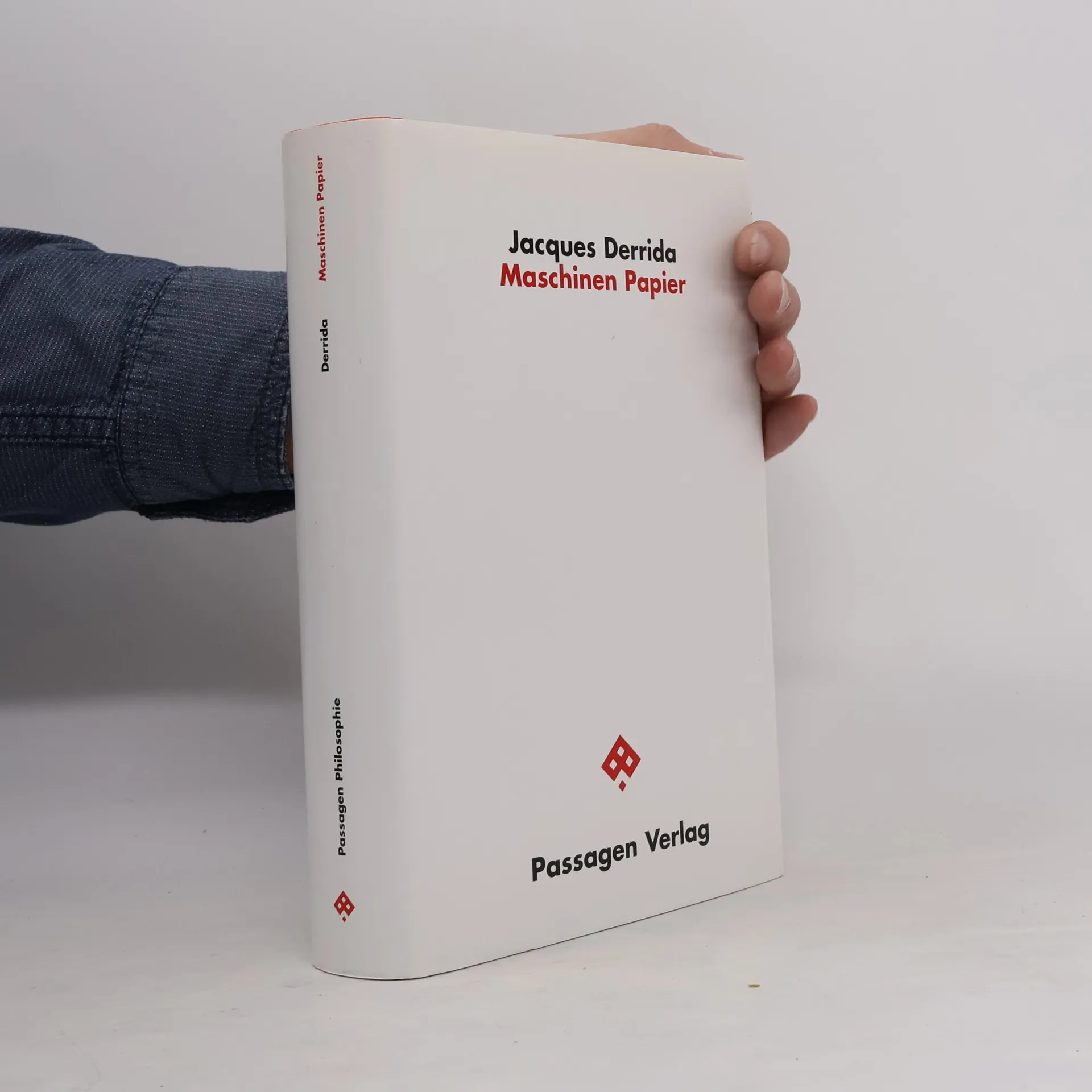
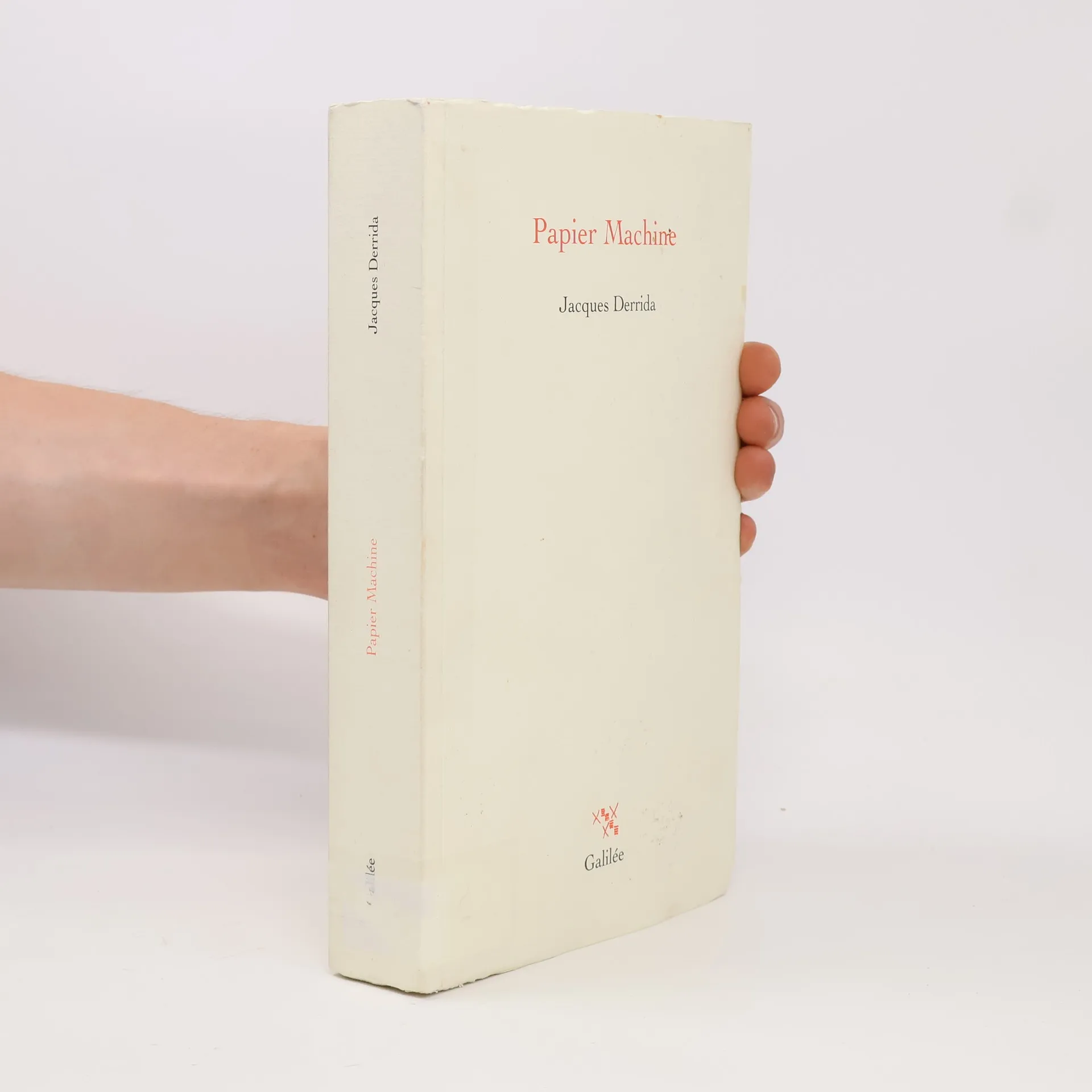
Passagen Philosophie: Maschinen Papier
Das Schreibmaschinenband und andere Antworten
- 432 stránek
- 16 hodin čtení
Ausgehend von einer spezifischen Lesart eines gebräuchlichen Wortes geht dieser Band einer einzigartigen Konfiguration nach: dem „Denken eines sichtbaren oder unsichtbaren Bindestrichs zwischen Maschine und Papier“. Versammelt werden Antworten auf Anfragen verschiedener „dem Papier und dem Buch gewidmeter“ Institutionen. Der erste Teil enthält in der Französischen Nationalbibliothek gehaltene Vorträge, insbesondere Lektüren der „Bekenntnisse“ Rousseaus (auch in Gegenlektüre zu den „Bekenntnissen“ des Augustinus) sowie von deren Interpretation durch Paul de Man. Durchgängige Frage: „Werden wir eines Tages das Denken des Ereignisses mit dem Denken der Maschine verbinden können?“Der zweite Teil dokumentiert eine situative „Erfahrung des Schreibens“ und „riskierte Bahnung politischer Gesten“. Unter der Leitfrage „Was findet statt zwischen dem Papier und der Maschine?“ wird das Schicksal der „Schrift“, des „Ereignisses“, des „Archivs“, des „Politischen“ reflektiert, die sich heute mit „so vielen neuen Virtualisierungsmaschinen“ konfrontiert sehen.
"Judentümer"
- 318 stránek
- 12 hodin čtení
Judentümer – Fragen für Jacques Derrida ist in mehrfacher Hinsicht ein einzigartiges Buch: Jacques Derrida, Jude und Araber, die bedeutendste Gestalt im französischen Geistesleben der letzten Jahrzehnte, dessen 'Dekonstruktion' heute in allen Kontexten der Geisteswissenschaften diskutiert wird, hat sich nirgends so explizit auf die eigene Biographie bezogen wie in diesem Band. Während Derrida minutiös ausführt, dass Judentum sich nicht anders als Plural – als 'Judentümer' – begreifen lässt, gibt er zugleich ein besonders eingängiges Beispiel seiner dekonstruktiven Methode. Die weiteren Beiträge von Mitstreitern wie Kontrahenten, darunter Hélène Cixous, Jean-Luc Nancy, Gianni Vattimo und Jürgen Habermas, sind auf dieser großen Konferenz wenige Jahre vor seinem Tod eine intellektuelle Hommage an Denkweise, ethische Absicht und jüdische Wurzeln Jacques Derridas.
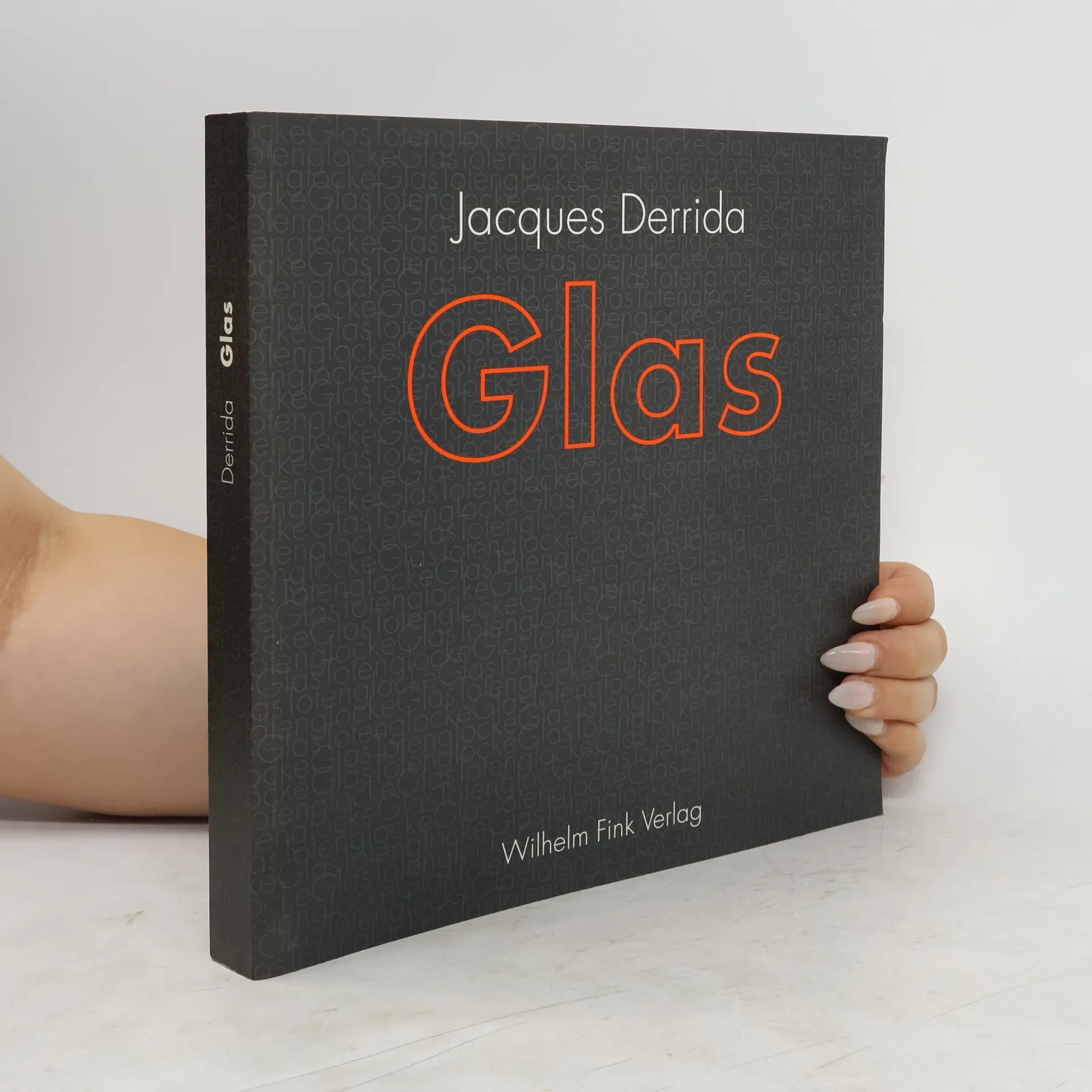
Glas, ursprünglich 1974 erschienen, hat eine besondere Stellung in Derridas Werk und gilt als eines seiner bedeutendsten und rätselhaftesten Bücher. Lange Zeit fand es keinen deutschen Übersetzer, hat sich jedoch paradigmatisch in die späteren, mittlerweile schnell ins Deutsche übertragenen Werke eingeschrieben. Die Form von Glas ist außergewöhnlich: Sie folgt einem durchlaufenden Doppelspaltenprinzip, ohne erkennbaren Anfang oder Ende und ohne Kapiteleinteilungen. Der Text besteht aus zwei Kolumnen, die zwei Autoren gewidmet sind, die auf den ersten Blick nichts gemeinsam haben und unterschiedliche Diskurse repräsentieren: Philosophie und Literatur. Die beiden Autoren sind Hegel, der Denker der Familie, und Genet, der Poet der homosexuellen Liebe. Diese Porträtierung offenbart eine gemeinsame Grundlage: die familiäre Strukturierung des Begehrens, insbesondere die Liebe zwischen Vater und Sohn. Im Rahmen dieser Genealogie behandelt das Werk auch die verschiedenen Weisen der Trauerarbeit: einerseits die monumentale Errichtung des Gedächtnisses im System der hegelschen Dialektik und andererseits die nie endende Zeremonie des Abschieds, das Totenfest, wie es in der deutschen Übersetzung von Genets Roman Pompes funèbre heißt.
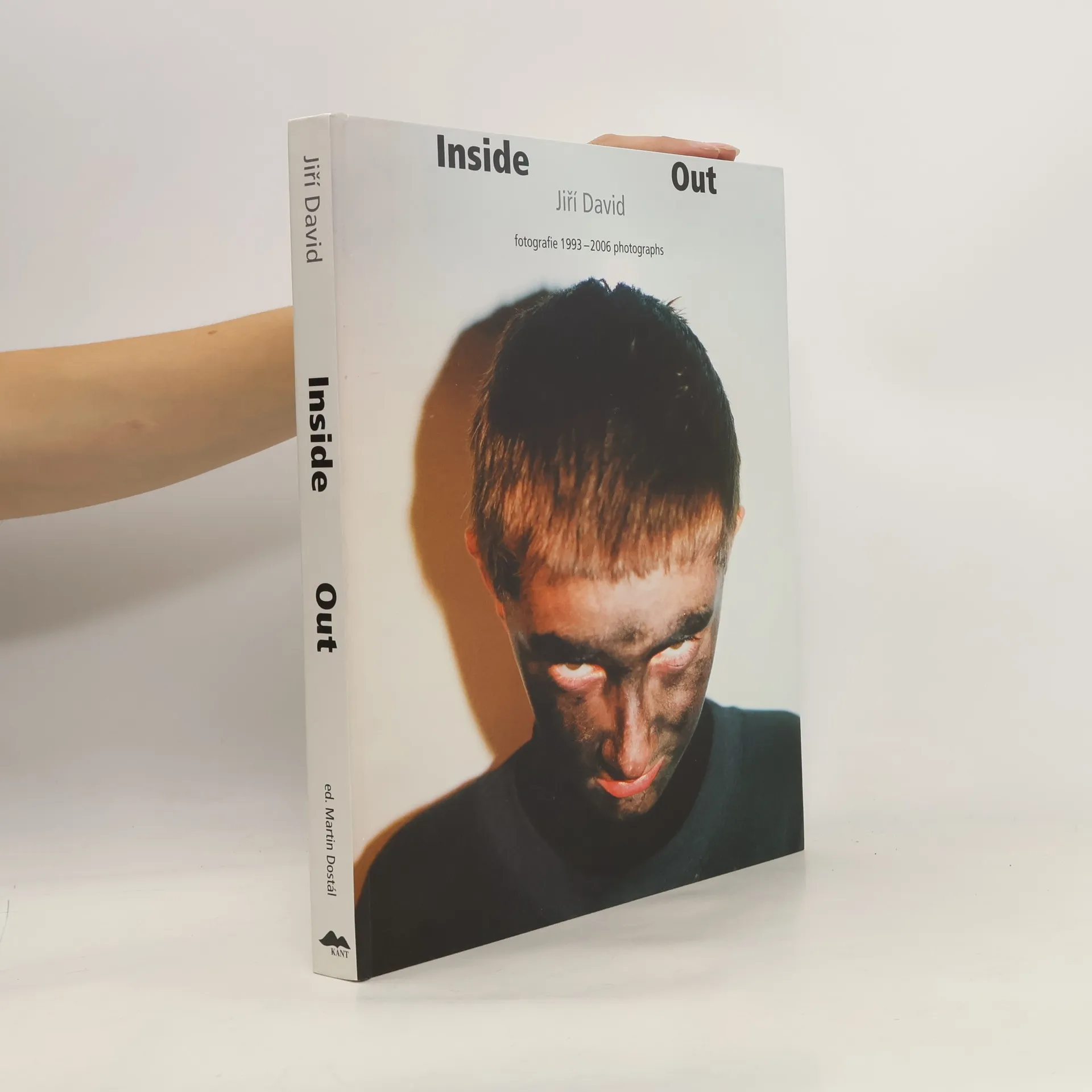
Inside out
- 207 stránek
- 8 hodin čtení
Monografie Jiřího Davida (1956), vedoucího ateliéru konceptuální a intermediální tvorby pražské VŠUP, představuje autorovy důležité fotografické soubory. Umělec využívá fotografii pro realizaci svých konceptuálních projektů. V duchu postmoderny mění vizuální média podle charakteru problematiky, která je pro něj právě inspirativní - manipuluje s fotografickým pozitivem i negativem, vytváří inscenované tematické cykly. Kniha je vydána k výstavě Jiřího Davida v Domě umění města Brno, 6.4.-21.5.2006.
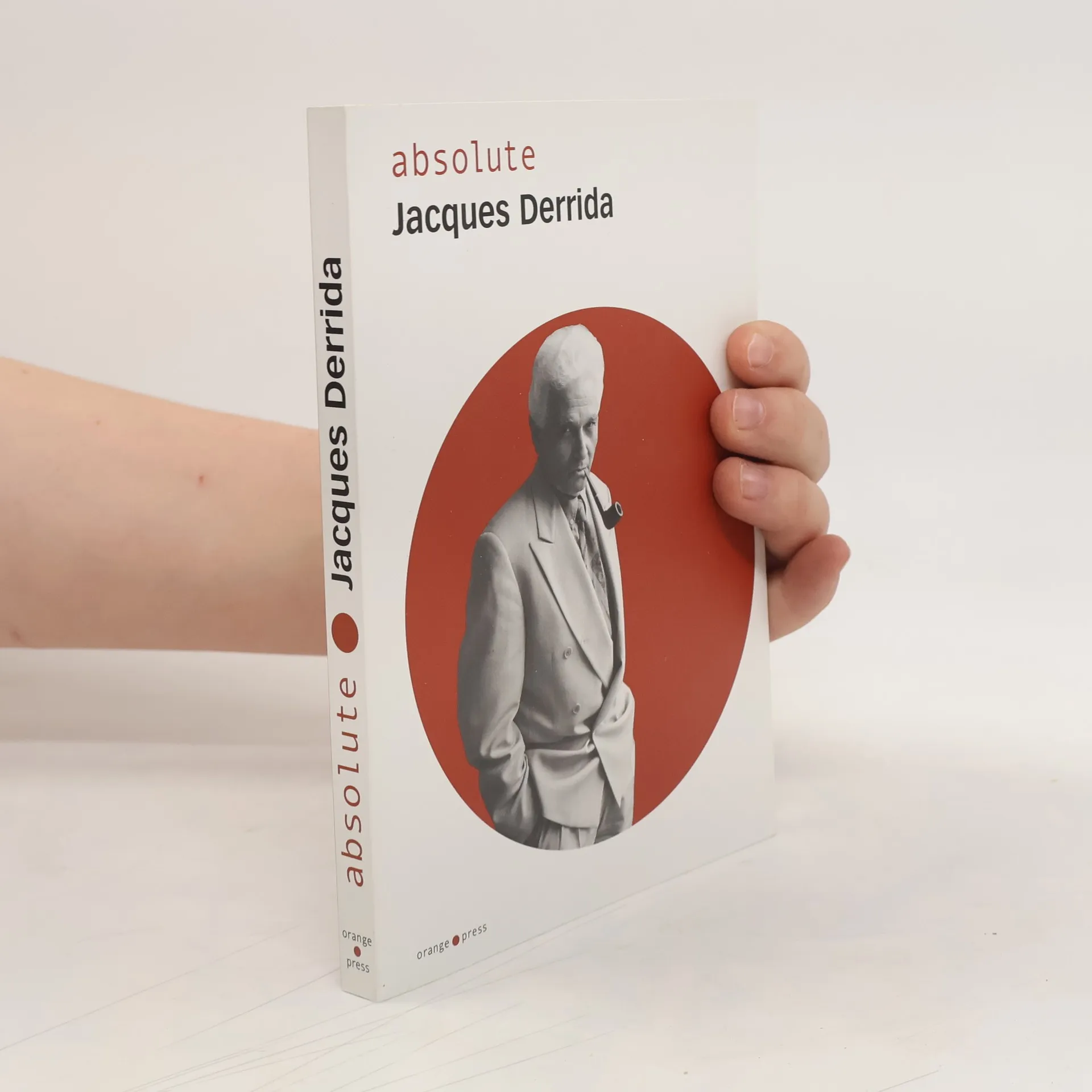
Absolute Jacques Derrida
- 223 stránek
- 8 hodin čtení
Ein Buch über den Begründer der Dekonstruktion und der neumodischen Bindestrich-Wörter, der am liebsten Fußballer geworden wäre. Der Einfluss seines Denkens erstreckt sich weit über das Feld der Philosophie hinaus: auf Literaturtheorien, Kulturwissenschaften, Psychoanalyse und soziale Bewegungen nach dem „Ende der großen Erzählungen“. Das Werk des französischen Intellektuellen steht für eine unbedingte Verantwortung für den anderen und ein rückhaltloses Vertrauen auf ein Zu-Kommendes der Demokratie. Derridas Bedeutung für unser politisches Denken begründet sich nicht zuletzt auf seinem großen Interesse für aktuelle politische Themen: sein Engagement gegen eine ökonomisch verkürzte Globalisierung, sein Einsatz gegen die Apartheid, seine Analysen zum 11. September und zum ‚alten Europa’. Am 15.7.2005 wäre Jacques Derrida 75 geworden. Mit Originaltexten, Interview, Biografie, Fotos
On Touching-Jean-Luc Nancy
- 400 stránek
- 14 hodin čtení
This book, written out of Derrida's long-standing friendship with Jean-Luc Nancy, examines the central place accorded to the sense of touch in the Western philosophical tradition.
In seinem persönlichsten Gespräch gesteht uns Derrida sein lebenslanges Ringen mit zwei klassischen Topoi der Philosophie ein, indem er sagt: „Ich habe niemals leben gelernt“ und: „Ich habe nicht gelernt, den Tod zu akzeptieren“. Reflexionen über die Figuren der „Generation“, der „Treue“ und des „Erbes“ kreisen immer wieder um den zentralen Begriff des „Überlebens“, das nicht zum Leben oder Sterben hinzutritt, sondern etwas „Ursprüngliches“ ist („Leben ist Überleben“) und letztlich sogar als das „Leben in seiner größtmöglichen Intensität“ bezeichnet werden kann. In Auseinandersetzung mit aktuellen geopolitischen Themen, die auch mit einer neuen Verantwortung „Europas“ verbunden sind, sowie in der erklärten Leidenschaft für die Sprache erweist sich Derrida erneut als vehementer Verteidiger der Komplexität und des Aporetischen gerade auch in den medialen Diskursen, als Verteidiger eines „unbestechlichen Ethos des Schreibens und Denkens“.
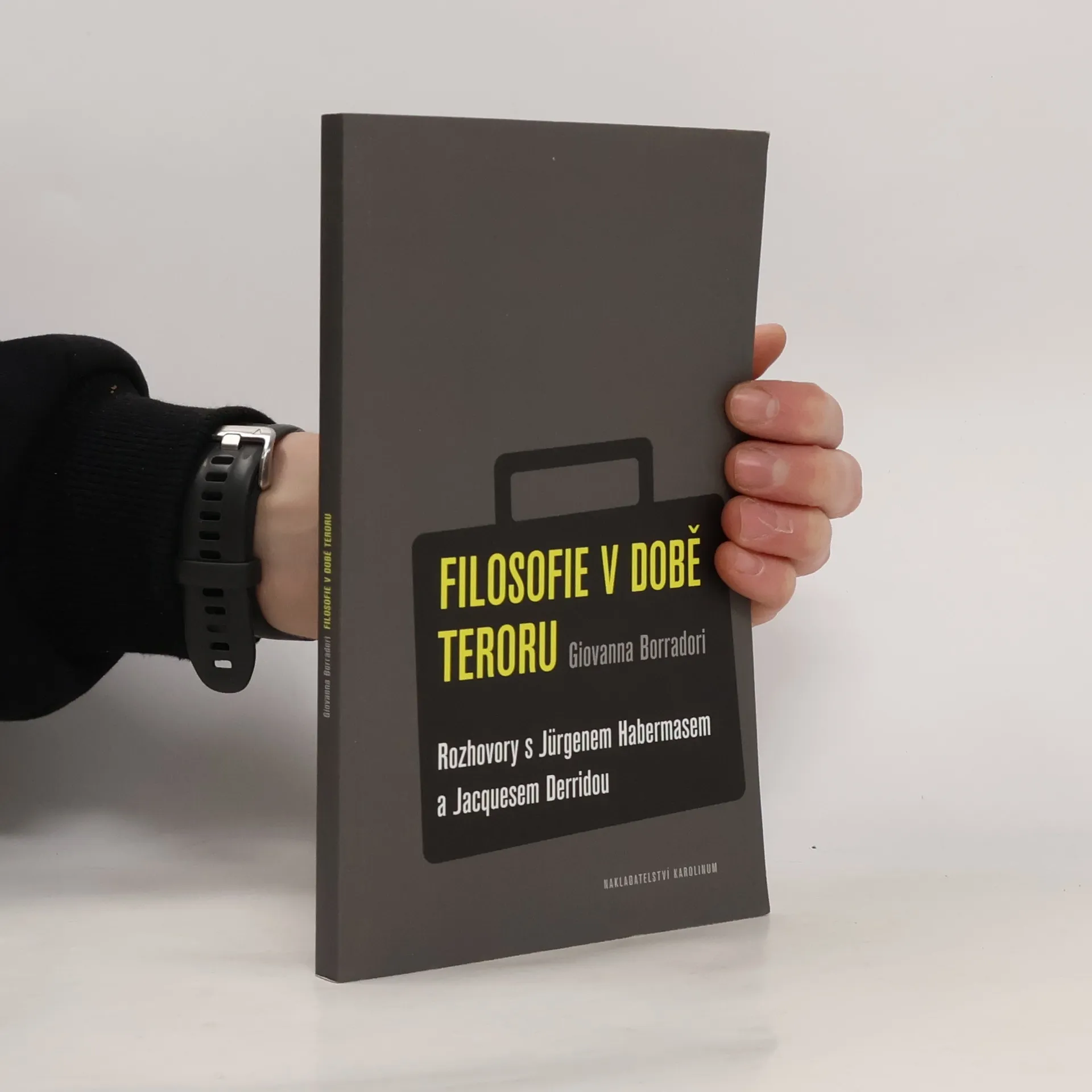
Filosofie v době teroru
- 190 stránek
- 7 hodin čtení
Kniha rozhovorů Giovanny Borradori s Jacquesem Derridou a Jürgenem Habermasem vznikla bezprostředně po teroristickém útoku na Twin Towers 11. září 2001. Derrida i Habermas analyzují problém současného terorismu v rámci reflexe "osvícenského projektu" moderního světa, tj. světa jehož podstatou je racionalismus a racionalistické pojetí rozumu. V doplňujícím textu G. Borradori podává zasvěcený úvod do myšlení obou filosofů. Publikace tak umožňuje porozumět stanoviskům obou filosofů, i těm čtenářům, kteří se přímo neorientují v odborné filosofické literatuře.
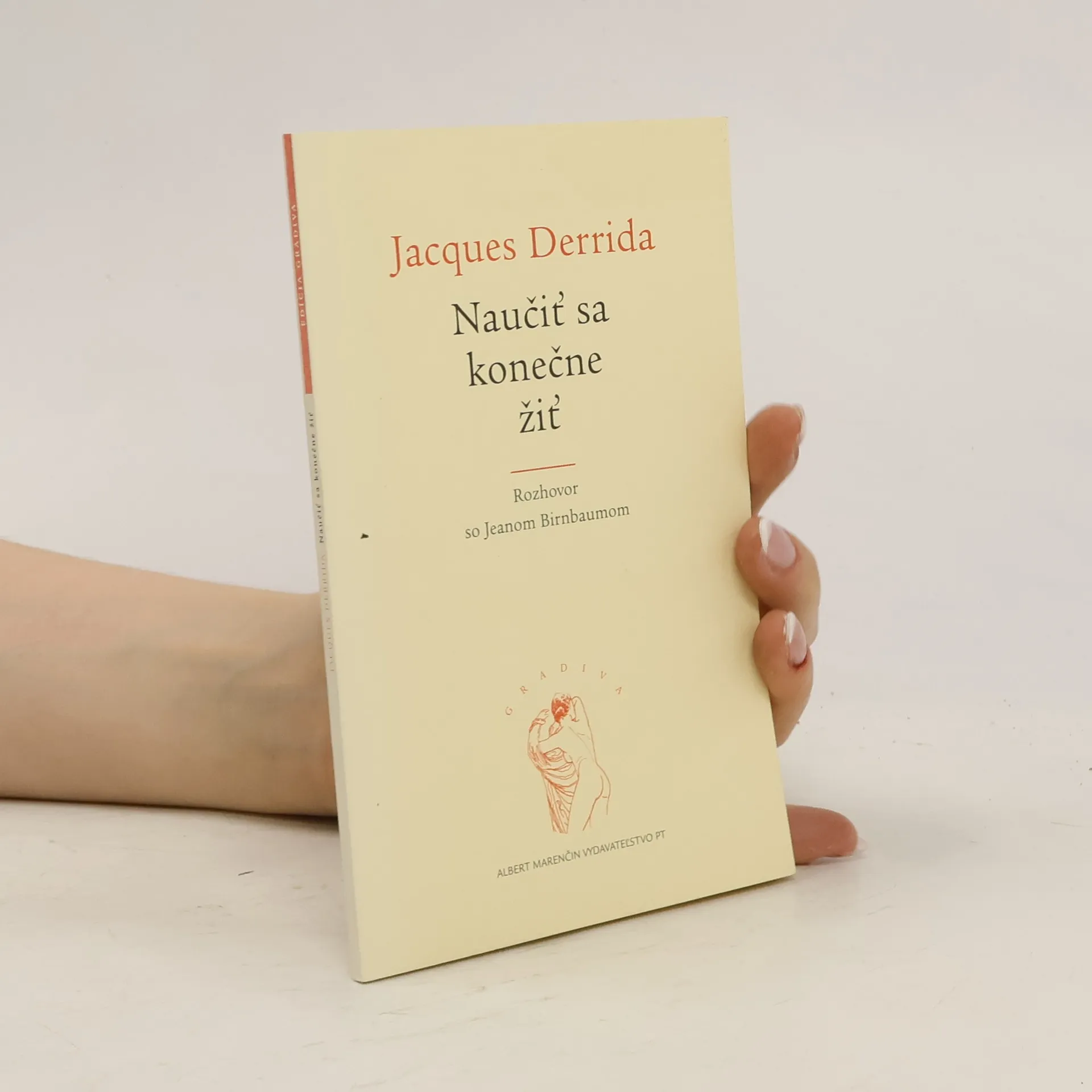
Naučiť sa konečne žiť
- 56 stránek
- 2 hodiny čtení
Rozhovor Jeana Birnbauma s filozofom Jacquesom Derridom uverejnený v denníku Le Monde v predvečer jeho smrti. Je to úvaha o živote a smrti, inšpirovaná myšlienkami Imre Kertézsa v jeho eseji Kadiš. „Naučiť sa žiť“ – hovorí Derrida – to znamená dozrievať, učiť druhých aj seba samých, čo môže vyznievať ako hrozba (budem tvoriť, utvárať, formovať), najmä ak to nehovorí iba na adresu človeka, jednotlivca, či ľudstva, ale celej Európy, majúc pritom na mysli jej globalizáciu, ale inakšiu, inak uplatňujúcu princíp suverenity, politických zásad, aj medzinárodného práva – inú Európu, disponujúcu skutočnou vojenskou silou, nezávislou na NATO a Spojených štátoch a slúžiacou potrebám inej, ozdravenej OSN.
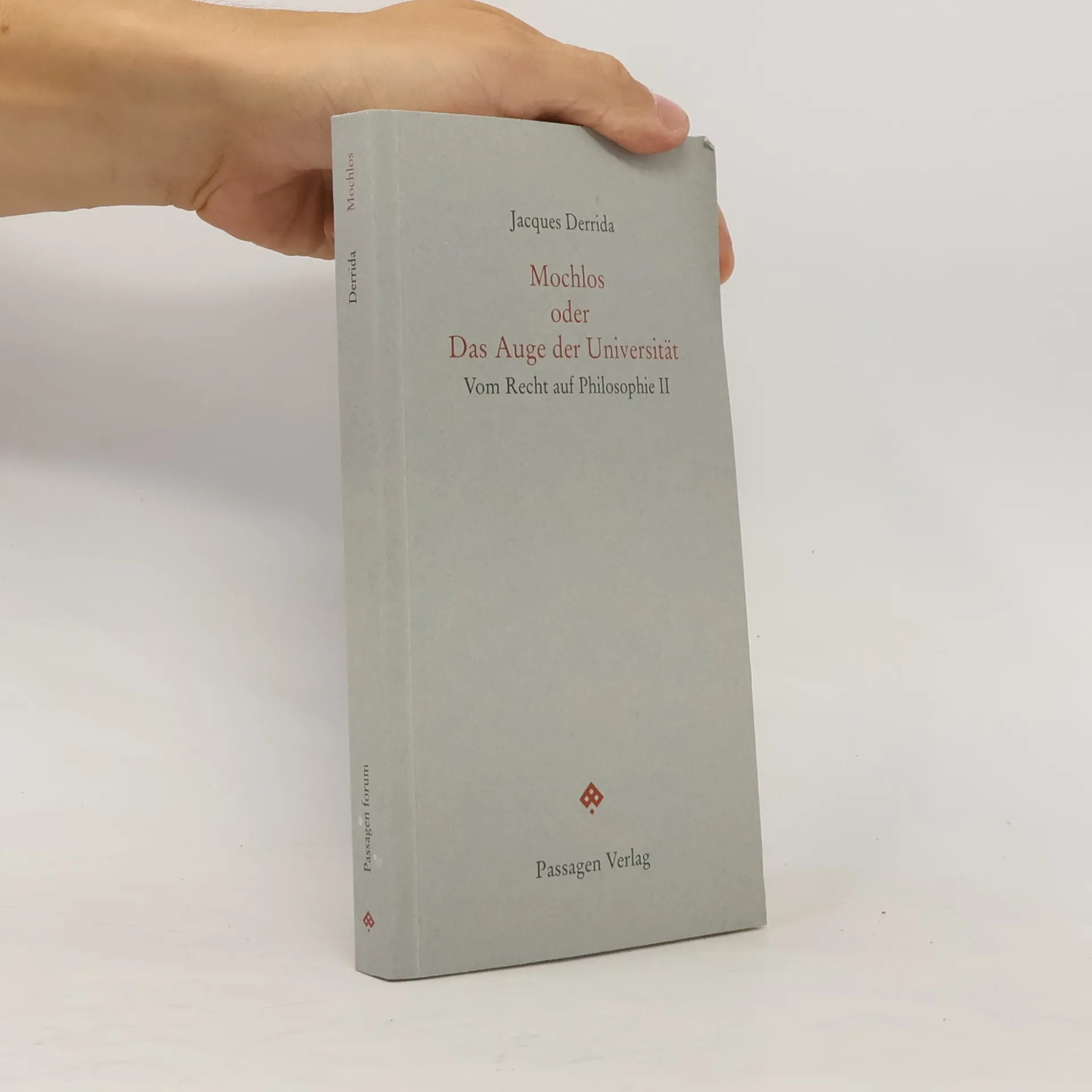
Passagen Forum - 2: Mochlos oder Das Auge der Universität
Vom Recht auf Philosophie
- 179 stránek
- 7 hodin čtení
"Wie, heute, nicht von der Universität sprechen?" Die so eröffnete Antrittsvorlesung Jacques Derridas an der Cornell University (1983) bildet zusammen mit weiteren Texten aus Du droit à la philosophie über das Verhältnis von Philosophie, Lehre und Universität den zweiten Teilband der deutschen Ausgabe. Hauptbezugspunkte der Reflexion sind dabei Kant (Der Streit der Fakultäten), Hegel (seine Gutachten zur Lehre der Philosophie an Gymnasien und Universitäten) sowie Heidegger. Wenn der "Grund" oder der "Hinblick" der Universität oder die "Gründung" eines "neuen universitären Rechts" untersucht wird, geht es immer auch um die Verschränkung mit dem AußerPhilosophischen und Außer-Universitären. An der Schnittstelle steht der Begriff des "Gründungsereignisses", das "sich nicht einfach in der Logik dessen verstehen lässt, was es gründet." Von entscheidender Bedeutung ist die Frage des "besten Hebels (die Griechen würden sagen des besten mochlos)", mit dessen Hilfe man von einem "Gründungsboden [. . .] zu einem anderen Gründungsort springen" kann.
Jacques Derrida und Hans-Georg Gadamer lernten sich in den frühen 80er Jahren kennen, und seit dieser Zeit entspann sich eine kontroverse Auseinandersetzung über die Hermeneutik, die Kunst der Interpretation, insbesondere über die Endlichkeit unseres Verstehens. Als Gadamer starb, hielt Derrida im Februar 2003 die Festrede zur Gedenkfeier der Universität Heidelberg. Mit einer eindringlichen Celan-Lektüre führt Derrida vor, wie das Gespräch mit Gadamer über seine letzte Unterbrechung hinaus am Ende zu einem ›ununterbrochenen Dialog‹ werden könnte. Dem Band beigefügt sind Kommentare Gadamers zu Celans Gedichtfolge Atemkristall sowie Materialien aus der Zeit der ersten Begegnung. In Derridas Reflexion über den Abschied und das Abschiednehmen kommt es hier zu einer letzten, vielleicht entscheidenden Annäherung.
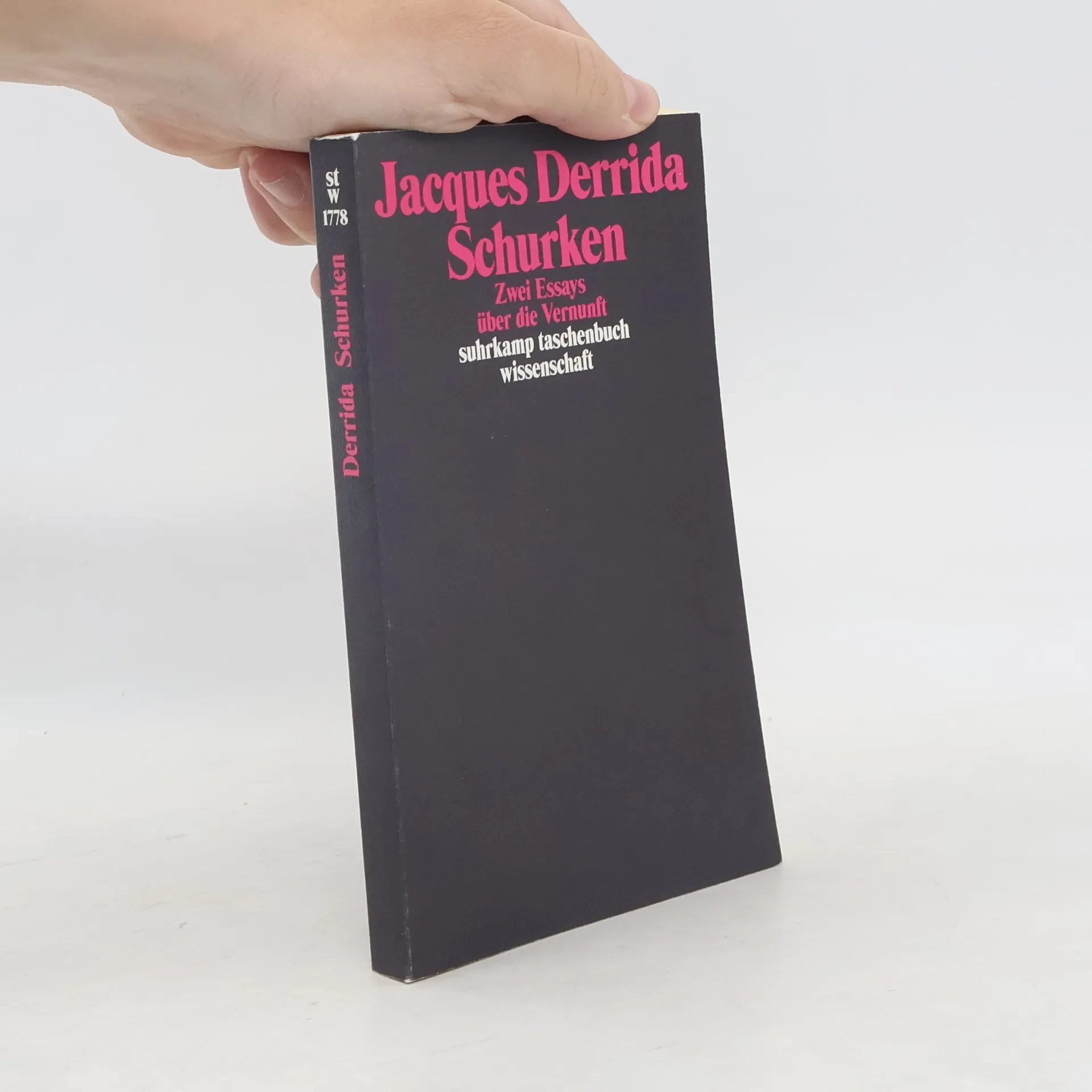
Suhrkamp Taschenbuch Wissenschaft - 1778: Schurken
- 219 stránek
- 8 hodin čtení
»Was geschieht«, so fragt Derrida, »mit den Begriffen der ›Politik‹, des ›Kriegs‹ und des ›Terrorismus‹, wenn das alte Gespenst der staatlichen Souveränität seine Glaubwürdigkeit verliert?«
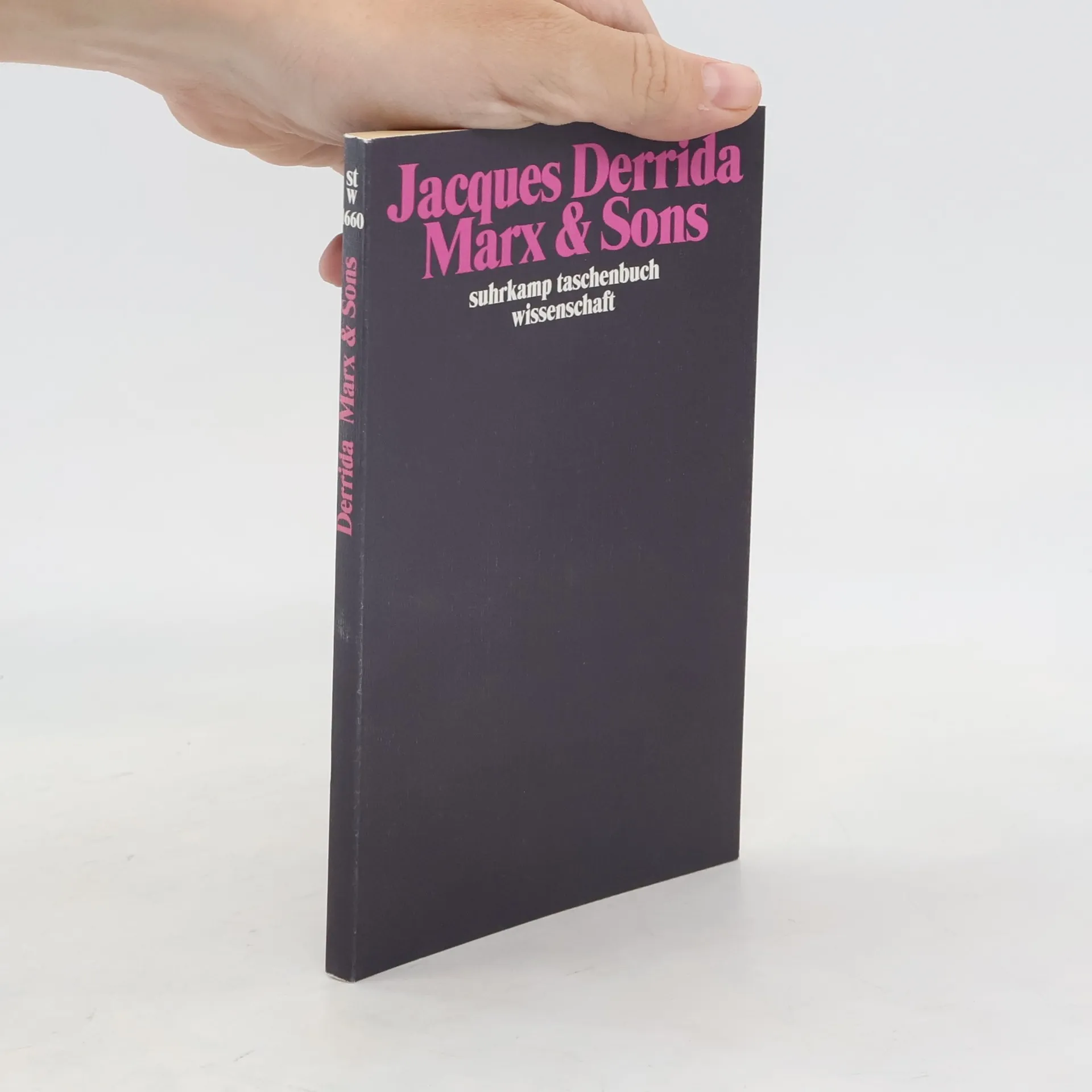
Marx & Sons
- 144 stránek
- 6 hodin čtení
In seinem neuen Buch, Marx & Sons, das hier erstmalig in deutscher Übersetzung vorgelegt wird, nimmt Derrida die vehementen Debatten, die sein Buch Marx’ Gespenster ausgelöst hat, auf und nutzt seine Replik zu einer radikalen Auseinandersetzung mit der historischen Bedeutung des Marxismus. Dabei steht die Frage des Erbes und der Erbschaft im Mittelpunkt der Überlegungen. »Wie kann man auf das Erbe antworten«, fragt Derrida, »wie kann man sich für ein Erbe verantwortlich fühlen, wenn diese Erbschaft widersprüchliche Anweisungen gibt?« Was ist die Erbschaft des Marxismus? Und welche Bedeutung kann sie heute haben?
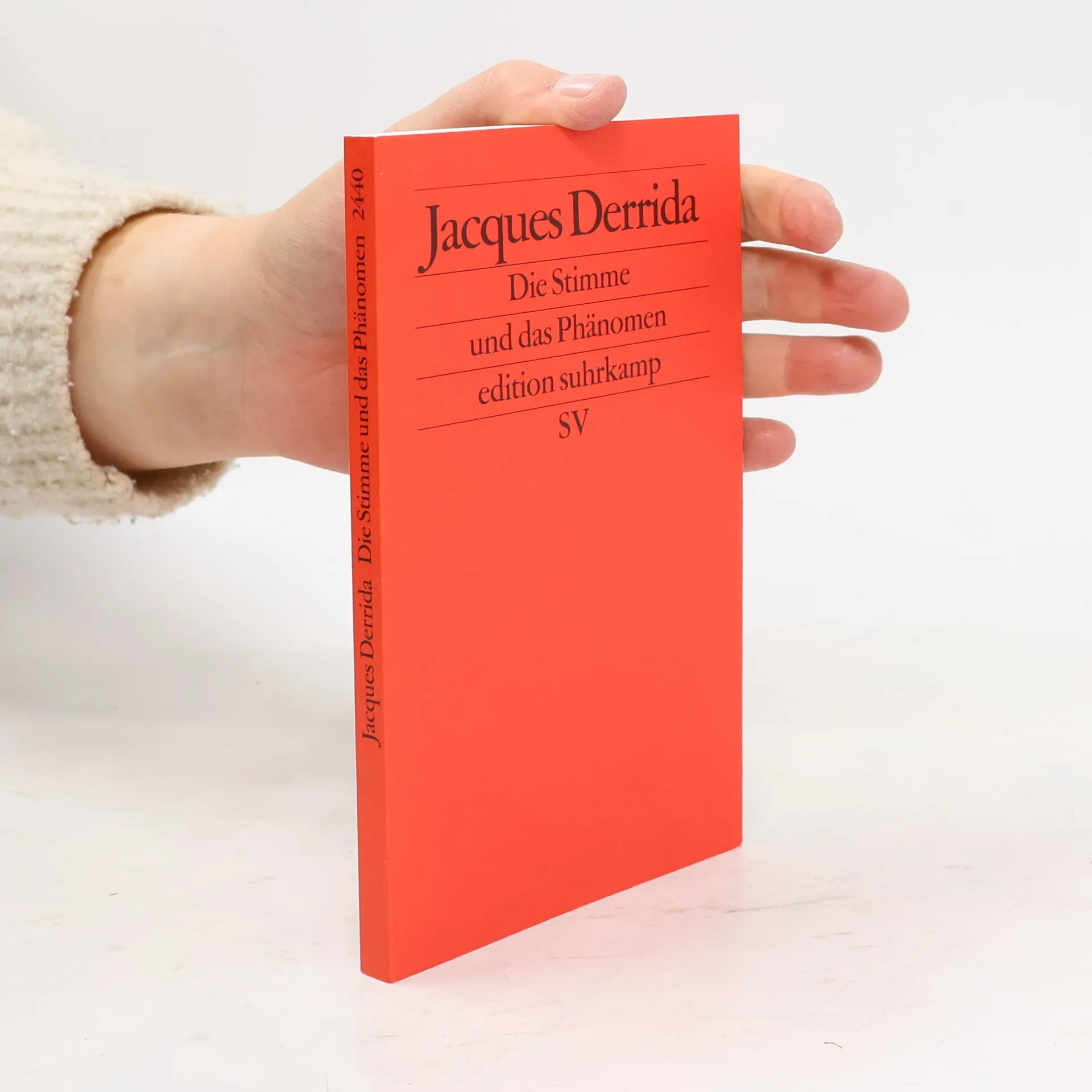
Die Stimme und das Phänomen
Einführung in das Problem des Zeichens in der Phänomenologie Husserls
- 139 stránek
- 5 hodin čtení
Mit gleich drei Büchern, die allesamt zu Gründungsdokumenten des postmodernen Denkens geworden sind, hat Jaques Derrida 1967 die philosophische Weltbühne betreten: De la grammatologie, L’écriture et la différence und La voix et le phénomène. Letzteres, das hier in der Neuübersetzung von Hans-Dieter Gondek vorgelegt wird, entwickelt anhand einer gleichermaßen skrupulösen wie erhellenden Lektüre von Edmund Husserls Logischen Untersuchungen Derridaas Sicht auf zentrale zeichentheoretische Theoreme der abendländischen Metaphysik und phänomenologischen Sprachtheorie. Die Stimme und das Phänomen ist somit nicht nur eine luzide und kritische Einführung in das Denken der différance sowie in den Zeichenbegriff Husserls, sondern geradezu das Paradebeispiel einer dekonstruktiven Lektüre.
Ein Zeuge von jeher
- 39 stránek
- 2 hodiny čtení
Ein Nachruf und eine Antizipation. Blanchots ebenso nüchterne wie luzide Schreibweise, die unablässig die Bedingungen ihrer eigenen Möglichkeit befragt, hat den verschiedensten Bereichen ihre Spuren eingegraben: Literatur und Philosophie, Psychoanalyse, Theorie der Sprache, Geschichte und Politik. Nichts, was das vergangene Jahrhundert in Unruhe versetzt hat, keine seiner Erfindungen und Kataklysmen, seiner Mutationen, seiner Revolutionen und Monstrositäten ist der hohen Spannung seines Denkens und seiner Texte entgangen. Auf all das hat er geantwortet, indem er sich einer unerbittlichen Weisung unterwarf. Er tat das ohne den Schutz einer Institution, jenseits der Universität oder einer anderen von der Macht begünstigten Gruppierung. In seinem Nachruf auf den toten Freund betont Jacques Derrida, dass sich die manchmal unsichtbare Strahlkraft von Blanchots Werk nicht mit Begriffen wie „Einfluss“ oder „Gefolgschaft“ definieren lässt. Blanchot hat nicht „Schule gemacht“. Sein Erbe hat sich ins Denken derer, die ihm nah waren, tiefer und inwendiger eingegraben als der „Einfluss“ eines „Lehrers“.
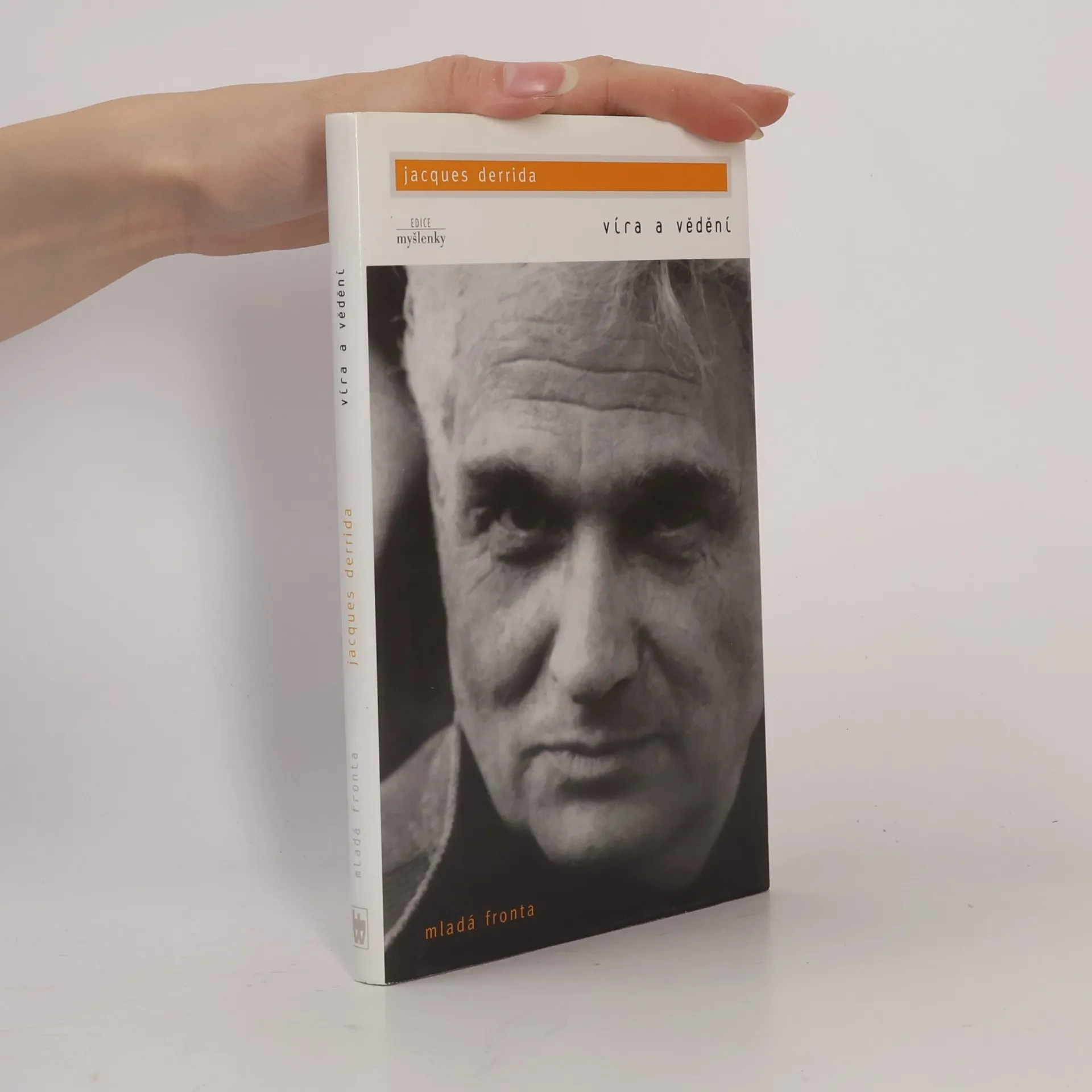
Dva Derridovy příbuzné texty o náboženství a odpuštění umisťují současné myšlení do kontextu doby, charakterizované dvěma hlavními jevy. Prvním je „návrat náboženství“, zahrnující náboženské války, fundamentalismus a střet civilizací, ale také moderní projevy náboženství, jako jsou dalajlámova televizní diplomacie a papežovy cesty. Druhým fenoménem je „globalatinizace“, což je aliance mezi tele-technovědeckým kapitalismem a křesťanstvím jakožto zkušeností smrti boha. Tato dualita zahrnuje víru a tradicionalismus na jedné straně a vědění, sekularizaci a demokracii na straně druhé. Kniha se ptá, zda můžeme odmítat globalatinizaci a zároveň věřit v demokracii jako univerzální model. Jak můžeme myslet univerzalitu, která by nebyla pro druhého formou zla? Je dekonstrukce pokračovatelem Kantova projektu osvícenství? Derrida se snaží uchopit přítomnost jako filosof, religionista a teoretik demokracie, přičemž usiluje o myšlení celkovosti, globálnosti a univerzálnosti, avšak s respektem a odpovědností vůči druhému, předcházející sobě samému.
Co přinese zítřek?
- 285 stránek
- 10 hodin čtení
Kniha obsahuje rozhovor historičky a psychoanalytičky Elisabeth Roudinesco s filosofem Jacquesem Derridou. V osmi kapitolách se postupně dostává pozornosti různým charakteristickým znakům dnešního světa. Mimo jiné tématu imigrace, rodiny, svobody, homosexuality, revoluce po zhroucení komunistických režimů, formám současného a budoucího antisemitismu a trestu smrti. Část rozhovoru je věnována i vzpomínkám na významné postavy francouzské intelektuální scény (Foucault, Althusser, Lacan) či intelektuálnímu dědictví sedmdesátých let. ...
Komentář k Husserlovu "Původu geometrie". Podrobný rozbor této úvahy, která se zařazuje mezi dodatky ke "Krizi evropských věd", je věnován především problémům sedimentace smyslu, různých stupňů ideality a teleologie historického rozumu ve vztahu k možnosti ustavení přísné vědy. Derrida zde překvapivě vystupuje jako obhájce některých Husserlových základních tezí proti kritice vznesené W. Biemelem či M. Merleau-Pontym.
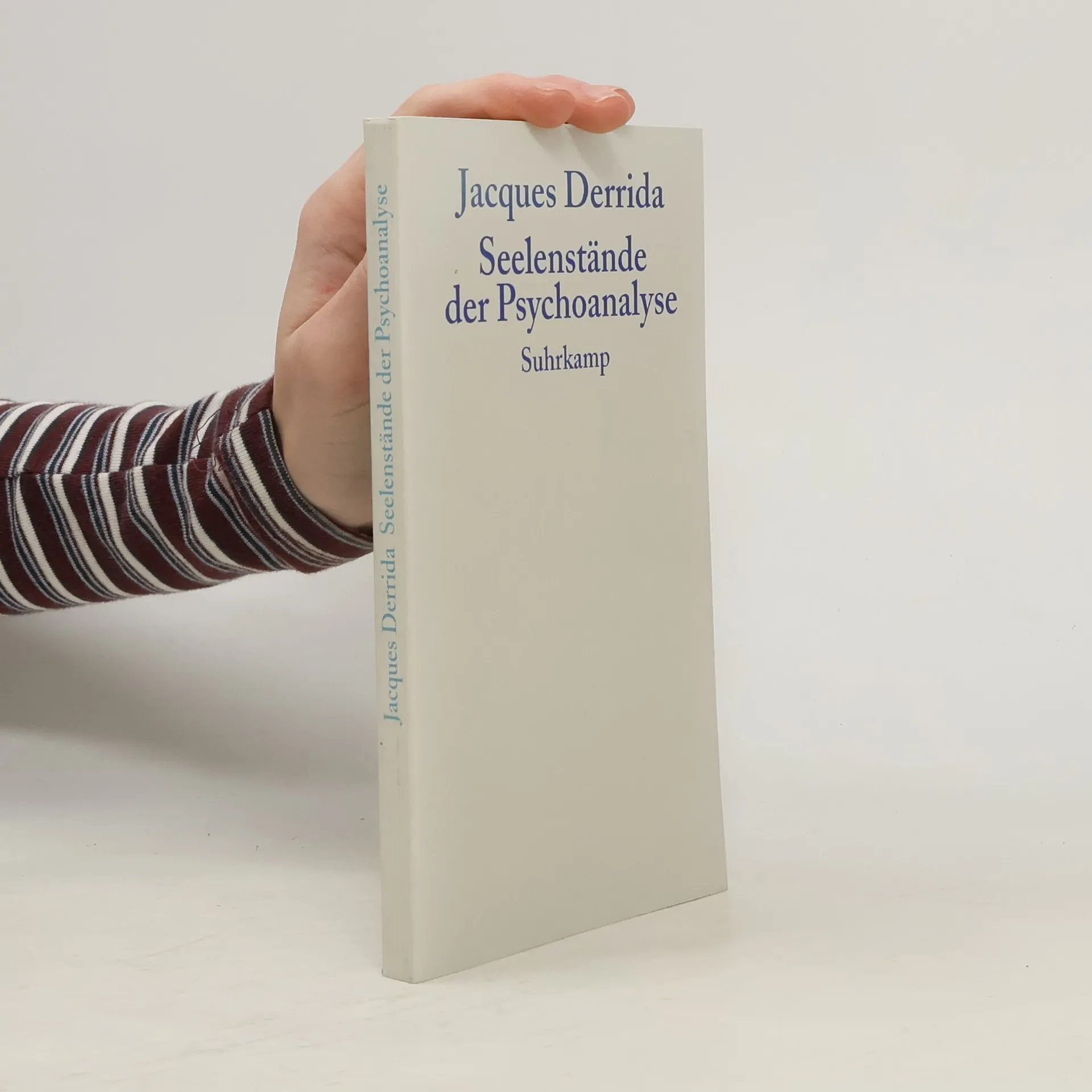
Seelenstände der Psychoanalyse
- 102 stránek
- 4 hodiny čtení
»Derridas fast zweieinhalbstündigen ›Gruß‹ an die ›Generalstände der Psychoanalyse‹ wird niemand, der dabei war, je vergessen.« Frankfurter Allgemeine Zeitung
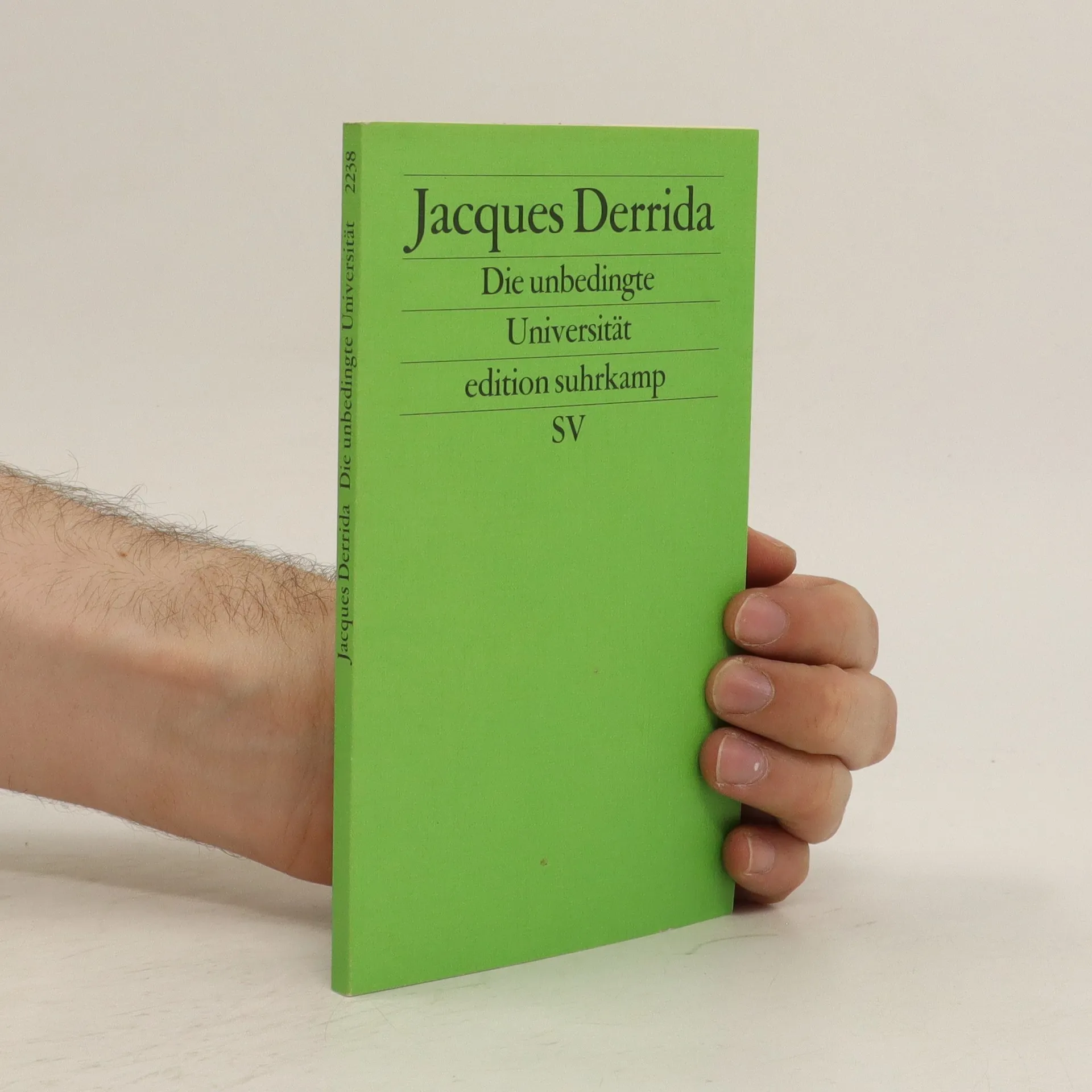
Die unbedingte Universität
- 77 stránek
- 3 hodiny čtení
Als Jacques Derrida seinen vielbeachteten Vortrag Die Zukunft der Universität auf Einladung von Jürgen Habermas in Frankfurt hielt, stellte ihn die Frankfurter Allgemeine Zeitung in eine Reihe mit den berühmten Reden Kants, Schellings, Nietzsches und Heideggers. Derrida entwirft eine bedingungslose, unbedingte Universität, die zugleich eine mögliche Orientierung für die Geisteswissenschaften insgesamt reflektiert und einschließt. Sein Versuch, eine moderne Form der Universität zu umreißen, kann der aktuellen Debatte über die Reform der Universität entscheidende philosophische Impulse geben. Sein Text verbindet dabei eine subtile und präzise philosophische Argumentation mit einer pointierten politischen Position.
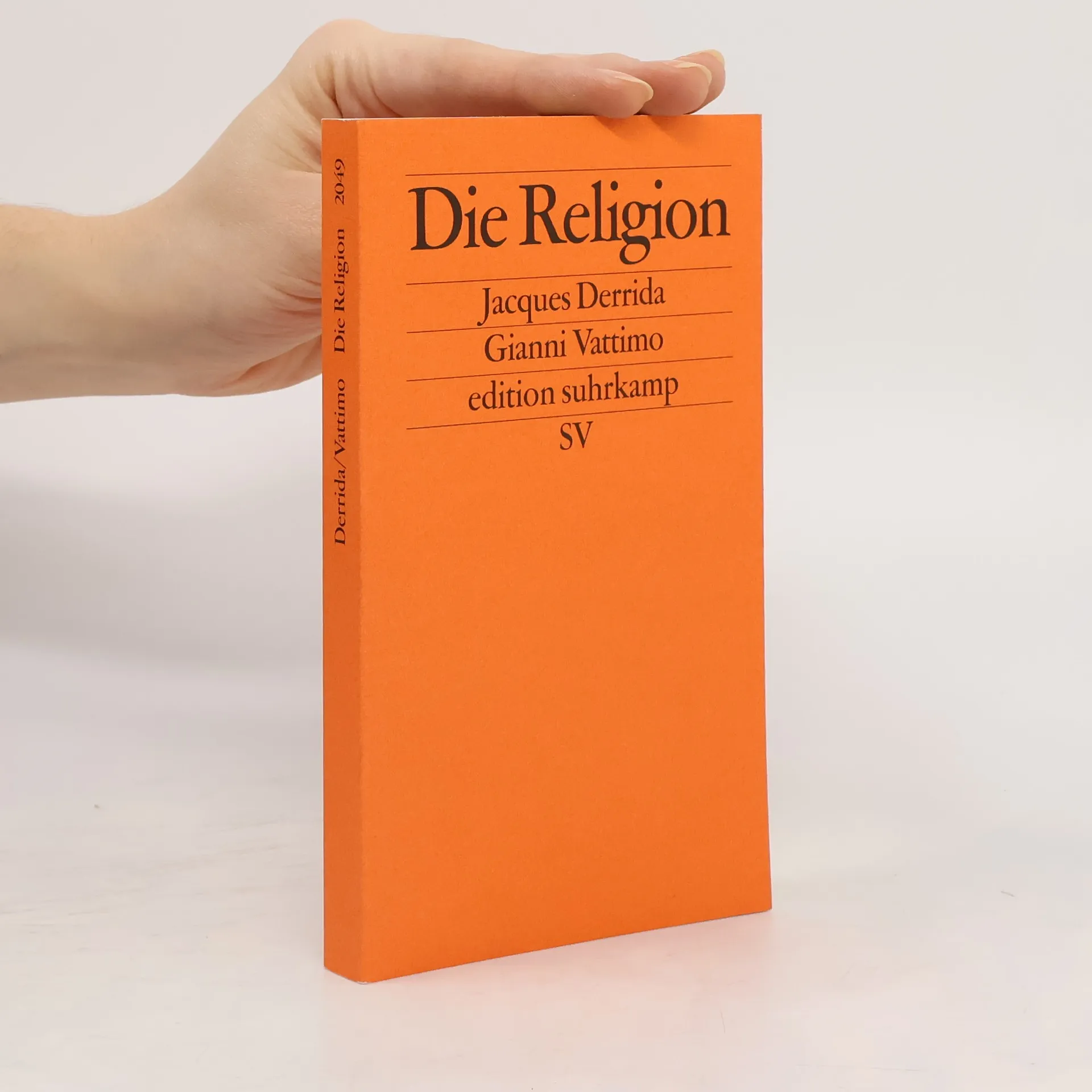
Die Religion
- 250 stránek
- 9 hodin čtení
Im Licht der Wiederkehr des Religiösen und seiner weltweiten Konjunktur erfährt die Religion ihre philosophische Nobilitierung jenseits der tradierten Dichotomie von Mythos und Aufklärung. Die Beiträge von Jacques Derrida, Gianni Vattimo, Maurizio Ferraris, Hans-Georg Gadamer, Aldo Giorgio Gargani, Eugenio Trías und Vincenzo Vitiello dokumentieren eine kardinale Wende der zeitgenössischen Philosophie.
On Friendship
- 128 stránek
- 5 hodin čtení
Throughout history, some books have changed the world. They have transformed the way we see ourselves - and each other. They have inspired debate, dissent, war and revolution. They have enlightened, outraged, provoked and comforted. They have enriched lives - and destroyed them. Now Penguin brings you the works of the great thinkers, pioneers, radicals and visionaries whose ideas shook civilization, and helped make us who we are. Michel de Montaigne was the originator of the modern essay form; in these diverse pieces he expresses his views on relationships, contemplates the idea that man is no different from any animal, argues that all cultures should be respected, and attempts, by an exploration of himself, to understand the nature of humanity.
Nietzsche - Politik des Eigennamens
Wie man abschafft, wovon man spricht
„Der Name Nietzsche nun ist vielleicht heute für uns im Abendland der Name des einzigen (vielleicht in anderer Weise mit Kierkegaard und vielleicht auch mit Freud), der von Philosophie und Leben, von Wissenschaft und Philosophie des Lebens mit seinem Namen, in seinem Namen gehandelt hat.“
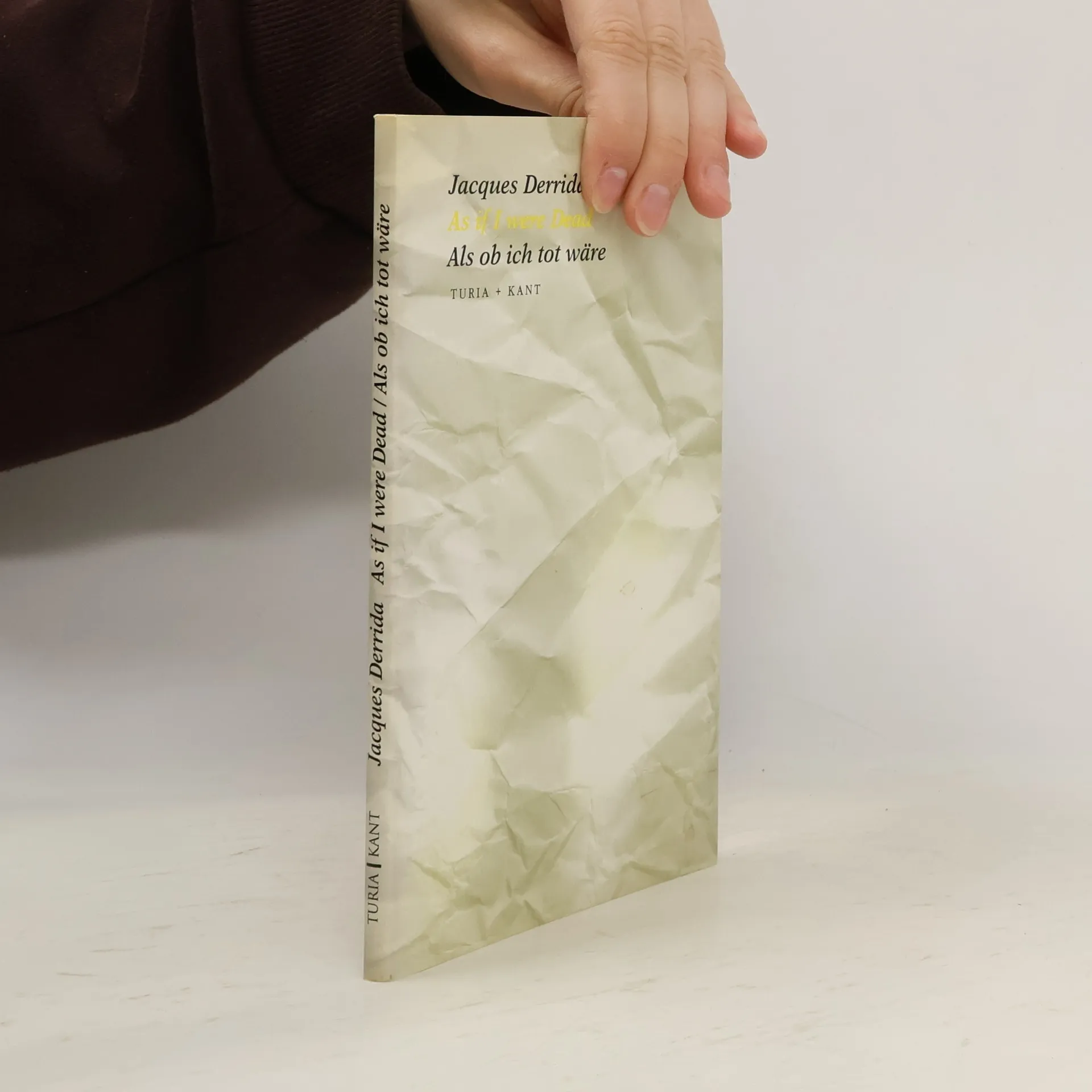
As if I were dead
- 74 stránek
- 3 hodiny čtení
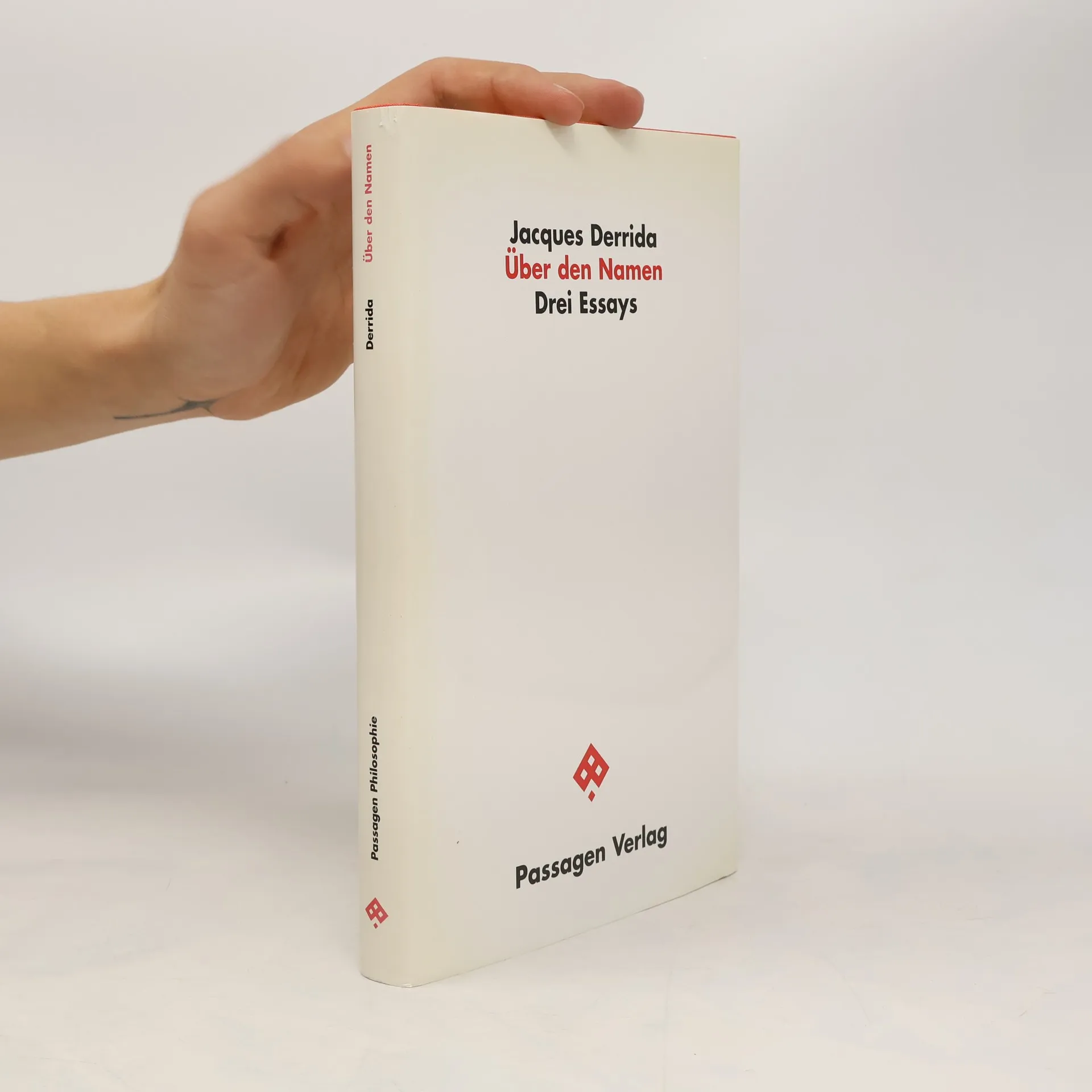
Über den Namen
Drei Essays
Drei Essays über den gegebenen Namen bilden den Kern von Derridas Überlegungen zu den Themen „Passionen“, „Außer dem Namen“ und „Chora“. Diese Texte sind jeweils eigenständig, beleuchten sich jedoch gegenseitig. In „Passionen“ wird die (Un)Möglichkeit der Antwort und der Verantwortung untersucht, basierend auf Reflexionen über Höflichkeit und Kant. Dabei wird die Frage aufgeworfen, was unter „Pflicht“ zu verstehen sei und ob es nicht eine doppelte Pflicht gäbe, sowohl die Sprache des Rituals als auch die der Pflicht zu vermeiden. Diese Überlegungen bleiben aporetisch und führen zur Feststellung, dass es ein Geheimnis gibt. „Außer dem Namen“ thematisiert in einem fiktiven Dialog den Namen Gottes und das Unnennbare, inspiriert von Angelus Silesius, und öffnet sich dem Anderen, indem es fordert, „den Anderen sein lassen“. Der Essay „Chora“, ein Beitrag zu einer Festschrift für Jean-Pierre Vernant, untersucht die Chora als „Amme allen Werdens“ und beleuchtet eine Aporie im platonischen Text. In allen drei Essays schwingt die Frage nach dem Namen mit einer politischen Dimension mit, die die „Demokratie im Kommen“ reflektiert.
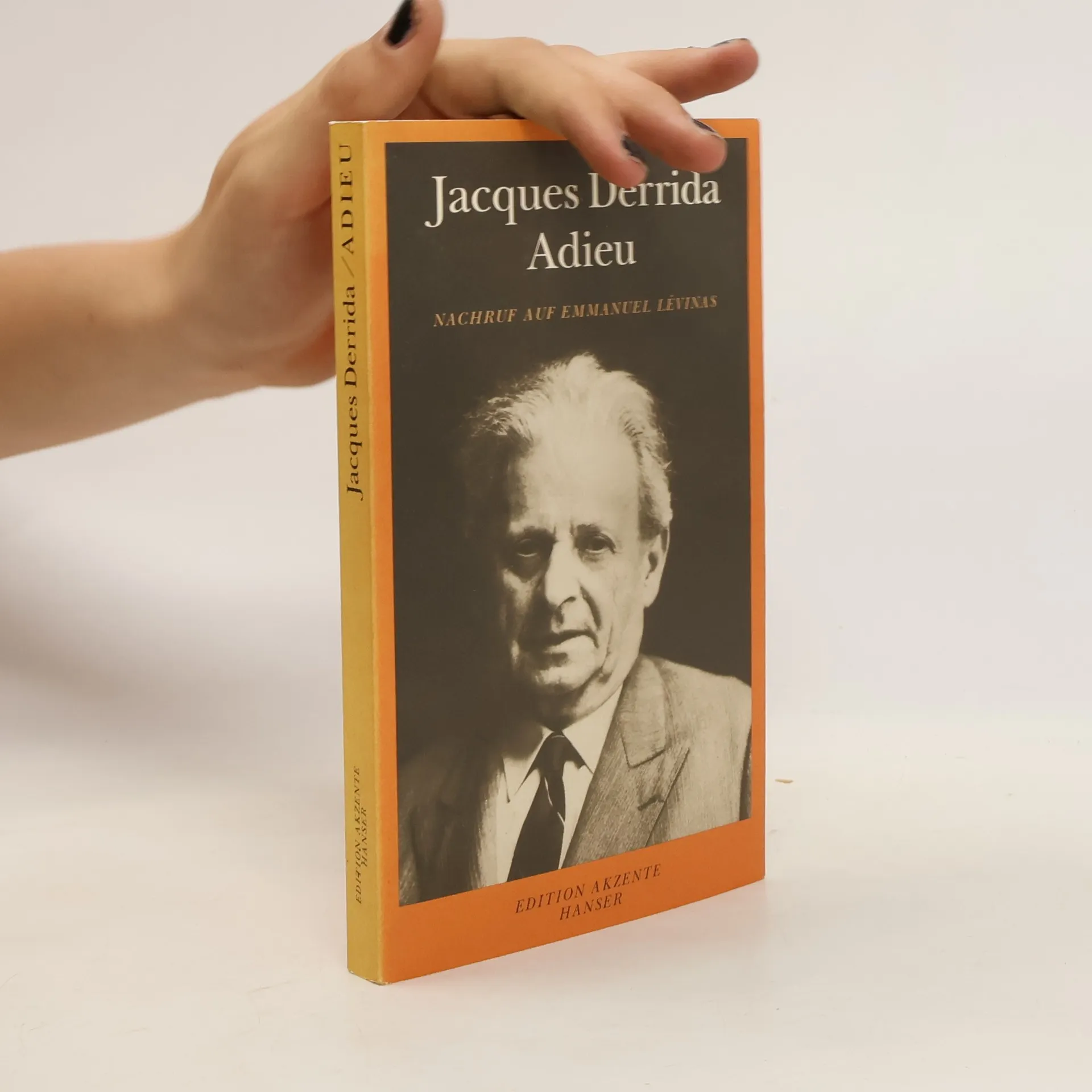
Adieu
- 169 stránek
- 6 hodin čtení
Emmanuel Lévinas, 1995 gestorben, wurde mit seiner Philosophie weit über die Grenzen Frankreichs und seiner Fachkollegen hinaus bekannt. Er war derjenige, der wie kein anderer die Ethik zurückbrachte zu den Menschen, von denen sie spricht. Jacques Derrida gibt in seinem Buch eine Einführung in das Werk von Lévinas und nimmt mit seiner Totenrede Abschied von einem Freund und Lehrer.
In the English-speaking world, Jacques Derrida’s writings have most influenced the discipline of literary studies. Yet what has emerged since the initial phase of Derrida’s influence on the study of English literature, classed under the rubric of deconstruction, has often been disowned by Derrida. What, then, can Derrida teach us about literary language, about the rhetoric of literature, and about questions concerning style, form, and structure? The Derrida Reader draws together a number of Derrida’s most interesting and idiosyncratic essays that treat literary language, the idea of the literary, and questions of poetics and poetry. The essays discuss single tropes or concepts, a figure such as metaphor, the ideas of titles and signatures, proper names, and Derrida’s thinking on such subjects as undecidability or aporia. The editor’s introduction is a demonstration in practice of how Derrida reads and how he adapts the act of reading to the text or figure in question. The introduction also outlines each essay’s main points, its usefulness for reading literary texts, and its particular area of interest. The Derrida Reader thus provides students of literature with a focused, contextualized, and readily understandable volume.
French
Vergessen wir nicht - die Psychoanalyse!
- 233 stránek
- 9 hodin čtení
Daß die Psychoanalyse inzwischen auch unter Philosophen ein wenig aus der Mode gekommen ist, ficht ihn nicht an, veranlaßt ihn vielmehr, noch deutlicher offenzulegen, was ihn selbst an der Psychoanalyse berührt. Das zeigen die hier versammelten Texte aus den Jahren 1988 bis 1991. Aus Liebe zu Lacan (1990) ist trotz aller massiven Kritik ein entschiedenes Plädoyer für einen neuen Schwung in der philosophischen Auseinandersetzung mit dem Lacanschen Werk. Mit »Gerecht sein gegenüber Freud« nimmt Derrida - nach fast dreißig Jahren - die Beschäftigung mit Foucaults frühem Hauptwerk Wahnsinn und Gesellschaft wieder auf. Der Vortrag Widerstände schlägt den Bogen vom Motiv des Widerstands in Theorie und Praxis der Psychoanalyse bis zum Widerstand gegen die Psychoanalyse.
Jacques Derrida im Gespräch – die hier zusammengestellten Gespräche zeugen von einer Vielfalt der Themen, mit denen Jacques Derrida sich über eine Zeitspanne von zwanzig Jahren beschäftigt hat, lassen aber auch Raum für brennende Themen unserer Zeit und für persönliche, autobiographische „Bekenntnisse“. Durch eine Mannigfaltigkeit des Stils und des Tons – spielerisch, strategisch, leidenschaftlich, analytisch, kämpferisch – verleiht Derrida dem Gespräch die schwebende Offenheit und Unabgeschlossenheit der Auslassungspunkte: die im voraus bedachten Improvisationen werden von Zeiten der Stille interpunktiert, die sie in Atem, in der Schwebe hält. Durch Auslassungspunkte werden Grenzen, Normen, Erwartungen überschritten; ihre Flüchtigkeit hält die Gesprächspartner, aber auch die Leser in einer Schwebe, die Raum lässt für die Antwort des Anderen, für das Versprechen und die Verantwortung des gegebenen Wortes.
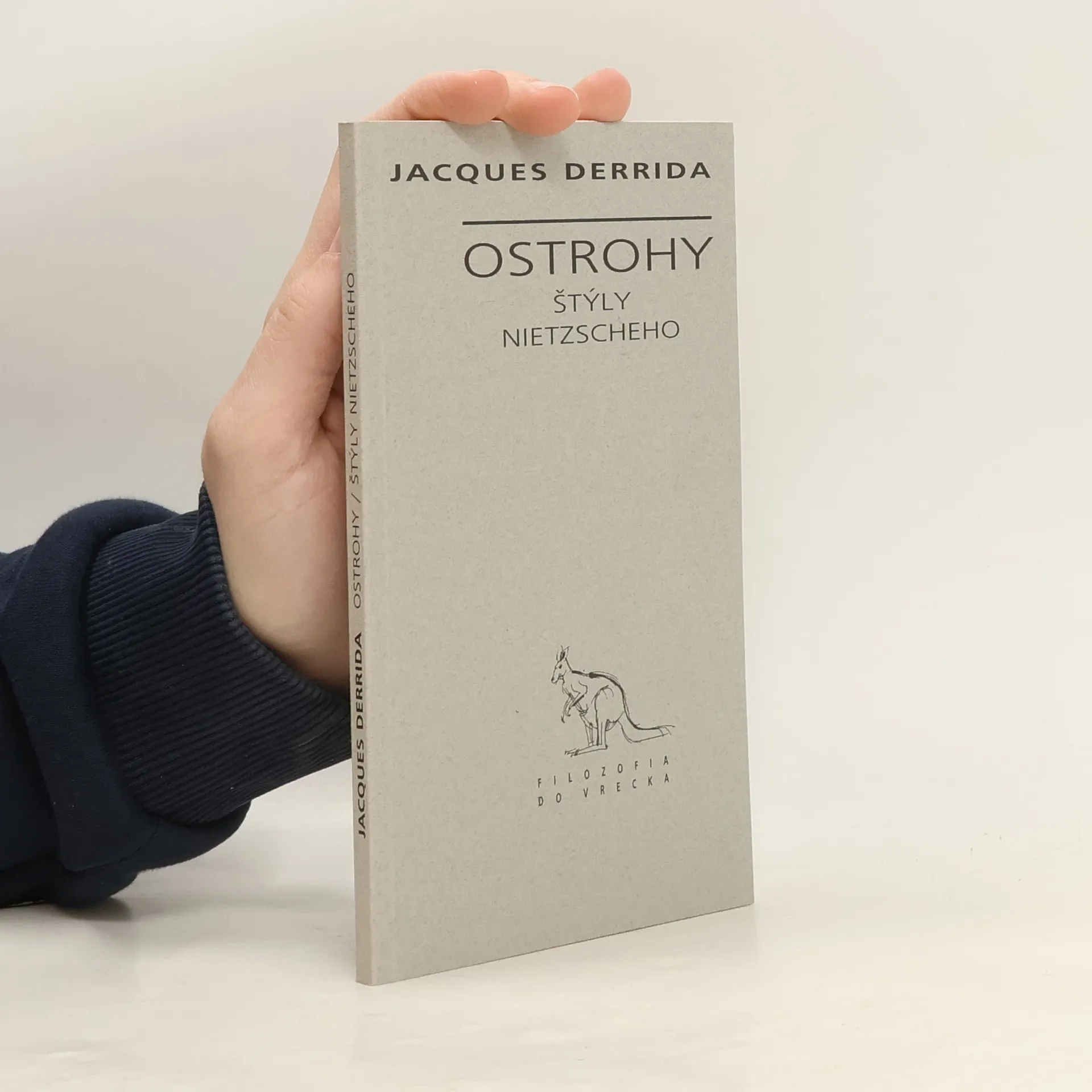
Ostrohy : štýly Nietzscheho
- 77 stránek
- 3 hodiny čtení
FEMMES, aký titul by bol spravodlivejší a rezonantnejší? V prednáške z roku 1972 sa skutočne objavili takéto návrhy: „Žena bude mojím predmetom“, „Neexistuje bytie alebo esencia ženy alebo sexuálnej diferencie...“, „Žena teda nebude mojím predmetom“, atď. Aby „dešifrovala túto inskripciu ženy“, písanie už nemôže dostávať svoje príkazy od filozofie alebo literatúry. Jacques Derrida tu mobilizuje otázku (za akých podmienok by písanie žien—o ženách a vracajúce sa k ženám—bolo, ak vôbec, možné a písania žien?); uvádza do série svoje nevyhnutnosti, páky, trajektórie, obraty, úskoky, apórie atď. Nevyhneme sa provokácii Nietzscheho. Jeho výroky o štýle, jeho štýly samy o sebe nie sú ničím iným ako výbuchmi za a proti ženám. Ako mohol tento odporca feminismu chápať afirmáciu žien? Ak sa inde obnoví nietzscheovská interpretácia; ak sa vo všetkých smeroch, v jazyku, mimo jazyka, poddáme takýmto „ostrohám“, potom enigmy, na prechode, urobia útes: napríklad heideggerovská interpretácia Nietzscheho alebo, pri jeho opustenej krypte, táto malá veta: „Zabudol som svoj dáždnik.“