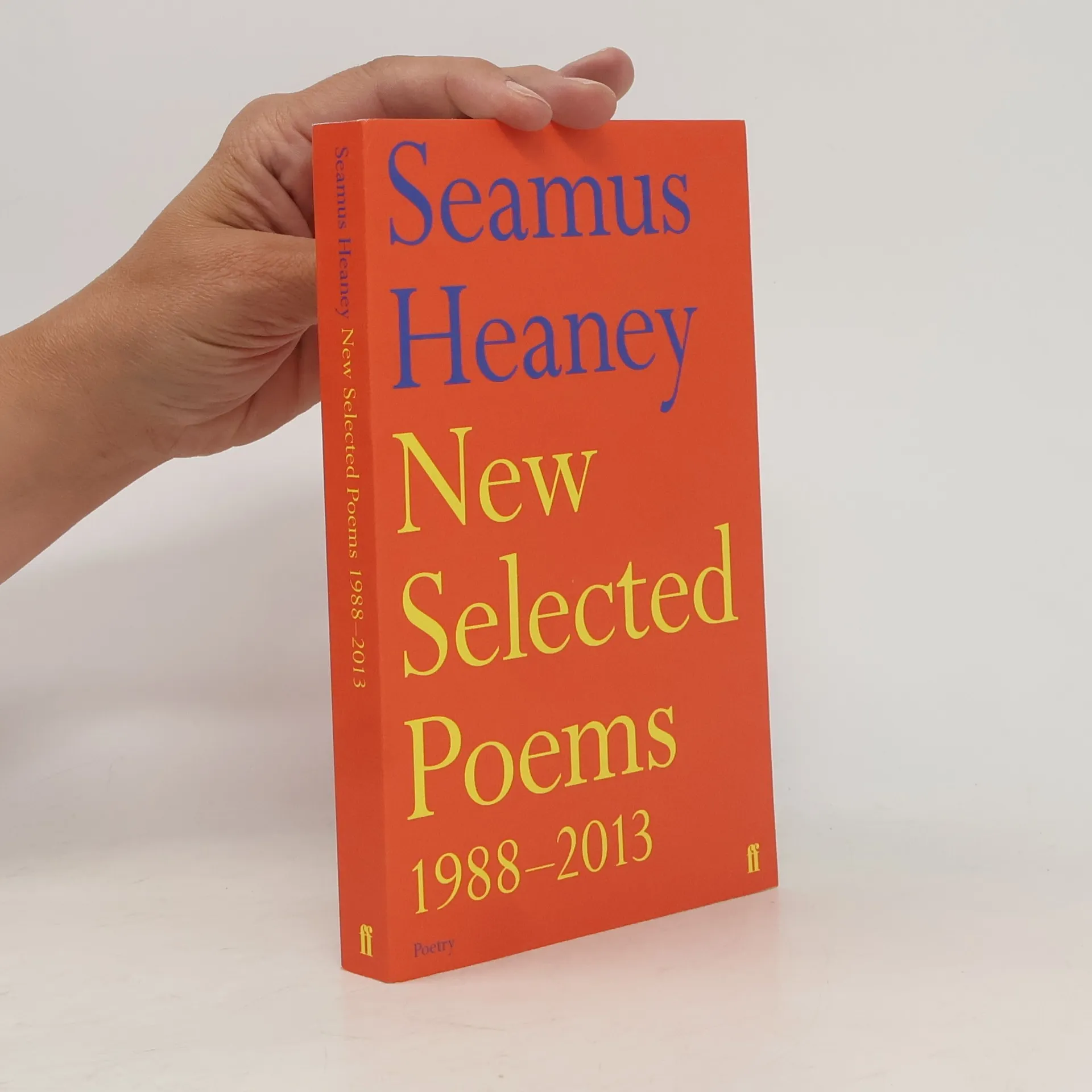
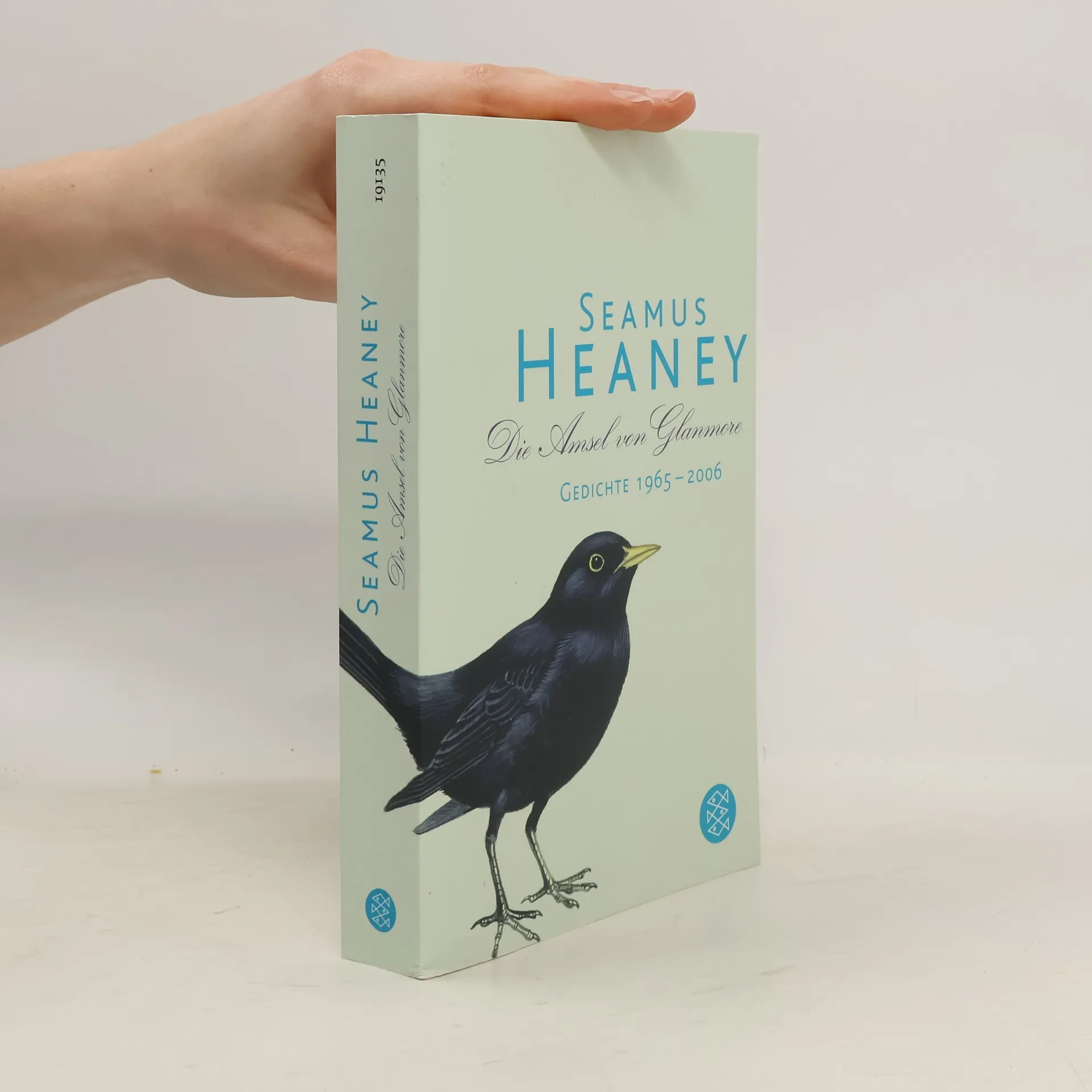
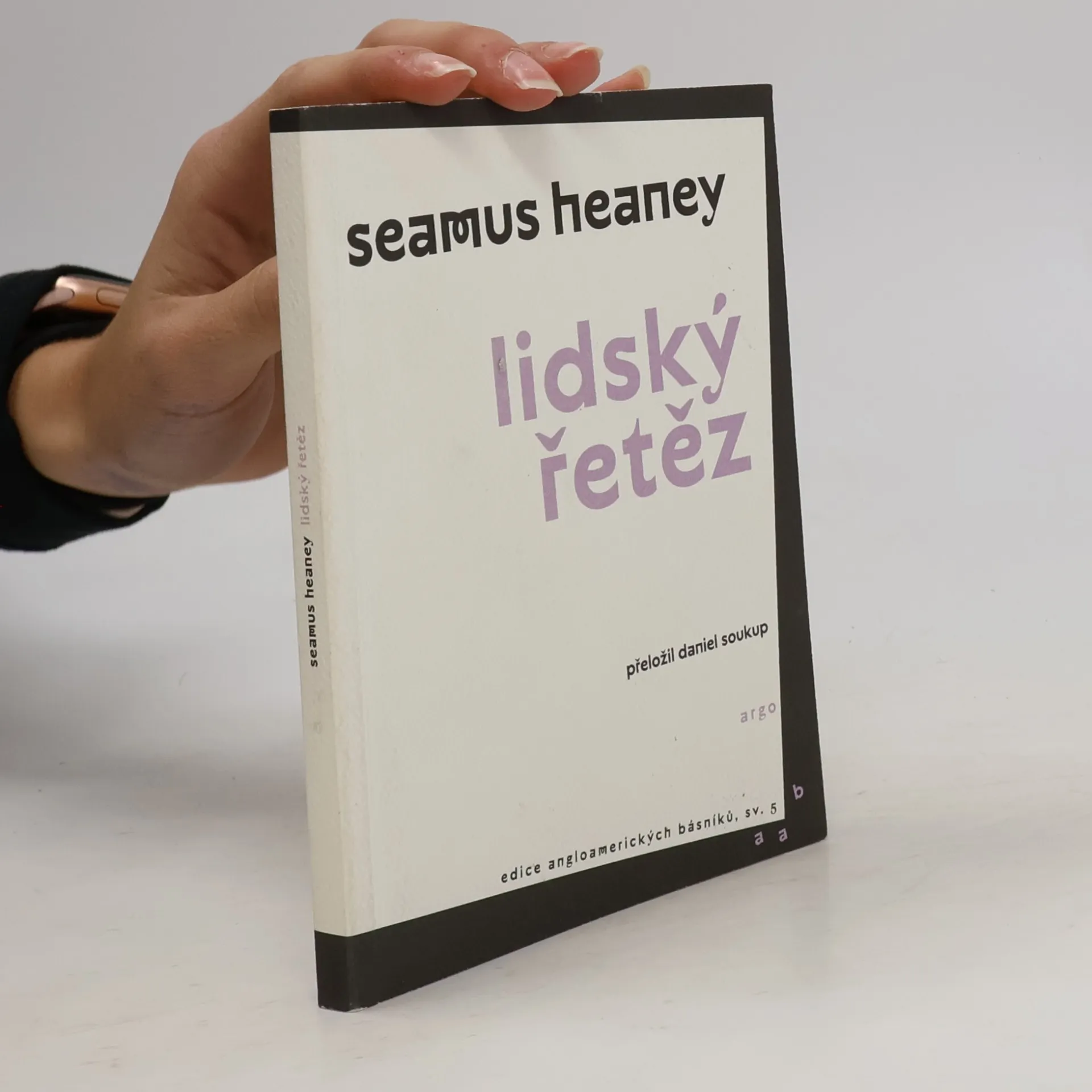
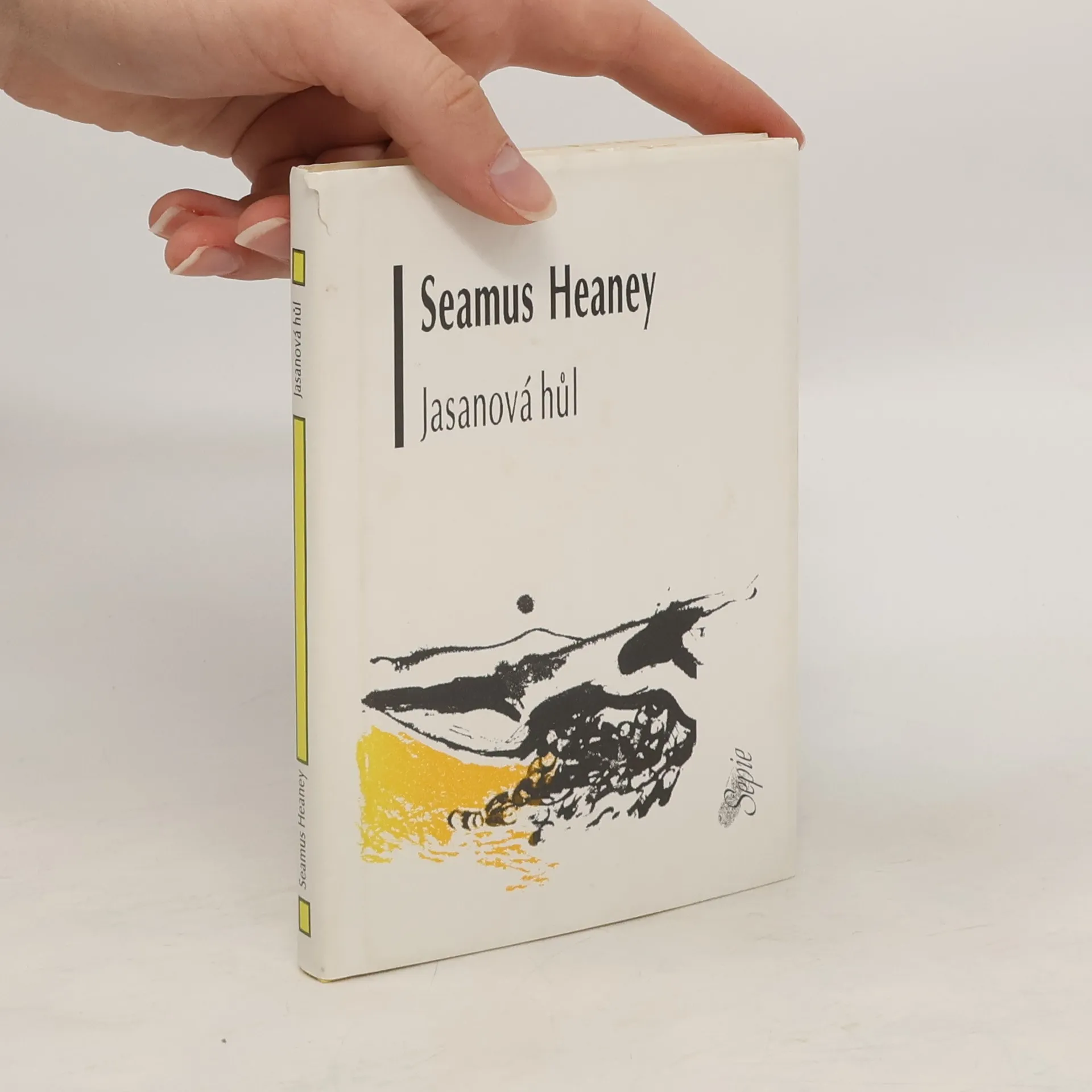
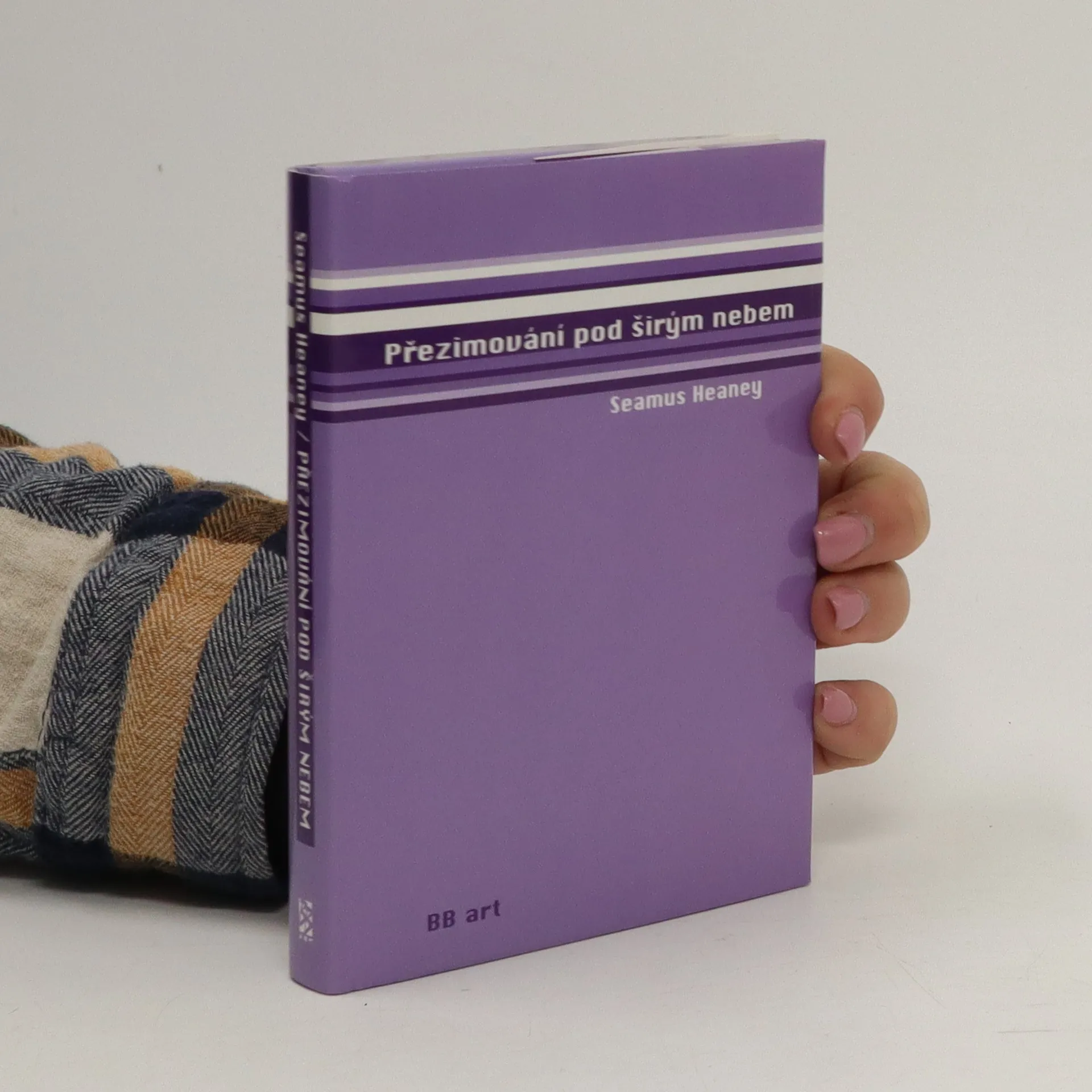
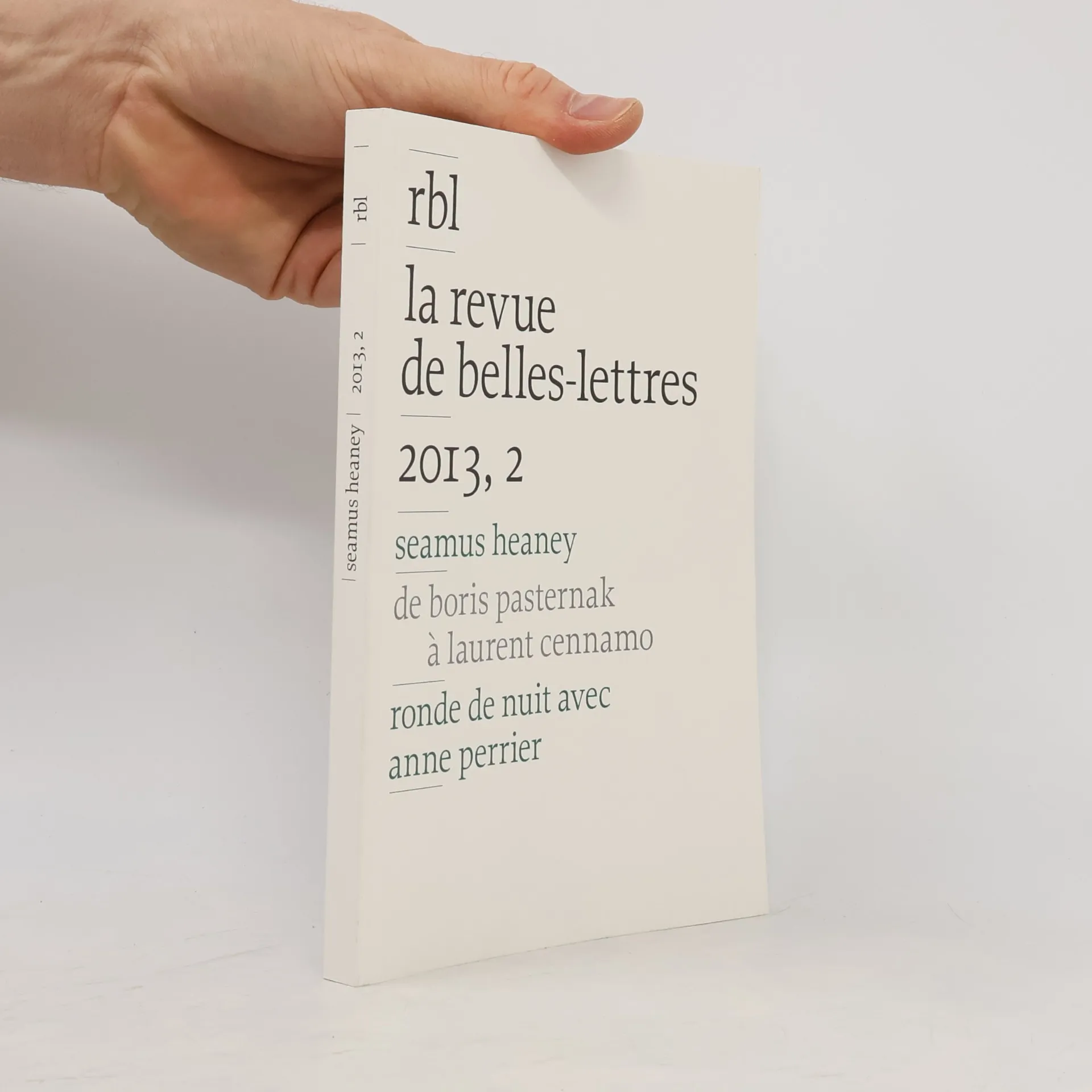
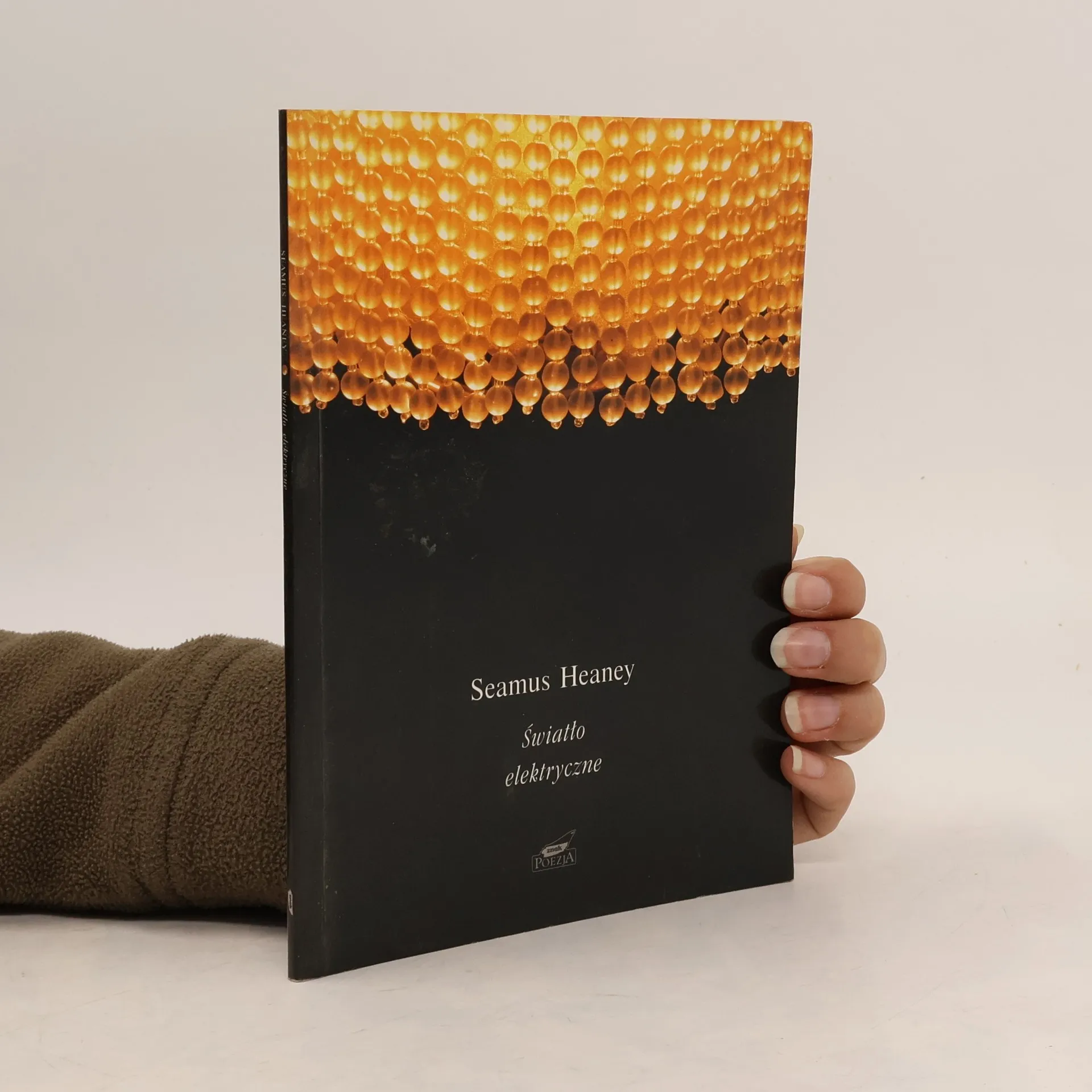
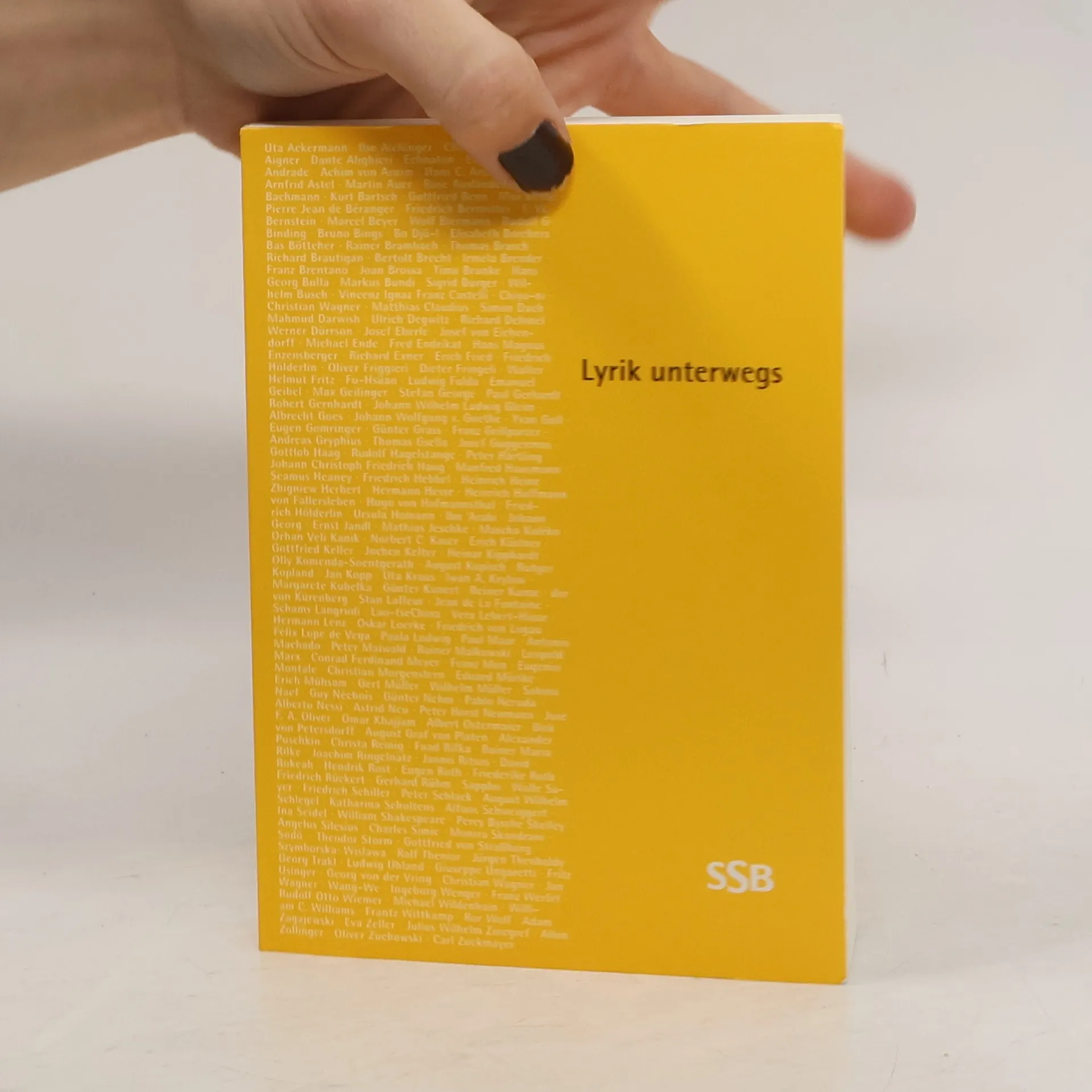
Seamus Heaney byl irský básník, jehož díla jsou oceňována pro svou lyrickou krásu a etickou hloubku. Jeho poezie často oslavuje každodenní zázraky a oživuje minulost. Prostřednictvím svého psaní zkoumal složitost lidské zkušenosti a spojení s krajinou. Heaneyho práce se vyznačuje silným smyslem pro místo a jazykovou obratností.
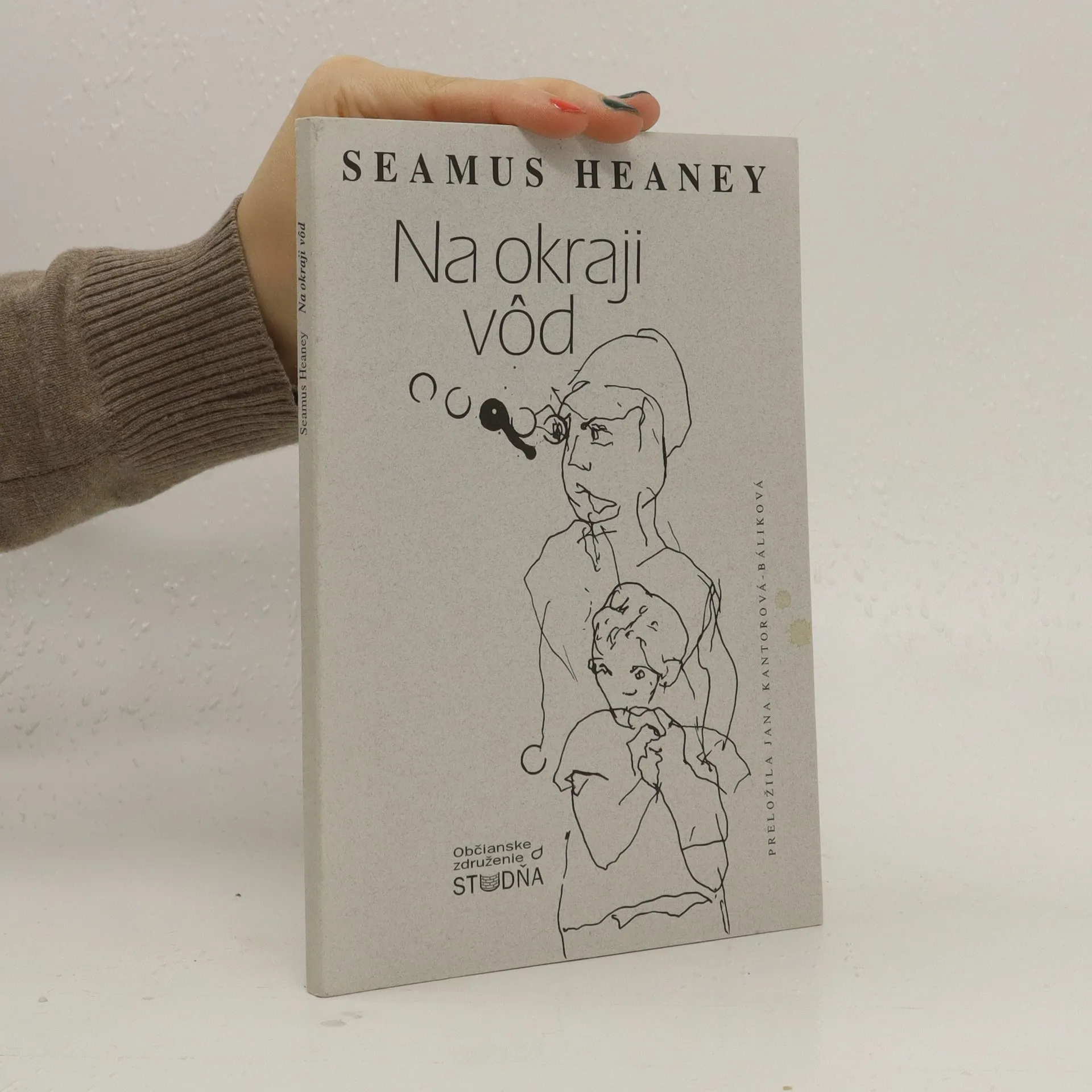
Irského nositele Nobelovy ceny za literaturu, básníka Seamuse Heaneyho, už věru není třeba po návštěvě v Praze představovat. Třetí vydání celoživotního výboru bylo rozšířeno o několik ukázek z jeho nejnovější sbírky.
Výbor z poezie současného významného irského básníka, nositele Nobelovy ceny za literaturu.
Kniha obsahuje ukázky především z autorových dvou posledních sbírek. "Vidiny" z r. 1991 elegickou formou evokují jeho vzpomínky na dětství a mládí prožité na venkově. "Vodováha odvahy" z r.1996 je pak básníkovou reakcí na nové politické skutečnosti. Do veršů se promítá i téma duševní pohody, rodinné historie a tradic. V autorově poetice zaujme neobvyklý smysl pro slova a jejich originální spojení.
Lidský řetěz (2010) je poslední básnická sbírka Seamuse Heaneyho, irského laureáta Nobelovy ceny za literaturu. Mísí se v ní vzpomínky na rodiče, elegie na přátele, variace na Vergiliovu Aeneidu či na středověkou irskou a moderní francouzskou poezii – básníkův hlas ustavičně rozmlouvá s jinými hlasy a básně dávají prostor životům druhých. Věcnými popisy přitom stále znovu prokmitávají závratnější světla a hlubší stíny. Významové roviny se prolínají, severoirská řeka se proměňuje ve Vergiliovu Léthé a ze stárnoucího básníka se na okamžik stává nedočkavý plavčík vyplouvající za prvním dobrodružstvím. Úžas z obzorů a péče o konkrétno – ve střídání těchto dvou momentů spočívá Heaneyho vidění .
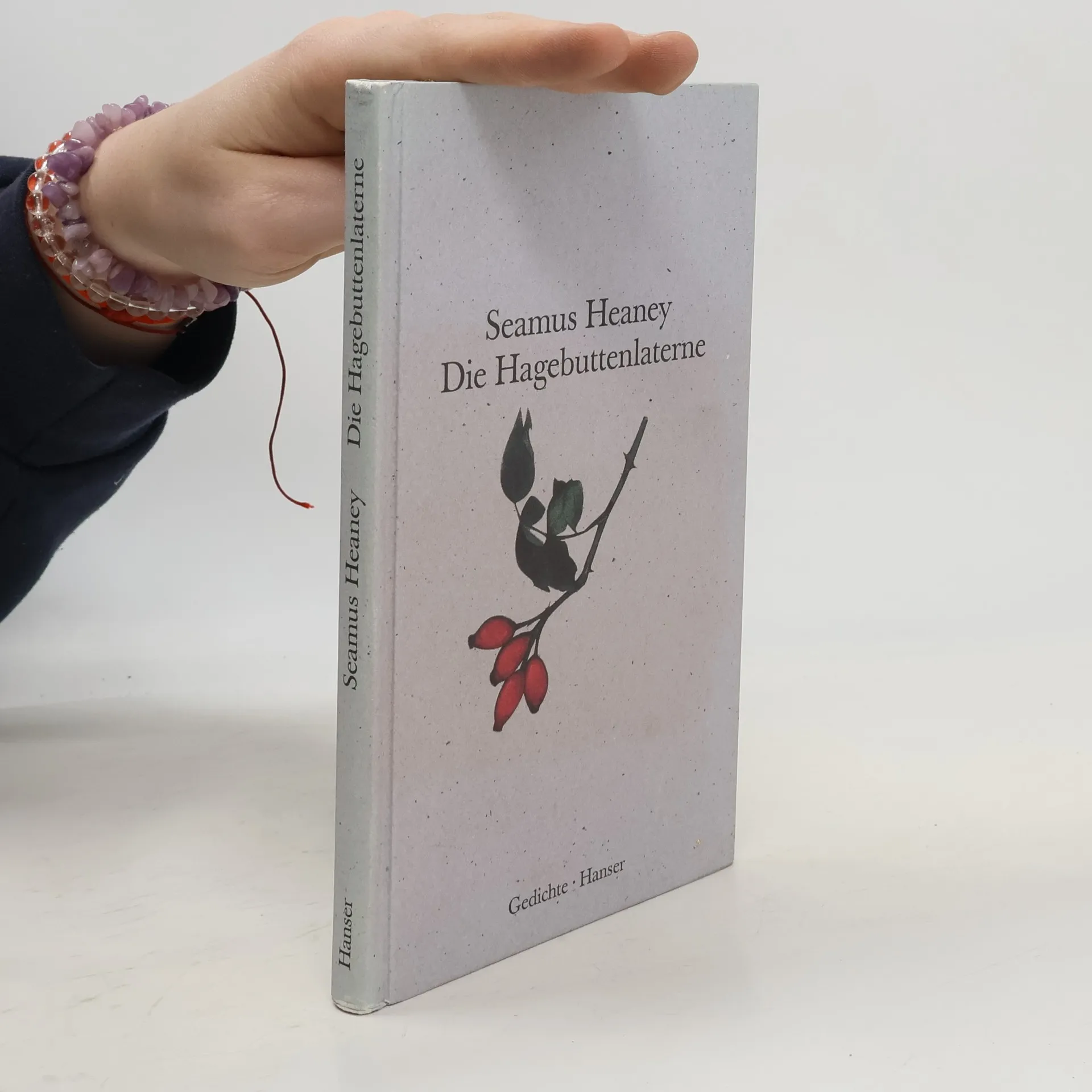
Der Nobelpreisträger Seamus Heaney ist der vielleicht bedeutendste Lyriker Großbritanniens. Doch seine Gedichte sind frei von großen Gesten. In ihrer überraschenden Musikalität hört man den Dialekt seiner nordirischen Herkunft. Ihre Humanität entspringt der Aufmerksamkeit für das Werk der Hände – es sind Momentaufnahmen aus einer sich wandelnden Welt, deren Geschwindigkeit man nur ermessen kann, wenn man auch ruhende Objekte zulässt.
Seamus Heaney had the idea to form a personal selection of poems from across
the entire arc of his writing life, small yet comprehensive enough to serve as
an introduction for all comers. But now, finally, the project has been
returned to, resulting in an intimate gathering of poems chosen and introduced
by the Heaney family.
New Selected Poems 1988-2013 offers the poems that Heaney himself selected from his collections Seeing Things, The Spirit Level, Beowulf, Electric Light, District and Circle and Human Chain.
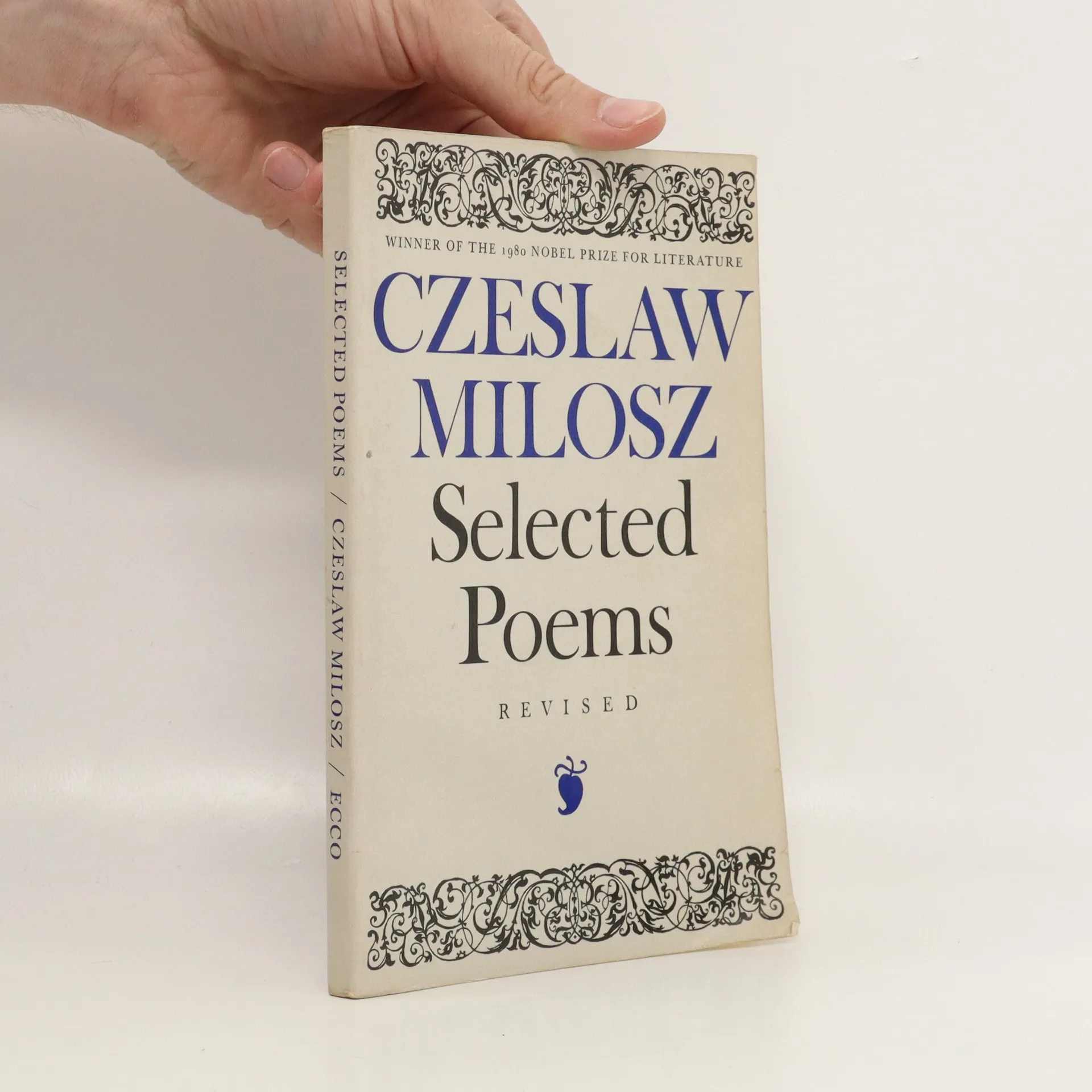
This selection celebrates Czeslaw Milosz's lifetime of poetry. Widely regarded as one of the greatest poets of our time, Milosz is a master of expression and probing inquiry. Life opened for Czeslaw Milosz at a crossroads of civilizations in northeastern Europe. This was less a melting pot than a torrent of languages and ideas, where old folk traditions met Catholic, Protestant, Judaic, and Orthodox rites. What unfolded next around him was a century of catastrophe and madness: two world wars, revolutions, invasions, and the murder of tens of millions, all set to a cacophony of hymns, gunfire, national anthems and dazzling lies. In the thick of this upheaval, wide awake and in awe of living, dodging shrapnel, imprisonment, and despair, Milosz tried to understand both history and the moment, with humble respect for the suffering of each individual. He read voraciously in many languages and wrote masterful poetry that, even in translation, is infused with a tireless spirit and a penetrating insight into fundamental human dilemmas and the staggering yet simple truth that "to exist on the earth is beyond any power to name." Unflinching, outspoken, timeless, and unsentimental, Milosz digs through the rubble of the past, forging a vision -- and a warning -- that encompasses both pain and joy. "His intellectual life," writes Seamus Heaney, "could be viewed as a long single combat with shape-shifting untruth."
There is something about a treasure, wrote Joseph Conrad, that fastens on a man's mind. And, yes, there is something about the subject of treasure hunting that continues to fascinate us. One need only browse the Web to discover a whole netherworld of treasure-hunting magazines, metal-detector clubs, and lost-mine information exchanges that apparently engage the funds and spare time of thousands of hopefuls. Charles Elliott recaptures the essential romance of the search in this collection of classic stories. Many are true - or purport to be. They take place under the sea, in jungles, on desert islands, even in the attics of old houses. What is common to them all is the excitement of the chase and the possibility - irrational, perhaps, but unavoidable - that a fabulous treasure really is there for the finding.
Exploring themes of personal reflection and connection to place, the collection captures Seamus Heaney's transformative journey from the turmoil of Belfast to the tranquility of Glanmore, County Wicklow. Over four years, Heaney shifts from political poetry to a more introspective style, infusing his work with a meditative quality. This evolution showcases his deepening understanding of the relationship between self and environment, revealing a new strength and maturity in his writing.
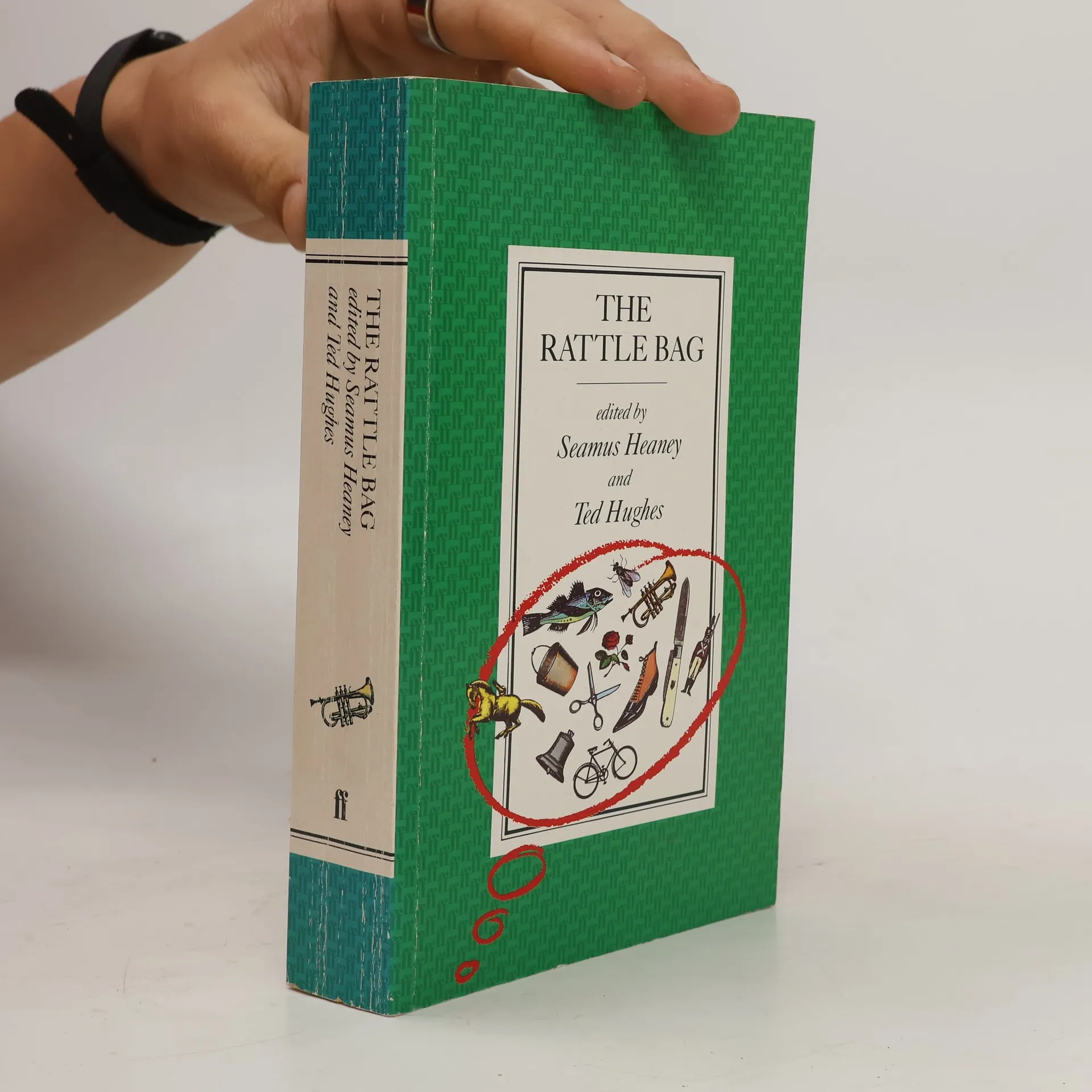
The Rattle Bag is an anthology of poetry (mostly in English but occasionally in translation) for general readers and students of all ages and backgrounds. These poems have been selected by the simple yet telling criteria that they are the personal favorites of the editors, themselves two of contemporary literature's leading poets.Moreover, Heaney and Hughes have elected to list their favorites not by theme or by author but simply by title (or by first line, when no title is given). As they explain in their "We hope that our decision to impose an arbitrary alphabetical order allows the contents [of this book] to discover themselves as we ourselves gradually discovered them--each poem full of its singular appeal, transmitting its own signals, taking its chances in a big, voluble world."With undisputed masterpieces and rare discoveries, with both classics and surprises galore, The Rattle Bag includes the work of such key poets as William Shakespeare, Walt Whitman, Emily Dickinson, Lewis Carroll, Dylan Thomas, Wallace Stevens, Elizabeth Bishop, and Sylvia Plath among its hundreds of poems. A helpful Glossary as well as an Index of Poets and Works are offered at the conclusion of this hefty, unorthodox, diverse, inspired, and inspiring collection of poetry.
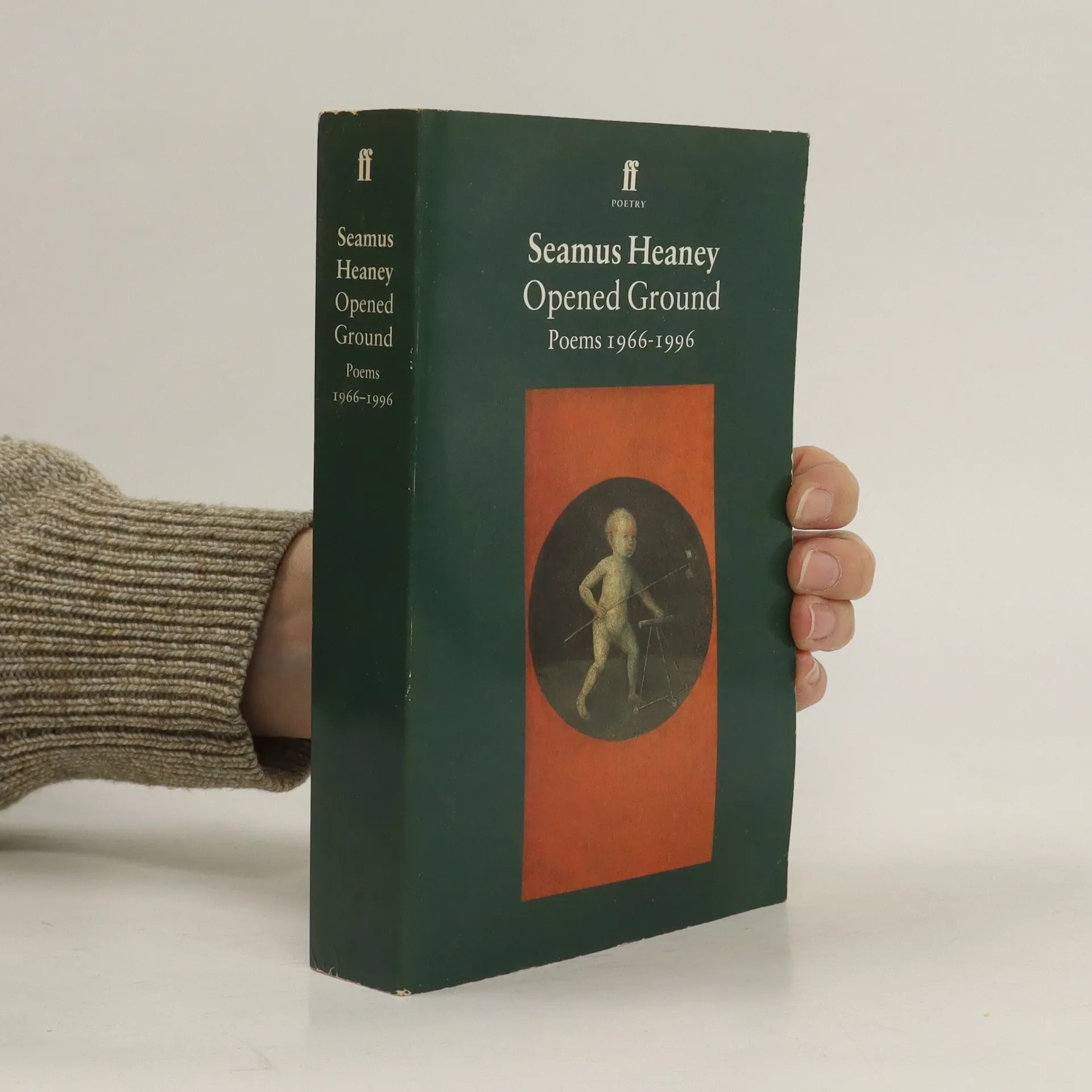
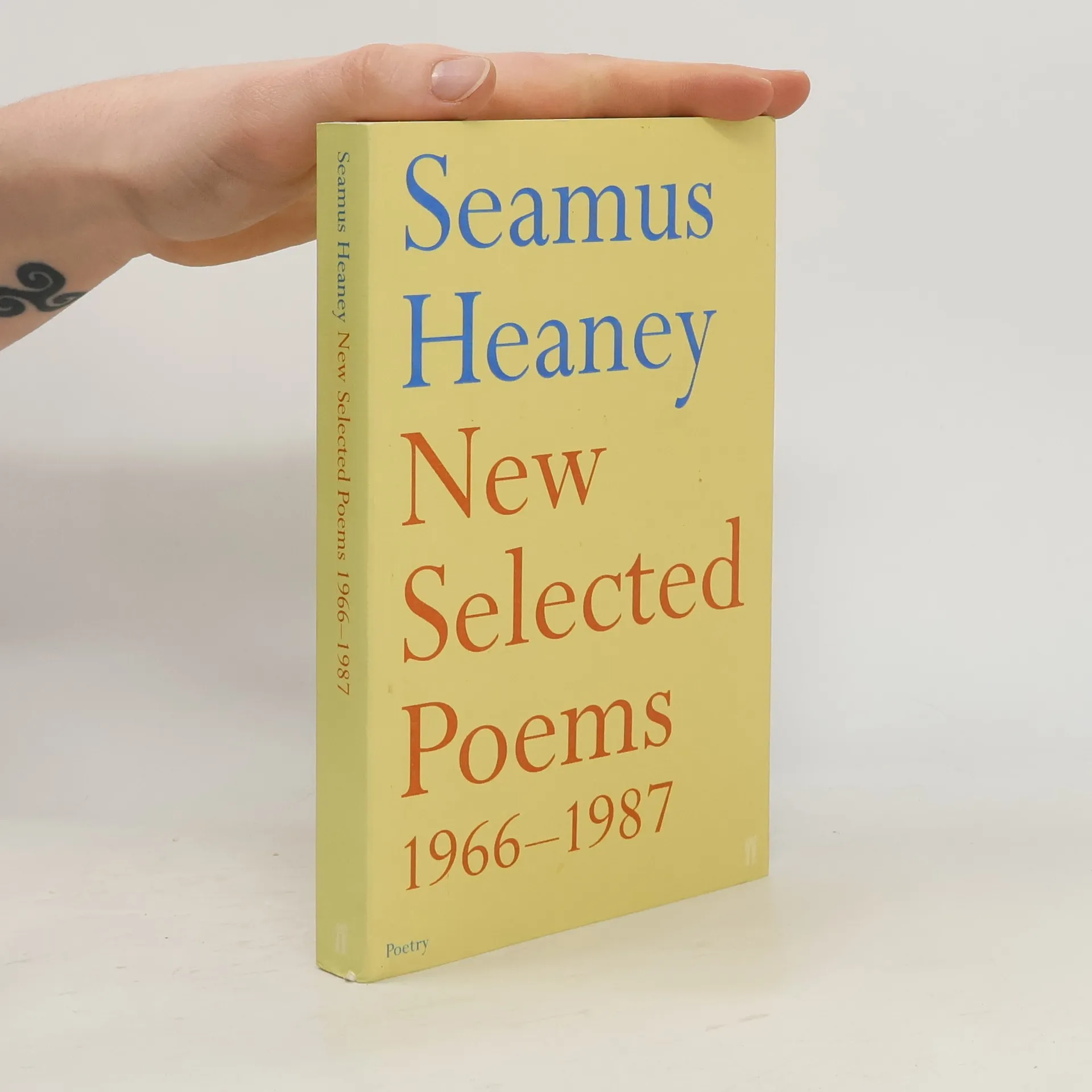
This volume is a much-needed new selection of Seamus Heaney's work, taking account of recent volumes and of the author's work as a translator, and offering a more generous choice from previous volumes. Opened Ground: Poems 1966-1996 comes as close to being a 'Collected Poems' as its author cares to make it. It replaces his New Selected Poems 1966-1987, giving a fuller selection from each of the volumes represented there and adding large parts of those that have appeared since, together with examples of his work as a translator from the Greek, Latin, Italian and other languages. The book concludes with 'Crediting Poetry', the speech with which Seamus Heaney accepted the 1995 Nobel Prize in Literature, awarded to him, in the words of the Swedish Academy of Letters, for his 'works of lyrical beauty and ethical depth'.
A huge book, an immense book. Such adventure and variety, such industry, such subjugation of self. Heaney translated classic works of Latin and Old English, as well as poems from numerous ancient and modern European languages, including Old, Middle, and Modern Irish. The breadth and depth showcased here is extraordinary, encompassing monastic hymns and prayers, civic and familial tragedies of Sophocles and Kochanowski, and the vivid landscapes of Virgil and Dante's underworld alongside Sweeney's Ireland. Editor Marco Sonzogni enhances the translations with Heaney's own writings, offering insight into his genius for interpretation and transformation, which established him as one of the great poet-translators. This landmark volume serves as a testament to Heaney's unique talent, highlighting the crucial role of translation in his artistic development. Readers are further enriched by Sonzogni's meticulously detailed notes. This collection is a handsome tribute to Heaney's lifelong dedication to the art of translation, a magnificent compendium to be cherished and celebrated.
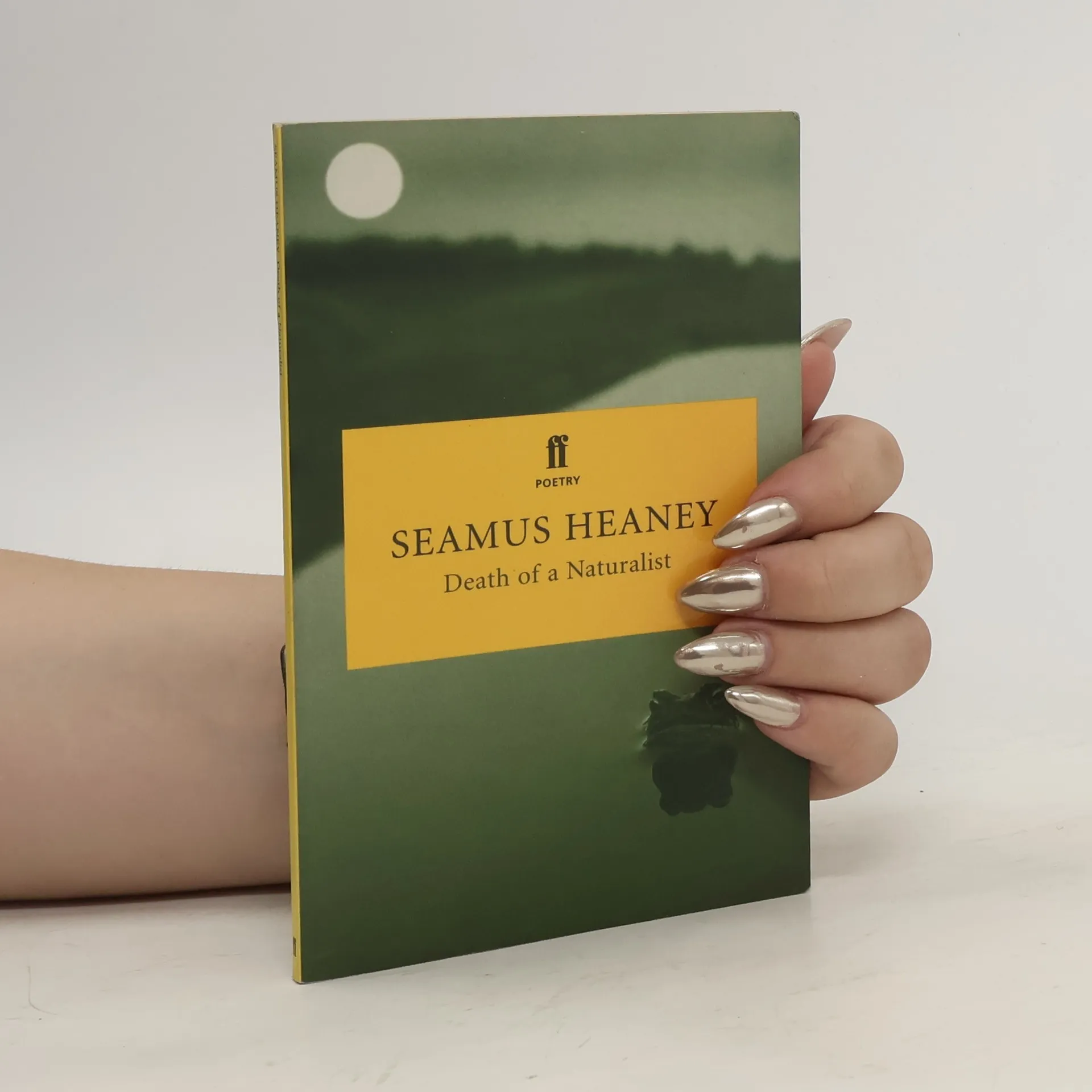
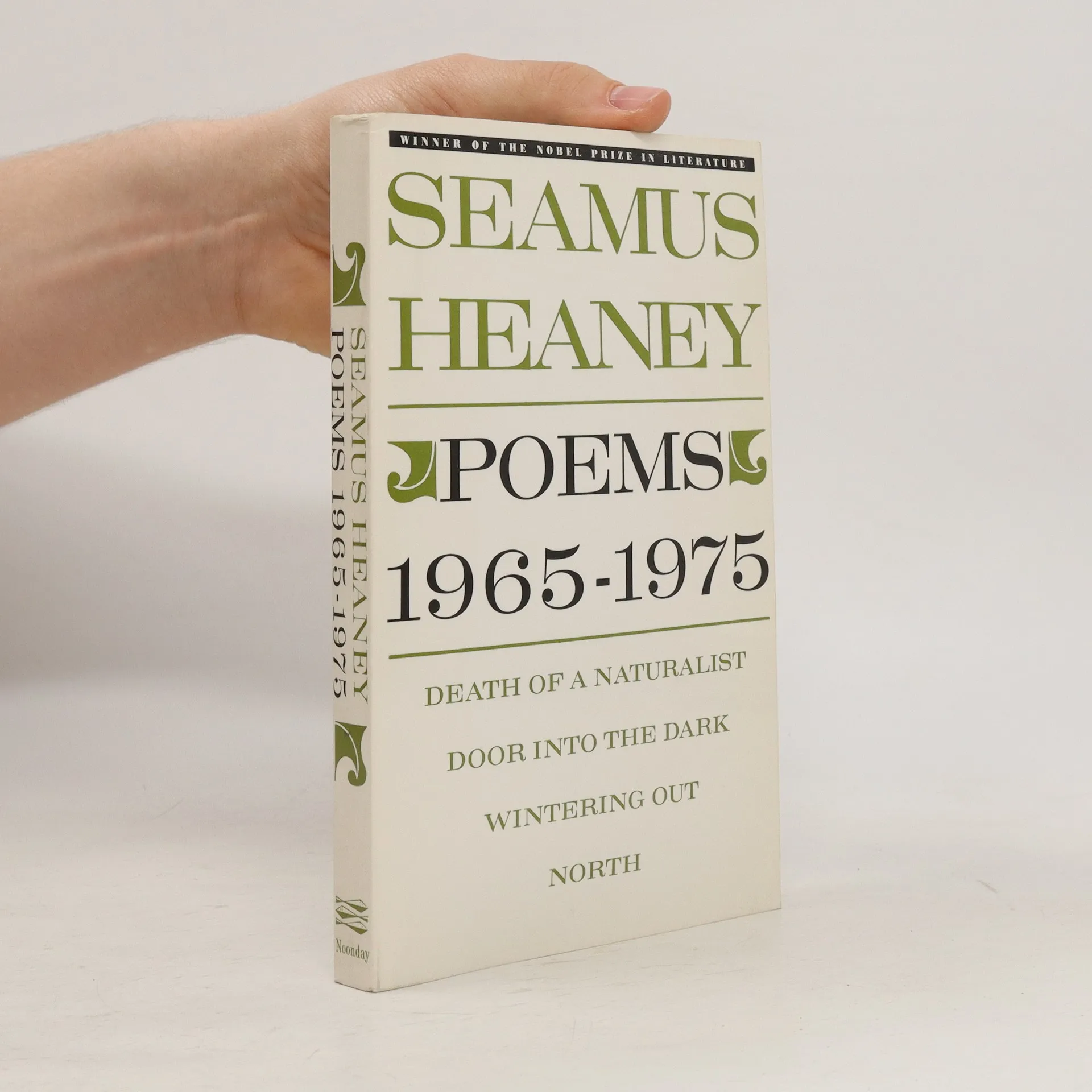
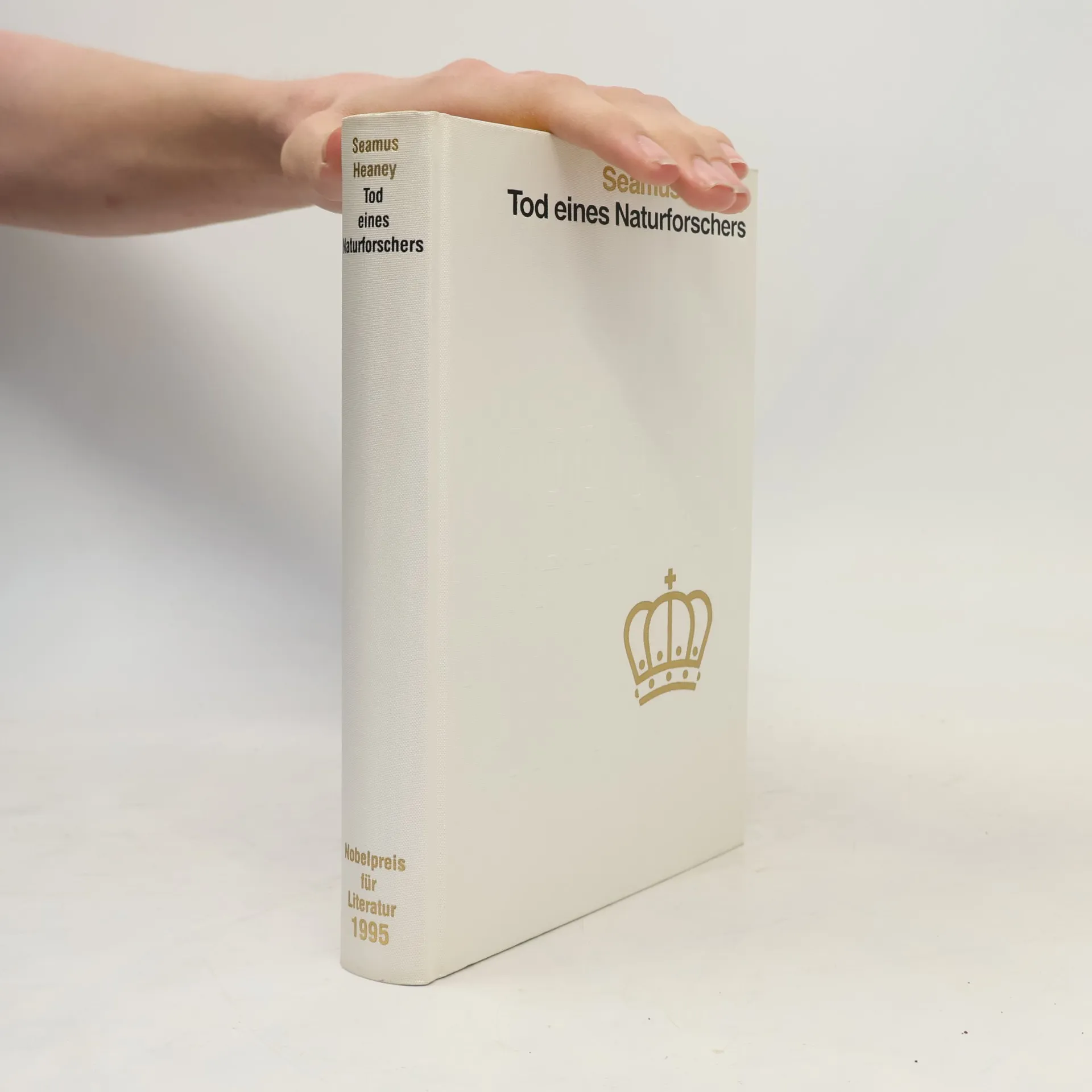
This volume gathers nearly all of the poems from Heaney's first four Death of a Naturalist (1966), Door into the Dark (1969), Wintering Out (1972), and North (1975).
This collection of verses showcases the key themes of Heaney's work, including Ireland's absurd political situation, the tension between artistic and political engagement, and the contrast between Irish and English traditions. No contemporary poet has illustrated these interconnections as vividly as Seamus Heaney.
Three acclaimed poets delve into the myths and misunderstandings surrounding Robert Frost, offering fresh insights into his life and work. Through their unique perspectives, they challenge traditional narratives and illuminate the complexities of Frost's poetry, revealing the deeper themes and emotions that resonate within his verses. This exploration not only honors Frost's legacy but also invites readers to reconsider his impact on American literature.
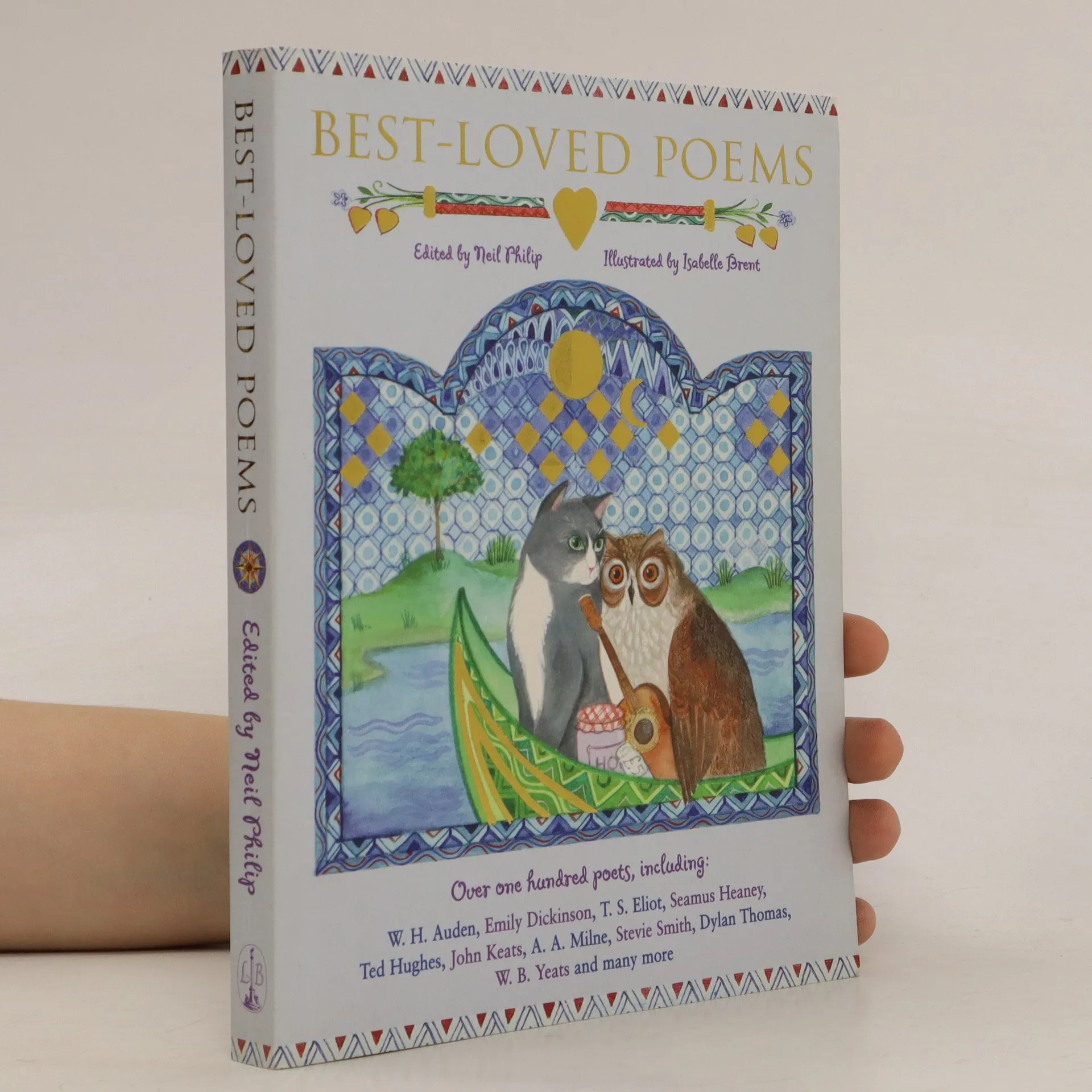
This highly accessible collection gathers together the best-loved gems of English language verse, from the deeply moving to the hilariously silly. The poems span the entire range of verse from high drama to stuff-and-nonsense and are presented in nine sections: Poems of Childhood and Youth; Poems of Love and Marriage; Poems of Life; Poems of Loss and Comfort; Poems of War and Peace; Poems to Read Aloud; Poems to Read Quietly; Poems of Animals and Nature and Poems of Magic and Mystery. The anthology includes works by William Blake, Dylan Thomas, Seamus Heaney, Robert Burns, T S Eliot, Rudyard Kipling, W B Yeats and many, many more. The poems have all been chosen and arranged by Neil Philip and the volume is illustrated throughout with watercolour borders and decorative motifs by Isabelle Brent, glowing with her trademark gold leaf.
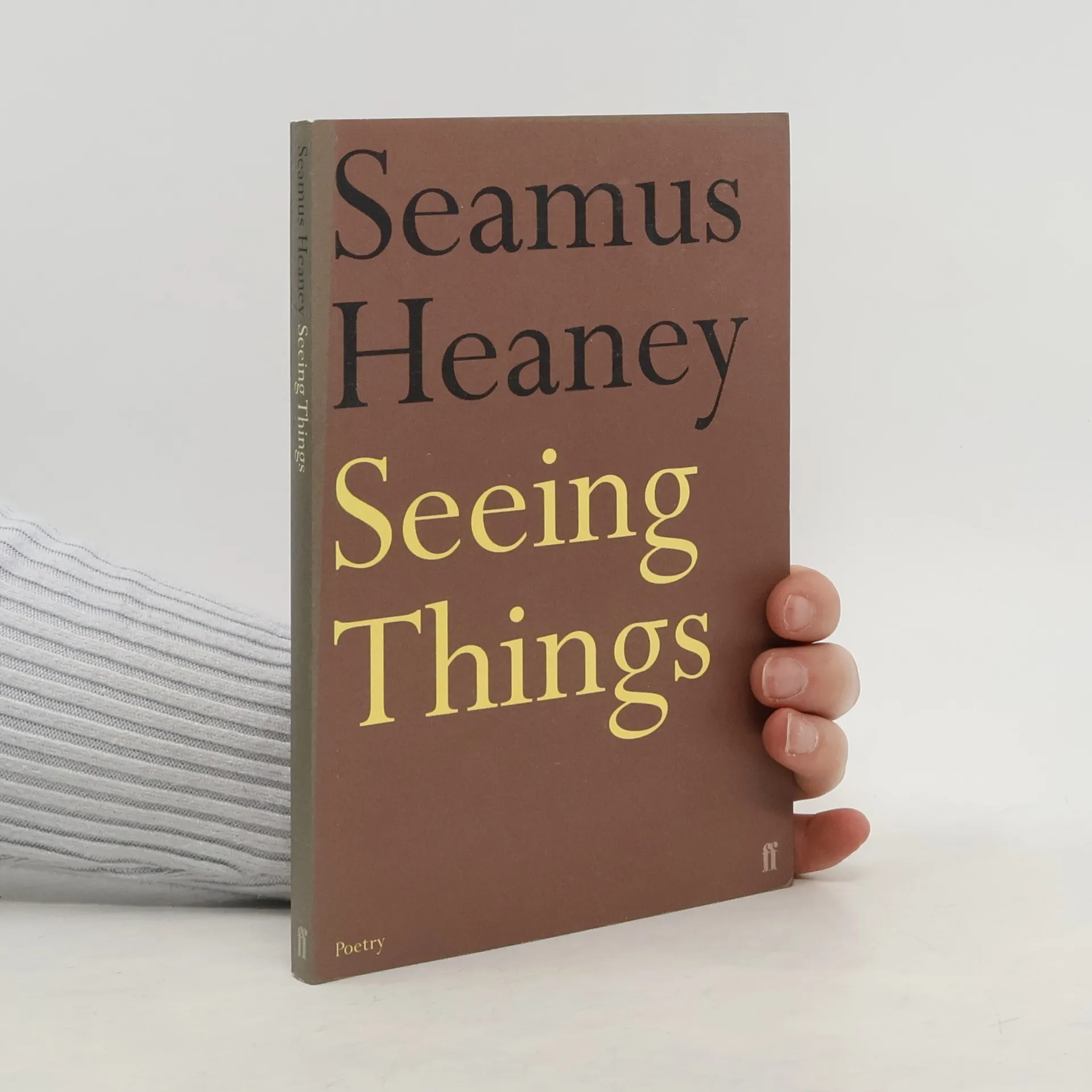
This collection of Seamus Heaney's work, especially in the series of 12-line
poems entitled Squarings, shows he is ready to re-imagine experience and to
credit marvels. The title poem is typical in that it begins with memories of
an actual event, then moves towards the visionary.
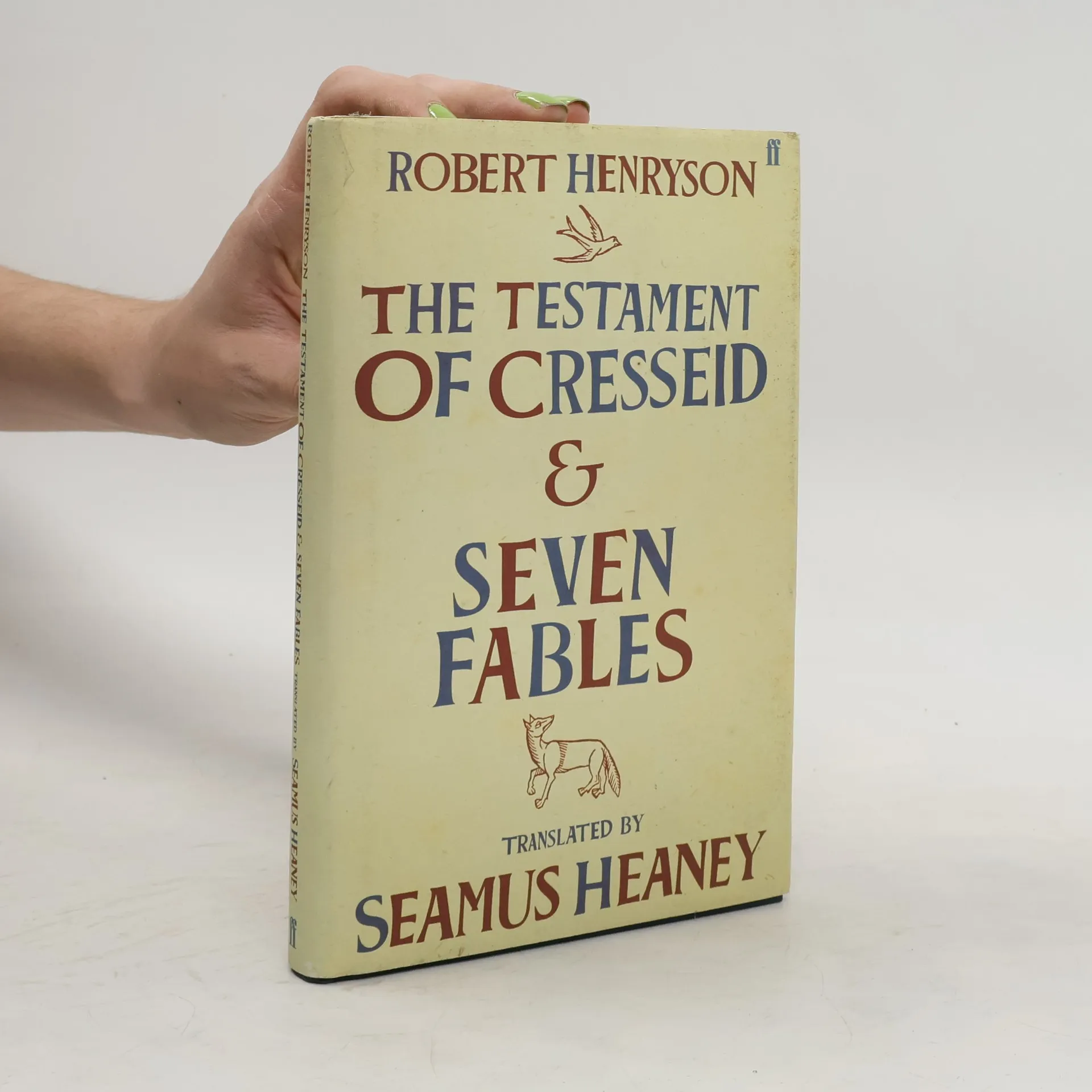
The greatest of the late medieval Scots "makars," Robert Henryson was influenced by their vision of the frailty and pathos of human life, and by the inherited poetic example of Geoffrey Chaucer. Henryson’s finest poem, and one of the rhetorical masterpieces of Scots literature, is the narrative Testament of Cresseid. Set in the aftermath of the Trojan War, the Testament "completes the story of Chaucer’s Troilus and Criseyde, offering a tragic account of its faithless heroine’s rejection by her lover, Diomede, and of her subsequent decline into prostitution and leprosy. Written in Middle Scots, the Testament "has been translated by Seamus Heaney into a confident but faithful idiom that matches the original verse form and honors the poem’s unique blend of detachment and compassion.A master of high narrative, Henryson was also a comic master of the verse fable, and his burlesques of human weakness in the guise of animal wisdom are delicately pointed with irony. Seven of the Fables "are here sparklingly translated by Heaney, their freshness rendered to the last claw and feather. Together, The Testament of Cresseid and Seven Fables provide a rich and wide-ranging encounter between two poets across six centuries.
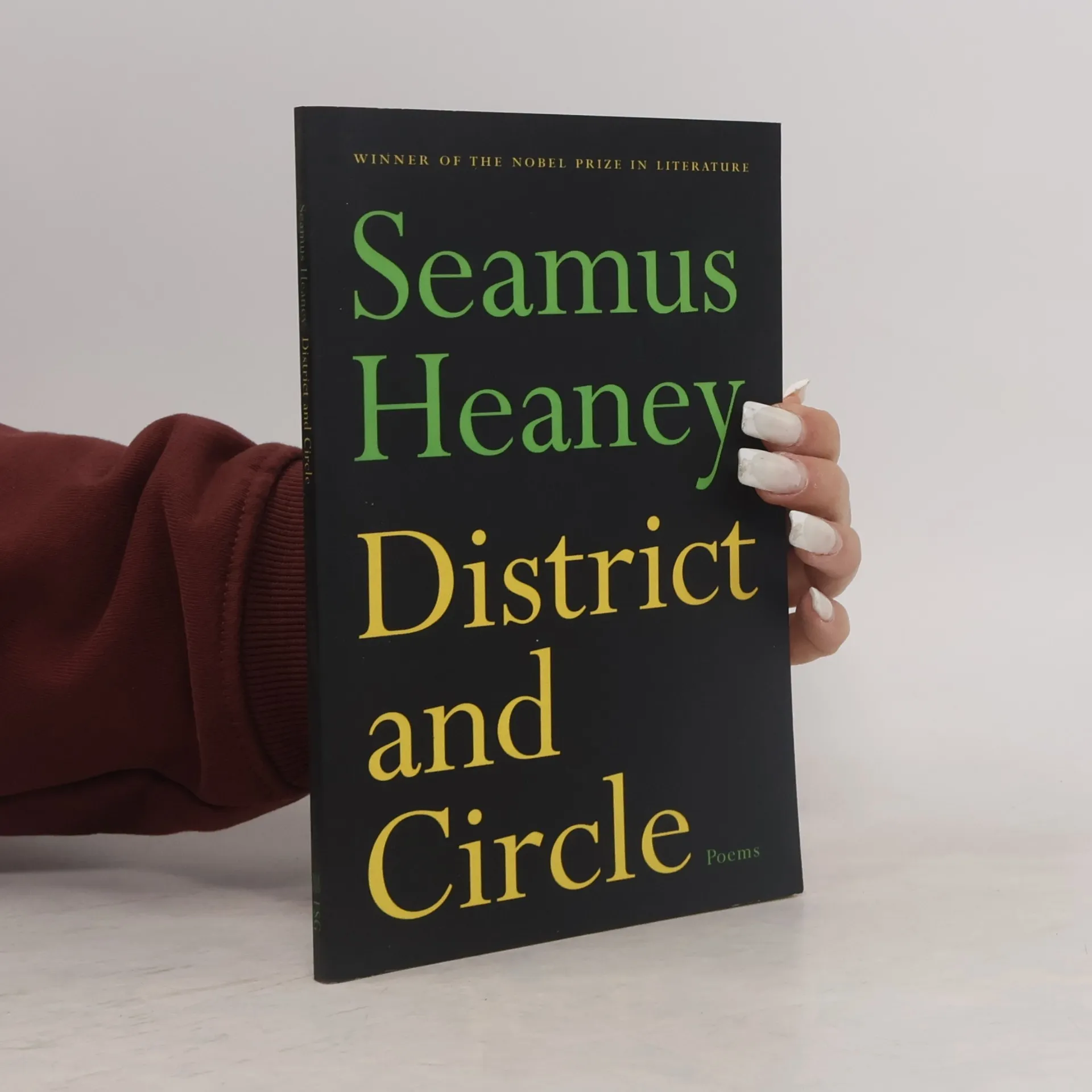
Exploring the tension between past and present, the collection captures a haunting clarity through vivid imagery drawn from childhood memories and contemporary anxieties. Heaney reflects on tangible objects like railway sleepers and sledgehammers, juxtaposing them with modern fears such as climate change and urban danger. The poems convey a sense of vulnerability in a world where "anything can happen," ultimately highlighting the weight of memory against the backdrop of a menaced twenty-first century.
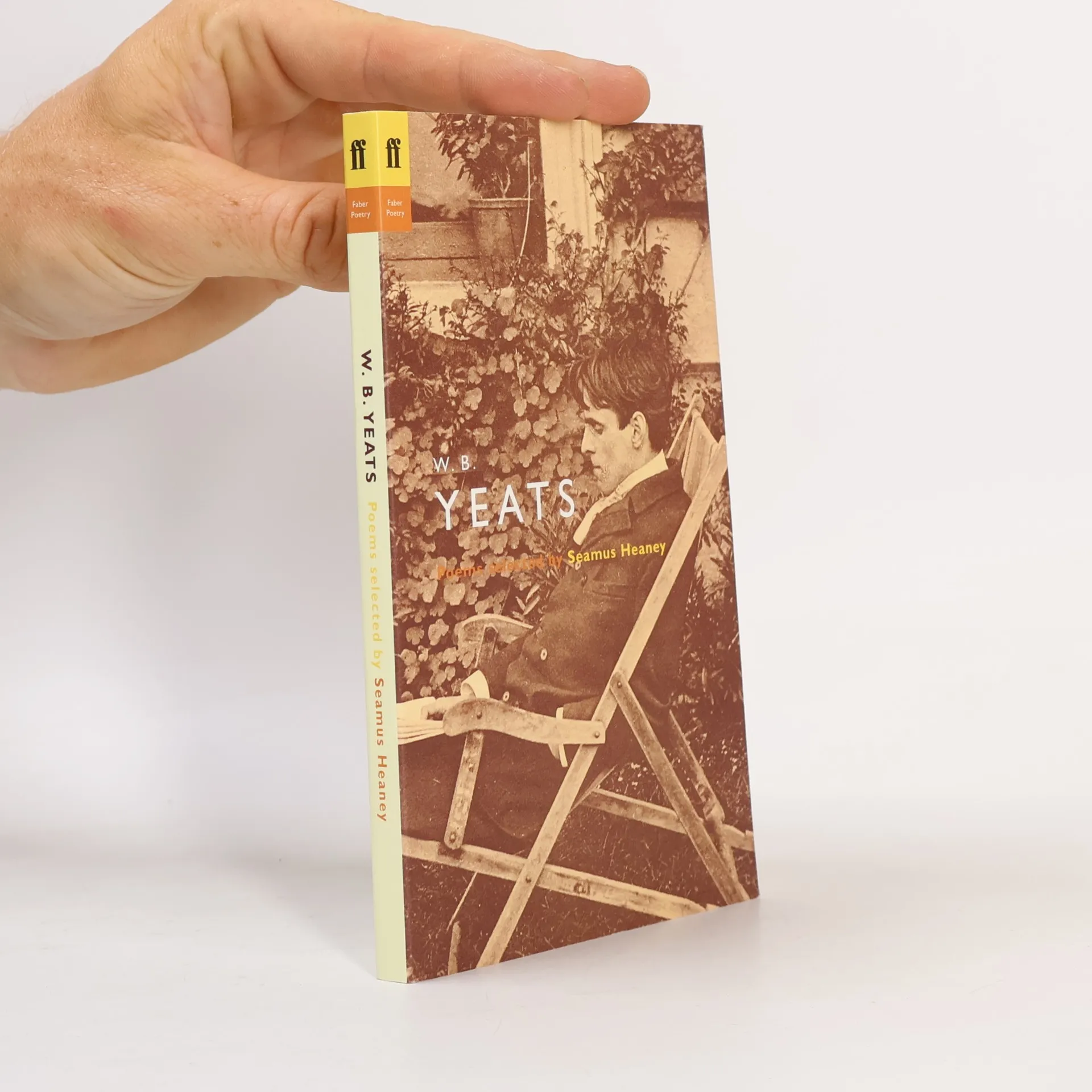
In this series, a contemporary poet selects and introduces a poet of the past. By their choice of poems and by the personal and critical reactions they express in their prefaces, the editors offer insights into their own work as well as providing an accessible and passionate introduction to some of the greatest poets in our literature. W. B. Yeats (1865-1939) was born in Dublin, and was educated in Ireland and England. He was instrumental in the development of a national Irish theatre - and in particular, the founding of the Abbey Theatre. He was awarded the Nobel Prize for Literature in 1923.
This volume contains a selection of work from each of Seamus Heaney's
published books of poetry up to and including the Whitbread prize-winning
collection, The Haw Lantern (1987). 'His is 'close-up' poetry - close up to
thought, to the world, to the emotions.
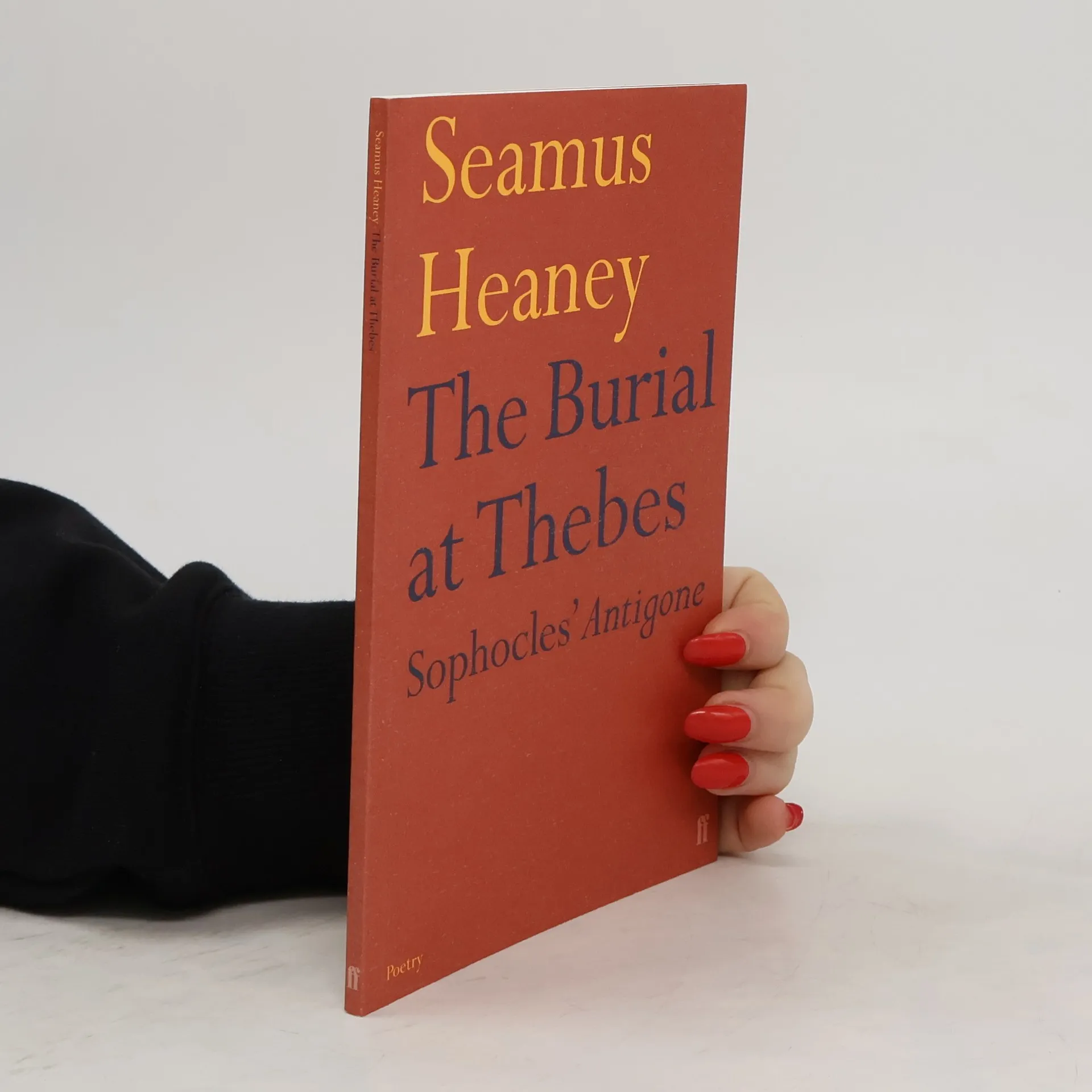
Commissioned to mark the centenary of the Abbey Theatre in Dublin in 2004, The
Burial at Thebes is Seamus Heaney's new verse translation of Sophocles' great
tragedy, Antigone - whose eponymous heroine is one of the most sharply
individualized and compelling figures in Western drama.
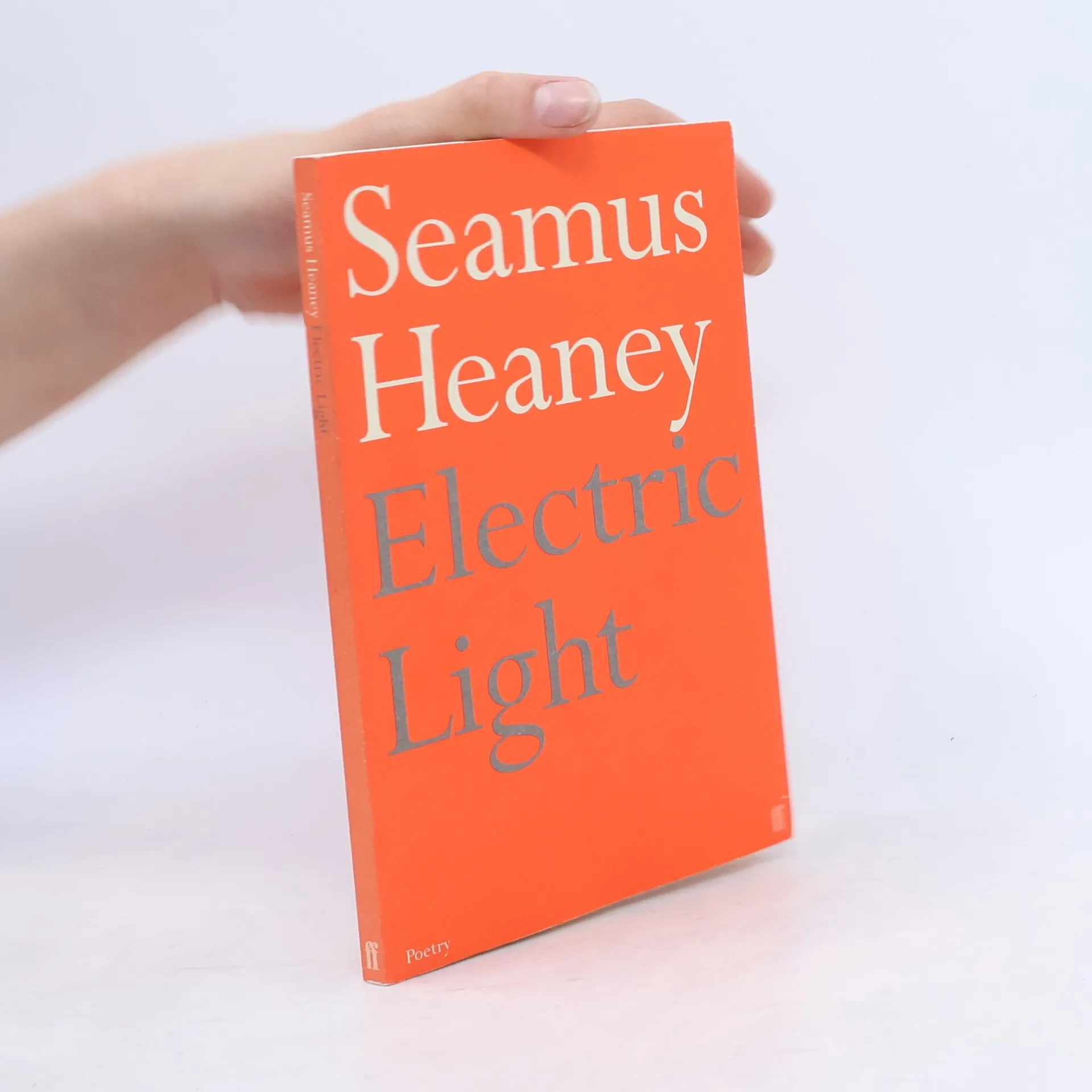
Electric Light travels widely in time and space, visiting the sites of the classical world, revisiting the poet's childhood: rural electrification and the light of ancient evenings are reconciled within the orbit of a single lifetime. číst celé
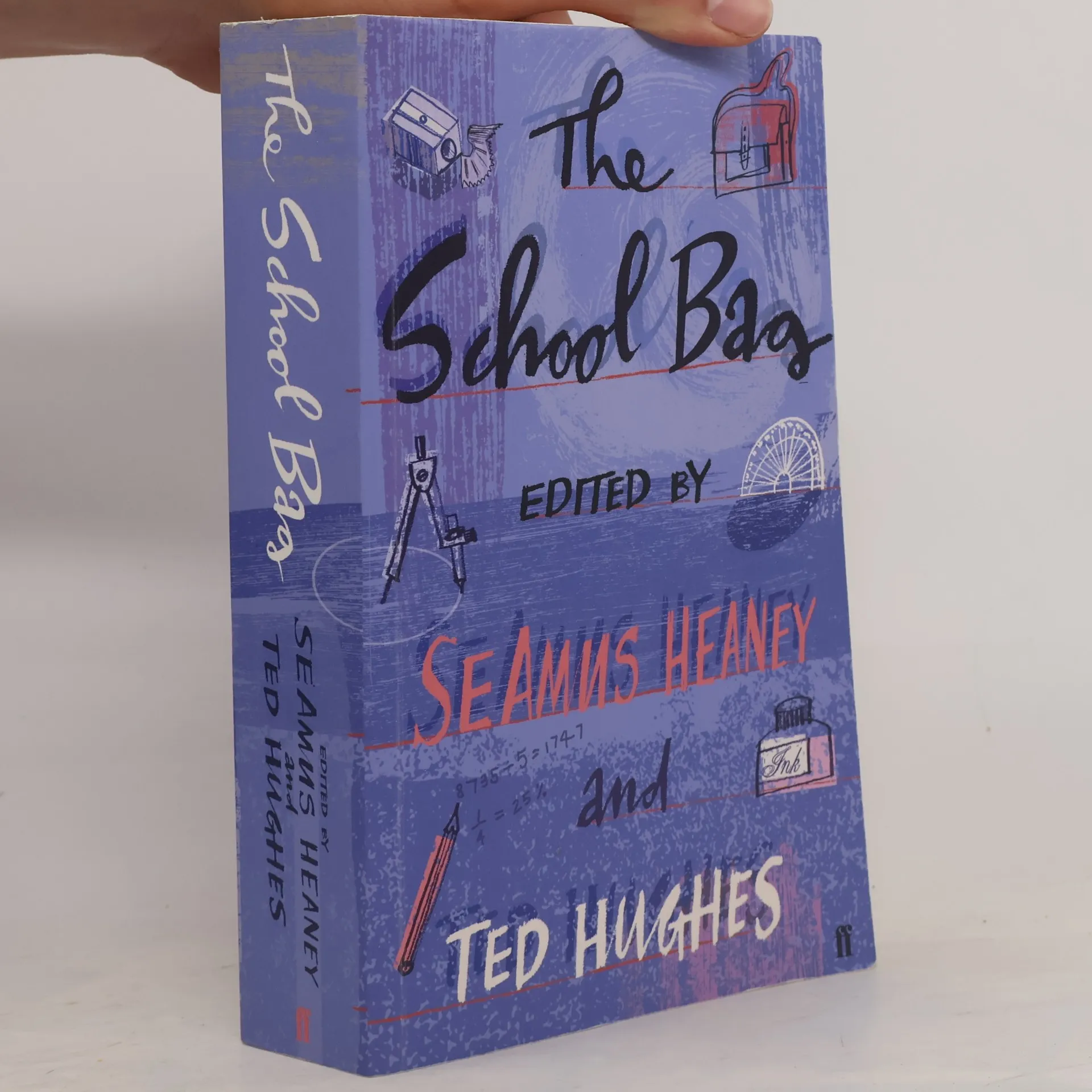
A companion to The Rattle Bag, The School Bag is an engaging and authoritative
selection for the classroom. Seamus Heaney and Ted Hughes have chosen an
eclectic range of poets read in today's schools, but also those poems that the
editors themselves read at school, or those from which they learned the most.
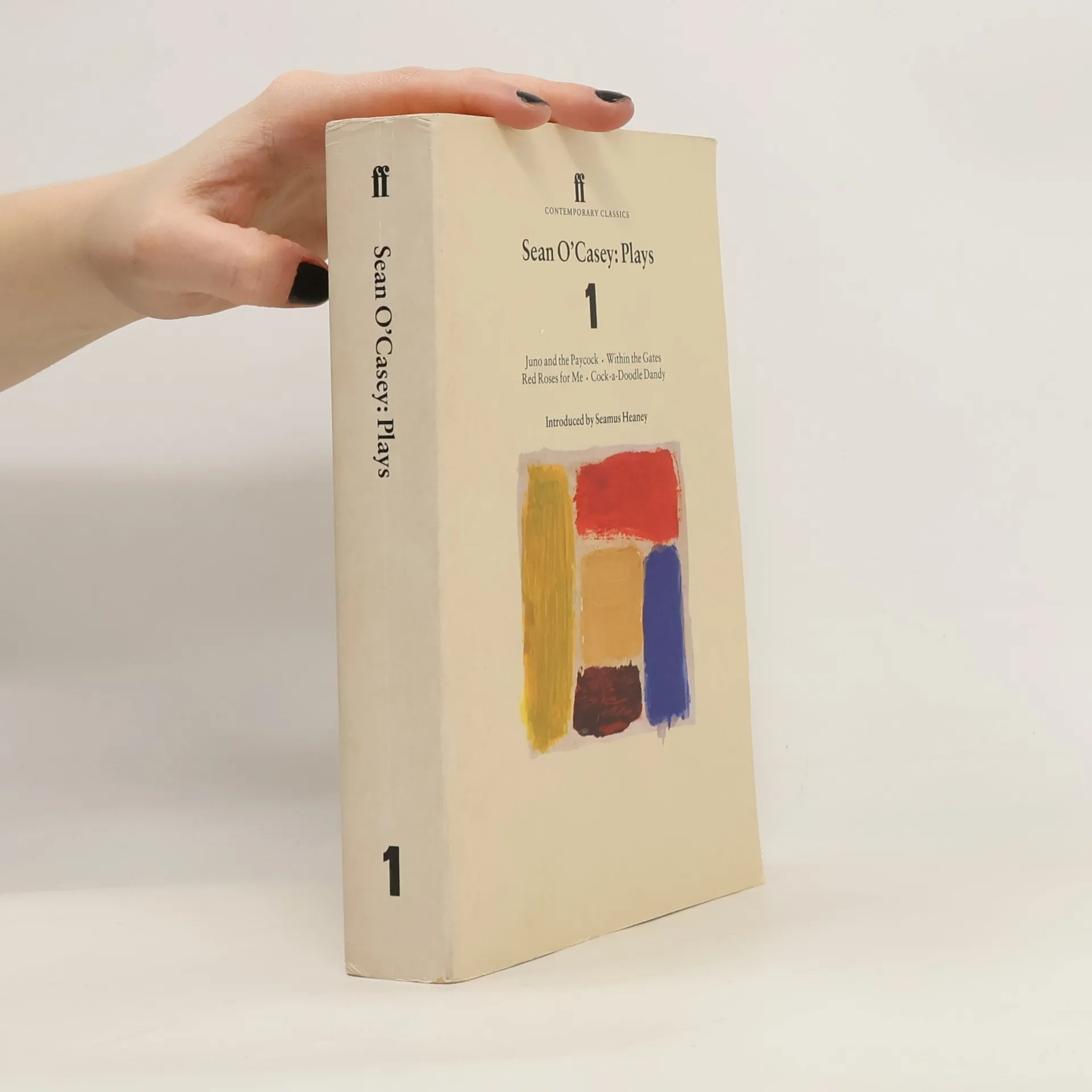
In his early forties, while continuing to support himself as a laborer, we wrote, in quick succession three realistic plays about the slums of Dublin, known as the Dublin Trilogy." Juno and the Paycock," the second installment of the trilogy, was performed in the Abbey Theatre in 1924--the Abbey theatre produced the first installment of the trilogy, "The Shadow of a Gunman" (not included in this volume) in 1923." Juno and the Paycock "deals with the unpleasantness of war and the misery of the victims during the the Irish struggle for indepenence. It was awarded the Hawthornden Prize. As his career progressed, O'Casey experiemented with expressionism and symbolism, which resulted in "Within the Gates;" "Red Roses for Me," a semiautobiographical work; and "Cock-a-Doodle Dandy," Due to an increase of nationalism during the Civil War and Irish Independence movement, his plays were received well, although, at times, with protest and restriction.
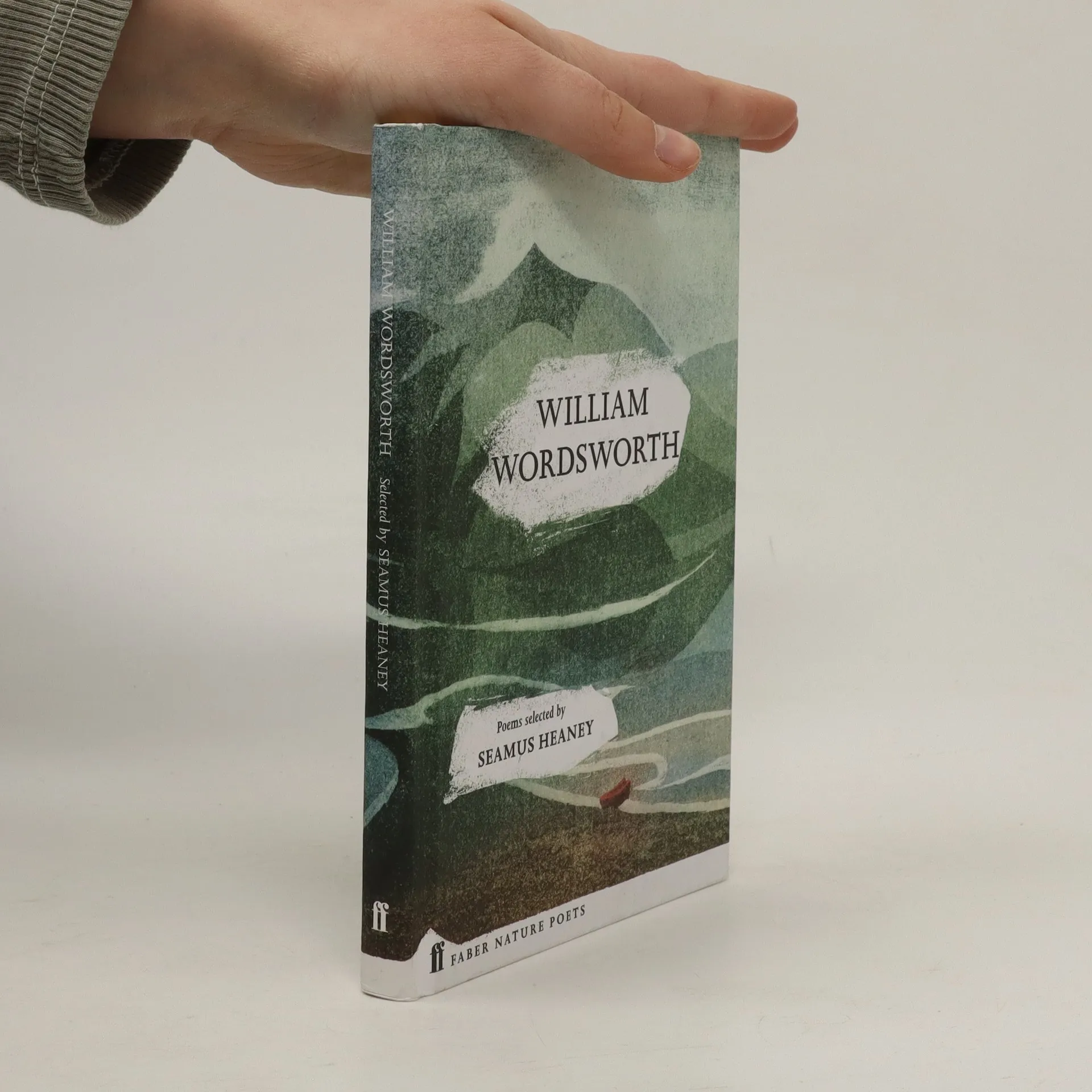
In this series, a contemporary poet advocates a poet of the past or present whom they have particularly admired. By their selection of verses and by the personal and critical reactions they express, the selectors offer intriguing insight into their own work.
In this series, a contemporary poet selects and introduces a poet of the past. By their choice of poems and by the personal and critical reactions they express in their prefaces, the editors offer insights into their own work as well as providing an accessible and passionate introduction to the most important poets in our literature.
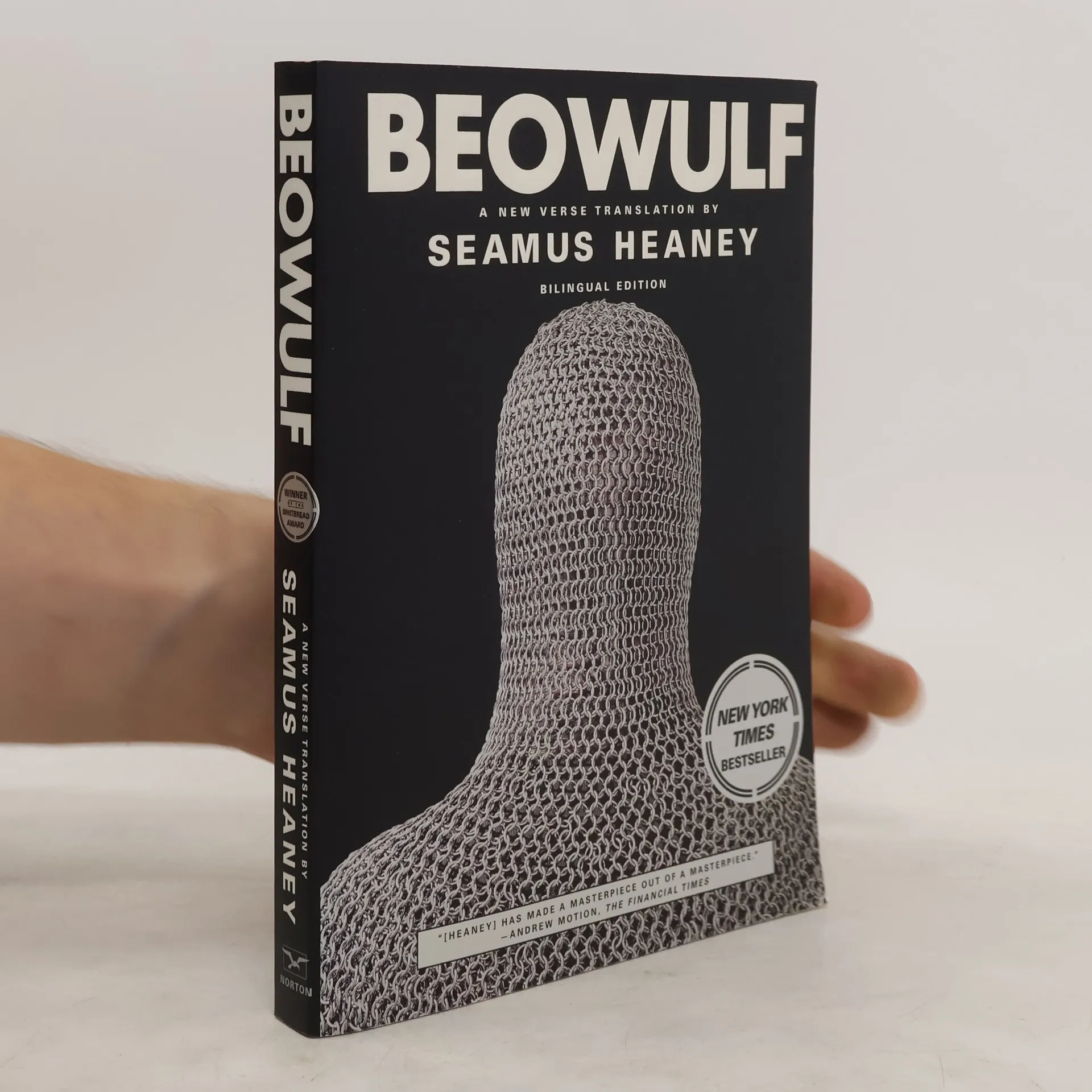
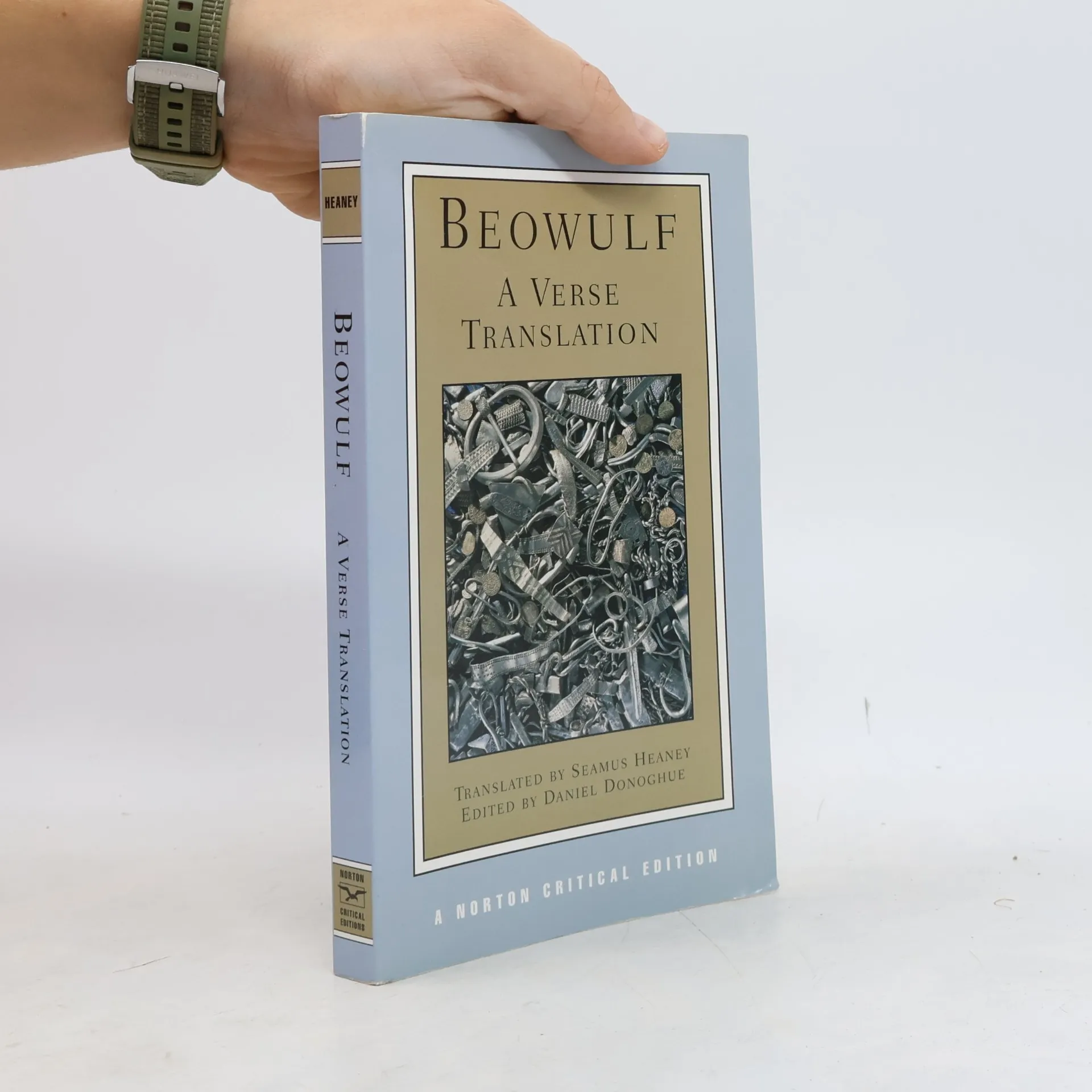
Presents a new translation of the Anglo-Saxon epic chronicling the heroic adventures of Beowulf, the Scandinavian warrior who saves his people from the ravages of the monster Grendel and Grendel's mother.
Winner of the Whitbread Prize, Seamus Heaney s translation "accomplishes what before now had seemed impossible: a faithful rendering that is simultaneously an original and gripping poem in its own right" (New York Times Book Review)."
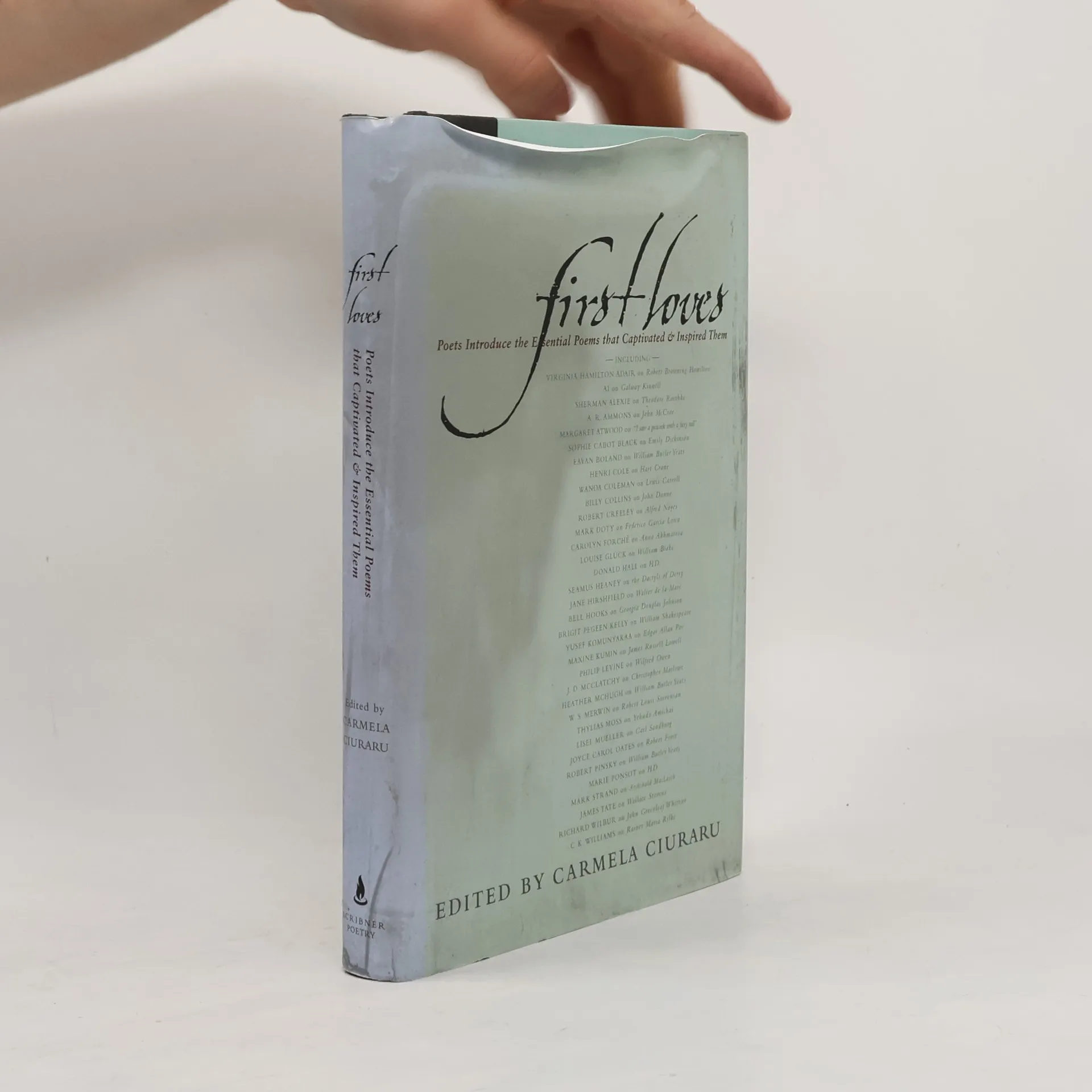
Poets Introduce the Essential Poems That Captivated and Inspired Them
272 stránek
10 hodin čtení
A collection of poems selected by poets as those that first inspired them includes timeless favorites and insightful essays by Pulitzer Prize and National Book Award winners including Roethke, Pinsky, and Heaney.
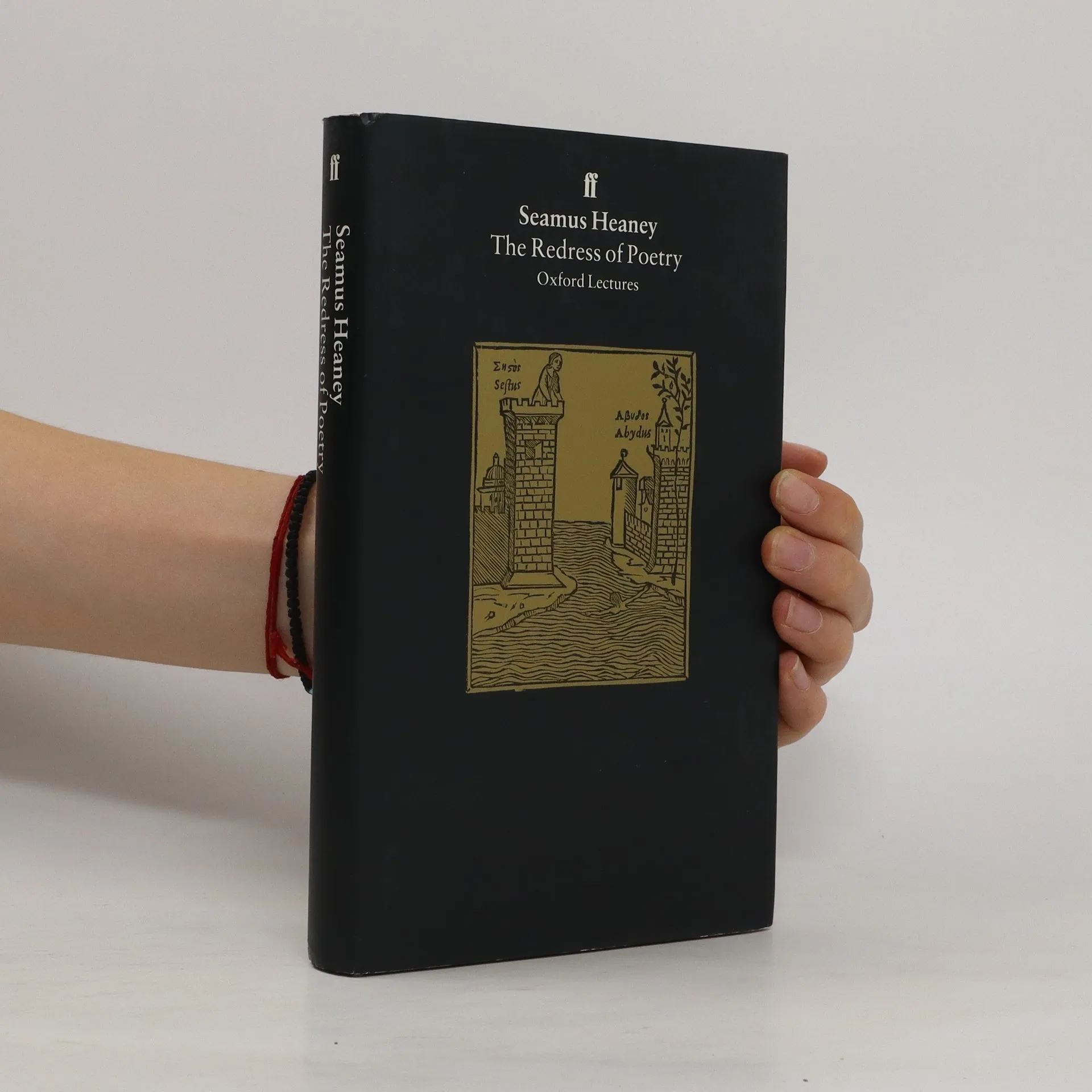
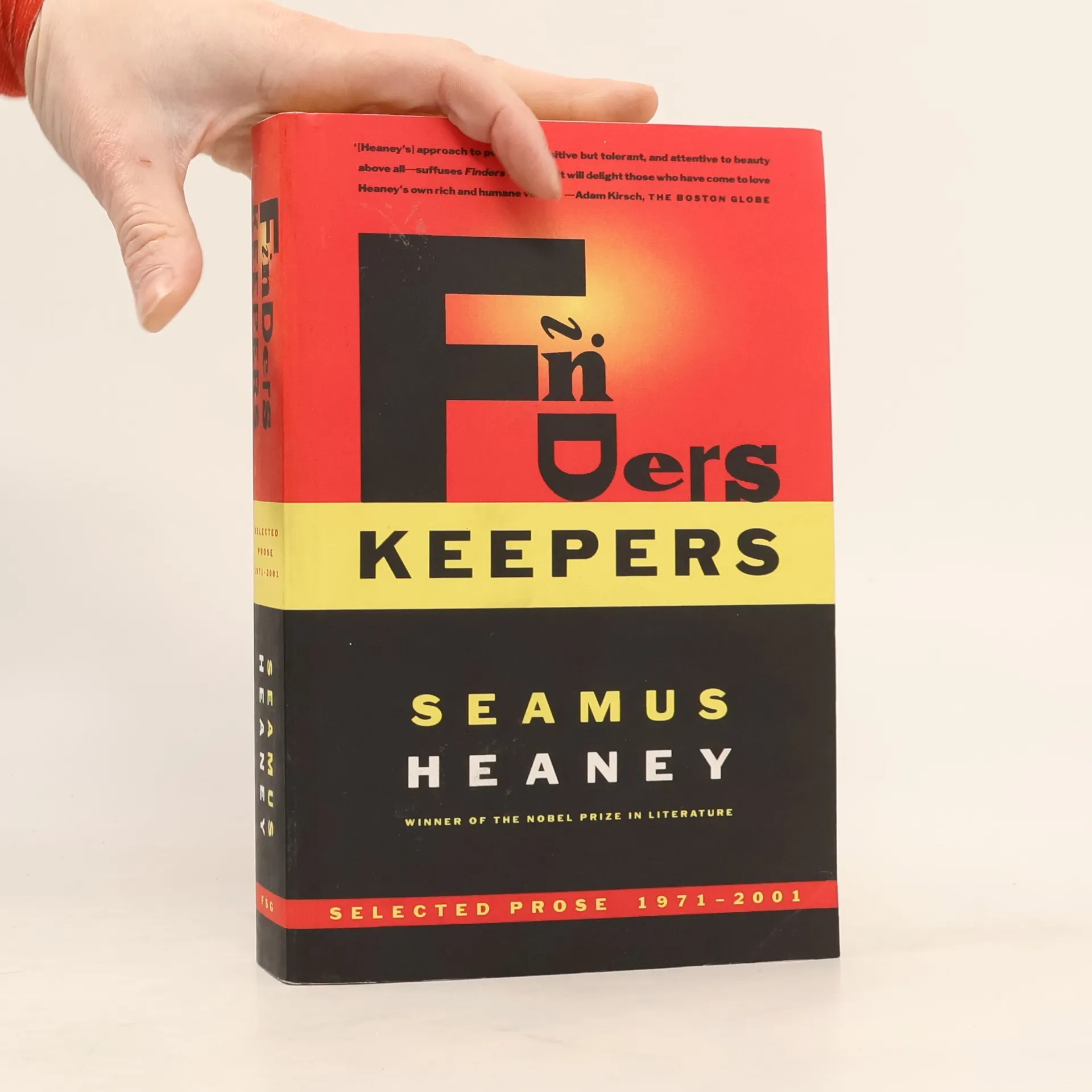
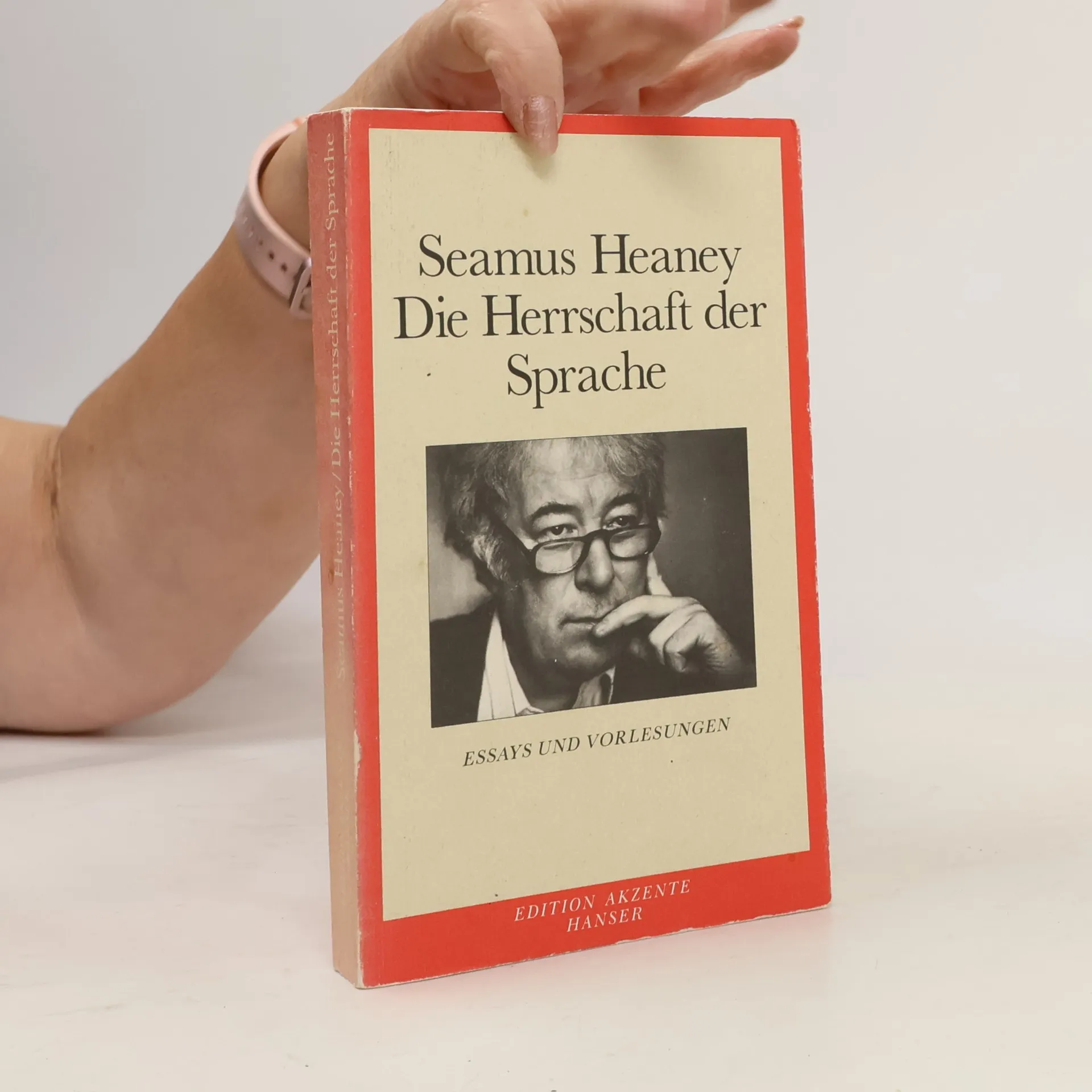
This collection showcases three decades of insightful writing on poetry by a Nobel laureate, highlighting their "tenacious curiosity." The selection emphasizes the author's unique perspective and depth of understanding, offering readers a rich exploration of poetic themes and techniques. Through thoughtful reflections and analyses, it celebrates the enduring impact of poetry and the author's significant contributions to the literary landscape.
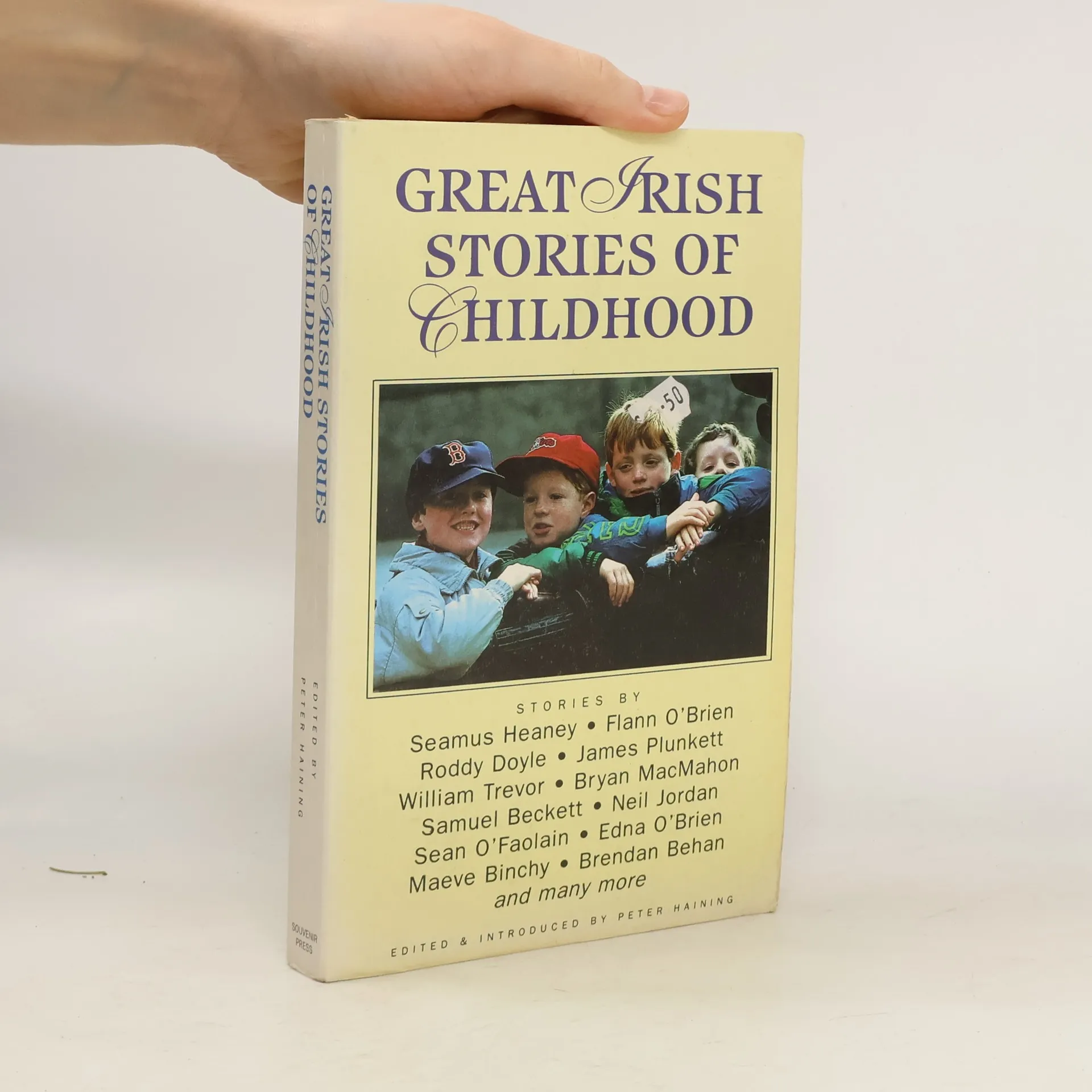
This collection looks at the years of innocence, the pains and pleasures of schooldays and the struggles of adolescence in stories by such writers as Seamus Heaney, Roddy Doyle, Flann O'Brien, William Trevor, Bryan MacMahon, Samuel Beckett, Neil Jordan, Sean O'Faolain, Edna O'Brien, Brian Friel, Maeve Binchy, Brendan Behan and many more.
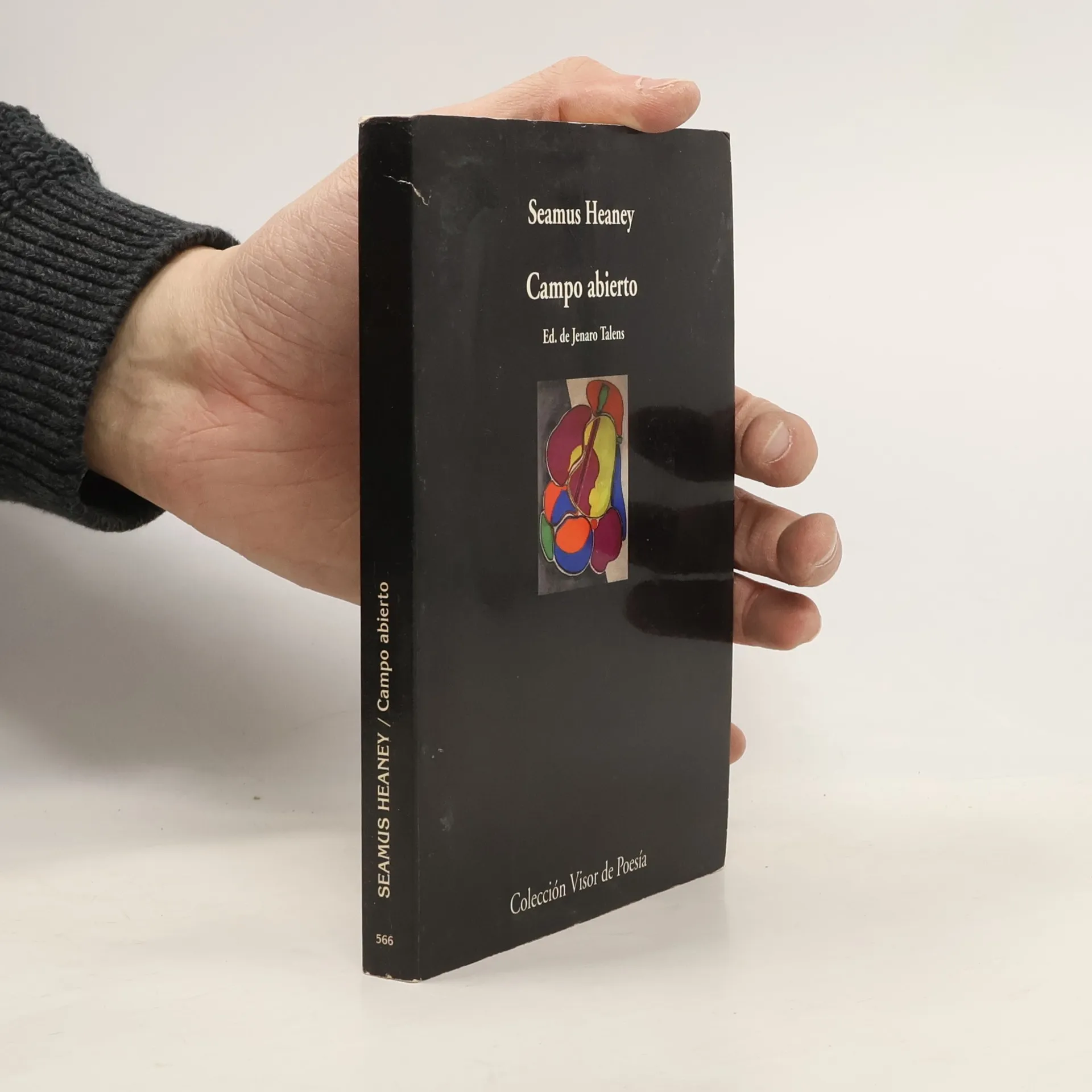
Seamus Heaney, uno de los mas grandes poetas en lengua inglesa del siglo XX, nacio en 1939, en County Derry, Irlanda del Norte. Hizo sus estudios primarios en una escuela del condado y a los once anos gano una beca para el St. Columbs College, un centro catolico situado en Derry donde residio hasta su traslado a la Queens University de Belfast en 1957, ciudad en la que concluyo su carrera universitaria y en la que permanecio hasta 1972.
Seamus Heaneys Gedichte thematisieren seine Kindheit in Irland, die Landschaft, das Leben der Torfstecher und Bauern. Diese Auswahl gilt als eines der bedeutendsten Werke der anglo-amerikanischen Literatur.
Lyrik unterwegs in Bussen und Bahnen der SSB Zum 25. Geburtstag von „Lyrik unterwegs“ erscheint die 4. erweiterte Auflage dieser Lyrik-Anthologie. Insgesamt 346 Gedichte von mehr als 100 Dichterinnen und Dichtern sind nun wieder in einem Gedichtband vereint und erfreuen die Herzen aller Poesiefreunde. Lyrik unterwegs - herausgegeben von der Stuttgarter Straßenbahnen AG (SSB)