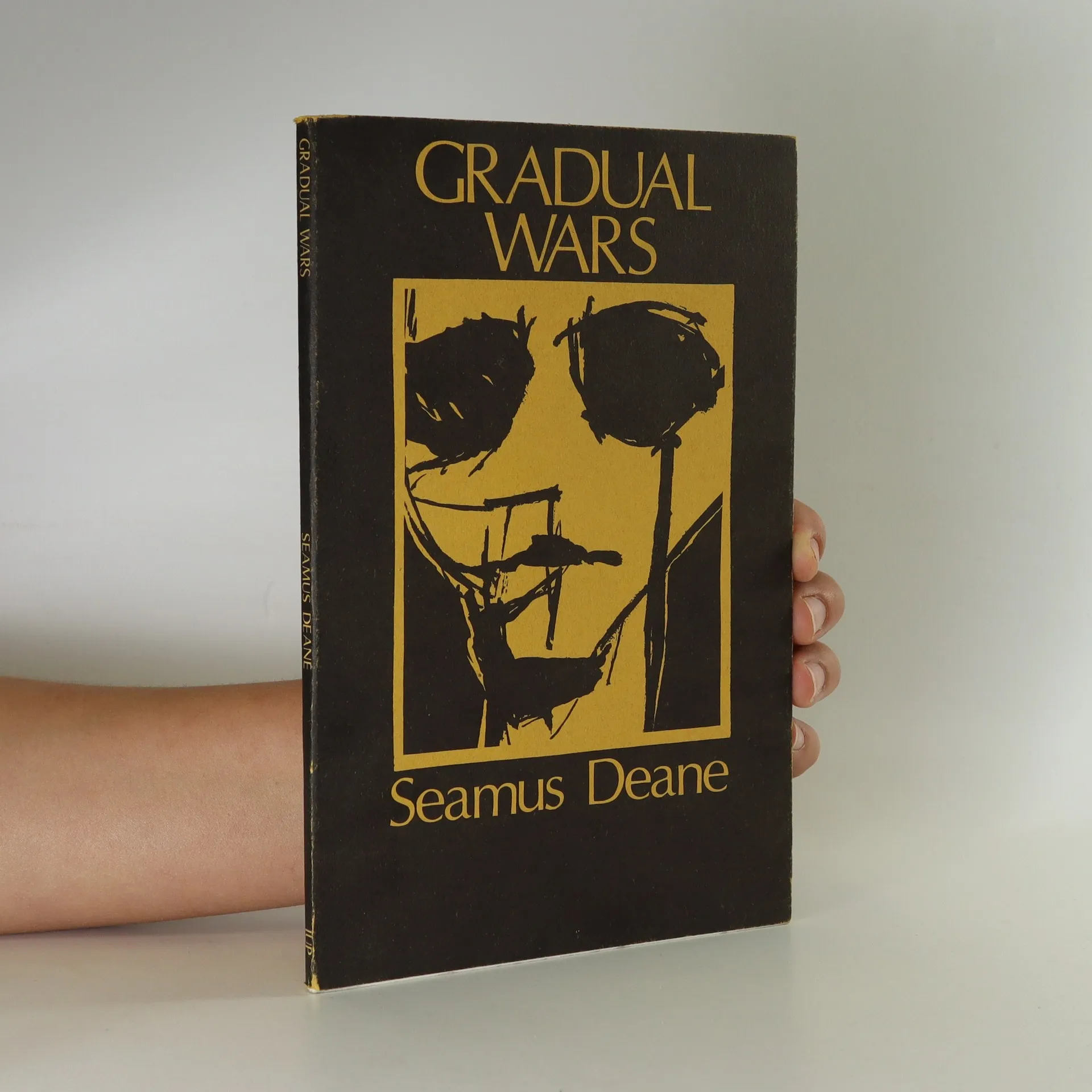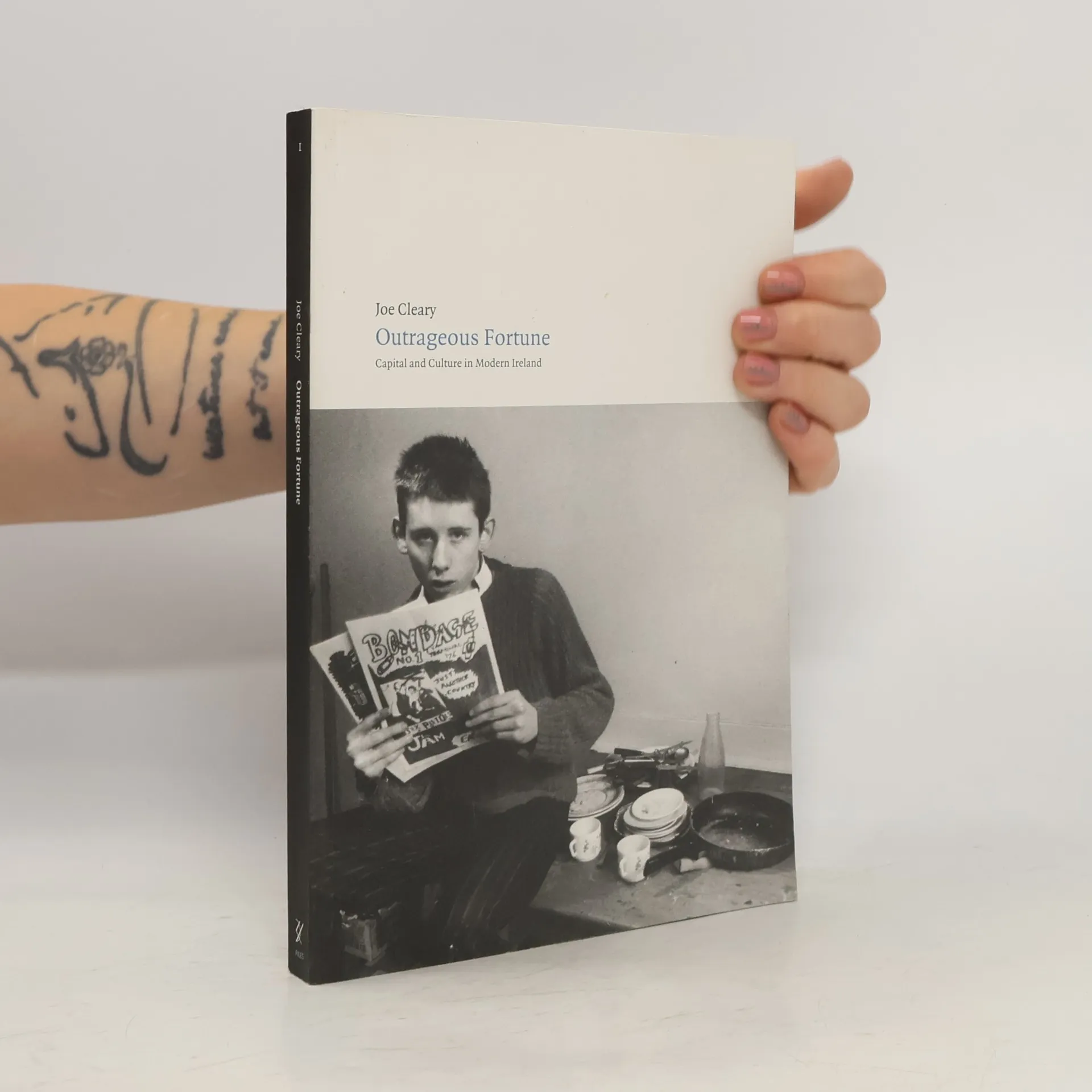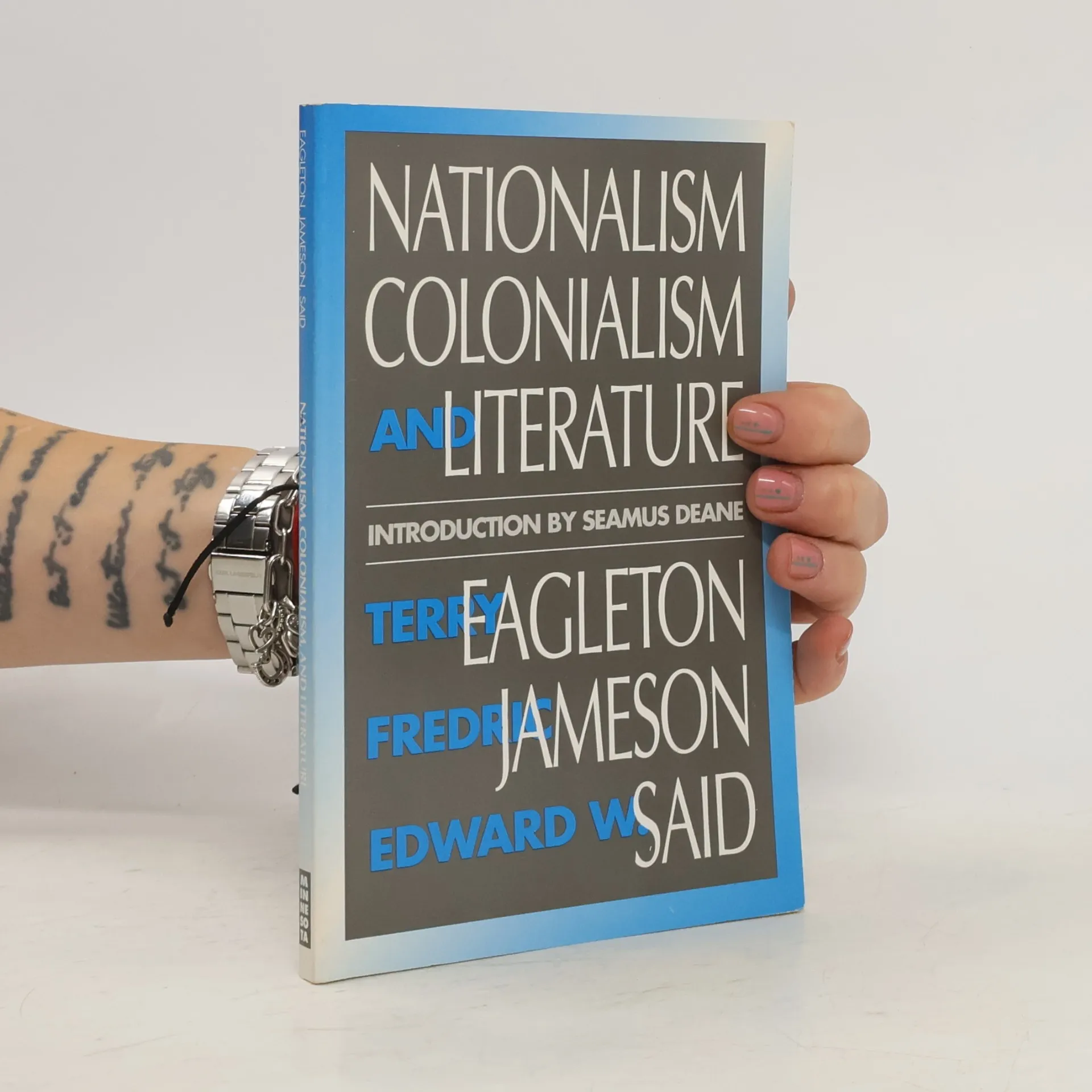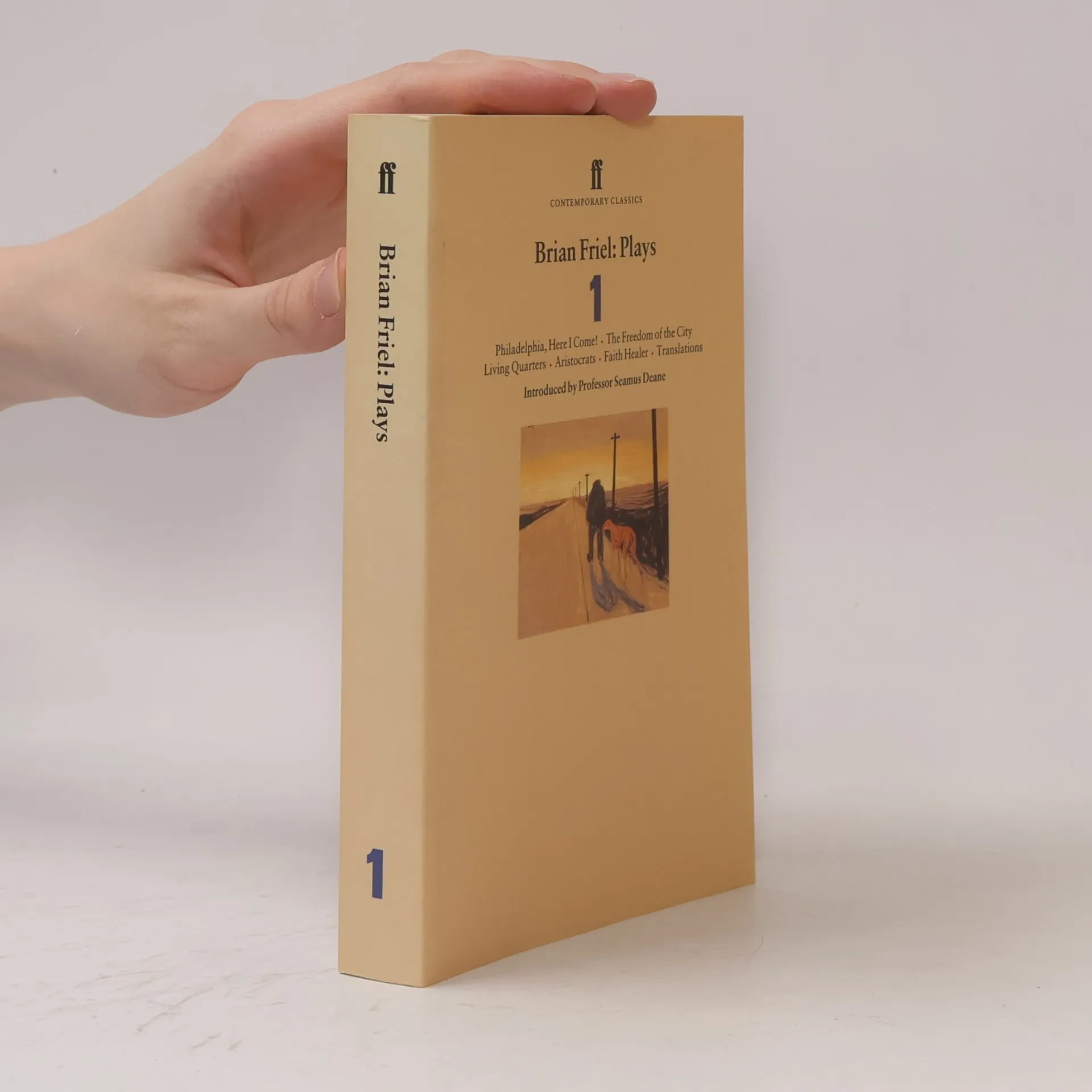

Tato autorka je uznávanou básnířkou, kritičkou, prozaičkou a pedagožkou. Její dílo se často zabývá tématy irské identity a kulturního dědictví. Prostřednictvím své jedinečné prózy a poezie zkoumá složité lidské vztahy a společenské otázky. Její přístup k psaní je hluboce promyšlený a literárně náročný.
Román v povídkách, smutných i velmi vtipných, zachycuje ponuré i rozmarné irské prostředí, jeho divokou přírodu, pověry i silné náboženské cítění. Současně se autor dokáže podívat s ironickým odstupem na sebe i rodinný život. Příběh je napsán čtivým, podmanivě poetickým jazykem, a nechybí v něm ani specifický irský humor. Autor byl v roce 1996 za tuto knihu, která patří k nejpozoruhodnějším vzpomínkovým dílům v současné literatuře, odměněn cenou Guardian Fiction Prize.
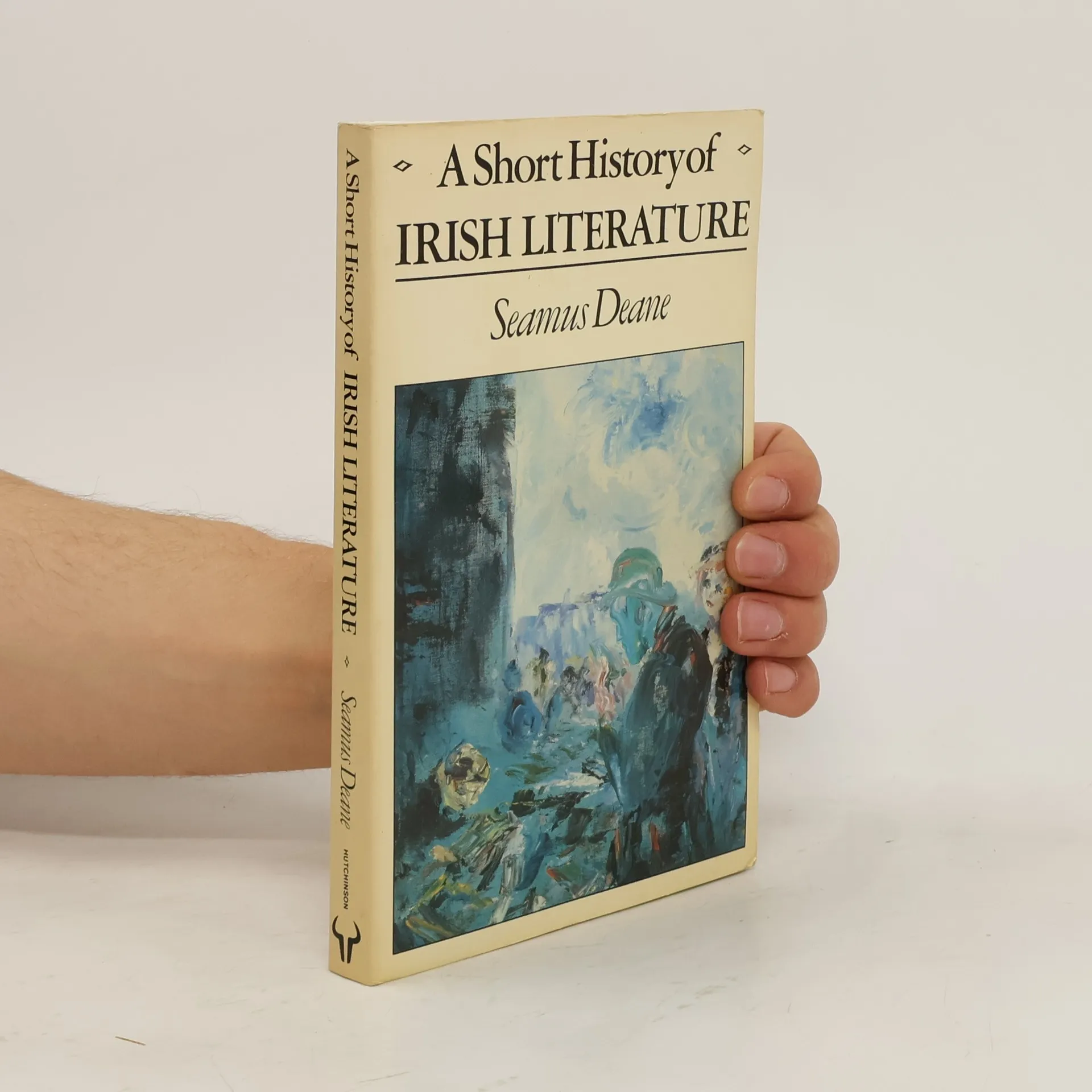
Seamus Deane, one of Ireland's most important critics, assesses here the place of literature in "a colonial or neo-colonial culture like ours, where the naming of the territory has always been ... a politically charged act." The force of Deane's A Short History of Irish Literature derives precisely from his naming of the territory. With insight, erudition, and a razor-keen style, he locates Irish writers within the island's traumatic history. His aim is to show how literature has been inescapably allied with historical interpretation and with political allegiance.
Modernity and Nationhood in Irish Writing Since 1790
280 stránek
10 hodin čtení
The book examines the development of a distinct national tradition in Irish literature, beginning with the impact of Edmund Burke's writings during the French Revolution. It explores key works from authors like Gerald Griffin, Bram Stoker, and James Joyce, highlighting themes of national identity, conflict, and the tension between modernity and tradition. The narrative reveals how Irish print culture, encompassing novels, songs, and poems, navigates the complexities of its colonial legacy, ultimately leading to a deeper understanding of Ireland’s literary achievements.
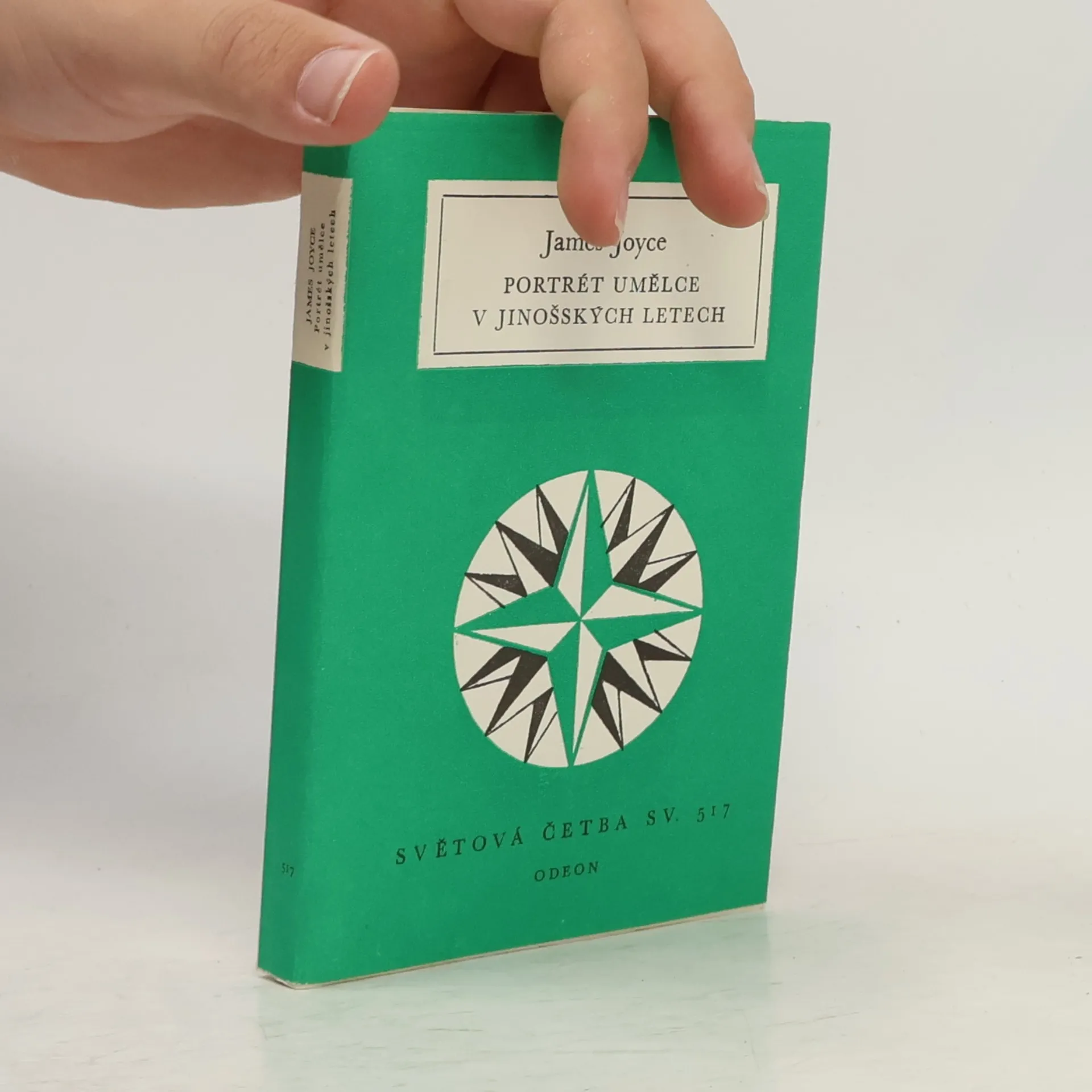
Playful and experimental, this autobiographical work vividly portrays the emotional and intellectual development of its protagonist, Stephen Dedalus. Edited by Seamus Deane, this edition captures Stephen's Dublin childhood and youth, detailing his quest for identity through art and his gradual emancipation from family, religion, and Ireland. It serves as an oblique self-portrait of the young James Joyce and a universal testament to the artist's "eternal imagination." The narrative explores themes of sexual awakening, religious rebellion, and the essential search for voice and meaning that every emerging artist must confront to fully realize themselves.
James Joyce, born in Dublin in 1882 as the eldest of ten children, exiled himself to Paris at twenty to rebel against his upbringing. Although he returned to Ireland briefly, Dublin remained central to his greatest works, including Ulysses and Finnegans Wake. Joyce lived in poverty for much of his life, facing challenges such as near blindness and his daughter's mental illness. If this work resonates with you, consider exploring Joyce's Dubliners, also available in Penguin Modern Classics. Critics have praised Joyce's writing for its vividness and mythic richness, affirming his unique status among novelists for consistently publishing masterpieces.