
Za pomoci pestré škály pravdivých příhod a konkrétních případových studií vyvrací tato kniha obecně přijímanou představu, že pevně daný denní program, řád, pořádek a soustavnost jsou klíčem k úspěchu. Na příkladech z oblasti podnikání, výchovy dětí, vaření, boje proti terorismu, obchodu, a dokonce i na příběhu závratné kariéry Arnolda Schwarzeneggera ukazují autoři, že mírně neuspořádané systémy využívají zdroje efektivněji, dospívají k lepším řešením a dají se hůře rozvrátit než systémy organizované důkladně. Tuto myšlenku kniha aplikuje v měřítku malém (pracovní stoly, garáže), i velkém (vláda, společnost), odkrývá všechny oblasti, kde nepořádek může triumfovat nad pořádkem, a pomáhá čtenáři odhadnout správnou míru nepořádku v jakémkoli systému.
David H. Freedman Knihy




At Large
- 315 stránek
- 12 hodin čtení
Describes how one computer hacker was able to access hundreds of business and government files and explains why the Internet is becoming less secure
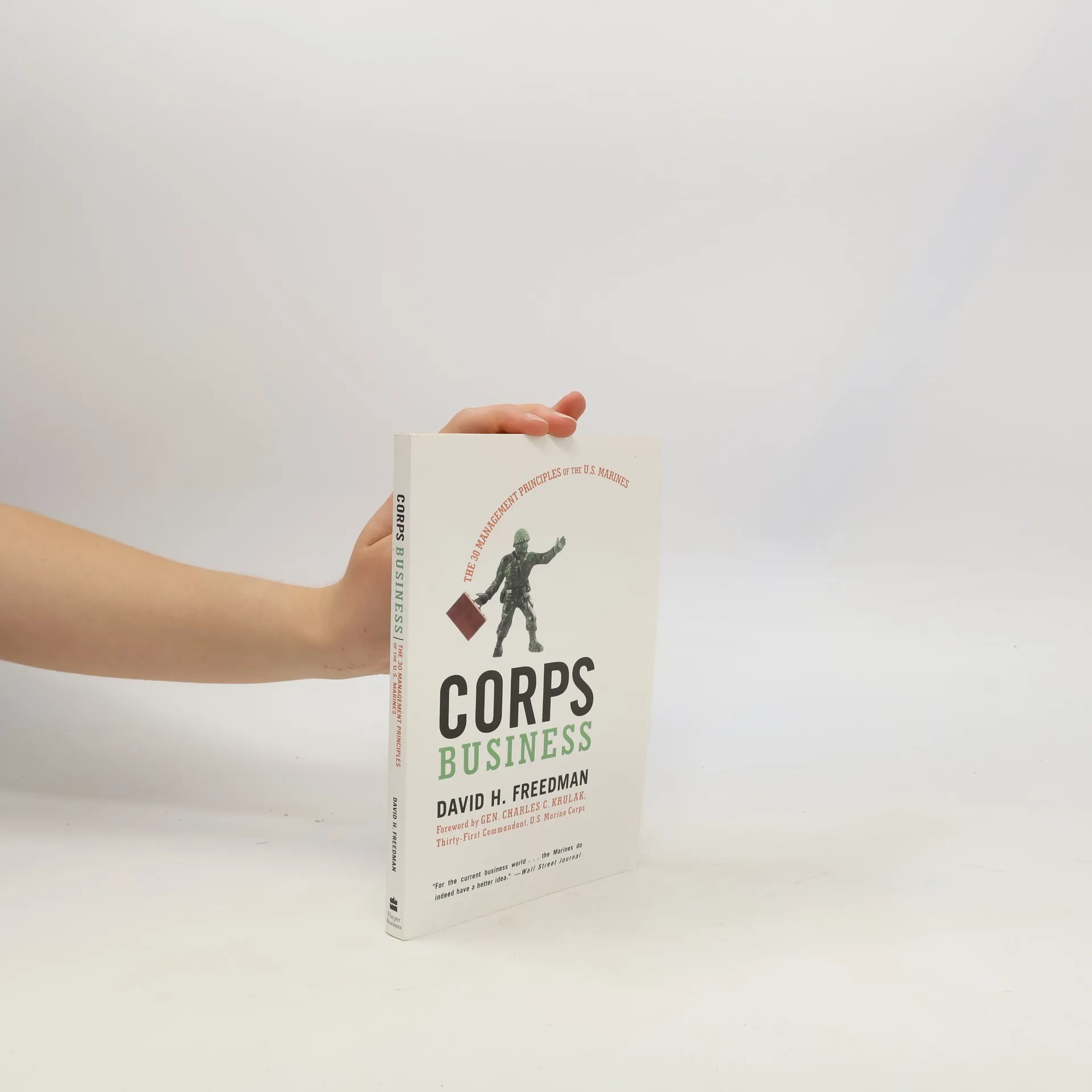
What's the best-run enterprise in the world? It just may be the Marine Corps. Far from being the hidebound, autocratic entity that most people imagine, the Corps has created a stunningly nimble, almost freewheelingly adaptive organization. The result: Though often faced with extraordinarily dynamic and complex challenges, the Marines get the job done every time. Their secret? Don't think boot camp. Instead, the Marines have refined a wide-ranging system of management practices that have undergone continuous evolution under the most demanding conditions conceivable. Armed with these straightforward principles, any organization can achieve the high-impact responsiveness demanded by today's ultra-competitive, fast-changing business environments. In Corps Business, author David H. Freedman brings these principles--and their application to the business world--to light in clear, fascinating form. Freedman brings you along to observe, firsthand the high-speed Marine environment, where you'll take part in urban combat practice maneuvers, sit in on mission planning sessions, spend time on a "floating invasion party," and participate in a live-fire combat exercise. Along the way, you'll tap the wisdom of scores of Marines from three-star generals to grunts. Here are some examples: Managing by end-state--Tell people what needs to be accomplished and why, and leave the details to them. The 70-percent solution--It's better to decide quickly on an imperfect plan than to spend time considering every angle and roll out a perfect plan when it's too late. Authority on demand--While retaining a strong management pyramid, encourage people even at the lowest levels to make any and all decisions necessary to accomplish the mission when management guidance isn't at hand.Anyone facing entrenched or predatory competitors, short time frames, chaotic markets, and obstacles in every direction, has a simple choice: Learn to move fast, change on the fly, and inspire employees--or die. The Marines are here to help. With a foreword by Gen. Charles C. Krulak, Thirty-first Commandant of the United States Marine Corps.
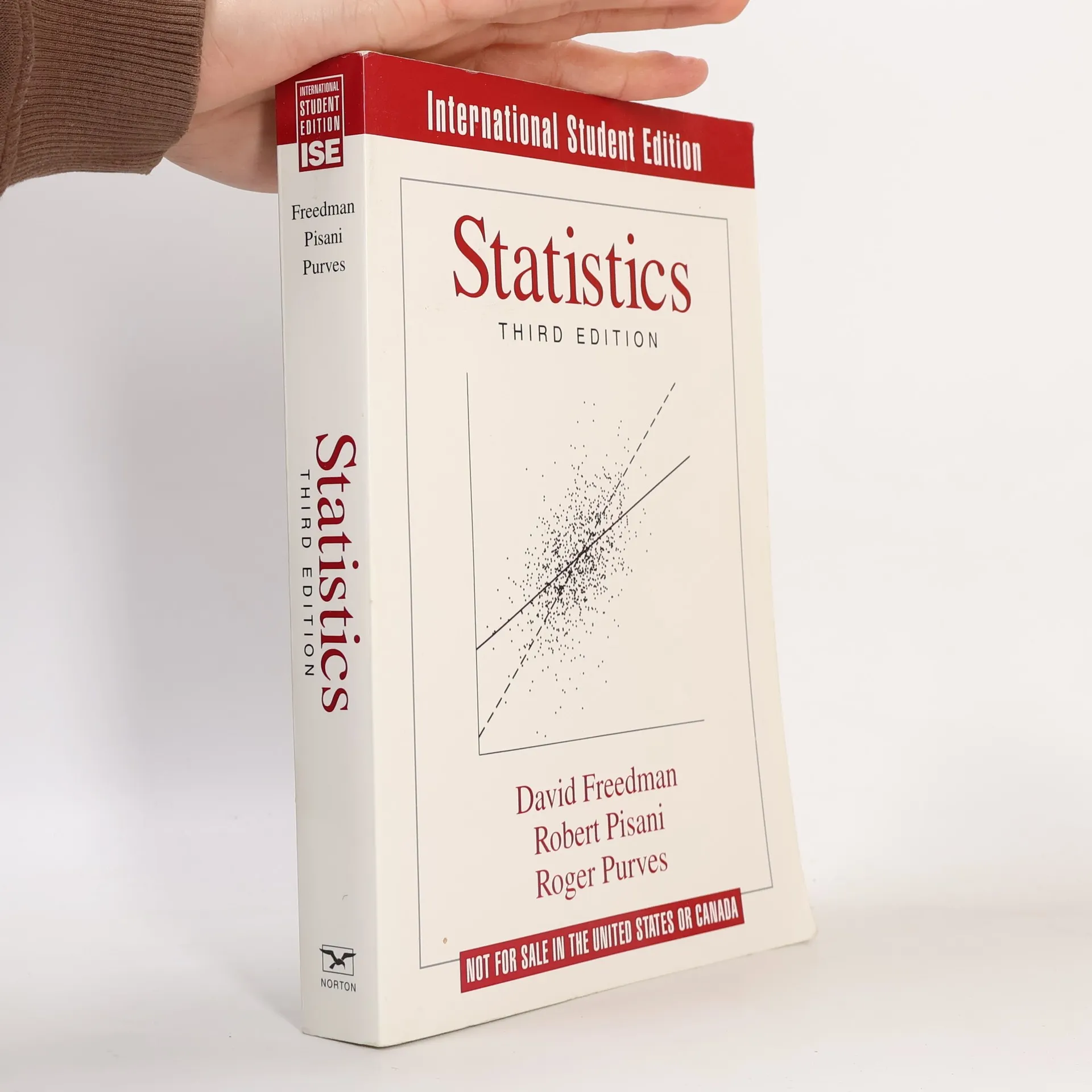
This book emphasizes foundational concepts through practical, real-world examples and data, making complex ideas accessible without delving into advanced mathematics. It's designed for readers seeking to understand essential principles in a straightforward manner.
An eye-opening exploration of why experts are constantly misleading us-and what we can do about it.
Die Autoren zeigen, dass übermäßige Ordnung in Alltag und Arbeit oft mehr kostet als sie nützt. Durch Beispiele aus verschiedenen Bereichen belegen sie, dass Mut zur Unordnung zu mehr Effizienz, Kreativität und Erfolg führen kann. Ordnung kann Zeit, Energie und Geld verschwenden.
Experten-Irrtümer sind nicht die Ausnahme, sondern die Regel. Hintergründe zu einem System, das falsche Aussagen belohnt. „Wenn die Welt zugrunde geht, so wird dies nicht wegen ihrer Verrückten geschehen, sondern wegen der Vernunft ihrer Experten“, sagte John le Carré. Experten rieten Generationen von Müttern, ihre Kinder schreien zu lassen, bis diese heiser und verzweifelt aufgaben. Experten machten Firmenchefs weis, dass Outsourcing profitabel sei und trieben Tausende ins berufliche Abseits. Experten stellten „zweifelsfrei“ fest, dass Saddam Hussein über Massenvernichtungswaffen verfüge und leiteten so den Irakkrieg ein. „Irren ist menschlich“, werden manche beschwichtigend einwenden. Es sind aber gerade die Fachleute aller Couleur, die überproportional häufig Irrtümer verbreiten, weiß David H. Freedman. Die Selbstüberschätzung der Kompetenzträger sowie die Käuflichkeit und Manipulierbarkeit von „Wahrheit“ sind Systemfehler, die dafür sorgen, dass falsche Expertisen eher die Regel als die Ausnahme sind. Leichtgläubigkeit und Autoritätshörigkeit der Beratenen machen das Chaos perfekt. Die unumstößliche Wahrheit von gestern ist stets der offensichtliche Irrtum von morgen.
