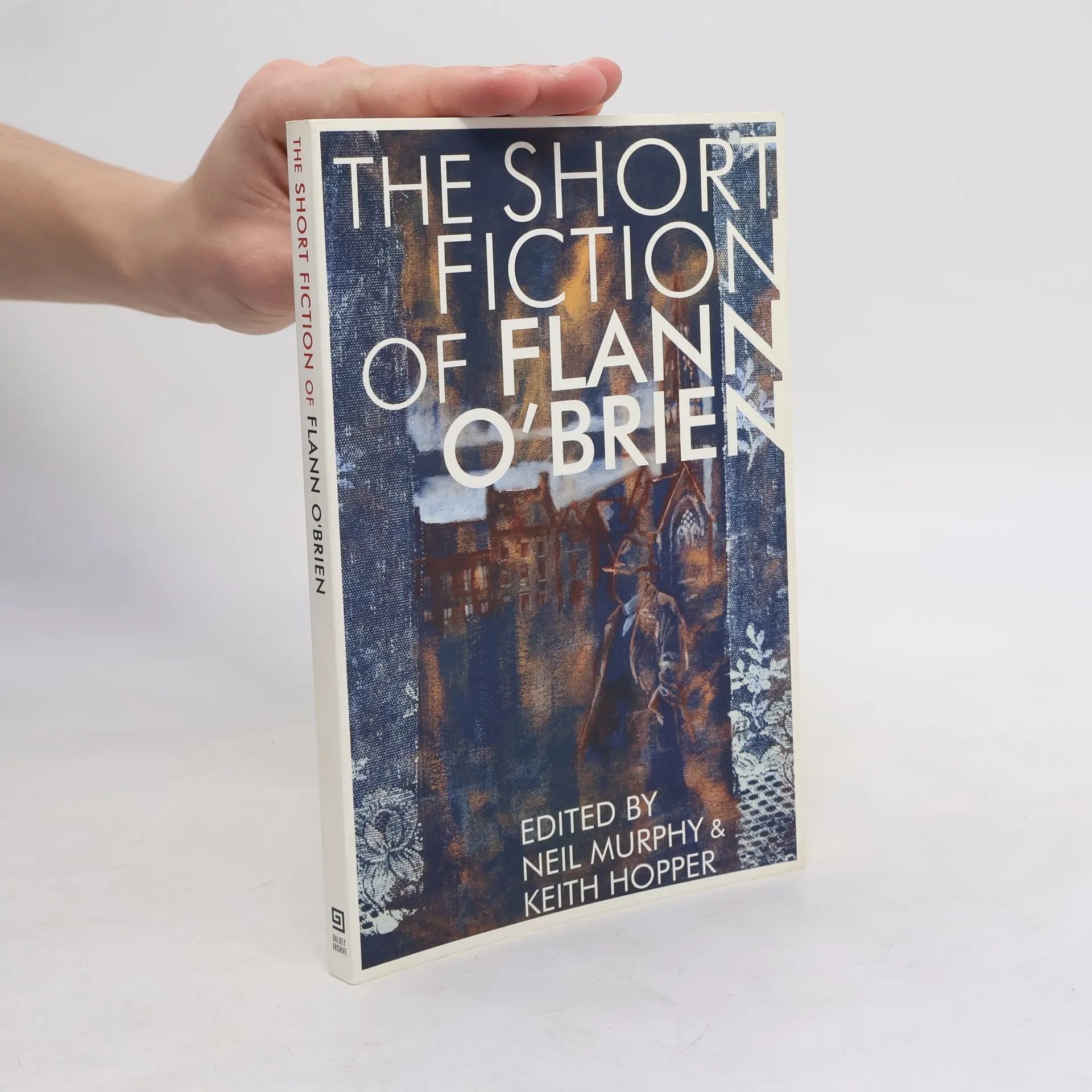
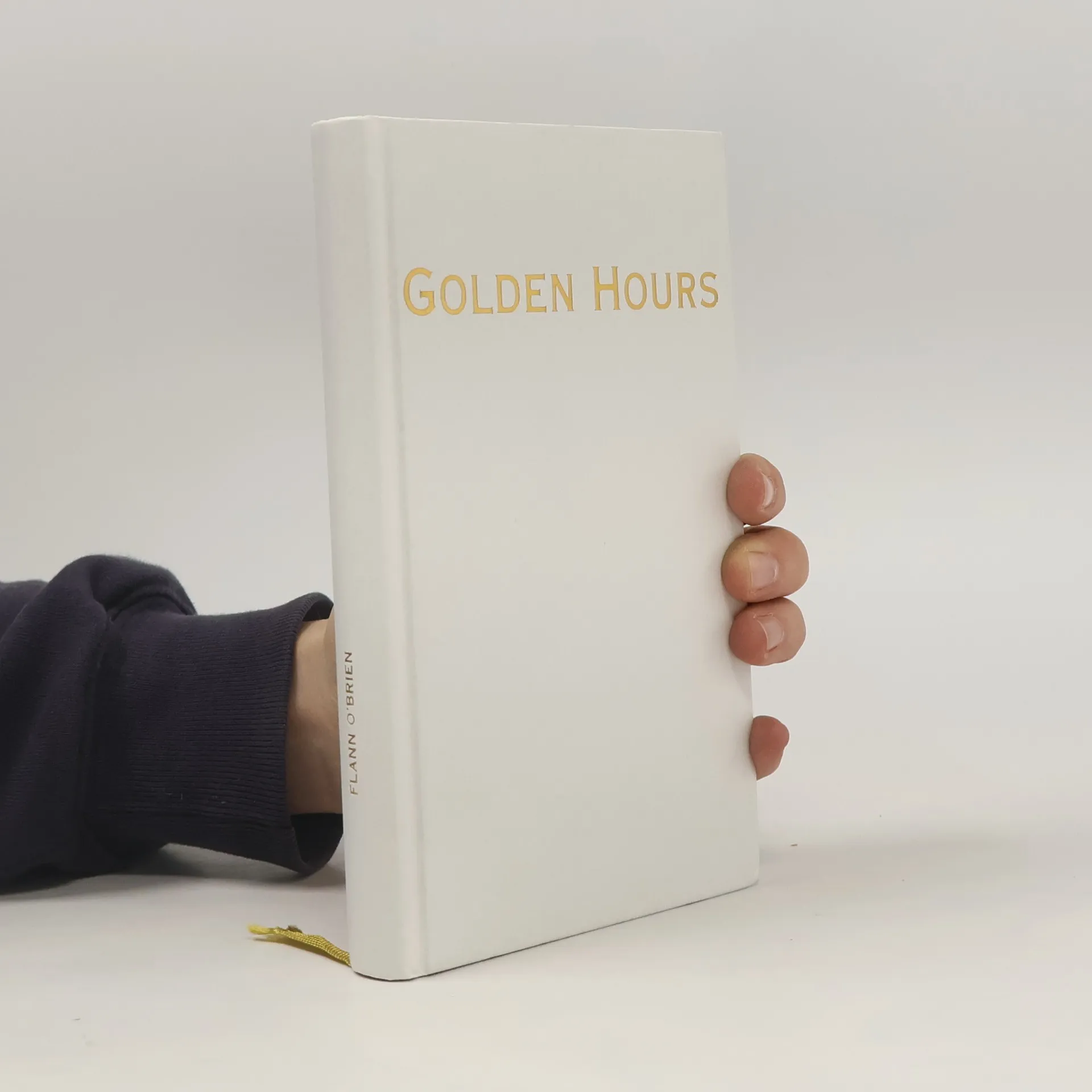
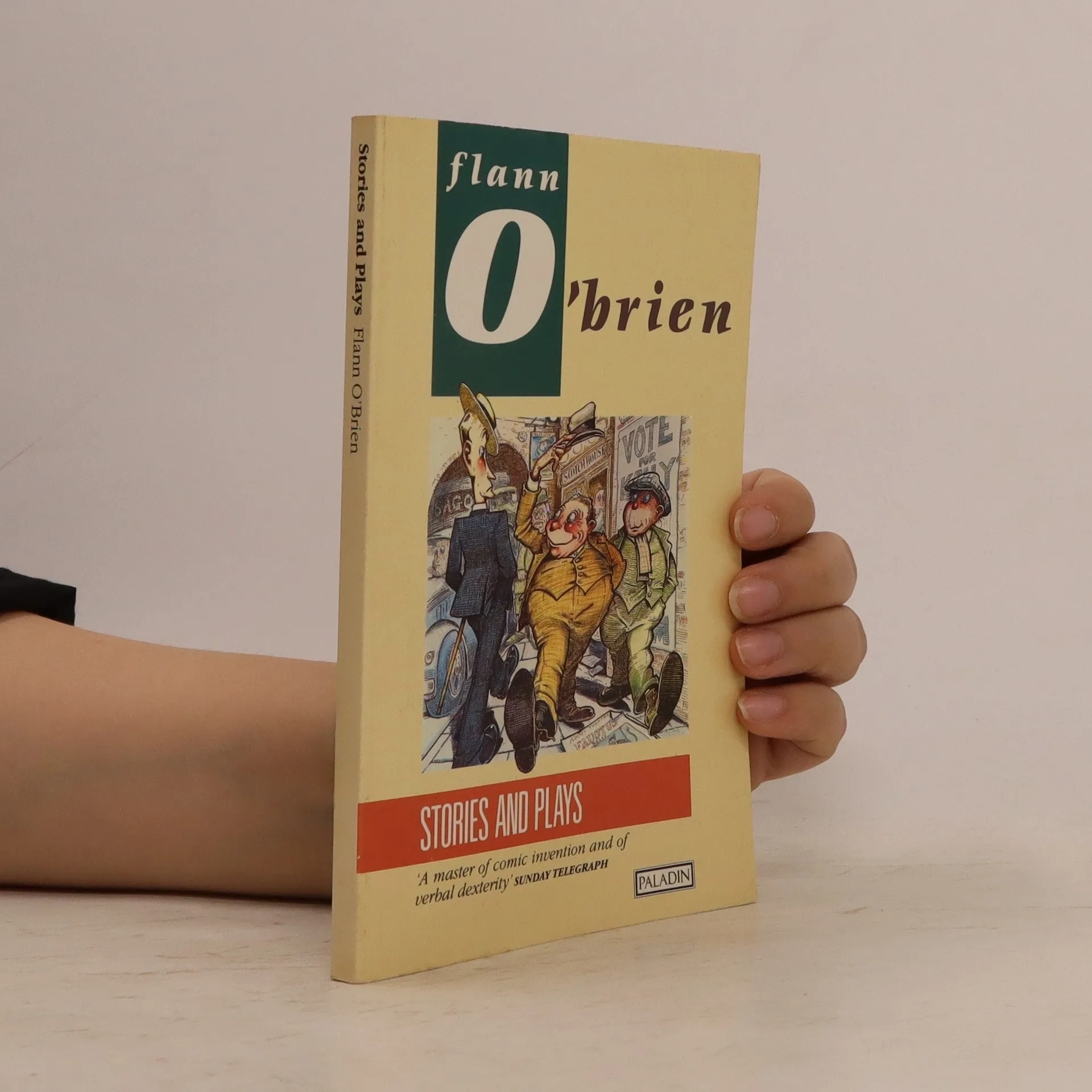
Short Fiction of Flann O'Brien
- 159 stránek
- 6 hodin čtení
Presents a collection of short stories and part of an unfinished novel by the Irish writer. 5 of the stories have been translated from Irish.


Tento irský autor je považován za klíčovou postavu moderní irské literatury, známý pro svůj podivný humor a modernistickou metafikci. Jeho díla, která často vycházejí z absurdity života, zkoumají témata identity a reality s neotřelou ironií. Autor mistrně využívá jazyka a literárních konvencí k vytvoření jedinečných, často znepokojivých světů, které čtenáře nutí přehodnotit své vnímání světa.

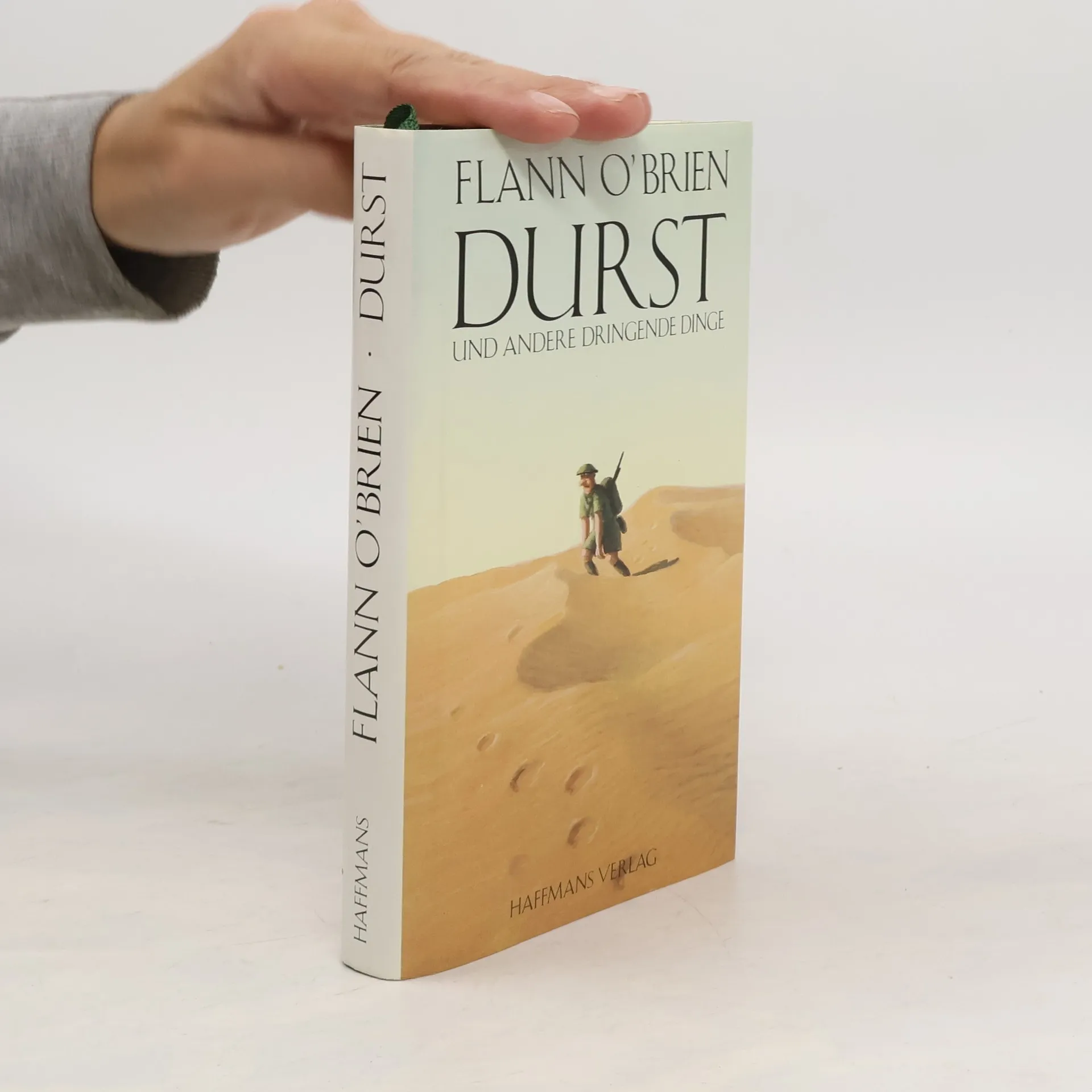
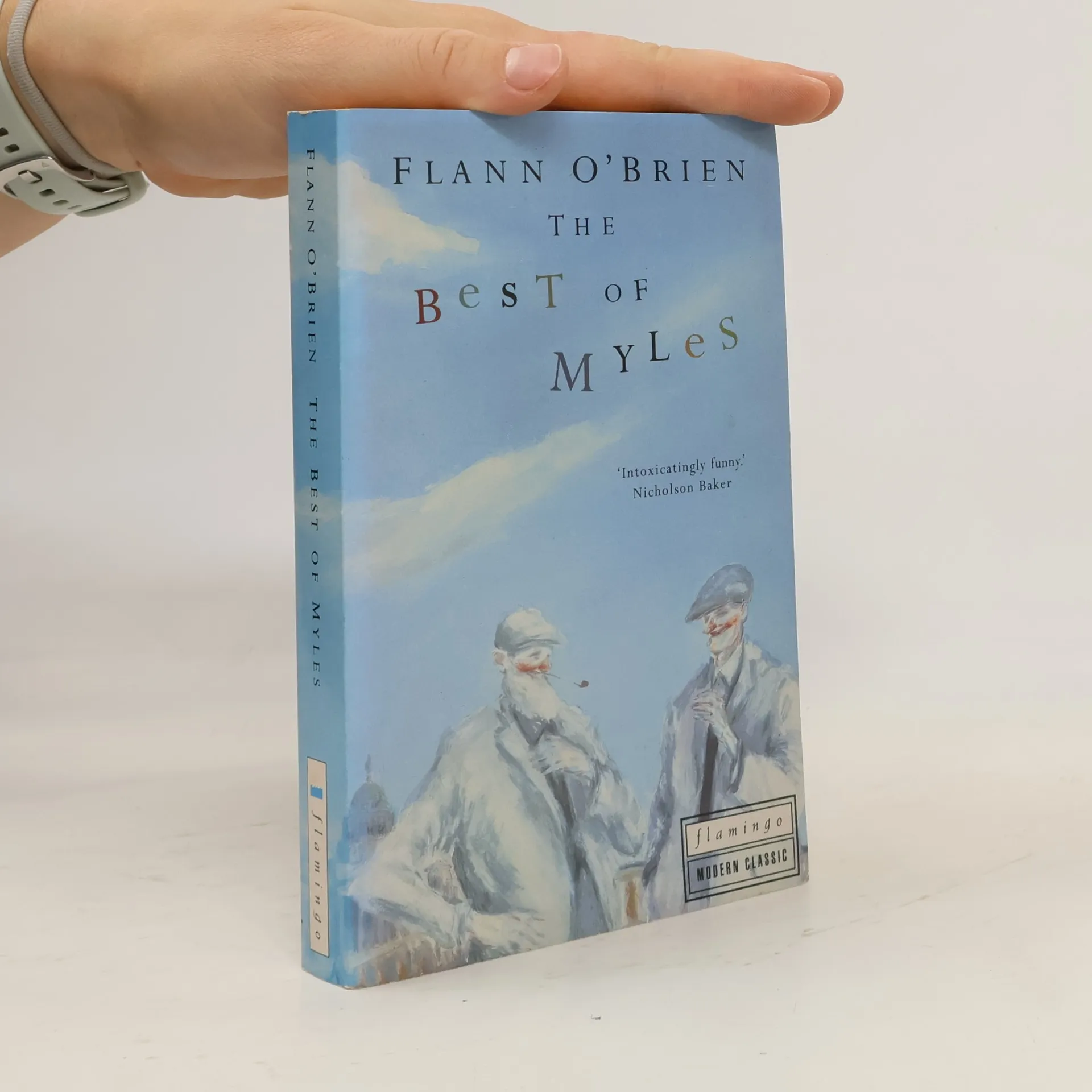
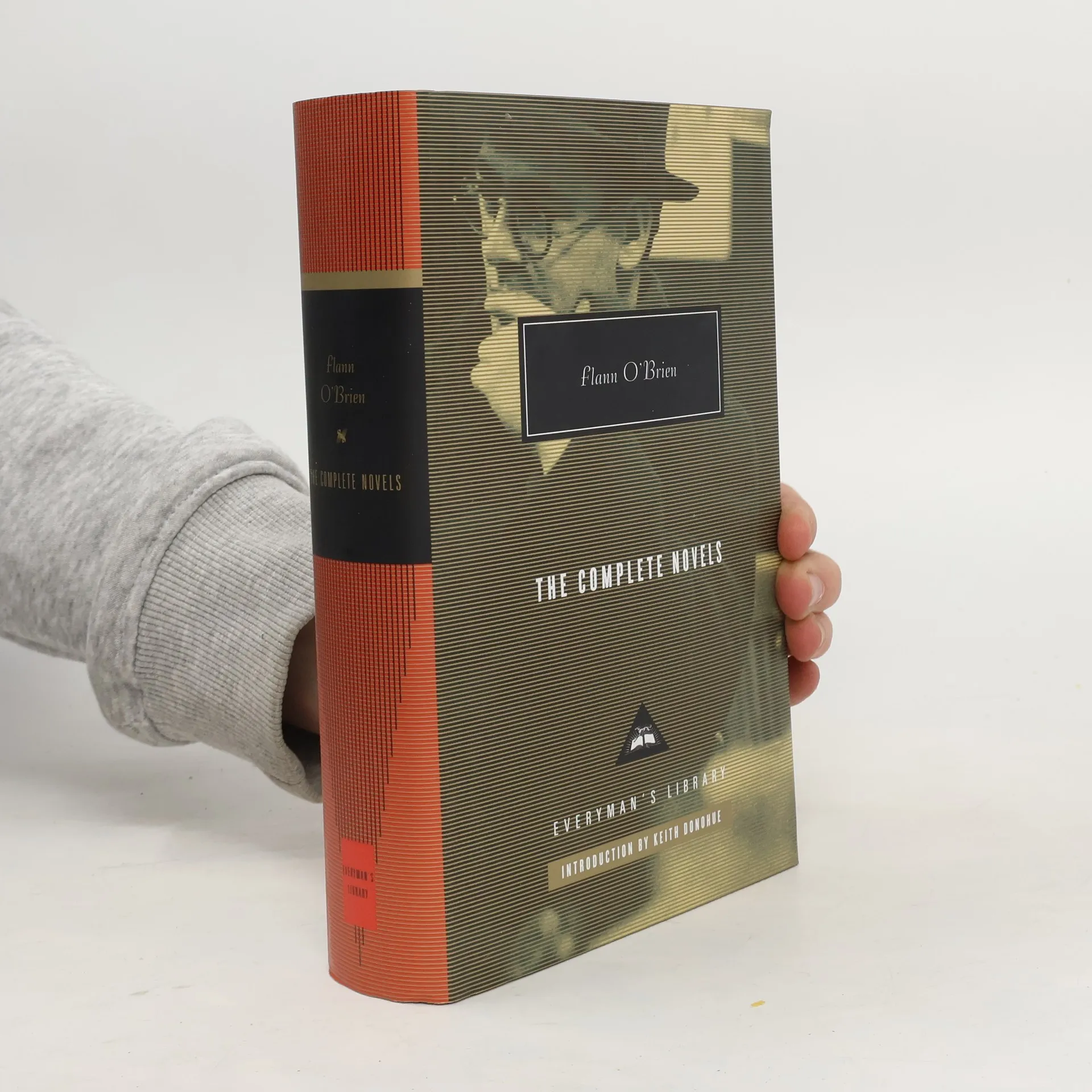
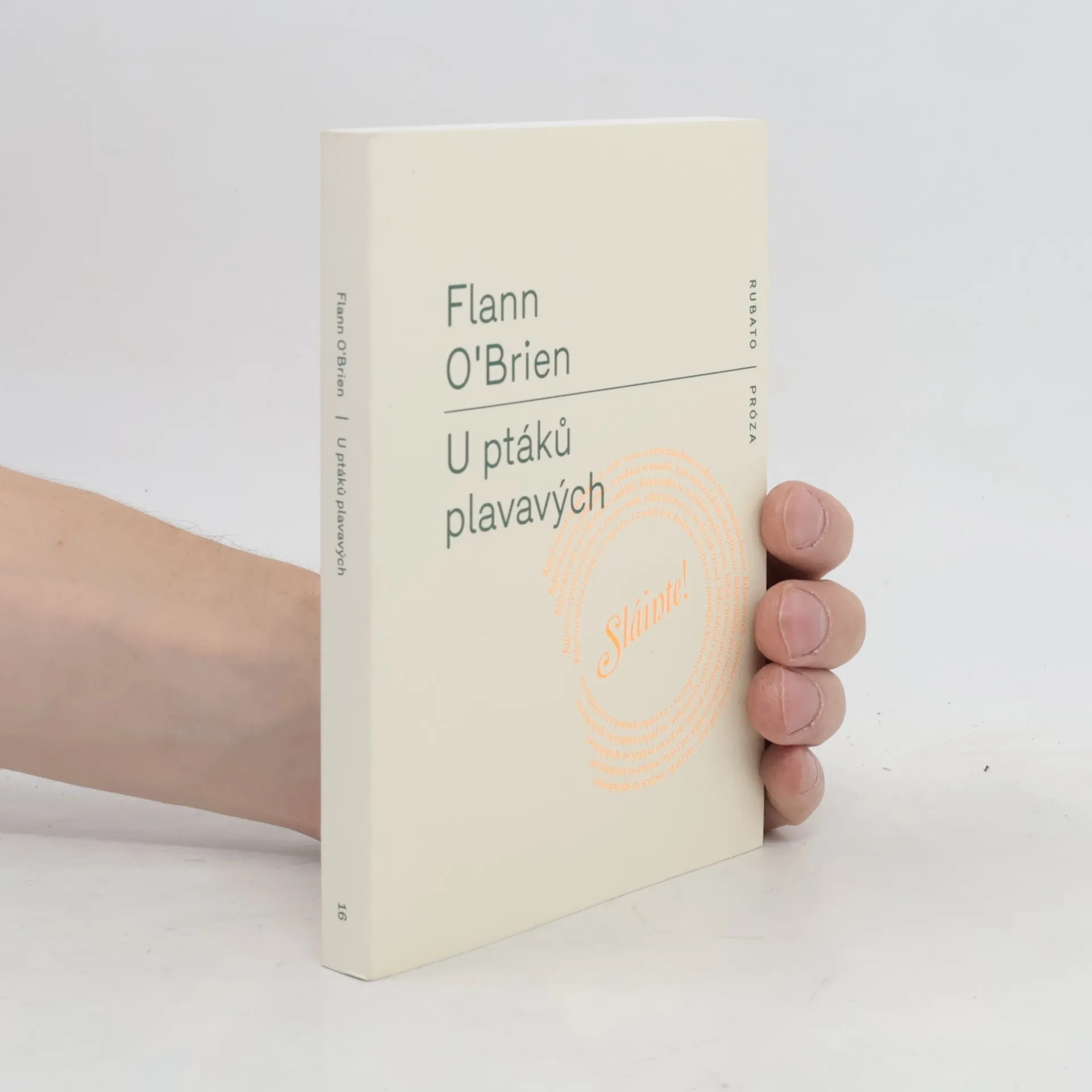
Presents a collection of short stories and part of an unfinished novel by the Irish writer. 5 of the stories have been translated from Irish.
In the five novels by Ireland's greatest comic writer, we can explore the full range of his invention, from the multi-layered madness of "At Swim-Two-Birds" to the piercing realism of "The Hard Life" and the surreal logic of "The Third Policeman". This is a world where bicycles listen to conversations, inventors search for methods of 'diluting' water, and characters play truant while novelists sleep; a world where spiteful fairies wreak havoc and heroes from legend blunder into suburban sitting-rooms. This is recognizably the Ireland of Joyce and Beckett - rowdy, high-spirited, by turns sensual and cerebral - transformed by O'Brien's unique vision.
Erzählt wird die Geschichte von Bonaparte O'Coonassa, von seinem einzigen schmerzhaften Schultag und seitherigen Müßiggang, seiner Bedrohung durch das Seeungeheuer, seiner kurzen Ehe und noch kürzeren Vaterschaft, seiner Verurteilung zu neunundzwanzig Jah
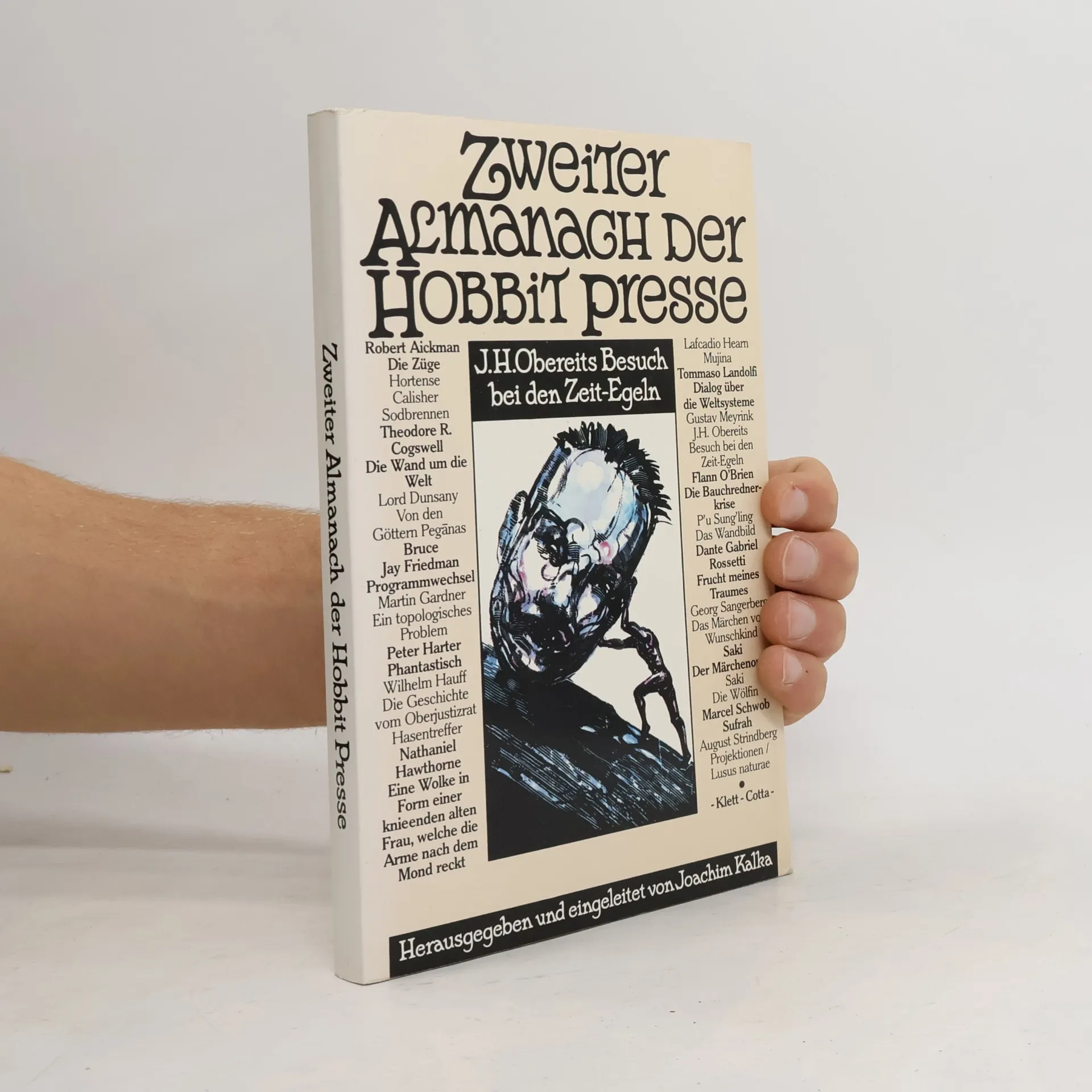
Kolumnen aus der "Irish Times" 1940-1945
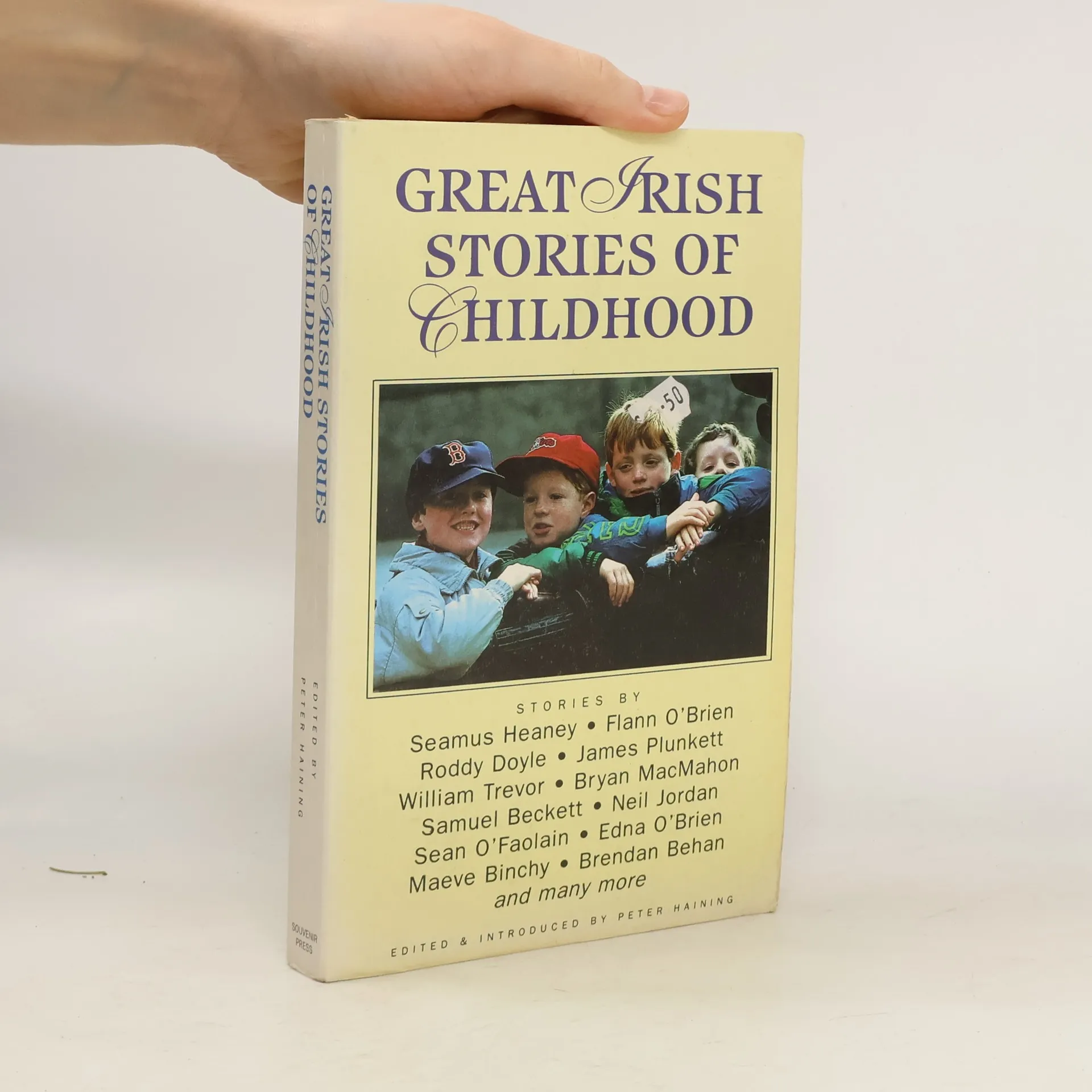
This collection looks at the years of innocence, the pains and pleasures of schooldays and the struggles of adolescence in stories by such writers as Seamus Heaney, Roddy Doyle, Flann O'Brien, William Trevor, Bryan MacMahon, Samuel Beckett, Neil Jordan, Sean O'Faolain, Edna O'Brien, Brian Friel, Maeve Binchy, Brendan Behan and many more.
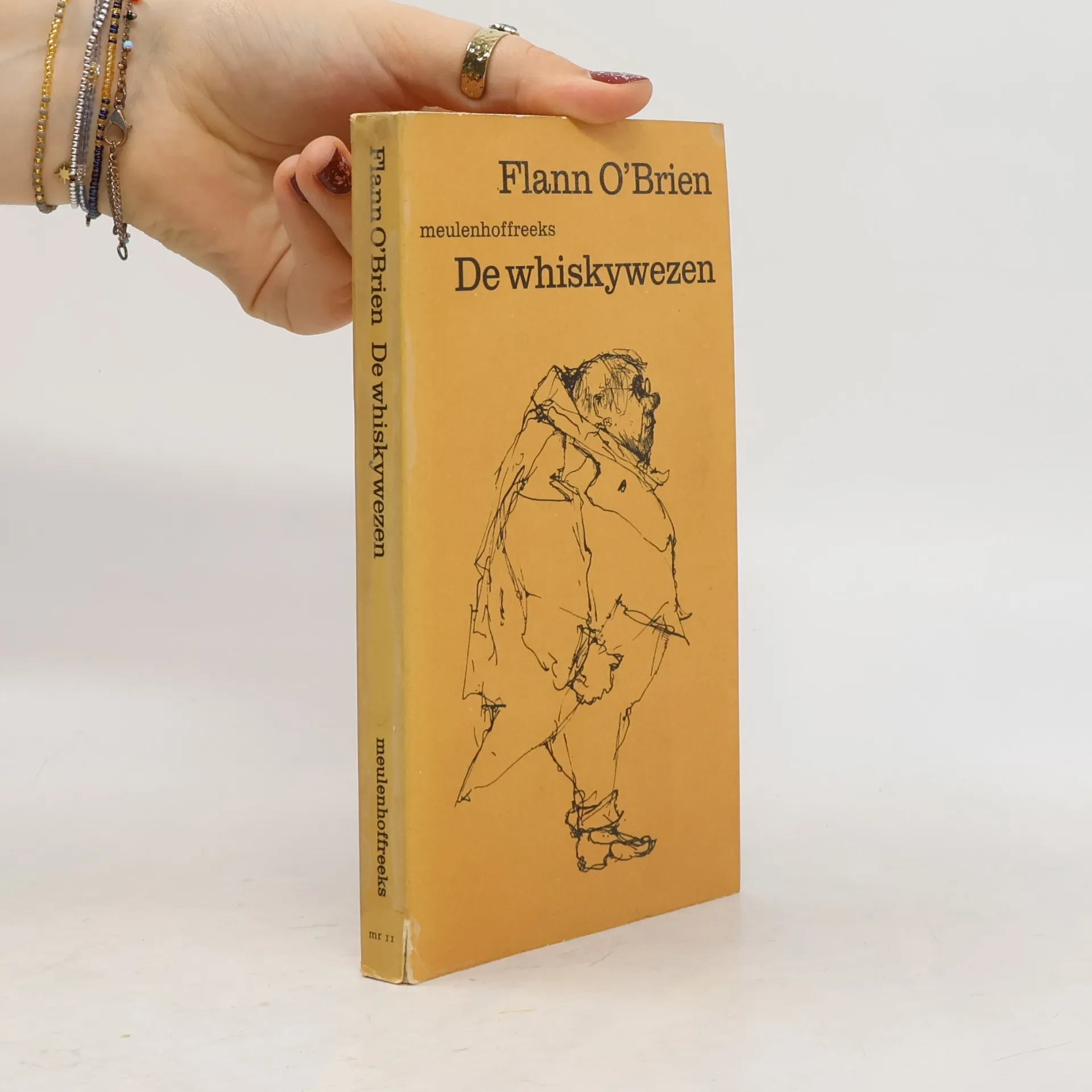
Podtitul: mizerný příběh jednoho krušného osudu. Nejlepší humoristický román napsaný v moderní irštině. Satira na přístup městských intelektuálů a úředníků k irsky mluvícímu venkovu, která paroduje mimo jiné autobiografické romány irských venkovanů (které se dají přirovnat k roli Babičky v osnovách našich škol). Nevysmívá se však jejich autorům, ale idealizování těchto textů a stereotypu, který na jejich základě vznikl. Knihu autor napsal irsky, pod pseudonymem Myles na gCopaleen; do angličtiny byla přeložena roku 1973.
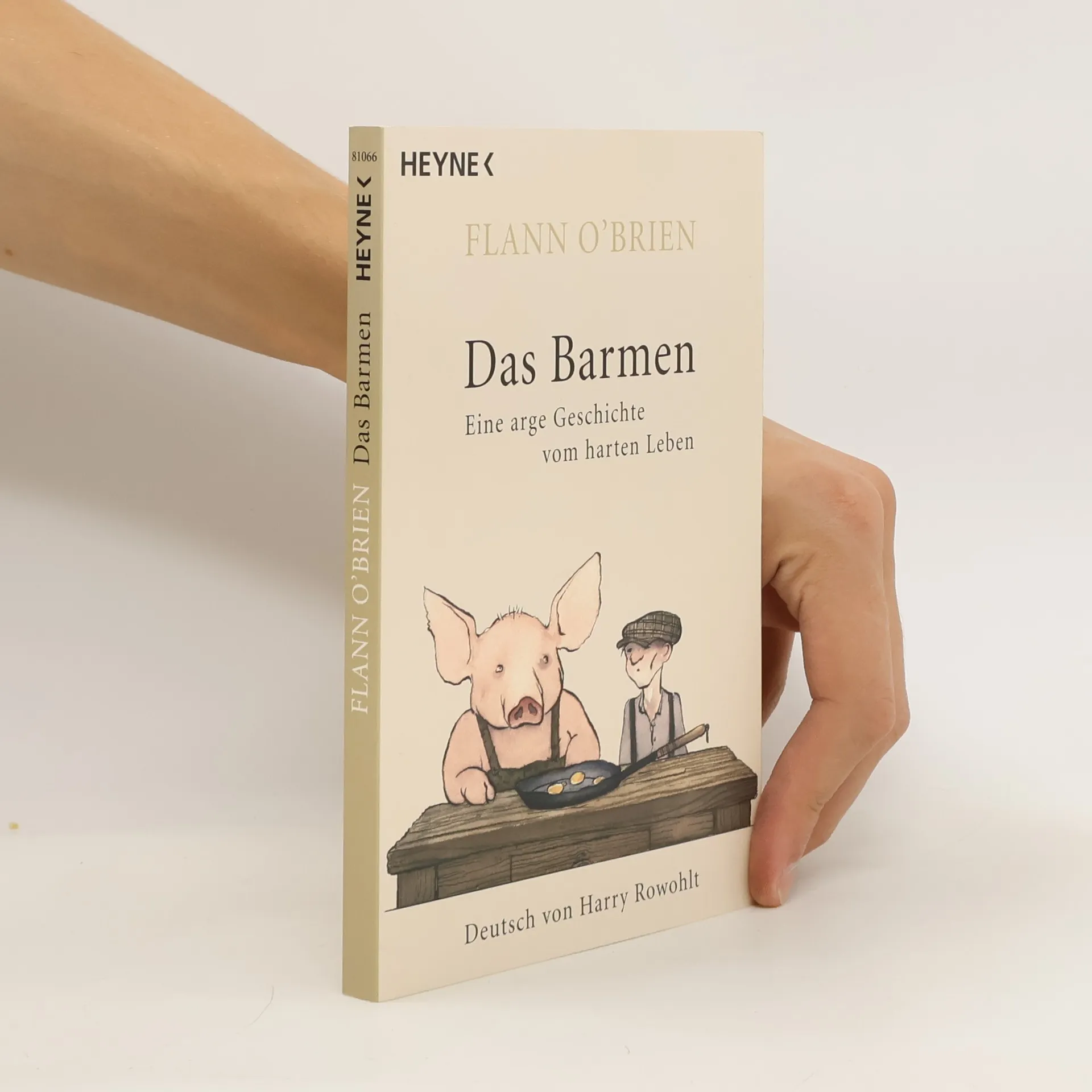
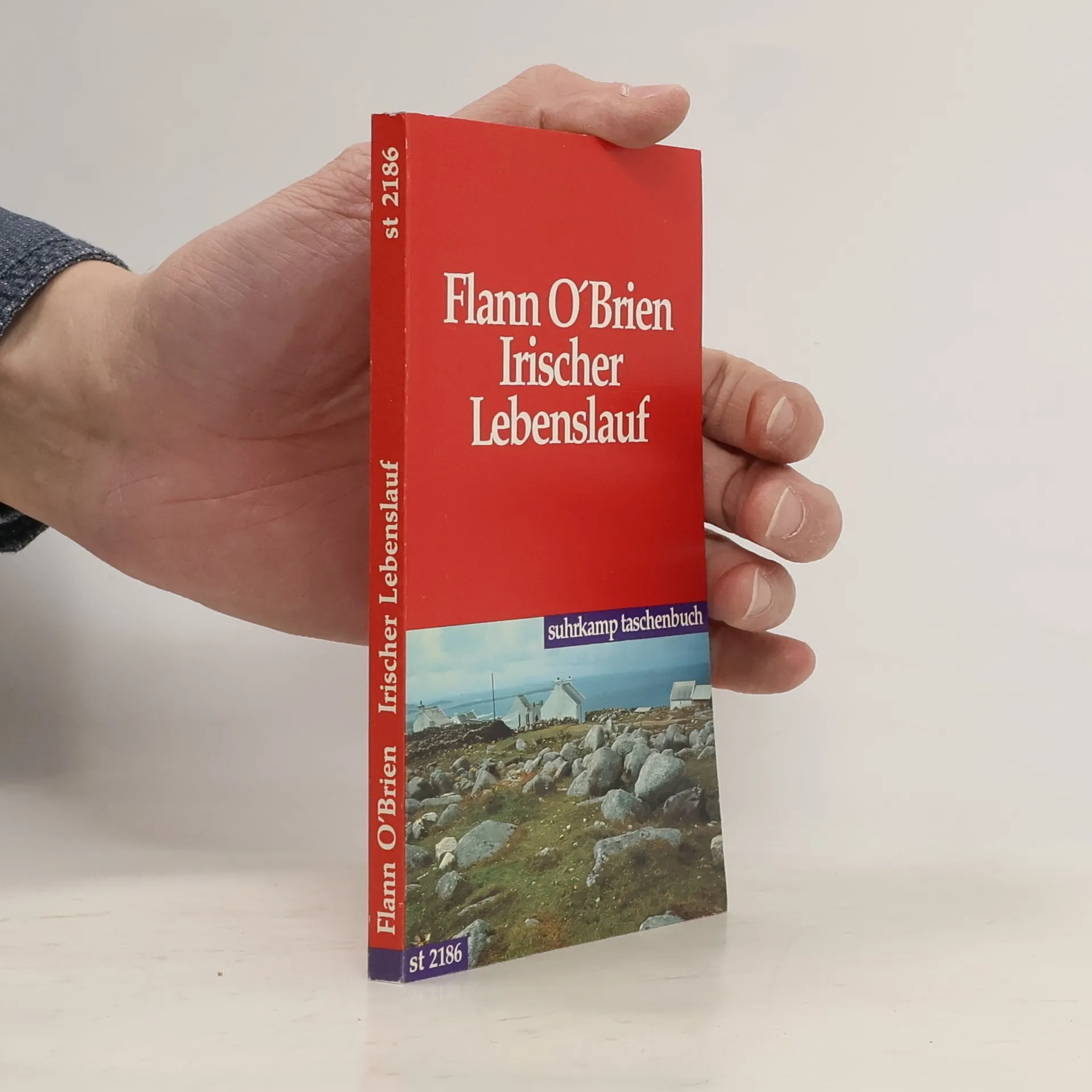
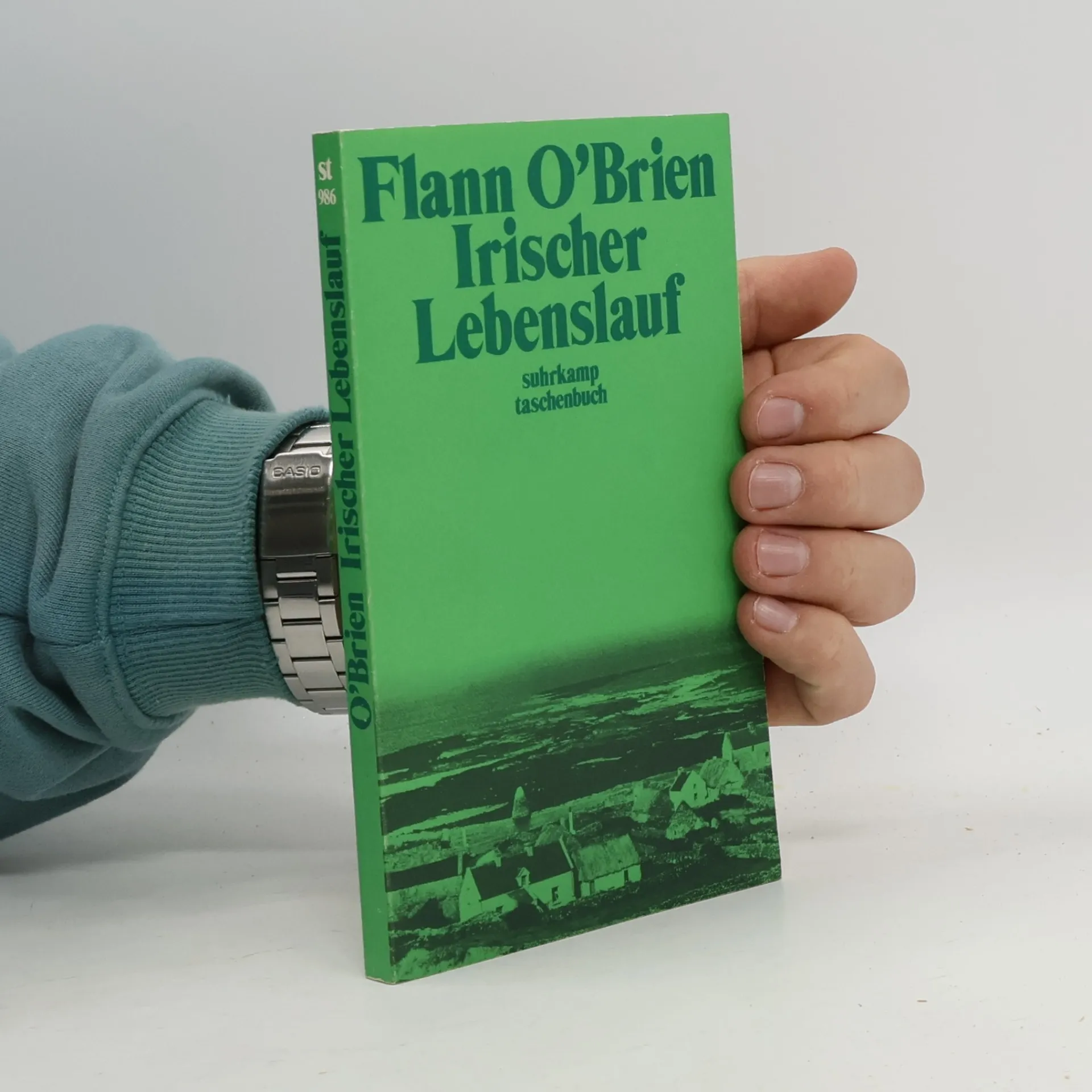
Das Barmen erzählt die Geschichte von Bonaparte O’Coonassa, von seinem einzigen Schultag und seitherigen Müßiggang, seiner kurzen Ehe und noch kürzeren Vaterschaft, seiner Verurteilung zu neunundzwanzig Jahren Gefängnis, wo er »heil und sicher, gegen die Widrigkeiten des Lebens gefeit«, sein irisches Schicksal absitzt. Gnadenlos kommentiert Flann O’Brien das irische Leben schlechthin, mit einem satirischen Seitenblick auf »schwere Zeiten«, »Armut«, »Trunkenheit«, »geistige Getränke« und »Kartoffeln« in einer von Regen dampfenden Atmosphäre. Ein irischer Lebenslauf in bitterster Armut, voller Vorurteile und Whiskey, den man lieben muss, weil »es seinesgleichen nicht mehr geben wird«.
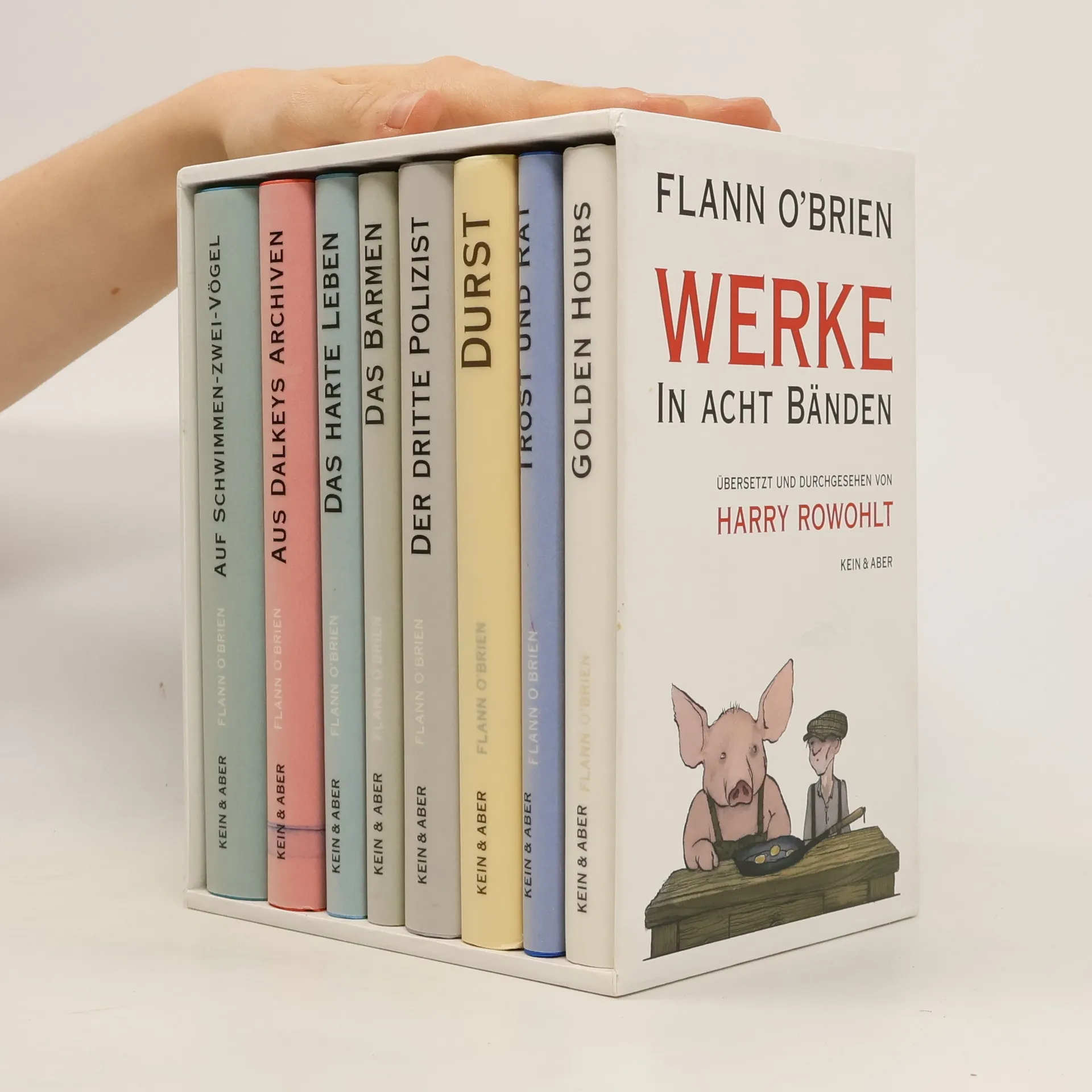
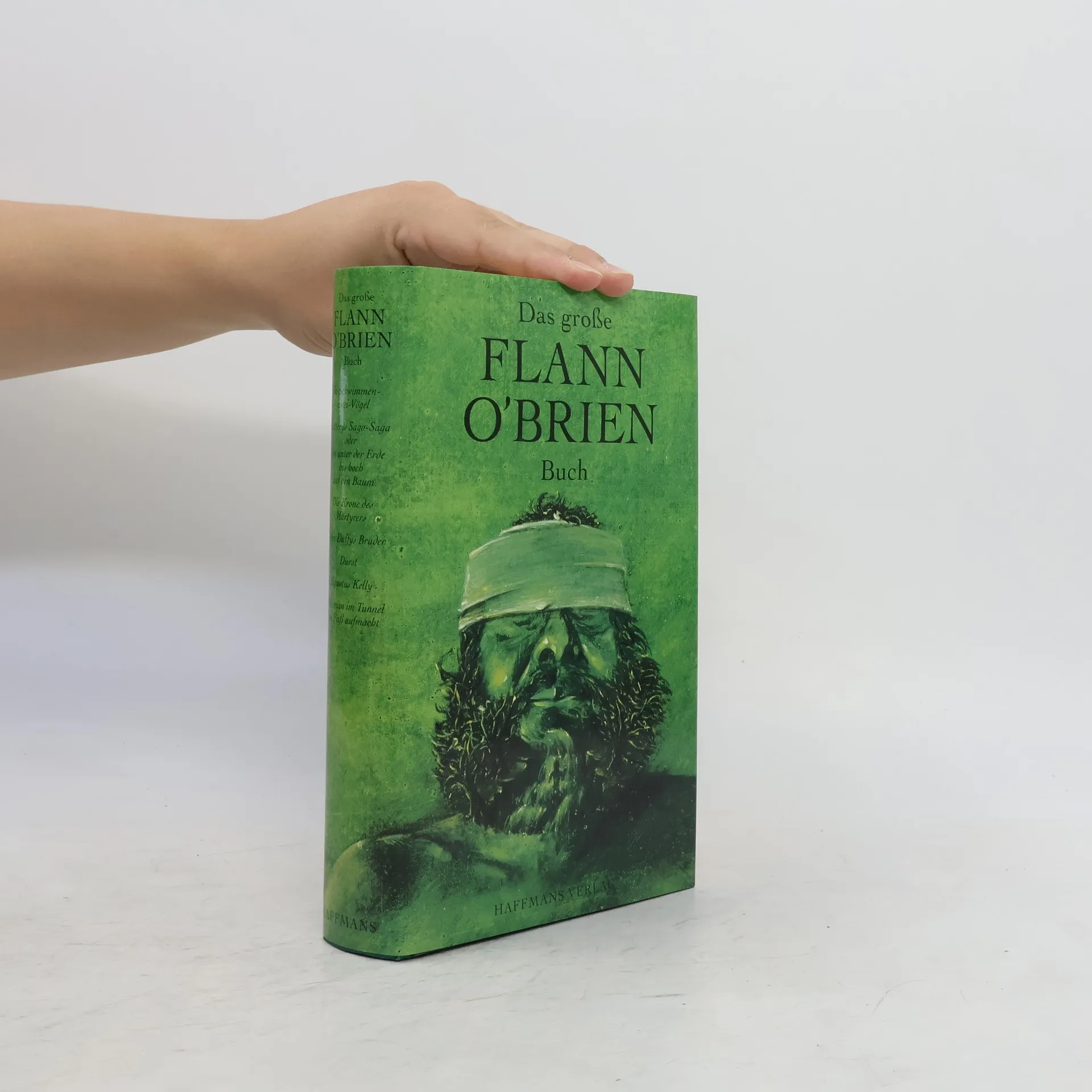
In diesem umfangreichen Sammelband sind folgende Geschichten enthalten: ➯ In Schwimmen-zwei-Vögel (At Swim-Two-Birds) ➯ Slatterys Sago-Saga oder Von unter der Erde bis hoch auf dem Baum ➯ Die Krone des Märtyrers ➯ John Duffys Bruder ➯ Durst ➯ Faustus Kelly ➯ Wie man im Tunnel ein Faß aufmacht.
Übersetzt und hrsg. von Rowohlt, Harry 226 S.
A collection of the best pieces from the first five years of Flann O'Brien's "Cruiskeen Lawn" column, the column he wrote for "The Irish Times" from 1940-66 under the name of Myles na Gopaleen.
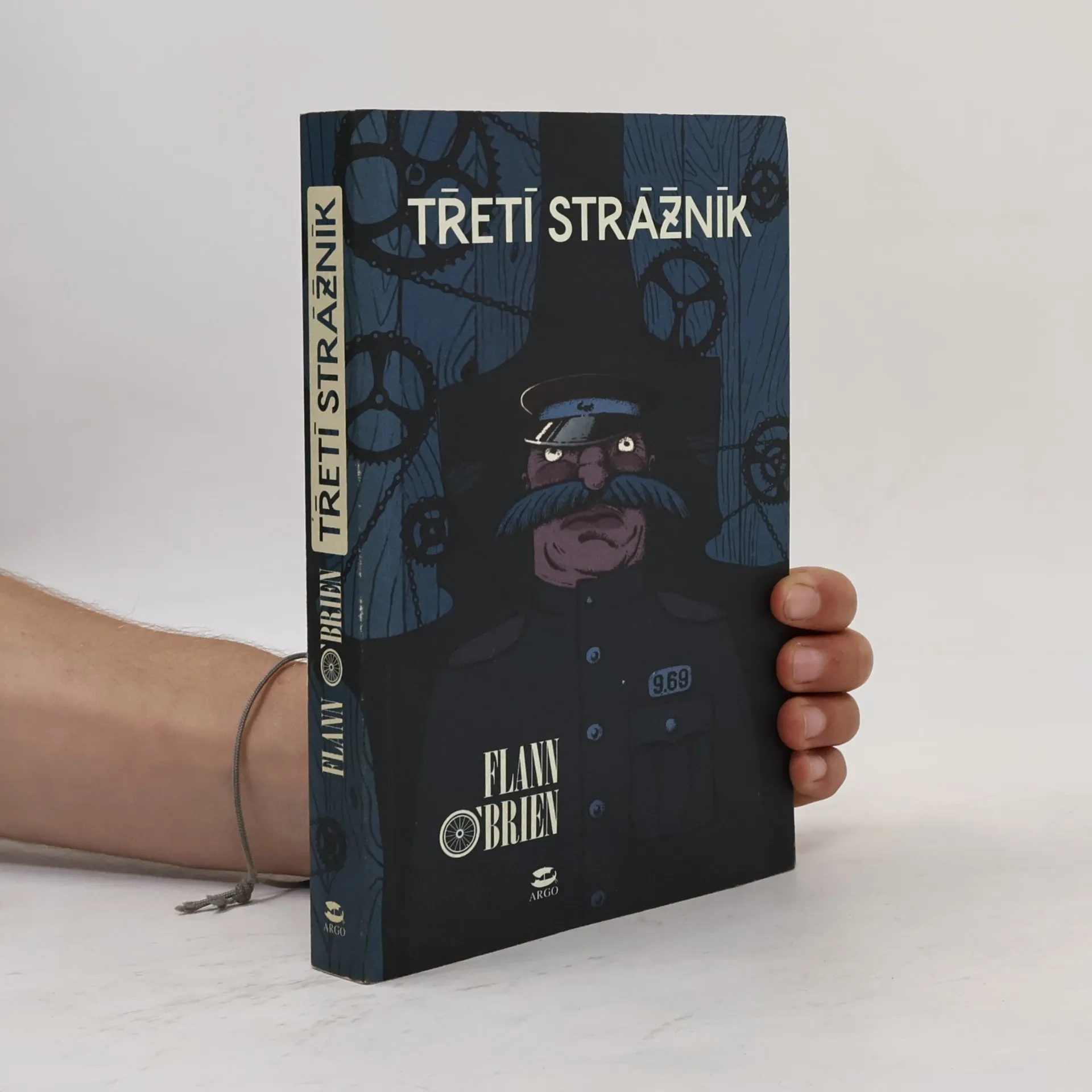
Posmrtně vydaný román klasika irské literatury. Bezejmenný vypravěč zavraždí starého lakomce Matherse, aby získal peníze na vydání definitivního komentáře k dílu neobyčejného "fyzika, balistika, filosofa a psychologa" de Selbyho. Zanedlouho po svém činu se ocitá v bizarním a zcela nepochopitelném světě, kde ho čekají mnohá překvapení, ale především tři strážníci, kteří tento podivný svět střeží a řídí. Neplatí zde žádná ověřená vysvětlení přírodních jevů, smysly vypravěče šálí a paměť mu vypovídá službu. Vypravěč tímto světem-nesvětem poněkud nedobrovolně putuje a na konci této pouti ho čeká zasloužený cíl.
This is a companion volume to "The Best of Myles" and "Further Cuttings from Cruiskeen Lawn", and covers the Myles na Gopaleen columns for the "Irish Times", written between 1947 and 1957. It casts a humorous eye over subjects such as a Dublin man's relationship with his wife and his pint.
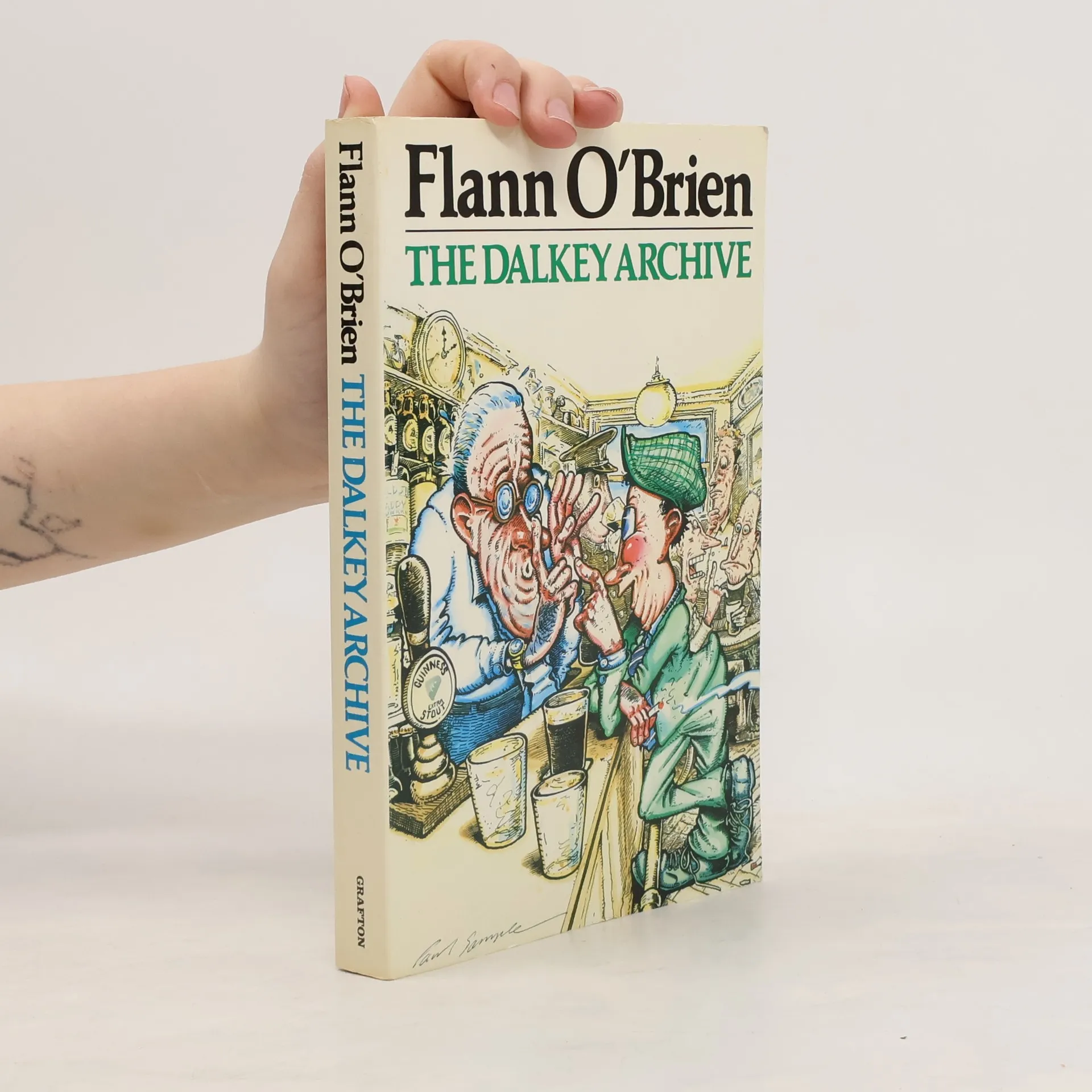
Hailed as "the best comic fantasy since Tristram Shandy " upon its publication in 1964, The Dalkey Archive is Flann O'Brien's fifth and final novel; or rather (as O'Brien wrote to his editor), "The book is not meant to be a novel or anything of the kind but a study in derision, various writers with their styles, and sundry modes, attitudes and cults being the rats in the cage." Among the targets of O'Brien's derision are religiosity, intellectual abstractions, J. W. Dunne's and Albert Einstein's views on time and relativity, and the lives and works of Saint Augustine and James Joyce, both of whom have speaking parts in the novel. Bewildering? Yes, but as O'Brien insists, "a measure of bewilderment is part of the job of literature."
Erzählt wird die Geschichte von Bonaparte O’Coonassa, von seinem einzigen Schultag und seitherigen Müßiggang, seiner kurzen Ehe und noch kürzeren Vaterschaft, seiner Verurteilung zu neunundzwanzig Jahren Gefängnis, wo er »heil und sicher, gegen die Widrigkeiten des Lebens gefeit«, sein irisches Schicksal absitzt. Gnadenlos kommentiert Flann O’Brien das irische Leben schlechthin, mit einem satirischen Seitenblick auf »schwere Zeiten«, »Armut«, »Trunkenheit«, »geistige Getränke« und »Kartoffeln« in einer von Regen dampfenden Atmosphäre.
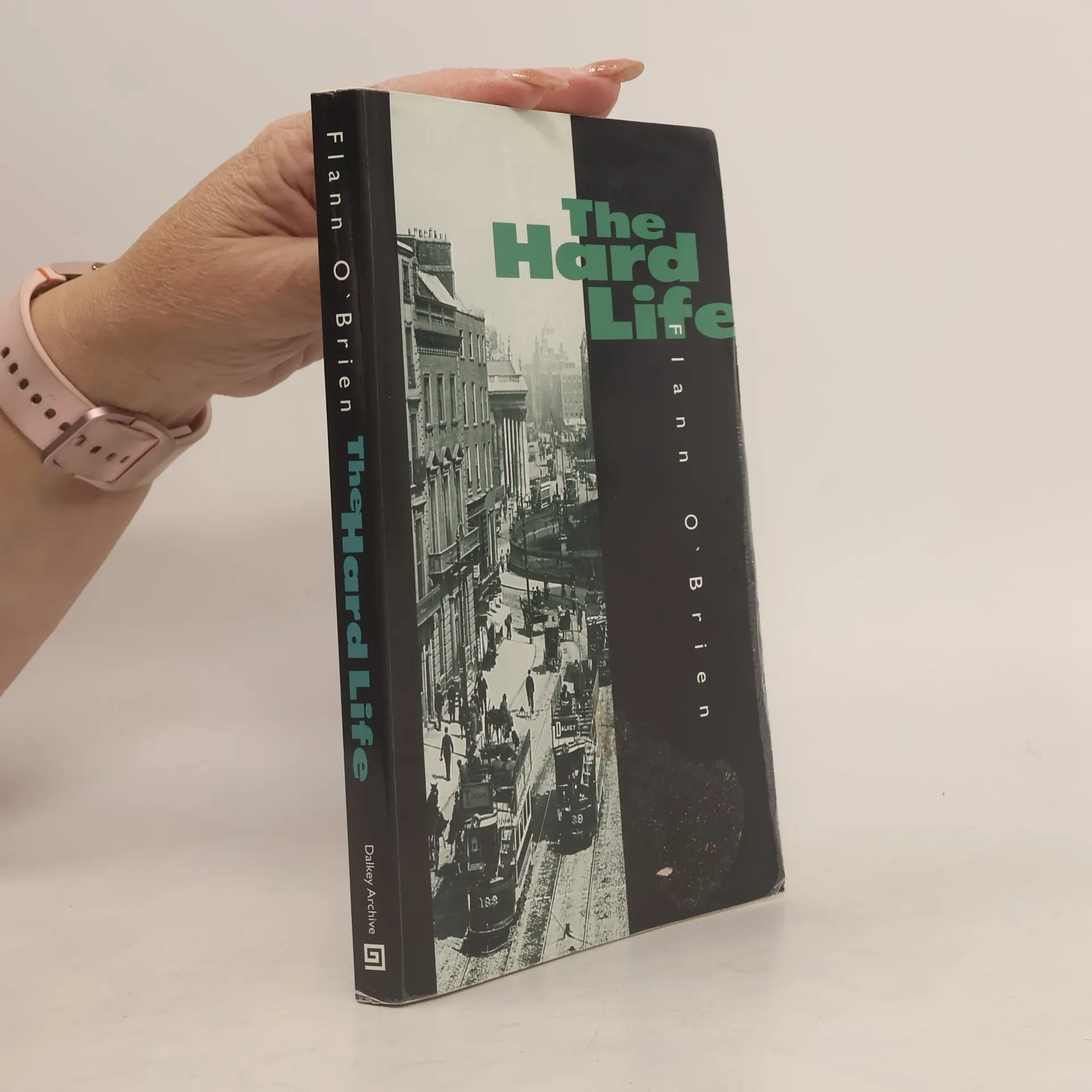
Subtitled An Exegesis of Squalor, The Hard Life is a sober farce from a master of Irish comic fiction. Set in Dublin at the turn of the century, the novel does involve squalor illness, alcoholism, unemployment, bodily functions, crime, illicit sex but also investigates such diverse topics as Church history, tightrope walking, and the pressing need for public toilets for ladies. The Hard Life is straight-faced entertainment that conceals in laughter its own devious and wicked satire by one of the best known Irish writers of the 20th century."
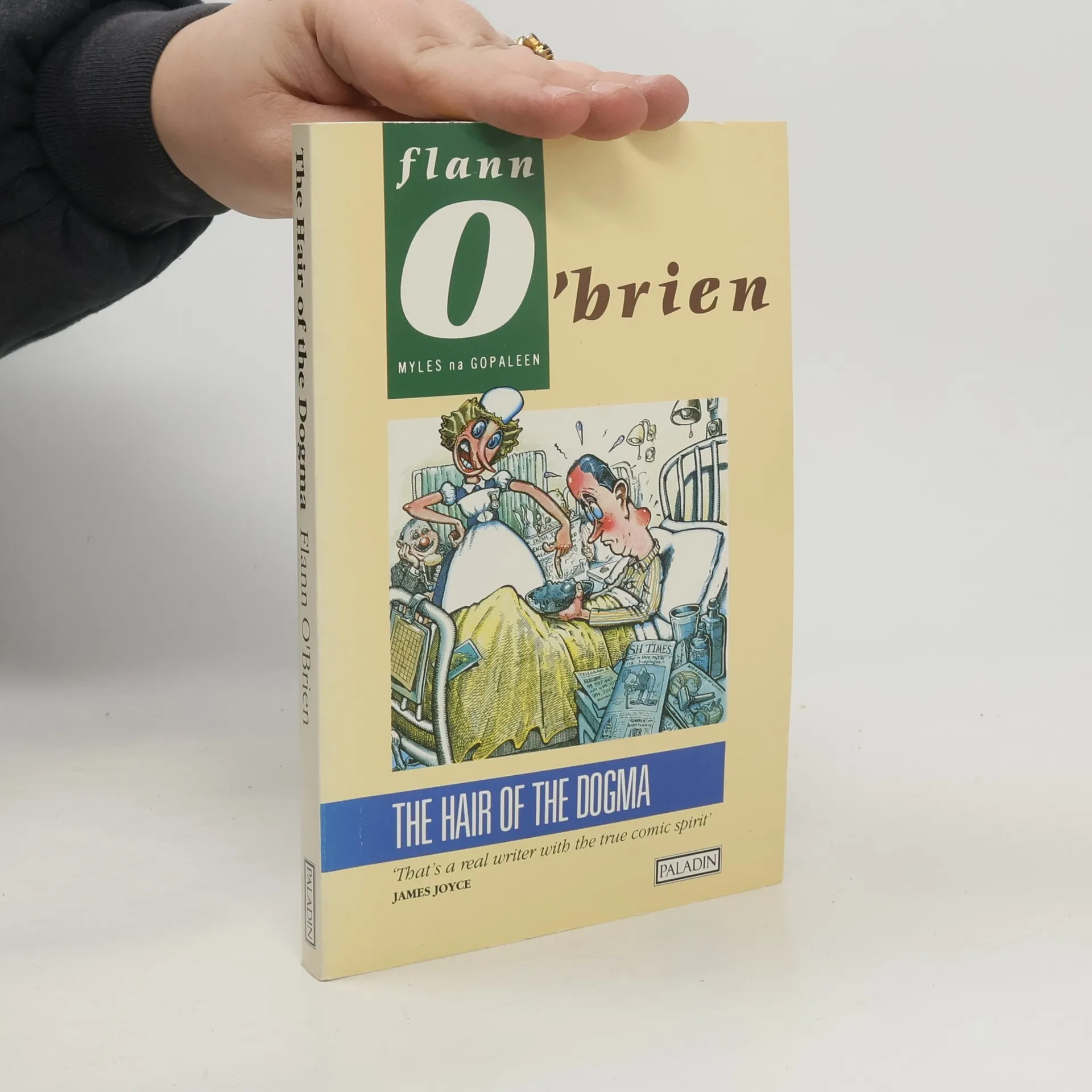
Román U ptáků plavavých (1939) je dnes řazen mezi nejvýznamnější prózy 20. století a jeho autor je všeobecně považován za nejvýznamnějšího irského spisovatele po Jamesi Joyceovi a Samuelu Beckettovi. Graham Greene text postavil po bok Sternova Tristrama Shandyho a Joyceova Odyssea, J. L. Borges jej označil za „nejsložitější slovní labyrint“, který zná, a James Joyce autora prohlásil za „skutečného spisovatele“, obdařeného „pravým komickým duchem“. Text obratně splétající různé komické, satirické a parodické proudy je mimo jiné fikcí o fikci a názorně ukazuje, že spisovateli provozované vytváření nových bytostí má svá nezanedbatelná rizika.