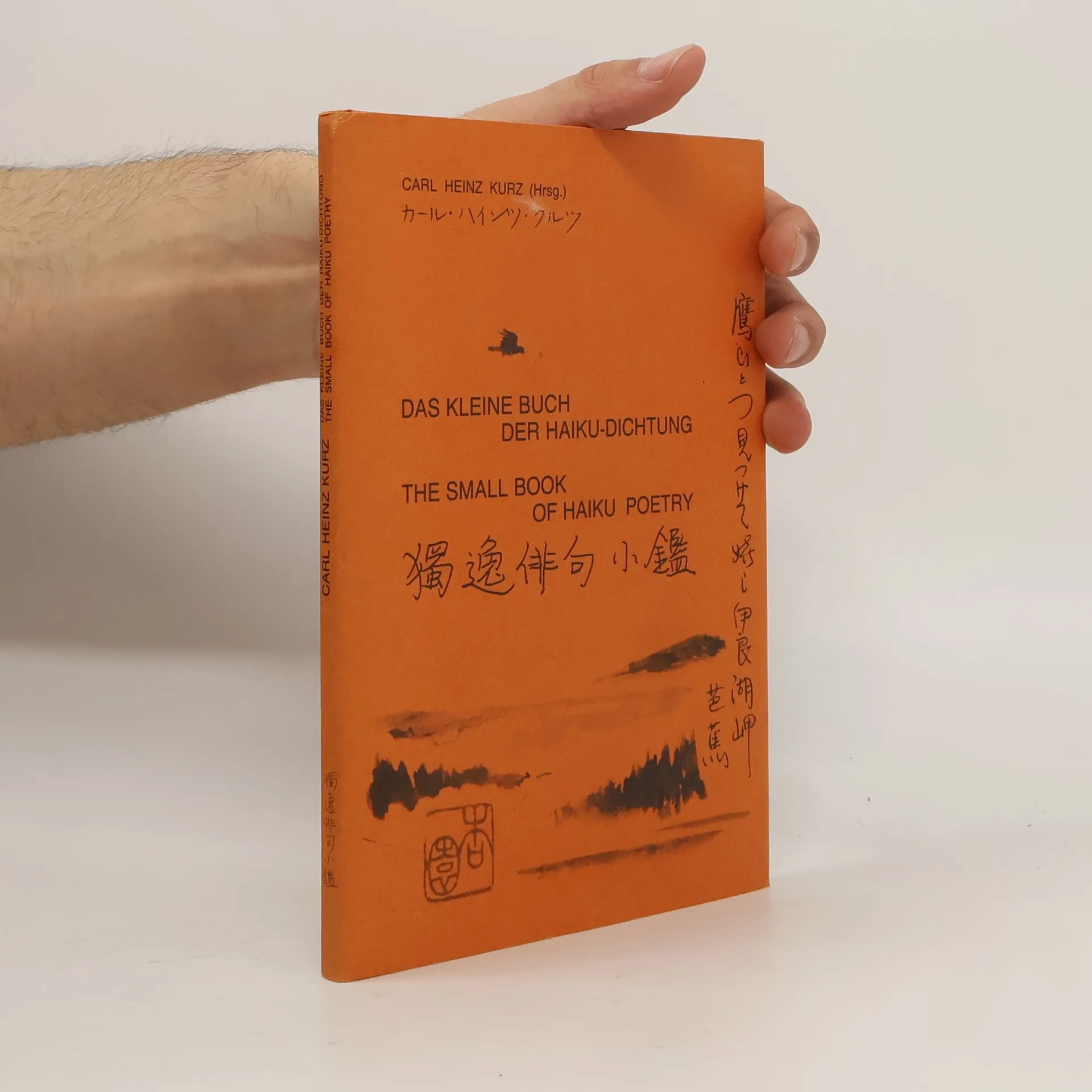
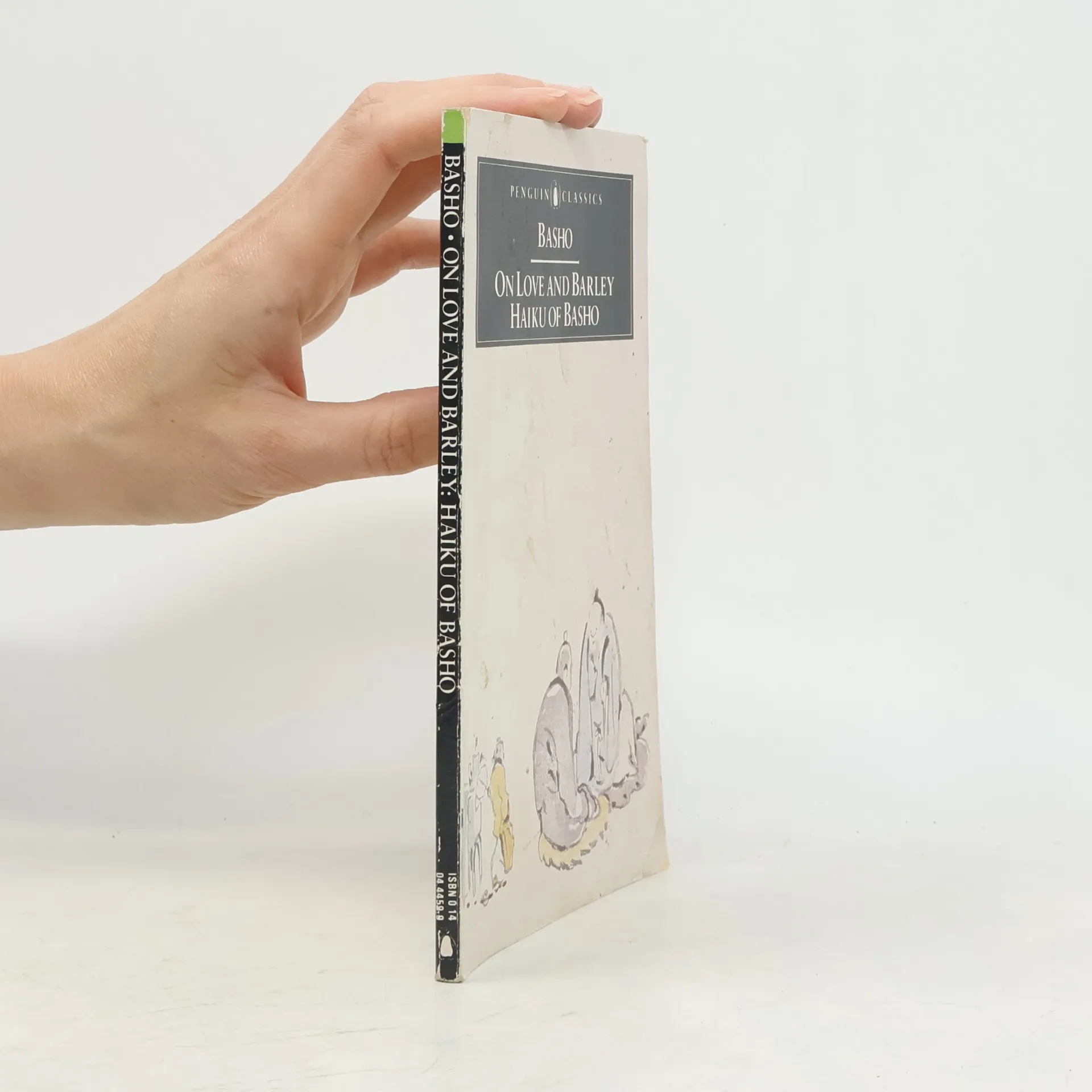
Der reich illustrierte Taschenkalender lädt dazu ein, die jahreszeitlichen Veränderungen in Japan zu erleben. Wöchentlich werden Haiku von Matsuo Bashô und seinen Schülern präsentiert, ergänzt durch Mondphasen, Sonnenaufgänge und Feiertage. Zudem gibt es Platz für eigene Notizen.
Macuo Bašó Pořadí knih (chronologicky)
1. leden 1644 – 28. listopad 1694
Macuo Bašó byl nejznámějším básníkem japonského období Edo. Během svého života byl proslulý svými díly ve formě haikai no renga. Dnes je uznáván jako mistr stručných a jasných haiku. Jeho poezie ztělesňuje ducha své doby a nabízí nadhled.


"Plötzliche Klarheit - Weisheit des Zen" präsentiert die Gedichte des japanischen Dichters Matsuo Bashō, der nach dem Tod eines Freundes Zen-Mönch wird. Seine Haiku, meisterhaft in der Darstellung der Natur und des gegenwärtigen Moments, laden zu inneren Reisen ein und zeigen die Tiefe der Zen-Philosophie.
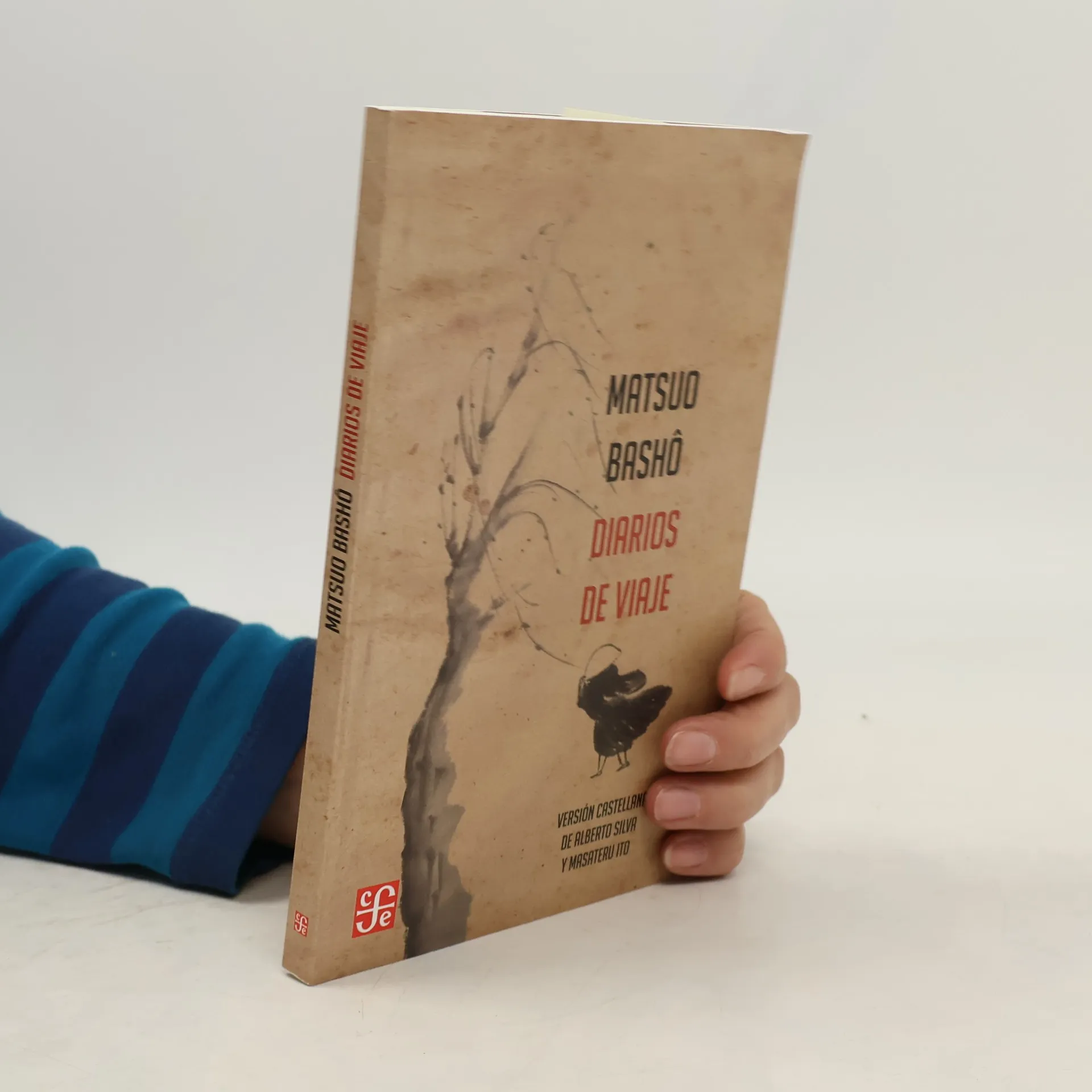
Diarios de viaje
- 196 stránek
- 7 hodin čtení
La versión castellana, con notas y estudio crítico de Alberto Silva y Masateru Ito, presenta unos Diarios de viaje que evocan un sentimiento peculiar en el lector contemporáneo. Estos textos nos transportan a un Japón premoderno, donde un plebeyo, consciente de su fama, decide abandonar su vida urbana y un empleo seguro para embarcarse en un viaje con lo mínimo. Su deseo de ver, sentir y relatar lo vivido es el hilo conductor de sus escritos, que invitan a los lectores a ser testigos de sus largas caminatas. La voz narrativa refleja una experiencia vibrante, donde cada línea palpita con vida, conectando con el lector actual que anhela vivir intensamente y expresar sus vivencias. Matsuo Bashô, el autor, define su proyecto de vida como un camino de seguir los pasos de los antiguos sin replicar sus acciones. Así, estos diarios no solo son un testimonio del pasado, sino una invitación a revivir esa experiencia y a buscar la autenticidad en nuestras propias vidas. La obra, por tanto, se convierte en un puente entre épocas, resonando con la búsqueda contemporánea de significado y conexión con el mundo.
Japanischer Taschenkalender für 2024 Frühlingswind, Leuchtkäfer, das erste fallende Blatt – nirgendwo ist die Aufmerksamkeit für den jahreszeitlichen Wandel der Natur größer als in Japan. Mit dem reich illustrierten Taschenkalender lässt sich das Glück solch naturnaher Erfahrungen miterleben. Im Wochenrhythmus präsentieren sich klassische japanische Haiku von Matsuo Bashô (1644–1694) und seinen Meisterschülern mit den passenden Jahreszeitenworten (kigo) , sorgfältig kommentiert und illustriert. Pro Woche bleibt eine Seite zum freien Notieren. Das Kalendarium mit dem Terminplaner verzeichnet die genauen Auf- und Untergangszeiten von Sonne und Mond für Deutschland sowie die 24 Witterungsabschnitte (sekki) des japanischen Sonnenjahres.
Die drei herausragenden Beispiele der ostasiatischen Literatur in diesem Band beschwören die über Jahrhunderte hinweg ungebrochene Faszination des Lebens in einer einfachen Hütte in der Natur. Der Tang-Dichter Bai Juyi (618–907), der buddhistische Laienmönch Kamo no Chômei (1153–1216) und der Haiku-Klassiker Matsuo Bashô (1644–1694) – sie alle zogen sich zeitweise oder auf Dauer in einfachste Behausungen in der Natur zurück, unternahmen eine Art Daseinsexperiment und prägten mit ihren Aufzeichnungen aus der Grashütte das ästhetische und spirituelle Ideal des einfachen Lebens in Abgeschiedenheit. Nach der Rückkehr von seiner großen Wanderung in die nördlichen Provinzen kehrte Bashô in die »Klause der Illusionen« (Genjûan) am Biwasee ein. Sein Leben dort beschrieb er in der neu konzipierten literarischen Form des Haibun, der Kunstprosa im Geiste des Haiku. Diese »Klause der Illusionen« in der Tradition von Kamo no Chômei und Bai Juyi ist eine Metapher für die Unbeständigkeit des Seins.
Matsuo Bashō (1644-1694) is a towering figure in Japanese literature and the master of haiku. This collection presents 980 of his poems in English, translated by Andrew Fitzsimons, who adheres strictly to the original syllabic count. The book also includes translations of Bashō's headnotes to poems often overlooked by previous translators. Fitzsimons's rendering showcases Bashō not only as a philosopher of nature and a proponent of refined Japanese sensibility but also as a poet exploring themes of queer love, eroticism, urban and rural life, and the complexities of solitude and companionship. His work reflects the diverse social experiences of Edo Japan, capturing interactions with friends and followers across social strata, including the elite, the marginalized, and the less fortunate. This collection reveals how Bashō's poetry resonates with contemporary concerns while also portraying a Japan transitioning from the Middle Ages. With an insightful introduction and helpful notes, Fitzsimons's elegant translation invites both dedicated scholars and newcomers to appreciate the full glory of Bashō's work.
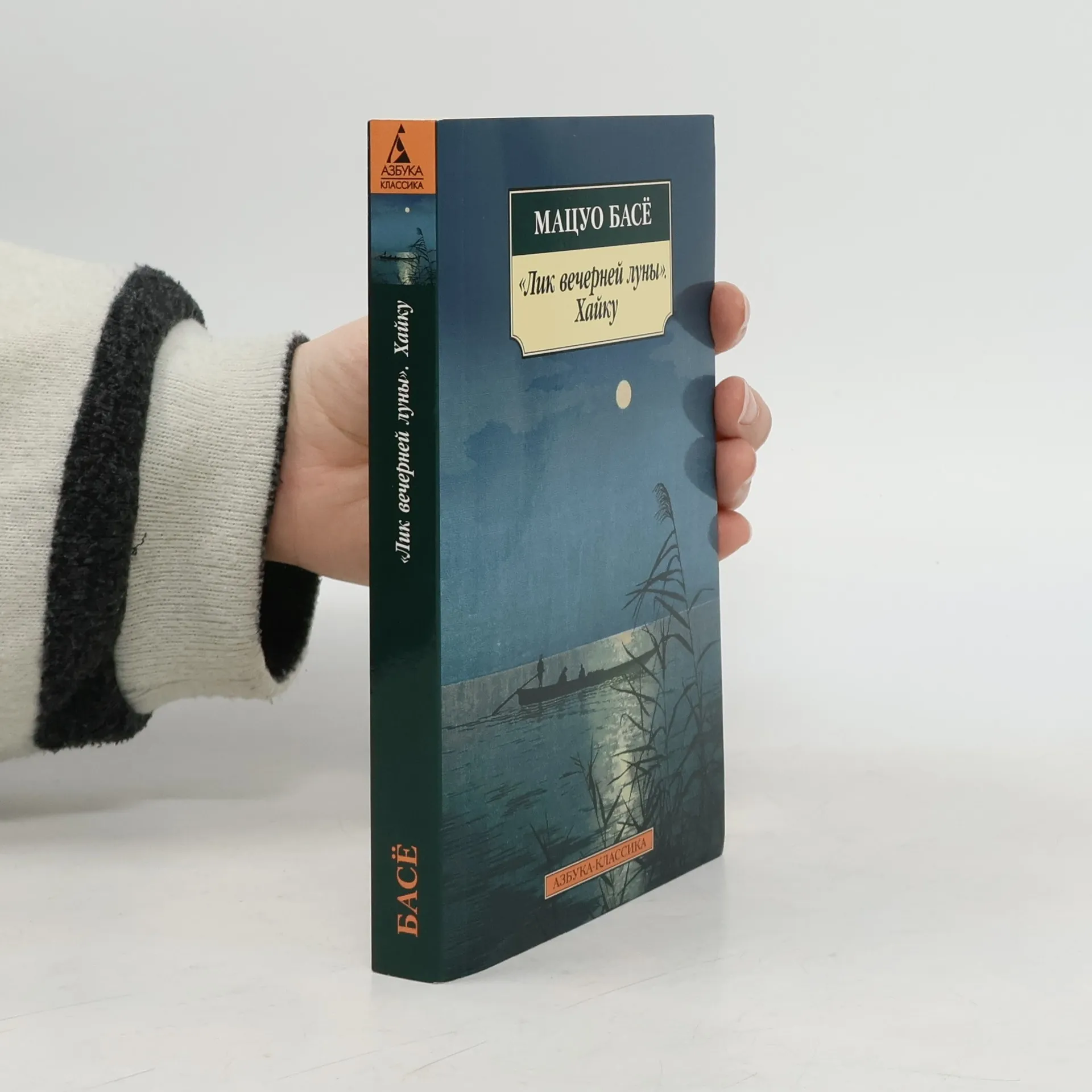
Великий японский поэт Мацуо Басе справедливо считается создателем популярного ныне поэтического жанра хайку. Его усилиями трехстишия из чисто игровой, полушуточной поэзии постепенно превратились в высокое поэтическое искусство, проникнутое духом дзэн-буддийской философии. Помимо многочисленных хайку и "сцепленных строф" в литературное наследие Басё входят путевые дневники, самый знаменитый из которых, "По тропинкам Севера", наряду с лучшими стихотворениями, представлен в настоящем издании. Творчество Басё так многогранно, что его трудно свести к одному знаменателю. Он сам называл себя "печальником", но был и великим миролюбцем. Читая стихи Басё, следует помнить одно: все они коротки, но в каждом из них поэт искал путь от сердца к сердцу.
Bash (1644-1694), voyageur infatigable, pote parmi les plus clbres du Japon, est considr comme le pre du haku et l'un de ses plus grands matres. Imprgn de sa pratique mditative zen, il lui donne sa structure et surtout son esprit : un tercet trs court qui saisit l'essence de l'instant prsent. Ce carnet de voyage, qui associe prose allusive et hakus d'une saisissante vitalit, marque un tournant dans la vie et l'oeuvre du pote. Il n'achvera de le rdiger que quelques mois avant sa mort. Son priple de cinq mois dans le Nord du Japon, de la fin du printemps aux profondeurs de l'automne, invite Bash clbrer la lgret et la beaut infinie de l'instant, les richesses de l'homme et du monde, et mditer sur l'impermanence de toute chose. Les superbes haga de Manda nous accompagnent dans ce voyage au coeur du Japon ternel et de l'intime aventure humaine.
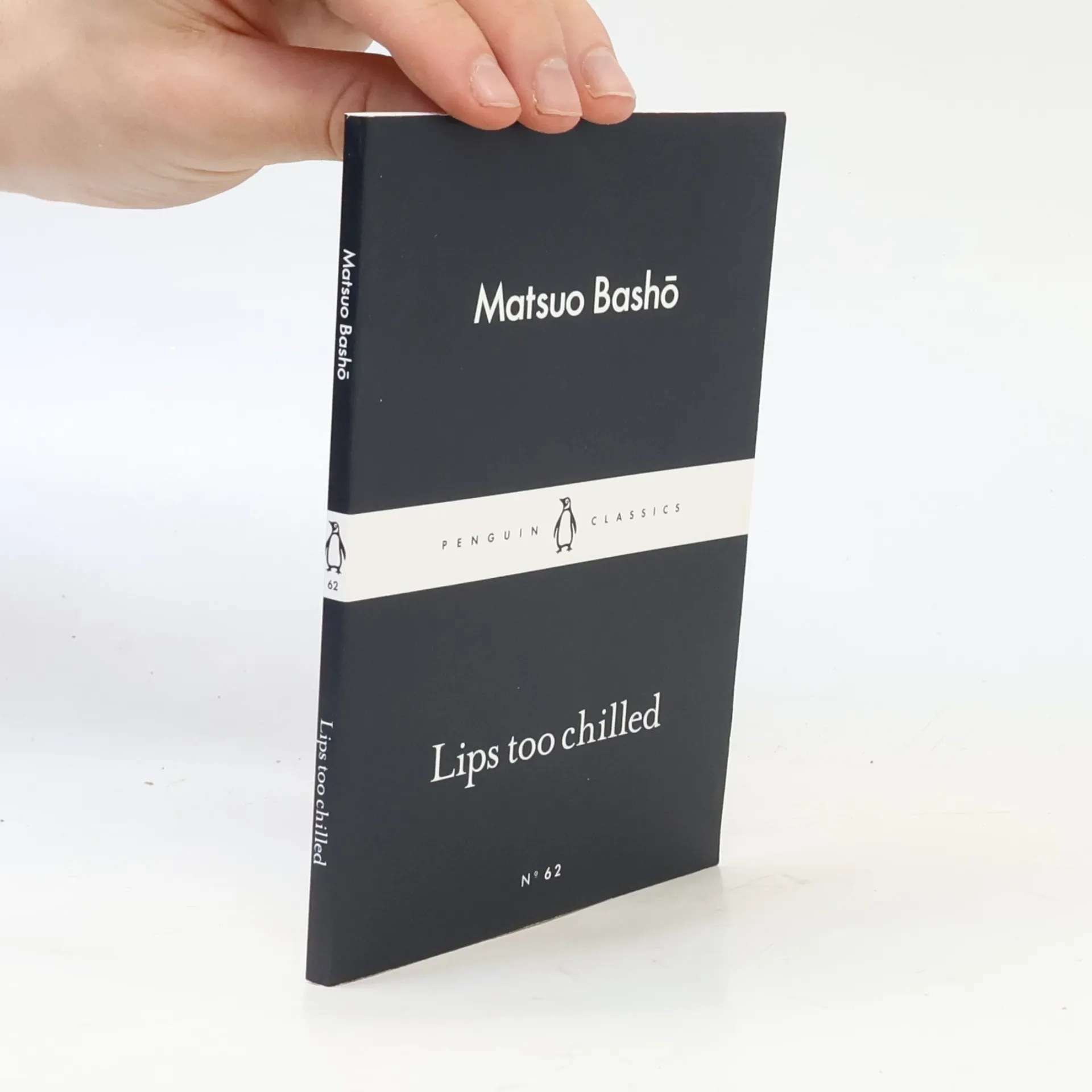
Lips too chilled
- 64 stránek
- 3 hodiny čtení
Japan's celebrated Buddhist poet balances the smallness of humanity with nature's epic drama in these magical seventeenth-century haikus.
Pár much a já : malý výběr z japonských haiku
- 120 stránek
- 5 hodin čtení
Čtyři slavní japonští básníci 17.-19. století: „zenový filosof a estét“ Bašó, „boží člověk“ Issa, „malíř a intelektuál“ Buson a „piják a poutník“ Santóka a výběr z jejich haiku v překladu Antonína Límana. Originální kaligrafie Petr Geisler. Dotisk vychází v druhém vydání k nedožitým 90. narozeninám Antonína Límana. „Vrcholná haiku dosahují hranice nemožného: jsou záznamem mystické zkušenosti.“
Haiku
- 64 stránek
- 3 hodiny čtení
By combining the ideals of karumi - lightness of touch - and oneness with nature, Bashō (1644-94) rose above the artificiality of previous haiku poets to become the master of the genre in his time. His exquisite compositions reflect the influence of Zen Buddhism and a life spent travelling, and reveal him to be an inspired perfectionist who sought to express himself in the purest possible form. These translations by Lucien Stryk are drawn from On Love and Barley, published in Penguin Classics.
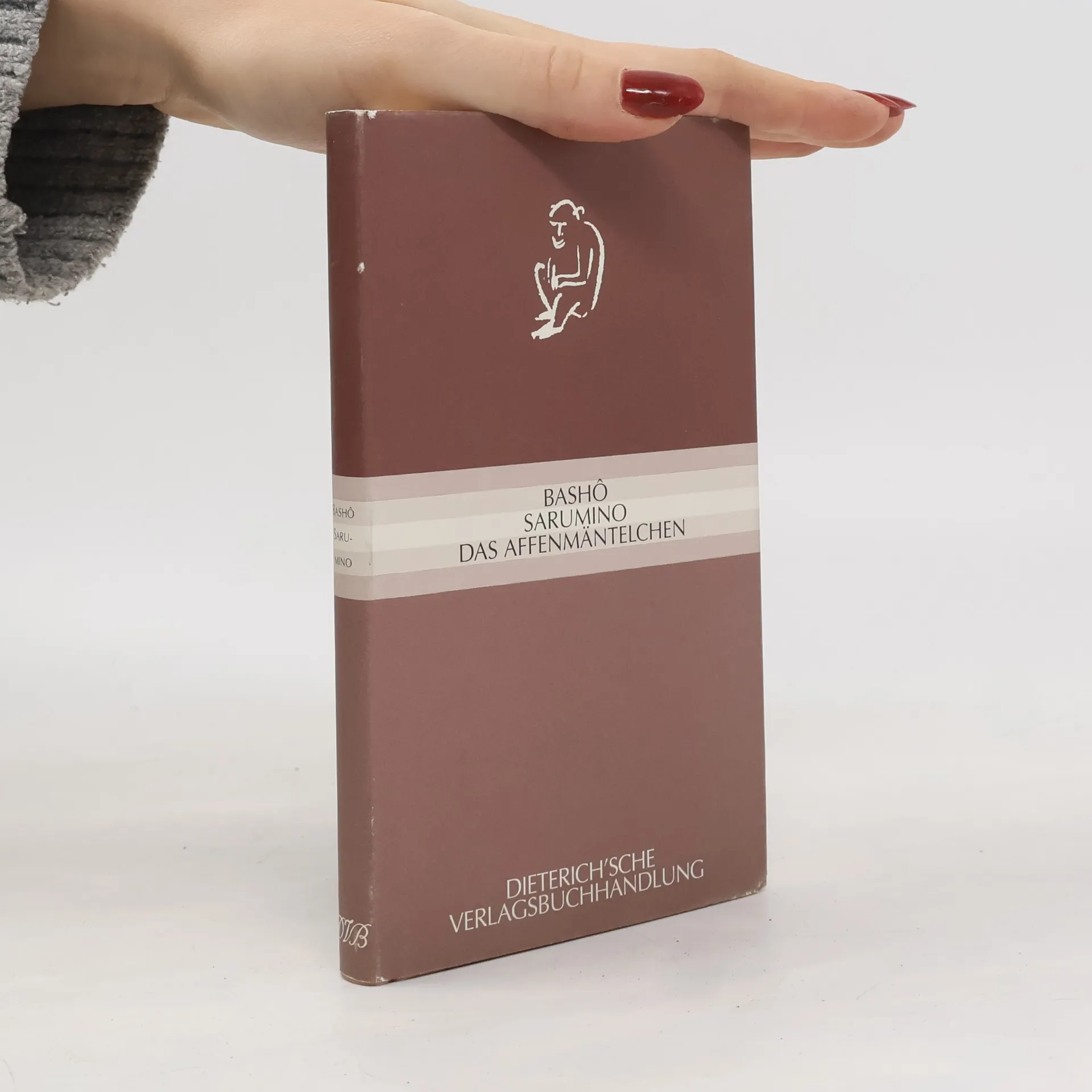
Sarumino
- 224 stránek
- 8 hodin čtení
Narrow Road to the Interior
- 272 stránek
- 10 hodin čtení
A masterful translation of one of the most-loved classics of Japanese literature—part travelogue, part haiku collection, part account of spiritual awakening Bashō (1644–1694)—a great luminary of Asian literature who elevated the haiku to an art form of utter simplicity and intense spiritual beauty—is renowned in the West as the author of Narrow Road to the Interior, a travel diary of linked prose and haiku recounting his journey through the far northern provinces of Japan. This edition, part of the Shambhala Pocket Library series, features a masterful translation of this celebrated work. It also includes an insightful introduction by translator Sam Hamill detailing Bashō’s life and the art of haiku, three other important works by Bashō—Travelogue of Weather-Beaten Bones, The Knapsack Notebook, and Sarashina Travelogue—and two hundred and fifty of his finest haiku, making this the most complete single-volume collection of Bashō’s writings. The Shambhala Pocket Library is a collection of short, portable teachings from notable figures across religious traditions and classic texts. The covers in this series are rendered by Colorado artist Robert Spellman. The books in this collection distill the wisdom and heart of the work Shambhala Publications has published over 50 years into a compact format that is collectible, reader-friendly, and applicable to everyday life.
Presents the poems that combine 'karumi', or lightness of touch, with the Zen ideal of oneness with creation and evoke the natural world - the cherry blossom, the leaping frog, the summer moon or the winter snow - suggesting the smallness of human life in comparison to the vastness and drama of nature.
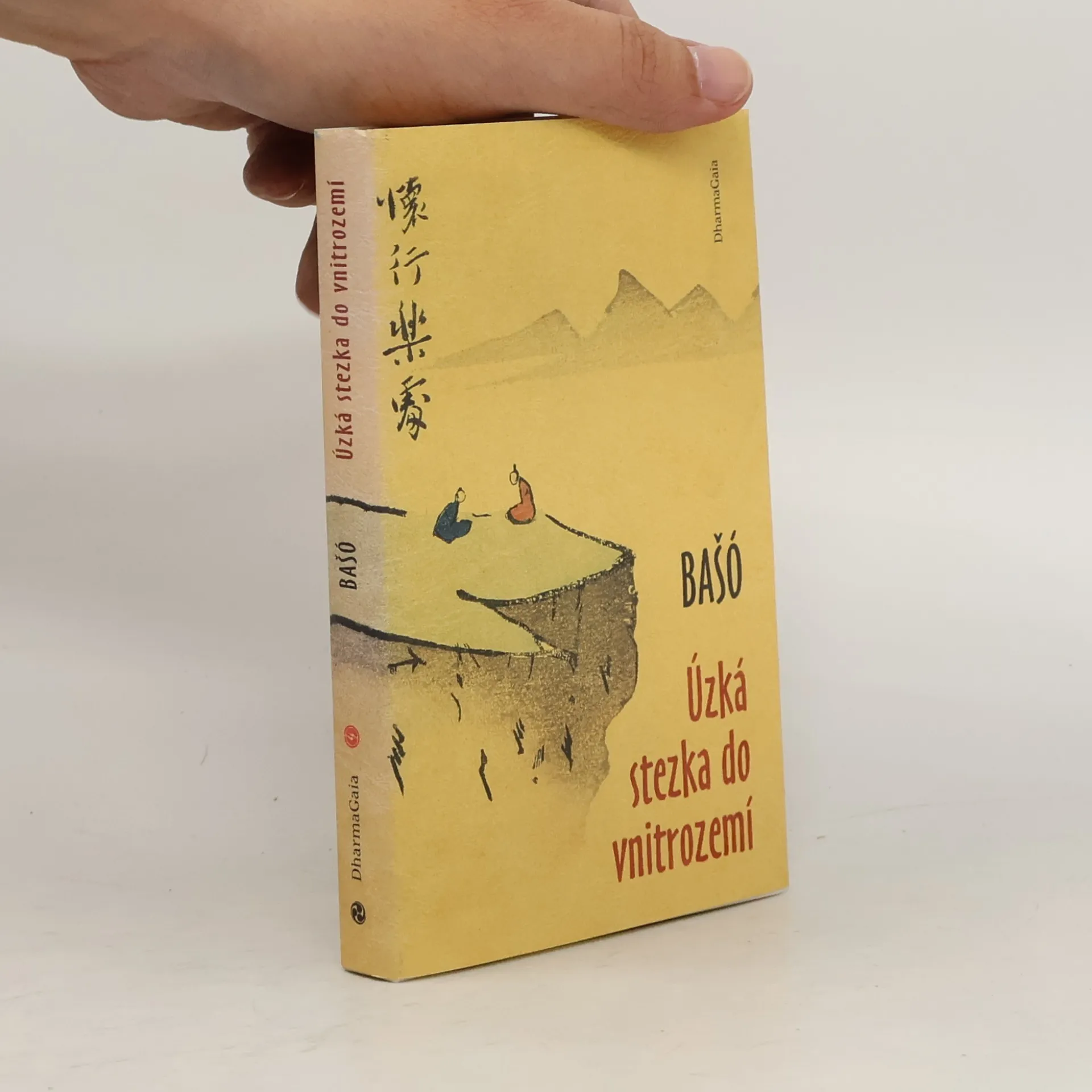
Stylizovaný cestovní deník japonského básníka ze 17. století je doplněn poezií i obrázky. Vytříbené dílo haibunové prózy, kde próza i haiku jsou v dokonalé rovnováze a kde nadčasová identita míst i jejich kulturní rozmanitost splývá v dokonalou harmonii. Básníkova fyzická cesta do japonského severního vnitrozemí je zároveň duchovním ponorem a poeticko-filozofickou meditací nad rodnou krajinou. Z každého místa, které básník navštívil, vystihne jeho duchovní podstatu a každá z jeho zastávek má jedinečný charakter a náladu.
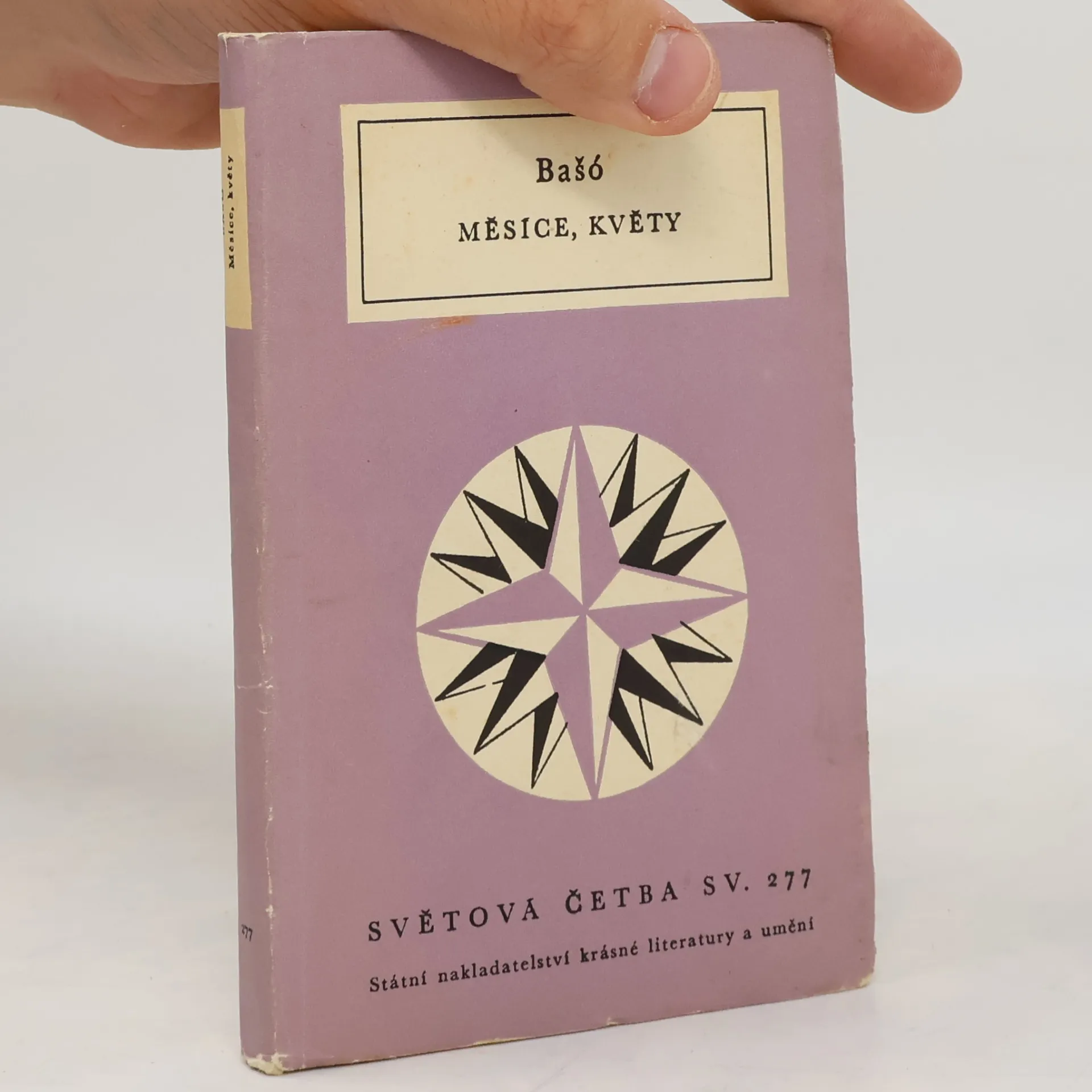
Výbor z básní haiku největšího japonského básníka žijícího v 17. století.