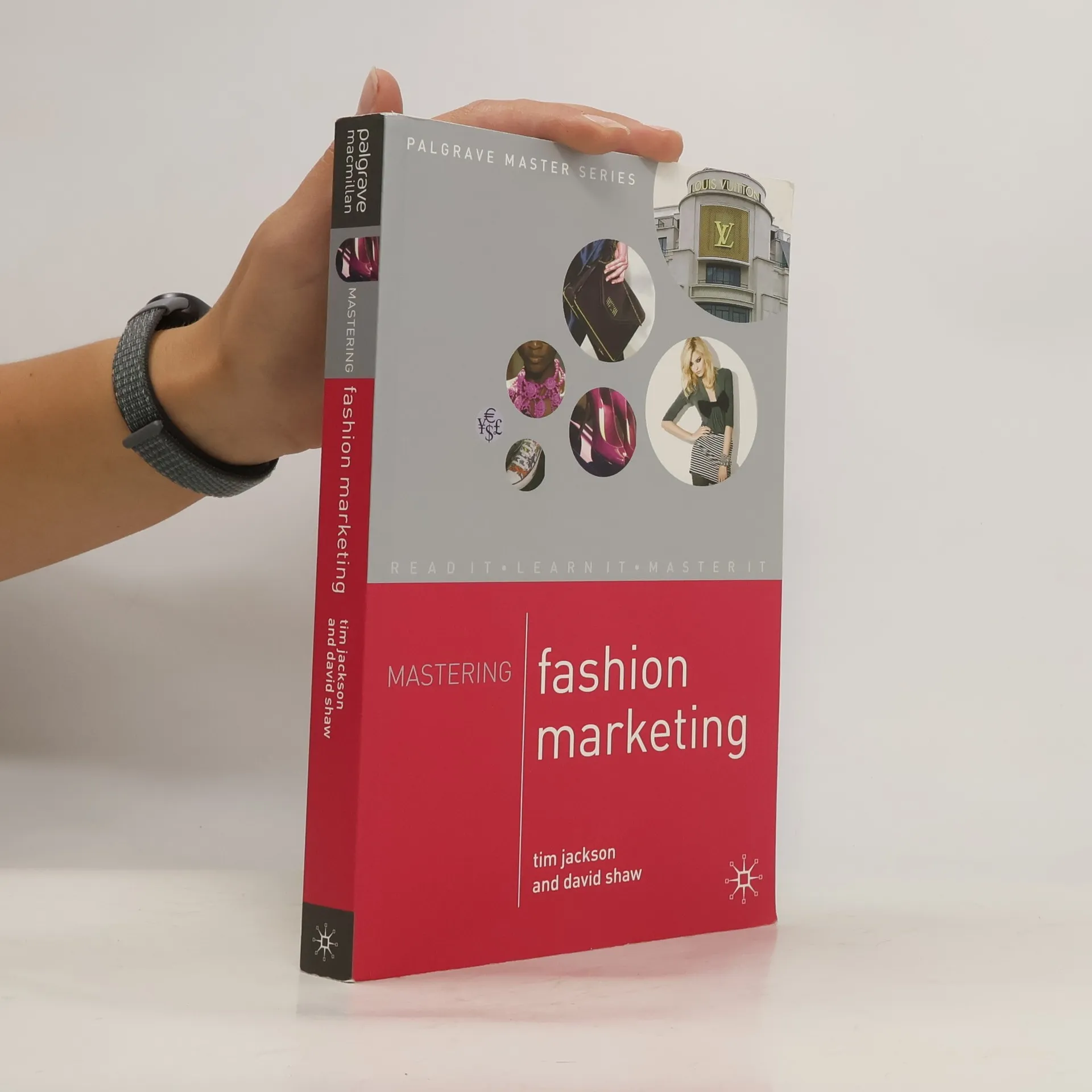
This is the first book on the subject that combines contemporary marketing theory with analysis of operational marketing practice within the fashion industry. It contains the views of key practitioners and much original case study material from leading fashion organizations to provide unique insights into the reality of fashion marketing.
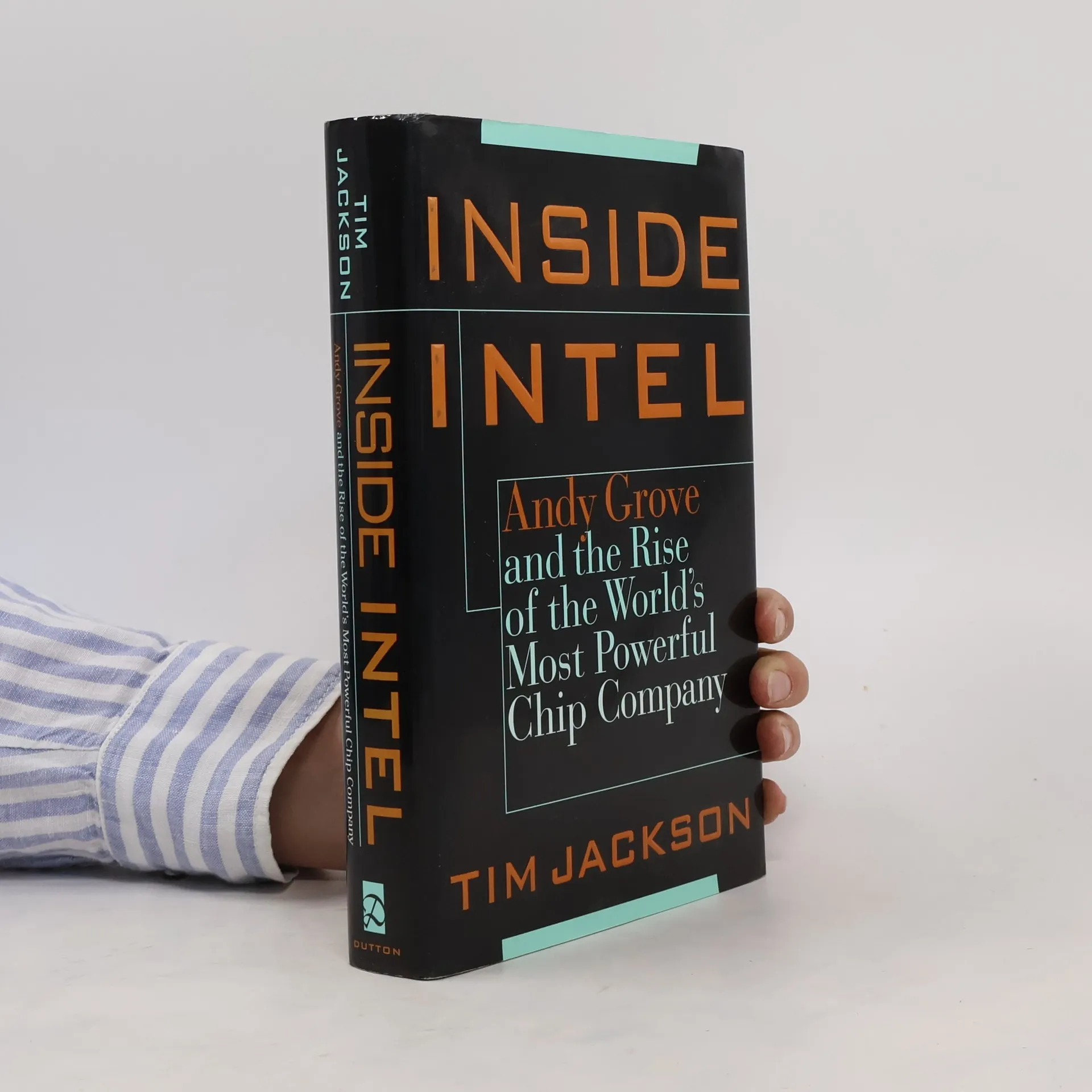
Andy Grove and the Rise of the World's Most Powerful Chip Company
424 stránek
15 hodin čtení
An experienced business journalist presents the first detailed look inside the inner workings of Intel, a leading company in microchip technology, revealing its authoritarian corporate culture and the competitive tactics of its chairman, Andrew Grove. 35,000 first printing.
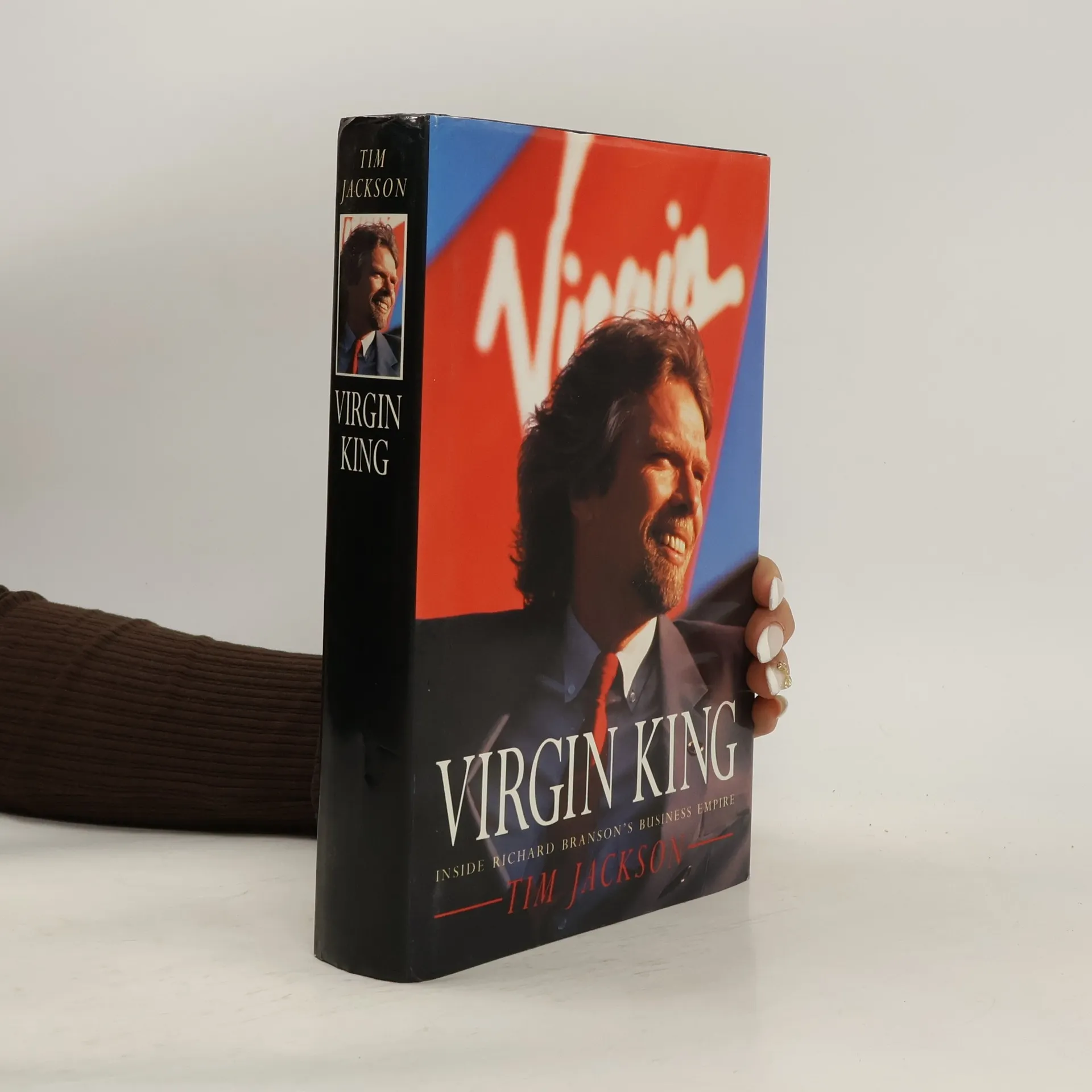
This is a portrait of Branson which draws together the many contradictions of this upper-middle-class Englishman who signed the Sex Pistols and for whom danger is the one sensation he worships without reservation.
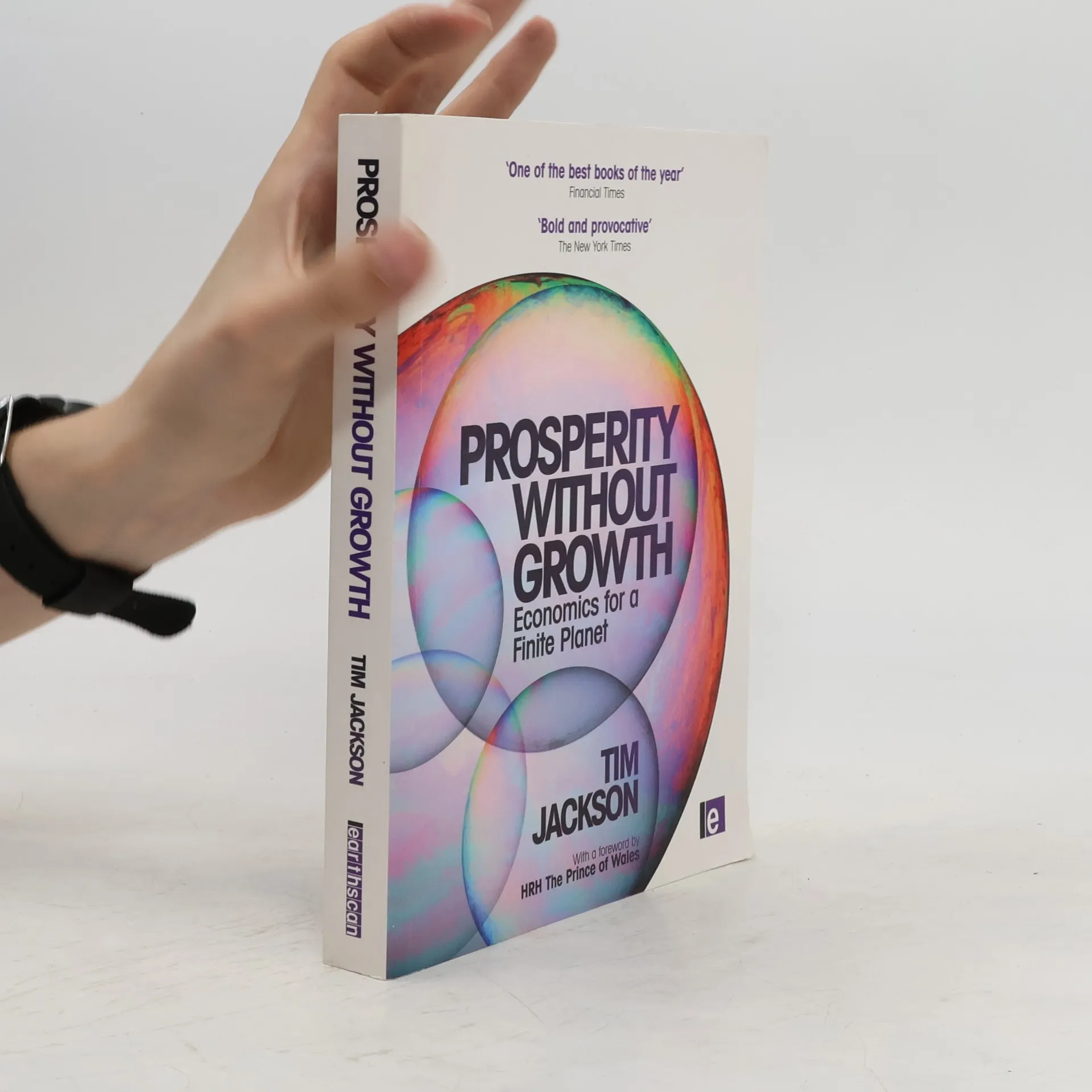
Tim Jackson, a top sustainability adviser to the UK government, makes a compelling case against continued economic growth in developed nations. He provides a vision of how human society can flourish, within the ecological limits of a finite planet.
The first academic textbook covering European retail fashion buying and merchandising. It provides a unique insight into best practice across the fashion industry.
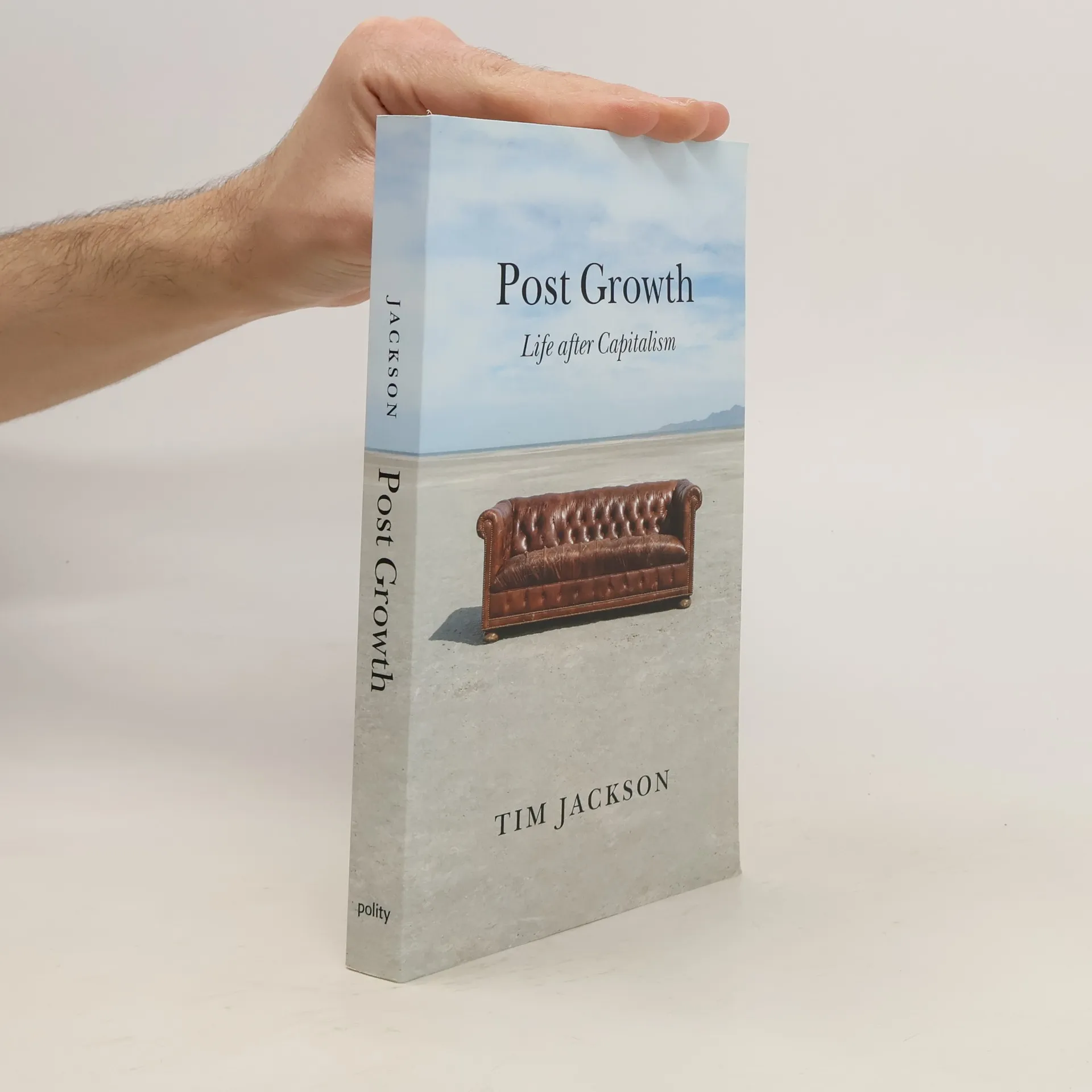
Our prevailing vision of social progress is fatally dependent on a false promise: that there will always be more and more for everyone. Forged in the crucible of capitalism, this foundational myth has come dangerously unravelled. The relentless pursuit of eternal growth has delivered ecological destruction, financial fragility, social instability and the biggest global health crisis in a century. What should we do when our myths desert us? How are we to adjust to a new economic normal? What does life after capitalism look like? Weaving together philosophical reflection, economic insight and social vision, Tim Jackson’s provocative thesis is that a post growth society is a richer, not a poorer one. Material progress has changed our lives – in many ways for the better. But the luxury of having can too easily obscure the happiness of belonging, the satisfaction of achieving and the simple lightness of being. A genuine prosperity demands a deeper respect for relationship and meaning than capitalism allows. Jackson’s far-reaching essay is both a manifesto for system change and an invitation to rekindle a deeper conversation about the nature of the human condition.
Cet ouvrage montre pourquoi et comment il est possible d’adopter un mode de développement radicalement différent, non obsédé par la croissance. Les auteurs, issus d’horizons théoriques et géographiques très divers, abordent de près la question des transitions, afin de dépasser le capitalisme et ainsi nous rapprocher d’un monde soutenable.