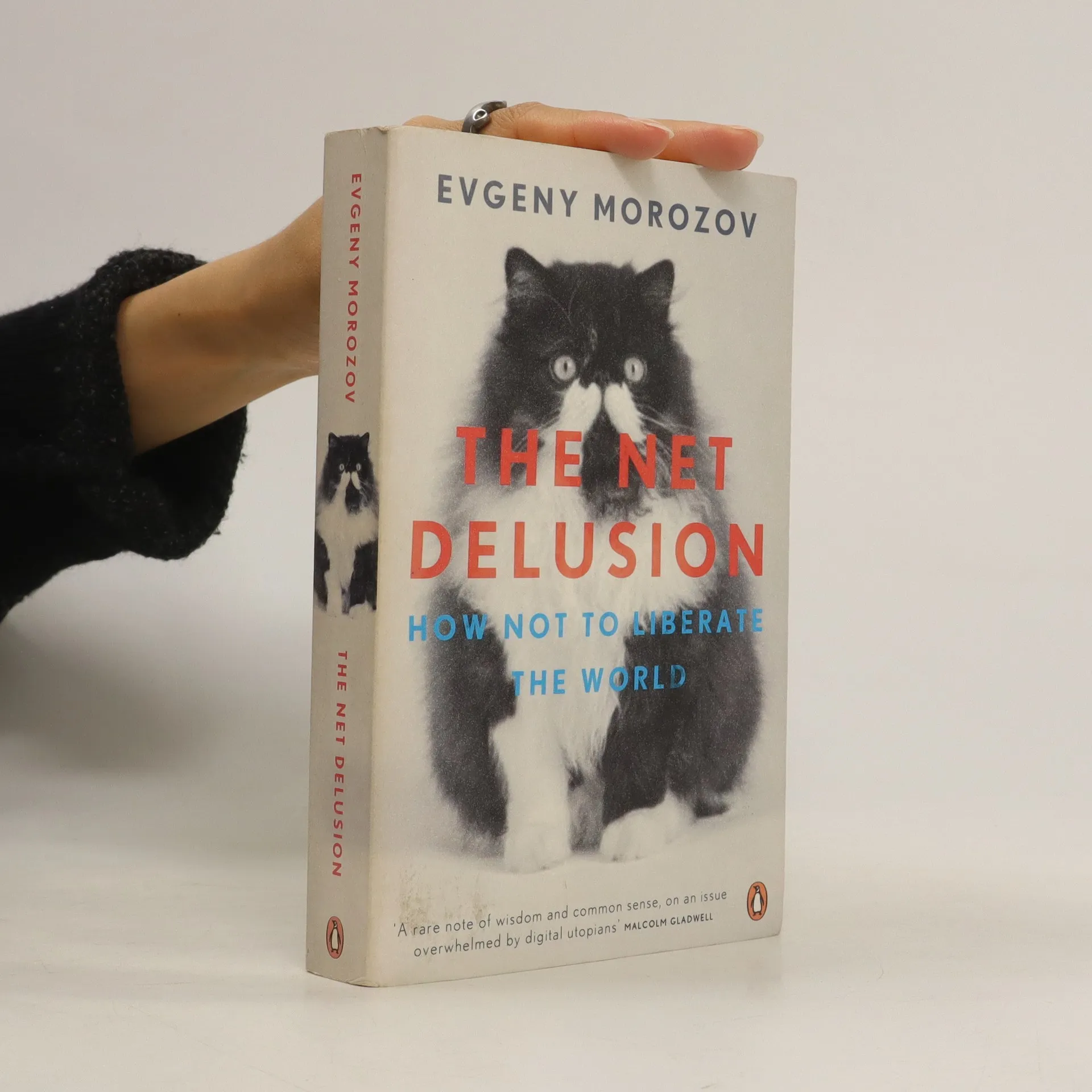
Evgeny Morozov is a leading voice exploring the complex relationship between technology and society. His work critically examines how the internet shapes global politics and challenges conventional notions of progress. Morozov's insightful analysis offers a nuanced perspective on the digital age, urging readers to consider the profound implications of our interconnected world.
Looks at the shape of society in the digital age, of the direction in which the 21st Century may take us. From urging us to drop outdated ideas of the internet to showing how to design more humane and democratic technological solutions, this title is about why we should always question the way we use technology.
Does free information mean free people? At the start of the 21st century we were promised that the internet would liberate the world. In 'The Net Delusion', Evgeny Morozov destroys this myth, arguing that 'internet freedom' is an illusion, and that technology has failed to help protect people's rights.
la filosofia dell'uomo di marketing più abile del XXI secolo
102 stránek
4 hodiny čtení
Sono dieci anni che la Apple colleziona un successo dopo l’altro. La società di Cupertino ha portato nelle case di milioni di persone non solo una tecnologia, ma anche uno stile di vita. Chi compra un MacBook, un iPad, un iPhone non sta solo comprando un computer, un tablet o uno smartphone; sta dichiarando un’appartenenza. Sta dicendo qualcosa di sé. Ma cosa c’è dietro questo successo? Cosa è riuscito a fare Steve Jobs che non sono riusciti a fare gli altri imprenditori? Evgeny Morozov, l’enfant terrible del web, ha affilato la sua penna, ha preso un bel respiro, e si è buttato a testa bassa contro i ritratti agiografici dedicati a Jobs che in questi ultimi mesi hanno popolato le librerie e internet. Un’analisi caustica e illuminante sul “miracolo Apple”.La domanda a questo punto sorge spontanea: Steve Jobs è stato un filosofo che ha cercato di cambiare il mondo, oppure è stato un genio del marketing, capace di trasformare una normale azienda produttrice di computer nell’oggetto di una vera e propria venerazione, mentre era indaffarato a regolare i conti con il passato e a nutrire il suo gigantesco ego?Evgeny Morozov