

This anthology reflects on colours' aesthetic, cultural and philosophical meaning through the writings of artists and critics. Their words are placed within the broader context of anthropology, film, philosophy and science.
David Batchelor Pořadí knih (chronologicky)
17. červenec 1955

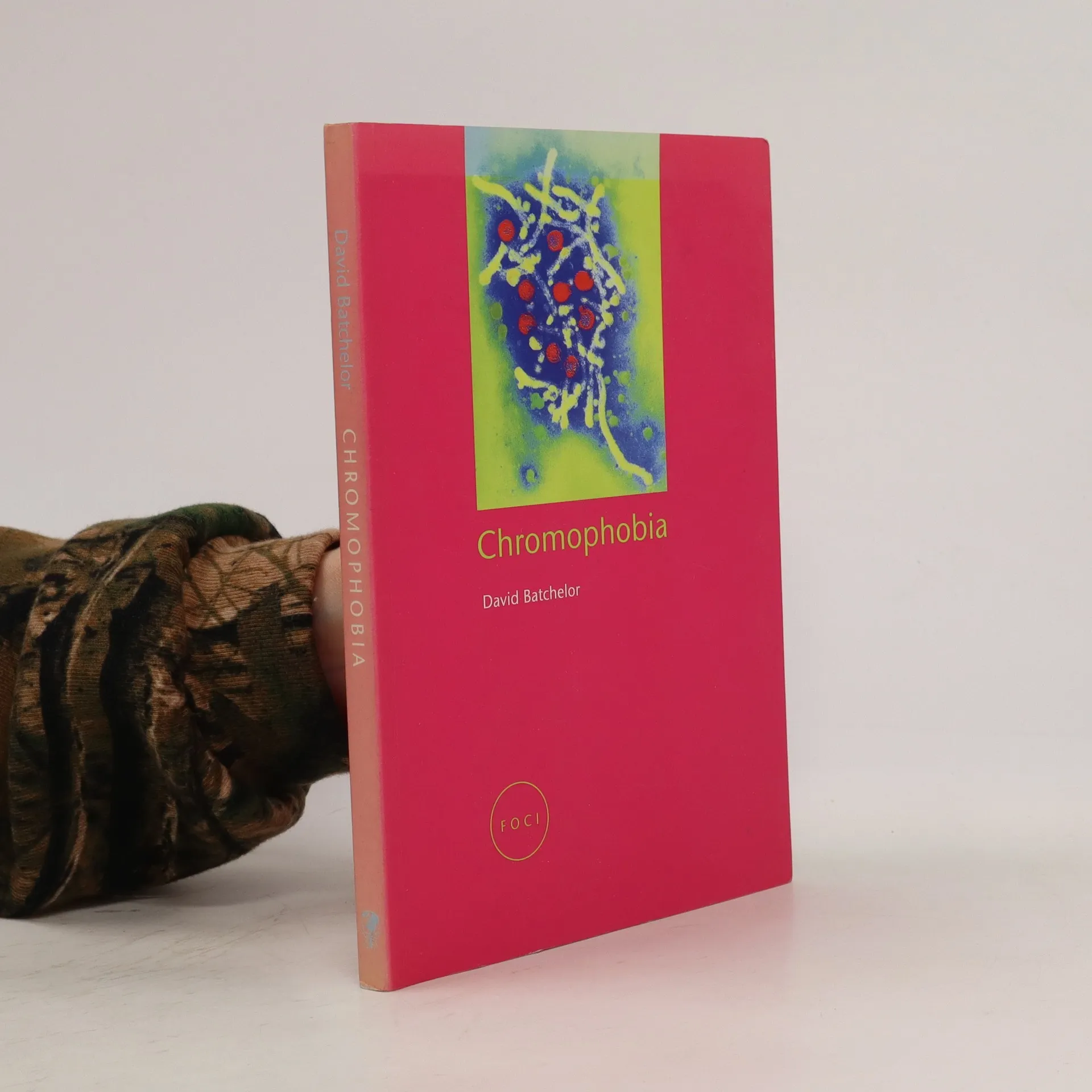
Chromophobia
- 192 stránek
- 7 hodin čtení
Chromophobia - a fear of corruption or contamination through colour - has lurked within Western culture since ancient times. This is apparent in the many attempts to purge colour from art, literature and architecture, either by making it the property of some "foreign" body - the oriental, the feminine, the infantile the vulgar or the pathological - or by relegating it to the realm of the superficial, the inessential or the cosmetic, which in many cases amounts to the same thing. In Chromophobia, David Batchelor analyzes the history of, and motivations behind, chromophobia, from its beginnings through examples of nineteenth-century literature, twentieth-century architecture and film, to Pop art, minimalism and the art and architecture of the present day. Batchelor suggests how colour fits, or fails to fit, into the cultural imagination of the West, exploring such diverse themes as Melville's "great white whale," Le Corbusier's "journey to the East," Huxley's experiments with mescaline. Dorothy's travels in the Land of Oz and the implication of modern artists' experiments with industrial paints and materials.
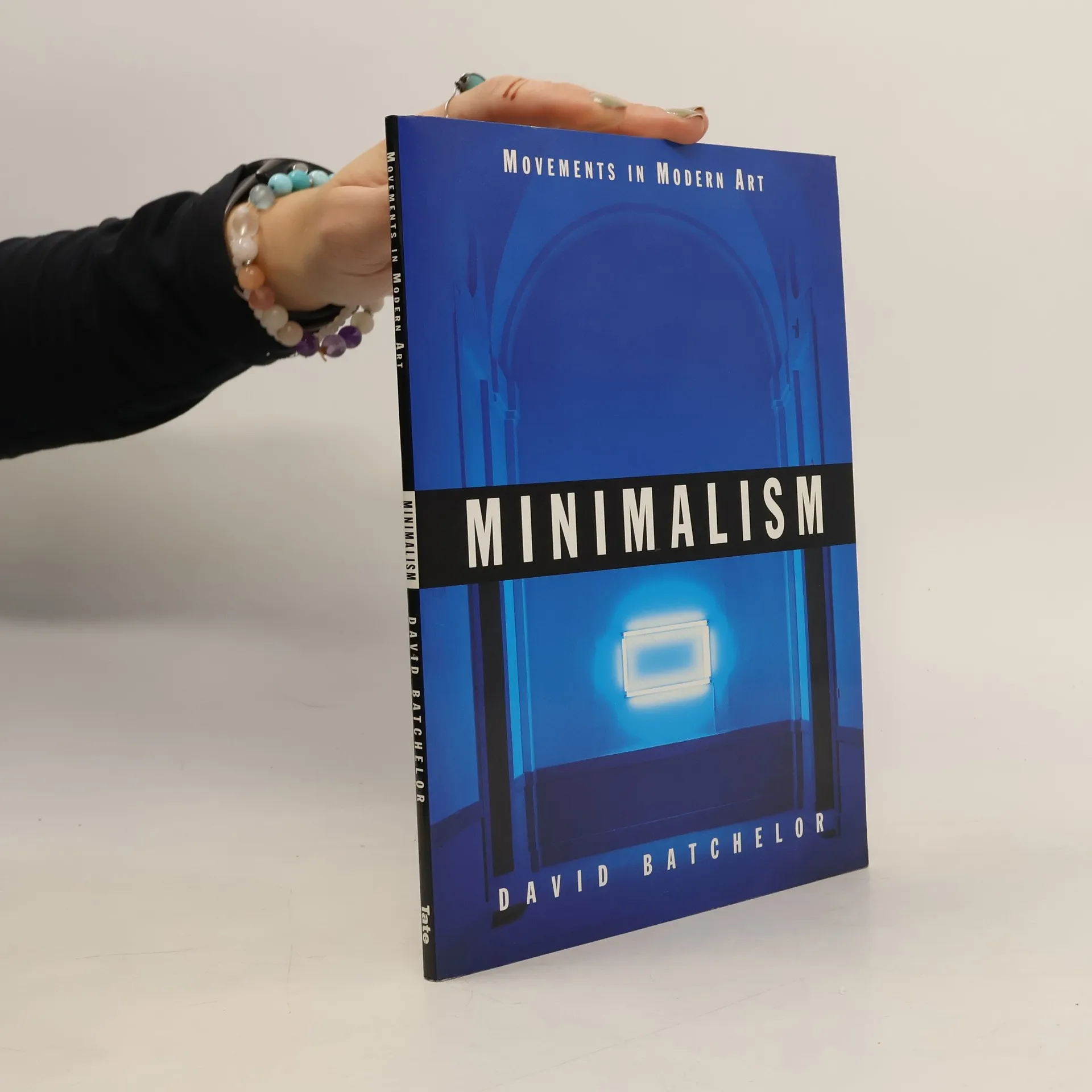
Movements in Modern Art: Minimalism
- 80 stránek
- 3 hodiny čtení
Minimalism was one of the most exciting developments in the art of the 1960s. Although the artists involved did not regard themselves as a group, the work is typically abstract, modular, preconceived in design and industrial in execution.
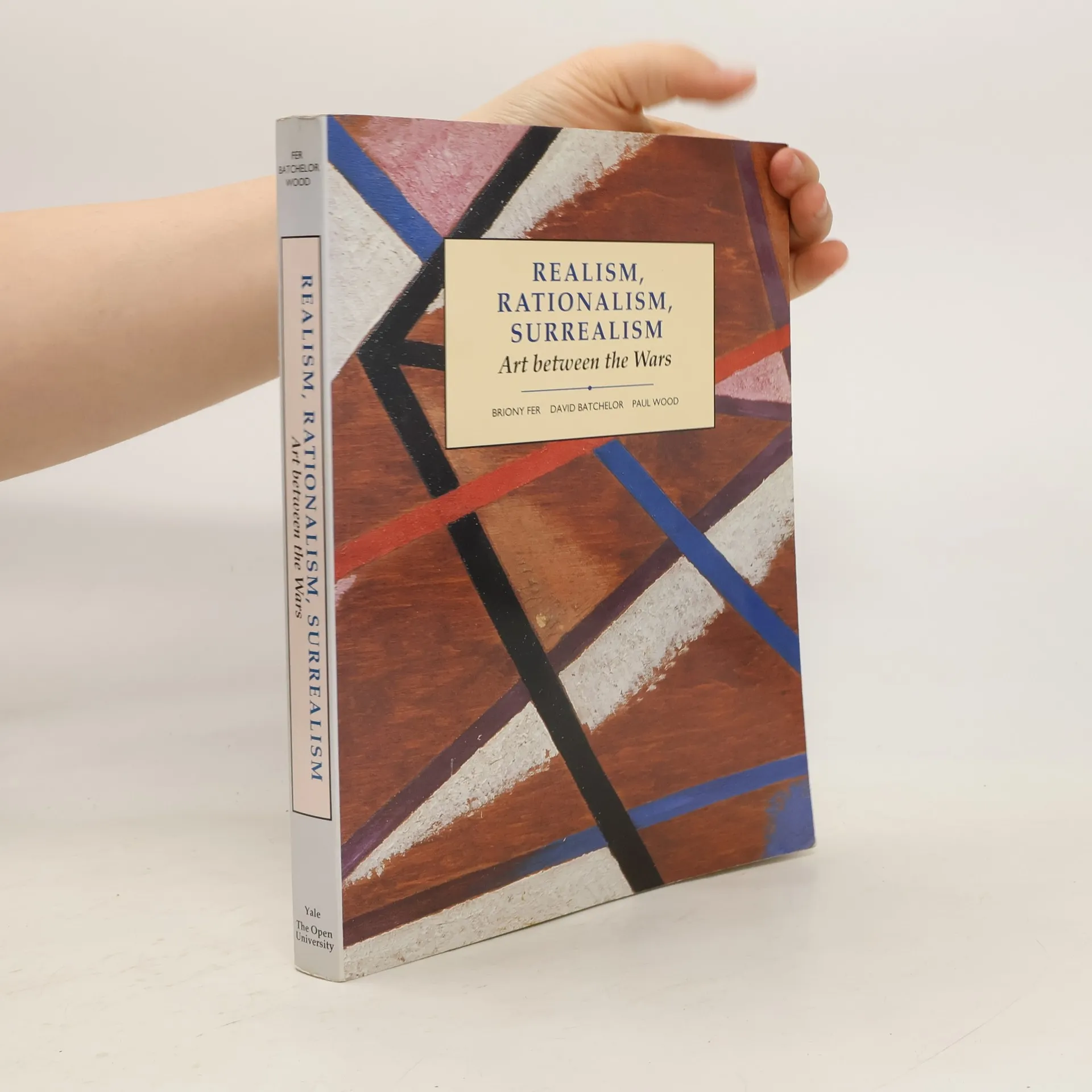
This book begins by considering responses by French artists to the First World War, showing how Purism, Dada, and early Surrealism are related to the ethos of post-war reconstruction. The authors then discuss the language of construction in places as dissimilar as France, Germany, and the Soviet Union; the contrasting demands of the utility and decoration of objects and paintings; and the relationship of surrealism to questions of sexuality and gender and to Freudian theory. The book concludes by addressing the widespread debate over realism in art: whether it represents an alternative to the elitism of the avant-garde or whether avant-garde art should play a role in the development of a modern realism.