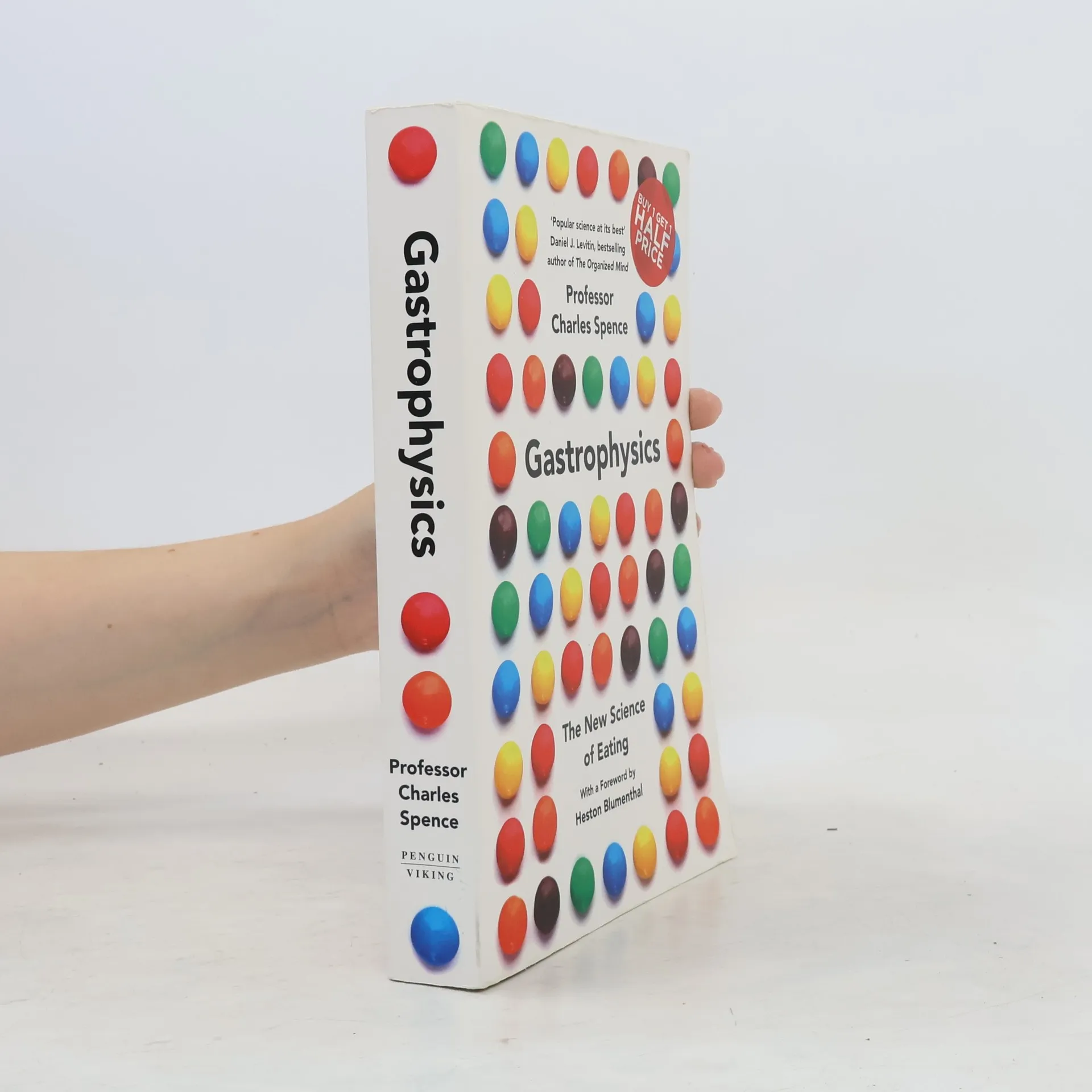
Gastrophysics: The Science of Dining
- 464 stránek
- 17 hodin čtení
Truly accessible, entertaining and informative. On every page there are ideas to set you thinking and widen your horizons Heston Blumenthal, OBE


Profesor Charles Spence je experimentální psycholog z Oxfordské univerzity, který vede výzkumnou skupinu Crossmodal Research. Jeho práce se soustředí na propojení informací napříč různými smyslovými modalitami. Zkoumá, jak naše smysly spolupracují a ovlivňují naše vnímání světa. Jeho výzkum nabízí fascinující pohled na komplexnost lidského smyslového vnímání.
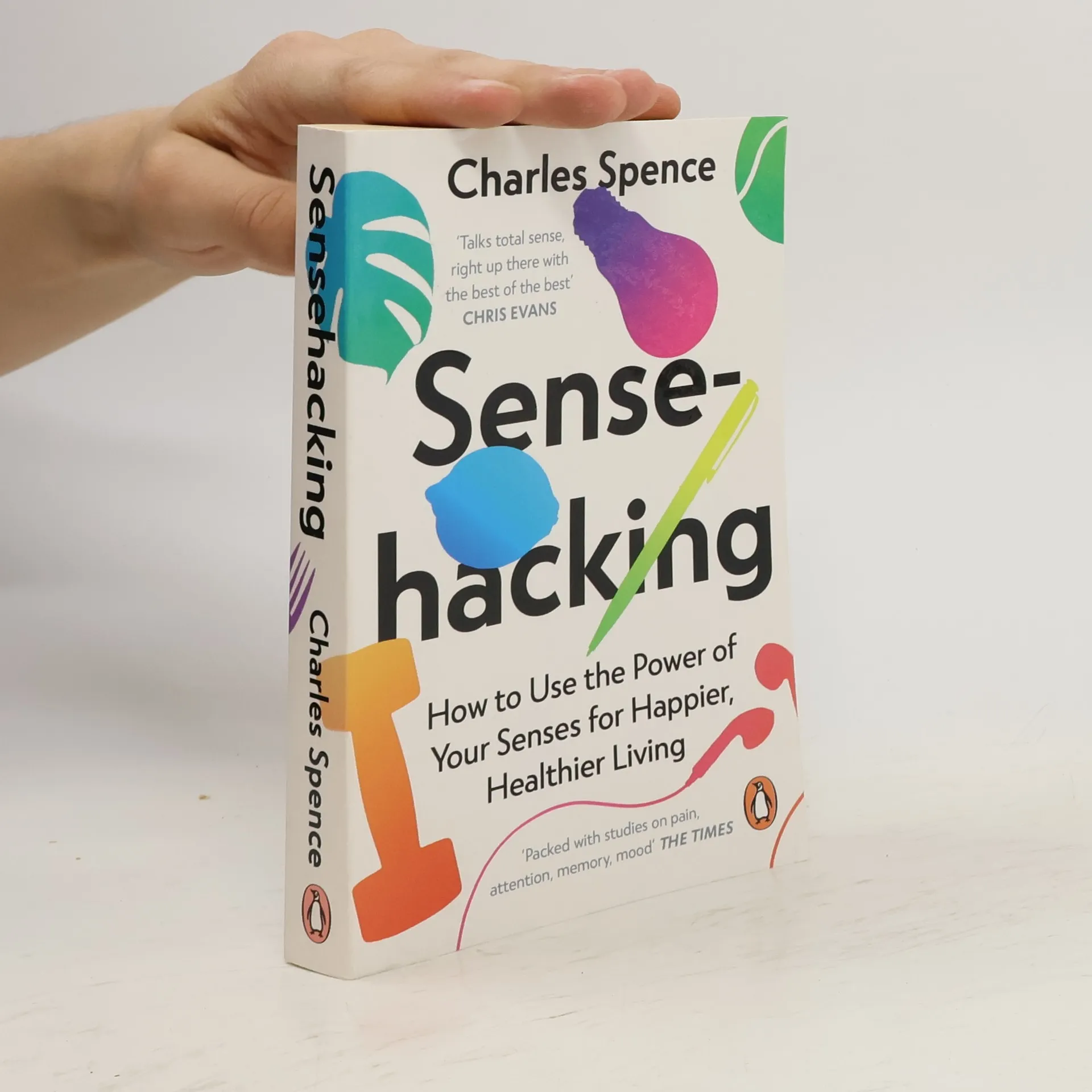
Truly accessible, entertaining and informative. On every page there are ideas to set you thinking and widen your horizons Heston Blumenthal, OBE
The world expert in multisensory perception on the remarkable ways we can use our senses to lead richer lives.How can the furniture in your home affect your wellbeing? What color clothing will help you play sports better? And what simple trick will calm you after a tense day at work?In this revelatory book, pioneering and entertaining Oxford professor Charles Spence shows how our senses change how we think and feel, and how by 'hacking' them we can reduce stress, become more productive and be happier.We like to think of ourselves as rational beings, and yet it's the scent of expensive face cream that removes wrinkles (temporarily), the noise of the crowd really does affect the referee's decision, and food not only tastes 10 per cent better if you use a tablecloth, you'll also eat 50 per cent more of it. By understanding our senses, we can take greater control of our lives.Sensehacking explores how the senses are stimulated in nature, at home, in the workplace and at play. In a world where we're suffering from the sensory overload of 24-hour news cycles and also prioritizing physical distance from one another, Spence explains 'touch hunger' and shows how we can overcome it. Understanding how our senses interact can produce incredible results. This is popular science at its unbelievable best.