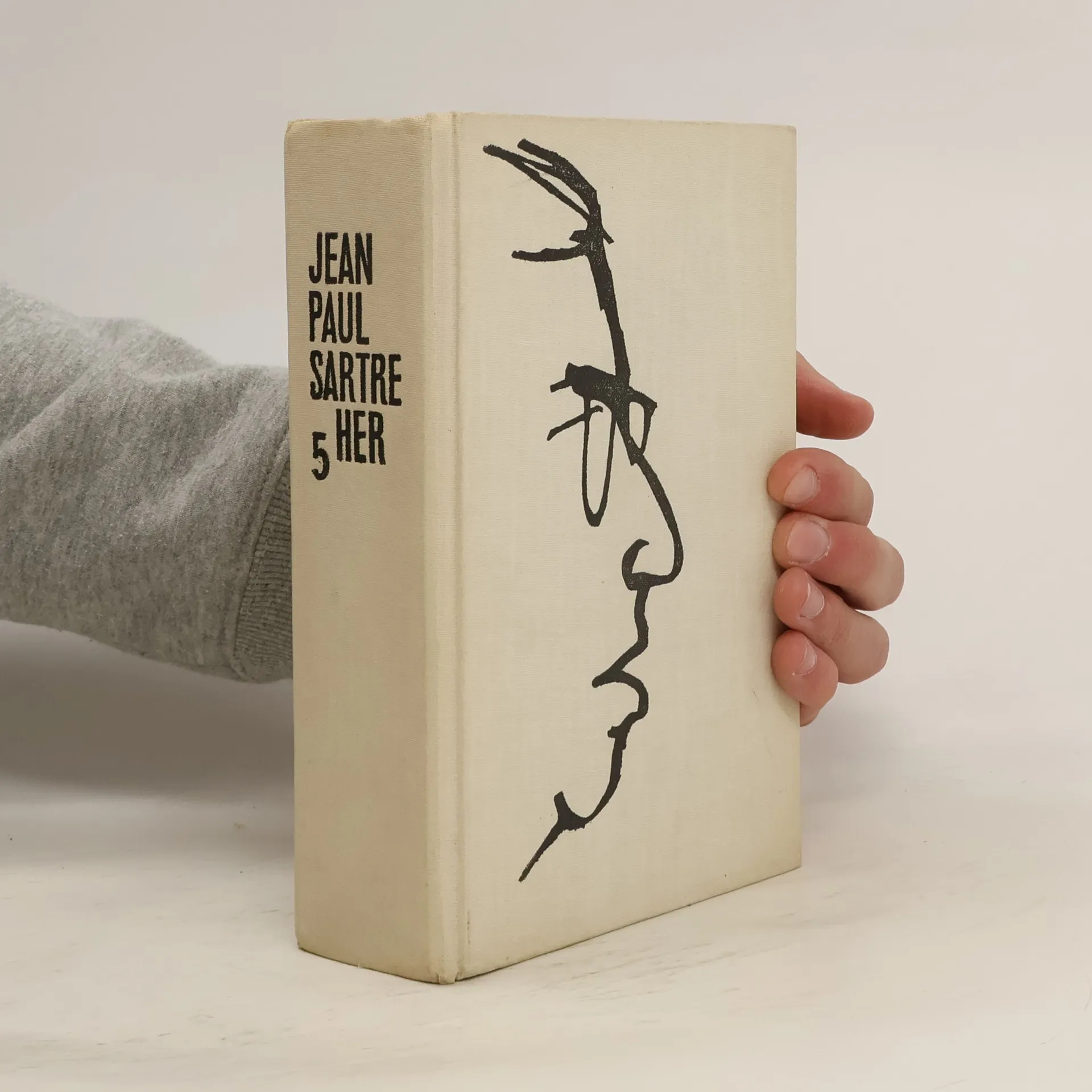
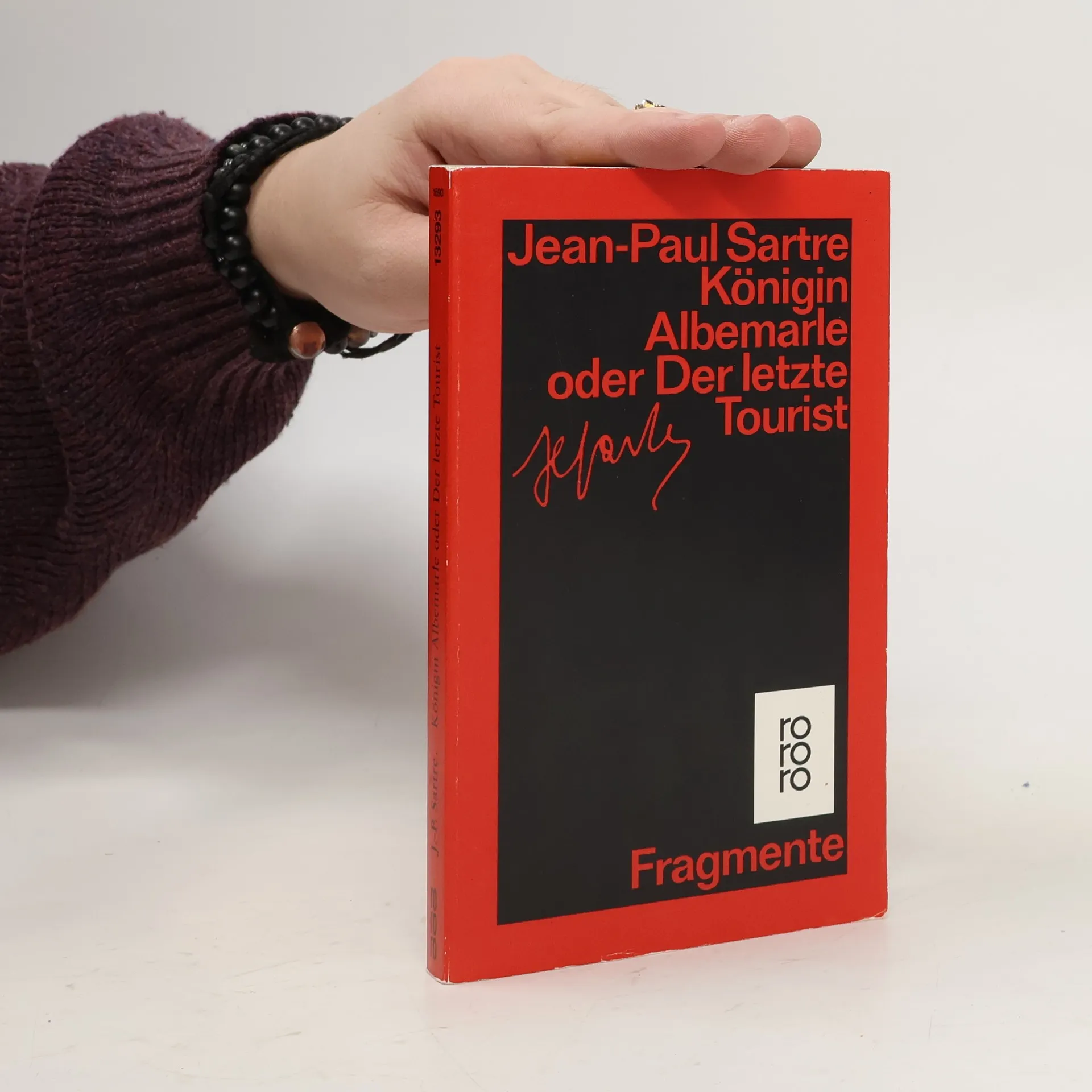
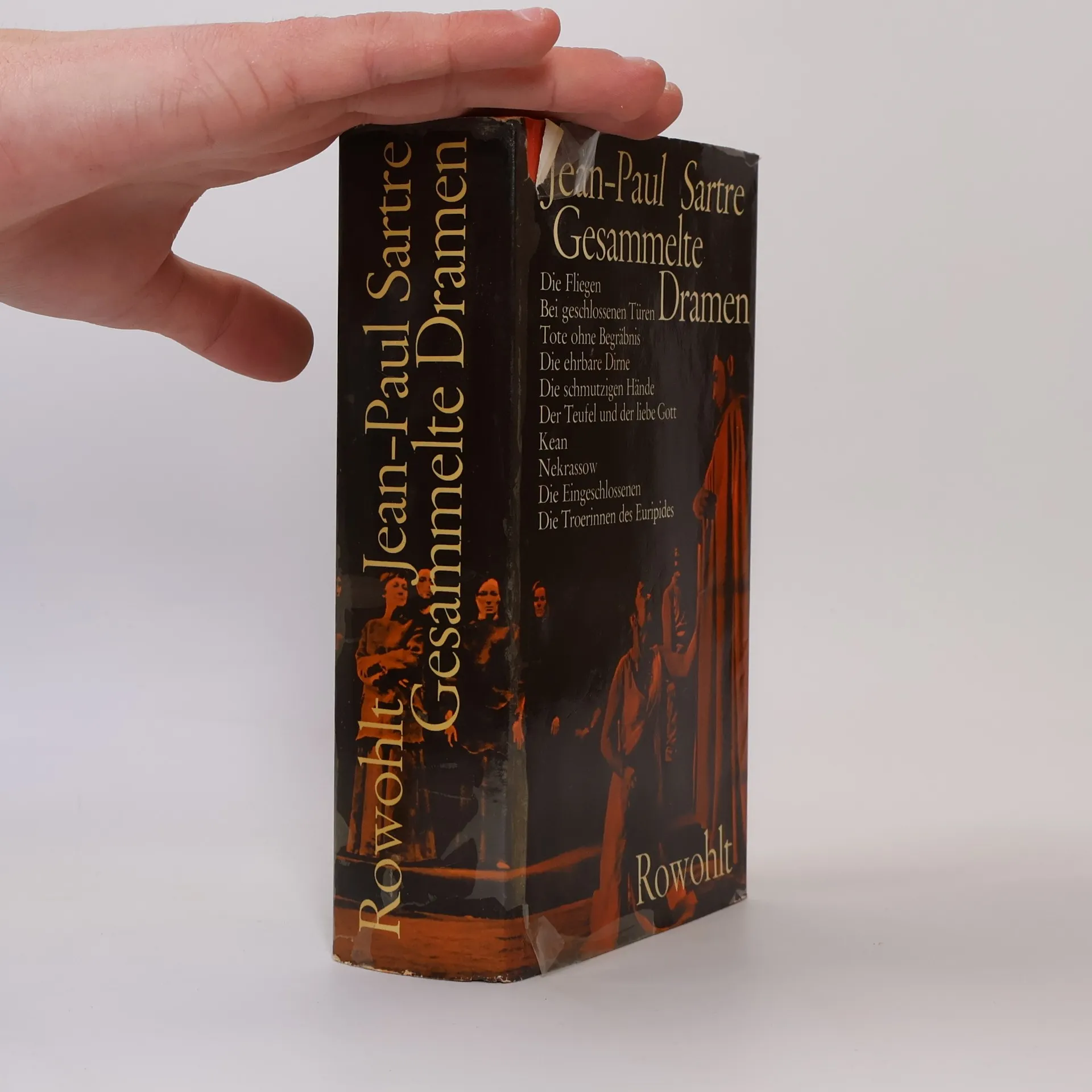
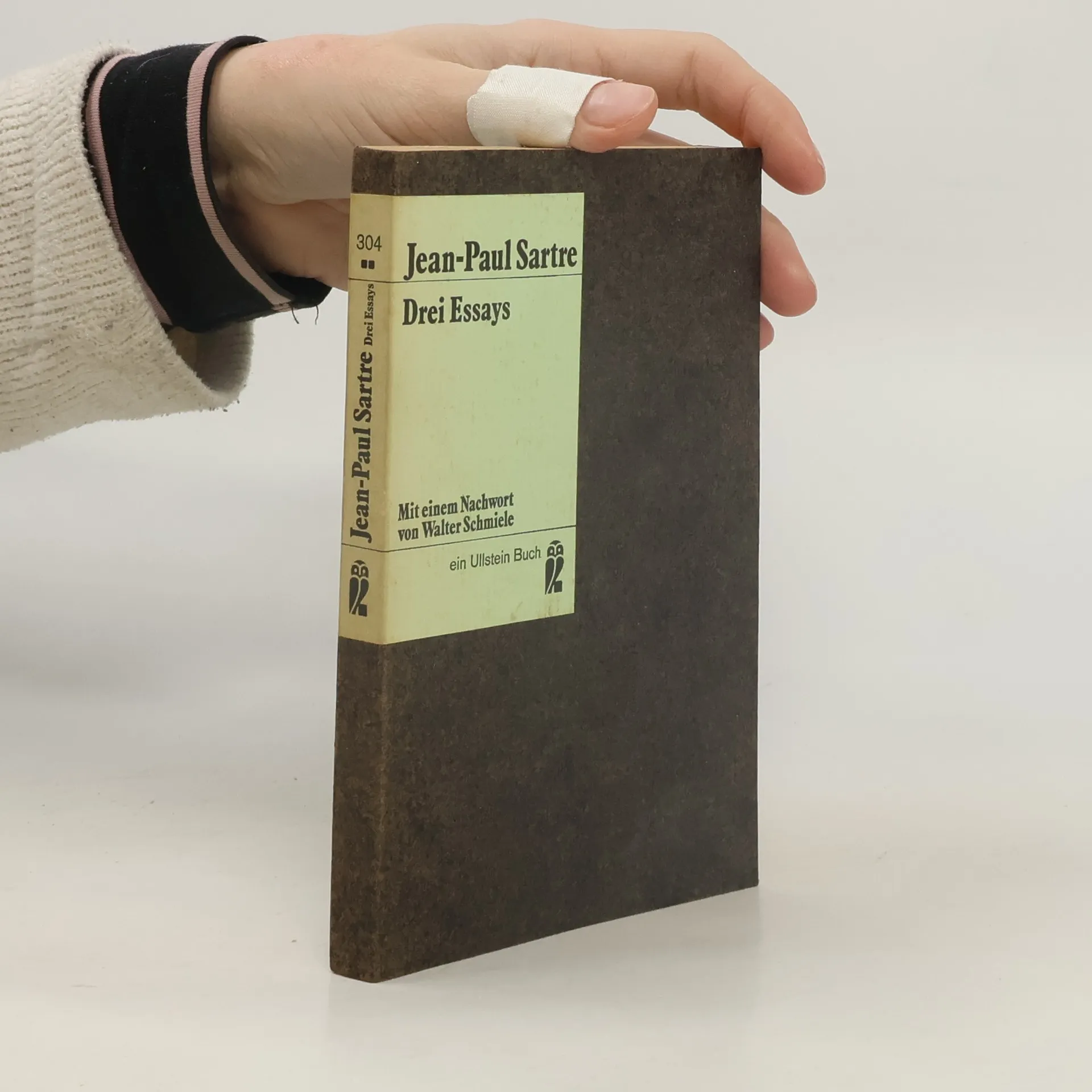
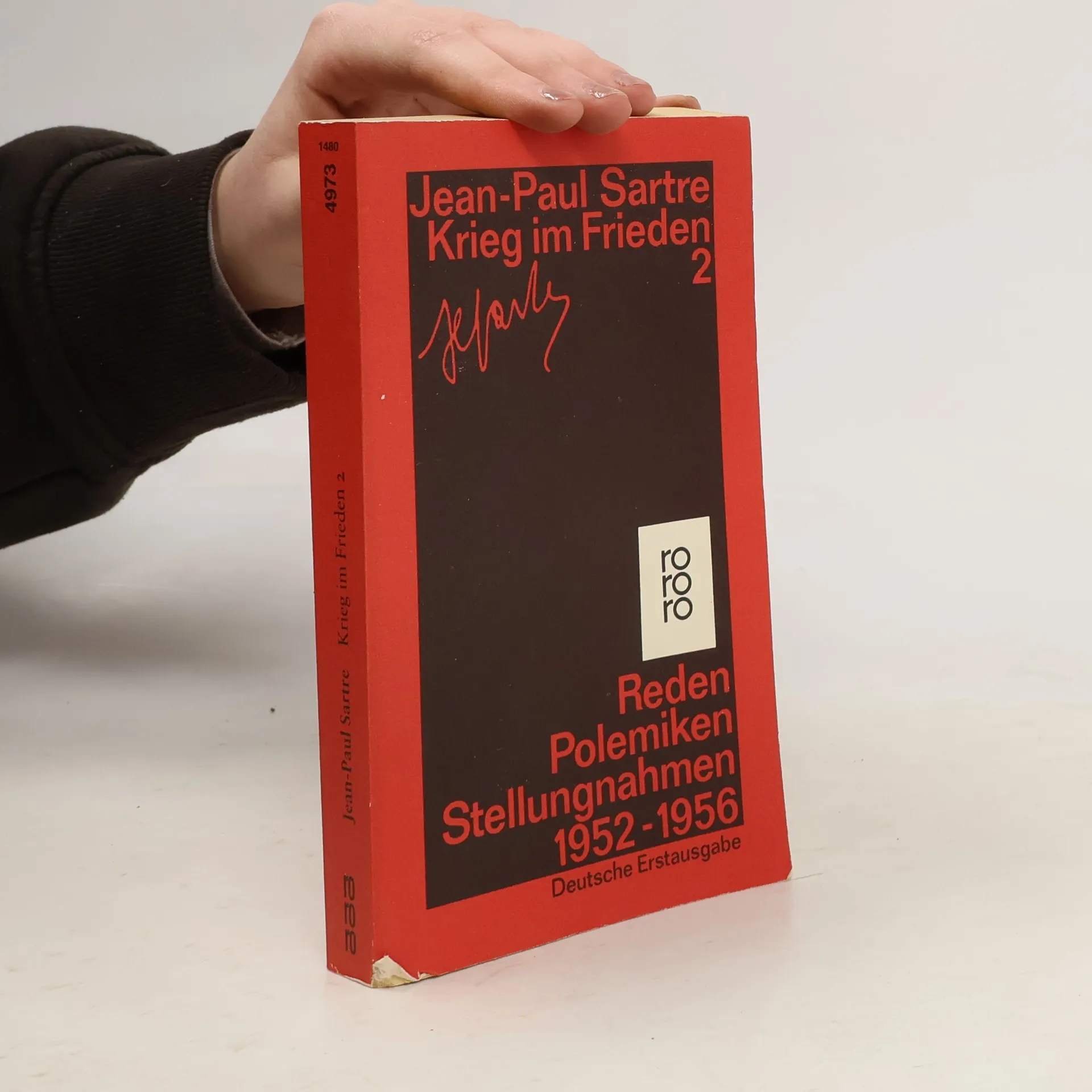
Jean-Paul Sartre byl francouzský filozof a spisovatel, klíčová postava existencialismu 20. století. Jeho dílo se zabývá svobodou, zodpovědností a hledáním pravdy, což z něj činí vlivného myslitele. Ačkoliv odmítl Nobelovu cenu za literaturu, jeho psaní formovalo dobové myšlení. Sartre zkoumal lidskou existenci a její důsledky skrze filozofické eseje, dramata i romány, čímž zanechal nesmazatelnou stopu v literatuře a filozofii.
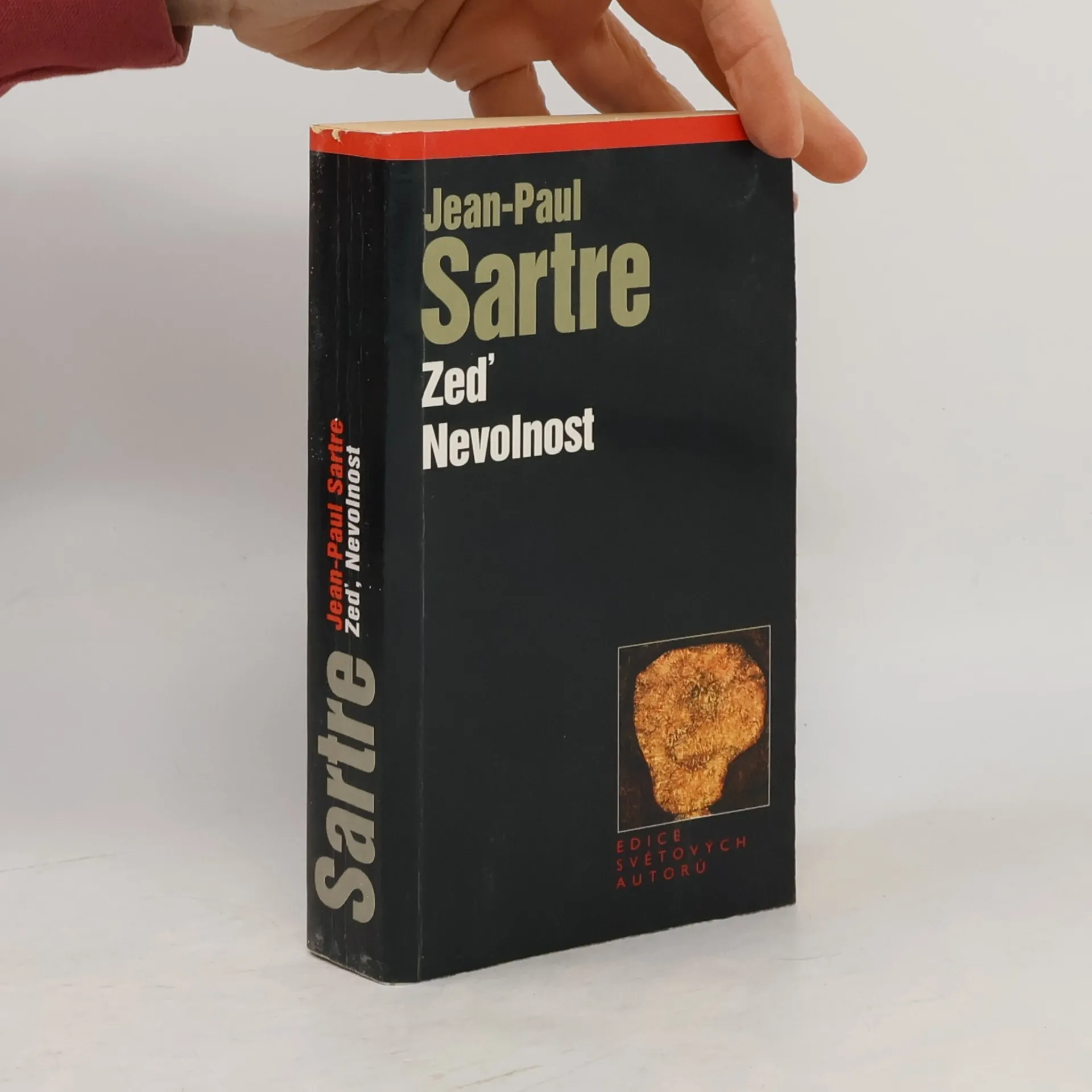
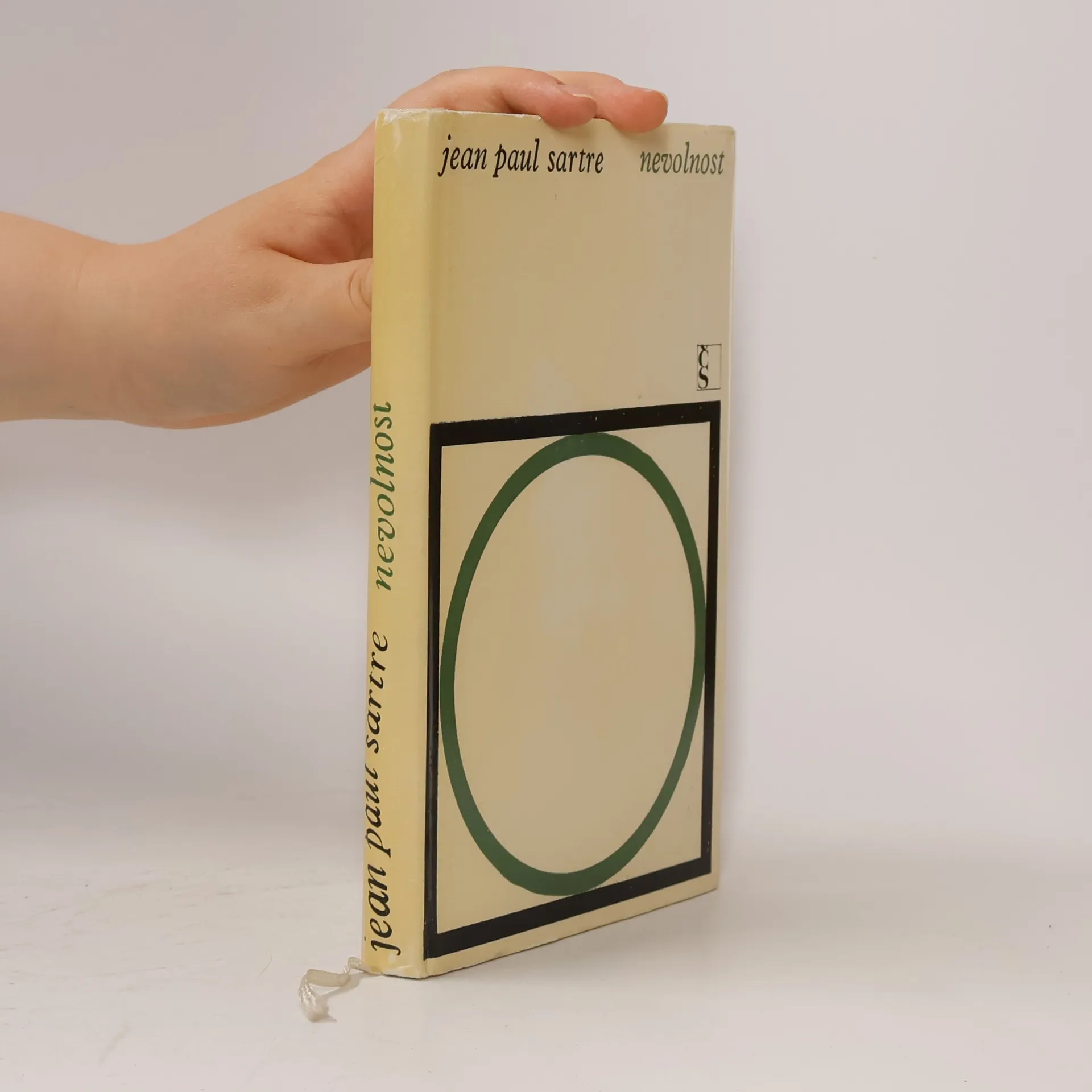
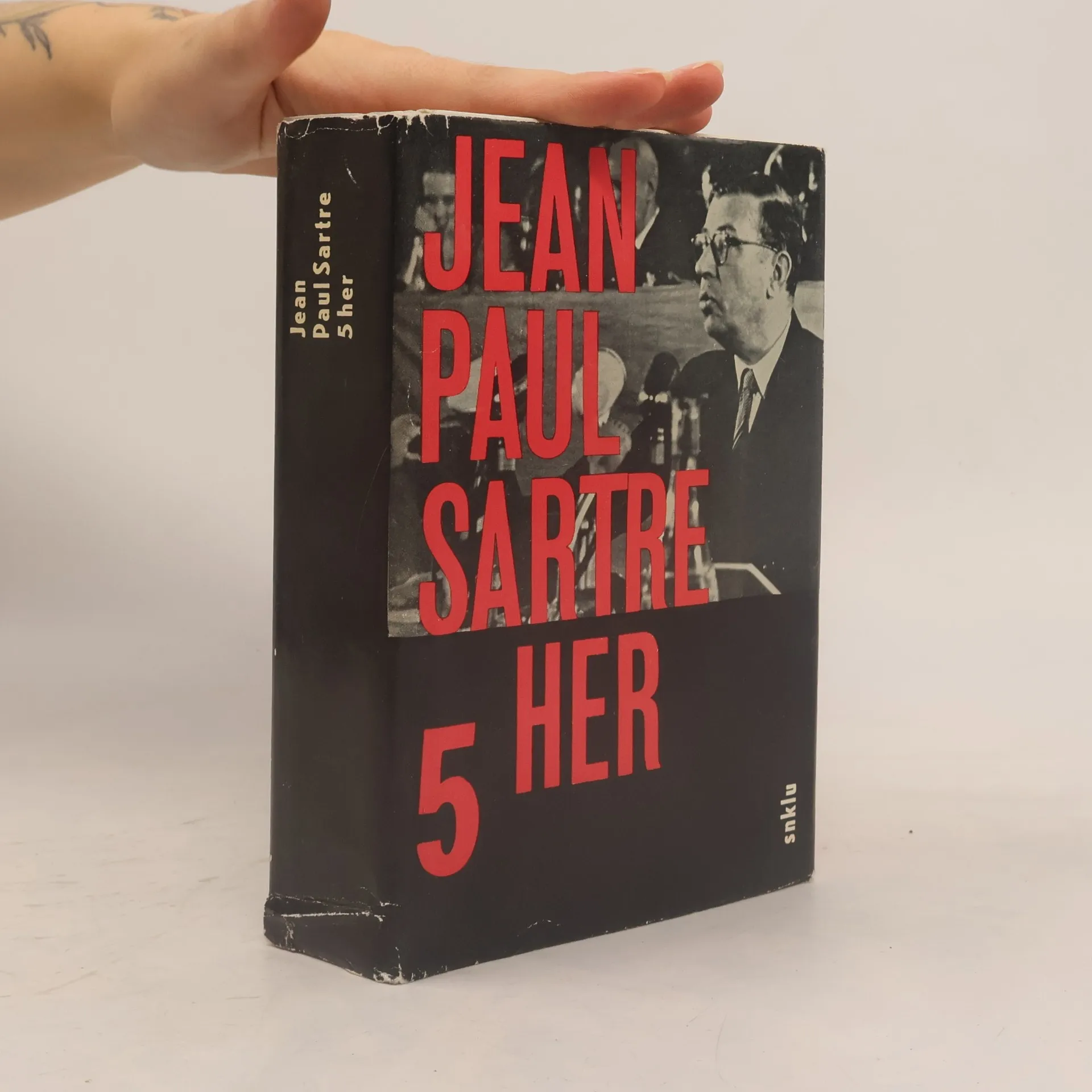
Svazek přináší dvě Sartrova stěžejní prozaická díla – povídkový soubor Zeď (1939) a román Nevolnost (1938). Zeď vyšla rok po proslulém románu Nevolnost a obě díla pak vyústila na poli filosofickém spisem Bytí a nicota, který založil autorovu slávu jako ateistického existencialisty, ovlivněného filosofií Martina Heideggera.
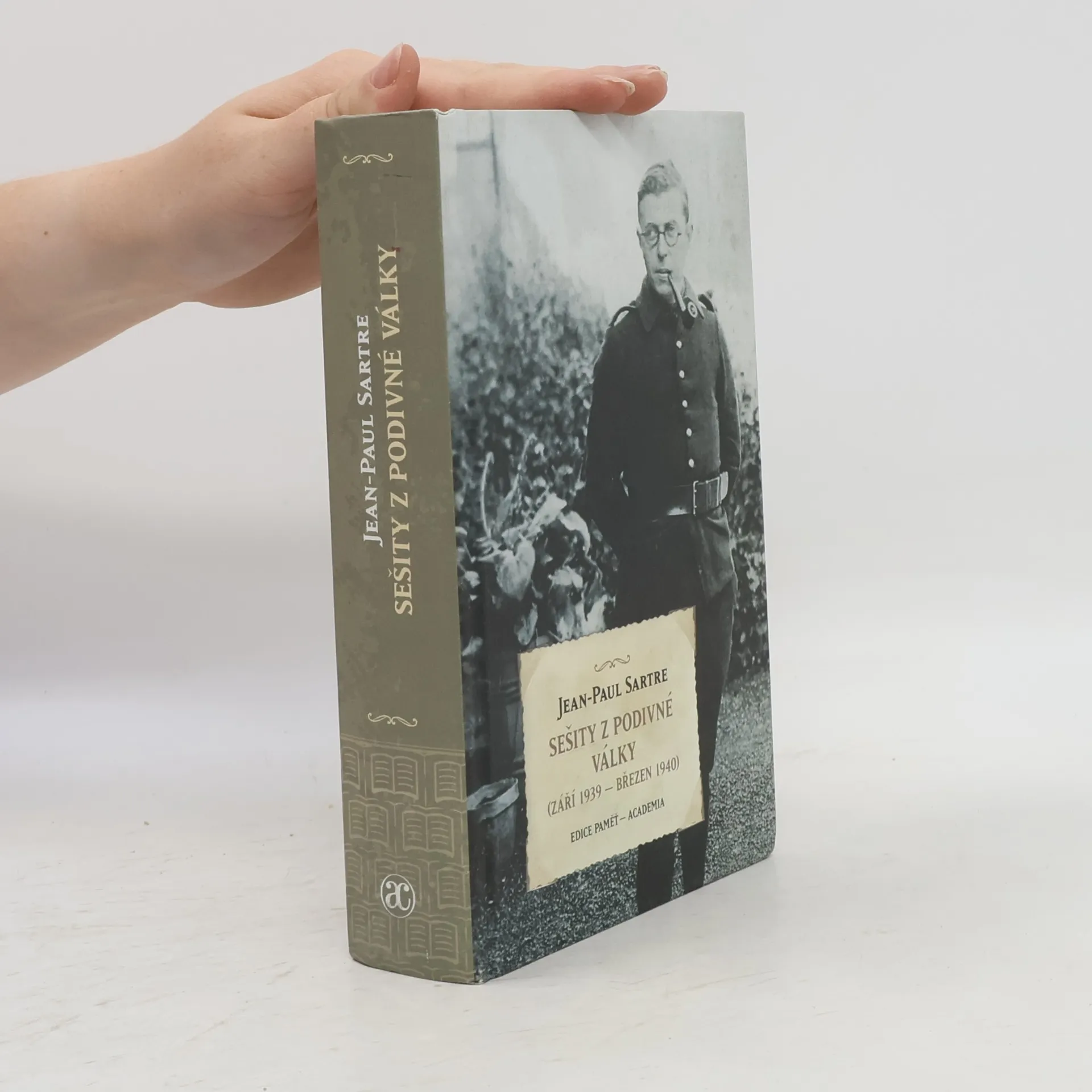
Sešity z podivné války (září 1939–březen 1940) francouzského spisovatele a existenciálního filosofa Jeana-Paula Sartra (1905–1980) vycházejí u nás poprvé.
Sartre je začal psát od prvních zářijových dnů 1939, když se po vstupu Francie do války s Německem nechal mezi prvními 2. září mobilizovat, dobrovolně opustil skvělou kariéru (již publikoval např. Nevolnost, Zeď, Imaginárno, učil na prestižní École normale supérieure) a odjel v roli meteorologa do posádky v porýnském Marmoutier. V prohnilém ovzduší „podivné války“ – několikaměsíčního vyčkávání zbraní a rafinovaného působení nacistické propagandy na podlomení ducha francouzských vojáků, měl na psaní dost klidu, mohl rozvíjet svou filosofii, ovlivněnou E. Husserlem a hlavně M. Heideggerem, téměř dokončit Bytí a nicotu, uvažovat o politice, přečíst a kriticky analyzovat úctyhodné množství literatury, a především uvažovat o lidských postojích ke světu, a zvláště o sobě. „Chci se změnit,“ píše na několika místech deníku. Jde hlavně o přerod pacifisty a antimilitaristy k člověku, jenž chce pochopit a přijmout válku jako svou „lidskou skutečnost“, do níž „byl vržen“.
Z patnácti sešitů, jež Sartre popsal, než r. 1940 padl do zajetí, a jež hodlal vzhledem k deníkové upřímnosti publikovat až po své smrti, se jich zachovalo šest. Českému čtenáři přinesou mnoho cenných poznatků o dynamice uvažování jedné z nejvýznamnějších osobností 20. století.
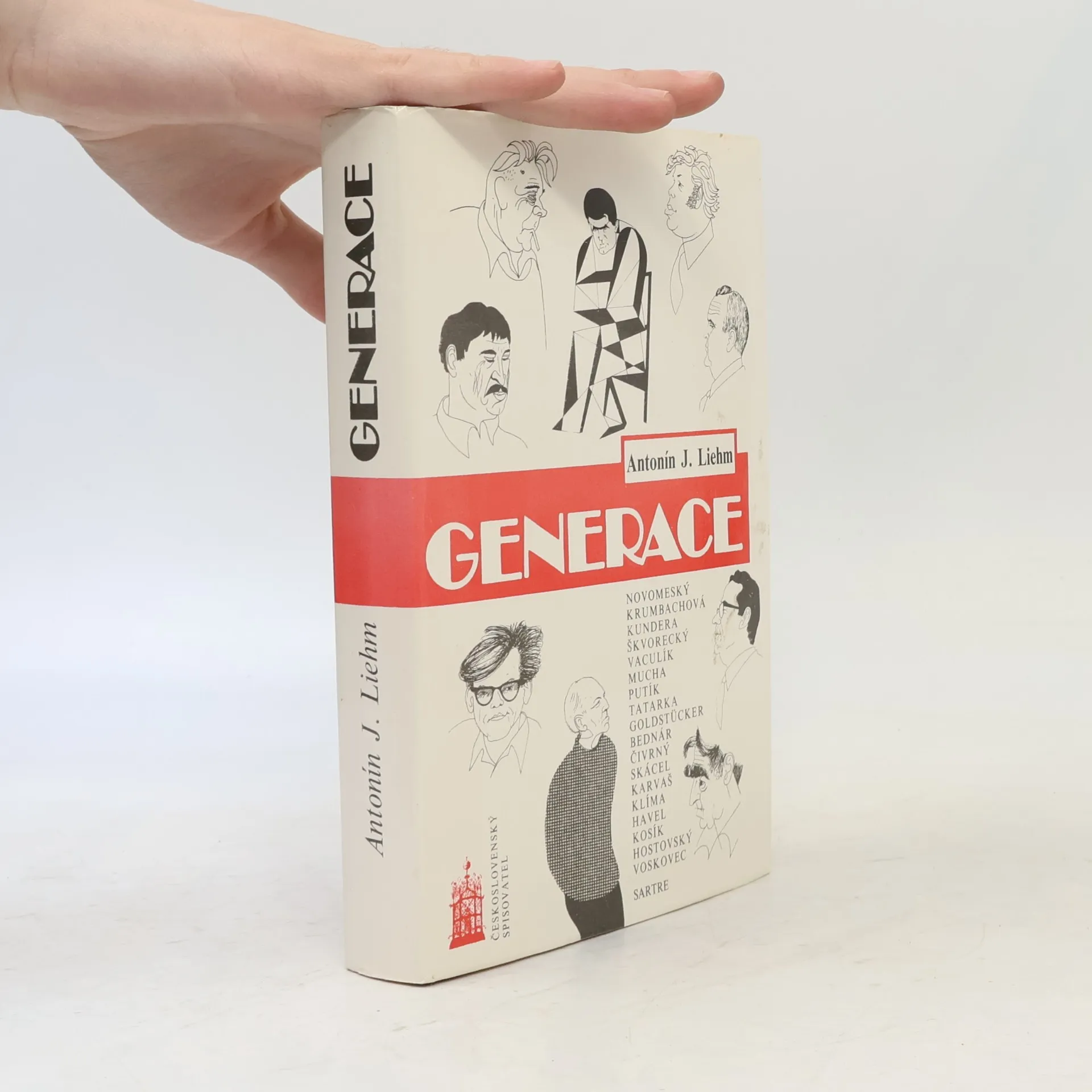
Rozhovory z let 1966–1968 s L. Novomeským, E. Krumbachovou, M. Kunderou, J. Škvoreckým, L. Vaculíkem, J. Muchou, J. Putíkem, D. Tatarkou, E. Goldstückerem, A. Bednárem, L. Čivrným, J. Skácelem, P. Karvašem, I. Klímou, V. Havlem, doplněné předmluvou J. P. Sartra k francouzskému vyd. (1970) a rozhovory s E. Hostovským (1973) a J. Voskovcem (1981).
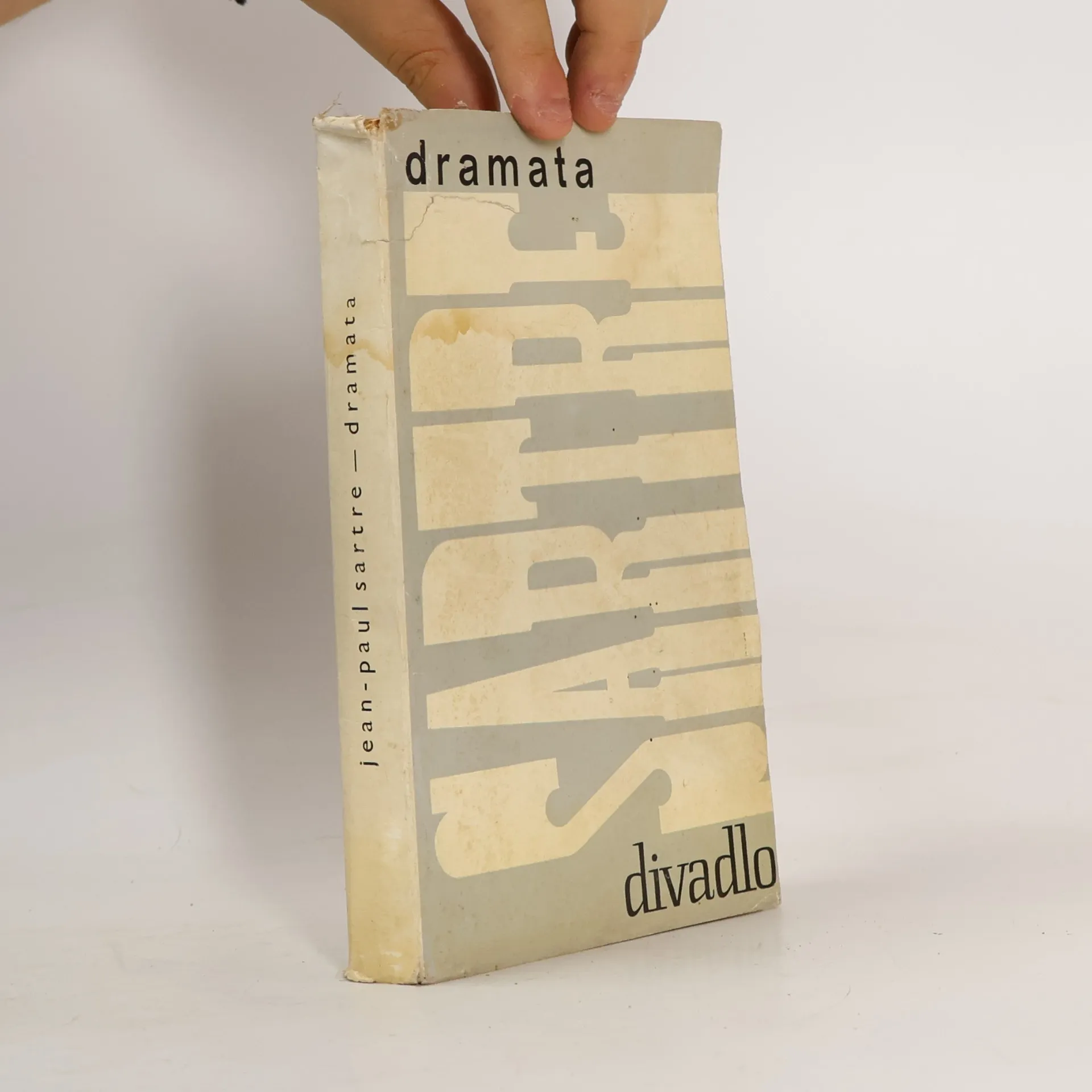
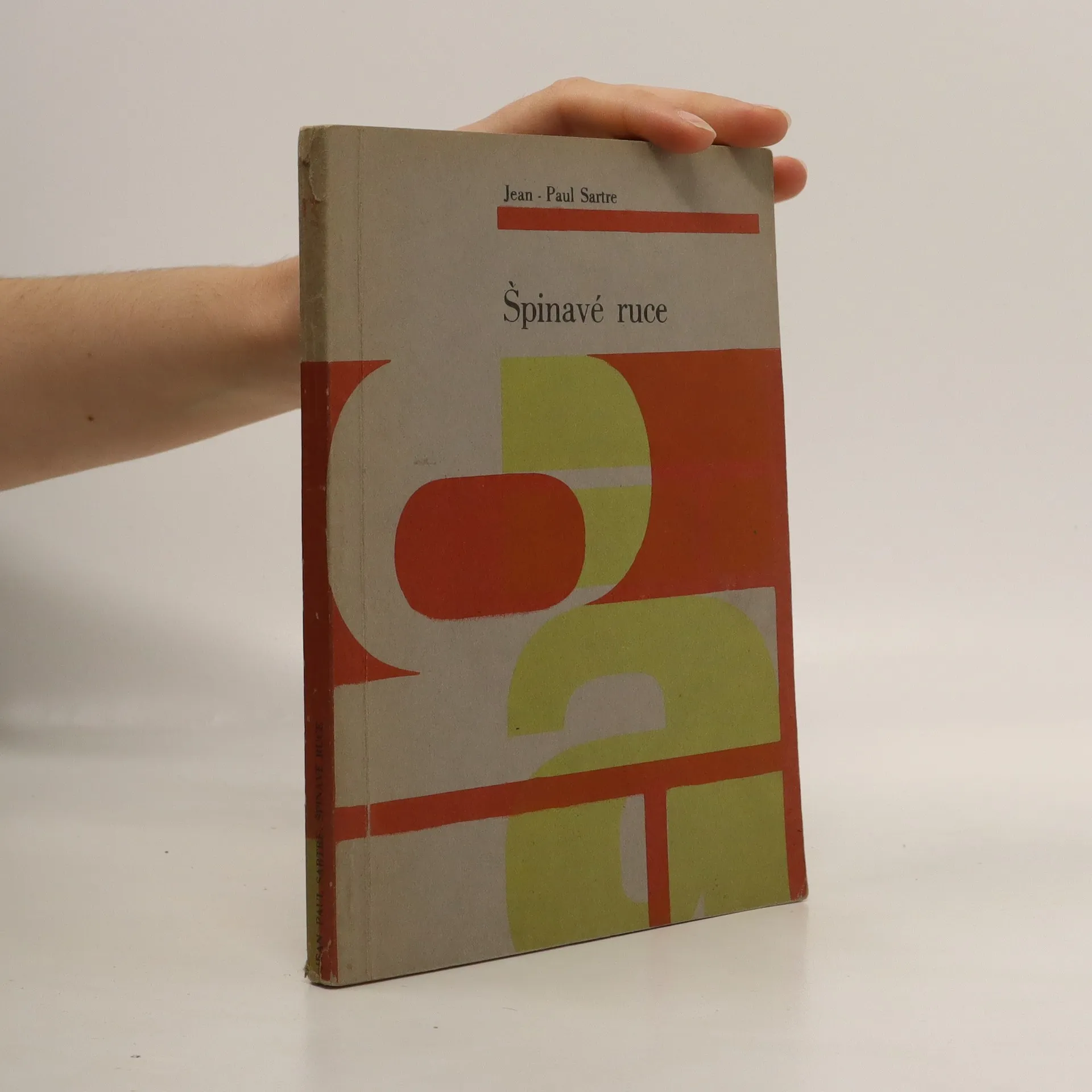
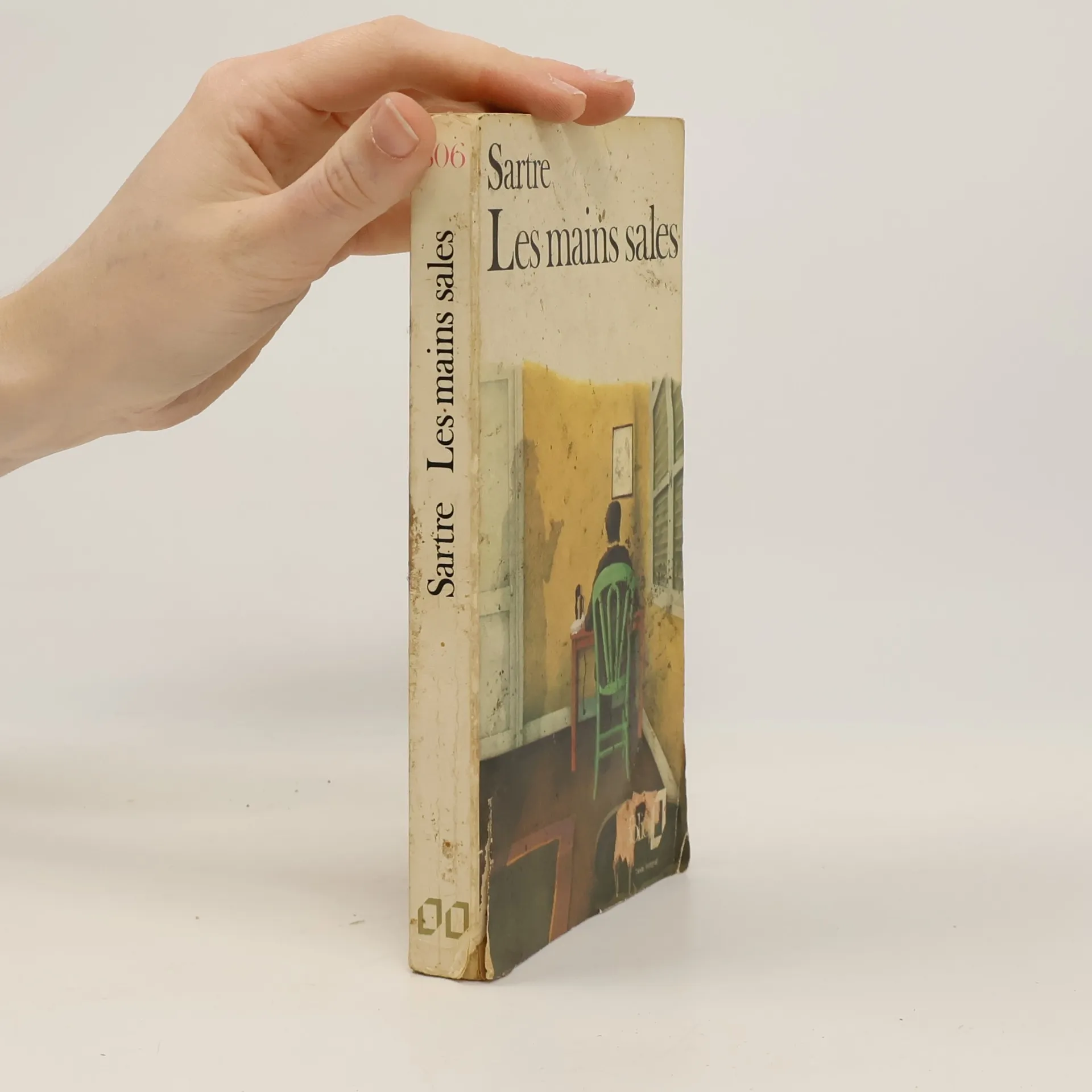
Tři dramata (Mrtví bez pohřbu — Špinavé ruce — Trójanky) předního francouzského autora. V Mrtvých bez pohřbu (1946) se skupinka maquistů, čekajících na výslech a rozhodnutých se ctí při výslechu obstát, vyrovnává s úzkostí před fyzickou bolestí při násilném vymáhání výpovědí. Ve Špinavých rukou (1948) se podle autora ukazuje, „jak se mohou vyvíjet a řešit taktické spory uvnitř ilegální odbojové organizace“. Cílem Trójanek (1965), představujících úpravu antické tragédie, je podtrhnout protiválečnou myšlenku. Doslov Milan Kundera.
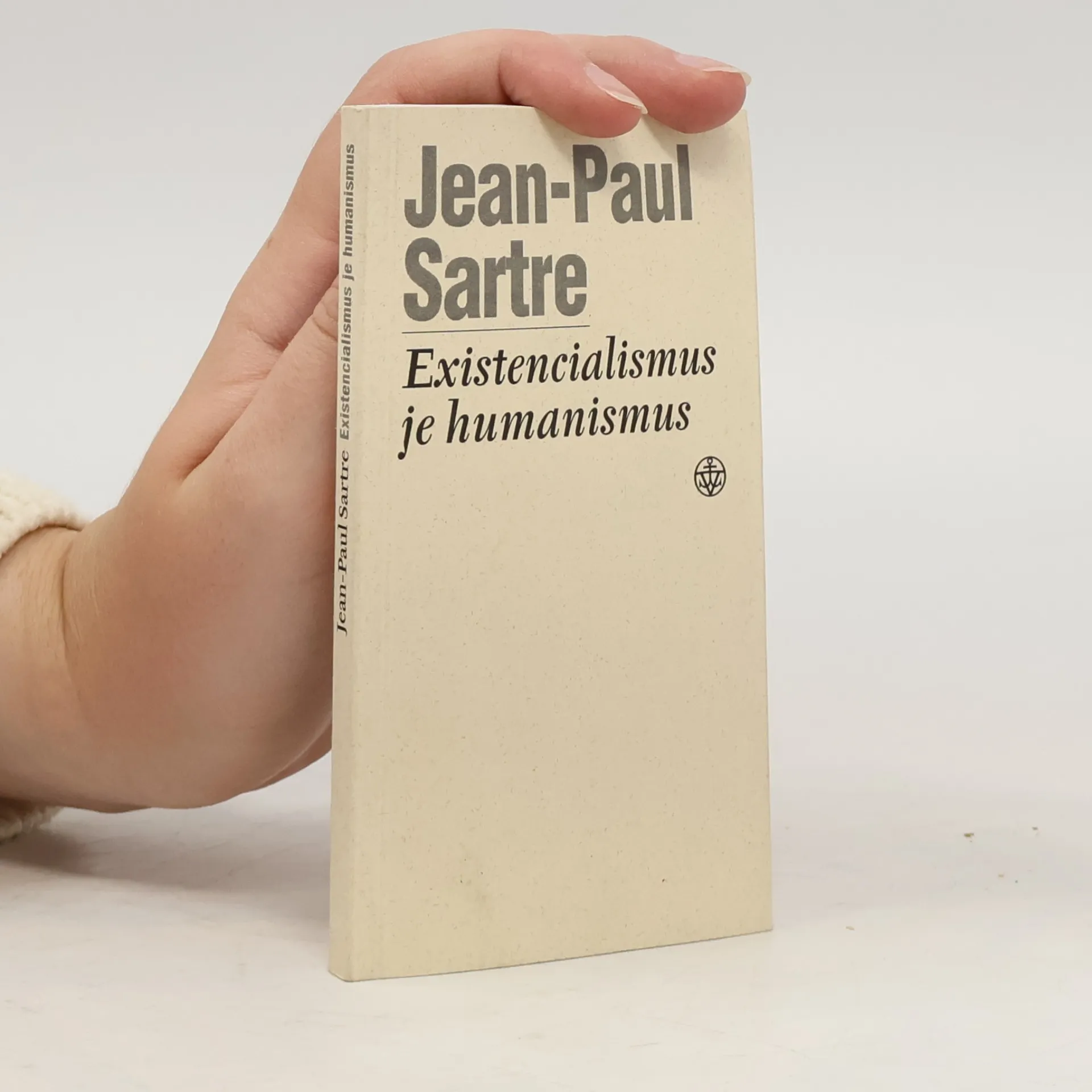
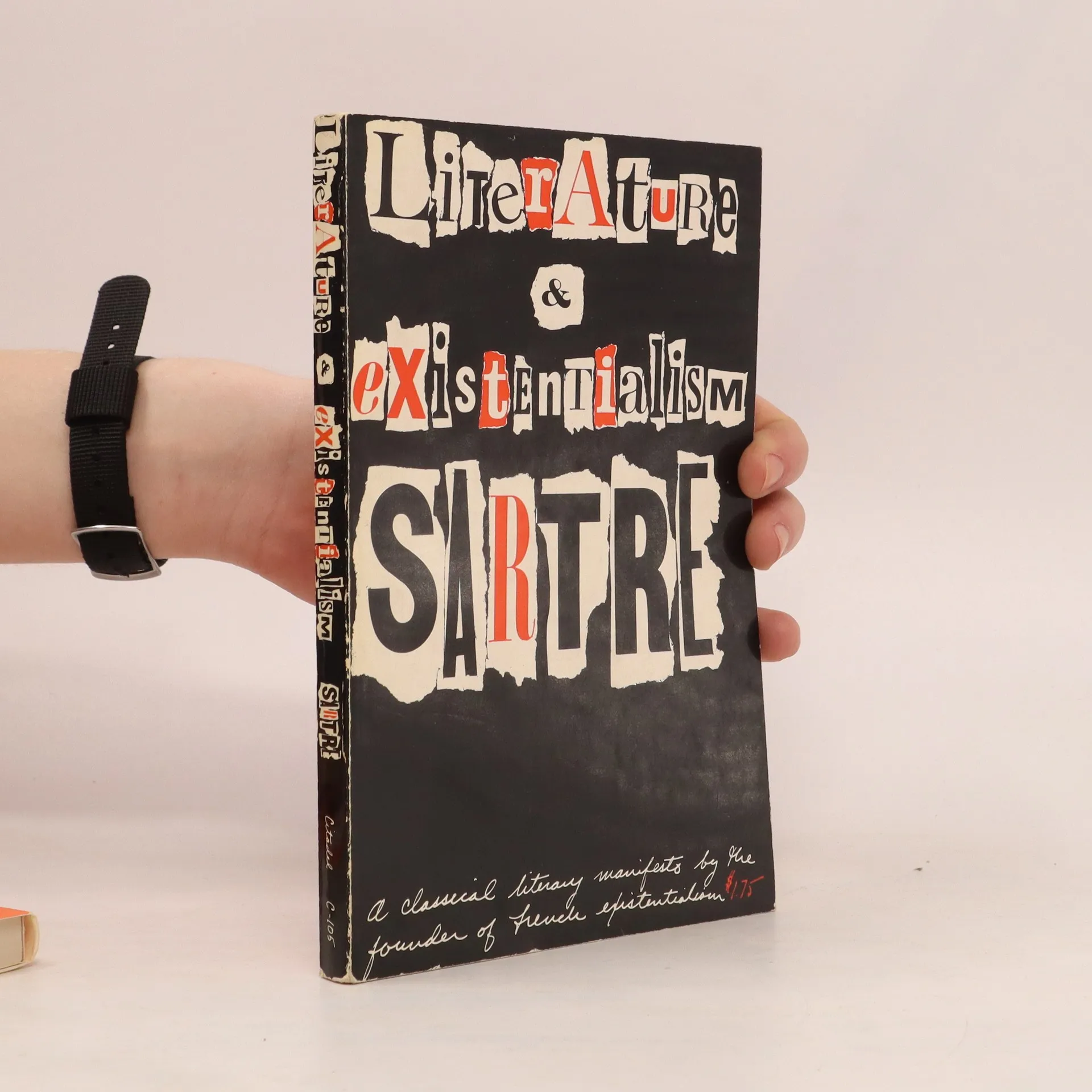
Slavný text známého francouzského filosofa a spisovatele poskytuje skvělý vhled do povahy jednoho z nejvlivnějších myšlenkových směrů 20. století. Srozumitelně a stručně, místy snad až lapidárně zde Sartre nastiňuje, oč existenciálním myslitelům jde. Ke slovu přicházejí témata jako úzkost, svoboda volby, morálka, zodpovědnost, svědomí, Bůh a mnohá další. Tento text z roku 1945 je svého druhu „manifestem“ existencialismu a jako takový patří bezesporu k základním filosofickým textům vůbec.
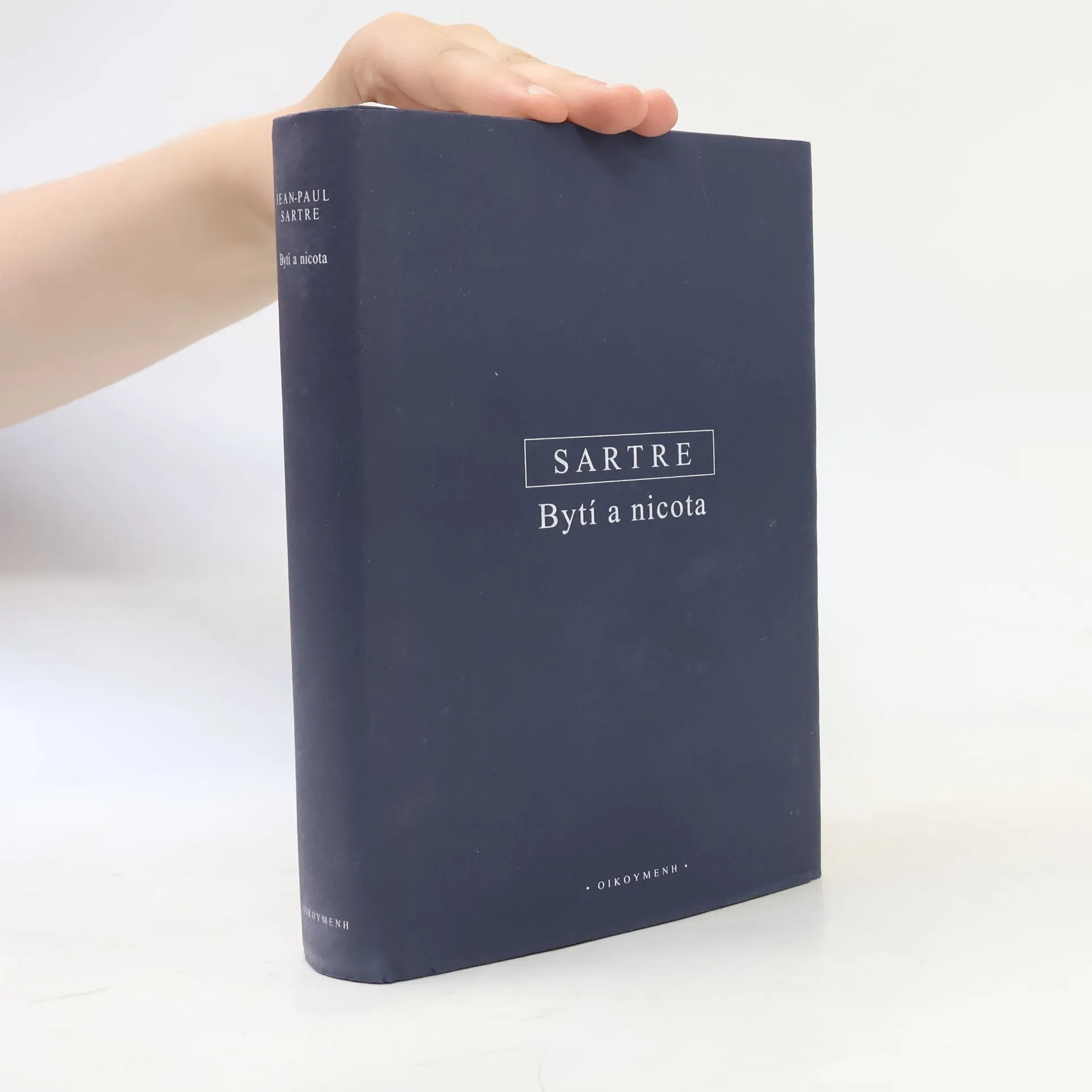
Základní dílo francouzského existencialismu, v němž se autor pokusil navázat na Heideggerův filosofický výklad lidské konečnosti, kterou chápe jako možnost být tím, čím nejsem, a nebýt tím, čím jsem. Jean-Paul Sartre v tomto rámci vykládá lidskou svobodu, situovanost všech „projektů“ a v rámci analýzy konkrétních vztahů k druhému člověku podává i svůj slavný výklad, v němž se lidská otevřenost pro možnosti neautenticky zvěcňuje. Nové, opravené vydání, 2018.
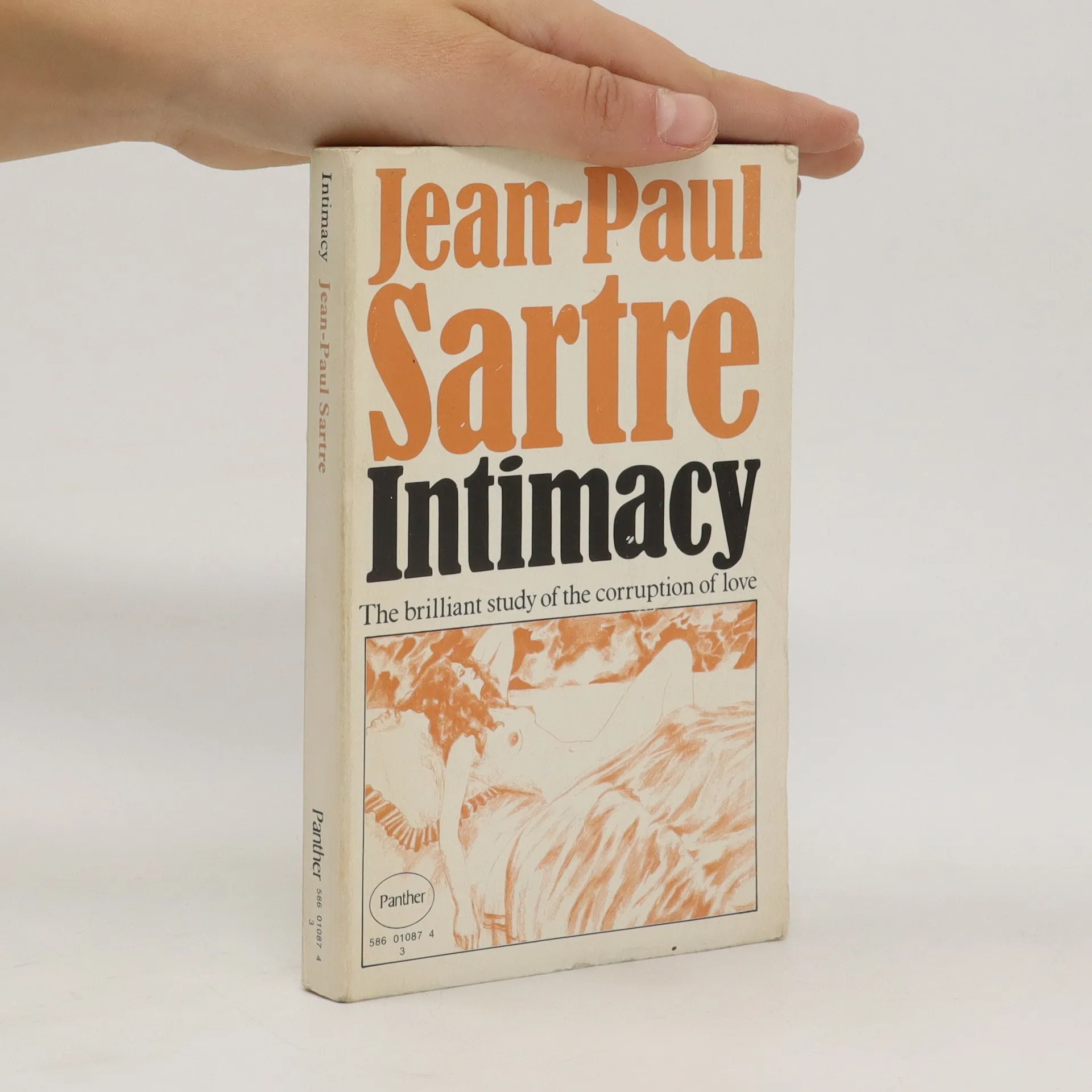
Sbírka novel vznikala postupně v rozmezí tří let. Některé z nich byly nejprve otištěny samostatně, avšak od roku 1939, kdy vyšly poprvé pod názvem Zeď (Le Mur), byly nadále vždy publikovány společně ve stejném pořadí a pod stejným titulem. Tato sbírka obsahuje 5 novel: Zeď, Místnost, Hérostratos, Intimita a Mládí vůdce.
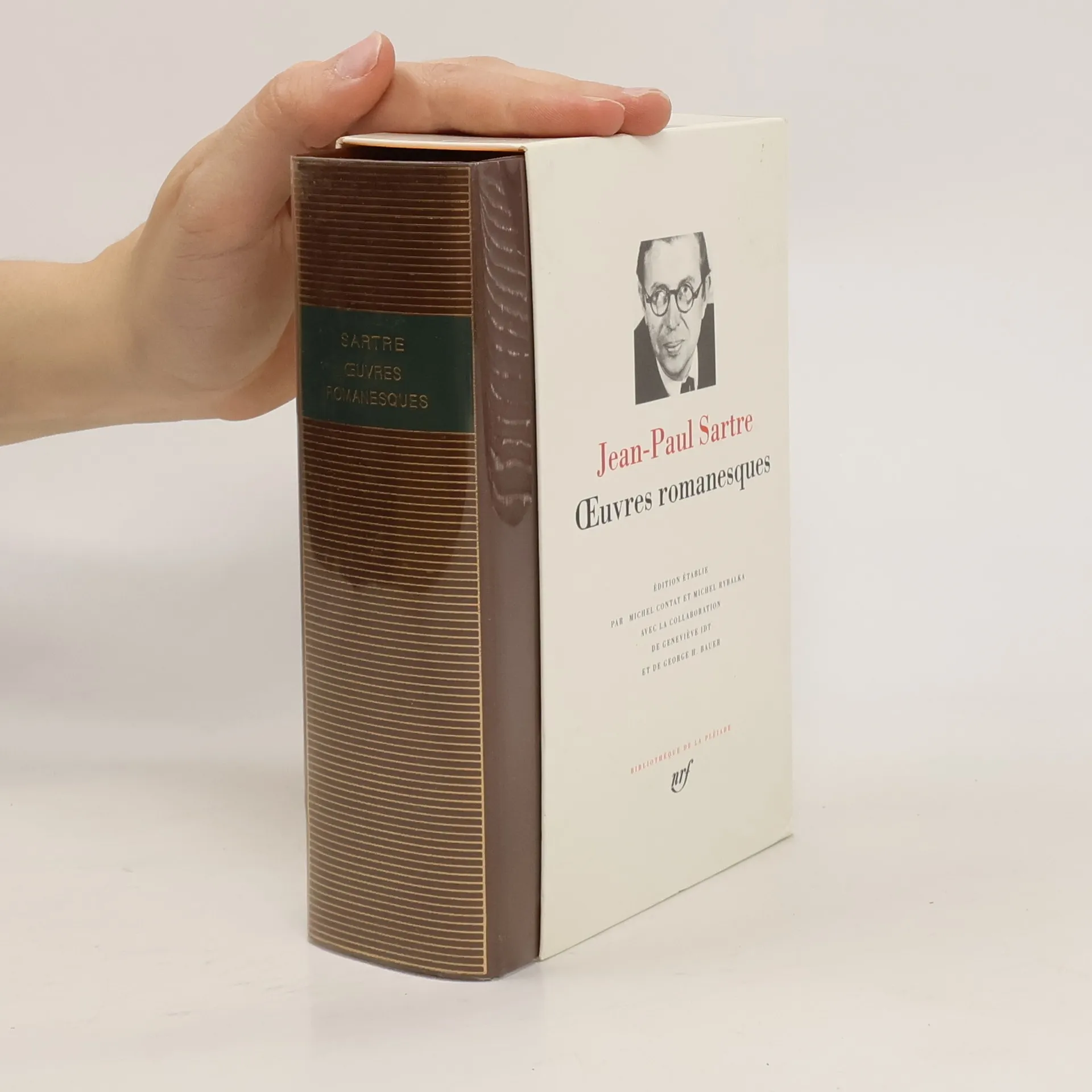
První román jednoho z nejvýznamnějších francouzských spisovatelů, představující první literární aplikaci existencionalistické filosofie. Hrdinou románu je mladý intelektuál, který se pokusí z duševní krize, způsobené konvenčním životem na malém městě, osvobodit činem – literární prací. Je rozhodnut psát a psát cokoli, aby překonal chaos existence a dal smysl vlastnímu životu. Autor zde hodnotí lidský život jako náhodu a dochází k závěru, že smysl dodává lidskému životu pouze čin.
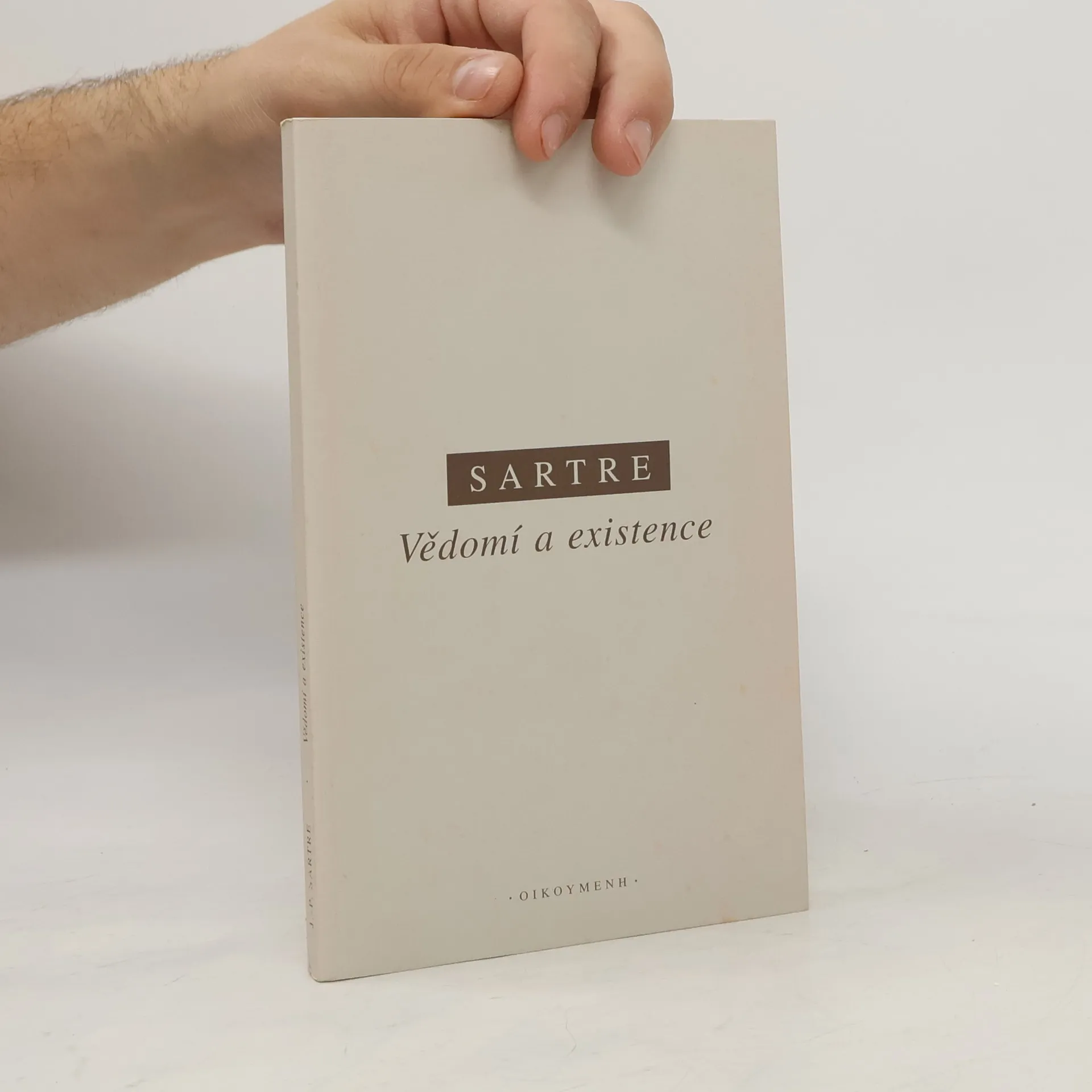
Výbor ze Sartrových kratších textů obsahuje významnou kritiku pojetí “já” ve filosofii vědomí (Transcendence ego, vydáno v roce 1936), dále kritiku psychologických a konkrétněji psychoanalytických představ o emocích, jež ústí do vlastní, fenomenologické analýzy emocionálního chování (Nástin teorie emocí, vydáno v roce 1938), a na závěr přednášku a následnou diskusi o Sebevědomí a sebepoznání (vydáno v roce 1948). Pojítkem všech tří textů je Sartrova představa o vědomí, jež je samo sobě plně přístupné (“průhledné”) a nemůže si před sebou nic zastírat. Proto je lidská existence existencí plně vědomou.
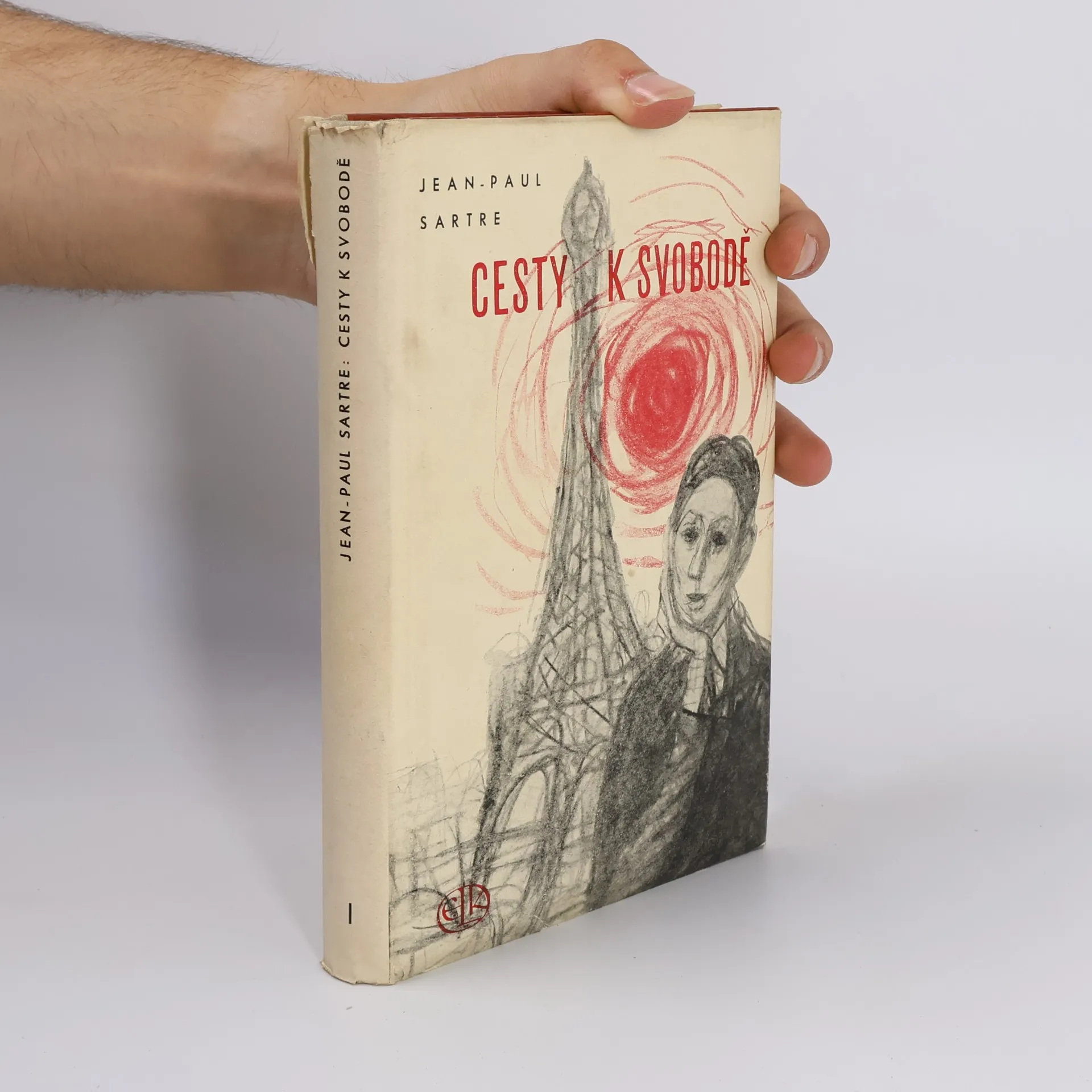
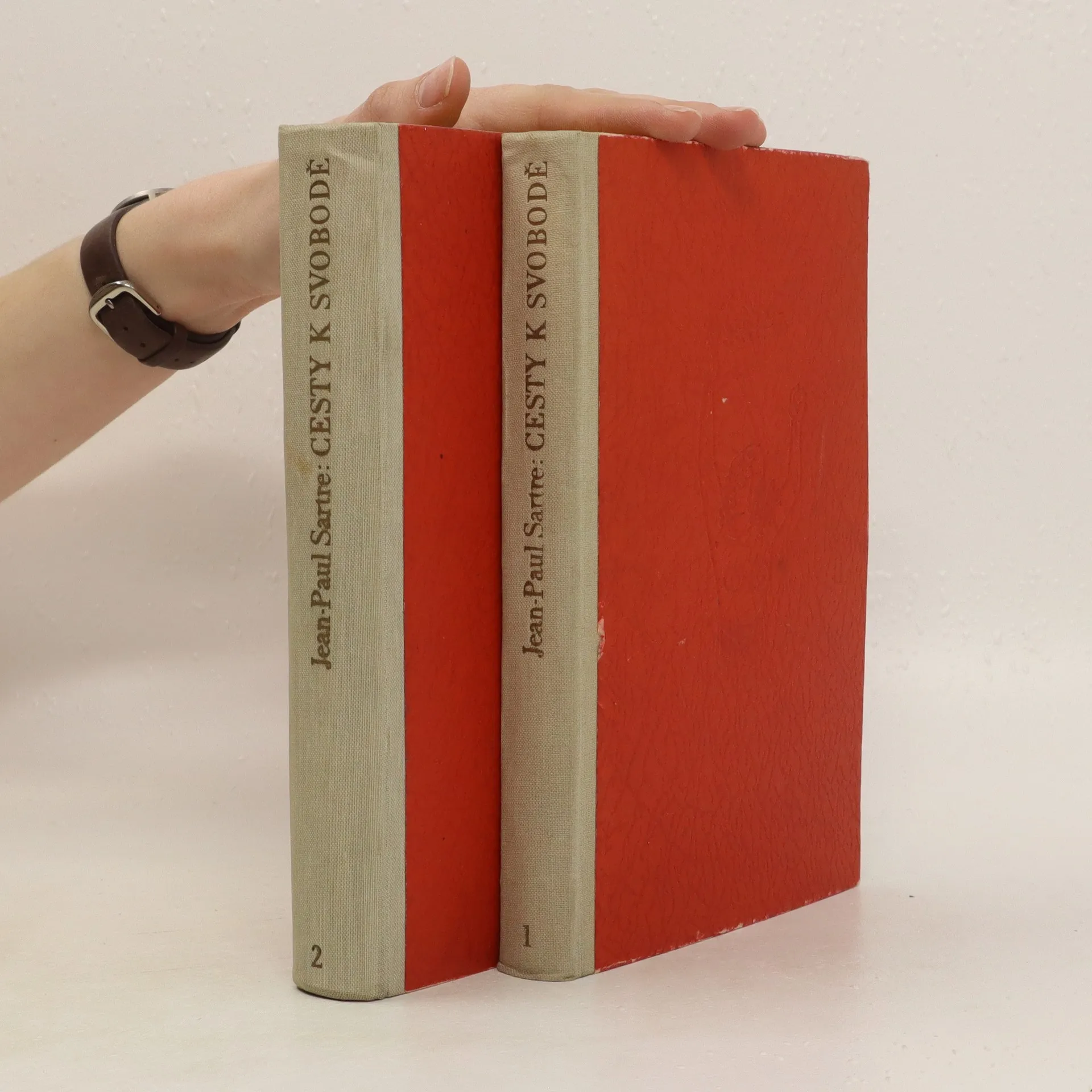
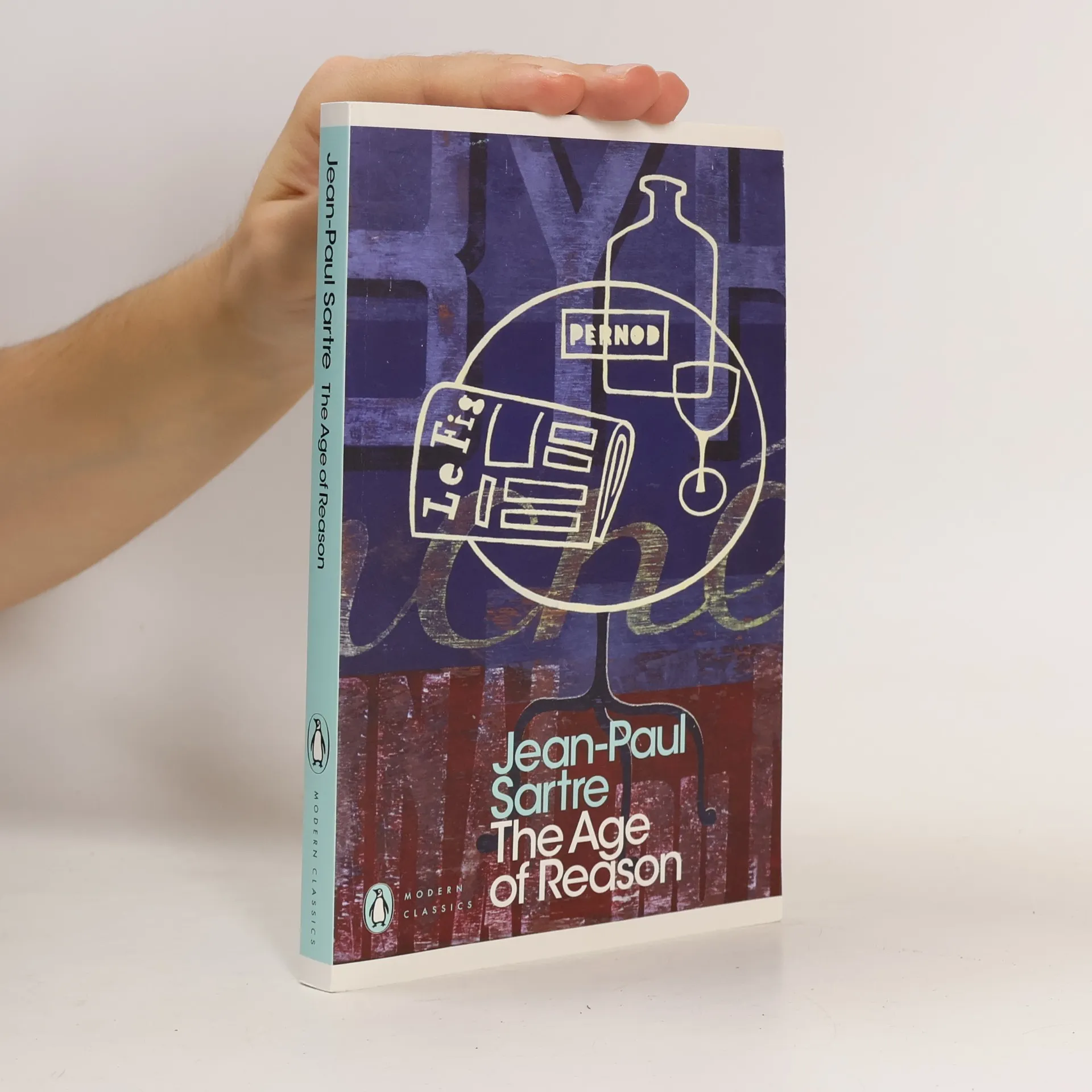
Cesty svobody (1945–1949) – nedokončená románová tetralogie. Základním motivem je lidská svoboda, děj se odehrává v letech 1938–1940. Hlavním hrdinou je středoškolský profesor filosofie Mathieu Delarue, do jisté míry Sartrovo alter ego. Věk rozumu: Profesor Delarue se od své dlouholeté přítelkyně Marcely dozvídá o jejím těhotenství. Zpočátku jsou oba rozhodnuti pro pokoutní potrat, problémem se stává jenom sehnání potřebné finanční částky. V průběhu komplikovaného hledání pomoci se profesor Delarue setkává se španělským malířem Gómezem, zpěvačkou Lolou, svým bratrem Jacquesem a také s estétem Danielem, který se obtížně smiřuje se svou tajenou homosexualitou. Marcela však překvapivě změní svůj postoj, rozhodne se dítě donosit a vyhoví také Danielově nabídce k sňatku, aniž co tuší o jeho motivech a o jeho homosexualitě.
Critical Essays (Situations I) contains essays on literature and philosophy from a highly formative period of French philosopher and leading existentialist Jean-Paul Sartre’s life, the years between 1938 and 1946. This period is particularly interesting because it is before Sartre published the magnum opus that would solidify his name as a philosopher, Being and Nothingness. Instead, during this time Sartre was emerging as one of France’s most promising young novelists and playwrights - he had already published Nausea, The Age of Reason, The Flies, and No Exit. Not content, however, he was meanwhile consciously attempting to revive the form of the essay via detailed examinations of writers who were to become central to European cultural life in the immediate aftermath of World War II. -- Provided by publisher
In this classic study of European colonialism, Albert Memmi examines the
psychological effects of colonial ideology and system on both the coloniser
and those colonised.
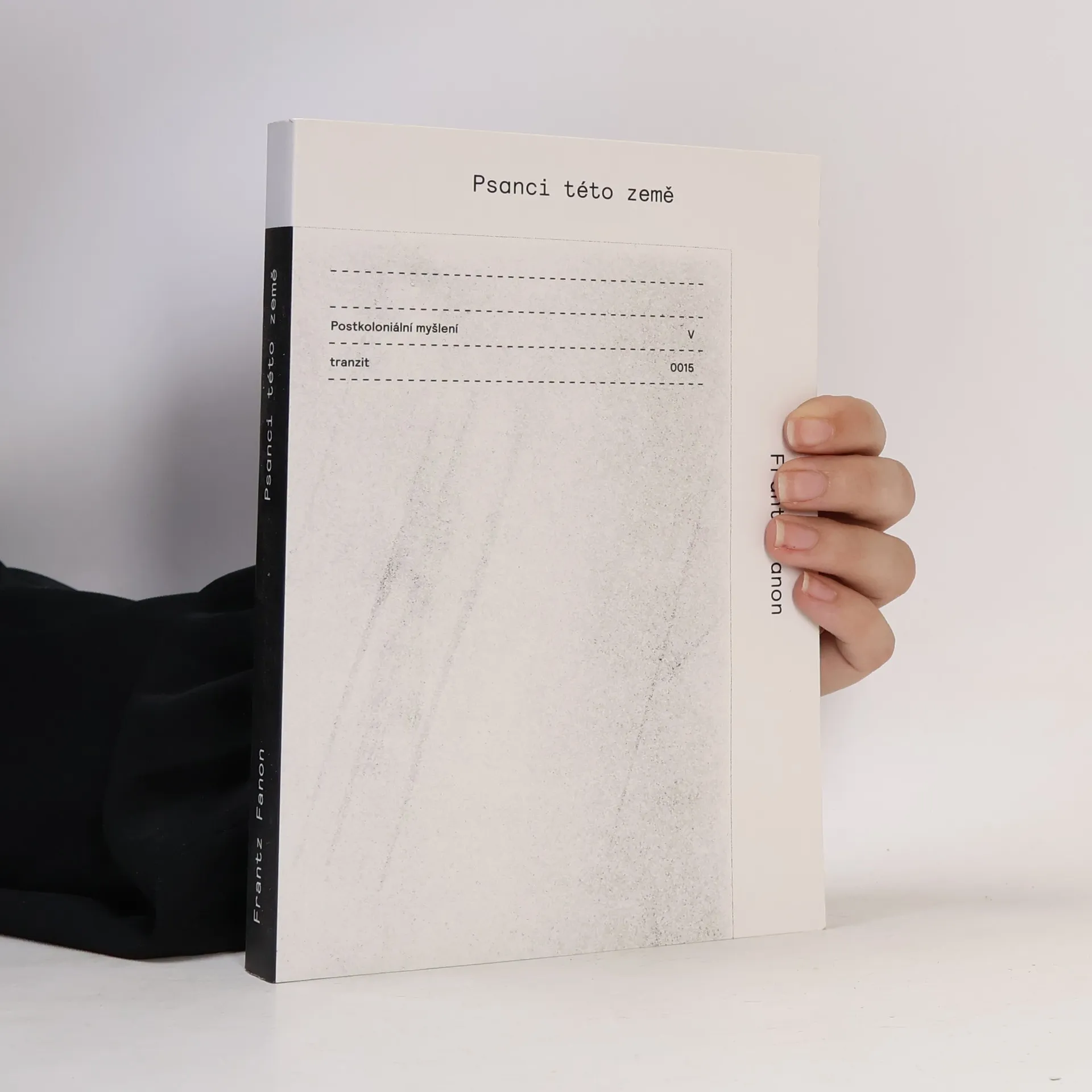
Psanci této země Frantze Fanona jsou psychiatrickou a psychologickou analýzou dehumanizačních vlivů kolonizace na jednotlivce - muže a ženu, a na národ, ze kterých plynou širší sociální, kulturní a politické důsledky příznačné pro vznik sociálního hnutí za dekolonizaci osoby a lidu. Francouzský název knihy Les damnés de la Terre pochází z úvodních slov Internacionály, levicové hymny 19. století.
V úvodu knihy Psanci této země z roku 1961 podpořil filozof Jean-Paul Sartre Fanonovu obhajobu spravedlivého násilí kolonizovaných proti kolonizátorovi jako nezbytnou pro jejich mentální zdraví a politické osvobození. Sartre následně použil tento úvod v Kolonialismu a neokolonialismu (1964), politicko-filozofické kritice francouzského kolonialismu v Alžíru. Politické zaměření textu je zřejmé již v první kapitole nazvané „Concerning Violence“ (O násilí), kde Fanon kritizuje kolonialismus a jeho postkoloniální odkaz, pro který je násilí prostředkem katarze a osvobození od statusu koloniálního subjektu.
Kniha Psanci této země prostřednictvím kritiky nacionalismu a imperialismu představuje diskuzi nad osobním a společenským duševním zdravím, diskuzi nad tím, jak je jazyk (slovo) využíván k ustavení imperialistických identit, jako je kolonizátor a kolonizovaný, s cílem naučit a psychologicky zformovat původního obyvatele a kolonizátora do jejich příslušných rolí otroka a pána, a diskuzi nad rolí intelektuála v revoluci.
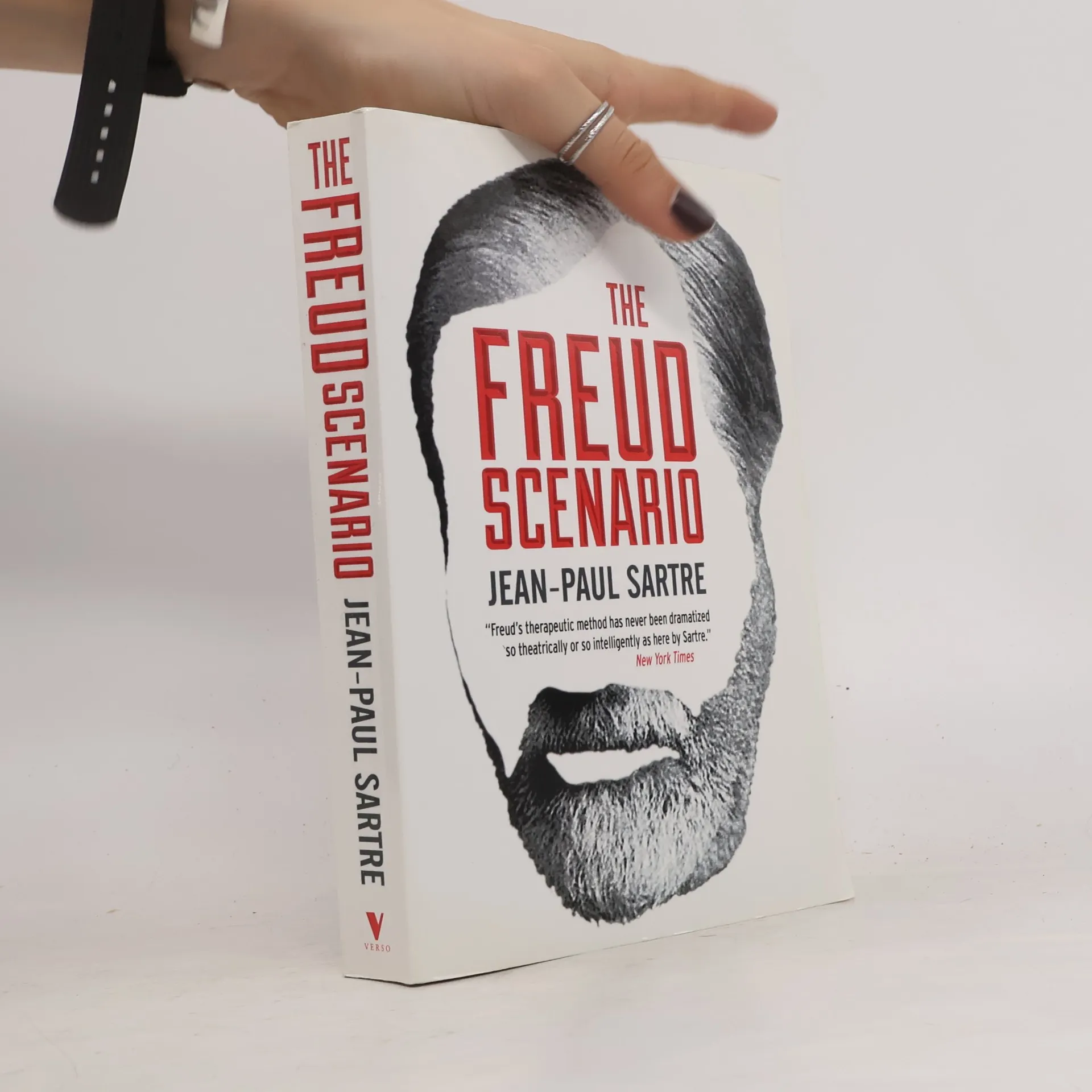
The book presents a previously lost script by Sartre, centered on the life and theories of Freud. This unrealised classic sheds light on Sartre's unique perspective on Freud's work, revealing insights into psychological and philosophical themes. Discovered posthumously, it offers readers a rare glimpse into Sartre's creative process and his engagement with one of the 20th century's most influential thinkers.
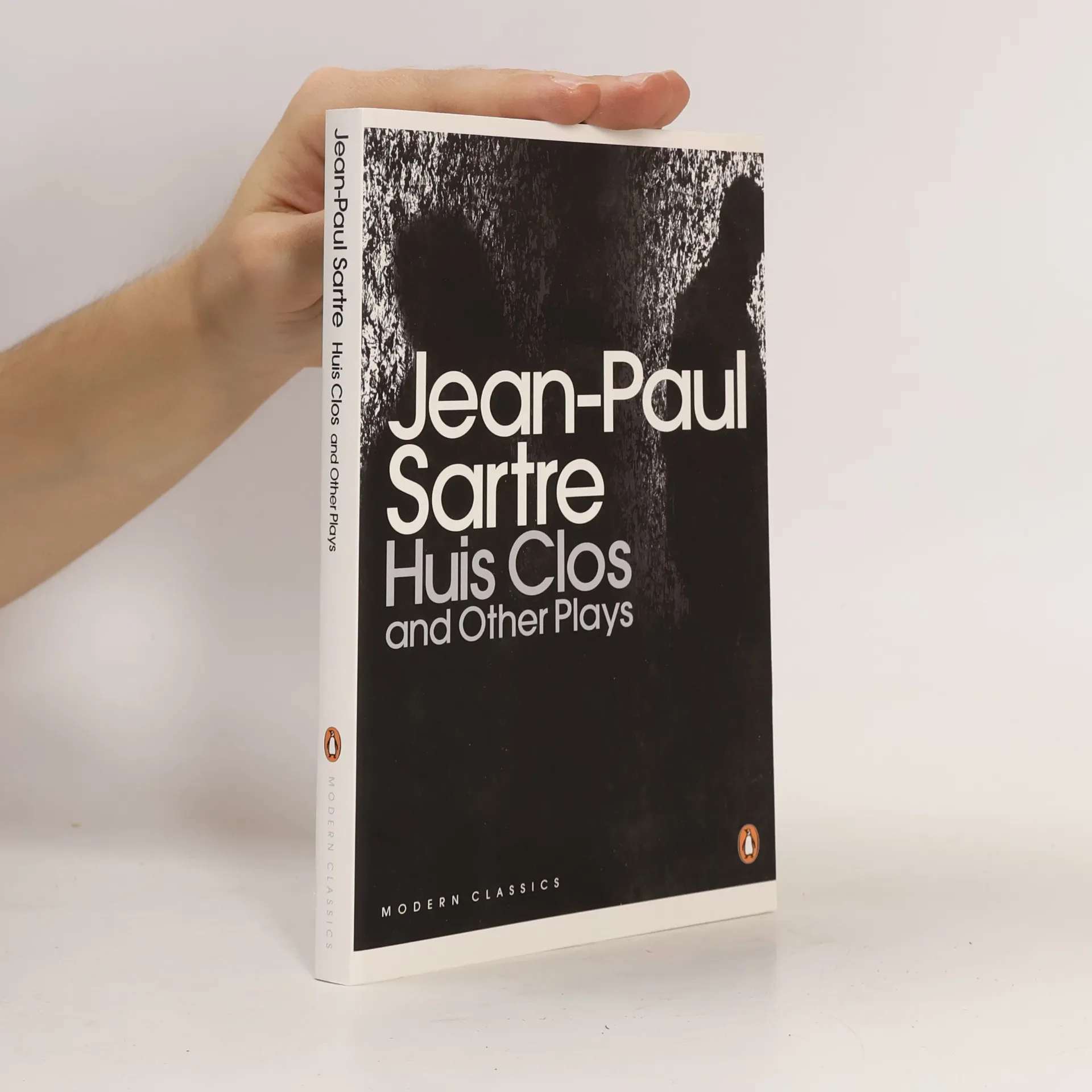
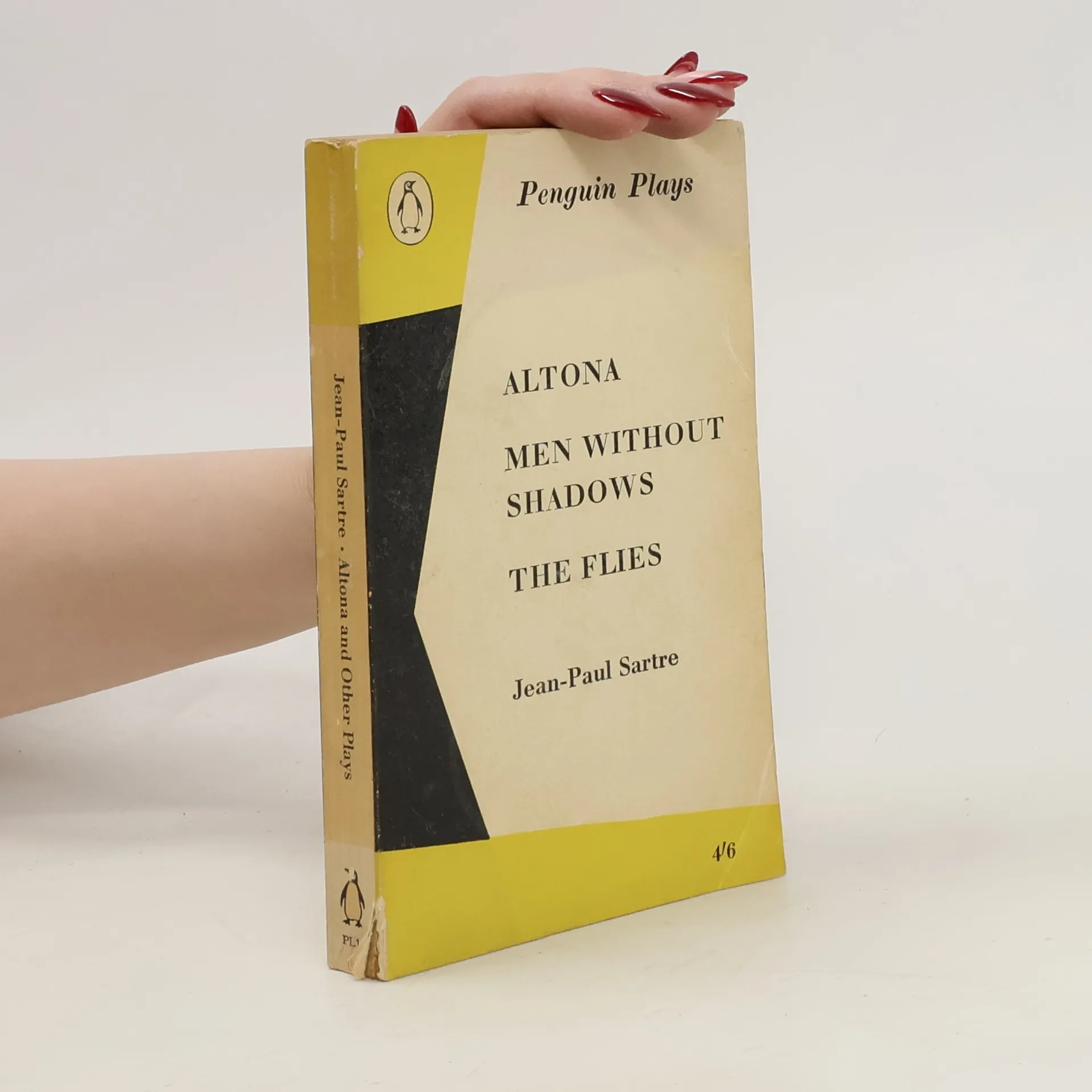
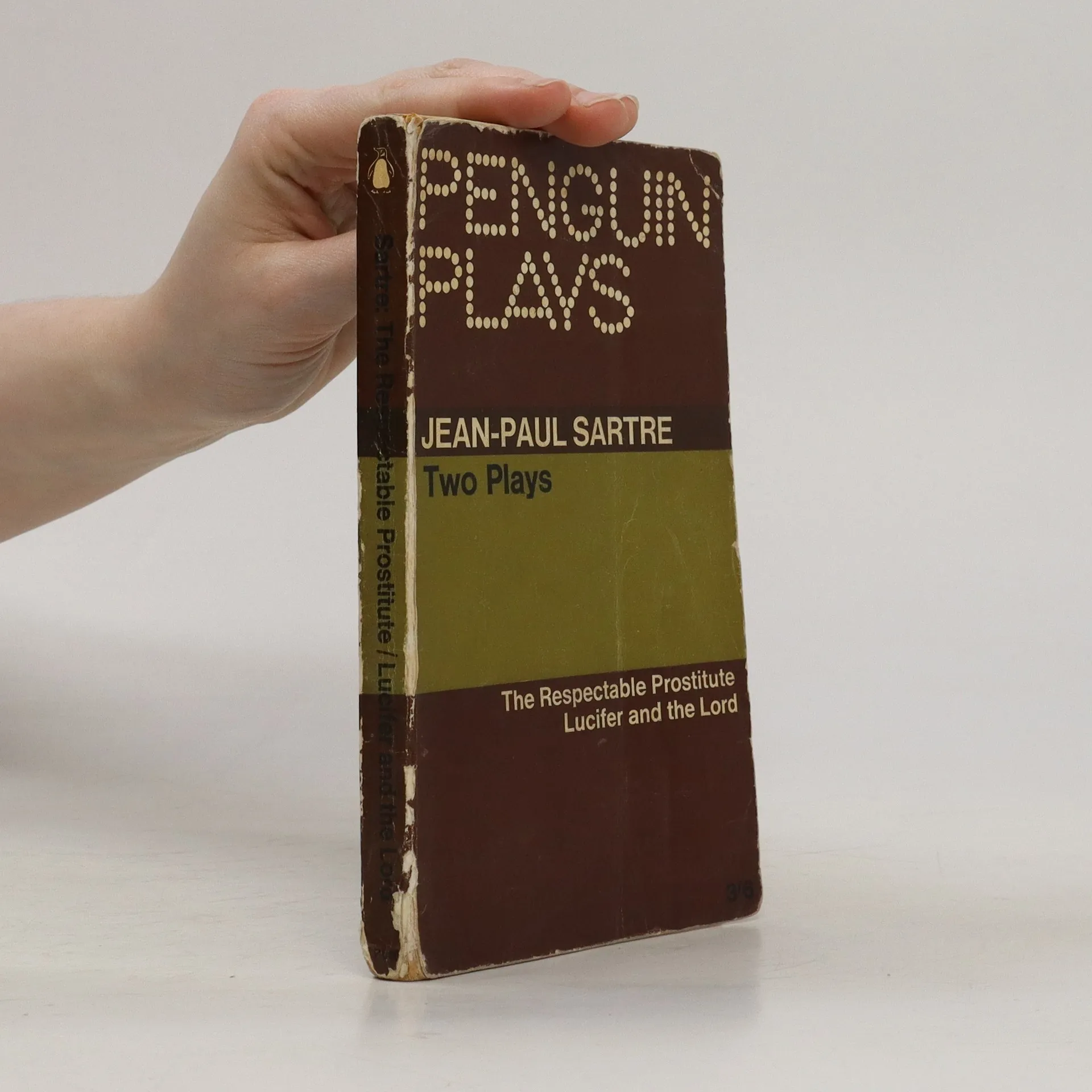
In these four plays, Jean-Paul Sartre, the great existentialist novelist and philosopher, displays his mastery of drama. NO EXIT is an unforgettable portrayal of hell. THE FLIES is a modern reworking of the Electra-Orestes story. DIRTY HANDS is about a young intellectual torn between theory and praxis. THE RESPECTFUL PROSTITUTE is a scathing attack on American racism.-from the back cover
A splendid introduction to the philosophy of existentialism.In Essays in Existentialism, Jean-Paul Sartre (1905-1980), the leading French exponent of existential philosophy, wrote a book that open many doors to the mind. Sartre challenged his readers to think beyond the meaning of their everyday thoughts and beliefs. His essays on nothingness, on the emotions, and on the image—including “The Problem of Nothingness,” “The Role of the Image in Mental Life,” and “Essays in Aesthetics”—contain the essentials of his metaphysical speculations.An introductory essay by Professor Jean Wahl clarifies the origins of Sartre’s humanistic, religious, and aesthetic ideas.Essays in Existentialism challanges and encourages us to alter how we think about the choices that we make: to live “authentically” we must be concious of our freedom to choose and concerned with the effect our choice will have on all others. It is an essential text for any student of philosophy.
Exploring the intersection of existentialism and Marxism, this classic work delves into the philosophical ideas of its author, a key figure in existential thought. It examines the implications of individual existence, freedom, and responsibility while critiquing societal structures. Through rigorous analysis, the text reveals how existentialist principles can coexist with, and even enhance, Marxist theory, offering a profound commentary on human experience and social justice.
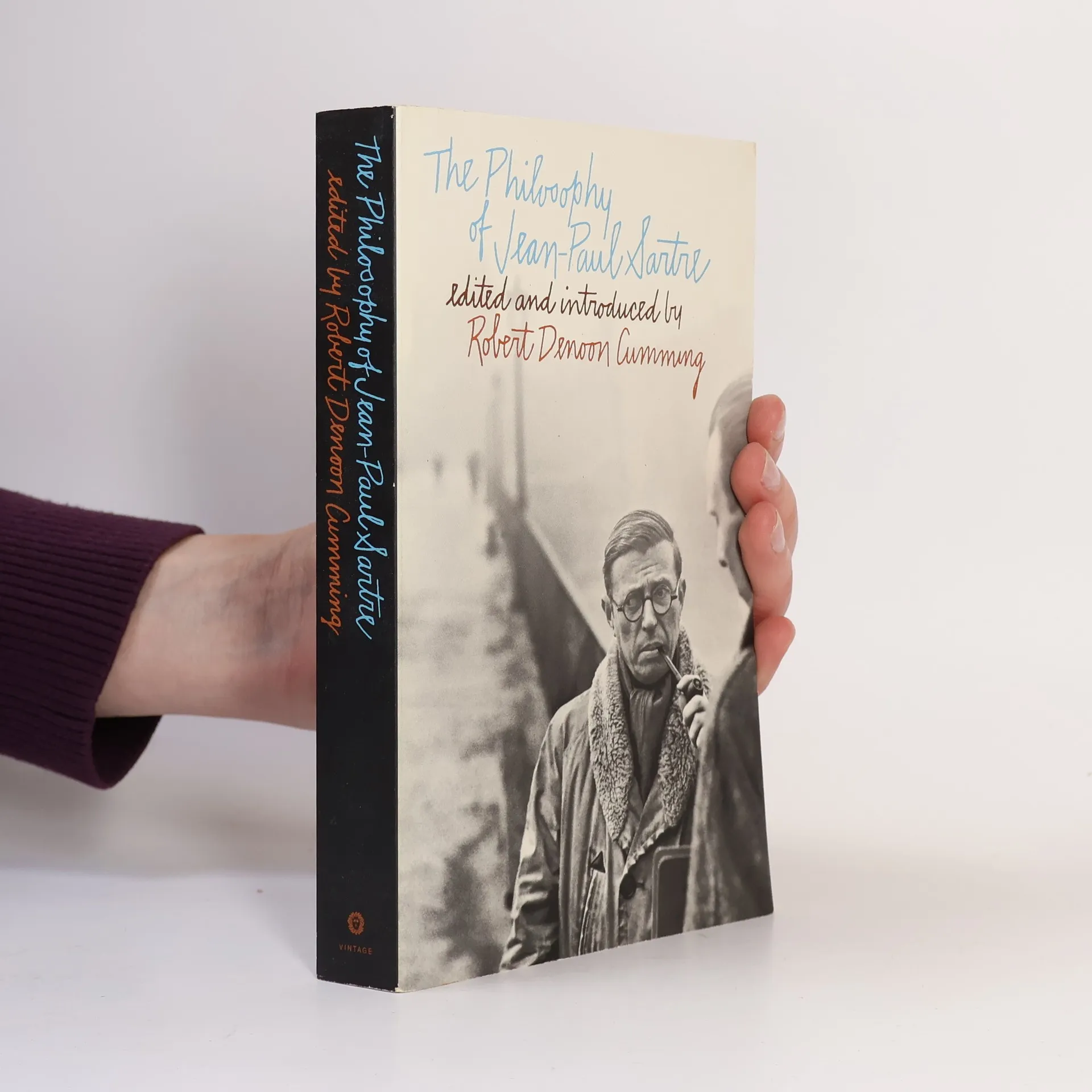
This unique selection presents the essential elements of Sartre's lifework -- organized systematically and made available in one volume for the first time in any language.
Set in the volatile Paris summer of 1938, The Age of Reason follows two days in the life of Mathieu Delarue, a philosophy teacher, and his circle in the cafés and bars of Montparnasse. Mathieu has so far managed to contain sex and personal freedom in conveniently separate compartments. But now he is in trouble, urgently trying to raise 4,000 francs to procure a safe abortion for his mistress, Marcelle. Beyond all this, filtering an uneasy light on his predicament, rises the distant threat of the coming of the Second World War. The Age of Reason is the first volume in Sartre’s Roads to Freedom trilogy
Saint Genet is Jean-Paul Sartre’s classic biography of Jean Genet—thief, convict, and great artist—a character of almost legendary proportions whose influence grows stronger with time. Bringing together two of the century’s greatest minds and artists, Saint Genet is at once a compelling psychological portrait, masterpiece of literary criticism, and one of Sartre’s most personal and inspired philosophical creations.
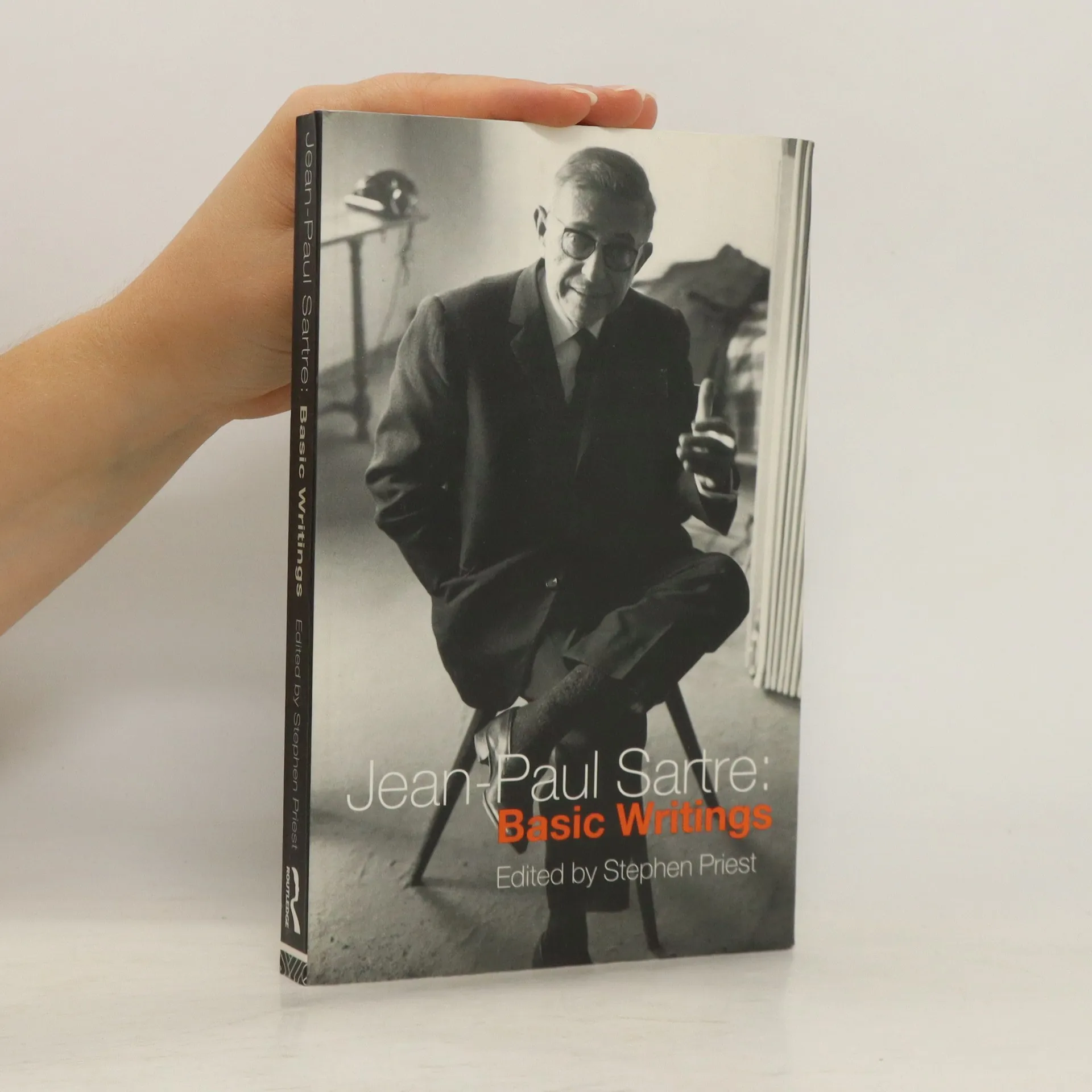
This first collection of Sartre's key philosophical writings provides an indispensable resource for all students and readers of his work, which has been extremely influential in philosophy, literature and politics.
NOBEL PRIZE WINNER • Four seminal plays by one of the greatest philosophers of the twentieth century. An existential portrayal of Hell in Sartre's best-known play, as well as three other brilliant, thought-provoking works: the reworking of the Electra-Orestes story, the conflict of a young intellectual torn between theory and conflict, and an arresting attack on American racism.
An extraordinary picture of life in France during the critical eight days before the signing of the fateful Munich Pact and the subsequent takeover of Czechoslovakia in September 1938. Translated from the French by Eric Sutton.
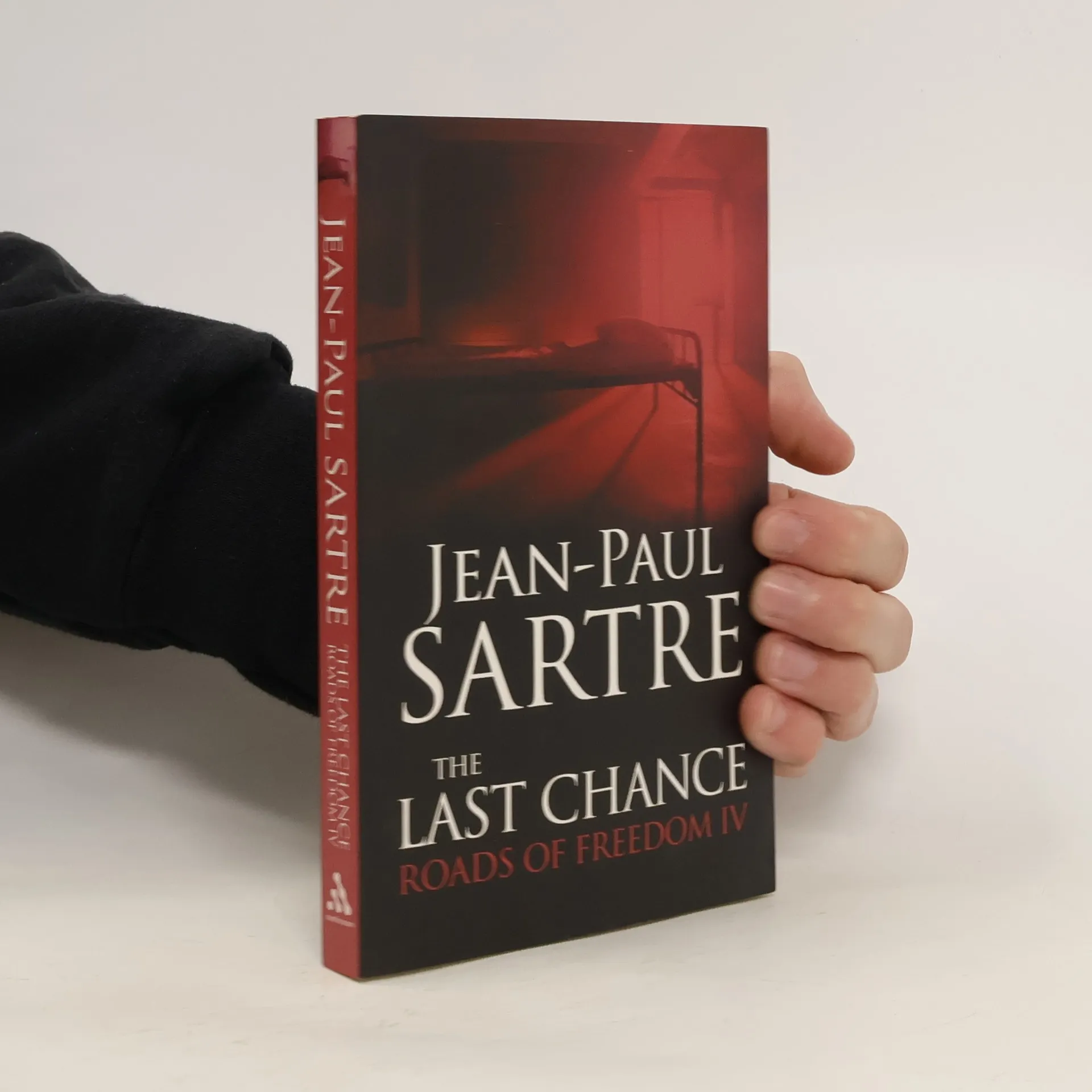
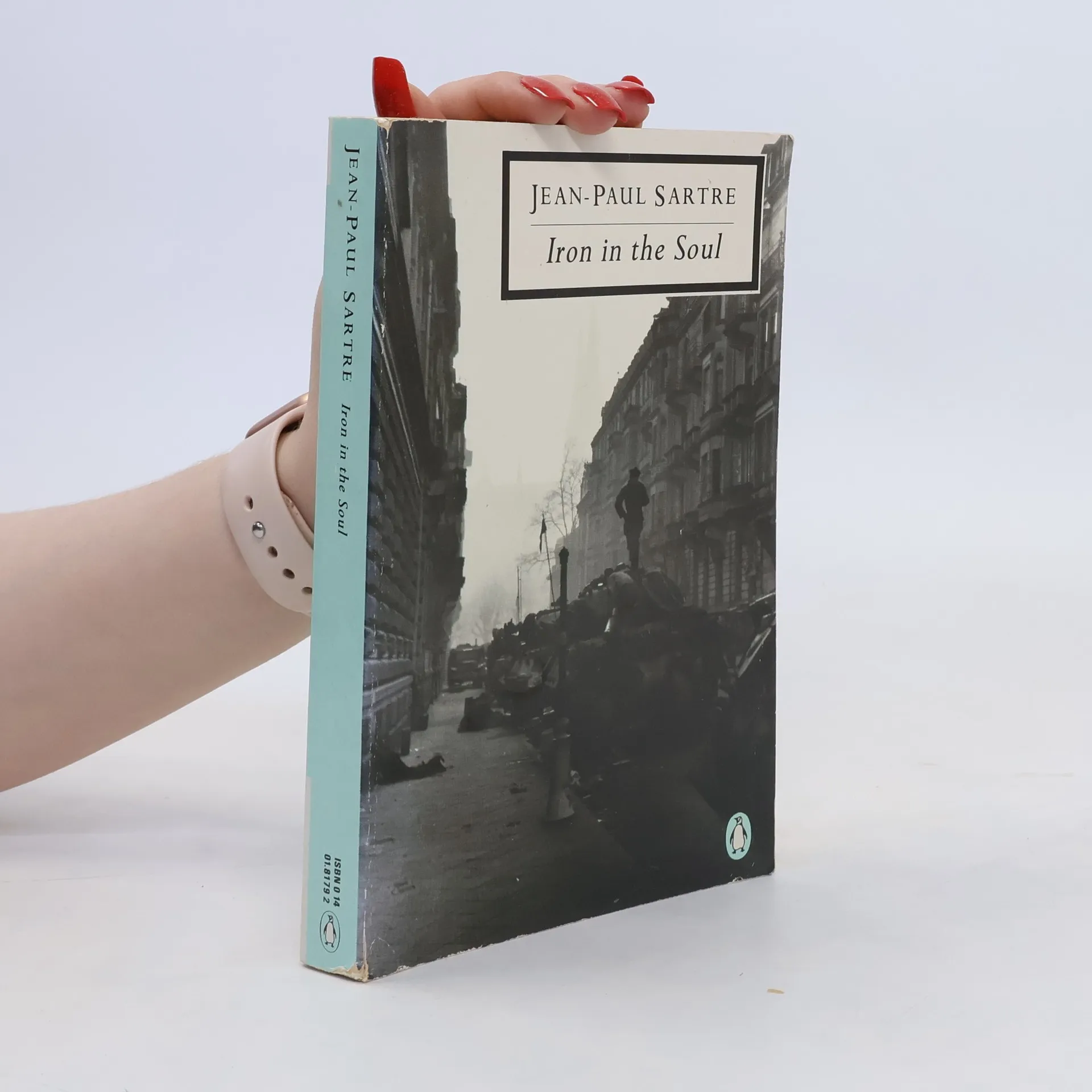
June 1940 was the summer of defeat for the French soldiers, deserted by their officers, utterly demoralized, awaiting the Armistice. Day by day, hour by hour, Iron in the Soul unfolds what men thought and felt and did as France fell. Men who shrugged, men who ran, men who fought and tragic men like Mathieu, who had dedicated his life to finding personal freedom, now overwhelmed by remorse and bitterness, who must learn to kill. Iron in the Soul, the third volume of Sartre's Roads to Freedom Trilogy, is a harrowing depiction of war and what it means to lose.
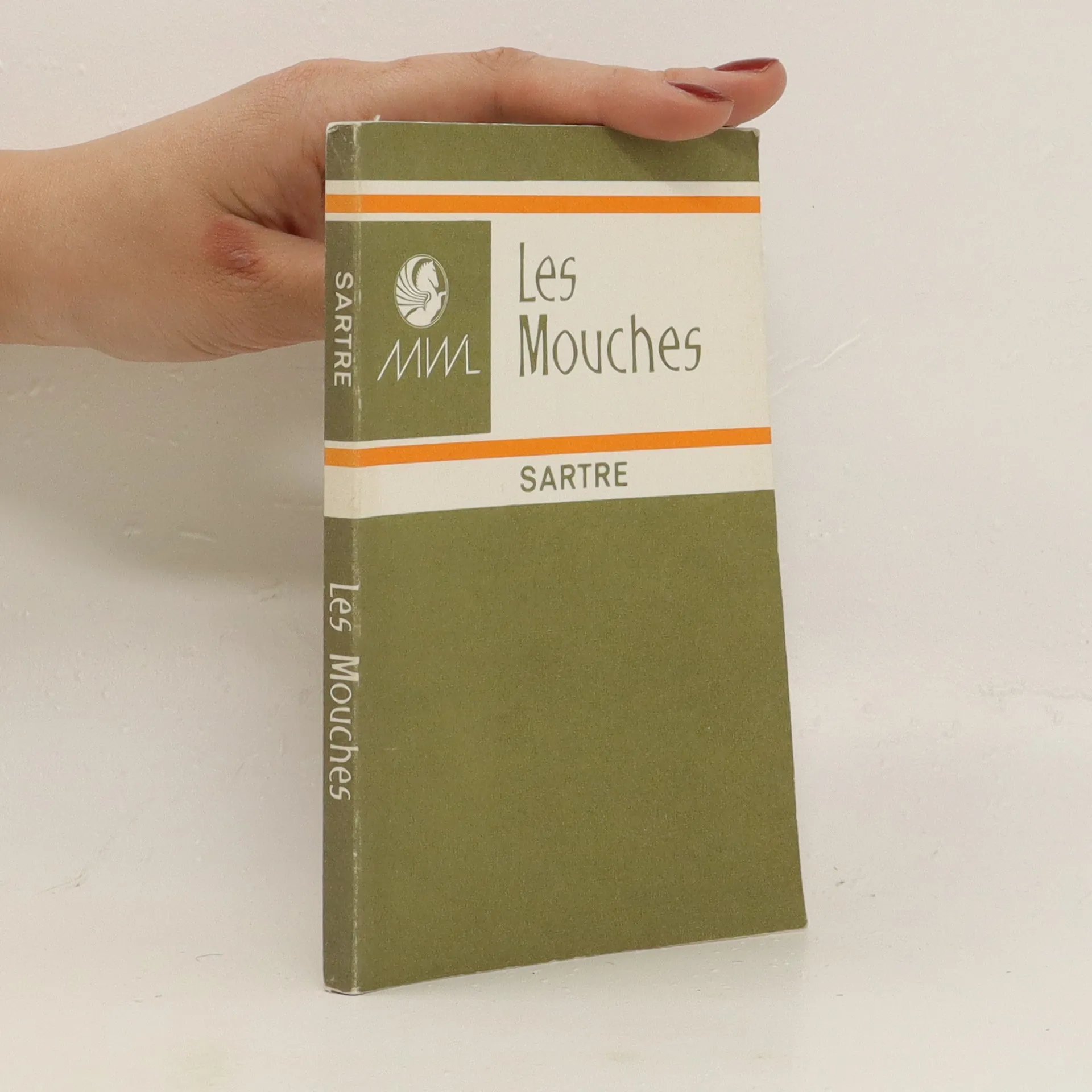
The Flies (French: Les Mouches) is a play by Jean-Paul Sartre, written in 1943. It is an adaptation of the Electra myth, previously used by the Greek playwrights Sophocles, Aeschylus and Euripides. The play recounts the story of Orestes and his sister Electra in their quest to avenge the death of their father Agamemnon, king of Argos, by killing their mother Clytemnestra and her husband Aegisthus, who had deposed and killed him. Sartre incorporates an existentialist theme into the play, having Electra and Orestes engaged in a battle with Zeus and his Furies, who are the gods of Argos and the centerpiece for self-abnegating religious rituals. This results in fear and a lack of autonomy for Zeus's worshippers, who live in constant shame of their humanity.
With a new preface by Michael WalzerJean-Paul Sartre's book is a brilliant portrait of both anti-Semite and Jew, written by a non-Jew and from a non-Jewish point of view. Nothing of the anti-Semite either in his subtle form as a snob, or in his crude form as a gangster, escapes Sartre's sharp eye, and the whole problem of the Jew's relationship to the Gentile is examined in a concrete and living way, rather than in terms of sociological abstractions.
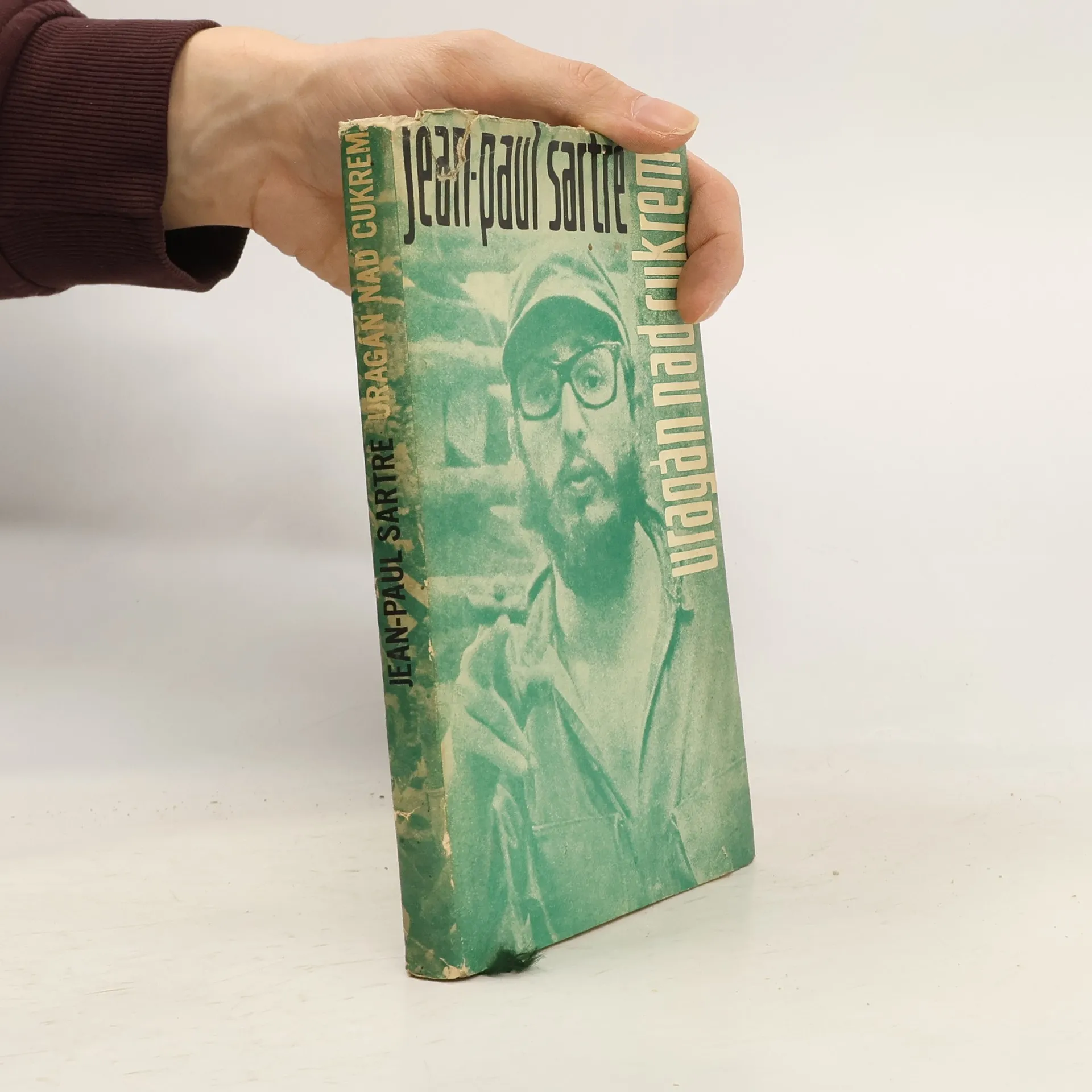
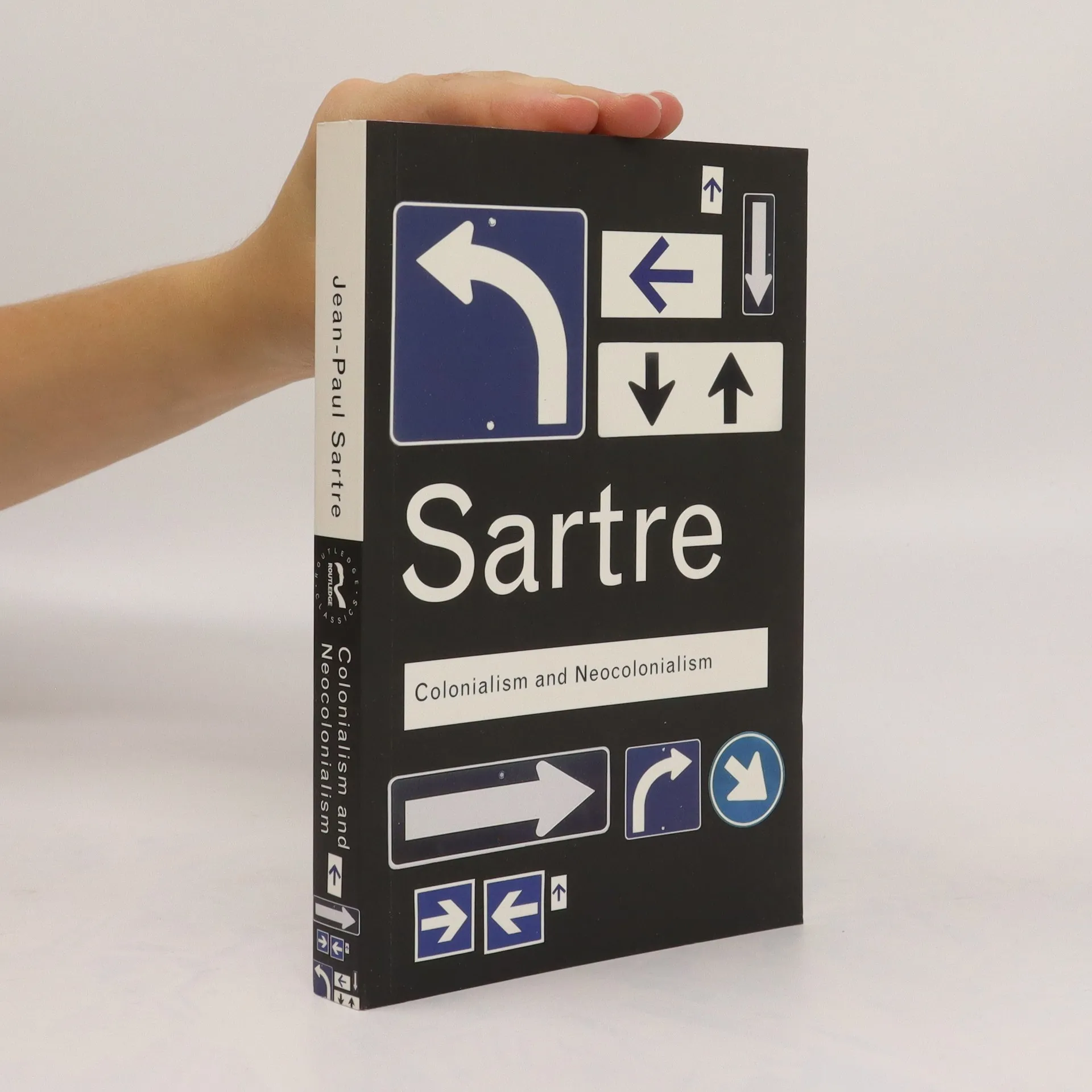
Nearly forty years after its first publication in French, this collection of Sartre's writings on colonialism remains a supremely powerful, and relevant, polemical work. Over a series of thirteen essays Sartre brings the full force of his remarkable intellect relentlessly to bear on his own country's conduct in Algeria, and by extension, the West's conduct in the Third World in general. The tussle is not equal, and the western imperialists emerge at the end, bloody, bruised and thoroughly chastened. Most startling of all is Sartre's advocacy of violence as a legitimate response to repression, motivated by his belief that freedom was the central characteristic of being human. Whether one agrees with his every conclusion or not, Colonialism and Neo-Colonialism shows a philosopher passionately engaged in using philosophy as a force for change in the world. An important influence on postcolonial thought ever since, this book takes on added resonance in the light of the West's most recent bout of interference in the non-Western world.
‘I should like to show here that the Ego is neither formally or materially in consciousness: it is outside, in the world.’ Jean-Paul Sartre The Transcendence of the Egois one of Jean-Paul Sartre's earliest philosophical publications and essential for understanding the trajectory of his work as a whole. When it first appeared in France in 1937 Sartre was still largely unknown, working as a school teacher in a provincial French town. Attacking prevailing philosophical theories head on, Sartre offers a brilliant and radical account of the self as a product of consciousness, situated in the world. He introduces many of the themes central to his major work, Being and Nothingness: the nature of consciousness, the problem of self-knowledge, other minds, and anguish. This translation includes a thorough and illuminating introduction by Sarah Richmond, placing Sartre's essay in its philosophical and historical context. Jean-Paul Sartre(1905-1980). The foremost French thinker and writer of the early post-war years. His books, which include Being and Nothingness, Nausea, The Age of Reason and No Exithave exerted enormous influence in philosophy, literature, politics and drama.
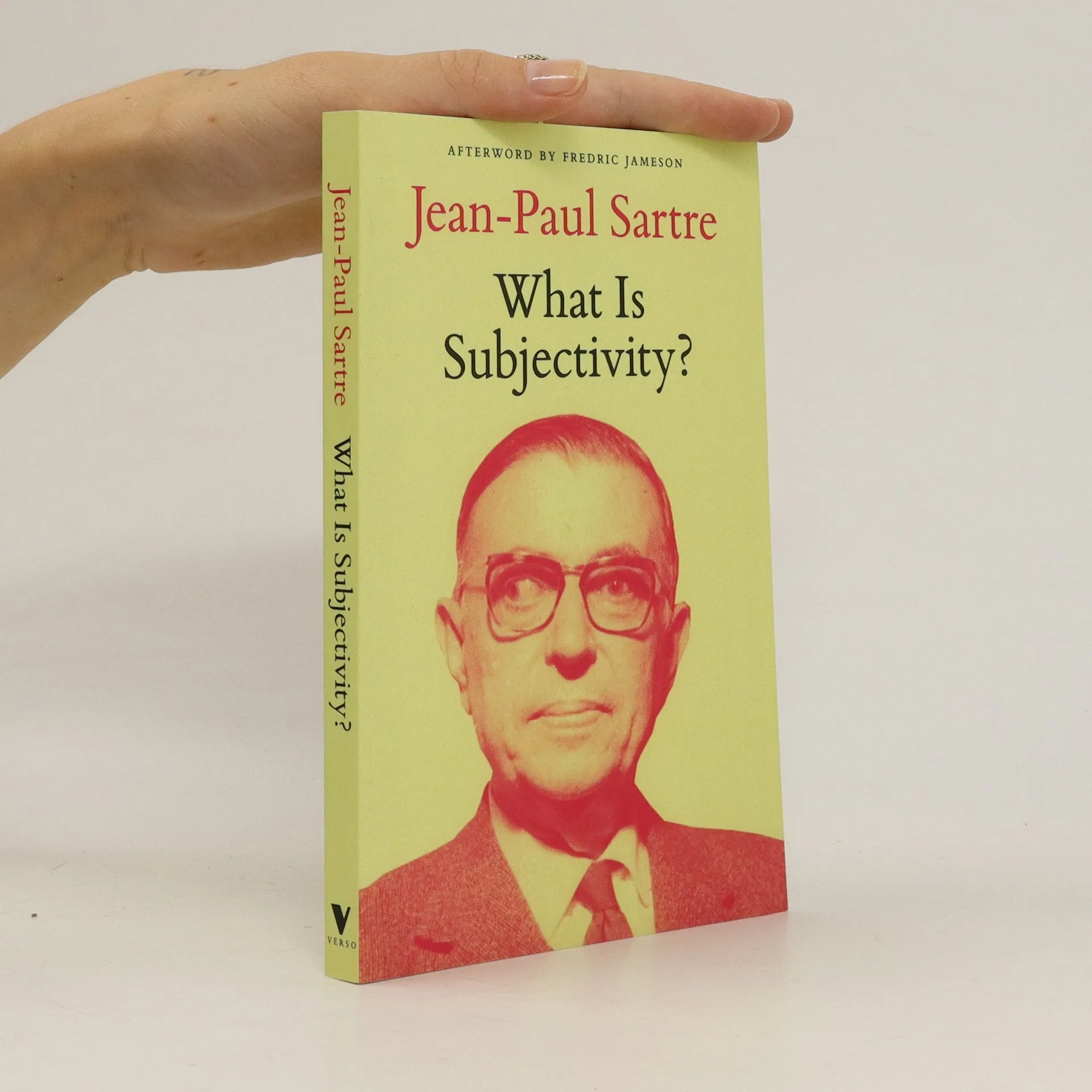
Jean-Paul Sartre, at the height of his powers, debates with Italy’s leading intellectuals In 1961, the prolific French intellectual Jean-Paul Sartre was invited to give a talk at the Gramsci Institute in Rome. In attendance were some of Italy’s leading Marxist thinkers, such as Enzo Paci, Cesare Luporini, and Galvano Della Volpe, whose contributions to the long and remarkable discussion that followed are collected in this volume, along with the lecture itself. Sartre posed the question “What is subjectivity?”—a question of renewed importance today to contemporary debates concerning “the subject” in critical theory. This work includes a preface by Michel Kail and Raoul Kirchmayr and an afterword by Fredric Jameson, who makes a rousing case for the continued importance of Sartre’s philosophy.
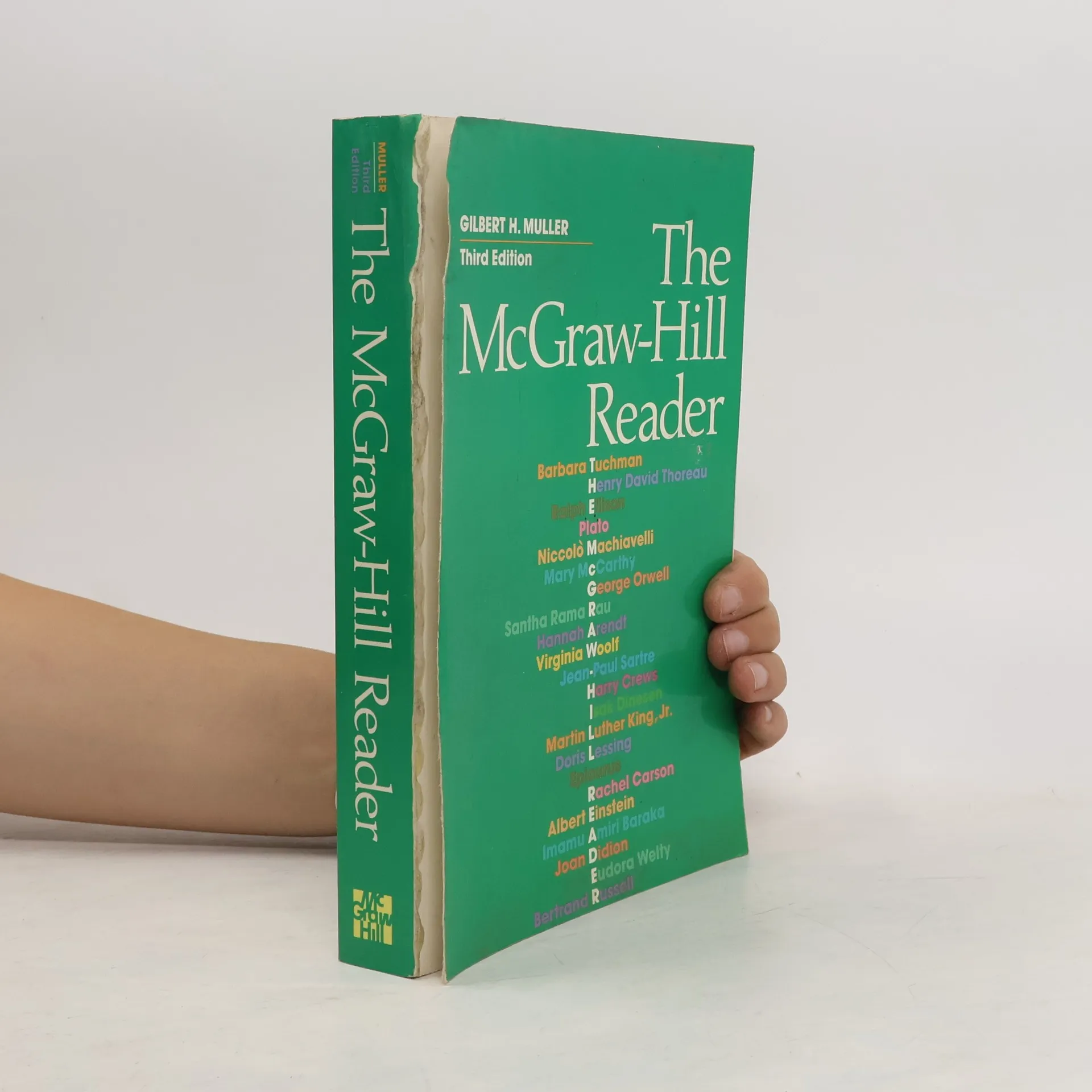
Approaching a liberal arts tradition in the classroom, across the curriculum, and beyond, The McGraw-Hill Reader offers rich and diverse readings in education, the social sciences, business and economics, the humanities, and the sciences. This new eleventh edition offers a new focus on reading and composing across various media; it includes over 100 selections from prominent thinkers and writers; each essay was chosen to provoke critical thought and encourage effective writing.
Through an in-depth analysis of Gustave Flaubert's life and work, particularly his creation of Madame Bovary, this classic study explores the formation of the modern self. Jean-Paul Sartre dedicated a decade to this comprehensive examination, which reflects his philosophical insights. Now available in an abridged edition, this work, compiled by Joseph S. Catalano, maintains the essence of Sartre's original volumes while revealing the enduring impact of nihilism in contemporary thought.
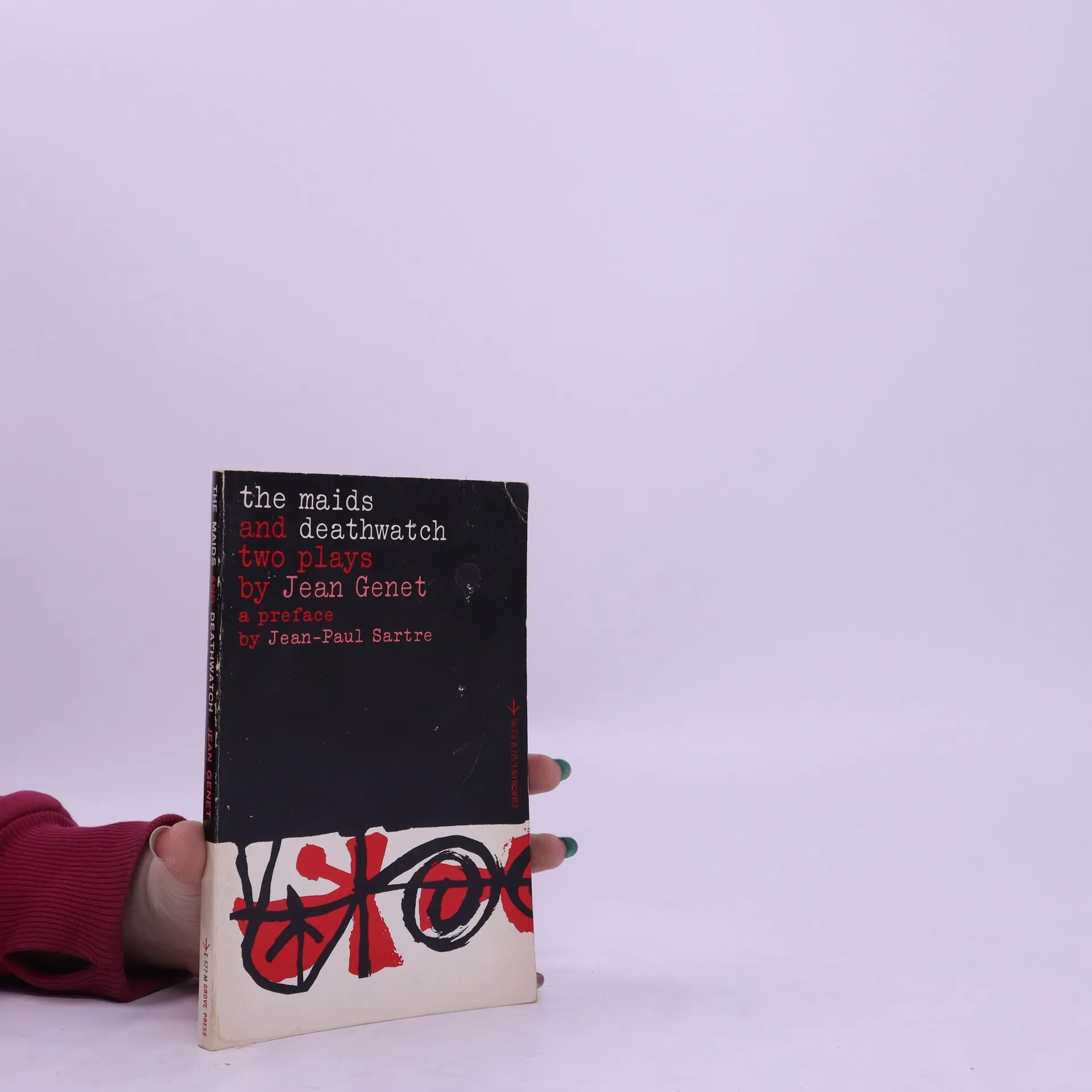
The two plays collected in this volume represent Genet's first attempts to analyze the mores of a bourgeois society he had previously been content simply to vilify. In The Maids, two domestic workers, deeply resentful of their inferior social position, try to revenge themselves against society by destroying their employer. When their attempt to betray their mistress's lover to the police fails and they are in danger of being found out, they dream of murdering Madame, little aware of the true power behind their darkest fantasy. In Deathwatch, two convicts try to impress a third, who is on the verge of achieving legendary status in criminal circles. But neither realizes the lengths to which they will go to gain respect or that, in the end, nothing they can do--including murder--will get them what they are searching for.
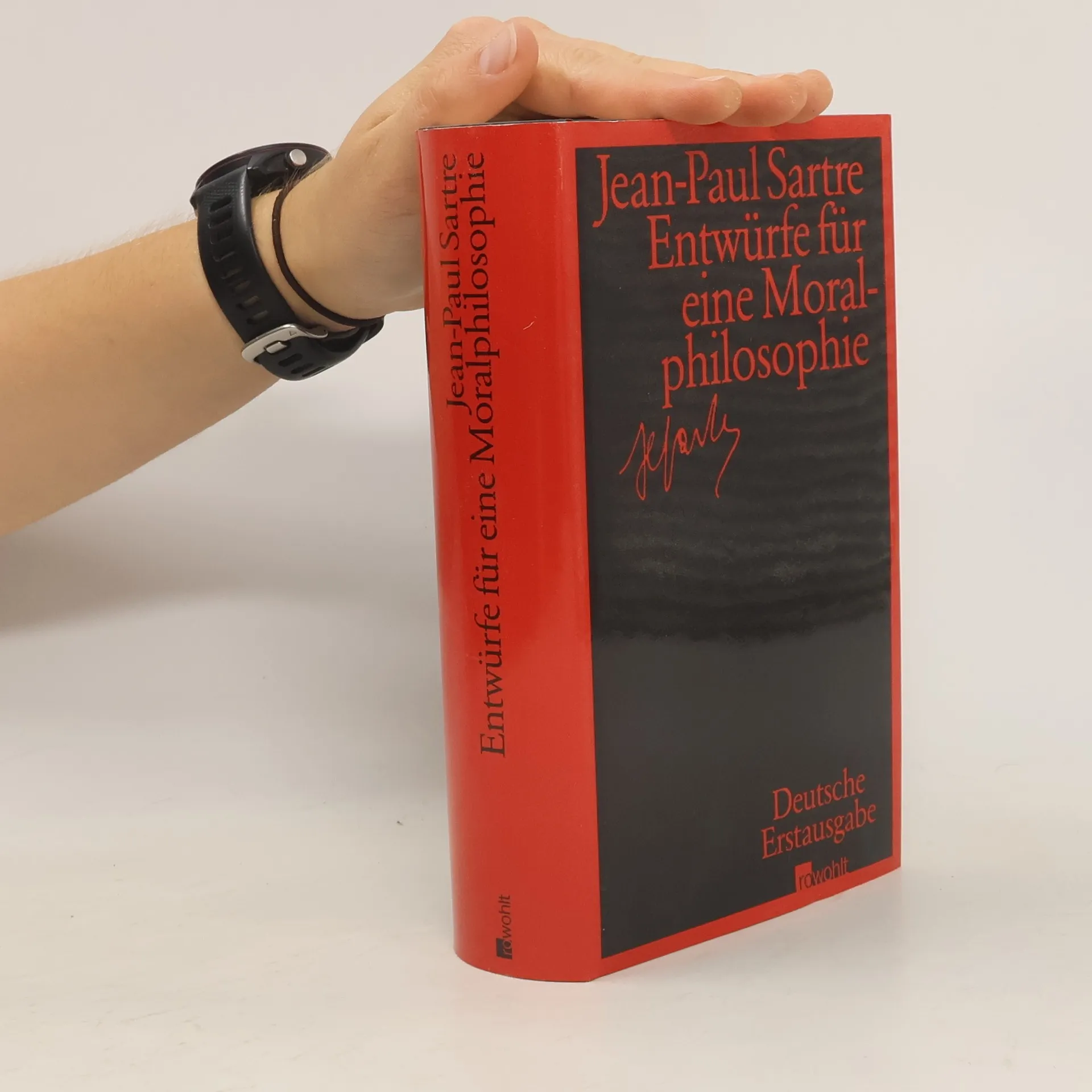
Jean-Paul Sartre zählt zu den bedeutendsten Philosophen des vergangenen Jahrhunderts. Im kommenden Juni hätte der große Franzose seinen 100. Geburtstag gefeiert - pünktlich zu diesem Anlass werden die „Entwürfe für eine Moralphilosophie“ erstmals in einer deutschsprachigen Ausgabe publiziert! Die „Entwürfe“ sind - im Anschluss an das philosophische Hauptwerk „Das Sein und das Nichts“ - in den Jahren 1947/48 entstanden. Es handelt sich um Aufzeichnungen, die mit großer Originalität und Gründlichkeit um eine Vielzahl ethischer Fragen und Probleme kreisen. Im Zentrum steht dabei die Verantwortung des Einzelnen als Teil der modernen Massengesellschaft. Es erweist sich abermals, dass Sartre weit über seine Zeit hinaus denkt und zu moralphilosophischen Einsichten gelangt, die uns auch heute mit wegweisender Dringlichkeit angehen. Die Edition enthält zwei thematisch verbundene Anhänge: Einen unvollendeten Text mit dem Titel „Das Gute und die Subjektivität“ und eine Studie über die Unterdrückung der Schwarzen in den USA.
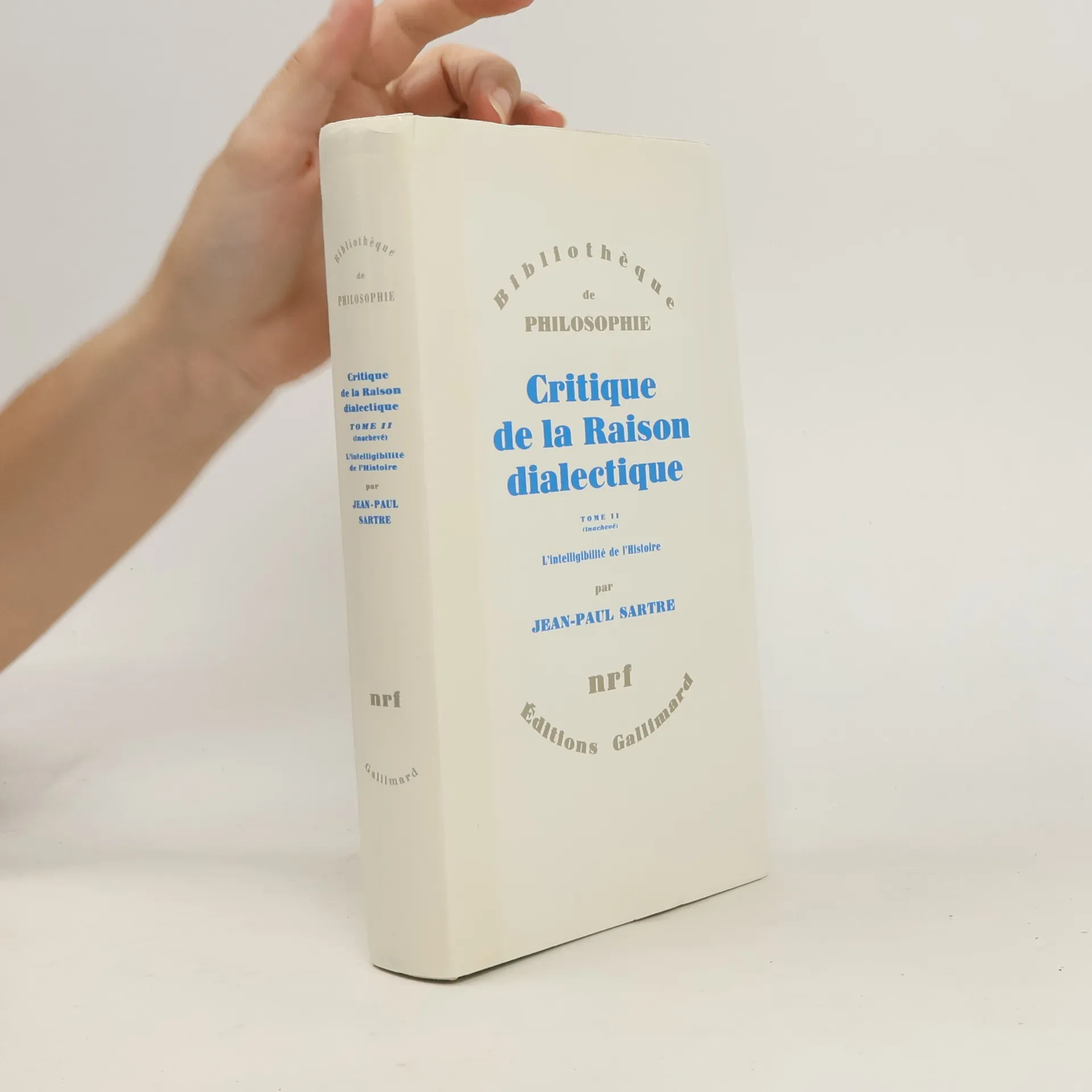
L'histoire produit-elle un sens discernable ? Les luttes humaines sont-elles intelligibles ? Ces questions forment le point de départ du deuxième volume de la Critique de la Raison dialectique de Sartre. Le cadre théorique du Volume Deux est une extension logique de celui du prédécesseur. Comme dans le Volume Un, Sartre progresse en passant du simple au complexe : du combat individuel (à travers une étude perspicace de la boxe) à la lutte des sous-groupes au sein d'une forme de groupe organisé et, enfin, à la lutte sociale, avec une analyse approfondie de la Révolution bolchevique. Le livre se conclut par une réaffirmation forte de la raison dialectique : de la dialectique comme « ce qui est véritablement irréductible dans l'action ».
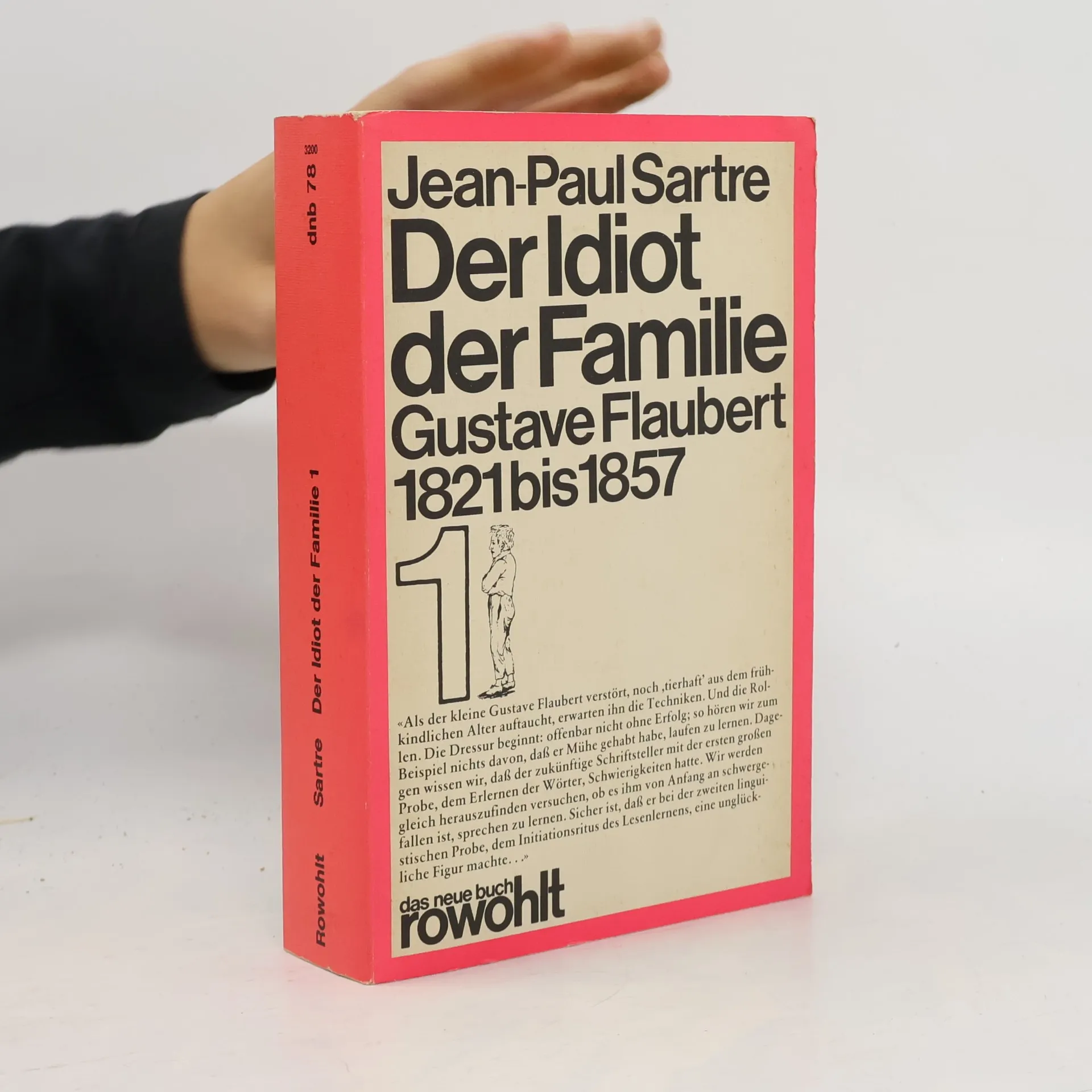
Jean-Paul Sartre untersucht Flauberts persönliche Entwicklung, seine Beziehung zu jedem Mitglied seiner Familie, seine Entscheidung, Schriftsteller zu werden, und die psychosomatische Krise oder 'Konversion', die ihn von der Dominanz seines Vaters befreite und es ihm ermöglichte, sich seiner Kunst zu widmen. Sartres psychoanalytischer Ansatz verbindet sich mit einer soziologischen Studie der Ideologie der Zeit, der Krise in der Literatur und Flauberts Rolle als jemand, der sowohl von all dem beeinflusst wurde als auch selbst die Zukunft der Literatur beeinflusste.
"Was ist Sartre? Ein Philosoph? Ein Bühnenautor? Ein Erzähler? Ein Verfasser politischer Analysen, Streitschriften und Appelle? Ein Literatur- und Kunstkritiker? Er ist das alles zusammen und in einem. Und sicher beruht seine große Wirkung auf dieser Vielfalt. Aber es ist nicht zu übersehen, daß alle diese verschiedenartigen Schriften von seiner Philosophie gespeist sind." (Aus dem Vorwort von Traugott König)
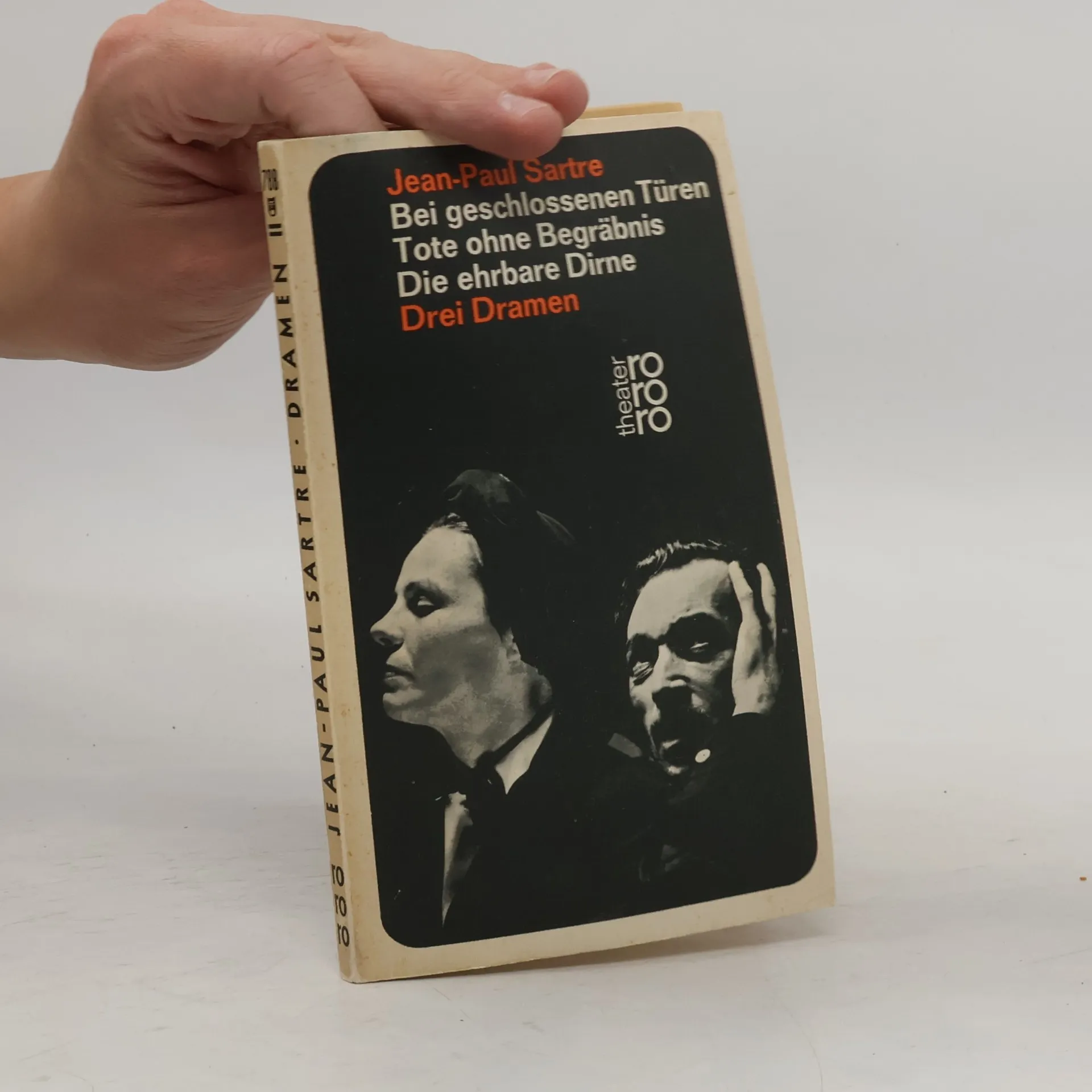
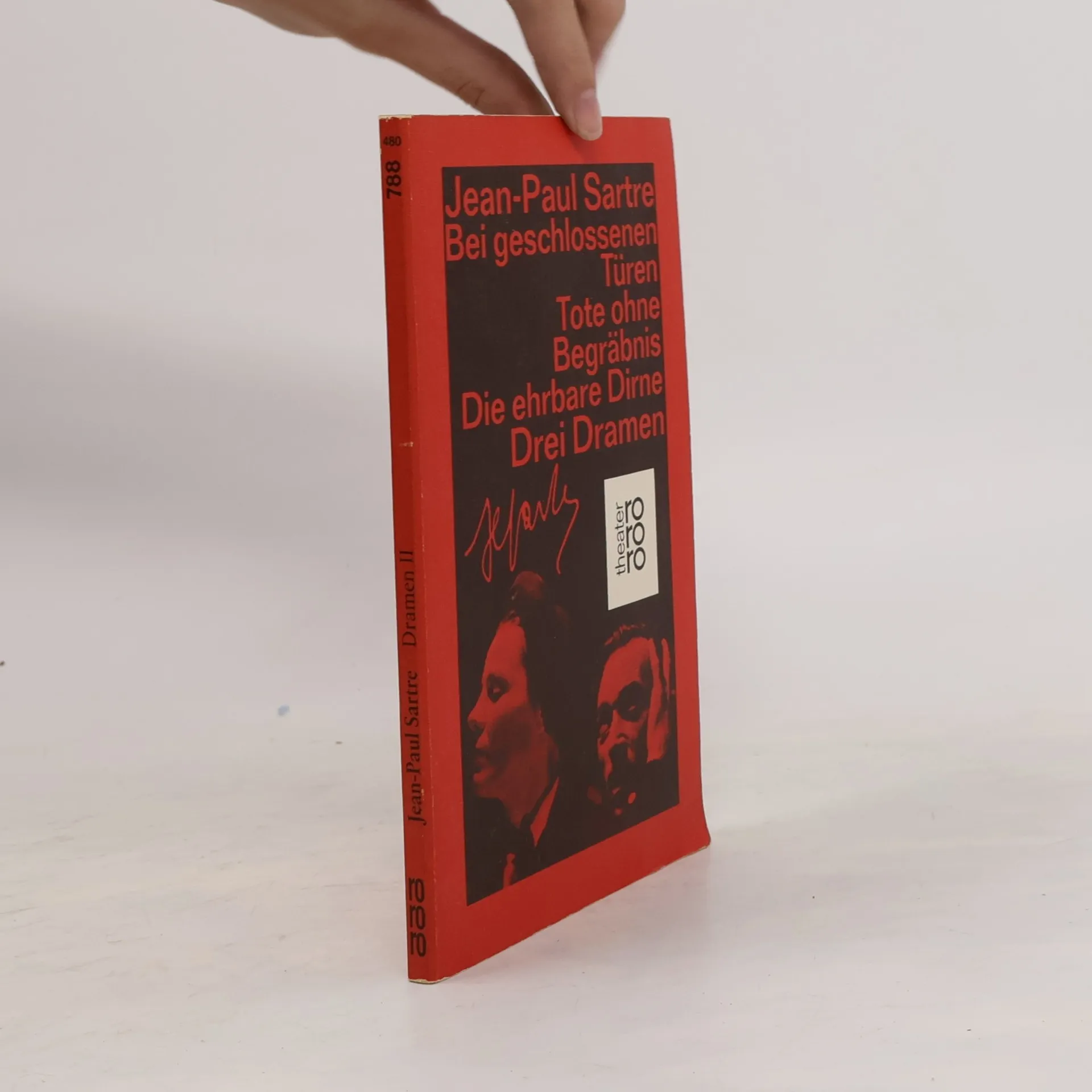
Drei der wichtigsten Stücke des französischen Philosophen und Schriftstellers. «Bei geschlossenen Türen» schildert die Hölle, die ‹die anderen› sind. In dem Empire-Salon eines heruntergekommenen Hotels foltern sich drei Menschen in gegenseitiger Selbstentblößung. «Tote ohne Begräbnis» ist ein Zeugnis politisch engagierten Denkens. Resistance-Kämpfer behaupten Tapferkeit und Würde gegen Folter ud Tod. In die «Die ehrbare Dirne», einem der aufsehenerregensten Stücke der Gegenwart, plädiert Sartre für soziale Gerechtigkeit. Durch Erpressung einer Dirne soll in einer Stadt des amerikanischen Südens die Mordtat eines Senatoren-Neffen einem Farbigen unterstellt werden.
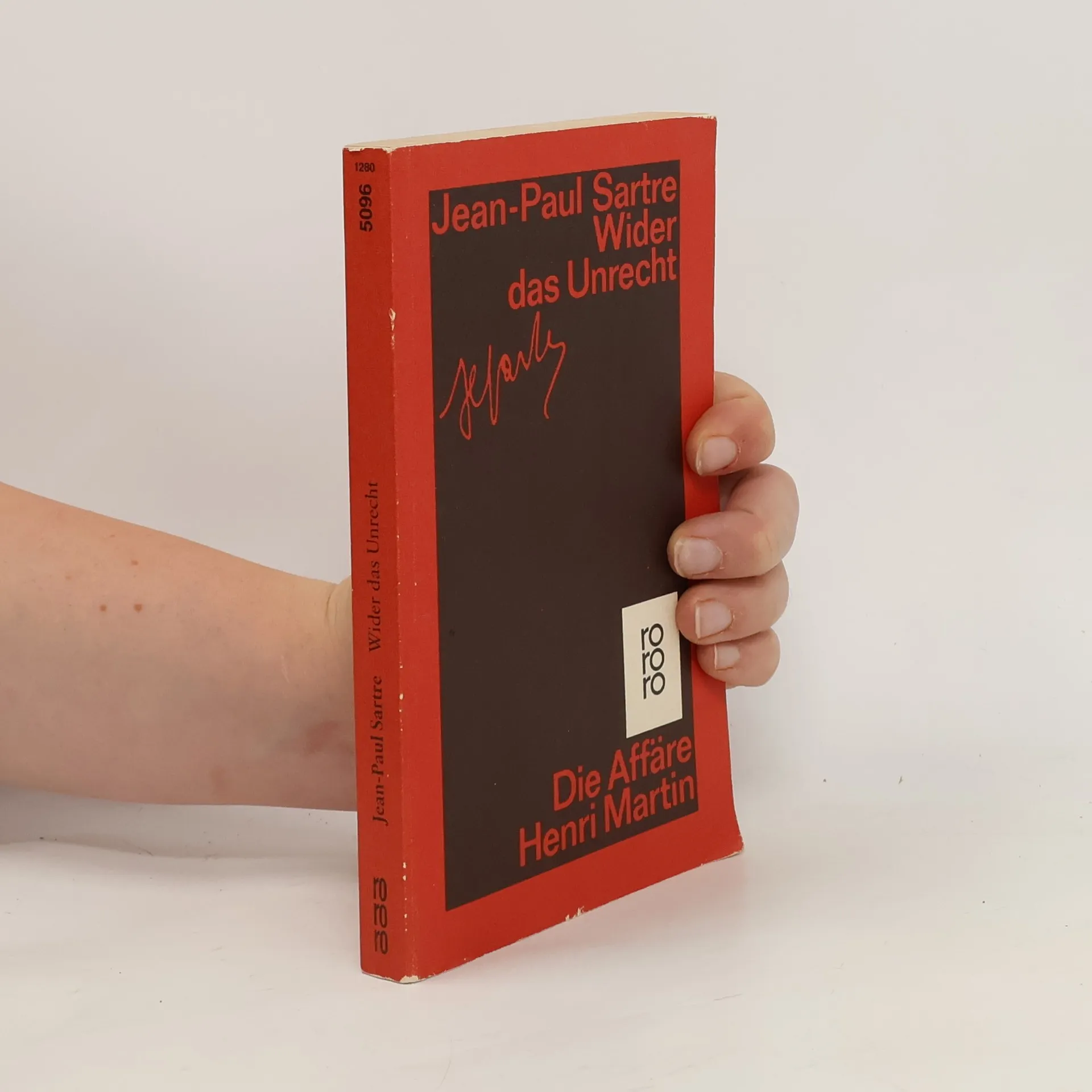
1951 wird der französische Matrose Henri Martin von einem Kriegsgericht zu fünf Jahren Zuchthaus verurteilt, weil er Flugblätter gegen den frazösischen Indochinakrieg verfaßt und verbreitet hatte. Jean-Paul Sartre beteiligt sich an der Kampagne zu seiner Freilassung und veröffentlicht 1953 eine Dokumentation, die er in äußerst brillanter, oft sarkastischer Weise kommentiert. Weit über den zeitgeschichtlichen Informationsweg hinausgehend, ist Sartres Kommentar ein an Karl Kraus erinnerndes Modell für die schonungslose Demaskierung der Verlogenheit eines juristischen Herrschaftsjargons und für ein die öffentliche Meinung aufrüttelndes intellektuelles Engagement, dessen einzige Waffe die verhöhnende Entlarvung offizieller Texte ist.
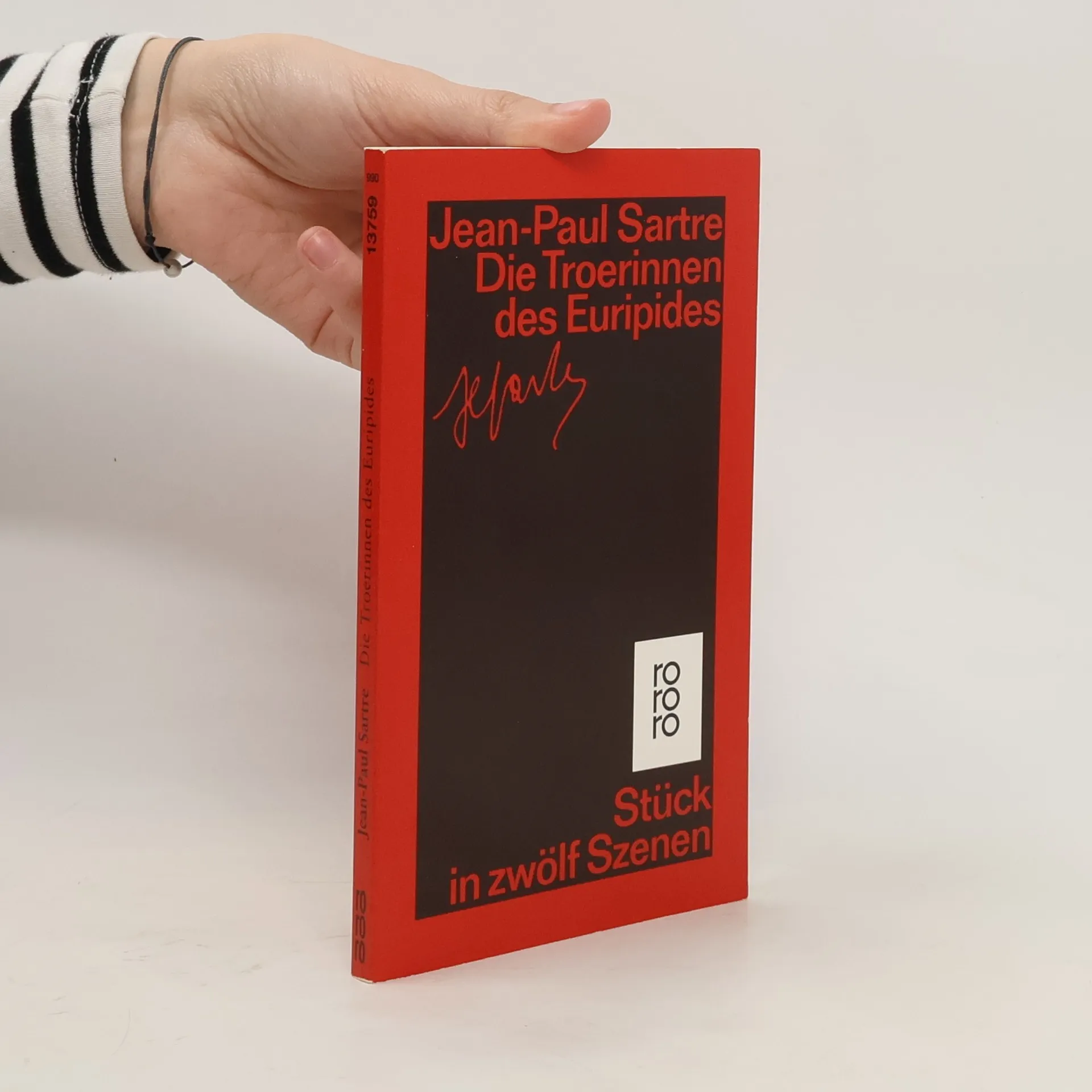
Sartres Stück "Die Troerinnen" ist eine Bearbeitung des antiken Dramas von Euripides: Nach der Zerstörung ihrer Stadt werden die Frauen Trojas von den siegreichen Griechen als Sklavinnen verschleppt. Der Stoff dieser Tragödie ist von zeitloser Aktualität. Sartre hat in einem Interview gesagt, was ihn an der Bearbeitung des antiken Stücks reizte: die Anprangerung des Krieges, die Ironisierung der Götter, die Entlarvung der Gemeinplätze.
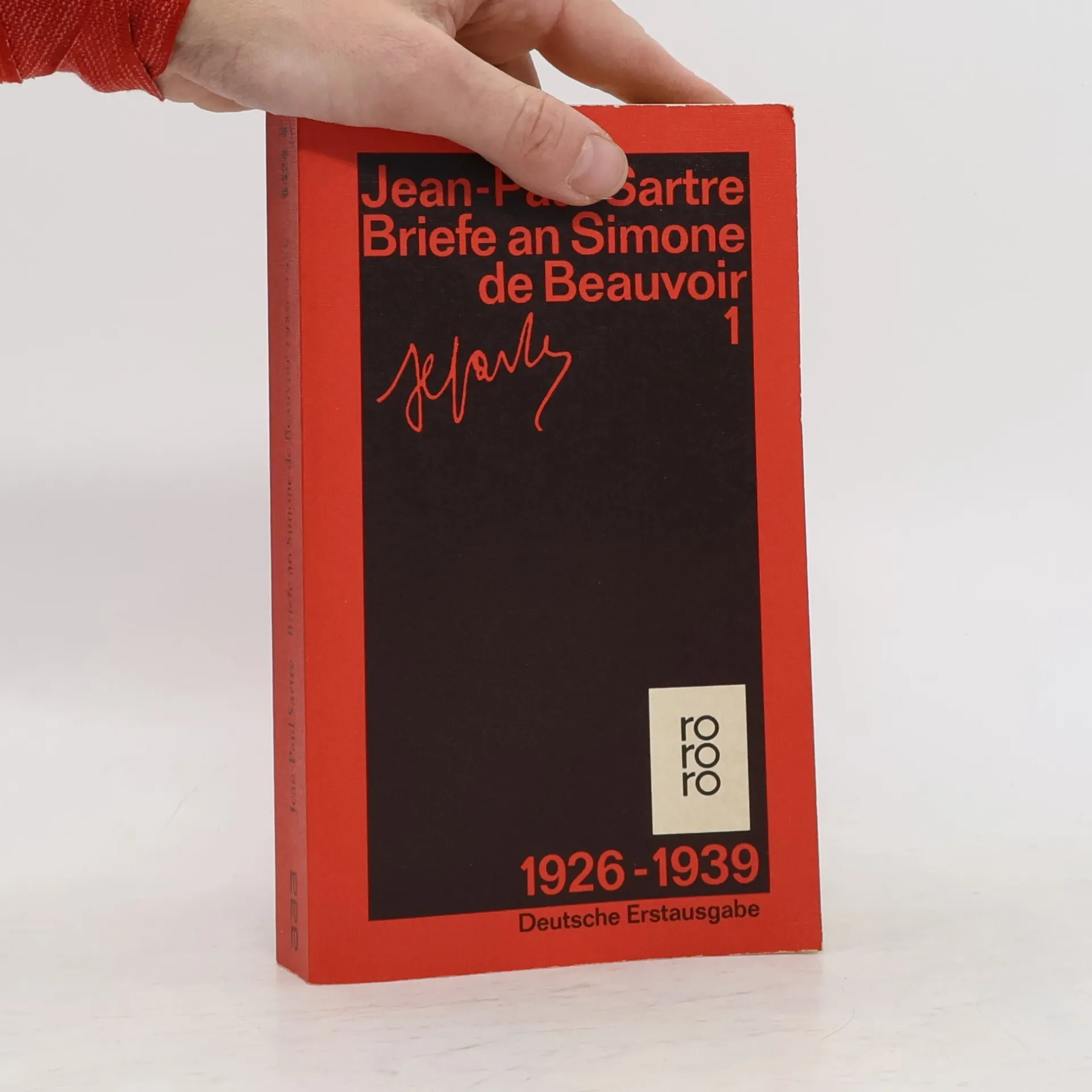
Das Reizvolle und Erstaunliche der Briefe Sartres an Simone de Beauvoir und einige wenige andere ist die schonungslose Offenheit, mit der er sich sieht und selbstironisch schildert. Schon in seinen frühen Briefen kündigt sich die unbestechliche Haltung an, die er zeit seines Lebens gegenüber sich selbst und allen Geschehnissen in der Welt beibehielt, die sein philosophisches Werk und sein politisches Engagement prägte und ihm bei Anhängern und sogar bei Kritikern den Ruf einbrachte, eine Art Weltgewissen zu sein.
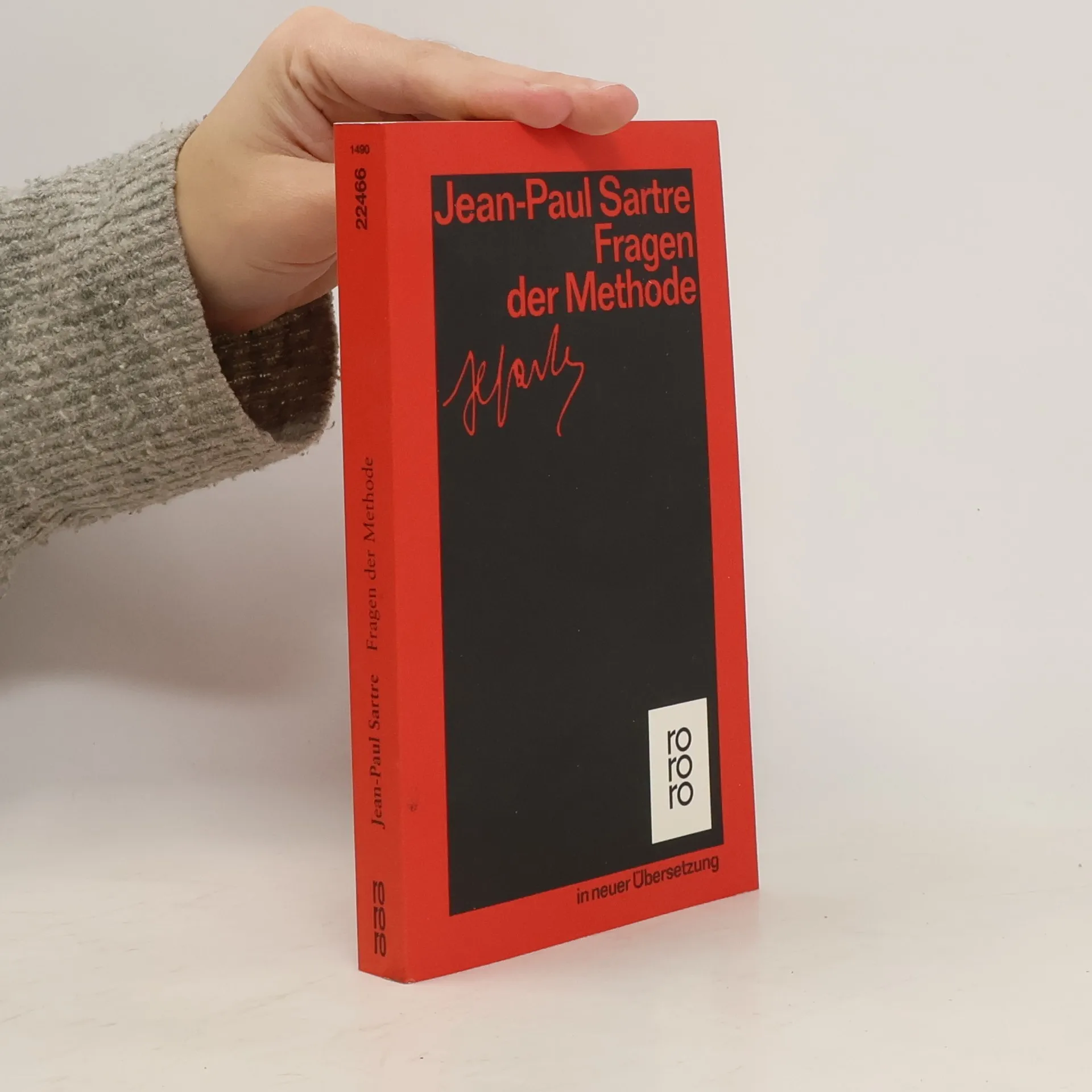
Sartres Schrift Fragen der Methode nimmt eine Schlüsselstellung in seiner philosophischen Entwicklung ein. Sartre kritisiert in diesem Essay den dogmatisch erstarrten Marxismus, reflektiert die Aufgaben der Soziologie und der Psychoanalyse und entwickelt eine progressiv-regressive Methode, die er am Beispiel der Französischen Revolution überprüft. Die Ausgabe wird auf der Grundlage des überarbeiteten französischen Originals in neuer Übersetzung vorgelegt.
1., Der Ekel : Roman 2., Die Wege der Freiheit. - Bd. 1. Zeit der Reife : Roman 3., Die Wege der Freiheit. - Bd. 2. Der Aufschub : Roman 4., Die Wege der Freiheit. - Bd. 3. Der Pfahl im Fleische : Roman
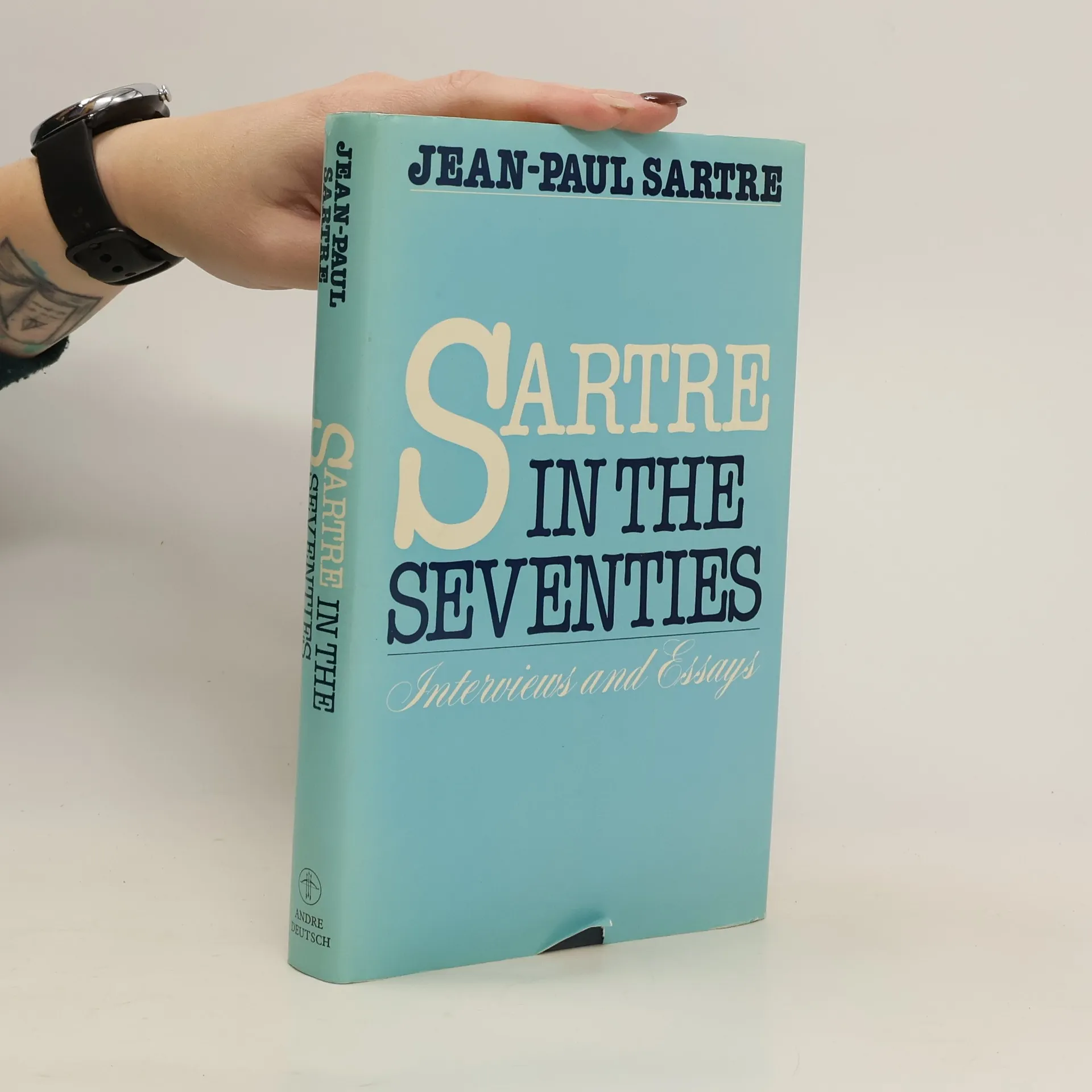
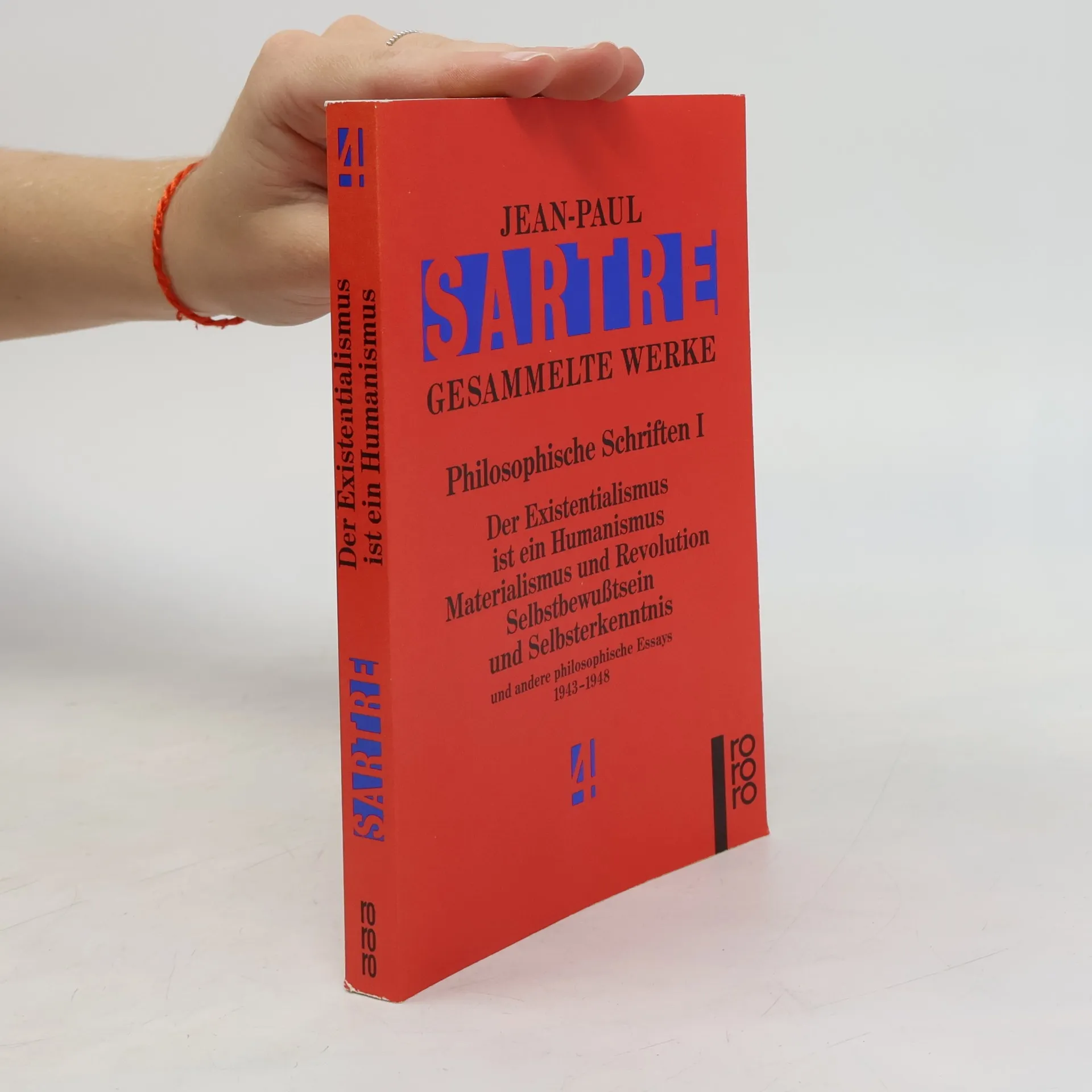
Die Transzendenz des Ego. Das Imaginäre. Das Sein und das Nichts. Der Existenzialismus ist ein Humanismus. Materialismus und Revolution. Selbstbewusstsein und Selbsterkenntnis und andere philosophische Essays
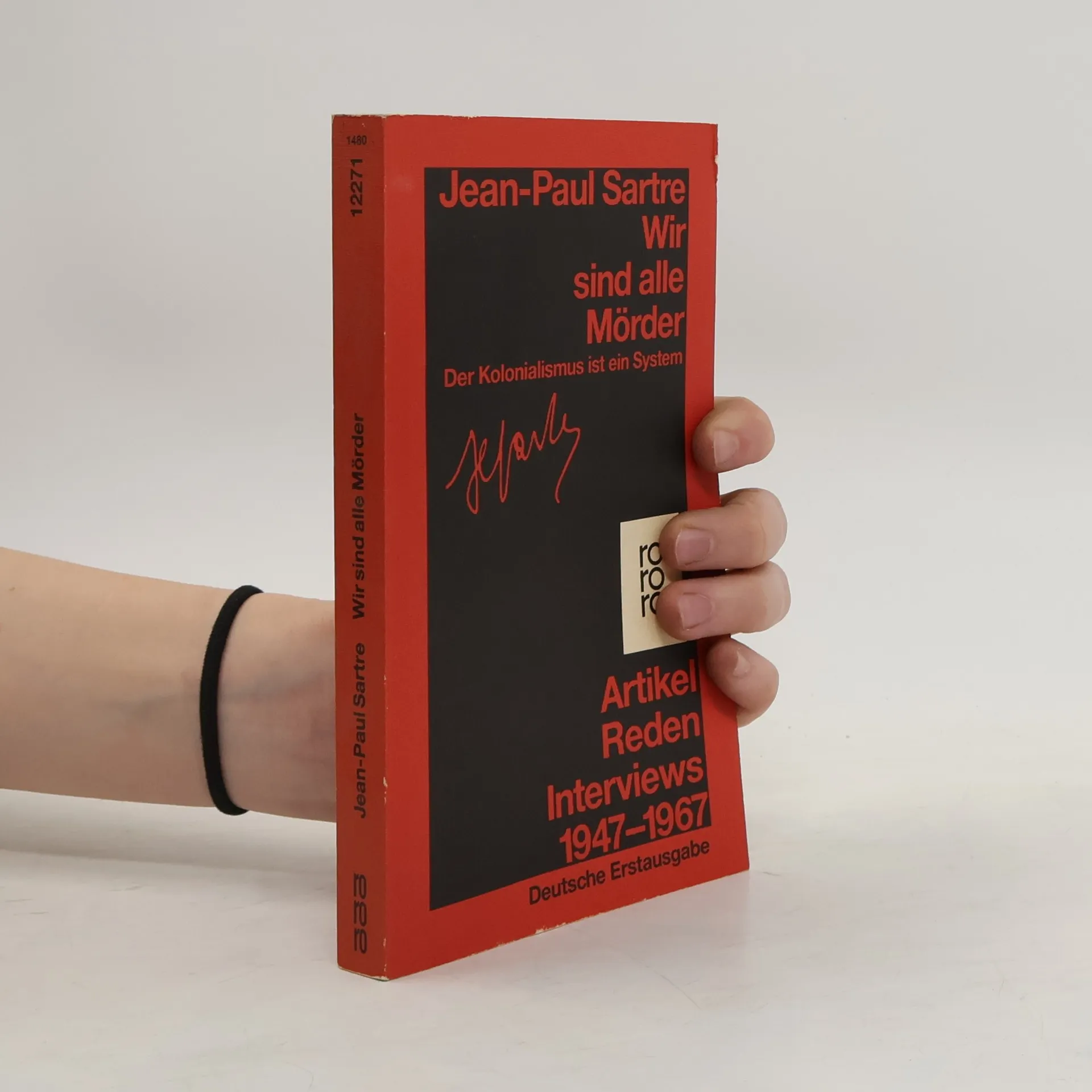
In scharfsinnigen Analysen entlarvte Sartre die Ideologie und das Herrschafts- und Ausbeutungssystem des Kolonialismus und Neokolonialismus als ein System, das in einem bestimmten Moment zwangsläufig zum totalen Krieg der Kolonialmacht gegen die Kolonisierten führt und sich damit selbst zerstört. Der Höhepunkt seines Engagements lag in seinem Protest gegen den Algerienkrieg von 1954 bis 1962; wie viele andere riskierte er dabei Strafverfolgung, ja sogar sein Leben. "Es ist noch nicht lange her, da zählte die Erde zwei Milliarden Einwohner, das heißt 500 Millionen Menschen und eine Milliarde 500 Millionen Eingeborene. Die ersten verfügten über das Wort, die anderen entliehen es. Das war das Goldene Zeitalter. Es ging zu Ende: die Münder öffneten sich allein; die gelben und schwarzen Stimmen sprachen zwar noch von unserem Humanismus, aber nur um uns unsere Unmenschlichkeit vorzuwerfen." (Jean-Paul Sartre)
Im September 1951 fährt Sartre nach Italien, das Land, dem seine besondere Liebe gehört. Auf dieser Reise, die ihn nach Rom, Neapel, Capri und Venedig führt, notiert er seine Reiseeindrücke, Betrachtungen über Menschen und Städte, Malerei und Geschichte. Der fragmentarische Charakter der Aufzeichnungen, aus dem Nachlaß herausgegeben von Arlette Elkaim-Sartre, gehört zum besonderen Reiz ddieser italienischen Impressionen.
Professor an der Schule für dramatische Kunst seines Freundes Charles Dullin in den Jahren 1942-1943, schöpft Sartre aus dem klassischen griechischen Theater und der Ästhetik Hegels seine eigene Vorstellung von einem strengen, moralischen, mythischen Theater, das mit einem Ritual verbunden ist. Sartre schlägt somit ein mythisches Theater vor, das die großen Probleme der zeitgenössischen Epoche transponiert, über die wir nachdenken dürfen, während besondere Umstände und kritische Situationen die Charaktere zu einer existenziellen Wahl zwingen. Dieser moralische, aber nicht moralisierende Inhalt passt zu einer kurzen und gewaltsamen Handlung, einer strengen Inszenierung, einer klaren, spannungsgeladenen, nüchternen Ausdrucksweise, die etwas von der antiken Pracht bewahrt und die Aufführung in eine wahre Zeremonie verwandelt. [...] Die behandelten Probleme betreffen individuelle oder kollektive Schuld. Der Raum ist klaustrophobisch: geschlossene oder belagerte Städte, Hölle, Gefängnisse, Schutzräume, Geiselzimmer.
Tato básnická sbírka vznikala řadu let, její autor i vydavatel byli stíhání za urážku náboženské mravnosti i veřejné morálky, řada básní nesměla být uveřejněna vůbec, nakonec bylo zakázáno knihu vydávat. Kniha obsahuje celkem šest částí, celkem 145 básní. Vůbec nejslavnější a nejrozsáhlejší z nich je 1. oddíl nazvaný Splín a ideál, tyto básně vypovídají o poslání, umění nebo o postavení umělce, hovoří také o ženách, které autor současně miloval i nenáviděl, protože ho přitahovaly i odpuzovaly, tak se v básních střídá milostná touha a krutá bezcitnost.